Complete Nepal Mountain Adventure Guide | 2027–2028 | Explore Holiday Nepal
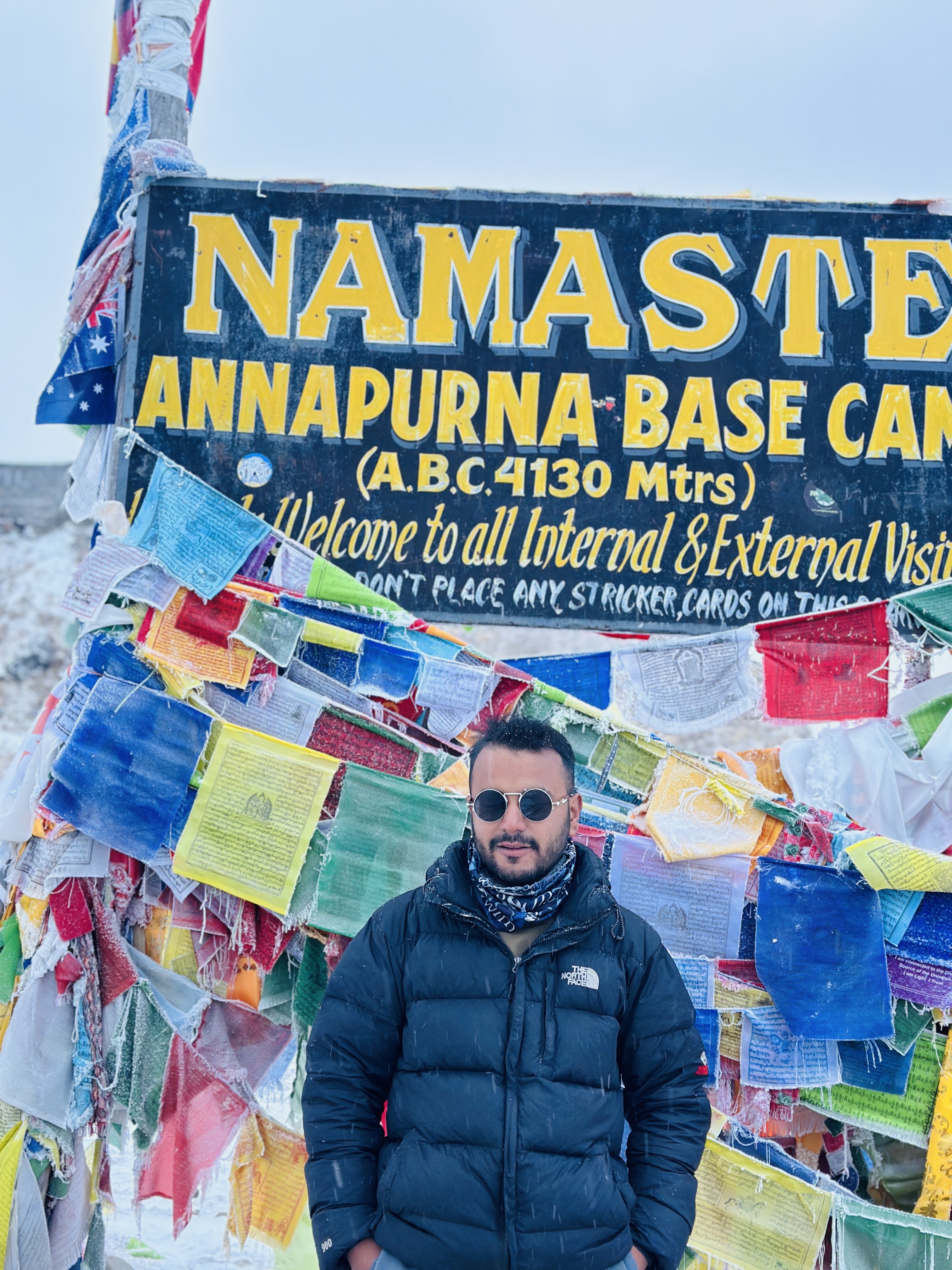
How to Prepare for the Annapurna Base Camp Trek
https://www.exploreholidaynepal.com/trips/annapurna-base-camp-trek
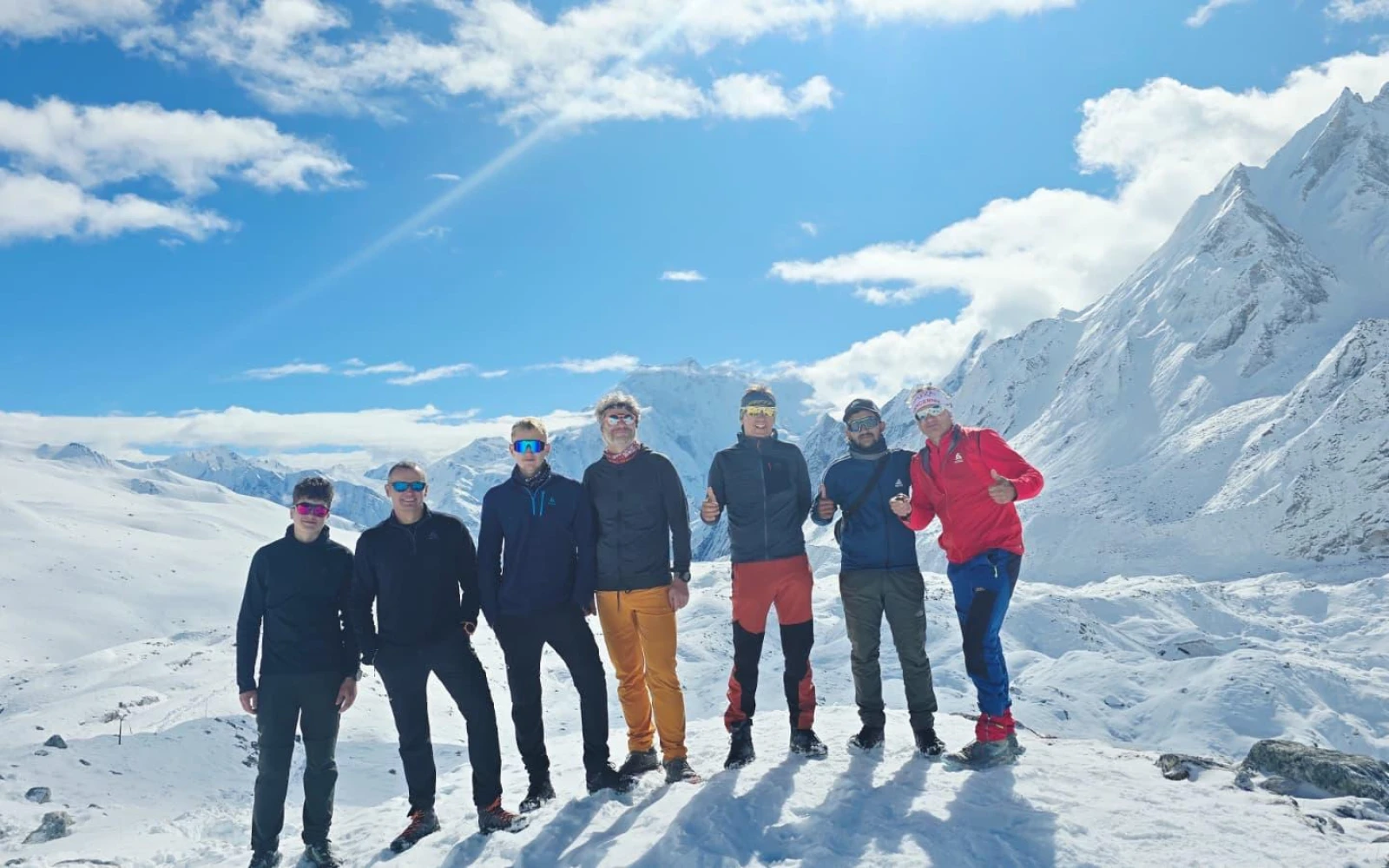
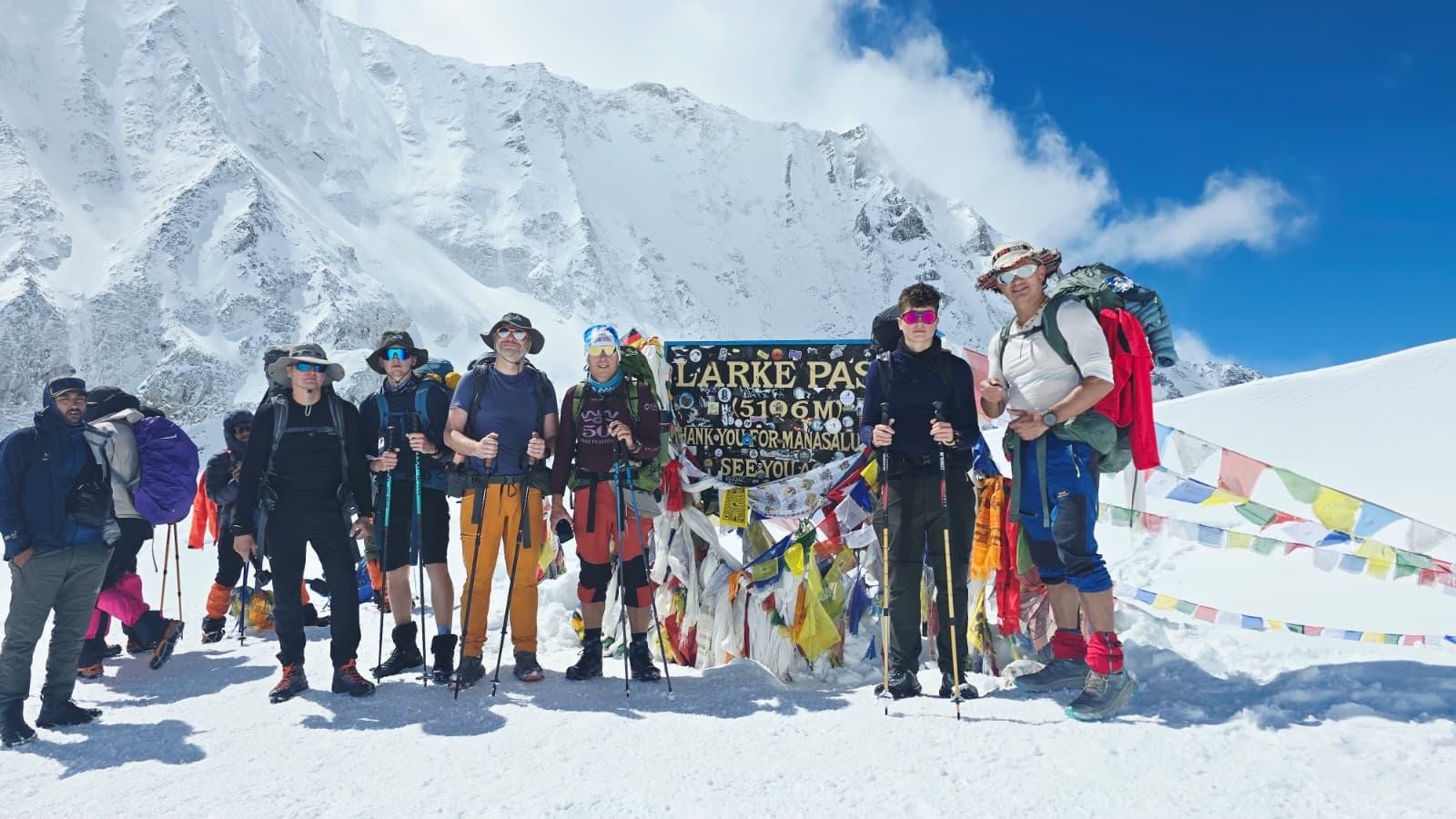
14 Days Manaslu Circuit Trekking With Larke La Pass
https://www.exploreholidaynepal.com/trips/manaslu-circuit-trek
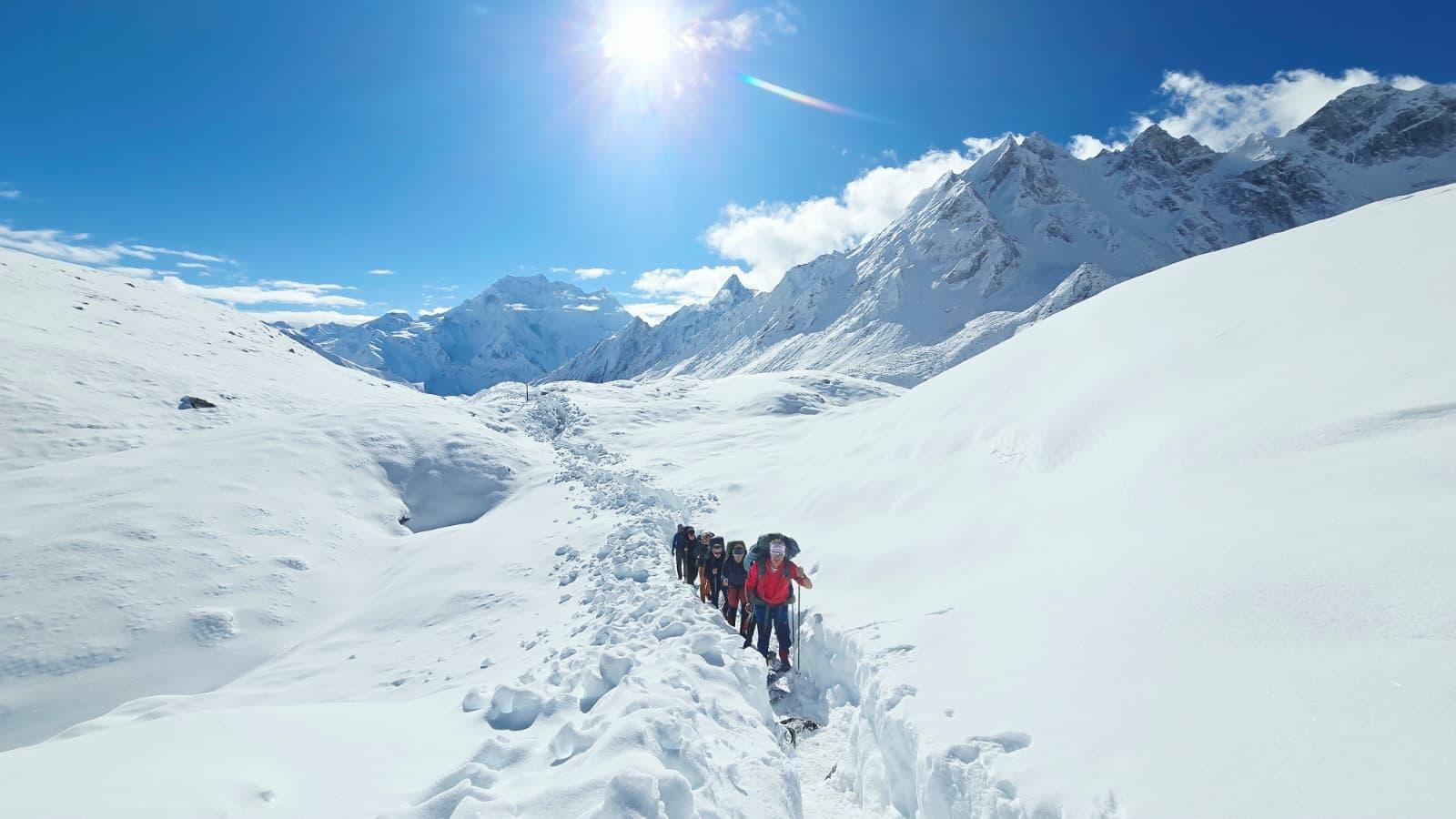
Himalaya mountain ranges in Nepal.
12
Are you dreaming of exploring the world's most beautiful mountains, walking through traditional Himalayan villages, discovering ancient cultures, and experiencing the adventure of a lifetime?
Nepal is one of the best destinations in the world for mountain adventures. Home to Mount Everest, the Annapurna range, Mount Manaslu, Kanchenjunga and hundreds of other Himalayan peaks, Nepal offers incredible opportunities for trekkers, climbers, nature lovers and adventure seekers.
Whether you are planning your first Himalayan trek, an exciting high-altitude adventure, a mountain expedition or a cultural journey, proper preparation is essential.
A successful mountain adventure is not only about choosing a beautiful destination. It also requires physical fitness, appropriate clothing, reliable equipment, travel insurance, necessary permits, experienced guides, suitable accommodation and a realistic budget.
In this complete guide, Explore Holiday Nepal explains how to prepare for a mountain adventure in Nepal in 2027/2028, including the best destinations, trekking duration, equipment, clothing, medications, costs, safety and practical travel advice.
Our goal is to help you organize a safe, comfortable and unforgettable Himalayan experience.
Everest Region trekking, Everest region trekking route, Everest high meters 8848m.
https://www.exploreholidaynepal.com/trips/everest-base-camp-trek
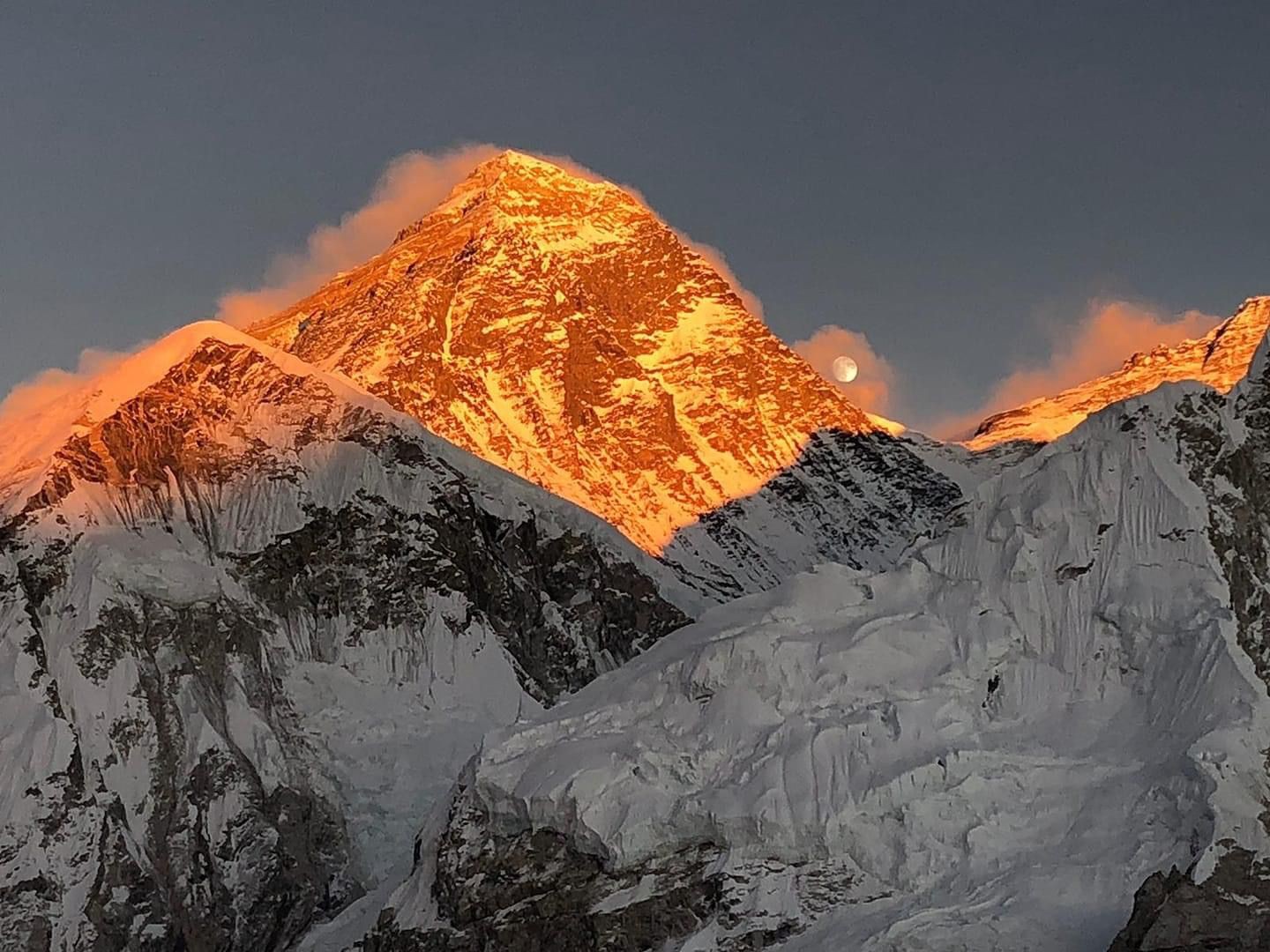
Everest View Trek - Cost, Itinerary & Map | Trekking in Nepal
https://www.exploreholidaynepal.com/trips/everest-view-trek
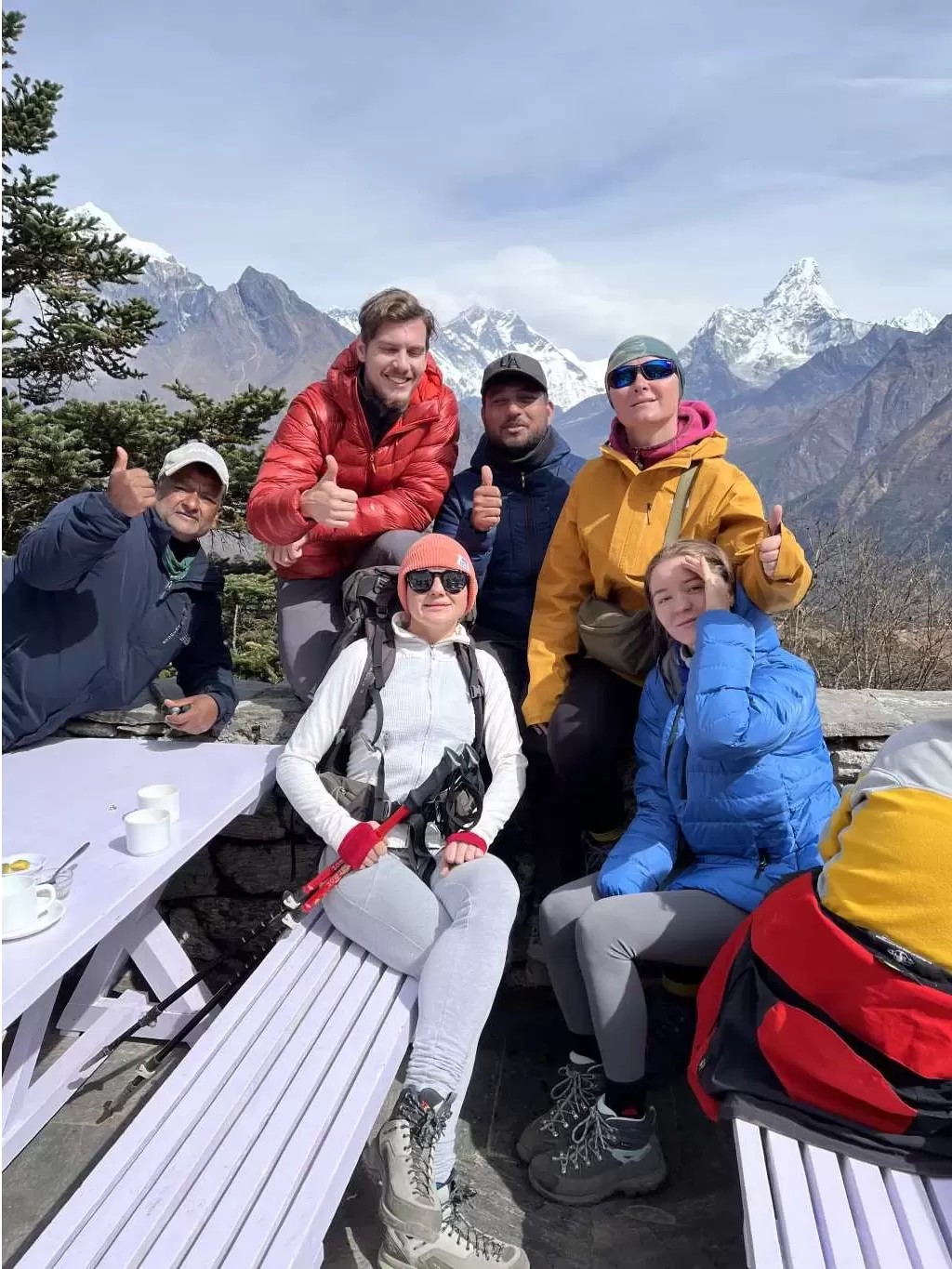
Small Group and Private Trek in Nepal Himalaya with Local Experts
Nepal offers a unique combination of spectacular mountain scenery, cultural experiences, natural beauty and adventure activities.
Here are some reasons why Nepal should be on your mountain adventure list:
Nepal is suitable for different types of travelers, including solo travelers, couples, families, groups of friends and experienced mountaineers.
Choosing the right destination is one of the most important decisions when planning your Himalayan adventure.
Your destination should match your fitness level, available time, budget, interests and previous trekking experience.
Here are some of the best destinations to consider.
Everest Base Camp Trek 2026 | Guided Group Adventure Nepal
1. Everest Base Camp Trek
Best iconic Himalayan adventure
Ideal for travelers dreaming of Mount Everest, Sherpa culture, glaciers and spectacular Himalayan landscapes.
14 Days Manaslu Circuit Trekking With Larke La Pass
2. Manaslu Circuit Trek
Best cultural and remote adventure
Perfect for travelers who want traditional villages, Buddhist monasteries, Tibetan-influenced culture and less-crowded mountain trails.
File:Machhapuchree During ABC Trek.jpg - Wikimedia Commons
3. Annapurna Base Camp Trek
A fantastic choice for first-time Himalayan trekkers who want to experience a spectacular mountain sanctuary.
Panoramic view of Lo Manthang, the capital of Mustang, Nepal Himalaya
4. Upper Mustang Trek
Famous for ancient Tibetan-influenced culture, cave settlements, monasteries, desert landscapes and the walled city of Lo Manthang. It is also an excellent monsoon-season option.
Colorful village of Kyanjin Gompa in Langtang national park in Nepal
5. Langtang Valley Trek
An excellent option for travelers looking for beautiful mountain scenery, Tamang culture, glaciers and a relatively accessible trekking region.
Trekking in Nepal - Mardi Himal base camp trek (Day 01) - Tripoto
6. Mardi Himal Trek
A great short adventure for travelers with limited time who want close-up views of Machhapuchhre and the Annapurna range.
7. Ghorepani Poon Hill Trek
Ideal for beginners, families and travelers who want beautiful sunrise views without committing to a long high-altitude trek.
Which destination should you choose?
| Your travel preference | Recommended destination |
|---|---|
| First Himalayan adventure | Poon Hill or Mardi Himal |
| Iconic mountain experience | Everest Base Camp |
| Culture and remote villages | Manaslu Circuit |
| Short but spectacular trek | Annapurna Base Camp |
| Ancient Tibetan-influenced culture | Upper Mustang |
| Close to Kathmandu | Langtang Valley |
| Short holiday and mountain views | Poon Hill |
Nepal High-Altitude Trek Packing List & Preparation Guide - RavenousLegs
9
Nepal has four main trekking seasons. Each offers a different experience.
Spring is one of the most beautiful times for mountain adventures.
Best destinations: Everest, Annapurna, Manaslu, Langtang and Kanchenjunga.
Best overall trekking season
Autumn is generally considered the best season for trekking in Nepal.
Best destinations: Everest Base Camp, Manaslu Circuit, Annapurna Circuit, Langtang and Upper Mustang.
Winter is suitable for lower-altitude adventures and selected trekking routes.
Best destinations: Poon Hill, lower Annapurna routes, Kathmandu valley hikes and selected Mardi Himal itineraries.
High passes can become dangerous or inaccessible during heavy snowfall.
Monsoon brings heavy rainfall to many parts of Nepal.
However, Upper Mustang and some other rain-shadow areas can be suitable during this season.
Our recommendation: For most first-time visitors, plan your Nepal mountain adventure for October–November 2027 or March–April 2028.
The number of days depends on the destination, walking distance, altitude, acclimatization requirements and your overall travel plans.
Remember that your total holiday should include international arrival, Kathmandu preparations, transportation, trekking, return travel and departure.
| Adventure | Trekking duration | Suggested total holiday |
|---|---|---|
| Poon Hill | 3–5 days | 6–8 days |
| Mardi Himal | 5–7 days | 8–11 days |
| Annapurna Base Camp | 7–12 days | 10–15 days |
| Langtang Valley | 7–10 days | 10–13 days |
| Upper Mustang | 10–14 days | 14–18 days |
| Everest Base Camp | 12–16 days | 16–20 days |
| Manaslu Circuit | 14–18 days | 18–22 days |
| Kanchenjunga | 18–25+ days | 23–30+ days |
These are planning ranges, not fixed itineraries. Weather, transportation, route conditions and acclimatization can change the schedule.
Important: Never shorten an itinerary simply to save time if it compromises acclimatization or safety.
A Complete Information Guide for First-Time Travelers in Nepal
Organizing a successful mountain adventure requires careful planning. Here is a practical process to follow.
Step 1: Decide your destination
Choose a route according to your experience, fitness, available holiday and budget.
Step 2: Select your travel dates
Check the trekking season, weather conditions, flight availability and local festivals.
Step 3: Choose a reliable trekking company
A professional trekking company can organize:
Step 4: Prepare your physical fitness
Start training approximately 8–12 weeks before departure.
Step 5: Arrange your travel documents
Check your passport validity, Nepal visa requirements, travel insurance and trekking permits.
Step 6: Purchase or rent trekking equipment
Prepare appropriate clothes, footwear, sleeping equipment and personal essentials.
Step 7: Arrange travel insurance
Make sure your insurance covers trekking at your intended maximum altitude and emergency helicopter evacuation where required.
Step 8: Confirm your itinerary and budget
Ask your trekking company for a clear written breakdown of included and excluded services.
Step 9: Arrive in Kathmandu with some flexibility
Allow time for equipment checks, briefings, permits and possible transportation delays.
Step 10: Enjoy your adventure responsibly
Follow your guide's advice, respect local communities and prioritize safety throughout your journey.
How to Train for High Altitude Hiking | Beginner Guide | ExplorOFF
Bergwandelen: hoe fit moet je zijn?
11
You do not need to be a professional athlete to enjoy trekking in Nepal. However, you should develop sufficient stamina, strength and endurance.
A regular training routine can make a major difference to your comfort.
| Exercise | Recommended frequency |
|---|---|
| Walking or hiking | 4–5 days per week |
| Stair climbing | 2–3 days per week |
| Cycling | 2 days per week |
| Squats and lunges | 2–3 days per week |
| Core exercises | 2–3 days per week |
| Longer weekend hikes | Once per week |
Start slowly and gradually increase the duration and difficulty.
During your preparation, walk with a backpack weighing approximately 5–8 kg, gradually increasing the load if comfortable.
This helps your shoulders, back and legs adjust to carrying equipment.
Walking uphill, cycling, swimming and jogging can help improve your endurance.
Try building up to 4–6 hours of walking on selected training days before a longer trek.
Remember: Good physical fitness helps you manage the journey, but it does not prevent altitude sickness. Even very fit people can experience altitude-related problems.
Layering for Hiking 101: How to Dress for Changing Weather on the Trail - Trekking Wild
Choosing the right clothing is extremely important. Mountain weather can change quickly, and temperatures may vary significantly between daytime and nighttime.
The best strategy is to use a layering system.
This is the clothing worn directly against your skin.
Avoid cotton as your primary base layer because it retains moisture and dries slowly.
This layer keeps your body warm.
This layer protects you against wind, rain and snow.
0 of 15 packed
Reset
2–3 quick-dry T-shirts
2 thermal base-layer tops
1–2 thermal trousers
1 fleece jacket
1 warm down or insulated jacket
1 waterproof and windproof jacket
1 pair waterproof trousers
2 pairs trekking trousers
4–5 pairs trekking socks
Warm hat and sun hat
Neck warmer or buff
Warm gloves and waterproof gloves
Comfortable underwear
Lightweight camp clothes
Gaiters for suitable routes and conditions
The exact quantity depends on trek duration, laundry access, season and personal preference.
The Ultimate Packing List: Things to Carry on a Himalayan Trek
Manaslu Circuit Trek Packing List 2025: Your Ultimate Gear & Essentials Guide
Camping equipment and trekking gear isolated
13
Proper equipment makes your journey safer and more comfortable.
| Equipment | Purpose |
|---|---|
| Trekking backpack (25–35 L) | Carry daily essentials |
| Duffel bag (approximately 70–90 L) | Main luggage carried by porter where arranged |
| Trekking boots | Foot protection and ankle support |
| Trekking poles | Balance and support on steep terrain |
| Sleeping bag | Warmth during cold nights |
| Headlamp | Nighttime visibility |
| Sunglasses | UV and snow protection |
| Water bottles | Drinking water |
| Water purification tablets or filter | Additional water treatment |
| Sunscreen SPF 30–50+ | Sun protection |
| Lip balm | Protect lips from dryness |
| Power bank | Charging electronic devices |
| Rain cover | Protect your backpack |
| Personal toiletries | Daily hygiene |
Your trekking boots should be comfortable, durable and properly fitted.
Before departure:
Never begin a long Himalayan trek with brand-new, untested boots.
No. You can bring your personal essentials and rent selected equipment in Kathmandu or Pokhara.
Sleeping bags, down jackets, trekking poles and some other equipment may be available for rental.
This can help reduce the overall cost of your trip.
Annapurna Circuit Trek Equipment Checklist | Essential Packing Guide
Health preparation is an essential part of mountain travel.
Medical facilities are limited in many remote trekking areas, so carrying a personal medical kit is advisable.
High-altitude sickness is one of the most important health risks during Himalayan trekking.
Some common symptoms include:
Acetazolamide (Diamox) is sometimes prescribed to help prevent or manage acute mountain sickness. However, it is not suitable for everyone and should only be used following medical advice.
Important altitude safety rules:
Never rely on medication as a substitute for a safe itinerary.
CDC Yellow Book™+2
Before traveling, consult a travel medicine professional about vaccinations, prescription medicines and any medical conditions that may affect your trek.
Everest Base Camp Trek with Helicopter Return | Luxury Trek in Nepal
The cost of a Himalayan adventure depends on your destination, trip duration, accommodation, transportation, guide and porter services, permits and group size.
Nepal offers options for different budgets, from simple teahouse trekking to comfortable private guided adventures.
The following are indicative planning estimates in US dollars per person for 2027/2028. They are not confirmed future quotations; actual prices will depend on route, group size, season and services.
| Trekking destination | Estimated package cost |
|---|---|
| Poon Hill | $400–$800 |
| Mardi Himal | $500–$900 |
| Langtang Valley | $650–$1,100 |
| Annapurna Base Camp | $700–$1,200 |
| Upper Mustang | $1,500–$2,500 |
| Everest Base Camp | $1,300–$2,200 |
| Manaslu Circuit | $1,200–$2,000 |
| Kanchenjunga | $2,000–$3,500+ |
Estimates are for guided trekking arrangements, not international flights. The precise inclusions, permit costs, transport and accommodation standards must be confirmed before booking. Expedition climbing budgets are substantially higher.
A well-organized guided trekking package may include:
| Expense | Indicative budget |
|---|---|
| Nepal visa | Depends on nationality and visa duration |
| Travel insurance | Depends on coverage and duration |
| Equipment rental | $30–$120 |
| Personal snacks and drinks | $5–$15 per trekking day |
| Tips | At your discretion |
| Personal miscellaneous expenses | $100–$250 |
These amounts are planning allowances rather than fixed market prices.
Our advice: A reliable trekking company, experienced guide and well-planned itinerary are more important than choosing the cheapest package.
Nepal Trekking Permits 2026: TIMS, Fees and How | The Everest Holiday
Before starting your mountain adventure, you must arrange the necessary travel documents and trekking permits.
Requirements depend on your destination and nationality.
Some remote trekking destinations require special permits and arrangements.
Examples include:
These routes may require a registered trekking agency, a licensed guide, special permit arrangements and compliance with minimum group requirements.
Permit fees and regulations can change, so your trekking agency should verify the official requirements for your exact departure date.
For more information, visit the Department of Immigration Nepal and Nepal Tourism Board.
Everest Summit Lodge Pangboche | View Lodge on Trail
Annapurna Base Camp Trek Food & Accommodation: Honest 2026 Guide
12
Accommodation and food are important parts of the Himalayan experience.
Most popular trekking destinations offer teahouses, guesthouses and mountain lodges.
Basic teahouses
Comfortable mountain lodges
Camping accommodation
Some remote trekking routes and expeditions may require camping, depending on the itinerary and available infrastructure.
What Food to Expect on the Everest Base Camp Trek: A Complete Guide
The Dharamshala–McLeod Ganj Tibetan food trail | NakshIQ
Food and Drinks on the Annapurna Base Camp Trek: ABC Trek Meal Guide
9
Most teahouses offer a variety of local and international meals.
Popular options include:
Dal Bhat is a popular choice among trekkers because it provides carbohydrates, protein and energy for long walking days.
Vegetarian, vegan and other dietary requirements can often be accommodated, although food choices become more limited in remote villages.
Travel insurance is one of the most important preparations for a Himalayan adventure.
Mountain trekking involves risks such as altitude sickness, injuries, unexpected weather conditions and transportation delays.
A suitable insurance policy should cover:
Very important: Do not assume that ordinary travel insurance covers high-altitude trekking or helicopter rescue. Read the policy carefully and confirm the exact altitude limit and activities covered.
In remote Himalayan areas, helicopter evacuation can be expensive. Appropriate insurance can help protect you from unexpected financial costs.
CDC+1
How Local Guides Improve Your Trekking Experience in Nepal
Your safety should always be the first priority.
The Himalayas are beautiful but unpredictable. Weather, altitude, terrain and remote locations can create challenges even for experienced trekkers.
Follow these important safety recommendations:
1. Choose an experienced local guide
A knowledgeable local guide understands the route, weather, altitude, culture and available facilities.
2. Walk at your own pace
Do not compete with other trekkers. Maintain a comfortable walking speed.
3. Follow acclimatization schedules
Rest days are essential, particularly on high-altitude routes.
4. Drink enough safe water
Maintain hydration and use properly treated drinking water.
5. Check weather conditions
Mountain weather can change rapidly. Follow local guidance before crossing high passes.
6. Carry essential equipment
Never underestimate cold temperatures, rain, strong winds or UV exposure.
7. Avoid walking alone in remote areas
Stay with your trekking group and inform your guide before making any changes to your route.
8. Respect your body's warning signs
Headache, nausea, dizziness and unusual tiredness should never be ignored at altitude.
9. Keep emergency contacts available
Your guide and trekking company should have a communication and emergency response plan.
10. Respect nature and local communities
Carry your waste, avoid disturbing wildlife and follow local cultural customs.
Not every mountain adventure requires technical climbing experience.
Understanding the difference helps you choose the right activity.
Hiker on the trek in Himalayas, Khumbu valley, Nepal
Mountain trekking
Walking along established mountain trails, visiting villages, forests, valleys and viewpoints.
Examples: Poon Hill, Langtang and Everest Base Camp.
Island Peak Climbing: Where Trekkers Become Mountaineers | Kami Rita Sherpa
Peak climbing
Involves climbing designated trekking peaks, sometimes requiring crampons, ice axes, ropes and technical instruction.
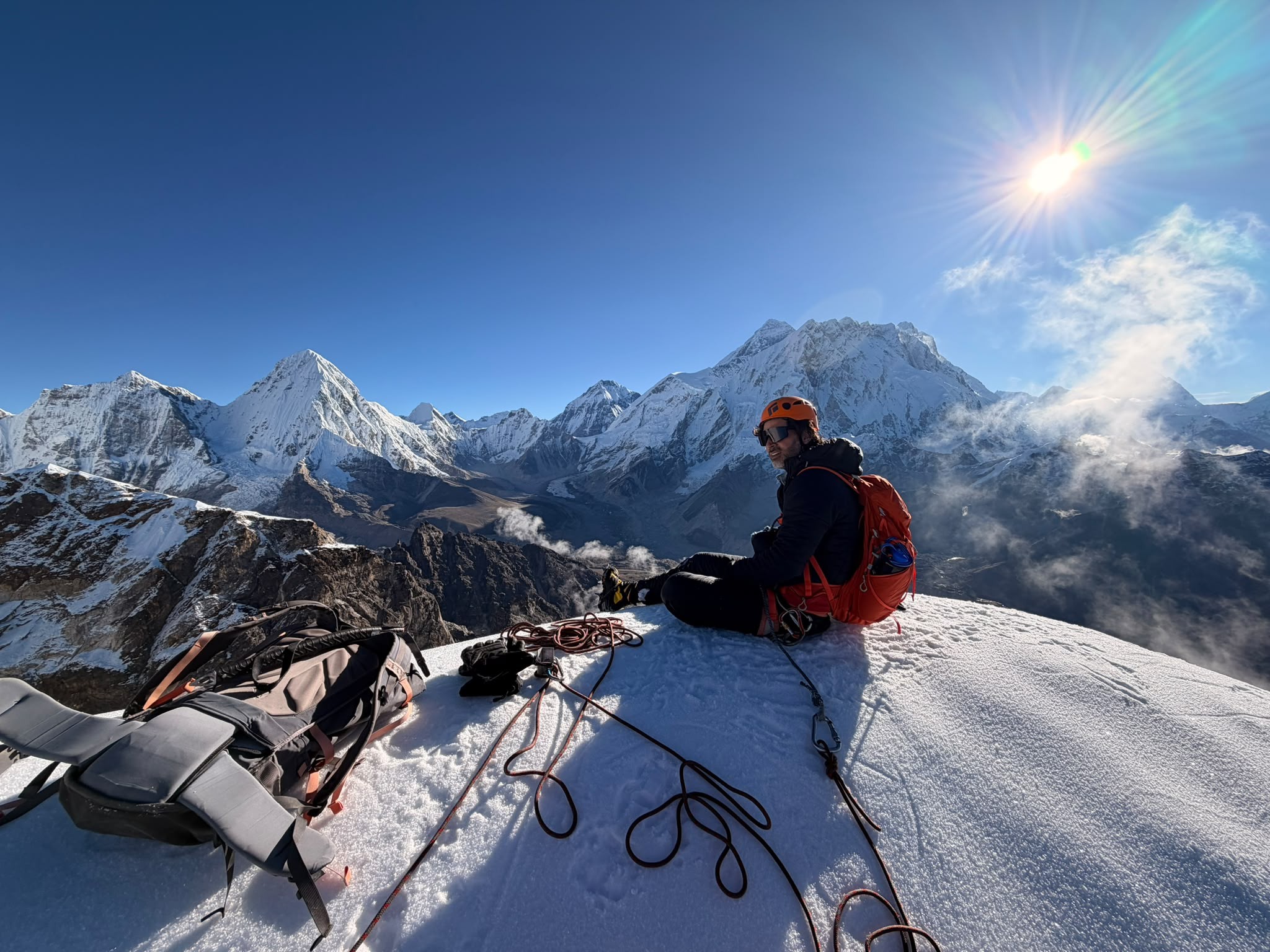
Examples: Island Peak, Mera Peak and Lobuche East.
Elite Exped Opens First 8,000m Summit of the 2026 Season on Annapurna I
High-altitude mountaineering
More demanding expeditions involving specialized technical skills, advanced equipment, expedition logistics and extensive experience.
Examples: Mount Everest, Manaslu and Annapurna I expeditions.
If you are a beginner, we recommend starting with a trekking destination that matches your fitness and experience before attempting technical climbing.
Tipping your Guide and Porter While Trekking in Nepal-Tips
Choosing the right trekking company can make a significant difference to your overall mountain experience.
A good company should offer more than transportation and accommodation. It should provide professional guidance, reliable communication, safety planning and genuine local knowledge.
Before booking, consider the following:
Discover Nepal: Manaslu Circuit Trekking Adventure - SeaIsle News
Explore Holiday Nepal is a locally operated Nepal adventure travel company focused on delivering safe, comfortable, reliable and memorable travel experiences.
Our approach is based on local expertise, personal service and understanding what travelers really need.
We believe every traveler deserves a well-organized adventure, whether they are visiting Nepal for the first time or returning to explore another Himalayan destination.
What makes our approach different?
Our goal is simple: to help you discover the real Himalayas through local knowledge, genuine hospitality and responsible adventure tourism.
Planning early gives you more flexibility and allows you to prepare properly.
| Preparation period | What you should do |
|---|---|
| 6–12 months before | Research destinations and choose your route |
| 4–6 months before | Contact trekking companies and confirm your itinerary |
| 3–4 months before | Arrange international flights and travel insurance |
| 2–3 months before | Begin or increase physical training |
| 1–2 months before | Purchase clothing and equipment |
| 2–4 weeks before | Confirm permits, documents and arrangements |
| 1 week before | Check weather, luggage and travel documents |
| Arrival in Nepal | Meet your guide and complete final preparations |
For popular autumn departures, especially October and November, early booking is recommended.
Poon Hill is an excellent choice for beginners because it offers beautiful mountain views, relatively lower elevations and a shorter itinerary. Mardi Himal and Annapurna Base Camp are also options for people with suitable fitness.
A short mountain adventure can take 3–5 days. Most popular Himalayan treks require 7–18 trekking days. Including international arrival, preparation and departure, plan approximately 10–22 days depending on the destination.
October and November are excellent months for clear mountain views. March, April and May are also popular because of warmer weather and beautiful spring landscapes.
Yes. Beginners can complete Everest Base Camp if they have adequate physical preparation, a suitable itinerary, sufficient acclimatization days and professional support. Previous trekking experience is helpful but not always essential.
Depending on the route, a guided trekking package may cost approximately $400–$2,500 or more per person. International flights, insurance, personal expenses and equipment may be additional.
Many popular trekking routes in Nepal are subject to guide and permit requirements. Restricted areas have additional requirements. Check the current regulations before traveling and arrange your trek through an appropriately registered company.
Comfortable, properly fitted hiking or trekking boots with good grip and support are recommended. Waterproof footwear can be useful, depending on the route and season.
Yes. Kathmandu and Pokhara have shops offering trekking equipment rentals, including sleeping bags, down jackets, trekking poles and other essentials.
Yes. Altitude sickness can become life-threatening if ignored. Gradual ascent, acclimatization, early recognition of symptoms and immediate descent when necessary are essential.
No. Most trekking routes do not require technical climbing experience. However, technical peak climbing and mountaineering require additional training and equipment.
Rules vary by trekking region. Many designated routes require foreign trekkers to use licensed guides and agency arrangements. Restricted-area trekking has stricter group requirements.
Nepal is an established adventure destination, but mountain conditions are unpredictable. Choose suitable routes, check current conditions, travel with qualified professionals and maintain adequate insurance.
Bring layered clothing, waterproof protection, trekking boots, a sleeping bag suitable for the expected temperature, a backpack, personal medication, a first-aid kit, water bottles and sun protection. Your guide or trekking company can provide a destination-specific packing list.
Yes. Many trekking companies, including Explore Holiday Nepal, can arrange private or group itineraries according to your interests, budget, fitness level and available time.
Absolutely. You can combine your mountain adventure with Kathmandu sightseeing, Pokhara, Chitwan National Park, Lumbini and other cultural destinations.
Nepal Trekking with Local Guide 2026 | EBC, Annapurna & Manaslu Trek — USA, UK, Hong Kong, Korea
Adventure Pilgrims Trekking - All You SHOULD Know Before Going (2026 Reviews)
Dhulikhel – Namobuddha – Panauti One-Day Tour - Nepal Tour Holiday Adventure
12
A mountain adventure is more than reaching a destination. It is about discovering new cultures, meeting local people, challenging yourself, enjoying beautiful landscapes and creating unforgettable memories.
Nepal offers something special for every traveler. Whether you dream of reaching Everest Base Camp, crossing the spectacular Larkya La Pass, discovering the ancient culture of Upper Mustang or enjoying a peaceful walk through the Annapurna foothills, there is a Himalayan adventure waiting for you.
The secret to a successful trip is preparation. Choose the right destination, prepare your body, bring suitable equipment, understand the altitude, arrange proper insurance and travel with experienced local professionals.
Start planning your Nepal mountain adventure for 2027/2028 today. Let Explore Holiday Nepal help you experience the Himalayas safely, comfortably and confidently.
Private Manaslu Trek 15 Days Cost, Difficulty, Itinerary
Your Local Expert for Himalayan Adventures
We organize customized trekking, mountain adventures, cultural tours, peak climbing and holiday packages throughout Nepal.
+977-9849816310
Thamel, Kathmandu, Nepal
Our promise: Local expertise, safety-focused service, comfortable travel, reasonable prices and customized itineraries.
Explore More. Experience More. Discover the Himalayas with Explore Holiday Nepal.

Nepal, a landlocked gem nestled in the lap of the majestic Himalayas, is a paradise for travelers seeking a harmonious blend of nature, culture, and spirituality. In this comprehensive guide, we will embark on a detailed exploration of the mesmerizing tour places that make Nepal a unique and captivating destination.

Mount Everest, standing at 8,848 meters (29,029 feet), is not only the highest peak in the world but also a symbol of adventure and perseverance. Located in the Mahalangur Himal sub-range of the Himalayas, it draws climbers and trekkers from around the globe, inspiring awe with its sheer magnitude and beauty.
Mount Everest, standing at a towering 29,032 feet (8,848.86 meters) above sea level, is the world’s highest mountain. Located in the majestic Himalayas, it sits on the border between Nepal and the Tibet Autonomous Region of China. Its summit marks the dividing line between the two countries, making it a significant geographical landmark. While the peak is easily accessible from Nepal’s side, the southern approach from the town of Lukla is the most commonly used route for trekkers and mountaineers aiming to summit Everest. The north route from Tibet also presents a challenging climb but requires special permits and has become increasingly popular in recent years.
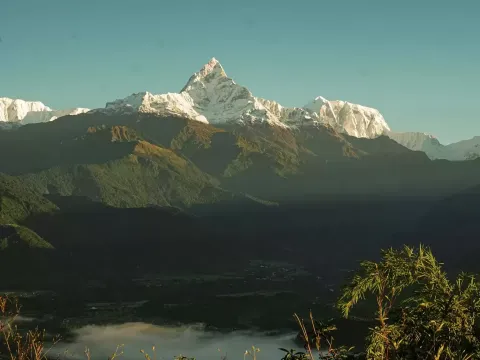
The Annapurna Circuit Trek is one of the most popular and rewarding trekking routes in Nepal, offering trekkers a stunning variety of landscapes, rich cultural experiences, and panoramic mountain views. This trek takes you through subtropical forests, alpine meadows, and high-altitude deserts, with views of some of the highest peaks in the world, including Annapurna I, Annapurna II, Dhaulagiri, and Machapuchare.

The Everest Base Camp Trek, offered by Explore Holiday Treks, is a thrilling adventure that attracts travelers from all corners of the globe. Reaching an impressive altitude of approximately 5,644 meters (18,267 feet), this trek brings you closer to the majestic peaks of the Himalayas.
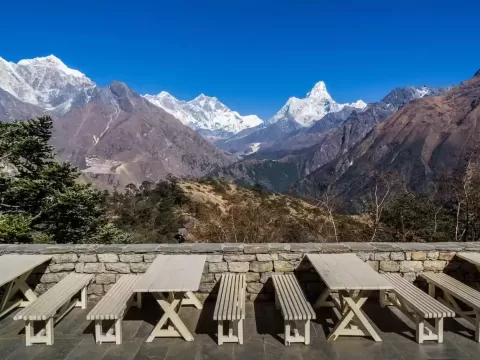
Accommodation during the Everest Base Camp Trek is a crucial aspect of the experience, as it shapes the comfort and convenience of trekkers along the challenging route. The trek involves staying in remote mountain villages, and while basic, the accommodation options are well-established. The majority of trekkers stay in teahouses, which are family-run guesthouses offering basic facilities.
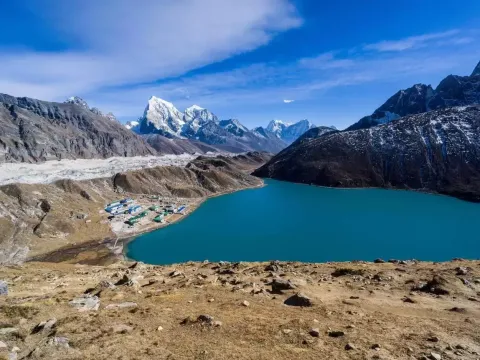
Nepal offers some of the most incredible trekking destinations in the world, and two of the most popular treks are the Gokyo Lake Trek and the Tilicho Lake Trek. Both routes provide breathtaking views of the Himalayas and unique cultural experiences, but each has its own set of features that may appeal to different types of trekkers.

When preparing for the Everest Base Camp trek with Explore Holiday Treks, one of the key considerations is understanding the availability of shower and laundry services along the way. As the trek takes you through remote villages and high-altitude terrain, amenities like showers and laundry are far from luxurious.

Sleeping at Everest Base Sleeping at Everest Base Camp (EBC) offers an unmatched adventure for trekkers and mountaineers alike. It’s more than just reaching a destination—it's about the experience, the journey, and the connection with one of the most iconic places on Earth.
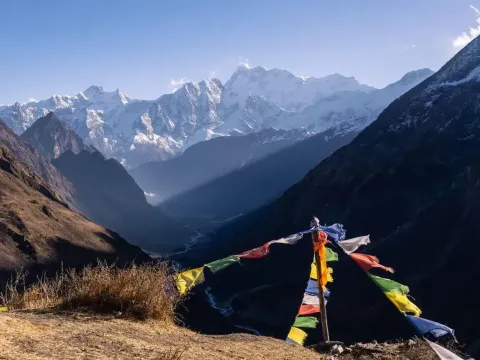
The Manaslu Circuit Trek is one of Nepal’s most breathtaking and off-the-beaten-path treks, offering stunning views, diverse landscapes, and a rich cultural experience. While it is often considered an expensive trek due to its restricted area permit
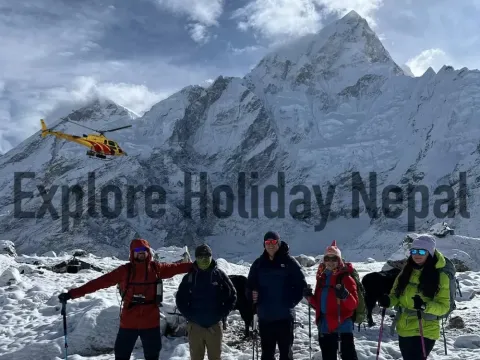
Nepal is a dream destination for trekkers, and for those who wish to combine the thrill of adventure with comfort and luxury, there are a variety of exceptional luxury trekking experiences available. Explore Holiday Nepal offers premier luxury treks, carefully
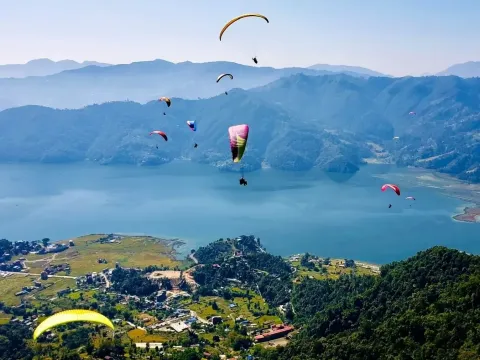
Nepal, a land of timeless beauty, is poised to offer travelers an even richer and more immersive experience in 2025 and 2026. With increased focus on sustainable tourism, better infrastructure, and a revived cultural spirit post-pandemic,
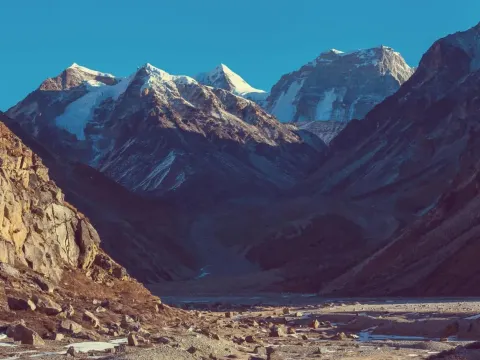
The Kanchenjunga Circuit Trek is one of Nepal’s most remote and spectacular trekking adventures, offering an unparalleled experience for true adventurers. Nestled in the eastern Himalayas, this trail takes you through pristine landscapes, rugged terrain, and culturally rich villages
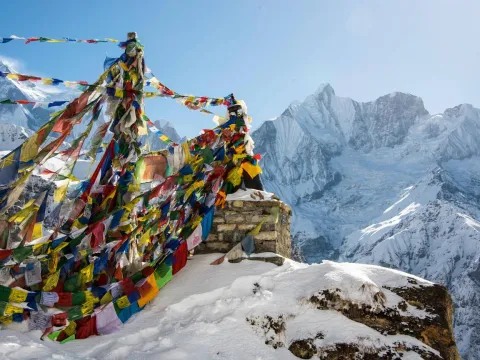
Annapurna is one of the most iconic and majestic mountain ranges in the world, renowned not only for its sheer height but also for its challenging climbs and breathtaking beauty. The Annapurna Massif, which is part of the larger Himalayan mountain range,
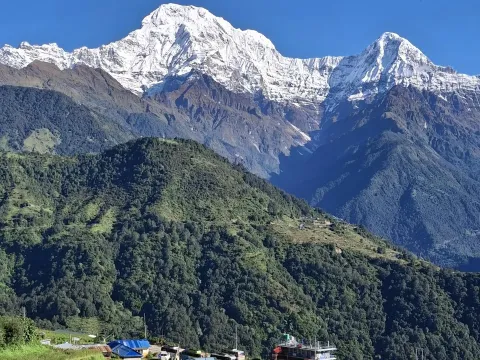
The Annapurna Base Camp (ABC) Trek and the Annapurna Circuit Trek are two of Nepal’s most iconic Himalayan adventures—but they offer very different experiences in terms of duration, difficulty, altitude, and scenery.
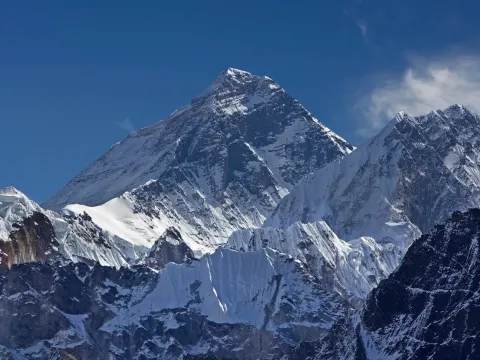
Nepal is renowned worldwide as the ultimate destination for mountain lovers and adventure seekers, boasting some of the highest and most spectacular peaks on the planet. The country’s rugged terrain is dominated by the Himalayas, which stretch
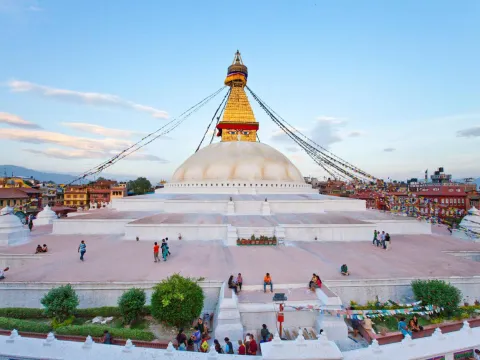
Kathmandu Valley is truly a marvel nestled in the heart of Nepal, renowned for its extraordinary cultural richness and historical depth. This valley, home to Nepal’s capital city, Kathmandu, is not just an urban hub but a living museum that encapsulates centuries of art, architecture, and spirituality.
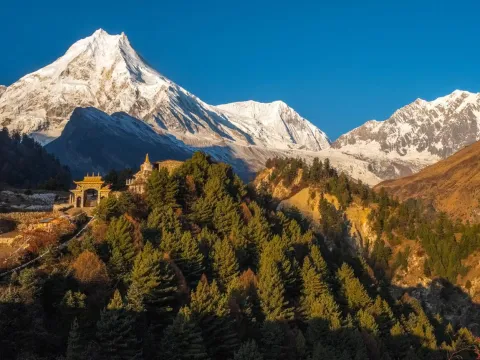
The Manaslu Circuit Trek is one of Nepal’s most stunning and culturally rich trekking routes, offering a unique combination of remote wilderness, high-altitude adventure, and immersive cultural experiences. Despite being less crowded than the Annapurna and Everest regions,
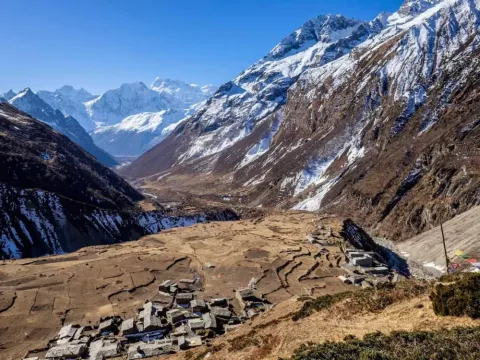
The Manaslu Circuit Trek is one of Nepal's most spectacular and rewarding trekking experiences, yet it remains less crowded than Everest or Annapurna. This trek is a remote and physically demanding journey that takes you around the world's eighth highest mountain, Mount Manaslu (8,163 meters).
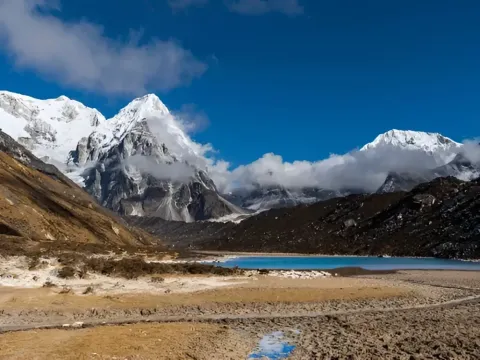
Kanchenjunga, the third-highest mountain in the world at 8,586 meters, lies in the far-eastern corner of Nepal, bordering Sikkim, India. Unlike the more commercialized Everest or Annapurna regions, the Kanchenjunga Region Trekking experience offers untouched natural beauty, remote villages, and pristine Himalayan wilderness.
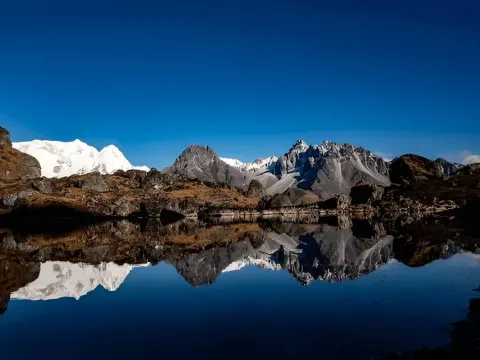
The Kanchenjunga Circuit Trek is one of Nepal’s most extraordinary and lesser-explored trekking routes. Situated in the far eastern region of Nepal, it offers an immersive experience through remote mountain villages, pristine forests, and spectacular mountain vistas
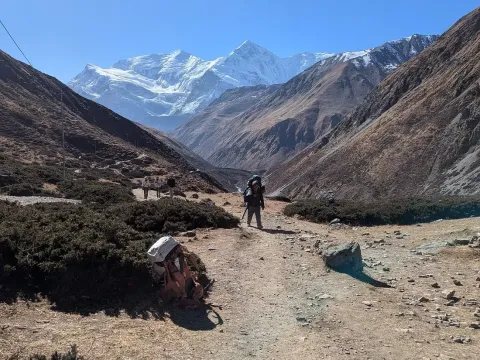
Nepal, home to some of the world’s most breathtaking mountain landscapes, offers a variety of trekking experiences, but none quite compare to the grandeur of the Manaslu and Annapurna Circuits. Both treks are iconic in their own right, drawing adventurers from around the globe. However, they differ significantly in terms of scenery, difficulty, cultural experiences, and remoteness.
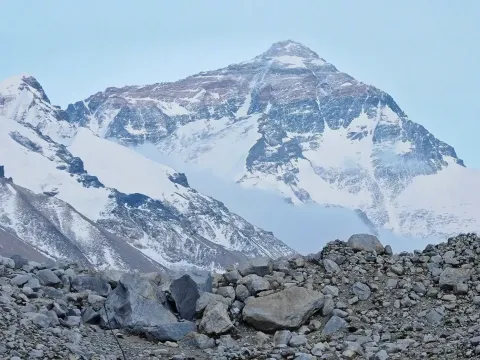
There's a dirty secret on the world's highest mountain that nobody talks about—tons of human waste frozen in place, threatening water supplies for entire communities. Nepal's cracking down with strict new rules, but the real solution starts with responsible trekkers. Find out what's really happening at Everest Base Camp.
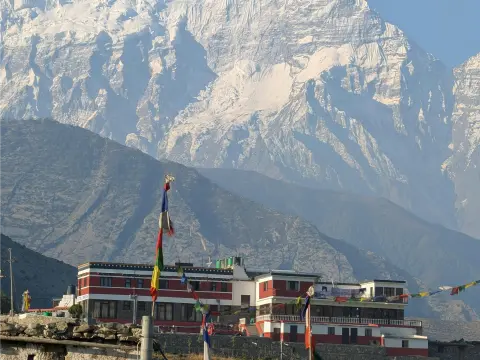
Beyond the trekking trails and mountain peaks lies another Nepal—one of prayer bells, butter lamps, and timeless wisdom. Journey through famous monasteries like Tengboche and Kopan, witness the authentic daily life of Buddhist monks, and discover why thousands of spiritual seekers find transformation in these sacred Himalayan sanctuaries.
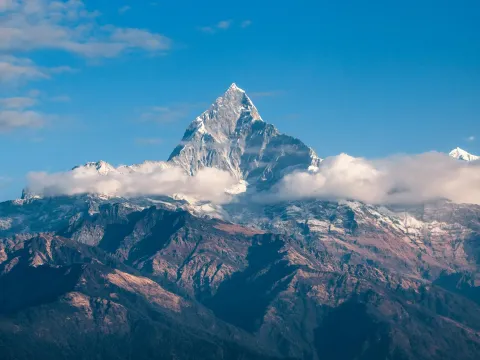
I'm going to be blunt: altitude sickness doesn't care if you're fit, young, or have trekked before. I've seen marathon runners struggling at Namche Bazaar while 60-year-olds cruise to Everest Base Camp. I've watched cocky 25-year-olds need helicopter evacuation while cautious first-timers make it without issues. After organizing 300+ high-altitude treks and dealing with countless altitude sickness cases (from mild headaches to life-threatening emergencies), here's everything you actually need to know. No medical jargon. No sugar-coating. Just the real information that might save your trek—or your life.
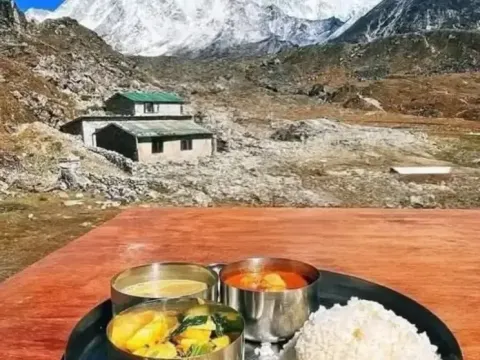
I'll be honest—when my guide Pasang first told me "dal bhat power 24 hour" on day two of my Annapurna Base Camp trek, I thought he was joking. I'd just finished my first proper serving of this Nepali staple, and while it filled me up, I couldn't understand the near-religious devotion trekkers and locals had for what looked like a simple plate of rice and soup.Three weeks and probably forty servings later, I got it. And now I'm one of those people who actually craves dal bhat when I'm back home dealing with altitude of exactly zero meters. Let me tell you why this unassuming meal has become the stuff of legend on Nepal's trekking trails.
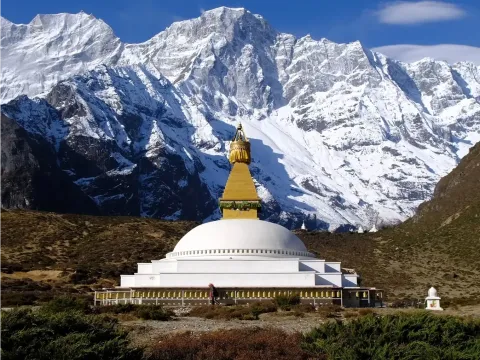
My phone alarm shattered the silence at 3:17 AM in Gorak Shep. Not the planned 3:00 AM—I'd already hit snooze twice. Outside my teahouse window, headlamps bobbed like fireflies in the darkness. Other trekkers were already heading toward Everest Base Camp, and I was still buried under three blankets in a room that felt like a walk-in freezer.
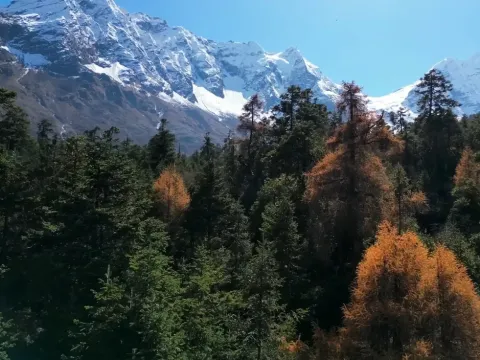
Karma Sherpa's teahouse in Samagaon used to get its first snowfall by mid-October. Every single year since he opened the lodge in 1993, he could count on it. Last year, the snow came in December. This year—on January 3rd when I sat across from him drinking butter tea—the ground outside was still brown and exposed.
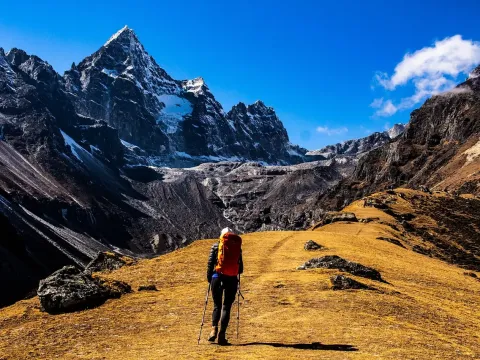
The mountain air feels different when you breathe it alone. There's a clarity, a sense of possibility that expands with each step up the trail. For women who dream of trekking Nepal's iconic routes, the question isn't whether they should go solo—it's how to do it with confidence, safety, and genuine cultural connection.
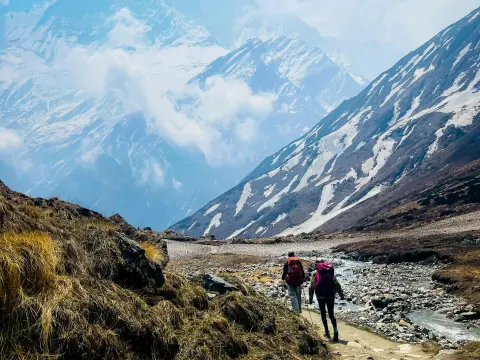
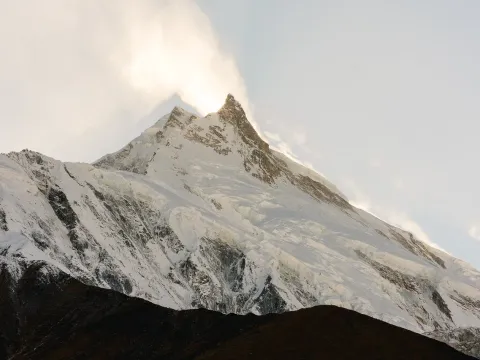
How difficult is Manaslu Trek — that is the one question every trekker asks before committing to Nepal's most rewarding restricted circuit. The Manaslu Circuit Trek wraps entirely around Mt. Manaslu, the world's eighth-highest peak at 8,163 m, crossing the legendary Larkya La Pass at 5,160 m through raw, uncommercialised Himalayan wilderness. The Manaslu Trek difficulty is real
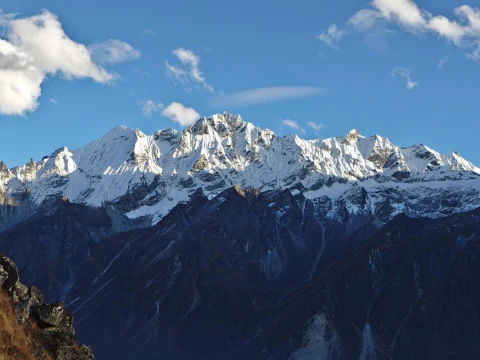
The Langtang Valley Trek is one of Nepal’s most accessible yet breathtaking Himalayan adventures. Starting from Kathmandu, this trek takes you through lush forests, traditional villages, glacial streams, and the high Himalayan peaks of the Langtang range. The valley is known for its pristine natural beauty, rich Tamang culture
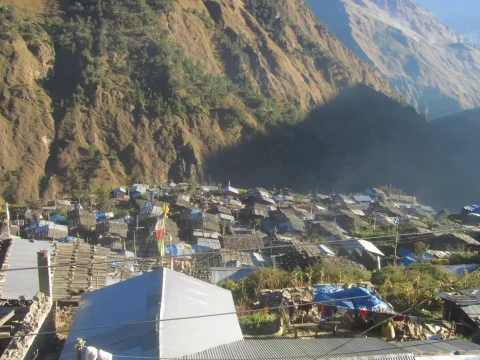
The Panchase Trek 2026: Stunning Views, Peaceful Trails is a perfect blend of serene nature, panoramic mountain views, and cultural immersion. Nestled in the Annapurna and Dhaulagiri regions of Nepal, this trek offers a quieter alternative to the more popular trekking routes while still showcasing breathtaking vistas of the Himalayas.
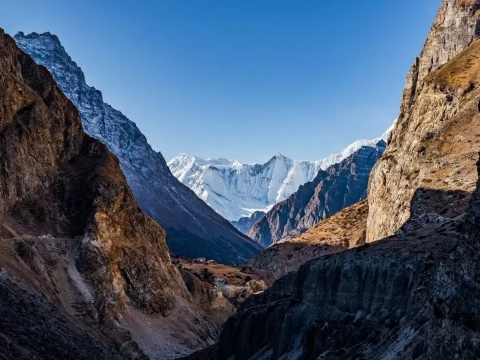
The Nar Phu Valley trek is a remote and less-traveled extension of the Annapurna Circuit, offering trekkers a rare glimpse into untouched Himalayan landscapes. Nestled in the northern part of the Annapurna region, this valley combines high-altitude adventure with authentic cultural experiences. Unlike the more frequented Annapurna trails, Nar
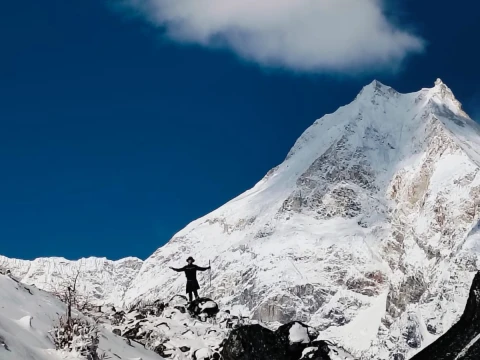
The Manaslu Circuit Trek is one of Nepal’s most breathtaking and less crowded trekking adventures. Circling the majestic Mount Manaslu (8,163m), this trek offers a perfect combination of raw Himalayan beauty, authentic culture, and thrilling high-altitude adventure.
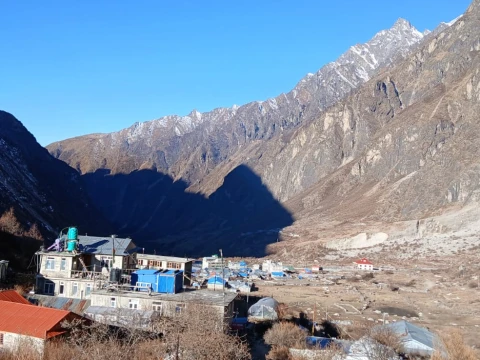
Why Choose Kanchenjunga Trek?
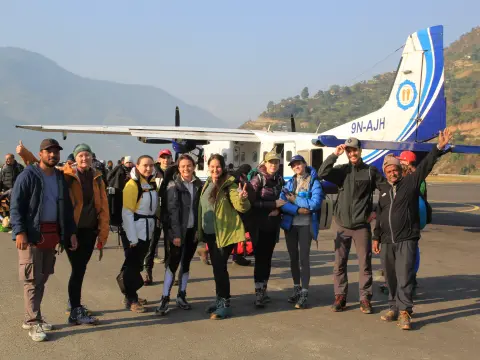
Why Nepal is Still a Safe Travel Destination Geographic Isolation from Conflict
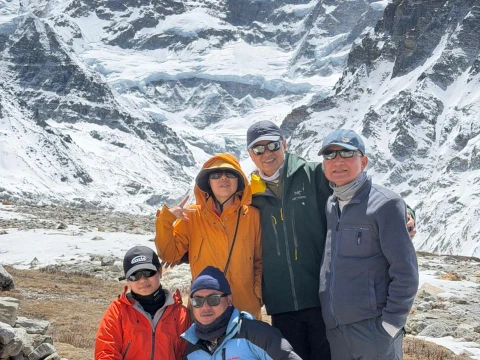
Top 10 Trekking Destinations in Nepal (2026/2027 Guide)
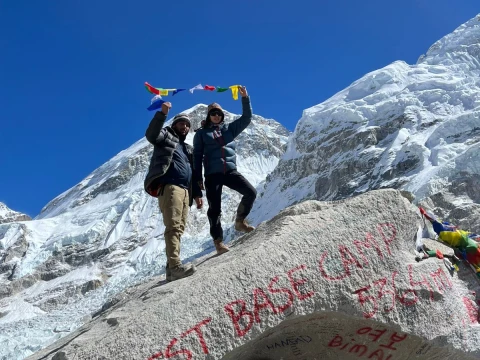
Why Choose Everest Base Camp Trek in 2026/2027?
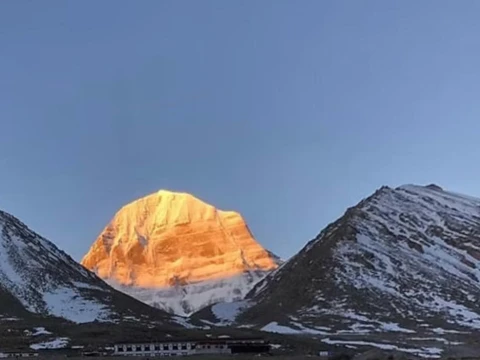
How to Reach Mount Kailash from Nepal
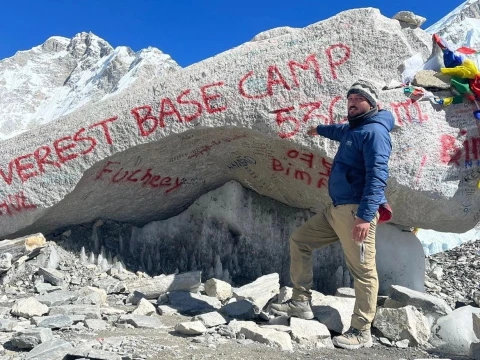
Can Beginners Do Luxury Everest Base Camp Trek?
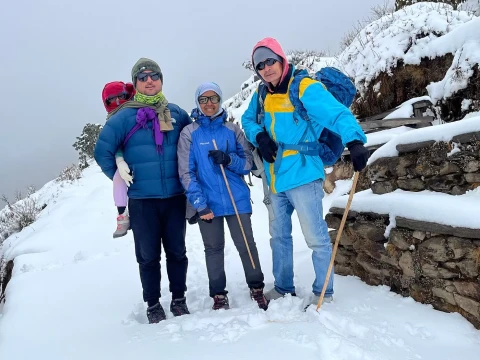
The Pikey Peak Trek in eastern Nepal is widely considered one of the most family-friendly trekking routes in the lower Everest region. It offers a moderate altitude, gradual ascents, and well-established teahouse trails, making it far more accessible compared to high-altitude technical treks. For families traveling with children or elderly
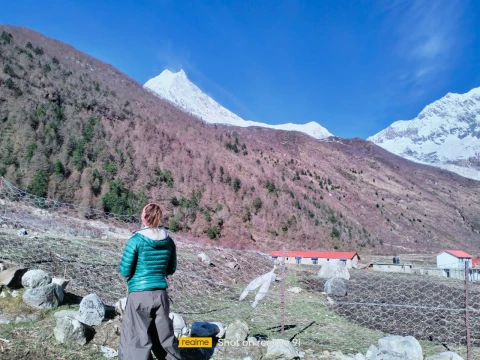
Is Nepal Safe for Solo Travelers
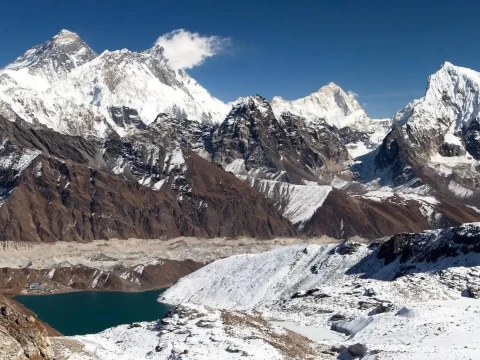
The Everest Three Passes Trek is one of the most adventurous trekking circuits in the Khumbu region, combining high mountain passes, classic Everest Base Camp trails, and remote valleys like Gokyo. A budget-friendly approach is absolutely possible if you plan carefully, share logistics, and avoid unnecessary luxury services while still prioritizing
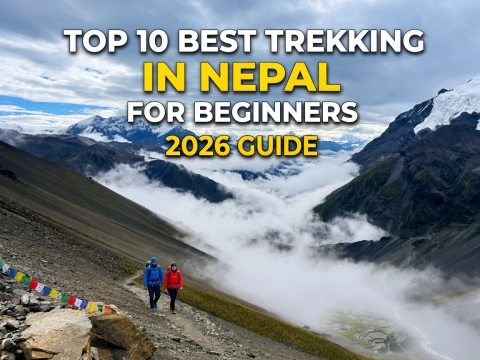
Not every Himalayan adventure needs three weeks and a summit mindset. From the sunrise panorama at Poon Hill to Everest views without the extreme altitude, here are the 10 best beginner-friendly treks in Nepal for 2026 — with route details, difficulty notes, and what makes each one worth choosing.
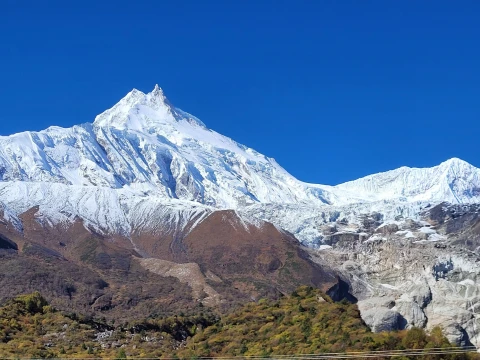
Why Manaslu Is Called Nepal’s Best Kept Secret
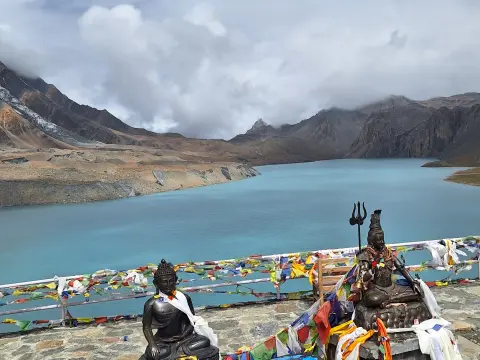
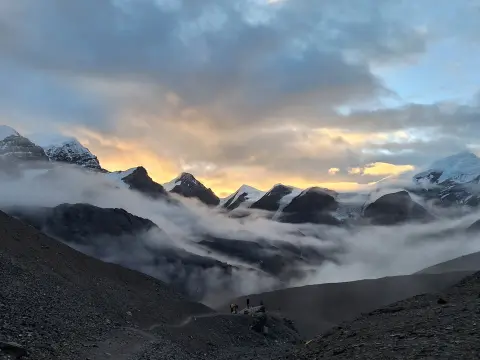
Which Trekking Routes Are Open in Nepal After the Flood?
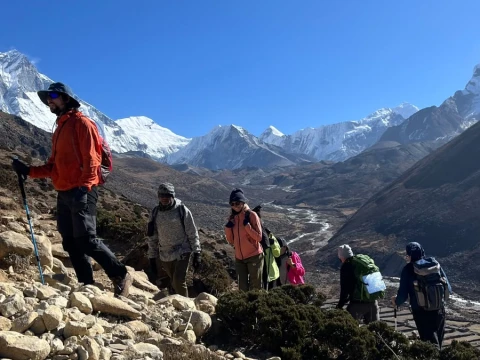
Is Nepal Safe to Travel After the 2026 Flood?
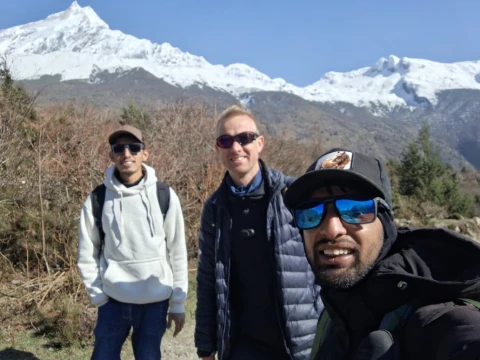
Why Choose Explore Holiday Nepal for Manaslu Circuit Trek?
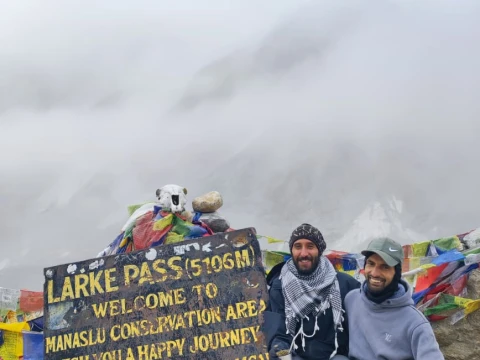
Is the Manaslu Circuit Trek Safe in 2026/2027?


 (34)
