Need help with booking? Send us a message.
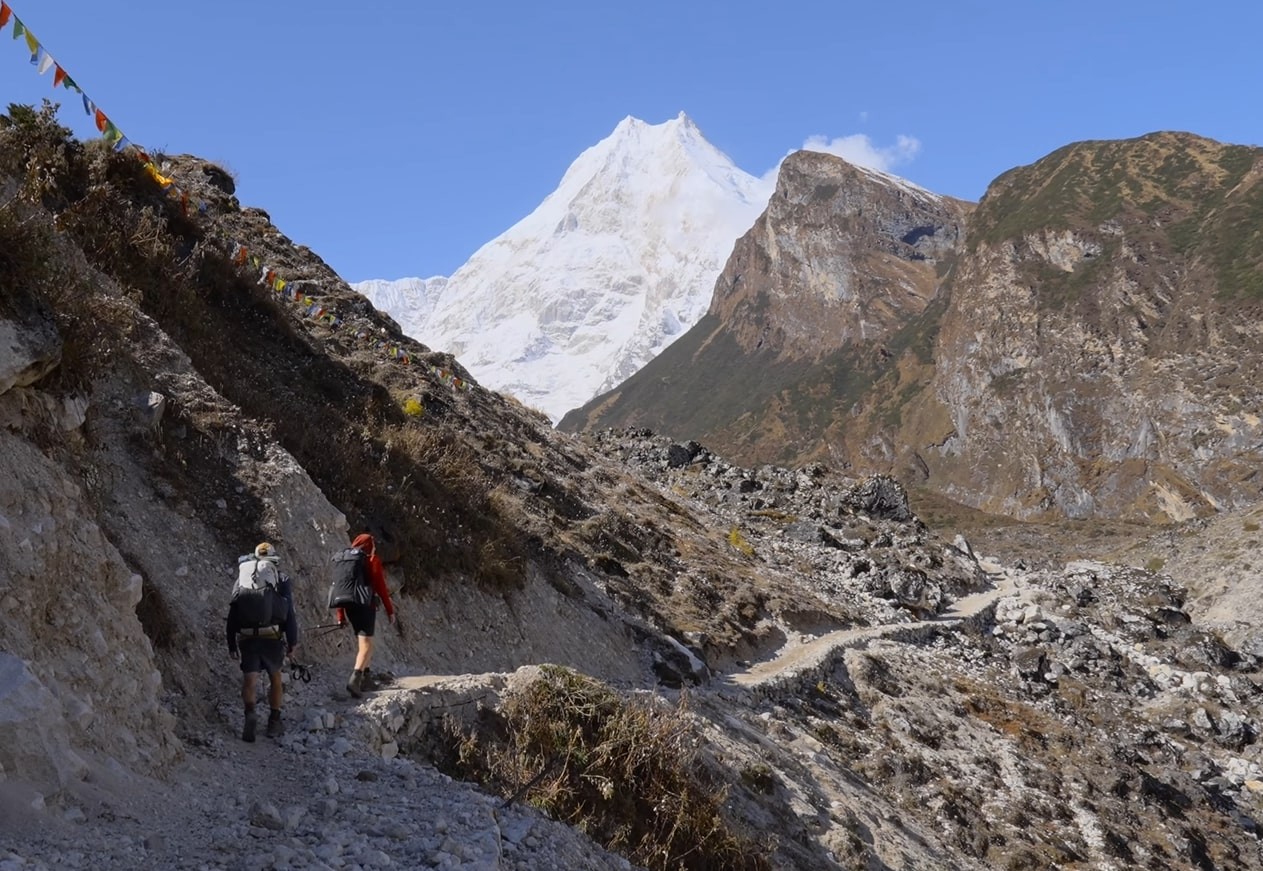
The Manaslu Tsum Valley Luxury Trek is an extraordinary adventure that takes trekkers through the awe-inspiring landscapes of the Manaslu and Tsum Valley regions, offering a perfect blend of rugged terrain and cultural richness with the comfort of luxury accommodations. The trek takes you off the beaten path into some of Nepal's most remote and unspoiled regions, where you will be surrounded by towering peaks, lush forests, and traditional Tibetan-influenced villages. Unlike the standard trekking experience, the luxury version of the trek ensures that you can enjoy the beauty of these hidden gems with the added comfort of upscale lodges and refined services. With Explore Holiday Treks, you can expect well-appointed lodges, gourmet meals, hot showers, and comfortable trekking routes, making this trek ideal for those seeking adventure without sacrificing comfort.
Along the trek, you will pass through the iconic Manaslu Conservation Area, which is home to diverse flora and fauna, including rare species like the snow leopard and red panda. The journey continues into Tsum Valley, an ancient Tibetan Buddhist enclave with a unique history and culture. The trek allows you to visit sacred monasteries, interact with locals, and explore hidden valleys that remain largely untouched by modern life. The luxury services provided by Explore Holiday Treks ensure that trekkers can focus on enjoying the adventure and natural beauty while enjoying high-end amenities, experienced guides, and personalized support. From the moment you start the trek to the final day, every aspect of the journey is designed to offer the perfect balance of challenge, relaxation, and exploration.
The Manaslu Circuit has gotten seriously popular over the last five years. When the region first opened to trekkers back in 1991, hardly anyone went there. Now? It's becoming the go-to option for people who found the Annapurna Circuit Trek too crowded but aren't quite ready for the commitment (or cost) of Everest Base Camp.
Manaslu sits at 8,163 meters, making it the eighth highest mountain in the world. The circuit trek loops around the entire massif, typically taking 14-16 days depending on your itinerary and how many acclimatization days you build in. You'll cross Larkya La Pass at 5,160 meters—which is the crux of the whole trek and what most people worry about beforehand.
Let's be straight about this: the Manaslu Circuit is challenging. Not Everest Base Camp challenging, but definitely harder than the Annapurna Circuit (which has gotten easier over the years with road construction).
The pass day is long—like 8-10 hours of walking long, with about 1,000 meters of elevation gain followed by a brutal 1,600 meter descent on the other side. You're starting at around 4,200 meters at Dharamsala (also called Larkya Phedi) and going over 5,160 meters before dropping down to Bimthang at 3,600 meters. That's a massive day at high altitude.
Most people handle it fine if they've acclimatized properly, but I've seen trekkers struggle. The altitude hits different people in different ways. You might be perfectly fine at 4,500m and then suddenly feel terrible at 5,000m. There's no real way to predict it.
The rest of the trek? Moderate to challenging. Daily walking times range from 5-8 hours, with plenty of up and down. The trails are generally good (way better than they were ten years ago), but you're still dealing with rocky sections, occasional landslide zones, and stream crossings. Nothing technical, but you need decent fitness and comfortable trekking boots.
If you can comfortably hike 6-7 hours with a daypack at home, train on hills or stairs, and don't have any major altitude issues, you can do this trek. But don't underestimate it just because it's not Everest. Check out our trek difficulty guide to see how Manaslu compares to other routes.
Spring (March-May) - Peak season along with autumn. Weather is generally stable, temperatures are comfortable, rhododendrons bloom at lower elevations making the forest sections gorgeous. The pass can still have snow and ice, requiring careful footing. Expect to see other trekking groups, though it's not as crowded as Annapurna or Everest routes. Read our best time to trek in Nepal guide for month-by-month breakdown.
Temperatures range from 15-20°C at lower elevations during the day, dropping below freezing at night above 4,000m. At the pass, expect -10 to -15°C even during the day.
Autumn (September-November) - Best weather conditions overall. Clear skies after monsoon, stable temperatures, excellent mountain visibility. October is peak season—you'll definitely encounter other groups, and popular lodges can fill up (though it's still manageable). November gets colder, especially at high elevation, but often has even clearer skies.
Temperatures similar to spring but slightly colder as you move into November.
Winter (December-February) - Doable but challenging. The pass can be snowbound, requiring potentially dangerous conditions. Temperatures drop significantly—think -20°C or colder at the pass. Lower elevation sections are pleasant during the day but freezing at night. Fewer trekkers, cheaper prices, but you need serious cold-weather gear and flexibility in case weather forces route changes.
Not recommended unless you're experienced with winter trekking and comfortable with uncertainty.
Monsoon (June-August) - Generally avoided. The region gets heavy rain, trails become muddy and slippery, leeches are everywhere at lower elevations, and mountain views are often cloud-covered. Landslides are common and can block trails or roads. The few trekkers who go during monsoon are usually experienced and willing to deal with challenging conditions for the solitude.
I've guided during monsoon season. It's miserable, honestly. Constantly wet, views are rare, and the risk factor goes up significantly.
Tsum Valley only opened to foreign trekkers in 2008, making it one of Nepal's newer trekking destinations. It's a side valley off the main Manaslu Circuit, branching north from the Budhi Gandaki River and heading toward the Tibet border. For a complete guide, see our detailed Tsum Valley Trek page.
Adding Tsum Valley to your Manaslu trek adds 7-9 days depending on how far you go and how fast you walk. You're essentially doing an out-and-back route—up the valley to villages like Chhokangparo, Nile, and Mu Gompa, then back down to rejoin the circuit.
Why people do Tsum Valley:
The cultural experience is more authentic than the main circuit. Villages in Tsum maintain stronger Tibetan Buddhist traditions—you'll see monasteries that aren't just tourist stops but actual functioning religious communities. The valley has been relatively isolated until recently, and you can feel it. People are curious about outsiders but not jaded by constant tourist traffic.
Landscapes are beautiful in a different way than the circuit—more lunar and barren as you go higher, with the feeling of remoteness that's increasingly rare in Nepal. You're walking through a valley that was basically closed to the outside world for centuries.
The downside? It's extra time, extra cost (additional permits required), and basically adds a full week+ to your trek. The lodges are more basic than on the main circuit—we're talking really basic. And you're retracing your steps back down the valley, which some people find tedious.
Who should add Tsum Valley:
Who should skip it:
Personally? I love Tsum Valley, but I'm biased toward cultural trekking. If you've only got two weeks and want the classic Manaslu experience, skip Tsum and save it for another trip. If you've got three weeks and culture is your thing, absolutely add it. For other culturally rich options, explore our Tamang Heritage Trek or Upper Mustang Trek.
Okay, sales pitch time, but I'll keep it real.
Our guides have serious experience. Pemba has been guiding Manaslu for 12 years. Pasang did it 30+ times. They're not just showing you the trail—they know every lodge owner, can tell when weather's turning before it happens, and catch altitude sickness symptoms before trekkers realize they're struggling. That experience matters when you're at 5,000+ meters.
We keep groups small. Maximum 8 trekkers per guide. Often smaller. This isn't a conveyor belt operation where you're one of 20 people following a flag. Small groups mean flexibility—if someone needs a slower pace, we adjust. If weather's sketchy, we can make decisions quickly.
Porter welfare actually matters to us. Our porters get proper gear (boots, warm clothes, rain gear), carry reasonable loads (max 20kg, not the 30-40kg some budget operators make them carry), and get proper insurance. This costs us more, which is why we're not the cheapest option. But I sleep better knowing we're not exploiting people. Learn more about our responsible trekking practices.
Lodge selection is deliberate. We work with family-run lodges that have maintained their infrastructure—reliable hot water systems, clean bathrooms, kitchens that meet basic hygiene standards. You're not getting five-star hotels, but you're also not getting moldy rooms with broken toilets.
Pre-trek consultation included. We do a video call or in-person meeting in Kathmandu before you start. Assess your fitness level honestly, check your gear, discuss concerns. Better to have tough conversations before the trek than discover problems at 4,500 meters.
Emergency protocols are established. We carry comprehensive first aid supplies (not just band-aids), oxygen for altitude emergencies, and have helicopter evacuation insurance with reliable providers. Every guide has wilderness first aid certification minimum, lead guides have advanced training.
You don't need to be a marathon runner, but you can't show up completely out of shape and expect to enjoy this trek.
Training that actually matters:
Cardio endurance - You need to be comfortable walking 6-8 hours per day for consecutive days. Start training 2-3 months before your trek. Build up to 6-hour hikes on weekends, include hills if possible. If you don't have mountains nearby, use stairs—lots of stairs. The StairMaster at your gym is genuinely useful here.
Leg strength - Squats, lunges, step-ups. Both uphill and downhill destroy your legs in different ways. Strong quads and glutes help with the ups, but also protect your knees on the downs (and the descent from Larkya La is brutal on knees).
Core strength - Helps with balance on uneven terrain and carrying a daypack all day. Planks, side planks, general core work.
Hiking with a weighted pack - Even though you'll have a porter carrying your main bag, you're still carrying a daypack with water, snacks, camera, layers. Practice hiking with 5-8kg on your back.
Ankle stability - The trails have loose rocks, uneven surfaces, and lots of opportunities to roll an ankle. Balance exercises help. Stand on one foot while brushing your teeth. Sounds silly, works.
What doesn't help: Running marathons (different muscle usage and energy systems), gym bodybuilding (aesthetics don't matter at altitude), crash dieting before your trek (you need energy reserves).
For a complete training plan, download our free 12-week Himalayan trek training program.
You're eating dal bhat most meals. That's lentil soup with rice, vegetable curry, and pickle. It's actually good, filling, and you get unlimited refills (this is key—always get refills).
Other menu options at lodges: momos (dumplings), thukpa (noodle soup), fried rice, chow mein, sometimes pizza or pasta at lower elevations. Breakfast is usually porridge, tibetan bread with jam and honey, chapati, sometimes eggs.
Food gets more expensive and less varied as you gain altitude. Everything has to be carried up by porters or yaks, so prices reflect that. At Samagaun or above, expect limited options and higher prices. A meal that costs 500 NPR at lower elevations might be 800-1000 NPR at high camps.
The food is safe if you stick to cooked items. Avoid salads (washed in untreated water), unpasteurized dairy, and meat at high elevations (storage is questionable). Dal bhat is always the safest bet—it's boiling hot when served, which kills anything nasty.
Bring snacks from Kathmandu. Energy bars, chocolate, nuts, dried fruit. When you're tired and altitude is affecting your appetite, sometimes a Snickers bar is what gets you through. Check our trekking food and nutrition guide for detailed packing suggestions.
Can I do this trek during my period? Yes. Bring enough supplies from Kathmandu (small shops exist in villages but selection is limited). Disposal can be tricky—pack used products out in ziplock bags. Many women actually find their cycles get disrupted at altitude, so don't be surprised if timing shifts.
What about bathrooms? Mix of squat and western toilets. Quality degrades significantly above 3,500m. At high camps, expect squat toilets, no toilet paper provided, and often just a hole in the ground. Bring your own TP and hand sanitizer. Some lodges charge for toilet use (50-100 NPR). Shower facilities range from solar-heated (works if sunny) to bucket showers to no showers at all above 4,000m. Pack wet wipes. See our women's trekking guide for more specific hygiene tips.
Phone signal and wifi? Sporadic cell coverage with Nepal Telecom up to around Samagaun. After that, basically nothing until you're back down. Some lodges have wifi (charges 300-500 NPR per day, very slow). Don't count on connectivity. Download maps, music, books before you start.
Altitude sickness—how worried should I be? It's a real concern. Symptoms include headache, nausea, dizziness, fatigue, loss of appetite. Mild symptoms are normal as you acclimatize. Severe symptoms (confusion, inability to walk straight, fluid in lungs making breathing difficult) require immediate descent. Our guides carry Diamox (altitude medication) and oxygen. Most people do fine if acclimatization days are built into the itinerary. Don't push through severe symptoms trying to be tough—people die from altitude sickness when they ignore warning signs.
This trek works if you want spectacular mountain scenery, cultural immersion in Tibetan Buddhist villages, and a sense of adventure without the Everest crowds. You need to be physically fit, comfortable with basic accommodation, and okay with dal bhat becoming 60% of your diet.
It doesn't work if you need luxury amenities, want guaranteed hot showers every day, require extensive menu variety, or aren't willing to train beforehand.
The Manaslu Circuit delivers on the promise of Himalayan trekking—massive mountains, remote villages, challenging passes, and the satisfaction of completing something difficult. It's gotten more popular but hasn't been ruined by tourism yet (though that might change in the next 5-10 years as roads extend further).
If you've got 2-3 weeks and want a trek that balances challenge with reward, this is it. Just be honest about your fitness level, take acclimatization seriously, and expect adventure rather than comfort. The mountains are beautiful, but they're also indifferent to whether you're having a good time. Come prepared.
Ready to book? Check our Manaslu Circuit Trek packages or contact us for a custom itinerary. Still deciding? Compare with our Annapurna Circuit, Everest Base Camp, or browse all Nepal trekking routes.
Top Blogs About Trekking in the Manaslu Region:
Uncover the best blogs about trekking in the Manaslu region, featuring expert advice, detailed itineraries, personal experiences, and essential tips for adventurers looking to explore the Himalayas.
Altitude Sickness on Nepal Treks: Symptoms, Treatment, and When to Descend (Complete Guide)
Manaslu Circuit Trek for Beginners 2025
Manaslu Circuit Trek: Best Routes, Preparation & Travel Tips
Manaslu Circuit Trek in Spring (March-May)
Manaslu Circuit Trek on a Budget: How to Save Money Without Missing Out
Nepal Trekking Permits: Costs, Types, and How to Get Them
Nepal Trekking: What’s the Best Time to Go?
Budget Trekking in Nepal: Tips, Trails, and Tricks
Exploring Nepal’s Wildlife and Nature
Trekking Through Nepal: A Journey into the Himalayas
Top 10 Mountain Peaks in Nepal
Monastery Life in Nepal: Finding Peace in the Heart of the Himalayas
Exploring Nepal’s Hidden Gem: The Manaslu Circuit Trek
Top Places to Visit on the Manaslu Circuit Trek
Manaslu Circuit vs Annapurna Circuit: Which Trek is Right for You?
Is the Manaslu Circuit Trek Right for You?
Exploring Hidden Villages on the Manaslu Circuit Trek
20 Must-Know Facts About Manaslu Circuit Trekking
Manaslu Circuit Trekking Tips for Autumn Season (September to November)
Discovering the Spiritual Heart of Nepal: Tsum Valley
Altitude Sickness on Nepal Treks: Symptoms, Treatment, and When to Descend (Complete Guide)
Dal Bhat Power 24 Hour: The Science and Soul Behind Nepal's Mountain Fuel
Solo Female Trekking in Nepal: A Complete Safety and Empowerment Guide for 2026
How Difficult Is Manaslu Trek? The Honest Guide Every Trekker Needs to Read
Your Start Date is the day you land in Nepal, and your End Date is when you fly home.
If the set Manaslu Tsum Valley Luxury Trek group dates don’t suit your schedule, we can offer alternative dates upon request.
The Manaslu Tsum Valley Luxury Trek was an unforgettable experience, offering both comfort and adventure. The stunning landscapes and rich culture of the Tsum Valley were incredible, and the luxury accommodations and personalized service by Explore Holiday Nepal made the journey even more special.
The Manaslu Tsum Valley Luxury Trek was a dream come true. From the breathtaking mountain views to the comfort of luxury lodges, every moment was pure enjoyment. Explore Holiday Nepal's expert planning and service made this trek seamless and unforgettable.
The Manaslu Tsum Valley Luxury Trek exceeded every expectation. Explore Holiday Nepal provided exceptional service throughout the nineteen days. The luxury lodges were surprisingly comfortable with hot showers and quality bedding even at higher elevations. What impressed me most was experiencing remote Tsum Valley without sacrificing comfort. Our guide was incredibly knowledgeable about Tibetan Buddhism and local culture. The combination of stunning landscapes, ancient monasteries, and premium accommodations made this trek absolutely perfect.
I've done budget treks before but wanted something more comfortable this time. Explore Holiday Nepal delivered perfectly with their luxury package. The upgraded lodges made a huge difference after long trekking days. Being able to shower with hot water and sleep in proper beds transformed the experience. The cultural depth of Tsum Valley combined with Manaslu Circuit's mountain scenery was incredible. Our team handled everything professionally from permits to meals. Highly recommend for those wanting adventure without roughing it completely.
Explore Holiday Nepal's luxury trek service is exceptional. From five-star hotel in Kathmandu to best available lodges on trail, comfort was prioritized throughout. The guides were experienced professionals who anticipated needs before we voiced them. Meals were varied and delicious considering the remote locations. What sets this trek apart is accessing sacred Tsum Valley monasteries like Mu Gompa while maintaining comfort levels. The personalized attention and premium services justified the investment. Absolutely worth it for serious trekkers wanting quality.
The Manaslu Tsum Valley Luxury Trek offered perfect balance between cultural immersion and physical comfort. Explore Holiday Nepal arranged everything seamlessly. Tsum Valley's Buddhist heritage is profound with monasteries maintaining centuries-old traditions. Staying in upgraded lodges meant we could fully appreciate daily experiences without exhaustion overwhelming us. Our guide facilitated meaningful interactions with monks and local families. The luxury aspect allowed focus on spiritual and natural beauty rather than basic survival. This trek changed my perspective on Himalayan travel.
Crossing Larkya La Pass and exploring Tsum Valley while enjoying luxury accommodations felt almost surreal. Explore Holiday Nepal's attention to detail was remarkable. The lodges they selected offered the best available facilities in each location. Hot meals, comfortable beds, and clean bathrooms made altitude adjustment much easier. Our guide's expertise in mountain weather and route planning ensured safety throughout. The mountain panoramas including Manaslu were breathtaking. For those who can afford it, luxury trekking is definitely the way to experience Nepal.
Tsum Valley remains one of Nepal's most authentic cultural destinations and Explore Holiday Nepal helped us experience it beautifully. The luxury services didn't diminish cultural authenticity but enhanced our ability to appreciate it. Comfortable nights meant energetic days exploring monasteries and interacting with locals. Our guide translated not just language but cultural context throughout. The combination of Manaslu's mountain grandeur with Tsum Valley's spiritual depth created unforgettable memories. Premium pricing reflected premium experience.
After researching various trekking options I chose Explore Holiday Nepal's luxury package and never regretted it. The upgraded lodges provided genuine comfort that basic teahouses simply cannot match. Being able to rest properly each night improved the entire experience dramatically. The food quality was consistently good and our guide ensured proper acclimatization. Tsum Valley's remoteness combined with Manaslu Circuit's spectacular scenery delivered everything promised. The luxury investment paid off in energy, health, and overall enjoyment.
Explore Holiday Nepal's luxury trek service transformed what could be challenging journey into supremely enjoyable adventure. The private rooms with attached bathrooms were available more often than expected. Meals were prepared with care and variety despite remote locations. Our guide and porter team were professional and attentive throughout nineteen days. The trek showcased Nepal's cultural richness through Tsum Valley monasteries while Larkya La crossing provided high-altitude thrills. Luxury pricing ensures smaller groups and better overall quality.
The Manaslu Tsum Valley Luxury Trek offered spiritual depth alongside physical adventure. Explore Holiday Nepal facilitated monastery visits that felt genuine rather than touristic. The luxury accommodations allowed proper rest for both body and mind. Mornings started refreshed rather than exhausted which enhanced meditation and reflection. Our guide respected the sacred nature of Tsum Valley while ensuring our comfort and safety. This trek combined Nepal's Buddhist heritage with mountain beauty in perfect harmony. Highly recommended for mindful travelers.
Having completed several Himalayan treks, the luxury option with Explore Holiday Nepal proved the smartest choice. The comfort differential is substantial and impacts everything from sleep quality to altitude acclimatization. Better lodges meant better food, cleaner facilities, and warmer rooms. This allowed full appreciation of Tsum Valley's cultural treasures and Manaslu's landscapes. The team's professionalism and experience ensured smooth operations throughout. For those prioritizing quality over budget, this trek delivers exceptional value.
Explore Holiday Nepal masterfully balanced cultural authenticity with modern comfort. The luxury lodges didn't isolate us from local life but provided respite after engaging days. Tsum Valley's monasteries like Rachen Gompa and Mu Gompa remain active spiritual centers. Our guide facilitated respectful interactions and meaningful conversations. The trek's length allowed deep immersion in both landscape and culture. Comfortable accommodations meant energy for daily explorations rather than constant recovery. This approach to trekking suits mature travelers perfectly.
The Manaslu Tsum Valley Luxury Trek showcases Explore Holiday Nepal's expertise beautifully. Every detail from transportation to accommodations reflected premium standards. The luxury lodges offered remarkable comfort considering remote locations. Our guide's knowledge enhanced every monastery visit and cultural encounter. Crossing Larkya La Pass felt achievable thanks to proper acclimatization and comfortable rest. The mountain scenery throughout combined with Tsum Valley's uniqueness created extraordinary journey. Worth every dollar for discerning trekkers.
Despite high expectations, Explore Holiday Nepal's luxury trek still managed to impress. The service quality remained consistent throughout all nineteen days. Tsum Valley's preserved Tibetan culture provided fascinating contrast to Manaslu's natural grandeur. The upgraded accommodations genuinely enhanced our ability to appreciate both. Our guide balanced cultural education with trekking logistics expertly. The small group size ensured personalized attention. This trek represents luxury trekking done right.
Tsum Valley deserves its reputation as Nepal's hidden treasure and Explore Holiday Nepal helped us experience it properly. The luxury services allowed focus on cultural and spiritual aspects rather than physical discomfort. Monastery visits were highlights with our guide explaining Buddhist practices and architectural significance. The trek through pristine landscapes to Larkya La Pass provided adventure alongside comfort. Premium pricing reflects genuine quality throughout. This trek suits travelers valuing both adventure and comfort equally.
The Manaslu Tsum Valley Luxury Trek with Explore Holiday Nepal was life-changing experience. Combining remote Tsum Valley's spiritual atmosphere with Manaslu Circuit's mountain drama while maintaining comfort created perfect adventure. The luxury lodges exceeded expectations for such remote areas. Our team's professionalism and warmth made nineteen days feel both challenging and comfortable. From ancient monasteries to high mountain passes, every day offered new wonders. The investment in luxury services paid off in memories, energy, and pure enjoyment. Cannot recommend highly enough.
The Manaslu Tsum Valley Luxury Trek is a high-end, guided trekking experience in the remote regions of Nepal. It combines the thrill of trekking in one of Nepal’s most pristine and less-visited areas—the Manaslu and Tsum Valley regions—with comfortable accommodations and premium services. This trek offers a unique blend of adventure, culture, and nature, featuring luxurious lodges and personalized experiences, ensuring that trekkers can enjoy the beauty of the Himalayas without compromising on comfort.
The primary difference is the level of comfort and the quality of services provided. On a standard trek, you typically stay in basic teahouses and the facilities are simple. However, the luxury trek is designed to offer top-tier accommodation, including deluxe lodges with en-suite bathrooms, comfortable beds, and fine dining experiences. You will also have access to more personalized services, such as a dedicated guide, a private porter, and more luxurious transportation options for the approach and return to the trekking starting point.
The Manaslu Tsum Valley Luxury Trek is considered moderate to challenging in terms of difficulty. The trek reaches altitudes of over 3,700 meters (12,000 feet), and although the route is not technically difficult, the high altitude requires proper acclimatization to avoid altitude sickness. The trek involves long walking hours, some steep ascents and descents, and several days of moderate to strenuous hiking, making it suitable for trekkers with a good level of fitness. However, the luxury element ensures that the journey is made more comfortable with quality accommodation, experienced guides, and porters to assist you.
The Manaslu Tsum Valley Luxury Trek typically takes around 16 to 19 days to complete, depending on the pace and the specific itinerary. This includes time for acclimatization and rest days in key villages. The trek begins in Arughat or Soti Khola, and ends in Besi Sahar, with a comfortable return journey via private transportation. Since the luxury version of the trek provides ample rest time, it may be slightly more relaxed compared to standard itineraries.
The ideal time to undertake the Manaslu Tsum Valley Luxury Trek is during the two main trekking seasons in Nepal—autumn (September to November) and spring (March to May). During these months, the weather is generally stable, with clear skies and pleasant temperatures, offering the best trekking conditions. The autumn season is especially popular due to the clear mountain views and the vibrant landscapes. Winter (December to February) can be cold and snowy, while the monsoon season (June to August) brings heavy rainfall, which can make trekking conditions challenging.
The Manaslu Tsum Valley Luxury Trek offers upscale lodging options along the trekking route. Instead of the typical teahouses found on standard treks, luxury trekkers stay in well-appointed boutique lodges, many of which are exclusive to luxury trekkers. These lodges offer comfortable rooms with beds, heating, private bathrooms, and hot showers. You will also be treated to delicious and nutritious meals, with options ranging from local Nepali dishes to international cuisine, all served in cozy dining areas with great views.
The food on the Manaslu Tsum Valley Luxury Trek is of a high standard. While you will be trekking through remote villages, luxury lodges along the route provide a wide variety of food options, ranging from traditional Nepali dishes such as dal bhat (lentils and rice) to more international options like pasta, pizza, and western-style breakfast choices. The chefs at the luxury lodges prioritize fresh ingredients and nutritious meals, ensuring that you stay energized throughout the trek. Special dietary requirements can also usually be accommodated upon request.
Yes, a number of permits are required for the Manaslu and Tsum Valley regions. For the Manaslu region, trekkers need to obtain a Manaslu Conservation Area Permit (MCAP) and an Annapurna Conservation Area Permit (ACAP). Additionally, you will need a Tsum Valley Special Permit due to the restricted nature of the region. Your trekking agency will help arrange these permits for you. It’s also worth noting that the trek requires a guide and porter, as solo trekking is not permitted in this area.
Yes, a licensed guide and a porter are required for the Manaslu Tsum Valley Luxury Trek. The guide will not only help navigate the trail but also provide valuable insights into the local culture, history, and nature along the way. A porter will carry your heavy gear, allowing you to focus on the trek itself and enjoy the surroundings. On a luxury trek, you may also have the benefit of a dedicated, professional guide and porter to ensure a more personalized experience.
Yes, the Manaslu Tsum Valley Luxury Trek is generally safe for experienced trekkers. The route is well-travelled, and trekkers are accompanied by a professional guide who knows the terrain and can handle any emergencies. As with any high-altitude trek, it’s important to be aware of the symptoms of altitude sickness and to follow a proper acclimatization schedule. The luxury trek ensures a higher level of comfort and safety, with well-maintained accommodations and access to medical assistance in case of any issues.
Proper physical preparation is key to enjoying the Manaslu Tsum Valley Luxury Trek. While the trek is not extremely technical, the high altitudes and long days of walking can be challenging. It's recommended to do regular cardiovascular exercises, such as hiking, running, or cycling, to build stamina. Additionally, strength training for your legs and core will help with the demands of the trek. Acclimatization is also essential, so make sure to follow the itinerary closely, taking the time to rest and adjust to the altitude as needed. If you have any specific health concerns, it’s always a good idea to consult with a healthcare professional before embarking on the trek.
| No of people | Price per person |
|---|---|
| 1 - 1 | $1,099 |
| 2 - 5 | $991 |
| 6 - 9 | $975 |
| 10 - 15 | $960 |
| 16 - 20 | $945 |
| No of people | Price per person |
|---|---|
| 1 - 1 | $1,460 |
| 2 - 5 | $1,099 |
| 6 - 9 | $1,080 |
| 10 - 15 | $1,065 |
| 16 - 20 | $1,050 |

| No of people | Price per person |
|---|---|
| 1 - 1 | $1,099 |
| 2 - 5 | $899 |
| 6 - 9 | $879 |
| 10 - 15 | $865 |
| 16 - 20 | $845 |


 (34)
(34) 