Need help with booking? Send us a message.
 Everest Heli Tour – A Luxury Flight to the Roof of the World
The Everest Heli Tour is the ultimate Himalayan luxury experience, offering an exclusive opportunity to witness Mount Everest (8,848m) up close without the physical demands of trekking. Ideal for travelers with limited time, this tour delivers maximum adventure, comfort, and breathtaking scenery in a single day.
Starting from Kathmandu, this premium helicopter journey takes you deep into the legendary Everest region—an area most visitors only reach after weeks of hiking on routes like the Everest Base Camp Trek. With aerial views, high-altitude landings, and expert pilots, the Everest Heli Tour is a once-in-a-lifetime way to experience the Himalayas.
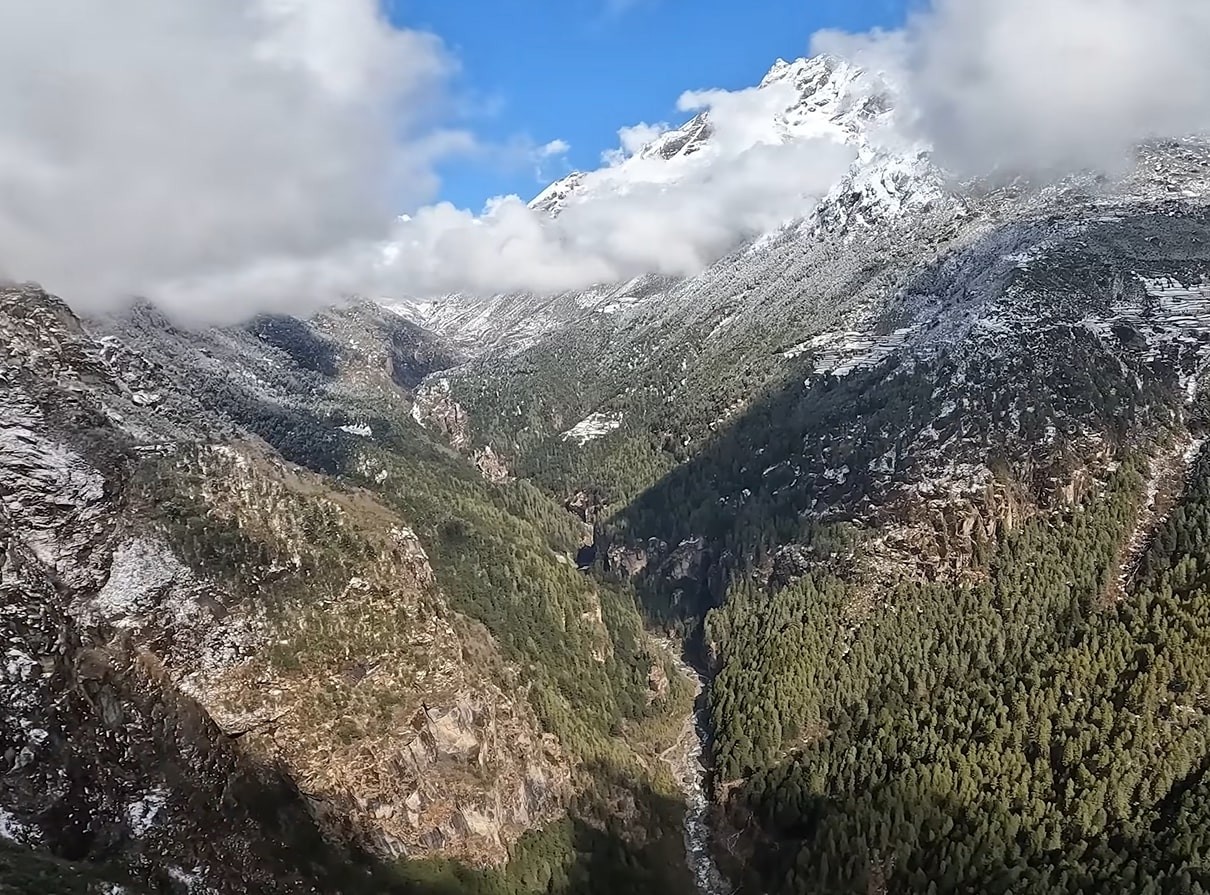
As your helicopter lifts off from Kathmandu, the cityscape quickly fades into rolling hills, river valleys, and terraced farmland. Flying east toward the Khumbu region, the landscape transforms dramatically into alpine terrain, glaciers, and snow-covered giants.
From the air, you’ll enjoy unforgettable views of Lhotse, Nuptse, Pumori, and the iconic Ama Dablam, mountains often admired by trekkers on the Everest Panorama Trek. The bird’s-eye perspective reveals the immense scale of the Himalayas and the dramatic geography that defines eastern Nepal.
The Everest Heli Tour beautifully combines natural grandeur with cultural heritage. As you soar above the Khumbu Valley, you’ll spot traditional Sherpa villages, stone houses, prayer flags, and ancient trails that connect this region to Tibet.
One of the most striking sights is Tengboche Monastery, the spiritual heart of the Everest region. Usually reached by trekkers on longer journeys like the Everest Base Camp via Gokyo Trek, this sacred site appears even more dramatic from the air, framed by snow-covered peaks and deep valleys.
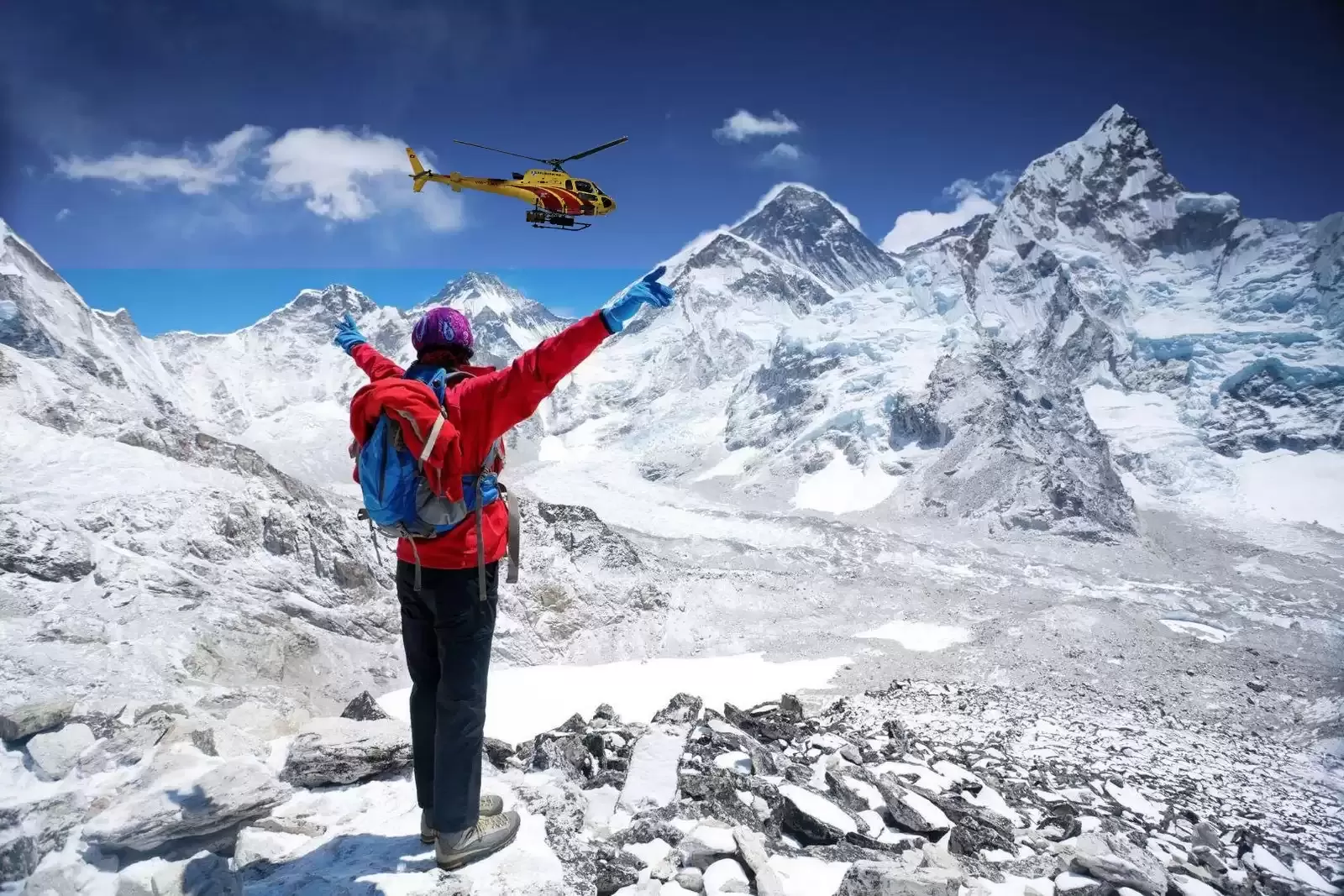
The highlight of the Everest Heli Tour is the exclusive landing at Everest Base Camp or Kala Patthar, depending on weather conditions. Standing at these legendary locations places you right at the gateway to the world’s highest mountain.
You’ll witness the powerful flow of the Khumbu Glacier, massive ice formations, and the towering south face of Everest—views that trekkers normally experience after weeks on demanding routes like the Three Passes Trek. The crisp mountain air and overwhelming scenery make this moment both humbling and unforgettable.
Another memorable stop is Syangboche Airstrip, one of the highest airstrips in the world. This peaceful viewpoint offers panoramic views of Everest, Lhotse, and Ama Dablam in a calm and uncrowded setting.
Many travelers compare this perspective to scenic viewpoints on treks such as the Gokyo Lakes Trek, but with the added comfort of a helicopter landing. It’s an ideal place to pause, take photographs, and truly absorb the vastness of the Himalayas.
Mount Everest, rising to 8,848.86 meters, dominates the Mahalangur Himal sub-range along the Nepal–Tibet border. It has long been a symbol of exploration, endurance, and human ambition.
While climbing Everest is reserved for elite mountaineers, and trekking routes like the Everest Base Camp Luxury Trek still require significant effort, the Everest Heli Tour offers a rare chance to experience Everest’s grandeur in comfort and safety.
The Everest Heli Tour delivers some of the best aerial mountain views in the world. From soaring above glaciers to landing at iconic high-altitude viewpoints, every stage of the journey is visually extraordinary.
Compared to ground-based adventures such as the Annapurna Base Camp Trek, this tour focuses entirely on scenery, comfort, and exclusivity—making it ideal for families, photographers, honeymooners, and luxury travelers.
The best times to enjoy the Everest Heli Tour are:
Clear skies, snow-covered peaks, and stable weather.
Crisp air, excellent visibility, and ideal flying conditions.
These seasons are also preferred for classic Himalayan journeys like the {Luxury Treks in Nepal}, ensuring safe flights and exceptional views.
The Everest Heli Tour is easy and suitable for all age groups. No trekking experience or special fitness is required, making it accessible to travelers who may not be able to undertake long Himalayan hikes.
Unlike physically demanding adventures such as Peak Climbing in Nepal, this tour involves minimal walking and maximum comfort. However, travelers with medical concerns should consult a doctor due to high-altitude exposure.
At Explore Holiday Treks, we specialize in delivering premium Himalayan experiences with a strong focus on safety and personalized service. Our helicopters are modern, well-maintained, and operated by highly experienced pilots familiar with Everest-region conditions.
As a trusted company offering everything from classic treks to Nepal Helicopter Tours, we ensure every detail—from permits to flight timing—is handled professionally, allowing you to enjoy the journey stress-free.
Whether you’re short on time, celebrating a special occasion, or simply seeking a unique way to experience Everest, the Everest Heli Tour offers unmatched value. With world-class views, cultural insight, and luxury comfort, this journey captures the true spirit of the Himalayas—powerful, inspiring, and unforgettable.
Top Blogs About Trekking in the Everest Region
Uncover the best blogs about trekking in the Everest region, featuring expert advice, detailed itineraries, personal experiences, and essential tips for adventurers looking to explore the Himalayas.
Top 5 Everest Trekking Packages
Where is Mount Everest? Discover the World’s Highest Peak
Top 9 Reasons to Go on Everest Base Camp Trek
Accommodation During Everest Base Camp Trek
Shower and Laundry Facilities During the Everest Base Camp Trek
Elevation Facts for Everest Base Camp Trekking
Physical Fitness Requirements for Everest Base Camp Trek
The Best Ways to Trek to Everest Base Camp
When is the Best Time to Hike to Everest Base Camp?
Everest Base Camp Trek: Tips and FAQs
Why Sleeping at Everest Base Camp Is the Ultimate Trekking Experience ?
Your Start Date is the day you land in Nepal, and your End Date is when you fly home.
If the set Everest Heli Tour group dates don’t suit your schedule, we can offer alternative dates upon request.
The Everest Heli Tour was an absolutely unforgettable experience! Flying over the Himalayan peaks and getting a close-up view of Mount Everest was surreal. Explore Holiday Nepal ensured everything was well-organized, making this experience smooth and incredible.
The Everest Heli Tour offered views I’ll never forget. From the stunning mountains to the aerial perspective of Everest, it was an amazing experience. Explore Holiday Nepal made the whole process seamless and enjoyable.
Flying to Everest's base camp in a helicopter was an exhilarating experience! The views were out of this world. Explore Holiday Nepal handled every detail, providing exceptional service and making this adventure hassle-free.
The Everest Heli Tour is a unique aerial experience that allows travelers to explore the majestic landscapes of the Everest region from a helicopter. This tour offers breathtaking views of the world’s highest peak, Mount Everest, along with stunning panoramas of the surrounding mountains, glaciers, and valleys, all from the comfort of a helicopter.
You can expect breathtaking views of the Everest region, including Mount Everest, Lhotse, Nuptse, Ama Dablam, and other nearby peaks. The tour often includes aerial views of iconic landmarks like the Khumbu Glacier and Everest Base Camp.
Everest Helicopter Tours are suitable for individuals of all ages and physical fitness levels. Unlike trekking to Everest Base Camp, there is no strenuous physical activity involved.
Oxygen is not typically needed during a standard Everest Helicopter Tour, as the flight is relatively short and doesn't reach extreme altitudes. However, it's always advisable to check with the tour operator for any specific considerations.
Some Everest Helicopter Tours include landing stops at strategic points like Everest View Hotel or Kala Patthar, allowing passengers to step out and enjoy the views or take photographs.
The duration of the Everest Heli Tour typically ranges from 3 to 5 hours, including the flight time and any stops made along the way. The actual flying time is about 1.5 to 2 hours, with opportunities to land at scenic spots, such as Kala Patthar or Everest Base Camp, for photos and to take in the views.
During the Everest Heli Tour, you can expect breathtaking views of iconic peaks such as Mount Everest, Lhotse, Nuptse, and Ama Dablam. The tour also provides stunning vistas of glaciers, valleys, and the unique landscapes of the Khumbu region. Landing at locations like Kala Patthar offers a chance for spectacular photos.
Absolutely! Bringing a camera is highly recommended to capture the incredible views and memories of your Everest Heli Tour. Just ensure you follow any guidelines regarding the use of cameras within the helicopter and during landings.
While the Everest Heli Tour is accessible to most people, those with severe medical conditions, particularly heart or respiratory issues, should consult their doctor before flying at high altitudes. It's advisable to check with the tour operator regarding any specific health requirements.
The best times for an Everest Heli Tour are during the spring (March to May) and autumn (September to November). These seasons generally offer clear skies and stable weather conditions, providing the best visibility of the mountains. Tours can operate in winter, but flights may be limited due to weather.
Dress in layers for the Everest Heli Tour, as temperatures can vary significantly. Wear warm clothing, including a good jacket, gloves, and a hat, especially if you plan to land at high altitudes. Comfortable shoes are also recommended for walking around during stops.
Yes, a special permit is required for helicopter flights in the Everest region. Most tour operators will handle the necessary paperwork for you, but it's advisable to confirm this when booking your tour.
Helicopter tours in the Everest region are generally safe, with experienced pilots familiar with the terrain and weather conditions. Reputable tour operators prioritize safety and conduct regular maintenance on their helicopters. However, it’s important to follow all safety instructions provided by your guide and pilot.
| No of people | Price per person |
|---|---|
| 1 - 1 | $1,199 |
| 2 - 5 | $1,050 |
| 6 - 9 | $199 |
| 10 - 15 | $935 |
| 16 - 20 | $905 |




 (34)
(34) 