Embark on an awe-inspiring trekking adventure in Nepal, where every step is a journey through breathtaking landscapes and ancient cultures. Nestled in the heart of the Himalayas, Nepal offers an unparalleled trekking experience for enthusiasts seeking both challenge and serenity.
Our carefully curated trekking routes take you through some of the world's most iconic mountain regions, including the majestic Annapurna and Everest. Traverse rugged trails that wind through lush forests, picturesque villages, and high-altitude plateaus, providing a perfect blend of natural beauty and cultural immersion.
Discover the warmth of Nepalese hospitality as you connect with local communities along the way. Our experienced guides, born and bred in the mountains, not only navigate the terrain with expertise but also share captivating stories about the region's history, traditions, and folklore.
Whether you're a seasoned trekker or a first-time adventurer, Nepal's diverse landscapes cater to all levels of expertise. From challenging high-altitude treks to more leisurely journeys, each expedition is tailored to your preferences, ensuring a personalized and unforgettable experience.
Trekking in Nepal is more than a physical journey; it's a soul-stirring exploration of nature's grandeur and the resilience of the human spirit. Join us for an extraordinary trekking experience that transcends the ordinary, as we guide you through the mystical allure of the Himalayas – a land where the mountains echo with stories waiting to be told.
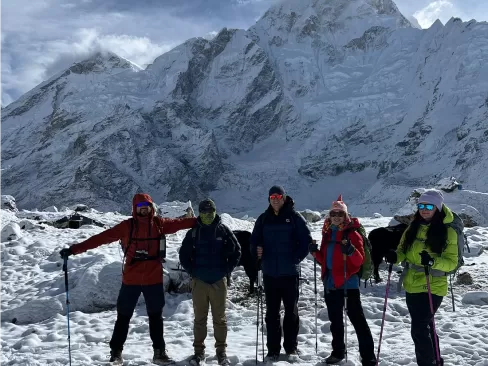
Exploring on the Everest Base Camp trek with Explore Holiday Treks offers a unique opportunity to experience the grandeur of Mount Everest up close. Nestled in the Solukhumbu district of Nepal, Everest, at 8,848 meters (29,029 feet), is the highest peak on Earth. This iconic mountain straddles the border between Nepal and Tibet, offering two primary climbing routes—the classic southeast route from Nepal and the northern route from Tibet. Named after Sir George Everest, the 19th-century British surveyor, Everest is known as Chomolungma in Tibetan, meaning "Mother Goddess of the World," and Sagarmatha in Nepali, translating to "Peak of Heaven."The trek to Everest Base Camp is more than just a physical challenge; it's a pilgrimage that attracts adventurers from around the world. This journey allows trekkers to immerse themselves in the natural beauty and rich cultural tapestry of the Himalayas while confronting the formidable obstacles of high-altitude trekking. Explore Holiday Treks, renowned for its expert guides and well-planned itineraries, ensures that every aspect of this unforgettable experience is catered to with the utmost care and professionalism.Top Blogs About Trekking in the Everest RegionUncover the best blogs about trekking in the Everest region, featuring expert advice, detailed itineraries, personal experiences, and essential tips for adventurers looking to explore the Himalayas.Top 5 Everest Trekking PackagesWhere is Mount Everest? Discover the World’s Highest PeakTop 9 Reasons to Go on Everest Base Camp TrekAccommodation During Everest Base Camp TrekShower and Laundry Facilities During the Everest Base Camp TrekElevation Facts for Everest Base Camp TrekkingPhysical Fitness Requirements for Everest Base Camp TrekThe Best Ways to Trek to Everest Base CampWhen is the Best Time to Hike to Everest Base Camp?Everest Base Camp Trek: Tips and FAQsWhy Sleeping at Everest Base Camp Is the Ultimate Trekking Experience?Which is the Better Lake Trek in Nepal: Gokyo or Tilicho Lake Trek?Altitude Sickness on Nepal Treks: Symptoms, Treatment, and When to Descend (Complete Guide)Everest Base Camp Toilet Problem: The Environmental Crisis on the World's Highest MountainMonastery Life in Nepal: Finding Peace in the Heart of the HimalayasAltitude Sickness on Nepal Treks: Symptoms, Treatment, and When to Descend (Complete Guide)Dal Bhat Power 24 Hour: The Science and Soul Behind Nepal's Mountain Fuel10 Essential Everest Trekking Tips Every First-Time Trekker Must KnowThe 3 AM Wake-Up Call Nobody Tells You About: Real Stories from Everest Base CampThe Essential Guide to Choosing Your Perfect Nepal Trek: From Beginner-Friendly Trails to Epic Himalayan AdventuresSolo Female Trekking in Nepal: A Complete Safety and Empowerment Guide for 2026Complete Fitness Training Guide for Nepal Trekking 2026: From Couch to Base Camp in 12 WeeksThe Trekking ExperienceThe Everest Base Camp Trek begins with one of the most exhilarating flights in the world—from Kathmandu to Lukla. This short mountain flight sets the tone for the adventure ahead, landing on a cliffside airstrip that marks the gateway to the legendary Khumbu region. Depending on the chosen route and acclimatization plan, the trek typically takes 12 to 16 days, offering a balanced pace for safety and enjoyment.From Lukla, the trail winds through lush pine and rhododendron forests, terraced farmlands, and traditional Sherpa settlements. As trekkers move deeper into the Khumbu Valley, the landscape gradually transforms—lush greenery gives way to alpine terrain, glacial rivers, and towering Himalayan giants. Along the way, breathtaking views of Mount Everest, Lhotse, Nuptse, and Ama Dablam become constant companions.Key cultural and logistical hubs such as Namche Bazaar play an important role in the journey. Known as the heart of the Everest region, Namche offers a blend of modern comforts and traditional Sherpa culture. The trail then leads toward spiritual landmarks like Tengboche Monastery, one of the most significant Buddhist monasteries in the Himalayas, framed by dramatic mountain backdrops.The journey culminates at Everest Base Camp (5,364m), where trekkers stand at the foot of the world’s highest mountain. Surrounded by the Khumbu Icefall and massive glacial formations, reaching base camp is both a physical achievement and an emotional milestone. Many trekkers also include a sunrise ascent of Kala Patthar for the most iconic close-up views of Everest.For travelers seeking alternatives or extensions, this trek pairs well with routes such as the Everest Gokyo Lakes Trek, Everest Three Passes Trek, or the shorter Everest View Trek.Climate and Weather in the Everest RegionThe weather in the Everest region is highly variable and can change quickly, even during peak trekking seasons.Best Seasons for Everest Base Camp Trek (Featured Snippet)Spring (March–May): Mild temperatures, blooming rhododendrons, excellent visibilityAutumn (September–November): Stable weather, crisp mountain views, best overall conditionsDuring peak trekking seasons, temperatures at Everest Base Camp range between -10°C to -20°C, especially at night. While days can be sunny and comfortable, cold winds and sudden snowfall are always possible.The monsoon season (June–August) brings heavy rainfall, slippery trails, and frequent cloud cover, while winter (December–February) offers fewer crowds but extremely cold temperatures and higher risks of snow accumulation.Compared to lower-altitude treks like the Annapurna Base Camp Trek or Ghorepani Poon Hill Trek, weather in the Everest region demands greater preparation and flexibility.Local Culture and ReligionThe Everest region is home to the Sherpa community, renowned worldwide for their mountaineering expertise and deep-rooted Himalayan traditions. Sherpa culture is closely connected to Tibetan Buddhism, which shapes daily life, festivals, and architecture throughout the region.Along the trail, trekkers encounter:Gompas (monasteries)Chortens and prayer wheelsMani stone walls carved with sacred mantrasThese spiritual landmarks are not merely decorative—they reflect the Sherpa belief in harmony between humans and nature. Similar cultural depth can also be experienced on treks such as the Manaslu Circuit Trek and Upper Mustang Trek, though the Everest region remains the most iconic.Food and Cuisine on the TrailHigh-altitude trekking demands proper nutrition, and teahouses along the Everest Base Camp route provide filling, energy-rich meals.Common Foods Available:Dal bhat (rice, lentils, vegetables) – the most reliable and nutritious optionMomo (dumplings)Thukpa (Tibetan noodle soup)Pasta, fried rice, pancakes, potatoesAs altitude increases, food variety becomes more limited, but meals remain hearty and freshly prepared. Warm drinks such as ginger tea, lemon tea, and coffee are widely available and help with hydration and warmth.Accommodation During the Everest Base Camp TrekAccommodation along the route primarily consists of teahouses and mountain lodges operated by local families. These lodges provide:Simple yet comfortable roomsShared bathroomsHeated dining areasCharging and Wi-Fi (limited at higher altitudes)Facilities become more basic as altitude increases, but the hospitality remains warm and welcoming. Compared to remote expeditions like the Kanchenjunga Circuit Trek, accommodation on the Everest Base Camp trail is relatively well-developed.Travel Insurance – A Critical RequirementDue to the remote terrain and high altitude, comprehensive travel insurance is essential for the Everest Base Camp Trek.Your policy should include:High-altitude trekking coverageEmergency medical treatmentHelicopter evacuationTrip interruption or cancellationIn the event of severe altitude sickness or injury, helicopter evacuation may be the only option, making insurance non-negotiable.Guides and PortersExplore Holiday works with licensed, experienced guides and porters who are familiar with the terrain, altitude challenges, and local culture. Their role is vital in ensuring safety, pacing, and a smooth trekking experience.Guides manage acclimatization, route decisions, and cultural interpretationPorters carry heavy loads, allowing trekkers to walk comfortablyEmploying local staff also supports the regional economy and promotes ethical trekking practices.Altitude Sickness and SafetyAltitude sickness is one of the biggest concerns on the Everest Base Camp Trek.How to Reduce the Risk (Featured Snippet)Ascend graduallyTake acclimatization days seriouslyDrink plenty of waterAvoid alcohol and smokingInform your guide immediately if symptoms appearCommon symptoms include headaches, nausea, fatigue, and dizziness. Severe cases can lead to HAPE or HACE, which require immediate descent and medical attentionConclusion – Why Choose Everest Base Camp Trek?The Everest Base Camp Trek with Explore Holiday Treks is more than a physical journey—it is a deeply immersive experience through one of the most legendary landscapes on Earth. From the dramatic flight to Lukla and the vibrant Sherpa culture of Namche Bazaar to the spiritual calm of Tengboche and the raw grandeur of Everest Base Camp, every step carries meaning.For travelers seeking a life-changing Himalayan adventure supported by experienced professionals, this trek remains one of the most rewarding journeys Nepal has to offer.
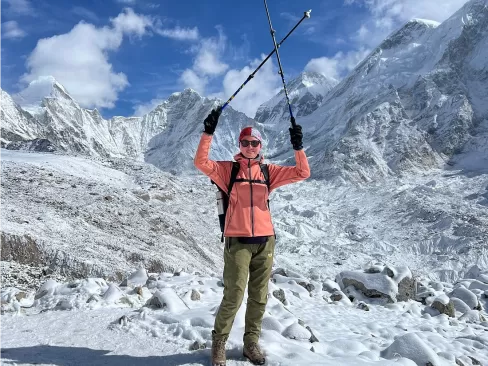
Everest Three Pass Trek – The Ultimate High-Altitude Adventure in the Khumbu RegionThe Everest Three Pass Trek is an exhilarating adventure that challenges even seasoned trekkers with its demanding terrain and high-altitude passes. This trek, considered one of the most challenging and rewarding in the Everest region of Nepal, involves crossing three major high mountain passes: Renjo La Pass (5,360 meters), Cho La Pass (5,420 meters), and Kongma La Pass (5,535 meters). Each pass offers breathtaking panoramic views and a unique perspective of the Everest region’s stunning landscapes.The trek typically begins and concludes in Lukla, the gateway to the Everest region, following the classic Everest Base Camp route. However, instead of returning from Everest Base Camp, the Three Pass Trek takes a more adventurous path, traversing the three high passes and extending the journey through some of the most spectacular and remote areas of the Himalayas. This route not only increases the trek’s difficulty but also adds a thrilling dimension of exploration and discovery. Top Blogs About Trekking in the Everest RegionUncover the best blogs about trekking in the Everest region, featuring expert advice, detailed itineraries, personal experiences, and essential tips for adventurers looking to explore the Himalayas.Top 5 Everest Trekking PackagesWhere is Mount Everest? Discover the World’s Highest PeakTop 9 Reasons to Go on Everest Base Camp TrekAccommodation During Everest Base Camp TrekShower and Laundry Facilities During the Everest Base Camp TrekElevation Facts for Everest Base Camp TrekkingPhysical Fitness Requirements for Everest Base Camp TrekThe Best Ways to Trek to Everest Base CampWhen is the Best Time to Hike to Everest Base Camp?Everest Base Camp Trek: Tips and FAQsWhy Sleeping at Everest Base Camp Is the Ultimate Trekking Experience ?Which is the Better Lake Trek in Nepal: Gokyo or Tilicho Lake Trek?Altitude Sickness on Nepal Treks: Symptoms, Treatment, and When to Descend (Complete Guide)Everest Base Camp Toilet Problem: The Environmental Crisis on the World's Highest MountainMonastery Life in Nepal: Finding Peace in the Heart of the HimalayasAltitude Sickness on Nepal Treks: Symptoms, Treatment, and When to Descend (Complete Guide)Dal Bhat Power 24 Hour: The Science and Soul Behind Nepal's Mountain Fuel10 Essential Everest Trekking Tips Every First-Time Trekker Must KnowThe 3 AM Wake-Up Call Nobody Tells You About: Real Stories from Everest Base CampThe Essential Guide to Choosing Your Perfect Nepal Trek: From Beginner-Friendly Trails to Epic Himalayan AdventuresSolo Female Trekking in Nepal: A Complete Safety and Empowerment Guide for 2026Complete Fitness Training Guide for Nepal Trekking 2026: From Couch to Base Camp in 12 WeeksThe Everest Three Pass Trek is widely regarded as one of the most demanding and rewarding trekking experiences in Nepal. Designed for trekkers who want more than just Everest Base Camp, this legendary route takes you deep into the heart of the Khumbu region, crossing three formidable Himalayan passes while offering unmatched mountain scenery, cultural immersion, and a true sense of exploration.Unlike standard trekking routes, the Everest Three Pass Trek connects remote valleys, ancient Sherpa settlements, turquoise glacial lakes, and high mountain viewpoints. It is a journey that challenges both physical endurance and mental resilience while rewarding trekkers with some of the most dramatic landscapes in the Himalayas.This trek is ideal for experienced trekkers seeking a comprehensive Himalayan experience that combines adventure, solitude, and iconic mountain views—including Mount Everest, Lhotse, Makalu, Cho Oyu, Ama Dablam, and countless unnamed peaks.Trekking Route Overview and Major HighlightsThe adventure begins with a scenic flight to Lukla, often described as one of the most thrilling mountain airstrips in the world. From Lukla, the trail gradually winds through traditional Sherpa villages, prayer walls, suspension bridges, and pine forests before reaching the vibrant trading hub of Namche Bazaar.Namche Bazaar serves as the cultural and commercial center of the Khumbu region and is an essential acclimatization stop. Here, trekkers can explore local markets, bakeries, museums, and viewpoints while adjusting to the increasing altitude. Many travelers also choose to explore nearby viewpoints for panoramic views of Everest and Ama Dablam.From Namche, the trail diverges from the classic Everest Base Camp route, heading toward quieter valleys and high alpine terrain. Trekkers journey toward Tengboche Monastery, the most important spiritual site in the Everest region. Perched on a forested ridge, the monastery offers sweeping views of Everest, Lhotse, and Ama Dablam, creating a peaceful yet awe-inspiring atmosphere.The route then leads toward the Gokyo Valley, home to the stunning Gokyo Lakes, a series of glacial lakes revered for their striking turquoise color. These lakes are considered sacred by local communities and are among the highest freshwater lake systems in the world.A highlight of the trek is the ascent of Gokyo Ri (5,357 meters). From its summit, trekkers are rewarded with one of the finest panoramic views in Nepal, including Everest, Cho Oyu, Lhotse, Makalu, and the massive Ngozumpa Glacier.Crossing the Three High Himalayan PassesThe defining feature of this trek is the crossing of three high mountain passes. Each pass presents a unique challenge, demanding careful navigation, physical strength, and proper acclimatization.Renjo La Pass (5,388 meters)Often considered the most scenic of the three passes, Renjo La offers a dramatic transition between the Gokyo Valley and the remote Bhote Koshi region. The ascent involves a steady climb over rocky terrain, but the reward at the top is extraordinary.From the summit, trekkers enjoy panoramic views of Everest, Lhotse, Makalu, Cho Oyu, and the shimmering Gokyo Lakes below. The descent toward Thame introduces trekkers to quieter villages that preserve traditional Sherpa culture and a slower pace of life.You may want to internally link this section to Gokyo Valley Trek or Renjo La Pass Trek.Cho La Pass (5,420 meters)Cho La Pass is often considered the most technically demanding section of the trek. The approach involves rocky trails, steep ascents, and glacial crossings, particularly during colder months when ice and snow are present.Despite the challenge, Cho La is incredibly rewarding. The pass connects the Gokyo region with the Khumbu Valley, offering close-up views of the Khumbu Glacier and towering icefalls. Proper timing, experienced guidance, and caution are essential while crossing this pass.This section connects naturally with popular routes such as Everest Base Camp Trek and Gokyo Lakes Trek.Kongma La Pass (5,535 meters)The highest of the three passes, Kongma La, delivers a true sense of wilderness and accomplishment. The ascent is steep and physically demanding, often starting early in the morning to avoid strong winds.From the top, trekkers are rewarded with sweeping views of the Khumbu Glacier, Nuptse, Lhotse, and surrounding peaks. The descent leads toward the Everest Base Camp area, making Kongma La the final and most symbolic challenge of the trek.This section can be internally linked with Kongma La Pass or Everest Base Camp via Three Pass.Best Seasons for the Everest Three Pass TrekChoosing the right season plays a critical role in the success and enjoyment of the Everest Three Pass Trek.Spring Season (March to May)Spring is one of the most popular seasons for this trek. Temperatures are moderate, and rhododendron forests bloom at lower elevations. Snow remains on higher passes, but conditions are generally stable with clear skies and excellent visibility.Autumn Season (September to November)Autumn offers crisp air, dry trails, and some of the clearest mountain views of the year. After the monsoon clears dust and haze, the Himalayas appear sharp and vibrant. This is the most reliable season for crossing all three passes safely.Winter and monsoon seasons are generally not recommended due to heavy snowfall, extreme cold, and poor trail conditions.You may internally link this section with Best Time to Trek in Nepa.Difficulty Level and Physical DemandsThe Everest Three Pass Trek is classified as challenging to strenuous. It is not suitable for beginners or those without prior trekking experience. Trekkers must be comfortable walking for extended hours at high altitude, often over rugged and uneven terrain.Key challenges include:High altitude exposure above 5,000 metersLong trekking days with steep ascents and descentsCold temperatures and unpredictable weatherGlacier crossings and rocky trailsProper acclimatization, gradual ascent, hydration, and mental preparation are essential. Previous experience on treks such as Everest Base Camp Trek or Manaslu Circuit Trek is highly beneficial.Accommodation During the TrekAccommodation along the Everest Three Pass Trek is primarily in teahouses and mountain lodges operated by local Sherpa families. These lodges provide basic yet comfortable facilities, including beds, blankets, and communal dining areas.At lower elevations, rooms may include private bathrooms and heated dining halls. As altitude increases, facilities become simpler due to remoteness and limited resources. Despite the simplicity, Sherpa hospitality remains warm and welcoming throughout the journey.Food and Meals on the TrailTeahouses serve a variety of meals designed to meet the nutritional needs of trekkers. Traditional Nepali dishes such as dal bhat are widely available and provide a balanced mix of carbohydrates and protein.Common food options include:Rice, noodles, potatoes, and soupsMomo (dumplings)Pancakes, eggs, and breadHot drinks like tea, coffee, and ginger lemon honeyAs altitude increases, food choices may become limited, but meals remain hearty and energy-rich.Communication, Internet, and Charging FacilitiesCommunication in the Everest region is limited but improving. Many teahouses offer Wi-Fi services, though connectivity can be slow and unreliable at higher altitudes. Mobile network coverage is available in major villages but becomes inconsistent beyond certain points.Charging electronic devices is usually available for an additional fee, often using solar power. Trekkers are advised to carry power banks and inform family members about limited connectivity before starting the trek.Safety, Acclimatization, and Altitude AwarenessAltitude sickness is a serious concern on the Everest Three Pass Trek. Proper acclimatization days, gradual ascent, hydration, and rest are crucial for safety.Common altitude symptoms include headaches, nausea, dizziness, and fatigue. Trekkers should communicate openly with guides and never ignore symptoms. Descending is the most effective treatment if symptoms worsen.This section can link to Altitude Sickness in Nepal.Why Choose Explore Holiday Treks for Everest Three Pass TrekExplore Holiday Treks brings deep local expertise and years of Himalayan trekking experience to every journey. Our professional guides are trained in high-altitude safety, first aid, and route navigation, ensuring a smooth and well-managed trekking experience.We focus on:Responsible and sustainable trekkingProper acclimatization planningExperienced local guides and portersCultural respect and environmental careWith Explore Holiday Treks, trekkers experience the Everest region beyond the standard routes, gaining insight into Sherpa culture, remote valleys, and high mountain landscapes that few travelers reach.You may internally link here to About Explore Holiday TreksConclusion – A True Himalayan ExpeditionThe Everest Three Pass Trek is more than a trek—it is a full Himalayan expedition that pushes physical limits while delivering unmatched rewards. From remote valleys and sacred monasteries to high mountain passes and iconic Himalayan views, this journey represents the ultimate adventure in Nepal’s Everest region.For trekkers seeking depth, challenge, and authenticity, the Everest Three Pass Trek stands as one of the most complete and unforgettable trekking experiences in the world. With careful preparation, the right guidance, and a spirit of adventure, this trek leaves lasting memories etched against the backdrop of the world’s highest mountains.
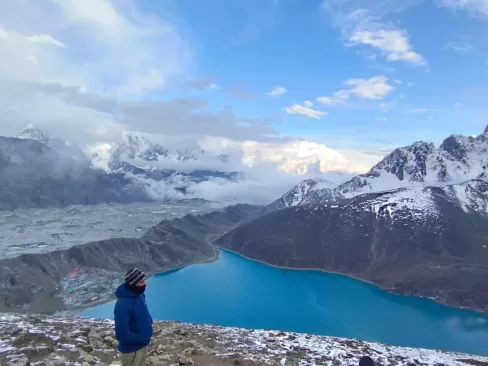
The Gokyo Valley Trek is a remarkable adventure that transports trekkers into the serene heart of the Khumbu region, offering an intimate exploration of one of Nepal’s most captivating high-altitude valleys. This trek is renowned for its stunning landscapes, including the enchanting Gokyo Lakes and the panoramic summit of Gokyo Ri. Unlike the more frequented Everest Base Camp route, the Gokyo Valley Trek provides a quieter and equally mesmerizing alternative, showcasing the natural beauty and cultural richness of the Everest region from a different perspective.Starting from the lively Sherpa town of Namche Bazaar, the trek meanders through picturesque villages such as Dole and Machhermo, gradually ascending towards the pristine Gokyo Valley. This journey is marked by dramatic shifts in scenery, from lush forests and terraced fields to rugged alpine terrain and sparkling glacial lakes. The trek culminates with a climb to Gokyo Ri, which offers one of the most breathtaking vistas of the Himalayas, including Everest, Lhotse, Cho Oyu, and Makalu. Explore Holiday Treks ensures that this adventure is conducted with the highest standards of safety and comfort, allowing trekkers to fully immerse themselves in this unforgettable experience.Top Blogs About Trekking in the Everest RegionUncover the best blogs about trekking in the Everest region, featuring expert advice, detailed itineraries, personal experiences, and essential tips for adventurers looking to explore the Himalayas.Top 5 Everest Trekking PackagesWhere is Mount Everest? Discover the World’s Highest PeakTop 9 Reasons to Go on Everest Base Camp TrekAccommodation During Everest Base Camp TrekShower and Laundry Facilities During the Everest Base Camp TrekElevation Facts for Everest Base Camp TrekkingPhysical Fitness Requirements for Everest Base Camp TrekThe Best Ways to Trek to Everest Base CampWhen is the Best Time to Hike to Everest Base Camp?Everest Base Camp Trek: Tips and FAQsWhy Sleeping at Everest Base Camp Is the Ultimate Trekking Experience ?Which is the Better Lake Trek in Nepal: Gokyo or Tilicho Lake Trek?Altitude Sickness on Nepal Treks: Symptoms, Treatment, and When to Descend (Complete Guide)Everest Base Camp Toilet Problem: The Environmental Crisis on the World's Highest MountainMonastery Life in Nepal: Finding Peace in the Heart of the HimalayasAltitude Sickness on Nepal Treks: Symptoms, Treatment, and When to Descend (Complete Guide)Dal Bhat Power 24 Hour: The Science and Soul Behind Nepal's Mountain Fuel10 Essential Everest Trekking Tips Every First-Time Trekker Must KnowThe 3 AM Wake-Up Call Nobody Tells You About: Real Stories from Everest Base CampThe Essential Guide to Choosing Your Perfect Nepal Trek: From Beginner-Friendly Trails to Epic Himalayan AdventuresSolo Female Trekking in Nepal: A Complete Safety and Empowerment Guide for 2026Complete Fitness Training Guide for Nepal Trekking 2026: From Couch to Base Camp in 12 WeeksTrekking Route and HighlightsThe Gokyo Valley Trek begins with a scenic flight from Kathmandu to Lukla, followed by a trek to Namche Bazaar. Namche serves as the primary acclimatization point and offers a vibrant blend of local culture and commerce. From Namche, the trail leads to the villages of Dole and Machhermo, where trekkers experience the traditional Sherpa lifestyle and hospitality.The trek’s centerpiece is the Gokyo Valley, home to a series of stunning glacial lakes, including the famed Dudh Pokhari. These turquoise lakes, set against a backdrop of towering peaks, create a serene and ethereal atmosphere. The highlight of the trek is the ascent of Gokyo Ri, a peak that offers an unrivaled panoramic view of the Everest massif and its surrounding peaks. The trek can be further enriched by crossing the Cho La Pass, which connects the Gokyo Valley with the Everest Base Camp route. This challenging crossing adds an extra layer of adventure and provides a broader perspective of the region.Best Seasons for the Gokyo Valley TrekThe ideal seasons for undertaking the Gokyo Valley Trek are pre-monsoon (spring) and post-monsoon (autumn). During these periods, the weather is generally stable, offering clear skies and excellent visibility. Spring (March to May) provides moderate temperatures and blooming flora, while autumn (September to November) features crisp air and vibrant colors. Trekking during these times ensures optimal conditions for enjoying the stunning landscapes and panoramic views. The summer monsoon season (June to August) brings heavy rains and can lead to muddy trails, while winter (December to February) presents cold temperatures and potential snow, making these seasons less favorable for trekking.Difficulty LevelThe Gokyo Valley Trek is considered a moderate to challenging trek, suitable for trekkers with a good level of physical fitness. The trek involves ascending to high altitudes, with the highest point being Gokyo Ri at 5,357 meters (17,575 feet). The trail includes steep ascents, rugged terrain, and variable weather conditions, requiring trekkers to be well-prepared and acclimatized. While the trek is less technical than some of the more demanding routes, the high-altitude environment and long trekking days necessitate a reasonable level of stamina and endurance. Proper acclimatization and preparation are key to successfully completing the trek and enjoying the experience.Accommodation and FoodAccommodation along the Gokyo Valley Trek ranges from basic teahouses to more comfortable lodges managed by the local Sherpa community. These teahouses provide essential amenities, including beds, communal dining areas, and basic sanitation facilities. In higher altitudes, accommodations may be more rudimentary due to the remote nature of the region.Food options are typically provided by the teahouses and include a mix of traditional Nepali dishes and some Western favorites. Meals often feature dal bhat (rice and lentil soup), momo (dumplings), noodle soup, and a variety of hot beverages. The quality and variety of food can vary depending on the location and altitude, but the meals are designed to provide the necessary energy and nutrition for the trek.Communication and NetworkingCommunication options during the Gokyo Valley Trek are limited but improving. Most teahouses offer Wi-Fi, although the connectivity can be slow and intermittent due to the remote location. Mobile network coverage is available in some areas, but it may not be reliable, especially at higher elevations. Trekkers are advised to inform family and friends of their trekking plans and have alternative communication methods in place in case of emergencies.Why Choose Explore Holiday TreksExplore Holiday Treks is dedicated to providing a safe, enjoyable, and immersive experience for those undertaking the Gokyo Valley Trek. Our experienced guides and porters are well-versed in the nuances of high-altitude trekking and ensure that every aspect of your journey is managed with expertise and care. We prioritize safety, comfort, and environmental responsibility, offering well-planned itineraries that accommodate acclimatization and maximize the trekking experience. By choosing Explore Holiday Treks, you benefit from our commitment to delivering excellence, allowing you to fully immerse yourself in the natural beauty and cultural richness of the Gokyo Valley.ConclusionThe Gokyo Valley Trek with Explore Holiday Treks offers an extraordinary adventure through one of Nepal’s most picturesque and serene regions. With its stunning glacial lakes, breathtaking mountain views, and rich Sherpa culture, this trek provides a unique and rewarding experience for those seeking an alternative to the traditional Everest Base Camp route. From the tranquil Gokyo Lakes to the panoramic summit of Gokyo Ri, every aspect of this trek promises to captivate and inspire. Explore Holiday Treks ensures a seamless and memorable journey, guiding you through the enchanting landscapes of the Gokyo Valley with professionalism and care.

The Pikey Peak Trek is one of the most enchanting and off-the-beaten-path trekking adventures in the Everest region of Nepal, attracting travelers who seek a combination of breathtaking Himalayan vistas, authentic cultural experiences, and peaceful trails away from crowded routes. Nestled in the serene Solu region, this trek rises to an elevation of 4,065 meters (13,335 feet), offering trekkers a remarkable vantage point to capture sweeping panoramic views of some of the world’s most famous peaks, including Mount Everest, Makalu, and Kanchenjunga. Unlike the heavily trafficked Everest Base Camp Trek, the Pikey Peak Trek provides a more immersive experience, allowing trekkers to explore remote Sherpa villages, interact with the local community, and gain insight into centuries-old Tibetan Buddhist traditions. Along the way, the journey takes hikers through lush rhododendron forests, terraced farmland, and open alpine meadows, where the scenery changes dramatically with every step, making it a photographer’s paradise and a nature lover’s dream. Beyond the spectacular landscapes, this trek is also a cultural adventure, as travelers pass through traditional villages such as Junbesi and Chiwong, where life moves at a slower pace, and warm hospitality greets visitors at every turn. The trek also includes visits to ancient monasteries, offering a spiritual dimension to the adventure, where you can witness local rituals and learn about the region’s rich religious heritage. Combining moderate trekking challenges with serene environments, the Pikey Peak Trek is suitable for both experienced hikers and those new to Himalayan trekking, making it a perfect alternative for travelers looking for a less crowded Everest viewpoint trek. Whether you’re chasing the perfect sunrise over the Himalayas, immersing yourself in Sherpa culture, or simply enjoying the peace and tranquility of the mountains, the Pikey Peak Trek promises a journey that is as enriching for the mind and soul as it is for the eyes.Trekking Route and HighlightsThe Pikey Peak Trek begins with a picturesque drive from Kathmandu to the trailhead, often starting at villages like Dhap or Jiri. From there, trekkers embark on a journey through traditional Sherpa villages such as Junbesi and Chiwong, where stone houses, prayer flags, and bustling local life offer a unique insight into Sherpa culture, customs, and hospitality. Along the way, you may encounter locals celebrating vibrant festivals or performing daily rituals, adding a rich cultural dimension to the trek. The trail itself is a visual treat, passing through dense rhododendron forests, terraced farmlands, open alpine meadows, and high-altitude pastures. Each day brings a change in scenery, making the trek both captivating and rewarding for nature lovers and photographers alike. The gradual shifts in landscape also help trekkers acclimatize naturally, enhancing both safety and comfort. A key highlight of the trek is the ascent to Pikey Base Camp, where early risers are rewarded with a breathtaking Himalayan sunrise. From this vantage point, trekkers enjoy panoramic views of Everest, Makalu, Kanchenjunga, and other towering peaks, creating an unforgettable experience that captures the essence of the Nepal Himalayas. In addition to its natural beauty, the trek offers a spiritual journey with visits to Thupten Chholing Monastery and Chiwong Monastery. These serene monasteries, rooted in Tibetan Buddhism, provide peaceful spots for reflection and offer travelers a chance to observe traditional rituals and prayer ceremonies, enriching the overall trekking experience. Overall, the Pikey Peak Trek combines stunning landscapes, authentic cultural encounters, and spiritual exploration, making it a truly memorable off-the-beaten-path trekking adventure in the Everest region.Best Seasons for the Pikey Peak TrekThe Pikey Peak Trek can be enjoyed throughout the year, but the most favorable seasons for this adventure are spring (March to May) and autumn (September to November). During these periods, trekkers experience clear skies, stable temperatures, and excellent visibility, making it easier to fully appreciate the stunning panoramic views of Everest, Makalu, Kanchenjunga, and the surrounding Himalayan peaks. Spring is especially magical, as the trails are lined with blooming rhododendrons and vibrant wildflowers, painting the mountainsides in bright reds, pinks, and whites. The gentle warmth and fresh mountain air create perfect conditions for trekking, photography, and cultural exploration. Autumn, on the other hand, brings crisp, clear skies and cooler temperatures, offering some of the best visibility of the Himalayas throughout the year. The landscapes are rich with golden hues after the harvest season, creating a breathtaking backdrop for the trek. While trekking is technically possible during other seasons, monsoon (June to August) often brings heavy rainfall, slippery trails, and the risk of landslides, making trekking more challenging and less enjoyable. Winter (December to February) offers a quieter trekking experience, but the cold temperatures and occasional snowfall can make high-altitude hiking difficult and require proper gear and preparation. For most trekkers, spring and autumn provide the perfect combination of weather, scenery, and cultural experiences, making these seasons ideal for a memorable and comfortable Pikey Peak trekking adventure in the Everest region of Nepal.Difficulty LevelThe Pikey Peak Trek is generally classified as a moderate-level trek, making it suitable for trekkers with a reasonable level of fitness who are eager to explore the Everest region without undertaking a highly strenuous climb. While the trek involves ascending to high-altitude terrains and passing through mountainous landscapes, it does not require any technical climbing skills, which makes it accessible for both first-time trekkers and those with some previous trekking experience in the Himalayas. The trail offers a mix of gradual inclines, rolling hills, and steeper sections, particularly as you approach Pikey Base Camp. These changes in elevation provide a rewarding sense of progress as trekkers are treated to panoramic views of Everest, Makalu, and Kanchenjunga with every ascent. Although less demanding than challenging treks like the Everest Base Camp Trek or Annapurna Circuit, the journey still requires physical endurance, as daily trekking hours can range from 5 to 7 hours, often on uneven terrain and in changing weather conditions. To ensure a safe and enjoyable experience, it is important for trekkers to engage in adequate physical preparation before the trek. This can include cardiovascular exercises, strength training, and practice hikes to build stamina. Additionally, proper acclimatization is crucial to minimize the risk of altitude sickness and to allow your body to adjust comfortably to the higher elevations of the Solu region. Overall, the Pikey Peak Trek strikes a perfect balance between adventure and accessibility, offering a fulfilling Himalayan trekking experience for those seeking a moderately challenging but highly rewarding journey through the Nepal Himalayas.Accommodation and FoodDuring the Pikey Peak Trek, accommodation is primarily in traditional teahouses and lodges run by the local Sherpa community, providing trekkers with a warm and welcoming environment after a long day on the trail. These teahouses are basic yet comfortable, offering essential amenities such as beds with blankets, shared dining areas, and simple sanitation facilities. While accommodations at lower altitudes are relatively comfortable, higher-altitude lodges may be more rustic due to the remote Himalayan setting, giving trekkers an authentic experience of life in the mountains.Food along the trek is a delightful mix of Nepali and international cuisine, carefully prepared to meet the nutritional needs of trekkers. Traditional dishes like dal bhat (rice with lentil soup), momo (Nepalese dumplings), noodle soup, and vegetable curries are commonly served, often accompanied by hot drinks such as tea, coffee, or local herbal infusions. International options such as pasta, pancakes, and sandwiches are also available in many teahouses, particularly at popular stops along the trail. The quality and variety of food can vary depending on altitude and location, but meals are designed to provide sufficient energy, warmth, and nourishment to sustain trekkers throughout long days of hiking. Hydration is equally important, so trekkers are encouraged to drink plenty of water or herbal teas and can also purchase bottled water or water treated with purification tablets in remote areas. Staying in these community-run lodges also supports the local Sherpa economy, allowing trekkers to contribute directly to the wellbeing of the villages they pass through, making the Pikey Peak Trek not only an adventurous journey but also a culturally responsible experience.Communication and NetworkingWhile the Pikey Peak Trek takes you deep into the serene Solu region of Nepal, staying connected is possible, though somewhat limited due to the remote Himalayan terrain. Many teahouses and lodges along the trail now offer Wi-Fi, allowing trekkers to check emails, share photos, or stay in touch with family and friends. However, connectivity can be slow and intermittent, especially at higher altitudes, so it’s best not to rely on it for critical communication.Mobile network coverage is available in certain villages and lower-altitude stops, but it can become unpredictable or completely unavailable as you ascend toward Pikey Base Camp. Trekkers are strongly advised to inform family or friends of their trekking plans beforehand and to carry alternative communication methods, such as satellite phones or portable GPS trackers, especially for emergencies or safety purposes. Despite these limitations, the gradual improvement of communication infrastructure in the region is making it easier for trekkers to stay connected while still enjoying the peace and tranquility of off-the-beaten-path trekking. Maintaining a balance between connectivity and immersion in nature ensures that your Pikey Peak Trek is both safe and deeply rewarding.Why Choose Explore Holiday TreksChoosing the right trekking company can make a huge difference in your Pikey Peak Trek experience, and Explore Holiday Treks is dedicated to providing a safe, comfortable, and unforgettable journey through the beautiful Solu region of Nepal. With years of experience in organizing treks in the Everest region, our team of knowledgeable guides and skilled porters are intimately familiar with the local trails, weather patterns, and cultural nuances, ensuring that every step of your adventure is well-planned and worry-free. At Explore Holiday Treks, we prioritize safety, comfort, and cultural immersion. Our guides are trained not only in high-altitude trekking and first aid but also in local customs, traditions, and the history of the Solu region, allowing trekkers to enjoy a deeper, more meaningful connection with the villages and landscapes they pass through. Meanwhile, our porters help carry your gear efficiently, making your trek more manageable and enjoyable. We also offer well-structured itineraries designed to maximize your trekking experience, with adequate acclimatization, scenic viewpoints, and cultural stops built into the journey. By choosing Explore Holiday Treks, you are not just signing up for a trek—you’re embarking on a well-supported, safe, and enriching Himalayan adventure that allows you to fully appreciate the breathtaking views, serene monasteries, and vibrant Sherpa culture of the Nepal Himalayas. Whether you are a first-time trekker or an experienced hiker seeking an off-the-beaten-path adventure, Explore Holiday Treks ensures that your Pikey Peak Trek is seamless, memorable, and truly unforgettable.Cultural Exploration:One of the most rewarding aspects of the Pikey Peak Trek is the opportunity to immerse yourself in the rich Sherpa culture and traditions of the Solu region. As you pass through charming villages such as Junbesi and Chiwong, you’ll encounter a way of life that has been carefully preserved for generations. These villages are dotted with stone houses, prayer flags, mani walls, and local monasteries, offering trekkers a glimpse into the daily life, customs, and spiritual practices of the Sherpa people. In these villages, you can witness traditional farming techniques, animal herding, and community gatherings, as well as experience the warmth and hospitality of the locals firsthand. Trekkers often have the chance to interact with villagers, learn about their festivals, rituals, and Buddhist beliefs, and even participate in small cultural events if timing allows. This cultural immersion adds a unique depth to the Pikey Peak Trek, transforming it from a simple hiking adventure into a meaningful journey through the heart of Sherpa life. Every village stop not only offers a rest point but also an opportunity to understand the resilience, traditions, and daily rhythms of the communities that call the Nepal Himalayas home. By engaging with local culture during your trek, you contribute to sustainable tourism, supporting the Sherpa economy while gaining authentic and memorable experiences that you won’t find on more crowded trekking routes.Spiritual Highlights:The Pikey Peak Trek offers more than just stunning landscapes—it also provides a spiritual journey through the ancient monasteries of the Solu region. Visits to Thupten Chholing Monastery and Chiwong Monastery allow trekkers to experience the profound influence of Tibetan Buddhism in everyday village life. These serene sanctuaries offer a peaceful environment for meditation, reflection, and cultural learning, giving visitors a deeper appreciation for the region’s spiritual heritage. Observing monks performing rituals, listening to prayer chants, and exploring monastery courtyards enhances the cultural and spiritual richness of the trek, making it a truly holistic Himalayan experience.Pikey Base Camp Sunrise:One of the most unforgettable moments on the Pikey Peak Trek is reaching Pikey Base Camp early in the morning to witness a breathtaking Himalayan sunrise. As the first light illuminates the snow-capped peaks, trekkers are treated to panoramic views of Everest, Makalu, and Kanchenjunga, creating a magical atmosphere that captures the essence of the Nepal Himalayas. This experience is not just a visual spectacle—it’s an emotional and spiritual highlight of the trek, often described by trekkers as a once-in-a-lifetime moment that inspires awe and serenity.Diverse Landscapes:The Pikey Peak Trek is renowned for its varied and captivating landscapes. Trekkers journey through lush rhododendron forests, terraced agricultural fields, alpine meadows, and high-altitude pastures, each offering ever-changing scenery that keeps the trek visually engaging. From the vibrant colors of blooming flowers in spring to the golden hues of autumn harvests, the trail showcases the stunning natural beauty and ecological diversity of the Solu region. Every day brings new photographic opportunities, breathtaking viewpoints, and unique interactions with nature that make the trekking experience both rewarding and memorable.Off-the-Beaten-Path Experience:Unlike some of Nepal’s more crowded trekking routes, the Pikey Peak Trek offers a tranquil, off-the-beaten-path adventure. The route is relatively less frequented, allowing trekkers to immerse themselves in nature, culture, and local life without the distractions of large tourist groups. This serene environment is perfect for travelers seeking peaceful Himalayan trekking, personal reflection, and authentic experiences that go beyond typical tourist paths.Accessibility:The Pikey Peak Trek begins with a scenic drive from Kathmandu to trailheads like Dhap or Jiri, making it accessible to a wide range of trekkers. The trail itself does not require advanced technical climbing skills, making it ideal for moderate-level trekkers, first-timers, and those looking for a challenging yet manageable adventure. The combination of gradual ascents, manageable distances, and safe trails ensures that trekkers of varying experience levels can enjoy the breathtaking Himalayan scenery without undue difficulty.Culmination in Shivalaya:The trek concludes with a descent to the village of Shivalaya, offering trekkers one last chance to absorb the majestic mountain scenery and reflect on their journey through the Solu region. This final stage allows for a gentle transition back to lower altitudes, while providing opportunities to interact with local communities, explore village life, and capture the last panoramic views. Ending in Shivalaya ensures that the Pikey Peak Trek concludes on a serene and memorable note, leaving trekkers with lasting impressions of the Nepal Himalayas and its cultural richness.ConclusionThe Pikey Peak Trek with Explore Holiday Treks offers a distinctive and rewarding adventure through one of Nepal’s lesser-known yet breathtakingly beautiful regions. From the stunning mountain vistas and serene monasteries to the charming Sherpa villages and diverse landscapes, this trek provides a comprehensive experience of the Himalayas. Whether you're captivated by the panoramic views from Pikey Peak, the spiritual ambiance of ancient monasteries, or the tranquility of off-the-beaten-path trekking, Explore Holiday Treks is your ideal partner for a memorable journey through the heart of Nepal.Top Blogs About Trekking in the Everest RegionUncover the best blogs about trekking in the Everest region, featuring expert advice, detailed itineraries, personal experiences, and essential tips for adventurers looking to explore the Himalayas.Top 5 Everest Trekking PackagesWhere is Mount Everest? Discover the World’s Highest PeakTop 9 Reasons to Go on Everest Base Camp TrekAccommodation During Everest Base Camp TrekShower and Laundry Facilities During the Everest Base Camp TrekElevation Facts for Everest Base Camp TrekkingPhysical Fitness Requirements for Everest Base Camp TrekThe Best Ways to Trek to Everest Base CampWhen is the Best Time to Hike to Everest Base Camp?Everest Base Camp Trek: Tips and FAQsWhy Sleeping at Everest Base Camp Is the Ultimate Trekking Experience ?Which is the Better Lake Trek in Nepal: Gokyo or Tilicho Lake Trek?Altitude Sickness on Nepal Treks: Symptoms, Treatment, and When to Descend (Complete Guide)Everest Base Camp Toilet Problem: The Environmental Crisis on the World's Highest Mountain
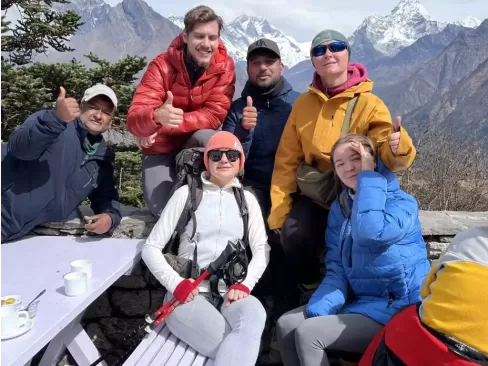
Everest View Trek – Short, Scenic, and Rewarding Himalayan ExperienceThe Everest View Trek stands as a remarkable journey that caters to those seeking the allure of the Everest region without the strenuous challenges of higher altitudes. Commencing from the thrilling flight to Lukla, the trek unfolds in the heart of the Khumbu region, offering breathtaking views of the world's highest peak, Mount Everest, and its iconic neighbors. The route takes trekkers through picturesque Sherpa villages like Phakding, Namche Bazaar, and Tengboche, allowing for cultural immersion and encounters with the warm hospitality of the Sherpa community. The journey reaches its pinnacle with a visit to the renowned Everest View Hotel, perched at an elevation of 3,880 meters, providing an unparalleled panorama of Everest, Lhotse, Ama Dablam, and a host of other majestic peaks. This trek is a perfect blend of adventure and accessibility, making it an ideal choice for those seeking a taste of the Everest region's grandeur without the rigors of high-altitude trekking.The cultural aspect of the trek is further enriched with visits to ancient monasteries, such as the Tengboche Monastery, where trekkers can witness traditional rituals and gain insights into the spiritual heritage of the region. The trek also includes a visit to the peaceful Khumjung village, home to the famous Hillary School and the Yeti Skull. The Everest View Trek provides an immersive experience in the heart of the Khumbu, catering to both novice and experienced trekkers who wish to relish the magnificence of Everest while enjoying the comforts of lower altitudes. This journey not only showcases the unparalleled beauty of the Himalayas but also allows trekkers to appreciate the rich cultural tapestry that defines the Everest region, making it a memorable and accessible adventure for those with a love for mountain vistas and cultural exploration.Top Blogs About Trekking in the Everest RegionUncover the best blogs about trekking in the Everest region, featuring expert advice, detailed itineraries, personal experiences, and essential tips for adventurers looking to explore the Himalayas.Top 5 Everest Trekking PackagesWhere is Mount Everest? Discover the World’s Highest PeakTop 9 Reasons to Go on Everest Base Camp TrekAccommodation During Everest Base Camp TrekShower and Laundry Facilities During the Everest Base Camp TrekElevation Facts for Everest Base Camp TrekkingPhysical Fitness Requirements for Everest Base Camp TrekThe Best Ways to Trek to Everest Base CampWhen is the Best Time to Hike to Everest Base Camp?Everest Base Camp Trek: Tips and FAQsWhy Sleeping at Everest Base Camp Is the Ultimate Trekking Experience ?Which is the Better Lake Trek in Nepal: Gokyo or Tilicho Lake Trek?Altitude Sickness on Nepal Treks: Symptoms, Treatment, and When to Descend (Complete Guide)Everest Base Camp Toilet Problem: The Environmental Crisis on the World's Highest MountainMonastery Life in Nepal: Finding Peace in the Heart of the HimalayasAltitude Sickness on Nepal Treks: Symptoms, Treatment, and When to Descend (Complete Guide)Dal Bhat Power 24 Hour: The Science and Soul Behind Nepal's Mountain Fuel10 Essential Everest Trekking Tips Every First-Time Trekker Must KnowThe 3 AM Wake-Up Call Nobody Tells You About: Real Stories from Everest Base CampThe Essential Guide to Choosing Your Perfect Nepal Trek: From Beginner-Friendly Trails to Epic Himalayan AdventuresSolo Female Trekking in Nepal: A Complete Safety and Empowerment Guide for 2026Complete Fitness Training Guide for Nepal Trekking 2026: From Couch to Base Camp in 12 WeeksThe Everest View Trek is one of the most rewarding short treks in Nepal, offering breathtaking Himalayan views, rich Sherpa culture, and a comfortable trekking experience without the challenges of extreme altitude. Ideal for travelers with limited time or those seeking a gentle introduction to trekking in the Everest region, this journey delivers spectacular scenery while keeping the route accessible and enjoyable.The trek begins with a thrilling mountain flight to Lukla, instantly immersing trekkers in the dramatic landscapes of the Khumbu region. From Lukla, the trail follows the Dudh Koshi River through pine forests and charming settlements, leading to the peaceful village of Phakding. This section of the trail is relatively easy and allows trekkers to settle into the rhythm of Himalayan walking while enjoying views of snow-capped peaks and suspension bridges adorned with prayer flags.The path gradually ascends toward Namche Bazaar, the vibrant heart of the Everest region. Located at an altitude of 3,440 meters, Namche Bazaar is not only a major acclimatization point but also a cultural and commercial hub for the Sherpa community. Trekkers can explore traditional markets, bakeries, monasteries, and local museums while enjoying panoramic views of Kongde Ri, Thamserku, and surrounding peaks.From Namche, the trail continues toward Tengboche, home to the famous Tengboche Monastery, the most important Buddhist monastery in the Everest region. Set against a dramatic mountain backdrop, the monastery offers a peaceful atmosphere where trekkers can observe Buddhist rituals, spin prayer wheels, and gain insight into Sherpa spiritual traditions. The surrounding views of Ama Dablam, Everest, and Lhotse make Tengboche one of the most scenic stops on the trek.The highlight of the Everest View Trek is a visit to the iconic Everest View Hotel, located at 3,880 meters. Renowned as one of the world’s highest-altitude hotels, this viewpoint offers unobstructed panoramic views of Mount Everest, Ama Dablam, Lhotse, and Nuptse. What makes this experience truly special is that trekkers can enjoy these legendary Himalayan vistas without trekking to extreme altitudes, making it an excellent option for families, first-time trekkers, and older travelers.Best Time to Do the Everest View TrekThe best seasons for the Everest View Trek are spring (March to May) and autumn (September to November), when weather conditions are stable and mountain visibility is at its best.Spring brings mild temperatures, blooming rhododendron forests, and clear skies, creating a colorful and pleasant trekking environment. Autumn, following the monsoon, offers crisp air and exceptional visibility, with sharp views of the Himalayan peaks and comfortable daytime temperatures.The monsoon season (June to August) is less ideal due to frequent rainfall and cloudy conditions, while winter (December to February) can be very cold, with snow at higher elevations, making trekking more challenging for casual hikers.Everest View Trek Difficulty LevelThe Everest View Trek is classified as a moderate trek, making it suitable for trekkers of varying fitness levels. The trail includes gradual ascents and well-maintained paths, with the highest point being the Everest View Hotel at 3,880 meters.Unlike longer and more demanding routes such as Everest Base Camp Trek, this trek does not involve technical terrain or prolonged high-altitude exposure. No previous trekking experience is required, although basic physical fitness and a positive attitude greatly enhance the experience.Acclimatization is naturally built into the trek, especially around Namche Bazaar, allowing trekkers to adapt comfortably to the altitude and enjoy the journey without unnecessary strain.Accommodation and Food on the Everest View TrekAccommodation during the Everest View Trek is provided in traditional teahouses and mountain lodges, most of which are operated by local Sherpa families. These lodges offer clean and comfortable rooms, shared dining areas, and a warm, welcoming atmosphere.While facilities are simple, they are well-suited for trekking and provide everything needed for a comfortable stay in the mountains. At higher elevations, accommodations may be more basic due to the remoteness of the region, but hospitality remains consistently warm.Meals along the trek include a combination of traditional Nepali and international dishes. Common options include dal bhat, noodles, soups, momo, eggs, bread, and hot beverages such as tea, coffee, and ginger lemon honey. The food is freshly prepared and designed to provide sufficient energy for daily walking.Communication and ConnectivityCommunication along the Everest View Trek is generally available but can be inconsistent. Most teahouses provide Wi-Fi services, though internet speed may vary depending on location and weather conditions. Mobile network coverage is accessible in major villages like Namche Bazaar but may be limited in more remote sections of the trail.Trekkers are advised to inform family and friends of their itinerary in advance and understand that connectivity may be limited at times. Carrying a power bank is also recommended, as charging facilities are usually available for a small fee.Why Choose Explore Holiday Treks for the Everest View TrekExplore Holiday Treks is dedicated to offering high-quality trekking experiences that combine safety, comfort, and cultural authenticity. Our experienced local guides and support staff ensure that every aspect of the Everest View Trek is handled professionally, allowing you to enjoy the journey with confidence and peace of mind.We focus on:Experienced and friendly Sherpa guidesWell-paced trekking with proper acclimatizationComfortable lodges and nutritious mealsCultural immersion and responsible tourismOur trekking philosophy prioritizes guest satisfaction while supporting local communities and preserving the fragile Himalayan environment. With Explore Holiday Treks, you gain more than just a trek—you gain meaningful insights into the landscapes, culture, and traditions of the Everest region.Conclusion – A Perfect Introduction to the Everest RegionThe Everest View Trek is an exceptional journey that captures the essence of the Everest region in a short and accessible format. From the excitement of the Lukla flight and the lively atmosphere of Namche Bazaar to the spiritual calm of Tengboche Monastery and the unforgettable Himalayan views from the Everest View Hotel, this trek offers a well-rounded and deeply rewarding experience.Whether you are a first-time trekker, traveling with family, or simply seeking a comfortable Himalayan adventure, the Everest View Trek with Explore Holiday Treks provides the perfect balance of scenery, culture, and ease. Let us guide you through one of Nepal’s most iconic regions while ensuring a safe, enriching, and memorable journey in the heart of the Himalayas.
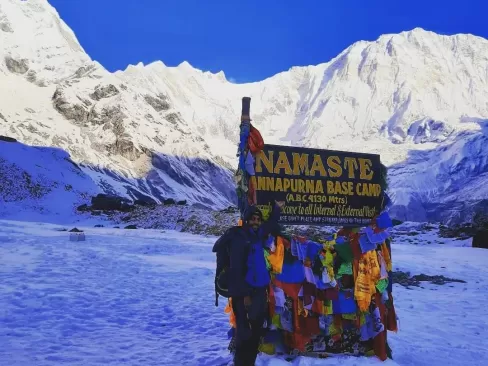
Annapurna Base Camp Trek: Into the Sanctuary of GiantsHere's the thing about the Annapurna Base Camp Trek—it's popular for good reason. While everyone's obsessing over Everest Base Camp, ABC (as regulars call it) quietly delivers one of the most spectacular mountain experiences in Nepal without requiring three weeks of your life or the altitude suffering that comes with venturing above 5,000 meters.I've done both, and honestly? The Arena of peaks surrounding Annapurna Base Camp at sunrise might be the single most dramatic mountain view I've experienced anywhere in the Himalayas. That's not hyperbole—it's just physics. You're standing at 4,130 meters, completely encircled by eight-thousanders and seven-thousanders rising nearly 4,000 meters directly above you.What Makes ABC DifferentThe Annapurna Base Camp Trek takes you into what's called the Annapurna Sanctuary—a high glacial basin surrounded by a ring of peaks that include Annapurna I (8,091m, the 10th highest mountain in the world), Annapurna South, Hiunchuli, Machapuchare (the sacred "Fishtail" mountain), and Gangapurna. The sanctuary is like nature's cathedral, and you're walking right into its heart.Unlike Everest Base Camp where you're looking up at the mountain from a distance, or Manaslu Circuit where you're circling around, ABC puts you directly in the middle of the action. It's intimate in a way that's hard to describe until you're standing there with mountains rising vertically on all sides.The trek is also remarkably diverse for its relatively short duration. You can complete ABC in 7-12 days depending on your pace and route, making it perfect for people who want a genuine Himalayan experience but don't have three weeks to spare. The shorter timeframe doesn't mean it's easy—you'll still be climbing over 2,000 meters from the starting point—but it's achievable for moderately fit trekkers.The Two Routes: Choosing Your PathThe Classic Route via Ghorepani and Poon HillMany trekkers combine ABC with the Ghorepani Poon Hill Trek, creating a longer but more varied journey. This route starts from Nayapul, climbs through beautiful villages to Ghorepani, continues to Poon Hill for sunrise views, then descends to Tadapani before heading toward ABC.The advantage? Poon Hill (3,210m) offers one of the most famous sunrise viewpoints in Nepal—a panoramic vista of the entire Annapurna and Dhaulagiri ranges that's worth the 4 AM wake-up call. The disadvantage? It adds 3-4 days to your trek, and honestly, the views at ABC make Poon Hill look like a warm-up act.The Direct Route via Jhinu DandaThe faster option goes directly from either Nayapul or Jhinu Danda, following the Modi Khola river valley straight up to ABC. This route is more focused and efficient—you're heading toward your destination without detours.I prefer this route because it feels more purposeful. Every day, you're getting closer to the sanctuary, and the anticipation builds naturally. Plus, you can stop at Jhinu Danda on the way back for the natural hot springs—nothing feels better after days of climbing than soaking in naturally heated water while staring at mountain peaks.The Trail: What You're Actually Walking ThroughSubtropical Villages and Terraced FieldsThe lower sections start in a landscape that doesn't immediately scream "Himalayas." You're walking through traditional Gurung and Magar villages, past terraced rice fields that cascade down hillsides in geometric patterns that look almost impossibly neat.Villages like Ghandruk, Chhomrong, and Landruk are substantial settlements with stone houses, slate roofs, and a distinctly Himalayan character. Unlike the more remote treks like Makalu Base Camp or Kanchenjunga, these villages have been hosting trekkers for decades, so the infrastructure is well-developed.The trail between villages alternates between stone steps (thousands of them—your knees will remember), forest paths, and sections that follow the contours of hillsides high above river valleys. It's not flat, ever. You're constantly either climbing or descending, even when you think you should be done climbing for the day.The Bamboo Forest and Rhododendron ZoneAs you gain elevation past Chhomrong, the landscape shifts. You enter dense bamboo forests where the trail becomes a tunnel through vegetation. The sound changes—wind in bamboo sounds like rushing water, and sometimes you can't tell if you're hearing the river below or the forest around you.Higher up, the bamboo gives way to rhododendron forests. If you're trekking in spring (March-April), these forests are absolutely stunning—massive rhododendron trees bloom in shades of red, pink, and white, creating natural color displays that rival anything you'd find in a botanical garden.The villages in this section get progressively smaller and more basic. Bamboo, Dovan, Himalaya Hotel—these aren't really hotels or villages in the conventional sense. They're clusters of lodges built specifically for trekkers, offering basic accommodation and meals in increasingly remote settings.The Modi Khola GorgeThe section through the Modi Khola gorge is where things get dramatic. The valley narrows, walls rise steeply on both sides, and you're walking on a trail that sometimes feels carved directly into the cliff face. Waterfalls cascade down from heights you can barely see, and the river below churns through rapids and over boulders with impressive force.This gorge is also where weather can turn quickly. The narrow valley funnels wind and clouds, and conditions that are clear down in Chhomrong can be completely different up here. I've walked through this section in brilliant sunshine and in sideways rain—sometimes on the same day.Entering the SanctuaryThere's a moment, usually around Machapuchare Base Camp (3,700m), when the valley suddenly opens up. The gorge releases you into the sanctuary, and for the first time, you can see the full ring of peaks surrounding the basin. It's a theatrical reveal—like walking through a doorway into a room you didn't know existed.From MBC to ABC is only about two more hours, but those two hours take you from a relatively sheltered valley into an exposed glacial basin. The landscape becomes barren—mostly rock, ice, and snow with minimal vegetation. The altitude is noticeable here; every step requires more effort than it should.Annapurna Base Camp: The Heart of the SanctuaryBase camp sits at 4,130 meters in a wide glacial basin. It's not actually a base camp in the mountaineering sense—climbing expeditions to Annapurna don't typically use this location. But the name stuck, and honestly, who cares about technicalities when you're standing in one of the most spectacular natural amphitheaters on Earth?The 360-degree view is almost overwhelming. Annapurna South rises directly in front of you, its south face a massive wall of ice and rock. To the left, Hiunchuli and Annapurna I tower above everything else. To the right, Gangapurna's glacier spills down toward the valley. Behind you, Machapuchare's distinctive fishtail summit guards the entrance to the sanctuary.Most people arrive at ABC in the afternoon, spend the night, and wake up for sunrise. The morning light show is what you came for. As the sun hits the peaks, they turn from grey to pink to gold, and for maybe thirty minutes, the entire sanctuary glows. Everyone stands outside their lodge in the freezing pre-dawn cold, taking photos that never quite capture what you're seeing, but taking them anyway because you need some way to prove this was real.The lodges at ABC are basic but surprisingly comfortable given the location. You're sleeping in an unheated room at 4,130 meters, but the communal dining areas have stoves, and there's something cozy about sharing a meal with other trekkers who just accomplished the same challenging climb you did.Cultural Elements Along the TrailThe Annapurna region is primarily inhabited by Gurung and Magar people, ethnic groups with distinct cultures, languages, and traditions. These communities have lived in these mountains for centuries, adapting to steep terrain and seasonal weather patterns in impressive ways.Ghandruk is the largest Gurung village in Nepal, and walking through it feels like stepping into a living museum of traditional mountain life. Stone houses with slate roofs line narrow paths, prayer flags flutter from rooftops, and you'll see locals in traditional dress going about daily routines that haven't changed much in generations.The Gurungs are also famous for their service in the British and Indian Gurkha regiments. Many families in these villages have members serving overseas, which has brought economic opportunities but also means you'll see evidence of remittance wealth—newer houses, satellite dishes, and increasingly modern amenities.Unlike more remote treks where cultural experiences feel more authentic but also more challenging due to language barriers, the Annapurna region strikes a nice balance. Locals are accustomed to trekkers, speak good English, and are happy to share stories about their lives and culture without it feeling like a transaction.The Best Seasons: Timing Your TrekSpring (March to May) is arguably the best season for ABC. The rhododendron forests are in full bloom, weather is generally stable, and temperatures are comfortable for trekking. Daytime temperatures in the lower elevations can be warm, even hot, while nights at ABC are cold but manageable. The main downside is that this is peak season, so the trails and lodges are busier.Autumn (October to November) offers the clearest mountain views and most stable weather. Post-monsoon air creates incredibly sharp visibility, and the skies are often cloudless for days at a stretch. Temperatures are cooler than spring but still pleasant for trekking. This is the busiest season—expect to share the trail with many other trekkers.Winter (December to February) is possible but challenging. The lower elevations are actually quite pleasant during winter days, but ABC itself can be extremely cold with temperatures dropping to -15°C or lower at night. Some lodges close for the season, and you'll need proper cold-weather gear. The upside? Fewer trekkers and often pristine, clear conditions. Snow can also make the trail above Deurali more challenging.Monsoon (June to September) is generally not recommended. Heavy rainfall makes trails muddy and slippery, leeches are abundant in the forests, and mountain views are often obscured by clouds. However, the landscape is beautifully green, wildflowers are abundant, and you'll have the trail largely to yourself. If you don't mind rain and aren't fixated on perfect views, monsoon trekking has its own appeal.The Altitude RealityThe highest point you'll reach is 4,130 meters at ABC, which is significantly lower than Everest Base Camp (5,364m) or even Langtang Valley's Tserko Ri (4,984m). This makes ABC more accessible to a wider range of trekkers and reduces the risk of serious altitude sickness.That said, altitude is still a factor. You're gaining significant elevation over a relatively short period, and some people do experience symptoms like headaches, nausea, or difficulty sleeping. The key is ascending at a reasonable pace—most itineraries include an acclimatization day or build in rest stops to help your body adjust.I felt the altitude most noticeably in the final push from MBC to ABC. The air feels noticeably thinner, and you'll be breathing harder than the elevation gain alone would suggest. But it's manageable, and most reasonably fit people handle it without major issues.Lodge Life: What to ExpectThe Annapurna region has some of the best teahouse infrastructure in Nepal. Lodges range from basic but clean to surprisingly comfortable, with the fancier options found in larger villages like Ghandruk and Chhomrong.A typical lodge offers simple rooms with two beds, thin mattresses, and basic blankets. Bathrooms are usually shared, and hot showers are available for an additional fee—water is heated in individual buckets or via solar panels, so availability depends on weather and time of day.The real center of lodge life is the communal dining area. Each lodge has a dining room with benches around a central wood-burning stove (called a bukhari). This is where you'll eat all your meals, charge devices (for a fee), meet other trekkers, and spend your evenings. The dining room culture is one of the best parts of teahouse trekking—you end up having great conversations with people from all over the world, all united by sore legs and shared mountain experiences.As you climb higher, lodges become more basic and expensive. Economics of altitude—everything at ABC needs to be carried up by porters or transported by helicopter, so prices reflect that effort. But even at ABC, you'll have a bed, meals, and a heated dining room, which feels like luxury when you're at 4,130 meters.Food on the TrailThe menu options are surprisingly extensive, even at higher elevations. Dal bhat (rice and lentil curry) is available everywhere and comes with free refills—there's a reason trekkers joke about "dal bhat power." It's nutritious, filling, and provides the calories you need for all-day hiking.Other common options include fried rice, noodle soup, momos (dumplings), pasta, pizza (surprisingly decent), pancakes for breakfast, and various egg dishes. The food won't win culinary awards, but after hiking for six hours, everything tastes better than it should.Coffee is almost always instant Nescafe, which you'll either make peace with or suffer through. Tea is excellent—black tea with milk, ginger tea, lemon tea, or the famous "special honey lemon tea" that's basically hot water, honey, and lemon but somehow becomes addictive.One unique food experience: many lodges make fresh apple pie or apple strudel. The Annapurna region grows apples, and the homemade pies are legitimately delicious. It's become a trekking tradition to have apple pie at various stops along the route.Permits RequiredYou'll need two permits for ABC:TIMS (Trekkers' Information Management System) cardAnnapurna Conservation Area Permit (ACAP)These can be obtained in Pokhara or Kathmandu through trekking agencies or at tourism offices. If you're hiring a guide or going through a company, they'll typically handle permits for you. The permits aren't expensive, and fees go toward conservation efforts and community development.Starting Point: Pokhara ConnectionMost ABC treks start from Pokhara, Nepal's second-largest city and a major hub for trekkers. Pokhara sits on the shores of Phewa Lake with the Annapurna range visible (on clear days) from the lakeside.From Pokhara, you'll drive to Nayapul or Jhinu Danda, depending on your route. The drive takes 1-2 hours on roads that range from paved highway to rough mountain track. Some people opt to start the trek from Phewa Lake itself, adding an extra day or two but enjoying a more gradual start.Pokhara is also where you'll end the trek. After the mountains, Pokhara's lakeside restaurants, comfortable hotels, and relatively mellow atmosphere feel luxurious. Many trekkers spend an extra day or two here recovering, getting massages, and eating food that isn't dal bhat.What to Pack for ABCThe temperature range you'll experience is dramatic—hot in the lower villages, cold at ABC. Packing in layers is essential.Essential gear:Broken-in hiking boots (the stone steps will destroy new boots and your feet)Warm sleeping bag (lodges provide blankets but they're often thin)Down jacket (essential for ABC, where it's cold even during the day)Rain gear (weather changes quickly in the mountains)Trekking poles (your knees will thank you on the descents)Headlamp (lodges sometimes have power outages)Water purification (tablets or filter for filling from taps/streams)Sun protection (sunglasses, sunscreen, hat—UV is intense at altitude)Basic first aid and personal medicationsYou don't need technical climbing gear or crampons for ABC under normal conditions. It's a trekking route, not a mountaineering expedition.The Wildlife ElementWhile the Annapurna Conservation Area is home to diverse wildlife, you're less likely to see rare animals on ABC compared to more remote treks like Makalu. The trails are too busy for most wildlife to feel comfortable.That said, you might spot langur monkeys in the lower forests, various bird species including the impeyan pheasant (Nepal's national bird), and if you're lucky, Himalayan thar on rocky slopes at higher elevations. The forests are beautiful even without major wildlife sightings—the trees, plants, and alpine flowers create their own spectacle.Comparing ABC to Other Popular TreksEverest Base Camp is longer (12-14 days), reaches higher altitude (5,364m), and has the Everest name recognition. But ABC's mountain views are arguably more dramatic since you're surrounded by peaks rather than looking at one from a distance.Annapurna Circuit is a longer, more varied trek (15-20 days) that circles the entire Annapurna massif. It's more culturally diverse but doesn't provide the intimate sanctuary experience of ABC.Langtang Valley is similar in duration and difficulty to ABC, also offers great mountain views, and is less crowded. It's a great alternative if you want something quieter.Manaslu Circuit is more remote and challenging than ABC, with similar duration to Annapurna Circuit but fewer people. Good option for those who've done ABC and want something more adventurous.Why Choose Annapurna Base CampABC offers the best mountain views-to-effort ratio of any major trek in Nepal. You get to stand in an amphitheater of 7,000 and 8,000-meter peaks without spending three weeks trekking or suffering at extreme altitudes.The infrastructure makes it accessible—you're never far from a lodge, the food is good, and the trail is well-maintained. But it's not so developed that it loses its mountain character. You're still genuinely in the Himalayas, still climbing serious vertical distance, still earning every view.The cultural element is strong without being overwhelming. You'll walk through traditional villages, meet locals, and get a sense of mountain life without the communication barriers or extreme remoteness of other regions.And honestly? That sunrise at ABC, surrounded by giants, is worth every step. You'll stand there in the freezing dawn, watching mountains turn gold, and understand why people keep coming back to the Himalayas.Common Mistakes to AvoidRushing the itinerary: Just because ABC can be done in 7 days doesn't mean it should be. Give yourself time to acclimatize and enjoy the journey.Underpacking warm clothes: Even in peak season, ABC is cold at night. Bring that down jacket.Skipping the hot springs: Jhinu Danda's natural hot springs on the way back are perfect for recovery. Don't skip them.Not bringing cash: ATMs only exist in Pokhara and lower villages. Bring enough rupees for your entire trek.Wearing new boots: Break in your boots before the trek. The stone steps will find every weak point in new footwear.Final ThoughtsThe Annapurna Base Camp Trek is popular because it works. It delivers spectacular mountain scenery without requiring extreme fitness, technical skills, or weeks away from home. The infrastructure means you can focus on enjoying the mountains rather than worrying about logistics.It's not the most remote trek, not the most challenging, not the highest. But standing in the sanctuary at sunrise, completely surrounded by some of the highest peaks on Earth, you realize that sometimes the popular choice is popular for very good reasons.Whether ABC is your first Himalayan trek or your tenth, that moment when the mountains light up at dawn never gets old. The sanctuary works its magic on everyone who visits—it's just big enough, wild enough, and beautiful enough to make you feel small in the best possible way.Explore More Annapurna Region TreksReady to explore more of the Annapurna region?Classic Routes:Annapurna Circuit Trek - The complete circle around Annapurna massifGhorepani Poon Hill Trek - Shorter trek with famous sunrise viewsMardi Himal Trek - Newer, quieter route with excellent viewsOther Popular Nepal Treks:Everest Base Camp Trek - The classic Everest journeyLangtang Valley Trek - Beautiful alternative, less crowdedManaslu Circuit Trek - Remote trek around 8th highest peakShort & Accessible:Ghorepani Poon Hill - Perfect for limited timeKhopra Ridge Trek - Off-the-beaten-path Annapurna viewsContact us to plan your perfect Annapurna trek.Top Blogs About Trekking in the Annapurna RegionUncover the best blogs about trekking in the Annapurna region, featuring expert advice, detailed itineraries, personal experiences, and essential tips for adventurers looking to explore the Himalayas.Best Annapurna Ranges Treks & Tours 2024/2025Top 9 Destinations to Explore on the Annapurna Circuit TrekBest Time to Hike the Annapurna CircuitWhich is the Better Lake Trek in Nepal: Gokyo or Tilicho Lake Trek?Annapurna Base Camp Trek: Tips and FAQsAltitude Sickness on Nepal Treks: Symptoms, Treatment, and When to Descend (Complete Guide)Mardi Himal Trek: Trails, Views, and TipsNepal Trekking Permits: Costs, Types, and How to Get ThemGhorepani Poon Hill Trek: A Perfect Short Himalayan AdventureManaslu Circuit vs Annapurna Circuit: Which Trek is Right for You?Nepal Trekking: What’s the Best Time to Go?Budget Trekking in Nepal: Tips, Trails, and TricksExploring Nepal’s Wildlife and NatureTrekking Through Nepal: A Journey into the HimalayasTop 10 Mountain Peaks in NepalAnnapurna Base Camp vs Annapurna Circuit: Which Himalayan Trek is Right for You?Annapurna Circuit Trek for Beginners 2025: The Famous Himalayan Adventure You Can’t MissWhere is Annapurna? Explore the Glory of the World’s Highest MountainTop Reasons to Choose Trekking or Visiting NepalDal Bhat Power 24 Hour: The Science and Soul Behind Nepal's Mountain FuelThe Essential Guide to Choosing Your Perfect Nepal Trek: From Beginner-Friendly Trails to Epic Himalayan AdventuresSolo Female Trekking in Nepal: A Complete Safety and Empowerment Guide for 2026Complete Fitness Training Guide for Nepal Trekking 2026: From Couch to Base Camp in 12 WeeksCan Beginners Do Annapurna Trek? Your Complete Guide to Conquering the Himalayas
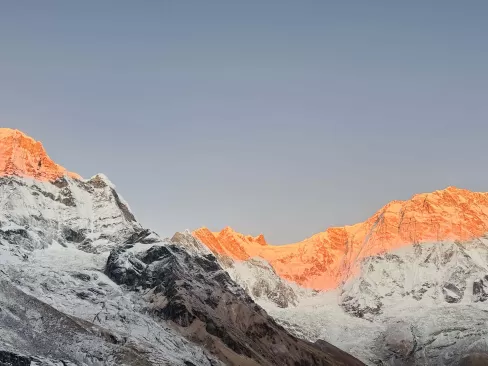
Annapurna Circuit Trek – Explore the Beauty of the HimalayasThe Annapurna Circuit Trek is one of the most famous trekking routes in Nepal and a bucket-list adventure for hikers worldwide. This trek circles the Annapurna Massif, taking you through lush valleys, high mountains, remote villages, and sacred temples. With its breathtaking scenery, diverse landscapes, and rich cultural experiences, it is a journey that combines adventure, nature, and local life.Reaching a maximum altitude of 5,416 meters (17,769 feet) at Thorong La Pass, the trek challenges even experienced trekkers but rewards them with panoramic views of some of the highest peaks in the world. From the moment you start in the low valleys to the moment you descend into Nayapul, every day is filled with new experiences, cultures, and scenery.This detailed guide will help you understand everything about the Annapurna Circuit Trek, including highlights, cultural stops, wildlife, side trips, and practical tips.Thorong La Pass – Reach the Highest Point of Your AdventureThorong La Pass is the highest point of the Annapurna Circuit Trek and a major highlight of the journey. Crossing this pass is both physically demanding and emotionally rewarding. Trekkers usually start very early, often before sunrise, to avoid the strong winds and icy trails that develop later in the day.At 5,416 meters, the air is thin, so pacing yourself is crucial. Most trekking guides advise taking small steps, breathing steadily, and staying hydrated. Crossing Thorong La is more about endurance and patience than speed.From the top, you are greeted with awe-inspiring views of the Annapurna Range, Dhaulagiri, and the surrounding Himalayan peaks. Many trekkers describe this moment as one of the most memorable experiences of their life. It’s not just a physical achievement—it’s also a spiritual and emotional one.Local guides often recommend spending a few minutes at the pass to soak in the scenery, take photographs, and offer gratitude for completing such a challenging portion of the trek. After the pass, the trail descends into the Mustang region, where the landscape changes dramatically, and trekkers can finally feel a sense of accomplishment.Tips for Thorong La Pass:Start the day before sunrise to avoid harsh weather.Wear layered clothing to adjust to temperature changes.Carry snacks, water, and a walking stick for stability.Listen to your guide; acclimatization is key to avoid altitude sickness.Changing Views – See Stunning Landscapes Every DayOne of the unique features of the Annapurna Circuit Trek is the variety of landscapes you encounter along the route. The trek starts in the low-altitude subtropical valleys with dense forests, terraced fields, and rivers flowing through lush farmland. The environment is warm, green, and vibrant.As you ascend, the terrain slowly changes. The forests become dominated by pine and rhododendron trees, and the air becomes crisper and cooler. Birds, small mammals, and unique Himalayan plants can be spotted along the trail. Trekkers also pass through wide valleys with grazing yaks and herds of sheep, offering a glimpse into the local mountain lifestyle.Higher up, the landscape transforms into an alpine desert with sparse vegetation and barren hills. The dramatic change in scenery allows trekkers to experience multiple ecosystems within a single trek. This variety is what makes the Annapurna Circuit so famous. Each day brings new photographic opportunities and experiences, from green terraced fields to snow-covered peaks.Comparisons are often made with other famous treks in Nepal, such as the Manaslu Circuit Trek and the Everest Base Camp Trek , but the Annapurna Circuit stands out for the diversity of landscapes within one continuous trail. Village Life – Experience Local Culture and TraditionsThe Annapurna Circuit Trek is not just about mountains—it’s also about people, culture, and traditions. The route passes through several ethnic villages inhabited by Gurung, Manangi, and Thakali communities, each offering a unique cultural experience.Manang Village: A key stop for acclimatization, Manang is influenced by Tibetan culture and features beautiful monasteries, prayer flags, and local markets. Trekkers can explore local cafes, try Tibetan-style food, and learn about high-altitude farming techniques. Many visitors slow down here, sip tea, and watch the world move at a slower pace.Marpha Village: Known for its apple orchards and stone-paved streets, Marpha is one of the most picturesque villages on the trek. It’s famous for local apple brandy, apple pies, and dried fruit. Staying here offers a unique glimpse into traditional Nepali life.Kagbeni Village: Located near the Kali Gandaki River, Kagbeni is an ancient village with traditional architecture and a peaceful environment. It’s an important stop for those heading into the Mustang region and offers insights into the Tibetan-influenced culture of the area.Walking through these villages allows trekkers to experience local festivals, rituals, and hospitality. You can enjoy home-cooked meals, chat with local families, and understand how communities survive and thrive in high-altitude environments. For trekkers seeking more cultural immersion, related treks include the Upper Mustang Trek and the Tamang Heritage Trail.Muktinath Temple – A Peaceful Spiritual StopMuktinath Temple is a sacred site visited by both Hindus and Buddhists, making it one of the most important spiritual stops along the Annapurna Circuit. For Hindus, it is a place of liberation, while Buddhists believe it is associated with Guru Rinpoche (Padmasambhava).The temple is famous for its 108 water spouts and an eternal natural flame. Many trekkers find the temple a peaceful and reflective stop during their high-altitude journey. It provides a spiritual break from the physical challenges of trekking and allows visitors to connect with the local culture and traditions.Visiting Muktinath gives trekkers the opportunity to witness pilgrims performing rituals and to learn more about the religious harmony in the Himalayan region. This cultural experience adds a meaningful dimension to the trek.Jomsom & Kali Gandaki Valley – Walk Through the Deepest GorgeDescending from Thorong La Pass, trekkers enter the Kali Gandaki Valley, home to the world’s deepest gorge. Jomsom is the main town in this area and serves as a hub for trekking supplies, local markets, and air transport connections.The valley is windy and dry, and trekkers quickly learn that walking early in the morning is the best way to avoid strong afternoon gusts. The valley is dotted with apple orchards, grazing yaks, and small villages, providing a perfect mix of nature and culture.This part of the trek also serves as a connection point to shorter treks like the Ghorepani Poon Hill Trek, making it suitable for trekkers who want to combine different routes.Tatopani Hot Springs – Relax and RechargeTatopani, meaning “hot water” in Nepali, is famous for its natural hot springs. After days of walking through mountains and valleys, soaking in the warm pools is a refreshing and relaxing experience.The hot springs are not only good for sore muscles but also offer a chance to meet other trekkers, enjoy the surrounding natural beauty, and take a short rest before continuing the trek. It is a highlight for anyone who enjoys a balance of adventure and relaxation.This combination of challenge and comfort is similar to other popular routes, such as the Annapurna Base Camp Trek.Annapurna Conservation Area – Meet Unique WildlifeThe Annapurna Circuit is located within the Annapurna Conservation Area (ACA), Nepal’s largest protected region. The area is home to a wide range of wildlife and plant species.Some of the animals trekkers might see include Himalayan tahr, blue sheep, musk deer, and, in rare cases, snow leopards or red pandas. The flora includes rhododendron forests, alpine plants, and medicinal herbs.Trekking through this conservation area helps visitors understand the importance of protecting the natural environment in the Himalayas.Tilicho Lake Side Trip – A Challenging Adventure RewardFor trekkers seeking additional adventure, the Tilicho Lake side trek is a popular detour. Situated at approximately 4,919 meters, Tilicho Lake is one of the highest lakes in the world.The trek is demanding, with steep ascents and high-altitude terrain, but the stunning lake surrounded by snow-capped peaks makes it worth the effort. Trekkers often describe this side trip as one of the most memorable experiences on the Annapurna Circuit.Ending at Nayapul – Celebrate Your Trekking AchievementThe Annapurna Circuit Trek traditionally ends at Nayapul, marking the completion of a full loop around the Annapurna Massif. Reaching this endpoint brings a deep sense of satisfaction after weeks of trekking, cultural exploration, and high-altitude adventure.Trekkers who finish the circuit often reflect on the unique experiences, challenges, and friendships formed during the journey. Those comparing routes may also be interested in the Langtang Valley Trek and Pikey Peak Trek.Why Trek with Explory Holiday NepalBooking your trek with Explory Holiday Nepal ensures you have experienced local guides, proper acclimatization planning, cultural highlights, customizable itineraries, and trusted support throughout the journey. Top Blogs About Trekking in the Annapurna RegionUncover the best blogs about trekking in the Annapurna region, featuring expert advice, detailed itineraries, personal experiences, and essential tips for adventurers looking to explore the Himalayas.Best Annapurna Ranges Treks & Tours 2024/2025Top 9 Destinations to Explore on the Annapurna Circuit TrekBest Time to Hike the Annapurna CircuitWhich is the Better Lake Trek in Nepal: Gokyo or Tilicho Lake Trek?Annapurna Base Camp Trek: Tips and FAQsAltitude Sickness on Nepal Treks: Symptoms, Treatment, and When to Descend (Complete Guide)Mardi Himal Trek: Trails, Views, and TipsNepal Trekking Permits: Costs, Types, and How to Get ThemGhorepani Poon Hill Trek: A Perfect Short Himalayan AdventureManaslu Circuit vs Annapurna Circuit: Which Trek is Right for You?Nepal Trekking: What’s the Best Time to Go?Budget Trekking in Nepal: Tips, Trails, and TricksExploring Nepal’s Wildlife and NatureTrekking Through Nepal: A Journey into the HimalayasTop 10 Mountain Peaks in NepalAnnapurna Base Camp vs Annapurna Circuit: Which Himalayan Trek is Right for You?Annapurna Circuit Trek for Beginners 2025: The Famous Himalayan Adventure You Can’t MissWhere is Annapurna? Explore the Glory of the World’s Highest MountainTop Reasons to Choose Trekking or Visiting NepalDal Bhat Power 24 Hour: The Science and Soul Behind Nepal's Mountain FuelThe Essential Guide to Choosing Your Perfect Nepal Trek: From Beginner-Friendly Trails to Epic Himalayan AdventuresSolo Female Trekking in Nepal: A Complete Safety and Empowerment Guide for 2026Complete Fitness Training Guide for Nepal Trekking 2026: From Couch to Base Camp in 12 WeeksCan Beginners Do Annapurna Trek? Your Complete Guide to Conquering the Himalayas

Ghorepani Poon Hill Trek: Scenic Views and Cultural Encounters in AnnapurnaThe Ghorepani Poon Hill Trek is a remarkable journey through the heart of the Annapurna region, combining stunning Himalayan landscapes, lush forests, and vibrant cultural experiences. This trek is ideal for beginners, families, and moderately experienced trekkers because it offers moderate difficulty, manageable altitude, and accessible trails, while still delivering breathtaking scenery and memorable cultural encounters. The trek is particularly popular in spring, when the rhododendron forests are in full bloom, and in autumn, when clear skies offer unparalleled mountain views.Scenic Trekking RouteThe trek begins with a scenic drive from Pokhara to Nayapul, passing through beautiful valleys, small villages, and flowing rivers. Nayapul marks the official starting point, from where trekkers begin a walk to Tikhedhunga, a charming village at the base of the Annapurna hills. The trail gradually ascends through terraced farmlands, gushing streams, and dense forests of rhododendron and pine, offering trekkers spectacular views at every turn. Along the way, trekkers pass through traditional Magar and Gurung villages, where local villagers warmly welcome travelers, offering tea and insight into their daily lives. This section of the trek provides ample opportunities for photography, nature observation, and cultural immersion. The mix of rolling hills, terraced fields, and colorful forests creates a dynamic trekking experience that gradually prepares the body for higher altitudes.Poon Hill: The HighlightThe trek’s major highlight is Poon Hill, perched at approximately 3,210 meters (10,531 feet). Trekkers wake early in the morning to catch the spectacular sunrise over the Annapurna and Dhaulagiri ranges, a moment often described as magical and life-changing. The soft morning light illuminates iconic peaks such as Machhapuchhre (Fishtail), Annapurna I, Annapurna South, Hiunchuli, and Dhaulagiri, creating a breathtaking panoramic view. From Poon Hill, trekkers can enjoy 360-degree vistas of snow-capped peaks, alpine valleys, and terraced farmland, making it a perfect location for photography and reflection. The experience is rewarding for all trekkers, as the effort to reach this vantage point is compensated by the sheer beauty and serenity of the landscape.Ghorepani, Tadapani, and Ghandruk: Cultural ImmersionAfter Poon Hill, the trek continues to Ghorepani, a picturesque village perched on a ridge, offering peaceful surroundings and stunning mountain views. Ghorepani is famous for its traditional teahouses, where trekkers can rest, enjoy local cuisine, and interact with fellow travelers. From Ghorepani, the trail leads to Tadapani, passing through dense forests of oak and rhododendron. Trekkers are rewarded with continuous glimpses of Machhapuchhre, Annapurna South, and Hiunchuli, and the journey is filled with natural beauty, clean air, and peaceful surroundings.The trek concludes at Ghandruk, one of the most culturally significant Gurung villages in the Annapurna region. Ghandruk is renowned for its stone houses, terraced fields, and traditional lifestyle. Here, trekkers can immerse themselves in local culture, learn about Gurung traditions, festivals, and community life, and explore ancient village temples and monasteries. The village offers a tranquil environment, ideal for resting, taking photos, and reflecting on the trekking journey. Along the entire route, trekkers encounter friendly locals, traditional lifestyle practices, and authentic Nepali hospitality, which adds depth and richness to the trekking experience.Difficulty, Duration, and SuitabilityThe Ghorepani Poon Hill Trek is classified as moderate difficulty, suitable for beginners, families, and moderately experienced trekkers. The trek’s lower altitudes minimize risks of altitude sickness, making it accessible to a wider range of travelers. The trekking duration is typically 5 to 7 days, depending on the pace and side excursions. The trail includes gradual ascents, scenic viewpoints, and occasional steep sections, providing a balanced mix of challenge and comfort. The trek usually concludes with a descent to Nayapul, followed by a return drive to Pokhara, offering trekkers the chance to relax, shop, and celebrate their accomplishment.Why Choose the Ghorepani Poon Hill Trek?Breathtaking sunrise from Poon Hill with panoramic Himalayan views.Cultural encounters in Gurung and Magar villages, including local traditions, festivals, and homestays.Moderate difficulty, making it accessible for most trekkers.Scenic rhododendron forests, especially vibrant in spring.Photogenic villages, terraced fields, and alpine landscapes.Short yet immersive trekking experience, perfect for first-time trekkers or travelers with limited time.For trekkers seeking longer adventures in the Annapurna region, check out our Annapurna Base Camp Trek or Mardi Himal TrekTop Blogs About Trekking in the Annapurna RegionUncover the best blogs about trekking in the Annapurna region, featuring expert advice, detailed itineraries, personal experiences, and essential tips for adventurers looking to explore the Himalayas.Best Annapurna Ranges Treks & Tours 2024/2025Top 9 Destinations to Explore on the Annapurna Circuit TrekBest Time to Hike the Annapurna CircuitWhich is the Better Lake Trek in Nepal: Gokyo or Tilicho Lake Trek?Annapurna Base Camp Trek: Tips and FAQsAltitude Sickness on Nepal Treks: Symptoms, Treatment, and When to Descend (Complete Guide)Mardi Himal Trek: Trails, Views, and TipsNepal Trekking Permits: Costs, Types, and How to Get ThemGhorepani Poon Hill Trek: A Perfect Short Himalayan AdventureManaslu Circuit vs Annapurna Circuit: Which Trek is Right for You?Nepal Trekking: What’s the Best Time to Go?Budget Trekking in Nepal: Tips, Trails, and TricksExploring Nepal’s Wildlife and NatureTrekking Through Nepal: A Journey into the HimalayasTop 10 Mountain Peaks in NepalAnnapurna Base Camp vs Annapurna Circuit: Which Himalayan Trek is Right for You?Annapurna Circuit Trek for Beginners 2025: The Famous Himalayan Adventure You Can’t MissWhere is Annapurna? Explore the Glory of the World’s Highest MountainTop Reasons to Choose Trekking or Visiting NepalDal Bhat Power 24 Hour: The Science and Soul Behind Nepal's Mountain FuelThe Essential Guide to Choosing Your Perfect Nepal Trek: From Beginner-Friendly Trails to Epic Himalayan AdventuresSolo Female Trekking in Nepal: A Complete Safety and Empowerment Guide for 2026Complete Fitness Training Guide for Nepal Trekking 2026: From Couch to Base Camp in 12 WeeksCan Beginners Do Annapurna Trek? Your Complete Guide to Conquering the Himalayas
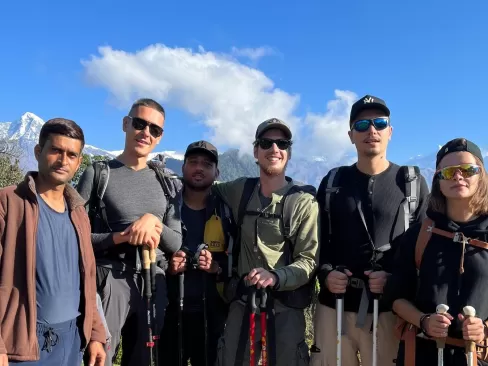
Mardi Himal Trek: A Hidden Gem in the Annapurna HimalayasMardi Himal Trek is one of Nepal’s most scenic and less-crowded trekking routes, offering an unforgettable Himalayan experience. Located in the Annapurna region, this trek takes you through lush forests, alpine meadows, and charming traditional villages, finally reaching the stunning Mardi Himal Base Camp at 4,500 meters (14,764 feet). Along the way, you’ll enjoy breathtaking views of Machhapuchhre (Fishtail), Annapurna South, Hiunchuli, and Mardi Himal.Whether you are a first-time trekker or an experienced adventurer, Mardi Himal is perfect for those seeking serenity, scenic beauty, and cultural encounters without the crowds.If you love exploring the Himalayas, you might also enjoy our Annapurna Circuit Trek, Everest Base Camp Trek, and Gokyo Lakes Trek, which offer different challenges and stunning landscapes.Why Choose Mardi Himal Trek?Less crowded trail – Enjoy peace and solitude while trekking through pristine nature.Stunning panoramic views – Capture close-up views of Machhapuchhre, Annapurna South, Hiunchuli, and Mardi Himal.Cultural immersion – Visit Gurung and Magar villages, interact with locals, and learn about traditional lifestyles.Diverse landscapes – Walk through terraced fields, rhododendron forests, alpine meadows, and rocky high-altitude trails.Seasonal highlights – Spring offers vibrant rhododendron blooms, while autumn provides clear skies and perfect mountain views.Moderate difficulty – Suitable for trekkers with basic experience, offering a perfect balance of challenge and enjoyment.Scenic Trails and Natural BeautyThe Mardi Himal Trek is a visual delight, featuring ever-changing landscapes:Lower elevations: Walk through fertile terraced farmlands, lush forests, and small villages.Mid elevations: Trek through rhododendron and oak forests, with chances to spot Himalayan birds and wildlife.High elevations: Ascend alpine meadows, rocky ridges, and glacial valleys, with panoramic mountain views at every turn.Along the trail, you’ll find hidden viewpoints, crystal-clear streams, and peaceful resting spots, perfect for photography and soaking in the scenery.For a similar scenic experience, check out our , which also passes through rhododendron forests and offers stunning Annapurna sunrise views.Cultural HighlightsThe trek is not just about mountains; it’s also a journey through local culture.Gurung and Magar villages: Explore villages, meet locals, and learn about traditional farming, festivals, and daily life.Traditional architecture: Observe stone houses, prayer flags, and small monasteries, reflecting the heritage of the region.Warm hospitality: Stay in teahouses and enjoy homemade meals like dal bhat, momo, and seasonal vegetables.Engaging with locals adds a personal touch to your trek, making it memorable and meaningful.If you love exploring local culture, our Manaslu Circuit Trek also offers deep cultural immersion in Tibetan-influenced villages along the route.Flora and FaunaRhododendron forests: Especially vibrant in spring (March–May), creating a stunning colorful display.Alpine meadows: Full of wildflowers and rare Himalayan plants.Wildlife sightings: Keep an eye out for Himalayan birds, langurs, and small mammals along the trail.For nature lovers, the Langtang Valley Trek also showcases diverse Himalayan flora and fauna, including rhododendron forests and glacial landscapes.Mardi Himal Base CampThe trek culminates at Mardi Himal Base Camp (4,500 meters), a quiet and breathtaking destination. Here you can:Enjoy close-up views of Mardi Himal, Machhapuchhre, Annapurna South, and Hiunchuli.Capture unforgettable photographs of the peaks and surrounding landscapes.Feel a sense of accomplishment after completing the trek.Experience solitude in a less-crowded area, perfect for reflection and connection with nature.Optional High Camp above Base Camp provides even closer views of Mardi Himal and Machhapuchhre for those seeking an extra adventure.Practical Information for TrekkersBest time to trek:Spring (March–May) – Rhododendrons in full bloom.Autumn (September–November) – Clear skies and ideal weather.Trekking duration: 5–7 days (can extend with side trips).Difficulty level: Moderate – suitable for trekkers with basic experience.Accommodation: Comfortable teahouses along the trail, with meals included.Altitude: Base Camp at 4,500 meters, optional High Camp slightly higher.Key Highlights of the Mardi Himal TrekPanoramic views of Machhapuchhre (Fishtail) and Annapurna SouthTranquil Mardi Himal Base Camp and optional High CampCultural villages of Gurung and Magar peopleVibrant rhododendron forests and seasonal wildflowersAlpine meadows and serene landscapesLess crowded trails – perfect for solitude and photographyWhy This Trek Stands OutThe Mardi Himal Trek is ideal for those who want a peaceful, scenic, and culturally rich Himalayan adventure. You will:Enjoy untouched natural beauty away from crowded trails.Connect with local communities and experience their unique culture and traditions.Witness daily changing landscapes, from forested hills to snowy peaks.Capture memories in a pristine and serene environment.For trekkers looking for more challenging adventures, explore our Everest Three Pass Trek or Annapurna Circuit Trek for longer, high-altitude Himalayan journeys.Top Blogs About Trekking in the Annapurna RegionUncover the best blogs about trekking in the Annapurna region, featuring expert advice, detailed itineraries, personal experiences, and essential tips for adventurers looking to explore the Himalayas.Best Annapurna Ranges Treks & Tours 2024/2025Top 9 Destinations to Explore on the Annapurna Circuit TrekBest Time to Hike the Annapurna CircuitWhich is the Better Lake Trek in Nepal: Gokyo or Tilicho Lake Trek?Annapurna Base Camp Trek: Tips and FAQsAltitude Sickness on Nepal Treks: Symptoms, Treatment, and When to Descend (Complete Guide)Mardi Himal Trek: Trails, Views, and TipsNepal Trekking Permits: Costs, Types, and How to Get ThemGhorepani Poon Hill Trek: A Perfect Short Himalayan AdventureManaslu Circuit vs Annapurna Circuit: Which Trek is Right for You?Nepal Trekking: What’s the Best Time to Go?Budget Trekking in Nepal: Tips, Trails, and TricksExploring Nepal’s Wildlife and NatureTrekking Through Nepal: A Journey into the HimalayasTop 10 Mountain Peaks in NepalAnnapurna Base Camp vs Annapurna Circuit: Which Himalayan Trek is Right for You?Annapurna Circuit Trek for Beginners 2025: The Famous Himalayan Adventure You Can’t MissWhere is Annapurna? Explore the Glory of the World’s Highest MountainTop Reasons to Choose Trekking or Visiting NepalDal Bhat Power 24 Hour: The Science and Soul Behind Nepal's Mountain FuelThe Essential Guide to Choosing Your Perfect Nepal Trek: From Beginner-Friendly Trails to Epic Himalayan AdventuresSolo Female Trekking in Nepal: A Complete Safety and Empowerment Guide for 2026Complete Fitness Training Guide for Nepal Trekking 2026: From Couch to Base Camp in 12 WeeksCan Beginners Do Annapurna Trek? Your Complete Guide to Conquering the Himalayas
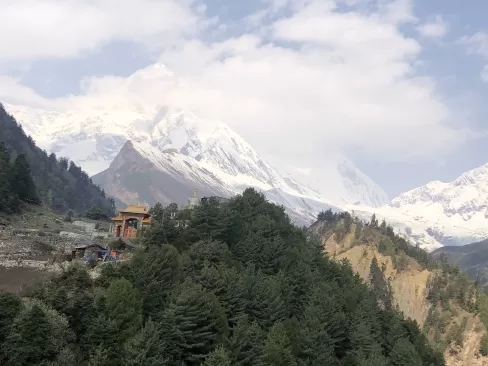
Nestled in the northern part of Gorkha district, the Tsum Valley Trek is a hidden gem in the Himalayas, offering a unique blend of natural beauty, cultural richness, and serene landscapes. With elevations ranging from 1,905 meters (6,250 feet) to approximately 4,096 meters (13,432 feet) at Mu Gompa, the trek unfolds in a high-altitude sanctuary that captivates trekkers with its stunning vistas and authentic cultural experiences.This sacred valley, opened to tourism only in 2008, remains one of Nepal's most pristine and culturally preserved trekking destinations. The Tsum Valley Nepal experience combines the adventure of Himalayan trekking with deep spiritual immersion, making it ideal for those seeking something beyond the ordinary trekking routes like Everest Base Camp or Annapurna Circuit.Natural Beauty and LandscapeThe Tsum Valley provides a breathtaking panorama of the Ganesh Himal (7,422m), Sringi Himal (7,187m), and Boudha Himal ranges, creating a dramatic backdrop for the entire journey. The trek showcases the pristine beauty of the Himalayan terrain, encompassing lush green valleys, terraced agricultural fields carved into mountainsides over centuries, and ancient forests of pine, rhododendron, and oak.Trekkers traverse alongside the shimmering waters of the Budhi Gandaki River, crossing numerous suspension bridges that connect remote villages and add an element of adventure to the trek. These bridges, some swaying high above roaring rapids, are adorned with prayer flags and offer spectacular photo opportunities while testing your nerve.The valley's landscape transforms as you ascend. Lower elevations feature subtropical vegetation with banana trees and millet fields, gradually transitioning to temperate forests, then alpine meadows, and finally barren high-altitude terrain near the Tibetan border. This ecological diversity makes every day of trekking visually distinct and engaging.The region's geographical isolation has preserved its environment remarkably well. Unlike more trafficked routes such as the Langtang Valley Trek or Manaslu Circuit, Tsum Valley shows minimal environmental impact from tourism, with crystal-clear streams, pristine forests, and wildlife that includes Himalayan tahr, musk deer, and occasionally even the elusive snow leopard in higher reaches.Cultural Significance and HeritageBeyond its natural allure, the Tsum Valley is renowned for its profound cultural and spiritual significance. Home to the Tsumbas, an indigenous ethnic group of Tibetan origin, the valley boasts a rich cultural heritage that has remained remarkably intact due to centuries of geographical isolation.Buddhist TraditionsThe valley is often called a "Beyul" or sacred hidden valley in Tibetan Buddhism. Trekkers encounter numerous ancient monasteries (gompas), chortens (Buddhist stupas), and extensive mani walls adorned with carved prayers and mantras, reflecting the deep-rooted Buddhist traditions of the region. These aren't tourist attractions but active centers of spiritual practice where monks continue centuries-old traditions of meditation, debate, and ritual.The restricted area trek Nepal designation means that Tsum Valley has avoided the commercialization seen in other regions. The Buddhist culture here isn't performed for tourists—it's the genuine fabric of daily life. You'll witness monks in philosophical debates, participate in prayer ceremonies if invited, and experience authentic Tibetan Buddhist hospitality.Local CommunitiesThe local hospitality of the Tsumbas adds a warm and welcoming dimension to the trek, providing genuine cultural immersion rather than staged cultural shows. The people practice polyandry (one woman marrying multiple brothers) in some households, maintain traditional agricultural methods, and speak their own Tsumba dialect distinct from standard Tibetan.Visitors are often invited into homes for butter tea, can observe traditional weaving and farming practices, and witness festivals and ceremonies that haven't changed in centuries. This cultural authenticity makes Tsum Valley comparable to Upper Mustang Trek in terms of preserved Tibetan culture, but with even fewer tourists and more intimate interactions.Key Destinations Along the TrekThe Tsum Valley trekking route includes visits to several picturesque villages and sacred sites, each contributing unique elements to the cultural tapestry of the valley:Chumling (2,386m)The first major village in Tsum Valley proper, Chumling serves as the gateway to the inner valley. This settlement features traditional stone houses with intricately carved wooden windows, a small monastery, and extensive agricultural terraces. The village marks the point where the valley begins to reveal its distinct Tibetan character.From Chumling, the trail splits—one branch leads to the main Tsum Valley settlements, while another continues to the Manaslu Circuit, making this an important junction point. Many trekkers combine both routes for an extended adventure.Chokhangparo (3,010m)This charming village sits at the confluence of the Siyar and Tsum rivers, offering spectacular views of Ganesh Himal. Chokhangparo is known for its large monastery containing ancient Buddhist scriptures and thangka paintings. The village's location provides excellent acclimatization opportunities before ascending to higher elevations.The area around Chokhangparo features several side trips, including hikes to viewpoints overlooking the valley and visits to meditation caves used by Buddhist practitioners seeking isolation for intensive spiritual practice.Nile (3,361m)Also known as Chhokangparo, Nile is one of the valley's larger settlements and serves as a central hub. The village features a school established by the local community, a health post, and several guesthouses for trekkers. From Nile, you can see the dramatic north wall of Ganesh Himal and enjoy views of the valley stretching in both directions.Nile's strategic location makes it an ideal base for exploring the upper valley, with easy access to both Mu Gompa and the villages of the lower valley. The community here has embraced tourism while maintaining traditional lifestyles, offering visitors authentic cultural experiences alongside basic trekking amenities.Mu Gompa (3,700m)The journey extends to the sacred Mu Gompa, a revered monastery perched on a hillside near the Tibetan border. This is the spiritual and geographical pinnacle of the Tsum Valley trek, offering trekkers a profound spiritual experience and panoramic views of the surrounding peaks.Mu Gompa is the largest and most important monastery in Tsum Valley, home to dozens of monks who maintain centuries-old practices. The monastery's location, seemingly at the edge of the world with Tibet visible beyond, creates an atmosphere of profound isolation and spiritual intensity. Visitors can attend morning prayers, receive blessings from the head lama, and explore the monastery's collection of ancient texts and religious artifacts.From Mu Gompa, adventurous trekkers can take side trips to even higher viewpoints or explore the area near the Tibetan border (permits allowing). The sense of being at the far reaches of accessible Nepal, in a place where few outsiders venture, makes reaching Mu Gompa an unforgettable highlight.Other Notable StopsRachen Gompa (3,240m): A nunnery housing around 60 Buddhist nuns, this monastery offers unique insights into female monastic life in the Himalayas. The nuns are welcoming to visitors and sometimes share teachings or invite guests to participate in their daily routines.Milarepa's Cave: Associated with the famous 11th-century Tibetan yogi and poet Milarepa, this sacred cave is believed to be one of the meditation sites where he achieved enlightenment. The site attracts Buddhist pilgrims and offers spectacular views of the valley.Gumba Lungdang (3,200m): One of the oldest monasteries in the region, featuring remarkable wall paintings and ancient Buddhist scriptures. The monastery hosts annual festivals that draw Tsumba people from throughout the valley.Trek Difficulty and DurationThe Tsum Valley trek is classified as moderately difficult, suitable for trekkers with reasonable fitness levels and some previous trekking experience. The trek doesn't require technical climbing skills, but the altitude, duration, and remote nature of the valley present challenges that shouldn't be underestimated.Physical DemandsDaily walking typically ranges from 5-7 hours, with some shorter days for acclimatization. The trail includes numerous ascents and descents, crossing suspension bridges, and navigating rocky paths that require sure footing. The maximum altitude of 4,096m at Mu Gompa (or higher if you take side trips) means proper acclimatization is essential.Compared to routes like the Annapurna Base Camp trek or Langtang Gosainkunda trek, Tsum Valley is slightly more demanding due to its remoteness and limited infrastructure. However, it's less challenging than high passes like those on the Three Passes Trek in the Everest region.Best Time to Trek Tsum ValleyThe best seasons for Tsum Valley trekking are:Autumn (September-November)The most popular season, offering stable weather, clear skies, and excellent mountain views. Temperatures are comfortable at lower elevations, though it gets cold at night in higher villages. The post-monsoon clarity creates ideal photography conditions. This is also when major Buddhist festivals occur, adding cultural richness to the experience.Spring (March-May)The second-best season, featuring blooming rhododendrons in lower elevations, warming temperatures, and generally stable weather. Spring offers longer daylight hours and comfortable trekking conditions. The valley comes alive with agricultural activity as locals prepare fields for planting.Winter (December-February)Possible but challenging, with very cold temperatures, especially at higher elevations, and potential snow that can block trails. However, winter offers crystal-clear skies, complete solitude (very few other trekkers), and the unique experience of seeing the valley in its quietest, most pristine state. Similar to winter trekking conditions on the Everest Base Camp trek, proper gear and flexibility are essential.Monsoon (June-August)Not recommended due to heavy rainfall, leeches in lower elevations, obscured mountain views, and increased risk of landslides. The trails become muddy and slippery, making trekking uncomfortable and potentially dangerous. Unlike rain-shadow areas like Upper Mustang, Tsum Valley receives significant monsoon precipitation.What Makes Tsum Valley SpecialTrekking in the Tsum Valley is not merely an exploration of breathtaking landscapes but a cultural and spiritual odyssey that transforms visitors. Several factors make this trek uniquely rewarding:Authentic Cultural PreservationThe region's seclusion and limited accessibility have contributed to its pristine cultural preservation. Unlike valleys opened to tourism decades ago, Tsum Valley's recent opening (2008) and continued permit restrictions mean the Tsumba people maintain traditional lifestyles largely unchanged by outside influence. This authenticity surpasses even respected cultural treks like the Tamang Heritage Trail.Spiritual AtmosphereThe valley's designation as a "Beyul" or sacred hidden valley in Tibetan Buddhism creates a palpable spiritual atmosphere. Monasteries aren't tourist sites but living spiritual communities. The reverence locals show for their landscape, the omnipresent prayer flags and mani stones, and the peaceful demeanor of residents create an environment conducive to personal reflection and spiritual growth. If you're interested in spiritual experiences, combining this with monastery visits in Kathmandu Valley enriches the journey.Minimal Tourism ImpactWith restricted permits and required guides, Tsum Valley sees a fraction of the trekkers that crowd popular routes. You might encounter a handful of other trekking groups throughout your entire journey, creating an experience of discovery and exploration increasingly rare in modern trekking. This exclusivity resembles early experiences on now-crowded trails like the Manaslu Circuit before they became popular.Natural BeautyFrom the dramatic gorge entrance to the broad upper valley with its 360-degree mountain panoramas, Tsum Valley's landscapes equal any in Nepal. The combination of rushing rivers, ancient forests, terraced fields, glacial peaks, and Tibetan-style settlements creates visual variety that keeps the trek engaging from start to finish.Community ConnectionSmall-scale tourism in Tsum Valley means you're not just another trekker passing through. Locals remember visitors, children excitedly practice their English, families invite you for tea, and monks engage in genuine conversations about culture and spirituality. These human connections often become the most treasured memories of the trek.Why Trek with Explory Holiday NepalExplory Holiday Nepal specializes in authentic, responsible trekking experiences in restricted and remote regions like Tsum Valley. Our advantages include:Expert Local Guides: Knowledgeable about Tsumba culture, fluent in local dialectsProper Permits: We handle all restricted area permits and documentationCultural Sensitivity: We ensure respectful, sustainable tourism practicesSmall Groups: Intimate experiences, not crowded group treksFlexible Itineraries: Customize your trek to match your interests and fitnessSafety Focus: Experienced guides trained in altitude sickness prevention and first aidFair Practices: We ensure fair wages for guides and porters, supporting local communities Contact Us for Custom ItinerariesConclusionThe Tsum Valley Trek represents a distinctive and rewarding adventure for those seeking a harmonious blend of nature, culture, and spirituality in the heart of the Himalayas. This hidden valley offers something increasingly rare in modern Nepal trekking—genuine remoteness, authentic cultural experiences, and landscapes largely untouched by mass tourism.Whether you're a seasoned trekker looking for something beyond the well-trodden paths of Everest and Annapurna, a cultural enthusiast seeking authentic Tibetan Buddhist experiences, or simply someone drawn to the idea of exploring one of the Himalaya's last secret valleys, Tsum Valley delivers an unforgettable journey.The combination of dramatic mountain scenery, rich cultural heritage, warm Tsumba hospitality, and the spiritual atmosphere of a sacred valley creates an experience that transcends typical trekking adventures. This isn't just a trek—it's a pilgrimage to one of the Himalaya's most protected sanctuaries, a journey that will stay with you long after you've returned to the modern world.Related Treks:Manaslu Circuit TrekLangtang Valley TrekUpper Mustang TrekTamang Heritage TrailTop Blogs About Trekking in the Manaslu Region:Uncover the best blogs about trekking in the Manaslu region, featuring expert advice, detailed itineraries, personal experiences, and essential tips for adventurers looking to explore the Himalayas.Altitude Sickness on Nepal Treks: Symptoms, Treatment, and When to Descend (Complete Guide) Manaslu Circuit Trek for Beginners 2025Manaslu Circuit Trek: Best Routes, Preparation & Travel TipsManaslu Circuit Trek in Spring (March-May)Manaslu Circuit Trek on a Budget: How to Save Money Without Missing OutNepal Trekking Permits: Costs, Types, and How to Get ThemNepal Trekking: What’s the Best Time to Go?Budget Trekking in Nepal: Tips, Trails, and TricksExploring Nepal’s Wildlife and NatureTrekking Through Nepal: A Journey into the HimalayasTop 10 Mountain Peaks in NepalMonastery Life in Nepal: Finding Peace in the Heart of the Himalayas Exploring Nepal’s Hidden Gem: The Manaslu Circuit TrekTop Places to Visit on the Manaslu Circuit Trek Manaslu Circuit vs Annapurna Circuit: Which Trek is Right for You?Is the Manaslu Circuit Trek Right for You?Exploring Hidden Villages on the Manaslu Circuit Trek20 Must-Know Facts About Manaslu Circuit TrekkingManaslu Circuit Trekking Tips for Autumn Season (September to November)Discovering the Spiritual Heart of Nepal: Tsum ValleyAltitude Sickness on Nepal Treks: Symptoms, Treatment, and When to Descend (Complete Guide)Dal Bhat Power 24 Hour: The Science and Soul Behind Nepal's Mountain FuelThe Vanishing Villages of Manaslu: How Climate Change is Reshaping Nepal's Hidden Trekking Gem (And What Trekkers Can Do)The Essential Guide to Choosing Your Perfect Nepal Trek: From Beginner-Friendly Trails to Epic Himalayan AdventuresSolo Female Trekking in Nepal: A Complete Safety and Empowerment Guide for 2026How Difficult Is Manaslu Trek? The Honest Guide Every Trekker Needs to Read
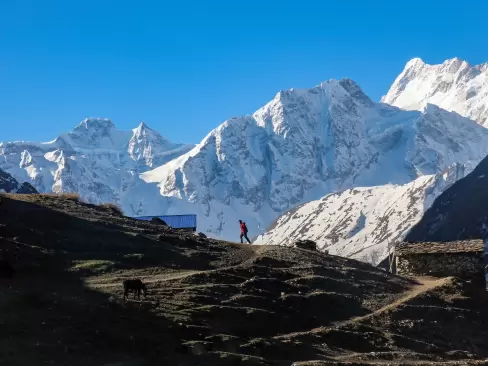
Manaslu Circuit Trek: A Complete Himalayan AdventureThe Manaslu Circuit Trek is a captivating journey around Mount Manaslu, the world’s eighth-highest peak at 8,163 meters (26,781 feet). This trek provides adventurers with a less-crowded alternative to the Annapurna and Everest regions, offering pristine landscapes, cultural immersion, and high-altitude challenges.Unlike popular treks, the Manaslu Circuit allows travelers to experience authentic Himalayan life, walking through remote villages, dense forests, glacial valleys, and alpine deserts. For trekkers who want solitude and personal connection with nature, this trek is unmatched.Starting Point: Arughat and the Budi Gandaki ValleyThe journey begins in Arughat, a gateway town to the Himalayas. The trail follows the Budi Gandanki Valley through subtropical forests teeming with birds and occasional wildlife.Villages along the way, such as Sirdias and Jagat, provide opportunities to observe traditional village life, including terraced farming, local markets, and families preparing meals. Trekkers often recall sharing dal bhat with villagers or sipping tea while listening to stories about the mountains.Diverse Landscapes and Climatic ZonesAs the trek ascends, the scenery transforms dramatically:Subtropical forests: Dense vegetation and the gentle sound of rivers.Temperate zones: Oak and rhododendron forests, occasional waterfalls.Alpine meadows: Snow-capped peaks appear in the distance.High-altitude deserts: Rocky landscapes with glacial streams and prayer flags. Villages like Samagoan and Samdo showcase strong Tibetan influence, with manis, prayer wheels, and monasteries, making the trek both visually stunning and culturally immersive.Larkya La Pass: The Ultimate ChallengeThe Larkya La Pass, at 5,160 meters (16,929 feet), is the most iconic part of the trek. Trekkers are rewarded with 360-degree panoramas of Mount Manaslu, Himalchuli, Ngadi Chuli, and Ganesh Himal. Many describe the experience as life-changing, blending fatigue and awe.Cultural Immersion Along the TrailThe Manaslu region is home to Gurungs,Tamangs , and Tibetan-influenced communities. Engaging with locals provides insight into traditional lifestyles, festivals, and cuisine:In Samagaon, trekkers may observe prayer rituals and monastery ceremonies.Villagers often prepare buckwheat pancakes, giving travelers a taste of Himalayan hospitality.Small interactions, such as helping carry firewood or learning traditional weaving, make the trek feel authentic.Wildlife and NatureThe trek is rich in biodiversity. Trekkers may spot:Himalayan monal(Danphe)– Nepal’s national birdSnowcocks and Himalayan tahrRed pandas (rare sightings)Rhododendrons and alpine flowersThe region’s natural beauty, combined with diverse climates, provides spectacular photography opportunities.End of the Trek and ReturnThe Manaslu Circuit concludes in Syange, from where trekkers drive back to Kathmandu. Completing the trek brings a sense of achievement and deep appreciation for Himalayan culture and nature.Tips for TrekkersAcclimatize carefully: Take your time at higher altitudes.Pack layered clothing: Temperatures vary from subtropical to alpine cold.Respect local culture: Learn simple Nepali phrases, remove shoes before entering monasteries.Support local businesses: Stay in teahouses and eat locally.Document your journey: Photos, notes, and videos capture memories.Extend Your Himalayan AdventureFor travelers interested in exploring more of Nepal, consider these treks:Everest Base Camp Trek – Explore the world’s tallest peakAnnapurna Base Camp Trek – Traverse lush valleys and ridgesLangtang Valley Trek – Experience Tibetan culture and pristine trailsPikey Peak Trek – Enjoy sunrise views over a less-crowded peakGhorepani Poon Hill Trek – Panoramic views of Annapurna and DhaulagiriUpper Mustang Trek – Explore the Tibetan plateau and desert landscapesKanchenjunga Base Camp Trek – Remote and breathtaking trek in eastern NepalEverest Three Passes Trek – Advanced trek combining Everest Base Camp with three high passesTsum Valley Trek – Cultural exploration of a restricted Himalayan valleyMakalu Base Camp Trek – Challenging trek to the foot of the fifth-highest peakLangtang Gosaikunda Trek – Scenic alpine lakes with trekking adventureWhy the Manaslu Circuit Trek Stands OutThe Manaslu Circuit Trek is more than a hike; it’s a life-enriching journey through stunning landscapes, diverse cultures, and high-altitude challenges. Every step—from walking along the Budi Gandaki River to crossing the Larkya La Pass, and interacting with Tibetan communities—offers unique experiences not found on crowded trails.This trek is ideal for travelers seeking adventure, cultural immersion, and personal growth, all while enjoying some of the most spectacular scenery Nepal has to offer.Top Blogs About Trekking in the Manaslu Region:Uncover the best blogs about trekking in the Manaslu region, featuring expert advice, detailed itineraries, personal experiences, and essential tips for adventurers looking to explore the Himalayas.Altitude Sickness on Nepal Treks: Symptoms, Treatment, and When to Descend (Complete Guide) Manaslu Circuit Trek for Beginners 2025Manaslu Circuit Trek: Best Routes, Preparation & Travel TipsManaslu Circuit Trek in Spring (March-May)Manaslu Circuit Trek on a Budget: How to Save Money Without Missing OutNepal Trekking Permits: Costs, Types, and How to Get ThemNepal Trekking: What’s the Best Time to Go?Budget Trekking in Nepal: Tips, Trails, and TricksExploring Nepal’s Wildlife and NatureTrekking Through Nepal: A Journey into the HimalayasTop 10 Mountain Peaks in NepalMonastery Life in Nepal: Finding Peace in the Heart of the Himalayas Exploring Nepal’s Hidden Gem: The Manaslu Circuit TrekTop Places to Visit on the Manaslu Circuit Trek Manaslu Circuit vs Annapurna Circuit: Which Trek is Right for You?Is the Manaslu Circuit Trek Right for You?Exploring Hidden Villages on the Manaslu Circuit Trek20 Must-Know Facts About Manaslu Circuit TrekkingManaslu Circuit Trekking Tips for Autumn Season (September to November)Discovering the Spiritual Heart of Nepal: Tsum ValleyAltitude Sickness on Nepal Treks: Symptoms, Treatment, and When to Descend (Complete Guide)Dal Bhat Power 24 Hour: The Science and Soul Behind Nepal's Mountain FuelThe Vanishing Villages of Manaslu: How Climate Change is Reshaping Nepal's Hidden Trekking Gem (And What Trekkers Can Do)The Essential Guide to Choosing Your Perfect Nepal Trek: From Beginner-Friendly Trails to Epic Himalayan AdventuresSolo Female Trekking in Nepal: A Complete Safety and Empowerment Guide for 2026How Difficult Is Manaslu Trek? The Honest Guide Every Trekker Needs to Read
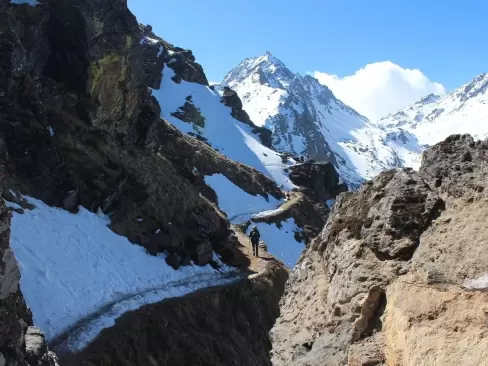
Langtang Valley Trek: Nepal's Hidden Himalayan Gem I'll be straight with you—when I first planned my Nepal trip, Langtang wasn't even on my radar. Everyone talks about Everest Base Camp or the Annapurna Circuit. But after spending over a week in the Langtang Valley, I realized I'd accidentally stumbled onto something special that doesn't get nearly enough attention.Langtang is originated from two words, ‘Lang’ means Yak and ‘Tang’ means to follow. The highest peak Langtang Lirung – 7,246m in the area dominates the narrow Langtang Valley which is situated on the lap of Langtang Himal, north of Kathmandu. The Langtang trek to the base of Langtang Himal offers the shortest approach to snow-white mountains from Kathmandu.Why Langtang Deserves Your Attention The Langtang Valley sits just north of Kathmandu, wedged between the main Himalayan range and a series of peaks that mark the Tibetan border. What makes it different from Nepal's more famous treks isn't just the scenery—though trust me, the views rival anything you'll see on the Manaslu Circuit or Annapurna Base Camp treks. It's the feeling of the place. You're walking through a valley that was nearly erased in 2015 when a massive earthquake triggered avalanches that buried entire villages. The communities here rebuilt everything from scratch. When you trek through Langtang, you're not just sightseeing—you're supporting people who refused to let disaster define them.Plus, it's genuinely less crowded. On other major treks, you're part of a parade. Here? You'll meet other trekkers, sure, but the trail never feels packed.Getting There: The Journey Begins in KathmanduYour adventure starts with a drive from Kathmandu to Syabrubesi, the main starting point for the trek. Fair warning—this isn't a smooth highway cruise. It's about seven to eight hours of winding mountain roads that'll test your stomach. The roads have improved over the years, but it's still Nepal, so expect the occasional pothole that could swallow a small car. That said, the drive itself offers a glimpse into rural Nepal that you won't get anywhere else. You'll pass through terraced hillsides where farmers work the same land their ancestors did centuries ago. Small villages cling to mountainsides. Rivers rush through valleys far below the road. It's chaotic and beautiful and slightly terrifying all at once.Most people take a local bus or arrange private transport through their hotel. Both work fine—the private jeep is faster and more comfortable, the local bus is cheaper and more, let's say, authentic.The Trail: What You're Actually Walking ThroughThe Langtang trail follows the Langtang Khola river, gradually climbing from around 1,500 meters at Syabrubesi up to nearly 4,000 meters at Kyanjin Gompa. The path winds through some of the most diverse terrain you'll encounter on any Himalayan trek.The Forest SectionThe first stretch takes you through dense rhododendron and oak forests. If you're trekking in spring (March to May), these forests explode with color—massive rhododendron trees bloom in shades of red, pink, and white. Even outside blooming season, there's something peaceful about walking through these ancient woods, with sunlight filtering through the canopy and the constant soundtrack of the river below. You'll cross suspension bridges that sway gently (or not so gently) over rushing water. Some people love these crossings, others white-knuckle their way across. Either reaction is valid.The forests are also home to wildlife, though you'll need patience and luck to spot much beyond langur monkeys and various bird species. The Langtang region is one of the few places in Nepal where red pandas still exist in the wild, but actually seeing one is rare. I didn't, though I kept my eyes peeled the entire time.Opening into the ValleyAs you gain altitude, the landscape shifts dramatically. The thick forests thin out, giving way to alpine meadows and juniper shrubs. This is where the views start getting serious. The valley walls rise steeply on both sides, with peaks that seem impossibly tall and close.You'll pass through several Tamang villages along the way. These settlements have existed for generations, and the people here have adapted to mountain life in ways that seem almost superhuman to someone huffing and puffing from sea level.Langtang Village: The Heart of the ValleyLangtang Village sits at about 3,430 meters and serves as the main hub for trekkers. This village has a heavy history—it was completely destroyed in the 2015 earthquake, buried under ice and rock. Over 300 people died, including trekkers and climbers. The new village was built on higher ground, with modern construction designed to withstand future earthquakes. Walking through here, you'll see memorials and prayer flags marking where the old village once stood. It's sobering, but also inspiring to see how the community came back.The lodge owners and locals here have stories that'll stick with you. Many lost family members but chose to return and rebuild. When I asked one lodge owner why she came back, she just shrugged and said, "This is home." That kind of resilience changes how you see the mountains around you.Kyanjin Gompa: The Main DestinationMost trekkers make Kyanjin Gompa their primary destination. At 3,870 meters, this small settlement feels like the edge of the world. There's an ancient Buddhist monastery here—Kyanjin Gompa—which gives the place its name. The monastery has prayer wheels, butter lamps, and that distinctive smell of incense and yak butter that you'll either love or tolerate. But the real draw is the setting. Kyanjin Gompa sits in a wide basin surrounded by snow-covered peaks. Langtang Lirung (7,227 meters) dominates the northern skyline—this massive pyramid of ice and rock that doesn't quite look real, especially at sunrise when it turns pink and gold. There's also a cheese factory here, which sounds random until you try the cheese. It's made from yak milk and tastes nothing like what you're used to, but after several days of dal bhat, it's a welcome change.The village itself is tiny—maybe a dozen buildings total. There's not much to "do" here in the conventional sense. You eat, you rest, you stare at mountains, you drink tea. That's kind of the point.Side Treks and ViewpointsIf you're acclimatized and feeling ambitious, Kyanjin Gompa serves as a base for several side trips.Tserko RiThe most popular option is climbing Tserko Ri, a viewpoint at 4,984 meters that offers 360-degree panoramas of the Langtang range. I won't sugarcoat it—this hike is brutal. You're gaining over 1,000 meters of elevation, and the thin air makes every step feel like you're wearing ankle weights.Most people start before dawn to catch sunrise from the summit. The early start means freezing temperatures and hiking by headlamp, but watching the first light hit the peaks from up there? Worth every miserable step. The entire Langtang range spreads out around you, and on clear days, you can see all the way to the Tibetan plateau.Langshisa KharkaIf you have extra time and want to venture deeper into the valley, Langshisa Kharka offers even closer views of the glaciers that give Langtang its nickname as the "Valley of Glaciers." It's a longer day hike from Kyanjin Gompa, but the landscape becomes even more dramatic and otherworldly.Kyanjin Ri For a shorter option with excellent views, Kyanjin Ri (4,773 meters) can be climbed in a few hours and offers a great vantage point for photography, especially during golden hour.The People and Culture The Langtang region is primarily inhabited by Tamang people, an ethnic group with Tibetan origins. Their culture, language, and Buddhist traditions are distinct from other parts of Nepal. You'll see this in the architecture—stone houses with intricately carved wooden windows, prayer flags strung between buildings, and mani walls (stone walls carved with Buddhist mantras) along the trail. The hospitality in these mountain communities is genuine. Staying in teahouses (basic lodges) means you're often sharing meals and stories with your hosts around a wood-burning stove. These aren't hotels—they're family homes that happen to accommodate trekkers. You'll learn about their lives, their challenges, and often share more than a few laughs despite language barriers. Most guides and lodge owners speak decent English, picked up through years of working with trekkers. But even when communication is limited, there's something about sharing tea and a fire that transcends language.When to Go: Seasons Matter The Langtang Valley Trek is doable year-round, but your experience will vary dramatically depending on when you go. Spring (March to May) is arguably the best time. The rhododendron forests are in full bloom, creating tunnels of color. The weather is generally stable with clear mornings and some afternoon clouds. Temperatures are comfortable for trekking, though nights at higher elevations get cold. Autumn (September to November) offers the clearest mountain views and most reliable weather. Post-monsoon air creates incredibly sharp visibility. This is peak trekking season, so you'll encounter more people, but the trails never feel truly crowded compared to Everest or Annapurna routes. Winter (December to February) brings fewer trekkers and pristine snow-covered landscapes. The downside? It's genuinely cold, especially at night at higher elevations. Some passes may be closed due to snow, and a few lodges shut down for the season. But if you're prepared for the cold and want solitude, winter has its appeal. Monsoon (June to August) is generally not recommended. Heavy rainfall makes trails muddy and slippery, leeches become an issue in the forests, and mountain views are often obscured by clouds. However, the valley is beautifully green during this time, and you'll have the trails almost entirely to yourself.Altitude: Take It Seriously Even though Langtang doesn't reach the extreme elevations of some other Himalayan treks, altitude is still something you need to respect. You'll be spending several days above 3,000 meters and potentially reaching nearly 5,000 meters if you climb Tserko Ri. Altitude sickness doesn't discriminate—fitness level doesn't matter. Some people cruise to 4,000 meters without issues, others struggle at 3,000 meters. The key is ascending slowly, staying hydrated, and listening to your body. Common symptoms like headaches and mild nausea are normal as you acclimatize. But if you experience severe symptoms—confusion, difficulty breathing at rest, or inability to walk straight—you need to descend immediately. I'm not trying to scare you, just being real about the risks. Most people find that taking rest days to acclimatize, drinking lots of water, and avoiding alcohol helps significantly. Some trekkers also use medication like Diamox to aid acclimatization, though that's something to discuss with your doctor before the trek.Do You Need a Guide? Technically, no—the Langtang trail is well-marked, and many people trek independently. But there are real advantages to hiring a guide. First, local guides know the trail intimately. They know which lodges have the best food, where to stop for tea, and how to pace your days for proper acclimatization. They also understand weather patterns and can adjust plans if conditions turn bad. Second, guides provide cultural context you'd miss otherwise. They'll explain the significance of monasteries, translate conversations with locals, and share stories about the region that turn the trek from a physical challenge into a genuine cultural experience. Third, having someone who recognizes altitude sickness symptoms can be literally lifesaving. When I struggled on Tserko Ri, my guide knew exactly when to push and when to let me rest. Finally, employing local guides directly benefits the communities you're trekking through. Tourism is vital to these mountain villages, and hiring guides and porters puts money directly into local pockets.What to Pack: The Essentials The Langtang Valley requires proper gear, but you don't need to buy out a specialty outdoor store. Layers are your best friend. Mountain weather changes fast. You might start the day in a t-shirt and finish in every jacket you brought. A good system includes a moisture-wicking base layer, an insulating mid-layer (fleece or down), and a waterproof outer shell. Footwear matters. You'll be walking for hours on rocky, sometimes muddy trails. Proper hiking boots with ankle support are worth the investment. Break them in before the trek—blisters at altitude are miserable. Sun protection is non-negotiable. UV rays are much stronger at high altitude. Sunglasses, sunscreen, and a hat aren't optional luxuries—they're necessities. I learned this the hard way with a sunburn on my neck that hurt for days. A good sleeping bag rated for cold temperatures is essential if you're trekking in shoulder seasons or winter. Even in peak season, nights at Kyanjin Gompa get chilly. Water purification—either tablets, drops, or a filter system. You'll need to refill from streams and taps along the way. Don't forget a headlamp, basic first aid supplies, and any personal medications. Phone charging is available at most lodges (usually for a small fee), but bring a power bank as backup.The Food Situation You'll primarily eat at teahouse lodges along the trail. The menu is surprisingly extensive—dal bhat (rice and lentil curry), fried rice, noodle soups, momos (dumplings), pasta, even the occasional pizza. Dal bhat becomes your staple. It's nutritious, filling, and usually comes with free refills. There's a reason trekkers say "dal bhat power, 24 hour!" It genuinely fuels you for these long days of hiking. The food gets progressively simpler as you gain altitude—ingredients need to be carried up by porters or yaks, so variety decreases. But honestly, after burning thousands of calories hiking, everything tastes better than it should. Coffee is almost always instant Nescafe. Tea, however, is excellent—black tea with milk and sugar, ginger tea, lemon tea. If you're picky about coffee, make peace with that now or bring instant packets you actually like.Internet and Connectivity Cell service and WiFi exist but are spotty. Lower villages usually have decent connectivity. Higher up, it becomes unreliable and expensive. Many lodges charge for WiFi access, and even then, it might only work for a few hours per day. Honestly? The digital disconnect is part of the appeal. You're in the Himalayas—embrace it. Download any maps or information you need before the trek and enjoy being unreachable for a week.Permits You'll Need You'll need two permits for the Langtang trek: a TIMS (Trekkers' Information Management System) card and a Langtang National Park entry permit. These can be obtained in Kathmandu or at checkpoints along the way. Your guide or trekking company typically handles this, but if you're going independently, you'll need to sort them yourself. The permits aren't just bureaucracy—they help track trekkers for safety and the fees support conservation efforts and local communities.Why Choose Langtang? Here's the honest truth: Everest Base Camp is iconic, and Annapurna Circuit is stunning. But both have become extremely popular, sometimes overwhelmingly so. Langtang offers comparable mountain scenery, rich cultural experiences, and challenging trekking without the crowds. You're still in the Himalayas, still surrounded by 7,000-meter peaks, still pushing your limits. But you're also supporting communities that genuinely need tourism dollars to continue rebuilding. You're walking through forests and valleys that feel wilder and less trampled. You're having conversations with locals rather than just nodding at the endless stream of other trekkers. The trek isn't easy—the altitude is real, the days are long, and you'll be sore. But standing in Kyanjin Gompa at sunrise, watching Langtang Lirung turn gold, or sitting around a fire sharing stories with your guide and lodge owners—these moments remind you why people trek in the first place. It's not about conquering peaks or ticking boxes. It's about the combination of physical challenge, natural beauty, and human connection that only happens when you slow down enough to actually experience a place.Final Thoughts The Langtang Valley Trek won't give you bragging rights at parties the way Everest Base Camp might. It's not the most famous or the most Instagrammed route in Nepal. But if you want a genuine Himalayan experience—one that challenges you physically, connects you with resilient communities, and offers stunning mountain landscapes without the circus atmosphere—Langtang delivers. Just remember to take your time with altitude, respect the local culture, and maybe pack some Dramamine for that bus ride. Trust me on that last one.📞 Ready to start your cultural Langtang Valley trekking trials ...📱 WhatsApp/ Telephone +9779849816310 (Trekking Department) 📧 Email: [email protected] to local culture, mountain serenity, and a true Nepalese Hospitality in Nepal. www.exploreholidaynepal.com#langtangtrekking #exploreholidaynepal #NepalTrekking #langtang #sybrubesiTop Blogs About Trekking in the Langtang Region:Uncover the best blogs about trekking in the Langtang region, featuring expert advice, detailed itineraries, personal experiences, and essential tips for adventurers looking to explore the Himalayas.Altitude Sickness on Nepal Treks: Symptoms, Treatment, and When to Descend (Complete Guide)Nepal Trekking Permits: Costs, Types, and How to Get ThemNepal Trekking: What’s the Best Time to Go?Budget Trekking in Nepal: Tips, Trails, and TricksExploring Nepal’s Wildlife and NatureTrekking Through Nepal: A Journey into the HimalayasTop 10 Mountain Peaks in NepalMonastery Life in Nepal: Finding Peace in the Heart of the Himalayas
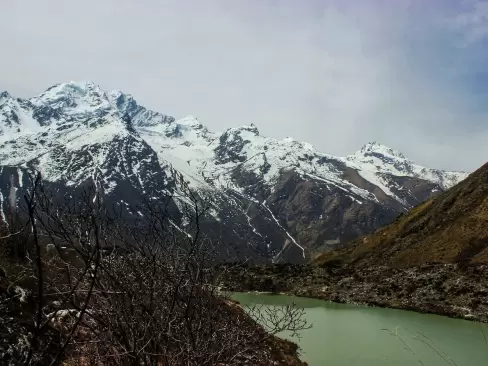
Langtang Gosaikunda Trek: Where Sacred Lakes Meet Himalayan ValleysThe first thing that hits you when you step off the bus in Syabrubesi isn't the mountain air or the sound of rushing rivers—it's the anticipation. I remember standing there with my backpack, staring up at the terraced hillsides disappearing into clouds, wondering what stories these valleys held. Two weeks later, I'd discover that the Langtang Gosainkunda Trek wasn't just about reaching destinations; it was about the moments between—the chai shared with locals, the sudden gasp when mountains reveal themselves, the silence at 4,380 meters beside a frozen sacred lake. This trek changed something in me. Maybe it'll change something in you too.Why Langtang Gosaikunda Deserves Your Attention While everyone flocks to Everest Base Camp and Annapurna Circuit, the Langtang region quietly offers something those crowded trails can't—intimacy with the mountains. Destroyed by the devastating 2015 earthquake, the valley has rebuilt itself with remarkable resilience. Today, trekking here isn't just tourism; it's supporting communities that refused to let disaster define them. The Langtang Gosainkunda trek combines three distinct experiences: the lush biodiversity of Langtang Valley, the spiritual pilgrimage to Gosaikunda's sacred lakes, and the cultural immersion in Helambu's Hyolmo villages. It's like three treks rolled into one extraordinary journey, typically completed in 10-14 days depending on your pace and acclimatization needs. If you're looking for a shorter alternative, consider the Langtang Valley Trek which focuses solely on the valley experience in 7-9 days.The Journey Begins: Syabrubesi to Langtang Valley Starting Point: Syabrubesi (1,460m) Most trekkers reach Syabrubesi after a bumpy 7-8 hour bus ride from Kathmandu. The road winds through terraced farmlands, follows the Trishuli River, and eventually climbs into the hills where the pavement gives way to dirt tracks that test your stomach's resolve. But that bone-rattling journey is your transition from city chaos to mountain serenity. I spent my first evening in Syabrubesi sitting on a guesthouse balcony, watching mist roll through the valley as locals returned from their fields. An elderly woman passed by, her dokho (bamboo basket) stacked impossibly high with firewood. She smiled at me—a reminder that these mountains aren't just scenic backdrops; they're home to people whose lives are intimately woven with this landscape. Through the Rhododendron Forests (Day 2-3) The trail from Syabrubesi to Lama Hotel (2,480m) follows the Langtang Khola (river), crossing suspension bridges that sway with each step. If you're trekking in March or April, you're in for a treat—the hillsides explode with red, pink, and white rhododendron blooms. It's like hiking through nature's own cathedral, where sunlight filters through flowers instead of stained glass. Pro tip from experience: Start early. Not just to beat the afternoon clouds, but because there's something magical about morning in these forests. The air is crisp, birds are most active, and you might spot red pandas (if you're incredibly lucky) or Himalayan tahrs grazing on distant slopes. If wildlife spotting excites you, you might also enjoy the Rara Lake Trek in far western Nepal, known for its diverse fauna. Between Lama Hotel and Langtang Village (3,430m), the landscape shifts dramatically. Forests thin out, the valley widens, and suddenly you're walking through alpine meadows with yaks grazing peacefully. The first time I saw Langtang Lirung (7,227m) towering above the valley, I literally stopped mid-step. My trekking companion had to nudge me to keep moving because I was blocking the trail, just staring.Langtang Village: Resilience Personified Langtang Village was nearly obliterated by the 2015 earthquake and subsequent avalanche. Over 300 people died here. Walking through the rebuilt village, you'll see memorial stupas and photos of those lost. It's sobering. But you'll also see new lodges, children playing, prayer flags fluttering—life asserting itself against tragedy. I stayed at a guesthouse run by Pasang, who lost his home but not his spirit. Over dinner (dal bhat, always dal bhat—the fuel that powers every Nepali trek), he told me, "Mountains took from us, but mountains also give. Tourists coming here, it helps us rebuild. You are not just trekkers; you are friends helping friends." That perspective shift—from tourist to participant in recovery—added depth to every step forward.Into the Heart: Kyanjin Gompa and Beyond Kyanjin Gompa (3,870m): The Valley's Spiritual Center Kyanjin Gompa isn't just the end of Langtang Valley; it's where the valley reveals its full glory. Surrounded by peaks—Langtang Lirung, Ganjala Pass, Yala Peak—this tiny settlement with its ancient monastery feels like the edge of the world. Most trekkers spend two nights here for acclimatization, which gives you time for side trips: Kyanjin Ri (4,773m): A steep 2-3 hour climb that rewards you with 360-degree panoramas. I made the mistake of attempting this at midday and nearly melted. Go at dawn instead. The sunrise gilding the peaks is worth every difficult breath. For comparison, this is similar in difficulty to Poon Hill in the Annapurna region, but with far fewer crowds. Tserko Ri (4,984m): A longer, more challenging ascent that pushes you close to 5,000m. The views are even more spectacular, but only attempt this if you're well-acclimatized. If you enjoy viewpoint climbs, the Gokyo Ri in the Everest region offers similar thrills at 5,357m. Langshisa Kharka: If you have extra days, this extension takes you deeper into the valley, past glaciers and moraines, into truly wild territory where yak herders outnumber trekkers. I watched a monk at Kyanjin Gompa one evening, lighting butter lamps as snow began to fall. He didn't speak English, and my Nepali was pathetic, but he gestured for me to sit. We sat in silence for maybe twenty minutes, just existing in that moment. No photos, no words—just presence. That's what Langtang Valley gives you if you're willing to slow down enough to receive it.The Sacred Ascent: Crossing to Gosaikunda Leaving the Valley Behind The trail from Kyanjin Gompa to Lama Hotel retraces your steps, but somehow feels completely different. You're descending now, and what was a struggle going up becomes a joy going down (until your knees start complaining). From Thulo Syabru (2,210m), the trek pivots toward Gosaikunda. This is where the Langtang Gosainkunda trek earns its reputation for variety. You're leaving the broad valley behind and entering steeper, more rugged terrain. The Climb to Cholangpati and Beyond The ascent from Thulo Syabru to Cholangpati (3,584m) is relentless. It gains over 1,300 meters of elevation, which means your legs will burn, your lungs will protest, and you'll question your life choices approximately seventeen times. But here's what keeps you going: the landscape transforms with every hundred meters. Subtropical forests give way to temperate zones, then alpine vegetation, then finally bare rocky terrain where only hardy shrubs survive. You're literally climbing through climate zones. I trekked this section during August, which isn't ideal (monsoon season means leeches and rain), but it also meant I had the trail almost to myself. At Cholangpati, the lodge owner—a weathered man who'd spent thirty monsoon seasons in these mountains—served me the strongest milk tea I've ever tasted and said, "Only crazy people or very peaceful people trek in August. Which are you?" I still don't know the answer. Lauribinayak (3,920m): Gateway to the Sacred Lauribinayak serves as the final stop before Gosaikunda. It's a sparse place—a few stone lodges, prayer flags, and an enormous sense of anticipation. Many Hindu and Buddhist pilgrims converge here during Janai Purnima (August full moon festival), when thousands make the pilgrimage to Gosaikunda's holy waters. The air is thin here. Really thin. I watched a young porter—maybe nineteen years old—carrying what must have been forty kilos, moving faster uphill than I moved with my modest daypack. The strength and endurance of these mountain people is humbling beyond words.Gosaikunda: Where Earth Touches Heaven The Sacred Lakes (4,380m) The trail from Lauribinayak to Gosaikunda climbs through boulder fields and past smaller alpine lakes—Saraswatikunda, Bhairabkunda—each beautiful in its own right. But when Gosaikunda itself comes into view, everything else fades. The lake stretches across the landscape like a mirror dropped from the heavens, reflecting Ganesh Himal and the surrounding peaks with impossible clarity. Hindu mythology says Lord Shiva created these lakes by thrusting his trident into the mountain to obtain water after consuming poison. Whether you believe the legend or not, there's something undeniably sacred about this place. I arrived at Gosaikunda on a clear afternoon—rare luck. Most trekkers face clouds, wind, or snow. The lake was frozen at its edges but liquid in the center, a deep blue that seemed to hold depth beyond measurement. Pilgrims were circumambulating the lake, murmuring mantras. Some elderly men and women who'd walked here from distant villages were preparing to take ceremonial dips in the frigid water. A sadhu (holy man) with matted hair and wearing nothing but orange cloth sat motionless by the shore, eyes closed, apparently impervious to the cold. I don't know how long he'd been there. Hours? Days? The boundary between human endurance and spiritual devotion blurred in that moment. Important: Respect the sanctity of Gosaikunda. Don't swim or throw trash in the lake. Many locals consider it their duty to clean up after careless trekkers. Don't be that person. Accommodation and Conditions Lodges at Gosaikunda are basic—stone walls, thin mattresses, shared bathrooms. It's freezing at night year-round. Bring a good sleeping bag (rated to at least -10°C) or rent one in Kathmandu. The food is simple but hearty: soups, noodles, rice dishes. Alcohol is typically prohibited out of respect for the sacred site, though some lodges discreetly serve beer. The altitude affects everyone differently. I had a mild headache that evening, while my trekking partner felt perfectly fine. Listen to your body. Drink water. Rest. There's no shame in acclimatizing longer if needed.Over the Lauribina Pass: Descent into Helambu The Highest Point (4,610m) From Gosaikunda, the trail climbs to Lauribina La (4,610m), the trek's highest point. This is where many trekkers struggle—thin air, steep ascent, possibly snow depending on season. Take it slow. Rest frequently. The views from the pass—looking back at Gosaikunda, forward into the Helambu Valley—make every labored breath worthwhile. I crossed in October when the pass was clear and golden with autumn light. A prayer flag-covered cairn marks the summit, where exhausted but elated trekkers pause for photos and moments of triumph. A German couple I'd been leapfrogging with for days opened a small bottle of whiskey they'd carried from Kathmandu and shared sips with everyone at the pass. It burned going down, but warmed everything on the way. Descent to Ghopte and Beyond The descent into Helambu is steep and knee-punishing. You'll drop through forests and meadows, past isolated shepherd huts, eventually reaching Ghopte (3,430m). The landscape feels different here—drier, more exposed, with juniper and pine replacing rhododendron. As you continue descending toward Tharepati (3,640m) and Melamchi Gaon (2,530m), you enter Helambu proper—home to the Hyolmo people, whose Tibetan-Buddhist culture differs from the Tamang communities of Langtang. Helambu Culture: The Trek's Hidden Gem What surprised me most about Helambu wasn't the landscapes (though they're beautiful) but the people. Hyolmo culture, with its unique language, customs, and traditions, feels distinct from other regions of Nepal. The villages are cleaner and more prosperous than many Himalayan settlements, thanks to proximity to Kathmandu and a thriving apple cultivation industry. In Melamchi Gaon, I stayed with a family who served me locally-made cheese and apple wine. Their daughter, studying engineering in Kathmandu, was home for holidays and eager to practice English. She asked about my country, my work, why I chose to trek. When I asked about her life, she said something I haven't forgotten: "People think we are poor because we live in mountains. But we have clean air, fresh food, community. Maybe city people are poor in different ways." That shift in perspective—recognizing different forms of wealth—stayed with me long after the trek ended.Practical Guide: Planning Your Langtang Gosaikunda Trek Best Time to Trek Autumn (September-November): Peak season. Clear skies, stable weather, excellent visibility. Trails are crowded (by Langtang standards, which means blissfully quiet compared to Everest region). Temperatures are cool but comfortable at lower elevations, cold at high camps. Spring (March-May): Second-best season. Rhododendrons bloom, weather is generally stable, views are spectacular. Slightly warmer than autumn. Gosaikunda might still have ice/snow in early March. Monsoon (June-August): Wet, leeches, muddy trails, obscured views. However, fewer trekkers, lush greenery, and lower prices. Only recommended for those who don't mind rain and uncertainty. Winter (December-February): Cold, especially at high elevations. Gosaikunda and Lauribina Pass may be impassable due to snow. Lower elevations are pleasant. Only for experienced, well-equipped trekkers.I've trekked this route in both October and August. October was objectively better (clear views, comfortable weather), but August's solitude had its own magic.Physical Preparation This is a moderate to moderately-difficult trek. You'll need: Ability to walk 5-7 hours daily for consecutive daysComfort with altitude up to 4,610mBasic fitness (cardiovascular endurance, leg strength)Mental resilience for challenging sections I trained by hiking with a weighted backpack on weekends for three months before. This made a huge difference, especially on long descent days when your knees bear the brunt. What to Pack Essentials: Good trekking boots (broken in!)Sleeping bag (-10°C rating minimum)Layers: base layers, insulating layers, waterproof outerWarm hat, gloves, sun hatSunscreen (SPF 50+), lip balmWater purification (tablets or filter)First aid kitHeadlamp with extra batteriesTrekking poles (lifesavers on descents)Cash (no ATMs after Syabrubesi) Nice to have: Camera (you'll regret not having one)Book or e-reader (for evenings)Playing cards (great for connecting with other trekkers)Small gifts for children (pens, notebooks—not candy) Accommodation and Food Tea houses are plentiful along the route. Expect basic but adequate accommodation: twin rooms with thin mattresses, shared bathrooms (often squat toilets), solar showers (if you're lucky), and dining halls with wood stoves. Food is surprisingly good. Dal bhat (rice and lentils) is the best value and provides energy for trekking. Other options include momos, noodle soups, fried rice, pancakes, and potatoes in various forms. Western dishes get pricier and less authentic at higher elevations.Budget: Expect to spend $20-30 per day including accommodation, meals, and snacks.Challenges and How to Handle Them Altitude Sickness This is real and serious. Symptoms include headache, nausea, dizziness, and fatigue. Prevention strategies: Ascend slowly (don't gain more than 500m per day above 3,000m)Stay hydratedAvoid alcoholListen to your bodyDescend immediately if symptoms worsen I felt mild symptoms at Gosaikunda (headache, slight nausea). I drank tons of water, skipped dinner, and rested. By morning, I felt 80% better. Don't be a hero—altitude sickness doesn't care about your trekking plans. Weather Unpredictability Mountain weather changes rapidly. I've experienced sunshine, hail, snow, and rain all in one afternoon. Pack layers, carry rain gear even on clear mornings, and be flexible with your itinerary. Physical Exhaustion Some days are just hard. The climb to Gosaikunda, the descent into Helambu—your body will hurt. Rest when needed, stretch in evenings, and remember: this too shall pass. The tea house dal bhat and a good night's sleep work wonders. Emotional Ups and Downs Long treks mess with your emotions. You'll have moments of transcendent joy and moments of "why am I doing this?" That's normal. Embrace the full spectrum. Some of my most profound insights came during the hardest days. Beyond Trekking: Cultural Connections Tamang and Hyolmo People The communities you encounter aren't museum exhibits—they're living cultures adapting to modern pressures while maintaining traditions. Engage respectfully: Learn basic Nepali phrases ("Namaste," "Dhanyabad" [thank you], "Mitho cha" [delicious])Ask permission before photographing peopleSupport local businessesRespect religious sites and customsConsider buying handicrafts directly from artisans Supporting Earthquake Recovery The 2015 earthquake devastated Langtang. By trekking here, you directly support rebuilding efforts. Consider: Staying at locally-owned tea housesBuying from local shops rather than bringing everything from KathmanduDonating to community projects if you feel movedSharing positive experiences to encourage others to trek here Environmental Responsibility Leave no trace. Pack out all trash, don't use single-use plastics, stick to established trails, and don't pick plants. The mountains have given you an incredible experience—repay them with care. Why This Trek Matters I've done famous treks—Annapurna Base Camp, Everest Base Camp, Manaslu Circuit. They're spectacular. But Langtang Gosaikunda holds a special place because it feels personal. The valleys are intimate, the people remember your face, the experiences feel earned rather than packaged. This trek taught me that the best journeys aren't about conquering peaks or collecting Instagram photos. They're about connection—to landscapes, cultures, and yourself. When you're sitting beside Gosaikunda at 4,380 meters, exhausted and exhilarated, you're not thinking about your job back home or your social media feed. You're just there, fully present, maybe for the first time in years. That presence is the real destination. Ready to Begin Your Journey? The Langtang region is calling. Whether you're drawn by the sacred lakes, the cultural immersion, the Himalayan vistas, or simply the desire to challenge yourself in one of the world's most beautiful landscapes, this trek delivers. Explory Holiday Nepal specializes in creating authentic, responsible trekking experiences in the Langtang region. Our experienced guides know these trails intimately, our itineraries allow proper acclimatization, and we're committed to supporting local communities still recovering from the 2015 earthquake. We offer: Customized Langtang Gosainkunda Trek packagesCultural trek extensionsSmall group departures and private treksComprehensive support including permits, transportation, and experienced guides Contact us to design your perfect Himalayan adventure. The mountains are waiting. Gosaikunda's sacred waters reflect your future self—the one who took the leap, made the journey, and returned transformed. About Explory Holiday Nepal: We're a locally-owned trekking company dedicated to creating meaningful adventures in Nepal's diverse landscapes. From Everest expeditions to cultural heritage tours, we help travelers experience Nepal's heart and soul authentically and responsibly.Top Blogs About Trekking in the Langtang Region:Uncover the best blogs about trekking in the Langtang region, featuring expert advice, detailed itineraries, personal experiences, and essential tips for adventurers looking to explore the Himalayas.Altitude Sickness on Nepal Treks: Symptoms, Treatment, and When to Descend (Complete Guide)Nepal Trekking Permits: Costs, Types, and How to Get ThemNepal Trekking: What’s the Best Time to Go?Budget Trekking in Nepal: Tips, Trails, and TricksExploring Nepal’s Wildlife and NatureTrekking Through Nepal: A Journey into the HimalayasTop 10 Mountain Peaks in NepalMonastery Life in Nepal: Finding Peace in the Heart of the Himalayas
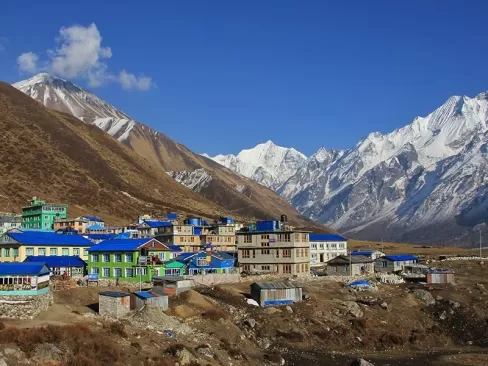
Tamang Heritage Trek: Everything You Actually Need to Know So you're looking at the Tamang Heritage Trek. Smart choice—though I'm probably biased because this trek completely won me over when I did it last year. Here's the thing: most people heading to Nepal have heard about Everest Base Camp or the Annapurna Circuit. Those are the big names. The Tamang Heritage Trek? Not so much. But that's actually part of what makes it special. You get authentic cultural experiences without fighting crowds for guesthouse beds, and the mountains are just as impressive (just don't tell the EBC crowd I said that). Let me break down what this trek actually involves, what it costs, what you'll see, and whether it's the right fit for you. What Exactly Is This Trek? The Tamang Heritage Trek takes you through traditional Tamang villages in the Langtang region, north of Kathmandu near the Tibet border. The Tamang people are one of Nepal's major ethnic groups with Tibetan roots—their language, culture, Buddhism, and architecture are all distinctly different from what you'll see in Kathmandu. The trek typically takes 7-10 days depending on your route and how much time you spend in each village. You'll be walking through places like Gatlang, Tatopani, Thuman, and Briddim—villages where tourism exists but hasn't completely taken over yet. People still farm their terraced fields, monks still conduct daily prayers in centuries-old monasteries, and kids still look genuinely curious when they see foreigners walking through. Maximum elevation is around 3,700m if you do the Lauribina La pass option (most people skip this). Otherwise you're staying between 2,000-2,500m, which means altitude sickness is way less of an issue compared to higher treks. The Honest Truth About Difficulty This trek is usually labeled "moderate" and that's pretty accurate. You don't need to be an athlete, but you can't be completely out of shape either. Daily walking time ranges from 4-7 hours. Some days are mostly uphill (Syabrubesi to Gatlang will test your legs), some days are mostly downhill (which sounds easier but actually destroys your knees), and some days are a mix. The trails are generally well-maintained—rocky in places, muddy after rain, but nothing that requires technical climbing skills. If you can comfortably hike 5-6 hours with a daypack at home, you can handle this trek. The elevation isn't high enough to cause serious problems for most people, though you might feel a bit breathless the first day or two. What actually makes it challenging? The cumulative effect. By day five, your legs are tired, you've probably got a blister or two, and the novelty of dal bhat twice a day has worn off. But that's true of basically every multi-day trek. Where You'll Actually Go Syabrubesi (1,460m) - Starting point. Nothing special, just a trekking town with guesthouses and supplies. You'll spend one night here after the drive from Kathmandu. Gatlang (2,238m) - First major village. Has an old monastery, a sacred cave, and genuine Tamang character. This is where you'll probably have your first homestay experience. The gompa (monastery) here is worth visiting—the monk who runs it is super welcoming. Tatopani (2,607m) - Famous for its hot springs, though "hot" is generous. They're more warm. Still feels amazing after hiking all day. The village is small, most people just come for the springs. Thuman (2,338m) - Smaller than Gatlang but has a really beautiful monastery with well-preserved murals. Less touristy, more authentic daily village life happening around you. Briddim (2,229m) - Probably the highlight for most trekkers. This village has the best-developed homestay program, incredible mountain views (Langtang Lirung dominates the skyline), and families who've been hosting trekkers long enough to make you feel genuinely welcome rather than like a transaction.Some itineraries also include Nagthali viewpoint (3,165m) for sunrise mountain views, and you can connect to the main Langtang Valley trek if you have extra time.Best Time to Go (Real Talk) Spring (March-May) - This is prime time. Weather's stable, rhododendrons are blooming (absolutely gorgeous), temperatures are comfortable. Also the most crowded, though "crowded" here means you'll share a guesthouse with five other trekkers instead of having it to yourself. Autumn (September-November) - Second best option. Clear skies, excellent mountain views, comfortable temperatures. October is peak season across all Nepal treks, so book ahead. Winter (December-February) - Doable but cold, especially at night. You'll need a serious sleeping bag. Fewer trekkers means better cultural interaction and cheaper prices. Some high passes might have snow. Monsoon (June-August) - Generally avoided, and for good reason. It rains a lot, trails get muddy and slippery, leeches appear in the forests, and mountain views are often cloud-covered. That said, the Langtang region is in a partial rain shadow, so it's not as bad as areas further south. If you don't mind rain and want serious solitude, it's possible. I went in October. Weather was perfect except for one rainy afternoon, and there were enough other trekkers that I met people to chat with but never felt crowded. The Cultural Experience Part This is where the Tamang Heritage Trek separates itself from other Nepal treks. You're not just passing through villages—you're staying in people's homes. Most nights you'll stay in homestays where families have converted upper floors into basic guest rooms. You'll eat meals with them (or at least in their kitchen), you'll see how they actually live, and if you make any effort at all to be friendly, they'll usually open up. I learned to make momos from a grandmother in Gatlang. Helped harvest potatoes in Briddim. Attended a prayer ceremony at the Thuman monastery where I had absolutely no idea what was happening but it was beautiful anyway. These weren't arranged "cultural programs"—they were just normal life that happened to include me because I was there. The Buddhism here is the Tibetan variety—you'll see prayer wheels, mani walls with carved mantras, colorful prayer flags everywhere, and gompas (monasteries) in most villages. The monks are generally happy to show you around if you're respectful (take off your shoes, don't touch things without asking, and for the love of god don't take photos during prayers unless you ask first). Traditional Tamang houses are built from stone with wood trim, designed to withstand earthquakes (important in Nepal). Most families keep animals on the ground floor—yaks, cows, goats—and live above. The body heat from the animals helps warm the house in winter. Clever. Food Situation Let's be real: you're eating dal bhat twice a day. That's lentil soup with rice, usually served with some vegetable curry, pickle, and sometimes a papad (crispy lentil cracker). It's actually good, filling, and you get unlimited refills. Other options in most villages: momos (dumplings), thukpa (noodle soup), fried rice, chow mein, tibetan bread with jam and honey for breakfast. The food is fresh because it has to be—no refrigeration, everything's made daily. Portions are huge because trekkers need calories. And it's cheap (300-600 rupees per meal depending on the village and what you order). Some villages now have yak cheese factories as a way to generate income. The cheese is... interesting. Kind of like aged cheddar but smokier? You can buy it to take with you. Makes good snacks on the trail. Bring water purification tablets. The water from taps isn't reliably safe to drink, and buying bottled water gets expensive and creates plastic waste. Most guesthouses can provide boiled water if you ask. What to Actually Pack Essentials: Good hiking boots (broken in before you go—I can't stress this enough)Sleeping bag rated to at least -5°C (guesthouses provide blankets but it gets cold)Layers: base layers, fleece, down jacket, rain jacketTrekking pants (not jeans—they're terrible if they get wet)Sun protection: hat, sunglasses, sunscreen (mountain sun is intense)First aid kit with blister treatment (you will get blisters)Headlamp (villages have electricity but it's not always reliable)Water bottles or hydration systemToilet paper (many bathrooms don't provide it) Nice to Have: Book or e-reader (evenings can be long)Cards or small games (good for meeting other trekkers)Hand sanitizerYour own soap/shampooEarplugs (guesthouse walls are thin)Power bank (charging can be limited or expensive in villages) Don't Bother: Fancy camera gear unless photography is your thing (phone cameras work fine)Lots of clothes (you'll wear the same stuff every day anyway)Hair dryer, straightener, etc. (there's not enough power)Guidebook (seriously, your guide or other trekkers will have all the info you need)Pack light. Even with a porter, less stuff means more comfort.Safety and Practical Concerns Is it safe? Yeah, very. Nepal is generally safe for trekkers, and the Tamang Heritage Trail is no exception. Standard precautions apply (don't trek alone at night, watch your footing on steep sections, etc). Cell phone service? Spotty. NTC (Nepal Telecom) has coverage in some villages but not everywhere. Don't count on reliable internet. Emergencies? Most villages have basic health posts. Serious emergencies require helicopter evacuation to Kathmandu. This is why travel insurance with helicopter evacuation coverage is mandatory. Altitude sickness? Unlikely at these elevations, but possible. Watch for headaches, nausea, dizziness. If symptoms are severe, descend immediately. Bathrooms? Mix of squat toilets and western-style. Toilet paper not always provided. Showers range from "not available" to "cold bucket" to "solar-heated if you're lucky."Women traveling solo? Generally safe. Nepali culture is conservative, so dress modestly (cover shoulders and knees). Homestays mean you're staying with families, which adds security.What Makes This Trek Different If you've read this far, you're probably wondering: should I do this trek or one of the more famous ones? The Tamang Heritage Trek won't give you the bragging rights of Everest Base Camp. You won't see as many towering 8,000m peaks as the Annapurna Circuit. The trails aren't as developed, the guesthouses aren't as nice, and your Instagram photos probably won't get as many likes. What you will get is genuine cultural immersion. Time in villages where tourism supplements traditional life but hasn't replaced it. Conversations with people whose lifestyle is radically different from yours. Monasteries where monks are actually praying, not just posing for photos. Meals shared with families in their kitchens. Mountain views that feel more intimate because you're not sharing them with 50 other people. You'll also be directly supporting communities that were devastated by the 2015 earthquake and have rebuilt with tourism as part of their recovery strategy. Your money goes straight to families, not international hotel chains. This trek works well if you have 10-14 days total in Nepal (including Kathmandu time), want something less strenuous than the big altitude treks, value culture as much as scenery, and prefer fewer crowds. It's not the right choice if you want luxury teahouses, guaranteed hot showers, extensive menu options, strong wifi, or the ability to say you've done one of the "classic" Nepal treks. For me? I'd take the Tamang Heritage Trek over EBC any day. But I'm the kind of traveler who'd rather share tea with a family than take photos at a famous landmark. You have to know what you want. Real Expectations vs. Instagram Reality Let me be straight with you about a few things: The hot springs at Tatopani are not luxurious spa pools. They're concrete tanks filled with warm water, often shared with a dozen other people. Homestays are not boutique hotels. You're sleeping on thin mattresses with shared bathrooms and no heating. It's basic. Mountain views are weather-dependent. Clouds happen. You might not get those perfect sunrise shots of Langtang Lirung. Cultural experiences can feel awkward. There's a language barrier, you might not understand what's happening, and sometimes you'll feel like you're intruding on people's lives (even though they've invited you). The food is repetitive. Dal bhat is good, but it's still dal bhat for the tenth time. But here's the thing—all of that is part of what makes it real. This isn't a sanitized tourism experience designed for comfort. It's actual villages where actual people live, and they're sharing their space with you. That comes with rough edges, and those rough edges are what make it memorable. If you can embrace the discomfort, laugh at the awkward moments, appreciate the simplicity, and stay curious about the cultural differences, you'll have an amazing time. If you need everything to be comfortable and predictable and Instagram-perfect, maybe look at other options. Final Thoughts The Tamang Heritage Trek isn't trying to compete with Everest or Annapurna. It's doing its own thing—combining moderate mountain trekking with deep cultural immersion in a region that's still finding its footing after the earthquake. It's the right trek for people who care as much about the journey and the people as they do about the destination and the views. For travelers who value authenticity over comfort, conversation over luxury, and experience over achievement. The mountains are beautiful, the culture is fascinating, the people are welcoming, and the whole thing will cost you less than most treks in Nepal. Just bring good boots, an open mind, and realistic expectations. The rest will take care of itself.Top Blogs About Trekking in the Langtang Region:Uncover the best blogs about trekking in the Langtang region, featuring expert advice, detailed itineraries, personal experiences, and essential tips for adventurers looking to explore the Himalayas.Altitude Sickness on Nepal Treks: Symptoms, Treatment, and When to Descend (Complete Guide)Nepal Trekking Permits: Costs, Types, and How to Get ThemNepal Trekking: What’s the Best Time to Go?Budget Trekking in Nepal: Tips, Trails, and TricksExploring Nepal’s Wildlife and NatureTrekking Through Nepal: A Journey into the HimalayasTop 10 Mountain Peaks in NepalMonastery Life in Nepal: Finding Peace in the Heart of the Himalayas
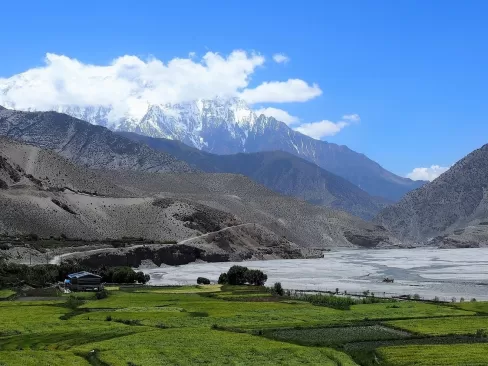
Upper Mustang Trek: Explore the Forbidden Kingdom of Nepal The Upper Mustang Trek, also known as the Lo Manthang Trek, is one of Nepal’s most unique and culturally immersive trekking experiences. Nestled between the Annapurna and Dhaulagiri ranges, Mustang is a high-altitude desert that was once a forbidden kingdom. With its arid landscapes, medieval villages, and Tibetan-influenced culture, this remote region offers trekkers an extraordinary blend of natural beauty, history, and spirituality. This trek takes adventurers through windswept valleys, dramatic cliffs, and rocky terrains, allowing a deep connection with both the environment and local communities. The region was opened to foreign visitors only in 1992, which has helped preserve its distinct culture and traditional way of life. Trekkers here witness an untouched land that feels like stepping back in time, with ancient monasteries, walled cities, and cave dwellings offering a glimpse of centuries-old heritage.Cultural Highlights of MustangThe cultural richness of Mustang is one of its defining features. Lo Manthang, the walled capital, is the centerpiece of this high desert kingdom. The city boasts a royal palace, narrow alleys, gompas, and monasteries, all reflecting Tibetan architectural styles and spiritual traditions. The local Mustangi people have preserved their language, customs, and art forms over generations. Visiting the region provides an opportunity to interact with these communities, observe traditional festivals, and experience their warm hospitality. Monasteries, prayer flags, and meditation caves are scattered throughout the Mustang landscape, offering a spiritual dimension to the trek. Trekkers can explore centuries-old fortresses and stone houses, and witness rituals and daily life that have remained largely unchanged. This cultural immersion makes the Upper Mustang Trek much more than a scenic adventure—it is a journey into the heart of Tibetan-influenced Himalayan culture.Scenic Landscapes and Natural BeautyMustang’s terrain is a breathtaking mix of high desert plains, colorful cliffs, and eroded canyons. Unlike other trekking regions in Nepal, Mustang offers a dry, open landscape, with views stretching for miles across barren valleys and dramatic mountain backdrops. Snow-capped peaks of the Annapurna and Dhaulagiri ranges can be seen from various vantage points, creating perfect photography opportunities. The region is also home to unique flora and fauna. While the landscape may appear arid, the lower valleys feature terraced fields, forests, and rivers, supporting diverse plant and bird species. Seasonal wildflowers, alpine meadows, and ancient forests add splashes of color to the otherwise earthy desert palette, offering trekkers varied and captivating scenery.Trekking ExperienceThe Upper Mustang Trek is suitable for moderately experienced trekkers who enjoy a mix of adventure, culture, and natural beauty. The journey is characterized by gradual ascents, moderate trails, and well-established villages, making it accessible while still providing the thrill of high-altitude trekking. Trekkers have the chance to explore remote settlements, historic cave dwellings, and monasteries while enjoying stunning desert landscapes and panoramic mountain views. Unlike heavily trafficked trails in other regions, Mustang provides a peaceful and off-the-beaten-path trekking experience. The solitude of the desert plains, combined with encounters with local communities, makes this trek deeply enriching. The dry climate and open terrain also offer clear skies, which are perfect for photography and stargazing at night.Key Attractions Lo Manthang: The walled capital with a royal palace, ancient monasteries, and traditional houses. Kagbeni, Chele, Syangboche: Scenic villages with Tibetan-influenced architecture and history. Cave Dwellings: Ancient meditation caves carved into cliffs, offering historical insights. High Desert Landscapes: Surreal rock formations, eroded cliffs, and panoramic mountain views. Cultural Immersion: Interaction with the Mustangi people, learning about their traditions, festivals, and lifestyle. Why Choose the Upper Mustang Trek? Unique Culture: Experience one of Nepal’s most preserved Tibetan-influenced regions. Remote Landscapes: Explore arid deserts, cliffs, and vast open plains rarely seen by tourists. Spiritual Journey: Visit monasteries, caves, and observe centuries-old rituals. Adventure with Ease: Moderate trekking routes with manageable altitude gains. Photography Paradise: Clear skies, dramatic landscapes, and colorful villages. Best Time to Trek Upper Mustang Spring (March–May): Blooming wildflowers, pleasant weather, and clear views. Autumn (September–November): Crisp skies, stable trekking conditions, and excellent visibility. Avoid monsoon season (June–August) due to slippery trails, and winter months (December–February) can be extremely cold.Trekking Tips Altitude: Gradual acclimatization is essential to prevent altitude sickness. Gear: Bring layered clothing, sturdy hiking boots, trekking poles, sunglasses, and sun protection. Health: Stay hydrated and carry energy snacks. Permits: Restricted Area Permit required for Mustang. Guide: Hiring a knowledgeable guide ensures safety and cultural understanding. Why Choose Explore Holiday Nepal? Experienced Guides: Knowledgeable in culture, terrain, and safety. Full Support: All permits, accommodations, meals, and transportation arranged. Customized Experiences: Treks designed according to your pace and preferences. Cultural and Scenic Balance: Explore remote villages and majestic landscapes confidently. ConclusionThe Upper Mustang Trek is more than a trekking adventure—it is an exploration of history, culture, and natural beauty. From the walled city of Lo Manthang to the high desert plains, from ancient monasteries to welcoming Mustangi communities, every step immerses you in a unique world. For adventurers, photographers, and cultural enthusiasts, the Upper Mustang Trek offers an unforgettable Himalayan experience, leaving memories of a journey through a mysterious and enchanting land that feels untouched by time.Top Blogs About Trekking in the Mustang and Dolpo Region:Uncover the best blogs about trekking in the Mustang and Dolpo region, featuring expert advice, detailed itineraries, personal experiences, and essential tips for adventurers looking to explore the Himalayas.Discovering Upper Mustang’s Mystical VillagesAltitude Sickness on Nepal Treks: Symptoms, Treatment, and When to Descend (Complete Guide) Nepal Trekking Permits: Costs, Types, and How to Get ThemNepal Trekking: What’s the Best Time to Go?Budget Trekking in Nepal: Tips, Trails, and TricksExploring Nepal’s Wildlife and NatureTrekking Through Nepal: A Journey into the HimalayasTop 10 Mountain Peaks in NepalMonastery Life in Nepal: Finding Peace in the Heart of the Himalayas
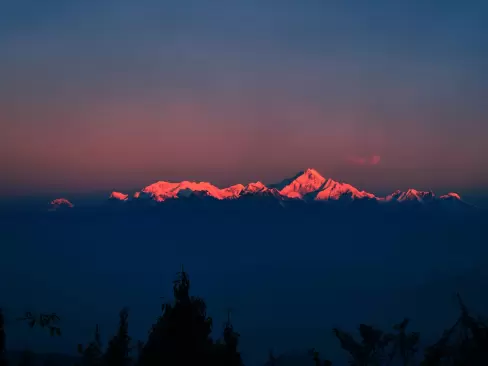
Kanchenjunga Trek: The Ultimate Guide to Nepal's Hidden GiantSo you want to trek to the third highest mountain in the world? Good choice. But here's the thing—while everyone's posting selfies at Everest Base Camp, Kanchenjunga sits quietly in far eastern Nepal, practically ignored. Which is exactly what makes it special.Mount Kanchenjunga stands at 8,586 meters (28,169 feet), and unlike its more famous neighbors, this mountain hasn't been completely overrun by commercial tourism. The trek to its base camps remains genuinely remote, culturally rich, and physically demanding in all the right ways.But let's get one thing straight from the start—this isn't a beginner's trek. Not even close.Why Kanchenjunga Trek Stays Off Most People's RadarHere's something interesting. You'd think the third highest mountain on Earth would attract massive crowds, right? Wrong. Most trekkers in Nepal never make it to Kanchenjunga. Why?First, location. It's way out east, almost touching the Sikkim and Tibet borders. Getting there requires either a long, bone-rattling jeep ride or a flight to Taplejung followed by days of walking just to reach the actual trek starting point. Not exactly convenient.Second, time commitment. You're looking at 18-20 days minimum for the full experience. That's nearly three weeks. Most people just don't have that kind of vacation time available.Third, difficulty level. This trek demands previous high-altitude experience, good fitness, and mental toughness. It's not your introduction to Himalayan trekking—it's more like your graduation ceremony.But honestly? These "barriers" have created something beautiful. The Kanchenjunga Trek has avoided the overcrowding and commercialization that's changed other popular routes. What you get instead is authentic mountain culture, genuine solitude, and an experience that feels more like exploration than tourism.The Mountain Itself: Five Treasures of SnowThe name "Kanchenjunga" comes from Tibetan and means "The Five Treasures of Snow." Look at the mountain from certain angles and you'll see why—it's actually a massive massif with five distinct peaks, each one impressive enough to be famous on its own.The four main summits create an incredible skyline:Main Summit (8,586m) - The big daddy, third highest in the worldKanchenjunga West (Yalung Kang) (8,505m) - Just slightly shorterKanchenjunga Central (8,482m) - Still over 8,000 metersKanchenjunga South (8,494m) - Rounding out the giantsAnd here's something cool—the mountain is considered sacred by locals. Climbers who summit actually stop a few feet below the true peak out of respect for local beliefs. Try finding that kind of reverence on Everest's crowded summit.From the trek, you'll see all these peaks from multiple angles. The north face from Pangpema Base Camp. The south face from Oktang. Different perspectives on the same massive mountain that'll make you feel wonderfully small.The Landscape: From Jungle to Glacier in One TrekOne of the most mind-blowing aspects of the Kanchenjunga Trek is the sheer variety of landscapes you'll walk through. It's not just "mountain scenery"—it's everything.You start low. Really low. Around 1,500-2,000 meters in subtropical lowlands where humidity makes you sweat through your clothes before lunch. Dense forests tower overhead. The vegetation is so thick you can barely see the sky. You hear birds, insects, rushing water. It feels more like jungle trekking than mountain climbing.Then you start climbing. And the world changes.Rhododendron forests dominate the mid-elevations. If you trek in spring (March-May), these forests explode in color—massive rhododendron trees covered in red, pink, and white blooms. It's honestly spectacular. Even if you don't care about plants, the visual impact is undeniable.Higher still, you enter alpine meadows. The trees thin out, replaced by hardy grasses and wildflowers. The air gets noticeably thinner. Your breathing deepens. Stone cairns and prayer flags start appearing—signs you're entering the high Himalayas.By the time you reach the base camp areas around 5,000+ meters, you're in a completely different universe. Barren rock. Glacial moraines. Ice fields stretching toward peaks that seem close enough to touch but would take days to reach. The only sounds are wind, your breathing, and occasionally prayer flags snapping.This elevation journey—from humid jungle to frozen alpine zones—happens gradually over days of walking. You earn every meter. And your body has time to adapt, which is crucial at these altitudes.The Trail: Two Base Camps, Twice the RewardUnlike most treks that visit one destination, the Kanchenjunga Trek actually takes you to two different base camps. You get perspectives from both the north and south sides of the massif, which completely changes how you see the mountain.North Base Camp (Pangpema) - 5,143 metersThe northern route follows the stunning Ghunsa Valley, following the Ghunsa Khola river upstream. This valley is gorgeous—one of those places that makes you stop frequently, not because you're tired (though you are), but because the scenery demands attention.Ghunsa village itself is substantial. Maybe 30-40 houses, several lodges, a monastery, and locals who've been hosting trekkers long enough to perfect their hospitality without losing authenticity. You'll spend a rest day here for acclimatization—use it wisely. Take short hikes, explore the monastery, talk to locals, let your body adjust.From Ghunsa, the trail continues to Khambachen (4,050m) and then Lhonak (4,780m). Each village gets progressively smaller, more remote, more rugged. By Lhonak, you're truly in the high mountains. The landscape is stark. Beautiful in a harsh way.The final push to Pangpema Base Camp (5,143m) is relatively short but intense. And then you arrive, and the north face of Kanchenjunga absolutely dominates your vision. It's so close, so massive, that your brain struggles with the scale. You'll also see Wedge Peak, Tent Peak, and several other giants that would be famous anywhere else but are overshadowed here.Sunrise at Pangpema is magical. The first light hitting those white peaks, slowly turning them pink, then orange, then brilliant white. People cry. I'm not kidding—the emotional impact of being there, after days of hard trekking, watching those mountains come alive... it's powerful.South Base Camp (Oktang/Yalung) - 4,730 metersThe southern approach via Oktang (also called Yalung Base Camp) offers completely different perspectives and feels even more remote somehow.The Yalung Valley is less visited than Ghunsa, which means even fewer trekkers. Villages like Tseram (3,870m) and Ramche (4,580m) are tiny—maybe 3-4 lodges total. The people are incredibly welcoming, partly because they see so few foreigners.The trail to Oktang winds through moraines and rocky terrain. It's not technical, but it's tiring—lots of ups and downs over uneven ground at altitude. But then you reach the base camp, and the south face of Kanchenjunga spreads before you like a massive wall of ice and rock.From this angle, you can clearly see all five peaks that give the mountain its name. The perspective is broader, more panoramic than the north face. It's less dramatic maybe, but more comprehensive. You're seeing the whole mountain spread out in its full glory.What's amazing about visiting both base camps is how different the same mountain looks. It's like meeting two different giants that happen to be connected. Together, north and south perspectives give you a complete understanding of why Kanchenjunga is considered one of Earth's most beautiful mountains.The High Passes: Where Your Legs Remember You're HumanLet's talk about the challenging bits. The Kanchenjunga Trek includes crossing high mountain passes that'll test everything—your fitness, your determination, your ability to function on limited oxygen.Sele La Pass (4,290m) and Sinion La Pass (4,660m) are the main ones connecting the north and south valleys. Neither requires technical climbing skills or ropes, but both are serious undertakings.Sele La has a reputation among guides and porters. The approach is relentlessly uphill through forest that provides zero views to distract you from the burning in your thighs. You just climb. And climb. And when you think you're nearly there, you climb more. At altitude, this means lots of breaks—walk 15-20 steps, stop and breathe, repeat for hours.But reaching the top? That makes every step worth it. Prayer flags stretch in colorful lines, snapping in the wind. Mountain views open up in all directions. You've crossed from one valley to another, using your own two feet at over 4,000 meters. That's worth celebrating.Sinion La is higher and can be snow-covered depending on season. The final approach to the pass requires careful footing over loose rocks. The descent on the other side is steep—your knees will remind you that going down is often harder than going up.Trekking poles aren't optional for these passes. They're essential equipment that'll save your joints and prevent falls on steep, rocky sections.Wildlife: More Than Just MountainsOne surprise about the Kanchenjunga Trek is the incredible biodiversity. The Kanchenjunga Conservation Area protects some of the richest ecosystems in the eastern Himalayas.Red pandas live in these forests. Yes, actually. They're shy, rare, and spotting one requires incredible luck, but they're out there in the rhododendron forests. More commonly, you'll see:Himalayan tahr (a goat-antelope) on rocky slopesBlue sheep grazing on distant ridgesDanphe (Himalayan monal)—Nepal's national bird with iridescent plumageVarious pheasant speciesCountless smaller birdsHigher up, Himalayan griffons soar on thermal currents, their massive wingspans silhouetted against blue skies. The region is home to snow leopards, though seeing one is lottery-level luck. Just knowing they're out there, watching from rocky hideouts, adds wildness to the experience.The flora is equally impressive. Spring brings explosions of wildflowers—orchids, primulas, blue poppies. Even the mosses and lichens create intricate patterns on rocks and trees. If you're into photography or just appreciate natural beauty, bring extra memory cards.Cultural Immersion: Three Distinct CommunitiesThe Kanchenjunga Trek isn't just scenery. The cultural experience rivals the natural beauty.Limbu People (Lower Elevations)The lower regions are Limbu territory. They're one of Nepal's indigenous groups with their own language (which sounds nothing like Nepali), traditions, and agricultural practices. Walk through a Limbu village and you'll see:Terraced fields carved into impossible slopesTraditional houses with thatched or tin roofsWomen in colorful traditional dressMen working fields or carrying enormous loadsThe Limbus are warm and curious about foreigners. They'll often invite trekkers to try tongba (fermented millet beer served warm) or raksi (strong local alcohol). Accepting is good manners. Just pace yourself—that stuff is stronger than it tastes.Rai CommunitiesRai people also inhabit parts of the trek route. Like the Limbus, they have distinct cultural practices and their own language. Traditional Rai dances during festivals are spectacular—lots of rhythmic movement, colorful costumes, and community participation.Sherpa and Tibetan Buddhist Communities (Higher Elevations)Higher up, particularly around Ghunsa and surrounding areas, you enter Sherpa and Tibetan Buddhist territory. The cultural shift is immediately visible:Prayer flags everywhere—strung between trees, across rivers, on ridge topsMani walls (long stone walls carved with Buddhist mantras)Chortens (Buddhist stupas) marking sacred spotsMonasteries with spinning prayer wheelsThe spiritual atmosphere is palpable. Monks in maroon robes. Elderly villagers circumambulating monuments while spinning prayer wheels. The sound of horns and chanting drifting from monasteries.Visit Ghunsa Monastery if you can time it with prayer sessions. The monks chanting together, horns echoing, incense filling the air—it's a deeply moving experience even if you're not Buddhist.Real Village LifeWhat makes the cultural experience authentic is that these aren't tourist attractions. These are real communities where life continues with or without trekkers. Kids play in alleyways. Women work fields. Men repair stone walls. Grandparents tell stories while grandchildren listen.If you're lucky enough to be trekking during local festivals, you'll witness traditional celebrations that have been performed for generations. These aren't staged—you just happen to be there when the community gathers. The locals are usually happy to have visitors observe and sometimes even participate.Cascading Waterfalls and Alpine LakesThe trail constantly surprises you with water features that deserve mention.Waterfalls are everywhere, especially in the lower and middle elevations. Some are massive—hundreds of meters of falling water that you hear long before you see. Others are small but perfectly positioned, creating photo opportunities where rainbows form in the mist.Alpine lakes dot the higher regions. These aren't huge lakes, but they're pristine—crystal clear water reflecting surrounding peaks. Some are sacred to locals, marked by prayer flags and small offerings. The silence around these lakes is profound. Just wind, water, and mountains.Best Time for Kanchenjunga TrekTiming your trek matters enormously. This remote region experiences extreme weather variations.Spring (March to May) - Prime TimeSpring is peak season for good reason. The famous rhododendron forests bloom spectacularly—hillsides covered in red, pink, and white flowers. It's absolutely gorgeous.Weather stabilizes after winter. March can still be cold and occasionally snowy at high passes, but by April and May, conditions are ideal. Clear skies are common, offering excellent mountain views.Temperatures are manageable—warm in lower valleys (15-20°C during day), cold but not brutal at high camps. You'll need a good sleeping bag, but you won't freeze.The downside? This is peak season, meaning more trekkers. Though "crowded" on the Kanchenjunga Trek means you might see 10-15 other groups total rather than complete solitude. It's still far less busy than Annapurna Circuit Trek or Everest Base Camp Trek .Autumn (September to November) - Also ExcellentAfter monsoon clears in September, autumn brings the year's clearest skies. The air has been washed clean by months of rain, creating visibility that makes distant peaks seem impossibly close.October is probably the single best month if you can only choose one. Perfect temperatures, stable weather, crystal-clear mountain views. November gets colder but remains manageable with proper gear.Culturally, autumn coincides with festival season in Nepal—Dashain and Tihar. You're more likely to witness celebrations, which adds another dimension to the trek.Winter (December to February) - Hardcore OnlyWinter trekking is possible but seriously challenging. Heavy snowfall can close passes. Temperatures drop to -20°C or colder at high camps. Most lodges in upper regions close as residents migrate to lower elevations.Only attempt winter if you have:Extensive cold-weather trekking experienceProper gear (4-season sleeping bag, down suit, etc.)Flexible schedule (weather delays are likely)High tolerance for discomfortThe reward? Total solitude, pristine snow-covered landscapes, and bragging rights.Monsoon (June to August) - Generally AvoidMonsoon makes this trek miserable. Heavy rain turns trails muddy and potentially dangerous. Leeches infest lower forests (they're everywhere—on leaves, waiting to drop on you). Rivers swell. Landslide risk increases. Mountain views hide behind clouds.Some hardcore trekkers go during monsoon for extreme solitude and lower costs. But for most people, the negatives far outweigh benefits.Physical Difficulty: The Honest TruthI'm not going to sugarcoat this—the Kanchenjunga Trek is hard. Really hard.Physical demands: 6-8 hours of trekking daily for 18-20 consecutive days. Not easy hours on flat trails. Steep climbs, rocky descents, river crossings, uneven terrain. Your body will hurt. Blisters despite good boots. Sore muscles. Aching joints.Altitude: Multiple nights above 3,000 meters, reaching above 5,000 meters at base camps. Altitude sickness is a real risk. Headaches, nausea, fatigue, sleep difficulty—these symptoms can hit anyone regardless of fitness. Proper acclimatization is crucial.Remoteness: Help is far away. This isn't Everest Base Camp Trek where helicopters reach you in hours. Evacuation from Kanchenjunga is complicated and expensive. This demands taking safety seriously—proper preparation, insurance, listening to your body.Mental challenge: Three weeks of sustained effort tests you psychologically. Tough days where you question your decisions. Where your body screams and your mind says "enough." Pushing through requires mental toughness.Who should attempt this?You should have:Previous multi-day trekking experience (2-3 treks of 7+ days ideally)Experience at altitude (at least one trek to 4,000+ meters)Good general fitness (comfortable walking 6-8 hours with backpack)Mental resilience for discomfortFlexible schedule (weather can force delays)If your biggest outdoor challenge is day hikes, this isn't your next step. Build up gradually. Try Annapurna Base Camp Trek or Langtang Valley Trek first. Learn how your body handles altitude and sustained effort. Then come to Kanchenjunga.What You'll EatFood on the Kanchenjunga Trek is simple, filling, and designed to power you through long days.Lower villages offer variety: dal bhat (rice and lentils—the trekker's staple), momos (dumplings), fried rice, noodle soups, Tibetan bread, pancakes, eggs. Food is fresh because supplies reach these villages regularly.Higher up, menus shrink. Dal bhat becomes the mainstay—unlimited servings of rice, lentil soup, vegetables, sometimes a bit of meat. "Dal bhat power, 24 hour" is a common trekking joke because it genuinely fuels you effectively.Other high-altitude options: potato dishes, noodle soups, Tibetan bread with yak cheese. Don't expect gourmet meals. Expect warm, filling food that keeps you moving.Bring supplemental snacks from Kathmandu: energy bars, chocolate, nuts, dried fruit. When altitude kills your appetite, familiar comfort food helps. Just pack out all wrappers—leave no trace.Accommodation Reality CheckLodges range from decent to extremely basic depending on elevation.Lower villages (Taplejung, Mitlung, Chiruwa): Standard trekking lodges. Private or semi-private rooms. Foam mattresses. Communal dining areas. Shared bathrooms with (sometimes) hot water for extra fee. Comfortable enough.Mid-altitude villages (Ghunsa, Khambachen): Similar facilities, though hot water becomes less reliable. Electricity from solar panels with limited hours.Upper camps (Lhonak, Ramche, near base camps): Very basic. Small rooms, thin mattresses, basic blankets (bring warm sleeping bag), shared pit toilets, no showers (wet wipes become your friend), minimal electricity, communal dining heated by yak-dung stoves.Is it uncomfortable? Compared to home, yes. But you have shelter, hot meals, and company. That's luxury at 4,500+ meters.Important note: Lodges are family-run, not commercial hotels. Owners are opening their homes to you. Treat them and property with respect. Be patient with service (they're cooking for everyone over wood fires). Be generous with tips at the end.Safety and HealthThe trek's remoteness demands serious attention to safety.Altitude sickness prevention:Follow acclimatization schedule religiouslyAscend slowly (don't skip rest days)Stay hydrated (3-4 liters daily minimum)Recognize symptoms early (headache, nausea, dizziness)Descend immediately if symptoms worsenMedical preparedness:Comprehensive first aid kitAltitude medication (discuss Diamox with doctor beforehand)Extra prescription medicationsBasic first aid knowledgeCommunication:Phone signal nonexistent in most areasSatellite phones recommended for emergenciesYour guide has communication devicesInsurance is ESSENTIAL: Must cover:Helicopter evacuation from high altitude (6,000m minimum)Medical treatment for altitude illnessEmergency repatriationTrip cancellation/interruptionEvacuation can cost $10,000+ without insurance. Don't skip this.Packing EssentialsClothing:Base layers (2-3 sets) - wool or synthetic, no cottonInsulation - fleece, down jacket (quality matters)Outer shell - waterproof/windproof jacket and pantsTrekking pants (2), shirts (3) - quick-dryWarm hat, sun hat, gloves (light and heavy pairs)Wool/synthetic socks (5-6 pairs)Footwear:Broken-in waterproof trekking bootsCamp shoes or sandalsGaitersGear:Sleeping bag rated -15°C minimumTrekking poles (essential)Headlamp with extra batteriesWater bottles (3 liters capacity)Sunglasses with UV protectionSunscreen SPF 50+ and lip balmMedical:First aid kit (bandages, antiseptic, blister treatment)Altitude medicationPain relievers, anti-diarrhea medsWater purificationPersonal prescriptions (bring extras)Why This Trek Changes PeopleI've talked to many Kanchenjunga trekkers. Almost everyone says it changed something for them.Part is the physical challenge. Pushing beyond what you thought possible creates confidence that transfers to regular life. Work problems feel smaller after climbing to 5,000 meters.Part is cultural immersion. Time in communities operating so differently from modern life expands perspective. You realize how many ways exist to live well.Part is the beauty. Standing among Earth's highest peaks under impossibly clear skies does something to your soul. Humbling and elevating simultaneously.But mostly, it's the combination. Physical challenge plus cultural depth plus natural beauty plus genuine remoteness equals transformation.The people you meet—villagers inviting you into homes, guides sharing mountain knowledge, fellow trekkers pushing through same challenges—become part of your story.Final ThoughtsThe Kanchenjunga Trek isn't for everyone. It's challenging, uncomfortable at times, and requires real commitment.But for those willing to push beyond standard tourist experiences, it delivers something increasingly rare—authentic adventure in genuinely remote territory. The combination of massive peaks, diverse landscapes, authentic cultures, and real solitude creates an experience popular treks cannot match.You'll work hard for three weeks. Your body will hurt. You'll sleep in basic lodges and go days without showers. Weather might force changes.And you'll return home with memories lasting a lifetime. You'll have explored the third highest mountain on Earth through terrain few people see. You'll have tested your limits and discovered strength you didn't know existed.If you've got the fitness, experience, time, and adventurous spirit, this trek deserves consideration. Just make sure you're properly prepared, choose a reliable trekking company, and approach the journey with respect these mountains demand.Do that, and Kanchenjunga will give you an adventure you'll measure all others against.Top Blogs About Trekking in the Kanchenjunga Region:Uncover the best blogs about trekking in the Kanchenjunga region, featuring expert advice, detailed itineraries, personal experiences, and essential tips for adventurers looking to explore the Himalayas.Altitude Sickness on Nepal Treks: Symptoms, Treatment, and When to Descend (Complete Guide) Ultimate Kanchenjunga Circuit Trek GuideAmazing Facts About the Kanchenjunga Circuit TrekKanchenjunga North vs. South Base Camp: Which is Better?Trekking Kanchenjunga Circuit: Routes, Planning & Survival Tips for AdventurersAmazing Top Facts of Mount KanchenjungaNepal Trekking Permits: Costs, Types, and How to Get ThemNepal Trekking: What’s the Best Time to Go?Budget Trekking in Nepal: Tips, Trails, and TricksExploring Nepal’s Wildlife and NatureTrekking Through Nepal: A Journey into the HimalayasTop 10 Mountain Peaks in NepalMonastery Life in Nepal: Finding Peace in the Heart of the Himalayas Altitude Sickness on Nepal Treks: Symptoms, Treatment, and When to Descend (Complete Guide)Dal Bhat Power 24 Hour: The Science and Soul Behind Nepal's Mountain FuelThe Essential Guide to Choosing Your Perfect Nepal Trek: From Beginner-Friendly Trails to Epic Himalayan AdventuresSolo Female Trekking in Nepal: A Complete Safety and Empowerment Guide for 2026Complete Fitness Training Guide for Nepal Trekking 2026: From Couch to Base Camp in 12 Weeks

Makalu Base Camp Trek: Where Fewer Footprints Lead to Greater Rewards Look, I'm not going to pretend the Makalu Base Camp Trek is for everyone. It's remote, it's challenging, and you won't find the comfortable teahouse infrastructure you'd get on the Annapurna Circuit or Everest Base Camp. But that's exactly why it's special. When I tell people I trekked to Makalu Base Camp, most don't even know where Makalu is. Fifth-highest mountain in the world at 8,485 meters, sitting in the far eastern corner of Nepal, and somehow still flying under the radar while Everest gets all the attention just a valley over. What Makes Makalu Different The Makalu region doesn't mess around with gentle introductions. From the moment you start trekking, you're either going steeply up or steeply down. There's no "warm-up" section. The trail drops into river valleys, climbs back out to ridges, and repeats this pattern until your legs question every decision you've ever made. But here's what you get in return: solitude. Real solitude. On popular treks, you're never really alone. Here? You might go hours without seeing another trekker. The trails feel wild in a way that's increasingly rare in Nepal. When you do encounter other trekkers, there's an instant Bond—you nod at each other like members of a secret club who know something the crowds don't. The trek takes you through the Makalu-Barun National Park, one of Nepal's most biodiverse protected areas. The elevation range is insane—you start around 400 meters in subtropical jungle and end up above 5,000 meters in a high-altitude glacial zone. That's basically going from tropical to arctic in two weeks of walking. The Mountain Itself Mount Makalu is shaped like a perfect pyramid with four sharp ridges. When you finally see it up close from base camp, it doesn't look real. It's too symmetrical, too massive, too perfectly shaped. The mountain has this presence that's different from other peaks—maybe because fewer people have stood where you're standing, staring up at it. The Makalu massif includes several other significant peaks—Makalu II, Makalu III, Chamlang (7,319m), and Baruntse (7,129m). These aren't minor foothills; they're legitimate Himalayan giants that would be celebrities in their own right if they weren't overshadowed by their taller neighbor. From various points along the trek, you get different perspectives of these peaks. Sometimes they're hidden by clouds or ridgelines, then suddenly you'll round a corner and there they are, filling the entire sky. It never stops being breathtaking. The Trail: A Study in Contrasts Subtropical Jungle to Alpine Desert The lower sections of the trek wind through dense subtropical forests that feel more like jungle than mountain trail. It's hot, humid, and sometimes muddy. You'll be sweating through your shirt, swatting at insects, and wondering why you didn't just go to Ghorepani Poon Hill instead. Then you climb higher and enter rhododendron forests. If you're trekking in spring, these forests explode with blooms—red, pink, white flowers covering massive old-growth trees. Even outside blooming season, these forests have this ancient, primeval quality. Moss hangs from branches, sunlight filters through the canopy, and everything feels untouched. Higher still, the vegetation thins dramatically. You enter alpine meadows dotted with wildflowers (in season), then finally reach the barren, rocky landscape near base camp where almost nothing grows except the occasional hardy alpine plant clinging to life. River Valleys and High Passes The Arun Valley, which you'll traverse in the early sections, is one of the deepest valleys in the world. Standing on a ridge and looking down at the river thousands of feet below, then up at peaks thousands of feet above—it's vertigo-inducing even when you're standing still. The trail crosses countless suspension bridges over rushing rivers. Some are sturdy and well-maintained, others sway alarmingly and have gaps between the planks where you can see straight down to the rapids below. You get used to them, but that first wobbly crossing gets your attention. Then there's Shipton La pass, sitting at around 4,200 meters. Named after the legendary explorer Eric Shipton, this pass marks the transition from the Arun Valley to the Barun Valley. The climb up is brutal—steep, relentless, and thin on oxygen. But from the top, the views stretch across ranges of peaks in every direction. The Barun Valley: A Hidden Sanctuary The Barun Valley is genuinely special. This valley is protected within the national park and remains pristine because of its remoteness. The landscape here is dramatic—massive rock walls, hanging glaciers, waterfalls that appear out of nowhere, and a sense of being completely removed from the modern world. The biodiversity in the Barun Valley is remarkable. The park is home to over 400 species of birds, including rare ones like the blood pheasant and impeyan pheasant. Mammals include the elusive snow leopard, red panda, Himalayan black bear, and musk deer. Seeing any of these requires serious luck—they're masters at avoiding humans—but knowing they're there adds to the wild feeling of the place. I didn't see a snow leopard (few people ever do), but we found fresh paw prints in the snow one morning near our camp. Our guide got excited and pointed out how you could see where the leopard had been stalking along a ridgeline. Just knowing that a snow leopard had walked that exact spot hours before us felt significant. Cultural Encounters The lower villages are primarily inhabited by Rai people, an Original ethnic group with their own distinct language and traditions. As you climb higher, you'll encounter Sherpa communities who have adapted to life at extreme altitudes. Unlike the lodges on more popular treks, accommodations in the Makalu region are basic. Really basic. Many villages have simple homestays where you're sleeping in a family's home, sharing meals around a fire, and getting a glimpse into daily life that feels far removed from the tourist trail. In villages like Tashigaon and Khongma, you'll see traditional stone houses with slate roofs, prayer flags fluttering in the wind, and locals going about their daily routines—tending fields, herding yaks, working at subsistence farming that hasn't changed much in generations. The cultural aspect here isn't performed for tourists because there aren't enough tourists to perform for. It's genuine. When villagers invite you for tea, they're not running a business—they're being hospitable. When you see a religious ceremony, you're not attending a show—you're witnessing something that would happen whether you were there or not. Makalu Base Camp: The Destination Base camp sits at around 5,000 meters in a rocky glacial Valley. When you finally arrive after nearly two weeks of trekking, the sense of accomplishment is intense. You're standing in one of the most remote corners of the Himalayas, surrounded by some of the highest peaks on Earth, and there might be only a handful of other people in the entire valley. The camp itself isn't much—some flat spots for tents, a stone shelter if you're lucky, and absolutely nothing else. No lodge, no facilities, no cell service. Just rock, ice, sky, and mountains. But the views. Makalu dominates the skyline, its pyramid shape rising directly above you. The surrounding peaks form this Arena of ice and rock. Glaciers spill down from the heights, grinding their way through the valley. The scale is difficult to process. Most people spend a rest day at base camp, partly for acclimatization and partly because after working so hard to get there, you want to soak it in. Some climb to higher viewpoints for even better perspectives. Others just sit and stare, which is honestly all you need to do. The Wildlife Factor The Makalu-Barun National Park hosts some of Nepal's rarest and most Mysterious wildlife. The red panda lives in the rhododendron forests at middle elevations—you might see one if you're incredibly fortunate, move quietly, and trek early in the morning or late afternoon when they're most active. Snow leopards roam the higher elevations, but they're called "ghosts of the mountain" for good reason. Your best chance of evidence is finding tracks or scat, which is still thrilling for wildlife Fans. More commonly seen (though still requiring luck and patience) are Himalayan thar, musk deer, and various bird species. The impeyan pheasant(Himalayan Monal), Nepal's national bird, is sometimes spotted in the forests, and its call is distinctive once you learn to recognize it. Even if you don't see rare animals, just trekking through habitat that supports such biodiversity adds another layer to the experience. You're not just walking through pretty scenery—you're moving through a functioning ecosystem that includes some of the world's most specialized alpine creatures. The Challenge Factor Let me be clear: this is a serious trek. It's longer and more demanding than Annapurna Base Camp or Langtang Valley. The daily elevation gains and losses are substantial. The terrain is rough. The altitude affects everyone differently, but you'll be spending extended time above 4,000 meters. The trek typically takes 18-21 days round trip, depending on your route and acclimatization needs. That's three weeks of camping or very basic accommodation, simple food, and hard physical work every day. You need to be properly fit before attempting this. Weather can change rapidly. Even in the best seasons (spring and autumn), you might encounter snow, rain, or clouds that obscure views for days. The remoteness means if something goes wrong, evacuation is complicated and expensive. This isn't a trek to take lightly. But the difficulty is part of what keeps the crowds away. The Makalu Base Camp Trek self-selects for people who are serious about remote mountain trekking and willing to rough it for the experience. Seasons and Timing Spring (April to May) is considered the best season. The rhododendron forests are blooming, weather is generally stable, and temperatures are manageable. This is also when climbing expeditions attempt Makalu, so you might see base camp activity from mountaineers preparing for summit attempts. Autumn (October to November) offers the clearest views and most stable weather. Post-monsoon air creates sharp visibility, and the temperatures are cool but not brutally cold. This is probably the most popular time (relatively speaking—it's still quiet compared to mainstream treks). Winter (December to February) is possible for experienced trekkers, but it's seriously cold at higher elevations, and some passes may be snow-covered or closed. The lower villages are warmer, making this season feasible if you're prepared for winter conditions above 4,000 meters. Monsoon (June to September) is not recommended. Heavy rainfall makes trails slippery and dangerous, leeches are abundant in the lower forests, and mountain views are typically obscured by clouds. The few people who trek during monsoon usually have specific reasons (research, filming, etc.). Logistics and Planning The Camping vs. Teahouse Situation Unlike treks where you move from lodge to lodge, much of the Makalu trek requires camping. Some lower villages have basic homestays or lodges, but higher up, you're in tents. This means you'll need a support team—guides, porters, kitchen staff, and someone to manage camp. Going with an organized group or hiring a trekking company is essentially mandatory unless you're an experienced mountaineer comfortable with self-supported camping at altitude. This isn't like Manaslu Circuit where teahouses are available even if sparse. Permits and Regulations You'll need several permits: the Makalu-Barun National Park permit, a restricted area permit (this is a controlled trekking region), and a TIMS card. These permits aren't cheap, and regulations require you to trek with a registered guide in this area—solo trekking isn't permitted. The permit requirements exist partly for safety (this is remote territory where rescue is difficult) and partly for conservation (limiting numbers helps protect the ecosystem). While it adds to the cost and complexity, the regulations help maintain the pristine quality of the region. Flights and Access Most Makalu treks start with a flight from Kathmandu to Tumlingtar, a small airstrip in the hills of eastern Nepal. These are small planes, and flights can be delayed or cancelled due to weather—build flexibility into your schedule. From Tumlingtar, you'll drive a few hours to the trailhead. The roads in this region are rough, and during monsoon, they can be impassable. This access difficulty is another factor that keeps visitor numbers low. What to Pack Standard high-altitude trekking gear applies, but since you're camping, you'll need: Four-season tent (usually provided by trekking company) Cold-rated sleeping bag (minus 15-20°C at minimum) Insulated sleeping pad (the ground at high altitude is cold) Layers for extreme temperature variation (hot in valleys, freezing at altitude) Sturdy boots broken in completely (rough terrain demands good footwear) Trekking poles (essential for the steep descents and ascents) Water purification system (no lodges means filling from streams) Headlamp with extra batteries (nights in camp are long and dark) Sun protection (UV exposure is intense at altitude) Since you're camping, you'll have porters carrying gear, but keep your personal daypack relatively light. You're still carrying it all day, every day. Comparing Makalu to Other Remote Treks If you're considering remote treks, here's how Makalu compares: Manaslu Circuit - More teahouse infrastructure, slightly less remote feeling, but still wonderfully uncrowded and with spectacular mountain views. Kanchenjunga Base Camp - Similar remoteness level to Makalu, equally pristine, but trekking to the world's third-highest mountain instead of the fifth. Also requires camping and full support. Upper Dolpo - Even more remote than Makalu, with a unique Tibetan Buddhist culture and desert-like landscapes. Longer and more expensive. Upper Mustang - Remote and restricted, but with village lodges available. Different landscape (high-altitude desert) and strong Tibetan cultural elements. If Makalu feels too ambitious, consider the Langtang Valley Trek or Annapurna Base Camp—both offer spectacular mountain views with much better infrastructure and easier logistics. Why Choose the Makalu Base Camp Trek This trek isn't about collecting stamps in your trekking passport or bragging rights. It's about experiencing the Himalayas in a way that's becoming increasingly rare—genuinely remote, uncrowded, wild. You'll work hard for it. The trek is physically demanding, logistically complex, and requires significant time and financial investment. But you'll walk through ecosystems that range from tropical to arctic, through valleys where wildlife outnumbers humans, to the base of one of Earth's most impressive mountains. The lack of infrastructure means you're more self-reliant and need to carry or have carried everything you'll need. But it also means no lodge noise, no crowds at viewpoints, no feeling of being on a conveyor belt of tourists. Final Thoughts The Makalu Base Camp Trek is for trekkers who've done the classic routes and want something more challenging and remote. It's for people who prioritize wilderness experience over comfort, who find solitude appealing rather than lonely, and who want to see a part of the Himalayas that relatively few outsiders ever witness. The physical demands are real—don't underestimate them. The remoteness means you need to be self-sufficient and properly prepared. But if you're ready for that, Makalu offers something increasingly precious in our connected, crowded world: genuine wilderness and the sense of discovery that comes with truly remote travel. Standing at Makalu Base Camp, surrounded by peaks, with maybe a dozen other people in the entire valley, you'll understand why some trekkers become addicted to these wild places. The silence, the scale, the raw beauty of mountains that don't care whether you're there or not—it changes your perspective on what matters. Just make sure you're properly prepared, physically fit, and mentally ready for the challenge. The mountains will be there, indifferent and magnificent, waiting for those willing to make the journey. Explore More Remote Nepal Treks If Makalu appeals to you, consider these other off-the-beaten-path adventures: Remote & Challenging: Kanchenjunga Base Camp Trek - World's third-highest peak, equally remoteManaslu Circuit Trek - Less crowded alternative to Annapurna CircuitUpper Dolpo Trek - One of Nepal's most remote regionsUpper Mustang Trek - Tibetan culture in high-altitude desert More Accessible Options: Everest Base Camp Trek - Classic high-altitude trek with good infrastructureAnnapurna Base Camp Trek - Shorter duration with excellent mountain viewsLangtang Valley Trek - Beautiful and less crowded than Everest/Annapurna Contact us to start planning your Himalayan adventure.Top Blogs About Trekking in the Makalu Region:Uncover the best blogs about trekking in the Makalu region, featuring expert advice, detailed itineraries, personal experiences, and essential tips for adventurers looking to explore the Himalayas.Altitude Sickness on Nepal Treks: Symptoms, Treatment, and When to Descend (Complete Guide) Nepal Trekking Permits: Costs, Types, and How to Get ThemNepal Trekking: What’s the Best Time to Go?Budget Trekking in Nepal: Tips, Trails, and TricksExploring Nepal’s Wildlife and NatureTrekking Through Nepal: A Journey into the HimalayasTop 10 Mountain Peaks in NepalMonastery Life in Nepal: Finding Peace in the Heart of the Himalayas
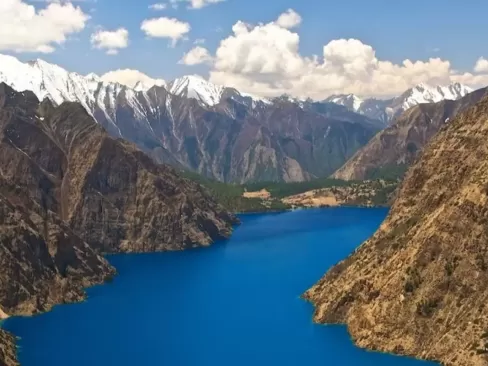
Lower Dolpo Trek: A Journey to Nepal’s Hidden Himalayan GemNestled in the remote corners of Nepal, the Lower Dolpo Trek is a mesmerizing adventure that takes you deep into the untouched landscapes of the Himalayas. Known for its rugged terrain, ancient Tibetan culture, and breathtaking vistas, this trek is a dream come true for adventurers seeking an off-the-beaten-path experience. Whether you’re a seasoned trekker or a curious explorer, the Lower Dolpo Trek promises an unforgettable journey through one of the most secluded regions on Earth.Why Choose the Lower Dolpo Trek? The Lower Dolpo Trek is not just a trek; it’s an exploration of a hidden world. Here’s why it stands out:Untouched Beauty: Unlike popular trekking routes, Lower Dolpo remains unspoiled by mass tourism. Its pristine landscapes, crystal-clear lakes, and dramatic mountain views offer a sense of serenity and solitude.Rich Cultural Heritage: Dolpo is home to ancient Tibetan Buddhist communities. As you trek through traditional villages, you’ll encounter centuries-old monasteries, prayer flags, and a way of life that has remained unchanged for generations.Diverse Landscapes: From lush valleys and dense pine forests to arid high-altitude deserts, the Lower Dolpo Trek showcases the incredible diversity of Nepal’s geography.Wildlife Encounters: The region is part of Shey Phoksundo National Park, where you might spot rare species like the snow leopard, blue sheep, and Himalayan griffon.Shey Phoksundo Lake: A highlight of the trek, this turquoise lake is one of the most beautiful in the Himalayas. Its tranquil waters and surrounding cliffs create a scene straight out of a postcard.Best Time for the Lower Dolpo TrekThe ideal time to embark on the Lower Dolpo Trek is during spring (March to May) and autumn (September to November). During these seasons, the weather is stable, the skies are clear, and the views are at their best. Monsoon (June to August) and winter (December to February) are less favorable due to heavy rainfall and extreme cold.Difficulty Level: Is the Lower Dolpo Trek for You?The Lower Dolpo Trek is considered moderate to challenging. While it doesn’t require technical climbing skills, the high altitudes, long trekking days, and remote trails demand good physical fitness and mental resilience. Prior trekking experience is recommended, especially for crossing high mountain passes. Permits and CostsTo trek in Lower Dolpo, you’ll need the following permits:Shey Phoksundo National Park Entry PermitLower Dolpo Restricted Area PermitThe total cost of the trek depends on factors like group size, duration, and services included. On average, the Lower Dolpo Trek costs between 2000 and 3500, covering permits, guides, accommodation, meals, and transportation. Tips for a Successful Lower Dolpo TrekAcclimatize Properly: Take your time to adjust to the high altitude to avoid altitude sickness.Pack Wisely: Bring sturdy trekking gear, warm clothing, and essential supplies.Hire a Local Guide: A knowledgeable guide can enhance your experience and ensure your safety.Respect Local Culture: Be mindful of local customs and traditions, especially when visiting monasteries.Stay Hydrated: Drink plenty of water to stay energized and healthy. Why Book with Explore Holiday Nepal?At Explore Holiday Nepal, we specialize in creating unforgettable trekking experiences. Here’s why you should choose us for your Lower Dolpo Trek:Expert Guides: Our experienced guides know the region inside out.Customizable Itineraries: We tailor treks to suit your preferences and fitness level.Safety First: Your safety is our top priority, with well-planned routes and emergency support.Sustainable Tourism: We promote eco-friendly practices to preserve Dolpo’s natural beauty. Ready to Explore Lower Dolpo?The Lower Dolpo Trek is more than just a trek; it’s a journey into the heart of the Himalayas. Whether you’re drawn by the stunning landscapes, rich culture, or sense of adventure, this trek will leave you with memories to last a lifetime. Book your Lower Dolpo Trek with Explore Holiday Nepal today and embark on the adventure of a lifetime!Top Blogs About Trekking in the Mustang and Dolpo Region:Uncover the best blogs about trekking in the Mustang and Dolpo region, featuring expert advice, detailed itineraries, personal experiences, and essential tips for adventurers looking to explore the Himalayas.Discovering Upper Mustang’s Mystical VillagesAltitude Sickness on Nepal Treks: Symptoms, Treatment, and When to Descend (Complete Guide) Nepal Trekking Permits: Costs, Types, and How to Get ThemNepal Trekking: What’s the Best Time to Go?Budget Trekking in Nepal: Tips, Trails, and TricksExploring Nepal’s Wildlife and NatureTrekking Through Nepal: A Journey into the HimalayasTop 10 Mountain Peaks in NepalMonastery Life in Nepal: Finding Peace in the Heart of the Himalayas
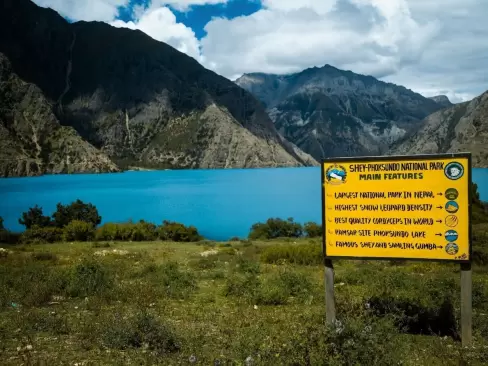
Upper Dolpo Trek: Journey to Nepal's Last Hidden KingdomHere's something most trekkers never experience—a region so remote that it stayed completely closed to foreigners until 1989. The Upper Dolpo Trek takes you deep into one of the Himalayan region's most isolated corners, where Tibetan Buddhist culture survives untouched and landscapes look like they belong on another planet.Upper Dolpo sits in Nepal's far northwest, squeezed between the Tibetan plateau and massive Himalayan ranges. It's the kind of remote where roads don't exist, internet is a distant memory, and villages operate exactly as they did centuries ago. Peter Matthiessen made this region famous with his book "The Snow Leopard," and honestly, not much has changed since he walked these trails in the 1970s.The Upper Dolpo Trek (as opposed to the full Circuit) typically runs 14-18 days. You'll start from Juphal, trek through forests and villages to the stunning Phoksundo Lake, push deeper into Upper Dolpo's high-altitude desert landscapes, cross serious passes like Kang La (5,151m), and experience Tibetan Buddhist culture that's been preserved by sheer isolation.Let's be clear though—this is advanced-level trekking. Remote, high, challenging, and expensive. You need serious experience and fitness.Why Upper Dolpo Stayed Hidden So LongGood question. If it's so spectacular, why did it take until 1989 for foreigners to visit?Political sensitivity: Dolpo borders Tibet, and the Nepali government kept the area restricted for security reasons. Even now, you need expensive special permits that cost around $500 for 10 days, then $50 per additional day.Extreme remoteness: No roads reach Upper Dolpo. Period. Getting there requires flights to Nepalgunj, then tiny planes to Juphal (weather permitting). After that, it's all foot power.Harsh conditions: This is high-altitude desert territory with extreme weather, minimal vegetation, and brutal winters. It's not forgiving terrain.Cultural preservation: The high permit costs and restricted access have actually protected Dolpo's traditional culture. Tourism hasn't destroyed the authenticity here like it has in more accessible areas.These barriers mean Upper Dolpo sees maybe a few hundred trekkers annually. Compare that to Everest Base Camp's tens of thousands, and you understand the difference.The Landscape: From Forest to High DesertUpper Dolpo's terrain is dramatically varied and unlike most of Nepal.Lower Sections: Green and LushStarting from Juphal, the trail winds through surprisingly lush landscapes. Pine and juniper forests, terraced fields, green hillsides, rushing rivers. You're in the foothills, and it feels like typical Nepali hill country.Villages here are a mix of ethnic groups—Magar, Thakuri, and others. Life revolves around agriculture and trade. It's not wealthy, but it's functioning traditional mountain life.Phoksundo Lake: The Turquoise JewelPhoksundo Lake (3,611m) is where things get magical. This is Nepal's deepest lake and second-largest, and its color is absolutely unreal—turquoise so vivid it looks fake. The lake sits in a stark valley surrounded by cliffs, with waterfalls cascading down from surrounding peaks.The lake is sacred to both Buddhists and Bon-Po practitioners (followers of pre-Buddhist Tibetan religion). Ringmo village sits on the lake's edge with an ancient monastery. Locals circumambulate the lake as religious practice, and you'll see prayer flags everywhere.Most trekkers spend at least two nights here—one for acclimatization, one just because the place is too beautiful to rush through.Upper Dolpo: Tibetan Plateau DesertBeyond Phoksundo, the landscape transforms completely. As you climb toward Kang La Pass and deeper into Upper Dolpo proper, trees disappear entirely. The terrain becomes high-altitude desert—barren brown and red hills, sparse vegetation, intense sun, bone-dry air.This is rain shadow territory. The Himalayas block monsoon moisture, creating desert conditions at altitude. It looks more like Tibet or Ladakh than typical Nepal. The landscape is harsh, stark, and beautiful in an alien way.High Passes: The Real ChallengeThe Upper Dolpo Trek crosses several serious passes:Kang La Pass (5,151m) is the main one—a genuine high-altitude challenge with steep approaches, possibly snow and ice, and serious altitude. The views from the top encompass distant Tibetan peaks and the rugged Dolpo landscape stretching endlessly.Shey La Pass (4,940m) is slightly lower but still demanding, offering views of the mystical Crystal Mountain, a peak considered sacred by both Buddhists and Bon-Po followers.These passes aren't technical—no ropes or climbing gear needed—but they're physically demanding and altitude makes everything harder.Cultural Experience: Tibetan Buddhism PreservedThe cultural aspect of Upper Dolpo is genuinely unique.Bon-Po ReligionUpper Dolpo is one of the last strongholds of Bon, Tibet's pre-Buddhist religion. While most of the Himalayan region converted to Buddhism centuries ago, Bon practitioners maintain their traditions here in isolation.You'll notice differences: Bon followers circumambulate sacred sites counterclockwise (opposite of Buddhists), their monasteries display different symbols, and their religious practices incorporate ancient shamanistic elements alongside Buddhist-influenced rituals.Ancient MonasteriesMonasteries in Upper Dolpo are functioning religious centers, not tourist attractions:Shey Gompa (4,500m) is perhaps the most important, sitting in a barren valley with views of Crystal Mountain. The monastery is ancient, remote, and spiritually significant. Monks here have chosen extreme isolation for religious practice.Tshowa Gompa near Phoksundo Lake is smaller but equally authentic, perched on cliffs above the turquoise water.If you're fortunate enough to witness ceremonies—monks chanting, long horns echoing across valleys, incense smoke rising into thin air—it's powerful stuff that stays with you.Villages Frozen in TimeVillages like Dho Tarap and Ringmo look medieval. Stone houses with flat roofs, narrow alleyways, prayer flags snapping in constant wind. Life revolves around barley cultivation (which barely grows at this altitude), yak herding, and increasingly limited trade with Tibet.These aren't museum recreations. People live here year-round, maintaining traditions because that's how life works here, not for tourists. Kids play in dusty streets. Women work impossibly steep fields. Elders spin prayer wheels and share stories.The Dolpo-pa people (locals of Dolpo) are ethnically and culturally Tibetan. They speak Tibetan dialects, practice Tibetan Buddhism (and Bon), and maintain customs that have disappeared elsewhere. Their hospitality is genuine but reserved—these communities see few outsiders, so curiosity mixes with caution.The Snow Leopard ConnectionPeter Matthiessen's "The Snow Leopard" chronicles his 1973 journey through Dolpo searching for the elusive cat. Snow leopards still inhabit this region—it's some of their last remaining habitat. Spotting one requires lottery-level luck, but knowing they're out there, watching from rocky ridges, adds wildness to the trek.You're more likely to see signs—paw prints in dust, scat on trails—than the actual animal. But the region supports healthy populations of Himalayan blue sheep (the snow leopard's primary prey), which you'll definitely spot on distant slopes.Best Time for Upper Dolpo TrekTiming matters enormously in Dolpo's extreme climate.Late Spring/Early Summer (May to June)This is one of two main trekking windows. By May, snow has cleared from most passes (though some sections might still have patches). Temperatures warm up—days can reach 10-15°C in valleys, though nights remain cold, especially at high camps.Advantages: Passes generally clear and accessible. Wildflowers blooming in lower sections. Longer daylight hours. Villages are active as people return from winter homes at lower elevations.Disadvantages: June marks monsoon start in most of Nepal. While Dolpo's rain shadow protects it from heavy rains, weather becomes less predictable. Afternoon clouds and occasional precipitation are possible.Autumn (September to October)Prime season. After summer weather clears in September, autumn brings stable conditions, clear skies, and excellent visibility. October especially offers perfect trekking weather.Temperatures are manageable—warm enough during day for comfortable trekking, cold at night but not extreme. The air is crystal clear after summer, making mountain views spectacular.Downsides: This is peak season, meaning slightly higher prices and more trekkers. Though "crowded" in Upper Dolpo means maybe 10-15 other groups across two weeks. It's still incredibly quiet compared to popular routes.Winter (November to April) - Don't Do ItWinter in Upper Dolpo is brutally harsh. Temperatures drop to -20°C or lower. Heavy snow closes passes for months. Most lodges shut down as residents migrate to lower elevations for survival.Only attempt winter trekking with extensive mountaineering experience, full winter camping gear, and flexible schedule. Even then, it's borderline crazy. The cold is life-threatening, evacuation is nearly impossible, and suffering outweighs enjoyment dramatically.Monsoon (July to August) - Skip ItWhile Upper Dolpo gets less monsoon rain than most of Nepal, some precipitation occurs. Trails become muddy, river crossings dangerous, and clouds obscure views. The already dusty landscape becomes unpleasantly sticky when wet.Unless you have very specific reasons, avoid monsoon season.Difficulty Level: This is Advanced TrekkingThe Upper Dolpo Trek is genuinely difficult—one of Nepal's hardest non-technical treks.Duration: 14-18 days of consecutive trekking. That's two to three weeks of walking 6-8 hours daily. Your body needs serious endurance.Altitude: Extended time above 4,000 meters, crossing passes above 5,000m. Altitude sickness is a major risk. The itinerary includes acclimatization days, but you must still ascend carefully and monitor symptoms.Remoteness: This is as remote as trekking gets in Nepal. Help is literally days away. Helicopter evacuation is complicated, weather-dependent, and expensive. This demands serious preparation and conservative decision-making.Terrain: Rugged trails, rocky paths, steep climbs, high passes. Not technically difficult, but physically demanding. River crossings on sketchy bridges. Landslide-prone sections. Rockfall zones.Facilities: Very basic or nonexistent. Camping is common on many itineraries. Where teahouses exist, they're extremely rudimentary—thin mattresses, pit toilets, no showers, minimal food options.Weather extremes: High-altitude desert means intense sun during day, freezing temperatures at night. Strong winds are constant at higher elevations.Who should attempt this?You absolutely need:Multiple previous treks of 7-10+ daysExperience at altitude (successfully trekked above 4,000m previously)Excellent physical fitness (comfortable walking 6-8 hours daily with pack)Mental toughness for extended discomfortFlexible schedule (weather delays are common)If the Annapurna Circuit Trek or Everest Base Camp Trek seriously challenged you, Upper Dolpo is probably too advanced. Build more experience first with treks like Manaslu Circuit Trek or Kanchenjunga Trek .Getting There: The Journey to JuphalReaching Upper Dolpo's trailhead is half the adventure.Kathmandu to Nepalgunj (Flight)First, fly from Kathmandu to Nepalgunj, a city in Nepal's southern Terai plains near the Indian border. Flight takes about an hour. Nepalgunj is hot, dusty, and feels nothing like mountain Nepal. You'll usually spend one night here.Nepalgunj to Juphal (Flight)Next morning brings a flight to Juphal (2,475m) on a small aircraft—maybe 15-20 seats. This flight is spectacular when weather cooperates—you fly directly into mountains, watching landscape transform from plains to foothills to serious peaks.The catch: These flights are extremely weather-dependent. Juphal's tiny airstrip sits in a mountain valley where weather changes rapidly. Morning flights usually happen, afternoon flights frequently cancel. Delays of 1-2 days are common, sometimes longer.This is why Upper Dolpo itineraries build in buffer days. You can't control weather, and the trek can't start or finish without these flights.Starting the TrekFrom Juphal, trekking begins. The trail follows rivers through forests and villages, gradually gaining altitude. You're officially in one of Nepal's most remote regions.What to PackPacking for Upper Dolpo requires careful planning.Clothing:Base layers (3 sets) - merino wool or synthetic, absolutely no cottonMid-layers - fleece jacket, quality down jacket (don't cheap out here)Outer shell - waterproof/windproof jacket and pantsTrekking pants (2), quick-dry shirts (3)Warm hat, sun hat with neck protection, gloves (light and heavy pairs)Buff or neck gaiter for dust protectionWool/synthetic socks (6 pairs minimum)Footwear:Well-broken-in waterproof trekking boots with solid ankle supportCamp shoes or sandals (foot relief at lodges/camps)Gaiters (essential for dusty trails and possible snow)Essential Gear:Sleeping bag rated to -15°C minimum (colder is better)Trekking poles (absolutely essential, not optional)Headlamp with extra batteries (cold drains them quickly)Water bottles (3 liters capacity minimum)Sunglasses with high UV protection (the sun is intense at altitude)Sunscreen SPF 50+ and lip balm with SPFMedical Kit:Comprehensive first aid suppliesAltitude sickness medication (discuss Diamox with doctor beforehand)Pain relievers, anti-diarrhea medicationWater purification tablets or filterPersonal prescriptions (bring extras)Blister treatment (you will get blisters)Other:Camera and extra batteries/memory cardsPower bank (charging opportunities are limited and expensive)Book or Kindle for downtimeEarplugs (for lodge/tent sleeping)Toilet paper and wet wipes (showers are rare)Small amount of cash in small billsFood and AccommodationSet realistic expectations about comfort levels.Food: In lower sections, simple teahouse menus—dal bhat, noodle soup, fried rice, maybe momos. Fresh vegetables are limited. Upper sections offer even less variety. Dal bhat becomes the staple because it's efficient. Expect to eat it twice daily. Bring supplemental snacks from Kathmandu—energy bars, chocolate, nuts—for when you're sick of dal bhat.Accommodation: Depends on itinerary. Some use camping throughout (your team carries tents and cooking equipment). Others use lodges where available—very basic teahouses in villages like Ringmo and Dho Tarap. Expect small rooms, thin mattresses, shared pit toilets, no showers, minimal electricity.Your sleeping bag rated to -15°C is crucial. Nights are cold, especially at high camps. Lodge blankets are insufficient.Hot showers? Forget them except maybe in Juphal. Wet wipes become your bathing method. Embrace the grime—everyone's equally dirty after a week.Safety ConsiderationsUpper Dolpo's remoteness makes safety absolutely critical.Altitude Sickness: The biggest risk. Prevention requires following acclimatization schedules, ascending gradually, staying hydrated (3-4 liters daily), and descending immediately if symptoms worsen.Medical Resources: Essentially nonexistent. No hospitals, no clinics, no doctors. Your guide carries first aid and has basic medical training, but serious problems require evacuation.Communication: No cell signal throughout most of the trek. Satellite phones are essential for emergencies. Your guide should have one.Evacuation: Helicopter rescue is complicated and expensive ($10,000-15,000+). Weather must cooperate. Suitable landing zones are limited. It can take days to arrange.Travel Insurance is MANDATORY:You must have comprehensive coverage including:Helicopter evacuation from remote areas up to 6,000mMedical treatment for altitude-related illnessesEmergency repatriationTrip cancellation/interruption (for weather delays)Don't consider this trek without proper insurance. The financial risk is enormous.What Makes Upper Dolpo SpecialThe Upper Dolpo Trek isn't Nepal's most popular route. It's not the easiest, cheapest, or most accessible.But for experienced trekkers seeking genuine adventure in one of the world's last remote Himalayan regions, it's extraordinary. The combination of pristine high-altitude desert landscapes, ancient Tibetan Buddhist culture maintained by isolation, real solitude, and serious physical challenge creates an experience popular treks cannot match.You'll work hard for two to three weeks. Your body will hurt. You'll go days without basic comforts. Weather might force delays. The altitude will challenge you. The remoteness will test your mental toughness.And you'll return transformed. You'll have walked through landscapes few humans see. You'll have witnessed culture preserved not for tourists but by sheer geographic isolation. You'll have crossed 5,000-meter passes and circumambulated sacred lakes. You'll have tested your limits and discovered reserves of strength you didn't know existed.The Upper Dolpo Trek rewards those brave enough to venture into true wilderness. If you've got the experience, fitness, time, budget, and adventurous spirit, this trek deserves serious consideration.Just make sure you're properly prepared, choose a reliable trekking company, and approach the journey with the respect these mountains and communities demand. Do that, and Upper Dolpo will give you an adventure you'll measure all others against.Top Blogs About Trekking in the Mustang and Dolpo Region:Uncover the best blogs about trekking in the Mustang and Dolpo region, featuring expert advice, detailed itineraries, personal experiences, and essential tips for adventurers looking to explore the Himalayas.Discovering Upper Mustang’s Mystical VillagesAltitude Sickness on Nepal Treks: Symptoms, Treatment, and When to Descend (Complete Guide) Nepal Trekking Permits: Costs, Types, and How to Get ThemNepal Trekking: What’s the Best Time to Go?Budget Trekking in Nepal: Tips, Trails, and TricksExploring Nepal’s Wildlife and NatureTrekking Through Nepal: A Journey into the HimalayasTop 10 Mountain Peaks in NepalMonastery Life in Nepal: Finding Peace in the Heart of the Himalayas

Nar Phu Valley Trekking Nepal: Everything You Need to Know Before You GoLook, I'll be straight with you—Nar Phu Valley is special. Really special. While everyone's crowding trails like the Annapurna Circuit Trek, this hidden corner of Nepal stays remarkably quiet. We're talking about a valley that was completely off-limits to foreigners until 2002, tucked away in the Annapurna region where ancient Tibetan culture hasn't just survived—it's thriving.What makes Nar Phu Valley trekking Nepal different? It's not just another mountain trek. Sure, you'll get incredible Himalayan views (more on that later), but the real magic happens in villages where life moves at the same pace it did 500 years ago. Stone houses with prayer flags. Monks chanting in centuries-old monasteries. People who still trade with Tibet and practice traditions your guidebook barely mentions.The catch? This isn't an easy trek. You'll cross a 5,322-meter pass, sleep in very basic teahouses, and spend days where you might not see another trekker. But that's exactly the point.Why Most Trekkers Miss Out on Nar Phu ValleyHere's something interesting—even though the Annapurna Circuit Trek is one of Nepal's most popular routes, maybe 5-10% of those trekkers actually venture into Nar Phu Valley. Why?First, you need special permits. The area is restricted, which means more paperwork and higher costs. Second, you can't go independently—you need a registered guide. Third (and this is the big one), it adds serious difficulty to an already challenging trek.But those barriers have created something rare in modern trekking. No wifi cafes. No banana pancake menus in five languages. Just authentic mountain life that hasn't been sanitized for tourists. When you walk into Phu Village and see kids playing in medieval-looking alleyways while their grandparents spin prayer wheels, you'll understand why some trekkers call this their favorite Himalayan experience.Getting There: The Journey from Kathmandu to KotoYour Nar Phu Valley trekking Nepal adventure starts in Kathmandu, obviously. After sorting permits (more on that bureaucratic fun later), you'll drive toward the mountains. It's a long drive—figure 7-8 hours through Besisahar to Koto, depending on road conditions and how many times your bus stops for tea.Koto sits at 2,600 meters and marks the point where you leave the main Annapurna Circuit. Most trekkers continue straight toward Manang. You? You're turning left into a narrow gorge that looks slightly terrifying and completely exciting.Koto to Meta: Welcome to the Wild SideThe trail from Koto to Meta is... let's say it builds character. You're walking through a canyon carved by the Phu Khola river, which sounds peaceful until you're actually there. The path is narrow—sometimes just carved into cliff faces—and you'll cross suspension bridges that sway more than you'd like.Is it dangerous? Not if you pay attention and watch your footing. Is it thrilling? Absolutely. This is where you really feel like you're entering forbidden territory.Meta (3,560 meters) is a tiny settlement where you'll spend your first night in the restricted zone. The lodges here are basic. Really basic. Thin mattresses, shared bathrooms, maybe hot water if you're lucky and willing to pay extra. But the food is hot, the blankets are thick, and you're surrounded by mountains. What else do you need?Pro tip: Use Meta as an acclimatization day if you're smart. Your body needs time to adjust, and there are good day hikes around the village.Phu Village: Where Time Stopped Centuries AgoContinuing up-valley, the landscape gets more dramatic. And more Tibetan. By the time you reach Phu Village (4,080 meters), you've basically entered a different world.Phu is extraordinary. Around 200 people live here year-round, in stone houses stacked up a hillside like something from a fantasy movie. The village has existed for over a thousand years, and honestly, not that much has changed. No roads reach here. Electricity is solar or generators. The nearest hospital is days away.The Tashi Lhakhang Monastery sits above the village, watching over everything. If you can, time your visit when the monks are conducting ceremonies. The sound of horns echoing off the surrounding peaks while incense fills the prayer hall—it's powerful stuff.Walking through Phu's narrow alleys, you'll see yaks wandering around, kids playing traditional games, and elderly women spinning wool like their ancestors did. Some families here still practice polyandry (one wife, multiple brothers as husbands), which is incredibly rare even in Nepal.Want to go higher? There's a side trip to Himlung Himal Base Camp that takes you above 4,900 meters. The views are insane—glaciers, Tibetan peaks stretching forever, and total silence except for the wind. But only attempt this if you're acclimatizing well. Altitude sickness at nearly 5,000 meters is no joke.Nar Village: The Photogenic GemAfter heading back down from Phu, you'll trek to Nar Village (4,110 meters). If Phu impressed you, Nar will blow your mind.This village is stacked even more dramatically on a hillside, with houses that look like they're defying gravity. The Nar Phedi Monastery above the village contains ancient Buddhist artifacts—thangka paintings, statues, and texts that scholars travel here specifically to study.But the real treasure of Nar is the people. They're incredibly welcoming. You'll probably get invited into someone's home for butter tea (which tastes weird at first but you'll learn to love it). They'll tell you stories about winter when the pass closes and the valley becomes completely isolated. About the summer months when they take their animals to high pastures. About how their children are starting to leave for education in Kathmandu.The view from Nar across the valley to Pisang Peak is spectacular. The surrounding cliffs have caves where Buddhist hermits used to meditate in isolation. Some of these caves are still used occasionally by monks seeking solitude.If you're lucky enough to be here during a festival, you'll see traditional dances, horse races, and archery competitions that have been part of valley culture for generations. The locals take these events seriously—this isn't a show for tourists because, well, there usually aren't any tourists around.Kang La Pass: The Big ChallengeOkay, let's talk about Kang La Pass (5,322 meters). This is what you came for, right? This is also what will test you.Most groups start the pass crossing around 3-4 AM. Yes, that early. You need to get over before afternoon weather potentially rolls in. So you're stumbling out of your sleeping bag in the dark, forcing down breakfast, and starting to climb by headlamp.The first part is just steep. Very steep. At altitude, this means you're taking maybe 10-15 steps, then stopping to breathe. Then another 10-15 steps. It's slow. Your legs burn. Your lungs feel like they can't get enough air (because they can't—there's 40% less oxygen up here than at sea level).But then dawn breaks.And the mountains start glowing. First pink, then orange, then brilliant white as the sun hits the peaks. You're high enough now that you're walking among the giants. Annapurna II (7,937 meters), Annapurna III (7,555 meters), Annapurna IV (7,525 meters), Gangapurna (7,455 meters)—they're all there, massive and close enough to feel overwhelming.The summit of Kang La Pass is marked with prayer flags that snap in the wind. On a clear day, you can see the Manaslu range to the east and Dhaulagiri (8,167 meters) to the west. The Tibetan plateau stretches north. The Annapurna massif dominates everything else.People cry at the top. Not from pain (though your legs might disagree), but from the sheer emotional impact of being there.The descent is technical. Steep scree, possibly snow and ice depending on the season. You need to concentrate here—one wrong step could mean a nasty fall. Trekking poles are essential. Going slowly is smart.Eventually you'll reach Ngawal, a beautiful village where you rejoin the main Annapurna Circuit. Hot showers! Actual beds! Food that isn't just dal bhat! After days in the remote valley, Ngawal feels almost luxurious.Combining Nar Phu with Other TreksHere's where Nar Phu Valley trekking Nepal gets interesting for route planning. You've got options.Most people combine it with the Annapurna Circuit Trek . After Ngawal, you continue to Manang, then cross Thorong La Pass (5,416 meters), visit Muktinath temple, and descend through the Kali Gandaki Valley. This makes an incredible 18-20 day trek that hits multiple highlights.Want to add another jewel? The Tilicho Lake Trek can be included from Manang. Tilicho Lake (4,919 meters) is one of the highest lakes in the world, with turquoise water surrounded by peaks. It adds 2-3 days but is worth every step.For the truly ambitious, some trekkers link this with the Manaslu Circuit Trek. Both are restricted areas with similar Tibetan Buddhist culture. This creates a month-long adventure through two of Nepal's most remote regions. Not for beginners, but if you've got the time and fitness, it's epic.When Should You Actually Go?Timing matters. A lot. Let me break down the seasons honestly.Spring (March to May) - Best Overall ChoiceThis is prime time for Nar Phu Valley trekking Nepal. Weather stabilizes, trails clear of winter snow, and temperatures are manageable. You'll see rhododendrons blooming in the lower valleys, which is gorgeous.March can still be cold with possible snow at high passes. April and May are better for pass crossings—still cold at night, but generally clear and stable. Days are getting longer, which helps when you're doing that pre-dawn pass climb.The downside? This is peak season. Now, "crowded" in Nar Phu means you might see 10-15 other trekkers in the villages instead of 2-3. But still, it's busier than other times.Autumn (September to November) - Also ExcellentAfter monsoon clears in September, you get the clearest mountain views of the year. Seriously, the visibility is incredible. October is probably the single best month if you can only choose one.Temperatures are comfortable during the day, though nights get progressively colder as November approaches. The harvest season adds cultural interest—you'll see villagers bringing in their barley crops and preparing for winter.Late November starts getting very cold at altitude. But if you've got proper gear, it's manageable.Winter (December to February) - For Hardcore OnlyCan you trek Nar Phu in winter? Yes. Should you? Only if you really know what you're doing.Temperatures drop to -20°C or lower at high camps. Kang La Pass might be impassable due to snow. Most teahouses in the upper valley close as residents move to lower elevations. You'll need serious winter gear and a flexible schedule in case weather forces you to wait days for conditions to improve.But—and this is important—winter offers something magical if you can handle the conditions. Total solitude. The valley covered in pristine snow. Crystal-clear mountain views. It's beautiful and brutal in equal measure.Monsoon (June to August) - Generally Skip ItThe monsoon is tricky. Nar Phu is in the rain shadow of the Annapurna range, so it gets less rain than areas to the south. But the approach trails through lower elevations can be muddy messes. Leeches are everywhere in the forests. Afternoon clouds often hide the mountains.Some people still trek during monsoon for the solitude and lower prices. The valleys are lush and green. But honestly? Unless you have very specific reasons, pick a different season.How Hard Is This Trek Really?Let's be real about difficulty because I don't want you arriving unprepared.Nar Phu Valley trekking Nepal is hard. Not Everest hard, but definitely challenging. Here's why:Altitude: You're going from Kathmandu (1,400m) to over 5,300m at the pass. That's significant altitude gain. Several nights above 4,000m. Altitude sickness is a real risk, and it doesn't care how fit you are. I've seen marathon runners struggle while average-fitness trekkers do fine. It's genetics and acclimatization.Duration: Most itineraries are 12-16 days of actual trekking. That's nearly two weeks of walking 5-8 hours per day. Your body needs to handle sustained effort.Terrain: Ranges from good trails to exposed cliff sections to steep pass climbs. Some scrambling over rocks. The gorge before Meta requires focus. The pass descent is technical with loose scree.Facilities: Basic teahouses. Thin mattresses. Shared pit toilets (yes, really). No showers for days. If you need comfort to function, this isn't your trek.Weather: Can change fast. Snow, wind, cold—even in good seasons. You need to handle whatever conditions come.My honest recommendation? You should have:Previous multi-day trekking experience (at least one week-long trek)Experience at moderate altitude (3,000-4,000m)—something like Annapurna Base Camp Trek or Everest Base Camp Trek is ideal preparationGood general fitness (can walk 6-8 hours comfortably)Mental toughness for discomfort and uncertaintyIf you've only done day hikes before, work up to this. Do an easier Nepal trek first. Your body and mind need to know what multi-day high-altitude trekking feels like.The Permit Situation (Yes, It's Bureaucratic)Nepal loves permits. Nar Phu Valley especially loves permits. Here's what you need:Annapurna Conservation Area Permit (ACAP): $30 for foreigners. This covers the entire Annapurna region and funds conservation work. Easy to get.Nar Phu Special Restricted Area Permit: About $90 for the first week, then additional fees if you stay longer. This is the important one that limits visitor numbers.TIMS Card (Trekkers' Information Management System): Around $20. Tracks trekker movements for safety.Here's the catch—you can't get these yourself and trek independently. The regulations require you to book through a registered trekking agency and trek with a licensed guide. No solo trekking allowed in the restricted area.Is this annoying? Kind of. Does it keep the valley from being overrun? Definitely. The permit requirements and guide mandate have preserved Nar Phu's character in ways that completely open areas have lost.Your trekking agency will handle all permit paperwork. They'll need your passport details, photos, and a few days to process everything in Kathmandu before you depart.What Accommodation Actually Looks LikeLet me set realistic expectations about where you'll sleep during Nar Phu Valley trekking Nepal.On the approach (Besisahar to Koto), lodges are standard Nepal trekking quality. You'll get a private or semi-private room, a bed with blankets, a communal dining area with a stove, and usually Western-style toilets. Hot showers cost extra—maybe $2-3. Wifi exists but is slow. It's comfortable enough.Once you enter the restricted area beyond Koto, things change. Teahouses in Meta, Phu, and Nar are basic. We're talking:A room with a thin mattress and some blankets (bring a sleeping bag)Shared bathrooms (squat toilets, no hot water)Minimal electricity (a few hours of solar power maybe)Common dining room with a yak-dung stove for heatNo wifi, no phone signal, no frillsIs it uncomfortable? Compared to home, yes. Compared to camping in a tent, it's luxury. You have walls, a roof, and someone cooking hot meals.The food in these upper valley teahouses is simple but filling. Dal bhat is the staple—rice, lentil soup, vegetables, sometimes a bit of meat or yak cheese. You can get fried rice, noodle soup, momos (dumplings), Tibetan bread, and tea. Don't expect variety, but it's warm and provides the calories you need.After crossing Kang La Pass and reaching Ngawal, comfort levels increase again. You're back on the main Annapurna Circuit where teahouses compete for business with hot showers, charging stations, and actual menus.Packing Smart for Nar Phu ValleyPacking for Nar Phu Valley trekking Nepal requires balance. Too little and you'll be miserable. Too much and your porter suffers (and you pay more). Here's what actually matters:Clothing - The Layer SystemForget cotton. Everything should be synthetic or merino wool that wicks moisture and dries fast.Base layers: Two sets of thermal underwear (top and bottom). You'll wear one, wash one.Mid layers: Fleece jacket, down jacket or synthetic puffy. The down jacket is non-negotiable—evenings at 4,000+ meters are brutally cold.Outer shell: Waterproof, windproof jacket and pants. Even in dry season, weather can surprise you.Trekking clothes: 2-3 quick-dry shirts, 2 pairs of trekking pants, warm hat, sun hat, gloves (bring two pairs—light and heavy).FootwearBroken-in trekking boots. Cannot emphasize "broken-in" enough. New boots = blisters = misery. They need good ankle support and warm enough for snow.3-4 pairs of wool or synthetic socks. Bring spares.Gaiters for the pass crossing (keeps snow out of boots).Camp shoes or sandals for lodge evenings. Your feet will thank you.Essential GearSleeping bag rated to -10°C minimum, preferably -15°C. Teahouse blankets aren't enough at high altitude.Trekking poles—essential for knee protection on descents and stability on tricky sections.Headlamp with extra batteries (cold drains batteries fast).Water bottles or hydration system (2 liters minimum capacity). Bladder hoses can freeze at altitude, so bottles are more reliable.Sunglasses with good UV protection and a spare pair.Sunscreen SPF 50+ and lip balm with SPF. The sun is intense at altitude.First Aid and MedicationsBasic first aid kit: bandages, antiseptic, blister treatment (bring lots—blisters are the #1 minor problem).Diamox for altitude sickness prevention (discuss with your doctor before the trek).Pain relievers, anti-diarrhea meds, any personal prescriptions.Water purification tablets or filter.Nice to HavePower bank for charging devices (you'll pay $3-5 to charge at lodges, if power is even available).Book or Kindle for lodge evenings.Earplugs (teahouses have thin walls).Energy bars or favorite snacks from home—when dal bhat gets old, these save your sanity.Camera with extra batteries and memory cards.Small amount of cash in small bills (ATMs don't exist in the upper valley, and lodges can't always make change).What NOT to BringHair dryer, makeup, excessive clothes changes, heavy books, your entire toiletry collection. If you're thinking "maybe I'll need this," you probably won't.Staying Healthy at High AltitudeAltitude sickness kills the fun and, in extreme cases, kills people. Take it seriously.Acute Mountain Sickness (AMS) symptoms include:Headache (the most common early sign)Nausea or loss of appetiteFatigue or weaknessDizzinessDifficulty sleepingIf you get mild symptoms, stop ascending. Rest a day at the same altitude. Often symptoms improve with acclimatization. If symptoms get worse or don't improve, descend. Period. Don't negotiate with altitude sickness.Prevention strategies:Ascend slowly. Good itineraries build in acclimatization days and don't gain more than 500m sleeping altitude per day above 3,000m."Climb high, sleep low." Take day hikes above your sleeping altitude, then return down to sleep. This helps your body adapt.Drink tons of water. 3-4 liters daily. Your pee should be clear to light yellow. Dark pee = dehydrated = higher AMS risk.Avoid alcohol and sleeping pills—both suppress breathing and worsen altitude effects.Diamox (acetazolamide) helps some people. Discuss with your doctor before the trek. It's not magic, but it can reduce symptoms.Eat even when you're not hungry. Your body needs fuel to handle altitude.When to WorryIf you develop severe symptoms—confusion, inability to walk straight, severe breathlessness at rest, coughing up pink frothy sputum—you're developing HACE (High Altitude Cerebral Edema) or HAPE (High Altitude Pulmonary Edema). These are life-threatening. Immediate descent is the only treatment. This is why you need travel insurance that covers helicopter evacuation.Insurance: Don't Skip ThisTravel insurance for Nar Phu Valley trekking Nepal is not optional. It's essential. And not just any insurance—you need specific coverage.Must-have coverage:Emergency helicopter evacuation up to at least 6,000 meters. Medical emergencies in remote areas require helicopter rescue to Kathmandu or Pokhara. Cost without insurance? $5,000-$10,000. With insurance? Covered.Medical treatment including high-altitude illness.Trip cancellation/interruption (weather can force changes to plans).Lost or delayed baggage.Read the fine print: Many standard travel insurance policies exclude trekking above certain altitudes or require adventure sports add-ons. Make absolutely sure your policy covers trekking up to 6,000 meters.Companies that trekkers commonly use: World Nomads, IMG Global, Travel Guard, True Traveller. Check current reviews and coverage details.Respecting Local CultureYou're entering communities with deep Tibetan Buddhist traditions. Respect matters, both ethically and practically—locals are more welcoming when you show cultural awareness.Buddhist Etiquette:Always walk clockwise around Buddhist monuments, chortens, mani walls, and monasteries. This follows the Buddhist practice of circumambulation.In monasteries: remove shoes before entering, ask before photographing (often it's not allowed inside), make a small donation, don't touch religious objects.Prayer flags, prayer wheels, and religious stones are sacred. Don't step on them or use them as rest spots.General Behavior:Dress modestly, especially in villages. Long pants and shirts that cover shoulders. Save the shorts and tank tops for the trail.Ask permission before photographing people, especially monks and elderly villagers. Some say yes, some decline, both responses are fine. Often asking creates opportunities for real interaction.Learn basic greetings. "Namaste" in Nepali, "Juley" (ju-lay) in Tibetan. Locals appreciate the effort.Don't give candy or money to children. It creates begging culture. If you want to help, donate to schools or community projects through your trekking agency.Public displays of affection are culturally inappropriate. Hold hands at most.Environmental Responsibility:Carry out all trash, even organic waste and toilet paper. The valley's ecosystem is fragile.Use refillable water bottles with purification rather than buying plastic bottles.Stick to established trails to prevent erosion.Use lodge toilets rather than going outdoors when possible.Why This Trek Changes PeopleI've talked to dozens of people who've done Nar Phu Valley trekking Nepal. Almost everyone says it changed something for them. Why?Part of it is the physical challenge. Pushing your body beyond what you thought possible creates confidence that transfers to regular life. When you've climbed a 5,300m pass in thin air, work problems feel smaller.Part of it is the cultural immersion. Spending time in communities that operate so differently from modern life expands your perspective. You realize how many ways there are to live well, and how much of what we consider "necessary" is actually optional.Part of it is the beauty. Standing among the highest peaks on Earth under impossibly clear skies does something to your soul. It's humbling and elevating at the same time.But mostly, it's the combination. Physical challenge plus cultural depth plus natural beauty plus genuine remoteness equals transformation. You can't fake this experience or get it from easier treks or tourist destinations.The people you meet—villagers who invite you into their homes, guides who share their mountain knowledge, fellow trekkers pushing through the same challenges—become part of your story. The discomfort of cold nights and basic food becomes part of the bond.Final ThoughtsNar Phu Valley trekking Nepal isn't for everyone. It's challenging, uncomfortable at times, and requires real commitment. But for those willing to push beyond standard tourist experiences, it delivers something increasingly rare—authentic adventure in a genuinely remote place.The valley's restricted status means it won't stay this way forever. Tourism is slowly increasing. Villages are gradually modernizing. In 20 years, this trek might be completely different. Right now, though, it offers a window into traditional Himalayan life that few places can match.Whether you're an experienced trekker looking for your next challenge or someone ready to test yourself at high altitude, Nar Phu Valley rewards those who seek it out. The ancient monasteries, towering peaks, and warm welcomes from villagers living at the edge of the possible world create memories that outlast any discomfort.Just make sure you're properly prepared, physically and mentally. Choose the right season, get appropriate gear, allow time for acclimatization, and approach the journey with respect for the land and people. Do that, and Nar Phu Valley trekking Nepal might just become the adventure you measure all others against.Top Blogs About Trekking in the Annapurna RegionUncover the best blogs about trekking in the Annapurna region, featuring expert advice, detailed itineraries, personal experiences, and essential tips for adventurers looking to explore the Himalayas.Best Annapurna Ranges Treks & Tours 2024/2025Top 9 Destinations to Explore on the Annapurna Circuit TrekBest Time to Hike the Annapurna CircuitWhich is the Better Lake Trek in Nepal: Gokyo or Tilicho Lake Trek?Annapurna Base Camp Trek: Tips and FAQsAltitude Sickness on Nepal Treks: Symptoms, Treatment, and When to Descend (Complete Guide)Mardi Himal Trek: Trails, Views, and TipsNepal Trekking Permits: Costs, Types, and How to Get ThemGhorepani Poon Hill Trek: A Perfect Short Himalayan AdventureManaslu Circuit vs Annapurna Circuit: Which Trek is Right for You?Nepal Trekking: What’s the Best Time to Go?Budget Trekking in Nepal: Tips, Trails, and TricksExploring Nepal’s Wildlife and NatureTrekking Through Nepal: A Journey into the HimalayasTop 10 Mountain Peaks in NepalAnnapurna Base Camp vs Annapurna Circuit: Which Himalayan Trek is Right for You?Annapurna Circuit Trek for Beginners 2025: The Famous Himalayan Adventure You Can’t MissWhere is Annapurna? Explore the Glory of the World’s Highest MountainTop Reasons to Choose Trekking or Visiting NepalDal Bhat Power 24 Hour: The Science and Soul Behind Nepal's Mountain FuelThe Essential Guide to Choosing Your Perfect Nepal Trek: From Beginner-Friendly Trails to Epic Himalayan AdventuresSolo Female Trekking in Nepal: A Complete Safety and Empowerment Guide for 2026Complete Fitness Training Guide for Nepal Trekking 2026: From Couch to Base Camp in 12 WeeksCan Beginners Do Annapurna Trek? Your Complete Guide to Conquering the Himalayas

Panchase Trek: An Enchanting Journey Through Nepal's Hidden ParadiseNestled within the magnificent Annapurna region, the Panchase Trek emerges as one of Nepal's most captivating yet underappreciated trekking routes. This remarkable journey offers adventurers an authentic Himalayan experience that beautifully combines natural splendor, cultural immersion, and spiritual discovery. Unlike the more commercialized trails in the region, Panchase provides trekkers with an intimate encounter with Nepal's raw beauty and traditional mountain life.The trek begins in the enchanting lakeside city of Pokhara, a gateway to numerous Himalayan adventures. From this picturesque starting point, the trail winds through a tapestry of ecosystems and settlements, each offering its own unique charm and character. The journey culminates at the summit of Panchase Hill, standing proudly at 2,500 meters, where trekkers are rewarded with some of the most spectacular mountain vistas in all of Nepal.Why Choose the Panchase Trek?For travelers seeking an alternative to the crowded trails of the Annapurna Circuit Trek or Everest Base Camp Trek, Panchase presents an ideal solution. This trek delivers an authentic mountain experience without the overwhelming tourist presence that can sometimes detract from the sense of wilderness and cultural authenticity. The relatively moderate difficulty level makes it accessible to trekkers with varying levels of experience, while still providing enough challenge to make the achievement meaningful.The route showcases the incredible biodiversity of the lower Himalayan region, passing through dense rhododendron forests that burst into brilliant color during spring months, oak and pine woodlands that provide shade and shelter, and terraced agricultural lands that demonstrate the ingenuity of mountain farmers. This ecological diversity creates an ever-changing landscape that keeps the trek visually engaging from start to finish.What truly distinguishes Panchase from other trekking destinations in Nepal is its cultural authenticity. The trail passes through traditional Gurung and Magar villages where ancient customs and lifestyles remain largely unchanged by modern influences. These communities welcome trekkers with genuine warmth, offering glimpses into a way of life that has endured for centuries in these mountain valleys.The Natural Splendor of PanchaseThe Panchase region boasts some of the most diverse landscapes found anywhere in Nepal. Trekkers begin their journey in subtropical zones near Pokhara, where the climate remains mild and vegetation lush throughout much of the year. As the trail gains elevation, the environment transitions through multiple ecological zones, each supporting its own unique flora and fauna.The forests along the Panchase route are particularly noteworthy. During spring, the hillsides explode with the crimson and pink blooms of rhododendron trees, Nepal's national flower. These forests provide habitat for numerous bird species, making the trek a paradise for birdwatchers. Patient observers might spot colorful pheasants, various species of partridge, and numerous songbirds that fill the forest with their melodious calls.The agricultural terraces that characterize much of the middle elevation landscape represent centuries of careful land management. These stepped fields cascade down hillsides in geometric patterns, growing rice, millet, wheat, and various vegetables depending on the season. The terracing system not only maximizes agricultural productivity but also prevents soil erosion, demonstrating the sustainable farming practices that mountain communities have perfected over generations.Mountain Panoramas That Take Your Breath AwayThe summit of Panchase Hill serves as an exceptional viewpoint for observing some of the world's most impressive mountain ranges. From this vantage point, trekkers enjoy unobstructed views of the Annapurna massif, a collection of peaks that includes several mountains exceeding 7,000 meters in elevation. The Annapurna range stretches across the northern horizon, its snow-covered summits gleaming in the sunlight.To the west, the Dhaulagiri range commands attention with its dramatic peaks and massive glaciated faces. Dhaulagiri I, standing at 8,167 meters, ranks as the seventh highest mountain in the world and presents an awe-inspiring sight from Panchase. The mountain's name, which translates to "White Mountain" in Sanskrit, perfectly describes its perpetually snow-covered appearance.Perhaps the most iconic view from Panchase is that of Machapuchare, the "Fish Tail Mountain" that has become synonymous with the Pokhara region. This sacred peak, standing at 6,993 meters, remains unclimbed out of respect for its religious significance to local communities. Its distinctive double summit creates a profile that resembles a fish's tail, making it instantly recognizable and photographically stunning.On clear mornings, the sunrise from Panchase Hill creates a magical spectacle. As the first rays of sunlight touch the highest peaks, the mountains seem to ignite with golden and pink hues that gradually spread across the entire range. This daily natural performance attracts trekkers who willingly rise before dawn to witness this unforgettable display.Cultural Richness and Village LifeThe villages along the Panchase Trek route provide intimate windows into traditional Himalayan culture. The Gurung and Magar communities that populate this region have maintained their distinct cultural identities despite the pressures of modernization. These ethnic groups have their own languages, customs, religious practices, and social structures that have evolved over countless generations.Bhumdi stands as one of the significant villages along the route, offering trekkers their first substantial encounter with traditional mountain life. The village features typical stone houses with slate roofs, arranged along narrow paths that wind through the settlement. Residents engage in subsistence farming, animal husbandry, and increasingly, hospitality services for trekkers. The community maintains its traditional practices while gradually adapting to the opportunities that sustainable tourism provides.Panchase Bhanjyang, another key village along the route, sits at a strategic location where trails from different directions converge. This settlement has historically served as a trading point and rest stop for travelers crossing these mountains. Today, it continues this tradition by welcoming trekkers and providing comfortable lodging and meals. The village offers excellent opportunities to observe daily life, from morning rituals and agricultural work to evening gatherings where community members share stories and songs.The hospitality extended by villagers along the Panchase Trek consistently impresses visitors. Despite limited material wealth, residents generously share what they have with guests, embodying the Nepali principle of "Atithi Devo Bhava" – the guest is god. This warmth transforms the trek from merely a physical journey through beautiful landscapes into a human experience filled with meaningful connections and cultural exchange.Spiritual Dimensions of the TrekThe Panchase region holds deep spiritual significance for local communities and adds another layer of meaning to the trekking experience. At the summit of Panchase Hill, trekkers encounter a sacred lake that serves as an important pilgrimage site. This high-altitude water body, surrounded by prayer flags and small shrines, attracts devotees who believe in its purifying and blessing properties.According to local legends, the lake possesses miraculous qualities and visiting it brings good fortune. During certain festival periods, particularly during the full moon, devotees from surrounding villages make the climb to perform religious ceremonies at the lake. These gatherings combine Hindu and Buddhist elements, reflecting the religious syncretism common in Nepal's mountain regions.The area around the summit features several ancient shrines and temples that have been maintained by local communities for generations. These religious structures, though modest in size, hold great importance in local spiritual life. Many are dedicated to Hindu deities, though Buddhist influences are also evident in the prayer flags, mani walls, and other devotional objects that dot the landscape.For trekkers interested in the spiritual aspects of Himalayan culture, Panchase offers opportunities to observe and respectfully participate in local religious practices. Visitors often join in the tradition of adding stones to mani walls or tying prayer flags, acts believed to spread blessings and positive energy across the mountains.Flora and Fauna Along the TrailThe biodiversity of the Panchase region makes it a fascinating destination for nature enthusiasts beyond just mountain views. The trek passes through several distinct ecological zones, each supporting different plant and animal communities. This biological diversity reflects Nepal's position as a transition zone between the Indo-Malayan and Palearctic biogeographic realms.The lower elevation forests feature subtropical species including various figs, laurels, and other broadleaf trees. These areas remain green throughout the year and support abundant wildlife, though spotting animals can be challenging due to the dense vegetation. As elevation increases, the forest composition shifts toward temperate species more characteristic of the middle Himalayas.The rhododendron forests that dominate the middle elevations create spectacular displays during the blooming season, typically from March through May. Nepal is home to over 30 species of rhododendron, and several varieties grow along the Panchase route. These ancient trees, some reaching impressive sizes, create tunnel-like passages through which the trail winds. During peak bloom, the forest floor becomes carpeted with fallen petals, creating a colorful and fragrant pathway.Birdlife along the trail is particularly rich and varied. The forests support species ranging from colorful sunbirds and laughingthrushes to larger birds like various species of pheasant and partridge. Raptors patrol the skies, scanning for prey in the fields and forest edges. Early morning and late afternoon offer the best opportunities for bird observation when these creatures are most active.Mammals inhabit the region as well, though many are nocturnal or shy and therefore rarely seen. Langur monkeys sometimes appear in the forests, their acrobatic movements through the trees entertaining for observers. The forests also harbor small carnivores, various rodents, and occasionally larger mammals like barking deer. While encounters with wildlife cannot be guaranteed, the knowledge that these creatures share the forest adds an element of wildness to the trekking experience.Best Seasons for the Panchase TrekTiming your visit to Panchase can significantly impact your trekking experience. Nepal's seasonal patterns create distinct conditions that affect everything from mountain visibility to trail conditions and cultural experiences. Understanding these seasonal variations helps trekkers choose the optimal time for their journey.The autumn months of October and November are widely considered ideal for trekking in the Annapurna region, including Panchase. During this period, the monsoon rains have cleared the air of haze, creating crystalline visibility for mountain views. The weather remains stable with minimal precipitation, and temperatures are comfortable both during the day and at night. The landscape retains much of its greenness from the monsoon, while agricultural fields display the golden colors of ripening crops.Spring, particularly March through May, presents another excellent window for the Panchase Trek. This season brings the spectacular rhododendron blooms that transform the forests into gardens of color. The weather gradually warms as spring progresses, though occasional afternoon showers can occur. Mountain visibility tends to be good in the mornings before clouds build up later in the day. Spring also coincides with several cultural festivals that add extra interest to village visits.Winter months from December through February offer their own advantages for trekkers seeking solitude. During this period, visitor numbers drop significantly, creating opportunities for more intimate experiences with local communities. The air remains remarkably clear, often providing the sharpest mountain views of the year. However, temperatures drop considerably, especially at night and at higher elevations, requiring appropriate gear. The absence of flowering plants and some agricultural activity changes the landscape's visual character.The monsoon season from June through September presents the most challenging conditions for trekking. Heavy rains make trails slippery and muddy, leeches become active in forested areas, and mountain views often remain obscured by clouds. However, adventurous trekkers who don't mind the rain are rewarded with lush green landscapes, fewer tourists, and the opportunity to observe agricultural activities as villagers plant and tend their crops. The forests come alive with the sounds of rushing water and breeding animals.Preparing for Your Panchase AdventureSuccessful completion of the Panchase Trek requires appropriate preparation, though the moderate difficulty level means extensive training isn't necessary for reasonably fit individuals. Physical preparation should focus on building cardiovascular endurance and leg strength, as the trail involves continuous ups and downs across the mountainous terrain. Regular hiking, walking, or running in the weeks before the trek helps condition the body for the sustained effort required.Equipment selection deserves careful consideration. While the trek doesn't venture into extreme altitudes where specialized gear becomes essential, proper footwear remains critical. Comfortable hiking boots with good ankle support and traction help prevent injuries on steep, sometimes rocky trails. Layered clothing allows for adjustment to changing temperatures throughout the day, from the warmth of valleys to the cooler conditions at higher elevations and in early mornings.A basic first aid kit should include medications for common ailments like headaches, stomach issues, and minor injuries. Water purification methods, whether tablets, drops, or filters, ensure access to safe drinking water throughout the trek. While lodges and teahouses along the route provide meals and basic accommodations, carrying snacks provides energy between meal times.For those interested in photography, the Panchase Trek offers endless opportunities to capture stunning images. Beyond cameras and lenses, extra batteries and memory cards are essential, as electricity for charging may not always be available. The dramatic landscapes, cultural scenes, and wildlife all provide compelling subjects for photography enthusiasts.Mental preparation proves equally important as physical readiness. Trekking in remote mountain areas requires flexibility and patience, as plans may need to adjust for weather, trail conditions, or other unpredictable factors. Approaching the journey with an open mind and positive attitude enhances the experience and helps overcome challenges that may arise.Sustainable Trekking PracticesAs tourism grows in Nepal's mountain regions, the importance of sustainable and responsible trekking practices becomes increasingly critical. Trekkers visiting Panchase have both the opportunity and responsibility to minimize their environmental impact and contribute positively to local communities. These efforts help preserve the natural beauty and cultural authenticity that make the trek special.Environmental consciousness starts with proper waste management. The "leave no trace" principle guides responsible trekking behavior: pack out everything you pack in, dispose of waste properly at designated locations, and never leave trash on the trail. Even biodegradable items like fruit peels should be carried to waste collection points rather than discarded along the route, as decomposition occurs slowly at higher elevations and can attract wildlife.Water bottles and single-use plastics represent particular concerns in mountain environments. Refilling water bottles at lodges and treating the water appropriately reduces plastic waste significantly. Many trekking routes now struggle with plastic pollution, and choosing reusable containers helps prevent this problem from worsening in the Panchase area.Respecting local cultures and customs enhances relationships with host communities and ensures visitors receive warm welcomes. Learning a few phrases in Nepali demonstrates respect and often delights local people. Dressing modestly, particularly when visiting religious sites, shows cultural sensitivity. Always asking permission before photographing people respects their privacy and dignity. Understanding that some religious sites may have restrictions on entry or behavior helps avoid inadvertent offense.Supporting local economies directly through purchasing local products, staying in community-run lodges, and hiring local guides creates economic benefits that flow to mountain communities rather than distant tour operators. These choices incentivize communities to preserve their natural and cultural heritage as valuable assets rather than obstacles to development.Accommodations and Dining Along the RouteThe lodging options along the Panchase Trek reflect the authentic mountain experience that makes this route special. Rather than luxury hotels, trekkers stay in traditional teahouses and lodges operated by local families. These establishments provide basic but comfortable accommodations, typically featuring simple rooms with beds and blankets. While facilities are modest compared to urban hotels, they offer everything necessary for a good night's rest after a day of trekking.Many lodges feature common dining areas where guests gather for meals and socializing. These spaces often have wood-burning stoves that provide warmth during colder months, creating cozy atmospheres where trekkers swap stories and experiences. The communal nature of lodge dining facilitates connections between travelers and offers opportunities to learn from others' experiences.The food served at mountain lodges demonstrates the cuisine of Nepal's middle hills. Dal bhat, the traditional meal of lentil soup, rice, and vegetable curry, provides the fuel for trekking and is typically offered in unlimited quantities. This satisfying and nutritious meal has sustained mountain peoples for generations and converts many trekkers into fans of Nepali cuisine. Lodges also prepare noodle dishes, soups, pancakes, and other options that appeal to various tastes and dietary requirements.The lodges along the Panchase route generally maintain good hygiene standards, though expectations should align with the remote mountain setting. Hot showers may not always be available, and when they are, they're often heated by solar panels or wood-burning systems. Electricity can be intermittent, particularly in smaller villages, though larger settlements now often have reliable power. These minor inconveniences are part of the authentic mountain experience and are easily accepted when balanced against the spectacular setting and genuine hospitality.Photography OpportunitiesThe Panchase Trek presents outstanding photography opportunities throughout its length, from intimate cultural scenes to expansive mountain panoramas. The diverse subjects and dramatic lighting conditions challenge photographers to develop their skills while rewarding them with memorable images. Understanding the best times and locations for photography helps maximize these opportunities.Mountain photography reaches its peak during the golden hours around sunrise and sunset when low-angle light bathes the peaks in warm tones and creates dramatic shadows that emphasize topographic features. The summit of Panchase Hill offers the premier location for capturing these conditions, with unobstructed views of multiple mountain ranges. Arriving at the viewpoint before sunrise ensures capturing the magical moments when first light touches the highest summits.Village scenes provide rich material for cultural photography. The daily activities of rural life – farmers working terraced fields, women carrying loads in traditional baskets, children playing in village lanes – all offer authentic glimpses of mountain life. Always approach such photography with respect, asking permission before photographing people, and being prepared to accept if someone declines. Many locals happily pose for portraits, particularly if you show them the image afterward and offer to send them a copy.The forests along the Panchase route create excellent opportunities for nature photography. During spring, close-up shots of rhododendron blooms against backgrounds of out-of-focus forest create beautiful images. The interplay of light filtering through the forest canopy onto the trail offers dramatic lighting for landscape photography. Macro photography enthusiasts find abundant subjects in the form of insects, small flowers, and forest details.Weather conditions add dramatic elements to mountain photography. Clouds moving through valleys, mist rising from forests, and dramatic skies after storms all create atmospheric images that capture the moody beauty of the Himalayas. While clear conditions are ideal for mountain views, changing weather provides photographic opportunities that shouldn't be missed.The Journey Continues: Connecting with Other TreksThe Panchase region's location within the broader Annapurna area allows trekkers to combine their Panchase experience with other renowned routes in the region. This flexibility makes it possible to craft extended adventures that showcase multiple facets of Nepal's trekking opportunities. Understanding these connections helps in planning comprehensive trips that maximize time in the mountains.For those seeking to extend their adventure, the Annapurna Base Camp trek offers a natural continuation that raises the bar in terms of altitude and drama. This renowned route ventures deep into the Annapurna Sanctuary, surrounded on all sides by massive peaks including Annapurna I, the tenth highest mountain in the world. The contrast between the gentle hills of Panchase and the glaciated high country of the Sanctuary creates a journey of remarkable diversity.The Mardi Himal trek presents another excellent option for those who have completed Panchase and want to explore further. This relatively new route has gained popularity for its stunning views and authentic cultural encounters. The trail passes through beautiful forests and traditional villages before reaching high camps with close-up views of Machapuchare and Mardi Himal. Combining Panchase with Mardi Himal creates a comprehensive loop that showcases different perspectives of the Annapurna region.Adventure seekers interested in classic long-distance treks might use Panchase as an acclimatization trek before attempting the Annapurna Circuit. This legendary route circumnavigates the entire Annapurna massif, crossing the challenging Thorong La pass at 5,416 meters. Beginning with Panchase helps the body adjust to altitude gradually while providing a taste of the spectacular scenery and cultural richness that awaits on the longer trek.Making the Most of Your Time in PokharaThe lakeside city of Pokhara serves as both the starting and ending point for the Panchase Trek, and devoting extra time to explore this remarkable city enhances the overall Nepal experience. Pokhara combines natural beauty with modern amenities, creating a comfortable base for trekkers to prepare for their mountain adventures or recover afterward. The city's relaxed atmosphere and stunning setting make it a destination worth experiencing beyond its role as a trailhead.Phewa Lake dominates Pokhara's geography and provides its most iconic features. This large freshwater lake mirrors the Annapurna range on clear days, creating postcard-perfect scenes. Renting a boat and paddling across the lake offers peaceful respite and different perspectives on the mountains. The Tal Barahi Temple, situated on a small island in the lake, attracts both pilgrims and tourists and can be reached by boat.The lakeside district of Pokhara buzzes with restaurants, shops, and trekking outfitters. This area provides everything trekkers need for preparing their journeys, from equipment rental and purchase to trail information and permit processing. The variety of restaurants serves cuisine from around the world, offering comfort food after weeks of dal bhat on the trail. Coffee shops provide spaces for trip planning, journal writing, or simply relaxing while watching activity on the lake.Adventure activities abound in Pokhara for those seeking thrills beyond trekking. Paragliding launches from Sarangkot provide bird's-eye views of the valley and mountains, creating unforgettable experiences for those comfortable with heights. Zip-lining, mountain biking, and rafting offer additional ways to experience the region's natural beauty. These activities complement trekking nicely by providing different types of challenges and perspectives.Cultural sites around Pokhara provide insights into Nepal's religious and historical heritage. The International Mountain Museum documents the history of Himalayan mountaineering and the peoples who inhabit these regions. Various temples and stupas scattered around the valley offer peaceful settings for reflection and appreciation of Nepal's spiritual traditions. The Tibetan refugee camps in the area maintain traditional crafts and provide opportunities to observe carpet weaving, thangka painting, and other art forms.Health and Safety ConsiderationsWhile the Panchase Trek is considered relatively safe and straightforward compared to high-altitude expeditions, understanding potential health issues and safety concerns helps ensure a smooth and enjoyable experience. Preparation and awareness prevent most problems, while knowing how to respond to issues that do arise minimizes their impact.Altitude sickness rarely affects trekkers on the Panchase route due to the moderate maximum elevation of 2,500 meters. However, individuals particularly sensitive to altitude changes should still monitor themselves for symptoms like headaches, nausea, or unusual fatigue. The gradual ascent profile of the trek helps with natural acclimatization, and staying well-hydrated supports the body's adjustment to elevation changes.Gastrointestinal issues represent the most common health problems for trekkers in Nepal. Careful attention to food and water hygiene significantly reduces these risks. Eating at lodges rather than street vendors, ensuring food is freshly cooked and served hot, and treating all water before drinking provides strong protection against digestive ailments. Carrying medications for diarrhea and stomach upset allows quick response if problems develop despite precautions.Physical injuries, primarily sprains and falls, pose the most likely safety risks during the trek. The sometimes steep and rocky terrain requires attention and careful foot placement, especially when descending. Trekking poles provide valuable stability and reduce stress on knees during descents. Proper footwear with good ankle support and traction helps prevent twisted ankles and slips on loose surfaces.Sun exposure at higher elevations can be surprisingly intense, even on cloudy days. The combination of reflection from lighter-colored surfaces and reduced atmospheric filtering at elevation increases UV radiation levels. Sunscreen with high SPF, sunglasses, and hats protect against sunburn and potential long-term skin damage. Lip balm prevents painful chapping in the dry mountain air.Travel insurance that covers trekking activities provides essential protection against major medical issues or emergency evacuation needs. While serious problems are unlikely on the Panchase Trek, having proper insurance offers peace of mind and financial protection. Policies should specifically include coverage for trekking at the elevations involved and helicopter evacuation if needed.The Economic Impact of Sustainable TourismUnderstanding how tourism affects mountain communities adds meaning to the trekking experience and guides responsible behavior. The Panchase region, like much of rural Nepal, has historically struggled with limited economic opportunities. Young people often migrate to cities or abroad for employment, leaving aging populations in villages. Tourism, when managed sustainably, provides income that can help stem this migration and maintain community vitality.Lodge owners and operators form the most visible beneficiaries of trekking tourism. The income from accommodating and feeding trekkers supplements traditional agricultural livelihoods and can significantly improve families' economic stability. However, the benefits extend beyond lodge operators to include porters, guides, food suppliers, and others involved in the tourism supply chain. A single trekker's journey creates ripples of economic activity throughout the community.The challenge lies in ensuring that tourism development doesn't undermine the very qualities that make destinations attractive. Over-development, environmental degradation, and cultural commodification can diminish the authentic character that draws visitors. The relatively undeveloped state of the Panchase Trek represents both its current appeal and a responsibility to prevent the problems seen in more commercialized areas.Community-based tourism initiatives attempt to ensure local people benefit directly from tourism while maintaining control over development. These programs often involve community ownership of lodges, democratic decision-making about tourism infrastructure, and investment of tourism income in community improvements like schools, health posts, and water systems. Supporting such initiatives when possible helps ensure tourism contributes positively to community development.Creating Lasting Memories and ConnectionsBeyond the spectacular scenery and physical achievement, the Panchase Trek creates opportunities for meaningful connections and lasting memories. The relatively intimate scale of the trek, with its smaller lodges and quieter trails, facilitates interactions that might not occur on more crowded routes. These human connections often become the most treasured aspects of the journey.Conversations with local hosts provide windows into different worldviews and ways of life. Despite language barriers, genuine curiosity and respect open doors to sharing experiences and perspectives. Lodge owners often enjoy telling stories about their lives, their villages, and changes they've witnessed over the years. These exchanges enrich both parties and create cross-cultural understanding that extends far beyond the immediate interaction.Fellow trekkers encountered along the route come from diverse backgrounds and bring varied experiences and motivations to their mountain journeys. The shared challenge of the trek and the communal nature of lodge dining create natural opportunities for connection. Friendships formed on the trail sometimes continue long after everyone returns home, maintained through social media and sometimes leading to future adventures together.The experience of immersing oneself in mountain landscapes, disconnecting from normal routines and digital distractions, creates mental space for reflection and perspective. Many trekkers report that time in the mountains helps clarify priorities, reduces stress, and provides fresh viewpoints on challenges in daily life. The physical exertion combined with natural beauty creates conditions for psychological renewal that modern life rarely offers.Documenting the journey through journals, photography, or other means preserves memories and allows for sharing experiences with others. These records become more valuable over time, triggering vivid recollections of specific moments, places, and feelings. The process of creating these records also enhances presence and observation during the trek itself.Combining Panchase with Other Nepal AdventuresPanchase Trek can be combined with other exciting experiences to create a more comprehensive Nepal adventure. Many trekkers choose to add a few days of cultural exploration in Kathmandu before or after their trek, visiting ancient temples, bustling markets, and UNESCO World Heritage sites. The capital city offers a fascinating contrast to the peaceful mountain trails, showcasing Nepal's rich historical and cultural heritage.For wildlife enthusiasts, combining the Panchase Trek with a jungle safari in Chitwan National Park creates a diverse Nepal experience. The lowland jungles of Chitwan harbor Bengal tigers, one-horned rhinoceros, and numerous other species, providing a completely different ecosystem to explore. This combination allows travelers to experience Nepal from the subtropical lowlands to the high Himalayan viewpoints.Adventure seekers might consider adding an Everest Heli Tour or Annapurna Heli Tour to their itinerary. These helicopter tours provide stunning aerial perspectives of the Himalayas, offering views of peaks and glaciers that would otherwise require weeks of trekking to reach. The combination of ground-level trekking on Panchase and aerial views from a helicopter creates a comprehensive mountain experience.For those interested in other short and culturally rich treks, the Ghorepani Poon Hill Trek or Royal Trek complement Panchase nicely. These treks share similar characteristics of moderate difficulty and cultural immersion while offering different perspectives on the Annapurna region. Combining multiple shorter treks allows travelers to experience diverse areas without committing to the time and challenge of longer routes like the Manaslu Circuit Trek or Everest Three Pass Trek.Practical Information for Panchase TrekkersTrekkers planning the Panchase adventure should consider several practical aspects to ensure a smooth experience. Permits required for the Panchase Trek include the Annapurna Conservation Area Permit (ACAP) and the Trekkers' Information Management System (TIMS) card. These can be obtained in Pokhara or Kathmandu through trekking agencies or directly from Nepal Tourism Board offices.Transportation to the trailhead from Pokhara typically involves a short drive or taxi ride, making the trek easily accessible. Unlike more remote treks that require long bus journeys or flights, Panchase's proximity to Pokhara means trekkers can start and finish their journey with minimal travel time. This convenience makes it an excellent choice for those with limited time in Nepal.Communication along the trail varies, with some lodges offering WiFi and mobile phone coverage in certain areas. However, connectivity should not be expected everywhere, and many trekkers appreciate this forced digital detox. Carrying a fully charged phone for emergencies remains advisable, though the moderate nature of the trek means serious incidents are rare.Money exchange should be handled before starting the trek, as lodges typically accept only Nepali rupees. While some larger lodges may accept dollars or euros, having local currency ensures smooth transactions. ATMs are readily available in Pokhara for withdrawing cash before departure.The Panchase Experience Through the SeasonsEach season brings its own character to the Panchase Trek, transforming the experience in unique ways. Understanding these seasonal variations helps trekkers choose the time that aligns with their preferences and priorities.Autumn paints the landscape in golden hues as rice fields ripen and forests begin their slow transition toward winter dormancy. The crisp air and stable weather create ideal conditions for photography, with sharp mountain views and vibrant blue skies. Local festivals during this period add cultural richness to village visits, with communities celebrating harvest season and religious occasions.Spring awakens the mountains with explosive displays of rhododendron blooms. The forests burst into color, with shades ranging from deep crimson to pale pink covering the hillsides. New growth appears throughout the landscape, and bird activity intensifies as species begin breeding season. The warming temperatures make trekking comfortable, though afternoon clouds sometimes obscure mountain views.Winter transforms Panchase into a quiet sanctuary where trekkers often have trails largely to themselves. The cold, clear air creates the most dramatic mountain views of the year, with snow-covered peaks appearing remarkably close. While temperatures drop significantly, proper clothing keeps trekkers comfortable, and the intimate atmosphere in lodges creates cozy evening gatherings around wood stoves.Summer monsoon brings life-giving rains that nourish the landscape but create challenging trekking conditions. For adventurous souls who embrace the wet weather, the monsoon reveals a different side of Nepal – intensely green, alive with flowing water, and largely devoid of other trekkers. The cultural experience becomes more authentic as villagers focus on agricultural work rather than tourism.Why Panchase Stands ApartIn an era where popular trekking routes in Nepal can feel crowded and commercialized, Panchase maintains its authentic character. The relatively small number of trekkers on the trail means genuine interactions with local communities rather than transactional tourism. Lodges remain family operations where guests are welcomed into homes rather than processed through impersonal hotels.The moderate challenge level makes Panchase accessible to a wide range of trekkers without diminishing the sense of adventure. Unlike easier routes that feel more like walks than treks, Panchase provides enough challenge to create a genuine sense of accomplishment. Yet it remains approachable for those building their trekking experience or preferring not to venture into high-altitude environments.The combination of natural beauty, cultural authenticity, and spiritual significance creates a well-rounded experience that engages multiple dimensions of the trekking adventure. Physical challenge, scenic wonder, cultural learning, and spiritual reflection all find space on the Panchase Trek, making it far more than just a mountainTop Blogs About Trekking in the Annapurna RegionUncover the best blogs about trekking in the Annapurna region, featuring expert advice, detailed itineraries, personal experiences, and essential tips for adventurers looking to explore the Himalayas.Best Annapurna Ranges Treks & Tours 2024/2025Top 9 Destinations to Explore on the Annapurna Circuit TrekBest Time to Hike the Annapurna CircuitWhich is the Better Lake Trek in Nepal: Gokyo or Tilicho Lake Trek?Annapurna Base Camp Trek: Tips and FAQsAltitude Sickness on Nepal Treks: Symptoms, Treatment, and When to Descend (Complete Guide)Mardi Himal Trek: Trails, Views, and TipsNepal Trekking Permits: Costs, Types, and How to Get ThemGhorepani Poon Hill Trek: A Perfect Short Himalayan AdventureManaslu Circuit vs Annapurna Circuit: Which Trek is Right for You?Nepal Trekking: What’s the Best Time to Go?Budget Trekking in Nepal: Tips, Trails, and TricksExploring Nepal’s Wildlife and NatureTrekking Through Nepal: A Journey into the HimalayasTop 10 Mountain Peaks in NepalAnnapurna Base Camp vs Annapurna Circuit: Which Himalayan Trek is Right for You?Annapurna Circuit Trek for Beginners 2025: The Famous Himalayan Adventure You Can’t MissWhere is Annapurna? Explore the Glory of the World’s Highest MountainTop Reasons to Choose Trekking or Visiting NepalDal Bhat Power 24 Hour: The Science and Soul Behind Nepal's Mountain FuelThe Essential Guide to Choosing Your Perfect Nepal Trek: From Beginner-Friendly Trails to Epic Himalayan AdventuresSolo Female Trekking in Nepal: A Complete Safety and Empowerment Guide for 2026Complete Fitness Training Guide for Nepal Trekking 2026: From Couch to Base Camp in 12 WeeksCan Beginners Do Annapurna Trek? Your Complete Guide to Conquering the Himalayas

The Royal Trek, nestled in the Annapurna region of Nepal, offers a picturesque and culturally rich trekking experience that was once graced by Prince Charles in 1980, thus earning its regal moniker. This moderate trek, starting from the serene lakeside city of Pokhara, winds through lush rhododendron forests, charming Gurung villages, and terraced fields with stunning views of the Annapurna and Fishtail peaks. The Royal Trek is renowned for its accessibility and tranquility, making it an ideal choice for trekkers seeking a less-crowded route without compromising on the breathtaking beauty of the Himalayan landscapes.As the trek unfolds, participants traverse the foothills of the Annapurna range, passing through rustic hamlets like Kalikasthan and Syaklung. The route takes trekkers off the beaten path, offering a genuine cultural experience as they interact with friendly locals and witness traditional farming practices. The Royal Trek's charm lies not only in its natural beauty but also in the cultural immersion it provides, showcasing the lifestyle and hospitality of the Gurung community. With its relatively shorter duration and moderate difficulty level, the Royal Trek is a perfect blend of adventure and tranquility, making it an ideal choice for those seeking a royal escape into the heart of the Annapurna region.Top Blogs About Trekking in the Annapurna RegionUncover the best blogs about trekking in the Annapurna region, featuring expert advice, detailed itineraries, personal experiences, and essential tips for adventurers looking to explore the Himalayas.Best Annapurna Ranges Treks & Tours 2024/2025Top 9 Destinations to Explore on the Annapurna Circuit TrekBest Time to Hike the Annapurna CircuitWhich is the Better Lake Trek in Nepal: Gokyo or Tilicho Lake Trek?Annapurna Base Camp Trek: Tips and FAQsAltitude Sickness on Nepal Treks: Symptoms, Treatment, and When to Descend (Complete Guide)Mardi Himal Trek: Trails, Views, and TipsNepal Trekking Permits: Costs, Types, and How to Get ThemGhorepani Poon Hill Trek: A Perfect Short Himalayan AdventureManaslu Circuit vs Annapurna Circuit: Which Trek is Right for You?Nepal Trekking: What’s the Best Time to Go?Budget Trekking in Nepal: Tips, Trails, and TricksExploring Nepal’s Wildlife and NatureTrekking Through Nepal: A Journey into the HimalayasTop 10 Mountain Peaks in NepalAnnapurna Base Camp vs Annapurna Circuit: Which Himalayan Trek is Right for You?Annapurna Circuit Trek for Beginners 2025: The Famous Himalayan Adventure You Can’t MissWhere is Annapurna? Explore the Glory of the World’s Highest MountainTop Reasons to Choose Trekking or Visiting NepalDal Bhat Power 24 Hour: The Science and Soul Behind Nepal's Mountain FuelThe Essential Guide to Choosing Your Perfect Nepal Trek: From Beginner-Friendly Trails to Epic Himalayan AdventuresSolo Female Trekking in Nepal: A Complete Safety and Empowerment Guide for 2026Complete Fitness Training Guide for Nepal Trekking 2026: From Couch to Base Camp in 12 WeeksCan Beginners Do Annapurna Trek? Your Complete Guide to Conquering the Himalayas
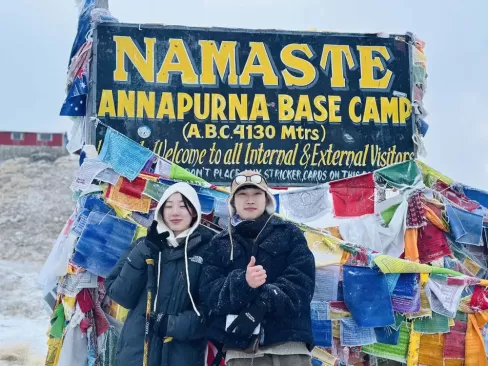
Annapurna Base Camp Short Trek: Your Complete Guide to an Unforgettable Himalayan Adventure The Annapurna Base Camp Short Trek stands as one of Nepal's most rewarding mountain adventures, offering trekkers an incredible journey into the heart of the Annapurna Sanctuary. This compact yet comprehensive trek typically spans 7 to 10 days, making it an ideal choice for those with limited time who still want to experience the majesty of the Himalayas. Unlike longer treks in the region, the ABC Short Trek efficiently combines stunning mountain panoramas, rich cultural encounters, and diverse ecosystems into a manageable timeframe without sacrificing any of the wonder that makes trekking in Nepal so special. What sets this trek apart is its remarkable diversity. Within just over a week, you'll transition from subtropical valleys adorned with terraced rice fields to the alpine environment of the base camp itself, situated at 4,130 meters in a natural amphitheater surrounded by some of the world's most spectacular peaks. The trail winds through traditional Gurung and Magar villages where ancient customs and warm hospitality remain unchanged by time, passes through dense rhododendron forests that burst into brilliant color during spring, and eventually emerges into the stark, beautiful landscape of the high Himalayas. At Explore Holiday Nepal, we've perfected the art of guiding trekkers through this magnificent region. Our experienced team understands that the ABC Short Trek isn't just about reaching a destination—it's about the transformative journey that gets you there. From the moment you leave Pokhara's lakeside tranquility to the awe-inspiring moment you stand surrounded by 7,000 and 8,000-meter giants at Annapurna Base Camp, every day brings new discoveries, challenges, and rewards.Top Blogs About Trekking in the Annapurna RegionUncover the best blogs about trekking in the Annapurna region, featuring expert advice, detailed itineraries, personal experiences, and essential tips for adventurers looking to explore the Himalayas.Best Annapurna Ranges Treks & Tours 2024/2025Top 9 Destinations to Explore on the Annapurna Circuit TrekBest Time to Hike the Annapurna CircuitWhich is the Better Lake Trek in Nepal: Gokyo or Tilicho Lake Trek?Annapurna Base Camp Trek: Tips and FAQsAltitude Sickness on Nepal Treks: Symptoms, Treatment, and When to Descend (Complete Guide)Mardi Himal Trek: Trails, Views, and TipsNepal Trekking Permits: Costs, Types, and How to Get ThemGhorepani Poon Hill Trek: A Perfect Short Himalayan AdventureManaslu Circuit vs Annapurna Circuit: Which Trek is Right for You?Nepal Trekking: What’s the Best Time to Go?Budget Trekking in Nepal: Tips, Trails, and TricksExploring Nepal’s Wildlife and NatureTrekking Through Nepal: A Journey into the HimalayasTop 10 Mountain Peaks in NepalAnnapurna Base Camp vs Annapurna Circuit: Which Himalayan Trek is Right for You?Annapurna Circuit Trek for Beginners 2025: The Famous Himalayan Adventure You Can’t MissWhere is Annapurna? Explore the Glory of the World’s Highest Mountain Understanding the Annapurna Sanctuary The Annapurna Sanctuary is a sacred natural amphitheater formed by a ring of towering peaks. At its center lies Annapurna Base Camp, a relatively flat glacial basin that serves as the staging area for expeditions attempting to summit Annapurna I (8,091 meters), the tenth-highest mountain in the world and historically one of the most dangerous to climb. The sanctuary's unique geography creates a protected environment with its own microclimate, supporting diverse flora and fauna despite the high altitude. The peaks surrounding the sanctuary create one of nature's most impressive displays. Annapurna I, Annapurna South, Hiunchuli, Machapuchare (the sacred "Fishtail" mountain that remains unclimbed out of respect for local beliefs), Gangapurna, and numerous other summits form a 360-degree panorama of snow, ice, and rock. Standing at base camp, you're literally surrounded by these giants, creating a humbling and inspiring perspective on the scale of the Himalayas. The trek to reach this sanctuary takes you through multiple climate zones and ecosystems. You'll begin in subtropical zones where banana trees and rice paddies dominate, progress through temperate forests of oak and rhododendron, transition into alpine meadows with hardy grasses and shrubs, and finally emerge into the glacial environment where only the hardiest lichens and mosses survive. This ecological diversity makes every day of trekking visually distinct and fascinating. The Trek Route: A Journey Through Diverse Landscapes The Annapurna Base Camp Short Trek typically begins with a scenic drive from Pokhara to either Nayapul or directly to Jhinu Danda, depending on road conditions and your specific itinerary. This drive itself offers wonderful views of the countryside, passing through rural villages and alongside rushing rivers. From the trailhead, the trekking adventure truly begins. Lower Elevations: Villages and Terraced Fields The initial days of trekking take you through the Modi Khola valley, where traditional Gurung villages cling to hillsides above beautifully terraced agricultural land. The trail passes through settlements like Ghandruk, one of the largest Gurung villages in Nepal, where stone houses with slate roofs create a picturesque scene against the mountain backdrop. Here, you can visit the Gurung Museum to learn about the history and culture of these mountain people, many of whom serve in the legendary Gurkha regiments. The Gurung people are renowned for their hospitality, and staying in village teahouses provides genuine cultural immersion. You'll witness daily life in a Himalayan community—women carrying enormous loads of fodder for animals, children playing in cobblestone alleys, and farmers tending their crops using methods passed down through generations. The terraced fields are agricultural marvels, carved into steep hillsides to create level planting areas that maximize limited farmland while preventing erosion. Mid-Elevation Forests: The Rhododendron Zone As you climb higher, you enter magnificent forests dominated by rhododendrons, Nepal's national flower. If you're trekking in spring (March to May), these forests transform into a riot of color with blooms in shades of red, pink, white, and purple covering the hillsides. Even outside blooming season, these forests are enchanting, with moss-covered trees, ferns, and occasional clearings offering glimpses of the mountains above. This forest zone is also excellent for wildlife spotting. Keep your eyes open for langur monkeys swinging through the canopy, colorful birds like the Danphe (Himalayan monal pheasant), and if you're extremely fortunate, the elusive red panda that inhabits these elevations. Your guide will help identify bird calls and animal tracks, adding an educational element to the trek. The trail through these forests includes several suspension bridges crossing mountain streams and rivers. These swaying bridges, often adorned with prayer flags, provide thrilling crossings and excellent photo opportunities. The sound of rushing water accompanies much of the trek, as countless tributaries feed the Modi Khola that drains the Annapurna Sanctuary. High Alpine Zone: Approaching the Sanctuary Beyond Deurali, the landscape transforms dramatically. Trees become sparse and stunted, giving way to alpine shrubs and grasses. The valley narrows, with steep walls rising on both sides channeling you deeper into the sanctuary. Machapuchare Base Camp, your penultimate stop, offers the first truly spectacular mountain views of the trek. The sacred peak of Machapuchare dominates the scene, its distinctive double summit resembling a fish's tail—hence its nickname. The final push from Machapuchare Base Camp to Annapurna Base Camp takes you into true high-altitude terrain. The vegetation disappears almost entirely, replaced by rock, ice, and snow. The scale of the mountains surrounding you becomes overwhelming as you climb higher into the sanctuary. The trail can be snow-covered even in trekking season, requiring careful footing, and the altitude makes every step require conscious effort. Then, as you round the final bend, Annapurna Base Camp reveals itself. The basin opens up, revealing a small collection of lodges dwarfed by the massive peaks encircling them. The sight is breathtaking in every sense—both literally, due to the thin air, and figuratively, due to the sheer magnificence of the view. You've arrived at one of the most spectacular natural amphitheaters on Earth. For those seeking other exceptional mountain experiences, the Everest Base Camp Trek offers the chance to visit the world's highest peak, while the Manaslu Circuit Trek provides a more remote alternative with fewer crowds. Accommodation and Meals: Comfort in the Mountains On the Annapurna Base Camp Short Trek, accommodations primarily consist of cozy teahouses, which provide a warm and welcoming atmosphere for trekkers. Each teahouse offers basic amenities, including comfortable bedding, hot showers (at lower elevations), and communal dining areas where travelers can relax and share stories. The warm hospitality of the local hosts adds immeasurably to the experience, allowing trekkers to immerse themselves in the culture of the region while enjoying the comfort of a roof over their heads and a warm meal in their belly. The quality and facilities of teahouses vary with altitude. In lower villages like Ghandruk and Chomrong, you'll find relatively comfortable lodges with private rooms, western-style toilets, and sometimes even hot showers heated by solar panels or gas. These establishments often have extensive menus and well-appointed dining rooms where trekkers gather in the evening to share experiences and plan the next day's journey. As you ascend higher, amenities become more basic, reflecting the logistical challenges of operating at altitude where everything must be carried in by porters or pack animals. Above Deurali, teahouses are simpler, with thinner walls, colder rooms, and more basic facilities. However, even at Annapurna Base Camp itself, the lodges provide adequate shelter and warmth, with dining rooms heated by wood or yak-dung stoves that become the social hub in the evenings. With Explore Holiday Nepal, we ensure that the teahouses chosen for your stay are clean, safe, and strategically located to maximize your trekking experience. We've built strong relationships with lodge owners throughout the route, ensuring that our trekkers receive priority service and the best available accommodations at each stop. Meals: Fueling Your Mountain Adventure When it comes to meals, trekkers can expect a delightful array of traditional Nepali dishes as well as international options to cater to varied tastes. Common offerings include dal bhat (lentil soup and rice)—the staple meal of Nepal that comes with unlimited refills, momos (dumplings filled with vegetables, cheese, or meat), and a variety of vegetable dishes prepared with local ingredients. Many menus also feature pasta, noodle soups, fried rice, and even pizza at lower elevations. Breakfast typically features hearty choices like porridge with honey, Tibetan bread, pancakes, eggs prepared various ways, and plenty of hot tea or coffee to fuel you for the day ahead. These morning meals are substantial, designed to provide the energy needed for 5-7 hours of mountain trekking. The dining experience itself becomes a cherished part of the journey—there's something special about eating breakfast while watching the sunrise illuminate the snow peaks outside the window. Lunch is usually taken at a teahouse along the trail, providing a welcome break and opportunity to rest tired legs. Afternoon stops also allow you to hydrate properly, which is crucial for altitude acclimatization. Dinner is often the day's main meal and social event, when trekkers gather in the dining room to warm up, share stories, and review the day's adventures. Our knowledgeable guides at Explore Holiday Nepal are also adept at accommodating dietary restrictions, whether you're vegetarian, vegan, gluten-free, or have food allergies. While options become more limited at higher altitudes, there are always suitable meals available. We recommend informing us of any dietary requirements during the booking process so we can communicate this to the teahouses in advance. Eating together fosters a sense of camaraderie that becomes one of the trek's unexpected pleasures. The shared experience of the day's challenges, the excitement of tomorrow's destination, and the simple joy of a hot meal in a warm room creates bonds between trekkers from around the world. Many lasting friendships begin around these communal tables in the Himalayas. Best Time for Trekking: Choosing Your Season The best time for trekking in the Annapurna Base Camp region is during the pre-monsoon (March to May) and post-monsoon (September to November) seasons. During these months, the weather is generally stable, providing clear skies and moderate temperatures that make trekking conditions ideal. Understanding the characteristics of each season helps you choose the timing that best matches your preferences and priorities. Spring Season (March to May) Spring is arguably the most beautiful time to trek to Annapurna Base Camp. In March, the landscape begins awakening from winter, with wildflowers starting to bloom at lower elevations. By April and May, the famous rhododendron forests explode in brilliant displays of color—red, pink, white, and purple blooms covering entire hillsides creating scenes that look almost unreal. The spring landscape is lush and vibrant, with clear streams fed by melting snow and terraced fields being prepared for planting. Weather during spring is generally excellent, though afternoon clouds can develop, especially later in the season. Mornings typically offer the clearest views, with crisp air and unlimited visibility of the mountain panoramas. Temperatures are moderate—warm during the day at lower elevations but cold at night, especially at Annapurna Base Camp where temperatures can drop well below freezing. Spring is also mountaineering season on Annapurna, so you might encounter climbing expeditions at the base camp, adding an exciting atmosphere to your visit. The trails are busy during spring, particularly in April, so expect to see many other trekkers along the route and potentially fuller teahouses in popular locations. Autumn Season (September to November) The post-monsoon season showcases crisp air and stunning panoramic views, as the skies are usually clear after the monsoon rains have washed away atmospheric dust and pollution. Autumn is considered by many to be the absolute best time for Himalayan trekking. The weather is remarkably stable, with sunny days and cold nights. Visibility is exceptional, with the mountain views appearing sharp and clear against brilliant blue skies. September can still see occasional lingering monsoon showers, particularly in the first half of the month, but by late September and throughout October and November, conditions are typically perfect. The landscape is green from monsoon rains, though flowers are less prevalent than in spring. Temperatures are comfortable during the day but drop significantly at night, requiring good sleeping bags and warm clothing at higher elevations. Autumn is the peak trekking season in Nepal, meaning trails and teahouses are at their busiest. This creates a vibrant, social atmosphere along the route, with plenty of opportunities to meet fellow trekkers. However, popular teahouses can fill up, and there's more demand for helicopter rescues and emergency services. Booking in advance and starting each day's trek early helps avoid crowds at the most popular lodges. Off-Season Considerations Winter (December to February) and monsoon (June to August) are considered off-season, though both are possible with the right preparation and expectations. Winter offers empty trails and pristine snow-covered landscapes, but extremely cold temperatures, especially at altitude, and the risk of trail closures due to snow make this suitable only for experienced trekkers with proper equipment. Many higher-altitude teahouses close during winter. Monsoon brings heavy rainfall, leeches on the trail, cloudy skies that obscure views, and increased risks of landslides and floods. However, the monsoon does create lush, verdant landscapes, and the dramatically reduced number of trekkers appeals to some. If you trek during monsoon, expect to see fewer mountain views but experience a different side of the Himalayas. With Explore Holiday Nepal, we keep a close watch on weather patterns and trail conditions throughout the year to ensure that your trek is planned for optimal conditions. Our expert team will provide you with detailed information and support, allowing you to focus on enjoying the stunning scenery and rich cultural interactions that make the ABC Short Trek a truly unforgettable experience. For those interested in trekking other regions during different seasons, consider the Upper Mustang Trek, which is actually ideal during monsoon season due to the region's rain shadow location. Physical Condition Required: Preparing Your Body The Annapurna Base Camp Short Trek is accessible to trekkers of various fitness levels, but a moderate level of physical fitness is recommended. The trek involves several days of hiking with daily ascents that can be strenuous, particularly as you approach higher altitudes where the thin air makes every step more demanding. Trekkers should be comfortable with walking for 5 to 7 hours a day on varied terrain, including steep sections, rocky paths, and countless stone steps that characterize Himalayan trails. Building Your Fitness Base Prior to your journey, it's beneficial to engage in regular cardiovascular exercises, such as hiking, running, or cycling, to build stamina and endurance. Ideally, begin your training program at least 2-3 months before your departure date. Start with moderate exercise sessions of 30-45 minutes several times per week, gradually increasing duration and intensity as your fitness improves. If you have access to hills or mountains near your home, use them for training hikes. Walking uphill with a weighted backpack (start with 5-8 kg and gradually increase) specifically prepares your body for the demands of mountain trekking. Stair climbing is an excellent alternative if hills aren't available—many successful Everest Base Camp trekkers have trained primarily on stairwells in office buildings or apartments. Don't neglect leg strength training. Exercises like squats, lunges, step-ups, and calf raises build the specific muscles you'll use constantly while trekking, particularly during descents when your quads and knees take significant stress. Core strength is also important for balance on uneven terrain and for carrying your daypack comfortably. Understanding Altitude Challenges The highest point of the ABC Short Trek is 4,130 meters at Annapurna Base Camp itself, with several nights spent above 3,000 meters. At these altitudes, the air contains significantly less oxygen than at sea level—about 40% less at base camp. This affects everyone differently, regardless of fitness level. An Olympic athlete can suffer from altitude sickness while a casual exerciser might feel fine. Fitness helps you trek more comfortably, but it doesn't prevent altitude issues. Acclimatization is essential as you ascend to higher elevations. The key is gradual ascent, allowing your body time to adapt by producing more red blood cells and making other physiological adjustments. Symptoms of mild altitude sickness can include headache, nausea, fatigue, and difficulty sleeping. These are common and usually resolve with rest at the same elevation or a slight descent. Our experienced guides at Explore Holiday Nepal will help you pace your trek and provide tips on acclimatization strategies to minimize the risk of altitude sickness. We follow itineraries designed with proper acclimatization profiles, including rest days and elevation gains that respect the body's adaptation limits. Our guides monitor all trekkers for altitude symptoms and know when it's necessary to rest, descend, or seek medical assistance. Mental Preparation Physical fitness is only part of the equation. Mental preparation and determination are equally important. Some days will be challenging—you might wake up tired, face steep climbs, deal with cold weather, or struggle with altitude symptoms. The ability to push through discomfort, maintain a positive attitude, and focus on your goal makes a huge difference in your trekking experience. That said, we believe in smart, safe trekking. Listen to your body and communicate honestly with your guide about how you're feeling. There's no shame in needing extra rest, moving slowly, or even turning back if necessary. The mountains will always be there for another attempt. We believe in ensuring that all our trekkers feel prepared and confident, offering pre-trek briefings and support before departure. With proper preparation and guidance, you can fully enjoy the beauty and adventure that the Annapurna Base Camp Short Trek offers, regardless of whether you consider yourself an athlete or simply someone looking for an achievable mountain adventure. For a slightly less strenuous but equally rewarding trek, consider the Ghorepani Poon Hill Trek, which reaches a maximum altitude of 3,210 meters and requires fewer consecutive trekking days. Trek Route Details: Your Path to the Sanctuary The Annapurna Base Camp Short Trek route is a carefully crafted path that showcases the best of the Annapurna region's natural beauty and cultural richness. Starting from the vibrant lakeside town of Pokhara, trekkers typically drive to either Nayapul or Jhinu Danda, depending on road conditions and itinerary specifics. From there, the journey winds through enchanting terraced fields, lush forests, and charming Gurung and Magar villages. Day-by-Day Elevation Profile Understanding the elevation profile helps you mentally prepare for each day's challenges. The trek typically begins around 1,000-1,400 meters and gradually ascends through multiple stages. Early days involve significant elevation gain through villages and agricultural land, climbing to settlements like Ghandruk (1,940 meters) and Chomrong (2,170 meters). From Chomrong, the trail descends steeply to cross the Chomrong Khola before beginning the long climb into the Modi Khola gorge. This section represents some of the trek's most strenuous uphill walking, gaining elevation through bamboo and rhododendron forests to Dovan (2,600 meters) and Himalaya Hotel (2,920 meters). Each day brings new landscapes, from the dense rhododendron forests to increasingly alpine environments. The push from Himalaya Hotel to Machapuchare Base Camp (3,700 meters) and then to Annapurna Base Camp (4,130 meters) represents the final altitude gains. These shorter days in terms of distance allow for slower walking as your body adjusts to thinner air. The reward is worth every step—each day brings you closer to the heart of the sanctuary. The Descent Route After the incredible experience at Annapurna Base Camp, the return journey retraces your steps but feels completely different. Descending is generally easier on your cardiovascular system but requires care to protect your knees and ankles from the constant downhill impact. Many trekkers find that the descent offers new perspectives on landscapes they passed while ascending, and with better acclimatization, you may feel stronger and more energetic. Some itineraries include variations on the return route, such as descending to Jhinu Danda where natural hot springs provide a welcome opportunity to soak tired muscles. These thermal pools are a popular stop, offering relaxation and the unique experience of bathing in warm water while surrounded by mountain scenery. The highlight of the trek is undoubtedly the ascent to Annapurna Base Camp itself. The trail leads you through Machapuchare Base Camp, where trekkers can catch their first glimpses of the towering peaks in close proximity. As you arrive at the base camp, the awe-inspiring sight of the Annapurna range surrounding you creates a sense of accomplishment and wonder that's difficult to describe in words. With Explore Holiday Nepal, our knowledgeable guides enhance your experience by sharing insights into the geography, culture, and history of the region along the way. They'll point out peaks, explain the formation of glaciers and valleys, share stories about mountaineering history in the Annapurna region, and help you understand the cultural significance of the mountains to local people. You're not just trekking—you're learning and appreciating this incredible part of the world. Required Permits: Legal Requirements To trek in the Annapurna region, obtaining the necessary permits is essential for both safety and regulation purposes. The permit system helps fund conservation efforts, supports local development, and allows authorities to track trekkers for safety. For the Annapurna Base Camp Short Trek, you will need two primary permits: the Annapurna Conservation Area Permit (ACAP) and the Trekkers' Information Management System (TIMS) card. Annapurna Conservation Area Permit (ACAP) The ACAP is crucial as it helps preserve the region's natural beauty and supports local conservation efforts managed by the National Trust for Nature Conservation (NTNC). The Annapurna Conservation Area is Nepal's largest protected area, covering 7,629 square kilometers and encompassing multiple ecosystems from subtropical to alpine. The permit fees directly fund conservation projects, sustainable development initiatives, and infrastructure improvements within the conservation area. The ACAP system has been remarkably successful in balancing tourism development with environmental protection. Funds have supported reforestation projects, alternative energy installations (solar panels and micro-hydro systems), waste management programs, and wildlife protection initiatives. When you purchase an ACAP, you're directly contributing to the preservation of the beautiful landscapes you'll be trekking through. Trekkers' Information Management System (TIMS) Card The TIMS card aids in ensuring trekkers' safety and facilitating proper management of trekking activities. This system maintains a database of trekkers, their routes, and expected itineraries, allowing authorities to conduct rescues or provide assistance if needed. After any natural disaster or emergency, officials can check the TIMS database to determine which trekkers might be in affected areas. There are two types of TIMS cards—one for independent trekkers and one for trekkers with organized groups (which includes those trekking with companies like Explore Holiday Nepal). The organized trekker TIMS card is less expensive, recognizing that organized groups have guides and support that reduce the burden on rescue services. Permit Process Explore Holiday Nepal takes care of all the permit arrangements for you, allowing you to focus on enjoying your trek without the hassle of paperwork and navigating Nepalese bureaucracy. Our experienced team understands the local regulations and processes, ensuring that you have all the necessary documentation in place before your journey begins. We'll need copies of your passport and passport-sized photos to process your permits. This is typically handled during your pre-trek briefing in Pokhara or Kathmandu, depending on your itinerary. The permits themselves are checked at various points along the trek, so your guide will carry them and present them when required at checkpoints. This service not only streamlines your trekking experience but also enhances your peace of mind, knowing that you're well-prepared and legally compliant for your adventure in the Annapurna region. Some trekkers prefer to handle permits independently, which is certainly possible, but working with a trekking company simplifies the process significantly. Safety Considerations and Emergency Preparedness Safety is paramount on any mountain trek, and the Annapurna region, while well-developed for tourism, still presents genuine wilderness challenges. At Explore Holiday Nepal, we maintain comprehensive safety protocols and emergency response capabilities to ensure your well-being throughout the trek. Guide Training and Expertise All our guides are certified by the Nepal Mountaineering Association and have completed wilderness first aid training. They carry first aid kits and are trained to recognize and respond to altitude sickness, injuries, and medical emergencies. More importantly, they have the experience and judgment to make difficult decisions about when to continue, when to rest, and when descent or evacuation is necessary. Our guides are also in regular communication with our office in Pokhara via mobile phone (coverage is surprisingly good throughout most of the trek route). If a serious situation arises, we can quickly coordinate helicopter evacuation or other emergency responses. Travel Insurance Requirements We strongly recommend—and in fact require—that all trekkers carry comprehensive travel insurance that specifically covers high-altitude trekking up to at least 5,000 meters. Your policy should include emergency evacuation coverage, including helicopter rescue, as this is the primary method of emergency medical evacuation in the Himalayas. Standard travel insurance often excludes trekking activities or has altitude limitations, so carefully review your policy or purchase specialized adventure travel insurance. The cost of helicopter evacuation can exceed $5,000 USD, and hospitals in Kathmandu will typically require payment guarantees before treating serious conditions. Proper insurance provides financial protection and ensures you can access the best available medical care if needed. Weather-Related Risks Mountain weather can change rapidly and dramatically. Clear morning skies can give way to afternoon snowstorms, even during trekking season. Our guides monitor weather conditions and make routing decisions based on current and forecast conditions. Sometimes this means adjusting the day's destination, delaying departure, or even descending if conditions deteriorate. Avalanches are rare on the standard ABC trek route but not impossible, particularly after heavy snowfall. The trail through the Modi Khola gorge passes under some avalanche-prone slopes, and guides know to move through these sections quickly and during the safest times of day. Health and Hygiene Maintaining good hygiene practices reduces your risk of gastrointestinal illnesses that can derail your trek. Always use hand sanitizer or wash hands before eating, drink only purified or boiled water, and be careful with fresh vegetables and fruits at higher altitudes where washing water may be contaminated. Our guides educate trekkers about proper hygiene, assist with water purification, and help you make smart choices about food and drink. Most teahouses maintain good hygiene standards, but some basic precautions on your part significantly reduce illness risk. For trekkers seeking even more remote adventures with different safety considerations, the Kanchenjunga Base Camp Trek offers a true wilderness experience in Nepal's far eastern corner. Why Choose Explore Holiday Nepal Choosing Explore Holiday Nepal for your Annapurna Base Camp Short Trek ensures a seamless and enriching experience tailored to your needs. Our commitment to safety, sustainability, and exceptional service sets us apart from other trekking companies operating in the region. With a team of experienced guides who are knowledgeable about the Annapurna area, we provide valuable insights and support throughout your journey. We prioritize the well-being of our trekkers, offering personalized attention and ensuring that your trek is both enjoyable and comfortable. Our Experience and Expertise Explore Holiday Nepal has been organizing treks in the Annapurna region for years, building deep relationships with local communities and establishing a reputation for reliability and quality. Our guides are not just route-finders—they're educators, cultural interpreters, and safety professionals who enhance every aspect of your experience. Many are from the villages you'll trek through, bringing authentic local perspectives and family connections that enrich your cultural interactions. We maintain small group sizes, typically 8-12 trekkers per group, ensuring personalized attention and allowing us to maintain the quality of experience that larger groups cannot match. Private treks are also available for those wanting even more flexibility and customization. Commitment to Responsible Tourism Moreover, our focus on responsible tourism means that we actively support local communities and environmental conservation. By trekking with us, you contribute to the preservation of the stunning landscapes and cultures that make the Annapurna region so unique. We employ local guides and porters, ensuring fair wages and proper equipment that exceeds legal minimum requirements. We stay in locally-owned teahouses, purchase supplies from village shops when possible, and encourage our trekkers to engage respectfully with local communities. A portion of our profits is directed toward community development projects, including school supplies for village children and support for local conservation initiatives. Environmental responsibility is central to our operations. We follow strict leave-no-trace principles, pack out all non-biodegradable waste, and educate our trekkers about minimizing their environmental impact. Our guides ensure that rubbish is properly disposed of and encourage the use of refillable water bottles rather than purchasing plastic bottles. Flexibility and Customer Service We offer flexible itineraries, allowing you to explore at your own pace and adjust plans based on how you're feeling and what interests you most. Want to spend an extra day in Ghandruk exploring Gurung culture? Interested in a side trip to visit a particular monastery? We can usually accommodate requests that enhance your experience. Our carefully selected teahouses guarantee a cozy and welcoming environment after a day of adventure. We've personally inspected every lodge we use, ensuring they meet our standards for cleanliness, safety, food quality, and hospitality. This advance work means you enjoy the best available accommodations without having to research or worry about lodging. Before, During, and After Your Trek Our service begins well before you arrive in Nepal and continues after you complete your trek. We provide detailed pre-departure information about what to bring, how to prepare, what to expect, and how to handle common challenges. Upon arrival in Pokhara or Kathmandu, we conduct thorough pre-trek briefings where you meet your guide, finalize your itinerary, arrange permit documentation, and have all your questions answered. During the trek, we're in regular communication with our guides and can provide support for any issues that arise. After your trek, we're available to help with onward travel arrangements, answer questions about your experience, and stay in touch with trekkers who become part of our extended Explore Holiday Nepal family. With Explore Holiday Nepal, you're not just a trekker; you're part of a community that values exploration, connection, and the beauty of nature. Many of our trekkers return for other adventures in Nepal, and we love maintaining these long-term relationships with people who share our passion for the Himalayas. Additional Treks and Adventures While the Annapurna Base Camp Short Trek is an exceptional adventure, Nepal offers countless other trekking opportunities, each with its own character and rewards. Explore Holiday Nepal specializes in a wide range of treks throughout the Himalayas. The Annapurna Circuit Trek is the fuller version of the Annapurna experience, circling the entire massif and crossing the Thorong La pass at 5,416 meters. This classic trek takes 15-20 days and showcases remarkable diversity of landscapes and cultures, from subtropical valleys to high-altitude deserts. For those drawn to Everest, we offer the Everest Base Camp Trek and its variations, including the Everest Base Camp Return by Helicopter that combines trekking with the luxury of a scenic helicopter flight. The Gokyo Lakes Trek offers an alternative Everest region experience with stunning turquoise lakes and the panoramic viewpoint of Gokyo Ri. In the Langtang region north of Kathmandu, the Langtang Valley Trek provides beautiful mountain scenery with easier access and the Tamang Heritage Trail focuses on cultural immersion in Tamang communities near the Tibetan border. For truly off-the-beaten-path adventures, consider the Makalu Base Camp Trek or Kanchenjunga Base Camp Trek, both of which explore remote corners of Nepal with spectacular scenery and few other trekkers. Making Your ABC Short Trek Dream a Reality The Annapurna Base Camp Short Trek offers an perfect introduction to Himalayan trekking or a satisfying mountain experience for those with limited time. In just over a week, you'll experience the incredible diversity of Nepal's landscapes and cultures, push yourself physically and mentally, and stand in one of the world's most spectacular natural amphitheaters surrounded by giants of stone and ice. This journey will challenge you, inspire you, and quite possibly change you. The physical accomplishment of reaching base camp is significant, but the deeper rewards come from the cultural connections you'll make, the natural beauty you'll witness, the friendships you'll form with fellow trekkers, and the perspective you'll gain from time in the mountains far from daily routine and distractions. At Explore Holiday Nepal, we've guided thousands of trekkers into the Annapurna Sanctuary, and we never tire of seeing the joy and wonder on people's faces when they reach base camp and look up at the ring of peaks surrounding them. Whether you're an experienced trekker looking for your next adventure or someone attempting their first serious mountain trek, we're here to make your Annapurna dream a reality. The mountains are calling. The trail awaits. Your adventure begins with a single step—or in this case, with contacting Explore Holiday Nepal to start planning your journey. Let us handle the logistics, permits, and planning while you focus on preparing yourself physically and mentally for an unforgettable adventure in the heart of the Himalayas. The Annapurna Sanctuary is waiting to welcome you into its magnificent embrace..

The Manaslu Tsum Valley Luxury Trek is an extraordinary adventure that takes trekkers through the awe-inspiring landscapes of the Manaslu and Tsum Valley regions, offering a perfect blend of rugged terrain and cultural richness with the comfort of luxury accommodations. The trek takes you off the beaten path into some of Nepal's most remote and unspoiled regions, where you will be surrounded by towering peaks, lush forests, and traditional Tibetan-influenced villages. Unlike the standard trekking experience, the luxury version of the trek ensures that you can enjoy the beauty of these hidden gems with the added comfort of upscale lodges and refined services. With Explore Holiday Treks, you can expect well-appointed lodges, gourmet meals, hot showers, and comfortable trekking routes, making this trek ideal for those seeking adventure without sacrificing comfort.Along the trek, you will pass through the iconic Manaslu Conservation Area, which is home to diverse flora and fauna, including rare species like the snow leopard and red panda. The journey continues into Tsum Valley, an ancient Tibetan Buddhist enclave with a unique history and culture. The trek allows you to visit sacred monasteries, interact with locals, and explore hidden valleys that remain largely untouched by modern life. The luxury services provided by Explore Holiday Treks ensure that trekkers can focus on enjoying the adventure and natural beauty while enjoying high-end amenities, experienced guides, and personalized support. From the moment you start the trek to the final day, every aspect of the journey is designed to offer the perfect balance of challenge, relaxation, and exploration. Manaslu Circuit Trek: What You're Actually Getting IntoThe Manaslu Circuit has gotten seriously popular over the last five years. When the region first opened to trekkers back in 1991, hardly anyone went there. Now? It's becoming the go-to option for people who found the Annapurna Circuit Trek too crowded but aren't quite ready for the commitment (or cost) of Everest Base Camp.Manaslu sits at 8,163 meters, making it the eighth highest mountain in the world. The circuit trek loops around the entire massif, typically taking 14-16 days depending on your itinerary and how many acclimatization days you build in. You'll cross Larkya La Pass at 5,160 meters—which is the crux of the whole trek and what most people worry about beforehand.The Real Difficulty LevelLet's be straight about this: the Manaslu Circuit is challenging. Not Everest Base Camp challenging, but definitely harder than the Annapurna Circuit (which has gotten easier over the years with road construction).The pass day is long—like 8-10 hours of walking long, with about 1,000 meters of elevation gain followed by a brutal 1,600 meter descent on the other side. You're starting at around 4,200 meters at Dharamsala (also called Larkya Phedi) and going over 5,160 meters before dropping down to Bimthang at 3,600 meters. That's a massive day at high altitude.Most people handle it fine if they've acclimatized properly, but I've seen trekkers struggle. The altitude hits different people in different ways. You might be perfectly fine at 4,500m and then suddenly feel terrible at 5,000m. There's no real way to predict it.The rest of the trek? Moderate to challenging. Daily walking times range from 5-8 hours, with plenty of up and down. The trails are generally good (way better than they were ten years ago), but you're still dealing with rocky sections, occasional landslide zones, and stream crossings. Nothing technical, but you need decent fitness and comfortable trekking boots.If you can comfortably hike 6-7 hours with a daypack at home, train on hills or stairs, and don't have any major altitude issues, you can do this trek. But don't underestimate it just because it's not Everest. Check out our trek difficulty guide to see how Manaslu compares to other routes.Best Time to Go (Honest Assessment)Spring (March-May) - Peak season along with autumn. Weather is generally stable, temperatures are comfortable, rhododendrons bloom at lower elevations making the forest sections gorgeous. The pass can still have snow and ice, requiring careful footing. Expect to see other trekking groups, though it's not as crowded as Annapurna or Everest routes. Read our best time to trek in Nepal guide for month-by-month breakdown.Temperatures range from 15-20°C at lower elevations during the day, dropping below freezing at night above 4,000m. At the pass, expect -10 to -15°C even during the day.Autumn (September-November) - Best weather conditions overall. Clear skies after monsoon, stable temperatures, excellent mountain visibility. October is peak season—you'll definitely encounter other groups, and popular lodges can fill up (though it's still manageable). November gets colder, especially at high elevation, but often has even clearer skies.Temperatures similar to spring but slightly colder as you move into November.Winter (December-February) - Doable but challenging. The pass can be snowbound, requiring potentially dangerous conditions. Temperatures drop significantly—think -20°C or colder at the pass. Lower elevation sections are pleasant during the day but freezing at night. Fewer trekkers, cheaper prices, but you need serious cold-weather gear and flexibility in case weather forces route changes.Not recommended unless you're experienced with winter trekking and comfortable with uncertainty.Monsoon (June-August) - Generally avoided. The region gets heavy rain, trails become muddy and slippery, leeches are everywhere at lower elevations, and mountain views are often cloud-covered. Landslides are common and can block trails or roads. The few trekkers who go during monsoon are usually experienced and willing to deal with challenging conditions for the solitude.I've guided during monsoon season. It's miserable, honestly. Constantly wet, views are rare, and the risk factor goes up significantly.The Tsum Valley Extension: Worth It?Tsum Valley only opened to foreign trekkers in 2008, making it one of Nepal's newer trekking destinations. It's a side valley off the main Manaslu Circuit, branching north from the Budhi Gandaki River and heading toward the Tibet border. For a complete guide, see our detailed Tsum Valley Trek page.Adding Tsum Valley to your Manaslu trek adds 7-9 days depending on how far you go and how fast you walk. You're essentially doing an out-and-back route—up the valley to villages like Chhokangparo, Nile, and Mu Gompa, then back down to rejoin the circuit.Why people do Tsum Valley:The cultural experience is more authentic than the main circuit. Villages in Tsum maintain stronger Tibetan Buddhist traditions—you'll see monasteries that aren't just tourist stops but actual functioning religious communities. The valley has been relatively isolated until recently, and you can feel it. People are curious about outsiders but not jaded by constant tourist traffic.Landscapes are beautiful in a different way than the circuit—more lunar and barren as you go higher, with the feeling of remoteness that's increasingly rare in Nepal. You're walking through a valley that was basically closed to the outside world for centuries.The downside? It's extra time, extra cost (additional permits required), and basically adds a full week+ to your trek. The lodges are more basic than on the main circuit—we're talking really basic. And you're retracing your steps back down the valley, which some people find tedious.Who should add Tsum Valley:You have time (minimum 3 weeks total for combined trek)Cultural immersion matters as much or more than mountain viewsYou're comfortable with very basic accommodationYou want bragging rights for doing something fewer trekkers attemptWho should skip it:Time-limited (the circuit alone is plenty)Main goal is crossing Larkya La PassYou want more comfortable lodgesRetracing routes bothers youPersonally? I love Tsum Valley, but I'm biased toward cultural trekking. If you've only got two weeks and want the classic Manaslu experience, skip Tsum and save it for another trip. If you've got three weeks and culture is your thing, absolutely add it. For other culturally rich options, explore our Tamang Heritage Trek or Upper Mustang Trek.What Actually Makes Explore Holiday Treks DifferentOkay, sales pitch time, but I'll keep it real.Our guides have serious experience. Pemba has been guiding Manaslu for 12 years. Pasang did it 30+ times. They're not just showing you the trail—they know every lodge owner, can tell when weather's turning before it happens, and catch altitude sickness symptoms before trekkers realize they're struggling. That experience matters when you're at 5,000+ meters.We keep groups small. Maximum 8 trekkers per guide. Often smaller. This isn't a conveyor belt operation where you're one of 20 people following a flag. Small groups mean flexibility—if someone needs a slower pace, we adjust. If weather's sketchy, we can make decisions quickly.Porter welfare actually matters to us. Our porters get proper gear (boots, warm clothes, rain gear), carry reasonable loads (max 20kg, not the 30-40kg some budget operators make them carry), and get proper insurance. This costs us more, which is why we're not the cheapest option. But I sleep better knowing we're not exploiting people. Learn more about our responsible trekking practices.Lodge selection is deliberate. We work with family-run lodges that have maintained their infrastructure—reliable hot water systems, clean bathrooms, kitchens that meet basic hygiene standards. You're not getting five-star hotels, but you're also not getting moldy rooms with broken toilets.Pre-trek consultation included. We do a video call or in-person meeting in Kathmandu before you start. Assess your fitness level honestly, check your gear, discuss concerns. Better to have tough conversations before the trek than discover problems at 4,500 meters.Emergency protocols are established. We carry comprehensive first aid supplies (not just band-aids), oxygen for altitude emergencies, and have helicopter evacuation insurance with reliable providers. Every guide has wilderness first aid certification minimum, lead guides have advanced training.Physical Preparation (What Actually Helps)You don't need to be a marathon runner, but you can't show up completely out of shape and expect to enjoy this trek.Training that actually matters:Cardio endurance - You need to be comfortable walking 6-8 hours per day for consecutive days. Start training 2-3 months before your trek. Build up to 6-hour hikes on weekends, include hills if possible. If you don't have mountains nearby, use stairs—lots of stairs. The StairMaster at your gym is genuinely useful here.Leg strength - Squats, lunges, step-ups. Both uphill and downhill destroy your legs in different ways. Strong quads and glutes help with the ups, but also protect your knees on the downs (and the descent from Larkya La is brutal on knees).Core strength - Helps with balance on uneven terrain and carrying a daypack all day. Planks, side planks, general core work.Hiking with a weighted pack - Even though you'll have a porter carrying your main bag, you're still carrying a daypack with water, snacks, camera, layers. Practice hiking with 5-8kg on your back.Ankle stability - The trails have loose rocks, uneven surfaces, and lots of opportunities to roll an ankle. Balance exercises help. Stand on one foot while brushing your teeth. Sounds silly, works.What doesn't help: Running marathons (different muscle usage and energy systems), gym bodybuilding (aesthetics don't matter at altitude), crash dieting before your trek (you need energy reserves).For a complete training plan, download our free 12-week Himalayan trek training program.Food Situation (Reality Check)You're eating dal bhat most meals. That's lentil soup with rice, vegetable curry, and pickle. It's actually good, filling, and you get unlimited refills (this is key—always get refills).Other menu options at lodges: momos (dumplings), thukpa (noodle soup), fried rice, chow mein, sometimes pizza or pasta at lower elevations. Breakfast is usually porridge, tibetan bread with jam and honey, chapati, sometimes eggs.Food gets more expensive and less varied as you gain altitude. Everything has to be carried up by porters or yaks, so prices reflect that. At Samagaun or above, expect limited options and higher prices. A meal that costs 500 NPR at lower elevations might be 800-1000 NPR at high camps.The food is safe if you stick to cooked items. Avoid salads (washed in untreated water), unpasteurized dairy, and meat at high elevations (storage is questionable). Dal bhat is always the safest bet—it's boiling hot when served, which kills anything nasty.Bring snacks from Kathmandu. Energy bars, chocolate, nuts, dried fruit. When you're tired and altitude is affecting your appetite, sometimes a Snickers bar is what gets you through. Check our trekking food and nutrition guide for detailed packing suggestions.Common Questions Nobody Asks But ShouldCan I do this trek during my period? Yes. Bring enough supplies from Kathmandu (small shops exist in villages but selection is limited). Disposal can be tricky—pack used products out in ziplock bags. Many women actually find their cycles get disrupted at altitude, so don't be surprised if timing shifts.What about bathrooms? Mix of squat and western toilets. Quality degrades significantly above 3,500m. At high camps, expect squat toilets, no toilet paper provided, and often just a hole in the ground. Bring your own TP and hand sanitizer. Some lodges charge for toilet use (50-100 NPR). Shower facilities range from solar-heated (works if sunny) to bucket showers to no showers at all above 4,000m. Pack wet wipes. See our women's trekking guide for more specific hygiene tips.Phone signal and wifi? Sporadic cell coverage with Nepal Telecom up to around Samagaun. After that, basically nothing until you're back down. Some lodges have wifi (charges 300-500 NPR per day, very slow). Don't count on connectivity. Download maps, music, books before you start.Altitude sickness—how worried should I be? It's a real concern. Symptoms include headache, nausea, dizziness, fatigue, loss of appetite. Mild symptoms are normal as you acclimatize. Severe symptoms (confusion, inability to walk straight, fluid in lungs making breathing difficult) require immediate descent. Our guides carry Diamox (altitude medication) and oxygen. Most people do fine if acclimatization days are built into the itinerary. Don't push through severe symptoms trying to be tough—people die from altitude sickness when they ignore warning signs.Bottom Line: Is Manaslu Right for You?This trek works if you want spectacular mountain scenery, cultural immersion in Tibetan Buddhist villages, and a sense of adventure without the Everest crowds. You need to be physically fit, comfortable with basic accommodation, and okay with dal bhat becoming 60% of your diet.It doesn't work if you need luxury amenities, want guaranteed hot showers every day, require extensive menu variety, or aren't willing to train beforehand.The Manaslu Circuit delivers on the promise of Himalayan trekking—massive mountains, remote villages, challenging passes, and the satisfaction of completing something difficult. It's gotten more popular but hasn't been ruined by tourism yet (though that might change in the next 5-10 years as roads extend further).If you've got 2-3 weeks and want a trek that balances challenge with reward, this is it. Just be honest about your fitness level, take acclimatization seriously, and expect adventure rather than comfort. The mountains are beautiful, but they're also indifferent to whether you're having a good time. Come prepared.Ready to book? Check our Manaslu Circuit Trek packages or contact us for a custom itinerary. Still deciding? Compare with our Annapurna Circuit, Everest Base Camp, or browse all Nepal trekking routes.Top Blogs About Trekking in the Manaslu Region:Uncover the best blogs about trekking in the Manaslu region, featuring expert advice, detailed itineraries, personal experiences, and essential tips for adventurers looking to explore the Himalayas.Altitude Sickness on Nepal Treks: Symptoms, Treatment, and When to Descend (Complete Guide) Manaslu Circuit Trek for Beginners 2025Manaslu Circuit Trek: Best Routes, Preparation & Travel TipsManaslu Circuit Trek in Spring (March-May)Manaslu Circuit Trek on a Budget: How to Save Money Without Missing OutNepal Trekking Permits: Costs, Types, and How to Get ThemNepal Trekking: What’s the Best Time to Go?Budget Trekking in Nepal: Tips, Trails, and TricksExploring Nepal’s Wildlife and NatureTrekking Through Nepal: A Journey into the HimalayasTop 10 Mountain Peaks in NepalMonastery Life in Nepal: Finding Peace in the Heart of the Himalayas Exploring Nepal’s Hidden Gem: The Manaslu Circuit TrekTop Places to Visit on the Manaslu Circuit Trek Manaslu Circuit vs Annapurna Circuit: Which Trek is Right for You?Is the Manaslu Circuit Trek Right for You?Exploring Hidden Villages on the Manaslu Circuit Trek20 Must-Know Facts About Manaslu Circuit TrekkingManaslu Circuit Trekking Tips for Autumn Season (September to November)Discovering the Spiritual Heart of Nepal: Tsum ValleyAltitude Sickness on Nepal Treks: Symptoms, Treatment, and When to Descend (Complete Guide)Dal Bhat Power 24 Hour: The Science and Soul Behind Nepal's Mountain FuelThe Vanishing Villages of Manaslu: How Climate Change is Reshaping Nepal's Hidden Trekking Gem (And What Trekkers Can Do)The Essential Guide to Choosing Your Perfect Nepal Trek: From Beginner-Friendly Trails to Epic Himalayan AdventuresSolo Female Trekking in Nepal: A Complete Safety and Empowerment Guide for 2026How Difficult Is Manaslu Trek? The Honest Guide Every Trekker Needs to Read

Manaslu Tsum Valley Budget Trek: An Authentic Himalayan Adventure Without the Premium Price TagNestled in the northern Gorkha district of Nepal, the Manaslu Tsum Valley Budget Trek offers adventurers a rare glimpse into one of the Himalayas' most pristine and culturally preserved regions. This journey combines the rugged beauty of the Manaslu Conservation Area with the spiritual serenity of the sacred Tsum Valley, creating an experience that rivals any trek in Nepal—all while remaining accessible to budget-conscious travelers.Top Blogs About Trekking in the Manaslu Region:Uncover the best blogs about trekking in the Manaslu region, featuring expert advice, detailed itineraries, personal experiences, and essential tips for adventurers looking to explore the Himalayas.Altitude Sickness on Nepal Treks: Symptoms, Treatment, and When to Descend (Complete Guide) Manaslu Circuit Trek for Beginners 2025Manaslu Circuit Trek: Best Routes, Preparation & Travel TipsManaslu Circuit Trek in Spring (March-May)Manaslu Circuit Trek on a Budget: How to Save Money Without Missing OutNepal Trekking Permits: Costs, Types, and How to Get ThemNepal Trekking: What’s the Best Time to Go?Budget Trekking in Nepal: Tips, Trails, and TricksExploring Nepal’s Wildlife and NatureTrekking Through Nepal: A Journey into the HimalayasTop 10 Mountain Peaks in NepalMonastery Life in Nepal: Finding Peace in the Heart of the Himalayas Exploring Nepal’s Hidden Gem: The Manaslu Circuit TrekTop Places to Visit on the Manaslu Circuit Trek Manaslu Circuit vs Annapurna Circuit: Which Trek is Right for You?Is the Manaslu Circuit Trek Right for You?Exploring Hidden Villages on the Manaslu Circuit Trek20 Must-Know Facts About Manaslu Circuit TrekkingManaslu Circuit Trekking Tips for Autumn Season (September to November)Discovering the Spiritual Heart of Nepal: Tsum ValleyAltitude Sickness on Nepal Treks: Symptoms, Treatment, and When to Descend (Complete Guide)Dal Bhat Power 24 Hour: The Science and Soul Behind Nepal's Mountain FuelThe Vanishing Villages of Manaslu: How Climate Change is Reshaping Nepal's Hidden Trekking Gem (And What Trekkers Can Do)The Essential Guide to Choosing Your Perfect Nepal Trek: From Beginner-Friendly Trails to Epic Himalayan AdventuresSolo Female Trekking in Nepal: A Complete Safety and Empowerment Guide for 2026How Difficult Is Manaslu Trek? The Honest Guide Every Trekker Needs to ReadWhat Makes the Manaslu Tsum Valley Region Special?The Manaslu region, home to the world's eighth-highest mountain, Mount Manaslu (8,163 meters), remains one of Nepal's best-kept secrets. Unlike the crowded trails of Everest Base Camp or Annapurna Circuit, this area sees relatively few trekkers each year, preserving its authentic character and traditional way of life. The Tsum Valley, often called the "Hidden Valley," adds another dimension to this trek with its ancient Tibetan Buddhist culture, remote monasteries, and communities that have remained largely unchanged for centuries.The region's restricted area status helps maintain its pristine condition. Trekkers need a special permit to enter, which limits the number of visitors and ensures that the local culture and environment remain protected. This means you'll experience Nepal as it existed decades ago—unspoiled villages, genuine hospitality, and trails that feel like true exploration rather than tourist highways.Understanding the Budget Trek ExperienceChoosing a budget trek doesn't mean sacrificing the quality of your experience. With Explore Holiday Treks, the budget option focuses on authentic local experiences while keeping costs manageable. You'll stay in family-run teahouses where the warmth of Nepali hospitality makes up for the basic amenities. Meals consist of traditional dal bhat (rice and lentils), momos (dumplings), and other local dishes that fuel your trek while immersing you in the regional cuisine.The teahouses along the Manaslu and Tsum Valley route are simple but clean, typically offering twin-sharing rooms with basic bedding. In lower elevations, you might find attached bathrooms, though these become rare as you ascend. Hot showers are sometimes available for a small additional fee, and charging facilities for electronics are usually accessible in common areas, though you should expect to pay a nominal charge as electricity becomes scarcer at higher altitudes.What you gain with a budget trek is authenticity. You'll eat where locals eat, sleep in homes converted into lodges, and interact directly with the communities that call this region home. This grassroots approach to trekking often creates more meaningful connections and memorable experiences than luxury lodges can provide.The Journey Through Diverse LandscapesThe trek begins in the lush subtropical forests of the lower Budhi Gandaki River valley. Here, the trail winds through terraced fields, past waterfalls, and through villages where agriculture remains the primary way of life. The vegetation is dense, featuring rhododendron forests that burst into spectacular bloom during spring months, creating tunnels of red, pink, and white flowers overhead.As you gain elevation, the landscape transforms. The subtropical greenery gives way to temperate forests of pine, oak, and bamboo. Prayer flags begin appearing more frequently, fluttering in the mountain breeze and marking sacred sites and passes. The villages become more distinctly Tibetan in architecture and culture, with white-washed stone houses, intricately carved wooden windows, and flat roofs designed for the high-altitude climate.In the upper reaches, particularly as you enter Tsum Valley proper and approach the higher points of the Manaslu Circuit, the environment becomes alpine. Juniper bushes, hardy grasses, and wildflowers cling to the rocky terrain. Glacial streams cut through the landscape, fed by the massive ice fields visible above. The air becomes noticeably thinner, and the temperature drops significantly, especially at night.The highest point of this combined trek varies depending on your specific itinerary, but most routes cross the Larkya La Pass at 5,160 meters. This high-altitude crossing provides jaw-dropping panoramic views of Manaslu, Cheo Himal, Himlung Himal, and numerous other peaks that form a spectacular wall of white summits stretching across the horizon.Cultural Immersion in Tsum ValleyThe Tsum Valley portion of this trek is perhaps its most distinctive feature. The valley is home to the Tsumba people, an ethnic group with strong Tibetan roots who practice an ancient form of Buddhism. The region was historically part of Tibet and only opened to foreign trekkers in 2008, which explains its remarkably preserved culture and traditions.Walking through Tsum Valley feels like stepping back in time. Villages like Chhokangparo, Nile, and Mu Gompa maintain traditional lifestyles where yak herding, barley cultivation, and religious practices form the rhythm of daily life. The distinctive mani walls—long stone walls carved with Buddhist prayers and mantras—line the trails, some stretching for hundreds of meters. Trekkers must always pass these on the left side, keeping them to your right, as is Buddhist custom.Monasteries are the spiritual heart of Tsum Valley. Mu Gompa, perched on a hillside near the Tibetan border, is one of the oldest and most significant gompas in the region. Rachen Gompa serves as a nunnery, home to Buddhist nuns who welcome visitors and share insights into their spiritual practices. Visiting these monasteries during your trek provides profound cultural experiences—watching morning prayers, spinning prayer wheels, and observing religious art that has been preserved for centuries.The Tsumba people practice polyandry (a woman having multiple husbands, typically brothers) in some areas, a tradition stemming from economic factors and land inheritance customs. While this practice is becoming less common, it represents the unique social structures that have evolved in these isolated mountain communities. The locals are remarkably welcoming, often inviting trekkers to share butter tea (salted tea with yak butter) and engage in conversations about their way of life.Wildlife and Natural WondersThe Manaslu Conservation Area spans 1,663 square kilometers and protects a remarkable diversity of wildlife. While trekking, you might spot Himalayan tahr—large mountain goats with thick coats perfectly adapted to the cold. Blue sheep (bharal) graze on impossibly steep slopes, their coloration providing camouflage against the rocky terrain. If you're particularly fortunate, you might glimpse the elusive snow leopard, though these critically endangered cats are notoriously difficult to spot.Bird enthusiasts will find plenty to observe. The region hosts over 110 bird species, including the Himalayan monal (Nepal's national bird), snow partridge, and various species of eagles and vultures soaring on thermal currents. The blood pheasant, with its striking crimson plumage, can sometimes be spotted in the rhododendron forests.The flora is equally impressive. Besides the famous rhododendron forests—Nepal's national flower—you'll encounter numerous medicinal plants that local communities have used for generations. Orchids cling to tree trunks in the lower elevations, while hardy alpine flowers dot the meadows higher up. The forests themselves play a crucial role in the local ecosystem, preventing erosion and providing habitat for countless species.Physical Preparation and Fitness RequirementsThe Manaslu Tsum Valley Budget Trek is considered moderately difficult to challenging. You don't need to be a professional athlete, but a good level of fitness will make the experience much more enjoyable. The trek typically takes 18-21 days, with daily walking times ranging from 5 to 8 hours depending on the section.Preparing for this trek should begin at least two months before departure. Cardiovascular fitness is crucial—regular hiking, running, cycling, or swimming will build the endurance you need. Incorporate elevation gain into your training if possible, as the trek involves significant daily ascents and descents. Stair climbing with a weighted backpack simulates trekking conditions effectively.Strength training, particularly for your legs and core, helps prevent injury and reduces fatigue. Strong knees are essential for the descents, which can be harder on your body than the climbs. Don't neglect flexibility exercises like yoga or stretching, which improve your balance and reduce the risk of muscle strains.Altitude is a significant factor. The trek reaches above 5,000 meters, where the air contains roughly half the oxygen available at sea level. While proper acclimatization is built into well-designed itineraries, individual responses to altitude vary. Some people handle high elevations with minimal issues, while others struggle despite being extremely fit. Fitness helps, but it doesn't guarantee immunity to altitude sickness.Acclimatization and Health ConsiderationsAcclimatization—the process of your body adapting to lower oxygen levels—is critical for a safe and successful trek. The standard rule is to "climb high, sleep low," meaning you ascend during the day but return to a lower elevation to sleep, allowing your body to adjust gradually.Rest days are built into the itinerary at strategic points. These aren't days of complete inactivity; rather, you'll take shorter acclimatization hikes to higher elevations before returning to your lodge. This process stimulates your body to produce more red blood cells and make other physiological adjustments needed for high-altitude trekking.Acute Mountain Sickness (AMS) can affect anyone regardless of fitness level. Early symptoms include headache, nausea, dizziness, and difficulty sleeping. If you experience these symptoms, it's essential to inform your guide immediately. The treatment is simple but non-negotiable: don't ascend further until symptoms resolve, and if they worsen, descend immediately.Staying hydrated is crucial at altitude. You should drink 3-4 liters of water daily, even if you don't feel particularly thirsty. The dry mountain air and increased respiration at altitude cause significant water loss. Avoid alcohol and limit caffeine, as both can worsen dehydration and interfere with acclimatization.Your guide will monitor your condition using tools like pulse oximeters, which measure blood oxygen saturation. Experience guides recognize subtle signs that trekkers might miss, making their expertise invaluable in preventing serious altitude-related illnesses.Best Seasons for TrekkingThe Manaslu Tsum Valley region is best trekked during two main seasons: autumn (September to November) and spring (March to May). Each season offers distinct advantages and experiences.Autumn is generally considered the best time. The monsoon rains have cleared the air, creating crystal-clear visibility perfect for mountain photography. The weather is stable, with warm days and cold nights. Temperatures at lower elevations remain comfortable, though higher camps can drop below freezing at night. This is the busiest season, though "busy" on the Manaslu circuit means you might see a handful of other trekking groups rather than the crowds found on more popular routes.Spring brings warmer temperatures and the spectacular blooming of rhododendron forests. The entire mountainside can be covered in vibrant flowers, creating photo opportunities unlike any other season. Weather is generally good, though occasional afternoon clouds can obscure mountain views. Spring is slightly less crowded than autumn, offering an even more peaceful experience.Winter (December to February) is possible for experienced trekkers comfortable with harsh conditions. Temperatures can plunge to -20°C or lower at high elevations, and heavy snowfall may close the Larkya La Pass. However, winter offers pristine snow-covered landscapes, incredible clarity, and virtually no other trekkers. Some teahouses close for the season, limiting accommodation options.Monsoon season (June to August) is generally avoided. Heavy rains make trails muddy and slippery, leeches are prevalent at lower elevations, and mountain views are often obscured by clouds. Additionally, the risk of landslides increases significantly, making this period less safe for trekking.Permits and RegulationsTrekking in the Manaslu and Tsum Valley regions requires several permits due to the area's restricted status. The Manaslu Restricted Area Permit is mandatory and has different fees depending on the season. The Tsum Valley Restricted Area Permit is separate and also required if your route includes this section. Additionally, you'll need the Manaslu Conservation Area Entry Permit and the TIMS (Trekkers' Information Management System) card.These permits serve important purposes beyond revenue generation. They help authorities track trekker numbers for safety purposes, limit environmental impact, and provide funding for conservation efforts and local community development. The restricted area status also requires that you trek with a registered guide from a licensed trekking agency—independent trekking is not allowed in this region.The permit system might seem bureaucratic, but it has positive effects. The limited number of trekkers helps preserve the area's pristine nature and authentic culture. Local communities benefit directly from tourism revenue, while the environment receives better protection than in unrestricted areas.What to Pack for a Budget TrekPacking appropriately is crucial for comfort and safety, especially on a budget trek where amenities are basic. Layering is key to managing the dramatic temperature variations you'll experience. A typical layering system includes moisture-wicking base layers, insulating mid-layers (fleece or down), and a waterproof, windproof outer shell.Your trekking wardrobe should include comfortable hiking pants or convertible pants that can become shorts, along with thermal underwear for higher elevations and nighttime. Several t-shirts or quick-dry shirts form your base, supplemented by a warm fleece jacket and a down jacket for cold mornings and evenings. Don't forget a warm hat, sun hat, and buff or scarf for neck protection.Footwear is critical. Well-broken-in hiking boots with good ankle support and grippy soles are essential. Bring several pairs of high-quality hiking socks, including some thicker ones for cold weather. Camp shoes or sandals give your feet relief in the evenings and are useful for bathroom trips at night.A sleeping bag rated to at least -10°C is necessary, as teahouses provide blankets but they may not be sufficient at higher elevations. A sleeping bag liner adds warmth and hygiene. While not essential, a down jacket can double as extra insulation for your sleeping bag on particularly cold nights.Your daypack should carry your essentials: water bottles or hydration system, snacks, sunscreen, lip balm, sunglasses, camera, first-aid kit, headlamp with extra batteries, and any personal items you need during the day. Porters typically carry your main duffel bag, which should be limited to 10-15 kilograms.Technical gear includes trekking poles, which significantly reduce stress on your knees during descents. A water purification system—tablets, drops, or a filter—is essential as bottled water becomes expensive and environmentally problematic at higher elevations. Hand sanitizer and wet wipes are invaluable when hot water for washing is scarce.Food and Nutrition on the TrailThe dal bhat that forms the backbone of trekking cuisine is perfectly designed for high-energy mountain hiking. This meal of steamed rice, lentil soup, vegetable curry, and often a small portion of meat or egg, provides balanced carbohydrates, protein, and micronutrients. Most teahouses offer unlimited dal bhat refills—a budget-friendly option when you need extra calories.Menus become surprisingly diverse along the popular routes. You'll find Tibetan bread, momos (steamed or fried dumplings), various noodle soups, fried rice, and international options like pancakes, pasta, and pizza (though these become less impressive at higher altitudes where fresh ingredients are scarce). Breakfast typically includes porridge, eggs prepared various ways, Tibetan bread with jam, and pancakes.As you ascend, it's normal for your appetite to decrease. Force yourself to eat regularly, focusing on carbohydrates and warm liquids. Altitude suppresses appetite, but your body needs fuel for the demanding physical activity and to maintain body temperature in the cold.Hot drinks are a blessing in the mountains. Masala tea (spiced milk tea), black tea, lemon tea, hot chocolate, and instant coffee are widely available. Garlic soup is a favorite among trekkers, believed to help with acclimatization (though scientific evidence is limited). These hot beverages provide comfort, hydration, and warmth throughout the day.Bringing supplementary snacks is wise. Energy bars, nuts, dried fruit, chocolate, and hard candy provide quick energy and are especially valuable on long trekking days when lunch might be delayed. These snacks can also help when altitude suppresses your appetite but your body desperately needs calories.Sustainable and Responsible TrekkingBudget trekking can be highly sustainable when done thoughtfully. By staying in locally-owned teahouses and eating local food, you ensure that your tourism dollars directly benefit the communities you're visiting. This grassroots approach often has less environmental impact than luxury lodges that might import materials and food from outside the region.Environmental consciousness should guide every trekker's behavior. The simple principle of "leave no trace" means packing out all non-biodegradable waste. While teahouses have disposal systems, these are often rudimentary in remote areas. Carry a small bag for your trash and dispose of it properly in larger villages or back in Kathmandu.Water purification tablets or filters are environmentally preferable to buying countless plastic bottles. If you must buy bottled water, choose the largest bottles to minimize plastic waste, and properly dispose of them at recycling points when available. Many teahouses now offer boiled water for a small fee, which you can use to fill your bottles—an excellent middle ground between convenience and environmental responsibility.Respect for local culture is equally important. Dress modestly, especially in villages and around religious sites. Remove shoes before entering temples and monasteries. Ask permission before photographing people. Learn a few basic Nepali phrases—simple greetings go a long way in showing respect and building connections.Support local economies by purchasing handicrafts and souvenirs from the people who make them rather than from shops in Kathmandu. The carved mani stones, hand-woven textiles, and prayer flags you see in villages come directly from local artisans. Your purchases provide meaningful income for families in these remote areas.Comparing with Other Treks in the RegionWhile the combined Manaslu Tsum Valley trek offers exceptional diversity, understanding how it compares to other options helps you choose the right adventure. The Manaslu Circuit Trek alone focuses on the classic circuit around Mount Manaslu, crossing the dramatic Larkya La Pass. This route is slightly shorter than the combined trek and focuses more on high-altitude mountain scenery than cultural immersion.The Tsum Valley Trek as a standalone journey delves deeply into the hidden valley's spiritual heritage. It's generally shorter and doesn't cross high passes, making it more accessible for trekkers concerned about extreme altitude. The focus remains firmly on Buddhist culture, ancient monasteries, and traditional village life rather than dramatic mountain passes.For those seeking ultimate comfort, the Manaslu Tsum Valley Luxury Trek offers the same route with upgraded accommodations. However, the budget version provides arguably more authentic experiences, as you'll stay in family homes and interact more directly with local people.Many trekkers compare Manaslu to the famous Annapurna Circuit. While Annapurna offers more developed infrastructure and amenities, Manaslu retains a frontier feeling with fewer trekkers and more pristine conditions. The cultural experiences are comparable, as both regions have strong Tibetan Buddhist influences in their upper reaches.Group Dynamics and Solo Travel ConsiderationsWhile you must trek with a registered guide in this restricted area, you have options regarding group size. Joining a larger group reduces per-person costs significantly through shared expenses for guides, permits, and logistics. Group treks also provide camaraderie, shared experiences, and built-in social interaction throughout the journey.However, larger groups move slower and allow less flexibility in pacing and itinerary adjustments. If you prefer more personal attention or have specific interests (photography, cultural immersion, birdwatching), a smaller private group or customized itinerary serves you better despite higher costs.Solo travelers (in the sense of traveling without friends or family) can join scheduled group departures, which offers a budget-friendly way to meet fellow adventurers. Many lifelong friendships form on the trail, as the shared challenge and intimate mountain setting create strong bonds between trekkers.The guide-to-trekker ratio affects your experience significantly. Larger groups might have one guide for every 8-10 trekkers, plus porters. Smaller groups offer more personal attention, flexibility, and opportunities for in-depth conversations about the region's culture and natural history.Support Staff: Guides and PortersYour guide is far more than someone who knows the trail. Experienced Manaslu guides bring invaluable local knowledge, safety expertise, cultural insights, and often emergency medical training. They navigate permit requirements, communicate with locals in regional languages, and handle unexpected situations from weather changes to health issues.Most guides in this region come from mountain communities and have grown up in these landscapes. Their knowledge extends beyond trail-finding to identifying medicinal plants, reading weather patterns, spotting wildlife, and explaining religious practices. Many are multilingual, speaking English, Nepali, Tibetan dialects, and often several local languages.Porters carry the heavy loads, allowing you to trek with just a light daypack. These hardworking individuals typically carry 20-25 kilograms (sometimes more) in large doko baskets, often wearing simple clothes and flip-flops on trails where you're grateful for technical boots. Their physical toughness is remarkable, though it highlights the importance of working with agencies that treat porters ethically—ensuring proper clothing, reasonable loads, insurance, and accommodation.When booking your trek, confirm that your agency follows porter welfare guidelines. Ethical agencies limit porter loads, provide appropriate gear for high-altitude sections, include porters in insurance coverage, and pay fair wages. Your choice of trekking agency directly impacts these workers' livelihoods and safety.Communication and ConnectivityThe Manaslu region offers limited but improving connectivity. Lower villages often have mobile phone coverage through Nepal Telecom and Ncell, though signals become sporadic as you ascend. Some teahouses offer WiFi for a fee, though connections are typically slow and unreliable by modern standards. This limited connectivity is actually part of the trek's appeal—a true digital detox in our hyper-connected world.Satellite phones are available for emergency use through your trekking agency. These provide critical safety backup in areas without mobile coverage. Some trekkers bring personal locator beacons or satellite communication devices, which can send distress signals and basic messages regardless of mobile coverage.Charging facilities are available at most teahouses for a small fee (usually 200-500 rupees per device), though outlets may be shared and charging times limited to certain hours when generators run or solar panels have charged batteries. Bringing multiple power banks ensures your essential devices (phone, camera) remain functional throughout the trek.The communication limitations mean you should inform family and friends before departure that you'll be largely unreachable for several weeks. Establish a rough check-in schedule for when you expect to reach villages with connectivity, so loved ones don't worry unnecessarily during silent periods.Post-Trek Recovery and ReflectionAfter completing this challenging trek, most people find they've changed in subtle but meaningful ways. The physical achievement of crossing high passes and trekking for weeks builds confidence that extends beyond the mountains. The simplicity of mountain life—where your concerns reduce to putting one foot in front of the other, staying warm, and reaching the next village—provides perspective on what truly matters.Cultural encounters often leave the deepest impressions. Sharing tea with a family whose lifestyle has remained largely unchanged for generations, watching monks perform ancient rituals, or seeing children play in villages that seem untouched by modernity prompts reflection on our own lives and values. Many trekkers report returning home with shifted priorities and deeper gratitude for what they have.The natural beauty—standing beneath massive ice walls, watching sunrise illuminate pristine peaks, or sitting beside glacial streams under infinite stars—creates memories that remain vivid for years. These moments of profound natural beauty have a way of resetting our internal stress meters and reminding us of our small place in a vast, magnificent world.Why Choose a Budget Trek?Selecting the budget option isn't merely about saving money—it's a philosophically different approach to trekking. Luxury lodges and high-end services create comfort but can also create distance from the authentic mountain experience. Basic teahouses and simple food keep you grounded in the reality of life in remote Himalayan villages.The budget approach often facilitates deeper cultural connections. When you're eating the same dal bhat that local families eat, staying in their homes, and experiencing the same basic conditions, barriers between "tourist" and "host" diminish. Conversations flow more naturally, and you're more likely to be invited into the family's private spaces for tea or to participate in daily activities.Budget trekking also aligns with sustainable tourism principles. Your spending directly benefits local families rather than outside corporations or luxury hotel chains. The economic model is more equitable and ensures that tourism revenue spreads more widely through the community.Finally, there's a certain pride in completing a challenging trek without excessive comforts. You carry less luxury but more authentic experience, fewer amenities but more stories. This stripped-down approach often creates the most treasured memories and the greatest sense of accomplishment.Final Thoughts: An Adventure Worth TakingThe Manaslu Tsum Valley Budget Trek represents an increasingly rare commodity in our modern world—a genuine adventure in a truly remote place, where tourism hasn't overwhelmed local culture and where natural beauty remains pristine. This trek demands physical effort, mental resilience, and willingness to embrace basic conditions. In return, it offers experiences that luxury can't buy: authentic cultural immersion, untouched natural grandeur, and the profound satisfaction of completing a significant challenge.Whether you're a seasoned trekker looking for new territory or someone ready to push beyond their comfort zone for extraordinary experiences, this trek delivers. The combination of Manaslu's dramatic mountain scenery and Tsum Valley's deep cultural heritage creates a journey with remarkable diversity and depth. The budget approach doesn't compromise the quality of the experience—it enhances it, bringing you closer to the land, the people, and the authentic spirit of Himalayan trekking.With Explore Holiday Treks, you gain the support and expertise necessary to tackle this remote region safely and successfully. Our experienced guides, carefully planned itineraries, and commitment to sustainable practices ensure your trek is not only memorable but also contributes positively to the communities you'll visit. This is more than just a walk in the mountains—it's a transformative journey through one of Earth's most spectacular and spiritually rich regions, accessible to anyone with determination, preparation, and a spirit of adventure.
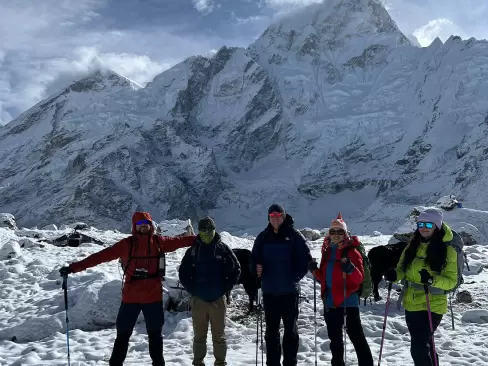
Everest Base Camp Trek – A Legendary Journey to the Foot of the World’s Highest PeakThe Gokyo Everest Base Camp Trek is a remarkable journey that combines the best of two iconic trekking routes in the Everest region. This trek not only takes you to the famous Everest Base Camp (EBC), where trekkers are rewarded with breathtaking views of Mount Everest and other towering peaks, but it also includes a visit to the stunning Gokyo Valley. Known for its crystal-clear lakes and panoramic views of the surrounding peaks, including Everest, Lhotse, and Cho Oyu, Gokyo Valley offers a more tranquil alternative to the classic EBC trek. The trek starts with a scenic flight from Kathmandu to Lukla, followed by a series of days spent ascending through beautiful Sherpa villages, lush forests, and alpine meadows. The route takes you through Namche Bazaar, Tengboche Monastery, and Dingboche, before reaching the awe-inspiring Everest Base Camp.The highlight of the Gokyo Everest Base Camp Trek is the ascent to Gokyo Ri (5,357 meters), a viewpoint that provides one of the best panoramic views of the Everest range, including Everest, Lhotse, Makalu, and Cho Oyu. From Gokyo, the trail continues to Everest Base Camp, passing through the famous Khumbu Glacier and crossing high-altitude landscapes. The combination of Gokyo’s serene lakes and the rugged challenge of the Everest Base Camp makes this trek a unique and highly rewarding experience. With Explore Holiday Treks, you will be guided by experienced Sherpa guides who are familiar with the terrain and can provide cultural insights into the lives of the local Sherpa communities. We ensure that your trek is comfortable and safe, providing carefully chosen accommodations and delicious meals along the way. Whether you're a seasoned trekker or a first-time adventurer, this trek offers a perfect balance of adventure and natural beauty. Top Blogs About Trekking in the Everest RegionUncover the best blogs about trekking in the Everest region, featuring expert advice, detailed itineraries, personal experiences, and essential tips for adventurers looking to explore the Himalayas.Top 5 Everest Trekking PackagesWhere is Mount Everest? Discover the World’s Highest PeakTop 9 Reasons to Go on Everest Base Camp TrekAccommodation During Everest Base Camp TrekShower and Laundry Facilities During the Everest Base Camp TrekElevation Facts for Everest Base Camp TrekkingPhysical Fitness Requirements for Everest Base Camp TrekThe Best Ways to Trek to Everest Base CampWhen is the Best Time to Hike to Everest Base Camp?Everest Base Camp Trek: Tips and FAQsWhy Sleeping at Everest Base Camp Is the Ultimate Trekking Experience ?Which is the Better Lake Trek in Nepal: Gokyo or Tilicho Lake Trek?Altitude Sickness on Nepal Treks: Symptoms, Treatment, and When to Descend (Complete Guide)Everest Base Camp Toilet Problem: The Environmental Crisis on the World's Highest MountainMonastery Life in Nepal: Finding Peace in the Heart of the HimalayasAltitude Sickness on Nepal Treks: Symptoms, Treatment, and When to Descend (Complete Guide)Dal Bhat Power 24 Hour: The Science and Soul Behind Nepal's Mountain Fuel10 Essential Everest Trekking Tips Every First-Time Trekker Must KnowThe 3 AM Wake-Up Call Nobody Tells You About: Real Stories from Everest Base CampThe Essential Guide to Choosing Your Perfect Nepal Trek: From Beginner-Friendly Trails to Epic Himalayan AdventuresSolo Female Trekking in Nepal: A Complete Safety and Empowerment Guide for 2026Complete Fitness Training Guide for Nepal Trekking 2026: From Couch to Base Camp in 12 WeeksThe Everest Base Camp Trek is one of the most iconic trekking adventures on the planet, drawing travelers from around the world who dream of witnessing Mount Everest up close. This classic Himalayan journey offers far more than just mountain views—it is a deeply immersive experience through Sherpa culture, ancient monasteries, dramatic landscapes, and high-altitude trails that test both endurance and spirit.The adventure begins with a thrilling mountain flight from Kathmandu to Lukla, the gateway to the Everest region. From here, the trail winds through the heart of the Khumbu, crossing suspension bridges draped with prayer flags, dense pine and rhododendron forests, and charming Sherpa villages. As you ascend gradually, each day brings new perspectives of the Himalayas, including close views of Thamserku, Ama Dablam, Lhotse, and eventually Mount Everest itself.One of the most important stops on the trek is Namche Bazaar, the vibrant Sherpa capital of the region. Nestled in a natural amphitheater, Namche is the perfect place for acclimatization and cultural exploration. Trekkers can explore local markets, bakeries, museums, and viewpoints while enjoying sweeping mountain vistas. From Namche, the trail continues toward Tengboche Monastery, the spiritual heart of the Everest region, famous for its serene atmosphere and stunning backdrop of Everest, Lhotse, and Ama Dablam.As the trek progresses through villages like Dingboche and Lobuche, the landscape becomes more rugged and alpine. The air grows thinner, but the sense of anticipation builds with every step. Reaching Everest Base Camp (5,364 meters) is a moment of immense achievement. Standing near the Khumbu Icefall, surrounded by towering peaks and glaciers, offers a powerful connection to the history of Himalayan mountaineering.Another major highlight is the ascent of Kala Patthar (5,545 meters), widely regarded as the best viewpoint for Mount Everest. From the summit, trekkers are rewarded with breathtaking panoramic views of Everest, Nuptse, Lhotse, and the surrounding Himalayan giants, especially during sunrise or sunset.With Explore Holiday Treks, your Everest Base Camp journey is guided by experienced local Sherpa professionals who understand the terrain, altitude challenges, and cultural richness of the region. We emphasize safety, proper acclimatization, and comfort, ensuring your trek is not only successful but deeply rewarding.You may internally link this page to Everest Region Trekking, Kala Patthar Viewpoint, or Tengboche Monastery for better SEO structure.Gokyo Valley Trek – A Peaceful and Scenic Alternative in the Everest RegionThe Gokyo Valley Trek is an exceptional alternative to the classic Everest Base Camp route, ideal for trekkers seeking dramatic Himalayan scenery with fewer crowds. This trek explores the stunning Gokyo Valley, a remote and tranquil region known for its turquoise glacial lakes, expansive glaciers, and spectacular mountain viewpoints.Like the EBC trek, the journey begins in Lukla and follows the trail to Namche Bazaar, allowing trekkers time to acclimatize and enjoy early views of Everest. From Namche, the route diverges from the main Everest Base Camp trail and leads into quieter alpine terrain, passing through traditional Sherpa settlements and wide glacial valleys.The heart of this trek lies in the Gokyo Lakes, a series of pristine high-altitude lakes considered sacred by local communities. Their vivid turquoise color, set against snow-covered peaks, creates one of the most photogenic landscapes in the Himalayas. The valley is also home to the Ngozumpa Glacier, the largest glacier in Nepal, offering trekkers a rare opportunity to walk alongside massive ice formations.The highlight of the Gokyo Valley Trek is the climb to Gokyo Ri (5,357 meters). From the summit, trekkers are treated to one of the finest panoramic views in Nepal, including Mount Everest, Lhotse, Makalu, and Cho Oyu—four of the world’s highest peaks visible from a single viewpoint.Compared to the Everest Base Camp route, the Gokyo Valley Trek is quieter and more serene, making it perfect for trekkers who value solitude, nature, and photography. Despite its peaceful nature, the trek still delivers a high-altitude adventure with world-class scenery.With Explore Holiday Treks, every detail of your Gokyo Valley journey is carefully managed. From experienced guides and comfortable lodges to nutritious meals and acclimatization support, we ensure a smooth and memorable trekking experience in one of the Everest region’s most beautiful valleys.Why Choose Explore Holiday TreksAt Explore Holiday Treks, we believe that a great trekking experience is built on trust, local expertise, and genuine care for our clients and the environment. Whether you are trekking to Everest Base Camp, exploring the tranquil Gokyo Valley, or combining both routes into a single adventure, we are committed to delivering a safe, enriching, and unforgettable journey.Our team of professional Sherpa guides brings years of high-altitude trekking experience and deep knowledge of the Everest region. Beyond navigation and safety, our guides share insights into local culture, traditions, and daily life in the Himalayas, adding depth and meaning to your journey.We prioritize:Proper acclimatization and safety planningComfortable and well-located lodgesNutritious meals suited for high-altitude trekkingResponsible and sustainable tourism practicesOur trekking approach supports local communities and minimizes environmental impact while ensuring trekkers receive personalized attention and professional support throughout the journey.Choosing Explore Holiday Treks means trekking with a company that values authentic experiences, safety, and long-term sustainability. Let us guide you through the Everest region with confidence, care, and a passion for the Himalayas—so you can focus on enjoying every step of your adventure.

The EBC Luxury via Gokyo Trek is the ultimate way to experience the iconic Everest Base Camp (EBC) while enjoying the finest comforts and amenities. This trek offers a perfect balance of adventure and luxury, allowing you to witness the grandeur of the Himalayas while staying in premium lodges and boutique hotels throughout the journey. Unlike traditional treks, where accommodations can be basic, Explore Holiday Treks ensures that you enjoy high-end facilities with heated rooms, comfortable beds, en-suite bathrooms, and delicious gourmet meals prepared by skilled chefs. You can relax in the comfort of luxurious lodges after a day of trekking, experiencing the serenity of the mountains without sacrificing your comfort.The trek follows the classic Everest Base Camp route, starting from Lukla and passing through picturesque Sherpa villages like Namche Bazaar, Tengboche, and Dingboche, all the while enjoying world-class services. The highlight of the journey is standing at Everest Base Camp (5,364 meters), where you’ll be rewarded with breathtaking views of Mount Everest, Lhotse, Nuptse, and other towering peaks. Along the way, you’ll visit beautiful Buddhist monasteries, experience Sherpa culture, and marvel at the stunning landscapes of the Khumbu region. The addition of Gokyo—with its crystal-clear lakes and spectacular viewpoints like Gokyo Ri—adds another layer of awe to the trek. Whether you’re soaking in the views of the Himalayas or relaxing in your luxurious lodge, the EBC Luxury via Gokyo Trek with Explore Holiday Treks ensures an unforgettable trekking experience with unmatched comfort and style.Top Blogs About Trekking in the Everest RegionUncover the best blogs about trekking in the Everest region, featuring expert advice, detailed itineraries, personal experiences, and essential tips for adventurers looking to explore the Himalayas.Top 5 Everest Trekking PackagesWhere is Mount Everest? Discover the World’s Highest PeakTop 9 Reasons to Go on Everest Base Camp TrekAccommodation During Everest Base Camp TrekShower and Laundry Facilities During the Everest Base Camp TrekElevation Facts for Everest Base Camp TrekkingPhysical Fitness Requirements for Everest Base Camp TrekThe Best Ways to Trek to Everest Base CampWhen is the Best Time to Hike to Everest Base Camp?Everest Base Camp Trek: Tips and FAQsWhy Sleeping at Everest Base Camp Is the Ultimate Trekking Experience ?Which is the Better Lake Trek in Nepal: Gokyo or Tilicho Lake Trek?Monastery Life in Nepal: Finding Peace in the Heart of the HimalayasAltitude Sickness on Nepal Treks: Symptoms, Treatment, and When to Descend (Complete Guide)Dal Bhat Power 24 Hour: The Science and Soul Behind Nepal's Mountain Fuel10 Essential Everest Trekking Tips Every First-Time Trekker Must KnowThe 3 AM Wake-Up Call Nobody Tells You About: Real Stories from Everest Base CampThe Essential Guide to Choosing Your Perfect Nepal Trek: From Beginner-Friendly Trails to Epic Himalayan AdventuresSolo Female Trekking in Nepal: A Complete Safety and Empowerment Guide for 2026Complete Fitness Training Guide for Nepal Trekking 2026: From Couch to Base Camp in 12 WeeksGokyo Everest Base Camp TrekThe Gokyo Everest Base Camp Trek is a unique adventure that combines two of the most famous trekking destinations in the Everest region: the serene Gokyo Valley and the iconic Everest Base Camp. This trek offers trekkers the opportunity to visit both Gokyo Lakes, known for their vibrant turquoise color and spectacular reflections of surrounding peaks, and Everest Base Camp, the ultimate goal for mountaineers and adventurers. The highlight of the trek is the ascent of Gokyo Ri (5,357 meters), a viewpoint offering panoramic views of Mount Everest, Makalu, Cho Oyu, and other majestic peaks in the Himalayas.With Explore Holiday Treks, this extraordinary adventure becomes a luxurious experience. We provide comfortable, high-quality lodges along the route, ensuring that you have all the modern amenities you need to rest and recharge. These include heated rooms, private bathrooms, and excellent dining options that offer both local and international cuisine. Our expert guides, who are knowledgeable in both the terrain and the local Sherpa culture, will accompany you throughout the journey, ensuring your safety and comfort. Whether you’re soaking in the beauty of Gokyo Lakes, reaching Everest Base Camp, or enjoying the high-altitude views from Gokyo Ri, the Gokyo Everest Base Camp Trek with Explore Holiday Treks offers a luxurious and unforgettable experience that blends adventure with relaxation.Everest Base Camp TrekThe Everest Base Camp Trek is one of the most renowned treks in the world, attracting adventurers from every corner of the globe. The trek begins with a scenic flight from Kathmandu to Lukla, followed by several days of trekking through the Khumbu region, passing through Sherpa villages like Namche Bazaar, Tengboche, and Dingboche. Along the way, trekkers enjoy stunning views of Mount Everest, Lhotse, Nuptse, and other peaks, while gaining insight into the local Sherpa culture. Reaching Everest Base Camp (5,364 meters) is the culmination of the trek, offering a close-up view of the Khumbu Icefall and the towering peaks of the Everest massif.For those seeking a more comfortable journey, Explore Holiday Treks offers a Luxury Everest Base Camp Trek, where you can experience the thrill of reaching Everest Base Camp without sacrificing comfort. Our handpicked luxury lodges along the trail offer heated rooms, private bathrooms, and high-quality meals to keep you refreshed after a day of trekking. Our expert guides, experienced in the challenges of high-altitude trekking, ensure that you acclimatize properly and enjoy your trek at a comfortable pace. The Luxury Everest Base Camp Trek is a once-in-a-lifetime opportunity to experience the majesty of the Himalayas while staying in top-tier accommodations, making it the perfect blend of adventure and luxury.Gokyo Valley TrekThe Gokyo Valley Trek offers a quieter, more serene alternative to the classic Everest Base Camp route. Located in the heart of the Everest region, Gokyo Valley is home to stunning landscapes, including the sacred Gokyo Lakes, surrounded by towering Himalayan peaks like Everest, Lhotse, and Makalu. The trek offers a more tranquil experience, allowing you to immerse yourself in the beauty of the region while avoiding the crowds found on the Everest Base Camp trail. The trek’s highlight is the climb to Gokyo Ri, a summit that provides one of the most panoramic and breathtaking views of the Everest massif, including views of Everest, Makalu, Cho Oyu, and several other peaks.With Explore Holiday Treks, the Gokyo Valley Trek becomes a luxurious adventure. We provide top-quality accommodations, ensuring that your stays in the mountains are as comfortable as possible. You’ll rest in lodges that offer hot showers, private rooms, and gourmet meals, allowing you to unwind after each trekking day. Our experienced guides are there to help you navigate the terrain, ensuring your safety while offering insights into the local Sherpa culture and customs. The trek is carefully designed to allow for proper acclimatization, ensuring you can enjoy the beauty of the Gokyo Valley at a comfortable pace. If you’re seeking a peaceful trekking experience with luxury accommodations and awe-inspiring views, the Gokyo Valley Trek with Explore Holiday Treks is the ideal choice.Why Choose Us (Explore Holiday Treks)At Explore Holiday Treks, we pride ourselves on offering exceptional luxury trekking experiences in the heart of the Himalayas. Our commitment to quality service and attention to detail ensures that your trek, whether it’s the EBC Luxury via Gokyo Trek, the Luxury Everest Base Camp Trek, or the Gokyo Valley Trek, is tailored to provide the ultimate adventure without compromising on comfort. We understand that trekking in the Himalayas is not just about reaching your destination but also about enjoying the journey in a safe, relaxing, and luxurious environment.Our team of expert Sherpa guides and porters are experienced in navigating the rugged terrain of the Everest region, and they are dedicated to ensuring your comfort and safety throughout the trek. We carefully select the best luxury lodges along the route, which offer modern amenities like private rooms, hot showers, heated facilities, and exceptional meals. With our focus on responsible tourism, we strive to support local communities and preserve the environment while providing you with an unforgettable trekking experience. Whether you're seeking a once-in-a-lifetime adventure to Everest Base Camp, or you want to immerse yourself in the beauty and serenity of Gokyo Valley, Explore Holiday Treks is your perfect partner for luxury trekking in the Himalayas. We take care of every detail so you can focus on making memories that will last a lifetime.

Everest Base Camp Return by Helicopter: The Ultimate Himalayan AdventureThe journey to Everest Base Camp has long been considered one of the world's most spectacular trekking experiences. For decades, adventurers from across the globe have made the pilgrimage to stand at the foot of the world's highest mountain, traversing ancient trails through the heart of Sherpa country. But what if you could enhance this already incredible adventure with a touch of luxury and convenience? The Everest Base Camp Return by Helicopter trek offers exactly that—combining the authentic trekking experience with the thrill of a helicopter flight back through the Himalayas.Top Blogs About Trekking in the Everest RegionUncover the best blogs about trekking in the Everest region, featuring expert advice, detailed itineraries, personal experiences, and essential tips for adventurers looking to explore the Himalayas.Top 5 Everest Trekking PackagesWhere is Mount Everest? Discover the World’s Highest PeakTop 9 Reasons to Go on Everest Base Camp TrekAccommodation During Everest Base Camp TrekShower and Laundry Facilities During the Everest Base Camp TrekElevation Facts for Everest Base Camp TrekkingPhysical Fitness Requirements for Everest Base Camp TrekThe Best Ways to Trek to Everest Base CampWhen is the Best Time to Hike to Everest Base Camp?Everest Base Camp Trek: Tips and FAQsWhy Sleeping at Everest Base Camp Is the Ultimate Trekking Experience ?Which is the Better Lake Trek in Nepal: Gokyo or Tilicho Lake Trek?Altitude Sickness on Nepal Treks: Symptoms, Treatment, and When to Descend (Complete Guide)Everest Base Camp Toilet Problem: The Environmental Crisis on the World's Highest MountainMonastery Life in Nepal: Finding Peace in the Heart of the HimalayasAltitude Sickness on Nepal Treks: Symptoms, Treatment, and When to Descend (Complete Guide)Dal Bhat Power 24 Hour: The Science and Soul Behind Nepal's Mountain Fuel10 Essential Everest Trekking Tips Every First-Time Trekker Must KnowThe 3 AM Wake-Up Call Nobody Tells You About: Real Stories from Everest Base CampThe Essential Guide to Choosing Your Perfect Nepal Trek: From Beginner-Friendly Trails to Epic Himalayan AdventuresSolo Female Trekking in Nepal: A Complete Safety and Empowerment Guide for 2026Complete Fitness Training Guide for Nepal Trekking 2026: From Couch to Base Camp in 12 WeeksWhat Makes This Trek Different?Traditional Everest Base Camp treks require trekkers to retrace their steps back to Lukla, which typically takes 3-4 days of walking through familiar terrain. While this return journey has its own charm, it can be physically demanding after you've already pushed your body to its limits reaching the base camp at 5,364 meters. The Everest Base Camp Return by Helicopter option transforms this return journey into an unforgettable aerial adventure, offering a completely different perspective of the landscapes you've just trekked through.From the helicopter, the rugged terrain that took days to traverse unfolds beneath you in a spectacular panorama. Glaciers that appeared as distant ice fields from the trail reveal their true scale and beauty. The deep valleys you carefully descended become dramatic gorges showcasing the raw power of geological forces. Most importantly, you'll see Mount Everest, Lhotse, Makalu, Nuptse, and the entire Himalayan range from a vantage point few people ever experience—suspended in the sky, level with some of the world's highest peaks.The Journey to Everest Base CampYour adventure begins with a thrilling flight from Kathmandu to Lukla, landing at one of the world's most challenging airports. From here, the trek takes you through the enchanting Khumbu Valley, following in the footsteps of legendary mountaineers who have attempted to conquer Everest. The trail winds through traditional Sherpa villages like Phakding, Namche Bazaar, Tengboche, Dingboche, and Lobuche, each offering its own unique character and stunning mountain views.Namche Bazaar: The Gateway to EverestNamche Bazaar serves as the cultural and economic hub of the Khumbu region. Perched on a hillside at 3,440 meters, this vibrant town is where most trekkers spend an acclimatization day. The Saturday market attracts traders from throughout the region, and the town's bakeries, cafes, and shops provide a surprising level of comfort in such a remote location. From Namche, you'll enjoy your first clear views of Everest, along with Lhotse, Nuptse, and Ama Dablam.For those interested in exploring other regions of Nepal, the Annapurna Base Camp Trek offers a different but equally spectacular Himalayan experience, with the added bonus of natural hot springs in places like Jhinu Danda.Tengboche and Its Sacred MonasteryContinuing upward, you'll reach Tengboche at 3,867 meters, home to the region's largest monastery. This spiritual center of the Khumbu has been a place of Buddhist worship for centuries. The monastery sits against a backdrop of Everest, Ama Dablam, and surrounding peaks that create one of the most photographed panoramas in the Himalayas. The morning and evening prayer ceremonies offer trekkers a glimpse into the spiritual life of the Sherpa people, whose Buddhist beliefs are deeply intertwined with the mountains they call home.Acclimatization and Altitude AwarenessAs you ascend higher through Dingboche and Lobuche, proper acclimatization becomes increasingly important. At Explore Holiday Treks, our experienced guides understand the challenges of high-altitude trekking and ensure that your ascent profile includes adequate rest days and gradual elevation gains. The journey to Everest Base Camp is as much about listening to your body as it is about pushing your limits.Many trekkers also include a side trip to Kala Patthar (5,545 meters), which offers the best views of Mount Everest available without technical climbing. The pre-dawn climb to this viewpoint is challenging but rewarding, as you watch the sunrise paint the Himalayan giants in shades of gold and pink.If you're looking for a high-altitude adventure with slightly lower elevation demands, consider the Langtang Valley Trek, which reaches a maximum altitude of around 4,984 meters at Tserko Ri.Reaching Everest Base CampThe final push to Everest Base Camp takes you across the Khumbu Glacier, navigating rocky moraine paths and occasional ice sections. The landscape becomes increasingly austere as vegetation disappears and the terrain is dominated by rock, ice, and snow. When you finally arrive at base camp, situated at 5,364 meters, you'll find yourself in the same location where mountaineering expeditions establish their staging areas for summit attempts.The energy at base camp varies depending on the season. During spring (March to May), the camp buzzes with activity as climbers prepare for their summit bids. In autumn (September to November), you'll find fewer climbers but equally spectacular weather and views. The Khumbu Icefall looms above base camp, a maze of constantly shifting seracs and crevasses that represents the first major obstacle for climbers heading to the summit.Standing at Everest Base Camp is a moment of profound achievement. You've trekked through some of the world's most spectacular mountain terrain, pushed your physical and mental limits, and reached one of the planet's most iconic destinations. The sense of accomplishment is matched only by the humbling awareness of the mountain's scale and power.The Helicopter Return: A Different PerspectiveAfter celebrating your achievement at Everest Base Camp and perhaps spending a night at Gorak Shep (the highest settlement in the region at 5,164 meters), the helicopter return journey offers a spectacular conclusion to your adventure. Rather than spending several days retracing your steps, you'll board a helicopter for a flight that showcases the Himalayan landscape from an entirely new perspective.What to Expect During the Helicopter FlightThe helicopter typically departs from Gorak Shep or a designated helipad nearby. As the aircraft lifts off, you'll immediately notice how the landscape that took days to traverse spreads out beneath you. The Khumbu Glacier, which you carefully navigated on foot, reveals its full extent—a massive river of ice flowing down from the Western Cwm between Everest and Nuptse.Flying through the Himalayas at eye level with 8,000-meter peaks is an experience that defies description. Mount Everest's summit pyramid rises above its neighbors, its distinctive plume of snow streaming from the top when high-altitude winds are strong. Lhotse's massive south face, one of the most challenging walls in mountaineering, dominates the view to the south. Makalu, the world's fifth-highest peak, stands proud to the east, its perfect pyramid shape making it instantly recognizable.The flight path typically follows the valley system back toward Lukla, offering views of villages you passed through on the trek. From the air, you can appreciate the incredible engineering of the trail system—how it winds along valley walls, crosses rivers on suspension bridges, and climbs through seemingly impossible terrain. The terraced fields around villages like Namche Bazaar and Khumjung become visible as human-shaped landscapes carved from the mountainside.Safety and Professional ServiceAt Explore Holiday Treks, safety is our paramount concern. The helicopter service we use employs experienced pilots who have thousands of hours flying in the Himalayas. These pilots understand the unique challenges of high-altitude aviation, including rapidly changing weather conditions, thin air that affects aircraft performance, and the complex wind patterns created by the mountains.All flights are operated according to strict safety protocols. Weather conditions are carefully monitored, and flights are only conducted when conditions are favorable. The helicopters used are specifically designed for high-altitude operations and are maintained to the highest standards. Before departure, passengers receive a comprehensive safety briefing covering emergency procedures, weight distribution in the aircraft, and what to expect during the flight.Why Choose the Helicopter Return Option?Time EfficiencyThe most practical advantage of the helicopter return is time savings. A return trek from Everest Base Camp to Lukla typically requires 3-4 days of walking. The helicopter flight accomplishes the same journey in approximately 20-30 minutes. For travelers with limited vacation time, this option allows you to experience Everest Base Camp without committing to a 12-14 day trek.Reduced Physical StrainWhile trekking is an incredible way to experience the mountains, the return journey can be physically demanding, especially for trekkers who have pushed themselves hard to reach base camp. Your body has been dealing with the stress of high altitude, and the descending journey, while easier on your cardiovascular system, can be hard on knees and joints. The helicopter return eliminates this additional physical strain.Unique Photographic OpportunitiesThe aerial perspective offers photographic opportunities impossible to capture from the ground. The scale of the Himalayan landscape becomes apparent when viewed from above—the massive extent of glaciers, the dramatic relief of the terrain, and the relationship between peaks that appear separate from the ground but are revealed as part of interconnected massifs.Weather ConsiderationsHimalayan weather is notoriously unpredictable. If you've been fortunate enough to have clear weather during your trek to base camp, the helicopter return can be a strategic choice to maximize your experience before weather patterns change. Conversely, if weather has limited your views during the ascent, the flight offers another opportunity to see the mountains in their full glory.The Sherpa Culture and Buddhist HeritageOne of the most enriching aspects of any Everest region trek is the immersion in Sherpa culture. The Sherpa people have inhabited these high valleys for centuries, developing a unique culture adapted to life in one of Earth's most challenging environments. Their Buddhist faith, brought from Tibet, permeates every aspect of life in the Khumbu.Throughout your trek, you'll encounter mani walls inscribed with sacred mantras, colorful prayer flags strung across passes and viewpoints, and chortens (Buddhist stupas) marking important locations. The monasteries at Tengboche, Pangboche, and other villages are not just tourist attractions but active centers of spiritual life where monks maintain centuries-old traditions.The Sherpa people's connection to the mountains goes beyond the practical role many play as guides and porters in the trekking and mountaineering industry. The peaks themselves are considered sacred, home to protective deities. Mount Everest is known as Chomolungma in Tibetan, meaning "Goddess Mother of the World." This spiritual relationship with the mountains influences how Sherpas approach their work in the tourism industry and their environmental stewardship of the region.For those interested in experiencing other culturally rich trekking regions, the Manaslu Circuit Trek offers insights into Tibetan Buddhist culture with fewer crowds than the Everest region.Flora and Fauna of the Everest RegionDespite the harsh conditions, the Khumbu region supports surprising biodiversity. The lower elevations feature dense forests of pine, fir, juniper, and rhododendron. In spring, the rhododendron forests burst into bloom with flowers ranging from deep crimson to pale pink and white, creating spectacular displays of color against the mountain backdrop.As you ascend, vegetation becomes increasingly sparse. Above 4,000 meters, hardy grasses, mosses, and lichens are the primary plant life. Yet even in this austere environment, life persists. The Himalayan tahr, a large wild goat, grazes on seemingly barren slopes. If you're fortunate, you might spot a Himalayan monal, Nepal's national bird, whose iridescent plumage makes it one of the world's most beautiful pheasants.The most famous resident of the high Himalayas is, of course, the snow leopard. These elusive cats prowl the remote valleys and ridges above 3,000 meters, though sightings are extremely rare. More commonly observed are yellow-billed choughs and Himalayan griffons soaring on thermal currents. The region is also home to the red panda, though these shy creatures inhabit the forested areas at lower elevations.Best Times for the TrekThe Everest Base Camp Return by Helicopter trek is possible for much of the year, though certain seasons offer distinct advantages.Spring Season (March to May)Spring is one of the two prime trekking seasons in the Everest region. Days are generally warm and sunny, with increasingly stable weather as the season progresses. This is also when Mount Everest climbing expeditions are in full swing, so base camp is bustling with activity. The rhododendron forests are in bloom, adding vibrant color to the lower elevations. Visibility is generally excellent, especially in the morning before afternoon clouds develop.Autumn Season (September to November)Autumn is considered by many to be the best time for Everest region treks. The monsoon rains have cleared the atmosphere, resulting in crystal-clear visibility. Temperatures are comfortable for trekking, and the weather is generally stable. This is the busiest season for trekking in Nepal, so trails and teahouses are more crowded, but the conditions are hard to beat.Winter Season (December to February)Winter trekking to Everest Base Camp is possible for experienced trekkers willing to deal with cold temperatures and potential snow. The advantages include empty trails, crystal-clear skies, and the intimate experience of the mountains without crowds. However, temperatures at base camp can drop to -20°C or lower, and some higher-altitude teahouses may be closed. The helicopter return becomes particularly valuable in winter, as the descent can be more challenging in snowy conditions.Monsoon Season (June to August)The monsoon season is generally not recommended for Everest Base Camp treks. Heavy rains at lower elevations make trails muddy and increase the risk of landslides. Cloud cover often obscures mountain views. However, the "rain shadow" effect means the Khumbu receives less precipitation than other parts of Nepal during monsoon, so it's not impossible—just more challenging and less rewarding than other seasons.Physical Preparation and TrainingWhile the Everest Base Camp trek doesn't require technical mountaineering skills, it does demand good physical fitness and mental determination. The trek involves walking for 5-7 hours per day for multiple consecutive days, often on steep, rocky trails at high altitude where the air contains significantly less oxygen than at sea level.Cardiovascular FitnessBuilding a strong cardiovascular base is essential. Aim to start training at least 2-3 months before your trek. Activities like hiking, running, cycling, and swimming all help develop the aerobic capacity you'll need. If possible, train with a weighted backpack on hills or stairs to simulate the conditions you'll encounter on the trek.Strength TrainingWhile cardiovascular fitness is crucial, don't neglect strength training. Focus on legs (squats, lunges, step-ups) to handle the constant ascents and descents. Core strength is important for balance on uneven terrain, and upper body strength helps with carrying your daypack. Exercises like planks, push-ups, and rows should be part of your training routine.Altitude AcclimatizationUnfortunately, there's no way to train your body for altitude at sea level. The best preparation for altitude is previous high-altitude experience, but even veteran mountain trekkers can struggle with altitude sickness. The key is to follow a proper acclimatization schedule (which Explore Holiday Treks ensures through carefully planned itineraries), stay hydrated, and listen to your body.For those looking for a slightly less demanding high-altitude trek, the Gokyo Lakes Trek offers stunning scenery with a more gradual altitude profile.Essential Gear and PackingProper equipment is crucial for comfort and safety on the Everest Base Camp trek. The high-altitude environment presents unique challenges, and being well-prepared makes a significant difference in your experience.Clothing LayersThe key to staying comfortable in the mountains is a layered clothing system that you can adjust as conditions change. Base layers should be moisture-wicking and comfortable against your skin. Mid-layers like fleece or down jackets provide insulation. Outer layers must be windproof and waterproof to protect against the elements.Don't forget that temperatures vary dramatically from morning to afternoon and from lower to higher elevations. You might start a day cold and finish warm, or vice versa. The ability to add or remove layers is essential.FootwearQuality trekking boots are perhaps your most important piece of equipment. They should be well broken-in before your trek to prevent blisters. Waterproof boots are essential, as you'll encounter streams, possibly snow, and muddy sections of trail. Bring multiple pairs of socks and liner socks to keep feet comfortable and prevent blisters.Technical EquipmentWhile not a technical climb, you'll need some specialized items. A good sleeping bag rated to at least -10°C is necessary, as teahouse blankets may not provide sufficient warmth at higher elevations. Trekking poles significantly reduce stress on knees during descents and provide stability on rough terrain. A quality headlamp with extra batteries is essential, as electricity is limited in high-altitude villages.Health and Safety ItemsA comprehensive first-aid kit is important. Include blister treatment, pain relievers, altitude sickness medication (after consulting your doctor), water purification tablets or a filtration system, and any personal medications. Sunscreen and lip balm with high SPF are crucial, as UV radiation is intense at high altitude. Quality sunglasses are not optional—snow blindness is a real risk.Sustainable and Responsible TrekkingThe popularity of Everest Base Camp has brought both opportunities and challenges to the Khumbu region. At Explore Holiday Treks, we're committed to sustainable tourism practices that benefit local communities and protect the fragile mountain environment.Environmental ResponsibilityThe Sagarmatha National Park, a UNESCO World Heritage Site, encompasses the Everest region. We adhere to all park regulations and encourage trekkers to follow Leave No Trace principles. This means carrying out all non-biodegradable waste, using designated toilet facilities, and respecting wildlife and vegetation.Plastic water bottles are a particular concern in the Himalayas. Rather than purchasing bottled water repeatedly, we encourage trekkers to use water purification systems or tablets with refillable bottles. Many teahouses now offer boiled water for a small fee, reducing plastic waste.Supporting Local CommunitiesTourism has become the primary economic driver in the Khumbu region. By trekking with Explore Holiday Treks, you're directly supporting Sherpa communities. We employ local guides and porters, ensuring fair wages and proper equipment. We stay in locally-owned teahouses, and purchase supplies from local shops when possible.The economic benefits of tourism have helped fund schools, health clinics, and infrastructure improvements in the region. However, we're mindful of the cultural impacts of tourism and encourage our trekkers to respect local customs, dress modestly, and ask permission before photographing people or religious sites.Altitude Sickness and Health ConsiderationsAcute Mountain Sickness (AMS) is the primary health concern on any high-altitude trek. Understanding the symptoms and how to respond is crucial for a safe and enjoyable experience.The fundamental principle of altitude acclimatization is gradual ascent. Your body needs time to adjust to decreased oxygen levels by producing more red blood cells and making other physiological adaptations. The Explore Holiday Treks itinerary is designed with proper acclimatization in mind, including rest days and a schedule that avoids ascending too quickly.Early symptoms of AMS include headache, nausea, fatigue, and difficulty sleeping. If these symptoms occur, it's important not to ascend further until they resolve. Most cases of mild AMS improve with rest at the same altitude. If symptoms worsen or more serious symptoms develop (confusion, difficulty walking, severe breathlessness at rest), immediate descent is necessary.Our guides are trained in altitude sickness recognition and response. They monitor all trekkers daily and know when it's necessary to arrange emergency evacuation. The helicopter return option can be particularly valuable in emergency situations, as it provides rapid descent to lower altitudes where symptoms quickly improve.Why Choose Explore Holiday TreksSelecting the right trekking company makes an enormous difference in your Everest Base Camp experience. At Explore Holiday Treks, we've built our reputation on delivering exceptional service, prioritizing safety, and creating memorable adventures that exceed expectations.Experienced and Certified GuidesOur guides are the foundation of our service. All are certified by the Nepal Mountaineering Association and have extensive experience in the Everest region. More than just showing you the trail, they share their deep knowledge of Sherpa culture, local history, Buddhist traditions, and the natural environment. Many of our guides are Sherpas from the Khumbu region, providing authentic insights into local life and culture.Beyond their knowledge, our guides are trained in wilderness first aid, altitude sickness recognition and treatment, and emergency response procedures. Your safety is their primary concern, and they have the experience and judgment to make difficult decisions when necessary.Comprehensive Support and LogisticsFrom the moment you arrive in Kathmandu until your departure, Explore Holiday Treks handles all logistics. We arrange airport transfers, hotel accommodations, domestic flights to Lukla, trekking permits, and national park entry fees. During the trek, we ensure you stay in the best available teahouses and provide all meals.The helicopter return service is fully integrated into your package, with all arrangements handled by our team. We coordinate with helicopter operators, monitor weather conditions, and ensure safe and timely flights. You won't need to worry about any of the details—just enjoy your adventure.Small Group Sizes and Personalized ServiceWe believe in providing personalized attention to each trekker. Our groups are kept small, typically with a maximum of 10-12 participants per guide. This ensures everyone receives individual attention, the group can move at an appropriate pace, and there's flexibility to adjust plans based on group needs and conditions.For those preferring more privacy, we also offer private treks where an itinerary can be customized to your specific interests, fitness level, and schedule. Private treks provide maximum flexibility and a more intimate mountain experience.Quality Equipment and AccommodationsWhile teahouse trekking means you're not camping, the quality of accommodations varies throughout the Khumbu. We've built relationships with the best teahouses along the route, ensuring you have comfortable beds, clean facilities, and good food. At higher elevations where options are limited, we still ensure you stay in the most reliable establishments.Our rental equipment, for those who need it, is high-quality and well-maintained. We can provide sleeping bags, down jackets, duffel bags, and other necessary items, saving you the expense and hassle of purchasing equipment you may only use once.Other Trekking Options in NepalWhile the Everest region offers some of the world's most spectacular trekking, Nepal has many other incredible destinations worth exploring. Explore Holiday Treks offers a comprehensive range of treks throughout the Himalayas.The Annapurna Circuit Trek is considered one of the world's classic long-distance treks, crossing the Thorong La pass at 5,416 meters and offering remarkable diversity of landscapes and cultures. The Upper Mustang Trek takes you to the remote former kingdom of Mustang, where Tibetan Buddhist culture remains remarkably preserved and the desert-like landscape creates a completely different Himalayan experience.For those seeking less-crowded trails, the Kanchenjunga Base Camp Trek explores Nepal's far eastern corner near the border with Sikkim, approaching the world's third-highest mountain through pristine forests and remote villages. The Makalu Base Camp Trek is another off-the-beaten-path adventure that takes you to the foot of the world's fifth-highest peak through the spectacularly diverse Makalu Barun National Park.Making Your Everest Dream a RealityThe Everest Base Camp Return by Helicopter trek represents the perfect blend of adventure, culture, and convenience. You'll experience the authentic trekking journey through the heart of the Khumbu, immersing yourself in Sherpa culture and pushing yourself physically and mentally. Then, when you've achieved your goal of reaching Everest Base Camp, you'll enjoy the luxury and excitement of a helicopter flight that showcases the Himalayas from a perspective few people ever experience.This journey is more than just a trek—it's a transformative experience that will stay with you for the rest of your life. The friendships you'll form with fellow trekkers, the warmth and hospitality of the Sherpa people, the spiritual atmosphere of ancient monasteries, and the overwhelming beauty of the world's highest mountains combine to create something truly special.At Explore Holiday Treks, we've guided thousands of trekkers to Everest Base Camp, and we never tire of seeing the joy and sense of achievement on people's faces when they reach their goal. Whether you're an experienced trekker looking for a new challenge or someone who has always dreamed of visiting Everest, we're here to make that dream a reality.The Himalayas are calling. Mount Everest stands waiting. Your adventure begins with a single step—or in this case, with contacting Explore Holiday Treks to start planning your journey. The question isn't whether you should do this trek, but when. Let us help you create an Everest adventure that exceeds your wildest expectations, complete with the unforgettable experience of a helicopter flight through the roof of the world.

Everest Base Camp Luxury Trek – Experience Everest in Comfort & StyleThe Everest Base Camp Luxury Trek offers a rare opportunity to experience the world’s most iconic trekking destination while enjoying exceptional comfort and personalized service. Designed for travelers who want to reach the foot of Mount Everest without sacrificing quality, this trek blends high-altitude adventure with premium accommodation, expert guidance, and thoughtful planning.Unlike the standard Everest Base Camp trek, this luxury version allows you to stay in carefully selected luxury lodges along the route. These lodges provide heated rooms, comfortable bedding, en-suite or private bathrooms where available, hot showers, and high-quality meals. After a day of trekking through dramatic Himalayan landscapes, you can relax in a warm and peaceful setting, making the journey far more enjoyable and less physically demanding.This trek is ideal for travelers who want to explore the Everest region in a more refined way, whether you are a first-time trekker, a couple, or someone who values comfort alongside adventure.A Premium Journey to the Base of the World’s Highest MountainYour luxury Everest experience begins in Kathmandu, where you will be welcomed and assisted by the team at Explore Holiday Treks. After completing all necessary preparations, you will take a scenic flight to Lukla, one of the most exciting mountain airstrips in the world and the gateway to the Everest region.The itinerary is carefully designed with proper acclimatization days, allowing your body to adjust gradually to the increasing altitude. This not only improves safety but also enhances your overall trekking experience. You will walk through legendary Sherpa villages such as Namche Bazaar, Tengboche, and Dingboche, where traditional mountain culture and warm hospitality are part of daily life.Along the way, you will enjoy stunning views of some of the world’s highest and most beautiful peaks, including Mount Everest (8,848.86 m), Lhotse, Nuptse, Ama Dablam, Thamserku, and many more. A visit to Tengboche Monastery, the spiritual center of the Khumbu region, adds cultural depth to the journey.The ultimate highlight is reaching Everest Base Camp (5,364 meters), where you stand at the foot of Mount Everest and witness the dramatic Khumbu Icefall. After this unforgettable achievement, you return each evening to the comfort of luxury lodges, allowing your body to recover and your mind to fully absorb the experience.Why Choose Explore Holiday Treks for Everest Base Camp Luxury Trek?At Explore Holiday Treks, we are committed to delivering a trekking experience that is safe, comfortable, and truly memorable. Our Everest Base Camp Luxury Trek is crafted with attention to detail, ensuring a smooth journey from start to finish.Experienced Guides & Safety FocusOur professional, government-licensed guides have extensive experience in the Everest region. They monitor your health daily, manage the pace carefully, and provide expert support throughout the trek. Your safety and well-being are always our top priorities.Luxury Accommodation & Quality MealsWe partner with the best available luxury lodges in the Everest region, offering warm rooms, hygienic facilities, and excellent service. Nutritious, freshly prepared meals help maintain your energy levels at high altitude.Well-Planned Itinerary & AcclimatizationOur itinerary allows ample time for acclimatization, reducing the risk of altitude sickness and ensuring a more enjoyable trek. The daily walking hours are balanced, giving you time to rest, explore, and appreciate the surroundings.Personalized & Hassle-Free ServiceFrom airport transfers and domestic flights to permits, accommodation, and logistics, we handle everything. This allows you to focus entirely on the journey while we take care of the details.Key Highlights of Everest Base Camp Luxury TrekLuxury lodges with heated rooms and private or en-suite bathroomsScenic flight between Kathmandu and LuklaProper acclimatization for safe high-altitude trekkingSpectacular views of Everest, Lhotse, Ama Dablam, and surrounding peaksVisit to Tengboche Monastery and traditional Sherpa villagesExperienced local guides and ethical porter supportIdeal balance of adventure and comfortWho Is This Trek Suitable For?The Everest Base Camp Luxury Trek is perfect for:Travelers seeking comfort while trekking in the HimalayasFirst-time trekkers who want a safer, well-paced experienceCouples and honeymoon travelersSenior trekkers preferring better accommodationAdventurers who value premium service and organizationBest Time for Everest Base Camp Luxury TrekThe best seasons for this trek are:Spring (March to May)Clear mountain viewsBlooming rhododendron forestsStable weather conditionsAutumn (September to November)Excellent visibilityDry trails and comfortable temperaturesPeak trekking season in the Everest regionThese seasons offer the best conditions for both trekking and luxury lodge services.Everest Base Camp Luxury Trek vs Standard TrekFeatureLuxury TrekStandard TrekAccommodationLuxury lodgesBasic teahousesRoom ComfortHeated, private facilitiesShared, minimal facilitiesMealsHigh-quality, varied menuBasic local mealsTrek PaceWell-balanced & relaxedMore demandingIdeal ForComfort seekersBudget trekkersFrequently Asked Questions (FAQs)Is the Everest Base Camp Luxury Trek suitable for beginners?Yes. With proper acclimatization, experienced guides, and comfortable lodging, it is suitable for beginners with reasonable fitness.How difficult is the Everest Base Camp Luxury Trek?The trek is moderate. Altitude is the main challenge, but the luxury itinerary makes it more manageable.What kind of accommodation is provided?You will stay in the best available luxury lodges offering heated rooms, private bathrooms (where available), hot showers, and excellent dining services.How high is Everest Base Camp?Everest Base Camp is located at 5,364 meters (17,598 feet).How is altitude sickness managed?Our itinerary includes acclimatization days, gradual altitude gain, and close health monitoring by trained guides.Is Wi-Fi available during the trek?Most luxury lodges offer Wi-Fi and charging facilities, though connectivity may be limited at higher altitudes.Book Your Everest Base Camp Luxury TrekThe Everest Base Camp Luxury Trek offers the perfect balance of adventure, culture, and comfort. It allows you to achieve one of the world’s most legendary trekking goals while enjoying premium services in one of the most spectacular mountain regions on Earth.Choose Explore Holiday Treks for your luxury Everest adventure and let us provide you with a safe, comfortable, and unforgettable journey in the Himalayas.👉 Contact us today to plan your Everest Base Camp Luxury Trek in Nepal.Top Blogs About Trekking in the Everest RegionUncover the best blogs about trekking in the Everest region, featuring expert advice, detailed itineraries, personal experiences, and essential tips for adventurers looking to explore the Himalayas.Top 5 Everest Trekking PackagesWhere is Mount Everest? Discover the World’s Highest PeakTop 9 Reasons to Go on Everest Base Camp TrekAccommodation During Everest Base Camp TrekShower and Laundry Facilities During the Everest Base Camp TrekElevation Facts for Everest Base Camp TrekkingPhysical Fitness Requirements for Everest Base Camp TrekThe Best Ways to Trek to Everest Base CampWhen is the Best Time to Hike to Everest Base Camp?Everest Base Camp Trek: Tips and FAQsWhy Sleeping at Everest Base Camp Is the Ultimate Trekking Experience ?Which is the Better Lake Trek in Nepal: Gokyo or Tilicho Lake Trek?Altitude Sickness on Nepal Treks: Symptoms, Treatment, and When to Descend (Complete Guide)Everest Base Camp Toilet Problem: The Environmental Crisis on the World's Highest MountainMonastery Life in Nepal: Finding Peace in the Heart of the HimalayasAltitude Sickness on Nepal Treks: Symptoms, Treatment, and When to Descend (Complete Guide)Dal Bhat Power 24 Hour: The Science and Soul Behind Nepal's Mountain Fuel10 Essential Everest Trekking Tips Every First-Time Trekker Must KnowThe 3 AM Wake-Up Call Nobody Tells You About: Real Stories from Everest Base CampThe Essential Guide to Choosing Your Perfect Nepal Trek: From Beginner-Friendly Trails to Epic Himalayan AdventuresSolo Female Trekking in Nepal: A Complete Safety and Empowerment Guide for 2026Complete Fitness Training Guide for Nepal Trekking 2026: From Couch to Base Camp in 12 Weeks
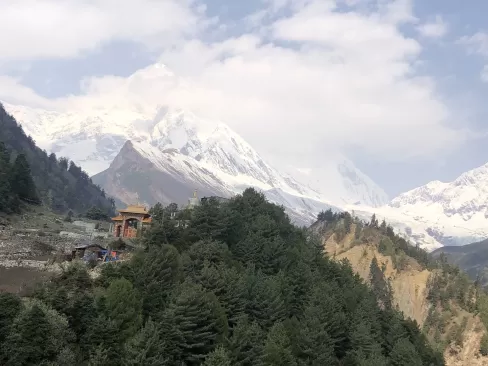
The Manaslu Budget Trek is an exciting and affordable trekking option that offers an unparalleled experience of Nepal’s natural beauty and cultural heritage. Located around Mount Manaslu, the eighth-highest peak in the world, the trek offers spectacular views of snow-capped peaks, high-altitude lakes, and ancient monasteries, all while keeping costs low. This trek takes trekkers on a route through remote villages, lush forests, and rugged terrains, making it ideal for budget-conscious adventurers who want to explore one of Nepal’s most scenic and less-traveled regions. The trek is fully supported by local teahouses, where trekkers can experience Nepali hospitality and enjoy hearty local meals, making it not only an affordable option but also an authentic cultural experience.The Manaslu Circuit, which the Manaslu Budget Trek follows, is renowned for its biodiversity and cultural richness. Trekkers will pass through traditional villages like Jagat, Philim, Samagaon, and Bimtang, each offering a glimpse into the lives of the Tamang, Gurung, and Sherpa communities. As trekkers ascend through rhododendron forests, alpine meadows, and high mountain landscapes, they are treated to panoramic views of Mount Manaslu, Himalchuli, Ngadi Chuli, and Buddha Himal. Despite the budget-friendly approach, the Manaslu Budget Trek still offers all the rewards of the classic trek, with safe and carefully managed itineraries, well-structured acclimatization breaks, and opportunities for trekkers to enjoy the stunning beauty and tranquility of the region.Monasteries Worth Your TimePungyen Gompa (Above Samagaon)This is the big one. Built around 1880, and monks still live here. The hike up takes 2-3 hours from Samagaon, gaining about 300m elevation.Inside, there are old thangka paintings, spinning prayer wheels, and usually a few monks around. If you arrive during prayer time (early morning or late afternoon), just sit quietly in the back. They don't mind visitors but don't interrupt.Donations appreciated but not required. 100-200 NPR is standard.Rachen Gompa (Near Lho)This is a nunnery—run entirely by Buddhist nuns. It's smaller and quieter than Pungyen. The nuns are often weaving or doing daily monastery work when visitors arrive.Very peaceful atmosphere. If you want to learn about Buddhist practices from a female perspective, this is the place.Ribung Gompa (Lho Village)Probably the oldest monastery on the circuit (some say 1600s). The murals inside are fading but still visible. There's usually one older monk who maintains the place.Small donation box at entrance.Why Trek With Explore Holiday Treks Let me be straight with you—there are maybe 50+ companies offering Manaslu treks. Some are great, some are sketchy, most are somewhere in between.Here's why we think we're worth booking with:1. We're Actually LocalOur guides are from trekking regions—Gorkha, Manang, Solukhumbu. They grew up in mountains, not Kathmandu offices.What this means for you:They know which lodges have the best foodThey can communicate with locals in multiple dialectsThey understand altitude sickness from experienceThey can negotiate better prices (which we pass to you)2. Transparent Pricing (Actually Transparent)Our standard Manaslu Budget Trek costs $650-750 per person depending on group size. This includes:All permits (MCAP + ACAP)Guide wagesTheir insurance and equipmentBasic accommodation (teahouse style)Three meals daily on the trekGround transport (Kathmandu-Soti Khola-Kathmandu)Not included:Your travel insuranceDrinks and snacksWiFi chargesTips We don't do the thing where we quote $500 then hit you with "extras" that bring it to $900. Hate that.3. Porter TreatmentThis is huge. Some companies overload porters (30+ kg) and don't provide proper gear. We don't.Our porters carry maximum 25kg, get proper boots and jackets, have insurance, and eat the same food as clients. This is non-negotiable.If you see other companies charging $100-200 less, ask about porter treatment. You'll probably find out why they're cheaper.4. Emergency BackupAll guides carry:Comprehensive first aid kitPulse oximeter (measures blood oxygen)Gamow bag (for severe altitude sickness—rare but important)We have helicopter evacuation arrangements with multiple providers. Obviously we hope to never use this, but it's there.Important: Your travel insurance MUST cover helicopter evacuation up to 6,000m. This isn't optional. We've seen rescues cost $5,000-8,000.5. Flexible ItinerariesStandard trek is 14-16 days. But we can adjust:Add extra acclimatization daysExtend to include Tsum ValleyShorten if you're time-limited (not recommended but possible)Start from Arughat instead of Soti KholaJust talk to us before booking.6. Pre-Trek SupportWhen you arrive in Kathmandu, we do a proper briefing:Check your gear (we'll tell you if something's inadequate)Review the itinerary day by dayGo over permits and documentsAnswer any questionsWe also help arrange:Kathmandu hotel Airport pickup Gear rental if needed 7. What We're NOTWe're not a luxury company. If you want heated lodges, private bathrooms, and Western food the whole way, we're not your people. Those treks cost $2,000-3,000+.We're also not the absolute cheapest. If someone quotes you $400 for Manaslu, ask questions. Really ask questions.8. Past Client FeedbackWe've done 100+ Manaslu treks since 2018. Most common feedback:"Guide was patient with slow pace""Appreciated the rest days built in""Porter was friendly and helpful""Good value for money"Most common complaint:"WiFi barely worked" (yeah, we can't fix that—you're in remote mountains)Check our reviews on TripAdvisor or Google. We're "Explore Holiday Treks Nepal"—not to be confused with similarly named companies.9. Post-Trek ServicesWhen you finish, we:Help with onward travel arrangementsRecommend Kathmandu restaurants and activitiesAssist with any issues or feedbackStay in touch (many clients come back for other treks)Some of our Manaslu clients later booked Everest Base Camp, Annapurna Circuit, or Upper Mustang with us. We like building long-term relationships, not one-off transactions.Booking ProcessEmail us your preferred dates and group sizeWe send detailed quote and itineraryPay 20% deposit (bank transfer or credit card via secure link)Remaining 80% paid in Kathmandu (cash or card)Meet in Kathmandu for briefingStart trekWe need at least 2-3 weeks notice for permits, but can sometimes arrange faster with rush feesFinal ThoughtsThe Manaslu Circuit isn't easy. It's 14-16 days of walking, with one really tough day at the pass. Your legs will hurt, you'll smell bad by day 5, and dal bhat gets boring by day 8.But you'll also see some of the most incredible mountain scenery in the world, meet people living traditional Himalayan lifestyles, and probably surprise yourself with what you can accomplish.Budget trekking doesn't mean suffering. It means spending money on what matters (good guides, safety, supporting local communities) and skipping what doesn't (fancy lodges, luxury transport).If you want to do Manaslu right, without emptying your bank account, get in touch. We'll figure it out.Contact: 9779849816310Email response time: Usually within 24 hours ([email protected])Let's make this happen.Top Blogs About Trekking in the Manaslu Region:Uncover the best blogs about trekking in the Manaslu region, featuring expert advice, detailed itineraries, personal experiences, and essential tips for adventurers looking to explore the Himalayas.Altitude Sickness on Nepal Treks: Symptoms, Treatment, and When to Descend (Complete Guide) Manaslu Circuit Trek for Beginners 2025Manaslu Circuit Trek: Best Routes, Preparation & Travel TipsManaslu Circuit Trek in Spring (March-May)Manaslu Circuit Trek on a Budget: How to Save Money Without Missing OutNepal Trekking Permits: Costs, Types, and How to Get ThemNepal Trekking: What’s the Best Time to Go?Budget Trekking in Nepal: Tips, Trails, and TricksExploring Nepal’s Wildlife and NatureTrekking Through Nepal: A Journey into the HimalayasTop 10 Mountain Peaks in NepalMonastery Life in Nepal: Finding Peace in the Heart of the Himalayas Exploring Nepal’s Hidden Gem: The Manaslu Circuit TrekTop Places to Visit on the Manaslu Circuit Trek Manaslu Circuit vs Annapurna Circuit: Which Trek is Right for You?Is the Manaslu Circuit Trek Right for You?Exploring Hidden Villages on the Manaslu Circuit Trek20 Must-Know Facts About Manaslu Circuit TrekkingManaslu Circuit Trekking Tips for Autumn Season (September to November)Discovering the Spiritual Heart of Nepal: Tsum ValleyAltitude Sickness on Nepal Treks: Symptoms, Treatment, and When to Descend (Complete Guide)Dal Bhat Power 24 Hour: The Science and Soul Behind Nepal's Mountain FuelThe Vanishing Villages of Manaslu: How Climate Change is Reshaping Nepal's Hidden Trekking Gem (And What Trekkers Can Do)The Essential Guide to Choosing Your Perfect Nepal Trek: From Beginner-Friendly Trails to Epic Himalayan AdventuresSolo Female Trekking in Nepal: A Complete Safety and Empowerment Guide for 2026How Difficult Is Manaslu Trek? The Honest Guide Every Trekker Needs to Read
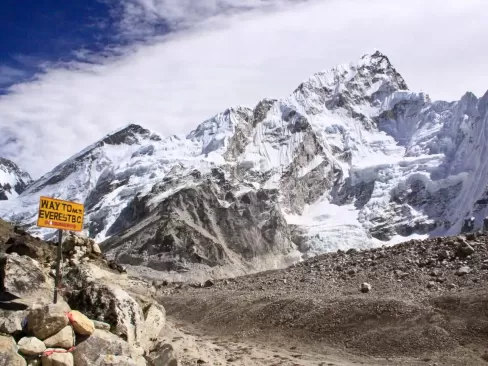
The Everest Budget Trek offers an incredible opportunity to explore the majestic Everest region without the high costs typically associated with trekking in Nepal. This budget-friendly trek allows adventurers to witness the breathtaking beauty of Mount Everest (8,848 meters), the world’s tallest peak, as well as other towering mountains such as Lhotse, Nuptse, and Makalu, all while experiencing the rich Sherpa culture. The trek takes you through the heart of the Khumbu Valley, offering spectacular views of snow-capped mountains, glaciers, and high-altitude landscapes, while staying within a budget-friendly framework. By staying in simple, cozy teahouses and focusing on local meals, Explore Holiday Treks ensures that trekkers can enjoy this iconic region without overspending.The Everest Budget Trek usually starts with a scenic flight from Kathmandu to Lukla, the gateway to the Everest region. From there, trekkers make their way to popular destinations such as Namche Bazaar, Tengboche, and Phakding, where they can enjoy panoramic views of Everest, Lhotse, and Ama Dablam. Along the route, trekkers will experience the Sherpa way of life, with visits to Buddhist monasteries, local markets, and a variety of traditional villages. Although the trek doesn’t reach the Everest Base Camp, it still provides a deeply rewarding experience, especially for those seeking a more economical way to explore this incredible region without missing out on its highlights.Why Trek With Explore Holiday TreksThere are literally hundreds of companies offering Everest treks. Here's why we're worth considering: 1. We Specialize in Budget Treks This isn't a side offering for us—budget treks are our main thing. We've done 200+ Everest Budget Treks since 2017. What this means:We know exactly which lodges offer best valueWe've negotiated good rates with teahouse ownersOur itineraries are optimized for acclimatization without extra costsWe don't try to upsell you to more expensive options2. Small Groups, Personal Attention Maximum 8 trekkers per group, usually 4-6. Solo trekkers pay slightly more ($950-1,000) but we still accommodate them. Why small groups matter at altitude: Guide can monitor everyone's health properlyMore flexibility with rest breaks and paceEasier to find accommodation (lodges fill up fast)Better cultural interactions 3. Experienced Sherpa and Local Guides All our Everest guides are from the Khumbu region or have 5+ years experience there. They're not just leading the trek—they're from these mountains. What our guides provide: Route knowledge and navigationAltitude sickness monitoring (pulse oximeter checks daily)Cultural and historical informationHelp with lodge negotiationsEmergency response if needed They also speak English well enough to have actual conversations, not just give instructions. 4. Proper Porter Treatment This is non-negotiable for us: Maximum 25kg per porter (not the 30-35kg some companies load)Proper gear provided (boots, jacket, sunglasses)Same lodges as clients (not separate cheap places)Insurance coverageFair wages above industry standard Some companies cut costs by exploiting porters. We don't. If that means we're $50-100 more expensive than the absolute cheapest option, so be it. 5. Safety Equipment and Backup Plans Every guide carries: First aid kit (comprehensive, not just band-aids)Pulse oximeter (measures blood oxygen saturation)Portable altitude chamber (Gamow bag—for emergencies)Communication device (satellite phone or radio) We have helicopter evacuation arrangements with multiple providers. Cost is on you (covered by travel insurance), but we handle coordination. Important: We've never had to use emergency evacuation on a budget trek (the altitudes are safer), but the systems are in place. 6. Flexible Start Dates We run trips year-round with departures every 2-3 days during peak season (March-May, October-November). Can't find a group for your dates? We'll organize a private trek or adjust the schedule. We're pretty flexible. Best times to go: October-November: Clear skies, stable weather, busy but not crowdedMarch-April: Rhododendrons blooming, warming temperatures, busierDecember-February: Very cold, fewer trekkers, crystal clear viewsJune-September: Monsoon season, not recommended (clouds, rain, leeches) 7. Pre-Trek Briefing and Support When you arrive in Kathmandu: We do a 1-hour briefing covering the entire itineraryCheck your gear (tell you if something's inadequate)Help arrange anything you forgot to bringAnswer all questions Gear rental available: Sleeping bagDown jacketTrekking polesDuffel bag We also arrange: Airport pickupKathmandu budget hotelLast-minute permits or documentation 8. What We're NOT We're not luxury. You're sleeping in teahouses with thin walls, squat toilets, and no heating. You're eating dal bhat multiple times per day. This is budget trekking. We're also not the absolute cheapest. If someone quotes $500-600 for Everest, ask serious questions about: Are flights really included?What's the guide's experience?How are porters treated?What happens in emergencies? Cheap can become expensive if things go wrong at altitude. 9. Post-Trek Support After the trek, we help with: Onward travel arrangementsKathmandu sightseeing recommendationsDealing with any issues or feedbackFuture trek planning (many clients come back for Annapurna or Manaslu) We're also responsive to messages—usually reply within 24 hours, even during trekking season when we're busyBooking ProcessContact us with preferred dates and group sizeWe send detailed itinerary and quotePay 25% deposit to secure spot (bank transfer or credit card)Pay remaining 75% in cash when you arrive in KathmanduBriefing session day before trek startsFly to Lukla and start trekking We need at least 2 weeks notice for permits and flight bookings, though we can sometimes accommodate last-minute bookings with rush fees.Final ThoughtsThe Everest Budget Trek won't give you the full "I stood at Everest Base Camp" bragging rights. But it will give you: Views of the world's highest mountainExperience of Sherpa culture and hospitalityChallenge of high-altitude trekking (up to 4,400m)Buddhist monasteries and spiritual experiencesStories and memories that last foreverAll for about half the cost of full EBC Is it easier than EBC? Yes. Is it less impressive? Honestly, not by much. You're still in the Everest region, still seeing incredible peaks, still challenging yourself. For budget travelers, people with limited time, or anyone who wants the Everest experience without the extreme altitude risks—this is the move. Ready to make it happen? Let's talk. Contact: 9779849816310 Email : [email protected] time: Usually within 24 hours Questions? Ask anything. Seriously, we'd rather answer 50 questions before booking than have surprises during the trek.Let's get you to the mountains.Top Blogs About Trekking in the Everest RegionUncover the best blogs about trekking in the Everest region, featuring expert advice, detailed itineraries, personal experiences, and essential tips for adventurers looking to explore the Himalayas.Top 5 Everest Trekking PackagesWhere is Mount Everest? Discover the World’s Highest PeakTop 9 Reasons to Go on Everest Base Camp TrekAccommodation During Everest Base Camp TrekShower and Laundry Facilities During the Everest Base Camp TrekElevation Facts for Everest Base Camp TrekkingPhysical Fitness Requirements for Everest Base Camp TrekThe Best Ways to Trek to Everest Base CampWhen is the Best Time to Hike to Everest Base Camp?Everest Base Camp Trek: Tips and FAQsWhy Sleeping at Everest Base Camp Is the Ultimate Trekking Experience ?Which is the Better Lake Trek in Nepal: Gokyo or Tilicho Lake Trek?Altitude Sickness on Nepal Treks: Symptoms, Treatment, and When to Descend (Complete Guide)Everest Base Camp Toilet Problem: The Environmental Crisis on the World's Highest Mountain

Ama Yangri Trek: Nepal's Hidden Treasure Near Kathmandu Picture this: you're standing at 3,630 meters, surrounded by a 360-degree panorama of Himalayan giants, and you got here in less than a week from Kathmandu. No crowds, no long flights to remote airstrips, just pure mountain magic. Welcome to the Ama Yangri Trek, one of Nepal's best-kept secrets that combines accessibility with authentic mountain experience. Located in the serene Helambu region, the Ama Yangri Trek offers something increasingly rare in Nepal's trekking world – genuine remoteness without extreme difficulty. While thousands flock to the Everest Base Camp Trek or Annapurna Base Camp Trek, this beautiful route remains relatively undiscovered, preserving its authentic character and cultural richness. Why Ama Yangri Deserves Your Attention The beauty of Ama Yangri lies in its perfect balance. It's close enough to Kathmandu for easy access yet remote enough to feel like a true adventure. The trek takes you through the heart of the Langtang region, passing through traditional Tamang and Sherpa villages where life continues much as it has for centuries. Unlike the commercialized lodges on more popular routes, here you'll stay in family-run teahouses where hosts remember your name and share butter tea from their own kitchens. What sets this trek apart from other short and easy treks in Nepal is the quality of mountain views relative to the effort required. From the summit of Ama Yangri Peak, your eyes sweep across an incredible panorama: the Langtang range dominates the north, Ganesh Himal stretches to the northwest, and on exceptionally clear days, you might even catch glimpses of distant Everest. The reward-to-effort ratio here rivals any trek in Nepal. The cultural dimension adds another layer of richness. The Helambu region has historically served as a bridge between Tibetan Buddhist highlands and the Hindu valleys below. This cultural crossroads created a unique blend of traditions, visible in everything from architecture to religious practices. Villages like Tarke Gyang and Sermathang showcase this heritage through ancient monasteries, traditional crafts, and festivals that have remained unchanged for generations. The Sacred Mountain: Understanding Ama Yangri's Significance The name "Ama Yangri" translates roughly to "Mother's Blessing Peak" in the local Tamang language, reflecting the mountain's sacred status among local communities. For centuries, this peak has been revered as a dwelling place of protective deities, and many locals make annual pilgrimages to its summit seeking blessings for their families and villages. Buddhist mythology intertwines deeply with the mountain's identity. According to local lore, the peak serves as a meditation site for mountain spirits who watch over the Helambu Valley. Prayer flags flutter constantly at the summit, placed by pilgrims and trekkers alike, their mantras carried on mountain winds to bless all beings. Small stone shrines dot the approach to the peak, each containing offerings of juniper branches, barley, and hand-written prayers. The spiritual significance extends beyond Buddhism. Hindu pilgrims also revere the peak, associating it with Himalayan manifestations of feminine divine energy. This religious plurality characterizes much of Nepal's mountain culture, where different faiths coexist harmoniously, often sharing sacred sites and festivals. Understanding this spiritual dimension transforms the trek from merely a physical challenge into a journey with deeper meaning. Historically, the Helambu region functioned as a vital trade corridor connecting Tibet with the Kathmandu Valley. Before modern roads, yak caravans laden with salt, wool, and Tibetan goods crossed these mountain passes, while traders from the valley brought rice, spices, and manufactured items northward. The villages along the Ama Yangri route served as rest stops for these caravans, and remnants of this trading heritage remain visible in village architecture and local traditions. What Makes the Ama Yangri Trek Unique In an era where popular trekking routes can feel crowded and commercialized, Ama Yangri offers something increasingly precious: solitude. On many days, you might encounter only a handful of other trekkers, creating opportunities for genuine connection with the landscape and local communities. This solitude doesn't mean isolation – villages along the route provide comfortable accommodation and warm hospitality – but rather a peaceful atmosphere rarely found on Nepal's main trekking highways. The trek's accessibility from Kathmandu represents another significant advantage. A few hours' drive brings you to the trailhead, eliminating the need for domestic flights or multi-day journeys to reach remote starting points. This proximity makes Ama Yangri ideal for travelers with limited time who still want authentic mountain experiences. You can complete the entire trek in 4-7 days depending on your pace and route variations, making it manageable even for those with just a week of vacation. The landscape diversity keeps the trek visually engaging throughout its length. You'll begin in subtropical forests where bamboo groves rustle in the breeze and rhododendrons create natural canopies. As elevation increases, the vegetation transitions to mixed conifer forests of blue pine and hemlock. Higher still, you'll reach alpine meadows where wildflowers bloom during warmer months and hardy shrubs cling to rocky slopes. This ecological variety creates constantly changing scenery that prevents the monotony sometimes experienced on longer treks. Wildlife enthusiasts will find plenty to observe along the route. The forests harbor various species of pheasants, including the spectacular Danphe (Himalayan Monal), Nepal's national bird. Red pandas inhabit these forests, though their shy nature and excellent camouflage make sightings rare. Bird watchers might spot numerous species of laughingthrushes, sunbirds, and seasonal migrants. Patient observers often see monkeys, musk deer, and occasionally even the elusive Himalayan black bear, though from a safe distance. The Tamang and Sherpa Cultural Experience The cultural encounters along the Ama Yangri Trek rank among its most memorable aspects. The Tamang people, who populate most villages in the Helambu region, trace their origins to Tibetan ancestors who settled these valleys centuries ago. Their language, customs, and religious practices reflect this Tibetan heritage while incorporating distinctive local characteristics developed over generations of mountain life. Village architecture tells stories of adaptation to harsh mountain environments. Traditional Tamang houses feature stone foundations and walls made from locally quarried rock, with wooden upper stories and distinctive slate roofs. These structures demonstrate remarkable durability, with some houses standing for over a century. The ground floor typically houses livestock during winter, providing warmth to the living spaces above through a simple but effective heating system. Intricately carved wooden windows and doorways showcase traditional craftsmanship that's increasingly rare in modernizing Nepal. Religious life centers around Buddhist monasteries and shrines that serve as community gathering places. The monasteries house ancient statues, thangka paintings, and religious texts preserved through generations. Monks and nuns maintain these sacred spaces, conducting daily prayers and ceremonies that create a rhythmic spiritual backdrop to village life. During major festivals, entire communities gather for elaborate ceremonies featuring masked dances, ritual music, and communal feasts that strengthen social bonds. Daily life in these villages follows patterns established over centuries. Women tend kitchen gardens growing vegetables and maintaining small livestock, while men work in fields terraced into seemingly impossible slopes. Children attend village schools in the mornings, then help with household chores and animal care in afternoons. Despite modern influences like solar panels and mobile phones, traditional values of community cooperation and respect for elders remain strong. The Sherpa communities in the region, while related to the famous Everest Sherpas, have developed their own distinct cultural identity. These communities traditionally focused on farming and animal husbandry rather than high-altitude mountaineering, though they share the Sherpas' Buddhist faith and Tibetan linguistic roots. Their hospitality toward trekkers is legendary, with families welcoming guests into their homes and sharing meals prepared according to traditional recipes passed down through generations. Planning Your Ama Yangri Adventure: Practical Considerations Successful trekking requires more than just enthusiasm; proper planning ensures both safety and enjoyment. The Ama Yangri Trek, while considered moderate in difficulty, still demands adequate physical preparation and proper equipment. Understanding what to expect helps set realistic expectations and prevents disappointment or dangerous situations. Physical fitness requirements for Ama Yangri fall somewhere between easy valley walks and challenging high-altitude expeditions. You should be comfortable walking 4-6 hours daily over varied terrain, including both ascents and descents. The highest point at 3,630 meters is low enough that altitude sickness rarely causes serious problems, though some people experience mild symptoms like headaches or sleep disturbances. Regular cardiovascular exercise in the months before your trek builds the endurance needed for sustained daily hiking. The trek's technical difficulty remains minimal – no specialized mountaineering skills are required. The trails are well-established paths used by local villagers for centuries. However, some sections involve steep ascents and descents on narrow paths where good balance and steady footing become important. Trekking poles provide valuable stability and reduce stress on knees during descents. Most people with reasonable fitness complete the trek comfortably, though personal pace varies significantly. Equipment needs for Ama Yangri are straightforward but essential. Quality hiking boots with good ankle support and broken-in comfort prevent blisters and provide necessary traction on varied terrain. A sleeping bag rated for temperatures around -10°C ensures warm nights in unheated teahouses. Layered clothing allows adjustment to changing temperatures – you might shed layers during uphill climbs under afternoon sun, then bundle up during evening chill. Rain gear protects against sudden mountain showers common during transition seasons. Permits required for the trek include the Langtang National Park entry permit and the TIMS (Trekkers' Information Management System) card. These can be obtained in Kathmandu through trekking agencies or directly from Nepal Tourism Board offices. The permits help fund park conservation efforts and provide emergency contact information for rescue services if needed. Carrying passport photos and photocopies of your passport simplifies the permit application process. Best Time to Trek: Seasonal Considerations Choosing the right season significantly impacts your Ama Yangri experience. Nepal's distinct seasonal patterns create very different conditions throughout the year, each with advantages and challenges. Understanding these variations helps match the trek to your preferences and schedule. Autumn months from September through November offer what many consider optimal trekking conditions. The monsoon rains have cleared, leaving crisp air with exceptional visibility. Mountain views appear sharp and detailed, with snow-covered peaks standing out dramatically against deep blue skies. Temperatures remain comfortable during the day, though nights can be chilly, especially at higher elevations. This period coincides with Nepal's major festivals, including Dashain and Tihar, adding cultural richness to village visits. However, autumn's popularity means slightly more trekkers on the trails compared to other seasons. Spring season from March through May brings another excellent trekking window. The landscape awakens from winter dormancy, with rhododendron forests exploding into bloom. These magnificent displays create tunnels of crimson, pink, and white flowers that rank among Nepal's most beautiful natural spectacles. Spring also features stable weather, though afternoon clouds sometimes build up, occasionally obscuring mountain views. Temperatures warm progressively as the season advances, making late spring particularly comfortable for trekking. Bird activity peaks during spring breeding season, delighting wildlife observers. Winter months from December through February offer their own unique appeal, particularly for those seeking solitude. Most trekkers avoid winter, creating opportunities for virtually private trails and intimate village experiences. The air reaches its clearest during winter, providing the sharpest mountain views of the year. However, cold temperatures, especially at night and at higher elevations, require appropriate gear and tolerance for chilly conditions. Some lodges at higher elevations close during deep winter, potentially limiting route options. Snow can make certain trail sections more challenging, though the main Ama Yangri route typically remains passable. Summer monsoon from June through August presents the most challenging trekking conditions. Heavy rains make trails muddy and slippery, leeches become active in forested areas, and mountain views often remain obscured by clouds. However, adventurous trekkers who embrace wet conditions find rewards in lush green landscapes, spectacular waterfalls, and virtually empty trails. The monsoon transforms the mountains into verdant gardens where wildflowers bloom profusely and wildlife activity increases. Cultural experiences become more authentic as villagers focus on agricultural work rather than tourism. Connecting Ama Yangri with Other Treks The Ama Yangri Trek's location within the Langtang region creates opportunities for combining it with other spectacular routes. This flexibility allows you to craft extended adventures that showcase different aspects of Nepal's mountain beauty. Understanding these connections helps maximize your time in the Himalayas. The Langtang Valley Trek represents the most natural extension of the Ama Yangri experience. After completing Ama Yangri, you can continue to the dramatic Langtang Valley, where massive peaks loom directly overhead and glaciers descend to surprisingly low elevations. The combined route creates a comprehensive exploration of the Langtang region, showcasing both its cultural richness in Helambu and its raw mountain grandeur in the upper valley. This combination typically requires 12-14 days total. The Langtang Gosainkunda Trek offers another excellent combination possibility. After Ama Yangri, trek to the sacred lakes of Gosainkunda, where turquoise waters sit at 4,380 meters surrounded by snow-covered ridges. Hindu pilgrims revere these lakes, particularly during the August full moon festival when thousands make the journey for ritual bathing. Combining Ama Yangri with Gosainkunda creates a journey rich in both natural beauty and spiritual significance. For those interested in cultural immersion, the Tamang Heritage Trek complements Ama Yangri perfectly. This route focuses specifically on Tamang culture, passing through remote villages where traditional lifestyles remain remarkably intact. The combined journey provides deep insights into mountain cultures while showcasing diverse landscapes from subtropical valleys to high alpine zones. Trekkers with more time might consider combining Ama Yangri with routes in the Annapurna region. After completing Ama Yangri, travel to Pokhara and undertake the Mardi Himal Trek or Ghorepani Poon Hill Trek. This approach showcases different mountain regions, comparing and contrasting the landscapes and cultures of Langtang and Annapurna areas. Daily Life on the Trek: What to Expect Understanding the daily rhythm of trekking helps set appropriate expectations and enhances enjoyment. Life on the Ama Yangri Trek follows patterns that quickly become comfortable routines, creating a simple yet satisfying existence focused on walking, eating, sleeping, and absorbing mountain beauty. Mornings typically begin early, often with sunrise painting the mountains in golden hues visible from your teahouse window. After washing up with hot water provided by your hosts, you'll gather in the dining area for breakfast. Dal bhat remains available even at breakfast, though most lodges also offer porridge, pancakes, or eggs prepared various ways. Strong milk tea or instant coffee fuels the morning preparation. Packing your daypack, ensuring water bottles are filled, and organizing layers for the day's varied temperatures creates a meditative start to each day. The trekking day usually begins around 7-8 AM, though flexible schedules allow for personal preferences. Walking in cooler morning temperatures provides comfortable conditions, and morning light often offers the best mountain visibility before afternoon clouds develop. The pace remains relaxed, with frequent short breaks to catch breath, admire views, or photograph interesting scenes. Guides adjust pace to the group's ability, ensuring no one feels rushed or left behind. Lunch stops typically occur in villages along the route, providing opportunities to rest and refuel. Teahouses prepare simple but satisfying meals – noodle soups, fried rice, momos (dumplings), or dal bhat. Afternoon walking continues for a few hours before reaching the evening's destination, usually arriving by 3-4 PM. This schedule leaves afternoon hours for rest, exploration of the village, or simply sitting in the sun watching mountain life unfold. Evenings in teahouses create special social atmospheres. Trekkers gather in dining halls around stoves that provide warmth and serve as social focal points. Conversations flow easily among travelers from diverse backgrounds, united by shared mountain experiences. Lodge owners often join evening gatherings, sharing stories about village life and answering questions about local culture. Simple dinners – frequently dal bhat or variations like noodle dishes and soups – taste delicious after active days. Evenings conclude early, with most people in sleeping bags by 8-9 PM, ready for the next day's adventure. Health and Safety: Staying Well on the Trail While the Ama Yangri Trek is generally safe, understanding potential health issues and safety considerations ensures the best possible experience. Awareness and prevention address most problems before they become serious, allowing focus on enjoyment rather than worry. Altitude effects on the Ama Yangri Trek remain relatively mild compared to higher treks like Everest Base Camp or Annapurna Circuit. The maximum elevation of 3,630 meters sits below the threshold where acute mountain sickness becomes common. However, some people experience mild symptoms including headaches, reduced appetite, or sleep disturbances. Ascending gradually, staying well-hydrated, and avoiding alcohol help minimize these effects. If symptoms develop, pausing for acclimatization or descending slightly typically resolves issues quickly. Gastrointestinal problems rank as the most common health complaint for trekkers in Nepal. The combination of different water, food, and bacteria exposure can upset even hardy stomachs. Preventive measures include drinking only treated water, eating at busy lodges where food turnover is faster, avoiding raw vegetables, and maintaining good hand hygiene. Carrying medications for diarrhea allows quick treatment if problems develop, minimizing disruption to your trek. Physical injuries, particularly to ankles and knees, pose the most likely risks on mountain trails. Steep descents stress knees, while uneven terrain creates opportunities for ankle twists. Proper footwear with good ankle support provides crucial protection. Trekking poles distribute weight and improve stability, particularly on descents. Maintaining focus on the trail rather than becoming distracted by views or conversations prevents many falls. If injury occurs, experienced guides can provide first aid and, if necessary, arrange evacuation. Sun exposure increases with altitude due to thinner atmosphere and reflection from snow or light-colored surfaces. Even on seemingly mild days, UV radiation can cause serious sunburn. Wearing sunscreen, sunglasses, and brimmed hats provides essential protection. Lip balm with SPF prevents painful chapped lips common in dry mountain air. Reapplying sunscreen throughout the day maintains protection during long hours outdoors. Travel insurance that specifically covers trekking activities is essential. Policies should include emergency evacuation coverage, as helicopter rescue from remote areas is expensive. Medical coverage for treatment in Nepal and medical evacuation to your home country if necessary provides comprehensive protection. Many insurance companies exclude trekking above certain elevations, so verify that your policy covers the Ama Yangri Trek's maximum elevation. Accommodations and Food: Mountain Hospitality The teahouse system along the Ama Yangri route represents one of trekking's great conveniences, eliminating the need for camping equipment and allowing focus on the experience rather than logistics. These family-run lodges provide basic but comfortable accommodations that enhance rather than detract from the mountain experience. Rooms in Ama Yangri teahouses typically feature two single beds with thin mattresses, covered by blankets or quilts. Bringing a sleeping bag adds warmth and hygiene comfort, though some lodges rent sleeping bags if you prefer not to carry your own. Rooms remain unheated except in the dining area, so expect chilly nights that require warm sleeping bags and thermal clothing. Shared bathrooms with squat toilets are standard, with more basic facilities at higher elevations. Some lodges offer hot showers heated by solar panels or wood-burning systems, though availability varies seasonally. The dining experience forms the social heart of teahouse life. Large communal dining halls feature benches around a central stove that provides warmth during cold evenings. Meals are prepared fresh to order, though during busy times, patience is required as small kitchens serve multiple guests. The food, while not gourmet, provides necessary fuel and often surprises with its tastiness given the remote setting and limited ingredients. Dal bhat remains the foundation of mountain cuisine – a plate of rice, lentil soup, vegetable curry, and often pickles or chutney. This meal is typically offered with unlimited refills, making it excellent value and perfect fuel for trekking. The combination of carbohydrates, protein, and vegetables provides balanced nutrition. Many trekkers become dal bhat converts, appreciating its satisfaction and energy-sustaining qualities. Beyond dal bhat, lodges prepare various dishes including fried rice, noodle soups, momos (Tibetan-style dumplings), and Western-style options like pasta or pizza. Quality varies between lodges, but most maintain good hygiene standards and prepare food with care. Breakfast options typically include porridge, pancakes, eggs prepared various ways, and toast with jam or peanut butter. Tea and coffee are available throughout the day, providing warming beverages during cold mountain weather. The hospitality extended by teahouse families transforms accommodation from merely functional to genuinely welcoming. Owners often remember repeat visitors, ask about your journey, and share local knowledge. Children help with small tasks while observing guests with curious interest. These interactions create connections that transform the trek from a series of accommodations into a journey through communities where you're welcomed as temporary members. Photography Opportunities: Capturing Mountain Magic The Ama Yangri Trek offers exceptional photography opportunities for both serious photographers and casual smartphone snappers. Understanding the best times, locations, and subjects helps capture images that preserve memories and share Nepal's beauty with others. Mountain photography reaches its peak during golden hour lighting around sunrise and sunset. The summit of Ama Yangri provides the premier location for these conditions, with 360-degree views of multiple mountain ranges. Sunrise from the summit is particularly magical as first light touches the highest peaks, creating a progression of illumination across the panorama. The warm light contrasts beautifully with cool blue shadows, creating dramatic and colorful images. Village scenes provide rich cultural photography material. Daily life activities – farmers working terraced fields, women carrying water from village taps, children walking to school, craftspeople at their work – all offer authentic glimpses of mountain existence. Always request permission before photographing people, approaching respectfully and being prepared to accept if someone declines. Many locals happily pose for portraits, especially if you show them the image and offer to send copies later. The forests along the Ama Yangri route create opportunities for nature photography. During spring, rhododendron blooms provide spectacular subjects, both as close-up flower portraits and as colorful forest landscapes. Light filtering through forest canopies creates dramatic effects, with sun rays visible in mist or dust. Wildlife photography requires patience and luck, though birds are relatively common subjects for those carrying appropriate lenses. Weather conditions add atmospheric elements to mountain photography. Clouds moving through valleys create dynamic scenes as visibility constantly changes. Morning mist rising from forests produces mysterious and moody images. After-storm clearing often provides the most dramatic lighting and sharp visibility. While consistently clear weather seems ideal, varied conditions actually create more interesting and diverse photographic opportunities. Technical considerations for mountain photography include protecting equipment from cold, which drains batteries quickly. Carrying spare batteries close to your body keeps them warm and functional. Dust and moisture can damage sensitive electronics, so protective cases or bags are worthwhile investments. Memory cards with adequate capacity prevent the disappointment of running out of space during spectacular scenes. Simple but sturdy tripods enable long exposures and sharp images in low light conditions. Why Choose Professional Guidance While the Ama Yangri Trek can be completed independently, trekking with an experienced guide or organized group offers significant advantages. Professional guidance enhances safety, enriches cultural understanding, and handles logistics, allowing you to focus on enjoyment rather than navigation and problem-solving. Local guides bring invaluable knowledge about the route, weather patterns, and trail conditions. They navigate efficiently, choosing the best paths and timing to avoid crowds or poor conditions. Their weather-reading skills, developed through years of mountain experience, help make smart decisions about when to push forward and when to wait out storms. In emergencies, guides coordinate rescues and medical assistance, potentially making crucial differences in outcomes. Cultural interpretation represents another significant benefit of guided trekking. Guides explain the significance of monasteries, festivals, and customs encountered along the way. They facilitate meaningful interactions with local people, often translating conversations and helping visitors understand cultural contexts. These insights transform observations from merely interesting to deeply meaningful, creating richer experiences and lasting memories. The logistical support provided by organized treks eliminates countless small decisions and tasks. Guides arrange accommodations, order meals, and handle any issues that arise with lodges. They carry first aid equipment and know how to use it effectively. Porters, if included in your trek package, carry heavy loads, allowing you to walk with light daypacks and more energy for enjoying surroundings. This support network creates the freedom to simply experience the trek rather than constantly managing details. For solo travelers, guided treks provide companionship and safety in numbers. While trekking alone offers certain freedoms, sharing experiences with others often enhances enjoyment. Group dynamics create lasting friendships with fellow trekkers from around the world. The support network provides comfort during challenging moments and amplifies joy during spectacular ones. Sustainable Trekking: Protecting What We Love As visitors to Nepal's mountains, trekkers bear responsibility for minimizing environmental impact and contributing positively to local communities. Sustainable practices ensure that future generations can enjoy the same pristine landscapes and authentic cultures that make trekking so rewarding. Waste management forms the foundation of environmental responsibility. The "pack it in, pack it out" principle applies to all trash, including seemingly harmless items like fruit peels that decompose slowly at high altitudes. Using reusable water bottles and treating water with purification tablets or filters dramatically reduces plastic waste. Many lodges now provide boiled water for refilling bottles, making this approach both practical and economical. Respecting local cultures strengthens relationships and preserves traditions. Dressing modestly, particularly when visiting monasteries or homes, shows consideration for local values. Learning basic Nepali phrases demonstrates respect and usually delights villagers. Understanding that different doesn't mean wrong – that local ways of doing things have their own logic and value – prevents the cultural superiority that sometimes plagues tourism. Economic impacts of tourism can benefit or harm communities depending on how visitors spend money. Staying in locally-owned lodges ensures income directly benefits mountain families. Purchasing handicrafts from artisans supports traditional skills and provides income alternatives to environmentally damaging activities. Tipping guides and porters fairly recognizes their hard work and contributes to local economies. Environmental sensitivity extends beyond trash management to include respectful behavior toward wildlife and plants. Staying on established trails prevents erosion and habitat damage. Avoiding loud noises reduces disturbance to wildlife. Not picking flowers preserves them for others to enjoy and maintains ecosystem balance. These simple considerations, practiced by all trekkers, protect the mountain environments we come to experience. The Ama Yangri Experience: Final Thoughts The Ama Yangri Trek represents something increasingly precious in our crowded world: an accessible adventure that delivers genuine mountain experiences without extreme challenges or costs. Its proximity to Kathmandu, moderate difficulty, and authentic cultural encounters create an ideal combination for first-time trekkers in Nepal and experienced mountain travelers seeking something different. What makes Ama Yangri special isn't any single spectacular feature but rather the harmonious combination of elements that create a satisfying whole. The summit views rival those from far more famous peaks. The cultural encounters provide authentic insights into mountain life rarely found on commercial trekking routes. The forests and landscapes showcase Nepal's ecological diversity. The comfortable duration makes the trek achievable for people with limited vacation time. For those planning Nepal adventures, Ama Yangri deserves serious consideration. It serves excellently as an introduction to Himalayan trekking, building confidence and skills for future, more challenging routes. For experienced trekkers, it offers peaceful alternatives to crowded trails while delivering the mountain beauty and cultural richness that make trekking in Nepal so compelling. The memories created on Ama Yangri – sunrise from the summit, conversations with village families, the satisfaction of reaching the peak, the simple pleasures of dal bhat after a long day – these remain long after you return home. In our digital, hurried world, time spent walking mountain trails, sleeping in simple lodges, and connecting with landscapes and cultures different from our own provides perspective and renewal that enriches the rest of life. So whether you're planning your first trek in Nepal or your fiftieth, whether you have a week or a month, whether you seek crowds and infrastructure or solitude and authenticity, consider the Ama Yangri Trek. This hidden treasure near Kathmandu awaits those ready to discover its mountains, meet its people, and experience the magic that makes Nepal one of the world's great trekking destinations.

Kanchenjunga Circuit Trek: Nepal's Best-Kept Secret in the Eastern HimalayasHere's something most trekkers don't know—while everyone's fighting for permits to Everest and crowding the Annapurna trails, one of Nepal's most spectacular treks stays remarkably empty. The Kanchenjunga Circuit Trek wraps around the third highest mountain on Earth, and you'll spend weeks barely seeing another soul.Located in the far eastern corner of Nepal, practically touching the Sikkim and Tibet borders, Kanchenjunga (8,586m) rises like a massive white fortress. The locals call it "The Five Treasures of Snow" because of its five distinct peaks. And unlike Everest, which you view from a distance, this trek takes you right into the heart of the massif—close enough to feel small, far enough to stay safe.What makes the Kanchenjunga Circuit Trek different from other big mountain routes? Complete remoteness. We're talking about villages that see maybe a dozen foreign visitors per month. Trails that wind through landscapes so diverse you'll wonder if you're still in the same country. And an experience that feels more like exploration than tourism.But let's be clear upfront—this isn't a beginner trek. Not even close.Why Kanchenjunga Circuit Trek Stays Under the RadarGood question, right? You'd think the third highest mountain would attract massive crowds. But several factors keep this trek beautifully uncrowded.First, it's far. Really far. Getting to the trailhead requires a long flight to Taplejung or a multi-day jeep ride that'll rattle your bones. There's no easy access, which immediately filters out casual trekkers.Second, it's long. Most Kanchenjunga Circuit Trek itineraries run 18-22 days of actual trekking. That's three weeks minimum when you include travel days. Not everyone has that kind of vacation time.Third, it's hard. Physically demanding terrain, high passes, long days at altitude. You need proper fitness and previous high-altitude experience. This isn't your first Himalayan trek—it's your graduation ceremony.But these "barriers" are actually gifts. They've preserved the Kanchenjunga region in a way that more accessible areas have lost. No wifi cafes every few hours. No helicopter traffic. No crowds of trekkers blocking photo opportunities. Just you, the mountains, and communities living life much as they have for generations.The Geography: From Jungle to GlacierThe Kanchenjunga Circuit Trek's landscape variety is honestly mind-blowing. You start in subtropical forests at around 1,500 meters, where the humidity makes you sweat through your shirt by mid-morning. Rhododendron trees tower overhead. Orchids grow on moss-covered rocks. You hear birds and insects you can't identify.Then you climb. And climb. The vegetation gradually shifts from dense forest to alpine meadows dotted with wildflowers. Stone cairns start appearing. The air gets noticeably thinner.By the time you reach the higher camps near Kanchenjunga Base Camp (around 5,100m), you're in a completely different world. Barren rock, glacial moraines, ice fields stretching toward massive peaks. The only sounds are your breathing and maybe prayer flags snapping in the wind.This transition—from jungle to glacier—happens over days of walking, which makes it feel earned. You're not flying to high altitude and hoping your body adjusts. You're walking through every ecological zone, watching the world change around you.The Route: North Base Camp and South Base CampThe Kanchenjunga Circuit Trek actually visits two base camps, which most other treks don't do. You get perspectives from both the north and south sides of the massif.North Base Camp (Pangpema)Pangpema Base Camp sits at around 5,100 meters on the northern approach. The trek here takes you through the Ghunsa Valley, one of the most beautiful valleys I've ever heard trekkers describe. The valley floor follows the Ghunsa Khola river, with villages scattered along the route.Ghunsa village itself is a substantial settlement with lodges, a monastery, and locals who've been hosting trekkers long enough to perfect their hospitality. This is where you'll take an acclimatization day—essential before pushing higher.From Ghunsa, you continue to Khambachen and then Lhonak, each progressively smaller and more remote. By the time you reach Lhonak, you're truly in the high mountains. The landscape is stark, beautiful, and slightly intimidating.The final push to Pangpema Base Camp rewards you with face-to-face views of Kanchenjunga's north face. The mountain looms so close and massive that your brain struggles to process the scale. You'll also see Wedge Peak, Tent Peak, and several other giants that would be famous if they weren't overshadowed by their enormous neighbor.South Base Camp (Oktang)The southern approach via Oktang (also called Yalung Base Camp) offers completely different perspectives. This side of the circuit takes you through the Yalung Valley, which is less visited than Ghunsa but equally spectacular.Villages here feel even more remote. Tseram and Ramche serve as your high camps before reaching Oktang at around 4,730 meters. The south face of Kanchenjunga from Oktang is breathtaking—a massive wall of ice and rock that seems to touch the sky.What's special about seeing both base camps is how different the mountain looks from each angle. It's like meeting two different giants that happen to be connected. The north face is more dramatic and sheer. The south face is broader and shows all five peaks clearly. Together, they give you a complete picture of why Kanchenjunga is considered one of the world's most beautiful mountains.The Passes: Where Legs Turn to JellyLet's talk about the challenging parts. The Kanchenjunga Circuit Trek includes several high passes that'll test your fitness and determination.Sele La Pass (4,290m) and Sinion La Pass (4,660m) are the main ones you'll cross when connecting the north and south valleys. Neither is technically difficult—no ropes or climbing gear needed—but both are long, steep grinds that feel endless when you're sucking thin air.Sele La in particular has a reputation. It's not the highest pass in the Himalayas by any measure, but the approach is relentlessly uphill through forest that provides no views to distract you from the burning in your thighs. When you finally reach the top, though, the prayer flags and mountain panoramas make every step worth it.The descents are equally challenging. Your knees will remind you that going down is often harder than going up. Trekking poles aren't optional here—they're essential equipment that'll save your joints and prevent face-plants on steep, rocky trails.Wildlife and Flora: More Than Just MountainsOne aspect of the Kanchenjunga Circuit Trek that surprises people is the incredible biodiversity. The Kanchenjunga Conservation Area protects some of the richest ecosystems in the Himalayas.In the lower forests, you might spot red pandas if you're incredibly lucky. They're shy and rare, but they live in these rhododendron forests. More commonly, you'll see Himalayan tahr (a goat-antelope), various pheasant species, and countless birds including the colorful danphe (Himalayan monal), Nepal's national bird.The flora is extraordinary, especially if you trek in spring (March-May). Rhododendrons bloom in explosions of red, pink, and white. Magnolias add their own massive flowers. Orchids grow in wild profusion. Even if you're not a plant person, the visual impact of these blooming forests is stunning.Higher up, you'll see blue sheep on distant ridges and maybe even catch glimpses of Himalayan griffons soaring on thermal currents. The region is also home to snow leopards, though spotting one is lottery-level luck. Just knowing they're out there, watching from rocky hideouts, adds an element of wildness to the trek.Cultural Immersion: Limbu, Sherpa, and Tibetan CommunitiesThe Kanchenjunga Circuit Trek isn't just mountains and scenery. The cultural experience rivals the natural beauty.The lower regions are home to Limbu people, one of Nepal's indigenous groups with their own language, traditions, and agricultural practices. They're warm, curious about foreigners, and often invite trekkers to try their local brew—tongba or raksi. (Pro tip: accepting is good manners, but pace yourself—that stuff is strong.)Higher up, you'll encounter Sherpa and Tibetan Buddhist communities. The villages of Ghunsa and surrounding areas follow Tibetan Buddhism closely, with monasteries, chortens, mani walls, and prayer flags everywhere you look. The spiritual atmosphere is palpable.Visiting these communities provides perspective on high-altitude life. These aren't tourist attractions—they're real villages where people farm barley on impossibly steep slopes, herd yaks, and maintain centuries-old traditions. Kids still play traditional games. Elders spin prayer wheels while chatting with neighbors. Life moves at mountain pace.If your timing aligns with local festivals, you're in for a treat. Traditional dances, mask ceremonies, and celebrations that have been performed for generations. These aren't staged for tourists—you just happen to be there when the community gathers.Kanchenjunga Circuit Trek Difficulty: Let's Be HonestI'm not going to sugarcoat this—the Kanchenjunga Circuit Trek is hard. Genuinely challenging. You need to understand what you're signing up for.Physical demands: You're looking at 6-8 hours of trekking per day for 18-22 consecutive days. That's not 6-8 easy hours on flat trails. That's climbing steep grades, descending rocky paths, crossing rivers, and navigating uneven terrain. Your legs will hurt. Your feet will develop blisters despite good boots. Your shoulders will ache from your pack.Altitude: You'll spend multiple nights above 3,000 meters and reach altitudes above 5,000 meters at the base camps. Altitude sickness is a real risk. Symptoms can hit even experienced trekkers—headaches, nausea, fatigue, difficulty sleeping. Proper acclimatization is crucial, which is why the itinerary includes rest days at strategic points.Remote factor: This isn't the Annapurna Circuit Trek or Everest Base Camp Trek where rescue helicopters can reach you in hours. Help is far away. If something goes seriously wrong, evacuation is complicated and expensive. This reality demands that you take safety seriously—proper preparation, travel insurance, listening to your body.Mental challenge: Three weeks of trekking tests you psychologically. You'll have tough days where you question why you're doing this. Where your muscles scream and your mind says "enough." Pushing through requires mental toughness and genuine motivation.Who should attempt this trek?You should have:Previous multi-day trekking experience (ideally 2-3 treks of 7+ days)Experience at altitude (at least one trek to 4,000+ meters)Good general fitness (can comfortably walk 6-8 hours with a backpack)Mental resilience for discomfort and uncertaintyFlexibility with schedules (weather can force delays)If your most challenging outdoor experience is day hikes in local mountains, this isn't your next step. Build up gradually. Do the Annapurna Base Camp Trek or Langtang Valley Trek first. Learn how your body handles altitude and multi-day effort. Then come to Kanchenjunga.Best Time for Kanchenjunga Circuit TrekTiming matters enormously for this trek. The remote location and high passes make weather conditions critical.Spring (March to May) - Prime SeasonSpring is when most trekkers visit. March can still be cold at high altitude, but by April and May, conditions are ideal. The famous rhododendron forests bloom spectacularly—imagine hillsides covered in red, pink, and white flowers. It's gorgeous.Temperatures are manageable. Days in the lower valleys can be warm (15-20°C), while higher camps remain cold but not brutal. Clear skies are common, offering excellent mountain views and safe pass crossings.The downside? This is peak season, meaning you'll encounter more trekkers. Though "crowded" on the Kanchenjunga Circuit means you might see 5-10 other groups rather than complete solitude. It's still far less busy than popular treks.Autumn (September to November) - Also ExcellentAfter monsoon clears in September, autumn brings the clearest skies of the year. October especially offers stunning visibility—those post-monsoon days where mountains seem close enough to touch.Temperatures in autumn are comfortable for trekking. September retains some monsoon warmth. October is perfect. November gets progressively colder but remains manageable with proper gear.Culturally, autumn coincides with festival season in Nepal. You're more likely to witness local celebrations during this period, adding another dimension to the trek.Winter (December to February) - For Hardcore OnlyWinter Kanchenjunga Circuit trekking is possible but seriously challenging. Heavy snowfall can close passes entirely. Temperatures plummet to -20°C or lower at high camps. Most lodges in the upper regions close as locals migrate to lower elevations for winter.Only attempt winter trekking if you have:Extensive winter mountaineering experienceProper cold-weather gear (4-season sleeping bag, down suit, etc.)Flexible schedule (weather delays are common)High tolerance for sufferingThe reward for winter hardship? Total solitude. Pristine snow. Crystal-clear skies. And bragging rights for completing one of Nepal's toughest treks in its hardest season.Monsoon (June to August) - Generally AvoidMonsoon makes the Kanchenjunga Circuit Trek miserable. Heavy rain turns trails into mudslides. Leeches infest the lower forests. Rivers swell and become dangerous to cross. Clouds obscure mountain views. The risk of landslides increases.Some hardcore trekkers still go during monsoon for the extreme solitude and dramatically lower prices. But for most people, the negatives outweigh any benefits. Choose a different season.What You'll Eat: Fuel for the JourneyFood on the Kanchenjunga Circuit Trek is simple, hearty, and designed to power you through long trekking days.In the lower villages, lodge menus offer variety: dal bhat (rice and lentils), momos (dumplings), fried rice, noodle soups, Tibetan bread, pancakes, eggs. The food is fresh because villages have regular supplies.Higher up, menus shrink. Dal bhat becomes the staple because it's efficient—carbs for energy, protein from lentils, vegetables for nutrients. Lodges serve it in unlimited quantities ("dal bhat power, 24 hour" is a common trekking joke). You'll eat it once or twice daily and learn to love it.Other high-altitude options include potato dishes, noodle soups, and Tibetan bread. Don't expect gourmet meals. Expect warm, filling food that keeps you moving.Bring supplemental snacks from Kathmandu: energy bars, chocolate, nuts, dried fruit. When you're tired and altitude kills your appetite, familiar comfort food helps. Just pack out all wrappers—leave no trace is crucial in these pristine areas.Accommodation: Managing ExpectationsLodges on the Kanchenjunga Circuit Trek range from decent to extremely basic depending on location.Lower villages like Taplejung, Mitlung, and Chiruwa have standard trekking lodges. Private or semi-private rooms. Foam mattresses. Communal dining areas. Shared bathrooms with (sometimes) hot water for a fee. It's comfortable enough.Mid-altitude villages like Ghunsa offer similar facilities, though hot water becomes less reliable and electricity comes from solar panels with limited hours.Upper camps near the base camps are rustic. We're talking:Small rooms with thin mattressesBasic blankets (bring a warm sleeping bag)Shared pit toiletsNo showers (wet wipes become your friend)Minimal electricityCommunal dining rooms heated by yak-dung stovesIs it uncomfortable? Compared to home, absolutely. But you have shelter, hot meals, and company. That's luxury when you're at 4,500 meters surrounded by glaciers.One important note: lodges in this region are family-run businesses, not commercial hotels. The owners are opening their homes to you. Treat them and their property with respect. Follow their rules about shoes inside, be patient with service (they're cooking for everyone over wood fires), and be generous with tips at the end.Safety and Health ConsiderationsThe remoteness of the Kanchenjunga Circuit Trek demands serious attention to safety.Altitude sickness prevention:Follow the itinerary's acclimatization schedule religiouslyAscend slowly (don't skip rest days to finish faster)Stay hydrated (3-4 liters daily minimum)Recognize symptoms early (headache, nausea, dizziness)Descend immediately if symptoms worsenMedical preparedness:Bring a comprehensive first aid kitInclude altitude sickness medication (discuss Diamox with your doctor)Pack extra prescription medications (no pharmacies in the mountains)Know basic first aid and emergency protocolsCommunication challenges:Phone signal is nonexistent in most areasSatellite phones are recommended for emergenciesYour guide has communication devicesInform family of your itinerary and expected returnInsurance is NON-NEGOTIABLE: You absolutely must have travel insurance covering:Helicopter evacuation from high altitude (up to 6,000m minimum)Medical treatment for altitude-related illnessesEmergency repatriationTrip cancellation/interruptionEvacuation from remote Kanchenjunga regions can cost $10,000+ without insurance. One helicopter flight to Kathmandu covered by insurance versus financial ruin? Easy choice.Why Book with Explore Holiday NepalWhen you're planning something as challenging as the Kanchenjunga Circuit Trek, your choice of trekking company matters. A lot.Local expertise: Explore Holiday Nepal is locally based with deep knowledge of the Kanchenjunga region specifically. Their guides have done this trek dozens of times. They know which lodges offer the best food, where cell signal briefly appears, when to adjust itineraries based on weather, and how to recognize altitude sickness before it becomes serious.Safety focus: This company prioritizes your safety above everything else. Their guides carry comprehensive first aid equipment, understand evacuation procedures, and make conservative decisions when weather threatens. They've invested in proper training and equipment because they understand the consequences of cutting corners in remote mountains.Customization: Your fitness level and interests shape the itinerary. Want more rest days? Done. Interested in extra time for photography? They'll adjust the schedule. Exploring side valleys or visiting additional monasteries? They'll make it happen. This flexibility matters on a three-week trek.Sustainable practices: Explore Holiday Nepal employs local guides and porters, directly supporting mountain communities. They follow strict leave-no-trace principles, educating trekkers about environmental responsibility. Their tourism model benefits local economies while preserving the region's cultural and natural heritage.Transparent pricing: No hidden fees or surprise costs. Permits, accommodation, meals during the trek, guide and porter wages—everything's clearly outlined upfront. You know exactly what you're paying for.Emergency support: Things can go wrong in the mountains—weather emergencies, injuries, sudden illness. Explore Holiday Nepal has 24/7 emergency support in Kathmandu, established relationships with helicopter rescue companies, and protocols for every conceivable situation. That backup is priceless when you're days from the nearest road.What to Pack for Kanchenjunga Circuit TrekPacking smart for three weeks in remote mountains requires thought. Too much and you're paying extra porter fees. Too little and you're miserable.Clothing essentials:Base layers (2-3 sets) - merino wool or synthetic, no cottonInsulation layers - fleece mid-layer, down jacket (quality matters at altitude)Outer shell - waterproof/windproof jacket and pantsTrekking pants (2) and shirts (3) - quick-dry materialsWarm hat, sun hat, buff/neck gaiterGloves - light pair and heavy insulated pairUnderwear and socks (5-6 pairs of wool/synthetic socks)Footwear:Well-broken-in trekking boots (waterproof, ankle support)Camp shoes or sandals (foot relief in lodges)Gaiters (keep debris and snow out of boots)Gear:Sleeping bag rated to -15°C minimum (lodges provide blankets but they're insufficient)Trekking poles (essential for knee protection)Headlamp with extra batteries (cold drains them fast)Water bottles or hydration system (3 liters capacity)Backpack (40-50L for day items; porters carry main luggage)Accessories:Sunglasses with UV protectionSunscreen SPF 50+ and lip balmPersonal toiletries (wet wipes are your shower substitute)Quick-dry towelCamera and extra memory cardsPower bank (charging opportunities are limited)Books or Kindle for evening entertainmentMedical:First aid kit (bandages, antiseptic, blister treatment)Altitude sickness medicationPain relievers, anti-diarrhea medicationWater purification (tablets or filter)Any personal prescriptions (bring extras)Documents:Passport (with copies)Travel insurance detailsPermits (arranged by your agency)Emergency contact informationMoney:US dollars and Nepali rupees in small billsATMs don't exist past TaplejungThe Peaks You'll SeeThe Kanchenjunga Circuit Trek surrounds you with some of Earth's highest mountains. Here's what dominates the skyline:Kanchenjunga (8,586m) - The third highest mountain in the world and the star of the show. Five peaks form the massif, each impressive enough to be famous on its own. The name means "Five Treasures of Snow" in Tibetan, referring to five repositories—grain, gold, gems, sacred books, and weapons.Makalu (8,485m) - The fifth highest mountain, visible on clear days from certain viewpoints. Its isolated pyramid shape makes it instantly recognizable.Lhotse (8,516m) - The fourth highest peak, connected to Everest but standing proudly on its own. You'll see it in the distance toward the west.Jannu (7,710m) - Also called Kumbhakarna, this mountain's north face is considered one of the most difficult climbs in the Himalayas. It's breathtakingly beautiful from the trek.Plus dozens of other peaks above 6,000 and 7,000 meters that would be celebrities anywhere else but are overshadowed here by their giant neighbors.Photography TipsThe Kanchenjunga Circuit Trek offers incredible photo opportunities if you're prepared.Gear considerations:Bring extra batteries (cold kills them fast—keep spares in inside pockets)Pack plenty of memory cards (you'll take thousands of photos)Lens choices: wide-angle for landscapes, telephoto for distant peaks and wildlifeProtect equipment from dust and moistureBest times:Dawn and dusk provide magical light (get up early, stay out late)Midday light is harsh for mountains but fine for villages and cultureWeather changes create dramatic photo opportunities—don't pack gear away when clouds roll inSubjects beyond mountains:Village life and cultural details (always ask permission for portraits)Prayer flags, monasteries, chortensWildlife and flora (patience rewards)Fellow trekkers struggling up passes (captures the human element)Drone warning: Check current regulations. Some areas restrict drones for conservation and privacy reasons.Final Thoughts: Is This Trek for You?The Kanchenjunga Circuit Trek isn't the most popular trek in Nepal. It's not the easiest, the most accessible, or the most Instagrammed.But for experienced trekkers seeking genuine adventure in one of the world's last remote mountain regions, it's absolutely extraordinary. The combination of massive peaks, diverse landscapes, authentic cultures, and real solitude creates an experience that popular treks simply cannot match.You'll work hard for three weeks. Your body will hurt. You'll sleep in basic lodges and go days without showers. Weather might force schedule changes. The altitude will challenge you.And you'll return home with memories and photos that'll last a lifetime. You'll have circumnavigated the third highest mountain on Earth through terrain few people ever see. You'll have tested your limits and discovered reserves of strength you didn't know existed.The Kanchenjunga Circuit Trek rewards those brave enough to venture beyond the standard routes. If you've got the fitness, experience, time, and adventurous spirit, this trek deserves a spot on your bucket list.Just make sure you're properly prepared, choose a reliable company like Explore Holiday Nepal, and approach the journey with the respect these mountains demand. Do that, and Kanchenjunga will give you an adventure you'll measure all others against.Top Blogs About Trekking in the Kanchenjunga Region:Uncover the best blogs about trekking in the Kanchenjunga region, featuring expert advice, detailed itineraries, personal experiences, and essential tips for adventurers looking to explore the Himalayas.Altitude Sickness on Nepal Treks: Symptoms, Treatment, and When to Descend (Complete Guide) Ultimate Kanchenjunga Circuit Trek GuideAmazing Facts About the Kanchenjunga Circuit TrekKanchenjunga North vs. South Base Camp: Which is Better?Trekking Kanchenjunga Circuit: Routes, Planning & Survival Tips for AdventurersAmazing Top Facts of Mount KanchenjungaNepal Trekking Permits: Costs, Types, and How to Get ThemNepal Trekking: What’s the Best Time to Go?Budget Trekking in Nepal: Tips, Trails, and TricksExploring Nepal’s Wildlife and NatureTrekking Through Nepal: A Journey into the HimalayasTop 10 Mountain Peaks in NepalMonastery Life in Nepal: Finding Peace in the Heart of the HimalayasAltitude Sickness on Nepal Treks: Symptoms, Treatment, and When to Descend (Complete Guide)Dal Bhat Power 24 Hour: The Science and Soul Behind Nepal's Mountain FuelThe Essential Guide to Choosing Your Perfect Nepal Trek: From Beginner-Friendly Trails to Epic Himalayan AdventuresSolo Female Trekking in Nepal: A Complete Safety and Empowerment Guide for 2026Complete Fitness Training Guide for Nepal Trekking 2026: From Couch to Base Camp in 12 Weeks
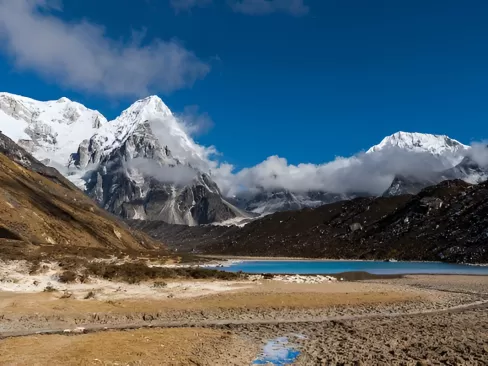
Kanchenjunga South Base Camp Trek: Journey to Nepal's Last FrontierStanding at 8,586 meters, Kanchenjunga commands respect as the world's third-highest mountain and Nepal's most remote major trekking destination. The Kanchenjunga South Base Camp Trek offers adventurers something increasingly rare in modern Nepal—a genuine wilderness experience where solitude, pristine nature, and ancient cultures converge far from the well-trodden paths of commercial tourism. This isn't just another trek; it's an expedition into one of the Himalayas' last untouched corners, where the rhythm of life has remained unchanged for centuries.Located in the far eastern reaches of Nepal, bordering Sikkim and Tibet, the Kanchenjunga region sees fewer trekkers in an entire year than Everest Base Camp receives in a single week. This isolation has preserved both the environment and the traditional cultures of the Limbu, Sherpa, Rai, and Tamang peoples who call these mountains home. The trek rewards those willing to venture off the beaten path with unparalleled mountain scenery, rich biodiversity, and cultural encounters that feel authentic rather than staged for tourists.Why Kanchenjunga Stands Apart from Other TreksThe name Kanchenjunga translates to "Five Treasures of Snow," referring to the mountain's five distinct peaks. Local legend holds that these peaks represent the five repositories of God: gold, silver, gems, grain, and holy books. The mountain holds deep spiritual significance for the people of the region, and this reverence permeates every aspect of trekking here. Unlike more commercialized routes, the Kanchenjunga region maintains a sacred quality that demands respect and mindful travel.What truly distinguishes this trek is its genuine remoteness. While treks like the Manaslu Circuit Trek or Annapurna Circuit have grown in popularity over recent decades, Kanchenjunga remains delightfully uncrowded. You might go entire days seeing only your own group and perhaps one or two other trekking parties. The lodges are family-run affairs where you'll eat meals with your hosts, share stories around wood-burning stoves, and experience Nepali hospitality in its purest form.The conservation area protects some of Nepal's most important biodiversity hotspots. The dramatic elevation change—from subtropical forests at 1,000 meters to alpine zones above 5,000 meters—creates diverse ecosystems home to red pandas, snow leopards, Himalayan black bears, and over 250 bird species. The trek passes through pristine rhododendron forests that explode with color during spring, ancient temperate forests draped in moss and lichen, and stark high-altitude landscapes where only the hardiest plants survive.Understanding the Geography and Route OptionsThe Kanchenjunga region offers two main trekking routes: the South Base Camp trek and the North Base Camp trek. Some ambitious trekkers combine both in a comprehensive circuit, though this requires 20-25 days and excellent fitness. The South Base Camp route, which this guide focuses on, is generally considered more scenic and culturally rich, though both offer extraordinary experiences.The trek typically begins with a flight from Kathmandu to Bhadrapur, followed by a long drive to Taplejung or sometimes directly to Mitlung or Chiruwa, depending on road conditions. These drives, while bumpy and time-consuming, offer fascinating glimpses of eastern Nepal's terraced hillsides, river valleys, and rural villages that see few foreign visitors. The region feels distinctly different from the more-visited parts of Nepal—more lush, more isolated, more traditional.From the trailhead, the route follows the Kabeli Khola (river) valley before climbing through forests and villages toward the Yalung Glacier and eventually to Ramche, which serves as the primary South Base Camp viewpoint. The highest point most itineraries reach is Oktang viewpoint at approximately 4,730 meters, which provides stunning close-up views of Kanchenjunga's south face, along with neighboring giants like Kabru, Rathong, and the spectacular pyramid of Jannu (7,710m).The route passes through several distinct climate zones and cultural areas. The lower sections feature Rai and Limbu villages where Hinduism and animist traditions blend with Buddhism. As you ascend, Sherpa influence becomes dominant, with Buddhist monasteries, prayer flags, and chortens marking the landscape. The vegetation transitions from subtropical bamboo and rhododendron forests through temperate oak and pine woods to alpine juniper scrub and finally to barren high-altitude terrain.Physical Demands and Fitness RequirementsMake no mistake—the Kanchenjunga South Base Camp Trek is genuinely challenging and should not be undertaken lightly. This isn't a trek for beginners or those with limited high-altitude experience. The combination of remote location, significant daily elevation changes, high-altitude exposure, and basic facilities requires both physical fitness and mental resilience.Daily walking times typically range from 6 to 8 hours, with some days extending to 9 or 10 hours depending on conditions and your group's pace. The trails are often steep, with lung-busting ascents followed by knee-jarring descents. Unlike more developed trekking routes where trails are carefully maintained, paths here can be rough, rocky, muddy, or covered in tree roots. Good balance and sure footing are essential, especially in monsoon season when trails become slippery.Altitude presents the most significant challenge. You'll spend multiple days above 4,000 meters, and reaching Oktang viewpoint takes you to nearly 4,800 meters. At these elevations, the air contains roughly half the oxygen available at sea level. Even extremely fit athletes can suffer from altitude sickness if they ascend too quickly or if their bodies simply don't acclimatize well. Cardiovascular fitness helps, but it doesn't guarantee immunity to altitude issues.Preparing for this trek should begin at least three months in advance. Focus on building cardiovascular endurance through running, cycling, swimming, or stair climbing. Include elevation gain in your training if possible—hiking with a weighted backpack on progressively steeper trails simulates trekking conditions effectively. Leg strength is crucial for both ascents and descents; exercises like squats, lunges, and step-ups help build the muscles you'll rely on daily.Don't neglect flexibility and balance training. Yoga or stretching routines improve your ability to navigate uneven terrain and reduce injury risk. Core strength is equally important for maintaining good posture while carrying a daypack for hours. If you have access to altitude training facilities or can train at elevation, take advantage of them, though most trekkers prepare entirely at sea level and acclimatize during the trek itself.Acclimatization Strategy and Altitude Sickness PreventionProper acclimatization is absolutely critical for a safe and successful Kanchenjunga trek. The remote location means that medical help is far away, and helicopter evacuation is expensive and weather-dependent. Prevention of altitude illness should be your primary health concern.Well-designed itineraries include multiple acclimatization days, particularly before and after crossing 4,000 meters. These aren't rest days in the sense of doing nothing; rather, you'll take short hikes to higher elevations before returning to sleep at lower altitudes. This "climb high, sleep low" strategy stimulates your body's altitude adaptations while minimizing risk.The symptoms of Acute Mountain Sickness (AMS) include headache, nausea, dizziness, fatigue, and difficulty sleeping. These symptoms are common and not necessarily dangerous if recognized early and managed appropriately. The key is to not ascend further while symptomatic. If symptoms persist or worsen despite rest and medication, descending even a few hundred meters usually brings rapid improvement.More serious altitude illnesses—High Altitude Pulmonary Edema (HAPE) and High Altitude Cerebral Edema (HACE)—are medical emergencies requiring immediate descent and evacuation. Signs include extreme fatigue, breathlessness even at rest, confusion, loss of coordination, and severe headaches that don't respond to medication. Experienced guides recognize these symptoms and will insist on descent if necessary, even if you want to continue.Hydration plays a vital role in acclimatization. Drink 3-4 liters of water daily, even if you don't feel particularly thirsty. The dry mountain air and increased respiration at altitude cause significant fluid loss through breathing alone. Urine should be clear or pale yellow—dark urine indicates dehydration. Avoid alcohol and limit caffeine, as both interfere with acclimatization and worsen dehydration.Some trekkers use acetazolamide (Diamox) to aid acclimatization. This medication helps your body adapt to altitude more quickly and can reduce AMS symptoms. However, it's not a substitute for proper acclimatization—you still need to ascend gradually. Consult your doctor before the trek about whether Diamox is appropriate for you, and always carry it along with other altitude medications as part of your first-aid kit.Best Time to Trek Kanchenjunga South Base CampThe Kanchenjunga region experiences distinct seasons that dramatically affect trekking conditions. Choosing the right time for your trek can mean the difference between a spectacular experience and a miserable slog through mud and clouds.Autumn (September to November) stands as the most popular and arguably best season for this trek. The monsoon rains have cleared the air, creating crystalline visibility perfect for photography. Daytime temperatures are comfortable in the lower valleys, though mornings and evenings grow cold, and high-altitude camps can drop well below freezing at night. The weather is generally stable, with clear skies dominating. The main disadvantage is that this is peak season, meaning you'll encounter more trekkers (though "crowded" here still means very few people compared to popular routes).Spring (March to May) offers the second-best window for trekking. Temperatures are slightly warmer than autumn, and the rhododendron forests burst into spectacular bloom, painting entire mountainsides in shades of red, pink, and white. The displays can be absolutely stunning, rivaling anything seen on the Annapurna Base Camp Trek. However, spring weather is less stable than autumn—afternoon clouds often build up, potentially obscuring mountain views. Visibility can also be hazier due to dust in the air. Spring sees fewer trekkers than autumn, offering even more solitude.Winter (December to February) is possible for experienced trekkers comfortable with harsh conditions and willing to accept significant challenges. Temperatures plunge brutally—nights at high camps can reach -25°C or colder. Heavy snowfall may block high passes and trails, sometimes making the trek impossible. Most lodges in upper elevations close for the season, limiting accommodation options. However, winter rewards hardy souls with pristine snow-covered landscapes, absolutely clear skies, and virtually no other trekkers. The mountains appear especially dramatic against winter's deep blue skies.Monsoon (June to August) is generally avoided and not recommended. Heavy rainfall makes trails muddy, slippery, and sometimes dangerous due to landslide risk. Leeches proliferate in lower elevations, attaching to any exposed skin. Mountain views are frequently obscured by clouds and rain. The high humidity makes the heat in lower valleys oppressive. That said, the landscape is incredibly green and lush during this period, and if you don't mind the challenges, you'll have the trails almost entirely to yourself.Required Permits and RegulationsTrekking in the Kanchenjunga region requires several permits due to its restricted area status and conservation priorities. Understanding these requirements helps avoid delays and ensures legal compliance.The Kanchenjunga Conservation Area Permit (KCAP) is mandatory for entering the protected area. This permit helps fund conservation efforts and community development projects. The fees support ranger patrols, trail maintenance, wildlife protection, and local schools and health posts. The conservation area spans 2,035 square kilometers and protects critical habitats for endangered species while preserving the traditional lifestyles of local communities.The Restricted Area Permit is also required because Kanchenjunga borders sensitive frontier regions with India and Tibet/China. This permit must be obtained through a registered trekking agency—independent trekking is not allowed in restricted areas. The regulation ensures trekker safety and security while limiting numbers to reduce environmental impact.The TIMS card (Trekkers' Information Management System) is mandatory for all trekkers in Nepal. This card helps authorities track trekker movements for safety purposes and provides valuable data for rescue operations if needed. While some argue the TIMS system adds bureaucracy, it has genuinely improved trekker safety in remote regions where people can go missing without anyone knowing their planned route.All permits can be arranged through your trekking agency like Explore Holiday Nepal, which handles the paperwork and ensures everything is in order before your trek begins. This service saves you time and potential headaches navigating Kathmandu's bureaucracy. Permits must be carried with you during the trek, as there are multiple checkpoints where officials verify documentation.The restricted area requirement means you must trek with a registered guide from a licensed trekking company. While this adds cost compared to independent trekking, it provides significant benefits: local knowledge, safety support, logistical handling, cultural interpretation, and emergency assistance. In a region this remote, having experienced support is not just advisable—it's essential.Accommodation and Facilities Along the RouteAccommodation on the Kanchenjunga South Base Camp Trek is decidedly basic compared to more developed routes like the Everest Base Camp or Annapurna Circuit. The lodges here are typically family homes with a few extra rooms designated for trekkers, offering genuine homestay experiences rather than commercial guesthouses.Rooms are simple—usually twin-sharing with basic beds and thin mattresses. Blankets are provided but may not be sufficient at high altitudes, making a warm sleeping bag essential. Attached bathrooms are rare; most lodges have shared toilet facilities outside the main building. These toilets are typically squat-style, and conditions vary from reasonably clean to fairly basic. Running water is available in lower elevations but becomes scarce higher up.Hot showers exist in some lower-elevation lodges, usually heated by solar panels or wood-burning boilers and available for an additional fee. As you ascend, hot water becomes rare or nonexistent. Many trekkers resort to bucket washes or wet wipe baths for days at a time. While this might sound uncomfortable, you'll be surprised how quickly you adapt and how little it bothers you when everyone is in the same situation.The lodges' common areas become social centers where trekkers, guides, and sometimes local families gather around wood-burning stoves. These spaces provide warmth, charging facilities (for a fee), and opportunities for conversation and camaraderie. Don't expect WiFi or reliable internet—connectivity is limited or nonexistent through most of the trek, creating a wonderful digital detox experience.Electricity availability varies dramatically. Lower villages may have grid power for a few hours daily, while middle elevations rely on solar panels or small hydroelectric generators. High-altitude lodges may have very limited electricity or none at all. Bring multiple power banks to keep essential devices charged, and expect to pay for charging facilities where available.The lodge density decreases significantly as you ascend. In lower sections, you might have choices between several teahouses in each village. Higher up, there might be only one or two lodges serving trekkers, sometimes with very limited capacity. This is why going with an organized trekking agency is advantageous—they communicate ahead to secure accommodations, especially during peak season.Food and Nutrition on the TrailThe menu options on the Kanchenjunga trek reflect the remote location and limited supply chains. While lower elevations offer reasonable variety, choices narrow considerably as you climb higher. The staple is dal bhat—rice with lentil soup, vegetable curry, and sometimes a small portion of meat or egg. This quintessential trekking meal is nutritionally balanced, provides sustained energy, and crucially, most lodges offer unlimited refills.Other common menu items include Tibetan bread (a fried flatbread), chapati (unleavened bread), rice and noodle dishes (fried rice, chow mein), momos (steamed or fried dumplings), various soups, porridge, and pancakes. Some lodges attempt Western dishes like pasta, pizza, or french fries, though results are mixed, especially at higher elevations where ingredients are limited and cooking at altitude affects preparation.Fresh vegetables become scarce above 3,500 meters, with lodges relying on dried or canned vegetables for curries. Fresh meat is generally unavailable at high altitudes—any meat dishes use dried or canned meat. Eggs are available but become expensive as you climb since porters must carry them from lower villages. The limited fresh produce isn't about poor lodge management; it's simply the reality of remote mountain living where everything must be carried on human backs for days.Hot drinks are a blessing in the cold mountain air. Tea (milk tea, black tea, lemon tea), coffee (instant), hot chocolate, and soups provide warmth and hydration. Garlic soup is particularly popular among trekkers, believed to help with acclimatization, though scientific evidence is limited. These hot beverages become comforting rituals, marking meals and rest stops throughout the day.Bringing supplementary snacks is highly recommended. Energy bars, trail mix, dried fruits, chocolate, and hard candy provide quick energy boosts and are especially valuable when your appetite decreases at altitude. These treats can also lift spirits during particularly challenging days. Choose high-calorie, nutrient-dense options that pack small but provide significant energy.Appetite suppression at altitude is completely normal. Even if you don't feel hungry, force yourself to eat regularly—your body needs fuel for the intense physical activity and to maintain body temperature in the cold. Focus on carbohydrates which provide quick energy and are easier to digest at altitude than heavy protein or fat-rich meals. Small, frequent snacks work better than trying to force down large meals.Water safety deserves careful attention. Lower elevations might have safe tap water, but higher up, water sources become questionable. Always treat water through boiling, purification tablets, filtration, or UV sterilization. Most lodges provide boiled water for a small fee—a good option that's environmentally better than buying countless plastic bottles. Carrying a reusable water bottle and purification method is essential.Cultural Encounters and Local CommunitiesThe Kanchenjunga region is home to diverse ethnic groups, each contributing unique cultural elements to the trekking experience. Understanding and respecting these cultures enriches your journey immeasurably.The Limbu people dominate lower elevations, particularly around Taplejung and the initial trekking days. They practice a unique blend of Hinduism and animist traditions called Yumaism, which centers on nature worship and ancestor veneration. The Limbu are known for their distinctive traditional dress, fermented millet drink (tongba), and colorful festivals. Their villages feature traditional houses with thatched roofs and intricate woodwork.Rai communities also inhabit lower sections, known for their agricultural expertise and distinctive shamanic traditions. The Rai celebrate numerous festivals throughout the year, and if your trek timing aligns, witnessing these celebrations offers incredible cultural insights. Both Rai and Limbu peoples have rich oral traditions, with stories and songs passed down through generations.Sherpa influence grows dominant as you ascend. The Sherpas migrated from Tibet centuries ago, bringing Tibetan Buddhism with them. Their villages feature characteristic white-washed stone houses with colorful painted wooden window frames, prayer flags strung between buildings, and always a Buddhist monastery or shrine at the village center. The Sherpas' legendary mountaineering reputation is well-founded—they're exceptionally strong at altitude and possess intimate knowledge of the mountains.Buddhist practices pervade daily life in upper elevations. You'll see prayer wheels that locals spin clockwise while walking, chortens (stone stupas) that mark auspicious locations, and mani walls with carved prayers that must be passed on the left (keeping them on your right side). Prayer flags in five colors—blue (sky), white (air), red (fire), green (water), and yellow (earth)—flutter constantly, sending prayers on the wind.Monasteries serve as both spiritual centers and community gathering places. If you're fortunate to visit during morning or evening prayers, the experience is profound—the deep chanting of monks, the scent of juniper incense, the glow of butter lamps, and the ancient murals depicting Buddhist teachings create an atmosphere of timeless spirituality. Always ask permission before photographing inside monasteries and respect any restrictions on entering certain areas.Interaction with locals provides some of the trek's most memorable moments. The people here are genuinely welcoming, curious about visitors, and proud to share their culture. Learning a few basic Nepali phrases—"namaste" (hello/goodbye), "dhanyabad" (thank you), "mitho cha" (delicious)—goes a long way toward building connections. Lodge owners often invite trekkers to join family meals or share butter tea, opportunities for authentic cultural exchange.Wildlife and Natural EnvironmentThe Kanchenjunga Conservation Area protects extraordinary biodiversity across multiple altitude zones. While large mammals are generally shy and difficult to spot, the region supports impressive wildlife populations.The red panda, one of Nepal's most charismatic endangered species, inhabits the temperate forests between 2,500 and 4,000 meters. These adorable animals are primarily active at dawn and dusk, feeding on bamboo leaves. Spotting one requires patience and luck, but even the possibility adds excitement to forest sections. The conservation area represents critical habitat for red panda survival.Snow leopards prowl the high-altitude regions above 3,500 meters, though these elusive cats are almost never seen. The Kanchenjunga region supports one of Nepal's healthiest snow leopard populations, with estimated numbers around 120-150 individuals. While you probably won't see one, knowing these magnificent predators hunt nearby adds a thrill to the landscape. You might spot pugmarks (paw prints) in snow or dust if you're observant.Himalayan black bears inhabit forested areas, particularly in autumn when they're fattening up for winter hibernation. Keep food secured and make noise while walking through dense forest to avoid surprising bears. Attacks are extremely rare—bears typically flee from humans—but caution is warranted. Your guide will know bear-aware practices and can advise on safety.Other mammals include musk deer, Himalayan tahr, serow, ghoral (mountain goats), yellow-throated martens, and numerous small mammals like pikas and voles that provide prey for predators. The variety reflects the ecosystem's health and the protection afforded by conservation area status.Birdwatching can be exceptional for enthusiasts. The area hosts over 250 recorded bird species, including the endangered Satyr tragopan (a spectacular pheasant), blood pheasant, various eagles and vultures, laughing thrushes, sunbirds, and at lower elevations, colorful species like scarlet minivets. Spring mornings come alive with bird songs and activity. Bringing binoculars and a bird identification guide enhances this aspect of the trek.The flora changes dramatically with elevation. Subtropical forests at lower elevations feature sal trees, bamboo, ferns, and orchids. Temperate zones showcase magnificent rhododendron forests—Nepal's national flower—along with oak, maple, birch, and magnolia. These forests are often draped in moss and lichens, creating an almost primordial atmosphere. In spring, the rhododendron bloom is simply spectacular, transforming entire mountainsides into explosions of color.Alpine zones above 4,000 meters support only hardy plants—dwarf rhododendrons, junipers, grasses, and hundreds of wildflower species including primulas, gentians, edelweiss, and blue poppies. The harsh conditions—intense UV radiation, extreme temperature swings, strong winds, thin air—mean only specialized plants survive, but those that do are often strikingly beautiful.Comparing Kanchenjunga with Other Nepal TreksUnderstanding how Kanchenjunga compares to other major treks helps you choose the right adventure for your goals and abilities.Versus Everest Base Camp: Everest Base Camp is more accessible, shorter, and has far better facilities but also sees massive crowds. Kanchenjunga offers solitude and pristine conditions that Everest lost decades ago. Both reach similar maximum altitudes and offer spectacular mountain views. If you've done Everest and crave something more adventurous, Kanchenjunga is an excellent next step.Versus Manaslu Circuit: The Manaslu Circuit Trek provides a middle ground—more remote than Annapurna or Everest but less so than Kanchenjunga. Manaslu is slightly shorter and has somewhat better facilities. Kanchenjunga offers richer biodiversity and more cultural diversity. Both are excellent choices for trekkers seeking to escape crowds while still having good support infrastructure.Versus Annapurna Circuit: The Annapurna Circuit offers diverse landscapes and excellent facilities but has become quite commercialized. Kanchenjunga provides a much more adventurous experience with far fewer amenities but genuine wilderness. Annapurna is more accessible for first-time Nepal trekkers, while Kanchenjunga suits those wanting a serious expedition.Versus Upper Mustang: The Upper Mustang Trek also requires restricted area permits and offers cultural immersion in Tibetan Buddhist culture. However, Mustang is a rain-shadow desert with stark landscapes, while Kanchenjunga features lush forests and verdant valleys. Both are remote and culturally rich, but the environments are completely different.Versus Three Passes Trek: The Three Passes Trek in the Everest region is similarly challenging with multiple high passes, but sees more trekkers and has better facilities. Kanchenjunga offers more authentic cultural experiences and better wildlife viewing opportunities but requires more commitment in terms of time and remoteness.For those building up experience, consider starting with more accessible treks like Langtang Valley Trek or Ghorepani Poon Hill Trek before attempting Kanchenjunga. These shorter treks help you understand your altitude response and trekking preferences before committing to such a remote expedition.Essential Packing List for KanchenjungaPacking appropriately for this remote trek is crucial since you can't easily replace forgotten or damaged items.Clothing layers: The key to comfort is a flexible layering system. Base layers should be moisture-wicking synthetic or merino wool—bring at least two sets so you can wash one while wearing the other. Mid-layers provide insulation; fleece jackets or down vests work well. Your outer shell should be fully waterproof and windproof, protecting you from rain and harsh winds at high elevations. Down jackets rated for -10°C or colder are essential for evenings and high camps.Footwear: Well-broken-in hiking boots with good ankle support and aggressive tread are non-negotiable. Boots should be waterproof but breathable. Bring multiple pairs of hiking socks, including thicker ones for cold sections. Camp shoes or sandals give your feet relief in the evenings and are useful for nighttime bathroom trips. Gaiters help keep moisture, mud, and leeches out of your boots.Sleeping gear: A sleeping bag rated to -10°C or colder is essential, as teahouse blankets alone won't suffice at high altitudes. A sleeping bag liner adds warmth and hygiene. Consider bringing a down jacket that can serve as extra insulation on particularly cold nights.Trekking essentials: Quality trekking poles significantly reduce knee stress on descents and help with balance on difficult terrain. A comfortable daypack (30-40 liters) carries your daily essentials while porters carry your main duffel. Water bottles or hydration system plus purification method (tablets, filter, or UV sterilizer) ensure safe drinking water. Headlamp with extra batteries is essential for early morning starts and evening activities.Sun protection: UV radiation intensifies dramatically with altitude. Bring high-SPF sunscreen (50+), lip balm with SPF, and quality sunglasses that block UV rays. A sun hat with neck protection prevents sunburn during long days on the trail.Personal items: First-aid kit including altitude sickness medication (Diamox), pain relievers, blister treatment, bandages, and any personal medications. Toiletries should be minimal and biodegradable where possible. Hand sanitizer and wet wipes become invaluable when hot water is scarce. Quick-dry towel saves weight and space.Electronics: Camera with extra batteries and memory cards captures spectacular scenery. Power bank (or multiple) keeps devices charged when electricity is unavailable. Nepal uses plug types C, D, and M, so bring appropriate adapters. Consider whether you really need devices—limited connectivity makes this an excellent digital detox opportunity.Documents: Passport, permits, insurance documents, and emergency contact information should be kept in a waterproof pouch. Bring both physical and digital copies (stored on phone/tablet) as backup.Optional but recommended: Book or e-reader for evening entertainment, playing cards for socializing, duct tape and safety pins for repairs, earplugs for snoring roommates or loud animals, and a stuff sack for organizing dirty clothes.Safety Considerations and Emergency PreparednessTrekking in such a remote region requires serious safety awareness. Unlike popular routes where help is hours away, assistance here can take days.Comprehensive travel insurance is absolutely mandatory. Your policy must specifically cover trekking at high altitude (confirm the elevation limits) and include helicopter evacuation. Medical treatment and especially helicopter rescue are extremely expensive—tens of thousands of dollars—and providers require payment guarantees before services. Read policy fine print carefully and ensure it covers your specific trek.Communication is limited but possible. Some lodges have satellite phones for emergencies. Mobile phone coverage exists sporadically in lower elevations but disappears entirely in upper regions. Some trekkers carry personal satellite communication devices (like Garmin inReach) that can send distress signals and messages regardless of cell coverage. These devices provide significant peace of mind for solo trekkers or those with concerned families.Altitude sickness prevention was discussed earlier, but it bears repeating: this is your primary health concern. Descend immediately if symptoms worsen or don't improve with rest. Never continue ascending with AMS symptoms. Pride and summit fever have caused numerous tragedies—listen to your body and your guide.Weather hazards include landslides during monsoon, avalanche risk in snow conditions, and exposure to extreme cold and wind at high elevations. Check weather forecasts before departing and be prepared to adjust plans if conditions deteriorate. Your guide's local knowledge is invaluable for reading weather patterns.Trail hazards like suspension bridges, steep drop-offs, loose rocks, and river crossings require constant attention. Don't become complacent even on easier sections—most accidents happen when people let their guard down. Trek poles help immensely with balance and stability.Wildlife encounters are generally safe if you follow guidelines. Make noise in forested areas to avoid surprising animals, secure all food, and never approach wildlife for photographs. Your guide will know appropriate responses to different animal encounters.Responsible Trekking and Environmental EthicsTrekking responsibly ensures the region remains pristine for future generations and benefits local communities.Leave No Trace principles apply fully here. Pack out all non-biodegradable waste—don't trust that lodges can properly dispose of your garbage. Burn toilet paper rather than leaving it (where safe to do so), or better yet, pack it out. Use designated toilet facilities rather than going in nature. Stay on established trails to prevent erosion.Water pollution prevention means never washing directly in streams or rivers. Use a bucket away from water sources and scatter the gray water. Avoid soaps and shampoos entering water systems—they harm aquatic life even if labeled "biodegradable." Minimize washing where possible and use only truly necessary amounts of any cleaning products.Energy conservation helps lodges manage limited resources. Turn off lights when leaving rooms, limit hot water use, and don't waste electricity charging unnecessary devices. Solar panels and hydroelectric generators are expensive investments for lodge owners; respect their constraints.Cultural respect means dressing modestly (covered shoulders and knees in villages), removing shoes before entering homes and religious sites, asking permission before photographing people, and not giving children money or candy (which creates begging behavior). Learn about local customs and follow your guide's advice about appropriate behavior.Support local economies by purchasing handicrafts directly from artisans, hiring local guides and porters through ethical agencies, and eating at local lodges rather than bringing all your own food. Your tourism dollars provide essential income for mountain communities, but only if spent thoughtfully.Porter welfare deserves special attention. Ethical trekking companies limit porter loads to 25 kg maximum, provide appropriate clothing and gear for porters, include porters in insurance coverage, and pay fair wages. Unfortunately, some companies exploit porters terribly. Choosing responsible operators like Explore Holiday Nepal ensures your trek doesn't contribute to poor labor practices.Final Preparations and Practical TipsPhysical and mental preparation: Beyond fitness training, prepare mentally for discomfort, basic facilities, and challenging days. This isn't a luxury experience—it's an expedition requiring resilience and flexibility. Embrace the adventure mindset rather than expecting hotel standards.Pre-trek days in Kathmandu: Allow at least 2-3 days before your trek for permit arrangements, gear checks, meeting your guide, and acclimatization to Nepal's elevation (1,400m). This buffer also helps if flights to Bhadrapur are delayed—common during monsoon season.Banking and money: Bring sufficient cash (Nepali rupees) for the entire trek. ATMs exist in Taplejung but are unreliable higher up. Budget for lodge charges, snacks, drinks, charging fees, hot showers, and tips for guides and porters. Prices increase with altitude due to transportation costs.Flexibility is essential: Weather, trail conditions, or health issues may require itinerary changes. Don't have inflexible return flights leaving immediately after your scheduled trek end date—build in buffer days for delays. Mountain travel rarely goes exactly as planned.Group dynamics: If joining a group trek, you'll spend weeks with the same people in intimate conditions Top Blogs About Trekking in the Kanchenjunga Region:Uncover the best blogs about trekking in the Kanchenjunga region, featuring expert advice, detailed itineraries, personal experiences, and essential tips for adventurers looking to explore the Himalayas.Altitude Sickness on Nepal Treks: Symptoms, Treatment, and When to Descend (Complete Guide) Ultimate Kanchenjunga Circuit Trek GuideAmazing Facts About the Kanchenjunga Circuit TrekKanchenjunga North vs. South Base Camp: Which is Better?Trekking Kanchenjunga Circuit: Routes, Planning & Survival Tips for AdventurersAmazing Top Facts of Mount KanchenjungaNepal Trekking Permits: Costs, Types, and How to Get ThemNepal Trekking: What’s the Best Time to Go?Budget Trekking in Nepal: Tips, Trails, and TricksExploring Nepal’s Wildlife and NatureTrekking Through Nepal: A Journey into the HimalayasTop 10 Mountain Peaks in NepalMonastery Life in Nepal: Finding Peace in the Heart of the Himalayas Altitude Sickness on Nepal Treks: Symptoms, Treatment, and When to Descend (Complete Guide)Dal Bhat Power 24 Hour: The Science and Soul Behind Nepal's Mountain FuelThe Essential Guide to Choosing Your Perfect Nepal Trek: From Beginner-Friendly Trails to Epic Himalayan AdventuresSolo Female Trekking in Nepal: A Complete Safety and Empowerment Guide for 2026Complete Fitness Training Guide for Nepal Trekking 2026: From Couch to Base Camp in 12 Weeks
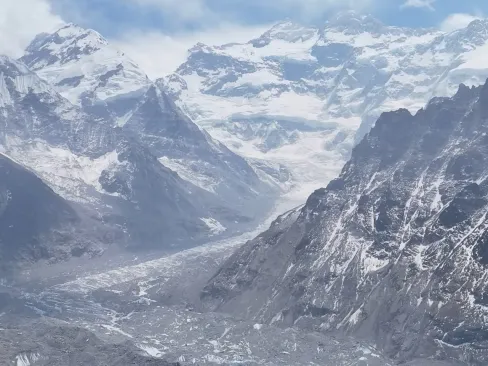
Kanchenjunga North Base Camp Trek: Your Guide to Nepal's Most Remote AdventureHere's something most trekkers don't realize—you can get to Kanchenjunga's North Base Camp without doing the full circuit. The Kanchenjunga North Base Camp Trek is basically the highlight reel: you skip the south side and focus entirely on reaching Pangpema, the viewpoint below the third highest mountain on Earth.This trek sits in far eastern Nepal, almost touching Tibet and Sikkim. It's remote, challenging, and sees way fewer trekkers than the popular routes. While everyone's crowding Everest Base Camp or the Annapurna Circuit, you'll be walking through valleys where you might not see another foreign face for days.The trek usually takes 18-22 days depending on your pace and itinerary. You'll start from Suketar (also called Taplejung airport area), trek through subtropical forests and traditional villages, and eventually reach North Base Camp at 5,143 meters. Along the way, you get massive mountain views, genuine cultural experiences, and the kind of solitude that's becoming rare in Nepal.But let's be clear upfront—this isn't an easy trek. It's long, high, and remote. You need previous trekking experience and proper fitness.Why Choose North Base Camp Over the Full Circuit?Good question. The full Kanchenjunga Circuit visits both North and South Base Camps, which is incredible but also adds days and difficulty. The North Base Camp Trek focuses on one side, which means:Shorter duration: 18-22 days versus 22-25+ days for the circuit. If you've got limited vacation time but still want the Kanchenjunga experience, this works.Single base camp focus: You spend more time and energy getting to Pangpema rather than rushing between two base camps. Some people prefer this concentrated approach.Same spectacular views: The north face of Kanchenjunga from Pangpema is arguably even more dramatic than the south face. You're not missing out on mountain views.Slightly less demanding: Skipping the second base camp and the connecting passes makes the overall trek somewhat less grueling. Still hard, just not quite as hard.That said, if you've got the time and fitness, the full circuit is amazing. But the North Base Camp Trek is no consolation prize—it's a world-class adventure on its own.The Mountain: Kanchenjunga Up CloseKanchenjunga stands at 8,586 meters (28,169 feet), making it the third highest peak in the world. The name means "Five Treasures of Snow" in Tibetan, referring to its five distinct summits. Locals consider it sacred, and climbers who summit traditionally stop a few feet below the true peak out of respect.From Pangpema (North Base Camp), you'll be staring directly at this massive wall of ice and rock. On clear days, you'll also see neighboring giants like:Jannu (7,710m) - Also called Kumbhakarna, with one of the most difficult north faces in the HimalayasMakalu (8,485m) - The fifth highest peak, visible in the distanceLhotse (8,516m) - The fourth highest, connected to EverestPlus dozens of other peaks above 6,000 and 7,000 meters that would be famous anywhere else but get overshadowed here by their enormous neighbors.The Route: Where You'll Actually WalkThe Kanchenjunga North Base Camp Trek follows a valley approach, gradually gaining altitude over days.Starting Point: Suketar/TaplejungMost itineraries fly from Kathmandu to Bhadrapur, then drive through Ilam (famous for tea plantations) to Suketar at around 2,300-2,400 meters. This is where your feet start moving.Some older itineraries skip the flight and do a long multi-day jeep ride from Kathmandu. Don't do this unless you love punishment—the roads are brutal and it wastes days you could spend trekking.Lower Section: Subtropical Forests and VillagesThe first few days take you through surprisingly lush terrain. Dense forests, terraced fields, small villages where life moves at mountain pace. You'll pass through Limbu and Rai communities in the lower sections—indigenous groups with their own languages and traditions.The walking isn't technically difficult here, just long days with plenty of ups and downs. Nepal's hills don't believe in flat trails. You climb out of one valley just to descend into the next.Middle Section: Ghunsa ValleyGhunsa village (3,480m) is where things shift culturally and geographically. This is a substantial Sherpa settlement with strong Tibetan Buddhist influences. Prayer flags everywhere, a monastery, mani walls, spinning prayer wheels. The stone houses have flat roofs, and yaks wander the streets.You'll spend a rest day here for acclimatization—use it wisely. Short hike to higher elevation, plenty of fluids, lots of rest. Your body needs time to adjust before pushing higher.Upper Section: High MountainsFrom Ghunsa, the trail continues up-valley through progressively smaller settlements: Khambachen (4,000m) and Lhonak (4,780m). Each village gets more remote, more basic, more stark.The landscape changes dramatically. Trees disappear. The valley widens. Mountains dominate every view. You're walking on moraines—rocky debris left by glaciers—and the terrain gets rougher.By the time you reach Lhonak, you're at nearly 5,000 meters. The air is noticeably thin. Lodges are extremely basic. It's cold at night. Really cold.Pangpema: North Base Camp (5,143m)From Lhonak, it's a 3-4 hour push to Pangpema at 5,143 meters. This is the viewpoint for Kanchenjunga North Base Camp—the actual climbing base camp is a bit higher, but Pangpema is where trekkers go.The hike isn't technically difficult, just high and tiring. You're above 5,000 meters, so your body's running on about 50% of the oxygen it gets at sea level. Every step requires conscious effort.And then you arrive, and the north face of Kanchenjunga absolutely fills your vision. It's so close, so massive, that your brain struggles to process the scale. The mountain rises almost vertically for thousands of meters, ice and rock glowing in the sun.Most people spend an hour or two at Pangpema, then head back down to Lhonak to sleep. You don't want to sleep at 5,143m if you can avoid it—your body recovers better at lower altitude.Cultural Experience: Who You'll MeetThe Kanchenjunga North Base Camp Trek isn't just mountains. The cultural immersion is genuinely rich.Lower Elevations: Limbu and Rai PeopleThe Limbu are one of Nepal's indigenous groups with their own distinct language and traditions. They're warm, curious, and often invite trekkers to try their local brew—tongba (fermented millet served warm) or raksi (strong local alcohol). Accepting is polite. Just pace yourself.Rai communities also inhabit parts of the route. Both groups practice terraced farming on impossibly steep slopes, maintain traditional customs, and have their own festivals and dances.Higher Elevations: Sherpa and Tibetan Buddhist CommunitiesAround Ghunsa and higher, you enter Sherpa territory with strong Tibetan Buddhist culture. The shift is immediately visible:Monasteries with colorful paintings and statuesPrayer flags strung everywhereChortens (Buddhist stupas) marking sacred spotsLocals circumambulating monuments while spinning prayer wheelsVisit Ghunsa monastery if you can. Watch monks performing ceremonies. The spiritual atmosphere is palpable—chanting echoing off mountains, incense in the air, horns calling across valleys.What makes the cultural experience authentic is that these are real communities living their normal lives. You're not visiting cultural shows staged for tourists. Kids play in streets, families work their fields, elders share stories. Life continues with or without trekkers.Best Time for Kanchenjunga North Base Camp TrekTiming matters enormously for this trek.Spring (March to May) - Prime SeasonSpring is peak trekking time. March can still be cold with snow at high passes, but April and May offer ideal conditions.The famous rhododendron forests bloom spectacularly in spring—hillsides covered in red, pink, and white flowers. It's gorgeous, especially in the lower and middle elevations.Weather stabilizes with clear skies and good visibility. Temperatures are manageable—warm in lower valleys, cold but not brutal at high camps. You'll need a good sleeping bag, but you won't freeze.The downside? More trekkers. Though "crowded" on this trek means you might see 10-15 other groups total. It's still far quieter than popular routes.Autumn (September to November) - Also ExcellentAfter monsoon clears in September, autumn brings the clearest skies of the year. October especially offers stunning visibility—mountains seem close enough to touch.Temperatures are comfortable for trekking. September retains some monsoon warmth. October is perfect. November gets colder but remains manageable with proper gear.Culturally, autumn coincides with Nepal's major festivals—Dashain and Tihar. You might witness celebrations in villages, which adds another dimension to the trek.Winter (December to February) - Hardcore OnlyWinter trekking is possible but seriously challenging. Heavy snow can close passes. Temperatures drop to -20°C or lower at high camps. Most upper lodges close as locals migrate down for winter.Only attempt winter if you have extensive cold-weather experience, proper gear (4-season sleeping bag, down suit), and flexible schedule for weather delays.The reward? Total solitude, pristine snow, crystal-clear skies. And bragging rights for completing one of Nepal's toughest treks in its hardest season.Monsoon (June to August) - Skip ItMonsoon makes this trek miserable. Heavy rain, muddy trails, leeches in lower forests, swollen rivers, landslide risk. Mountain views hide behind clouds most days.Some people still trek during monsoon for extreme solitude and lower prices. But for most trekkers, the negatives far outweigh any benefits.Difficulty Level: What You're Actually Getting IntoThe Kanchenjunga North Base Camp Trek is hard. Not technical climbing hard, but genuinely challenging in multiple ways.Duration: 18-22 days of consecutive trekking. That's nearly three weeks of walking 5-8 hours daily. Your body needs endurance beyond basic fitness.Altitude: You'll spend multiple nights above 3,000 meters and reach above 5,000 meters at base camp. Altitude sickness is a real risk. Proper acclimatization is crucial—follow the itinerary's rest days, ascend gradually, stay hydrated.Remoteness: Help is far away. Helicopter evacuation from this region is complicated and expensive. This demands taking safety seriously—proper preparation, travel insurance, listening to your body.Terrain: Ranges from good trails to rocky moraines to steep sections requiring concentration. Not technical, but demanding. Trekking poles are essential, not optional.Facilities: Basic teahouses in lower sections, very basic lodges higher up. No hot showers for days. Pit toilets. Minimal electricity. If you need comfort to function, this isn't your trek.Who should attempt this?You should have:Previous multi-day trekking experience (ideally 2-3 treks of 7+ days)Experience at altitude (at least one trek to 4,000+ meters)Good general fitness (comfortable walking 6-8 hours with a daypack)Mental toughness for discomfort and uncertaintyFlexible schedule (weather can force delays)If your biggest outdoor challenge is day hikes, this isn't your next step. Build up gradually. Do the Annapurna Base Camp Trek , Langtang Valley Trek , or Everest Base Camp Trek first. Learn how your body handles altitude and sustained effort. Then come to Kanchenjunga.Getting There: Transportation LogisticsThe journey to the trailhead is part of the adventure.Kathmandu to Bhadrapur (Flight)The typical route starts with a flight from Kathmandu to Bhadrapur, a small town in southeastern Nepal near the Indian border. The flight takes about 45 minutes and offers great mountain views if you get a window seat on the right side.Bhadrapur sits at low elevation, hot and humid—completely different from Kathmandu. The airport is small and chaotic in that charming Nepal way.Bhadrapur to Ilam (Drive)From Bhadrapur, you drive to Ilam, a hill station famous for tea plantations. The drive takes 3-4 hours through winding roads with nice scenery. Ilam sits at around 1,200-1,400 meters, cooler than Bhadrapur.You'll usually spend a night in Ilam at a decent hotel—last chance for real comfort before the trek starts.Ilam to Suketar (Drive)The next day brings a longer drive from Ilam to Suketar (around 2,300-2,400m), where the trek officially begins. This drive takes 5-6 hours on progressively rougher roads. By Nepal standards, it's not the worst road, but it's bumpy and dusty.Some itineraries fly directly from Kathmandu to Suketar/Taplejung airport, which saves driving time but depends on weather and flight availability. The small planes only operate in good conditions.Explore Holiday Nepal arranges all transportation logistics, so you don't have to worry about finding jeeps or navigating local transport.Weather and What to PackWeather on the Kanchenjunga North Base Camp Trek varies dramatically with elevation.Lower Elevations (Below 3,000m)Expect temperatures of 10-20°C during the day, dropping to 5-10°C at night. It can be humid in the forests. You might trek in just a t-shirt during the day.Middle Elevations (3,000-4,000m)Daytime temperatures range from 5-15°C, nights drop to 0-5°C. You'll need layers—base layers, fleece, and warm jacket for evenings.High Elevations (Above 4,000m)Daytime temperatures hover around 0-10°C, nights drop well below freezing. At North Base Camp, expect temperatures around -5 to -15°C depending on season and time of day. Proper cold-weather gear is essential.What to PackClothing:Base layers (2-3 sets) - wool or synthetic, no cottonMid-layers - fleece jacket, down jacket (quality matters at altitude)Outer shell - waterproof/windproof jacket and pantsTrekking pants (2), shirts (3) - quick-dry materialsWarm hat, sun hat, gloves (light and heavy pairs)Wool/synthetic socks (5-6 pairs)Footwear:Well-broken-in waterproof trekking boots with ankle supportCamp shoes or sandals (foot relief at lodges)Gaiters (keep debris and snow out of boots)Essential Gear:Sleeping bag rated to -15°C minimum (lodges provide blankets but insufficient)Trekking poles (essential for knee protection and stability)Headlamp with extra batteries (cold drains them fast)Water bottles or hydration system (3 liters capacity)Sunglasses with UV protectionSunscreen SPF 50+ and lip balm with SPFMedical Kit:First aid supplies (bandages, antiseptic, blister treatment)Altitude sickness medication (discuss Diamox with doctor)Pain relievers, anti-diarrhea medicationWater purification tablets or filterPersonal prescriptions (bring extras)Electronics:Camera and extra batteries/memory cardsPower bank (charging opportunities limited and expensive)Phone (mostly for photos—signal is rare)Accommodation: Setting Realistic ExpectationsLodges on the Kanchenjunga North Base Camp Trek range from decent to extremely basic.Lower sections (Suketar to Ghunsa): Standard trekking lodges. Private or semi-private rooms with foam mattresses. Communal dining areas. Shared bathrooms with (sometimes) hot water for extra fee. Comfortable enough.Ghunsa: Decent lodges by mountain standards. Multiple options, electricity from solar panels, even a possible hot shower (for a fee). This is your last taste of relative comfort before going higher.Upper sections (Khambachen, Lhonak): Very basic lodges. Small rooms with thin mattresses, basic blankets (your sleeping bag is essential), shared pit toilets, no showers (wet wipes become your friend), minimal electricity, communal dining heated by yak-dung stoves.Is it uncomfortable? Compared to home, absolutely. But you have shelter, hot meals, and company. That's luxury at nearly 5,000 meters.The lodges are family-run, not commercial hotels. Owners are opening their homes to you. Treat them and their property with respect. Be patient with service—they're cooking for everyone over wood fires. Be generous with tips at the end.Food: Fueling Your TrekFood is simple, filling, and designed to power you through long days.Lower elevations offer variety: dal bhat (rice and lentils), momos (dumplings), fried rice, noodle soups, Tibetan bread, pancakes, eggs. Food is fresh and menus are longer.Higher elevations: Menus shrink. Dal bhat becomes the staple—unlimited servings of rice, lentil soup, vegetables. "Dal bhat power, 24 hour" is the trekking motto because it genuinely fuels you effectively.Other high-altitude options include potato dishes, noodle soups, and Tibetan bread. Don't expect gourmet meals. Expect warm, filling food that keeps you moving.Bring supplemental snacks from Kathmandu: energy bars, chocolate, nuts, dried fruit. When altitude kills your appetite, familiar comfort food helps. Just pack out all wrappers—leave no trace is crucial.Safety and Health ConsiderationsThe trek's remoteness demands serious attention to safety.Altitude Sickness Prevention:Follow the itinerary's acclimatization schedule religiouslyAscend slowly—don't skip rest days to finish fasterStay hydrated (3-4 liters daily minimum)Recognize symptoms early (headache, nausea, dizziness, fatigue)Descend immediately if symptoms worsen or don't improve with restCommunication Challenges:Phone signal is nonexistent in most areasSatellite phones are recommended for emergenciesYour guide has communication devicesInform family of your itinerary and expected returnTravel Insurance is ESSENTIAL:You absolutely must have insurance covering:Helicopter evacuation from high altitude (6,000m minimum coverage)Medical treatment for altitude-related illnessesEmergency repatriation to your home countryTrip cancellation/interruptionHelicopter evacuation from remote Kanchenjunga regions can cost $10,000+ without insurance. Don't skip this. One emergency flight covered by insurance versus financial ruin? Easy choice.Why Book with Explore Holiday NepalChoosing the right trekking company matters for a trek this challenging.Local Expertise: Explore Holiday Nepal is locally based with deep knowledge of the Kanchenjunga region. Their guides have done this trek dozens of times. They know which lodges offer the best food, where to adjust pace based on weather, and how to recognize altitude sickness before it becomes serious.Safety Focus: This company prioritizes your safety above profit. Guides carry comprehensive first aid equipment, understand evacuation procedures, and make conservative decisions when weather threatens. They've invested in proper training because they understand the consequences of cutting corners in remote mountains.Logistics Handled: From Kathmandu airport pickup to Bhadrapur flights to jeep arrangements to lodge bookings—everything's coordinated. You just show up and trek. No scrambling to find transport or accommodation.Transparent Pricing: No hidden fees or surprise costs. Permits, accommodation, meals during trek, guide and porter wages—everything's clearly outlined upfront. You know exactly what you're paying for.Sustainable Practices: Employs local guides and porters, directly supporting mountain communities. Follows strict leave-no-trace principles. Their tourism model benefits local economies while preserving the region's cultural and natural heritage.Emergency Support: Things can go wrong in mountains—weather emergencies, injuries, sudden illness. Explore Holiday Nepal has 24/7 emergency support in Kathmandu, established relationships with helicopter rescue companies, and protocols for every conceivable situation. That backup is priceless when you're days from the nearest road.What Makes This Trek SpecialThe Kanchenjunga North Base Camp Trek isn't Nepal's most popular route. It's not the easiest or most accessible.But for experienced trekkers seeking genuine adventure in one of the world's last remote mountain regions, it's extraordinary. The combination of the massive third-highest peak, authentic Sherpa culture, real solitude, and serious physical challenge creates an experience that popular treks cannot match.You'll work hard for three weeks. Your body will hurt. You'll sleep in basic lodges and go days without showers. Weather might force schedule changes. The altitude will challenge you.And you'll return home with memories and photos lasting a lifetime. You'll have stood at the base of Kanchenjunga's north face, one of the most spectacular mountain walls on Earth. You'll have walked through terrain few people ever see. You'll have tested your limits and discovered reserves of strength you didn't know existed.The Kanchenjunga North Base Camp Trek rewards those brave enough to venture beyond standard routes. If you've got the fitness, experience, time, and adventurous spirit, this trek deserves serious consideration.Just make sure you're properly prepared, choose a reliable company like Explore Holiday Nepal, and approach the journey with the respect these mountains demand. Do that, and Kanchenjunga will give you an adventure you'll measure all others against.Top Blogs About Trekking in the Kanchenjunga Region:Uncover the best blogs about trekking in the Kanchenjunga region, featuring expert advice, detailed itineraries, personal experiences, and essential tips for adventurers looking to explore the Himalayas.Altitude Sickness on Nepal Treks: Symptoms, Treatment, and When to Descend (Complete Guide) Ultimate Kanchenjunga Circuit Trek GuideAmazing Facts About the Kanchenjunga Circuit TrekKanchenjunga North vs. South Base Camp: Which is Better?Trekking Kanchenjunga Circuit: Routes, Planning & Survival Tips for AdventurersAmazing Top Facts of Mount KanchenjungaNepal Trekking Permits: Costs, Types, and How to Get ThemNepal Trekking: What’s the Best Time to Go?Budget Trekking in Nepal: Tips, Trails, and TricksExploring Nepal’s Wildlife and NatureTrekking Through Nepal: A Journey into the HimalayasTop 10 Mountain Peaks in NepalMonastery Life in Nepal: Finding Peace in the Heart of the HimalayasAltitude Sickness on Nepal Treks: Symptoms, Treatment, and When to Descend (Complete Guide)Dal Bhat Power 24 Hour: The Science and Soul Behind Nepal's Mountain FuelThe Essential Guide to Choosing Your Perfect Nepal Trek: From Beginner-Friendly Trails to Epic Himalayan AdventuresSolo Female Trekking in Nepal: A Complete Safety and Empowerment Guide for 2026Complete Fitness Training Guide for Nepal Trekking 2026: From Couch to Base Camp in 12 Weeks

Dolpo Rara Traverse Trek: The Ultimate Guide to Nepal's Hidden Wilderness Adventure The Dolpo Rara Traverse Trek stands as one of Nepal's most extraordinary and challenging trekking expeditions, weaving through some of the most pristine and untouched landscapes in the entire Himalayan region. This remarkable journey combines the mystical, remote wilderness of Dolpo with the breathtaking serenity of Rara Lake, creating an adventure that few trekkers experience but many dream about. For those willing to venture beyond the popular trails of Everest and Annapurna, this trek offers something truly special: a glimpse into a world that time seems to have forgotten, where ancient Tibetan Buddhist culture thrives and nature reigns supreme. Overview of the Dolpo Rara Traverse Trek The Dolpo Rara Traverse Trek is not your typical Himalayan adventure. This expedition takes you deep into the heart of western Nepal, where the landscape shifts dramatically from the barren, wind-swept plateaus of Upper Dolpo to the lush forests surrounding Nepal's largest and most stunning alpine lake. The trek typically spans 18 to 22 days, though some itineraries extend to 24 days depending on acclimatization needs and side explorations. Every day brings new challenges and rewards, from crossing high mountain passes that test your endurance to discovering ancient monasteries where monks have practiced their faith for centuries. The journey begins in the lower Dolpo region, where you'll immediately notice the stark difference from other trekking regions in Nepal. The terrain here is rugged and unforgiving, yet hauntingly beautiful. Prayer flags flutter in the constant wind, whitewashed stupas dot the landscape, and the architecture reflects strong Tibetan influences. As you progress through the trek, you'll traverse several high-altitude passes, some exceeding 5,000 meters, each offering spectacular panoramic views of snow-capped peaks including Kanjiroba Himal, Himalchuli, and numerous other giants of the Himalayan range. The Cultural Richness of Dolpo One of the most compelling aspects of the Dolpo Rara Traverse Trek is the opportunity to immerse yourself in the unique culture of the Dolpo-pa people. This region remained closed to outsiders until 1989, and even today, it maintains much of its traditional character. The inhabitants of Dolpo practice Bon Po, a pre-Buddhist religion that later merged with Tibetan Buddhism, creating a fascinating spiritual tapestry that you'll witness in the monasteries, prayer walls, and daily rituals of the local communities. Villages like Dunai, Tarakot, and Juphal serve as cultural hubs where you can interact with locals, observe their traditional lifestyle, and understand how communities have adapted to life at extreme altitudes with limited resources. The people here are incredibly resilient, maintaining ancient trading routes with Tibet and preserving customs that have remained largely unchanged for generations. Women wear traditional jewelry made from coral and turquoise, men tend to yaks and dzos, and children grow up speaking Tibetan dialects alongside Nepali. The region gained international attention through Peter Matthiessen's acclaimed book "The Snow Leopard" and the documentary "Himalaya" (also known as "Caravan"), which was filmed in Dolpo. These works captured the harsh beauty of the landscape and the extraordinary spirit of its people, bringing global recognition to this remote corner of Nepal. Rara Lake: Nepal's Hidden Jewel The crown jewel of this trek is undoubtedly Rara Lake, the largest lake in Nepal, sitting at an elevation of 2,990 meters within Rara National Park. The lake spans approximately 10.8 square kilometers and reaches depths of up to 167 meters, making it not just the largest but also one of the deepest lakes in the country. The crystal-clear, turquoise waters are surrounded by alpine forests of pine, spruce, and juniper, creating a picture-perfect setting that feels almost otherworldly. Rara Lake holds both ecological and spiritual significance. The lake is home to the rare Rara snowtrout and provides habitat for numerous bird species, including the great crested grebe, black-necked grebe, and red-crested pochard. In winter, migratory birds from Siberia visit the lake, adding to its biodiversity. The surrounding Rara National Park, established in 1976, protects 106 square kilometers of wilderness and is home to endangered species like the red panda, musk deer, Himalayan black bear, and if you're extremely fortunate, the elusive snow leopard. Local legends say that the lake was formed when a sage's staff struck a hill, causing water to gush forth and flood the valley, submerging an entire village whose inhabitants had refused to offer him food. Whether myth or memory of an ancient geological event, these stories add to the mystical atmosphere of the place. Best Time to Trek the Dolpo Rara Traverse Timing your Dolpo Rara Traverse Trek correctly is crucial for a successful and enjoyable experience. The best seasons are spring (April to May) and autumn (September to November), each offering distinct advantages. Spring Season: During spring, the landscape comes alive with wildflowers, particularly rhododendrons that paint the forests in shades of red, pink, and white. The weather is generally stable, though occasional spring storms can occur. Daytime temperatures are pleasant, though nights remain cold, especially at higher elevations. This season offers excellent visibility for mountain views and photography. Autumn Season: Autumn is considered the prime trekking season throughout Nepal, and Dolpo is no exception. The monsoon rains have cleared the air, providing crystal-clear views of the Himalayan peaks. The weather is typically stable with minimal precipitation, making high pass crossings safer and more enjoyable. Temperatures are cool but comfortable during the day, though you'll need warm clothing for the evenings and early mornings. Winter and Monsoon: Winter (December to March) brings extreme cold and heavy snowfall that can make high passes impassable. Many teahouses close during this period, and the risk of altitude-related issues increases. The monsoon season (June to August) brings rain to the lower elevations, though Upper Dolpo lies in a rain shadow and receives less precipitation. However, the lower sections of the trek can be muddy and uncomfortable, with increased risk of landslides and flight cancellations. Physical Preparation and Fitness Requirements The Dolpo Rara Traverse Trek is classified as strenuous and demands excellent physical fitness and mental preparation. This is not a trek for beginners or those with limited high-altitude experience. You'll be walking six to eight hours daily, often on rough, steep terrain, carrying a daypack while dealing with altitude that ranges from 2,000 to over 5,000 meters. Preparation should begin at least three months before your trek. Focus on building cardiovascular endurance through activities like running, cycling, or swimming. Incorporate regular hiking with elevation gain, gradually increasing the difficulty. Strength training, particularly for your legs and core, will help you handle steep ascents and descents. Don't neglect flexibility exercises and yoga, which can prevent injuries and help with recovery.Previous high-altitude trekking experience is highly recommended. If you haven't trekked above 4,000 meters before, consider completing a less demanding high-altitude trek like the Annapurna Circuit or Everest Base Camp Trek first to understand how your body responds to altitude.Accommodation and Facilities on the Trail Unlike popular trekking routes with well-developed teahouse networks, the Dolpo Rara Traverse Trek involves a mix of basic teahouse accommodation and camping. In lower Dolpo and around Rara Lake, simple teahouses provide basic rooms with twin beds and communal dining areas. Don't expect hot showers, Wi-Fi, or Western toilets - facilities are rudimentary but clean and functional. In more remote sections, particularly in Upper Dolpo, camping becomes necessary. Explore Holiday Nepal provides all camping equipment, including tents, sleeping bags rated for extreme temperatures, and cooking facilities. The trekking crew sets up camp each evening and prepares meals, allowing you to focus on enjoying the experience rather than worrying about logistics. Meals on the trek typically consist of dal bhat (rice with lentil soup), Tibetan bread, noodle soups, momos (dumplings), and other hearty, carbohydrate-rich foods that provide energy for long trekking days. While the menu may seem repetitive, the food is nutritious and prepared with care. In teahouse sections, you can order from a menu, while on camping sections, the cook prepares three meals daily. Health and Safety Considerations Altitude sickness poses the primary health concern on the Dolpo Rara Traverse Trek. As you ascend above 3,000 meters, the risk of Acute Mountain Sickness (AMS) increases. Symptoms include headache, nausea, dizziness, fatigue, and loss of appetite. More serious conditions like High Altitude Pulmonary Edema (HAPE) or High Altitude Cerebral Edema (HACE) can develop if warning signs are ignored. Prevention strategies include proper acclimatization with gradual altitude gain, staying well-hydrated (drinking 3-4 liters of water daily), avoiding alcohol and sleeping medications, and listening to your body. The itinerary should include rest days for acclimatization, particularly before crossing high passes. Diamox (acetazolamide) can help prevent AMS, though you should consult your doctor before the trek. Other health considerations include sun protection (the UV radiation is intense at high altitude), preventing blisters through proper footwear and early treatment, maintaining hygiene to avoid gastrointestinal issues, and staying warm to prevent hypothermia. Carry a comprehensive first aid kit and any personal medications you require. Travel insurance is absolutely essential for this trek. Ensure your policy covers helicopter evacuation from remote areas up to 6,000 meters, as this may be necessary in case of serious altitude illness or injury. Medical facilities are virtually non-existent in Dolpo, and evacuation to Kathmandu may be the only option for serious health issues. What to Pack for the Dolpo Rara Traverse Trek Packing appropriately for this trek requires careful consideration of the variable weather conditions and remote nature of the route. Essential items include: Clothing: A layering system works best, starting with moisture-wicking base layers, insulating mid-layers (fleece or down jacket), and a waterproof, windproof outer shell. Pack both lightweight and warm options, as temperatures can range from pleasant during sunny days to below freezing at night. Thermal underwear, trekking pants, warm hat, sun hat, gloves, and several pairs of moisture-wicking socks are essential. Footwear: High-quality, well-broken-in waterproof trekking boots with excellent ankle support are non-negotiable. Bring camp shoes or sandals for evenings. Gaiters help keep snow and debris out of your boots during high pass crossings. Equipment: A comfortable, properly fitted backpack (40-50 liters), sleeping bag rated to at least -15°C, trekking poles for stability on rough terrain, headlamp with extra batteries, water bottles or hydration system, and water purification tablets or filter. Other Essentials: Comprehensive first aid kit, sunscreen (SPF 50+), lip balm with SPF, sunglasses with UV protection, personal toiletries, quick-dry towel, camera with extra batteries and memory cards, power bank, and any personal medications. Porters will carry the bulk of your equipment, but you'll carry a daypack with essentials like water, snacks, extra layers, camera, and valuables. Keep your daypack weight reasonable, ideally under 8-10 kilograms. Supporting Local Communities and Responsible Trekking Trekking in Dolpo provides economic benefits to some of Nepal's most marginalized communities. Your presence as a trekker creates jobs for guides, porters, cooks, and teahouse owners, providing crucial income in an area with limited economic opportunities. However, this also comes with responsibility. Practice Leave No Trace principles by carrying out all non-biodegradable waste, using designated toilet facilities, and minimizing your environmental impact. Respect local customs and religious sites - always ask permission before photographing people, walk clockwise around Buddhist stupas and mani walls, and dress modestly in villages. Purchase handicrafts and supplies from local vendors when possible, supporting the community directly. Water sources in Dolpo are precious and often sacred. Use water purification rather than buying bottled water, which creates plastic waste that's difficult to manage in remote areas. If you must purchase bottled water, carry the empty bottles back to Kathmandu for proper disposal. Interact respectfully with local people, understanding that their way of life differs significantly from modern urban existence. Learn a few Nepali or Tibetan phrases - even basic greetings like "Namaste" or "Tashi Delek" can open doors to meaningful exchanges. Extending Your Adventure: Other Treks in Western Nepal If the Dolpo Rara Traverse Trek appeals to you, you might also consider these other remarkable trekking opportunities in western Nepal: The Kanchenjunga Circuit Trek takes you to the base of the world's third-highest mountain in far eastern Nepal, another remote region that sees few trekkers. The Manaslu Circuit Trek offers a similarly remote experience with spectacular mountain scenery and the challenging Larkya La pass. For those interested in Tibetan culture and high passes, the Upper Mustang Trek explores another restricted area with landscapes and culture similar to Dolpo. Each of these treks provides unique experiences and takes you away from the crowded trails of the Annapurna and Everest regions, allowing you to experience Nepal's diversity and remote beauty. Why Choose Explore Holiday Nepal Organizing a trek in Dolpo requires expertise, local knowledge, and logistical capability that goes far beyond what individual trekkers can arrange independently. Explore Holiday Nepal brings years of experience in operating treks in remote regions, with a team of expert guides who know the trails intimately and understand how to keep you safe in challenging environments. From handling all permit arrangements and organizing domestic flights to providing experienced porters and cooks, Explore Holiday Nepal takes care of every detail. Their commitment to safety, responsible tourism, and client satisfaction ensures you can focus on the experience rather than logistics. The company maintains high standards for crew wages and working conditions, contributing to sustainable tourism development in Nepal. Conclusion: An Adventure of a Lifetime Awaits The Dolpo Rara Traverse Trek represents the ultimate Himalayan adventure for experienced trekkers seeking authenticity, challenge, and natural beauty far from the beaten path. This journey takes you through landscapes that few outsiders have witnessed, introduces you to cultures that have remained remarkably preserved, and tests your limits while rewarding you with memories that will last a lifetime. Standing beside the pristine waters of Rara Lake, surrounded by snow-capped peaks, or crossing a high pass with prayer flags snapping in the wind while yaks graze on distant slopes, you'll understand why this trek captivates those who complete it. The Dolpo Rara Traverse isn't just a trek - it's a transformative journey into one of the world's last remaining wilderness areas. If you're ready to step off the beaten path and experience the raw, untamed beauty of the Himalayas, contact Explore Holiday Nepal today to begin planning your Dolpo Rara Traverse Trek adventure. The mountains are calling, and an unforgettable journey awaits in the hidden valleys of western Nepal.Top Blogs About Trekking in the Mustang and Dolpo Region:Uncover the best blogs about trekking in the Mustang and Dolpo region, featuring expert advice, detailed itineraries, personal experiences, and essential tips for adventurers looking to explore the Himalayas.Discovering Upper Mustang’s Mystical VillagesAltitude Sickness on Nepal Treks: Symptoms, Treatment, and When to Descend (Complete Guide) Nepal Trekking Permits: Costs, Types, and How to Get ThemNepal Trekking: What’s the Best Time to Go?Budget Trekking in Nepal: Tips, Trails, and TricksExploring Nepal’s Wildlife and NatureTrekking Through Nepal: A Journey into the HimalayasTop 10 Mountain Peaks in NepalMonastery Life in Nepal: Finding Peace in the Heart of the Himalayas

Upper Dolpo Circuit Trek: Nepal's Last Forbidden Kingdom Here's something most trekkers never experience—a region of Nepal so remote that it was completely closed to foreigners until 1989. The Upper Dolpo Circuit Trek takes you into one of the most isolated corners of the Himalayas, where Tibetan Buddhist culture thrives untouched, and villages look exactly as they did centuries ago. Upper Dolpo sits in Nepal's far northwest, squeezed between the Tibetan plateau and the Dhaulagiri range. It's about as remote as trekking gets in Nepal. No roads reach here. No internet. No cell signal. Just mountains, ancient monasteries, and communities living much as their ancestors did. The trek typically runs 18-24 days depending on your route and pace. You'll start around 2,000 meters and climb to over 5,000 meters crossing high passes. Along the way, you'll see Phoksundo Lake—Nepal's second-largest and deepest lake with impossibly turquoise water—plus stunning views of Kanjiroba Himal and distant Dhaulagiri peaks. But let's be absolutely clear upfront—this is one of Nepal's hardest treks. It's long, high, remote, and demanding. You need serious trekking experience and excellent fitness. This isn't your introduction to the Himalayas. It's advanced-level stuff. Why Upper Dolpo Stays So Remote Good question. If it's so spectacular, why doesn't everyone go there? Restricted area status: Until 1989, Upper Dolpo was completely closed to foreigners. Even now, you need expensive special permits ($500 for 10 days, then $50 per additional day). These permits keep numbers low and help preserve the region's culture. Difficult access: Getting to the trailhead requires flights to Nepalgunj, then a small plane to Jhupal. Weather often cancels flights. No roads, no alternatives. You're at the mercy of mountain weather and tiny aircraft schedules. Length and difficulty: Most itineraries need 18+ days. The terrain is rugged, the passes are high, and there's zero infrastructure. This immediately filters out casual trekkers. Cost: Between expensive permits, flights, and the need for camping or very basic lodges, this trek costs significantly more than popular routes. Budget trekkers look elsewhere. These barriers have created something special—a region where tourism hasn't destroyed traditional culture. Where villages still function as they have for centuries. Where you'll see maybe a handful of other trekkers in three weeks. The Landscape: From Forests to High Desert The Upper Dolpo Circuit Trek's landscape is unlike anywhere else in Nepal. Lower Sections: Dense Forest You start trekking from Jhupal through surprisingly lush terrain. Dense pine and juniper forests, rushing rivers, green hillsides. It almost doesn't feel like you're heading into the high Himalayas yet. Mid-Sections: Phoksundo Lake Phoksundo Lake (3,611m) is where things get spectacular. This is Nepal's deepest lake and second-largest, and its color is unreal—turquoise so vivid it looks photoshopped. The lake sits in a barren valley surrounded by steep cliffs, fed by waterfalls that freeze in winter. The lake is sacred to Bon-Po people (practitioners of pre-Buddhist religion) and local Buddhists. Monasteries dot the shoreline, and you'll see pilgrims circumambulating the lake performing religious rituals. Upper Sections: Tibetan Plateau Landscapes As you climb higher into Upper Dolpo proper, the landscape transforms completely. Trees disappear. The terrain becomes arid, almost desert-like—bare brown and red hills, sparse vegetation, intense sun, and bone-dry air. It looks more like Tibet than Nepal. This is rain shadow territory. The Himalayas block monsoon moisture, creating a high-altitude desert. Summers are dusty and dry. Winters are brutally cold. Life clings to existence here, tough and resilient. High Passes: Where Legs Turn to Jelly You'll cross multiple passes above 5,000 meters: Kang La Pass (5,151m)Sela Pass (5,094m)Jeng La Pass (5,090m) These aren't technical climbs requiring ropes, but they're serious high-altitude challenges. Thin air, steep approaches, sometimes snow and ice. Each pass tests your fitness and acclimatization. Cultural Immersion: Tibetan Buddhism Preserved The cultural experience in Upper Dolpo is genuinely unique. Bon-Po Religion Upper Dolpo is one of the last strongholds of Bon, the pre-Buddhist religion of Tibet. While most of the Himalayan region converted to Buddhism centuries ago, Bon practitioners maintain their traditions here. You'll notice differences: Bon followers circumambulate monuments counterclockwise (opposite of Buddhists), their monasteries have different symbols, and their religious practices incorporate ancient shamanistic elements. Ancient Monasteries Monasteries in Upper Dolpo are remote, ancient, and functioning religious centers—not tourist attractions. Shey Gompa (4,500m) is perhaps the most important, sitting in a barren valley with views of Crystal Mountain, a peak sacred to Buddhists and Bon-Po alike. These monasteries house ancient texts, religious artifacts, and monks who've chosen isolation for spiritual practice. If you're lucky enough to witness ceremonies, the experience is powerful—chanting echoing off bare mountains, horns calling across empty valleys, incense in the thin air. Villages Frozen in Time Villages like Saldang, Dho Tarap, and Ringmo appear medieval. Stone houses with flat roofs. Narrow alleyways. Prayer flags everywhere. Life revolves around barley cultivation, yak herding, and trade with Tibet. These aren't museum exhibits. People live here year-round, maintaining traditions because that's how they've always lived, not for tourists. Kids play in dusty streets. Women work fields on impossible slopes. Elders spin prayer wheels and tell stories their grandparents told them. The hospitality is genuine but reserved. These communities see few outsiders, so curiosity exists alongside caution. Respect their customs, ask before photographing, and remember you're a guest in their home, not an observer at a cultural zoo. Best Time for Upper Dolpo Circuit Trek Timing matters enormously in Upper Dolpo's extreme climate. Late Spring/Early Summer (May to June) This is one of the two main trekking windows. By May, snow has cleared from most passes, though some sections might still have patches. Temperatures are warming up—days can be pleasant (10-15°C in valleys), though nights remain cold, especially at high camps. Advantages: Passes generally clear. Wildflowers blooming in lower sections. Longer daylight hours. Villages are active as people return from winter homes at lower elevations. Disadvantages: June marks the start of monsoon in most of Nepal. While Upper Dolpo's rain shadow protects it from heavy monsoon rains, weather becomes less predictable. Afternoon clouds and occasional rain are possible. Autumn (September to October) This is the prime season. After any summer weather clears in September, autumn brings stable conditions, clear skies, and excellent visibility. October especially offers perfect trekking weather. Temperatures are manageable—warm enough during the day for comfortable trekking, cold at night but not extreme yet. The air is crystal clear after summer, making mountain views spectacular. The downside? This is peak season, meaning slightly higher prices and more trekkers. Though "crowded" in Upper Dolpo still means you'll see maybe 10-20 other groups total across three weeks. Winter (November to April) - Extremely Difficult Winter in Upper Dolpo is harsh. Really harsh. Temperatures drop to -20°C or lower. Heavy snow closes passes for months. Most lodges and teahouses shut down as residents migrate to lower elevations. Only attempt winter trekking if you have extensive mountaineering experience, full winter camping equipment, and a flexible schedule. Even then, it's borderline foolhardy. The cold is life-threatening, evacuation is nearly impossible, and the suffering-to-enjoyment ratio tips heavily toward suffering. Monsoon (July to August) - Not Recommended While Upper Dolpo gets less monsoon rain than most of Nepal, some precipitation occurs. Trails can be muddy. River crossings become dangerous. Clouds obscure views. The landscape, already dusty, becomes unpleasantly sticky when wet. Skip monsoon unless you have very specific reasons for going then. Difficulty: This is Expert-Level Trekking The Upper Dolpo Circuit Trek is genuinely difficult. One of Nepal's hardest non-technical treks. Duration: 18-24 consecutive days of trekking. That's three weeks minimum of walking 6-8 hours daily. Your body needs serious endurance. Altitude: You'll spend extended time above 4,000 meters and cross multiple 5,000+ meter passes. Altitude sickness is a major risk. Proper acclimatization is crucial—the itinerary builds in rest days, but you must still ascend carefully and listen to your body. Remoteness: This is as remote as trekking gets. Help is days away. Helicopter evacuation is complicated, weather-dependent, and expensive. This demands taking safety seriously—proper preparation, comprehensive insurance, and conservative decision-making. Terrain: Rugged trails, rocky paths, steep climbs, high passes. Not technically difficult, but physically demanding. Some sections require crossing rivers on sketchy bridges or logs. Landslide zones exist. Rockfall is possible. Facilities: Very basic. Camping is common on some itineraries. Where teahouses exist, they're extremely rudimentary—thin mattresses, no showers, pit toilets, minimal food options. You're basically camping indoors. Weather extremes: High-altitude desert means intense sun, dramatic temperature swings, strong winds. You'll burn in the day and freeze at night. Who should attempt this? You absolutely need: Multiple previous treks of 10+ daysExperience at altitude (4,000+ meters on previous treks)Excellent physical fitness (can comfortably walk 8 hours with a pack)Mental toughness for extended discomfort and uncertaintyExperience with basic camping if your itinerary includes campingFlexible schedule (weather delays are common)If the Annapurna Circuit Trek or Everest Base Camp Trek challenged you significantly, Upper Dolpo is too advanced. Build more experience first. Try the Manaslu Circuit Trek or Kanchenjunga Trek to develop the skills and toughness Upper Dolpo demands.Getting There: The Journey to Jhupal Reaching Upper Dolpo's trailhead is an adventure itself. Kathmandu to Nepalgunj (Flight) You start with a flight from Kathmandu to Nepalgunj, a city in Nepal's southern plains near the Indian border. The flight takes about an hour. Nepalgunj is hot, dusty, and feels nothing like mountain Nepal. You'll usually spend a night here. Nepalgunj to Jhupal (Flight) The next morning brings a flight to Jhupal (2,475m) on a small aircraft—maybe 15-20 seats. This flight is spectacular when weather allows—you fly into the mountains, watching the landscape transform from plains to foothills to serious peaks. But here's the catch: these flights are extremely weather-dependent. Jhupal's tiny airstrip sits in a mountain valley where weather changes fast. Morning flights often happen, afternoon flights frequently cancel. Delays of 1-2 days are common, sometimes longer. This is why Upper Dolpo itineraries build in buffer days. You can't control weather, and you can't start or finish the trek without these flights. Starting the Trek From Jhupal, your feet start moving. The trail follows the Thuli Bheri river, gradually gaining altitude through forests and villages. You're officially trekking in one of Nepal's most remote regions. What You'll Eat: Managing Expectations Food in Upper Dolpo is basic. Really basic. Lower sections (Jhupal to Phoksundo area): Simple teahouse menus—dal bhat (rice and lentils), noodle soup, fried rice, maybe momos. Fresh vegetables are limited, and variety is minimal. But food is hot and filling. Upper sections (beyond Phoksundo): Even more limited. Dal bhat becomes the staple because it's efficient—carbs for energy, protein from lentils. Expect to eat it twice daily. Other options: noodle soup, Tibetan bread, potatoes prepared various ways. Don't expect fresh vegetables or meat—everything is dried, canned, or preserved. Camping sections (if your itinerary includes camping): Your trekking crew cooks meals. Food is simple but prepared fresh—rice, lentils, potatoes, occasional canned vegetables, tea. Better than what you'd get at the most remote lodges. The key is managing expectations. You're not here for culinary experiences. You're here for adventure. Food is fuel. As long as it's hot, provides calories, and doesn't make you sick, it's doing its job. Bring supplemental snacks from Kathmandu: energy bars, chocolate, nuts, dried fruit. When you're tired of dal bhat (and you will be), familiar comfort food helps morale. Accommodation: Camping vs. Basic Lodges Upper Dolpo accommodation depends on your specific itinerary. Camping-based treks: Your team carries tents, sleeping mats, cooking equipment. You sleep in tents, eat meals prepared by cooks, and use basic portable toilets. More self-sufficient but requires more porters and costs more. Lodge-based treks (where possible): Very basic teahouses in villages like Dunai, Tarakot, Dho Tarap, Ringmo. Expect small rooms with thin mattresses, shared pit toilets, no showers, minimal electricity. These aren't commercial lodges—they're local homes that host trekkers. Hybrid treks (most common): Combination of lodges where they exist and camping where they don't. This balances comfort with necessity. Regardless of approach, a sleeping bag rated to -15°C is essential. Nights are cold, especially at high camps. Lodges provide blankets, but they're insufficient. Hot water? Forget it unless you're in lower villages. Showers? Not happening for most of the trek. Wet wipes become your bathing method. Embrace the dirt—everyone's equally grimy by week two. Safety and Health: Critical Considerations Upper Dolpo's remoteness makes safety paramount. Altitude Sickness: The biggest health risk. You'll spend extended time above 4,000 meters and cross 5,000+ meter passes. Symptoms—headache, nausea, dizziness, fatigue—can affect anyone regardless of fitness. Prevention requires: Following the itinerary's acclimatization schedule religiouslyAscending gradually (don't skip rest days)Staying hydrated (3-4 liters daily minimum)Recognizing symptoms earlyDescending immediately if symptoms worsen or don't improve with rest Medical Resources: Basically nonexistent. No hospitals, no clinics, no doctors. Your guide carries first aid supplies and has basic medical training, but serious problems require evacuation. Communication: No cell signal throughout most of the trek. Satellite phones are essential for emergencies. Your guide should have one. Evacuation: Helicopter rescue is complicated and expensive ($10,000-15,000+). Weather must cooperate. Suitable landing zones are limited. Evacuation can take days to arrange. Travel Insurance is ABSOLUTELY MANDATORY: You must have comprehensive insurance covering: Helicopter evacuation from remote areas up to 6,000 metersMedical treatment for altitude-related illnessesEmergency repatriation to your home countryTrip cancellation/interruption (for weather delays) Don't even consider this trek without proper insurance. The financial risk is enormous, and no reputable trekking company will take you without proof of coverage. Why Trek with Explore Holiday Nepal Choosing the right company for Upper Dolpo is crucial. This isn't a trek where you can afford mediocre service. Experienced Team: Explore Holiday Nepal's guides have extensive Upper Dolpo experience. They know the trails, understand the culture, speak local languages, and have trained in high-altitude rescue and first aid. This expertise matters when you're days from help. Proper Equipment: For camping sections, their equipment is quality—warm sleeping tents, comfortable dining tents, proper cooking gear. For lodge sections, they've established relationships with local families ensuring you get the best available accommodation. Safety Focus: They prioritize conservative decision-making. If weather's questionable at a pass, they wait. If someone shows altitude sickness symptoms, they descend. Profit never trumps safety. Logistical Mastery: Arranging Upper Dolpo treks is complex—expensive permits, unreliable flights, remote lodging, porter logistics. Explore Holiday Nepal handles everything, including building buffer days for weather delays. Cultural Respect: They train guides to respect local customs and facilitate genuine cultural exchange. They employ local staff where possible, supporting mountain communities economically. Emergency Support: 24/7 Kathmandu office support, satellite communication, established helicopter rescue relationships, comprehensive emergency protocols. If something goes wrong, systems are in place to handle it. Transparent Pricing: No hidden fees. Permits, accommodation, meals, guide and porter wages—everything's clearly outlined. You know exactly what you're paying for. What Makes Upper Dolpo Special The Upper Dolpo Circuit Trek isn't Nepal's most popular route. It's not the easiest, cheapest, or most accessible. But for experienced trekkers seeking genuine adventure in one of the world's last remote Himalayan regions, it's extraordinary. The combination of pristine landscapes, ancient Tibetan Buddhist culture, real isolation, and serious physical challenge creates an experience that popular treks cannot match. You'll work hard for three weeks. Your body will hurt. You'll go days without basic comforts. Weather might force delays. The altitude will challenge you. The remoteness will test your mental toughness. And you'll return home transformed. You'll have walked through landscapes few humans ever see. You'll have witnessed a culture preserved by isolation, not tourism. You'll have crossed 5,000-meter passes and stared at sacred mountains. You'll have tested your limits and discovered strength you didn't know existed. The Upper Dolpo Circuit Trek rewards those brave enough to venture into true wilderness. If you've got the experience, fitness, time, budget, and adventurous spirit, this trek deserves serious consideration. Just make sure you're properly prepared, choose a reliable company like Explore Holiday Nepal, and approach the journey with the respect these mountains and communities demand. Do that, and Upper Dolpo will give you an adventure you'll measure all others against.Top Blogs About Trekking in the Mustang and Dolpo Region:Uncover the best blogs about trekking in the Mustang and Dolpo region, featuring expert advice, detailed itineraries, personal experiences, and essential tips for adventurers looking to explore the Himalayas.Discovering Upper Mustang’s Mystical VillagesAltitude Sickness on Nepal Treks: Symptoms, Treatment, and When to Descend (Complete Guide) Nepal Trekking Permits: Costs, Types, and How to Get ThemNepal Trekking: What’s the Best Time to Go?Budget Trekking in Nepal: Tips, Trails, and TricksExploring Nepal’s Wildlife and NatureTrekking Through Nepal: A Journey into the HimalayasTop 10 Mountain Peaks in NepalMonastery Life in Nepal: Finding Peace in the Heart of the Himalayas

The Annapurna Base Camp (ABC) Budget Trek is an incredible journey that takes you deep into the heart of the Annapurna Massif, providing stunning views of the iconic mountains such as Annapurna I, Machhapuchhre (Fishtail), and Hiunchuli. The trek is known for its scenic beauty, diverse culture, and close encounters with local villages nestled in the foothills of the Himalayas. Designed to cater to trekkers on a budget, this trek offers an affordable way to experience the beauty of the Annapurna region. The trail takes you from Kathmandu to Pokhara by road, then continues through picturesque villages like Ghandruk, Chomrong, Dovan, and ultimately to Annapurna Base Camp at 4,130 meters (13,550 feet).One of the highlights of the trek is the mix of natural and cultural experiences. From the lush rhododendron forests and terraced rice fields in lower altitudes to the Himalayan landscapes at higher elevations, trekkers are treated to a rich variety of environments. As you pass through villages such as Ghandruk and Chomrong, you’ll get a chance to interact with the indigenous Gurung and Magar people. The trek culminates in Annapurna Base Camp, where you’ll be rewarded with panoramic views of towering peaks. After reaching the base camp, the trek descends to Jhinu Danda, where trekkers can relax in natural hot springs before returning to Pokhara and finally Kathmandu.Top Blogs About Trekking in the Annapurna RegionUncover the best blogs about trekking in the Annapurna region, featuring expert advice, detailed itineraries, personal experiences, and essential tips for adventurers looking to explore the Himalayas.Best Annapurna Ranges Treks & Tours 2024/2025Top 9 Destinations to Explore on the Annapurna Circuit TrekBest Time to Hike the Annapurna CircuitWhich is the Better Lake Trek in Nepal: Gokyo or Tilicho Lake Trek?Annapurna Base Camp Trek: Tips and FAQsAltitude Sickness on Nepal Treks: Symptoms, Treatment, and When to Descend (Complete Guide)Mardi Himal Trek: Trails, Views, and TipsNepal Trekking Permits: Costs, Types, and How to Get ThemGhorepani Poon Hill Trek: A Perfect Short Himalayan AdventureManaslu Circuit vs Annapurna Circuit: Which Trek is Right for You?Nepal Trekking: What’s the Best Time to Go?Budget Trekking in Nepal: Tips, Trails, and TricksExploring Nepal’s Wildlife and NatureTrekking Through Nepal: A Journey into the HimalayasTop 10 Mountain Peaks in NepalAnnapurna Base Camp vs Annapurna Circuit: Which Himalayan Trek is Right for You?Annapurna Circuit Trek for Beginners 2025: The Famous Himalayan Adventure You Can’t MissWhere is Annapurna? Explore the Glory of the World’s Highest Mountain Top Reasons to Choose Trekking or Visiting NepalDal Bhat Power 24 Hour: The Science and Soul Behind Nepal's Mountain FuelThe Essential Guide to Choosing Your Perfect Nepal Trek: From Beginner-Friendly Trails to Epic Himalayan AdventuresSolo Female Trekking in Nepal: A Complete Safety and Empowerment Guide for 2026Complete Fitness Training Guide for Nepal Trekking 2026: From Couch to Base Camp in 12 WeeksCan Beginners Do Annapurna Trek? Your Complete Guide to Conquering the HimalayasBest Time for Annapurna Base Camp Budget TrekThe best time to undertake the Annapurna Base Camp Budget Trek is during the spring (March to May) and autumn (September to November) seasons. These months offer the most favorable weather conditions for trekking in the region. During these seasons, the skies are generally clear, providing excellent visibility of the surrounding mountains and landscapes. Temperatures are moderate, ranging from warm days to cool evenings, making it comfortable for trekking at various altitudes. The trekking trails are also less likely to be affected by heavy rainfall, and the rhododendron forests are in full bloom during spring, adding extra beauty to the journey.Winter (December to February) and summer/monsoon (June to August) are not ideal for the Annapurna Base Camp trek. Winter brings freezing temperatures, especially at higher elevations, and snow can block the trail, making it difficult to navigate. The monsoon season, on the other hand, brings heavy rainfall that can lead to slippery and muddy trails, increasing the risk of landslides. Therefore, planning your trek during the spring or autumn ensures a more pleasant experience, with ideal trekking conditions and fewer obstacles along the route.Annapurna Base Camp Budget Trekking PermitsTo embark on the Annapurna Base Camp Budget Trek, trekkers must obtain two essential permits: the Annapurna Conservation Area Permit (ACAP) and the Trekkers’ Information Management System (TIMS) card. The ACAP permit is required to enter the Annapurna Conservation Area, a protected area that spans much of the Annapurna region and is known for its biodiversity and natural beauty. The TIMS card helps track trekkers and ensures their safety during the trek. These permits can be obtained in Kathmandu or Pokhara at the Tourist Service Centers, with the assistance of your trekking agency.For the ACAP permit, there is a fee that varies depending on whether you're a SAARC (South Asian Association for Regional Cooperation) national or a non-SAARC national. The TIMS card fee is generally fixed. It’s important to have both of these permits before starting the trek as they will be checked at various checkpoints along the way. Explore Holiday Nepal will assist you with obtaining all necessary permits to ensure you have a smooth and hassle-free trekking experience.Annapurna Base Camp Budget Trekking DifficultyThe Annapurna Base Camp Budget Trek is considered a moderate trek suitable for trekkers with a reasonable level of fitness. While the trek does not require technical climbing skills, the altitude gain and the nature of the terrain can present challenges, especially on the higher sections of the trail. The trek involves daily walking for 5-7 hours, with some uphill climbs and steep descents, making it a physically demanding journey. However, with proper acclimatization and preparation, most trekkers with a basic level of fitness can complete the trek without difficulty.As the trek ascends to altitudes over 4,000 meters (13,000 feet) at Annapurna Base Camp, there is a risk of altitude sickness, so it’s important to follow recommended acclimatization guidelines. Trekking at a steady pace, staying hydrated, and allowing sufficient rest can help mitigate the effects of altitude. Although the trail is well-defined and accessible, trekkers should be prepared for fluctuating weather conditions, especially at higher altitudes, where temperatures can drop sharply. Overall, while the trek requires a moderate level of physical endurance, the stunning landscapes and the sense of achievement upon reaching Annapurna Base Camp make it a rewarding experience.Culture and Village Exploration or ExperienceOne of the most enriching aspects of the Annapurna Base Camp Budget Trek is the opportunity to explore the diverse cultures and traditions of the local villages along the trail. The trek passes through several indigenous Gurung and Magar villages, where trekkers can interact with the locals, experience their way of life, and learn about their customs. Villages like Ghandruk and Chomrong are known for their traditional stone houses, terraced fields, and welcoming hospitality. These villages provide a glimpse into the rural life of Nepal, where the inhabitants rely on agriculture and livestock farming.During your trek, you may also have the opportunity to witness traditional cultural practices, such as local festivals, religious rituals, and the unique Gurung and Magar customs. The locals are friendly and open to sharing their stories and traditions, often offering tea or food to passing trekkers. Visiting the Gurung Museum in Ghandruk gives you insight into the rich cultural heritage of the region, and staying in the village teahouses allows you to experience authentic Nepali hospitality. Exploring these villages not only enhances the cultural experience but also fosters a deeper connection to the Annapurna region and its people.Major Highlights of the Annapurna Base Camp Budget TrekThe Annapurna Base Camp Budget Trek is filled with major highlights that make it a memorable and rewarding journey. One of the most exciting aspects of the trek is the breathtaking mountain views. Trekkers are treated to panoramic views of Annapurna I, Machhapuchhre (Fishtail), Annapurna South, and Hiunchuli as they ascend, offering some of the best mountain scenery in the world. The trek’s culmination at Annapurna Base Camp itself, where trekkers are surrounded by towering peaks, is truly a highlight. The sense of achievement upon reaching this high-altitude vantage point, where the landscape is dominated by glaciers and snow-capped mountains, is unparalleled.Another major highlight is the diverse natural environment along the trek. From lush rhododendron forests, terraced rice fields, and deep valleys in the lower altitudes to the alpine meadows and rocky landscapes at higher elevations, the changing scenery is constantly captivating. Additionally, the hot springs at Jhinu Danda provide a perfect place to relax after days of trekking. The cultural experiences, including the chance to explore villages like Ghandruk and Chomrong, add another layer of richness to the journey. With its combination of natural beauty, cultural immersion, and physical challenge, the Annapurna Base Camp Budget Trek offers one of the most rewarding trekking experiences in Nepal.Explore Holiday Nepal: Your Trusted Trekking PartnerExplore Holiday Nepal is a reputable trekking company that specializes in affordable and unforgettable trekking experiences, including the Annapurna Base Camp Budget Trek. The company is committed to providing trekkers with personalized services, ensuring that each journey is safe, enjoyable, and authentic. Explore Holiday Nepal's expert guides are experienced in the Annapurna region and are well-versed in local culture, ensuring that trekkers gain a deeper understanding of the landscapes and people they encounter along the way.The company takes pride in organizing treks that cater to budget-conscious travelers, without compromising on safety or quality. Whether you're a first-time trekker or a seasoned adventurer, Explore Holiday Nepal will assist you in every step of the way, from obtaining permits to arranging accommodations and providing knowledgeable guides. With Explore Holiday Nepal, you can be confident that your Annapurna Base Camp Budget Trek will be an enriching, well-organized, and unforgettable adventure.About Explore Holiday NepalExplore Holiday Nepal is a well-established trekking agency that offers affordable and memorable trekking experiences in Nepal. Specializing in budget-friendly treks like the Annapurna Base Camp Budget Trek, Explore Holiday Nepal ensures that trekkers can enjoy the beauty and culture of Nepal without breaking the bank. The company prides itself on providing high-quality services, including knowledgeable guides, reliable porters, and comfortable accommodations. With years of experience in the industry, Explore Holiday Nepal is dedicated to providing an authentic Himalayan experience that caters to the needs of every traveler. Whether you are a first-time trekker or an experienced adventurer, Explore Holiday Nepal will ensure that your Annapurna Base Camp trek is a rewarding and unforgettable journey.

The Annapurna Circuit Budget Trek is one of the most famous trekking routes in Nepal, offering a diverse range of landscapes, from lush subtropical forests and terraced fields to high-altitude deserts and snow-capped peaks. With Explore Holiday Nepal, this trek takes you through a stunning mix of cultures, geography, and natural beauty. Starting from Kathmandu, the journey heads to the heart of the Annapurna region, crossing high-altitude passes, including the Thorong La Pass, which sits at a challenging 5,416 meters. This trek is not only about breathtaking views of the Annapurna and Dhaulagiri ranges but also an opportunity to experience the rich culture of local communities, including Gurung, Thakali, and Tibetan-influenced peoples.The Annapurna Circuit Budget Trek can be done in 12-15 days depending on the pace, and Explore Holiday Nepal ensures your journey is as comfortable and safe as possible. The trek is suitable for trekkers with moderate fitness, and while there are challenging parts, such as the steep climbs and the high-altitude Thorong La Pass, our guides will provide all necessary assistance for safe acclimatization. Whether you're looking for adventure, cultural immersion, or simply a stunning trekking experience, the Annapurna Circuit Budget Trek has it all.Top Blogs About Trekking in the Annapurna RegionUncover the best blogs about trekking in the Annapurna region, featuring expert advice, detailed itineraries, personal experiences, and essential tips for adventurers looking to explore the Himalayas.Best Annapurna Ranges Treks & Tours 2024/2025Top 9 Destinations to Explore on the Annapurna Circuit TrekBest Time to Hike the Annapurna CircuitWhich is the Better Lake Trek in Nepal: Gokyo or Tilicho Lake Trek?Annapurna Base Camp Trek: Tips and FAQsAltitude Sickness on Nepal Treks: Symptoms, Treatment, and When to Descend (Complete Guide)Mardi Himal Trek: Trails, Views, and TipsNepal Trekking Permits: Costs, Types, and How to Get ThemGhorepani Poon Hill Trek: A Perfect Short Himalayan AdventureManaslu Circuit vs Annapurna Circuit: Which Trek is Right for You?Nepal Trekking: What’s the Best Time to Go?Budget Trekking in Nepal: Tips, Trails, and TricksExploring Nepal’s Wildlife and NatureTrekking Through Nepal: A Journey into the HimalayasTop 10 Mountain Peaks in NepalAnnapurna Base Camp vs Annapurna Circuit: Which Himalayan Trek is Right for You?Annapurna Circuit Trek for Beginners 2025: The Famous Himalayan Adventure You Can’t MissWhere is Annapurna? Explore the Glory of the World’s Highest Mountain Top Reasons to Choose Trekking or Visiting NepalDal Bhat Power 24 Hour: The Science and Soul Behind Nepal's Mountain FuelThe Essential Guide to Choosing Your Perfect Nepal Trek: From Beginner-Friendly Trails to Epic Himalayan AdventuresSolo Female Trekking in Nepal: A Complete Safety and Empowerment Guide for 2026Complete Fitness Training Guide for Nepal Trekking 2026: From Couch to Base Camp in 12 WeeksCan Beginners Do Annapurna Trek? Your Complete Guide to Conquering the HimalayasBest Time for Annapurna Circuit Budget Trek with Explore Holiday NepalThe best time for the Annapurna Circuit Budget Trek is during the spring (March to May) and autumn (September to November) seasons. These months provide the most favorable weather conditions for trekking, with stable weather, clear skies, and moderate temperatures, allowing trekkers to enjoy the panoramic views of the Annapurna and Dhaulagiri ranges without any extreme weather disruptions. Spring brings an explosion of color, with rhododendron forests in full bloom, making the trek even more scenic. Autumn is equally stunning, with clear skies and crisp air, ideal for capturing the breathtaking views and enjoying the trek's full potential.While these seasons are perfect for trekking, winter (December to February) and the monsoon season (June to August) are less ideal for the Annapurna Circuit Budget Trek. During winter, heavy snowfall at higher altitudes can make the route challenging and dangerous, especially around the Thorong La Pass. In the monsoon season, rain can create slippery paths and increase the risk of landslides. Explore Holiday Nepal recommends planning your trek during the spring or autumn seasons to get the most out of your Annapurna Circuit Budget Trek.Annapurna Circuit Budget Trekking Permits with Explore Holiday NepalThe Annapurna Circuit Budget Trek requires trekkers to obtain two main permits: the Annapurna Conservation Area Permit (ACAP) and the Trekkers' Information Management System (TIMS) card. The ACAP permit is required for entering the Annapurna Conservation Area, which is a protected region offering beautiful landscapes and unique biodiversity. The TIMS card is necessary for tracking trekkers and ensuring safety along the route.Explore Holiday Nepal will assist you in obtaining these permits as part of our package, ensuring that all necessary paperwork is handled efficiently. These permits are essential for trekking in the region and must be carried throughout the trek. The cost of the permits is not included in the trek’s base price, but they are relatively affordable, and Explore Holiday Nepal will provide guidance on where and how to acquire them to avoid any confusion.Annapurna Circuit Budget Trekking Difficulty with Explore Holiday NepalThe Annapurna Circuit Budget Trek is considered a moderately difficult trek, requiring good physical fitness and some previous trekking experience. The trek reaches altitudes over 5,400 meters at Thorong La Pass, which makes it physically demanding, especially when adjusting to the high altitude. However, the pace of the trek is well-planned with rest days for acclimatization, ensuring that trekkers can adjust to the altitude gradually.The challenge mainly comes from the long days of trekking, steep ascents, and descents, and the high-altitude conditions. The trek includes various types of terrain, from subtropical forests to alpine meadows and barren high-altitude desert landscapes, providing a diverse experience. Explore Holiday Nepal ensures that you are fully prepared for the trek with adequate preparation and professional guides who will assist in pacing the trek and managing any altitude-related concerns. With proper acclimatization, this trek is suitable for trekkers with moderate fitness levels.Why Choose Explore Holiday Nepal for Your Annapurna Circuit Budget Trek?Choosing Explore Holiday Nepal for your Annapurna Circuit Budget Trek guarantees a safe, affordable, and memorable experience. We offer budget-friendly packages without compromising on safety, comfort, or the quality of your trekking experience. Our professional guides are local experts who know the trail intimately and can provide valuable insights into the region's culture, nature, and history. They are trained to handle any issues related to altitude sickness, ensuring that you trek safely and efficiently.Explore Holiday Nepal also emphasizes customer satisfaction, offering a personalized experience for every trekker. We carefully select our accommodations, ensuring that you stay in clean and safe teahouses along the route. Our team takes care of all logistics, including transportation, permits, and accommodations, so you can focus on enjoying the trek. Whether you’re a first-time trekker or a seasoned hiker, Explore Holiday Nepal is committed to providing a seamless and enriching trekking experience, making the Annapurna Circuit Budget Trek one of the most rewarding adventures you’ll ever embark on.

The Gokyo Everest Base Camp Budget Trek is an exciting and cost-effective trekking route that offers trekkers the opportunity to experience the Everest region in its full glory without breaking the bank. Starting with a scenic flight from Kathmandu to Lukla, the trek takes you through picturesque Sherpa villages, stunning mountain views, and past the famous Gokyo Lakes, all the way to Everest Base Camp. The journey offers the perfect balance of adventure, culture, and natural beauty, making it a popular choice for trekkers looking to experience the Everest region on a budget.The trek begins at Lukla, a small mountain town located at the foot of the Himalayas. From there, the trail weaves its way through Phakding, Namche Bazaar, and up to Gokyo Lake, passing through villages that provide an insight into Sherpa culture and the traditional way of life in the region. The trek culminates at Everest Base Camp, one of the most iconic destinations in the world, offering panoramic views of Everest, Lhotse, and the surrounding peaks. Along the way, trekkers have the chance to ascend Gokyo Ri for a stunning view of the Himalayas, including Everest and Makalu.Top Blogs About Trekking in the Everest RegionUncover the best blogs about trekking in the Everest region, featuring expert advice, detailed itineraries, personal experiences, and essential tips for adventurers looking to explore the Himalayas.Top 5 Everest Trekking PackagesWhere is Mount Everest? Discover the World’s Highest PeakTop 9 Reasons to Go on Everest Base Camp TrekAccommodation During Everest Base Camp TrekShower and Laundry Facilities During the Everest Base Camp TrekElevation Facts for Everest Base Camp TrekkingPhysical Fitness Requirements for Everest Base Camp TrekThe Best Ways to Trek to Everest Base CampWhen is the Best Time to Hike to Everest Base Camp?Everest Base Camp Trek: Tips and FAQsWhy Sleeping at Everest Base Camp Is the Ultimate Trekking Experience ?Which is the Better Lake Trek in Nepal: Gokyo or Tilicho Lake Trek?Altitude Sickness on Nepal Treks: Symptoms, Treatment, and When to Descend (Complete Guide)Everest Base Camp Toilet Problem: The Environmental Crisis on the World's Highest MountainMonastery Life in Nepal: Finding Peace in the Heart of the HimalayasAltitude Sickness on Nepal Treks: Symptoms, Treatment, and When to Descend (Complete Guide)Dal Bhat Power 24 Hour: The Science and Soul Behind Nepal's Mountain Fuel10 Essential Everest Trekking Tips Every First-Time Trekker Must KnowThe 3 AM Wake-Up Call Nobody Tells You About: Real Stories from Everest Base CampThe Essential Guide to Choosing Your Perfect Nepal Trek: From Beginner-Friendly Trails to Epic Himalayan AdventuresSolo Female Trekking in Nepal: A Complete Safety and Empowerment Guide for 2026Complete Fitness Training Guide for Nepal Trekking 2026: From Couch to Base Camp in 12 WeeksBest Time for Gokyo Everest Base Camp Budget TrekThe best time to embark on the Gokyo Everest Base Camp Budget Trek is during the pre-monsoon spring (March to May) and post-monsoon autumn (September to November) seasons. These months offer the most stable weather, with clear skies, warm temperatures, and a reduced likelihood of snowstorms, which are crucial for enjoying the majestic views and staying safe on the trails. Spring and autumn are also the most popular times for trekking in Nepal, as temperatures are moderate, and the days are long enough to accommodate the trek’s various stages.In contrast, winter (December to February) and monsoon season (June to August) should be avoided for this trek. During winter, temperatures drop significantly, making trekking conditions harsh and challenging. Monsoon season brings heavy rain, which can make the trails slippery and prone to landslides. The clear, crisp days of spring and autumn are ideal for trekking, making it the most recommended time for the Gokyo Everest Base Camp Budget Trek.Gokyo Everest Base Camp Budget Trekking PermitsTo trek in the Everest region, you will need a few permits, which are essential for both trekking and staying in the area. The main permits required for the Gokyo Everest Base Camp Budget Trek are the TIMS (Trekkers’ Information Management System) card and the Sagarmatha National Park permit. The TIMS card helps the government keep track of trekkers in the region, while the Sagarmatha National Park permit grants access to the protected park area surrounding Everest and Gokyo. These permits can be obtained in Kathmandu or Lukla, and your trekking company, such as Explore Holiday Nepal, will assist you with obtaining them.Additionally, there are fees for both permits, and they can vary depending on nationality. The Sagarmatha National Park permit is typically around $30 for foreign nationals, while the TIMS card costs around $20. These permits ensure that the Everest region remains well-managed and safe for trekkers, and the funds contribute to the conservation of this stunning natural environment. The Explore Holiday Nepal team will guide you through the process of securing all the necessary paperwork.Gokyo Everest Base Camp Budget Trekking DifficultyThe Gokyo Everest Base Camp Budget Trek is considered moderate to challenging, with significant altitude gain and long trekking days. The trek involves a series of uphill and downhill climbs, particularly as you make your way from Phakding to Namche Bazaar, and further up to Dole and Machermo. The key challenge lies in the altitude, as you will be trekking at high altitudes (over 5,000 meters at Gokyo Ri and Everest Base Camp), which can cause altitude sickness if not acclimatized properly.However, the trek is manageable for those with a moderate level of fitness and prior trekking experience. The route is designed with ample acclimatization days, including a rest day in Namche Bazaar for altitude adjustment and a short hike to the Everest View Hotel for stunning views of the mountains. Gradual ascent is important to help minimize the risk of altitude sickness. The trek can be done on a budget by using budget lodges, which are simple but comfortable. However, it’s essential to be prepared for the conditions, including cold temperatures at higher altitudes.Why Choose Explore Holiday Nepal for the Gokyo Everest Base Camp Budget TrekExplore Holiday Nepal is a trusted trekking company with years of experience offering affordable and safe trekking experiences in Nepal. They specialize in organizing budget-friendly treks, including the Gokyo Everest Base Camp Budget Trek, ensuring that trekkers enjoy the spectacular landscapes of the Everest region without compromising on safety or comfort. The company takes pride in its well-organized services, which include experienced and certified guides, well-planned itineraries, and support staff who are familiar with the trails and local culture.Their team will take care of all the logistics, from airport pickups to obtaining permits, so you can focus entirely on the adventure. They also ensure that the trekking routes are well-paced to accommodate acclimatization, providing a comfortable and enjoyable experience. With a focus on client satisfaction, safety, and value, Explore Holiday Nepal makes sure that trekkers have a fulfilling experience at a fraction of the cost compared to luxury treks, offering an authentic Everest trek that’s accessible to everyone.

The Everest Three Pass Budget Trek is a remarkable and adventurous trek that takes you on an extraordinary journey through the heart of the Khumbu region in Nepal. This trek is designed for those seeking a challenge, offering the chance to conquer not just the Everest Base Camp but also three high-altitude passes: Kongma La Pass, Cho La Pass, and Renjo La Pass. These passes provide stunning panoramic views of the world's highest peaks, including Mount Everest, Lhotse, Makalu, and Cho Oyu. A true test of endurance and strength, this trek offers the perfect balance of natural beauty, cultural exploration, and physical challenge.The trek begins with a scenic flight to Lukla, followed by a gradual ascent to some of the most iconic destinations in the Everest region. Trekking through traditional Sherpa villages, ancient monasteries, and alpine forests, you'll experience both the natural beauty and the rich cultural heritage of the Khumbu region. The Everest Three Pass Trek not only takes trekkers to Everest Base Camp but also introduces them to the less-trodden trails, offering a unique perspective of the majestic Himalayas.Best Time for Everest Three Pass Budget TrekListen, the Three Pass Trek is brutal no matter when you go. You're crossing three 5,000m+ passes in two weeks. But timing matters—a lot. Pick the wrong season and you're dealing with waist-deep snow, zero visibility, or getting stranded by weather.Spring Season (Late March to May) - Peak TimeThis is when most people go, and for good reason.Weather patterns: Temperatures warm up as you move from March into May. At lower elevations like Namche (3,440m), daytime temps hit 10-15°C. Up at the passes (5,300-5,500m), you're looking at -5 to -10°C during the day, colder at night.What's good about spring:Rhododendron forests are blooming (late March through April especially)Weather is generally stable with fewer stormsLodges are all open and fully stockedTrail conditions are good—most snow has melted from lower sectionsDays are getting longer (more daylight for pass crossings)The downsides:Crowds. Spring is THE busiest season in Everest regionPrices inch up during peak times (though budget treks stay reasonable)Dust on trails from all the foot trafficAfternoon clouds can obscure mountain views (mornings are clearer)Specific month breakdown:Late March: Still a bit cold, some snow at high passes, fewer crowds. Good if you want more solitude.April: Peak season. Perfect weather, maximum visibility, but also maximum trekkers. Lodges get crowded—your guide needs to book ahead.May: Getting warmer, which is nice at altitude but also means afternoon clouds build up faster. More challenging to get clear views. Pre-monsoon storms start appearing late in the month.Personal take: If you can swing it, late March or very early April gives you the best balance of good weather and fewer people.Autumn Season (Late September to November) - My FavoriteMost experienced trekkers prefer autumn, and I agree.Weather patterns: Fresh after monsoon, air is incredibly clear. September still has some moisture, but by October-November you get crystal-clear skies. Temperatures similar to spring—comfortable at lower elevations, cold but manageable at passes.What's good about autumn:Best visibility of the entire year (October especially)Stable weather with very few stormsComfortable temperatures—not too hot, not too coldClear, fresh air after monsoon has "washed" away dustFestivals happening in villages (Dashain, Tihar in October)The downsides:Even more crowded than spring (especially October)Lodges fill up fast—really fastPrices at their highest during OctoberCan get cold quickly as November progressesSpecific month breakdown:Late September: Monsoon just ended, trails can still be muddy in lower sections. Some residual clouds. But crowds haven't peaked yet—good sweet spot.October: Absolute best weather. Clearest skies. Also most expensive and most crowded. Lodges at passes need to be booked or you might not get a bed.November: Still excellent weather early in month, but gets progressively colder. By late November, nighttime temps at passes drop to -15 to -20°C. Snow starts accumulating. Fewer trekkers though.Personal take: Early to mid-October is perfect if you can handle crowds. Late September if you want slightly fewer people but still great weather.Winter Season (December to February) - For the HardcoreReal talk: this is tough. Not recommended for most people, especially on a budget trek where you're not carrying specialized gear.Weather reality: Cold. Like, really cold. Daytime temps at lower elevations hover around 0-5°C. At the passes, you're looking at -15 to -25°C during the day, -30°C at night.What's challenging:Snow accumulation on passes can make them impassableSome lodges close (owners go to lower elevations for winter)Risk of avalanche increasesDays are shorter (less daylight for long pass-crossing days)Rescue/evacuation more complicated if something goes wrongBut there are advantages:Almost no other trekkers (you might have entire lodges to yourself)Rock-bottom prices on everythingAbsolutely pristine, clear skies when weather cooperatesUnique winter mountain experienceIf you're considering winter:You need proper cold-weather gear (expedition-grade sleeping bag, down suit, etc.)Budget treks might not have adequate equipmentCheck with trekking company about lodge availabilityBe prepared for itinerary changes if passes are closedTravel insurance that covers winter trekkingPersonal take: Unless you're experienced with high-altitude winter conditions and have proper gear, skip this season. The Three Pass Trek is hard enough without adding extreme cold.Monsoon Season (June to August) - Just Don'tI'll be blunt: don't do the Three Pass Trek during monsoon.Why it's a bad idea:Rain. Constant rain at lower elevationsLeeches on the trail below 3,000m (they're everywhere and aggressive)Clouds obscure all mountain views—you're walking in fogLandslides risk on lower sectionsRiver crossings become dangerousPasses can have afternoon snow/sleetTrails muddy and slipperyHigher altitude sickness risk (barometric pressure changes)The only "advantages":Empty trails and lodgesCheapest prices of the yearGreen, lush landscapesBut none of that matters when you can't see the mountains you came to see, you're soaking wet, and trail conditions are dangerous.Some budget companies offer monsoon treks at steep discounts. It's a bad deal. You're not saving money if the experience sucks.Personal take: Hard pass. Wait for autumn or spring.My Actual RecommendationBest overall time: First two weeks of October or last two weeks of AprilBest for fewer crowds: Late March or late SeptemberBest for crystal-clear views: October (accept the crowds)Best for comfortable temperatures: AprilAvoid: June, July, August, late November through FebruaryRemember, the Three Pass Trek crosses Renjo La (5,360m), Cho La (5,420m), and Kongma La (5,535m). Weather at those altitudes is serious business. Pick your season wisely.Everest Three Pass Budget Trek PermitsTrekking permits in Nepal can be confusing. Here's exactly what you need, what it costs, and how to get it.Required Permits (All of Them)1. Sagarmatha National Park Entry PermitWhat it's for: The entire Everest region sits inside Sagarmatha National Park. This permit is mandatory for everyone.Where to get it:Nepal Tourism Board office in Kathmandu (near Bhrikuti Mandap)Or at the park entry checkpoint in Monjo (first checkpoint after Phakding)Getting it in Monjo is actually more convenient—you'll pass right through there on Day 2 or 3 of trekking. The office is open during trekking season and the process takes 10 minutes.What you need:Passport (original)Two passport-size photosCash payment (they don't take cards)Your trekking company should handle this, but good to know the details.2. Khumbu Pasang Lhamu Rural Municipality PermitWhat it's for: This is a local community permit. Money goes toward infrastructure, schools, and conservation in the Khumbu region.Where to get it: Same places as the National Park permit—either Kathmandu or Monjo checkpoint.This permit was introduced in 2018 and some older guidebooks don't mention it, but it's mandatory now. Rangers will check for it.3. TIMS Card (Trekkers' Information Management System)Here's where it gets slightly complicated.What it's for: Tracking system so authorities know who's on the trails. Helps with search and rescue if someone goes missing.BUT—and this is important: As of 2023, TIMS cards are NOT required for Everest region if you're trekking with a licensed guide and have the other two permits.The system is in flux. Some sources say TIMS is still needed, some say it's been replaced by the municipal permit.Reality check: Your trekking company will clarify current requirements. If they say you need TIMS, get it. If they say you don't, trust them (assuming they're reputable).Where and How to Get Permits Our Trekking Company Handles EverythingThis is what Explore Holiday Treks do. You provide:Passport copyTwo passport photosTravel insurance detailsWe handle all paperwork and get permits before the trek starts or at checkpoints along the way.Permit Checks Along the TrailRangers check permits at several points:Monjo checkpoint - First major checkNamche Bazaar - Sometimes random checksBefore each pass - Occasional checks at high campsKeep your permits with you at all times. Some trekkers laminate them or keep them in waterproof pouches.What happens if you don't have proper permits: Rangers can turn you back or issue fines. Not worth risking.Special Notes for Three Pass TrekThe Three Pass route goes through some side valleys (Gokyo, Chhukung) where there are occasional permit checks. Make sure you have everything in order.Some trekkers try to save money by skipping permits. This is:IllegalDisrespectful to local communities who depend on permit feesRisky if you need rescue (authorities might not help without valid permits)Not worth the $50 you'd "save"What Your Trekking Company Should DoExplore Holiday Treks includes:All permit costs in the package price (verify this when booking)Permit processing before trek or at checkpointsKeeping copies in case originals are lostDealing with any permit issues that ariseRed flags with other companies:Permits listed as "extra cost" without clear pricingVague answers about which permits are neededSuggesting ways to "avoid" certain permitsNot providing permit receiptsInsurance DocumentationWhile not a trekking permit, you'll need proof of travel insurance at several points. Some lodges ask to see it, and if you need emergency evacuation, rescue companies require it.Your insurance must cover:Helicopter rescue up to 6,000mMedical treatmentEmergency evacuationKeep a copy on your phone and a printed copy with your permits.About Explore Holiday TreksLook, I could fill this section with generic marketing language about "commitment to excellence" and "unforgettable experiences." Instead, here's what actually matters.Who We AreWe're a Kathmandu-based trekking company that's been running budget treks since 2016. Not the biggest company, not the fanciest, but we know the Everest region inside out because our team is from there.Company size: 8 full-time staff, 20+ guides and porters we work with regularlyAnnual treks: About 150-200 treks per year across all routesSpecialization: Budget and mid-range trrekking (we don't do luxury lodges or helicopter returns)What Makes Us Different 1. Our Guides Know Their StuffAll guides working Three Pass Trek have:Minimum 5 years guiding experience in Everest regionGovernment trekking guide licenseWilderness First Aid certificationEnglish fluency (actual conversations, not just "go this way")Most of our guides are from Solukhumbu district (where Everest is) or neighboring regions. They grew up in mountains, know the culture, and have personal relationships with lodge owners throughout the route.This matters because:They can spot altitude sickness symptoms earlyThey know which lodges have the best food and warmest roomsThey can adjust itinerary if weather turns badThey provide actual cultural context, not just Wikipedia factsThey have connections for emergency situations2. We Don't Overload PortersIndustry standard (that many companies ignore): 30kg per porter Our maximum: 25kg per porterWe also provide:Proper trekking boots (not sneakers)Warm jackets and sleeping bags for high-altitude sectionsSunglasses and sun protectionInsurance coverageSame accommodation quality as clientsSome budget companies undercut prices by exploiting porters. We don't. If that makes us $100 more expensive, we're fine with that.3. Small Group PhilosophyMaximum group size: 8 trekkers Average group size: 4-6 trekkersWhy this matters for Three Pass Trek:High camps have limited beds—big groups struggle to find accommodationGuides can monitor each person's altitude adjustmentMore flexible pacing (some people need slower pace at passes)Better lodge availabilityMore personalized experienceSolo trekkers pay more ($1,400-1,500) because costs don't split, but we accommodate them.4. Safety Equipment We CarryEvery guide has:Comprehensive first aid kit (not just band-aids—actual medical supplies)Pulse oximeter (checks blood oxygen levels daily)Portable altitude chamber/Gamow bag (for severe altitude sickness)Satellite phone or two-way radioEmergency contact listWe've never had to use helicopter evacuation on a Three Pass Trek (knock on wood), but we have established relationships with three helicopter companies and know the procedures.5. Realistic ItinerariesSome companies offer "12-day Three Pass Trek" or other rushed itineraries. These are dangerous.Our standard itinerary: 19-21 days including:Proper acclimatization days in Namche and DingbocheBuffer days for weather delaysRest day after each major passGradual altitude gainCan we shorten it? Technically yes, but we don't recommend it. The passes are at 5,300-5,500m. Rushing increases altitude sickness risk significantly.6. Weather FlexibilityThe Three Pass Trek is weather-dependent. If a pass is closed due to snow or storm, we adjust:Wait an extra day (that's why we build in buffer days)Take alternative route if possibleTurn back if conditions are genuinely dangerousWe don't: Push groups to cross passes in unsafe conditions just to stick to schedule.Your safety beats your itinerary every time.7. Pre-Trek Support in KathmanduWhen you arrive:Airport pickup included (we'll be holding a sign with your name)Hotel arrangement if needed (we work with clean budget places)Gear check and briefing (we'll tell you if something you brought won't work)Permit processing handled by usLast-minute gear rental arrangedGear rental costs:Sleeping bag (good to -15°C)Down jacketTrekking polesDuffel bagCrampons (sometimes needed for passes)We rent from reputable shops and inspect gear before giving it to you.8. What We're Honestly Not Great AtResponse time: During peak season (October-November, April-May) we're sometimes slow responding to emails because we're managing multiple groups. We try to reply within 24 hours but occasionally it takes 48.Website: Our website is functional but not fancy. We put resources into guides and safety equipment, not web designers.Customization: We offer some itinerary flexibility but we're not a fully custom tour operator. We have set routes we know work well.Luxury: If you want heated lodges, private rooms everywhere, Western food, and daily hot showers, we're not your company. We do budget and mid-range.9. Post-Trek Follow-UpAfter the trek:We help arrange onward travelProvide recommendations for things to do in KathmanduHandle any complaints or feedback (we actually want to know if something went wrong)Stay in touch (many clients come back for other treks)About 30% of our clients are repeat customers or referrals. That's the metric we actually care about.How to Book1. Contact us: Email with your preferred dates and group size2. We send: Detailed itinerary and exact pricing3. Deposit: 25% to secure booking (bank transfer or credit card via secure payment link)4. Final payment: Remaining 75% when you arrive in Kathmandu (cash USD or NPR, or card with 4% processing fee)5. Briefing: Day before trek starts, we review everything6. Trek starts: Usually day 2 after arrival (gives you rest day in Kathmandu)Cancellation policy:30+ days before: Full refund minus $50 processing fee15-30 days: 50% refundLess than 15 days: No refund (we've already booked flights and arranged logistics)If YOU need to postpone due to illness or emergency, we'll work with you to reschedule.Contact InformationEmail:[email protected]/WhatsApp: 9779849816310Office: Thamel, Kathmandu (we can meet in person if you're in town)Typical response time: 12-24 hoursThe Bottom LineWe're not the cheapest Three Pass Trek option (that would be going fully independent, which is not smart for this route).We're not the most expensive (luxury lodges with helicopter return cost $3,000-5,000).We're the "doing it properly without wasting money" option.If that sounds right for you, let's talk.Additional Resources:Altitude sickness information: We provide detailed briefing, but read up beforehand at HACE/HAPE symptoms onlinePacking list: We send comprehensive list after bookingTraining recommendations: Start cardio training 2-3 months before. This trek is physically demanding.Travel insurance: We can recommend companies that definitely cover Everest region high-altitude trekkingQuestions? Seriously, ask anything. We'd rather answer 100 questions before you book than have problems during the trek.Ready? Let's get you across those passes.Top Blogs About Trekking in the Everest RegionUncover the best blogs about trekking in the Everest region, featuring expert advice, detailed itineraries, personal experiences, and essential tips for adventurers looking to explore the Himalayas.Top 5 Everest Trekking PackagesWhere is Mount Everest? Discover the World’s Highest PeakTop 9 Reasons to Go on Everest Base Camp TrekAccommodation During Everest Base Camp TrekShower and Laundry Facilities During the Everest Base Camp TrekElevation Facts for Everest Base Camp TrekkingPhysical Fitness Requirements for Everest Base Camp TrekThe Best Ways to Trek to Everest Base CampWhen is the Best Time to Hike to Everest Base Camp?Everest Base Camp Trek: Tips and FAQsWhy Sleeping at Everest Base Camp Is the Ultimate Trekking Experience ?Which is the Better Lake Trek in Nepal: Gokyo or Tilicho Lake Trek?Altitude Sickness on Nepal Treks: Symptoms, Treatment, and When to Descend (Complete Guide)Everest Base Camp Toilet Problem: The Environmental Crisis on the World's Highest MountainMonastery Life in Nepal: Finding Peace in the Heart of the HimalayasAltitude Sickness on Nepal Treks: Symptoms, Treatment, and When to Descend (Complete Guide)Dal Bhat Power 24 Hour: The Science and Soul Behind Nepal's Mountain Fuel10 Essential Everest Trekking Tips Every First-Time Trekker Must KnowThe 3 AM Wake-Up Call Nobody Tells You About: Real Stories from Everest Base CampThe Essential Guide to Choosing Your Perfect Nepal Trek: From Beginner-Friendly Trails to Epic Himalayan AdventuresSolo Female Trekking in Nepal: A Complete Safety and Empowerment Guide for 2026Complete Fitness Training Guide for Nepal Trekking 2026: From Couch to Base Camp in 12 Weeks

Dhaulagiri Circuit Trek: A Remote Himalayan ExpeditionThe Dhaulagiri Circuit Trek is one of Nepal’s most demanding and rewarding trekking adventures, designed for trekkers seeking raw wilderness, dramatic landscapes, and minimal crowds. Circling Mount Dhaulagiri (8,167 m) — the world’s seventh-highest peak — this trek takes you deep into a remote corner of western Nepal where nature dominates, and human presence feels timeless.Unlike popular routes such as Everest or Annapurna, the Dhaulagiri Circuit remains largely untouched. The journey is physically challenging, yet the sense of achievement and immersion in high Himalayan terrain makes it a true expedition-style trek.Dhaulagiri Circuit Trek OverviewThe trek begins in the lower hills of the Myagdi district, passing terraced farmlands, forests of rhododendron and pine, and traditional Magar and Gurung settlements. As the trail ascends, landscapes shift dramatically — lush valleys give way to barren alpine terrain, glaciers, and towering icefalls.After reaching Italian Base Camp and Dhaulagiri Base Camp, trekkers face the most demanding section of the journey: crossing French Pass and Dhampus Pass. These high-altitude crossings require good acclimatization, strong physical fitness, and experienced guides. The route eventually descends into the Kali Gandaki Valley, ending in Marpha, a charming Thakali village.Difficulty LevelThe Dhaulagiri Circuit Trek is considered very challenging and is recommended only for experienced trekkers. Long trekking days, high-altitude camping, glacier crossings, and unpredictable weather make this trek physically and mentally demanding.Prior high-altitude trekking experience above 5,000 meters is strongly advised.Best Time to Trek Dhaulagiri CircuitSpring (March–May): Stable weather, clear mountain views, blooming rhododendronsAutumn (September–November): Best visibility, dry conditions, and ideal temperaturesWinter and monsoon seasons are not recommended due to heavy snowfall, avalanches, and difficult trail conditions.Accommodation and MealsMost of the Dhaulagiri Circuit is a fully supported camping trek. Tents, kitchen equipment, and meals are arranged by the trekking team. In lower villages and at the end of the trek (Marpha), basic teahouse accommodation is available.Meals are nutritious and designed for high-altitude trekking, including local Nepali dishes and international options.Permits RequiredAnnapurna Conservation Area Permit (ACAP)Trekking Information Management System (TIMS) CardDhaulagiri Special PermitAll permits can be arranged before the trek through registered trekking agencies.Why Choose the Dhaulagiri Circuit Trek?Ideal for trekkers seeking extreme adventure and solitudeOne of Nepal’s least crowded long-distance treksUnmatched sense of exploration and accomplishmentPerfect for those who want to go beyond commercial trekking routesDhaulagiri Circuit Trek with Explore Holiday NepalAt Explore Holiday Nepal, we focus on safe, well-planned, and authentic trekking experiences. Our experienced guides, quality camping equipment, and personalized approach ensure that your Dhaulagiri Circuit Trek is both challenging and rewarding.If you are ready to test your limits and explore one of Nepal’s most remote Himalayan regions, the Dhaulagiri Circuit Trek is an unforgettable journey into the heart of the mountains.

Langtang Budget Trip: Your Complete Guide to an Affordable Himalayan Adventure Are you dreaming of a Himalayan adventure but worried about the costs? The Langtang budget trip offers an incredible opportunity to experience Nepal's stunning mountain landscapes without breaking the bank. Located just north of Kathmandu, this affordable Langtang trek combines breathtaking scenery, rich Tamang culture, and remarkable value. Our Langtang budget trip takes you through pristine valleys, traditional villages, and spectacular mountain vistas at a fraction of the cost of other popular treks. With proper planning and the right trekking partner like Explore Holiday Nepal, you can make your Himalayan dreams a reality while staying within your budget. Why Choose Langtang Budget Trek for Your Himalayan Adventure The Langtang Valley budget trek stands out as one of Nepal's most accessible and cost-effective mountain adventures. Unlike the crowded trails of Everest or Annapurna, this budget-friendly Langtang trek offers authentic experiences at reasonable prices. Starting from Syabrubesi, the journey takes you deep into the heart of the Langtang National Park, where towering peaks like Langtang Lirung (7,234m) dominate the skyline. This trek perfectly balances adventure and affordability, making it ideal for students, backpackers, and anyone seeking a genuine mountain experience. What makes this cheap Langtang trek special is its proximity to Kathmandu. You can reach the trailhead in 7-8 hours by local bus, significantly reducing transportation costs. The well-established teahouse network provides basic but comfortable accommodation at budget-friendly rates. Most importantly, you'll witness the same spectacular Himalayan scenery and cultural richness that expensive expeditions offer. Key Benefits of Langtang Budget Trekking Cost-effective adventure - Total trek costs range from $400-$600, making it Nepal's most affordable Himalayan experienceShort duration - Complete the journey in 7-8 days, perfect for travelers with limited timeEasy accessibility - Just 122 kilometers from Kathmandu with regular public transportationBeginner-friendly trails - Moderate difficulty level suitable for first-time trekkersRich cultural immersion - Experience authentic Tamang villages and Buddhist monasteriesStunning mountain views - Witness peaks over 7,000 meters without premium trek pricingThe Langtang budget trekking package includes all essential services while keeping costs low. You'll stay in family-run teahouses, eat local meals, and trek with experienced guides who know how to maximize value. This approach not only saves money but also supports local communities directly.Daily Expense Estimates for Budget Trekkers When planning your Langtang Valley budget trekking, consider these daily costs: Accommodation costs - Teahouse rooms range from $3-$10 per night depending on altitude. Lower villages like Syabrubesi charge $5-$7, while Kyanjin Gompa rates reach $10-$15. Shared rooms offer the best value at $3-$5 per person. Food expenses - Expect to spend $15-$25 daily on meals. Breakfast costs $2-$5 (porridge, eggs, toast). Lunch and dinner range from $5-$10 each. The famous Dal Bhat (rice and lentils) offers unlimited refills and costs $6-$8, providing excellent value and energy. Beverages - Tea or coffee costs $1-$3. Bottled water prices increase with altitude ($1-$4). Consider bringing purification tablets to save money by refilling from natural sources. Additional services - Hot showers cost $2-$5. Wi-Fi charges are $2-$3 daily. Phone charging may cost $1-$2. These extras add up, so budget accordingly. Money-Saving Tips for Langtang Budget Trekking Share costs with fellow trekkers - Join a group to reduce guide and porter fees. Sharing accommodation and transportation significantly lowers per-person expenses. Travel during shoulder season - March or November offers good weather with fewer crowds. Accommodation is easier to find without advance booking fees. Bring your own gear - Rent or buy equipment in Kathmandu rather than expensive mountain shops. Essential items like sleeping bags and down jackets are much cheaper in the city. Eat local meals - Stick to Nepali dishes like Dal Bhat instead of Western food. Local meals cost less and provide better nutrition for trekking. Use public transportation - Local buses to Syabrubesi cost $8-$10 versus $150-$200 for private jeeps. The journey takes longer but saves significant money. Minimize extras - Limit purchases of snacks, souvenirs, and luxury services. Bring energy bars and basic supplies from Kathmandu. Best Time for Langtang Budget Trek Choosing the right season significantly impacts your budget Langtang trekking experience. The best time for Langtang budget trek balances good weather, clear mountain views, and reasonable prices. Spring Season (March-May) - Peak Budget Trekking Time Spring emerges as the most popular season for the Langtang Valley budget trip. Temperatures range from 10°C to 20°C during daytime, creating comfortable trekking conditions. Rhododendron forests burst into vibrant colors, painting the landscape in spectacular hues. Clear skies provide exceptional mountain visibility, perfect for photography enthusiasts. However, peak season means more trekkers on the trail. Teahouses fill quickly, so advance booking becomes essential. Prices may increase slightly during April due to high demand. Despite these minor drawbacks, spring offers the most reliable weather for budget trekkers wanting guaranteed mountain views. Autumn Season (September-November) - Crystal Clear Mountain Views Post-monsoon autumn delivers the clearest mountain panoramas of the year. Fresh air and stable weather create ideal trekking conditions. Temperatures remain pleasant, ranging from 15°C to 25°C in lower elevations. Nights get colder at higher altitudes, dropping to 0°C to -5°C at Kyanjin Gompa. This season sees maximum trekker traffic, especially in October. Popular teahouses may require advance reservations. Prices remain standard but availability becomes an issue during Dashain and Tihar festivals (October-November). Book your Langtang budget trek package early to secure accommodation and guides. Winter Season (December-February) - Budget Traveler's Secret Winter offers the quietest trails and lowest prices for cheap Langtang trekking. Teahouses reduce rates to attract trekkers, and guides/porters charge less due to decreased demand. You'll enjoy peaceful trails with minimal crowds. However, winter trekking requires serious preparation. Temperatures plummet to -10°C to -20°C at night in higher elevations. Heavy snowfall above 3,000 meters makes trails challenging and potentially dangerous. Some teahouses close for the season. Only experienced trekkers with proper cold-weather gear should attempt winter treks. Monsoon Season (June-August) - Not Recommended for Budget Trekkers Heavy rainfall creates muddy, slippery trails throughout the region. Landslide risks increase significantly on steep sections. Clouds obscure mountain views most of the time. Leeches infest lower forest areas, making trekking unpleasant.While prices drop during monsoon, the risks outweigh savings. Emergency evacuations become difficult and expensive. Most budget trekkers should avoid this season entirely. If you must trek during monsoon, hire experienced guides familiar with safe routes and weather patterns.Langtang Trek Difficulty for Budget Trekkers Understanding the Langtang trek difficulty level helps budget trekkers prepare appropriately. This moderate difficulty trek suits beginners with good fitness. Physical Requirements The trek involves 5-7 hours daily walking with 2,320 meters elevation gain. Steep ascents challenge leg muscles and cardiovascular fitness. Budget trekkers carrying their own backpacks face additional challenges versus hiring porters. Altitude and Trail Conditions Starting at 1,550 meters, gradual ascent aids acclimatization. Maximum sleeping altitude reaches 3,870 meters (Kyanjin Gompa). Altitude sickness risks increase above 3,000 meters - the itinerary includes proper rest days. Spring and autumn provide easiest conditions with dry, stable trails. Winter adds difficulty through snow and freezing temperatures. Monsoon creates muddy, slippery trails - avoid this season. Preparation Tips Train 2-3 months before with cardio exercisesPractice 4-5 hour continuous walkingBreak in trekking boots thoroughlyBuild leg strength through squats and lungesDevelop positive mental attitude Essential Permits and Regulations for Langtang Budget Trek All trekkers must obtain proper permits before starting their Langtang budget trekking adventure. Understanding permit requirements prevents delays and unexpected costs that can disrupt your budget plans. Required Permits for Langtang Valley Trek Langtang National Park Entry Permit - Foreign nationals pay NPR 3,000 ($22-23). This permit protects the rich biodiversity of the region, including red pandas, Himalayan black bears, and over 250 bird species. Purchase this permit at the Nepal Tourism Board office in Kathmandu or at the park entrance in Dhunche. TIMS Card (Trekkers' Information Management System) - Currently not mandatory for most trekking routes including Langtang. However, policies change frequently. Budget approximately NPR 2,000 ($15) if requirements are reinstated. This card helps track trekker safety and movements. Nepal Tourist Visa - Required for all international visitors except Indian nationals. Available on arrival at Tribhuvan International Airport. 15-day visa costs $30, 30-day visa costs $50. Ensure your passport has six months validity and bring passport photos. Budget Tips for Permits Purchase permits in Kathmandu rather than at park entrances. City offices offer more payment options and faster processing. Avoid middlemen who charge extra fees. Join a registered trekking agency like Explore Holiday Nepal. Agencies handle all paperwork as part of their budget trekking packages, saving you time and potential mistakes. Group bookings often include permit costs, reducing per-person expenses. Carry cash in Nepali Rupees for permit payments. Credit cards may incur additional processing fees. Exchange currency at official money changers in Kathmandu for better rates than tourist areas. What to Pack for Langtang Budget Trek Smart packing maximizes comfort while minimizing porter costs during your affordable Langtang Valley trek. Essential Gear Checklist Clothing: Moisture-wicking base layers (2 sets, $15-$25), fleece jacket ($20-$30), down jacket ($40-$80 rental), waterproof shell ($30-$50 rental), trekking pants (2 pairs, $15-$25 each), wool hat, gloves, and warm socks. Equipment: Sleeping bag rated -10°C ($15-$25 rental), trekking poles ($5-$10 rental), headlamp with batteries ($10-$15), water purification tablets ($10-$30), 30-40L daypack ($25-$50). Footwear: Well-broken-in trekking boots ($80-$150) - never trek in new boots. Budget-Saving Strategies Rent gear in Kathmandu instead of buying expensive equipmentShare items like sunscreen and first-aid supplies with partnersBuy local brands for better prices than international brandsAvoid luxury items that add unnecessary weight Cultural Experience and Accommodation on Langtang Budget Trek Tamang Culture and Buddhist Heritage The Tamang community dominates Langtang Valley with rich Tibetan-influenced traditions. Stone houses adorned with prayer flags create authentic mountain atmospheres. Kyanjin Gompa monastery welcomes respectful visitors - remember to remove shoes, ask permission for photos, and walk clockwise around Buddhist structures. Budget Accommodation Options Family-run teahouses provide affordable, authentic hospitality throughout the trek. Basic rooms feature twin beds with shared bathrooms. Costs vary by altitude: Syabrubesi ($5-$7), Langtang Village ($8-$12), and Kyanjin Gompa ($10-$15). Hot showers cost extra ($2-$5). Budget strategies: Share rooms to halve costs, book through agencies for better rates, and skip luxury services. Communal dining halls provide warmth and social interaction with fellow trekkers. Supporting Local Communities Buy tea and snacks from village shopsAsk permission before photographing peopleLearn basic Nepali phrases (Namaste, Dhanyabad)Carry out all trash and minimize environmental impactRespect local dress codes and Buddhist customs Safety and Health on Langtang Budget Trek Prioritizing safety prevents expensive emergencies during your budget Langtang trekking adventure. Understanding health risks ensures a successful trek. Altitude Sickness Prevention Acute Mountain Sickness (AMS) poses risks above 3,000 meters. Symptoms include headaches, nausea, and dizziness. Prevent problems by ascending gradually, drinking 3-4 liters water daily, and taking acclimatization days. Helicopter evacuations cost $3,000-$5,000 - travel insurance is mandatory. Essential Health Tips Break in trekking boots to prevent painful blistersUse water purification tablets to avoid stomach issuesApply SPF 50+ sunscreen and wear UV-protection sunglassesCarry basic first-aid kit with bandages, antiseptic, and pain relieversMaintain phone contact for emergencies (Nepal Telecom and Ncell have coverage) Travel insurance is non-negotiable for budget trekkers. Policies ($50-$100 for 2 weeks) must cover altitude up to 5,000 meters, including emergency evacuations and medical treatment. Why Choose Explore Holiday Nepal for Your Langtang Budget Trek Explore Holiday Nepal combines affordability, safety, and authentic experiences for budget-conscious adventurers. Our Budget Trek Advantages Transparent pricing from $450 per person - no hidden costsExpert local guides ensuring safety while maximizing valueDirect teahouse partnerships eliminating middleman expenses24/7 emergency support with insurance and evacuation partnershipsSustainable tourism supporting local mountain communitiesFlexible customization matching your exact budget needsBook Your Adventure TodayContant us : +9779849816310E-mail:[email protected]:https://www.exploreholidaynepal.com/ for detailed packages and current pricing. Our English-speaking staff provides customized quotes based on your group size and travel dates.Advance booking discounts available for groups of 4+ travelers. Early season bookings receive special pricing. Payment flexibility includes deposit-based booking with multiple payment options.Conclusion: Start Your Affordable Langtang Adventure Today The Langtang budget trip represents an extraordinary opportunity to experience authentic Himalayan trekking without financial stress. This remarkable journey combines stunning mountain scenery, rich cultural experiences, and genuine adventure at prices accessible to budget-conscious travelers worldwide. Your affordable Langtang Valley trek offers everything expensive expeditions provide - towering peaks, pristine wilderness, warm local hospitality, and life-changing mountain experiences. The difference lies in smart planning, realistic expectations, and choosing the right trekking partner who understands budget travel values. Explore Holiday Nepal brings years of expertise in budget Langtang trekking, helping hundreds of satisfied clients achieve their Himalayan dreams affordably. Our transparent pricing, experienced guides, and commitment to sustainable tourism ensure your trek delivers maximum value and unforgettable memories. Don't let budget constraints delay your mountain adventure. The Langtang budget trek proves that remarkable journeys don't require unlimited funds - just proper planning, sensible choices, and adventurous spirit. The mountains await, and they're more accessible than you imagined. Contact Explore Holiday Nepal today to begin planning your Langtang budget adventure. Our expert team stands ready to answer questions, provide detailed information, and design the perfect budget trek matching your dreams exactly. Your affordable Himalayan journey starts now. The Langtang Valley budget trek promises experiences money cannot buy at prices you can afford. Take the first step toward your mountain adventure - because some journeys are worth every rupee, and the best ones don't break the bank. Ready to trek? Visit https://www.exploreholidaynepal.com/ or call us(+9779849816310) now to book your Langtang budget trek for 2026!Top Blogs About Trekking in the Langtang Region:Uncover the best blogs about trekking in the Langtang region, featuring expert advice, detailed itineraries, personal experiences, and essential tips for adventurers looking to explore the Himalayas.Altitude Sickness on Nepal Treks: Symptoms, Treatment, and When to Descend (Complete Guide)Nepal Trekking Permits: Costs, Types, and How to Get ThemNepal Trekking: What’s the Best Time to Go?Budget Trekking in Nepal: Tips, Trails, and TricksExploring Nepal’s Wildlife and NatureTrekking Through Nepal: A Journey into the HimalayasTop 10 Mountain Peaks in NepalMonastery Life in Nepal: Finding Peace in the Heart of the Himalayas

The Humla Limi Valley Trek is one of Nepal's most extraordinary and least-explored Himalayan adventures, offering an authentic journey through the untouched landscapes of the far northwestern Himalayas. Unlike the more commercial trekking routes in Nepal, this remarkable expedition takes travelers into the isolated Humla District, where ancient Tibetan culture, dramatic mountain scenery, and centuries-old traditions remain beautifully preserved. Organized by Explore Holiday Nepal, this 18-day adventure combines breathtaking trekking with meaningful cultural encounters, making it an ideal choice for trekkers seeking a genuine off-the-beaten-path Himalayan experience.Beginning with scenic flights from Kathmandu to Nepalgunj and onward to Simikot, the trek follows the historic Karnali River through picturesque villages, dense pine forests, alpine meadows, and spectacular high mountain passes before entering the enchanting Limi Valley. Along the route, trekkers visit traditional settlements such as Kermi, Jang, Halji, Til, and Hilsa, each offering unique insights into Tibetan Buddhist culture, ancient monasteries, colorful prayer flags, mani walls, and stone-built houses that have remained unchanged for generations. One of the highlights is exploring Halji, home to the centuries-old Rinchenling Monastery, one of western Nepal's most important Buddhist heritage sites.The trail also offers magnificent Himalayan panoramas, pristine wilderness, remote yak pastures, deep river gorges, and panoramic views stretching toward the Tibetan Plateau. Every day presents a new landscape, from lush river valleys to rugged alpine terrain above 4,000 meters, allowing trekkers to witness the incredible diversity of Nepal's far-western Himalayas. Since the region receives very few visitors each year, the trekking experience remains peaceful, authentic, and free from crowds, providing an intimate connection with both nature and local communities.At Explore Holiday Nepal, every itinerary is carefully designed with proper acclimatization, experienced local trekking guides, comfortable teahouse or camping arrangements where necessary, and comprehensive logistical support throughout the journey. Safety, cultural respect, and personalized service remain the company's highest priorities, allowing travelers to fully enjoy one of Nepal's most rewarding wilderness expeditions while creating unforgettable memories in one of the Himalayas' last truly hidden valleys.Remote trekking through Nepal's untouched Humla DistrictExplore the beautiful and culturally rich Limi ValleyScenic mountain flights between Kathmandu, Nepalgunj, and SimikotVisit ancient Tibetan Buddhist monasteries and villagesExperience authentic Himalayan culture and hospitalityRelax in the natural hot springs at KermiSpectacular views of the Karnali River, alpine valleys, and snow-capped peaksWalk along historic trade routes connecting Nepal and TibetCross suspension bridges and remote mountain landscapesExpert organization and experienced guides from Explore Holiday NepalBest Season for Humla Limi Valley TrekThe Humla Limi Valley Trek is a remote high-altitude adventure that requires careful planning, especially when choosing the right season. Due to its location in the far northwestern Himalayas near the Tibetan Plateau, the region experiences different weather patterns compared to popular trekking areas of Nepal. The best seasons for this trek are generally spring (April to May) and autumn (September to November) when the weather is stable, skies are clear, and mountain views are at their most spectacular.During the spring season, the trails become lively with blooming alpine flowers, fresh greenery, and pleasant daytime temperatures. The forests and valleys around Humla appear vibrant, while the clear weather provides excellent views of Himalayan peaks and surrounding landscapes. This period is ideal for trekkers who want to experience the region's natural beauty and enjoy comfortable walking conditions before the monsoon arrives.Autumn is considered the most favorable season for the Humla Limi Valley Trek because of its dry weather, excellent visibility, and stable mountain conditions. After the monsoon, the atmosphere becomes clean and crystal clear, revealing breathtaking views of snow-covered mountains, Tibetan plateaus, and deep Himalayan valleys. The traditional villages of Jang, Halji, and Til are especially beautiful during this period as local communities prepare for harvest activities and cultural celebrations.Winter trekking is possible for experienced adventurers, but it involves extreme cold, heavy snowfall, and challenging trail conditions, especially at higher elevations such as Talung and Dharmashala. The summer monsoon season is generally less recommended because flights to Simikot can experience delays due to unpredictable weather conditions.Explore Holiday Nepal carefully schedules the Humla Limi Valley Trek during the most suitable seasons to ensure maximum safety, comfort, and enjoyment. The company provides experienced guides who monitor weather conditions and adjust the itinerary when necessary to create a memorable and secure Himalayan adventure.Best Seasons at a Glance:Spring (April–May): Best for flowers, pleasant temperatures, and clear mountain views.Autumn (September–November): Best overall season with stable weather and excellent visibility.Winter (December–February): Possible but challenging due to snow and extreme cold.Monsoon (June–August): Less recommended due to flight disruptions and wet trails.Why Choose the Right Season?Better visibility of the Himalayan mountain rangesSafer crossing of high-altitude sectionsMore reliable flights to and from SimikotComfortable trekking temperaturesGreater opportunities for cultural interaction with local communitiesHumla Limi Valley Trek Difficulty and TransportationThe Humla Limi Valley Trek is considered a moderate to challenging high-altitude trek designed for adventure seekers who want to explore one of Nepal's most remote Himalayan regions. Although the trek does not require technical climbing skills, it demands good physical fitness, endurance, and preparation due to long walking days, remote terrain, and elevations reaching above 4,000 meters. The highest points of the trek include areas around Talung and Dharmashala, where proper acclimatization is essential.The trekking route includes a variety of landscapes, from river valleys and forests to rocky mountain trails, alpine landscapes, and high Himalayan passes. Some sections involve gradual ascents and descents, uneven paths, suspension bridges, and isolated trails with limited facilities. The carefully planned itinerary by Explore Holiday Nepal includes acclimatization days, especially in Jang, allowing trekkers to adjust naturally to the altitude and reduce the risk of altitude-related problems.Transportation for the Humla Limi Valley Trek itself is an adventure. The journey begins with a scenic flight from Kathmandu to Nepalgunj, followed by another spectacular mountain flight to Simikot, the gateway to Humla. Due to the remote location and mountain weather conditions, flights to Simikot depend on visibility and favorable weather. After completing the trekking circuit, trekkers return through the same route from Simikot to Nepalgunj and then connect with a flight back to Kathmandu.Explore Holiday Nepal manages all transportation arrangements, including domestic flights, airport transfers, trekking logistics, and coordination with local teams. The company's experienced guides help manage unexpected situations such as weather delays, ensuring a smooth and safe travel experience throughout the journey.Difficulty Level:Moderate to challenging high-altitude trekkingSuitable for experienced trekkers and physically active travelersRequires good stamina and preparationMaximum altitude: around 4,380 m / 14,370 ftLong walking days through remote mountain terrainTransportation Highlights:Kathmandu to Nepalgunj scenic flightNepalgunj to Simikot mountain flightTrekking through remote Humla villagesReturn flight from Simikot to Nepalgunj and KathmanduFull transportation support by Explore Holiday NepalFood and Accommodation for Humla Limi Valley TrekThe Humla Limi Valley Trek takes place in one of Nepal's most remote regions, where accommodation and food facilities are simpler compared to popular trekking routes. However, the journey provides an authentic Himalayan experience where trekkers can enjoy local hospitality, traditional meals, and the unique lifestyle of remote mountain communities. Explore Holiday Nepal carefully arranges comfortable accommodation and nutritious meals to support trekkers throughout the expedition.During the trek, accommodation is mainly provided in local teahouses, community lodges, and camping facilities in more isolated areas. Villages such as Kermi, Jang, Halji, Til, and Muchu offer basic but welcoming teahouse stays with clean rooms, warm dining areas, and friendly local hosts. In less-developed sections such as Chumsa Khola Valley, Dharmashala, Talung, and Manepeme, camping arrangements may be required due to limited lodging facilities.Food during the trek focuses on providing enough energy for long walking days at high altitude. Traditional Nepali meals such as dal bhat (rice, lentils, and vegetables), noodles, soups, potatoes, Tibetan-style bread, and seasonal vegetables are commonly available. Local communities may also provide traditional Himalayan dishes, allowing trekkers to experience authentic Humli cuisine.Hydration and nutrition are especially important at higher elevations, and the trekking team encourages regular water intake and balanced meals. Explore Holiday Nepal ensures that food preparation follows proper hygiene standards while adapting meal arrangements according to the needs of trekkers.Accommodation Features:Local teahouses and community lodgesCamping in remote areas where necessaryBasic but comfortable roomsWarm dining spaces and local hospitalityAuthentic village experiencesFood Highlights:Traditional Nepali dal bhat mealsTibetan-influenced mountain cuisineNoodles, soups, and energy-rich mealsFresh seasonal vegetables when availableTea, coffee, and hot drinks for cold mountain conditionsHumla Limi Valley Trek PermitsThe Humla Limi Valley Trek is located in a restricted and environmentally sensitive area of northwestern Nepal, requiring special trekking permits before entering the region. Since Humla lies close to the Nepal-Tibet border and includes restricted areas, trekkers must obtain the necessary government permissions and follow local regulations. Proper permit management ensures responsible tourism while protecting the unique culture, environment, and traditions of the region.The main permits required for this trek generally include the Restricted Area Permit (RAP) for Humla and the Trekkers' Information Management System (TIMS) Card. Depending on updated government regulations, additional local permits may also be required. Since permit rules can change, travelers are advised to arrange permits through a registered trekking company.Explore Holiday Nepal handles all permit arrangements on behalf of trekkers, ensuring that all required documents are prepared before starting the journey. This allows travelers to focus on enjoying the adventure without worrying about complicated administrative procedures.The permit system also helps regulate tourism in Humla, supporting conservation efforts and contributing to local communities. By traveling with a responsible company, trekkers help promote sustainable tourism while experiencing one of Nepal's most culturally and naturally significant regions.Required Permits:Humla Restricted Area PermitTIMS Card (Trekkers' Information Management System)Local permits if required by updated regulationsPassport copy and photographs for permit processingPermit Benefits:Legal access to restricted Himalayan areasSupport for conservation and local developmentResponsible management of remote trekking destinationsSafer and officially organized trekking experienceWhy Choose Humla Limi Valley Trek with Explore Holiday NepalThe Humla Limi Valley Trek with Explore Holiday Nepal offers an exceptional opportunity to discover one of Nepal's most remote, culturally rich, and untouched Himalayan destinations. Unlike crowded trekking routes, this adventure takes you deep into a peaceful world of ancient villages, Buddhist monasteries, dramatic landscapes, and traditional mountain lifestyles that have remained preserved for centuries.Explore Holiday Nepal specializes in creating safe, authentic, and memorable Himalayan experiences. The company provides experienced local guides who have extensive knowledge of Humla's geography, culture, weather patterns, and trekking conditions. Their professional support ensures that every aspect of the journey, from transportation and permits to accommodation and safety arrangements, is carefully managed.This trek is not only about reaching beautiful destinations but also about connecting with local communities and understanding their unique way of life. Travelers can explore ancient monasteries, interact with Humli villagers, witness traditional farming practices, and experience the spiritual atmosphere of the Limi Valley.With a strong focus on responsible tourism, Explore Holiday Nepal supports local communities by working with local guides, teahouses, and service providers. The company prioritizes environmental awareness, cultural respect, and sustainable trekking practices throughout the journey.Reasons to Choose Explore Holiday Nepal:Experienced trekking guides familiar with Humla conditionsComplete management of permits and logisticsCarefully planned acclimatization scheduleAuthentic cultural experiences in remote villagesReliable domestic flight and transportation arrangementsPersonalized service and professional supportCommitment to responsible and sustainable tourismSafe and memorable Himalayan adventure experienceChoosing the Humla Limi Valley Trek with Explore Holiday Nepal means discovering Nepal's hidden Himalayan treasures with a trusted trekking partner dedicated to providing quality service, safety, and unforgettable travel experiences.
The Sherpani Col Pass Trek is one of the most challenging, adventurous, and remote high-altitude trekking journeys in Nepal, designed for experienced trekkers seeking an extraordinary Himalayan expedition beyond the regular trekking routes. Organized by Explore Holiday Nepal, this spectacular trek takes you through the untouched wilderness of the Makalu region, across dramatic glaciers, remote valleys, and two of Nepal’s most demanding high mountain passes: Sherpani Col Pass and Amphu Laptsa Pass.The journey begins with a scenic flight from Kathmandu to Tumlingtar in eastern Nepal, followed by a drive toward Chichila village, where the trekking adventure starts. The trail gradually ascends through beautiful villages, lush forests, terraced farmlands, and the protected landscapes of the Makalu Barun region. Along the way, trekkers experience the rich culture of local Rai, Gurung, and Sherpa communities while enjoying breathtaking views of some of the world’s highest mountains, including Mount Makalu, Baruntse, Everest, Lhotse, and Ama Dablam.Unlike popular trekking routes, the Sherpani Col Pass Trek leads into a remote and less-explored Himalayan environment where natural beauty remains untouched. The route passes through important destinations such as Seduwa, Tashi Gaon, Khongma Danda, Makalu Base Camp, Swiss Base Camp, Sherpani Col Base Camp, Honku Basin, Amphu Laptsa Base Camp, and finally connects with the famous Everest region. The trek combines cultural exploration, wilderness adventure, glacier travel, and technical mountain sections, making it one of Nepal’s ultimate trekking experiences.The highlight of the expedition is crossing Sherpani Col Pass (around 6,139 meters) and Amphu Laptsa Pass (around 5,845 meters) with the support of experienced guides and technical equipment. These sections involve glacier crossings, snow slopes, and rope-assisted climbs, requiring excellent physical fitness, proper acclimatization, and previous high-altitude trekking experience. Explore Holiday Nepal ensures careful planning, experienced leadership, safety measures, and professional support throughout the entire journey.After completing the challenging high Himalayan crossings, the trail descends into the Khumbu region, passing through famous Sherpa villages such as Chukung, Tengboche, and Monjo before reaching Lukla. The trek concludes with a scenic flight back to Kathmandu, leaving trekkers with unforgettable memories of remote Himalayan landscapes, mountain cultures, and an incredible personal achievement.One of Nepal’s most challenging and adventurous high-altitude trekking routes.Crossing two spectacular Himalayan passes: Sherpani Col Pass and Amphu Laptsa Pass.Exploration of the remote Makalu Barun National Park region.Visit to the stunning Makalu Base Camp at 4,870 meters.Spectacular views of Makalu, Everest, Lhotse, Baruntse, and Ama Dablam.Experience remote Sherpa villages and authentic Himalayan culture.Glacier trekking and technical climbing sections with expert support.Camping adventure in untouched Himalayan wilderness.Connection between the Makalu and Everest regions.Professional trekking services and safety management by Explore Holiday Nepal.Best Season for Sherpani Col Pass TrekThe best season for the Sherpani Col Pass Trek is during the spring and autumn months when the weather conditions are stable, visibility is excellent, and the mountain trails are safer for high-altitude trekking. Since this is one of Nepal’s most challenging wilderness adventures involving glacier crossings, technical sections, and high passes above 6,000 meters, choosing the right season is extremely important. The professional team at Explore Holiday Nepal carefully recommends trekking during the most favorable months to ensure a safer and more enjoyable experience.Spring Season (March to May)Spring is one of the most popular seasons for the Sherpani Col Pass Trek. During this period, the entire Makalu region becomes vibrant with blooming rhododendron forests, clear mountain views, and pleasant trekking temperatures. The lower trekking areas from Tumlingtar, Chichila, and Seduwa offer beautiful landscapes covered with colorful flowers, while the higher Himalayan areas provide magnificent views of snow-covered peaks.The stable weather conditions of spring make glacier crossings and high-altitude sections more manageable. Trekkers can enjoy breathtaking views of Mount Makalu, Baruntse, Everest, Lhotse, and surrounding Himalayan peaks with fewer weather interruptions. The experienced guides of Explore Holiday Nepal monitor weather conditions carefully and provide proper guidance throughout the journey.Autumn Season (September to November)Autumn is considered the best overall season for the Sherpani Col Pass Trek because of clear skies, dry weather, and excellent visibility. After the monsoon season, the landscapes become fresh and green, while the mountain views become exceptionally clear. The stable conditions make it the ideal period for crossing challenging sections like Sherpani Col and Amphu Laptsa Pass.During autumn, trekkers experience comfortable temperatures during the day and excellent panoramic views throughout the route. The trails are also more reliable because rainfall has reduced, making the remote sections of Makalu Barun National Park safer and more enjoyable.Key Points for Best Season:Spring (March–May): Best for flowers, moderate temperatures, and mountain scenery.Autumn (September–November): Best for clear skies, stable weather, and high-pass crossings.Avoid monsoon months due to slippery trails, heavy rainfall, and poor visibility.Winter trekking is possible only for highly experienced climbers with proper preparation.Explore Holiday Nepal provides seasonal guidance to select the safest trekking period.Sherpani Col Pass Trek Difficulty and TransportationThe Sherpani Col Pass Trek is considered one of Nepal’s most challenging and adventurous high-altitude trekking routes. This expedition combines remote wilderness trekking, glacier walking, technical climbing sections, and crossings of two major Himalayan passes: Sherpani Col Pass and Amphu Laptsa Pass. The trek reaches elevations above 6,000 meters, requiring excellent physical fitness, strong mental preparation, and previous high-altitude trekking experience.Unlike regular teahouse trekking routes, the Sherpani Col Pass Trek takes you into isolated regions of the Makalu and Everest areas where trails are less developed and conditions can change quickly. Trekkers must be prepared for long walking days, steep ascents, rocky terrain, snow-covered paths, and extreme altitude. Explore Holiday Nepal provides experienced guides, climbing support, and safety arrangements to help trekkers successfully complete this demanding Himalayan adventure.Trek Difficulty LevelThe difficulty level of Sherpani Col Pass Trek is categorized as very challenging to technical. The trek requires proper acclimatization because the route gradually climbs from low valleys to high mountain camps above 5,000 meters.Major challenges include:Long trekking days of 6–9 hours.Walking on glaciers and moraines.Crossing high-altitude passes above 6,000 meters.Use of ropes and technical equipment during difficult sections.Risk of altitude-related problems.Remote camping conditions away from modern facilities.Trekkers should have previous experience with high-altitude trekking, physical endurance, and the ability to walk continuously in difficult environments.Transportation During Sherpani Col Pass TrekTransportation for the Sherpani Col Pass Trek begins with a scenic flight from Kathmandu to Tumlingtar. This exciting mountain flight provides beautiful aerial views of eastern Nepal’s hills and Himalayan landscapes. From Tumlingtar, a private vehicle arranged by Explore Holiday Nepal takes trekkers toward Chichila, where the trekking journey begins.At the end of the trek, the route finishes in Lukla, followed by a scenic flight back to Kathmandu. Explore Holiday Nepal manages all necessary transportation arrangements, including airport transfers, domestic flights, and private vehicles, ensuring a smooth and comfortable travel experience.Key Points:Difficulty: Very challenging high-altitude adventure trek.Requires good fitness and previous trekking experience.Includes glacier crossings and technical climbing sections.Transportation includes Kathmandu–Tumlingtar flight and Lukla–Kathmandu flight.Explore Holiday Nepal manages all logistics and safety arrangements.Food and Accommodation for Sherpani Col Pass TrekFood and accommodation are important factors for a successful high-altitude expedition like the Sherpani Col Pass Trek. Because the route passes through remote villages, forests, glaciers, and isolated mountain valleys, accommodation changes according to location. Explore Holiday Nepal carefully organizes suitable lodging and camping arrangements to provide trekkers with comfort, nutrition, and safety throughout the journey.During the lower sections of the trek, trekkers stay in local teahouses and lodges operated by mountain communities. These accommodations provide simple but comfortable rooms, traditional hospitality, and opportunities to experience the lifestyle of local Rai, Gurung, and Sherpa communities. As the trek enters higher and more remote areas beyond Makalu Base Camp, camping becomes necessary because there are no permanent settlements.The experienced support team of Explore Holiday Nepal manages complete camping arrangements, including tents, sleeping equipment, kitchen facilities, and meals. The trekking crew ensures that trekkers receive warm and nutritious food even in extreme Himalayan environments.Food During the TrekThe trekking menu includes a combination of traditional Nepali food, international dishes, and high-energy meals suitable for demanding trekking conditions.Common meals include:Dal Bhat (rice, lentils, and vegetables).Noodles and pasta dishes.Soup and warm beverages.Tibetan bread and pancakes.Vegetables and seasonal items.Eggs and protein-rich foods.Snacks for high-altitude energy.During camping sections, the professional kitchen team prepares fresh meals designed to maintain energy levels during long trekking days.Accommodation Facilities:Local teahouses in villages.Mountain lodges during lower sections.Fully organized tent camping in remote areas.Dining tents and kitchen support during high-altitude sections.Sleeping tents and necessary camping equipment.Key Points:Comfortable teahouse and camping accommodation.Nutritious meals prepared throughout the journey.Special attention to high-altitude nutrition.Complete camping management by Explore Holiday Nepal.Local hospitality and cultural experiences.Sherpani Col Pass Trek PermitsThe Sherpani Col Pass Trek passes through protected Himalayan regions, including the Makalu Barun National Park and the Sagarmatha National Park areas. Trekkers must obtain several official permits before starting the journey. These permits help protect the natural environment, support conservation activities, and regulate trekking activities in Nepal’s remote mountain regions.Explore Holiday Nepal assists trekkers with all necessary permit arrangements before the trek begins. The company handles documentation procedures, ensuring that travelers can focus on preparation rather than administrative work.Required Permits for Sherpani Col Pass Trek:Makalu Barun National Park PermitThe first section of the trek enters Makalu Barun National Park, one of Nepal’s most beautiful protected areas. The permit is required to enter this conservation region, which protects rare wildlife, forests, rivers, and Himalayan ecosystems.Sagarmatha National Park PermitThe final section of the trek enters the Everest region through Sagarmatha National Park. This permit is required for trekking around areas such as Tengboche, Namche Bazaar, Monjo, and Lukla.Local Area PermitsDepending on updated government regulations, additional local permits or municipality fees may also be required.Key Points:Makalu Barun National Park Permit required.Sagarmatha National Park Permit required.Local permits may apply according to government rules.Explore Holiday Nepal manages permit arrangements.Permits support conservation and sustainable tourism.Why Choose Sherpani Col Pass Trek with Explore Holiday NepalChoosing the right trekking company is essential for a challenging expedition like the Sherpani Col Pass Trek. This adventure requires professional planning, experienced mountain guides, reliable logistics, and strong safety management. Explore Holiday Nepal specializes in organizing Himalayan trekking adventures with experienced local teams who understand the challenges of Nepal’s remote mountain regions.Sherpani Col Pass Trek with Explore Holiday Nepal provides an opportunity to explore one of Nepal’s most spectacular and less-traveled routes. The journey combines the wilderness of Makalu, the beauty of Baruntse landscapes, and the iconic Everest region into one extraordinary Himalayan expedition.The company focuses on responsible trekking practices, personalized service, and ensuring every traveler receives proper support from arrival in Kathmandu until the completion of the trek.Reasons to Choose Explore Holiday Nepal:Experienced Trekking and Climbing TeamExplore Holiday Nepal works with professional guides who have extensive experience leading high-altitude trekking and technical mountain adventures. Their knowledge of weather conditions, terrain, altitude management, and safety procedures helps trekkers complete challenging sections confidently.Complete Trekking ManagementThe company organizes every important detail, including:Airport transfers.Domestic flights.Transportation.Permits.Accommodation.Meals.Camping equipment.Experienced guides and support staff.Safety and Personalized ServiceSafety remains the highest priority during the Sherpani Col Pass Trek. Explore Holiday Nepal provides careful acclimatization schedules, altitude monitoring, emergency preparation, and professional guidance throughout the journey.Authentic Himalayan ExperienceThis trek allows travelers to experience remote villages, Sherpa culture, untouched landscapes, glaciers, and some of the world’s highest mountains away from crowded trekking routes.Key Points:Professional Himalayan trekking company.Experienced guides and climbing support.Complete logistics and safety management.Authentic Makalu and Everest wilderness experience.Commitment to responsible and quality trekking services.
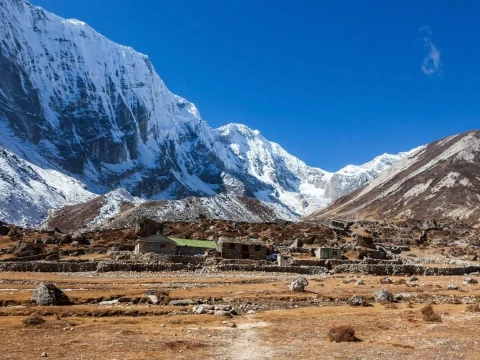
The Tashi Lapcha Pass Trek is one of Nepal's most adventurous and rewarding trekking journeys, connecting the untouched Rolwaling Valley with the world-famous Everest region. This spectacular route combines remote Himalayan wilderness, traditional Sherpa culture, pristine glacial lakes, and one of Nepal's most challenging high mountain passes, Tashi Lapcha Pass (5,755 m). Unlike the popular Everest trekking routes, this expedition offers peaceful trails, fewer trekkers, and an authentic mountain experience surrounded by dramatic landscapes. Along the journey, trekkers pass through beautiful villages such as Shigati, Jagat, Simi Gaun, Beding, Na Gaun, Thame, and Namche Bazaar while witnessing magnificent Himalayan peaks, glaciers, rivers, waterfalls, and alpine meadows.The trek also features one of Nepal's largest glacial lakes, Tso Rolpa Lake, whose brilliant turquoise waters create an unforgettable highlight of the adventure. Careful acclimatization days are included to ensure safe altitude adaptation before crossing the demanding Tashi Lapcha Pass. After successfully crossing the pass, the route descends into the Khumbu region, allowing trekkers to experience both the hidden Rolwaling Valley and the vibrant Everest region in one remarkable journey.Explore Holiday Nepal organizes the Tashi Lapcha Pass Trek with experienced mountain guides, professional trekking crews, carefully planned acclimatization schedules, quality logistics, and personalized service. Whether you are an experienced trekker seeking a new challenge or an adventure enthusiast looking for an unforgettable Himalayan expedition, our team ensures a safe, comfortable, and memorable experience from arrival in Kathmandu until your return.Cross the challenging Tashi Lapcha Pass (5,755 m)Explore the hidden Rolwaling ValleyVisit the spectacular Tso Rolpa Glacial LakeExperience authentic Sherpa villages and Buddhist cultureTrek from Rolwaling into the Everest regionEnjoy breathtaking Himalayan mountain sceneryProfessional organization by Explore Holiday NepalBest Season for Tashi Lapcha Pass TrekChoosing the right season is one of the most important factors for completing the Tashi Lapcha Pass Trek. The best trekking periods are spring (March to May) and autumn (September to November). During these months, weather conditions are generally stable, skies remain clear, and mountain views are exceptionally beautiful. Comfortable daytime temperatures, lower chances of heavy snowfall, and favorable trail conditions make these seasons ideal for crossing the high mountain pass safely.Spring transforms the lower valleys into colorful landscapes covered with blooming rhododendrons and wildflowers. Clear mornings provide excellent visibility of snow-covered Himalayan peaks, glaciers, and valleys. Wildlife is also more active during this period, making the journey even more enjoyable. Autumn, following the monsoon season, offers crystal-clear skies, dry trails, fresh mountain air, and spectacular panoramic views. The pleasant weather allows trekkers to enjoy every section of the route comfortably while capturing incredible photographs.Winter trekking is possible for experienced mountaineers but can be extremely challenging due to deep snow, freezing temperatures, and difficult pass conditions. The summer monsoon season brings frequent rainfall, slippery trails, landslides, and poor visibility, making it the least recommended time for this expedition.Explore Holiday Nepal carefully monitors seasonal weather forecasts and trail conditions before every departure to maximize safety and ensure the best trekking experience.Best SeasonsSpring (March–May)Autumn (September–November)Possible but ChallengingWinter (December–February)Least RecommendedMonsoon (June–August)Tashi Lapcha Pass Trek Difficulty and TransportationThe Tashi Lapcha Pass Trek is considered one of Nepal's most demanding trekking adventures. This expedition is designed for physically fit trekkers with previous high-altitude trekking experience. The route includes steep ascents, rocky terrain, glacier crossings, moraine trails, loose scree, and the challenging crossing of Tashi Lapcha Pass at an elevation of approximately 5,755 meters. High altitude significantly increases the physical demands, making proper acclimatization essential for a safe journey.Trekkers should prepare through regular cardiovascular exercise, hiking, strength training, and endurance activities before arriving in Nepal. The itinerary includes multiple acclimatization days at Na Gaun, Tso Rolpa Lake, and Tso Rolpa Phedi to reduce the risk of altitude sickness and improve overall safety. Throughout the expedition, Explore Holiday Nepal provides experienced licensed guides who continuously monitor each participant's health, pace, and well-being.Transportation is organized smoothly from beginning to end. The journey begins with a scenic private drive from Kathmandu to Shigati, passing picturesque villages, terraced fields, and river valleys. After completing the trek in Lukla, trekkers enjoy a spectacular mountain flight back to Kathmandu, providing breathtaking aerial views of the Everest region and surrounding Himalayan landscapes.DifficultyChallenging to strenuousSuitable for experienced trekkersHigh-altitude glacier crossingMultiple acclimatization days includedTransportationPrivate vehicle: Kathmandu to ShigatiTrek through Rolwaling and Everest regionsScenic domestic flight: Lukla to KathmanduFood and Accommodation for Tashi Lapcha Pass TrekFood and accommodation during the Tashi Lapcha Pass Trek combine traditional Himalayan hospitality with practical comfort suitable for remote mountain travel. In the lower villages, trekkers stay in welcoming teahouses offering comfortable twin-sharing rooms, warm dining halls, and locally prepared meals. As the trek progresses into higher elevations, facilities become more basic due to the remoteness of the region. In certain sections near Tso Rolpa and the high pass, camping may be required depending on seasonal conditions and lodge availability.Meals are nutritious and specially selected to provide sufficient energy for long trekking days. Popular dishes include Dal Bhat, fried rice, noodles, pasta, Tibetan bread, soups, potatoes, eggs, seasonal vegetables, pancakes, porridge, tea, and coffee. Fresh local ingredients are commonly used whenever available. Drinking plenty of fluids throughout the trek is strongly encouraged to assist with altitude acclimatization.Explore Holiday Nepal carefully selects reliable lodges and manages camping logistics whenever necessary. Our experienced trekking staff ensure hygienic meal preparation, proper campsite organization, and comfortable overnight arrangements, allowing trekkers to focus entirely on enjoying the adventure.AccommodationLocal teahousesTwin-sharing roomsBasic mountain lodgesCamping where requiredMealsDal BhatRice and noodlesSoups and vegetablesTibetan breadEggs and potatoesTea, coffee, and hot drinksTashi Lapcha Pass Trek PermitsThe Tashi Lapcha Pass Trek passes through protected mountain regions, making several trekking permits mandatory. These permits help support conservation efforts, local communities, trail maintenance, and visitor management. Trekkers must carry valid permits throughout the expedition, as permit checkpoints are located along various sections of the route.Depending on the latest government regulations, the required permits generally include the Gaurishankar Conservation Area Permit (GCAP) for the Rolwaling region, the Sagarmatha National Park Entry Permit for the Everest region, and the Khumbu Pasang Lhamu Rural Municipality Entrance Permit. Permit requirements may occasionally change according to Nepal Government regulations, making it important to arrange documentation through an experienced trekking company.When booking with Explore Holiday Nepal, our team handles all permit arrangements before the trek begins. We assist with documentation, government procedures, permit collection, and provide updated information regarding current regulations, allowing trekkers to enjoy a smooth and hassle-free adventure.Required PermitsGaurishankar Conservation Area PermitSagarmatha National Park Entry PermitKhumbu Pasang Lhamu Rural Municipality PermitExplore Holiday Nepal ProvidesPermit processingGovernment documentationTrekking logisticsUpdated permit informationWhy Choose Tashi Lapcha Pass TrekThe Tashi Lapcha Pass Trek offers one of Nepal's most complete Himalayan adventures by combining remote wilderness, cultural exploration, glacier trekking, high mountain pass crossing, and the famous Everest region into a single expedition. Unlike more crowded trekking destinations, this route allows visitors to experience peaceful trails, authentic Sherpa villages, untouched landscapes, magnificent glaciers, and spectacular alpine scenery with fewer tourists. Every day presents new landscapes ranging from lush forests and river valleys to high-altitude lakes, glaciers, rocky passes, and snow-covered Himalayan peaks.The journey is equally rewarding culturally. Trekkers interact with local Sherpa communities, visit ancient monasteries, observe traditional yak farming, and experience genuine Himalayan hospitality. Successfully crossing the Tashi Lapcha Pass delivers an unforgettable sense of achievement, making this trek one of Nepal's premier adventures for experienced mountain enthusiasts.Choosing Explore Holiday Nepal ensures your expedition is professionally organized from beginning to end. Our experienced local guides, knowledgeable climbing crew, carefully designed itineraries, quality equipment support, flexible services, safety-focused approach, and commitment to responsible tourism allow you to fully enjoy every moment of this extraordinary Himalayan adventure with complete confidence.Why Trek with Explore Holiday NepalExperienced local mountain guidesCarefully planned acclimatization itineraryProfessional logistics managementSafe and responsible trekking practicesComfortable accommodation arrangementsPersonalized customer serviceCompetitive pricing with excellent valueMemorable Himalayan adventure from start to finish
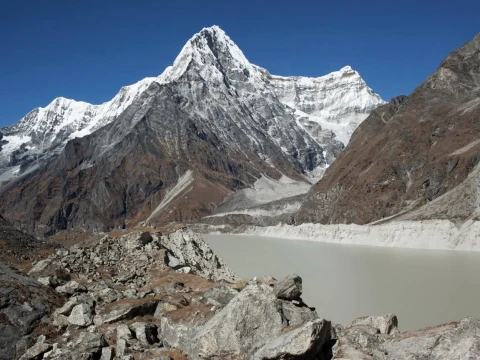
Tsho Rolpa Lake Trek is one of the most spectacular and less-crowded trekking adventures in Nepal, offering an unforgettable journey into the remote and beautiful Rolwaling Valley. Organized by Explore Holiday Nepal, this trek takes you through diverse landscapes, from the green hills and traditional villages near Kathmandu to the high alpine wilderness surrounding the magnificent Tsho Rolpa Lake. Located in the Dolakha district of Nepal, Tsho Rolpa is one of the largest glacial lakes in the country, surrounded by dramatic Himalayan peaks, glaciers, and peaceful mountain scenery.The adventure begins with a scenic drive from Kathmandu to Shigati, followed by a gradual trekking route through charming villages such as Jagat, Simi Gaun, Gyalchen, Beding, and Na Gaun. The trail follows the Tama Koshi River, passes through beautiful rhododendron and pine forests, and enters the culturally rich Sherpa settlements of the Rolwaling Valley. Along the way, trekkers experience traditional mountain lifestyles, ancient monasteries, prayer flags, yak pastures, and breathtaking views of Himalayan peaks, including Gauri Shankar and surrounding mountains.One of the major highlights of the trek is reaching Tsho Rolpa Lake at an elevation of 4,183 meters. The turquoise-blue waters of the glacial lake, combined with the surrounding snow-covered mountains, create a truly unforgettable Himalayan experience. The carefully designed itinerary by Explore Holiday Nepal includes acclimatization days at Na Gaun and Tsho Rolpa Lake, ensuring a safer and more enjoyable journey at high altitude.Scenic drive through Kathmandu, Charikot, and Dolakha landscapesTrek through authentic Sherpa villages and Buddhist communitiesExplore the remote and peaceful Rolwaling ValleyVisit ancient monasteries and traditional mountain settlementsEnjoy panoramic Himalayan views of Gauri Shankar and surrounding peaksExperience the beauty of Tsho Rolpa, one of Nepal’s largest glacial lakesProper acclimatization planning for comfortable high-altitude trekkingProfessional guidance and support from Explore Holiday NepalTsho Rolpa Lake Trek is ideal for trekkers looking for a peaceful alternative to crowded trekking routes while enjoying untouched nature, rich culture, and incredible Himalayan scenery.Best Season for Tsho Rolpa Lake TrekChoosing the right season is essential for enjoying the best experience during the Tsho Rolpa Lake Trek. The Rolwaling Valley is located in a remote Himalayan region where weather conditions can change quickly, especially at higher elevations. The best seasons for this trek are generally spring (March to May) and autumn (September to November), when the weather remains stable, visibility is excellent, and trekking conditions are most favorable.Spring is one of the most beautiful times to explore the Tsho Rolpa region. During this season, the lower valleys become colorful with blooming rhododendron flowers, green forests, and fresh mountain vegetation. The temperature is comfortable for walking, and the clear skies provide magnificent views of Himalayan peaks. Trekkers can enjoy peaceful trails, vibrant landscapes, and pleasant conditions while crossing villages, forests, and alpine areas.Autumn is considered the best trekking season in Nepal due to stable weather, dry trails, and excellent mountain visibility. After the monsoon season, the atmosphere becomes fresh and clear, creating perfect conditions for photography and enjoying panoramic views. The mountains surrounding Rolwaling Valley appear exceptionally beautiful during this period, making the journey to Tsho Rolpa Lake even more rewarding.Winter trekking is possible for experienced trekkers, but heavy snowfall and extremely cold temperatures at higher elevations can make the route more challenging. The trail around Na Gaun and Tsho Rolpa Lake may become covered with snow, requiring proper equipment and preparation. The monsoon season is generally less recommended because rain can make lower trails slippery and transportation routes more difficult.Best Seasons for Tsho Rolpa Lake Trek:Spring (March–May): Best for flowers, comfortable weather, and clear mountain viewsAutumn (September–November): Best overall season with stable weather and excellent visibilityWinter (December–February): Suitable for experienced trekkers with proper preparationMonsoon (June–August): Less recommended due to rain and trail conditionsExplore Holiday Nepal recommends planning the Tsho Rolpa Lake Trek during spring or autumn to enjoy maximum comfort, safer trekking conditions, and the best Himalayan scenery. With proper seasonal planning and professional support, this trek becomes a memorable journey through one of Nepal’s most beautiful and remote mountain regions.Tsho Rolpa Lake Trek Difficulty and TransportationTsho Rolpa Lake Trek is considered a moderate to challenging high-altitude trekking adventure in Nepal, suitable for trekkers who have good physical fitness and a passion for exploring remote Himalayan landscapes. The trek reaches an altitude of 4,183 meters (13,723 ft) at Tsho Rolpa Lake, requiring proper preparation, gradual acclimatization, and a steady walking pace. The itinerary designed by Explore Holiday Nepal includes acclimatization days at Na Gaun and Tsho Rolpa Lake, which helps trekkers adjust safely to the increasing altitude and reduces the risk of altitude-related problems.The difficulty level comes from several factors, including long walking days, changing landscapes, steep ascents, rocky trails, and high elevation. The trail begins with easier sections through villages, farmland, and forests before gradually becoming more demanding as it enters the alpine region. The routes around Beding, Na Gaun, and Tsho Rolpa Lake include rugged terrain, glacial moraines, and uneven mountain paths. However, with proper preparation, comfortable trekking speed, and support from experienced guides, most adventure-loving trekkers can successfully complete this journey.Transportation for the Tsho Rolpa Lake Trek includes a scenic overland drive from Kathmandu to Shigati and a return drive from Shigati back to Kathmandu after completing the trek. The road journey passes through beautiful countryside, terraced hills, traditional villages, and river valleys, offering wonderful views of rural Nepal. Explore Holiday Nepal arranges reliable transportation and experienced trekking support to make the journey smooth and comfortable from the beginning to the end.Tsho Rolpa Lake Trek Difficulty and Transportation Highlights:Moderate to challenging high-altitude trekking experienceMaximum elevation of 4,183 meters at Tsho Rolpa LakeRequires good physical fitness and walking enduranceGradual altitude gain with planned acclimatization daysTrails include forests, rocky paths, alpine landscapes, and glacial areasSuitable for experienced trekkers and adventure enthusiastsPrivate vehicle transportation from Kathmandu to ShigatiScenic drive through Dolakha, Charikot, and Himalayan countrysideProfessional guides and support from Explore Holiday NepalWith proper preparation, suitable trekking equipment, and professional guidance, Tsho Rolpa Lake Trek becomes a rewarding Himalayan adventure filled with incredible scenery and unforgettable experiences.Food and Accommodation for Tsho Rolpa Lake TrekDuring the Tsho Rolpa Lake Trek, trekkers experience authentic mountain hospitality while staying in traditional teahouses and local lodges along the route. Explore Holiday Nepal carefully selects comfortable accommodations that provide a warm and welcoming environment throughout the journey. Since the trek takes place in a remote Himalayan region, facilities become simpler as the altitude increases, but the local lodges offer essential services, clean rooms, and a friendly atmosphere.Accommodation during the trek is generally provided in family-run teahouses with basic twin-sharing rooms. Lower trekking areas such as Shigati, Jagat, and Simi Gaun offer relatively comfortable lodges, while higher regions like Beding, Na Gaun, and Tsho Rolpa Lake provide more basic mountain accommodation due to the remote location. Staying in these traditional lodges allows trekkers to experience local culture, interact with Sherpa communities, and enjoy the peaceful atmosphere of the Rolwaling Valley.Food on the Tsho Rolpa Lake Trek includes a variety of nutritious local and international dishes designed to provide enough energy for long trekking days. Meals are freshly prepared using locally available ingredients. The most common trekking meal is Dal Bhat, a traditional Nepali dish consisting of rice, lentil soup, vegetables, and sometimes meat. Other options include noodles, soups, pasta, fried rice, Tibetan bread, eggs, pancakes, and seasonal vegetables.Explore Holiday Nepal ensures that trekkers receive hygienic meals, proper hydration guidance, and suitable nutrition throughout the adventure. At higher elevations, eating enough calories and drinking sufficient water are important for maintaining energy and adapting to the altitude.Food and Accommodation Highlights:Comfortable teahouse and lodge accommodation throughout the trekTraditional Sherpa hospitality and cultural experiencesTwin-sharing rooms with basic mountain facilitiesWarm dining areas for relaxing after trekkingFreshly prepared Nepali and international mealsTraditional Dal Bhat for energy and nutritionVegetarian and non-vegetarian food options availableHot drinks including tea, coffee, and local beveragesHygienic meal preparation and trekking support by Explore Holiday NepalThe combination of simple mountain accommodation, delicious local food, and warm community hospitality makes the Tsho Rolpa Lake Trek a culturally enriching and comfortable Himalayan experience.Tsho Rolpa Lake Trek PermitsTrekking in the Tsho Rolpa Lake region requires specific permits and official documentation to ensure responsible and regulated tourism in Nepal’s protected mountain areas. Explore Holiday Nepal manages the necessary permit arrangements for trekkers, allowing them to focus on enjoying the adventure without worrying about complicated procedures. Having the correct permits is essential for legal trekking access and contributes to the conservation and sustainable development of the region.The Tsho Rolpa Lake Trek route passes through the Gaurishankar Conservation Area, which was established to protect the unique biodiversity, natural landscapes, and cultural heritage of the region. Trekkers are required to obtain the Gaurishankar Conservation Area Permit before entering this protected area. The permit system helps support environmental protection, local communities, wildlife conservation, and the maintenance of trekking infrastructure.In addition to the conservation permit, trekkers may also need a TIMS (Trekkers’ Information Management System) card, depending on current Nepal trekking regulations and route requirements. The TIMS system helps maintain trekker records, improve safety, and provide assistance during emergencies. Permit requirements can change according to government regulations, so trekking with a professional company like Explore Holiday Nepal ensures that all necessary documentation is updated and properly arranged.Tsho Rolpa Lake Trek Permit Requirements:Gaurishankar Conservation Area PermitTIMS Card (as required by current regulations)Valid passport details for permit processingPassport-sized photographs (if required)Permit fees according to Nepal government regulationsProper documentation before entering restricted areasObtaining permits not only allows a smooth trekking experience but also supports conservation efforts and local communities in the Rolwaling Valley. With Explore Holiday Nepal, all permit procedures are handled professionally, ensuring a hassle-free and enjoyable Himalayan journey.Why Choose Tsho Rolpa Lake Trek with Explore Holiday NepalTsho Rolpa Lake Trek is an excellent choice for travelers seeking a peaceful, adventurous, and culturally rich Himalayan experience away from Nepal’s crowded trekking routes. Organized by Explore Holiday Nepal, this trek combines breathtaking natural beauty, authentic mountain culture, and professional trekking services to create a memorable journey through the remote Rolwaling Valley.Unlike many popular trekking destinations, the Tsho Rolpa region remains relatively untouched, offering a true wilderness experience. Trekkers can enjoy quiet trails, traditional Sherpa villages, ancient monasteries, and spectacular views of glaciers and Himalayan peaks. The journey provides a perfect balance of adventure and cultural discovery, from walking beside the Tama Koshi River to standing beside the stunning turquoise waters of Tsho Rolpa Lake.Explore Holiday Nepal focuses on providing safe, comfortable, and personalized trekking experiences. The company offers experienced guides, carefully planned itineraries, reliable transportation, proper acclimatization schedules, and continuous support throughout the trek. Their professional team understands the challenges of high-altitude trekking and ensures that every trekker receives proper guidance and care.Reasons to Choose Explore Holiday Nepal for Tsho Rolpa Lake Trek:Experienced and knowledgeable trekking guidesCarefully designed itinerary with acclimatization daysProfessional permit management and travel arrangementsSafe and reliable transportation servicesComfortable teahouse accommodation arrangementsAuthentic cultural experiences with local communitiesPersonalized service and trekker-focused supportStrong knowledge of the Rolwaling Valley regionCommitment to responsible and sustainable tourismChoosing Explore Holiday Nepal for the Tsho Rolpa Lake Trek means traveling with a trusted local trekking partner dedicated to safety, quality service, and unforgettable Himalayan experiences. This journey offers not only stunning landscapes but also lifelong memories of Nepal’s natural beauty and mountain culture.
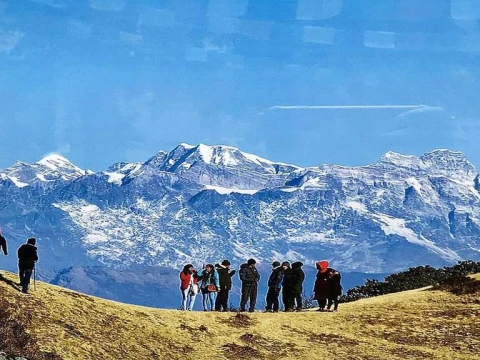
The Mundum Trekking Trail is one of the newly explored and culturally rich trekking routes in eastern Nepal, offering a unique combination of natural beauty, indigenous culture, peaceful landscapes, and authentic Himalayan experiences. Developed around the traditional homeland of the Rai communities, this trail provides an opportunity to discover the hidden beauty of the eastern hills while walking through remote villages, dense forests, alpine meadows, and spectacular mountain ridges.Unlike the crowded trekking destinations of Nepal, the Mundum Trekking Trail offers a peaceful and untouched atmosphere where trekkers can experience the real lifestyle of local communities. The trail takes you through the beautiful landscapes of the Khotang and Bhojpur regions, passing through traditional settlements such as Chakhewa, Dhotre, Maiyung, Rawadhap, Salpa Bhanjyang, Hyakule, and Hanspokhari. The journey reaches one of the major highlights, Silchung Hill (4,200 m), which provides breathtaking panoramic views of the Himalayan ranges.The trek is not only an adventure through the mountains but also a cultural exploration. Trekkers can learn about the traditions, rituals, lifestyle, and hospitality of the Rai and other indigenous communities. The combination of natural scenery, spiritual landscapes, and cultural encounters makes the Mundum Trekking Trail a memorable experience for travelers looking for an authentic Himalayan journey.Newly developed and less crowded trekking route in eastern NepalExperience Rai indigenous culture, traditions, and local lifestyleExplore remote mountain villages and traditional settlementsStunning views of Himalayan peaks and eastern landscapesVisit the beautiful viewpoint of Silchung Hill (4,200 m)Walk through forests, ridges, valleys, and alpine landscapesAuthentic homestay and local hospitality experiencePerfect destination for travelers seeking a peaceful Himalayan adventureBest Season for Mundum Trekking TrailThe best seasons for the Mundum Trekking Trail are spring (March to May) and autumn (September to November). During these months, the weather conditions are stable, the skies are generally clear, and the mountain views are at their best. These seasons provide comfortable temperatures for trekking and allow travelers to fully enjoy the natural beauty of eastern Nepal.Spring is an excellent time to visit Mundum because the forests and hills become colorful with blooming rhododendron flowers, Nepal’s national flower. The landscapes become vibrant with fresh greenery, and trekkers can enjoy pleasant walking conditions. The clear mountain atmosphere also provides excellent opportunities for photography and enjoying panoramic views of the Himalayan ranges.Autumn is considered the most popular trekking season in Nepal due to its dry weather and excellent visibility. The post-monsoon environment creates crystal-clear views of mountains, valleys, and surrounding landscapes. The local villages are also active during this period, allowing visitors to experience the cultural richness of the region.Winter trekking is possible for experienced trekkers who enjoy colder conditions and peaceful trails. However, snowfall at higher elevations, especially around Silchung Hill and Salpa Bhanjyang, can make some sections more challenging. The monsoon season (June to August) is less recommended due to rainfall, muddy trails, and reduced mountain visibility.Best Time for Mundum Trekking Trail:Spring (March–May): Best for flowers, greenery, and comfortable weatherAutumn (September–November): Best for clear mountain views and stable conditionsWinter (December–February): Suitable for experienced trekkers seeking solitudeMonsoon (June–August): Less recommended due to rain and slippery trailsMundum Trekking Trail Difficulty and TransportationThe Mundum Trekking Trail is considered a moderate-level trekking route suitable for trekkers with a reasonable level of fitness and preparation. The trail does not require technical climbing skills, but it includes several uphill and downhill sections, high-altitude walking, and long trekking days. The highest point of the trek is Silchung Hill at 4,200 meters, where trekkers need proper acclimatization and a steady walking pace.The route includes walking through forests, mountain ridges, open grasslands, and remote villages. Some sections can be physically demanding due to elevation gain and uneven terrain. However, the peaceful environment, beautiful scenery, and gradual itinerary designed by Explore Holiday Nepal make the trek achievable for travelers who prepare properly.Transportation is an important part of the Mundum Trekking experience. The adventure begins with a scenic drive from Kathmandu to Diktel Bazar, the starting point of the trekking route. The journey passes through countryside landscapes, rivers, hills, terraced farms, and traditional settlements of eastern Nepal. After completing the trek in Bhojpur, transportation is arranged back to Kathmandu by road.Difficulty Level and Transportation Details:Moderate trekking difficulty levelSuitable for beginners with good physical fitnessMaximum elevation: Silchung Hill (4,200 m)Daily walking duration: approximately 5–7 hoursRequires basic trekking preparation and enduranceKathmandu to Diktel Bazar by private/local vehicleBhojpur to Kathmandu return drive after trekkingExperienced guides and support from Explore Holiday NepalFood and Accommodation for Mundum Trekking TrailFood and accommodation along the Mundum Trekking Trail provide an authentic experience of rural Nepalese mountain life. Since this is a remote and newly developed trekking route, accommodation is mainly available through local homestays, community lodges, and simple mountain teahouses. These accommodations offer a warm and welcoming environment where trekkers can interact with local families and experience indigenous culture.During the trek, trekkers can enjoy traditional Nepali meals prepared with locally available ingredients. The food is simple, nutritious, and suitable for long trekking days. Meals generally include traditional dishes such as Dal Bhat (rice, lentils, and vegetables), noodles, soups, potatoes, seasonal vegetables, Tibetan-style bread, and tea. The local cuisine provides the energy needed for walking through the Himalayan landscapes.Explore Holiday Nepal carefully organizes food and accommodation arrangements to ensure trekkers receive comfortable services while maintaining the authentic character of the region. Staying in local homes and community lodges also contributes directly to the livelihood of local communities.Food and Accommodation Facilities:Local homestays and community-based lodgesSimple but comfortable mountain accommodationTraditional Nepali meals and local dishesVegetarian and non-vegetarian food options availableFresh local vegetables and organic productsTea, coffee, and warm beverages during trekkingOpportunity to experience Rai culture and hospitalityCamping support available if requiredMundum Trekking Trail PermitsThe Mundum Trekking Trail requires certain permits and official documents before beginning the trek. Although this route is less crowded compared to popular trekking regions, trekkers still need to complete necessary government procedures to ensure safe and legal travel in the Himalayan region.Explore Holiday Nepal assists trekkers in arranging all required permits and documentation before starting the journey. Having proper permits helps support conservation efforts, maintain trekking records, and ensure that travelers receive necessary support from local authorities when required.The required permits may vary depending on government regulations and the exact trekking route. Travelers should always check the latest requirements before departure. A professional trekking company like Explore Holiday Nepal manages these formalities efficiently, allowing trekkers to focus on enjoying their Himalayan adventure.Required Permits and Documents:Local area permits (if required)National identification and passport detailsTrekking registration documentsTravel insurance with emergency coverage is recommendedGuide and company documentationAssistance with permit arrangements from Explore Holiday NepalWhy Choose Mundum Trekking TrailThe Mundum Trekking Trail is an ideal choice for travelers who want to explore a hidden side of Nepal beyond the famous trekking routes. It offers a rare opportunity to experience untouched nature, authentic village life, and indigenous culture while enjoying spectacular Himalayan scenery. The peaceful environment and fewer numbers of trekkers make this route perfect for those seeking a unique and meaningful adventure.Choosing the Mundum Trek means discovering eastern Nepal’s hidden treasures with the support of experienced professionals. Explore Holiday Nepal provides well-organized trekking services, experienced guides, comfortable arrangements, and personalized support throughout the journey. The company focuses on creating safe, memorable, and culturally respectful trekking experiences.This trek is not only about reaching destinations but also about connecting with local people, understanding their traditions, and appreciating the natural beauty of Nepal. From scenic mountain ridges to warm village hospitality, every day on the Mundum Trekking Trail brings a new experience.Reasons to Choose Mundum Trekking Trail:Explore one of Nepal’s newest and most unique trekking routesExperience authentic Rai indigenous cultureEnjoy peaceful trails away from crowdsDiscover remote villages and traditional lifestylesWitness spectacular Himalayan landscapesReach the stunning Silchung Hill viewpointSupport local communities through community-based tourismProfessional trekking management by Explore Holiday NepalPerfect combination of adventure, culture, and natureCreate unforgettable memories in the hidden Himalayas of eastern NepalExplore Holiday Nepal welcomes you to discover the beauty, culture, and adventure of the Mundum Trekking Trail — a journey where nature, tradition, and Himalayan hospitality come together to create an unforgettable Nepal trekking experience.

Feel free to inquire, and together, we'll design the perfect journey to suit your preferences and desires.


 (34)
(34) 