Close-up views of Mount Dhaulagiri, Tukuche Peak, Dhampus Peak, and Annapurna I
Crossing two high mountain passes: French Pass (5,360 m) and Dhampus Pass (5,240 m)
Remote glacier walks over Chhonbardan and Dhaulagiri glaciers
Traditional villages such as Darbang, Muri, and Marpha
Deep gorges carved by the Myagdi and Kali Gandaki rivers
A true camping trek through pristine alpine wilderness
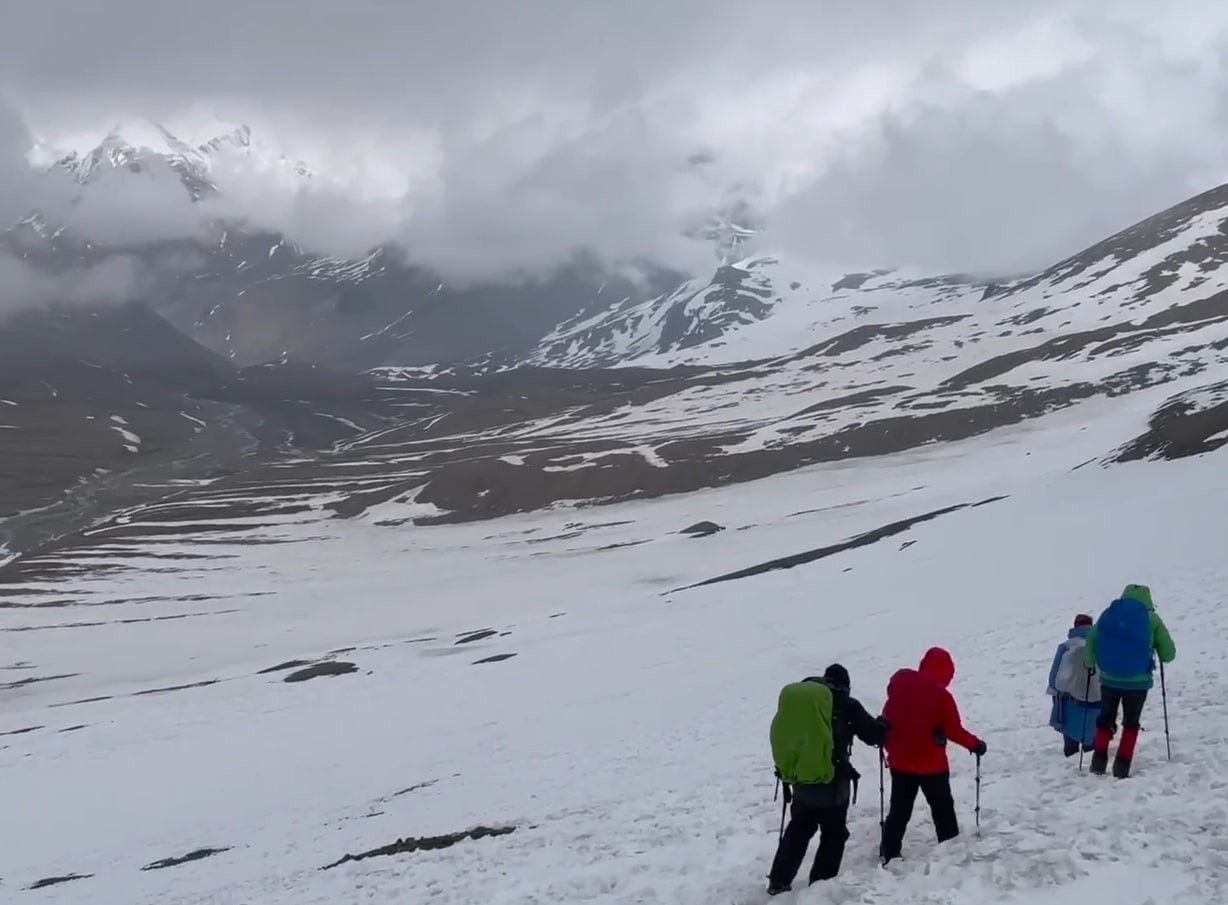 Dhaulagiri Circuit Trek: A Remote Himalayan Expedition
The Dhaulagiri Circuit Trek is one of Nepal’s most demanding and rewarding trekking adventures, designed for trekkers seeking raw wilderness, dramatic landscapes, and minimal crowds. Circling Mount Dhaulagiri (8,167 m) — the world’s seventh-highest peak — this trek takes you deep into a remote corner of western Nepal where nature dominates, and human presence feels timeless.
Unlike popular routes such as Everest or Annapurna, the Dhaulagiri Circuit remains largely untouched. The journey is physically challenging, yet the sense of achievement and immersion in high Himalayan terrain makes it a true expedition-style trek.
The trek begins in the lower hills of the Myagdi district, passing terraced farmlands, forests of rhododendron and pine, and traditional Magar and Gurung settlements. As the trail ascends, landscapes shift dramatically — lush valleys give way to barren alpine terrain, glaciers, and towering icefalls.
After reaching Italian Base Camp and Dhaulagiri Base Camp, trekkers face the most demanding section of the journey: crossing French Pass and Dhampus Pass. These high-altitude crossings require good acclimatization, strong physical fitness, and experienced guides. The route eventually descends into the Kali Gandaki Valley, ending in Marpha, a charming Thakali village.
The Dhaulagiri Circuit Trek is considered very challenging and is recommended only for experienced trekkers. Long trekking days, high-altitude camping, glacier crossings, and unpredictable weather make this trek physically and mentally demanding.
Prior high-altitude trekking experience above 5,000 meters is strongly advised.
Spring (March–May): Stable weather, clear mountain views, blooming rhododendrons
Autumn (September–November): Best visibility, dry conditions, and ideal temperatures
Winter and monsoon seasons are not recommended due to heavy snowfall, avalanches, and difficult trail conditions.
Most of the Dhaulagiri Circuit is a fully supported camping trek. Tents, kitchen equipment, and meals are arranged by the trekking team. In lower villages and at the end of the trek (Marpha), basic teahouse accommodation is available.
Meals are nutritious and designed for high-altitude trekking, including local Nepali dishes and international options.
Annapurna Conservation Area Permit (ACAP)
Trekking Information Management System (TIMS) Card
Dhaulagiri Special Permit
All permits can be arranged before the trek through registered trekking agencies.
Ideal for trekkers seeking extreme adventure and solitude
One of Nepal’s least crowded long-distance treks
Unmatched sense of exploration and accomplishment
Perfect for those who want to go beyond commercial trekking routes
At Explore Holiday Nepal, we focus on safe, well-planned, and authentic trekking experiences. Our experienced guides, quality camping equipment, and personalized approach ensure that your Dhaulagiri Circuit Trek is both challenging and rewarding.
If you are ready to test your limits and explore one of Nepal’s most remote Himalayan regions, the Dhaulagiri Circuit Trek is an unforgettable journey into the heart of the mountains.
Your journey begins with a scenic drive from Kathmandu to Pokhara on a comfortable tourist bus. The road follows the Trishuli River, offering views of terraced hills, villages, and changing landscapes. After reaching Pokhara, you continue by local jeep or bus toward Beni, the administrative hub of the Myagdi district. This transition from the busy capital to quieter hill towns sets the tone for the adventure ahead. Overnight in a lodge in Beni, where final trek preparations are made.
 Max. altitude 850m / 2,789ft.
 Today marks the official start of the trek. Following the Myagdi Khola, the trail passes through fertile farmlands, suspension bridges, and small settlements. Walking is gentle and unhurried, allowing time to observe daily rural life, traditional houses, and terraced fields. The lower altitude makes this an enjoyable introduction to trekking conditions. Dharapani sits peacefully beside the river, offering a calm overnight stop before the trail gradually becomes more demanding.
Max. altitude 950m / 3,117ft. Continuing upstream along the Myagdi Khola, the trail winds through subtropical forest and cultivated land. Stone paths, river crossings, and shaded woodland make today’s walk varied and engaging. You’ll notice fewer vehicles and a slower pace of life as you move deeper into the Dhaulagiri region. Children playing, farmers tending fields, and water buffalo grazing create a lively rural atmosphere. The gradual ascent helps your body adjust naturally to increasing altitude.
Max. altitude 1,400m / 4,593ft. Today involves multiple river crossings and steady climbs through forested slopes. After crossing the river, the trail ascends to a ridge overlooking the valley before reaching the village of Muri. This Magar settlement is one of the most culturally interesting stops on the trek. Here, you can observe traditional farming practices and village life that have remained unchanged for generations. Overnight in Muri allows time to explore and interact with locals.
Max. altitude 1,800m / 5,906ft. The route climbs over a low mountain pass, rewarding you with views of Mt. Ghustung South. Walking through pine and oak forests, the trail alternates between gentle ascents and short descents. As you approach Boghara, the landscape opens up to terraced hillsides and dramatic mountain scenery. From the village, clear views of Dhaulagiri I and Gurja Himal signal your gradual entry into higher Himalayan terrain. Overnight in Boghara.
Max. altitude 2,080m / 6,824ft. Leaving permanent settlements behind, the trail follows forested paths alongside the river. The terrain becomes more rugged, with fewer cultivated fields and more wilderness. Crossing small streams and shaded woodland, you sense the increasing isolation of the region. Dobang lies in a quiet forest clearing and serves as an important stop before entering the more remote sections of the trek. Camping here marks a shift from village trekking to expedition-style travel.
Max. altitude 2,520m / 8,268ft. As altitude increases, human settlements disappear almost entirely. The trail follows dense forest along the Myagdi Khola, with occasional seasonal teashops offering a welcome rest. The path becomes rockier, and the air noticeably thinner. Crossing streams and uneven terrain, you reach Choriban Khola, where camp is set beside the river. The sense of remoteness grows, preparing you mentally and physically for the alpine environment ahead.
Max. altitude 3,110m / 10,203ft. A demanding ascent of roughly 500 meters brings dramatic changes in scenery. Forest gives way to rocky terrain, glacial valleys, and towering peaks. As you climb, views of the Chhonbardan Glacier and Dhaulagiri massif begin to dominate the landscape. Italian Base Camp, named after a historic expedition, offers stunning panoramic views and marks your entry into true high-altitude trekking. Overnight camping here is both challenging and rewarding.
Max. altitude 3,660m / 12,008ft. Today is dedicated to acclimatization, which is essential for safety. Short hikes around camp help your body adjust while allowing you to explore the rugged surroundings. The area offers close-up views of glaciers, icefalls, and surrounding peaks. You can rest, journal, photograph the scenery, or simply enjoy the silence of the high mountains. This rest day significantly improves your chances of crossing the high passes comfortably in the coming days.
Max. altitude 3,660m / 12,008ft. The trail traverses glacial moraine and rocky ground, demanding careful footing. Passing the area known as Swiss Base Camp, you continue across barren terrain shaped by ice and rock. The environment feels harsh and otherworldly, with minimal vegetation and immense mountain walls. Glacier Camp is reached after a steady, challenging walk and offers dramatic views under vast Himalayan skies. Camping here brings you closer to the heart of the Dhaulagiri massif.
Max. altitude 4,210m / 13,812ft. A thrilling day as you trek beneath towering peaks. The route climbs steep moraine slopes with breathtaking views of Tukuche Peak. As the valley widens, Dhaulagiri Base Camp appears beneath the massive south face of Dhaulagiri I. Prayer flags flutter in the wind, marking this iconic location. Surrounded by Dhaulagiri I, II, III, and V, spending the night here is a highlight of the entire trek.
Max. altitude 4,740m / 15,551ft. Another vital acclimatization day allows your body to adapt before crossing high passes. You can explore nearby ridges, photograph glaciers, and admire peaks such as Manapathi. The team prepares equipment while trekkers rest and hydrate. Despite the altitude, the day feels peaceful, with sweeping views and crisp mountain air. Proper rest here plays a key role in safely reaching Hidden Valley in the following days.
Max. altitude 4,740m / 15,551ft. An early start leads to the crossing of French Pass (5,360 m). The climb is demanding but rewarding, offering spectacular views of Dhaulagiri, Tukuche Peak, Sita Chuchura, and surrounding giants. Prayer flags mark the summit of the pass. From here, the descent leads into the vast, open Hidden Valley at around 5,200 meters, where camp is set for what is often the coldest night of the trek.
Max. altitude 5,200m / 17,060ft. Crossing Dhampus Pass (5,240 m) is another major highlight. Glaciers and moraine dominate the landscape as you climb and descend carefully. Once over the pass, the trail drops steeply toward the Kali Gandaki Valley. The altitude loss brings noticeable relief in breathing and temperature. Yak Kharka, meaning yak pasture, welcomes you with grazing herds and a sense of returning life to the landscape.
Max. altitude 3,680m / 12,073ft. Descending further, the scenery changes dramatically. Rocky terrain gives way to pine and rhododendron forests. The trail eventually reaches Marpha, a beautiful Thakali village known for its whitewashed houses, apple orchards, and monastery. Located along the Kali Gandaki River, Marpha offers comfort, culture, and teahouse facilities. After days of camping, this village feels especially welcoming and relaxed.
Max. altitude 2,670m / 8,760ft. Today involves a long but scenic drive back to Pokhara along the Kali Gandaki corridor. The road is dusty in places but offers striking views of deep gorges and arid landscapes. Arriving in Pokhara feels lively after the solitude of the mountains. Enjoy a hot shower, lakeside walk, and celebratory meal while reflecting on the incredible journey you’ve completed.
Max. altitude 830m / 2,723ft. The trek concludes with a drive from Pokhara back to Kathmandu. The journey offers a final chance to enjoy Nepal’s changing landscapes, from river valleys to hill towns. Upon arrival in Kathmandu, you can rest, shop for souvenirs, or celebrate the successful completion of one of Nepal’s most challenging treks. This day marks the end of an unforgettable Himalayan adventure.
Max. altitude 850m / 2,789ft. When booking the Dhaulagiri Circuit Trek with Explore Holiday Nepal, trekkers are encouraged to carefully review all booking terms and conditions. A deposit is required at the time of confirmation to secure your place, with the remaining balance payable before the trek begins. Guests must provide accurate personal details, passport information, and emergency contact numbers to ensure smooth coordination and safety throughout the journey.
All participants are required to carry valid travel insurance that covers high-altitude trekking, emergency evacuation, and medical expenses. Due to the remote and demanding nature of the Dhaulagiri region, insurance coverage is a mandatory requirement. Any itinerary changes due to weather, trail conditions, or safety concerns may be made by the company in consultation with guides, prioritizing trekkers’ well-being at all times.
Explore Holiday Nepal follows a transparent and fair booking process for the Dhaulagiri Circuit Trek. To confirm a reservation, trekkers must complete a booking form and submit the required deposit. Cancellations made well in advance of the trek start date may be eligible for partial refunds, while last-minute cancellations may incur charges due to non-recoverable expenses such as permits, staff arrangements, and logistics.
Refunds are processed according to the cancellation timeline shared during booking. Costs already incurred for permits, camping equipment, food supplies, and transportation may be deducted. Early communication regarding cancellations or changes is strongly advised to minimize financial loss.
Transportation plays a vital role in the Dhaulagiri Circuit Trek due to its remote access points. The journey typically begins with a drive from Kathmandu or Pokhara to Beni or Darbang using a private vehicle or local jeep. These road journeys offer scenic views, but may involve rough and mountainous terrain.
At the end of the trek, transportation is arranged from Marpha or Jomsom back to Pokhara, either by road or flight, depending on weather and client preference. Road conditions in the region can vary, so flexibility and patience are essential. Explore Holiday Nepal ensures safe and reliable transport options throughout the trek.
The Dhaulagiri Circuit Trek passes through a wide range of climatic zones, from warm river valleys to harsh alpine environments. Weather conditions can change rapidly, especially at higher elevations near Dhaulagiri Base Camp, French Pass, and Dhampus Pass.
Trekkers should be prepared for cold temperatures, snowfall, and strong winds at higher altitudes, even during peak trekking seasons. Proper clothing, layered gear, and weather awareness are essential. Explore Holiday Nepal provides pre-trek guidance to ensure trekkers are well-prepared for varying weather conditions.
The trek usually starts from Darbang or Beni, located in the Myagdi district of western Nepal. These villages mark the transition from cultivated farmland to remote Himalayan wilderness. The route gradually ascends through isolated settlements, forests, and glacial valleys.
The trek typically concludes in Marpha or Jomsom, well-known villages in the Kali Gandaki Valley. From here, trekkers return to Pokhara by flight or road, marking the end of this challenging yet rewarding adventure.
The Dhaulagiri Circuit Trek is renowned for its dramatic landscapes and expedition-style trekking experience. Key highlights include:
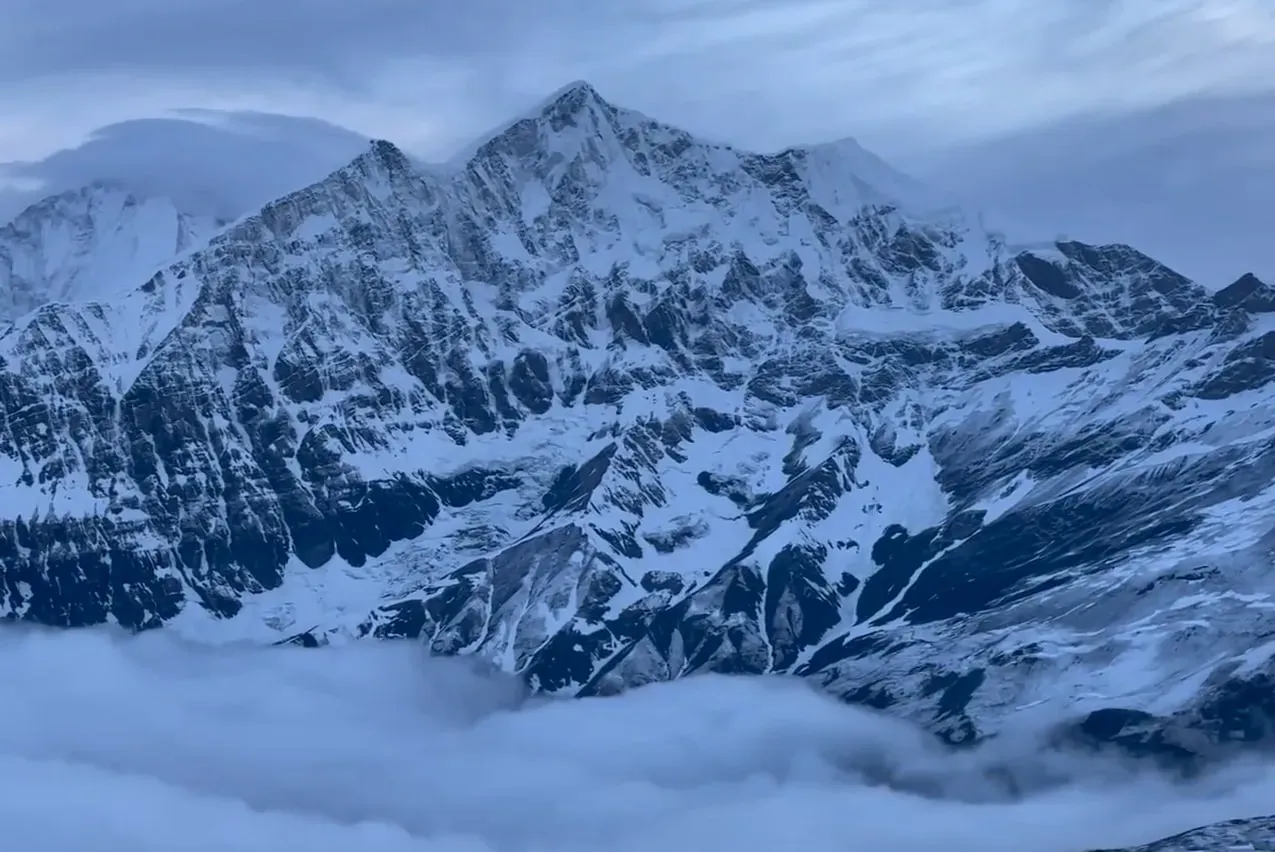
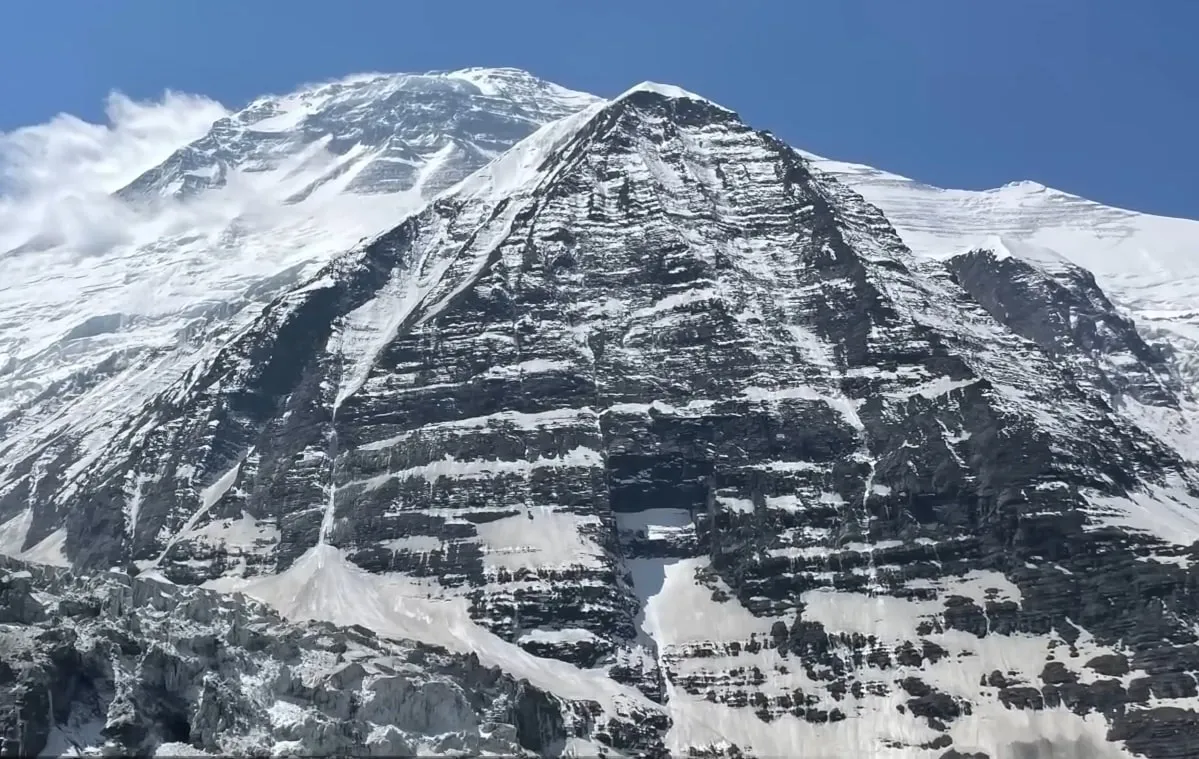
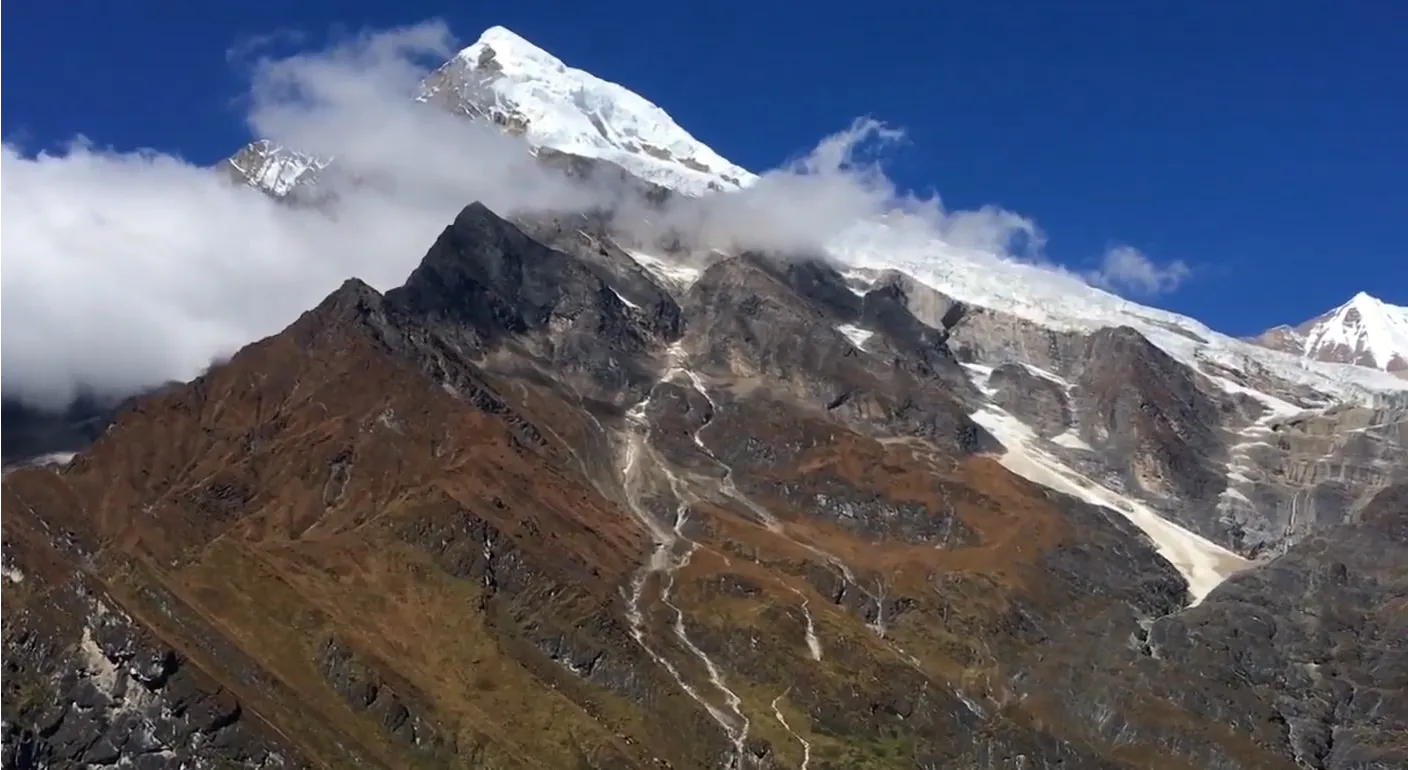
Close-up views of Mount Dhaulagiri (8,167 m), the seventh-highest mountain in the world
Trekking through Italian Base Camp and Dhaulagiri Base Camp
Crossing two high mountain passes: French Pass (5,360 m) and Dhampus Pass (5,240 m)
Glacier walks over the Dhaulagiri and Chhonbardan Glaciers
Remote camping experiences in untouched alpine terrain
The best seasons for the Dhaulagiri Circuit Trek are spring (March to May) and autumn (September to November). These months offer stable weather, clearer skies, and safer conditions for crossing high passes.
Spring brings milder temperatures and blooming alpine vegetation, while autumn offers excellent visibility and crisp mountain views. Winter and monsoon seasons are not recommended due to heavy snowfall, avalanches, and high-risk trail conditions.
The Dhaulagiri Circuit Trek is classified as a very challenging trek, suitable only for experienced trekkers with strong physical fitness. The route involves long trekking days, high-altitude camping, glacier crossings, and steep ascents.
Previous trekking experience above 5,000 meters is highly recommended. Proper acclimatization, mental preparedness, and guidance from experienced professionals are essential for a successful trek.
Most of the Dhaulagiri Circuit Trek is a fully supported camping trek. Meals are prepared by trained kitchen staff and include nutritious Nepali and international dishes suitable for high-altitude trekking.
Accommodation is provided in high-quality tents during the camping sections. In lower villages and at the end of the trek, basic teahouse accommodation is available. Comfort may be simple, but cleanliness and safety are always prioritized.
Mobile network coverage is limited on the Dhaulagiri Circuit Trek. While some lower villages may have basic connectivity, most of the route has no phone or internet access.
Explore Holiday Nepal equips trekking teams with satellite communication devices for emergencies. Trekkers are advised to inform family and friends in advance about limited connectivity during the trek.
The Dhaulagiri Circuit Trek is led by highly experienced guides trained in wilderness first aid, altitude safety, and glacier navigation. Our guides possess deep knowledge of the region and ensure safe passage through demanding terrain.
Porters and support staff play a crucial role in managing logistics and equipment. Explore Holiday Nepal is committed to ethical trekking practices, fair wages, and the well-being of its team members.
Due to the extreme nature of the Dhaulagiri Circuit Trek, trekkers must be physically and mentally prepared. Proper gear, travel insurance, and respect for guide instructions are essential. Weather conditions and trail safety may require itinerary adjustments.
Understanding altitude risks and following acclimatization guidelines significantly enhances safety and enjoyment during the trek.
Choosing Explore Holiday Nepal for the Dhaulagiri Circuit Trek ensures professional planning, safety-focused execution, and an authentic Himalayan experience. Our team prioritizes responsible tourism, environmental respect, and personalized service.
From initial planning to the final descent, we are dedicated to delivering a well-organized and memorable trekking experience in one of Nepal’s most remote and spectacular mountain regions.
Your Start Date is the day you land in Nepal, and your End Date is when you fly home.
If the set Dhaulagiri Circuit Trek group dates don’t suit your schedule, we can offer alternative dates upon request.
What stayed with me most was the silence. Once we left the villages behind, it felt like the mountains completely took over. The views from Italian Base Camp and Hidden Valley were stunning, especially early in the morning. The trek pushed me physically, but the acclimatization days really helped. I’m glad I chose Dhaulagiri over a more crowded route.
This trek felt very different from Annapurna or Everest. There were no crowds, no busy teahouses, just mountains, glaciers, and long days of walking. Some days were exhausting, especially before French Pass, but the sense of achievement was worth it. Marpha at the end felt like returning to civilization after weeks in the wild.
From the Magar villages at the beginning to the high passes near Hidden Valley, every part of the trek felt meaningful. The guide was knowledgeable and always checked on everyone’s condition, which mattered a lot at high altitude. Dhaulagiri Base Camp was surreal, especially at night under the stars. I would highly recommend this trek to experienced trekkers.
The Dhaulagiri Circuit Trek with Explore Holiday Nepal was one of the most transformative experiences of my life. Every day offered a new breathtaking vista of massive peaks and untouched valleys. The route was adventurous, but our guide made it feel manageable and safe, always attentive to how each of us was feeling. The company’s planning, from permits to tea-house stays, was seamless. The pass crossing was challenging yet exhilarating — truly a trek worth every step. I came home feeling stronger, humbler, and more connected to nature than ever.
I wanted a trek that felt remote and authentic — and the Dhaulagiri Circuit delivered in every way. Explore Holiday Nepal handled all logistics smoothly, from permits to local arrangements. Our guide was both knowledgeable and encouraging, explaining the landscape, culture, and mountain lore with passion. The views of Dhaulagiri towering above everything else were unforgettable. Even on steep sections, the team’s support kept our spirits high. If you seek a high-reward Himalayan trek with real wilderness and expert guidance, this is it.
The Dhaulagiri Circuit Trek was incredible — dramatic landscapes, high alpine deserts, and stunning mountain panoramas. What made it extra special was the care from Explore Holiday Nepal. Our guide paced us perfectly and made sure we acclimatized safely. Tea houses were comfortable and the food was warming after long days on the trail. Crossing French Pass was one of the most thrilling moments of my life. I felt safe, supported, and inspired every step of the way. This trek left a mark on my heart.
This trek lived up to its reputation — it was demanding, remote, and absolutely beautiful. Explore Holiday Nepal planned every detail so I could focus on walking and enjoying the views. The guides were patient, encouraging, and full of helpful local insights, which made even the tougher days feel meaningful. The diversity of landscapes — from lush rhododendron forests to high glacial valleys — was unforgettable. I recommend this trek to anyone who wants a rugged adventure supported by an experienced team.
The Dhaulagiri Circuit Trek is a masterpiece of natural beauty, and Explore Holiday Nepal made it accessible and safe. The team handled logistics like permits, guesthouses, and altitude guidance with professionalism. Our guide was deeply familiar with the trail and passionate about the region’s history and culture. The views at sunrise are something I’ll never forget — pure, powerful, and humbling. This trek felt like a true journey into the heart of the Himalayas. I left Nepal grateful and transformed.
From arrival to departure, Explore Holiday Nepal made the Dhaulagiri Circuit Trek run smoothly. The itinerary was well paced, allowing time to enjoy the scenery and acclimatize well. Every day brought fresh beauty — soaring peaks, glacial valleys, and remote settlements. The guides were encouraging and knowledgeable about the region’s geography and traditions. Even crossing high passes felt safer thanks to their experience. This was one of the most memorable trekking experiences of my life.
I had heard about the remoteness of the Dhaulagiri Circuit, and Explore Holiday Nepal made sure we were prepared for every challenge. The trail was spectacularly quiet, full of breathtaking mountain views and untouched landscapes. The team ensured we had good rest, tasty meals, and all the information needed for safe trekking. I appreciated how personal and attentive the guides were — like trekking with friends who truly cared. A deeply rewarding trek I’ll never forget.
The views on the Dhaulagiri Circuit are beyond words — massive peaks, deep valleys, and pure Himalayan beauty. Explore Holiday Nepal’s organization was excellent; they handled permits, lodges, and daily routes with expertise. Our guide’s local knowledge made the trek richer, helping us understand mountain culture and traditions. Even during the tougher sections, the team’s encouragement kept everyone motivated. This trek is truly epic, and I’m so glad I chose this company to guide me.
I chose the Dhaulagiri Circuit Trek because I wanted something off the beaten path — and Explore Holiday Nepal delivered beautifully. The trail was quiet, stunning, and deeply rewarding. Every day felt like a new discovery, with breathtaking Himalayan panoramas around every bend. The guides looked after our well-being, kept us informed, and shared cultural stories that made the journey richer. This trek was challenging in the best way and worth every minute.
This trek with Explore Holiday Nepal exceeded all my expectations. The scenery was dramatic and ever-changing, from lush valleys to Alpine deserts. Our guide was friendly, professional, and always checking on our progress and comfort. Crossing the high passes was thrilling and made even better by the team’s support. Tea-house stays were cozy, and meals were nourishing. I left Nepal with a full heart, unforgettable memories, and a deep love for the Dhaulagiri region.
The Dhaulagiri Circuit Trek felt grand and rewarding from start to finish. Explore Holiday Nepal handled every detail — from transportation to permits and daily logistics. The guides were attentive and made sure we acclimatized properly. The views of Dhaulagiri towering above everything were truly awe-inspiring. Even on foggy mornings, the landscape felt magical. This trek is not easy, but with the right company like this one, it becomes a life-affirming adventure.
This trek was demanding but deeply gratifying. Explore Holiday Nepal’s team supported the group with patience and expertise, making sure we stayed motivated and healthy throughout. The landscapes were breathtaking — snow-capped peaks, swirling clouds, and dramatic ridgelines. The guide’s knowledge of the region added cultural richness to the trek. Tea houses were welcoming and comfortable after long walking days. This experience made me appreciate the mountains and the people who call them home.
The Dhaulagiri Circuit Trek was one of the toughest and most beautiful journeys I’ve ever done. Explore Holiday Nepal’s careful planning made it feel achievable and enjoyable. The guides knew every section of the trek and kept the group motivated even on steep days. The high mountain scenery was jaw-dropping, especially near French Pass. The team’s warmth and encouragement made this tough trek feel supportive and unforgettable. I highly recommend this experience.
This trek felt like pure Himalayan magic — remote landscapes, dramatic mountainscapes, and deep silence that made every vista feel powerful. Explore Holiday Nepal made logistics smooth, and the guides brought local insights that made the journey meaningful. We learned about mountain culture, traditions, and history along the way, which enriched the experience. Every day offered something new, and the team’s care made even the challenging sections feel doable. A truly remarkable adventure.
The Dhaulagiri Circuit Trek was absolutely epic, and Explore Holiday Nepal’s support made it feel rewarding rather than overwhelming. The scenery was incredible — huge glaciers, massive peaks, and crisp mountain air. The guides checked our health and comfort regularly and made sure we had well-paced days. I felt safe and encouraged throughout the trek. This was more than a trek — it was a journey into the soul of the Himalayas. Highly recommend this company for serious trekkers.
The Dhaulagiri Circuit Trek is considered very challenging and is recommended for experienced trekkers only. The route includes long trekking days, high-altitude camping, glacier crossings, and two major passes above 5,200 meters. Prior trekking experience in high-altitude regions and good physical fitness are essential for completing this trek safely and comfortably.
The highest point of the trek is French Pass (5,360 meters / 17,585 feet). This pass offers breathtaking views of Dhaulagiri I, Tukuche Peak, and surrounding Himalayan giants. Crossing French Pass is physically demanding but is made safer with proper acclimatization and experienced guides.
The Dhaulagiri Circuit Trek is primarily a fully supported camping trek. While basic teahouses are available in lower villages, most of the route beyond Dobang requires camping due to the lack of accommodation. Tents, meals, and camping equipment are arranged by the trekking company.
Yes. Prior experience trekking above 4,000–5,000 meters is highly recommended. The Dhaulagiri Circuit involves extended time at high altitude, glacier travel, and remote conditions, making it unsuitable for beginners.
The standard itinerary takes 17 days, including travel, trekking, acclimatization days, and return to Kathmandu. The duration may vary depending on weather conditions, group fitness, and route adjustments for safety.
Yes, altitude sickness is a serious consideration. Proper acclimatization days at Italian Base Camp and Dhaulagiri Base Camp are included to reduce risk. Guides monitor trekkers closely, and descent is prioritized if symptoms appear.
Trekkers should have excellent physical fitness, endurance, and mental resilience. Training with long hikes, cardio workouts, and strength exercises is strongly recommended before the trek.
Trekkers need two permits: the Annapurna Conservation Area Permit (ACAP) and a TIMS card. No restricted area permit is required for this trek. All necessary permits are typically arranged by the trekking company before the trek begins.
The best seasons are spring (March to May) and autumn (September to November). These periods offer stable weather, clearer mountain views, and safer conditions for crossing high passes. Winter and monsoon seasons are not recommended due to heavy snowfall, avalanches, and difficult trail conditions.
Accommodation includes lodges or teahouses in the lower villages and tented camps in higher and remote sections. Camping equipment is provided, and camps are set up by experienced staff to ensure comfort and safety in high-altitude conditions.
Yes. Travel insurance covering high-altitude trekking and emergency helicopter evacuation is mandatory due to the remote nature of the route. Proof of insurance is required before the trek begins.
| No of people | Price per person |
|---|---|
| 1 - 1 | $1,500 |
| 2 - 5 | $1,355 |
| 6 - 9 | $1,255 |
| 10 - 15 | $1,199 |
| 16 - 20 | $1,158 |
| No of people | Price per person |
|---|---|
| 1 - 1 | $1,090 |
| 2 - 5 | $890 |
| 6 - 10 | $850 |
| 11 - 15 | $820 |
| 16 - 20 | $799 |
| No of people | Price per person |
|---|---|
| 1 - 1 | $1,500 |
| 2 - 5 | $1,350 |
| 6 - 9 | $1,335 |
| 10 - 15 | $1,320 |
| 16 - 20 | $1,305 |




 (34)
(34) 