Updated: September 2026
Nepal remains one of the world's most extraordinary destinations for mountain trekking, Himalayan adventure, culture and nature. But after the devastating floods and landslides of 2026, many travelers are asking an important question:
Is Nepal safe to travel to now?
Which trekking routes are open?
Which trekking destinations are currently the better choices?
Should travelers cancel their Nepal trip?
The answer is more complicated than simply saying that Nepal is “safe” or “unsafe.” The 2026 disaster affected particular river corridors and districts rather than the entire country. Several popular tourism destinations remain outside the directly affected areas, while some northern trekking corridors have suffered serious damage and require special caution or temporary suspension.
At Explore Holiday Nepal, we believe travelers should receive honest, current and route-specific information before making a decision. Mountain travel should never be based only on headlines or social-media posts.
This guide explains the current situation, affected areas, trekking conditions, safer alternatives, transportation considerations and how travelers can plan responsibly after the 2026 floods.
On August 26, 2026, a catastrophic mountain disaster affected the northern Nepal–Tibet border region. A massive collapse involving rock, ice and meltwater generated a powerful flood and debris flow that moved through the Lhende Khola, Bhote Koshi and Trishuli river systems.
The disaster severely affected communities and infrastructure in parts of Rasuwa and neighboring districts, including roads, bridges, settlements and hydropower infrastructure. The Syabrubesi and Rasuwagadhi areas were among the places heavily affected. International media have reported more than 1,200 deaths, with the number of missing people still being revised as rescue and recovery operations continue.
This was a devastating tragedy for Nepalese communities, particularly people living and working in the affected mountain valleys.
However, it is important to understand that the whole of Nepal was not affected by the same flood.
Nepal is a geographically diverse country. The major trekking regions are separated by different mountain ranges, valleys and river systems.
Therefore, travelers should assess their specific destination and access route, rather than treating the entire country as one affected zone.
Nepal has not been completely closed to international tourism. Tourism activities continue in Kathmandu, Pokhara and many trekking and cultural destinations. Recent travel reporting has also emphasized that major tourism areas outside the directly affected corridors remain operational.
However, this does not mean every road or trekking route is currently suitable for travel.
The most important principle for autumn 2026 is:
Check the individual trekking route, road access, weather conditions and local authority information before departure.
Travelers should avoid entering disaster-affected areas without official confirmation and should never attempt to use unofficial shortcuts around damaged roads, bridges or trails.
The most serious damage occurred around the northern river corridors connected to the August 26 disaster.
Areas requiring particular caution include:
The destruction around the Rasuwa–Trishuli corridor has affected transportation and tourism access, particularly for destinations normally reached through this area.
Langtang requires special attention because the main access corridor through Rasuwa was heavily affected.
Do not assume that a trekking trail is accessible simply because the destination itself appears intact on photographs or maps.
Road conditions, bridges, landslide areas and river crossings must be checked immediately before departure.
For the time being, travelers considering Langtang, Gosaikunda or nearby routes should obtain a current local route assessment before traveling.
The Manaslu region also requires particular caution in the current situation.
Recent September reporting indicates that a separate flood event affected the Manaslu area around the Budhi Gandaki/Manaslu corridor, with local authorities restricting access while conditions are assessed.
Therefore, we do not recommend describing Manaslu Circuit as simply “safe” without checking the exact departure date and current local authority status.
This is particularly important because Manaslu is a remote Himalayan trek where damaged bridges, landslides or trail sections can create serious logistical and safety problems.
At Explore Holiday Nepal, route verification should be completed before confirming or starting a Manaslu trek during this period.
The good news is that Nepal has many trekking regions.
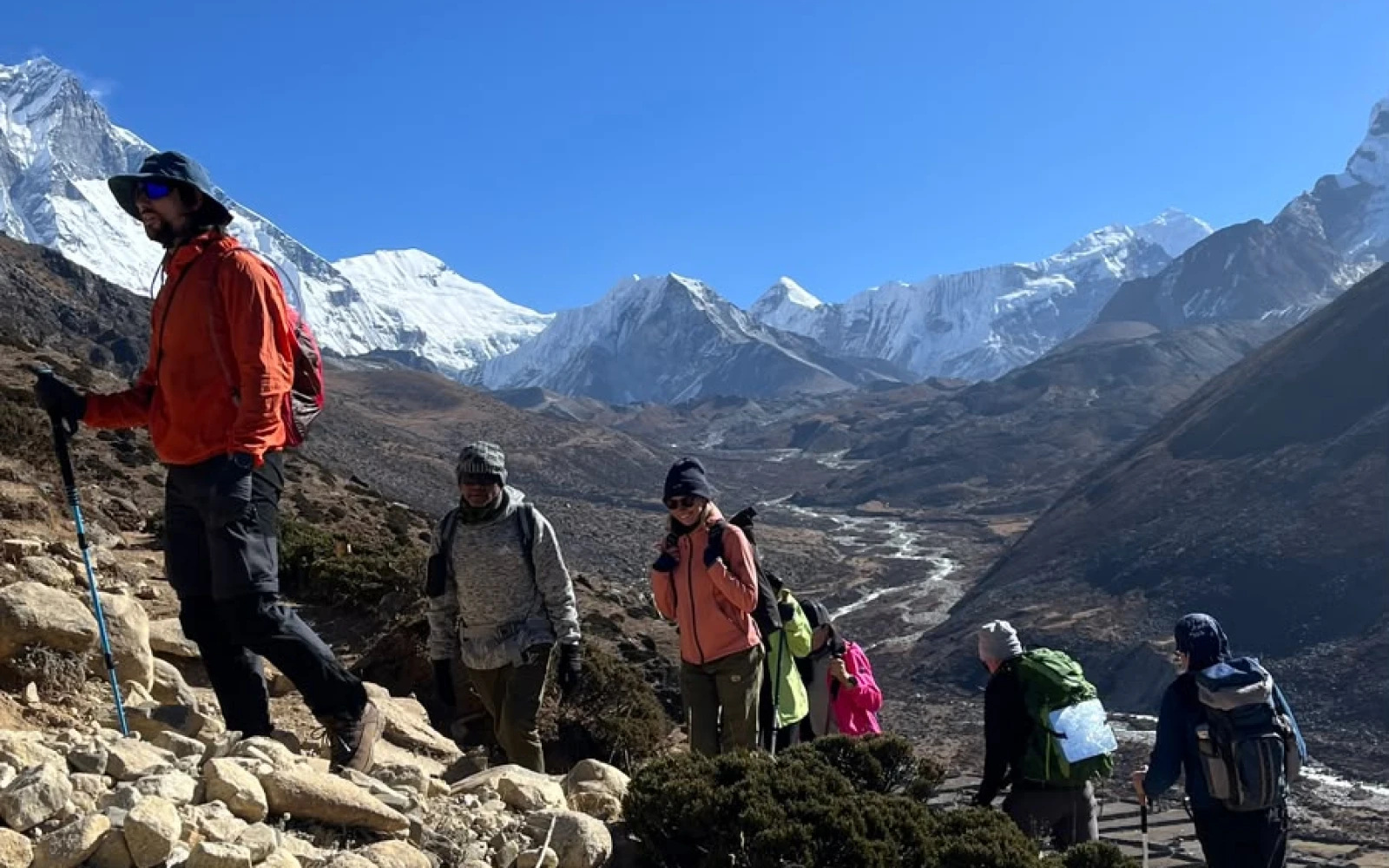
The August flood did not affect the entire Himalayan trekking network. Major destinations such as the Everest and Annapurna regions are geographically separate from the main flood corridor. Current trekking updates report these regions as operational, subject to normal mountain-weather and route-specific risks.
The Everest region is located in eastern Nepal and uses a different river system from the Rasuwa–Trishuli flood corridor.
Current route updates report the classic Everest Base Camp route as open and not directly affected by the August flood.
Travelers can normally reach the Everest region through Kathmandu and Lukla, subject to weather and flight operations.
However, Everest is not risk-free. Altitude sickness, rapidly changing weather, flight delays and high-altitude terrain remain important considerations.
Annapurna Base Camp is another excellent option for travelers who want a Himalayan trekking experience while avoiding the directly affected Rasuwa–Trishuli corridor.
The Annapurna region is geographically separate from the main flood-affected area, and current trekking reports list Annapurna routes among the destinations continuing to operate.
For travelers looking for a shorter Himalayan adventure, Annapurna Base Camp can be an excellent alternative to routes currently affected by access problems.
The Annapurna Circuit offers one of Nepal's most varied trekking experiences.
The route crosses different landscapes, from green valleys and traditional villages to the high Himalayan environment around Thorong La.
Current route information indicates that the Annapurna region is outside the directly affected August flood corridor.
Because conditions in Nepal can change quickly during the monsoon transition, travelers should still receive a current road and trail assessment before departure.
For travelers who want a shorter and relatively accessible Himalayan trekking experience, Poon Hill is another attractive option.
It is particularly popular because it combines:
Poon Hill can be a good choice for travelers who do not want to undertake a long high-altitude trek.
Mardi Himal is another popular short trek from the Pokhara region.
It provides spectacular views of:
Its access is different from the flood-affected Rasuwa corridor, and current trekking reports list the Annapurna/Pokhara region among the destinations operating after the August disaster.
Upper Mustang is one of Nepal's most distinctive trekking destinations.
Located in the rain-shadow area north of the Annapurna and Dhaulagiri ranges, Upper Mustang offers:
Current route updates list Upper Mustang as outside the directly affected flood corridor and operational, although travelers should still check current road and permit conditions.
It is important not to call any Himalayan trek 100% safe.
Mountains always involve natural risks, including:
Instead, travelers should ask:
Which route currently has the most reliable access and the fewest known effects from the recent disaster?
Based on current September 2026 route reports, Everest, Annapurna Base Camp, Annapurna Circuit, Poon Hill, Mardi Himal and Upper Mustang are among the stronger options to consider, while Langtang/Rasuwa and Manaslu require much more careful route-specific verification.
Kathmandu remains an important gateway for international travelers and continues to operate as the country's tourism hub.
Visitors can enjoy:
Travelers should nevertheless monitor weather, road conditions and official notices because Nepal's infrastructure can be affected by heavy rainfall and landslides during the monsoon transition.
Pokhara is one of the major tourism centers of Nepal and remains an important gateway for Annapurna trekking.
The Annapurna region was not directly affected by the main August Rasuwa–Trishuli disaster, and current trekking updates continue to list Annapurna routes as operational.
Pokhara offers:
Travelers using road transportation should allow flexibility because road conditions can change following heavy rainfall.
If your planned destination is outside the directly affected area and your local operator confirms that transportation and trekking routes are operating, there may be no reason to automatically cancel your trip.
In fact, responsible tourism can help Nepal recover.
Tourism supports:
After a disaster, continued responsible tourism can provide income to communities that depend heavily on visitors.
But travelers should never prioritize tourism over safety.
If a route is officially closed or local authorities advise against travel, postpone or change the itinerary.
Do not simply search for “Nepal trek.”
Ask your trekking operator:
Is my exact trekking route open today?
A trekking destination may be open while its normal road access is damaged.
Always verify:
A local trekking company can receive updates from guides, communities, transport providers and local authorities much faster than travelers relying only on old online information.
For difficult Himalayan routes, local knowledge can make a significant difference.
This is especially important after a flood.
A damaged road may tempt travelers to take a shortcut around a bridge or landslide.
Do not do this without professional local verification.
A trail that looks passable may have unstable ground, damaged bridges or hidden river hazards.
During the recovery period, your original itinerary may need to change.
For example:
Original plan: Manaslu Circuit
Alternative: Annapurna Circuit or Annapurna Base Camp
or
Original plan: Langtang
Alternative: Everest or Annapurna region
A professional trekking company should be able to provide realistic alternatives rather than simply telling clients to continue regardless of conditions.
At Explore Holiday Nepal, we believe that trekking is not simply about reaching a destination.
It is about reaching the mountains safely, responsibly and with proper local knowledge.
Our team works with experienced local guides who understand Nepal's mountain environments and trekking routes.
We focus on:
Our guides have extensive experience in Nepal's Himalayan regions and understand the practical realities of mountain travel.
We monitor route conditions and adjust itineraries when weather, trail or transportation conditions require a change.
If a particular trekking route becomes unsuitable, we can discuss alternative destinations based on current conditions.
Trekking provides employment for guides, porters, drivers, hotel workers and many other people whose livelihoods depend on tourism.
Whether you are traveling alone, with a partner, with family or as a group, we can design an itinerary around your experience, available time and interests.
Traveling to Nepal after the floods should be approached with respect.
Visitors should:
Nepal is more than its mountains. It is home to communities, families and cultures that are recovering from a serious disaster.
Responsible travelers can become part of that recovery.
Yes. Nepal has not been completely closed to tourism. Many cities and trekking regions remain operational, although specific disaster-affected corridors require restrictions or route-by-route verification.
Current September 2026 trekking updates report the Everest Base Camp route as open and not directly affected by the August flood. Normal mountain risks, weather and flight conditions still apply.
Current route reports list the Annapurna region as operating and outside the main August flood corridor. Travelers should still confirm current transportation and trail conditions before departure.
Langtang requires special caution because the Rasuwa access corridor was severely affected. Travelers should not rely on old route information and should obtain current local verification before traveling.
The Manaslu area requires particular caution following a separate September event. Current local restrictions and route conditions should be checked before departure. Do not assume that previous information from August remains valid.
Not automatically. If your destination is outside the affected areas and your route has been verified as operational, you may be able to travel normally. If your planned route is affected, consider postponing it or choosing an alternative trekking region.
For travelers seeking an alternative to affected northern routes, Everest Base Camp, Annapurna Base Camp, Annapurna Circuit, Poon Hill, Mardi Himal and Upper Mustang are among the routes currently worth considering, subject to final route and weather checks.
The 2026 floods have caused heartbreaking losses in Nepal, and the affected communities need time, support and responsible assistance.
But the disaster does not define the whole country.
Nepal remains a country of enormous geographic diversity, with Himalayan trekking routes spread across different regions.
The right approach is not to ask:
“Is all of Nepal safe?”
Instead, ask:
“Is my specific destination, access route and trekking trail currently suitable for travel?”
That is the approach we follow at Explore Holiday Nepal.
If your original trekking plan is affected, we can help you consider an alternative route. If your destination is currently operating, we can help you plan your journey with appropriate safety precautions and current local information.
Nepal's mountains are still here. Nepal's people are still here. And responsible tourism can help communities rebuild.
Explore Holiday Nepal Pvt. Ltd.
Kathmandu, Nepal
Website: www.exploreholidaynepal.com
WhatsApp: +977-9849816310
Email: [email protected]
Explore Nepal. Trek Responsibly. Travel Safely. Support Local Communities.

Nepal, a landlocked country nestled in the heart of the Himalayas, is a trekking paradise renowned for its breathtaking landscapes and rich cultural heritage. From the towering peaks of the Himalayas to lush valleys and vibrant villages, Nepal offers an array of trekking experiences suitable for all levels of adventurers.
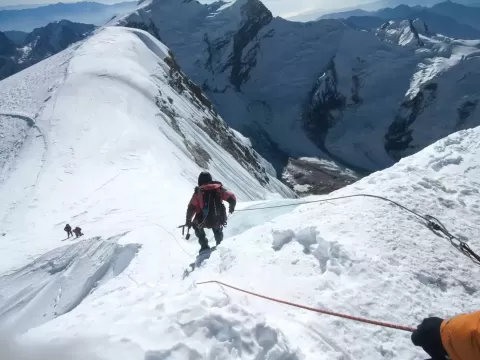
Nepal, the ultimate destination for mountaineers and adventure enthusiasts, offers some of the most popular and accessible peaks for climbing expeditions. Among the most sought-after climbs in Nepal for 2025 are Mera Peak, Island Peak, Lobuche Peak, Chulu East and Chulu West, and the iconic Ama Dablam.

The Everest Base Camp Trek, offered by Explore Holiday Treks, is a thrilling adventure that attracts travelers from all corners of the globe. Reaching an impressive altitude of approximately 5,644 meters (18,267 feet), this trek brings you closer to the majestic peaks of the Himalayas.
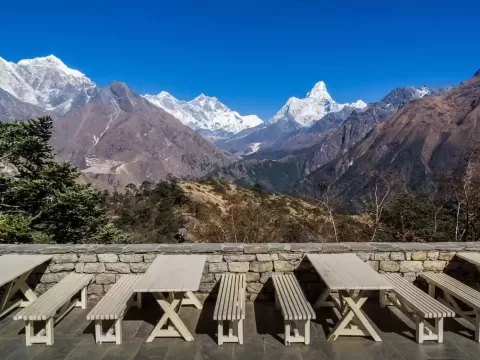
Accommodation during the Everest Base Camp Trek is a crucial aspect of the experience, as it shapes the comfort and convenience of trekkers along the challenging route. The trek involves staying in remote mountain villages, and while basic, the accommodation options are well-established. The majority of trekkers stay in teahouses, which are family-run guesthouses offering basic facilities.

When preparing for the Everest Base Camp trek with Explore Holiday Treks, one of the key considerations is understanding the availability of shower and laundry services along the way. As the trek takes you through remote villages and high-altitude terrain, amenities like showers and laundry are far from luxurious.
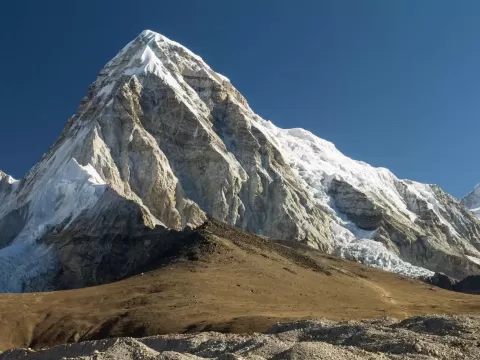
When planning a trek to Everest Base Camp, timing plays a critical role in ensuring both safety and enjoyment. The best time to hike to Everest Base Camp is during the two peak seasons: spring (March to May) and autumn (September to November).

The Everest Base Camp Trek is one of the most iconic and challenging treks in the world, offering adventurers the opportunity to trek through the heart of the Himalayas and stand at the base of Mount Everest, the highest peak on Earth. However, as thrilling as this trek is, it comes with its own set of challenges. One of the most important tips for trekkers is to ensure they are physically prepared.

Sleeping at Everest Base Sleeping at Everest Base Camp (EBC) offers an unmatched adventure for trekkers and mountaineers alike. It’s more than just reaching a destination—it's about the experience, the journey, and the connection with one of the most iconic places on Earth.

The Manaslu Circuit Trek in Spring (March-May) offers trekkers an opportunity to experience the stunning beauty of the Himalayas when the weather is at its most favorable.

Mount Kanchenjunga, the third-highest peak in the world, is one of the most majestic and revered mountains on Earth. Rising to an impressive height of 8,586 meters (28,169 feet), it is part of the mighty Himalayas and stands as a natural border between Nepal and India.

The Manaslu Circuit Trek is one of Nepal’s most rewarding and less crowded trekking routes, offering breathtaking mountain scenery, rich cultural experiences, and a sense of true adventure.
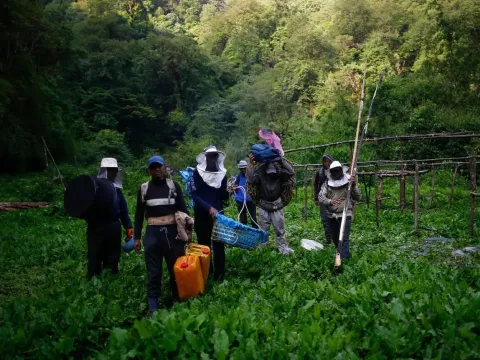
Honey hunting in Nepal is one of the most thrilling and culturally rich experiences that combines adventure, tradition, and nature. Performed by indigenous communities in the remote hills of central Nepal, particularly by the Gurung people, honey hunting involves scaling
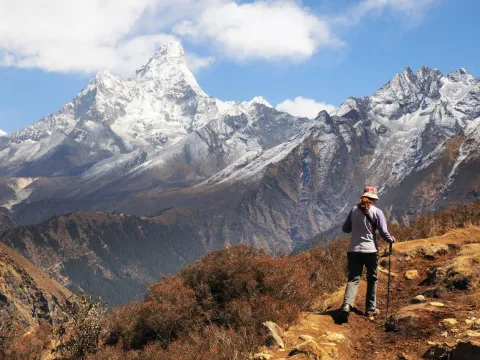
Trekking in Nepal is one of the most iconic travel experiences in the world. With trails ranging from gentle hillside walks to strenuous alpine expeditions, Nepal offers something for every level of trekker. Routes such as the Everest Base Camp, Annapurna Circuit, Langtang Valley,
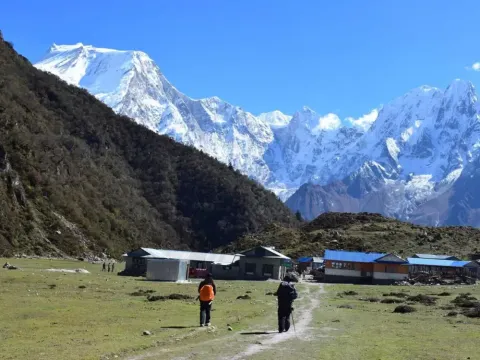
The Manaslu Circuit Trek, often hailed as one of Nepal’s most spectacular and less crowded trekking routes, offers a breathtaking adventure through diverse landscapes, traditional villages, and the majestic Himalayas. The autumn season, spanning from September to November
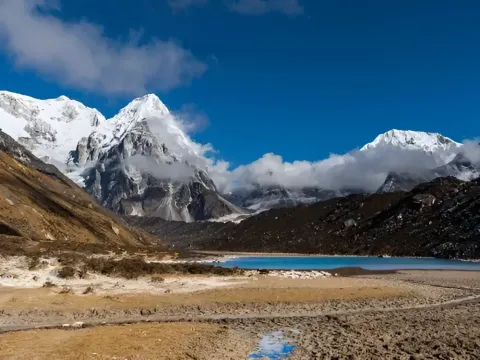
Kanchenjunga, the third-highest mountain in the world at 8,586 meters, lies in the far-eastern corner of Nepal, bordering Sikkim, India. Unlike the more commercialized Everest or Annapurna regions, the Kanchenjunga Region Trekking experience offers untouched natural beauty, remote villages, and pristine Himalayan wilderness.
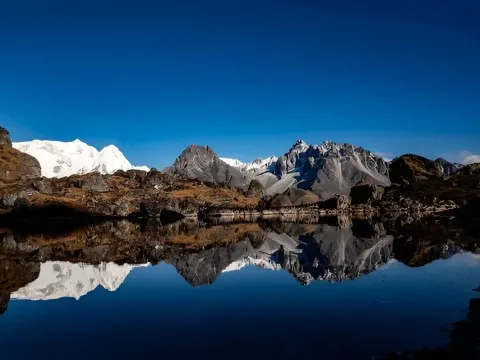
The Kanchenjunga Circuit Trek is one of Nepal’s most extraordinary and lesser-explored trekking routes. Situated in the far eastern region of Nepal, it offers an immersive experience through remote mountain villages, pristine forests, and spectacular mountain vistas
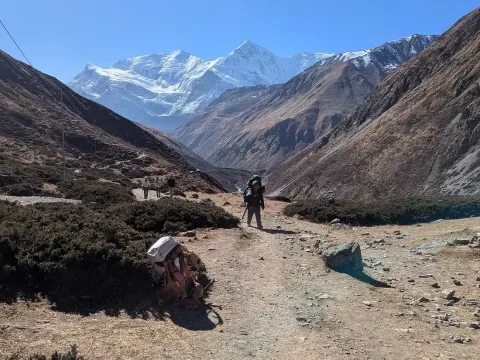
Nepal, home to some of the world’s most breathtaking mountain landscapes, offers a variety of trekking experiences, but none quite compare to the grandeur of the Manaslu and Annapurna Circuits. Both treks are iconic in their own right, drawing adventurers from around the globe. However, they differ significantly in terms of scenery, difficulty, cultural experiences, and remoteness.
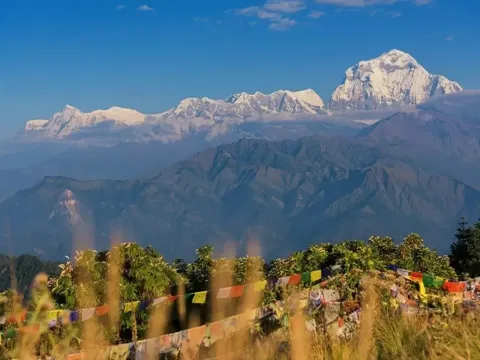
The Ghorepani Poon Hill Trek is a short yet immensely rewarding Himalayan trek in Nepal’s Annapurna region. Famous for its spectacular sunrise over the Annapurna and Dhaulagiri ranges, this trek combines natural beauty, cultural richness, and moderate trekking challenges.
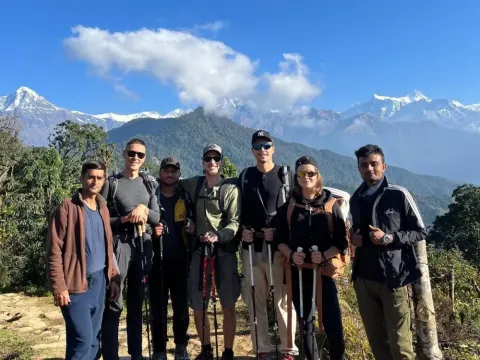
The Mardi Himal Trek, organized by Explore Holiday Nepal, is a lesser-known trekking route in the Annapurna region, offering a perfect blend of natural beauty, cultural encounters, and Himalayan adventure. This trek is ideal for travelers seeking a quiet trail away from the bustling tourist hubs of Nepal. With diverse landscapes
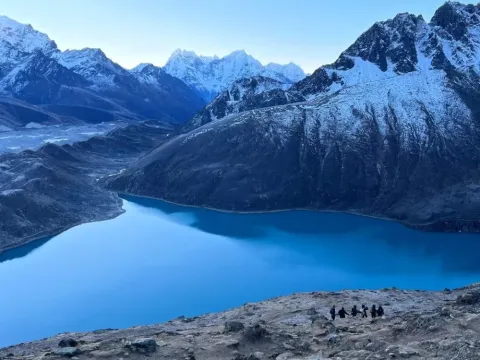
The Gokyo Valley Trek, organized by Explore Holiday Nepal, is one of the most spectacular trekking experiences in the Everest region. Unlike the traditional Everest Base Camp route, this trek takes you through pristine landscapes, tranquil lakes, and lesser-crowded trails. The trek is renowned for its breathtaking views of the world’s highest peaks,
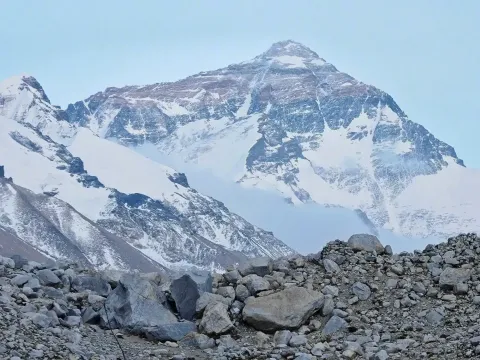
There's a dirty secret on the world's highest mountain that nobody talks about—tons of human waste frozen in place, threatening water supplies for entire communities. Nepal's cracking down with strict new rules, but the real solution starts with responsible trekkers. Find out what's really happening at Everest Base Camp.
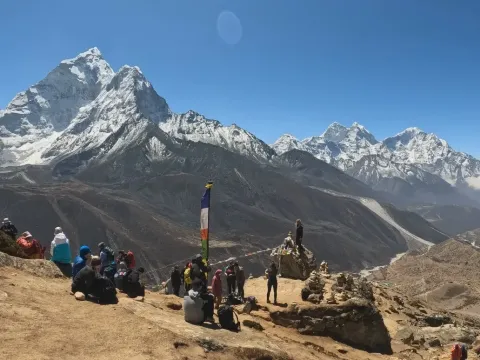
Trekking in the Everest region is more than a bucket-list adventure—it’s a life-changing journey through towering mountains, ancient Sherpa villages, and some of the most dramatic landscapes on Earth. For many travelers, an Everest trek is their first high-altitude trekking experience, and while the rewards are incredible, proper preparation is essential. First-time trekkers often focus on reaching Everest Base Camp or enjoying views from Kala Patthar, but success on the trail depends on much more than motivation alone. Altitude, weather, physical endurance, packing choices, and mindset all play a critical role in shaping your experience.
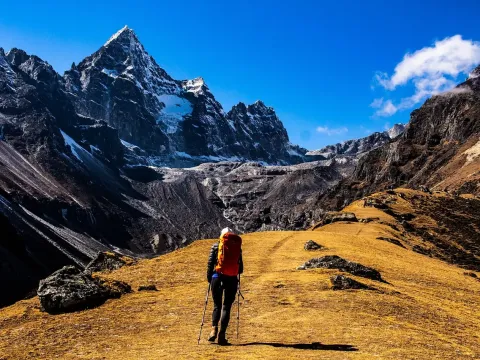
The mountain air feels different when you breathe it alone. There's a clarity, a sense of possibility that expands with each step up the trail. For women who dream of trekking Nepal's iconic routes, the question isn't whether they should go solo—it's how to do it with confidence, safety, and genuine cultural connection.
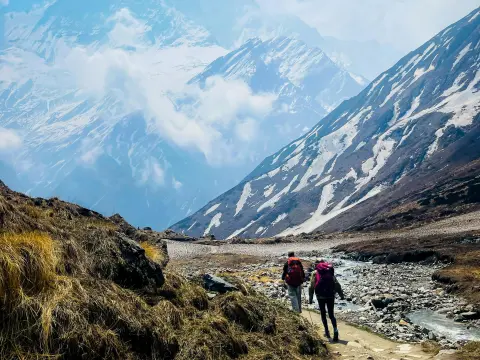
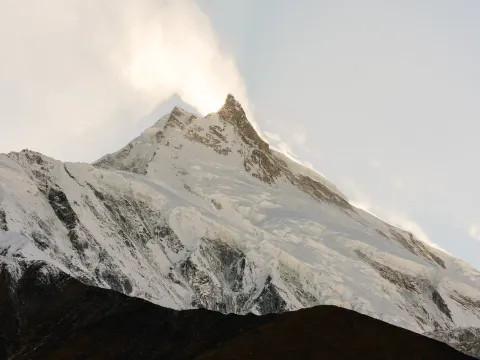
How difficult is Manaslu Trek — that is the one question every trekker asks before committing to Nepal's most rewarding restricted circuit. The Manaslu Circuit Trek wraps entirely around Mt. Manaslu, the world's eighth-highest peak at 8,163 m, crossing the legendary Larkya La Pass at 5,160 m through raw, uncommercialised Himalayan wilderness. The Manaslu Trek difficulty is real
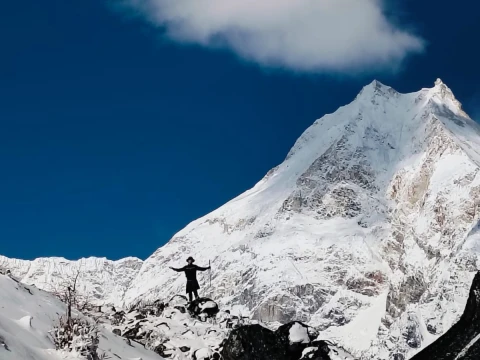
The Manaslu Circuit Trek is one of Nepal’s most breathtaking and less crowded trekking adventures. Circling the majestic Mount Manaslu (8,163m), this trek offers a perfect combination of raw Himalayan beauty, authentic culture, and thrilling high-altitude adventure.

Why Book with Explore Holiday Nepal Pvt. Ltd.?
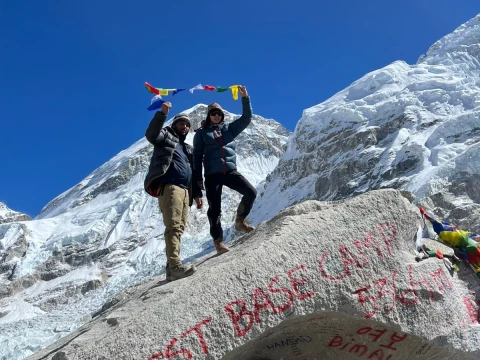
Why Choose Everest Base Camp Trek in 2026/2027?
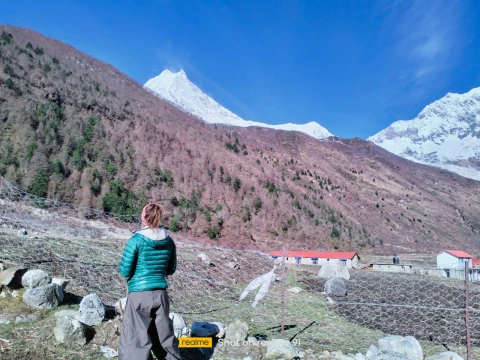
Is Nepal Safe for Solo Travelers
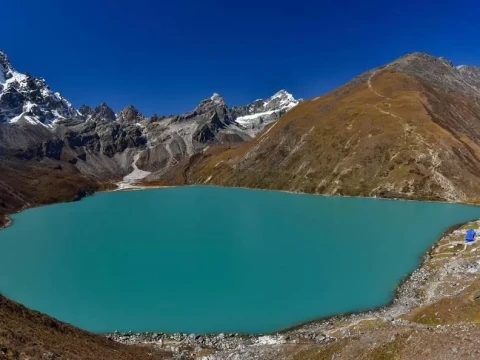
The Gokyo Everest Base Camp Budget Trek is one of the most rewarding trekking adventures in Nepal, combining the breathtaking turquoise Gokyo Lakes, the panoramic summit of Gokyo Ri, the thrilling Cho La Pass, the legendary Everest Base Camp, and the iconic Kala Patthar viewpoint in one unforgettable journey.
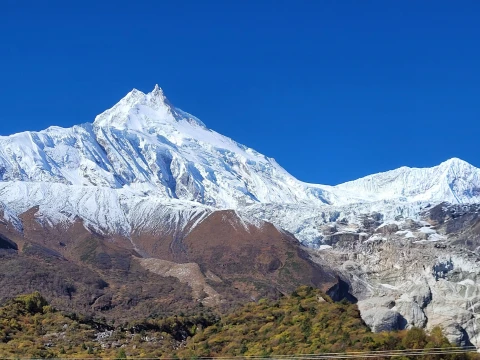
Complete Comparison Guide by Explore Holiday Nepal


 (34)
(34) 