 Dolpo Rara Traverse Trek: The Ultimate Guide to Nepal's Hidden Wilderness Adventure
The Dolpo Rara Traverse Trek stands as one of Nepal's most extraordinary and challenging trekking expeditions, weaving through some of the most pristine and untouched landscapes in the entire Himalayan region. This remarkable journey combines the mystical, remote wilderness of Dolpo with the breathtaking serenity of Rara Lake, creating an adventure that few trekkers experience but many dream about. For those willing to venture beyond the popular trails of Everest and Annapurna, this trek offers something truly special: a glimpse into a world that time seems to have forgotten, where ancient Tibetan Buddhist culture thrives and nature reigns supreme.
The Dolpo Rara Traverse Trek is not your typical Himalayan adventure. This expedition takes you deep into the heart of western Nepal, where the landscape shifts dramatically from the barren, wind-swept plateaus of Upper Dolpo to the lush forests surrounding Nepal's largest and most stunning alpine lake. The trek typically spans 18 to 22 days, though some itineraries extend to 24 days depending on acclimatization needs and side explorations. Every day brings new challenges and rewards, from crossing high mountain passes that test your endurance to discovering ancient monasteries where monks have practiced their faith for centuries.
The journey begins in the lower Dolpo region, where you'll immediately notice the stark difference from other trekking regions in Nepal. The terrain here is rugged and unforgiving, yet hauntingly beautiful. Prayer flags flutter in the constant wind, whitewashed stupas dot the landscape, and the architecture reflects strong Tibetan influences. As you progress through the trek, you'll traverse several high-altitude passes, some exceeding 5,000 meters, each offering spectacular panoramic views of snow-capped peaks including Kanjiroba Himal, Himalchuli, and numerous other giants of the Himalayan range.
One of the most compelling aspects of the Dolpo Rara Traverse Trek is the opportunity to immerse yourself in the unique culture of the Dolpo-pa people. This region remained closed to outsiders until 1989, and even today, it maintains much of its traditional character. The inhabitants of Dolpo practice Bon Po, a pre-Buddhist religion that later merged with Tibetan Buddhism, creating a fascinating spiritual tapestry that you'll witness in the monasteries, prayer walls, and daily rituals of the local communities.
Villages like Dunai, Tarakot, and Juphal serve as cultural hubs where you can interact with locals, observe their traditional lifestyle, and understand how communities have adapted to life at extreme altitudes with limited resources. The people here are incredibly resilient, maintaining ancient trading routes with Tibet and preserving customs that have remained largely unchanged for generations. Women wear traditional jewelry made from coral and turquoise, men tend to yaks and dzos, and children grow up speaking Tibetan dialects alongside Nepali.
The region gained international attention through Peter Matthiessen's acclaimed book "The Snow Leopard" and the documentary "Himalaya" (also known as "Caravan"), which was filmed in Dolpo. These works captured the harsh beauty of the landscape and the extraordinary spirit of its people, bringing global recognition to this remote corner of Nepal.
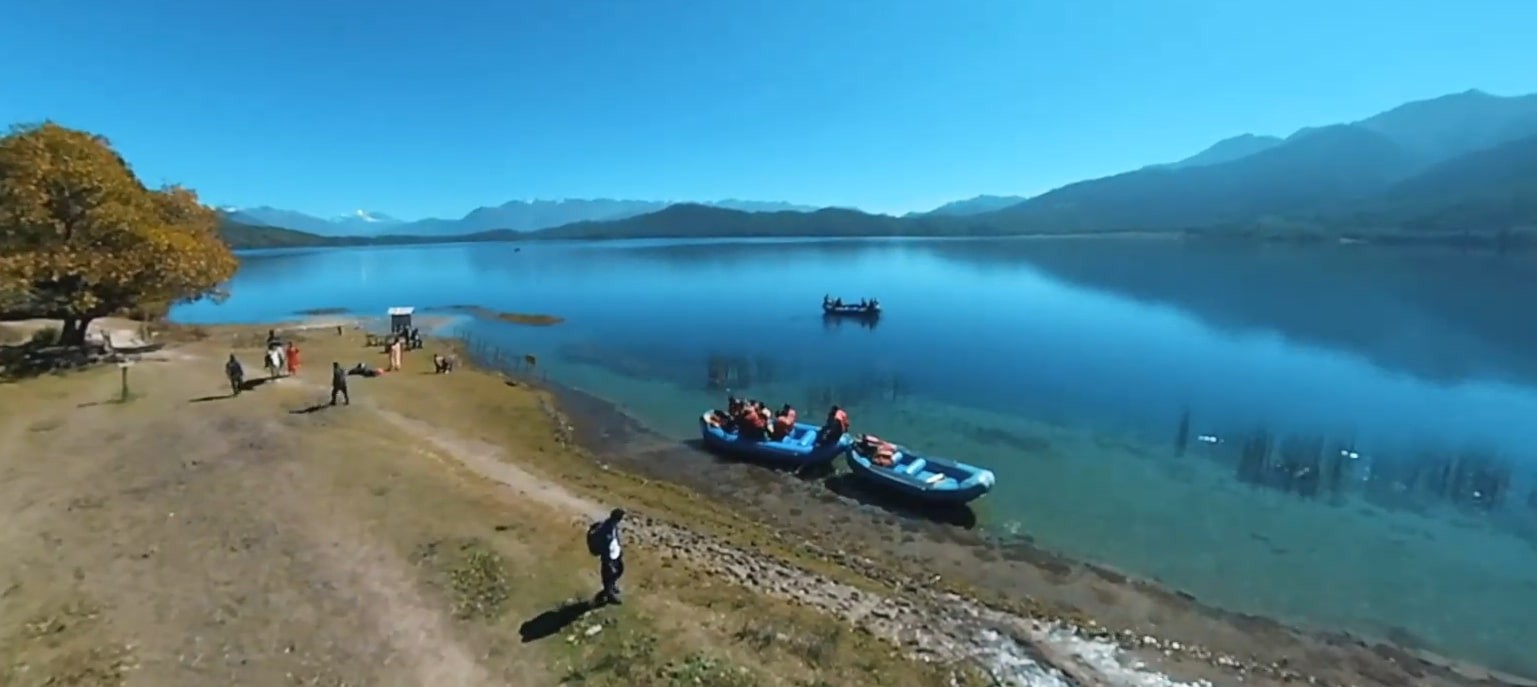
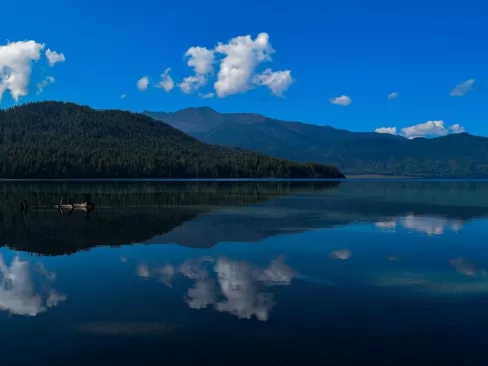
The crown jewel of this trek is undoubtedly Rara Lake, the largest lake in Nepal, sitting at an elevation of 2,990 meters within Rara National Park. The lake spans approximately 10.8 square kilometers and reaches depths of up to 167 meters, making it not just the largest but also one of the deepest lakes in the country. The crystal-clear, turquoise waters are surrounded by alpine forests of pine, spruce, and juniper, creating a picture-perfect setting that feels almost otherworldly.
Rara Lake holds both ecological and spiritual significance. The lake is home to the rare Rara snowtrout and provides habitat for numerous bird species, including the great crested grebe, black-necked grebe, and red-crested pochard. In winter, migratory birds from Siberia visit the lake, adding to its biodiversity. The surrounding Rara National Park, established in 1976, protects 106 square kilometers of wilderness and is home to endangered species like the red panda, musk deer, Himalayan black bear, and if you're extremely fortunate, the elusive snow leopard.
Local legends say that the lake was formed when a sage's staff struck a hill, causing water to gush forth and flood the valley, submerging an entire village whose inhabitants had refused to offer him food. Whether myth or memory of an ancient geological event, these stories add to the mystical atmosphere of the place.
Timing your Dolpo Rara Traverse Trek correctly is crucial for a successful and enjoyable experience. The best seasons are spring (April to May) and autumn (September to November), each offering distinct advantages.
Spring Season: During spring, the landscape comes alive with wildflowers, particularly rhododendrons that paint the forests in shades of red, pink, and white. The weather is generally stable, though occasional spring storms can occur. Daytime temperatures are pleasant, though nights remain cold, especially at higher elevations. This season offers excellent visibility for mountain views and photography.
Autumn Season: Autumn is considered the prime trekking season throughout Nepal, and Dolpo is no exception. The monsoon rains have cleared the air, providing crystal-clear views of the Himalayan peaks. The weather is typically stable with minimal precipitation, making high pass crossings safer and more enjoyable. Temperatures are cool but comfortable during the day, though you'll need warm clothing for the evenings and early mornings.
Winter and Monsoon: Winter (December to March) brings extreme cold and heavy snowfall that can make high passes impassable. Many teahouses close during this period, and the risk of altitude-related issues increases. The monsoon season (June to August) brings rain to the lower elevations, though Upper Dolpo lies in a rain shadow and receives less precipitation. However, the lower sections of the trek can be muddy and uncomfortable, with increased risk of landslides and flight cancellations.
The Dolpo Rara Traverse Trek is classified as strenuous and demands excellent physical fitness and mental preparation. This is not a trek for beginners or those with limited high-altitude experience. You'll be walking six to eight hours daily, often on rough, steep terrain, carrying a daypack while dealing with altitude that ranges from 2,000 to over 5,000 meters.
Preparation should begin at least three months before your trek. Focus on building cardiovascular endurance through activities like running, cycling, or swimming. Incorporate regular hiking with elevation gain, gradually increasing the difficulty. Strength training, particularly for your legs and core, will help you handle steep ascents and descents. Don't neglect flexibility exercises and yoga, which can prevent injuries and help with recovery.
Previous high-altitude trekking experience is highly recommended. If you haven't trekked above 4,000 meters before, consider completing a less demanding high-altitude trek like the Annapurna Circuit or Everest Base Camp Trek first to understand how your body responds to altitude.
Unlike popular trekking routes with well-developed teahouse networks, the Dolpo Rara Traverse Trek involves a mix of basic teahouse accommodation and camping. In lower Dolpo and around Rara Lake, simple teahouses provide basic rooms with twin beds and communal dining areas. Don't expect hot showers, Wi-Fi, or Western toilets - facilities are rudimentary but clean and functional.
In more remote sections, particularly in Upper Dolpo, camping becomes necessary. Explore Holiday Nepal provides all camping equipment, including tents, sleeping bags rated for extreme temperatures, and cooking facilities. The trekking crew sets up camp each evening and prepares meals, allowing you to focus on enjoying the experience rather than worrying about logistics.
Meals on the trek typically consist of dal bhat (rice with lentil soup), Tibetan bread, noodle soups, momos (dumplings), and other hearty, carbohydrate-rich foods that provide energy for long trekking days. While the menu may seem repetitive, the food is nutritious and prepared with care. In teahouse sections, you can order from a menu, while on camping sections, the cook prepares three meals daily.
Altitude sickness poses the primary health concern on the Dolpo Rara Traverse Trek. As you ascend above 3,000 meters, the risk of Acute Mountain Sickness (AMS) increases. Symptoms include headache, nausea, dizziness, fatigue, and loss of appetite. More serious conditions like High Altitude Pulmonary Edema (HAPE) or High Altitude Cerebral Edema (HACE) can develop if warning signs are ignored.
Prevention strategies include proper acclimatization with gradual altitude gain, staying well-hydrated (drinking 3-4 liters of water daily), avoiding alcohol and sleeping medications, and listening to your body. The itinerary should include rest days for acclimatization, particularly before crossing high passes. Diamox (acetazolamide) can help prevent AMS, though you should consult your doctor before the trek.
Other health considerations include sun protection (the UV radiation is intense at high altitude), preventing blisters through proper footwear and early treatment, maintaining hygiene to avoid gastrointestinal issues, and staying warm to prevent hypothermia. Carry a comprehensive first aid kit and any personal medications you require.
Travel insurance is absolutely essential for this trek. Ensure your policy covers helicopter evacuation from remote areas up to 6,000 meters, as this may be necessary in case of serious altitude illness or injury. Medical facilities are virtually non-existent in Dolpo, and evacuation to Kathmandu may be the only option for serious health issues.
Packing appropriately for this trek requires careful consideration of the variable weather conditions and remote nature of the route. Essential items include:
Clothing: A layering system works best, starting with moisture-wicking base layers, insulating mid-layers (fleece or down jacket), and a waterproof, windproof outer shell. Pack both lightweight and warm options, as temperatures can range from pleasant during sunny days to below freezing at night. Thermal underwear, trekking pants, warm hat, sun hat, gloves, and several pairs of moisture-wicking socks are essential.
Footwear: High-quality, well-broken-in waterproof trekking boots with excellent ankle support are non-negotiable. Bring camp shoes or sandals for evenings. Gaiters help keep snow and debris out of your boots during high pass crossings.
Equipment: A comfortable, properly fitted backpack (40-50 liters), sleeping bag rated to at least -15°C, trekking poles for stability on rough terrain, headlamp with extra batteries, water bottles or hydration system, and water purification tablets or filter.
Other Essentials: Comprehensive first aid kit, sunscreen (SPF 50+), lip balm with SPF, sunglasses with UV protection, personal toiletries, quick-dry towel, camera with extra batteries and memory cards, power bank, and any personal medications.
Porters will carry the bulk of your equipment, but you'll carry a daypack with essentials like water, snacks, extra layers, camera, and valuables. Keep your daypack weight reasonable, ideally under 8-10 kilograms.
Trekking in Dolpo provides economic benefits to some of Nepal's most marginalized communities. Your presence as a trekker creates jobs for guides, porters, cooks, and teahouse owners, providing crucial income in an area with limited economic opportunities. However, this also comes with responsibility.
Practice Leave No Trace principles by carrying out all non-biodegradable waste, using designated toilet facilities, and minimizing your environmental impact. Respect local customs and religious sites - always ask permission before photographing people, walk clockwise around Buddhist stupas and mani walls, and dress modestly in villages. Purchase handicrafts and supplies from local vendors when possible, supporting the community directly.
Water sources in Dolpo are precious and often sacred. Use water purification rather than buying bottled water, which creates plastic waste that's difficult to manage in remote areas. If you must purchase bottled water, carry the empty bottles back to Kathmandu for proper disposal.
Interact respectfully with local people, understanding that their way of life differs significantly from modern urban existence. Learn a few Nepali or Tibetan phrases - even basic greetings like "Namaste" or "Tashi Delek" can open doors to meaningful exchanges.
If the Dolpo Rara Traverse Trek appeals to you, you might also consider these other remarkable trekking opportunities in western Nepal:
The Kanchenjunga Circuit Trek takes you to the base of the world's third-highest mountain in far eastern Nepal, another remote region that sees few trekkers. The Manaslu Circuit Trek offers a similarly remote experience with spectacular mountain scenery and the challenging Larkya La pass. For those interested in Tibetan culture and high passes, the Upper Mustang Trek explores another restricted area with landscapes and culture similar to Dolpo.
Each of these treks provides unique experiences and takes you away from the crowded trails of the Annapurna and Everest regions, allowing you to experience Nepal's diversity and remote beauty.
Organizing a trek in Dolpo requires expertise, local knowledge, and logistical capability that goes far beyond what individual trekkers can arrange independently. Explore Holiday Nepal brings years of experience in operating treks in remote regions, with a team of expert guides who know the trails intimately and understand how to keep you safe in challenging environments.
From handling all permit arrangements and organizing domestic flights to providing experienced porters and cooks, Explore Holiday Nepal takes care of every detail. Their commitment to safety, responsible tourism, and client satisfaction ensures you can focus on the experience rather than logistics. The company maintains high standards for crew wages and working conditions, contributing to sustainable tourism development in Nepal.
The Dolpo Rara Traverse Trek represents the ultimate Himalayan adventure for experienced trekkers seeking authenticity, challenge, and natural beauty far from the beaten path. This journey takes you through landscapes that few outsiders have witnessed, introduces you to cultures that have remained remarkably preserved, and tests your limits while rewarding you with memories that will last a lifetime.
Standing beside the pristine waters of Rara Lake, surrounded by snow-capped peaks, or crossing a high pass with prayer flags snapping in the wind while yaks graze on distant slopes, you'll understand why this trek captivates those who complete it. The Dolpo Rara Traverse isn't just a trek - it's a transformative journey into one of the world's last remaining wilderness areas.
If you're ready to step off the beaten path and experience the raw, untamed beauty of the Himalayas, contact Explore Holiday Nepal today to begin planning your Dolpo Rara Traverse Trek adventure. The mountains are calling, and an unforgettable journey awaits in the hidden valleys of western Nepal.
Top Blogs About Trekking in the Mustang and Dolpo Region:
Uncover the best blogs about trekking in the Mustang and Dolpo region, featuring expert advice, detailed itineraries, personal experiences, and essential tips for adventurers looking to explore the Himalayas.
Discovering Upper Mustang’s Mystical Villages
Altitude Sickness on Nepal Treks: Symptoms, Treatment, and When to Descend (Complete Guide)
Nepal Trekking Permits: Costs, Types, and How to Get Them
Nepal Trekking: What’s the Best Time to Go?
Budget Trekking in Nepal: Tips, Trails, and Tricks
Exploring Nepal’s Wildlife and Nature
Trekking Through Nepal: A Journey into the Himalayas
Top 10 Mountain Peaks in Nepal
Monastery Life in Nepal: Finding Peace in the Heart of the Himalayas
Your Start Date is the day you land in Nepal, and your End Date is when you fly home.
If the set Dolpo Rara Traverse Trek group dates don’t suit your schedule, we can offer alternative dates upon request.
The Dolpo Rara Traverse Trek was an extraordinary adventure. Explore Holiday Nepal made the journey seamless with knowledgeable guides and exceptional service. Remote landscapes, rich culture, and stunning Rara Lake made this trek a once-in-a-lifetime experience. Highly recommend!
The Dolpo Rara Traverse Trek is an exceptional and remote trekking route that traverses two of the most stunning locations in Nepal: Dolpo and Rara Lake. The trek begins in the rugged, Tibetan-influenced region of Dolpo, where you will pass through villages that seem frozen in time, high-altitude landscapes, and dramatic mountain views. The journey then continues to Rara Lake, the largest lake in Nepal, surrounded by pristine forests and snow-capped peaks. The trek offers a unique opportunity to experience the cultural richness of the Tibetan Buddhist communities in Dolpo, along with an unforgettable exploration of Rara Lake's serene beauty.
Choosing Explore Holiday Nepal for the Dolpo Rara Traverse Trek ensures a smooth, safe, and immersive experience. Our team has extensive experience organizing treks in remote regions of Nepal, and we provide personalized services, including knowledgeable local guides, professional porters, and exceptional logistical support. We prioritize your safety with proper acclimatization schedules, first-aid equipment, and emergency evacuation plans. Our expertise in navigating Nepal's less-traveled regions guarantees that you will have a hassle-free and memorable trekking experience in some of the most beautiful and isolated areas of Nepal.
The Dolpo Rara Traverse Trek is a challenging and strenuous trek, primarily due to the rugged terrain, high altitudes, and remote nature of the route. The highest point on this trek is Nagdalo La Pass, which stands at about 5,100 meters (16,732 feet), and trekkers will be exposed to a variety of conditions, from high-altitude mountain passes to deep valleys. The trek involves long days of hiking over rocky terrain, and basic amenities are available only in certain sections of the trail. It’s recommended for trekkers with a good level of fitness and previous trekking experience at high altitudes. Acclimatization is key, and Explore Holiday Nepal ensures that rest days are incorporated into the itinerary to help mitigate altitude sickness.
Accommodation during the Dolpo Rara Traverse Trek is basic, especially in remote areas. You will stay in local teahouses and guesthouses run by the indigenous people. These lodges provide simple rooms, warm beds, and local food such as dal bhat (lentil soup with rice), noodles, and chapati. In higher-altitude areas, particularly near passes, you may need to camp, as there are fewer facilities. Sleeping bags, a good mattress, and other camping equipment will be provided by Explore Holiday Nepal as needed.
The highest point of the Dolpo Rara Traverse Trek is Nagdalo La Pass, at an elevation of 5,100 meters (16,732 feet). Trekking at high altitudes for extended periods increases the risk of altitude sickness, so it’s vital to follow the acclimatization schedule carefully. Explore Holiday Nepal plans the itinerary to allow enough time for acclimatization at lower altitudes before ascending to higher regions.
The best time to do the Dolpo Rara Traverse Trek is during the spring (March to May) and autumn (September to November) seasons. During these periods, the weather is generally clear, offering excellent views of the mountains, lakes, and surrounding landscapes. Spring also brings blooming wildflowers, including rhododendrons, while autumn offers clear skies and crisp mountain air. The trek is best avoided in the monsoon season (June to August) due to the risk of heavy rainfall, landslides, and trail conditions. Winter (December to February) is also not ideal due to snowstorms and extreme cold.
Yes, it is highly recommended to trek with a guide and porter. The Dolpo Rara Traverse Trek goes through remote, isolated areas with limited infrastructure, and having a guide will ensure that you stay on track and safely navigate difficult terrain. A porter will help carry your heavy gear, allowing you to focus on the trek itself. Explore Holiday Nepal provides experienced, licensed guides and reliable porters to support you throughout the journey.
| No of people | Price per person |
|---|---|
| 1 - 1 | $1,710 |
| 2 - 5 | $1,470 |
| 6 - 9 | $1,455 |
| 10 - 15 | $1,440 |
| 16 - 20 | $1,425 |




 (34)
(34) 