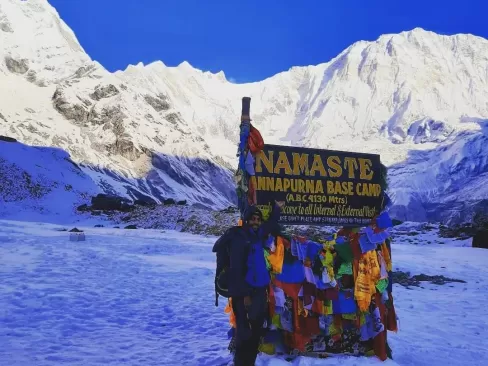
Annapurna Base Camp Trek: Into the Sanctuary of GiantsHere's the thing about the Annapurna Base Camp Trek—it's popular for good reason. While everyone's obsessing over Everest Base Camp, ABC (as regulars call it) quietly delivers one of the most spectacular mountain experiences in Nepal without requiring three weeks of your life or the altitude suffering that comes with venturing above 5,000 meters.I've done both, and honestly? The Arena of peaks surrounding Annapurna Base Camp at sunrise might be the single most dramatic mountain view I've experienced anywhere in the Himalayas. That's not hyperbole—it's just physics. You're standing at 4,130 meters, completely encircled by eight-thousanders and seven-thousanders rising nearly 4,000 meters directly above you.What Makes ABC DifferentThe Annapurna Base Camp Trek takes you into what's called the Annapurna Sanctuary—a high glacial basin surrounded by a ring of peaks that include Annapurna I (8,091m, the 10th highest mountain in the world), Annapurna South, Hiunchuli, Machapuchare (the sacred "Fishtail" mountain), and Gangapurna. The sanctuary is like nature's cathedral, and you're walking right into its heart.Unlike Everest Base Camp where you're looking up at the mountain from a distance, or Manaslu Circuit where you're circling around, ABC puts you directly in the middle of the action. It's intimate in a way that's hard to describe until you're standing there with mountains rising vertically on all sides.The trek is also remarkably diverse for its relatively short duration. You can complete ABC in 7-12 days depending on your pace and route, making it perfect for people who want a genuine Himalayan experience but don't have three weeks to spare. The shorter timeframe doesn't mean it's easy—you'll still be climbing over 2,000 meters from the starting point—but it's achievable for moderately fit trekkers.The Two Routes: Choosing Your PathThe Classic Route via Ghorepani and Poon HillMany trekkers combine ABC with the Ghorepani Poon Hill Trek, creating a longer but more varied journey. This route starts from Nayapul, climbs through beautiful villages to Ghorepani, continues to Poon Hill for sunrise views, then descends to Tadapani before heading toward ABC.The advantage? Poon Hill (3,210m) offers one of the most famous sunrise viewpoints in Nepal—a panoramic vista of the entire Annapurna and Dhaulagiri ranges that's worth the 4 AM wake-up call. The disadvantage? It adds 3-4 days to your trek, and honestly, the views at ABC make Poon Hill look like a warm-up act.The Direct Route via Jhinu DandaThe faster option goes directly from either Nayapul or Jhinu Danda, following the Modi Khola river valley straight up to ABC. This route is more focused and efficient—you're heading toward your destination without detours.I prefer this route because it feels more purposeful. Every day, you're getting closer to the sanctuary, and the anticipation builds naturally. Plus, you can stop at Jhinu Danda on the way back for the natural hot springs—nothing feels better after days of climbing than soaking in naturally heated water while staring at mountain peaks.The Trail: What You're Actually Walking ThroughSubtropical Villages and Terraced FieldsThe lower sections start in a landscape that doesn't immediately scream "Himalayas." You're walking through traditional Gurung and Magar villages, past terraced rice fields that cascade down hillsides in geometric patterns that look almost impossibly neat.Villages like Ghandruk, Chhomrong, and Landruk are substantial settlements with stone houses, slate roofs, and a distinctly Himalayan character. Unlike the more remote treks like Makalu Base Camp or Kanchenjunga, these villages have been hosting trekkers for decades, so the infrastructure is well-developed.The trail between villages alternates between stone steps (thousands of them—your knees will remember), forest paths, and sections that follow the contours of hillsides high above river valleys. It's not flat, ever. You're constantly either climbing or descending, even when you think you should be done climbing for the day.The Bamboo Forest and Rhododendron ZoneAs you gain elevation past Chhomrong, the landscape shifts. You enter dense bamboo forests where the trail becomes a tunnel through vegetation. The sound changes—wind in bamboo sounds like rushing water, and sometimes you can't tell if you're hearing the river below or the forest around you.Higher up, the bamboo gives way to rhododendron forests. If you're trekking in spring (March-April), these forests are absolutely stunning—massive rhododendron trees bloom in shades of red, pink, and white, creating natural color displays that rival anything you'd find in a botanical garden.The villages in this section get progressively smaller and more basic. Bamboo, Dovan, Himalaya Hotel—these aren't really hotels or villages in the conventional sense. They're clusters of lodges built specifically for trekkers, offering basic accommodation and meals in increasingly remote settings.The Modi Khola GorgeThe section through the Modi Khola gorge is where things get dramatic. The valley narrows, walls rise steeply on both sides, and you're walking on a trail that sometimes feels carved directly into the cliff face. Waterfalls cascade down from heights you can barely see, and the river below churns through rapids and over boulders with impressive force.This gorge is also where weather can turn quickly. The narrow valley funnels wind and clouds, and conditions that are clear down in Chhomrong can be completely different up here. I've walked through this section in brilliant sunshine and in sideways rain—sometimes on the same day.Entering the SanctuaryThere's a moment, usually around Machapuchare Base Camp (3,700m), when the valley suddenly opens up. The gorge releases you into the sanctuary, and for the first time, you can see the full ring of peaks surrounding the basin. It's a theatrical reveal—like walking through a doorway into a room you didn't know existed.From MBC to ABC is only about two more hours, but those two hours take you from a relatively sheltered valley into an exposed glacial basin. The landscape becomes barren—mostly rock, ice, and snow with minimal vegetation. The altitude is noticeable here; every step requires more effort than it should.Annapurna Base Camp: The Heart of the SanctuaryBase camp sits at 4,130 meters in a wide glacial basin. It's not actually a base camp in the mountaineering sense—climbing expeditions to Annapurna don't typically use this location. But the name stuck, and honestly, who cares about technicalities when you're standing in one of the most spectacular natural amphitheaters on Earth?The 360-degree view is almost overwhelming. Annapurna South rises directly in front of you, its south face a massive wall of ice and rock. To the left, Hiunchuli and Annapurna I tower above everything else. To the right, Gangapurna's glacier spills down toward the valley. Behind you, Machapuchare's distinctive fishtail summit guards the entrance to the sanctuary.Most people arrive at ABC in the afternoon, spend the night, and wake up for sunrise. The morning light show is what you came for. As the sun hits the peaks, they turn from grey to pink to gold, and for maybe thirty minutes, the entire sanctuary glows. Everyone stands outside their lodge in the freezing pre-dawn cold, taking photos that never quite capture what you're seeing, but taking them anyway because you need some way to prove this was real.The lodges at ABC are basic but surprisingly comfortable given the location. You're sleeping in an unheated room at 4,130 meters, but the communal dining areas have stoves, and there's something cozy about sharing a meal with other trekkers who just accomplished the same challenging climb you did.Cultural Elements Along the TrailThe Annapurna region is primarily inhabited by Gurung and Magar people, ethnic groups with distinct cultures, languages, and traditions. These communities have lived in these mountains for centuries, adapting to steep terrain and seasonal weather patterns in impressive ways.Ghandruk is the largest Gurung village in Nepal, and walking through it feels like stepping into a living museum of traditional mountain life. Stone houses with slate roofs line narrow paths, prayer flags flutter from rooftops, and you'll see locals in traditional dress going about daily routines that haven't changed much in generations.The Gurungs are also famous for their service in the British and Indian Gurkha regiments. Many families in these villages have members serving overseas, which has brought economic opportunities but also means you'll see evidence of remittance wealth—newer houses, satellite dishes, and increasingly modern amenities.Unlike more remote treks where cultural experiences feel more authentic but also more challenging due to language barriers, the Annapurna region strikes a nice balance. Locals are accustomed to trekkers, speak good English, and are happy to share stories about their lives and culture without it feeling like a transaction.The Best Seasons: Timing Your TrekSpring (March to May) is arguably the best season for ABC. The rhododendron forests are in full bloom, weather is generally stable, and temperatures are comfortable for trekking. Daytime temperatures in the lower elevations can be warm, even hot, while nights at ABC are cold but manageable. The main downside is that this is peak season, so the trails and lodges are busier.Autumn (October to November) offers the clearest mountain views and most stable weather. Post-monsoon air creates incredibly sharp visibility, and the skies are often cloudless for days at a stretch. Temperatures are cooler than spring but still pleasant for trekking. This is the busiest season—expect to share the trail with many other trekkers.Winter (December to February) is possible but challenging. The lower elevations are actually quite pleasant during winter days, but ABC itself can be extremely cold with temperatures dropping to -15°C or lower at night. Some lodges close for the season, and you'll need proper cold-weather gear. The upside? Fewer trekkers and often pristine, clear conditions. Snow can also make the trail above Deurali more challenging.Monsoon (June to September) is generally not recommended. Heavy rainfall makes trails muddy and slippery, leeches are abundant in the forests, and mountain views are often obscured by clouds. However, the landscape is beautifully green, wildflowers are abundant, and you'll have the trail largely to yourself. If you don't mind rain and aren't fixated on perfect views, monsoon trekking has its own appeal.The Altitude RealityThe highest point you'll reach is 4,130 meters at ABC, which is significantly lower than Everest Base Camp (5,364m) or even Langtang Valley's Tserko Ri (4,984m). This makes ABC more accessible to a wider range of trekkers and reduces the risk of serious altitude sickness.That said, altitude is still a factor. You're gaining significant elevation over a relatively short period, and some people do experience symptoms like headaches, nausea, or difficulty sleeping. The key is ascending at a reasonable pace—most itineraries include an acclimatization day or build in rest stops to help your body adjust.I felt the altitude most noticeably in the final push from MBC to ABC. The air feels noticeably thinner, and you'll be breathing harder than the elevation gain alone would suggest. But it's manageable, and most reasonably fit people handle it without major issues.Lodge Life: What to ExpectThe Annapurna region has some of the best teahouse infrastructure in Nepal. Lodges range from basic but clean to surprisingly comfortable, with the fancier options found in larger villages like Ghandruk and Chhomrong.A typical lodge offers simple rooms with two beds, thin mattresses, and basic blankets. Bathrooms are usually shared, and hot showers are available for an additional fee—water is heated in individual buckets or via solar panels, so availability depends on weather and time of day.The real center of lodge life is the communal dining area. Each lodge has a dining room with benches around a central wood-burning stove (called a bukhari). This is where you'll eat all your meals, charge devices (for a fee), meet other trekkers, and spend your evenings. The dining room culture is one of the best parts of teahouse trekking—you end up having great conversations with people from all over the world, all united by sore legs and shared mountain experiences.As you climb higher, lodges become more basic and expensive. Economics of altitude—everything at ABC needs to be carried up by porters or transported by helicopter, so prices reflect that effort. But even at ABC, you'll have a bed, meals, and a heated dining room, which feels like luxury when you're at 4,130 meters.Food on the TrailThe menu options are surprisingly extensive, even at higher elevations. Dal bhat (rice and lentil curry) is available everywhere and comes with free refills—there's a reason trekkers joke about "dal bhat power." It's nutritious, filling, and provides the calories you need for all-day hiking.Other common options include fried rice, noodle soup, momos (dumplings), pasta, pizza (surprisingly decent), pancakes for breakfast, and various egg dishes. The food won't win culinary awards, but after hiking for six hours, everything tastes better than it should.Coffee is almost always instant Nescafe, which you'll either make peace with or suffer through. Tea is excellent—black tea with milk, ginger tea, lemon tea, or the famous "special honey lemon tea" that's basically hot water, honey, and lemon but somehow becomes addictive.One unique food experience: many lodges make fresh apple pie or apple strudel. The Annapurna region grows apples, and the homemade pies are legitimately delicious. It's become a trekking tradition to have apple pie at various stops along the route.Permits RequiredYou'll need two permits for ABC:TIMS (Trekkers' Information Management System) cardAnnapurna Conservation Area Permit (ACAP)These can be obtained in Pokhara or Kathmandu through trekking agencies or at tourism offices. If you're hiring a guide or going through a company, they'll typically handle permits for you. The permits aren't expensive, and fees go toward conservation efforts and community development.Starting Point: Pokhara ConnectionMost ABC treks start from Pokhara, Nepal's second-largest city and a major hub for trekkers. Pokhara sits on the shores of Phewa Lake with the Annapurna range visible (on clear days) from the lakeside.From Pokhara, you'll drive to Nayapul or Jhinu Danda, depending on your route. The drive takes 1-2 hours on roads that range from paved highway to rough mountain track. Some people opt to start the trek from Phewa Lake itself, adding an extra day or two but enjoying a more gradual start.Pokhara is also where you'll end the trek. After the mountains, Pokhara's lakeside restaurants, comfortable hotels, and relatively mellow atmosphere feel luxurious. Many trekkers spend an extra day or two here recovering, getting massages, and eating food that isn't dal bhat.What to Pack for ABCThe temperature range you'll experience is dramatic—hot in the lower villages, cold at ABC. Packing in layers is essential.Essential gear:Broken-in hiking boots (the stone steps will destroy new boots and your feet)Warm sleeping bag (lodges provide blankets but they're often thin)Down jacket (essential for ABC, where it's cold even during the day)Rain gear (weather changes quickly in the mountains)Trekking poles (your knees will thank you on the descents)Headlamp (lodges sometimes have power outages)Water purification (tablets or filter for filling from taps/streams)Sun protection (sunglasses, sunscreen, hat—UV is intense at altitude)Basic first aid and personal medicationsYou don't need technical climbing gear or crampons for ABC under normal conditions. It's a trekking route, not a mountaineering expedition.The Wildlife ElementWhile the Annapurna Conservation Area is home to diverse wildlife, you're less likely to see rare animals on ABC compared to more remote treks like Makalu. The trails are too busy for most wildlife to feel comfortable.That said, you might spot langur monkeys in the lower forests, various bird species including the impeyan pheasant (Nepal's national bird), and if you're lucky, Himalayan thar on rocky slopes at higher elevations. The forests are beautiful even without major wildlife sightings—the trees, plants, and alpine flowers create their own spectacle.Comparing ABC to Other Popular TreksEverest Base Camp is longer (12-14 days), reaches higher altitude (5,364m), and has the Everest name recognition. But ABC's mountain views are arguably more dramatic since you're surrounded by peaks rather than looking at one from a distance.Annapurna Circuit is a longer, more varied trek (15-20 days) that circles the entire Annapurna massif. It's more culturally diverse but doesn't provide the intimate sanctuary experience of ABC.Langtang Valley is similar in duration and difficulty to ABC, also offers great mountain views, and is less crowded. It's a great alternative if you want something quieter.Manaslu Circuit is more remote and challenging than ABC, with similar duration to Annapurna Circuit but fewer people. Good option for those who've done ABC and want something more adventurous.Why Choose Annapurna Base CampABC offers the best mountain views-to-effort ratio of any major trek in Nepal. You get to stand in an amphitheater of 7,000 and 8,000-meter peaks without spending three weeks trekking or suffering at extreme altitudes.The infrastructure makes it accessible—you're never far from a lodge, the food is good, and the trail is well-maintained. But it's not so developed that it loses its mountain character. You're still genuinely in the Himalayas, still climbing serious vertical distance, still earning every view.The cultural element is strong without being overwhelming. You'll walk through traditional villages, meet locals, and get a sense of mountain life without the communication barriers or extreme remoteness of other regions.And honestly? That sunrise at ABC, surrounded by giants, is worth every step. You'll stand there in the freezing dawn, watching mountains turn gold, and understand why people keep coming back to the Himalayas.Common Mistakes to AvoidRushing the itinerary: Just because ABC can be done in 7 days doesn't mean it should be. Give yourself time to acclimatize and enjoy the journey.Underpacking warm clothes: Even in peak season, ABC is cold at night. Bring that down jacket.Skipping the hot springs: Jhinu Danda's natural hot springs on the way back are perfect for recovery. Don't skip them.Not bringing cash: ATMs only exist in Pokhara and lower villages. Bring enough rupees for your entire trek.Wearing new boots: Break in your boots before the trek. The stone steps will find every weak point in new footwear.Final ThoughtsThe Annapurna Base Camp Trek is popular because it works. It delivers spectacular mountain scenery without requiring extreme fitness, technical skills, or weeks away from home. The infrastructure means you can focus on enjoying the mountains rather than worrying about logistics.It's not the most remote trek, not the most challenging, not the highest. But standing in the sanctuary at sunrise, completely surrounded by some of the highest peaks on Earth, you realize that sometimes the popular choice is popular for very good reasons.Whether ABC is your first Himalayan trek or your tenth, that moment when the mountains light up at dawn never gets old. The sanctuary works its magic on everyone who visits—it's just big enough, wild enough, and beautiful enough to make you feel small in the best possible way.Explore More Annapurna Region TreksReady to explore more of the Annapurna region?Classic Routes:Annapurna Circuit Trek - The complete circle around Annapurna massifGhorepani Poon Hill Trek - Shorter trek with famous sunrise viewsMardi Himal Trek - Newer, quieter route with excellent viewsOther Popular Nepal Treks:Everest Base Camp Trek - The classic Everest journeyLangtang Valley Trek - Beautiful alternative, less crowdedManaslu Circuit Trek - Remote trek around 8th highest peakShort & Accessible:Ghorepani Poon Hill - Perfect for limited timeKhopra Ridge Trek - Off-the-beaten-path Annapurna viewsContact us to plan your perfect Annapurna trek.Top Blogs About Trekking in the Annapurna RegionUncover the best blogs about trekking in the Annapurna region, featuring expert advice, detailed itineraries, personal experiences, and essential tips for adventurers looking to explore the Himalayas.Best Annapurna Ranges Treks & Tours 2024/2025Top 9 Destinations to Explore on the Annapurna Circuit TrekBest Time to Hike the Annapurna CircuitWhich is the Better Lake Trek in Nepal: Gokyo or Tilicho Lake Trek?Annapurna Base Camp Trek: Tips and FAQsAltitude Sickness on Nepal Treks: Symptoms, Treatment, and When to Descend (Complete Guide)Mardi Himal Trek: Trails, Views, and TipsNepal Trekking Permits: Costs, Types, and How to Get ThemGhorepani Poon Hill Trek: A Perfect Short Himalayan AdventureManaslu Circuit vs Annapurna Circuit: Which Trek is Right for You?Nepal Trekking: What’s the Best Time to Go?Budget Trekking in Nepal: Tips, Trails, and TricksExploring Nepal’s Wildlife and NatureTrekking Through Nepal: A Journey into the HimalayasTop 10 Mountain Peaks in NepalAnnapurna Base Camp vs Annapurna Circuit: Which Himalayan Trek is Right for You?Annapurna Circuit Trek for Beginners 2025: The Famous Himalayan Adventure You Can’t MissWhere is Annapurna? Explore the Glory of the World’s Highest MountainTop Reasons to Choose Trekking or Visiting NepalDal Bhat Power 24 Hour: The Science and Soul Behind Nepal's Mountain FuelThe Essential Guide to Choosing Your Perfect Nepal Trek: From Beginner-Friendly Trails to Epic Himalayan AdventuresSolo Female Trekking in Nepal: A Complete Safety and Empowerment Guide for 2026Complete Fitness Training Guide for Nepal Trekking 2026: From Couch to Base Camp in 12 WeeksCan Beginners Do Annapurna Trek? Your Complete Guide to Conquering the Himalayas
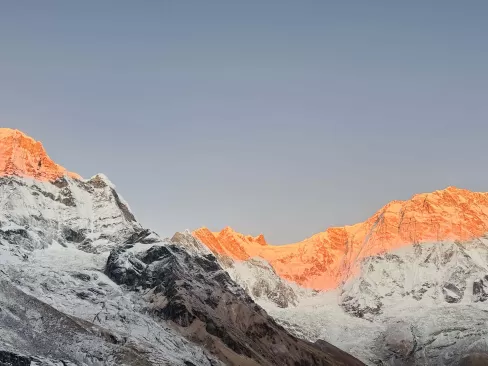
Annapurna Circuit Trek – Explore the Beauty of the HimalayasThe Annapurna Circuit Trek is one of the most famous trekking routes in Nepal and a bucket-list adventure for hikers worldwide. This trek circles the Annapurna Massif, taking you through lush valleys, high mountains, remote villages, and sacred temples. With its breathtaking scenery, diverse landscapes, and rich cultural experiences, it is a journey that combines adventure, nature, and local life.Reaching a maximum altitude of 5,416 meters (17,769 feet) at Thorong La Pass, the trek challenges even experienced trekkers but rewards them with panoramic views of some of the highest peaks in the world. From the moment you start in the low valleys to the moment you descend into Nayapul, every day is filled with new experiences, cultures, and scenery.This detailed guide will help you understand everything about the Annapurna Circuit Trek, including highlights, cultural stops, wildlife, side trips, and practical tips.Thorong La Pass – Reach the Highest Point of Your AdventureThorong La Pass is the highest point of the Annapurna Circuit Trek and a major highlight of the journey. Crossing this pass is both physically demanding and emotionally rewarding. Trekkers usually start very early, often before sunrise, to avoid the strong winds and icy trails that develop later in the day.At 5,416 meters, the air is thin, so pacing yourself is crucial. Most trekking guides advise taking small steps, breathing steadily, and staying hydrated. Crossing Thorong La is more about endurance and patience than speed.From the top, you are greeted with awe-inspiring views of the Annapurna Range, Dhaulagiri, and the surrounding Himalayan peaks. Many trekkers describe this moment as one of the most memorable experiences of their life. It’s not just a physical achievement—it’s also a spiritual and emotional one.Local guides often recommend spending a few minutes at the pass to soak in the scenery, take photographs, and offer gratitude for completing such a challenging portion of the trek. After the pass, the trail descends into the Mustang region, where the landscape changes dramatically, and trekkers can finally feel a sense of accomplishment.Tips for Thorong La Pass:Start the day before sunrise to avoid harsh weather.Wear layered clothing to adjust to temperature changes.Carry snacks, water, and a walking stick for stability.Listen to your guide; acclimatization is key to avoid altitude sickness.Changing Views – See Stunning Landscapes Every DayOne of the unique features of the Annapurna Circuit Trek is the variety of landscapes you encounter along the route. The trek starts in the low-altitude subtropical valleys with dense forests, terraced fields, and rivers flowing through lush farmland. The environment is warm, green, and vibrant.As you ascend, the terrain slowly changes. The forests become dominated by pine and rhododendron trees, and the air becomes crisper and cooler. Birds, small mammals, and unique Himalayan plants can be spotted along the trail. Trekkers also pass through wide valleys with grazing yaks and herds of sheep, offering a glimpse into the local mountain lifestyle.Higher up, the landscape transforms into an alpine desert with sparse vegetation and barren hills. The dramatic change in scenery allows trekkers to experience multiple ecosystems within a single trek. This variety is what makes the Annapurna Circuit so famous. Each day brings new photographic opportunities and experiences, from green terraced fields to snow-covered peaks.Comparisons are often made with other famous treks in Nepal, such as the Manaslu Circuit Trek and the Everest Base Camp Trek , but the Annapurna Circuit stands out for the diversity of landscapes within one continuous trail. Village Life – Experience Local Culture and TraditionsThe Annapurna Circuit Trek is not just about mountains—it’s also about people, culture, and traditions. The route passes through several ethnic villages inhabited by Gurung, Manangi, and Thakali communities, each offering a unique cultural experience.Manang Village: A key stop for acclimatization, Manang is influenced by Tibetan culture and features beautiful monasteries, prayer flags, and local markets. Trekkers can explore local cafes, try Tibetan-style food, and learn about high-altitude farming techniques. Many visitors slow down here, sip tea, and watch the world move at a slower pace.Marpha Village: Known for its apple orchards and stone-paved streets, Marpha is one of the most picturesque villages on the trek. It’s famous for local apple brandy, apple pies, and dried fruit. Staying here offers a unique glimpse into traditional Nepali life.Kagbeni Village: Located near the Kali Gandaki River, Kagbeni is an ancient village with traditional architecture and a peaceful environment. It’s an important stop for those heading into the Mustang region and offers insights into the Tibetan-influenced culture of the area.Walking through these villages allows trekkers to experience local festivals, rituals, and hospitality. You can enjoy home-cooked meals, chat with local families, and understand how communities survive and thrive in high-altitude environments. For trekkers seeking more cultural immersion, related treks include the Upper Mustang Trek and the Tamang Heritage Trail.Muktinath Temple – A Peaceful Spiritual StopMuktinath Temple is a sacred site visited by both Hindus and Buddhists, making it one of the most important spiritual stops along the Annapurna Circuit. For Hindus, it is a place of liberation, while Buddhists believe it is associated with Guru Rinpoche (Padmasambhava).The temple is famous for its 108 water spouts and an eternal natural flame. Many trekkers find the temple a peaceful and reflective stop during their high-altitude journey. It provides a spiritual break from the physical challenges of trekking and allows visitors to connect with the local culture and traditions.Visiting Muktinath gives trekkers the opportunity to witness pilgrims performing rituals and to learn more about the religious harmony in the Himalayan region. This cultural experience adds a meaningful dimension to the trek.Jomsom & Kali Gandaki Valley – Walk Through the Deepest GorgeDescending from Thorong La Pass, trekkers enter the Kali Gandaki Valley, home to the world’s deepest gorge. Jomsom is the main town in this area and serves as a hub for trekking supplies, local markets, and air transport connections.The valley is windy and dry, and trekkers quickly learn that walking early in the morning is the best way to avoid strong afternoon gusts. The valley is dotted with apple orchards, grazing yaks, and small villages, providing a perfect mix of nature and culture.This part of the trek also serves as a connection point to shorter treks like the Ghorepani Poon Hill Trek, making it suitable for trekkers who want to combine different routes.Tatopani Hot Springs – Relax and RechargeTatopani, meaning “hot water” in Nepali, is famous for its natural hot springs. After days of walking through mountains and valleys, soaking in the warm pools is a refreshing and relaxing experience.The hot springs are not only good for sore muscles but also offer a chance to meet other trekkers, enjoy the surrounding natural beauty, and take a short rest before continuing the trek. It is a highlight for anyone who enjoys a balance of adventure and relaxation.This combination of challenge and comfort is similar to other popular routes, such as the Annapurna Base Camp Trek.Annapurna Conservation Area – Meet Unique WildlifeThe Annapurna Circuit is located within the Annapurna Conservation Area (ACA), Nepal’s largest protected region. The area is home to a wide range of wildlife and plant species.Some of the animals trekkers might see include Himalayan tahr, blue sheep, musk deer, and, in rare cases, snow leopards or red pandas. The flora includes rhododendron forests, alpine plants, and medicinal herbs.Trekking through this conservation area helps visitors understand the importance of protecting the natural environment in the Himalayas.Tilicho Lake Side Trip – A Challenging Adventure RewardFor trekkers seeking additional adventure, the Tilicho Lake side trek is a popular detour. Situated at approximately 4,919 meters, Tilicho Lake is one of the highest lakes in the world.The trek is demanding, with steep ascents and high-altitude terrain, but the stunning lake surrounded by snow-capped peaks makes it worth the effort. Trekkers often describe this side trip as one of the most memorable experiences on the Annapurna Circuit.Ending at Nayapul – Celebrate Your Trekking AchievementThe Annapurna Circuit Trek traditionally ends at Nayapul, marking the completion of a full loop around the Annapurna Massif. Reaching this endpoint brings a deep sense of satisfaction after weeks of trekking, cultural exploration, and high-altitude adventure.Trekkers who finish the circuit often reflect on the unique experiences, challenges, and friendships formed during the journey. Those comparing routes may also be interested in the Langtang Valley Trek and Pikey Peak Trek.Why Trek with Explory Holiday NepalBooking your trek with Explory Holiday Nepal ensures you have experienced local guides, proper acclimatization planning, cultural highlights, customizable itineraries, and trusted support throughout the journey. Top Blogs About Trekking in the Annapurna RegionUncover the best blogs about trekking in the Annapurna region, featuring expert advice, detailed itineraries, personal experiences, and essential tips for adventurers looking to explore the Himalayas.Best Annapurna Ranges Treks & Tours 2024/2025Top 9 Destinations to Explore on the Annapurna Circuit TrekBest Time to Hike the Annapurna CircuitWhich is the Better Lake Trek in Nepal: Gokyo or Tilicho Lake Trek?Annapurna Base Camp Trek: Tips and FAQsAltitude Sickness on Nepal Treks: Symptoms, Treatment, and When to Descend (Complete Guide)Mardi Himal Trek: Trails, Views, and TipsNepal Trekking Permits: Costs, Types, and How to Get ThemGhorepani Poon Hill Trek: A Perfect Short Himalayan AdventureManaslu Circuit vs Annapurna Circuit: Which Trek is Right for You?Nepal Trekking: What’s the Best Time to Go?Budget Trekking in Nepal: Tips, Trails, and TricksExploring Nepal’s Wildlife and NatureTrekking Through Nepal: A Journey into the HimalayasTop 10 Mountain Peaks in NepalAnnapurna Base Camp vs Annapurna Circuit: Which Himalayan Trek is Right for You?Annapurna Circuit Trek for Beginners 2025: The Famous Himalayan Adventure You Can’t MissWhere is Annapurna? Explore the Glory of the World’s Highest MountainTop Reasons to Choose Trekking or Visiting NepalDal Bhat Power 24 Hour: The Science and Soul Behind Nepal's Mountain FuelThe Essential Guide to Choosing Your Perfect Nepal Trek: From Beginner-Friendly Trails to Epic Himalayan AdventuresSolo Female Trekking in Nepal: A Complete Safety and Empowerment Guide for 2026Complete Fitness Training Guide for Nepal Trekking 2026: From Couch to Base Camp in 12 WeeksCan Beginners Do Annapurna Trek? Your Complete Guide to Conquering the Himalayas

Ghorepani Poon Hill Trek: Scenic Views and Cultural Encounters in AnnapurnaThe Ghorepani Poon Hill Trek is a remarkable journey through the heart of the Annapurna region, combining stunning Himalayan landscapes, lush forests, and vibrant cultural experiences. This trek is ideal for beginners, families, and moderately experienced trekkers because it offers moderate difficulty, manageable altitude, and accessible trails, while still delivering breathtaking scenery and memorable cultural encounters. The trek is particularly popular in spring, when the rhododendron forests are in full bloom, and in autumn, when clear skies offer unparalleled mountain views.Scenic Trekking RouteThe trek begins with a scenic drive from Pokhara to Nayapul, passing through beautiful valleys, small villages, and flowing rivers. Nayapul marks the official starting point, from where trekkers begin a walk to Tikhedhunga, a charming village at the base of the Annapurna hills. The trail gradually ascends through terraced farmlands, gushing streams, and dense forests of rhododendron and pine, offering trekkers spectacular views at every turn. Along the way, trekkers pass through traditional Magar and Gurung villages, where local villagers warmly welcome travelers, offering tea and insight into their daily lives. This section of the trek provides ample opportunities for photography, nature observation, and cultural immersion. The mix of rolling hills, terraced fields, and colorful forests creates a dynamic trekking experience that gradually prepares the body for higher altitudes.Poon Hill: The HighlightThe trek’s major highlight is Poon Hill, perched at approximately 3,210 meters (10,531 feet). Trekkers wake early in the morning to catch the spectacular sunrise over the Annapurna and Dhaulagiri ranges, a moment often described as magical and life-changing. The soft morning light illuminates iconic peaks such as Machhapuchhre (Fishtail), Annapurna I, Annapurna South, Hiunchuli, and Dhaulagiri, creating a breathtaking panoramic view. From Poon Hill, trekkers can enjoy 360-degree vistas of snow-capped peaks, alpine valleys, and terraced farmland, making it a perfect location for photography and reflection. The experience is rewarding for all trekkers, as the effort to reach this vantage point is compensated by the sheer beauty and serenity of the landscape.Ghorepani, Tadapani, and Ghandruk: Cultural ImmersionAfter Poon Hill, the trek continues to Ghorepani, a picturesque village perched on a ridge, offering peaceful surroundings and stunning mountain views. Ghorepani is famous for its traditional teahouses, where trekkers can rest, enjoy local cuisine, and interact with fellow travelers. From Ghorepani, the trail leads to Tadapani, passing through dense forests of oak and rhododendron. Trekkers are rewarded with continuous glimpses of Machhapuchhre, Annapurna South, and Hiunchuli, and the journey is filled with natural beauty, clean air, and peaceful surroundings.The trek concludes at Ghandruk, one of the most culturally significant Gurung villages in the Annapurna region. Ghandruk is renowned for its stone houses, terraced fields, and traditional lifestyle. Here, trekkers can immerse themselves in local culture, learn about Gurung traditions, festivals, and community life, and explore ancient village temples and monasteries. The village offers a tranquil environment, ideal for resting, taking photos, and reflecting on the trekking journey. Along the entire route, trekkers encounter friendly locals, traditional lifestyle practices, and authentic Nepali hospitality, which adds depth and richness to the trekking experience.Difficulty, Duration, and SuitabilityThe Ghorepani Poon Hill Trek is classified as moderate difficulty, suitable for beginners, families, and moderately experienced trekkers. The trek’s lower altitudes minimize risks of altitude sickness, making it accessible to a wider range of travelers. The trekking duration is typically 5 to 7 days, depending on the pace and side excursions. The trail includes gradual ascents, scenic viewpoints, and occasional steep sections, providing a balanced mix of challenge and comfort. The trek usually concludes with a descent to Nayapul, followed by a return drive to Pokhara, offering trekkers the chance to relax, shop, and celebrate their accomplishment.Why Choose the Ghorepani Poon Hill Trek?Breathtaking sunrise from Poon Hill with panoramic Himalayan views.Cultural encounters in Gurung and Magar villages, including local traditions, festivals, and homestays.Moderate difficulty, making it accessible for most trekkers.Scenic rhododendron forests, especially vibrant in spring.Photogenic villages, terraced fields, and alpine landscapes.Short yet immersive trekking experience, perfect for first-time trekkers or travelers with limited time.For trekkers seeking longer adventures in the Annapurna region, check out our Annapurna Base Camp Trek or Mardi Himal TrekTop Blogs About Trekking in the Annapurna RegionUncover the best blogs about trekking in the Annapurna region, featuring expert advice, detailed itineraries, personal experiences, and essential tips for adventurers looking to explore the Himalayas.Best Annapurna Ranges Treks & Tours 2024/2025Top 9 Destinations to Explore on the Annapurna Circuit TrekBest Time to Hike the Annapurna CircuitWhich is the Better Lake Trek in Nepal: Gokyo or Tilicho Lake Trek?Annapurna Base Camp Trek: Tips and FAQsAltitude Sickness on Nepal Treks: Symptoms, Treatment, and When to Descend (Complete Guide)Mardi Himal Trek: Trails, Views, and TipsNepal Trekking Permits: Costs, Types, and How to Get ThemGhorepani Poon Hill Trek: A Perfect Short Himalayan AdventureManaslu Circuit vs Annapurna Circuit: Which Trek is Right for You?Nepal Trekking: What’s the Best Time to Go?Budget Trekking in Nepal: Tips, Trails, and TricksExploring Nepal’s Wildlife and NatureTrekking Through Nepal: A Journey into the HimalayasTop 10 Mountain Peaks in NepalAnnapurna Base Camp vs Annapurna Circuit: Which Himalayan Trek is Right for You?Annapurna Circuit Trek for Beginners 2025: The Famous Himalayan Adventure You Can’t MissWhere is Annapurna? Explore the Glory of the World’s Highest MountainTop Reasons to Choose Trekking or Visiting NepalDal Bhat Power 24 Hour: The Science and Soul Behind Nepal's Mountain FuelThe Essential Guide to Choosing Your Perfect Nepal Trek: From Beginner-Friendly Trails to Epic Himalayan AdventuresSolo Female Trekking in Nepal: A Complete Safety and Empowerment Guide for 2026Complete Fitness Training Guide for Nepal Trekking 2026: From Couch to Base Camp in 12 WeeksCan Beginners Do Annapurna Trek? Your Complete Guide to Conquering the Himalayas
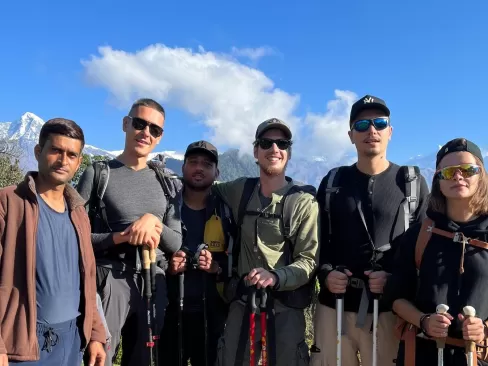
Mardi Himal Trek: A Hidden Gem in the Annapurna HimalayasMardi Himal Trek is one of Nepal’s most scenic and less-crowded trekking routes, offering an unforgettable Himalayan experience. Located in the Annapurna region, this trek takes you through lush forests, alpine meadows, and charming traditional villages, finally reaching the stunning Mardi Himal Base Camp at 4,500 meters (14,764 feet). Along the way, you’ll enjoy breathtaking views of Machhapuchhre (Fishtail), Annapurna South, Hiunchuli, and Mardi Himal.Whether you are a first-time trekker or an experienced adventurer, Mardi Himal is perfect for those seeking serenity, scenic beauty, and cultural encounters without the crowds.If you love exploring the Himalayas, you might also enjoy our Annapurna Circuit Trek, Everest Base Camp Trek, and Gokyo Lakes Trek, which offer different challenges and stunning landscapes.Why Choose Mardi Himal Trek?Less crowded trail – Enjoy peace and solitude while trekking through pristine nature.Stunning panoramic views – Capture close-up views of Machhapuchhre, Annapurna South, Hiunchuli, and Mardi Himal.Cultural immersion – Visit Gurung and Magar villages, interact with locals, and learn about traditional lifestyles.Diverse landscapes – Walk through terraced fields, rhododendron forests, alpine meadows, and rocky high-altitude trails.Seasonal highlights – Spring offers vibrant rhododendron blooms, while autumn provides clear skies and perfect mountain views.Moderate difficulty – Suitable for trekkers with basic experience, offering a perfect balance of challenge and enjoyment.Scenic Trails and Natural BeautyThe Mardi Himal Trek is a visual delight, featuring ever-changing landscapes:Lower elevations: Walk through fertile terraced farmlands, lush forests, and small villages.Mid elevations: Trek through rhododendron and oak forests, with chances to spot Himalayan birds and wildlife.High elevations: Ascend alpine meadows, rocky ridges, and glacial valleys, with panoramic mountain views at every turn.Along the trail, you’ll find hidden viewpoints, crystal-clear streams, and peaceful resting spots, perfect for photography and soaking in the scenery.For a similar scenic experience, check out our , which also passes through rhododendron forests and offers stunning Annapurna sunrise views.Cultural HighlightsThe trek is not just about mountains; it’s also a journey through local culture.Gurung and Magar villages: Explore villages, meet locals, and learn about traditional farming, festivals, and daily life.Traditional architecture: Observe stone houses, prayer flags, and small monasteries, reflecting the heritage of the region.Warm hospitality: Stay in teahouses and enjoy homemade meals like dal bhat, momo, and seasonal vegetables.Engaging with locals adds a personal touch to your trek, making it memorable and meaningful.If you love exploring local culture, our Manaslu Circuit Trek also offers deep cultural immersion in Tibetan-influenced villages along the route.Flora and FaunaRhododendron forests: Especially vibrant in spring (March–May), creating a stunning colorful display.Alpine meadows: Full of wildflowers and rare Himalayan plants.Wildlife sightings: Keep an eye out for Himalayan birds, langurs, and small mammals along the trail.For nature lovers, the Langtang Valley Trek also showcases diverse Himalayan flora and fauna, including rhododendron forests and glacial landscapes.Mardi Himal Base CampThe trek culminates at Mardi Himal Base Camp (4,500 meters), a quiet and breathtaking destination. Here you can:Enjoy close-up views of Mardi Himal, Machhapuchhre, Annapurna South, and Hiunchuli.Capture unforgettable photographs of the peaks and surrounding landscapes.Feel a sense of accomplishment after completing the trek.Experience solitude in a less-crowded area, perfect for reflection and connection with nature.Optional High Camp above Base Camp provides even closer views of Mardi Himal and Machhapuchhre for those seeking an extra adventure.Practical Information for TrekkersBest time to trek:Spring (March–May) – Rhododendrons in full bloom.Autumn (September–November) – Clear skies and ideal weather.Trekking duration: 5–7 days (can extend with side trips).Difficulty level: Moderate – suitable for trekkers with basic experience.Accommodation: Comfortable teahouses along the trail, with meals included.Altitude: Base Camp at 4,500 meters, optional High Camp slightly higher.Key Highlights of the Mardi Himal TrekPanoramic views of Machhapuchhre (Fishtail) and Annapurna SouthTranquil Mardi Himal Base Camp and optional High CampCultural villages of Gurung and Magar peopleVibrant rhododendron forests and seasonal wildflowersAlpine meadows and serene landscapesLess crowded trails – perfect for solitude and photographyWhy This Trek Stands OutThe Mardi Himal Trek is ideal for those who want a peaceful, scenic, and culturally rich Himalayan adventure. You will:Enjoy untouched natural beauty away from crowded trails.Connect with local communities and experience their unique culture and traditions.Witness daily changing landscapes, from forested hills to snowy peaks.Capture memories in a pristine and serene environment.For trekkers looking for more challenging adventures, explore our Everest Three Pass Trek or Annapurna Circuit Trek for longer, high-altitude Himalayan journeys.Top Blogs About Trekking in the Annapurna RegionUncover the best blogs about trekking in the Annapurna region, featuring expert advice, detailed itineraries, personal experiences, and essential tips for adventurers looking to explore the Himalayas.Best Annapurna Ranges Treks & Tours 2024/2025Top 9 Destinations to Explore on the Annapurna Circuit TrekBest Time to Hike the Annapurna CircuitWhich is the Better Lake Trek in Nepal: Gokyo or Tilicho Lake Trek?Annapurna Base Camp Trek: Tips and FAQsAltitude Sickness on Nepal Treks: Symptoms, Treatment, and When to Descend (Complete Guide)Mardi Himal Trek: Trails, Views, and TipsNepal Trekking Permits: Costs, Types, and How to Get ThemGhorepani Poon Hill Trek: A Perfect Short Himalayan AdventureManaslu Circuit vs Annapurna Circuit: Which Trek is Right for You?Nepal Trekking: What’s the Best Time to Go?Budget Trekking in Nepal: Tips, Trails, and TricksExploring Nepal’s Wildlife and NatureTrekking Through Nepal: A Journey into the HimalayasTop 10 Mountain Peaks in NepalAnnapurna Base Camp vs Annapurna Circuit: Which Himalayan Trek is Right for You?Annapurna Circuit Trek for Beginners 2025: The Famous Himalayan Adventure You Can’t MissWhere is Annapurna? Explore the Glory of the World’s Highest MountainTop Reasons to Choose Trekking or Visiting NepalDal Bhat Power 24 Hour: The Science and Soul Behind Nepal's Mountain FuelThe Essential Guide to Choosing Your Perfect Nepal Trek: From Beginner-Friendly Trails to Epic Himalayan AdventuresSolo Female Trekking in Nepal: A Complete Safety and Empowerment Guide for 2026Complete Fitness Training Guide for Nepal Trekking 2026: From Couch to Base Camp in 12 WeeksCan Beginners Do Annapurna Trek? Your Complete Guide to Conquering the Himalayas

Nar Phu Valley Trekking Nepal: Everything You Need to Know Before You GoLook, I'll be straight with you—Nar Phu Valley is special. Really special. While everyone's crowding trails like the Annapurna Circuit Trek, this hidden corner of Nepal stays remarkably quiet. We're talking about a valley that was completely off-limits to foreigners until 2002, tucked away in the Annapurna region where ancient Tibetan culture hasn't just survived—it's thriving.What makes Nar Phu Valley trekking Nepal different? It's not just another mountain trek. Sure, you'll get incredible Himalayan views (more on that later), but the real magic happens in villages where life moves at the same pace it did 500 years ago. Stone houses with prayer flags. Monks chanting in centuries-old monasteries. People who still trade with Tibet and practice traditions your guidebook barely mentions.The catch? This isn't an easy trek. You'll cross a 5,322-meter pass, sleep in very basic teahouses, and spend days where you might not see another trekker. But that's exactly the point.Why Most Trekkers Miss Out on Nar Phu ValleyHere's something interesting—even though the Annapurna Circuit Trek is one of Nepal's most popular routes, maybe 5-10% of those trekkers actually venture into Nar Phu Valley. Why?First, you need special permits. The area is restricted, which means more paperwork and higher costs. Second, you can't go independently—you need a registered guide. Third (and this is the big one), it adds serious difficulty to an already challenging trek.But those barriers have created something rare in modern trekking. No wifi cafes. No banana pancake menus in five languages. Just authentic mountain life that hasn't been sanitized for tourists. When you walk into Phu Village and see kids playing in medieval-looking alleyways while their grandparents spin prayer wheels, you'll understand why some trekkers call this their favorite Himalayan experience.Getting There: The Journey from Kathmandu to KotoYour Nar Phu Valley trekking Nepal adventure starts in Kathmandu, obviously. After sorting permits (more on that bureaucratic fun later), you'll drive toward the mountains. It's a long drive—figure 7-8 hours through Besisahar to Koto, depending on road conditions and how many times your bus stops for tea.Koto sits at 2,600 meters and marks the point where you leave the main Annapurna Circuit. Most trekkers continue straight toward Manang. You? You're turning left into a narrow gorge that looks slightly terrifying and completely exciting.Koto to Meta: Welcome to the Wild SideThe trail from Koto to Meta is... let's say it builds character. You're walking through a canyon carved by the Phu Khola river, which sounds peaceful until you're actually there. The path is narrow—sometimes just carved into cliff faces—and you'll cross suspension bridges that sway more than you'd like.Is it dangerous? Not if you pay attention and watch your footing. Is it thrilling? Absolutely. This is where you really feel like you're entering forbidden territory.Meta (3,560 meters) is a tiny settlement where you'll spend your first night in the restricted zone. The lodges here are basic. Really basic. Thin mattresses, shared bathrooms, maybe hot water if you're lucky and willing to pay extra. But the food is hot, the blankets are thick, and you're surrounded by mountains. What else do you need?Pro tip: Use Meta as an acclimatization day if you're smart. Your body needs time to adjust, and there are good day hikes around the village.Phu Village: Where Time Stopped Centuries AgoContinuing up-valley, the landscape gets more dramatic. And more Tibetan. By the time you reach Phu Village (4,080 meters), you've basically entered a different world.Phu is extraordinary. Around 200 people live here year-round, in stone houses stacked up a hillside like something from a fantasy movie. The village has existed for over a thousand years, and honestly, not that much has changed. No roads reach here. Electricity is solar or generators. The nearest hospital is days away.The Tashi Lhakhang Monastery sits above the village, watching over everything. If you can, time your visit when the monks are conducting ceremonies. The sound of horns echoing off the surrounding peaks while incense fills the prayer hall—it's powerful stuff.Walking through Phu's narrow alleys, you'll see yaks wandering around, kids playing traditional games, and elderly women spinning wool like their ancestors did. Some families here still practice polyandry (one wife, multiple brothers as husbands), which is incredibly rare even in Nepal.Want to go higher? There's a side trip to Himlung Himal Base Camp that takes you above 4,900 meters. The views are insane—glaciers, Tibetan peaks stretching forever, and total silence except for the wind. But only attempt this if you're acclimatizing well. Altitude sickness at nearly 5,000 meters is no joke.Nar Village: The Photogenic GemAfter heading back down from Phu, you'll trek to Nar Village (4,110 meters). If Phu impressed you, Nar will blow your mind.This village is stacked even more dramatically on a hillside, with houses that look like they're defying gravity. The Nar Phedi Monastery above the village contains ancient Buddhist artifacts—thangka paintings, statues, and texts that scholars travel here specifically to study.But the real treasure of Nar is the people. They're incredibly welcoming. You'll probably get invited into someone's home for butter tea (which tastes weird at first but you'll learn to love it). They'll tell you stories about winter when the pass closes and the valley becomes completely isolated. About the summer months when they take their animals to high pastures. About how their children are starting to leave for education in Kathmandu.The view from Nar across the valley to Pisang Peak is spectacular. The surrounding cliffs have caves where Buddhist hermits used to meditate in isolation. Some of these caves are still used occasionally by monks seeking solitude.If you're lucky enough to be here during a festival, you'll see traditional dances, horse races, and archery competitions that have been part of valley culture for generations. The locals take these events seriously—this isn't a show for tourists because, well, there usually aren't any tourists around.Kang La Pass: The Big ChallengeOkay, let's talk about Kang La Pass (5,322 meters). This is what you came for, right? This is also what will test you.Most groups start the pass crossing around 3-4 AM. Yes, that early. You need to get over before afternoon weather potentially rolls in. So you're stumbling out of your sleeping bag in the dark, forcing down breakfast, and starting to climb by headlamp.The first part is just steep. Very steep. At altitude, this means you're taking maybe 10-15 steps, then stopping to breathe. Then another 10-15 steps. It's slow. Your legs burn. Your lungs feel like they can't get enough air (because they can't—there's 40% less oxygen up here than at sea level).But then dawn breaks.And the mountains start glowing. First pink, then orange, then brilliant white as the sun hits the peaks. You're high enough now that you're walking among the giants. Annapurna II (7,937 meters), Annapurna III (7,555 meters), Annapurna IV (7,525 meters), Gangapurna (7,455 meters)—they're all there, massive and close enough to feel overwhelming.The summit of Kang La Pass is marked with prayer flags that snap in the wind. On a clear day, you can see the Manaslu range to the east and Dhaulagiri (8,167 meters) to the west. The Tibetan plateau stretches north. The Annapurna massif dominates everything else.People cry at the top. Not from pain (though your legs might disagree), but from the sheer emotional impact of being there.The descent is technical. Steep scree, possibly snow and ice depending on the season. You need to concentrate here—one wrong step could mean a nasty fall. Trekking poles are essential. Going slowly is smart.Eventually you'll reach Ngawal, a beautiful village where you rejoin the main Annapurna Circuit. Hot showers! Actual beds! Food that isn't just dal bhat! After days in the remote valley, Ngawal feels almost luxurious.Combining Nar Phu with Other TreksHere's where Nar Phu Valley trekking Nepal gets interesting for route planning. You've got options.Most people combine it with the Annapurna Circuit Trek . After Ngawal, you continue to Manang, then cross Thorong La Pass (5,416 meters), visit Muktinath temple, and descend through the Kali Gandaki Valley. This makes an incredible 18-20 day trek that hits multiple highlights.Want to add another jewel? The Tilicho Lake Trek can be included from Manang. Tilicho Lake (4,919 meters) is one of the highest lakes in the world, with turquoise water surrounded by peaks. It adds 2-3 days but is worth every step.For the truly ambitious, some trekkers link this with the Manaslu Circuit Trek. Both are restricted areas with similar Tibetan Buddhist culture. This creates a month-long adventure through two of Nepal's most remote regions. Not for beginners, but if you've got the time and fitness, it's epic.When Should You Actually Go?Timing matters. A lot. Let me break down the seasons honestly.Spring (March to May) - Best Overall ChoiceThis is prime time for Nar Phu Valley trekking Nepal. Weather stabilizes, trails clear of winter snow, and temperatures are manageable. You'll see rhododendrons blooming in the lower valleys, which is gorgeous.March can still be cold with possible snow at high passes. April and May are better for pass crossings—still cold at night, but generally clear and stable. Days are getting longer, which helps when you're doing that pre-dawn pass climb.The downside? This is peak season. Now, "crowded" in Nar Phu means you might see 10-15 other trekkers in the villages instead of 2-3. But still, it's busier than other times.Autumn (September to November) - Also ExcellentAfter monsoon clears in September, you get the clearest mountain views of the year. Seriously, the visibility is incredible. October is probably the single best month if you can only choose one.Temperatures are comfortable during the day, though nights get progressively colder as November approaches. The harvest season adds cultural interest—you'll see villagers bringing in their barley crops and preparing for winter.Late November starts getting very cold at altitude. But if you've got proper gear, it's manageable.Winter (December to February) - For Hardcore OnlyCan you trek Nar Phu in winter? Yes. Should you? Only if you really know what you're doing.Temperatures drop to -20°C or lower at high camps. Kang La Pass might be impassable due to snow. Most teahouses in the upper valley close as residents move to lower elevations. You'll need serious winter gear and a flexible schedule in case weather forces you to wait days for conditions to improve.But—and this is important—winter offers something magical if you can handle the conditions. Total solitude. The valley covered in pristine snow. Crystal-clear mountain views. It's beautiful and brutal in equal measure.Monsoon (June to August) - Generally Skip ItThe monsoon is tricky. Nar Phu is in the rain shadow of the Annapurna range, so it gets less rain than areas to the south. But the approach trails through lower elevations can be muddy messes. Leeches are everywhere in the forests. Afternoon clouds often hide the mountains.Some people still trek during monsoon for the solitude and lower prices. The valleys are lush and green. But honestly? Unless you have very specific reasons, pick a different season.How Hard Is This Trek Really?Let's be real about difficulty because I don't want you arriving unprepared.Nar Phu Valley trekking Nepal is hard. Not Everest hard, but definitely challenging. Here's why:Altitude: You're going from Kathmandu (1,400m) to over 5,300m at the pass. That's significant altitude gain. Several nights above 4,000m. Altitude sickness is a real risk, and it doesn't care how fit you are. I've seen marathon runners struggle while average-fitness trekkers do fine. It's genetics and acclimatization.Duration: Most itineraries are 12-16 days of actual trekking. That's nearly two weeks of walking 5-8 hours per day. Your body needs to handle sustained effort.Terrain: Ranges from good trails to exposed cliff sections to steep pass climbs. Some scrambling over rocks. The gorge before Meta requires focus. The pass descent is technical with loose scree.Facilities: Basic teahouses. Thin mattresses. Shared pit toilets (yes, really). No showers for days. If you need comfort to function, this isn't your trek.Weather: Can change fast. Snow, wind, cold—even in good seasons. You need to handle whatever conditions come.My honest recommendation? You should have:Previous multi-day trekking experience (at least one week-long trek)Experience at moderate altitude (3,000-4,000m)—something like Annapurna Base Camp Trek or Everest Base Camp Trek is ideal preparationGood general fitness (can walk 6-8 hours comfortably)Mental toughness for discomfort and uncertaintyIf you've only done day hikes before, work up to this. Do an easier Nepal trek first. Your body and mind need to know what multi-day high-altitude trekking feels like.The Permit Situation (Yes, It's Bureaucratic)Nepal loves permits. Nar Phu Valley especially loves permits. Here's what you need:Annapurna Conservation Area Permit (ACAP): $30 for foreigners. This covers the entire Annapurna region and funds conservation work. Easy to get.Nar Phu Special Restricted Area Permit: About $90 for the first week, then additional fees if you stay longer. This is the important one that limits visitor numbers.TIMS Card (Trekkers' Information Management System): Around $20. Tracks trekker movements for safety.Here's the catch—you can't get these yourself and trek independently. The regulations require you to book through a registered trekking agency and trek with a licensed guide. No solo trekking allowed in the restricted area.Is this annoying? Kind of. Does it keep the valley from being overrun? Definitely. The permit requirements and guide mandate have preserved Nar Phu's character in ways that completely open areas have lost.Your trekking agency will handle all permit paperwork. They'll need your passport details, photos, and a few days to process everything in Kathmandu before you depart.What Accommodation Actually Looks LikeLet me set realistic expectations about where you'll sleep during Nar Phu Valley trekking Nepal.On the approach (Besisahar to Koto), lodges are standard Nepal trekking quality. You'll get a private or semi-private room, a bed with blankets, a communal dining area with a stove, and usually Western-style toilets. Hot showers cost extra—maybe $2-3. Wifi exists but is slow. It's comfortable enough.Once you enter the restricted area beyond Koto, things change. Teahouses in Meta, Phu, and Nar are basic. We're talking:A room with a thin mattress and some blankets (bring a sleeping bag)Shared bathrooms (squat toilets, no hot water)Minimal electricity (a few hours of solar power maybe)Common dining room with a yak-dung stove for heatNo wifi, no phone signal, no frillsIs it uncomfortable? Compared to home, yes. Compared to camping in a tent, it's luxury. You have walls, a roof, and someone cooking hot meals.The food in these upper valley teahouses is simple but filling. Dal bhat is the staple—rice, lentil soup, vegetables, sometimes a bit of meat or yak cheese. You can get fried rice, noodle soup, momos (dumplings), Tibetan bread, and tea. Don't expect variety, but it's warm and provides the calories you need.After crossing Kang La Pass and reaching Ngawal, comfort levels increase again. You're back on the main Annapurna Circuit where teahouses compete for business with hot showers, charging stations, and actual menus.Packing Smart for Nar Phu ValleyPacking for Nar Phu Valley trekking Nepal requires balance. Too little and you'll be miserable. Too much and your porter suffers (and you pay more). Here's what actually matters:Clothing - The Layer SystemForget cotton. Everything should be synthetic or merino wool that wicks moisture and dries fast.Base layers: Two sets of thermal underwear (top and bottom). You'll wear one, wash one.Mid layers: Fleece jacket, down jacket or synthetic puffy. The down jacket is non-negotiable—evenings at 4,000+ meters are brutally cold.Outer shell: Waterproof, windproof jacket and pants. Even in dry season, weather can surprise you.Trekking clothes: 2-3 quick-dry shirts, 2 pairs of trekking pants, warm hat, sun hat, gloves (bring two pairs—light and heavy).FootwearBroken-in trekking boots. Cannot emphasize "broken-in" enough. New boots = blisters = misery. They need good ankle support and warm enough for snow.3-4 pairs of wool or synthetic socks. Bring spares.Gaiters for the pass crossing (keeps snow out of boots).Camp shoes or sandals for lodge evenings. Your feet will thank you.Essential GearSleeping bag rated to -10°C minimum, preferably -15°C. Teahouse blankets aren't enough at high altitude.Trekking poles—essential for knee protection on descents and stability on tricky sections.Headlamp with extra batteries (cold drains batteries fast).Water bottles or hydration system (2 liters minimum capacity). Bladder hoses can freeze at altitude, so bottles are more reliable.Sunglasses with good UV protection and a spare pair.Sunscreen SPF 50+ and lip balm with SPF. The sun is intense at altitude.First Aid and MedicationsBasic first aid kit: bandages, antiseptic, blister treatment (bring lots—blisters are the #1 minor problem).Diamox for altitude sickness prevention (discuss with your doctor before the trek).Pain relievers, anti-diarrhea meds, any personal prescriptions.Water purification tablets or filter.Nice to HavePower bank for charging devices (you'll pay $3-5 to charge at lodges, if power is even available).Book or Kindle for lodge evenings.Earplugs (teahouses have thin walls).Energy bars or favorite snacks from home—when dal bhat gets old, these save your sanity.Camera with extra batteries and memory cards.Small amount of cash in small bills (ATMs don't exist in the upper valley, and lodges can't always make change).What NOT to BringHair dryer, makeup, excessive clothes changes, heavy books, your entire toiletry collection. If you're thinking "maybe I'll need this," you probably won't.Staying Healthy at High AltitudeAltitude sickness kills the fun and, in extreme cases, kills people. Take it seriously.Acute Mountain Sickness (AMS) symptoms include:Headache (the most common early sign)Nausea or loss of appetiteFatigue or weaknessDizzinessDifficulty sleepingIf you get mild symptoms, stop ascending. Rest a day at the same altitude. Often symptoms improve with acclimatization. If symptoms get worse or don't improve, descend. Period. Don't negotiate with altitude sickness.Prevention strategies:Ascend slowly. Good itineraries build in acclimatization days and don't gain more than 500m sleeping altitude per day above 3,000m."Climb high, sleep low." Take day hikes above your sleeping altitude, then return down to sleep. This helps your body adapt.Drink tons of water. 3-4 liters daily. Your pee should be clear to light yellow. Dark pee = dehydrated = higher AMS risk.Avoid alcohol and sleeping pills—both suppress breathing and worsen altitude effects.Diamox (acetazolamide) helps some people. Discuss with your doctor before the trek. It's not magic, but it can reduce symptoms.Eat even when you're not hungry. Your body needs fuel to handle altitude.When to WorryIf you develop severe symptoms—confusion, inability to walk straight, severe breathlessness at rest, coughing up pink frothy sputum—you're developing HACE (High Altitude Cerebral Edema) or HAPE (High Altitude Pulmonary Edema). These are life-threatening. Immediate descent is the only treatment. This is why you need travel insurance that covers helicopter evacuation.Insurance: Don't Skip ThisTravel insurance for Nar Phu Valley trekking Nepal is not optional. It's essential. And not just any insurance—you need specific coverage.Must-have coverage:Emergency helicopter evacuation up to at least 6,000 meters. Medical emergencies in remote areas require helicopter rescue to Kathmandu or Pokhara. Cost without insurance? $5,000-$10,000. With insurance? Covered.Medical treatment including high-altitude illness.Trip cancellation/interruption (weather can force changes to plans).Lost or delayed baggage.Read the fine print: Many standard travel insurance policies exclude trekking above certain altitudes or require adventure sports add-ons. Make absolutely sure your policy covers trekking up to 6,000 meters.Companies that trekkers commonly use: World Nomads, IMG Global, Travel Guard, True Traveller. Check current reviews and coverage details.Respecting Local CultureYou're entering communities with deep Tibetan Buddhist traditions. Respect matters, both ethically and practically—locals are more welcoming when you show cultural awareness.Buddhist Etiquette:Always walk clockwise around Buddhist monuments, chortens, mani walls, and monasteries. This follows the Buddhist practice of circumambulation.In monasteries: remove shoes before entering, ask before photographing (often it's not allowed inside), make a small donation, don't touch religious objects.Prayer flags, prayer wheels, and religious stones are sacred. Don't step on them or use them as rest spots.General Behavior:Dress modestly, especially in villages. Long pants and shirts that cover shoulders. Save the shorts and tank tops for the trail.Ask permission before photographing people, especially monks and elderly villagers. Some say yes, some decline, both responses are fine. Often asking creates opportunities for real interaction.Learn basic greetings. "Namaste" in Nepali, "Juley" (ju-lay) in Tibetan. Locals appreciate the effort.Don't give candy or money to children. It creates begging culture. If you want to help, donate to schools or community projects through your trekking agency.Public displays of affection are culturally inappropriate. Hold hands at most.Environmental Responsibility:Carry out all trash, even organic waste and toilet paper. The valley's ecosystem is fragile.Use refillable water bottles with purification rather than buying plastic bottles.Stick to established trails to prevent erosion.Use lodge toilets rather than going outdoors when possible.Why This Trek Changes PeopleI've talked to dozens of people who've done Nar Phu Valley trekking Nepal. Almost everyone says it changed something for them. Why?Part of it is the physical challenge. Pushing your body beyond what you thought possible creates confidence that transfers to regular life. When you've climbed a 5,300m pass in thin air, work problems feel smaller.Part of it is the cultural immersion. Spending time in communities that operate so differently from modern life expands your perspective. You realize how many ways there are to live well, and how much of what we consider "necessary" is actually optional.Part of it is the beauty. Standing among the highest peaks on Earth under impossibly clear skies does something to your soul. It's humbling and elevating at the same time.But mostly, it's the combination. Physical challenge plus cultural depth plus natural beauty plus genuine remoteness equals transformation. You can't fake this experience or get it from easier treks or tourist destinations.The people you meet—villagers who invite you into their homes, guides who share their mountain knowledge, fellow trekkers pushing through the same challenges—become part of your story. The discomfort of cold nights and basic food becomes part of the bond.Final ThoughtsNar Phu Valley trekking Nepal isn't for everyone. It's challenging, uncomfortable at times, and requires real commitment. But for those willing to push beyond standard tourist experiences, it delivers something increasingly rare—authentic adventure in a genuinely remote place.The valley's restricted status means it won't stay this way forever. Tourism is slowly increasing. Villages are gradually modernizing. In 20 years, this trek might be completely different. Right now, though, it offers a window into traditional Himalayan life that few places can match.Whether you're an experienced trekker looking for your next challenge or someone ready to test yourself at high altitude, Nar Phu Valley rewards those who seek it out. The ancient monasteries, towering peaks, and warm welcomes from villagers living at the edge of the possible world create memories that outlast any discomfort.Just make sure you're properly prepared, physically and mentally. Choose the right season, get appropriate gear, allow time for acclimatization, and approach the journey with respect for the land and people. Do that, and Nar Phu Valley trekking Nepal might just become the adventure you measure all others against.Top Blogs About Trekking in the Annapurna RegionUncover the best blogs about trekking in the Annapurna region, featuring expert advice, detailed itineraries, personal experiences, and essential tips for adventurers looking to explore the Himalayas.Best Annapurna Ranges Treks & Tours 2024/2025Top 9 Destinations to Explore on the Annapurna Circuit TrekBest Time to Hike the Annapurna CircuitWhich is the Better Lake Trek in Nepal: Gokyo or Tilicho Lake Trek?Annapurna Base Camp Trek: Tips and FAQsAltitude Sickness on Nepal Treks: Symptoms, Treatment, and When to Descend (Complete Guide)Mardi Himal Trek: Trails, Views, and TipsNepal Trekking Permits: Costs, Types, and How to Get ThemGhorepani Poon Hill Trek: A Perfect Short Himalayan AdventureManaslu Circuit vs Annapurna Circuit: Which Trek is Right for You?Nepal Trekking: What’s the Best Time to Go?Budget Trekking in Nepal: Tips, Trails, and TricksExploring Nepal’s Wildlife and NatureTrekking Through Nepal: A Journey into the HimalayasTop 10 Mountain Peaks in NepalAnnapurna Base Camp vs Annapurna Circuit: Which Himalayan Trek is Right for You?Annapurna Circuit Trek for Beginners 2025: The Famous Himalayan Adventure You Can’t MissWhere is Annapurna? Explore the Glory of the World’s Highest MountainTop Reasons to Choose Trekking or Visiting NepalDal Bhat Power 24 Hour: The Science and Soul Behind Nepal's Mountain FuelThe Essential Guide to Choosing Your Perfect Nepal Trek: From Beginner-Friendly Trails to Epic Himalayan AdventuresSolo Female Trekking in Nepal: A Complete Safety and Empowerment Guide for 2026Complete Fitness Training Guide for Nepal Trekking 2026: From Couch to Base Camp in 12 WeeksCan Beginners Do Annapurna Trek? Your Complete Guide to Conquering the Himalayas

Panchase Trek: An Enchanting Journey Through Nepal's Hidden ParadiseNestled within the magnificent Annapurna region, the Panchase Trek emerges as one of Nepal's most captivating yet underappreciated trekking routes. This remarkable journey offers adventurers an authentic Himalayan experience that beautifully combines natural splendor, cultural immersion, and spiritual discovery. Unlike the more commercialized trails in the region, Panchase provides trekkers with an intimate encounter with Nepal's raw beauty and traditional mountain life.The trek begins in the enchanting lakeside city of Pokhara, a gateway to numerous Himalayan adventures. From this picturesque starting point, the trail winds through a tapestry of ecosystems and settlements, each offering its own unique charm and character. The journey culminates at the summit of Panchase Hill, standing proudly at 2,500 meters, where trekkers are rewarded with some of the most spectacular mountain vistas in all of Nepal.Why Choose the Panchase Trek?For travelers seeking an alternative to the crowded trails of the Annapurna Circuit Trek or Everest Base Camp Trek, Panchase presents an ideal solution. This trek delivers an authentic mountain experience without the overwhelming tourist presence that can sometimes detract from the sense of wilderness and cultural authenticity. The relatively moderate difficulty level makes it accessible to trekkers with varying levels of experience, while still providing enough challenge to make the achievement meaningful.The route showcases the incredible biodiversity of the lower Himalayan region, passing through dense rhododendron forests that burst into brilliant color during spring months, oak and pine woodlands that provide shade and shelter, and terraced agricultural lands that demonstrate the ingenuity of mountain farmers. This ecological diversity creates an ever-changing landscape that keeps the trek visually engaging from start to finish.What truly distinguishes Panchase from other trekking destinations in Nepal is its cultural authenticity. The trail passes through traditional Gurung and Magar villages where ancient customs and lifestyles remain largely unchanged by modern influences. These communities welcome trekkers with genuine warmth, offering glimpses into a way of life that has endured for centuries in these mountain valleys.The Natural Splendor of PanchaseThe Panchase region boasts some of the most diverse landscapes found anywhere in Nepal. Trekkers begin their journey in subtropical zones near Pokhara, where the climate remains mild and vegetation lush throughout much of the year. As the trail gains elevation, the environment transitions through multiple ecological zones, each supporting its own unique flora and fauna.The forests along the Panchase route are particularly noteworthy. During spring, the hillsides explode with the crimson and pink blooms of rhododendron trees, Nepal's national flower. These forests provide habitat for numerous bird species, making the trek a paradise for birdwatchers. Patient observers might spot colorful pheasants, various species of partridge, and numerous songbirds that fill the forest with their melodious calls.The agricultural terraces that characterize much of the middle elevation landscape represent centuries of careful land management. These stepped fields cascade down hillsides in geometric patterns, growing rice, millet, wheat, and various vegetables depending on the season. The terracing system not only maximizes agricultural productivity but also prevents soil erosion, demonstrating the sustainable farming practices that mountain communities have perfected over generations.Mountain Panoramas That Take Your Breath AwayThe summit of Panchase Hill serves as an exceptional viewpoint for observing some of the world's most impressive mountain ranges. From this vantage point, trekkers enjoy unobstructed views of the Annapurna massif, a collection of peaks that includes several mountains exceeding 7,000 meters in elevation. The Annapurna range stretches across the northern horizon, its snow-covered summits gleaming in the sunlight.To the west, the Dhaulagiri range commands attention with its dramatic peaks and massive glaciated faces. Dhaulagiri I, standing at 8,167 meters, ranks as the seventh highest mountain in the world and presents an awe-inspiring sight from Panchase. The mountain's name, which translates to "White Mountain" in Sanskrit, perfectly describes its perpetually snow-covered appearance.Perhaps the most iconic view from Panchase is that of Machapuchare, the "Fish Tail Mountain" that has become synonymous with the Pokhara region. This sacred peak, standing at 6,993 meters, remains unclimbed out of respect for its religious significance to local communities. Its distinctive double summit creates a profile that resembles a fish's tail, making it instantly recognizable and photographically stunning.On clear mornings, the sunrise from Panchase Hill creates a magical spectacle. As the first rays of sunlight touch the highest peaks, the mountains seem to ignite with golden and pink hues that gradually spread across the entire range. This daily natural performance attracts trekkers who willingly rise before dawn to witness this unforgettable display.Cultural Richness and Village LifeThe villages along the Panchase Trek route provide intimate windows into traditional Himalayan culture. The Gurung and Magar communities that populate this region have maintained their distinct cultural identities despite the pressures of modernization. These ethnic groups have their own languages, customs, religious practices, and social structures that have evolved over countless generations.Bhumdi stands as one of the significant villages along the route, offering trekkers their first substantial encounter with traditional mountain life. The village features typical stone houses with slate roofs, arranged along narrow paths that wind through the settlement. Residents engage in subsistence farming, animal husbandry, and increasingly, hospitality services for trekkers. The community maintains its traditional practices while gradually adapting to the opportunities that sustainable tourism provides.Panchase Bhanjyang, another key village along the route, sits at a strategic location where trails from different directions converge. This settlement has historically served as a trading point and rest stop for travelers crossing these mountains. Today, it continues this tradition by welcoming trekkers and providing comfortable lodging and meals. The village offers excellent opportunities to observe daily life, from morning rituals and agricultural work to evening gatherings where community members share stories and songs.The hospitality extended by villagers along the Panchase Trek consistently impresses visitors. Despite limited material wealth, residents generously share what they have with guests, embodying the Nepali principle of "Atithi Devo Bhava" – the guest is god. This warmth transforms the trek from merely a physical journey through beautiful landscapes into a human experience filled with meaningful connections and cultural exchange.Spiritual Dimensions of the TrekThe Panchase region holds deep spiritual significance for local communities and adds another layer of meaning to the trekking experience. At the summit of Panchase Hill, trekkers encounter a sacred lake that serves as an important pilgrimage site. This high-altitude water body, surrounded by prayer flags and small shrines, attracts devotees who believe in its purifying and blessing properties.According to local legends, the lake possesses miraculous qualities and visiting it brings good fortune. During certain festival periods, particularly during the full moon, devotees from surrounding villages make the climb to perform religious ceremonies at the lake. These gatherings combine Hindu and Buddhist elements, reflecting the religious syncretism common in Nepal's mountain regions.The area around the summit features several ancient shrines and temples that have been maintained by local communities for generations. These religious structures, though modest in size, hold great importance in local spiritual life. Many are dedicated to Hindu deities, though Buddhist influences are also evident in the prayer flags, mani walls, and other devotional objects that dot the landscape.For trekkers interested in the spiritual aspects of Himalayan culture, Panchase offers opportunities to observe and respectfully participate in local religious practices. Visitors often join in the tradition of adding stones to mani walls or tying prayer flags, acts believed to spread blessings and positive energy across the mountains.Flora and Fauna Along the TrailThe biodiversity of the Panchase region makes it a fascinating destination for nature enthusiasts beyond just mountain views. The trek passes through several distinct ecological zones, each supporting different plant and animal communities. This biological diversity reflects Nepal's position as a transition zone between the Indo-Malayan and Palearctic biogeographic realms.The lower elevation forests feature subtropical species including various figs, laurels, and other broadleaf trees. These areas remain green throughout the year and support abundant wildlife, though spotting animals can be challenging due to the dense vegetation. As elevation increases, the forest composition shifts toward temperate species more characteristic of the middle Himalayas.The rhododendron forests that dominate the middle elevations create spectacular displays during the blooming season, typically from March through May. Nepal is home to over 30 species of rhododendron, and several varieties grow along the Panchase route. These ancient trees, some reaching impressive sizes, create tunnel-like passages through which the trail winds. During peak bloom, the forest floor becomes carpeted with fallen petals, creating a colorful and fragrant pathway.Birdlife along the trail is particularly rich and varied. The forests support species ranging from colorful sunbirds and laughingthrushes to larger birds like various species of pheasant and partridge. Raptors patrol the skies, scanning for prey in the fields and forest edges. Early morning and late afternoon offer the best opportunities for bird observation when these creatures are most active.Mammals inhabit the region as well, though many are nocturnal or shy and therefore rarely seen. Langur monkeys sometimes appear in the forests, their acrobatic movements through the trees entertaining for observers. The forests also harbor small carnivores, various rodents, and occasionally larger mammals like barking deer. While encounters with wildlife cannot be guaranteed, the knowledge that these creatures share the forest adds an element of wildness to the trekking experience.Best Seasons for the Panchase TrekTiming your visit to Panchase can significantly impact your trekking experience. Nepal's seasonal patterns create distinct conditions that affect everything from mountain visibility to trail conditions and cultural experiences. Understanding these seasonal variations helps trekkers choose the optimal time for their journey.The autumn months of October and November are widely considered ideal for trekking in the Annapurna region, including Panchase. During this period, the monsoon rains have cleared the air of haze, creating crystalline visibility for mountain views. The weather remains stable with minimal precipitation, and temperatures are comfortable both during the day and at night. The landscape retains much of its greenness from the monsoon, while agricultural fields display the golden colors of ripening crops.Spring, particularly March through May, presents another excellent window for the Panchase Trek. This season brings the spectacular rhododendron blooms that transform the forests into gardens of color. The weather gradually warms as spring progresses, though occasional afternoon showers can occur. Mountain visibility tends to be good in the mornings before clouds build up later in the day. Spring also coincides with several cultural festivals that add extra interest to village visits.Winter months from December through February offer their own advantages for trekkers seeking solitude. During this period, visitor numbers drop significantly, creating opportunities for more intimate experiences with local communities. The air remains remarkably clear, often providing the sharpest mountain views of the year. However, temperatures drop considerably, especially at night and at higher elevations, requiring appropriate gear. The absence of flowering plants and some agricultural activity changes the landscape's visual character.The monsoon season from June through September presents the most challenging conditions for trekking. Heavy rains make trails slippery and muddy, leeches become active in forested areas, and mountain views often remain obscured by clouds. However, adventurous trekkers who don't mind the rain are rewarded with lush green landscapes, fewer tourists, and the opportunity to observe agricultural activities as villagers plant and tend their crops. The forests come alive with the sounds of rushing water and breeding animals.Preparing for Your Panchase AdventureSuccessful completion of the Panchase Trek requires appropriate preparation, though the moderate difficulty level means extensive training isn't necessary for reasonably fit individuals. Physical preparation should focus on building cardiovascular endurance and leg strength, as the trail involves continuous ups and downs across the mountainous terrain. Regular hiking, walking, or running in the weeks before the trek helps condition the body for the sustained effort required.Equipment selection deserves careful consideration. While the trek doesn't venture into extreme altitudes where specialized gear becomes essential, proper footwear remains critical. Comfortable hiking boots with good ankle support and traction help prevent injuries on steep, sometimes rocky trails. Layered clothing allows for adjustment to changing temperatures throughout the day, from the warmth of valleys to the cooler conditions at higher elevations and in early mornings.A basic first aid kit should include medications for common ailments like headaches, stomach issues, and minor injuries. Water purification methods, whether tablets, drops, or filters, ensure access to safe drinking water throughout the trek. While lodges and teahouses along the route provide meals and basic accommodations, carrying snacks provides energy between meal times.For those interested in photography, the Panchase Trek offers endless opportunities to capture stunning images. Beyond cameras and lenses, extra batteries and memory cards are essential, as electricity for charging may not always be available. The dramatic landscapes, cultural scenes, and wildlife all provide compelling subjects for photography enthusiasts.Mental preparation proves equally important as physical readiness. Trekking in remote mountain areas requires flexibility and patience, as plans may need to adjust for weather, trail conditions, or other unpredictable factors. Approaching the journey with an open mind and positive attitude enhances the experience and helps overcome challenges that may arise.Sustainable Trekking PracticesAs tourism grows in Nepal's mountain regions, the importance of sustainable and responsible trekking practices becomes increasingly critical. Trekkers visiting Panchase have both the opportunity and responsibility to minimize their environmental impact and contribute positively to local communities. These efforts help preserve the natural beauty and cultural authenticity that make the trek special.Environmental consciousness starts with proper waste management. The "leave no trace" principle guides responsible trekking behavior: pack out everything you pack in, dispose of waste properly at designated locations, and never leave trash on the trail. Even biodegradable items like fruit peels should be carried to waste collection points rather than discarded along the route, as decomposition occurs slowly at higher elevations and can attract wildlife.Water bottles and single-use plastics represent particular concerns in mountain environments. Refilling water bottles at lodges and treating the water appropriately reduces plastic waste significantly. Many trekking routes now struggle with plastic pollution, and choosing reusable containers helps prevent this problem from worsening in the Panchase area.Respecting local cultures and customs enhances relationships with host communities and ensures visitors receive warm welcomes. Learning a few phrases in Nepali demonstrates respect and often delights local people. Dressing modestly, particularly when visiting religious sites, shows cultural sensitivity. Always asking permission before photographing people respects their privacy and dignity. Understanding that some religious sites may have restrictions on entry or behavior helps avoid inadvertent offense.Supporting local economies directly through purchasing local products, staying in community-run lodges, and hiring local guides creates economic benefits that flow to mountain communities rather than distant tour operators. These choices incentivize communities to preserve their natural and cultural heritage as valuable assets rather than obstacles to development.Accommodations and Dining Along the RouteThe lodging options along the Panchase Trek reflect the authentic mountain experience that makes this route special. Rather than luxury hotels, trekkers stay in traditional teahouses and lodges operated by local families. These establishments provide basic but comfortable accommodations, typically featuring simple rooms with beds and blankets. While facilities are modest compared to urban hotels, they offer everything necessary for a good night's rest after a day of trekking.Many lodges feature common dining areas where guests gather for meals and socializing. These spaces often have wood-burning stoves that provide warmth during colder months, creating cozy atmospheres where trekkers swap stories and experiences. The communal nature of lodge dining facilitates connections between travelers and offers opportunities to learn from others' experiences.The food served at mountain lodges demonstrates the cuisine of Nepal's middle hills. Dal bhat, the traditional meal of lentil soup, rice, and vegetable curry, provides the fuel for trekking and is typically offered in unlimited quantities. This satisfying and nutritious meal has sustained mountain peoples for generations and converts many trekkers into fans of Nepali cuisine. Lodges also prepare noodle dishes, soups, pancakes, and other options that appeal to various tastes and dietary requirements.The lodges along the Panchase route generally maintain good hygiene standards, though expectations should align with the remote mountain setting. Hot showers may not always be available, and when they are, they're often heated by solar panels or wood-burning systems. Electricity can be intermittent, particularly in smaller villages, though larger settlements now often have reliable power. These minor inconveniences are part of the authentic mountain experience and are easily accepted when balanced against the spectacular setting and genuine hospitality.Photography OpportunitiesThe Panchase Trek presents outstanding photography opportunities throughout its length, from intimate cultural scenes to expansive mountain panoramas. The diverse subjects and dramatic lighting conditions challenge photographers to develop their skills while rewarding them with memorable images. Understanding the best times and locations for photography helps maximize these opportunities.Mountain photography reaches its peak during the golden hours around sunrise and sunset when low-angle light bathes the peaks in warm tones and creates dramatic shadows that emphasize topographic features. The summit of Panchase Hill offers the premier location for capturing these conditions, with unobstructed views of multiple mountain ranges. Arriving at the viewpoint before sunrise ensures capturing the magical moments when first light touches the highest summits.Village scenes provide rich material for cultural photography. The daily activities of rural life – farmers working terraced fields, women carrying loads in traditional baskets, children playing in village lanes – all offer authentic glimpses of mountain life. Always approach such photography with respect, asking permission before photographing people, and being prepared to accept if someone declines. Many locals happily pose for portraits, particularly if you show them the image afterward and offer to send them a copy.The forests along the Panchase route create excellent opportunities for nature photography. During spring, close-up shots of rhododendron blooms against backgrounds of out-of-focus forest create beautiful images. The interplay of light filtering through the forest canopy onto the trail offers dramatic lighting for landscape photography. Macro photography enthusiasts find abundant subjects in the form of insects, small flowers, and forest details.Weather conditions add dramatic elements to mountain photography. Clouds moving through valleys, mist rising from forests, and dramatic skies after storms all create atmospheric images that capture the moody beauty of the Himalayas. While clear conditions are ideal for mountain views, changing weather provides photographic opportunities that shouldn't be missed.The Journey Continues: Connecting with Other TreksThe Panchase region's location within the broader Annapurna area allows trekkers to combine their Panchase experience with other renowned routes in the region. This flexibility makes it possible to craft extended adventures that showcase multiple facets of Nepal's trekking opportunities. Understanding these connections helps in planning comprehensive trips that maximize time in the mountains.For those seeking to extend their adventure, the Annapurna Base Camp trek offers a natural continuation that raises the bar in terms of altitude and drama. This renowned route ventures deep into the Annapurna Sanctuary, surrounded on all sides by massive peaks including Annapurna I, the tenth highest mountain in the world. The contrast between the gentle hills of Panchase and the glaciated high country of the Sanctuary creates a journey of remarkable diversity.The Mardi Himal trek presents another excellent option for those who have completed Panchase and want to explore further. This relatively new route has gained popularity for its stunning views and authentic cultural encounters. The trail passes through beautiful forests and traditional villages before reaching high camps with close-up views of Machapuchare and Mardi Himal. Combining Panchase with Mardi Himal creates a comprehensive loop that showcases different perspectives of the Annapurna region.Adventure seekers interested in classic long-distance treks might use Panchase as an acclimatization trek before attempting the Annapurna Circuit. This legendary route circumnavigates the entire Annapurna massif, crossing the challenging Thorong La pass at 5,416 meters. Beginning with Panchase helps the body adjust to altitude gradually while providing a taste of the spectacular scenery and cultural richness that awaits on the longer trek.Making the Most of Your Time in PokharaThe lakeside city of Pokhara serves as both the starting and ending point for the Panchase Trek, and devoting extra time to explore this remarkable city enhances the overall Nepal experience. Pokhara combines natural beauty with modern amenities, creating a comfortable base for trekkers to prepare for their mountain adventures or recover afterward. The city's relaxed atmosphere and stunning setting make it a destination worth experiencing beyond its role as a trailhead.Phewa Lake dominates Pokhara's geography and provides its most iconic features. This large freshwater lake mirrors the Annapurna range on clear days, creating postcard-perfect scenes. Renting a boat and paddling across the lake offers peaceful respite and different perspectives on the mountains. The Tal Barahi Temple, situated on a small island in the lake, attracts both pilgrims and tourists and can be reached by boat.The lakeside district of Pokhara buzzes with restaurants, shops, and trekking outfitters. This area provides everything trekkers need for preparing their journeys, from equipment rental and purchase to trail information and permit processing. The variety of restaurants serves cuisine from around the world, offering comfort food after weeks of dal bhat on the trail. Coffee shops provide spaces for trip planning, journal writing, or simply relaxing while watching activity on the lake.Adventure activities abound in Pokhara for those seeking thrills beyond trekking. Paragliding launches from Sarangkot provide bird's-eye views of the valley and mountains, creating unforgettable experiences for those comfortable with heights. Zip-lining, mountain biking, and rafting offer additional ways to experience the region's natural beauty. These activities complement trekking nicely by providing different types of challenges and perspectives.Cultural sites around Pokhara provide insights into Nepal's religious and historical heritage. The International Mountain Museum documents the history of Himalayan mountaineering and the peoples who inhabit these regions. Various temples and stupas scattered around the valley offer peaceful settings for reflection and appreciation of Nepal's spiritual traditions. The Tibetan refugee camps in the area maintain traditional crafts and provide opportunities to observe carpet weaving, thangka painting, and other art forms.Health and Safety ConsiderationsWhile the Panchase Trek is considered relatively safe and straightforward compared to high-altitude expeditions, understanding potential health issues and safety concerns helps ensure a smooth and enjoyable experience. Preparation and awareness prevent most problems, while knowing how to respond to issues that do arise minimizes their impact.Altitude sickness rarely affects trekkers on the Panchase route due to the moderate maximum elevation of 2,500 meters. However, individuals particularly sensitive to altitude changes should still monitor themselves for symptoms like headaches, nausea, or unusual fatigue. The gradual ascent profile of the trek helps with natural acclimatization, and staying well-hydrated supports the body's adjustment to elevation changes.Gastrointestinal issues represent the most common health problems for trekkers in Nepal. Careful attention to food and water hygiene significantly reduces these risks. Eating at lodges rather than street vendors, ensuring food is freshly cooked and served hot, and treating all water before drinking provides strong protection against digestive ailments. Carrying medications for diarrhea and stomach upset allows quick response if problems develop despite precautions.Physical injuries, primarily sprains and falls, pose the most likely safety risks during the trek. The sometimes steep and rocky terrain requires attention and careful foot placement, especially when descending. Trekking poles provide valuable stability and reduce stress on knees during descents. Proper footwear with good ankle support and traction helps prevent twisted ankles and slips on loose surfaces.Sun exposure at higher elevations can be surprisingly intense, even on cloudy days. The combination of reflection from lighter-colored surfaces and reduced atmospheric filtering at elevation increases UV radiation levels. Sunscreen with high SPF, sunglasses, and hats protect against sunburn and potential long-term skin damage. Lip balm prevents painful chapping in the dry mountain air.Travel insurance that covers trekking activities provides essential protection against major medical issues or emergency evacuation needs. While serious problems are unlikely on the Panchase Trek, having proper insurance offers peace of mind and financial protection. Policies should specifically include coverage for trekking at the elevations involved and helicopter evacuation if needed.The Economic Impact of Sustainable TourismUnderstanding how tourism affects mountain communities adds meaning to the trekking experience and guides responsible behavior. The Panchase region, like much of rural Nepal, has historically struggled with limited economic opportunities. Young people often migrate to cities or abroad for employment, leaving aging populations in villages. Tourism, when managed sustainably, provides income that can help stem this migration and maintain community vitality.Lodge owners and operators form the most visible beneficiaries of trekking tourism. The income from accommodating and feeding trekkers supplements traditional agricultural livelihoods and can significantly improve families' economic stability. However, the benefits extend beyond lodge operators to include porters, guides, food suppliers, and others involved in the tourism supply chain. A single trekker's journey creates ripples of economic activity throughout the community.The challenge lies in ensuring that tourism development doesn't undermine the very qualities that make destinations attractive. Over-development, environmental degradation, and cultural commodification can diminish the authentic character that draws visitors. The relatively undeveloped state of the Panchase Trek represents both its current appeal and a responsibility to prevent the problems seen in more commercialized areas.Community-based tourism initiatives attempt to ensure local people benefit directly from tourism while maintaining control over development. These programs often involve community ownership of lodges, democratic decision-making about tourism infrastructure, and investment of tourism income in community improvements like schools, health posts, and water systems. Supporting such initiatives when possible helps ensure tourism contributes positively to community development.Creating Lasting Memories and ConnectionsBeyond the spectacular scenery and physical achievement, the Panchase Trek creates opportunities for meaningful connections and lasting memories. The relatively intimate scale of the trek, with its smaller lodges and quieter trails, facilitates interactions that might not occur on more crowded routes. These human connections often become the most treasured aspects of the journey.Conversations with local hosts provide windows into different worldviews and ways of life. Despite language barriers, genuine curiosity and respect open doors to sharing experiences and perspectives. Lodge owners often enjoy telling stories about their lives, their villages, and changes they've witnessed over the years. These exchanges enrich both parties and create cross-cultural understanding that extends far beyond the immediate interaction.Fellow trekkers encountered along the route come from diverse backgrounds and bring varied experiences and motivations to their mountain journeys. The shared challenge of the trek and the communal nature of lodge dining create natural opportunities for connection. Friendships formed on the trail sometimes continue long after everyone returns home, maintained through social media and sometimes leading to future adventures together.The experience of immersing oneself in mountain landscapes, disconnecting from normal routines and digital distractions, creates mental space for reflection and perspective. Many trekkers report that time in the mountains helps clarify priorities, reduces stress, and provides fresh viewpoints on challenges in daily life. The physical exertion combined with natural beauty creates conditions for psychological renewal that modern life rarely offers.Documenting the journey through journals, photography, or other means preserves memories and allows for sharing experiences with others. These records become more valuable over time, triggering vivid recollections of specific moments, places, and feelings. The process of creating these records also enhances presence and observation during the trek itself.Combining Panchase with Other Nepal AdventuresPanchase Trek can be combined with other exciting experiences to create a more comprehensive Nepal adventure. Many trekkers choose to add a few days of cultural exploration in Kathmandu before or after their trek, visiting ancient temples, bustling markets, and UNESCO World Heritage sites. The capital city offers a fascinating contrast to the peaceful mountain trails, showcasing Nepal's rich historical and cultural heritage.For wildlife enthusiasts, combining the Panchase Trek with a jungle safari in Chitwan National Park creates a diverse Nepal experience. The lowland jungles of Chitwan harbor Bengal tigers, one-horned rhinoceros, and numerous other species, providing a completely different ecosystem to explore. This combination allows travelers to experience Nepal from the subtropical lowlands to the high Himalayan viewpoints.Adventure seekers might consider adding an Everest Heli Tour or Annapurna Heli Tour to their itinerary. These helicopter tours provide stunning aerial perspectives of the Himalayas, offering views of peaks and glaciers that would otherwise require weeks of trekking to reach. The combination of ground-level trekking on Panchase and aerial views from a helicopter creates a comprehensive mountain experience.For those interested in other short and culturally rich treks, the Ghorepani Poon Hill Trek or Royal Trek complement Panchase nicely. These treks share similar characteristics of moderate difficulty and cultural immersion while offering different perspectives on the Annapurna region. Combining multiple shorter treks allows travelers to experience diverse areas without committing to the time and challenge of longer routes like the Manaslu Circuit Trek or Everest Three Pass Trek.Practical Information for Panchase TrekkersTrekkers planning the Panchase adventure should consider several practical aspects to ensure a smooth experience. Permits required for the Panchase Trek include the Annapurna Conservation Area Permit (ACAP) and the Trekkers' Information Management System (TIMS) card. These can be obtained in Pokhara or Kathmandu through trekking agencies or directly from Nepal Tourism Board offices.Transportation to the trailhead from Pokhara typically involves a short drive or taxi ride, making the trek easily accessible. Unlike more remote treks that require long bus journeys or flights, Panchase's proximity to Pokhara means trekkers can start and finish their journey with minimal travel time. This convenience makes it an excellent choice for those with limited time in Nepal.Communication along the trail varies, with some lodges offering WiFi and mobile phone coverage in certain areas. However, connectivity should not be expected everywhere, and many trekkers appreciate this forced digital detox. Carrying a fully charged phone for emergencies remains advisable, though the moderate nature of the trek means serious incidents are rare.Money exchange should be handled before starting the trek, as lodges typically accept only Nepali rupees. While some larger lodges may accept dollars or euros, having local currency ensures smooth transactions. ATMs are readily available in Pokhara for withdrawing cash before departure.The Panchase Experience Through the SeasonsEach season brings its own character to the Panchase Trek, transforming the experience in unique ways. Understanding these seasonal variations helps trekkers choose the time that aligns with their preferences and priorities.Autumn paints the landscape in golden hues as rice fields ripen and forests begin their slow transition toward winter dormancy. The crisp air and stable weather create ideal conditions for photography, with sharp mountain views and vibrant blue skies. Local festivals during this period add cultural richness to village visits, with communities celebrating harvest season and religious occasions.Spring awakens the mountains with explosive displays of rhododendron blooms. The forests burst into color, with shades ranging from deep crimson to pale pink covering the hillsides. New growth appears throughout the landscape, and bird activity intensifies as species begin breeding season. The warming temperatures make trekking comfortable, though afternoon clouds sometimes obscure mountain views.Winter transforms Panchase into a quiet sanctuary where trekkers often have trails largely to themselves. The cold, clear air creates the most dramatic mountain views of the year, with snow-covered peaks appearing remarkably close. While temperatures drop significantly, proper clothing keeps trekkers comfortable, and the intimate atmosphere in lodges creates cozy evening gatherings around wood stoves.Summer monsoon brings life-giving rains that nourish the landscape but create challenging trekking conditions. For adventurous souls who embrace the wet weather, the monsoon reveals a different side of Nepal – intensely green, alive with flowing water, and largely devoid of other trekkers. The cultural experience becomes more authentic as villagers focus on agricultural work rather than tourism.Why Panchase Stands ApartIn an era where popular trekking routes in Nepal can feel crowded and commercialized, Panchase maintains its authentic character. The relatively small number of trekkers on the trail means genuine interactions with local communities rather than transactional tourism. Lodges remain family operations where guests are welcomed into homes rather than processed through impersonal hotels.The moderate challenge level makes Panchase accessible to a wide range of trekkers without diminishing the sense of adventure. Unlike easier routes that feel more like walks than treks, Panchase provides enough challenge to create a genuine sense of accomplishment. Yet it remains approachable for those building their trekking experience or preferring not to venture into high-altitude environments.The combination of natural beauty, cultural authenticity, and spiritual significance creates a well-rounded experience that engages multiple dimensions of the trekking adventure. Physical challenge, scenic wonder, cultural learning, and spiritual reflection all find space on the Panchase Trek, making it far more than just a mountainTop Blogs About Trekking in the Annapurna RegionUncover the best blogs about trekking in the Annapurna region, featuring expert advice, detailed itineraries, personal experiences, and essential tips for adventurers looking to explore the Himalayas.Best Annapurna Ranges Treks & Tours 2024/2025Top 9 Destinations to Explore on the Annapurna Circuit TrekBest Time to Hike the Annapurna CircuitWhich is the Better Lake Trek in Nepal: Gokyo or Tilicho Lake Trek?Annapurna Base Camp Trek: Tips and FAQsAltitude Sickness on Nepal Treks: Symptoms, Treatment, and When to Descend (Complete Guide)Mardi Himal Trek: Trails, Views, and TipsNepal Trekking Permits: Costs, Types, and How to Get ThemGhorepani Poon Hill Trek: A Perfect Short Himalayan AdventureManaslu Circuit vs Annapurna Circuit: Which Trek is Right for You?Nepal Trekking: What’s the Best Time to Go?Budget Trekking in Nepal: Tips, Trails, and TricksExploring Nepal’s Wildlife and NatureTrekking Through Nepal: A Journey into the HimalayasTop 10 Mountain Peaks in NepalAnnapurna Base Camp vs Annapurna Circuit: Which Himalayan Trek is Right for You?Annapurna Circuit Trek for Beginners 2025: The Famous Himalayan Adventure You Can’t MissWhere is Annapurna? Explore the Glory of the World’s Highest MountainTop Reasons to Choose Trekking or Visiting NepalDal Bhat Power 24 Hour: The Science and Soul Behind Nepal's Mountain FuelThe Essential Guide to Choosing Your Perfect Nepal Trek: From Beginner-Friendly Trails to Epic Himalayan AdventuresSolo Female Trekking in Nepal: A Complete Safety and Empowerment Guide for 2026Complete Fitness Training Guide for Nepal Trekking 2026: From Couch to Base Camp in 12 WeeksCan Beginners Do Annapurna Trek? Your Complete Guide to Conquering the Himalayas

The Royal Trek, nestled in the Annapurna region of Nepal, offers a picturesque and culturally rich trekking experience that was once graced by Prince Charles in 1980, thus earning its regal moniker. This moderate trek, starting from the serene lakeside city of Pokhara, winds through lush rhododendron forests, charming Gurung villages, and terraced fields with stunning views of the Annapurna and Fishtail peaks. The Royal Trek is renowned for its accessibility and tranquility, making it an ideal choice for trekkers seeking a less-crowded route without compromising on the breathtaking beauty of the Himalayan landscapes.As the trek unfolds, participants traverse the foothills of the Annapurna range, passing through rustic hamlets like Kalikasthan and Syaklung. The route takes trekkers off the beaten path, offering a genuine cultural experience as they interact with friendly locals and witness traditional farming practices. The Royal Trek's charm lies not only in its natural beauty but also in the cultural immersion it provides, showcasing the lifestyle and hospitality of the Gurung community. With its relatively shorter duration and moderate difficulty level, the Royal Trek is a perfect blend of adventure and tranquility, making it an ideal choice for those seeking a royal escape into the heart of the Annapurna region.Top Blogs About Trekking in the Annapurna RegionUncover the best blogs about trekking in the Annapurna region, featuring expert advice, detailed itineraries, personal experiences, and essential tips for adventurers looking to explore the Himalayas.Best Annapurna Ranges Treks & Tours 2024/2025Top 9 Destinations to Explore on the Annapurna Circuit TrekBest Time to Hike the Annapurna CircuitWhich is the Better Lake Trek in Nepal: Gokyo or Tilicho Lake Trek?Annapurna Base Camp Trek: Tips and FAQsAltitude Sickness on Nepal Treks: Symptoms, Treatment, and When to Descend (Complete Guide)Mardi Himal Trek: Trails, Views, and TipsNepal Trekking Permits: Costs, Types, and How to Get ThemGhorepani Poon Hill Trek: A Perfect Short Himalayan AdventureManaslu Circuit vs Annapurna Circuit: Which Trek is Right for You?Nepal Trekking: What’s the Best Time to Go?Budget Trekking in Nepal: Tips, Trails, and TricksExploring Nepal’s Wildlife and NatureTrekking Through Nepal: A Journey into the HimalayasTop 10 Mountain Peaks in NepalAnnapurna Base Camp vs Annapurna Circuit: Which Himalayan Trek is Right for You?Annapurna Circuit Trek for Beginners 2025: The Famous Himalayan Adventure You Can’t MissWhere is Annapurna? Explore the Glory of the World’s Highest MountainTop Reasons to Choose Trekking or Visiting NepalDal Bhat Power 24 Hour: The Science and Soul Behind Nepal's Mountain FuelThe Essential Guide to Choosing Your Perfect Nepal Trek: From Beginner-Friendly Trails to Epic Himalayan AdventuresSolo Female Trekking in Nepal: A Complete Safety and Empowerment Guide for 2026Complete Fitness Training Guide for Nepal Trekking 2026: From Couch to Base Camp in 12 WeeksCan Beginners Do Annapurna Trek? Your Complete Guide to Conquering the Himalayas

Annapurna Heli Tour: A Breathtaking Aerial Adventure Over the Nepal HimalayasThe Annapurna Heli Tour is one of the most remarkable ways to experience the Himalayan region of Nepal in a short time while enjoying unmatched comfort and scenery. This exclusive helicopter journey offers panoramic views of the Annapurna Massif, dramatic glaciers, deep valleys, alpine ridges, and culturally rich settlements spread across the foothills. Designed for travelers who want to witness the grandeur of the mountains without committing to long trekking days, the Annapurna Heli Tour combines adventure, accessibility, and breathtaking natural beauty into a single unforgettable experience. Located in western Nepal, the Annapurna region is home to some of the world’s most iconic peaks, including Annapurna I, Machapuchare (Fishtail), and Dhaulagiri. This helicopter tour showcases these giants from an aerial perspective that cannot be experienced on foot, making it a standout option for visitors seeking a premium Himalayan encounter.Why the Annapurna Heli Tour Is a Unique Himalayan ExperienceUnlike traditional trekking routes that require days or weeks of walking, the Annapurna Heli Tour delivers a comprehensive Himalayan experience within a few hours. The helicopter allows travelers to fly directly into the heart of the Annapurna region, bypassing challenging terrain while still offering close-up views of snow-covered peaks and remote landscapes. This makes the tour suitable for travelers of varied ages and fitness levels. The aerial journey provides sweeping views of lush valleys, terraced hillsides, winding rivers, and traditional villages before ascending toward towering alpine environments. The contrast between green lowlands and stark high-altitude scenery highlights the incredible geographic diversity of Nepal in a single journey.Scenic Highlights of the Annapurna Heli TourAs the helicopter departs from pokhara, passengers are treated to spectacular views of Phewa Lake and the surrounding hills before heading north toward the Annapurna range. The flight path reveals Annapurna I, the tenth-highest mountain in the world, rising prominently above surrounding peaks. Machapuchare, known for its distinctive fishtail shape and cultural significance, stands out as one of the most photographed mountains in Nepal. Dhaulagiri, another 8,000-meter giant, dominates the western skyline and adds dramatic scale to the journey. From the air, glaciers, icefalls, and high mountain passes appear in striking clarity, offering a rare opportunity to observe the Himalayan landscape from above.Landing Points and High-Altitude ExperienceMany Annapurna Heli Tours include strategic landings at high-altitude viewpoints. These stops allow travelers to step onto Himalayan terrain, experience the crisp mountain air, and take panoramic photographs surrounded by snow-covered peaks. Standing among the mountains provides a deeper sense of scale and presence that enhances the overall experience. These brief landings are carefully planned to ensure comfort and safety while maximizing scenic value.Best Time of Year for the Annapurna Heli TourThe most favorable seasons for the Annapurna Heli Tour are autumn and spring. From September to November, the weather is generally stable with clear skies, making it ideal for mountain flights and photography. Spring, from March to May, offers warmer temperatures and vibrant landscapes as rhododendron forests bloom across the hillsides. While helicopter flights are possible throughout the year, visibility can be affected during the monsoon season, and winter weather may limit flying days due to cloud cover and wind conditions.Cultural and Landscape Diversity Seen From the AirBeyond its natural beauty, the Annapurna region is culturally rich and visually diverse. During the flight, travelers can observe traditional Gurung and Magar villages nestled into terraced hillsides, ancient farming practices, and pathways connecting remote settlements. These aerial views provide insight into how mountain communities have adapted to their environment over generations. The harmony between human settlement and rugged terrain becomes especially evident from above, offering a deeper appreciation of Nepal’s cultural landscape.Annapurna Heli Tour Compared to Trekking RoutesWhile trekking remains the most immersive way to explore the Himalayas, it is not always practical for every traveler. Routes such as the Annapurna Circuit Trek or Annapurna Base Camp Trek require significant time, physical endurance, and acclimatization. The Annapurna Heli Tour serves as an excellent alternative or complement, allowing visitors to experience the region’s highlights efficiently. Many travelers choose to combine a helicopter tour with shorter treks or cultural tours to create a balanced itinerary. For those interested in longer adventures, options like the Annapurna Circuit Trek or the Everest Base Camp Trek provide extended exploration on foot.Ideal Travelers for the Annapurna Heli TourThe Annapurna Heli Tour is well-suited for travelers with limited time in Nepal, photographers seeking dramatic aerial shots, families traveling together, and visitors who may not be able to complete high-altitude treks. It is also popular among travelers celebrating special occasions or seeking a once-in-a-lifetime Himalayan experience without physical strain. Because the tour departs from Pokhara, it is easy to integrate into broader Nepal itineraries that include sightseeing, cultural tours, or short hikes.What Travelers Commonly Want to KnowTravelers often ask whether Mount Everest is visible during the Annapurna Heli Tour. While Everest is located in eastern Nepal and is not the primary focus of this flight, distant views of the Everest range may occasionally be visible on exceptionally clear days. Safety is another common concern, and helicopter flights in Nepal are operated by experienced mountain pilots following strict aviation guidelines. Passengers receive safety briefings prior to departure and are guided throughout the experience.Combining the Annapurna Heli Tour With Other Nepal ExperiencesMany visitors enhance their trip by pairing the Annapurna Heli Tour with other adventures across Nepal. Cultural tours in Kathmandu, wildlife safaris in Chitwan, or treks in regions such as Upper Mustang or Pikey Peak can add depth to the journey. Explore Holiday Nepal offers a wide range of trekking and travel options that complement the heli tour, allowing travelers to customize their experience based on interests and time availability..Why the Annapurna Heli Tour Is Worth ExperiencingThe Annapurna Heli Tour offers a rare opportunity to witness the Himalayan landscape from a perspective few travelers ever experience. It delivers close-up views of some of the world’s highest mountains, showcases Nepal’s diverse geography, and highlights the cultural richness of the Annapurna region—all within a single, seamless journey. Whether experienced on its own or combined with trekking routes such as the Annapurna Circuit Trek or Everest Base Camp Trek, the Annapurna Heli Tour stands out as one of the most memorable ways to explore Nepal’s mountain heartland. Top Blogs About Trekking in the Annapurna RegionUncover the best blogs about trekking in the Annapurna region, featuring expert advice, detailed itineraries, personal experiences, and essential tips for adventurers looking to explore the Himalayas.Best Annapurna Ranges Treks & Tours 2024/2025Top 9 Destinations to Explore on the Annapurna Circuit TrekBest Time to Hike the Annapurna CircuitWhich is the Better Lake Trek in Nepal: Gokyo or Tilicho Lake Trek?Annapurna Base Camp Trek: Tips and FAQsAltitude Sickness on Nepal Treks: Symptoms, Treatment, and When to Descend (Complete Guide)Mardi Himal Trek: Trails, Views, and TipsNepal Trekking Permits: Costs, Types, and How to Get ThemGhorepani Poon Hill Trek: A Perfect Short Himalayan AdventureManaslu Circuit vs Annapurna Circuit: Which Trek is Right for You?Nepal Trekking: What’s the Best Time to Go?Budget Trekking in Nepal: Tips, Trails, and TricksExploring Nepal’s Wildlife and NatureTrekking Through Nepal: A Journey into the HimalayasTop 10 Mountain Peaks in NepalAnnapurna Base Camp vs Annapurna Circuit: Which Himalayan Trek is Right for You?Annapurna Circuit Trek for Beginners 2025: The Famous Himalayan Adventure You Can’t MissWhere is Annapurna? Explore the Glory of the World’s Highest MountainTop Reasons to Choose Trekking or Visiting NepalDal Bhat Power 24 Hour: The Science and Soul Behind Nepal's Mountain FuelThe Essential Guide to Choosing Your Perfect Nepal Trek: From Beginner-Friendly Trails to Epic Himalayan AdventuresSolo Female Trekking in Nepal: A Complete Safety and Empowerment Guide for 2026Complete Fitness Training Guide for Nepal Trekking 2026: From Couch to Base Camp in 12 WeeksCan Beginners Do Annapurna Trek? Your Complete Guide to Conquering the Himalayas
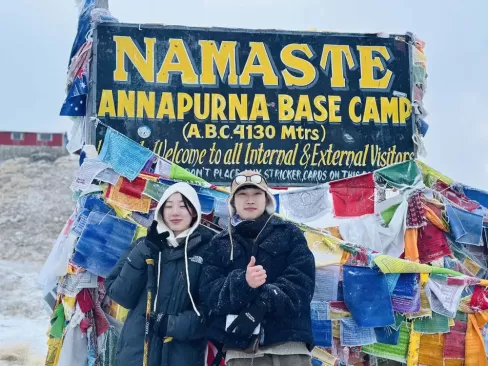
Annapurna Base Camp Short Trek: Your Complete Guide to an Unforgettable Himalayan Adventure The Annapurna Base Camp Short Trek stands as one of Nepal's most rewarding mountain adventures, offering trekkers an incredible journey into the heart of the Annapurna Sanctuary. This compact yet comprehensive trek typically spans 7 to 10 days, making it an ideal choice for those with limited time who still want to experience the majesty of the Himalayas. Unlike longer treks in the region, the ABC Short Trek efficiently combines stunning mountain panoramas, rich cultural encounters, and diverse ecosystems into a manageable timeframe without sacrificing any of the wonder that makes trekking in Nepal so special. What sets this trek apart is its remarkable diversity. Within just over a week, you'll transition from subtropical valleys adorned with terraced rice fields to the alpine environment of the base camp itself, situated at 4,130 meters in a natural amphitheater surrounded by some of the world's most spectacular peaks. The trail winds through traditional Gurung and Magar villages where ancient customs and warm hospitality remain unchanged by time, passes through dense rhododendron forests that burst into brilliant color during spring, and eventually emerges into the stark, beautiful landscape of the high Himalayas. At Explore Holiday Nepal, we've perfected the art of guiding trekkers through this magnificent region. Our experienced team understands that the ABC Short Trek isn't just about reaching a destination—it's about the transformative journey that gets you there. From the moment you leave Pokhara's lakeside tranquility to the awe-inspiring moment you stand surrounded by 7,000 and 8,000-meter giants at Annapurna Base Camp, every day brings new discoveries, challenges, and rewards.Top Blogs About Trekking in the Annapurna RegionUncover the best blogs about trekking in the Annapurna region, featuring expert advice, detailed itineraries, personal experiences, and essential tips for adventurers looking to explore the Himalayas.Best Annapurna Ranges Treks & Tours 2024/2025Top 9 Destinations to Explore on the Annapurna Circuit TrekBest Time to Hike the Annapurna CircuitWhich is the Better Lake Trek in Nepal: Gokyo or Tilicho Lake Trek?Annapurna Base Camp Trek: Tips and FAQsAltitude Sickness on Nepal Treks: Symptoms, Treatment, and When to Descend (Complete Guide)Mardi Himal Trek: Trails, Views, and TipsNepal Trekking Permits: Costs, Types, and How to Get ThemGhorepani Poon Hill Trek: A Perfect Short Himalayan AdventureManaslu Circuit vs Annapurna Circuit: Which Trek is Right for You?Nepal Trekking: What’s the Best Time to Go?Budget Trekking in Nepal: Tips, Trails, and TricksExploring Nepal’s Wildlife and NatureTrekking Through Nepal: A Journey into the HimalayasTop 10 Mountain Peaks in NepalAnnapurna Base Camp vs Annapurna Circuit: Which Himalayan Trek is Right for You?Annapurna Circuit Trek for Beginners 2025: The Famous Himalayan Adventure You Can’t MissWhere is Annapurna? Explore the Glory of the World’s Highest Mountain Understanding the Annapurna Sanctuary The Annapurna Sanctuary is a sacred natural amphitheater formed by a ring of towering peaks. At its center lies Annapurna Base Camp, a relatively flat glacial basin that serves as the staging area for expeditions attempting to summit Annapurna I (8,091 meters), the tenth-highest mountain in the world and historically one of the most dangerous to climb. The sanctuary's unique geography creates a protected environment with its own microclimate, supporting diverse flora and fauna despite the high altitude. The peaks surrounding the sanctuary create one of nature's most impressive displays. Annapurna I, Annapurna South, Hiunchuli, Machapuchare (the sacred "Fishtail" mountain that remains unclimbed out of respect for local beliefs), Gangapurna, and numerous other summits form a 360-degree panorama of snow, ice, and rock. Standing at base camp, you're literally surrounded by these giants, creating a humbling and inspiring perspective on the scale of the Himalayas. The trek to reach this sanctuary takes you through multiple climate zones and ecosystems. You'll begin in subtropical zones where banana trees and rice paddies dominate, progress through temperate forests of oak and rhododendron, transition into alpine meadows with hardy grasses and shrubs, and finally emerge into the glacial environment where only the hardiest lichens and mosses survive. This ecological diversity makes every day of trekking visually distinct and fascinating. The Trek Route: A Journey Through Diverse Landscapes The Annapurna Base Camp Short Trek typically begins with a scenic drive from Pokhara to either Nayapul or directly to Jhinu Danda, depending on road conditions and your specific itinerary. This drive itself offers wonderful views of the countryside, passing through rural villages and alongside rushing rivers. From the trailhead, the trekking adventure truly begins. Lower Elevations: Villages and Terraced Fields The initial days of trekking take you through the Modi Khola valley, where traditional Gurung villages cling to hillsides above beautifully terraced agricultural land. The trail passes through settlements like Ghandruk, one of the largest Gurung villages in Nepal, where stone houses with slate roofs create a picturesque scene against the mountain backdrop. Here, you can visit the Gurung Museum to learn about the history and culture of these mountain people, many of whom serve in the legendary Gurkha regiments. The Gurung people are renowned for their hospitality, and staying in village teahouses provides genuine cultural immersion. You'll witness daily life in a Himalayan community—women carrying enormous loads of fodder for animals, children playing in cobblestone alleys, and farmers tending their crops using methods passed down through generations. The terraced fields are agricultural marvels, carved into steep hillsides to create level planting areas that maximize limited farmland while preventing erosion. Mid-Elevation Forests: The Rhododendron Zone As you climb higher, you enter magnificent forests dominated by rhododendrons, Nepal's national flower. If you're trekking in spring (March to May), these forests transform into a riot of color with blooms in shades of red, pink, white, and purple covering the hillsides. Even outside blooming season, these forests are enchanting, with moss-covered trees, ferns, and occasional clearings offering glimpses of the mountains above. This forest zone is also excellent for wildlife spotting. Keep your eyes open for langur monkeys swinging through the canopy, colorful birds like the Danphe (Himalayan monal pheasant), and if you're extremely fortunate, the elusive red panda that inhabits these elevations. Your guide will help identify bird calls and animal tracks, adding an educational element to the trek. The trail through these forests includes several suspension bridges crossing mountain streams and rivers. These swaying bridges, often adorned with prayer flags, provide thrilling crossings and excellent photo opportunities. The sound of rushing water accompanies much of the trek, as countless tributaries feed the Modi Khola that drains the Annapurna Sanctuary. High Alpine Zone: Approaching the Sanctuary Beyond Deurali, the landscape transforms dramatically. Trees become sparse and stunted, giving way to alpine shrubs and grasses. The valley narrows, with steep walls rising on both sides channeling you deeper into the sanctuary. Machapuchare Base Camp, your penultimate stop, offers the first truly spectacular mountain views of the trek. The sacred peak of Machapuchare dominates the scene, its distinctive double summit resembling a fish's tail—hence its nickname. The final push from Machapuchare Base Camp to Annapurna Base Camp takes you into true high-altitude terrain. The vegetation disappears almost entirely, replaced by rock, ice, and snow. The scale of the mountains surrounding you becomes overwhelming as you climb higher into the sanctuary. The trail can be snow-covered even in trekking season, requiring careful footing, and the altitude makes every step require conscious effort. Then, as you round the final bend, Annapurna Base Camp reveals itself. The basin opens up, revealing a small collection of lodges dwarfed by the massive peaks encircling them. The sight is breathtaking in every sense—both literally, due to the thin air, and figuratively, due to the sheer magnificence of the view. You've arrived at one of the most spectacular natural amphitheaters on Earth. For those seeking other exceptional mountain experiences, the Everest Base Camp Trek offers the chance to visit the world's highest peak, while the Manaslu Circuit Trek provides a more remote alternative with fewer crowds. Accommodation and Meals: Comfort in the Mountains On the Annapurna Base Camp Short Trek, accommodations primarily consist of cozy teahouses, which provide a warm and welcoming atmosphere for trekkers. Each teahouse offers basic amenities, including comfortable bedding, hot showers (at lower elevations), and communal dining areas where travelers can relax and share stories. The warm hospitality of the local hosts adds immeasurably to the experience, allowing trekkers to immerse themselves in the culture of the region while enjoying the comfort of a roof over their heads and a warm meal in their belly. The quality and facilities of teahouses vary with altitude. In lower villages like Ghandruk and Chomrong, you'll find relatively comfortable lodges with private rooms, western-style toilets, and sometimes even hot showers heated by solar panels or gas. These establishments often have extensive menus and well-appointed dining rooms where trekkers gather in the evening to share experiences and plan the next day's journey. As you ascend higher, amenities become more basic, reflecting the logistical challenges of operating at altitude where everything must be carried in by porters or pack animals. Above Deurali, teahouses are simpler, with thinner walls, colder rooms, and more basic facilities. However, even at Annapurna Base Camp itself, the lodges provide adequate shelter and warmth, with dining rooms heated by wood or yak-dung stoves that become the social hub in the evenings. With Explore Holiday Nepal, we ensure that the teahouses chosen for your stay are clean, safe, and strategically located to maximize your trekking experience. We've built strong relationships with lodge owners throughout the route, ensuring that our trekkers receive priority service and the best available accommodations at each stop. Meals: Fueling Your Mountain Adventure When it comes to meals, trekkers can expect a delightful array of traditional Nepali dishes as well as international options to cater to varied tastes. Common offerings include dal bhat (lentil soup and rice)—the staple meal of Nepal that comes with unlimited refills, momos (dumplings filled with vegetables, cheese, or meat), and a variety of vegetable dishes prepared with local ingredients. Many menus also feature pasta, noodle soups, fried rice, and even pizza at lower elevations. Breakfast typically features hearty choices like porridge with honey, Tibetan bread, pancakes, eggs prepared various ways, and plenty of hot tea or coffee to fuel you for the day ahead. These morning meals are substantial, designed to provide the energy needed for 5-7 hours of mountain trekking. The dining experience itself becomes a cherished part of the journey—there's something special about eating breakfast while watching the sunrise illuminate the snow peaks outside the window. Lunch is usually taken at a teahouse along the trail, providing a welcome break and opportunity to rest tired legs. Afternoon stops also allow you to hydrate properly, which is crucial for altitude acclimatization. Dinner is often the day's main meal and social event, when trekkers gather in the dining room to warm up, share stories, and review the day's adventures. Our knowledgeable guides at Explore Holiday Nepal are also adept at accommodating dietary restrictions, whether you're vegetarian, vegan, gluten-free, or have food allergies. While options become more limited at higher altitudes, there are always suitable meals available. We recommend informing us of any dietary requirements during the booking process so we can communicate this to the teahouses in advance. Eating together fosters a sense of camaraderie that becomes one of the trek's unexpected pleasures. The shared experience of the day's challenges, the excitement of tomorrow's destination, and the simple joy of a hot meal in a warm room creates bonds between trekkers from around the world. Many lasting friendships begin around these communal tables in the Himalayas. Best Time for Trekking: Choosing Your Season The best time for trekking in the Annapurna Base Camp region is during the pre-monsoon (March to May) and post-monsoon (September to November) seasons. During these months, the weather is generally stable, providing clear skies and moderate temperatures that make trekking conditions ideal. Understanding the characteristics of each season helps you choose the timing that best matches your preferences and priorities. Spring Season (March to May) Spring is arguably the most beautiful time to trek to Annapurna Base Camp. In March, the landscape begins awakening from winter, with wildflowers starting to bloom at lower elevations. By April and May, the famous rhododendron forests explode in brilliant displays of color—red, pink, white, and purple blooms covering entire hillsides creating scenes that look almost unreal. The spring landscape is lush and vibrant, with clear streams fed by melting snow and terraced fields being prepared for planting. Weather during spring is generally excellent, though afternoon clouds can develop, especially later in the season. Mornings typically offer the clearest views, with crisp air and unlimited visibility of the mountain panoramas. Temperatures are moderate—warm during the day at lower elevations but cold at night, especially at Annapurna Base Camp where temperatures can drop well below freezing. Spring is also mountaineering season on Annapurna, so you might encounter climbing expeditions at the base camp, adding an exciting atmosphere to your visit. The trails are busy during spring, particularly in April, so expect to see many other trekkers along the route and potentially fuller teahouses in popular locations. Autumn Season (September to November) The post-monsoon season showcases crisp air and stunning panoramic views, as the skies are usually clear after the monsoon rains have washed away atmospheric dust and pollution. Autumn is considered by many to be the absolute best time for Himalayan trekking. The weather is remarkably stable, with sunny days and cold nights. Visibility is exceptional, with the mountain views appearing sharp and clear against brilliant blue skies. September can still see occasional lingering monsoon showers, particularly in the first half of the month, but by late September and throughout October and November, conditions are typically perfect. The landscape is green from monsoon rains, though flowers are less prevalent than in spring. Temperatures are comfortable during the day but drop significantly at night, requiring good sleeping bags and warm clothing at higher elevations. Autumn is the peak trekking season in Nepal, meaning trails and teahouses are at their busiest. This creates a vibrant, social atmosphere along the route, with plenty of opportunities to meet fellow trekkers. However, popular teahouses can fill up, and there's more demand for helicopter rescues and emergency services. Booking in advance and starting each day's trek early helps avoid crowds at the most popular lodges. Off-Season Considerations Winter (December to February) and monsoon (June to August) are considered off-season, though both are possible with the right preparation and expectations. Winter offers empty trails and pristine snow-covered landscapes, but extremely cold temperatures, especially at altitude, and the risk of trail closures due to snow make this suitable only for experienced trekkers with proper equipment. Many higher-altitude teahouses close during winter. Monsoon brings heavy rainfall, leeches on the trail, cloudy skies that obscure views, and increased risks of landslides and floods. However, the monsoon does create lush, verdant landscapes, and the dramatically reduced number of trekkers appeals to some. If you trek during monsoon, expect to see fewer mountain views but experience a different side of the Himalayas. With Explore Holiday Nepal, we keep a close watch on weather patterns and trail conditions throughout the year to ensure that your trek is planned for optimal conditions. Our expert team will provide you with detailed information and support, allowing you to focus on enjoying the stunning scenery and rich cultural interactions that make the ABC Short Trek a truly unforgettable experience. For those interested in trekking other regions during different seasons, consider the Upper Mustang Trek, which is actually ideal during monsoon season due to the region's rain shadow location. Physical Condition Required: Preparing Your Body The Annapurna Base Camp Short Trek is accessible to trekkers of various fitness levels, but a moderate level of physical fitness is recommended. The trek involves several days of hiking with daily ascents that can be strenuous, particularly as you approach higher altitudes where the thin air makes every step more demanding. Trekkers should be comfortable with walking for 5 to 7 hours a day on varied terrain, including steep sections, rocky paths, and countless stone steps that characterize Himalayan trails. Building Your Fitness Base Prior to your journey, it's beneficial to engage in regular cardiovascular exercises, such as hiking, running, or cycling, to build stamina and endurance. Ideally, begin your training program at least 2-3 months before your departure date. Start with moderate exercise sessions of 30-45 minutes several times per week, gradually increasing duration and intensity as your fitness improves. If you have access to hills or mountains near your home, use them for training hikes. Walking uphill with a weighted backpack (start with 5-8 kg and gradually increase) specifically prepares your body for the demands of mountain trekking. Stair climbing is an excellent alternative if hills aren't available—many successful Everest Base Camp trekkers have trained primarily on stairwells in office buildings or apartments. Don't neglect leg strength training. Exercises like squats, lunges, step-ups, and calf raises build the specific muscles you'll use constantly while trekking, particularly during descents when your quads and knees take significant stress. Core strength is also important for balance on uneven terrain and for carrying your daypack comfortably. Understanding Altitude Challenges The highest point of the ABC Short Trek is 4,130 meters at Annapurna Base Camp itself, with several nights spent above 3,000 meters. At these altitudes, the air contains significantly less oxygen than at sea level—about 40% less at base camp. This affects everyone differently, regardless of fitness level. An Olympic athlete can suffer from altitude sickness while a casual exerciser might feel fine. Fitness helps you trek more comfortably, but it doesn't prevent altitude issues. Acclimatization is essential as you ascend to higher elevations. The key is gradual ascent, allowing your body time to adapt by producing more red blood cells and making other physiological adjustments. Symptoms of mild altitude sickness can include headache, nausea, fatigue, and difficulty sleeping. These are common and usually resolve with rest at the same elevation or a slight descent. Our experienced guides at Explore Holiday Nepal will help you pace your trek and provide tips on acclimatization strategies to minimize the risk of altitude sickness. We follow itineraries designed with proper acclimatization profiles, including rest days and elevation gains that respect the body's adaptation limits. Our guides monitor all trekkers for altitude symptoms and know when it's necessary to rest, descend, or seek medical assistance. Mental Preparation Physical fitness is only part of the equation. Mental preparation and determination are equally important. Some days will be challenging—you might wake up tired, face steep climbs, deal with cold weather, or struggle with altitude symptoms. The ability to push through discomfort, maintain a positive attitude, and focus on your goal makes a huge difference in your trekking experience. That said, we believe in smart, safe trekking. Listen to your body and communicate honestly with your guide about how you're feeling. There's no shame in needing extra rest, moving slowly, or even turning back if necessary. The mountains will always be there for another attempt. We believe in ensuring that all our trekkers feel prepared and confident, offering pre-trek briefings and support before departure. With proper preparation and guidance, you can fully enjoy the beauty and adventure that the Annapurna Base Camp Short Trek offers, regardless of whether you consider yourself an athlete or simply someone looking for an achievable mountain adventure. For a slightly less strenuous but equally rewarding trek, consider the Ghorepani Poon Hill Trek, which reaches a maximum altitude of 3,210 meters and requires fewer consecutive trekking days. Trek Route Details: Your Path to the Sanctuary The Annapurna Base Camp Short Trek route is a carefully crafted path that showcases the best of the Annapurna region's natural beauty and cultural richness. Starting from the vibrant lakeside town of Pokhara, trekkers typically drive to either Nayapul or Jhinu Danda, depending on road conditions and itinerary specifics. From there, the journey winds through enchanting terraced fields, lush forests, and charming Gurung and Magar villages. Day-by-Day Elevation Profile Understanding the elevation profile helps you mentally prepare for each day's challenges. The trek typically begins around 1,000-1,400 meters and gradually ascends through multiple stages. Early days involve significant elevation gain through villages and agricultural land, climbing to settlements like Ghandruk (1,940 meters) and Chomrong (2,170 meters). From Chomrong, the trail descends steeply to cross the Chomrong Khola before beginning the long climb into the Modi Khola gorge. This section represents some of the trek's most strenuous uphill walking, gaining elevation through bamboo and rhododendron forests to Dovan (2,600 meters) and Himalaya Hotel (2,920 meters). Each day brings new landscapes, from the dense rhododendron forests to increasingly alpine environments. The push from Himalaya Hotel to Machapuchare Base Camp (3,700 meters) and then to Annapurna Base Camp (4,130 meters) represents the final altitude gains. These shorter days in terms of distance allow for slower walking as your body adjusts to thinner air. The reward is worth every step—each day brings you closer to the heart of the sanctuary. The Descent Route After the incredible experience at Annapurna Base Camp, the return journey retraces your steps but feels completely different. Descending is generally easier on your cardiovascular system but requires care to protect your knees and ankles from the constant downhill impact. Many trekkers find that the descent offers new perspectives on landscapes they passed while ascending, and with better acclimatization, you may feel stronger and more energetic. Some itineraries include variations on the return route, such as descending to Jhinu Danda where natural hot springs provide a welcome opportunity to soak tired muscles. These thermal pools are a popular stop, offering relaxation and the unique experience of bathing in warm water while surrounded by mountain scenery. The highlight of the trek is undoubtedly the ascent to Annapurna Base Camp itself. The trail leads you through Machapuchare Base Camp, where trekkers can catch their first glimpses of the towering peaks in close proximity. As you arrive at the base camp, the awe-inspiring sight of the Annapurna range surrounding you creates a sense of accomplishment and wonder that's difficult to describe in words. With Explore Holiday Nepal, our knowledgeable guides enhance your experience by sharing insights into the geography, culture, and history of the region along the way. They'll point out peaks, explain the formation of glaciers and valleys, share stories about mountaineering history in the Annapurna region, and help you understand the cultural significance of the mountains to local people. You're not just trekking—you're learning and appreciating this incredible part of the world. Required Permits: Legal Requirements To trek in the Annapurna region, obtaining the necessary permits is essential for both safety and regulation purposes. The permit system helps fund conservation efforts, supports local development, and allows authorities to track trekkers for safety. For the Annapurna Base Camp Short Trek, you will need two primary permits: the Annapurna Conservation Area Permit (ACAP) and the Trekkers' Information Management System (TIMS) card. Annapurna Conservation Area Permit (ACAP) The ACAP is crucial as it helps preserve the region's natural beauty and supports local conservation efforts managed by the National Trust for Nature Conservation (NTNC). The Annapurna Conservation Area is Nepal's largest protected area, covering 7,629 square kilometers and encompassing multiple ecosystems from subtropical to alpine. The permit fees directly fund conservation projects, sustainable development initiatives, and infrastructure improvements within the conservation area. The ACAP system has been remarkably successful in balancing tourism development with environmental protection. Funds have supported reforestation projects, alternative energy installations (solar panels and micro-hydro systems), waste management programs, and wildlife protection initiatives. When you purchase an ACAP, you're directly contributing to the preservation of the beautiful landscapes you'll be trekking through. Trekkers' Information Management System (TIMS) Card The TIMS card aids in ensuring trekkers' safety and facilitating proper management of trekking activities. This system maintains a database of trekkers, their routes, and expected itineraries, allowing authorities to conduct rescues or provide assistance if needed. After any natural disaster or emergency, officials can check the TIMS database to determine which trekkers might be in affected areas. There are two types of TIMS cards—one for independent trekkers and one for trekkers with organized groups (which includes those trekking with companies like Explore Holiday Nepal). The organized trekker TIMS card is less expensive, recognizing that organized groups have guides and support that reduce the burden on rescue services. Permit Process Explore Holiday Nepal takes care of all the permit arrangements for you, allowing you to focus on enjoying your trek without the hassle of paperwork and navigating Nepalese bureaucracy. Our experienced team understands the local regulations and processes, ensuring that you have all the necessary documentation in place before your journey begins. We'll need copies of your passport and passport-sized photos to process your permits. This is typically handled during your pre-trek briefing in Pokhara or Kathmandu, depending on your itinerary. The permits themselves are checked at various points along the trek, so your guide will carry them and present them when required at checkpoints. This service not only streamlines your trekking experience but also enhances your peace of mind, knowing that you're well-prepared and legally compliant for your adventure in the Annapurna region. Some trekkers prefer to handle permits independently, which is certainly possible, but working with a trekking company simplifies the process significantly. Safety Considerations and Emergency Preparedness Safety is paramount on any mountain trek, and the Annapurna region, while well-developed for tourism, still presents genuine wilderness challenges. At Explore Holiday Nepal, we maintain comprehensive safety protocols and emergency response capabilities to ensure your well-being throughout the trek. Guide Training and Expertise All our guides are certified by the Nepal Mountaineering Association and have completed wilderness first aid training. They carry first aid kits and are trained to recognize and respond to altitude sickness, injuries, and medical emergencies. More importantly, they have the experience and judgment to make difficult decisions about when to continue, when to rest, and when descent or evacuation is necessary. Our guides are also in regular communication with our office in Pokhara via mobile phone (coverage is surprisingly good throughout most of the trek route). If a serious situation arises, we can quickly coordinate helicopter evacuation or other emergency responses. Travel Insurance Requirements We strongly recommend—and in fact require—that all trekkers carry comprehensive travel insurance that specifically covers high-altitude trekking up to at least 5,000 meters. Your policy should include emergency evacuation coverage, including helicopter rescue, as this is the primary method of emergency medical evacuation in the Himalayas. Standard travel insurance often excludes trekking activities or has altitude limitations, so carefully review your policy or purchase specialized adventure travel insurance. The cost of helicopter evacuation can exceed $5,000 USD, and hospitals in Kathmandu will typically require payment guarantees before treating serious conditions. Proper insurance provides financial protection and ensures you can access the best available medical care if needed. Weather-Related Risks Mountain weather can change rapidly and dramatically. Clear morning skies can give way to afternoon snowstorms, even during trekking season. Our guides monitor weather conditions and make routing decisions based on current and forecast conditions. Sometimes this means adjusting the day's destination, delaying departure, or even descending if conditions deteriorate. Avalanches are rare on the standard ABC trek route but not impossible, particularly after heavy snowfall. The trail through the Modi Khola gorge passes under some avalanche-prone slopes, and guides know to move through these sections quickly and during the safest times of day. Health and Hygiene Maintaining good hygiene practices reduces your risk of gastrointestinal illnesses that can derail your trek. Always use hand sanitizer or wash hands before eating, drink only purified or boiled water, and be careful with fresh vegetables and fruits at higher altitudes where washing water may be contaminated. Our guides educate trekkers about proper hygiene, assist with water purification, and help you make smart choices about food and drink. Most teahouses maintain good hygiene standards, but some basic precautions on your part significantly reduce illness risk. For trekkers seeking even more remote adventures with different safety considerations, the Kanchenjunga Base Camp Trek offers a true wilderness experience in Nepal's far eastern corner. Why Choose Explore Holiday Nepal Choosing Explore Holiday Nepal for your Annapurna Base Camp Short Trek ensures a seamless and enriching experience tailored to your needs. Our commitment to safety, sustainability, and exceptional service sets us apart from other trekking companies operating in the region. With a team of experienced guides who are knowledgeable about the Annapurna area, we provide valuable insights and support throughout your journey. We prioritize the well-being of our trekkers, offering personalized attention and ensuring that your trek is both enjoyable and comfortable. Our Experience and Expertise Explore Holiday Nepal has been organizing treks in the Annapurna region for years, building deep relationships with local communities and establishing a reputation for reliability and quality. Our guides are not just route-finders—they're educators, cultural interpreters, and safety professionals who enhance every aspect of your experience. Many are from the villages you'll trek through, bringing authentic local perspectives and family connections that enrich your cultural interactions. We maintain small group sizes, typically 8-12 trekkers per group, ensuring personalized attention and allowing us to maintain the quality of experience that larger groups cannot match. Private treks are also available for those wanting even more flexibility and customization. Commitment to Responsible Tourism Moreover, our focus on responsible tourism means that we actively support local communities and environmental conservation. By trekking with us, you contribute to the preservation of the stunning landscapes and cultures that make the Annapurna region so unique. We employ local guides and porters, ensuring fair wages and proper equipment that exceeds legal minimum requirements. We stay in locally-owned teahouses, purchase supplies from village shops when possible, and encourage our trekkers to engage respectfully with local communities. A portion of our profits is directed toward community development projects, including school supplies for village children and support for local conservation initiatives. Environmental responsibility is central to our operations. We follow strict leave-no-trace principles, pack out all non-biodegradable waste, and educate our trekkers about minimizing their environmental impact. Our guides ensure that rubbish is properly disposed of and encourage the use of refillable water bottles rather than purchasing plastic bottles. Flexibility and Customer Service We offer flexible itineraries, allowing you to explore at your own pace and adjust plans based on how you're feeling and what interests you most. Want to spend an extra day in Ghandruk exploring Gurung culture? Interested in a side trip to visit a particular monastery? We can usually accommodate requests that enhance your experience. Our carefully selected teahouses guarantee a cozy and welcoming environment after a day of adventure. We've personally inspected every lodge we use, ensuring they meet our standards for cleanliness, safety, food quality, and hospitality. This advance work means you enjoy the best available accommodations without having to research or worry about lodging. Before, During, and After Your Trek Our service begins well before you arrive in Nepal and continues after you complete your trek. We provide detailed pre-departure information about what to bring, how to prepare, what to expect, and how to handle common challenges. Upon arrival in Pokhara or Kathmandu, we conduct thorough pre-trek briefings where you meet your guide, finalize your itinerary, arrange permit documentation, and have all your questions answered. During the trek, we're in regular communication with our guides and can provide support for any issues that arise. After your trek, we're available to help with onward travel arrangements, answer questions about your experience, and stay in touch with trekkers who become part of our extended Explore Holiday Nepal family. With Explore Holiday Nepal, you're not just a trekker; you're part of a community that values exploration, connection, and the beauty of nature. Many of our trekkers return for other adventures in Nepal, and we love maintaining these long-term relationships with people who share our passion for the Himalayas. Additional Treks and Adventures While the Annapurna Base Camp Short Trek is an exceptional adventure, Nepal offers countless other trekking opportunities, each with its own character and rewards. Explore Holiday Nepal specializes in a wide range of treks throughout the Himalayas. The Annapurna Circuit Trek is the fuller version of the Annapurna experience, circling the entire massif and crossing the Thorong La pass at 5,416 meters. This classic trek takes 15-20 days and showcases remarkable diversity of landscapes and cultures, from subtropical valleys to high-altitude deserts. For those drawn to Everest, we offer the Everest Base Camp Trek and its variations, including the Everest Base Camp Return by Helicopter that combines trekking with the luxury of a scenic helicopter flight. The Gokyo Lakes Trek offers an alternative Everest region experience with stunning turquoise lakes and the panoramic viewpoint of Gokyo Ri. In the Langtang region north of Kathmandu, the Langtang Valley Trek provides beautiful mountain scenery with easier access and the Tamang Heritage Trail focuses on cultural immersion in Tamang communities near the Tibetan border. For truly off-the-beaten-path adventures, consider the Makalu Base Camp Trek or Kanchenjunga Base Camp Trek, both of which explore remote corners of Nepal with spectacular scenery and few other trekkers. Making Your ABC Short Trek Dream a Reality The Annapurna Base Camp Short Trek offers an perfect introduction to Himalayan trekking or a satisfying mountain experience for those with limited time. In just over a week, you'll experience the incredible diversity of Nepal's landscapes and cultures, push yourself physically and mentally, and stand in one of the world's most spectacular natural amphitheaters surrounded by giants of stone and ice. This journey will challenge you, inspire you, and quite possibly change you. The physical accomplishment of reaching base camp is significant, but the deeper rewards come from the cultural connections you'll make, the natural beauty you'll witness, the friendships you'll form with fellow trekkers, and the perspective you'll gain from time in the mountains far from daily routine and distractions. At Explore Holiday Nepal, we've guided thousands of trekkers into the Annapurna Sanctuary, and we never tire of seeing the joy and wonder on people's faces when they reach base camp and look up at the ring of peaks surrounding them. Whether you're an experienced trekker looking for your next adventure or someone attempting their first serious mountain trek, we're here to make your Annapurna dream a reality. The mountains are calling. The trail awaits. Your adventure begins with a single step—or in this case, with contacting Explore Holiday Nepal to start planning your journey. Let us handle the logistics, permits, and planning while you focus on preparing yourself physically and mentally for an unforgettable adventure in the heart of the Himalayas. The Annapurna Sanctuary is waiting to welcome you into its magnificent embrace..

The Annapurna Base Camp (ABC) Budget Trek is an incredible journey that takes you deep into the heart of the Annapurna Massif, providing stunning views of the iconic mountains such as Annapurna I, Machhapuchhre (Fishtail), and Hiunchuli. The trek is known for its scenic beauty, diverse culture, and close encounters with local villages nestled in the foothills of the Himalayas. Designed to cater to trekkers on a budget, this trek offers an affordable way to experience the beauty of the Annapurna region. The trail takes you from Kathmandu to Pokhara by road, then continues through picturesque villages like Ghandruk, Chomrong, Dovan, and ultimately to Annapurna Base Camp at 4,130 meters (13,550 feet).One of the highlights of the trek is the mix of natural and cultural experiences. From the lush rhododendron forests and terraced rice fields in lower altitudes to the Himalayan landscapes at higher elevations, trekkers are treated to a rich variety of environments. As you pass through villages such as Ghandruk and Chomrong, you’ll get a chance to interact with the indigenous Gurung and Magar people. The trek culminates in Annapurna Base Camp, where you’ll be rewarded with panoramic views of towering peaks. After reaching the base camp, the trek descends to Jhinu Danda, where trekkers can relax in natural hot springs before returning to Pokhara and finally Kathmandu.Top Blogs About Trekking in the Annapurna RegionUncover the best blogs about trekking in the Annapurna region, featuring expert advice, detailed itineraries, personal experiences, and essential tips for adventurers looking to explore the Himalayas.Best Annapurna Ranges Treks & Tours 2024/2025Top 9 Destinations to Explore on the Annapurna Circuit TrekBest Time to Hike the Annapurna CircuitWhich is the Better Lake Trek in Nepal: Gokyo or Tilicho Lake Trek?Annapurna Base Camp Trek: Tips and FAQsAltitude Sickness on Nepal Treks: Symptoms, Treatment, and When to Descend (Complete Guide)Mardi Himal Trek: Trails, Views, and TipsNepal Trekking Permits: Costs, Types, and How to Get ThemGhorepani Poon Hill Trek: A Perfect Short Himalayan AdventureManaslu Circuit vs Annapurna Circuit: Which Trek is Right for You?Nepal Trekking: What’s the Best Time to Go?Budget Trekking in Nepal: Tips, Trails, and TricksExploring Nepal’s Wildlife and NatureTrekking Through Nepal: A Journey into the HimalayasTop 10 Mountain Peaks in NepalAnnapurna Base Camp vs Annapurna Circuit: Which Himalayan Trek is Right for You?Annapurna Circuit Trek for Beginners 2025: The Famous Himalayan Adventure You Can’t MissWhere is Annapurna? Explore the Glory of the World’s Highest Mountain Top Reasons to Choose Trekking or Visiting NepalDal Bhat Power 24 Hour: The Science and Soul Behind Nepal's Mountain FuelThe Essential Guide to Choosing Your Perfect Nepal Trek: From Beginner-Friendly Trails to Epic Himalayan AdventuresSolo Female Trekking in Nepal: A Complete Safety and Empowerment Guide for 2026Complete Fitness Training Guide for Nepal Trekking 2026: From Couch to Base Camp in 12 WeeksCan Beginners Do Annapurna Trek? Your Complete Guide to Conquering the HimalayasBest Time for Annapurna Base Camp Budget TrekThe best time to undertake the Annapurna Base Camp Budget Trek is during the spring (March to May) and autumn (September to November) seasons. These months offer the most favorable weather conditions for trekking in the region. During these seasons, the skies are generally clear, providing excellent visibility of the surrounding mountains and landscapes. Temperatures are moderate, ranging from warm days to cool evenings, making it comfortable for trekking at various altitudes. The trekking trails are also less likely to be affected by heavy rainfall, and the rhododendron forests are in full bloom during spring, adding extra beauty to the journey.Winter (December to February) and summer/monsoon (June to August) are not ideal for the Annapurna Base Camp trek. Winter brings freezing temperatures, especially at higher elevations, and snow can block the trail, making it difficult to navigate. The monsoon season, on the other hand, brings heavy rainfall that can lead to slippery and muddy trails, increasing the risk of landslides. Therefore, planning your trek during the spring or autumn ensures a more pleasant experience, with ideal trekking conditions and fewer obstacles along the route.Annapurna Base Camp Budget Trekking PermitsTo embark on the Annapurna Base Camp Budget Trek, trekkers must obtain two essential permits: the Annapurna Conservation Area Permit (ACAP) and the Trekkers’ Information Management System (TIMS) card. The ACAP permit is required to enter the Annapurna Conservation Area, a protected area that spans much of the Annapurna region and is known for its biodiversity and natural beauty. The TIMS card helps track trekkers and ensures their safety during the trek. These permits can be obtained in Kathmandu or Pokhara at the Tourist Service Centers, with the assistance of your trekking agency.For the ACAP permit, there is a fee that varies depending on whether you're a SAARC (South Asian Association for Regional Cooperation) national or a non-SAARC national. The TIMS card fee is generally fixed. It’s important to have both of these permits before starting the trek as they will be checked at various checkpoints along the way. Explore Holiday Nepal will assist you with obtaining all necessary permits to ensure you have a smooth and hassle-free trekking experience.Annapurna Base Camp Budget Trekking DifficultyThe Annapurna Base Camp Budget Trek is considered a moderate trek suitable for trekkers with a reasonable level of fitness. While the trek does not require technical climbing skills, the altitude gain and the nature of the terrain can present challenges, especially on the higher sections of the trail. The trek involves daily walking for 5-7 hours, with some uphill climbs and steep descents, making it a physically demanding journey. However, with proper acclimatization and preparation, most trekkers with a basic level of fitness can complete the trek without difficulty.As the trek ascends to altitudes over 4,000 meters (13,000 feet) at Annapurna Base Camp, there is a risk of altitude sickness, so it’s important to follow recommended acclimatization guidelines. Trekking at a steady pace, staying hydrated, and allowing sufficient rest can help mitigate the effects of altitude. Although the trail is well-defined and accessible, trekkers should be prepared for fluctuating weather conditions, especially at higher altitudes, where temperatures can drop sharply. Overall, while the trek requires a moderate level of physical endurance, the stunning landscapes and the sense of achievement upon reaching Annapurna Base Camp make it a rewarding experience.Culture and Village Exploration or ExperienceOne of the most enriching aspects of the Annapurna Base Camp Budget Trek is the opportunity to explore the diverse cultures and traditions of the local villages along the trail. The trek passes through several indigenous Gurung and Magar villages, where trekkers can interact with the locals, experience their way of life, and learn about their customs. Villages like Ghandruk and Chomrong are known for their traditional stone houses, terraced fields, and welcoming hospitality. These villages provide a glimpse into the rural life of Nepal, where the inhabitants rely on agriculture and livestock farming.During your trek, you may also have the opportunity to witness traditional cultural practices, such as local festivals, religious rituals, and the unique Gurung and Magar customs. The locals are friendly and open to sharing their stories and traditions, often offering tea or food to passing trekkers. Visiting the Gurung Museum in Ghandruk gives you insight into the rich cultural heritage of the region, and staying in the village teahouses allows you to experience authentic Nepali hospitality. Exploring these villages not only enhances the cultural experience but also fosters a deeper connection to the Annapurna region and its people.Major Highlights of the Annapurna Base Camp Budget TrekThe Annapurna Base Camp Budget Trek is filled with major highlights that make it a memorable and rewarding journey. One of the most exciting aspects of the trek is the breathtaking mountain views. Trekkers are treated to panoramic views of Annapurna I, Machhapuchhre (Fishtail), Annapurna South, and Hiunchuli as they ascend, offering some of the best mountain scenery in the world. The trek’s culmination at Annapurna Base Camp itself, where trekkers are surrounded by towering peaks, is truly a highlight. The sense of achievement upon reaching this high-altitude vantage point, where the landscape is dominated by glaciers and snow-capped mountains, is unparalleled.Another major highlight is the diverse natural environment along the trek. From lush rhododendron forests, terraced rice fields, and deep valleys in the lower altitudes to the alpine meadows and rocky landscapes at higher elevations, the changing scenery is constantly captivating. Additionally, the hot springs at Jhinu Danda provide a perfect place to relax after days of trekking. The cultural experiences, including the chance to explore villages like Ghandruk and Chomrong, add another layer of richness to the journey. With its combination of natural beauty, cultural immersion, and physical challenge, the Annapurna Base Camp Budget Trek offers one of the most rewarding trekking experiences in Nepal.Explore Holiday Nepal: Your Trusted Trekking PartnerExplore Holiday Nepal is a reputable trekking company that specializes in affordable and unforgettable trekking experiences, including the Annapurna Base Camp Budget Trek. The company is committed to providing trekkers with personalized services, ensuring that each journey is safe, enjoyable, and authentic. Explore Holiday Nepal's expert guides are experienced in the Annapurna region and are well-versed in local culture, ensuring that trekkers gain a deeper understanding of the landscapes and people they encounter along the way.The company takes pride in organizing treks that cater to budget-conscious travelers, without compromising on safety or quality. Whether you're a first-time trekker or a seasoned adventurer, Explore Holiday Nepal will assist you in every step of the way, from obtaining permits to arranging accommodations and providing knowledgeable guides. With Explore Holiday Nepal, you can be confident that your Annapurna Base Camp Budget Trek will be an enriching, well-organized, and unforgettable adventure.About Explore Holiday NepalExplore Holiday Nepal is a well-established trekking agency that offers affordable and memorable trekking experiences in Nepal. Specializing in budget-friendly treks like the Annapurna Base Camp Budget Trek, Explore Holiday Nepal ensures that trekkers can enjoy the beauty and culture of Nepal without breaking the bank. The company prides itself on providing high-quality services, including knowledgeable guides, reliable porters, and comfortable accommodations. With years of experience in the industry, Explore Holiday Nepal is dedicated to providing an authentic Himalayan experience that caters to the needs of every traveler. Whether you are a first-time trekker or an experienced adventurer, Explore Holiday Nepal will ensure that your Annapurna Base Camp trek is a rewarding and unforgettable journey.

Dhaulagiri Circuit Trek: A Remote Himalayan ExpeditionThe Dhaulagiri Circuit Trek is one of Nepal’s most demanding and rewarding trekking adventures, designed for trekkers seeking raw wilderness, dramatic landscapes, and minimal crowds. Circling Mount Dhaulagiri (8,167 m) — the world’s seventh-highest peak — this trek takes you deep into a remote corner of western Nepal where nature dominates, and human presence feels timeless.Unlike popular routes such as Everest or Annapurna, the Dhaulagiri Circuit remains largely untouched. The journey is physically challenging, yet the sense of achievement and immersion in high Himalayan terrain makes it a true expedition-style trek.Dhaulagiri Circuit Trek OverviewThe trek begins in the lower hills of the Myagdi district, passing terraced farmlands, forests of rhododendron and pine, and traditional Magar and Gurung settlements. As the trail ascends, landscapes shift dramatically — lush valleys give way to barren alpine terrain, glaciers, and towering icefalls.After reaching Italian Base Camp and Dhaulagiri Base Camp, trekkers face the most demanding section of the journey: crossing French Pass and Dhampus Pass. These high-altitude crossings require good acclimatization, strong physical fitness, and experienced guides. The route eventually descends into the Kali Gandaki Valley, ending in Marpha, a charming Thakali village.Difficulty LevelThe Dhaulagiri Circuit Trek is considered very challenging and is recommended only for experienced trekkers. Long trekking days, high-altitude camping, glacier crossings, and unpredictable weather make this trek physically and mentally demanding.Prior high-altitude trekking experience above 5,000 meters is strongly advised.Best Time to Trek Dhaulagiri CircuitSpring (March–May): Stable weather, clear mountain views, blooming rhododendronsAutumn (September–November): Best visibility, dry conditions, and ideal temperaturesWinter and monsoon seasons are not recommended due to heavy snowfall, avalanches, and difficult trail conditions.Accommodation and MealsMost of the Dhaulagiri Circuit is a fully supported camping trek. Tents, kitchen equipment, and meals are arranged by the trekking team. In lower villages and at the end of the trek (Marpha), basic teahouse accommodation is available.Meals are nutritious and designed for high-altitude trekking, including local Nepali dishes and international options.Permits RequiredAnnapurna Conservation Area Permit (ACAP)Trekking Information Management System (TIMS) CardDhaulagiri Special PermitAll permits can be arranged before the trek through registered trekking agencies.Why Choose the Dhaulagiri Circuit Trek?Ideal for trekkers seeking extreme adventure and solitudeOne of Nepal’s least crowded long-distance treksUnmatched sense of exploration and accomplishmentPerfect for those who want to go beyond commercial trekking routesDhaulagiri Circuit Trek with Explore Holiday NepalAt Explore Holiday Nepal, we focus on safe, well-planned, and authentic trekking experiences. Our experienced guides, quality camping equipment, and personalized approach ensure that your Dhaulagiri Circuit Trek is both challenging and rewarding.If you are ready to test your limits and explore one of Nepal’s most remote Himalayan regions, the Dhaulagiri Circuit Trek is an unforgettable journey into the heart of the mountains.


 (34)
(34) 