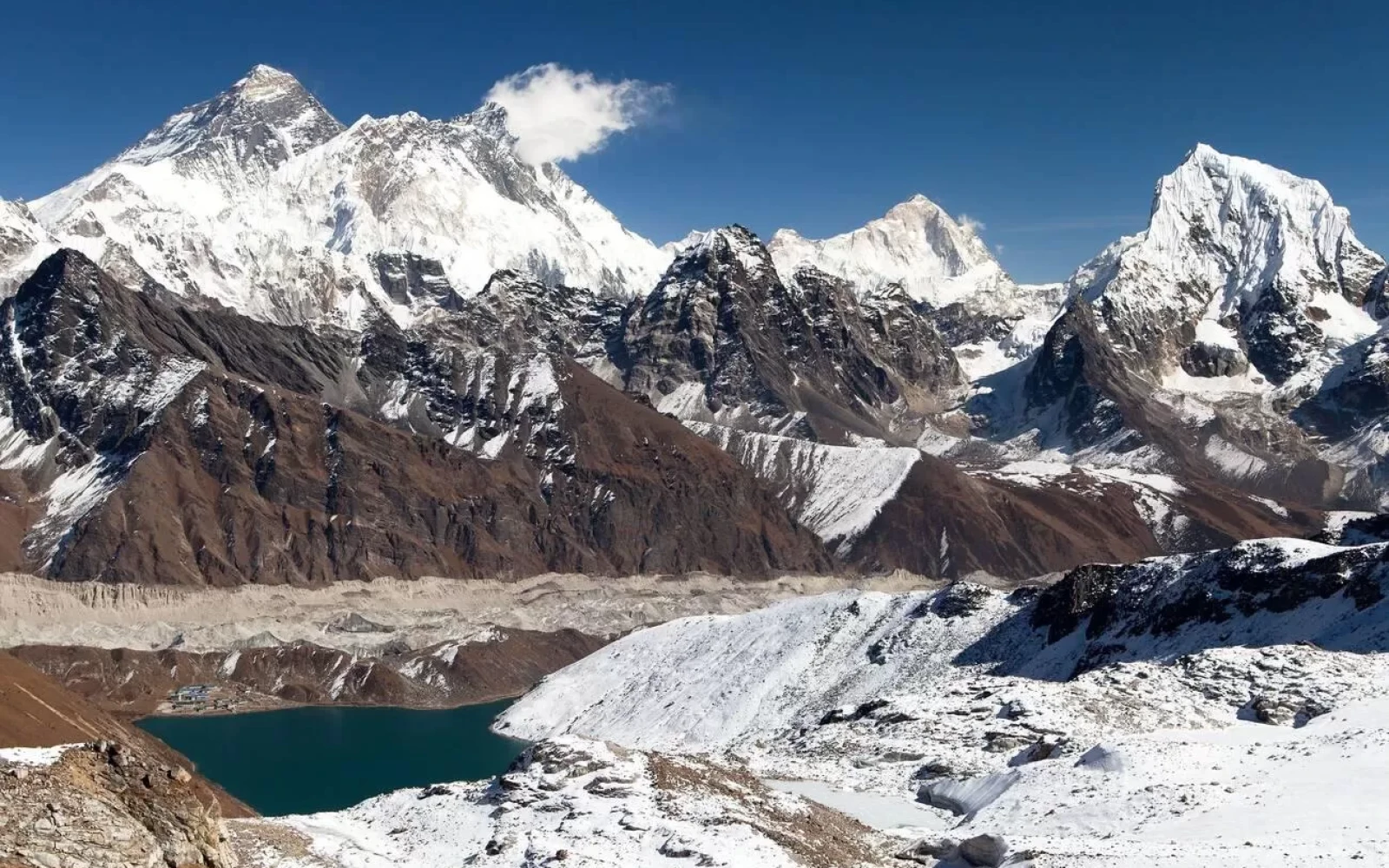
The Everest Three Passes Trek is one of the most adventurous trekking circuits in the Khumbu region, combining high mountain passes, classic Everest Base Camp trails, and remote valleys like Gokyo. A budget-friendly approach is absolutely possible if you plan carefully, share logistics, and avoid unnecessary luxury services while still prioritizing safety and acclimatization.
This 18-day itinerary covers major highlights such as Lukla, Namche Bazaar, Everest Base Camp, and high passes like Cho La and Renjo La. Budget trekking is about smart choices—group trekking, local teahouses, and minimal add-ons—while still experiencing the full Himalayan adventure.
Key budget trekking tips:
The Everest Three Passes Trek is often considered the ultimate trekking loop in Nepal because it combines Everest Base Camp, the Gokyo Lakes, and three high mountain passes: Kongma La, Cho La, and Renjo La. Even on a budget, this route delivers unmatched Himalayan diversity—glaciers, turquoise lakes, Sherpa villages, and panoramic viewpoints.
From iconic stops like Tengboche with its famous monastery views, to high-altitude settlements like Dingboche, the journey offers cultural depth as much as natural beauty. Budget trekking does not reduce the experience; it simply simplifies the logistics.
Why it’s worth it even on a budget:
Explore Holiday Nepal provides structured yet budget-conscious trekking support, helping trekkers manage permits, route planning, and local logistics without unnecessary luxury markups.
The Three Passes route is more demanding than the standard Everest Base Camp trek because it crosses three high-altitude passes above 5,300 meters. These include Kongma La, Cho La Pass, and Renjo La Pass, each requiring strong stamina, proper acclimatization, and good weather conditions.
Unlike linear trekking routes, this circuit connects multiple valleys, including the Gokyo Lakes region and the traditional Everest Base Camp trail. Trekkers encounter glaciers, steep ascents, and remote sections with minimal services, making preparation essential.
What makes it unique:
Challenge factors to consider:
The best time for a budget-friendly Everest Three Passes Trek is during the shoulder seasons—late February to early April and late September to mid-November. These periods offer stable weather, clear mountain views, and lower crowd levels than peak tourist months.
During these windows, routes through places like Cho La Pass and Renjo La are more predictable, reducing the risk of delays or expensive contingency arrangements like helicopter evacuations or extended stays.
Best timing advantages:
Budget travel tips for timing:
Before starting the Everest Three Passes Trek, every trekker must obtain official permits to enter the Khumbu region. The main required permits include the Sagarmatha National Park entry permit and the Khumbu Pasang Lhamu Rural Municipality permit. These are mandatory and checked at multiple points along the route, especially around Lukla and Namche Bazaar.
Even on a budget trek, these permits are non-negotiable and should be arranged in Kathmandu or through a trekking agency like Explore Holiday Nepal, which can help streamline the process and avoid last-minute delays. Having proper documentation also ensures smoother travel through checkpoints and reduces the risk of fines.
Permit cost-saving tips:
Reaching the Everest region usually begins with a flight to Lukla Airport, but this is often the most expensive and weather-dependent part of the journey. Budget travelers can reduce costs by flying from Ramechhap (Manthali) instead of Kathmandu, especially during peak trekking seasons when flights are diverted.
Another way to save money is by combining bus or jeep travel from Kathmandu to Manthali, which significantly reduces airfare costs. Some trekkers also choose alternative trekking starts from Jiri or Salleri, adding a few days but saving flight expenses entirely.
Budget transport strategies:
The Everest Three Passes Trek can be done on a moderate budget if expenses are carefully managed. The highest costs include flights, accommodation, meals, guide/porter services, and permits. While luxury options exist, budget trekkers typically stay in teahouses and share services to reduce daily spending.
A realistic budget depends on travel style, but independent or group trekking with Explore Holiday Nepal support can significantly reduce overall expenses while maintaining safety and logistical reliability.
Estimated cost-saving breakdown:
Smart budgeting tips:
Accommodation along the Everest Three Passes route is primarily in teahouses, which are small family-run lodges offering basic rooms and meals. Prices increase with altitude, especially beyond Dingboche and Lobuche, so smart selection is key for budget trekking.
Staying in simple rooms with shared bathrooms is the most economical option. Many trekkers save money by eating where they sleep, as teahouses often reduce room costs if meals are purchased on-site.
How to save on accommodation:
Additional tips:
Food is one of the biggest daily expenses on the Everest Three Passes Trek, especially as you gain altitude and supplies become harder to transport. Meals are provided by teahouses along the route, and prices gradually increase from Lukla up to places like Gorakshep due to porter and yak transport costs. Even on a budget, eating properly is essential because energy demand is extremely high at altitude.
The most cost-effective strategy is to stick to local, filling meals like dal bhat, which is often served with unlimited refills and provides excellent trekking energy. Imported or luxury foods such as burgers, pizza, or snacks become significantly more expensive as you go higher, so avoiding them helps keep your budget under control.
Budget eating tips:
Having the right gear is crucial for safety and comfort on the Three Passes Trek, but you don’t need expensive branded equipment. Many items can be rented in Kathmandu, while others are worth buying for durability and hygiene. Budget trekkers should focus on warmth, layering, and proper footwear rather than luxury gear.
Local rental shops in Kathmandu offer sleeping bags, down jackets, and trekking poles at affordable daily rates, making it easier for travelers who don’t want to invest heavily before the trek. However, personal items like boots and base layers should ideally be bought for a better fit and hygiene.
What to rent:
What to buy:
What to skip (to save money):
Explore Holiday Nepal can also guide trekkers to trusted gear rental shops in Kathmandu to avoid overpriced or low-quality equipment.
A budget-friendly Everest Three Passes itinerary is designed to balance acclimatization, cost efficiency, and route optimization. The standard 18-day route covers key highlights such as Namche Bazaar, Gokyo Lakes, and Everest Base Camp while minimizing unnecessary side expenses.
A well-planned itinerary avoids rushed ascents, which can lead to altitude sickness and expensive emergency evacuations. Budget trekkers often follow group schedules organized by agencies like Explore Holiday Nepal, which ensures proper pacing and shared logistics.
Budget 16–20 day structure:
Budget planning tips:
Kongma La Pass is the highest and most physically demanding of the Three Passes, standing above 5,500 meters. It connects the Chhukung Valley with Lobuche and involves steep ascents, rocky terrain, and often snow-covered sections. Despite its difficulty, it is one of the most rewarding parts of the trek due to its dramatic Himalayan views.
Budget preparation for Kongma La focuses more on fitness and acclimatization than expensive gear. Proper pacing, hydration, and simple but effective equipment are more important than luxury trekking setups. Most trekkers cross it early in the morning to avoid strong winds and unstable weather conditions.
Cheap and effective preparation tips:
Key survival reminders:
Cho La Pass is one of the most technical and demanding sections of the Everest Three Passes Trek, connecting the Gokyo Valley with the Everest Base Camp route. The trail involves glacier crossings, steep rocky ascents, and potentially icy sections, especially in early spring and late autumn. Weather conditions can change quickly, making timing and preparation critical.
From a budget trekking perspective, Cho La Pass does not require expensive gear, but it does require smart preparation. Proper trekking boots, microspikes (in snowy conditions), and a steady pace are far more important than costly equipment upgrades. Many trekkers save money by crossing in guided groups organized by companies like Explore Holiday Nepal, which reduces risks and avoids costly delays.
Cost-saving preparation tips:
Key risk factors:
Renjo La is often considered the most scenic of the Three Passes, offering breathtaking views of Everest, Lhotse, and the turquoise Gokyo Lakes below. Although it is slightly less technical than Cho La or Kongma La, it still requires strong endurance due to long ascents and high altitude.
For budget trekkers, Renjo La is manageable without expensive support, but proper pacing and acclimatization are essential. Most trekkers cross from Gokyo to Thame, which allows descent into easier terrain and lower-cost teahouses afterward. Trekking with Explore Holiday Nepal ensures route efficiency, reducing unnecessary extra nights and expenses.
Budget-friendly strategies:
Challenges to expect:
Acclimatization is one of the most important parts of the Everest Three Passes Trek, especially when passing villages like Dingboche and Namche Bazaar. Proper altitude adaptation prevents Acute Mountain Sickness (AMS), which can lead to emergency evacuation costs if ignored.
The good news is that acclimatization does not have to be expensive. Most teahouses offer affordable or free rest-day hikes, and simple practices like hydration, slow ascent, and rest days are enough to prepare your body. Explore Holiday Nepal builds acclimatization days into itineraries to reduce risk and avoid unnecessary expenses.
Budget acclimatization tips:
Health safety practices:
Hiring a guide or porter can significantly improve safety and comfort on the Everest Three Passes Trek, especially in remote sections like Lobuche and high passes such as Cho La and Kongma La. While it adds cost, it also reduces the risks of navigation errors, altitude issues, and heavy backpack strain.
For budget travelers, the key is not to avoid guides entirely but to share costs. Group trekking through agencies like Explore Holiday Nepal allows multiple trekkers to split guide and porter fees, making professional support much more affordable.
When hiring is worth it:
How to save money:
Important tips:
The Everest Three Passes Trek looks straightforward on paper, but the Khumbu region has several hidden costs that can quietly increase your budget. Beyond permits and flights, daily expenses like hot showers, charging electronics, Wi-Fi, and bottled water can add up significantly as you climb higher through villages like Namche Bazaar and Dingboche. These small costs often surprise first-time trekkers.
Budget trekking is not about avoiding spending entirely but controlling unnecessary expenses. Working with a reliable operator like Explore Holiday Nepal helps you anticipate these costs in advance and plan smarter, especially in remote areas where prices increase due to transport difficulty.
Key money-saving tips:
Many trekkers overspend on the Everest Three Passes route because they underestimate the cumulative cost of small daily expenses. One major mistake is underpacking gear, forcing them to buy expensive items in remote villages. Another common issue is rushing the trek, which increases the risk of altitude sickness and emergency evacuation costs.
Another mistake is not planning transport and accommodation in advance. Flights to Lukla Airport can become expensive or delayed if booked late, and last-minute teahouse bookings in peak season often lead to higher prices or poor availability.
Common budget mistakes to avoid:
Smart solution:
Explore Holiday Nepal helps trekkers avoid these mistakes by providing structured itineraries, cost breakdowns, and reliable logistics support.
Safety is the most important part of trekking the Everest Three Passes route, especially when crossing high passes like Cho La Pass and Kongma La Pass. Emergency evacuations due to altitude sickness or injury can be extremely expensive, making prevention the most effective budget strategy.
Fortunately, staying safe does not require extra spending—just proper planning, slow ascent, hydration, and awareness of altitude symptoms. Most emergencies happen because trekkers rush the itinerary or ignore early warning signs of AMS.
Budget safety strategies:
Emergency cost-saving advice:
Packing smart is one of the most effective ways to reduce costs on the Everest Three Passes Trek. Overpacking leads to unnecessary porter fees, while underpacking results in expensive purchases along the trail. A balanced, lightweight setup ensures comfort, mobility, and savings.
Since conditions vary from warm valleys to freezing passes above 5,000 meters, layering is essential. You do not need luxury gear—just reliable, functional equipment that can be rented or bought affordably in Kathmandu before starting the trek.
Essential budget packing list:
Optional but useful items:
Cost-saving tip:
Explore Holiday Nepal helps trekkers identify what to rent vs. buy to avoid unnecessary spending.
The Everest Three Passes Trek is one of the most rewarding adventures in the world, combining dramatic landscapes, high mountain passes, and cultural richness across the Khumbu region. While it is often seen as expensive, careful planning makes it accessible even for budget travelers.
By controlling hidden costs, trekking smartly, and avoiding unnecessary luxuries, trekkers can complete the journey without financial stress. The key is preparation, pacing, and making informed decisions at every stage of the route.
Final budget success tips:
Trek with Explore Holiday Nepal for cost-efficient logistics and safety
With the right planning, the Everest Three Passes Trek becomes not just an expedition of endurance—but also an achievable and affordable Himalayan experience.
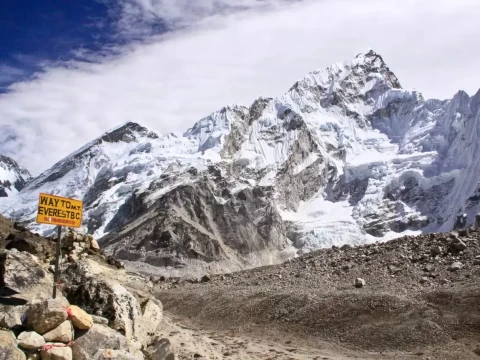
The Everest Base Camp trek is one of the most iconic trekking routes in the world, but it is also very achievable on a budget with proper planning. Preparation is not just about fitness; it includes understanding altitude, packing smart, choosing the right itinerary, and being mentally ready for long trekking days in remote Himalayan terrain.
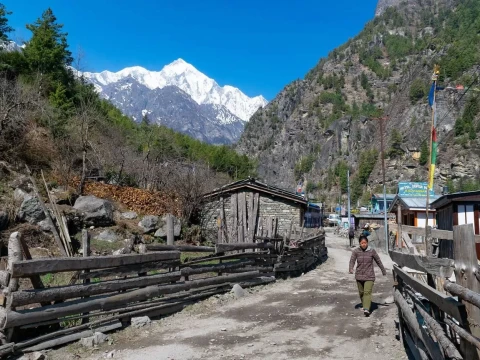
The Annapurna Circuit Trek is one of Nepal’s most famous trekking routes, offering dramatic Himalayan scenery, cultural diversity, and high-altitude adventure at a relatively affordable cost. For budget trekkers, this route is especially attractive because teahouses are widely available, food is simple but filling, and public transport options reduce
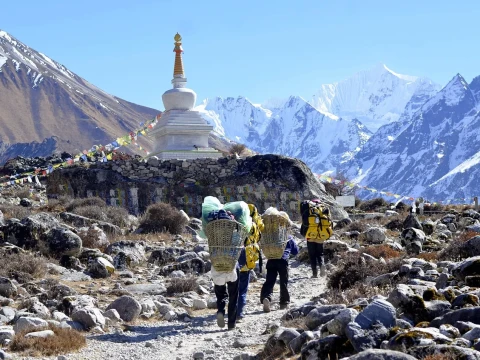
The Langtang Valley Trek is one of the most rewarding short Himalayan journeys close to Kathmandu, offering stunning mountain views, rich Tamang culture, and diverse landscapes without the high cost of more commercial routes. A budget-friendly approach focuses on smart planning—choosing local transport, a simple teahouse


 (34)
(34) 