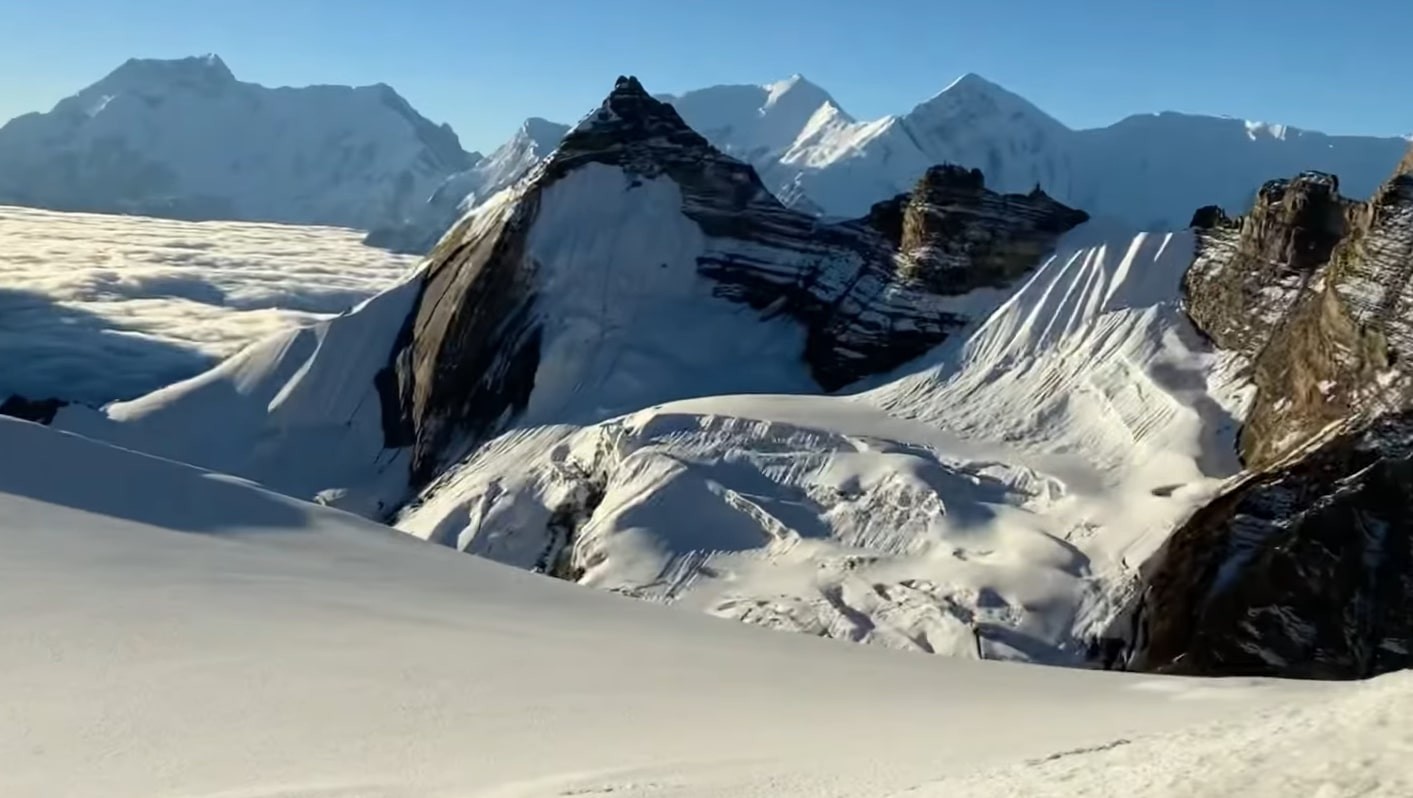
 Chulu West Peak Climbing – 6,419m Adventure in the Annapurna Region
Nestled in the heart of Nepal’s Annapurna region, Chulu West Peak (6,419m / 21,059ft) is a rewarding destination for climbers seeking a blend of trekking adventure and technical mountaineering. Rising high above the Manang Valley, this stunning peak offers sweeping panoramic views of the Annapurna range and fits perfectly for those already familiar with the iconic Annapurna Circuit Trek.
Chulu West Peak Climbing is an excellent choice for adventure seekers who want to experience high-altitude climbing without venturing into extremely technical Himalayan expeditions.
Chulu West Peak is part of the Chulu Massif, located north of the Annapurna Circuit trail. The journey begins at Besisahar, following the scenic Marsyangdi Valley—one of the most beautiful trekking corridors in Nepal. Many climbers choose to combine the climb with longer acclimatization routes such as the {Annapurna Circuit with Tilicho Lake} for better altitude adaptation.
The trail passes through traditional villages, terraced farmlands, and alpine forests before entering the dramatic high-mountain landscapes of Manang.
Climbing Chulu West Peak requires good physical fitness and basic mountaineering knowledge. While this peak is categorized as a trekking peak, climbers should be comfortable with long trekking days and steep ascents.
Preparation should include:
Cardiovascular and endurance training
Leg and core strength exercises
Practice with crampons and ice axes
Acclimatization hikes
Climbers who have previously completed routes like the Annapurna Base Camp Trek often find the physical demands manageable.
The trek to Chulu West Base Camp is a scenic highlight of the expedition. The route winds through:
Traditional Gurung and Manangi villages
Pine and rhododendron forests
Expansive alpine terrain
The landscapes here are often compared to remote trekking experiences like the Manaslu Circuit Trek, offering cultural depth alongside natural beauty. As you approach base camp, towering peaks such as Annapurna II and Annapurna IV dominate the skyline.
The ascent of Chulu West Peak involves a combination of trekking and technical climbing. From base camp, climbers move to High Camp, which plays a vital role in acclimatization before summit day.
The climbing route includes:
Snow-covered slopes
Glacial crossings
Steep icy sections requiring fixed ropes
Climbers use specialized gear such as crampons, harnesses, ice axes, and helmets. Those with experience on peaks like Island Peak Climbing or Mera Peak Climbing will find the techniques familiar, though Chulu West remains less crowded and more serene.
The best seasons for Chulu West Peak Climbing are:
Stable weather
Clear mountain views
Blooming alpine flora
Dry trails
Excellent visibility
Comfortable climbing temperatures
Summer monsoon and winter months are not recommended due to heavy rain, snow, and extreme cold conditions.
Chulu West Peak Climbing is considered moderately difficult and is suitable for climbers with a good fitness level and basic climbing experience. While prior mountaineering exposure is helpful, it is not mandatory.
Compared to busier routes such as the Everest Base Camp Trek, Chulu West offers a quieter and more focused climbing environment. Our professional guides provide training, safety briefings, and continuous support throughout the climb.
Meals during the expedition are carefully planned to meet the nutritional needs of climbers. Expect a mix of:
Traditional dal bhat
Rice, pasta, noodles, and soups
Fresh vegetables and seasonal produce
Comfortable tea houses during the trekking phase
Tented camps at base camp and higher elevations
This balance ensures both comfort and proper acclimatization.
Mobile network coverage is available in lower regions, and many tea houses provide Wi-Fi (limited and paid). For longer trips, purchasing a local SIM card in Kathmandu is recommended.
Climbers interested in other remote adventures may also enjoy culturally rich destinations such as the Upper Mustang Trek, where connectivity is similarly limited but the experience is deeply rewarding.
At Explore Holiday Treks, we are committed to providing a safe, enjoyable, and personalized climbing experience. Our team consists of licensed guides with extensive experience in high-altitude trekking and climbing across Nepal.
Chulu West Peak Climbing is part of our wider portfolio of Peak Climbing in Nepal, designed for climbers seeking authentic Himalayan adventures. For those who prefer comfort before or after their climb, we also offer premium options under our Luxury Treks in Nepal collection.
Before starting your Chulu West Peak Climbing adventure:
Ensure travel insurance covers high-altitude climbing
Pack proper climbing gear and layered clothing
Carry personal medications and copies of important documents
Respect local customs and environmental guidelines
Proper preparation ensures a safe and rewarding summit experience.
Choosing Explore Holiday Treks means choosing safety, expertise, and genuine Himalayan hospitality. Our carefully designed itineraries, experienced guides, and strong commitment to responsible tourism ensure that every climb leaves lasting memories.
With us, you are not just reaching a summit—you are becoming part of Nepal’s mountain culture and adventure spirit.
This day is reserved in case of adverse weather or other unforeseen circumstances that may have affected your summit attempt. It provides an opportunity to rest and recuperate or make another summit attempt if needed. Use this time to relax and enjoy the stunning surroundings of High Camp or Base Camp.
After breakfast, begin your trek to Phedi, which takes approximately 4-5 hours. The trail descends through beautiful landscapes, leading you back towards the lower altitudes. Upon arrival in Phedi, check into your lodge and take time to relax after the trek. Enjoy a warm meal and share stories with your trekking team about your adventure.
Today, you will trek to Muktinath, passing through the famous Thorung La Pass, which stands at 5,416 meters. This trek takes about 8-9 hours and features breathtaking views of the Annapurna and Dhaulagiri ranges. As you reach the pass, take a moment to appreciate the achievement before descending towards Muktinath. Upon arrival, check into your lodge and explore this sacred site known for its temples and spiritual significance.
After breakfast, set off on a 5-hour trek to Jomsom. The trail gradually descends through beautiful landscapes, allowing you to take in the sights of the Kali Gandaki Valley. Upon reaching Jomsom, check into your lodge and enjoy the local culture, including the famous apple orchards in the region. Take some time to relax and celebrate the successful completion of your trek.
This morning, catch a short flight to Pokhara, which takes approximately 20 minutes. The flight provides stunning aerial views of the Himalayas. Upon arrival in Pokhara, check into your hotel and take some time to relax. You can explore the lakeside area, visit Phewa Lake, or enjoy local cuisine at one of the many restaurants.
After breakfast, Scenic drive back to Kathmandu, which takes around 6-7 hours. The journey allows you to enjoy the beautiful landscapes and local culture along the way. Upon arrival in Kathmandu, check into your hotel and spend the rest of the day at leisure. You may wish to visit some last-minute sites or enjoy a farewell dinner with your trekking team.
On your final day in Nepal, enjoy breakfast at your hotel. Depending on your flight schedule, you may have time for some last-minute shopping or sightseeing. Your Explore Holiday Treks representative will assist you with your transfer to the airport for your international departure. As you head home, take with you unforgettable memories and the spirit of adventure that Nepal has to offer. Safe travels!
Your Start Date is the day you land in Nepal, and your End Date is when you fly home.
If the set Chulu West Peak Climbing group dates don’t suit your schedule, we can offer alternative dates upon request.
Reaching the summit of Chulu West Peak was a challenging yet thrilling accomplishment. The beauty of the surrounding mountains was awe-inspiring. Thanks to Explore Holiday Nepal’s professional guidance, I felt confident throughout the climb.
Chulu West Peak, standing at 6,419 meters (21,054 feet), is a striking trekking peak located in the Annapurna region of Nepal. It offers breathtaking views of the Annapurna mountain range, including Annapurna II, III, and IV, as well as Dhaulagiri. The climb is popular among trekkers and climbers seeking an adventure off the beaten path.
Chulu West is best suited for climbers with some prior trekking and basic climbing experience. While it is not technically challenging, it requires good physical fitness and familiarity with using crampons and ice axes. Joining a guided expedition is highly recommended, especially for those new to high-altitude climbing.
A standard itinerary for climbing Chulu West Peak usually lasts around 15 to 18 days. This duration allows for acclimatization, trekking to Base Camp, the ascent, and the return journey. Adequate acclimatization is essential to reduce the risk of altitude sickness.
The ascent to Chulu West Peak involves trekking through diverse landscapes, including lush valleys, alpine meadows, and glacial terrain. The climb typically includes a trek to Base Camp, followed by a move to High Camp before the summit attempt. Climbers will face a mix of rocky and snowy sections, requiring basic climbing techniques.
The ascent to Chulu West Peak is considered moderately difficult. While the route is generally straightforward, climbers should be prepared for steep sections, high altitudes, and potentially unpredictable weather conditions. Physical fitness, acclimatization, and mental preparedness are key for a successful summit.
Preparing for Chulu West Peak climbing involves building physical fitness through cardiovascular training, strength exercises, and endurance activities. Engaging in shorter treks or climbs to gain experience with altitude and basic climbing techniques is beneficial. Familiarizing yourself with climbing gear and safety practices will enhance your confidence and readiness for the ascent.
The optimal times for climbing Chulu West Peak are during the pre-monsoon season (March to May) and post-monsoon season (September to November). These periods typically provide stable weather conditions, clearer skies, and better visibility, making them ideal for trekking and climbing.
Climbers will need a variety of equipment, including warm clothing, climbing boots, crampons, an ice axe, a harness, and a sleeping bag rated for cold temperatures. Most trekking companies provide a detailed packing list and may offer some rental equipment. Having the right gear is crucial for safety and comfort.
Safety is a top priority during Chulu West expeditions. Experienced guides lead the climbs, providing support and monitoring climbers' health. Safety briefings, acclimatization days, and constant monitoring help reduce the risk of altitude sickness and ensure a safe climbing experience.
Accommodation during the trek typically includes teahouses and lodges along the route, offering basic amenities. At Base Camp and High Camp, climbers usually set up tents. The teahouses provide meals and warm showers, while the camps focus on safety and comfort during the climb.


 (34)
(34) 