Need help with booking? Send us a message.
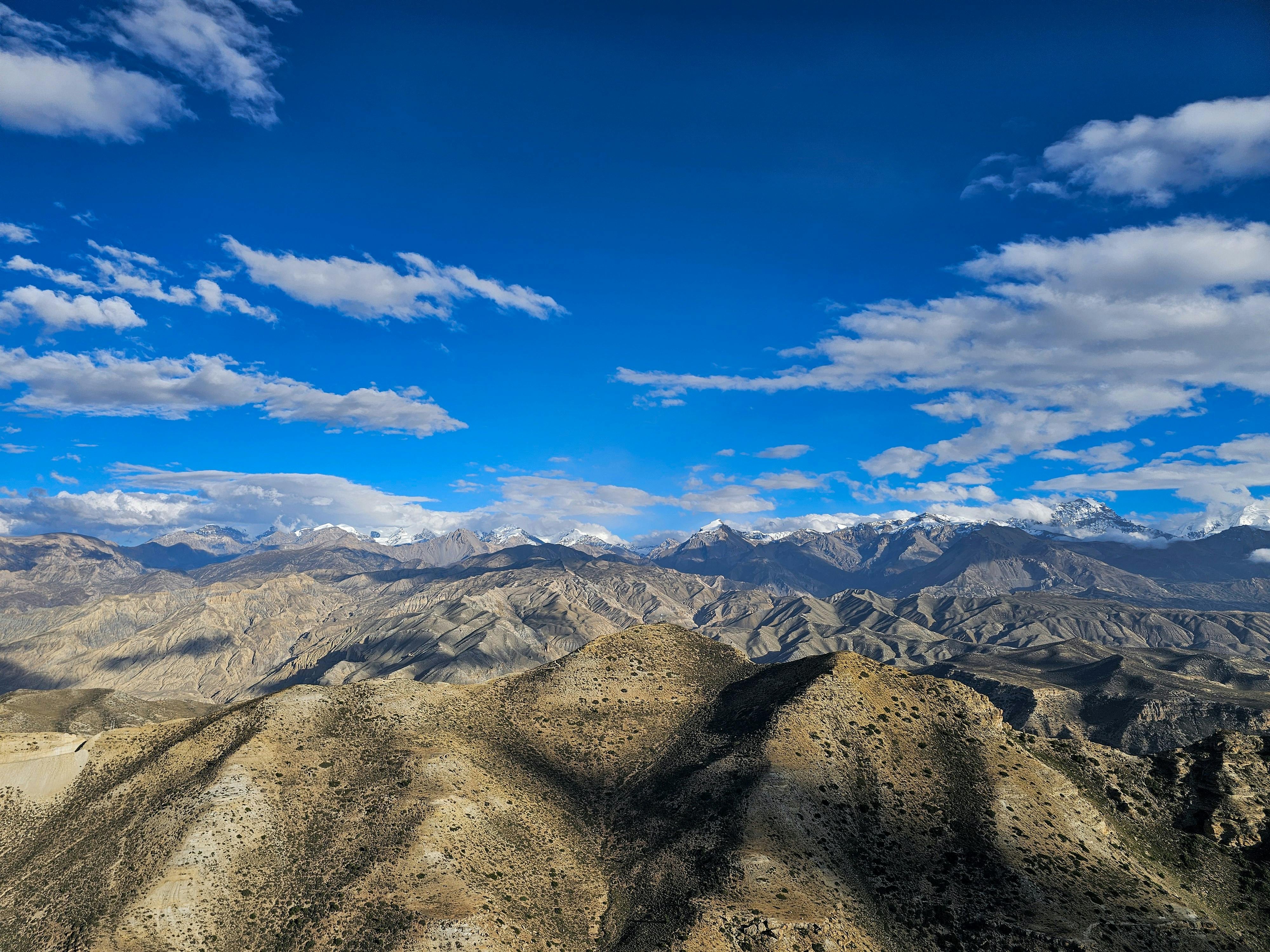
The Upper Mustang Trek, also known as the Lo Manthang Trek, is one of Nepal’s most unique and culturally immersive trekking experiences. Nestled between the Annapurna and Dhaulagiri ranges, Mustang is a high-altitude desert that was once a forbidden kingdom. With its arid landscapes, medieval villages, and Tibetan-influenced culture, this remote region offers trekkers an extraordinary blend of natural beauty, history, and spirituality.
This trek takes adventurers through windswept valleys, dramatic cliffs, and rocky terrains, allowing a deep connection with both the environment and local communities. The region was opened to foreign visitors only in 1992, which has helped preserve its distinct culture and traditional way of life. Trekkers here witness an untouched land that feels like stepping back in time, with ancient monasteries, walled cities, and cave dwellings offering a glimpse of centuries-old heritage.
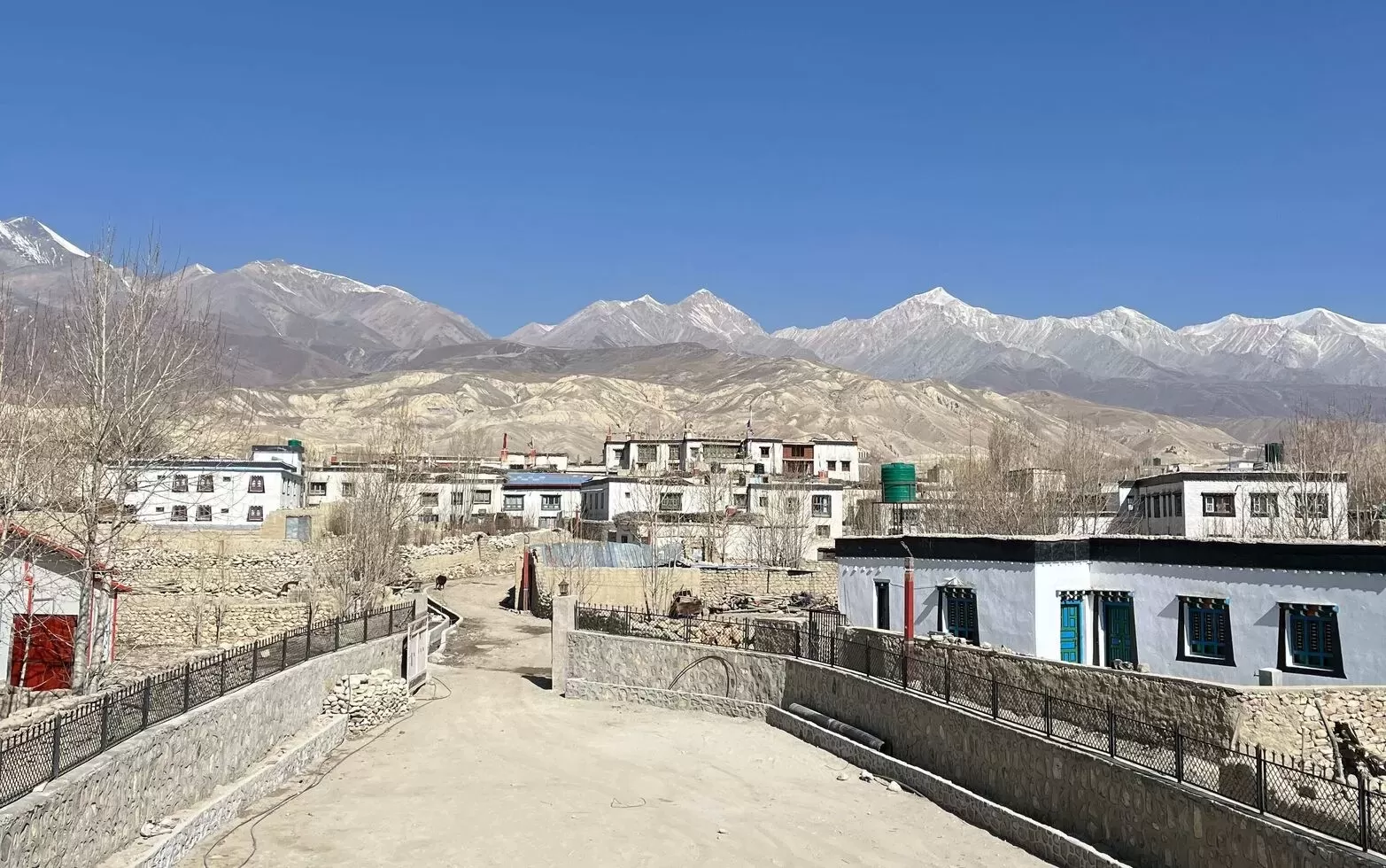
The cultural richness of Mustang is one of its defining features. Lo Manthang, the walled capital, is the centerpiece of this high desert kingdom. The city boasts a royal palace, narrow alleys, gompas, and monasteries, all reflecting Tibetan architectural styles and spiritual traditions. The local Mustangi people have preserved their language, customs, and art forms over generations. Visiting the region provides an opportunity to interact with these communities, observe traditional festivals, and experience their warm hospitality.
Monasteries, prayer flags, and meditation caves are scattered throughout the Mustang landscape, offering a spiritual dimension to the trek. Trekkers can explore centuries-old fortresses and stone houses, and witness rituals and daily life that have remained largely unchanged. This cultural immersion makes the Upper Mustang Trek much more than a scenic adventure—it is a journey into the heart of Tibetan-influenced Himalayan culture.
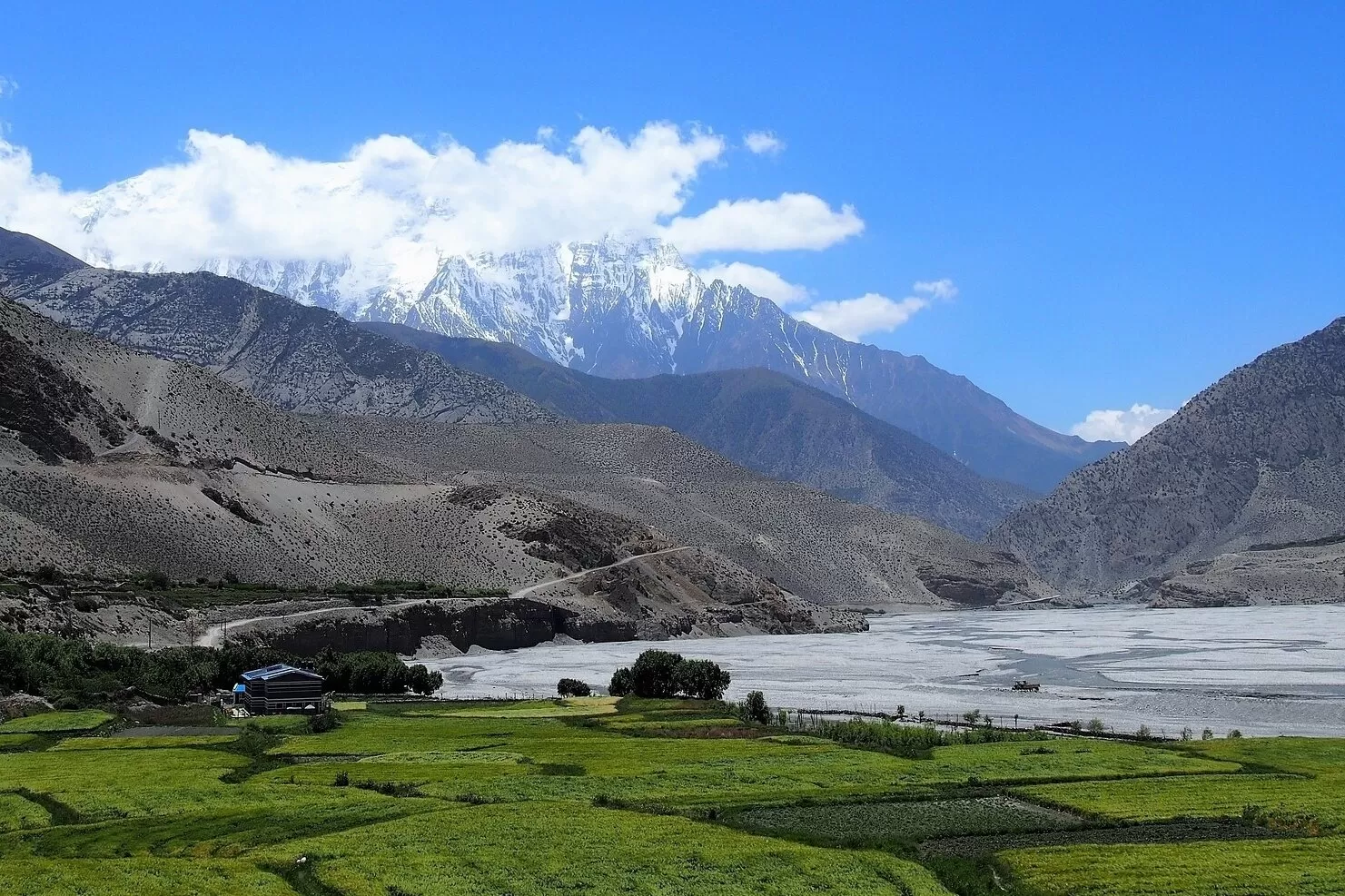
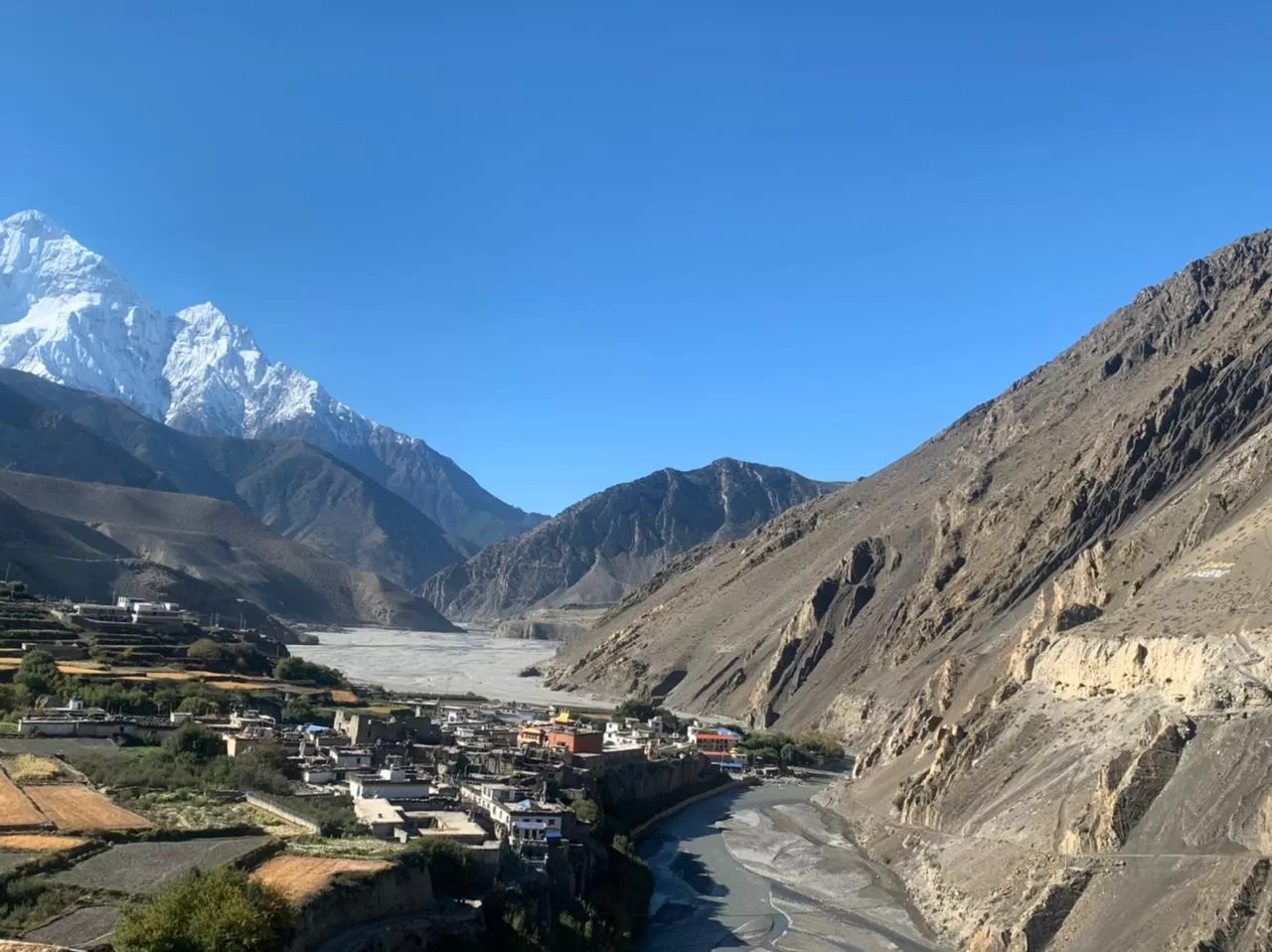
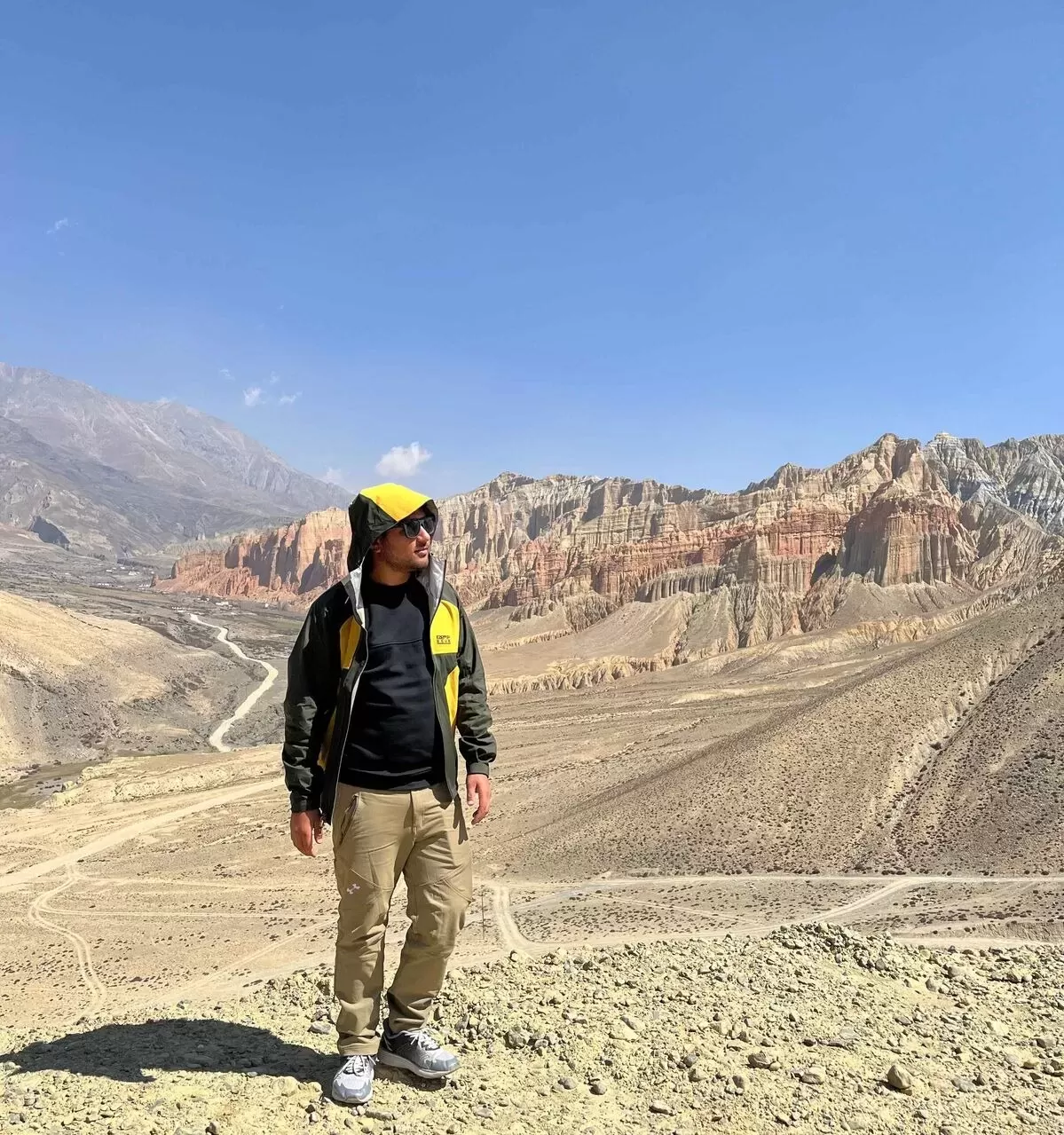
Mustang’s terrain is a breathtaking mix of high desert plains, colorful cliffs, and eroded canyons. Unlike other trekking regions in Nepal, Mustang offers a dry, open landscape, with views stretching for miles across barren valleys and dramatic mountain backdrops. Snow-capped peaks of the Annapurna and Dhaulagiri ranges can be seen from various vantage points, creating perfect photography opportunities.
The region is also home to unique flora and fauna. While the landscape may appear arid, the lower valleys feature terraced fields, forests, and rivers, supporting diverse plant and bird species. Seasonal wildflowers, alpine meadows, and ancient forests add splashes of color to the otherwise earthy desert palette, offering trekkers varied and captivating scenery.
The Upper Mustang Trek is suitable for moderately experienced trekkers who enjoy a mix of adventure, culture, and natural beauty. The journey is characterized by gradual ascents, moderate trails, and well-established villages, making it accessible while still providing the thrill of high-altitude trekking. Trekkers have the chance to explore remote settlements, historic cave dwellings, and monasteries while enjoying stunning desert landscapes and panoramic mountain views.
Unlike heavily trafficked trails in other regions, Mustang provides a peaceful and off-the-beaten-path trekking experience. The solitude of the desert plains, combined with encounters with local communities, makes this trek deeply enriching. The dry climate and open terrain also offer clear skies, which are perfect for photography and stargazing at night.
Lo Manthang: The walled capital with a royal palace, ancient monasteries, and traditional houses.
Kagbeni, Chele, Syangboche: Scenic villages with Tibetan-influenced architecture and history.
Cave Dwellings: Ancient meditation caves carved into cliffs, offering historical insights.
High Desert Landscapes: Surreal rock formations, eroded cliffs, and panoramic mountain views.
Cultural Immersion: Interaction with the Mustangi people, learning about their traditions, festivals, and lifestyle.
Unique Culture: Experience one of Nepal’s most preserved Tibetan-influenced regions.
Remote Landscapes: Explore arid deserts, cliffs, and vast open plains rarely seen by tourists.
Spiritual Journey: Visit monasteries, caves, and observe centuries-old rituals.
Adventure with Ease: Moderate trekking routes with manageable altitude gains.
Photography Paradise: Clear skies, dramatic landscapes, and colorful villages.
Spring (March–May): Blooming wildflowers, pleasant weather, and clear views.
Autumn (September–November): Crisp skies, stable trekking conditions, and excellent visibility.
Avoid monsoon season (June–August) due to slippery trails, and winter months (December–February) can be extremely cold.
Altitude: Gradual acclimatization is essential to prevent altitude sickness.
Gear: Bring layered clothing, sturdy hiking boots, trekking poles, sunglasses, and sun protection.
Health: Stay hydrated and carry energy snacks.
Permits: Restricted Area Permit required for Mustang.
Guide: Hiring a knowledgeable guide ensures safety and cultural understanding.
Experienced Guides: Knowledgeable in culture, terrain, and safety.
Full Support: All permits, accommodations, meals, and transportation arranged.
Customized Experiences: Treks designed according to your pace and preferences.
Cultural and Scenic Balance: Explore remote villages and majestic landscapes confidently.
The Upper Mustang Trek is more than a trekking adventure—it is an exploration of history, culture, and natural beauty. From the walled city of Lo Manthang to the high desert plains, from ancient monasteries to welcoming Mustangi communities, every step immerses you in a unique world. For adventurers, photographers, and cultural enthusiasts, the Upper Mustang Trek offers an unforgettable Himalayan experience, leaving memories of a journey through a mysterious and enchanting land that feels untouched by time.
Top Blogs About Trekking in the Mustang and Dolpo Region:
Uncover the best blogs about trekking in the Mustang and Dolpo region, featuring expert advice, detailed itineraries, personal experiences, and essential tips for adventurers looking to explore the Himalayas.
Discovering Upper Mustang’s Mystical Villages
Altitude Sickness on Nepal Treks: Symptoms, Treatment, and When to Descend (Complete Guide)
Nepal Trekking Permits: Costs, Types, and How to Get Them
Nepal Trekking: What’s the Best Time to Go?
Budget Trekking in Nepal: Tips, Trails, and Tricks
Exploring Nepal’s Wildlife and Nature
Trekking Through Nepal: A Journey into the Himalayas
Top 10 Mountain Peaks in Nepal
Monastery Life in Nepal: Finding Peace in the Heart of the Himalayas
Your adventure begins as you arrive in Kathmandu, the bustling capital of Nepal, at Tribhuvan International Airport. Upon arrival, friendly representatives from the trekking agency will welcome you and transfer you to your hotel. Take this time to relax and recover from your journey, or step out to explore the lively streets of Thamel, filled with colorful shops, cozy cafés, and a vibrant atmosphere. Kathmandu offers a perfect introduction to Nepal’s rich culture and sets the tone for your trekking adventure ahead.
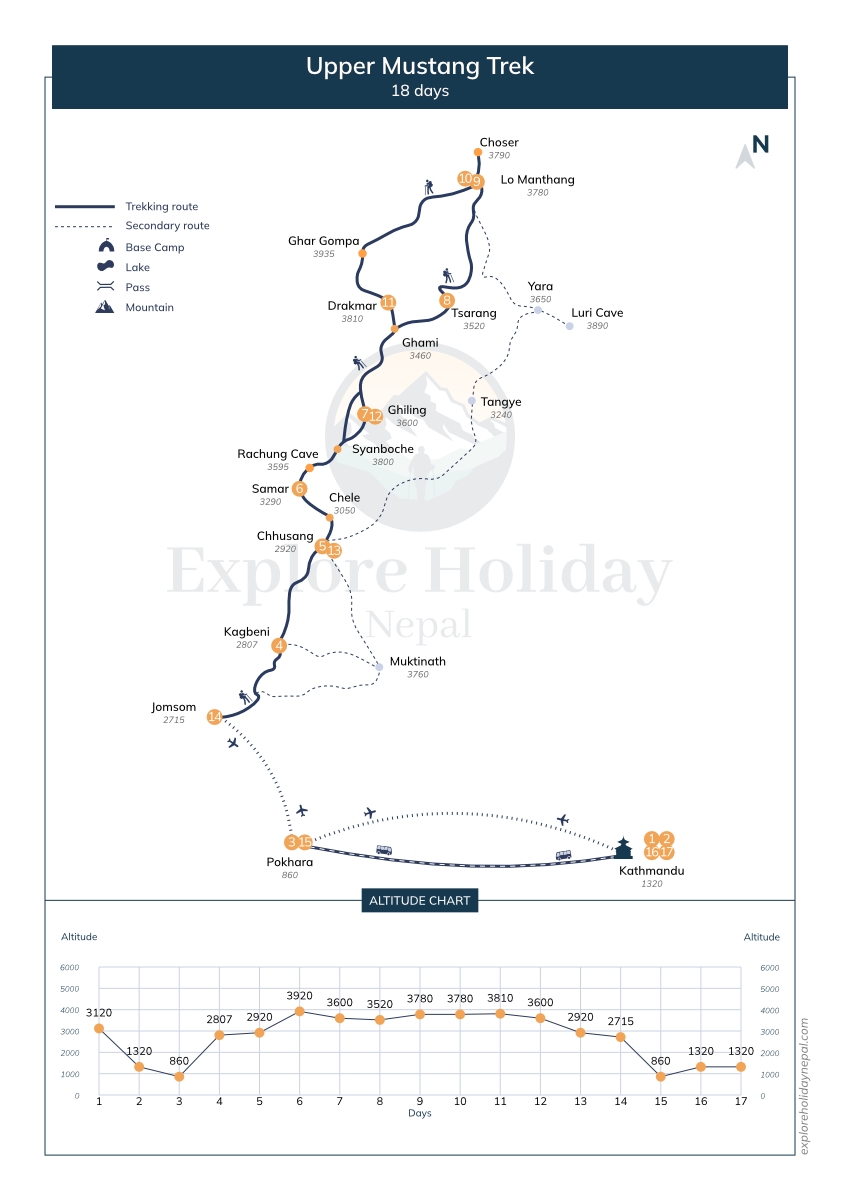
Your Start Date is the day you land in Nepal, and your End Date is when you fly home.
If the set Upper Mustang Trek group dates don’t suit your schedule, we can offer alternative dates upon request.
Proper layering is important to stay warm and comfortable in changing mountain weather.
Good footwear makes trekking easier and safer.
The right gear keeps you safe, comfortable, and prepared.
Lightweight but important items keep you clean, healthy, and comfortable.
Keep important items safe and easy to reach.
The Upper Mustang Trek was like stepping into another world, with unique landscapes and ancient monasteries. Explore Holiday Nepal made the experience seamless, with expert guides and great service every step of the way.
The Upper Mustang Trek offered incredible views and a deep dive into a fascinating culture. Explore Holiday Nepal’s exceptional planning and support made this trek unforgettable. Highly recommend!
The landscapes in Upper Mustang were absolutely stunning, and the cultural heritage was equally captivating. Explore Holiday Nepal took care of everything, making this trek a smooth and memorable experience.
The Upper Mustang Trek is an extraordinary journey through the ancient Kingdom of Lo, a remote region of Nepal. Known for its stunning landscapes, unique culture, and rich Tibetan heritage, this trek takes you through dramatic desert-like terrain, deep canyons, and vibrant red cliffs. Trekkers can explore hidden caves, ancient monasteries, and traditional villages that feel untouched by time.
The Upper Mustang Trek typically takes around 10 to 14 days, depending on the chosen itinerary and starting point. This includes trekking days and extra days for acclimatization and exploration.
The Upper Mustang Trek is considered moderately challenging. While it doesn’t require technical climbing skills, trekkers should be prepared for long days of hiking at high altitudes. The highest point on the trek reaches around 4,000 meters (13,123 feet). Proper acclimatization and physical fitness are essential to ensure a safe and enjoyable experience.
Acclimatization days are built into the itinerary to help trekkers adjust gradually to higher altitudes. It's essential to stay hydrated, follow the recommended pace, and descend if symptoms of altitude sickness persist.
Yes, Upper Mustang is known for its unique Tibetan-influenced culture, ancient monasteries, and cave dwellings. The trek provides an opportunity to explore these cultural treasures and interact with the local communities.
Absolutely! One of the highlights of the Upper Mustang Trek is the opportunity to immerse yourself in the rich culture of the region. You'll have the chance to interact with the local people, visit ancient monasteries like the famous Thubchen Monastery, and witness traditional festivals if your timing is right. This cultural exposure adds a unique dimension to the trekking experience.
Preparing for high altitude is crucial for a successful Upper Mustang Trek. Prior to your trip, ensure you're in good physical shape and consider doing some shorter treks at altitude to acclimatize your body. During the trek, ascend gradually, stay hydrated, and listen to your body. If you experience severe altitude sickness symptoms, it’s important to descend to a lower elevation immediately.
The ideal time for the Upper Mustang Trek is during the spring (March to May) and autumn (September to November) months. These periods offer stable weather, clear skies, and mild temperatures, making the trek more enjoyable. Winter can be harsh, while the monsoon season often leads to trail closures and increased risks of landslides.
Yes, to trek in Upper Mustang, you need a special trekking permit. The cost of the Upper Mustang Trek permit is relatively high compared to other regions in Nepal, reflecting the area's unique cultural and environmental significance. Additionally, you will need to obtain a TIMS (Trekkers' Information Management System) card, which is a standard requirement for trekking in Nepal.
Packing for the Upper Mustang Trek requires careful consideration. Essential items include good-quality trekking boots, warm layers for cold nights, a reliable sleeping bag, and sunscreen to protect against the high-altitude sun. Don’t forget a water purification system, trekking poles, and a first-aid kit. Since facilities may be limited, carrying your own snacks and energy bars is also advisable.
Accommodation on the Upper Mustang Trek primarily consists of tea houses and guesthouses, which provide basic amenities. While these lodges may not offer luxury, they provide a cozy place to rest after a long day of trekking. The food usually includes traditional Nepali dishes, such as dal bhat, momo (dumplings), and various noodles, ensuring you have enough energy for your journey.
| No of people | Price per person |
|---|---|
| 1 - 1 | $2,500 |
| 2 - 5 | $2,370 |
| 6 - 9 | $2,355 |
| 10 - 15 | $2,240 |
| 16 - 20 | $2,225 |
| No of people | Price per person |
|---|---|
| 1 - 1 | $3,310 |
| 2 - 5 | $3,140 |
| 6 - 9 | $3,125 |
| 10 - 15 | $3,110 |
| 16 - 20 | $3,095 |




 (34)
(34) 