
The Langtang Valley Trek is one of Nepal’s most accessible yet breathtaking Himalayan adventures. Starting from Kathmandu, this trek takes you through lush forests, traditional villages, glacial streams, and the high Himalayan peaks of the Langtang range. The valley is known for its pristine natural beauty, rich Tamang culture, and spectacular panoramic views of peaks like Langtang Lirung (7,227 m). Explore Holiday Nepal’s 2026 Langtang itinerary offers a balanced pace with ample time for acclimatization, ensuring both safety and enjoyment.
The trek begins with a scenic drive from Kathmandu to Syabrubesi, passing through Dhunche town. From there, you gradually ascend to Lama Hotel, Langtang village, and finally Kyanjin Gompa, a serene monastery surrounded by glaciers and alpine meadows. The trek is ideal for moderate-level trekkers, combining natural landscapes, local culture, and adventure. Rest days, like the one at Kyanjin Gompa, allow you to hike nearby viewpoints, giving you panoramic perspectives of the valley without overexertion. The descent mirrors the ascent, providing a reflective journey back through the forests and villages you passed earlier.
Must-See Spots on Langtang Trek:
Langtang Valley, often called the “Valley of Glaciers,” is located north of Kathmandu and borders Tibet. The valley is renowned for its dramatic landscapes, traditional Tibetan-influenced villages, and close encounters with Himalayan wildlife such as red pandas, Himalayan tahr, and langurs. Trekkers experience a blend of culture and nature, as the Tamang and Sherpa communities continue age-old traditions in the villages along the route. Explore Holiday Nepal’s guided itineraries provide expert support to navigate trails, manage acclimatization, and interact respectfully with local communities.
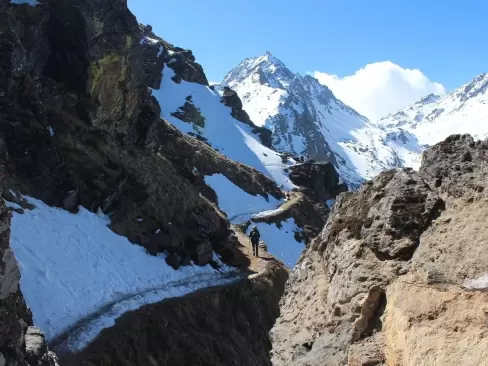
The trek itself offers a moderate challenge, with elevations ranging from 1,320 m in Kathmandu to 3,749 m at Kyanjin Gompa. The route is well-marked, allowing trekkers to enjoy scenic forests, terraced farmlands, and the eventual high-altitude landscapes of glaciers and snow-capped peaks. Alongside trekking, there are opportunities to visit monasteries, taste local cuisine, and explore unique cultural artifacts. 2026 is the perfect year for the Langtang Trek, as post-pandemic tourism has revived, infrastructure in villages has improved, and new viewpoints and trails have been mapped, offering fresh perspectives to both returning and first-time trekkers.
Tips for Trekkers:
Preparing well is crucial to fully enjoying the Langtang Valley Trek and ensuring safety. The trek, reaching elevations of nearly 3,750 m, requires a balance of physical fitness, proper gear, and knowledge of local regulations. Explore Holiday Nepal recommends starting a fitness regimen at least 6–8 weeks before departure. Cardiovascular exercises like running, cycling, or swimming, combined with leg strength training and long hikes with a loaded backpack, can prepare your body for the trail. Mental preparation is equally important, as trekking in remote areas can be physically demanding and requires patience, resilience, and adaptability.
Best Time to Trek Langtang Valley
The two main trekking seasons are spring (March–May) and autumn (September–November). Spring brings rhododendron blooms and mild temperatures, while autumn offers clear skies and spectacular Himalayan vistas. Winter trekking is possible for adventurous travelers, but cold temperatures and snowfall can make trails challenging. Monsoon season (June–August) is generally avoided due to slippery trails and landslide risks.
Fitness and Gear Essentials
Permits and Regulations
Proper preparation not only reduces the risk of altitude sickness but also enhances the overall trekking experience, allowing you to enjoy both the natural beauty and the rich Tamang culture along the route.
The Langtang Valley Trek offers a variety of routes suitable for moderate-level trekkers, cultural enthusiasts, and adventure seekers. The classic route, starting from Syabrubesi and ending at Kyanjin Gompa, is the most popular. This route passes through Lama Hotel and Langtang Village, providing a gradual ascent that allows proper acclimatization. The trek combines forested trails, suspension bridges over mountain rivers, and scenic viewpoints along the way. Kyanjin Gompa, the highest point of the classic trek, is a base for day hikes to surrounding peaks and viewpoints, offering 360° Himalayan panoramas.
Alternative routes include loop options and side trips, such as the Tserko Ri hike from Kyanjin Gompa, which provides stunning views of Langtang Lirung and the surrounding glaciers. For those interested in extended trekking, it’s possible to connect to Gosainkunda or even the Helambu region, creating a longer and more challenging expedition. The difficulty level is generally considered moderate, with daily trekking hours ranging from 4 to 6 hours. The gradual gain in elevation and well-maintained trails make it suitable for both first-time trekkers and experienced hikers looking for a culturally rich Himalayan experience.
Highlights of the Trekking Routes:
Choosing the right route and understanding the trekking difficulty is key to a safe and rewarding journey through Langtang Valley, with Explore Holiday Nepal providing expert guidance and local support throughout.
Accommodation during the Langtang Valley Trek is a unique way to experience the Himalayan lifestyle. Most trekkers stay in guesthouses and lodges that offer basic yet comfortable facilities, including warm meals, tea, and simple rooms with shared or private bathrooms. Explore Holiday Nepal works closely with local lodges along the trail, ensuring trekkers have safe, clean, and culturally immersive stays. Popular stops like Lama Hotel, Langtang Village, and Syabrubesi have well-established lodges that cater to both domestic and international trekkers, making the journey convenient and enjoyable without sacrificing authenticity.

One of the highlights of trekking in Langtang is staying with local communities. Many guesthouses are family-run, providing an opportunity to learn about the Tamang way of life, traditional food, and customs. Visitors often get to participate in tea ceremonies or help with small daily tasks, creating meaningful cultural connections. This immersive experience also contributes to the local economy, supporting sustainable tourism practices.
Tips for Comfortable Trekking Accommodation:
Staying in these villages not only provides rest but also allows trekkers to enjoy serene Himalayan nights, meet local families, and witness the peaceful mountain lifestyle up close.
Langtang Valley is rich in natural and cultural landmarks that make it a photographer’s and trekker’s paradise. The crown jewel of the trek is Kyanjin Gompa, a small monastery perched at 3,749 meters. The area is surrounded by glaciers, alpine meadows, and snow-capped peaks like Langtang Lirung. Kyanjin Gompa also hosts a small cheese factory, where trekkers can see traditional cheese-making methods and sample locally produced dairy products. Nearby, smaller monasteries and prayer wheels provide a glimpse into the spiritual life of the Tamang community.
Another highlight is Langtang National Park, which protects dense forests, alpine meadows, and a variety of wildlife, including red pandas, Himalayan tahr, and colorful pheasants. The trails wind through rhododendron and pine forests, passing streams and waterfalls, offering both scenic and serene trekking experiences. For panoramic views, scenic viewpoints like Tserko Ri provide unmatched photo opportunities of glaciers, the valley floor, and towering Himalayan peaks. These spots allow trekkers to capture the beauty of the region while appreciating the tranquility of the high mountains.
Top Must-See Spots:
By visiting these sites, trekkers experience the perfect blend of natural wonders, local culture, and adventure, all guided and supported by Explore Holiday Nepal, ensuring a safe and memorable journey.
Langtang Valley is not only a trekker’s paradise for its mountains and monasteries but also a haven for diverse wildlife and flora. Located within Langtang National Park, the valley is home to a variety of animals, including the elusive red panda, Himalayan tahr, langurs, musk deer, and occasionally snow leopards for the lucky observer. Birdwatchers will delight in species like the Himalayan monal, blood pheasant, and various partridges. These animals thrive in the park’s protected ecosystem, which ranges from dense subtropical forests in lower valleys to alpine meadows and glacial slopes at higher altitudes. Explore Holiday Nepal emphasizes responsible trekking that minimizes disturbance to wildlife while allowing trekkers to enjoy natural sightings safely.
The valley is equally famous for its unique alpine flora. Rhododendron forests dominate the lower and mid-hills, painting the landscape red and pink during spring. Higher up, trekkers encounter alpine shrubs, medicinal herbs, and rare wildflowers that bloom amidst rocky slopes and meadows. Kyanjin Gompa and surrounding trails are excellent areas to observe this flora up close. Trekking during different seasons offers distinct floral experiences, from vibrant spring blooms to colorful autumn meadows.
Responsible Wildlife and Flora Tips:
Understanding and appreciating the valley’s wildlife and flora adds a layer of depth to the trek, making it not only an adventure but also an educational journey into the Himalayan ecosystem.
Proper preparation and safety awareness are essential for a successful Langtang Valley Trek. One of the biggest concerns at high altitudes is altitude sickness. Symptoms such as headaches, nausea, and dizziness can occur if proper acclimatization is ignored. Explore Holiday Nepal recommends ascending gradually, keeping daily hikes within 4–6 hours, and taking rest days at strategic points like Kyanjin Gompa. Hydration, light meals, and avoiding alcohol or smoking help prevent altitude-related issues. Carrying medications like acetazolamide (Diamox) and consulting a doctor before departure is also advisable for trekkers sensitive to altitude.
Packing Tips and Essential Gear:
Local Customs and Etiquette:
By following these trekking and safety tips, trekkers can fully enjoy the natural beauty and cultural richness of Langtang Valley while minimizing risks. Explore Holiday Nepal provides professional guidance, local knowledge, and support throughout the trek to ensure a safe, comfortable, and memorable adventure.
Food is an essential part of the Langtang Valley Trek experience, offering not only nourishment but also a taste of the region’s rich culture. Most trekkers stay in teahouses and lodges, where meals are prepared fresh daily, often with locally sourced ingredients. Typical meals include hearty options such as dal bhat (lentil soup with rice), noodles, fried rice, and vegetable curries. Explore Holiday Nepal ensures trekkers are provided guidance on safe and nutritious food choices to maintain energy levels throughout the trek. The warmth of a hot meal after hours of hiking, combined with stunning mountain views, makes mealtimes a memorable part of the journey.
Recommended Snacks for Trekkers
One of the highlights of trekking in Langtang is trying authentic Tibetan-Nepali dishes. Momos (dumplings), thukpa (noodle soup), and butter tea are local favorites that reflect the cultural blend of Nepal and Tibetan traditions. Sampling these dishes at various stops, from Syabrubesi to Kyanjin Gompa, gives trekkers insight into local life and culinary heritage. Teahouse dining also encourages interaction with other trekkers and the welcoming local families who run the lodges, creating a community atmosphere along the trail.
Completing the Langtang Valley Trek is a moment worth celebrating. Returning to Kathmandu, Explore Holiday Nepal often recommends a relaxing evening in Thamel or Durbar Marg, enjoying a hearty meal, spa session, or cultural show. This post-trek downtime helps you recover physically while reflecting on the journey’s challenges and highlights. Many trekkers also use this time to organize their photos, update travel journals, or write about the experiences that made the trek unforgettable.
Reflecting on the trek is an important part of the journey. Journaling or blogging about your experiences allows you to capture personal insights, lessons learned, and favorite moments from the trek. Trekkers often find that reviewing their route, wildlife sightings, and cultural interactions helps cement the memories and inspires future adventures. Explore Holiday Nepal encourages trekkers to celebrate their accomplishment mindfully, recognizing both the physical achievement and the cultural immersion that Langtang Valley provides.
The Langtang Valley Trek offers a unique blend of natural beauty, cultural richness, and adventure that makes it one of Nepal’s most rewarding trekking experiences. With Explore Holiday Nepal guiding the journey, trekkers can safely navigate through forests, rivers, traditional villages, and alpine landscapes while enjoying authentic local interactions. From the stunning peaks of Langtang Lirung to the serene monasteries of Kyanjin Gompa, every step reveals something new, whether it’s a wildlife sighting, a panoramic viewpoint, or a memorable meal in a cozy teahouse.
Key Takeaways:
Langtang Valley should be on every trekker’s list because it combines accessibility with unmatched Himalayan beauty. The valley’s balance of adventure, culture, and tranquility ensures that whether you are a first-time trekker or a seasoned mountaineer, the journey leaves a lasting impression. Explore Holiday Nepal ensures this experience is safe, seamless, and deeply rewarding, making Langtang Valley Trek 2026 a must for anyone seeking the heart of the Himalayas.
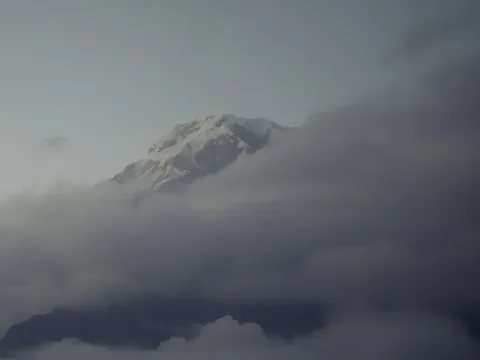
Standing at the crossroads of your Nepal trekking journey can feel overwhelming. With dozens of trails weaving through the Himalayas, each promising unique experiences and breathtaking views, how do you choose the one that speaks to your soul? Whether you're dreaming of standing at Everest Base Camp or seeking a quieter path through rhododendron forests, this guide will walk you through everything you need to know to find your perfect Himalayan adventure.
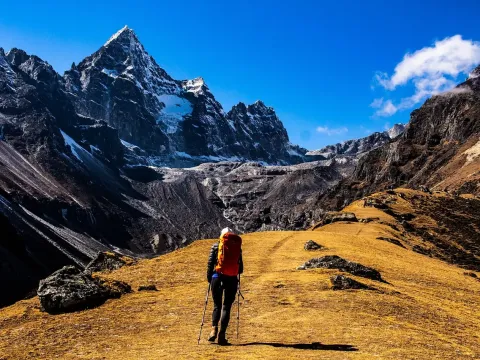
The mountain air feels different when you breathe it alone. There's a clarity, a sense of possibility that expands with each step up the trail. For women who dream of trekking Nepal's iconic routes, the question isn't whether they should go solo—it's how to do it with confidence, safety, and genuine cultural connection.


 (34)
(34) 