 Kathmandu and Nagarkot: A Cultural and Himalayan Experience in Nepal
Kathmandu is not just the capital of Nepal—it is the country’s cultural soul. Every journey through Nepal, whether it leads to the high Himalayas or quiet hill villages, begins here. For travelers seeking more than just mountain views, Kathmandu offers a deep cultural experience shaped by centuries of history, spirituality, and living traditions. When paired with the serene hill station of Nagarkot, this journey becomes a perfect balance of heritage, nature, and Himalayan scenery.
This Kathmandu–Nagarkot experience is ideal for travelers who want to understand Nepal beyond trekking routes. It is also an excellent introduction before embarking on iconic adventures such as the Everest Base Camp Trek, Annapurna Base Camp Trek, or culturally rich journeys like the Upper Mustang Trek. From sacred temples and UNESCO World Heritage Sites to peaceful mountain sunrises, this journey captures the essence of Nepal in a short yet meaningful way.
Kathmandu is one of the oldest continuously inhabited cities in South Asia. Its streets echo with temple bells, prayer chants, and daily rituals that have remained unchanged for generations. The city’s cultural richness is most visible in its architecture—ancient palaces, stone temples, and wooden carvings that showcase the artistic mastery of the Newar civilization.
The historic Durbar Squares serve as open-air museums, revealing Nepal’s royal past. These squares were once royal courtyards where kings were crowned and major ceremonies took place. Even today, they remain active centers of religious festivals, community gatherings, and traditional life. Walking through Kathmandu’s old quarters allows travelers to witness how history is not preserved behind glass but lived every day.
For travelers preparing for long treks like the Manaslu Circuit Trek or Langtang Valley Trek, Kathmandu offers a cultural foundation that enriches the mountain journey ahead. The customs, religious symbols, and festivals you encounter here continue along trekking trails, especially in villages influenced by Hindu and Buddhist traditions.
Standing proudly atop a forested hill, Swayambhunath Stupa is one of the most sacred Buddhist sites in Nepal. Known widely as the Monkey Temple, it offers one of the best panoramic views of the Kathmandu Valley. More importantly, it represents the spiritual harmony between Buddhism and Hinduism that defines Nepal.
The climb to Swayambhunath is a journey in itself. Stone steps lead past prayer wheels, small shrines, and fluttering prayer flags. The resident monkeys add character to the site, symbolizing the lively spirit of Kathmandu. At the summit, the stupa’s white dome and golden spire dominate the skyline, with the watchful eyes of Buddha gazing calmly in all directions.
Visitors often search for:
Best viewpoints in Kathmandu
Buddhist temples in Nepal
Spiritual places to visit in Kathmandu
Swayambhunath satisfies all of these interests while offering a peaceful moment of reflection. For trekkers heading toward Buddhist regions such as the Everest Base Camp Trek or Everest Three Pass Trek, this site provides insight into the spiritual traditions you’ll encounter deeper in the Himalayas.
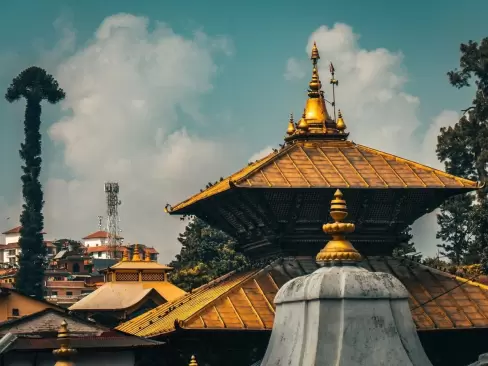
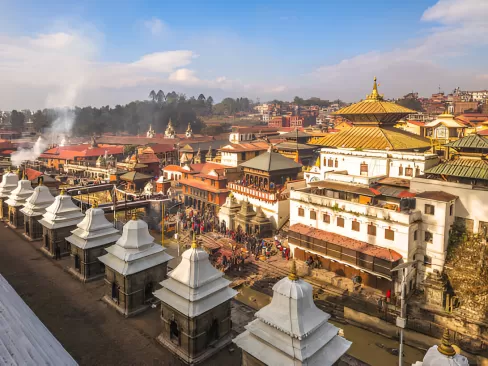
Few places leave as strong an impression as Pashupatinath Temple. Located along the sacred Bagmati River, this revered Hindu temple is dedicated to Lord Shiva and is one of the most important pilgrimage sites in South Asia. The atmosphere here is intense, emotional, and deeply spiritual.
Visitors observe rituals that reflect Hindu beliefs about the cycle of life, death, and rebirth. Cremation ceremonies take place openly along the riverbanks, offering a rare and honest glimpse into traditions that are usually hidden from outsiders. Sadhus dressed in saffron robes meditate, bless pilgrims, and share wisdom passed down through generations.
Common search queries include:
Pashupatinath Temple significance
Hindu cremation rituals Nepal
Spiritual experiences in Kathmandu
A visit to Pashupatinath is not about sightseeing alone—it is about understanding Nepal’s spiritual depth. For travelers continuing toward cultural treks like the Upper Mustang Trek or combining culture with nature at destinations like the Rara Lake Trek, this experience adds emotional and cultural context to the journey.
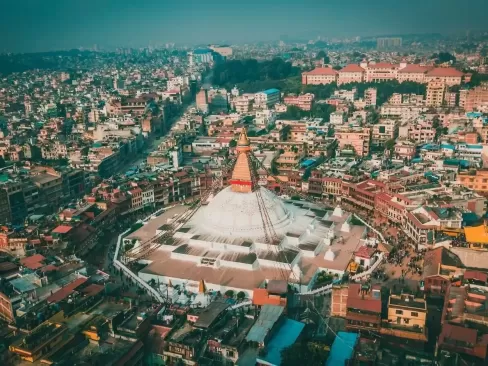
While Pashupatinath reveals Hindu spirituality, Boudhanath Stupa represents the heart of Tibetan Buddhism in Nepal. One of the largest stupas in the world, Boudhanath is a place where prayer, daily life, and culture blend seamlessly.
The massive white dome, crowned with a golden spire and the all-seeing eyes of Buddha, dominates the skyline. Pilgrims walk clockwise around the stupa, spinning prayer wheels and chanting mantras. The rhythm is calming, almost meditative, and draws travelers into a slower pace.
Surrounding the stupa are Tibetan monasteries, rooftop cafés, and shops selling prayer flags, singing bowls, and handicrafts. The area became a spiritual center after Tibetan refugees settled here, making it one of the most culturally rich neighborhoods in Kathmandu.
Travelers often search for:
Boudhanath Stupa meditation
Tibetan monasteries in Nepal
Buddhist culture in Kathmandu
For trekkers bound for Himalayan Buddhist regions such as the Langtang Valley Trek or Everest Base Camp Trek, Boudhanath offers a meaningful cultural preview.
No visit to Kathmandu is complete without experiencing Thamel. This lively district is the city’s main tourist hub, but it is far more than a shopping area. Thamel reflects Kathmandu’s adaptability—where ancient traditions coexist with modern travel culture.
During the day, its narrow streets buzz with activity. Handicraft shops display traditional masks, prayer flags, and handmade souvenirs. Bookstores stock trekking guides and maps, while cafés serve both local and international cuisine. In the evening, Thamel transforms into a social space filled with live music, rooftop dining, and cultural exchanges between travelers and locals.
Search intent often includes:
Things to do in Thamel
Kathmandu nightlife
Best area to stay in Kathmandu
For trekkers preparing for adventures like the Annapurna Base Camp Trek or Ghorepani Poon Hill Trek, Thamel is also the main preparation zone, offering access to gear, guides, and travel support.
Leaving Kathmandu behind, the road to Nagarkot marks a transition from urban energy to natural calm. The drive winds through rolling hills, terraced farmlands, and traditional villages where daily life unfolds at a slower pace.
This short journey offers a glimpse of rural Nepal—farmers working in fields, children playing along village roads, and distant mountain silhouettes appearing between hills. For travelers who may not have time for long treks, this drive provides a taste of Nepal’s diverse landscapes.
Nagarkot’s proximity to Kathmandu makes it one of the most accessible Himalayan viewpoints, ideal for travelers seeking scenic beauty without strenuous hiking.
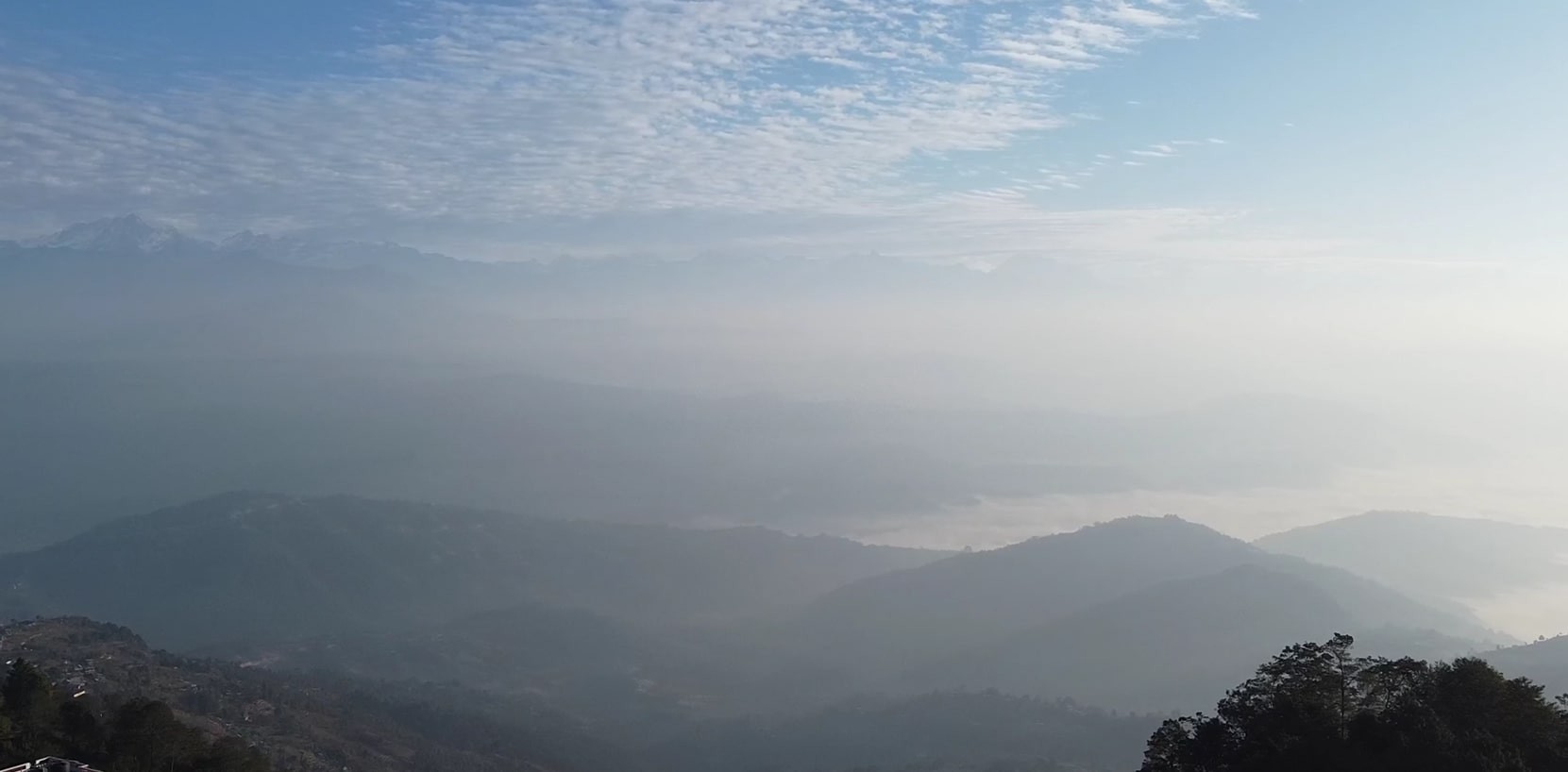
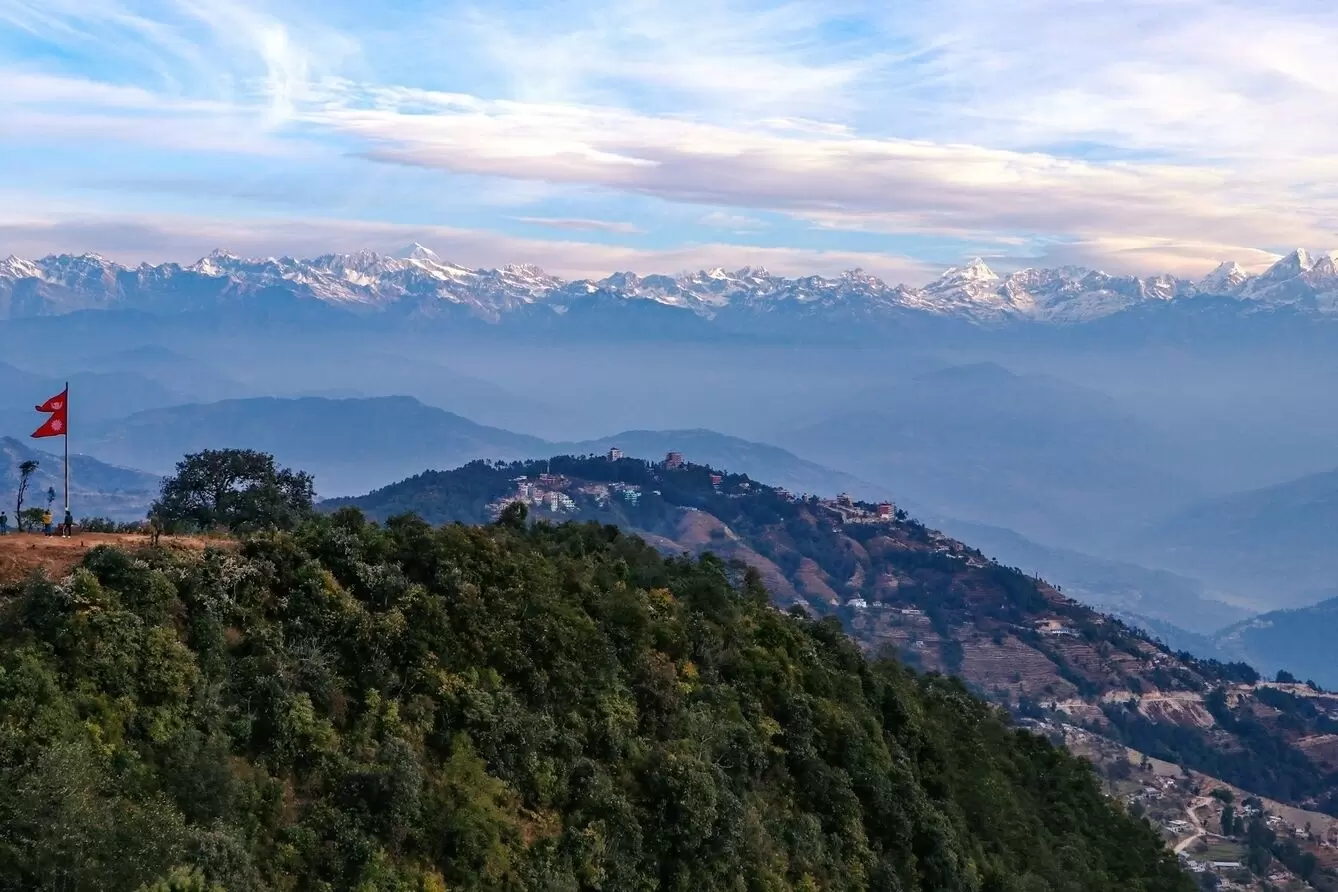
Perched at an elevation of 2,195 meters, Nagarkot is famous for its panoramic Himalayan views. On clear days, peaks such as Langtang, Dorje Lakpa, Gauri Shankar, and even Mount Everest in the far distance can be seen.
Nagarkot’s appeal lies in its simplicity—cool mountain air, quiet surroundings, and uninterrupted views. It is a perfect retreat for travelers seeking peace after Kathmandu’s vibrant atmosphere. The area is also popular for short nature walks, photography, and relaxation.
Search terms commonly include:
Nagarkot sunrise view
Himalayan viewpoints near Kathmandu
Nagarkot travel guide
For travelers combining sightseeing with trekking plans like the Everest Base Camp Trek or Langtang Valley Trek, Nagarkot offers a gentle introduction to Himalayan scenery.
Nagarkot is best known for its sunrise and sunset views. As the sun sets, the Himalayan range turns golden, then pink, before fading into silhouettes against the evening sky. At dawn, the mountains slowly emerge from darkness, glowing with the first light of day.
These moments are deeply memorable, offering a quiet connection to nature. Many travelers consider the Nagarkot sunrise to be one of the highlights of their Nepal trip, even rivaling views seen on longer treks.
Evenings in Nagarkot are calm and relaxed. The cool mountain climate enhances the dining experience, where travelers enjoy traditional Nepali meals made with local ingredients. Hospitality here feels personal and genuine, reflecting the warmth of rural Nepal.
Staying overnight in Nagarkot allows travelers to disconnect from city noise and enjoy a peaceful Himalayan night. Clear skies often reveal a stunning display of stars, creating an atmosphere that feels far removed from everyday life.
This journey is ideal for:
First-time visitors to Nepal
Travelers with limited time
Cultural explorers
Families and senior travelers
Trekkers acclimatizing before major routes like the Everest Base Camp Trek
It also pairs perfectly with longer adventures such as the Annapurna Circuit Trek, Manaslu Circuit Trek, or remote trips like the Rara Lake Trek.
The Kathmandu–Nagarkot experience captures Nepal’s essence in a short time. From ancient temples and spiritual rituals to peaceful Himalayan views, it offers a well-rounded introduction to the country’s culture and natural beauty.
For travelers planning deeper journeys into the Himalayas or those seeking a meaningful cultural escape, this experience provides lasting memories and a genuine connection to Nepal.
Morning: Welcome to Kathmandu
Your adventure commences with a warm welcome at Tribhuvan International Airport. A smooth transfer to your chosen accommodation in Kathmandu allows you to absorb the city's vibrant ambiance.
Afternoon: Durbar Square Discovery
After settling in, your journey unfolds with a visit to Durbar Square. Admire the ancient architecture, courtyards, and temples that narrate the tales of Kathmandu's history. The intricate carvings of Hanuman Dhoka Palace and the mystique of Kumari Ghar set the cultural tone for the tour.
Evening: Swayambhunath Stupa Serenity
As the day mellows, experience the serenity of Swayambhunath Stupa at twilight. The stupa, perched atop a hill, offers panoramic views of the Kathmandu Valley. Engage in a circumambulation as the city below transforms into a canvas of lights and shadows.
Night: Dinner in Thamel
Morning: Pashupatinath Temple Exploration
Day two begins with a visit to Pashupatinath Temple, a revered Hindu pilgrimage site along the Bagmati River. The spiritual atmosphere, the sacred rituals, and the encounters with Sadhus offer a profound insight into Nepal's religious tapestry.
Midday: Boudhanath Stupa and Lunch
Next, immerse yourself in the tranquility of Boudhanath Stupa, one of the largest stupas in Nepal. The stupa's colossal presence and the surrounding Tibetan monasteries provide a cultural haven. A midday break for lunch in a local eatery allows you to indulge in Nepalese flavors.
Afternoon: Bhaktapur Durbar Square Excursion
The afternoon is dedicated to exploring Bhaktapur Durbar Square. This UNESCO World Heritage Site unveils medieval architecture, courtyards, and the artistic splendors of the Newar community. Nyatapola Temple and the 55-Window Palace become cultural gems amid the ancient surroundings.
Evening: Sunset Panorama at Nagarkot
As the day progresses, embark on a scenic drive to Nagarkot, a hill station renowned for its panoramic views of the Himalayas. Witness the sunset over the snow-capped peaks, creating a canvas of hues that range from golden to dusky purple.
Night: Nagarkot Retreat
Morning: Sunrise Over the Himalayas
Wake up early to witness the breathtaking sunrise over the Himalayas. Nagarkot's vantage point offers unparalleled views of peaks like Everest, Langtang, and Ganesh Himal. The play of colors on the mountainous canvas is a visual spectacle to remember.
Midday: Return to Kathmandu and Farewell
After savoring the morning vistas, return to Kathmandu. The journey concludes with a farewell lunch and a timely transfer to Tribhuvan International Airport for your departure.
Your Start Date is the day you land in Nepal, and your End Date is when you fly home.
If the set Kathmandu Nagarkot Tour group dates don’t suit your schedule, we can offer alternative dates upon request.
This 3-day tour offered the perfect balance of city sightseeing and serene mountain views. The journey from Kathmandu to Nagarkot was spectacular, especially with the breathtaking sunrise. Explore Holiday Nepal ensured every detail was perfectly handled.
The Kathmandu-Nagarkot tour was a perfect mix of cultural exploration and stunning natural beauty. Exploring Kathmandu’s temples and then witnessing the sunrise over the Himalayas in Nagarkot was unforgettable. Explore Holiday Nepal provided top-notch service and a smooth experience.
Extraordinary trekking experience with my guide Ram Kumar from Kathmandu to Chisapani, Nagarkot, and concluding with Bhaktapur city tour of UNESCO heritage sites. We covered about 42 km, seeing many local mountains, Himalayan sunrises, and farming communities. I highly recommend their company and Ram as a great guide who is knowledgeable about the history and natural beauty and Nepal. He takes great pride in providing an exceptional experience, asking repeatedly if I was happy or if I needed anything. The sunrises in both Chisapani and Nagarkot were unforgettable, this was and exceptional way to experience Nepal on a limited time budget! Do it!
Nagarkot is a picturesque hill station located approximately 32 kilometers east of Kathmandu. Renowned for its stunning panoramic views of the Himalayas, particularly the sunrise over Mount Everest, Nagarkot is a perfect getaway for nature lovers and those looking to escape the hustle and bustle of the city. It offers lush landscapes, hiking trails, and a peaceful environment, making it an ideal spot for relaxation and rejuvenation.
The most common ways to reach Nagarkot from Kathmandu are by private vehicle, tourist bus, or local bus. Private vehicles offer the most flexibility and comfort, taking about an hour to an hour and a half, depending on traffic. Tourist buses are available and provide a scenic ride, while local buses are the most economical option, though they may take longer and be less comfortable.
Nagarkot offers a variety of activities for visitors. The most popular is watching the sunrise and sunset over the Himalayas, which is truly breathtaking. You can also explore hiking trails that wind through the surrounding forests and villages, offering a glimpse into local life. Paragliding is another thrilling option for those seeking adventure. Additionally, you can visit nearby attractions like the ancient Changu Narayan Temple.
While Nagarkot may have fewer dining options than Kathmandu, you can still enjoy delicious local cuisine. Try traditional Nepali dishes like dal bhat (rice and lentil soup), momo (dumplings), and various vegetable curries. Many hotels and guesthouses also serve a mix of international dishes, making it easy to find something to suit your taste.
Absolutely! Many travelers opt for a day trip to Nagarkot from Kathmandu. You can leave early in the morning to catch the sunrise, explore the area, and return by evening. A day trip allows you to enjoy the highlights of Nagarkot without the need for an overnight stay, making it a convenient option for those with limited time.
The best times to visit Nagarkot are during spring (March to May) and autumn (September to November). During these seasons, the weather is mild, and the views are clearer, making for excellent photography and outdoor activities. Winter can be chilly, and while summer brings occasional rain, it can also create lush green landscapes.
Packing for Nagarkot should include comfortable clothing suitable for both warm days and cooler evenings. Sturdy walking shoes are essential for hiking, along with layers to accommodate changing temperatures. A camera is a must for capturing the stunning landscapes, and don’t forget essentials like sunscreen, a hat, and a reusable water bottle. If you plan to stay overnight, pack toiletries and any personal items you may need.
Yes, Nagarkot offers a range of accommodation options, from budget guesthouses to luxurious hotels with stunning mountain views. Many establishments cater to tourists and provide amenities such as restaurants, Wi-Fi, and guided tours. It's advisable to book in advance, especially during peak seasons, to secure the best options.
Nagarkot is generally considered safe for tourists. However, it’s always wise to take standard precautions. Stick to well-lit areas at night, keep an eye on your belongings, and avoid wandering too far from main paths when hiking. Familiarizing yourself with local customs and staying informed about weather conditions will also enhance your safety.
While Nagarkot is at a relatively low altitude compared to other trekking destinations in Nepal, some travelers may still experience mild altitude sickness. Staying hydrated and ascending gradually can help mitigate this. Additionally, it’s always a good idea to have any necessary medications and a basic first-aid kit on hand during your travels.
Traveling from Kathmandu to Pokhara can be done by either road or air. The most common option is a tourist bus, which takes around 6 to 8 hours and provides scenic views along the way. For a quicker and more convenient option, domestic flights are available and take about 25 to 30 minutes, offering stunning aerial views of the Himalayas.




 (34)
(34) 