
Why trekkers swear by this humble rice-and-lentil dish, and what I learned after eating it twice a day for three weeks
I'll be honest—when my guide Pasang first told me "dal bhat power 24 hour" on day two of my Annapurna Base Camp trek, I thought he was joking. I'd just finished my first proper serving of this Nepali staple, and while it filled me up, I couldn't understand the near-religious devotion trekkers and locals had for what looked like a simple plate of rice and soup.
Three weeks and probably forty servings later, I got it. And now I'm one of those people who actually craves dal bhat when I'm back home dealing with altitude of exactly zero meters.
Let me tell you why this unassuming meal has become the stuff of legend on Nepal's trekking trails.
You'll hear this phrase within your first day on any Nepali trek. Sometimes sung by porters, sometimes painted on teahouse walls, always said with a knowing smile.
The saying means exactly what it sounds like: eat dal bhat, and you'll have sustained energy for 24 hours of trekking. While that's obviously not literal (you'll still need dinner), there's more truth to it than you'd think.
Pasang explained it to me this way: "Rice gives you quick energy to climb. Lentils give you strong energy that lasts. Together, they're perfect mountain food. Not too heavy, not too light. Just right."
He wasn't wrong. On days when I experimented with ordering spring rolls or fried rice for lunch, I'd feel sluggish by 3 PM. On dal bhat days? I'd practically float up those stone steps.
If you've never seen dal bhat, picture this: a large metal plate (a thali) with a generous mountain of steamed rice in the center. Circling the rice are several small bowls containing:
Dal - The soul of the meal. This is a thin, soupy lentil curry that you pour over your rice. Most commonly made from split red lentils (masoor dal), though you'll encounter yellow lentils (mung dal) at higher altitudes where they're easier to store.
Tarkari - Vegetable curry that changes with the season and altitude. In October around Chomrong, I had spinach and potatoes. Higher up at Machhapuchhre Base Camp, it was simpler—mostly potatoes and the occasional cabbage. The vegetables get less varied as you climb because everything has to be carried up those mountains.
Achar - A spicy pickle or chutney that'll wake up your taste buds. Sometimes it's tomato-based, sometimes fermented radish, sometimes a fiery sesame seed paste. At lower elevations, you might get multiple types. This small condiment does serious work.
Papad - A thin, crispy lentil wafer that adds texture. Not always present, but a welcome addition when it appears.
Sometimes protein - At lower elevations, you might get a small portion of chicken, buffalo, or egg for an extra charge. Above 3,000 meters, most lodges stick to the vegetarian basics.
The beauty is in the simplicity. Four or five components, all working together. And here's the best part—unlimited refills. In every teahouse across Nepal, dal bhat comes with "dal bhat power"—meaning you can have as many servings as you can eat.
Mingma, a lodge owner in Deurali, told me: "When trekkers order dal bhat, we're happy. We know you'll eat good food, get strong, and you're not wasting. Everything is used."
Here's where it gets interesting. I'm not a nutritionist, but after talking with a doctor who treks regularly and doing some reading, I realized dal bhat is accidentally brilliant fuel for high-altitude trekking.
Complex carbohydrates from rice provide glucose—the primary fuel your muscles need for sustained effort. At altitude, your body actually prefers carbohydrates over fats for energy because carbs require less oxygen to metabolize. This matters when you're gasping at 4,000 meters.
Complete protein from the lentil-rice combination hits all nine essential amino acids your body needs. Lentils are rich in lysine but low in methionine; rice is the opposite. Together, they form a complete protein comparable to meat. Your muscles need this for recovery after those long trekking days.
High in fiber keeps your digestion regular—more important than you'd think when you're trekking for weeks and bathroom situations are already complicated enough.
Iron and B-vitamins from lentils help your blood carry oxygen. Again, crucial at altitude where oxygen is already in short supply.
Easy to digest despite being filling. This matters when you're trekking at altitude and your digestive system is already stressed. I learned this the hard way after a cheese pizza at 3,700 meters left me miserable for hours.
Hydration from the soupy dal contributes to your daily fluid intake. Staying hydrated at altitude is crucial, and the dal adds to your water consumption without you even thinking about it.
The real genius? This meal evolved over centuries by people who live and work at altitude. They figured out what works long before anyone knew about amino acid profiles or glycemic indexes.
On day seven, I made a mistake. I was tired of dal bhat and ordered pasta. The lodge owner, Lakpa, prepared it without comment, but I could tell something was off.
My guide noticed. "You know, when you order dal bhat, you're eating what the family eats. When you order pasta, someone has to make special food just for you."
That hit differently.
Dal bhat isn't just fuel—it's the meal that binds Nepali families together. Morning and evening, across every economic level, Nepalis eat dal bhat. The cook at your teahouse? She's eating the same meal she served you, just maybe from a different batch.
"Dal bhat is our mother's love," Pasang told me one evening in Sinuwa. "When you're sick, tired, sad—dal bhat makes it better. It's home."
This isn't poetic exaggeration. At a wedding in Kathmandu (I got lucky with timing), I watched 500 people eat dal bhat together. At a monastery in Namche Bazaar, the monks ate dal bhat. In a five-star hotel in Pokhara, a fancy version of dal bhat was on the menu for 1,200 rupees.
It's the great equalizer. Rich or poor, mountains or city, dal bhat shows up twice a day.
Understanding this changed how I approached meals at the teahouses. It wasn't just about filling my stomach—I was participating in something bigger.
One of my favorite parts of the trek was noticing how the meal evolved with altitude.
Lower elevations (1,000-2,000m): Dal bhat at its most elaborate. In Jhinu Danda, my plate had five different vegetable preparations, three types of achar, fresh greens from the garden, and the option to add chicken. The dal was rich, seasoned with fresh tomatoes, garlic, and ginger.
Mid-elevation (2,000-3,500m): Still varied but simpler. Potato became the star vegetable because it stores well and grows at altitude. The dal stayed flavorful. At Chomrong (2,170m), the lodge owner's wife made an incredible version with fresh coriander that I can still taste.
High elevation (3,500m+): The reality of logistics sets in. At Machhapuchhre Base Camp (3,700m), dal bhat becomes about efficiency. The tarkari was potato-forward with maybe cabbage. One type of achar. But the portions were just as generous, and the warmth was what mattered.
At Annapurna Base Camp itself (4,130m), I had the most memorable dal bhat of the trip. Not because it was fancy—it was the simplest version I'd had. But after reaching base camp in cold wind and light snow, sitting in the lodge dining room with my hands wrapped around hot dal, watching porters and guides eating the same meal, I finally understood the "power" part.
The recipe simplifies with altitude, but the purpose intensifies. At that height, with temperatures dropping below freezing, dal bhat becomes pure mountain fuel and comfort in one metal plate.
I learned most of this by watching, but here's what would've been helpful to know on day one:
Use your right hand - If you're eating traditionally (without a spoon), only your right hand touches food. The left hand is considered unclean in Nepali culture. Most lodges provide spoons for tourists, but I tried the hand method a few times. It's messier than it looks.
Mix it up - The rice isn't meant to be eaten separately. Pour dal over it, add some tarkari, mix it together. This creates the perfect bite. I watched Nepalis do this with their hand, creating little rice balls with dal soaked through. Harder than it looks.
Refills are expected - Don't be shy. When your plate is empty, someone will ask "more rice?" or just bring more dal around. This isn't them being pushy—unlimited refills are literally part of the meal. I was hesitant the first few times, but by week two, I was having seconds without shame.
Take what you'll eat - The flip side: don't load up your plate if you won't finish it. Wasting food, especially at altitude where everything is carried up by porter, is genuinely frowned upon.
The papad is fair game - Crush it over your rice or eat it on the side. There's no wrong way.
Thank the cook - "Mitho thiyo" (it was delicious) goes a long way. I learned this phrase on day three and used it at every meal after. The smiles were worth it.
One evening in Chhomrong, I asked the cook—a woman named Sita who'd been running the lodge for 15 years—what bothered her most about tourist eating habits.
"When they order dal bhat and don't eat it," she said immediately. "It's not about the food waste. It's that... why did you order it if you don't want it? Order what you want. But if you say you want dal bhat, we think you're serious."
Message received.
The thing I didn't expect: dal bhat isn't identical everywhere. Different ethnic groups and regions add their own touches.
Sherpa dal bhat - In the Everest region, you'll often get a potato curry that's a bit spicier than other regions. Sometimes fermented cheese (chhurpi) appears. The dal might be thicker, almost stew-like. If you're planning an Everest Base Camp trek, this heartier version will fuel your high-altitude days.
Gurung dal bhat - In the Annapurna region where Gurung people are the majority, the tarkari often features gundruk (fermented leafy greens) and the achar might be that intense sesame-based type that clears your sinuses.
Newari dal bhat - If you're eating in Kathmandu, especially in Newari restaurants, dal bhat becomes more complex. Multiple dals, several vegetable preparations, and usually includes buffalo meat.
Seasonal changes - During my October trek, lots of fresh vegetables. In March (according to my guide), higher elevations rely more on dried and preserved vegetables because fresh produce is scarce.
The base stays the same—rice and lentils—but the accompaniments tell you where you are and who's cooking.
Day 1: Curious but unimpressed. It's fine. Filling. Nothing special.
Day 3: Okay, this is actually growing on me. The achar at this lodge is phenomenal.
Day 7: The pasta incident. Learned my lesson.
Day 10: Actively looking forward to lunch. How did this happen?
Day 14: Had a moment at Machhapuchhre Base Camp where I realized I was excited about dinner. Not just hungry—excited specifically for dal bhat.
Day 21 (last day): Ate dal bhat for lunch in Ghandruk even though we were finishing the trek. Couldn't imagine ending with anything else.
Week 3 back home: Attempted to make it myself. Failed spectacularly. The lentils were mushy, the rice was wrong, something was missing. I realized you can't separate dal bhat from the context—the mountains, the cold, the shared experience.
Week 12 back home: Successfully made a version that satisfied the craving. Used red lentils, turmeric, cumin, plenty of garlic and ginger for the dal. Jasmine rice. Simple potato curry. It wasn't mountain lodge dal bhat, but it was home dal bhat. That counted for something.
I'm not alone in this. Every trekker I've stayed in touch with mentions dal bhat at some point. It becomes a reference point. "Remember that dal bhat in Chomrong?" "The lodge with the amazing achar?" "That time we had seconds and thirds at Deurali?"
You won't recreate the mountain lodge experience, but you can get close. Here's the stripped-down version I use:
For the Dal:
Boil lentils with turmeric and salt until soft (about 20 minutes). Heat ghee, add cumin seeds until they sizzle, then garlic and ginger. Add tomato, cook until soft. Pour this into the dal. Add coriander. Adjust consistency—it should be soupy, not thick.
For the Tarkari: Honestly, whatever vegetables you have. Potatoes and spinach is classic. Sauté mustard seeds, add chopped onion, add vegetables, turmeric, salt, and a bit of water. Cook until tender.
The Rice: Long-grain white rice, cooked properly. This matters more than you'd think.
To serve: Pile rice on a plate, make a well in the center, pour dal into the well, add tarkari on the side. If you have papad, even better.
It won't taste exactly like the mountains, but close your eyes while eating, and you might hear prayer flags snapping in the wind.
While dal bhat is the star, here are the supporting actors that made my food experience memorable:
Thukpa - Noodle soup that's perfect on cold nights. Influenced by Tibetan cuisine. The version at Deurali had me going back for seconds.
Sherpa stew - Thick, hearty stew with potatoes and vegetables. Found mainly in Sherpa regions. It's dal bhat's cold-weather cousin.
Tibetan bread - Fried bread that appears at breakfast. Dangerous when paired with honey.
Sel roti - Sweet, ring-shaped rice bread. More of a festival food, but some lodges make it. Crispy outside, soft inside.
But here's the thing—I tried all of these, enjoyed them, and still came back to dal bhat for most meals. Because it works. Because it's consistent. Because after a long day of climbing, your body knows what it needs, and somehow that knowledge circles right back to rice and lentils.
Dal bhat costs less than any other main dish on the trekking menu—usually 500-700 rupees ($4-6) compared to 700-1,000 rupees for items like pizza or fried rice. But there's a reason lodges prefer you order it beyond just the price difference.
The ingredients are local, the preparation is familiar, and because it's made in quantity for the staff and family anyway, serving you dal bhat is actually more efficient than making special dishes.
Mingma explained it: "When five trekkers order five different things, that's five different pots. When five trekkers order dal bhat, it's the same food we're eating. Less waste, less work, everyone eats fresh food."
This is also why some lodges offer very cheap or even free accommodation if you commit to eating dal bhat for dinner. The economics work in their favor because they're not buying and storing tons of different ingredients.
As a budget trekker, this was secretly great news. I could trek longer on less money by embracing dal bhat. As someone who cares about not creating extra burden for lodge owners, it felt better knowing I was ordering the efficient option.
It's now been eight months since my trek. I couldn't tell you what I had for dinner last Tuesday. But I can tell you about the dal bhat at Chomrong where the cook added extra garlic because she saw me sniffling from a cold. I remember the lodge at Sinuwa where the achar was so spicy it made me tear up, and the owner brought me extra yogurt to cool it down. I remember eating at Annapurna Base Camp, hands warming on the metal plate, feeling simultaneously exhausted and more alive than I'd felt in years.
Dal bhat power 24 hour isn't just a slogan. It's the taste of accomplishment, the fuel for adventure, and the thread connecting you to every single person—local and trekker—who's walked these mountain paths.
Before my trek, I thought "authentic cultural experience" meant watching traditional dances or visiting temples. Those things matter, but the real cultural immersion? It was in saying yes to dal bhat twice a day for three weeks. In learning to appreciate how simple ingredients become perfect fuel. In understanding that sometimes the most important things are the most ordinary.
Next time I trek—and there will be a next time—I won't waste even one meal on mediocre pizza or spring rolls that taste like they came from a frozen packet someone hauled up from Pokhara. From day one, I'll be asking "Dal bhat chha?" (Is there dal bhat?) and settling in with a metal plate, a mountain of rice, and all the "power" I need.
After all, there's a reason Nepalis have been eating this meal at altitude for centuries. They figured out what works. And now, finally, I understand why.
Ready to taste dal bhat power for yourself? Our Annapurna Base Camp Trek and Everest Base Camp Trek packages include all meals at mountain lodges where you'll experience authentic Nepali cooking. Our experienced guides can also help you navigate dietary preferences and local food customs.
Trekking in Nepal soon? Download our free "Nepal Trekking Food Guide" with translations, dietary tips, and what to order at every altitude level. Contact us for your copy.
Have you tried dal bhat on a Nepal trek? What was your experience? Share your story in the comments below, or message us on WhatsApp with your trek questions.

Nepal, with its majestic Himalayan landscapes, offers a plethora of short trekking destinations that promise adventure, cultural experiences, and breathtaking views. Whether you're an avid trekker or a novice seeking a memorable journey, Nepal has something for everyone. Let's embark on a detailed exploration of the best short trekking places in this enchanting country.

Nepal, a landlocked country nestled in the heart of the Himalayas, is a trekking paradise renowned for its breathtaking landscapes and rich cultural heritage. From the towering peaks of the Himalayas to lush valleys and vibrant villages, Nepal offers an array of trekking experiences suitable for all levels of adventurers.
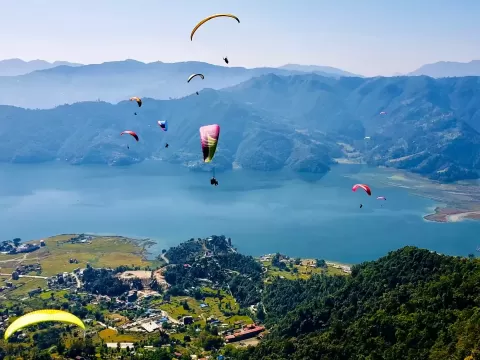
Nepal is a country of incredible diversity, where travelers can explore towering mountains, serene lakes, ancient temples, and rich cultural heritage. Explore Holiday Treks offers some of the best tour packages for 2025, designed to cater to every type of traveler, whether you're looking for adventure, cultural immersion, or spiritual enrichment. From the bustling streets of Kathmandu to the tranquil beauty of Pokhara, the top tour packages are designed to provide a complete Nepal experience.
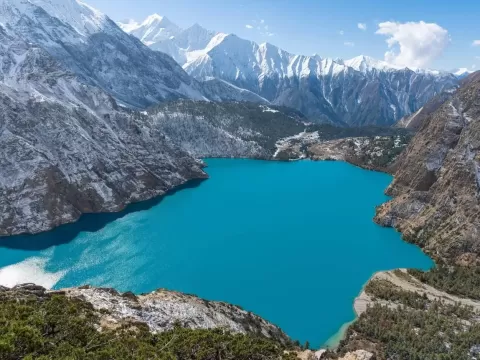
Dolpo, located in the remote northwestern region of Nepal, is a trekker’s paradise offering some of the most pristine and unexplored landscapes in the world. Known for its unique blend of rugged terrain,
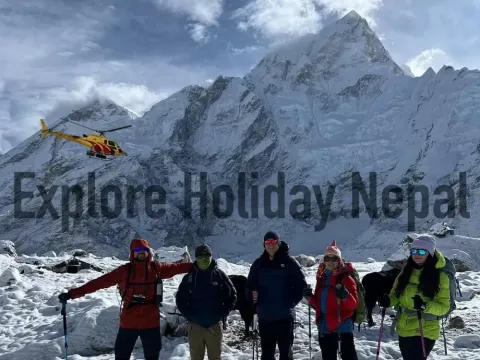
Nepal is a dream destination for trekkers, and for those who wish to combine the thrill of adventure with comfort and luxury, there are a variety of exceptional luxury trekking experiences available. Explore Holiday Nepal offers premier luxury treks, carefully
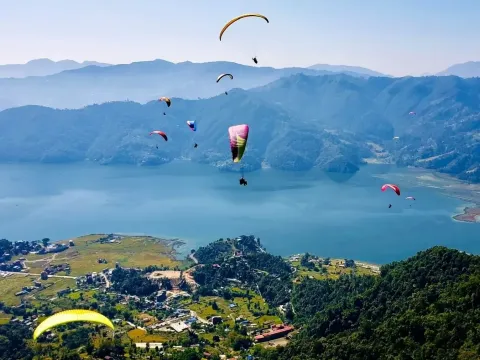
Nepal, a land of timeless beauty, is poised to offer travelers an even richer and more immersive experience in 2025 and 2026. With increased focus on sustainable tourism, better infrastructure, and a revived cultural spirit post-pandemic,
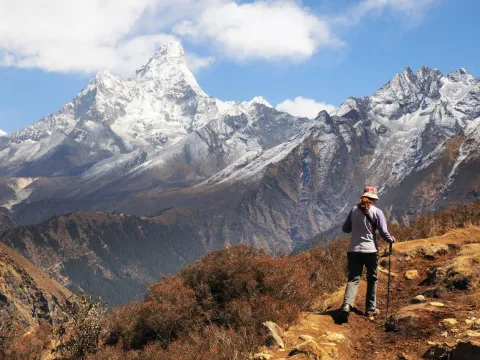
Trekking in Nepal is one of the most iconic travel experiences in the world. With trails ranging from gentle hillside walks to strenuous alpine expeditions, Nepal offers something for every level of trekker. Routes such as the Everest Base Camp, Annapurna Circuit, Langtang Valley,
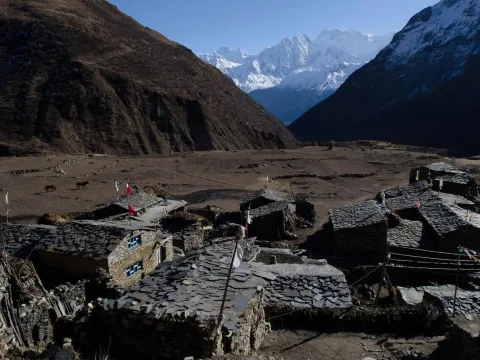
The Manaslu Circuit Trek, offered by Explore Holiday Nepal, is a journey that delves deep into the untouched beauty of Nepal’s Himalayan heartland. Unlike the more commercialized trekking routes such as Everest Base Camp or the Annapurna Circuit, the Manaslu trail offer
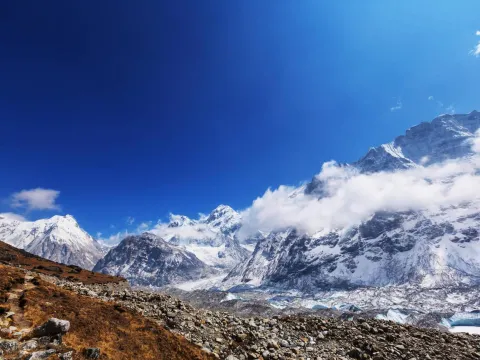
The Kanchenjunga Circuit Trek is a remote and majestic adventure through the untouched landscapes surrounding the world’s third highest mountain, Kanchenjunga (8,586m). Spanning over three weeks, this trek offers spectacular views, challenging trails, rich cultural experiences, and encounters with diverse wildlife.
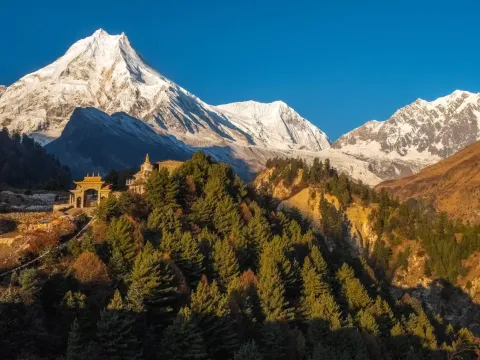
The Manaslu Circuit Trek, often referred to as Nepal’s hidden gem, is a spectacular journey that takes adventurers through one of the least explored regions of the Himalayas. Unlike the more popular Everest or Annapurna circuits, the Manaslu trek offers pristine landscapes, traditional villages, and a profound sense of tranquility, making it a perfect choice for trekkers seeking solitude combined with authentic cultural experiences.


 (34)
(34) 