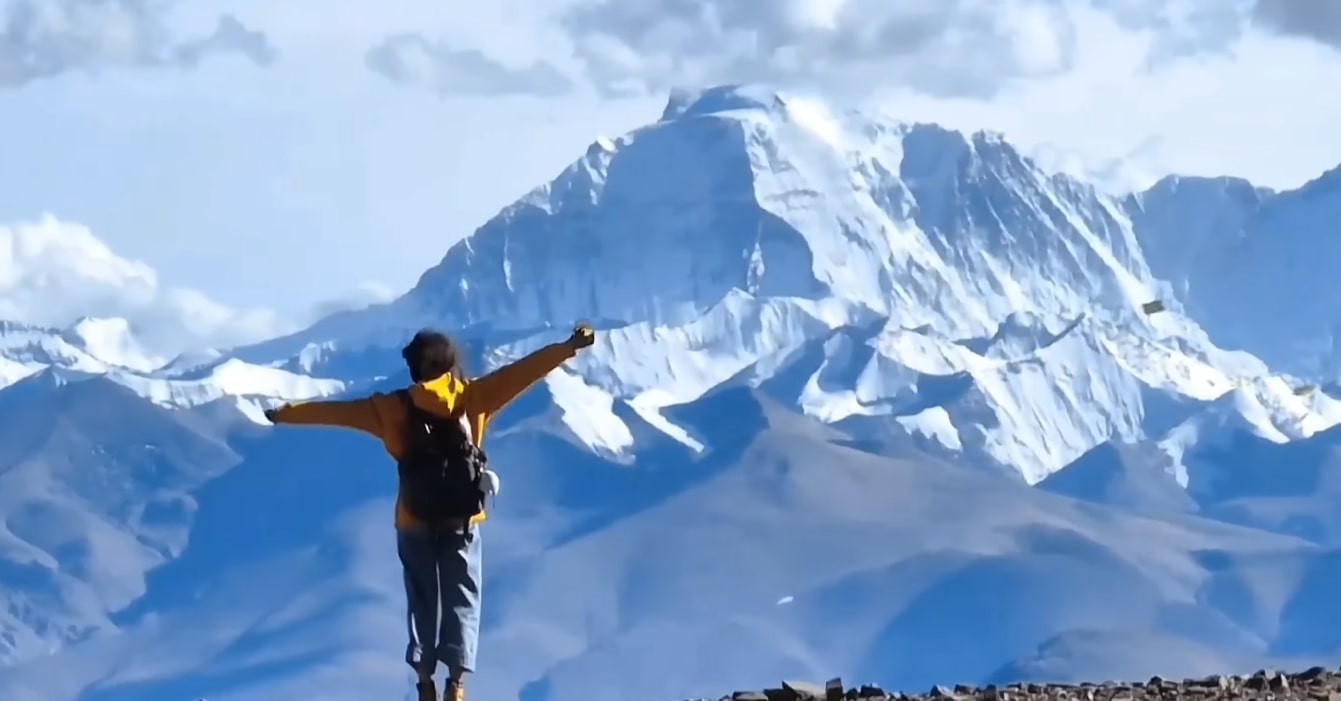
 Lhasa Fly-In Fly-Out Tour with Everest Base Camp: The Ultimate Tibet Adventure
The Lhasa Fly-In Fly-Out Tour with Everest Base Camp represents one of the most efficient and spectacular ways to experience the highlights of Tibet while standing before the world's highest mountain. This carefully designed journey combines the spiritual and cultural treasures of Lhasa—Tibet's legendary capital city—with the raw, overwhelming beauty of Mount Everest's north face, all within a timeframe suitable for travelers with limited vacation days but unlimited sense of adventure. By flying directly into Lhasa's Gonggar Airport, you maximize your time exploring rather than spending days on overland approaches, while still allowing proper acclimatization to the extreme altitudes that characterize this remarkable region.
This tour offers something truly special: the opportunity to immerse yourself in Tibetan Buddhist culture at its most profound in Lhasa's ancient monasteries and temples, then journey across the stark beauty of the Tibetan Plateau to stand at Everest Base Camp on the mountain's Tibetan (northern) side—a perspective far fewer travelers experience compared to the more famous Nepalese approach. The contrast between Lhasa's spiritual richness and Everest's sublime natural power creates a journey that satisfies both cultural curiosity and adventurous spirit, making this one of the most comprehensive Tibet experiences available within a relatively compact timeframe.
Flying directly into Lhasa offers distinct advantages over overland approaches from Nepal or other entry points. The flight itself provides spectacular aerial views of the Himalayan range, with peaks like Everest, Makalu, and Cho Oyu visible on clear days. Upon landing at Gonggar Airport (3,570 meters), you're immediately in Tibet, ready to begin exploring without the extended driving that overland routes require.
However, this efficiency comes with important considerations. Flying directly to 3,600+ meters means your body experiences sudden altitude change rather than the gradual acclimatization that overland approaches provide. This makes the first 24-48 hours in Lhasa absolutely critical—rest, hydration, and avoiding overexertion during this period are essential for preventing altitude sickness. The tour itinerary accounts for this with carefully planned acclimatization days in Lhasa before ascending to even higher elevations at Everest Base Camp.
For travelers who have previously completed high-altitude treks in Nepal, the adjustment to Lhasa's elevation is often easier. Routes like the Everest Base Camp Trek, Annapurna Circuit Trek, or Manaslu Circuit Trek provide excellent preparation, as your body "remembers" previous altitude adaptations. Even shorter treks like the Ghorepani Poon Hill Trek or Langtang Valley Trek offer valuable high-altitude experience that makes adapting to Lhasa's elevation more manageable.
The fly-out component at the tour's conclusion provides similar efficiency. Rather than spending multiple days driving back through landscapes you've already seen, you fly from Lhasa to Kathmandu (or your next destination), allowing you to maximize your time in Tibet while maintaining a reasonable total trip duration. This makes the Lhasa Fly-In Fly-Out Tour ideal for travelers with 7-10 days available who want to experience Tibet's highlights without sacrificing quality for speed.
Lhasa, sitting at 3,650 meters in a valley surrounded by mountains, has served as Tibet's spiritual and political capital for over 1,300 years. The city's name translates to "Place of the Gods," and anyone who visits quickly understands why. The combination of ancient monasteries, the imposing Potala Palace, devoted pilgrims, and an atmosphere saturated with spirituality creates an environment unlike anywhere else on Earth.
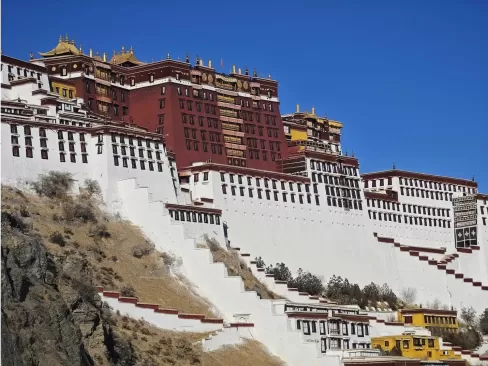
The Potala Palace dominates Lhasa's skyline, its white walls and golden roofs visible from throughout the valley. This architectural masterpiece rises 13 stories and contains over 1,000 rooms, including chapels, living quarters, assembly halls, and libraries. Built primarily in the 17th century by the Fifth Dalai Lama (though incorporating structures dating to the 7th century), the palace served as the winter residence of successive Dalai Lamas and the seat of Tibetan government until 1959.
Visiting the Potala requires climbing numerous steps at altitude—the ascent from the base to the entrance involves over 200 steps, a challenging climb that leaves even fit visitors breathing heavily. However, this physical effort prepares you spiritually for what awaits inside. The palace contains countless Buddhist statues ranging from small clay figures to massive gilded representations of Buddha and various bodhisattvas. The most sacred areas include the tomb stupas of past Dalai Lamas, adorned with tons of gold and precious stones. The Fifth Dalai Lama's stupa alone contains 3,721 kilograms of gold.
The palace's chapels overflow with spiritual art—intricate murals depicting Buddhist cosmology and Tibetan history, ancient thangkas (scroll paintings), and thousands of butter lamps that flicker in the dim interiors. The library houses an extensive collection of Buddhist texts, including rare manuscripts that survived various historical upheavals. Walking through the Potala, you're not merely visiting a museum but entering a living spiritual tradition that has shaped Tibetan culture for centuries.
The views from the Potala's upper levels are spectacular, providing panoramic vistas across Lhasa and the surrounding valley. On clear days, you can see distant mountain peaks rising beyond the city—a reminder that Lhasa, despite being a capital city, exists at the edge of one of Earth's most extreme environments. Due to visitor restrictions designed to preserve the structure, advance booking is essential, and daily numbers are strictly limited. Your tour operator handles these arrangements, ensuring your visit happens smoothly.
While the Potala impresses with its scale and grandeur, the Jokhang Temple moves visitors with its profound spiritual atmosphere. Built in the 7th century during King Songtsen Gampo's reign, the Jokhang houses the most revered object in Tibetan Buddhism—a golden statue of the young Buddha (Jowo Rinpoche) brought to Tibet by Princess Wencheng from China over 1,300 years ago. Pilgrims consider seeing this statue the primary goal of their lifetime, and many travel weeks or months to reach Lhasa specifically for this purpose.
The devotion visible at Jokhang is overwhelming. Thousands of pilgrims visit daily, many prostrating themselves repeatedly before the temple's entrance—lying completely flat on the ground, then standing, taking a step forward, and prostrating again in an endless cycle. Inside, the air is thick with yak butter smoke from thousands of flickering lamps, and the scent of juniper incense permeates everything. Pilgrims shuffle through dark chapels, offering prayers and making offerings, their devotion creating an energy that affects even non-religious visitors.
The Jokhang's architecture represents a fusion of Nepalese, Indian, and Tibetan styles, reflecting the diverse influences that shaped early Tibetan Buddhism. The temple contains numerous chapels dedicated to different Buddhist deities, each adorned with statues, murals, and religious artifacts. The rooftop offers excellent views of the Barkhor Circuit below and the Potala Palace in the distance, while the golden roof ornaments gleam brilliantly in the intense high-altitude sunlight.
The Barkhor Circuit surrounding the Jokhang Temple represents one of Tibet's most authentic cultural experiences. This pilgrimage path has been worn smooth by centuries of pilgrims circumambulating the temple clockwise while spinning prayer wheels and murmuring mantras. Walking the Barkhor, you're swept into the constant flow of devoted Tibetans—elderly pilgrims using prayer beads, middle-aged merchants spinning prayer wheels between business dealings, and young people balancing traditional devotion with modern life.
The Barkhor also functions as a bustling market where vendors sell everything from prayer flags and religious artifacts to traditional handicrafts and tourist souvenirs. The narrow alleyways branching off the main circuit house workshops where artisans create traditional items using techniques passed down through generations—thangka painters, metalworkers crafting Buddhist statues, and jewelers creating ornate Tibetan jewelry incorporating turquoise and coral.
This combination of devotion and commerce has characterized the Barkhor for centuries, creating an atmosphere found nowhere else. The energy here is electric—pilgrims performing prostrations, vendors calling out their wares, the constant spin of prayer wheels, the murmur of mantras, and the aromatic blend of incense, yak butter, and Tibetan tea. Spending time in the Barkhor, perhaps stopping at a traditional teahouse to sample butter tea and tsampa (roasted barley flour), provides insights into Tibetan culture that no amount of reading can replicate.
Located at the base of Tatipu Hill just north of central Lhasa, Sera Monastery was founded in 1419 and once housed over 5,000 monks. Today, it remains an active center of Buddhist learning, famous for its philosophical debates held daily (except Sundays) in the monastery's main courtyard. These debates represent one of Lhasa's most unique cultural experiences and a highlight of any visit.
The debates are theatrical and energetic, with monks using dramatic gestures and forceful hand clapping to emphasize points in their arguments about Buddhist philosophy, logic, and doctrine. Senior monks pose complex questions to junior students, who must respond using proper reasoning and citation of Buddhist texts. Even if you don't understand Tibetan, watching the passionate exchanges, dramatic body language, and intense concentration provides fascinating insight into Tibetan Buddhist education and the rigor with which monks approach their studies.
Beyond the debates, Sera Monastery contains impressive collections of Buddhist art, including large statues, intricate mandalas, and ancient manuscripts. The main assembly hall can accommodate thousands of monks during important religious ceremonies, and its atmosphere of deep spirituality is immediately apparent. Walking through Sera's many chapels and colleges, you gain appreciation for the monastic system that has preserved and transmitted Tibetan Buddhism across generations.
Perched on the slopes of Mount Gephel west of Lhasa, Drepung Monastery holds the distinction of having been the world's largest monastery, housing up to 10,000 monks at its peak. Founded in 1416, it served as the principal residence of the Dalai Lamas before the Potala Palace's construction. The name "Drepung" means "rice heap," describing how the monastery's white buildings scatter across the mountainside like grains of rice.
The monastery complex resembles a small hillside town, with winding alleyways connecting various colleges, temples, and residential quarters. The main assembly hall features a spectacular collection of Buddhist statues and thangkas, while the monastery's library contains thousands of Buddhist texts representing centuries of accumulated religious scholarship. Drepung also hosts the famous Shoton Festival each year, where a giant thangka depicting Buddha is unfurled on the mountainside, attracting thousands of pilgrims and tourists.
The hike up to Drepung provides excellent acclimatization exercise while offering panoramic views of Lhasa Valley spread below. For travelers who have completed challenging treks like the Three Passes Trek or Gokyo Lakes Trek, the walk to Drepung feels manageable while still providing a satisfying altitude workout. Taking your time climbing to the monastery, you'll pass small shrines, prayer wheels, and groups of pilgrims making their own devotional visits.
Norbulingka, meaning "Jewel Park," served as the traditional summer residence of the Dalai Lamas. This palace complex, located in the western part of Lhasa, offers a gentler, more relaxed atmosphere compared to the Potala's grandeur or the intense devotion of the Jokhang. The beautifully landscaped gardens, containing over 30,000 trees and various flowering plants (a rarity at Lhasa's altitude), provide peaceful spaces for contemplation and rest.
The palace buildings within Norbulingka showcase excellent examples of Tibetan secular architecture, with decorated interiors containing murals, furniture, and personal items from the Dalai Lamas who resided here. The site also hosts the annual Shoton Festival, where Tibetan opera performances and picnicking families create a festive atmosphere that contrasts beautifully with the more solemn religious observances at other sites. Visiting Norbulingka provides balance to your Lhasa experience, showing a more leisurely aspect of Tibetan culture alongside the intense spirituality of the monasteries.
After spending 2-3 days exploring Lhasa and acclimatizing to 3,650 meters, the tour continues with the journey toward Everest Base Camp. This overland adventure covers approximately 700 kilometers, typically completed over 2-3 days of driving with stops at significant cultural and natural sites along the way. The journey itself is as memorable as the destinations, revealing the vast scale and stark beauty of the Tibetan Plateau.
The first major stop after leaving Lhasa is Yamdrok Lake (Yamdrok Tso), reached by crossing the Kamba La Pass at 4,794 meters. The initial glimpse of this sacred lake from the pass is breathtaking—turquoise waters sprawling across the valley below, surrounded by brown and ochre mountains, with snow-capped peaks rising in the distance. On clear days, Mount Nojin Kangsang (7,191 meters) reflects perfectly in the lake's calm surface.
Yamdrok Lake stretches for 72 kilometers at an altitude of 4,441 meters, making it one of the highest freshwater lakes in the world. Tibetans consider it sacred, believing the lake is the transformation of a goddess. According to legend, if Yamdrok dries up, Tibet will become uninhabitable. The lakeside is dotted with small Tibetan villages where nomadic herders tend their yaks and sheep, maintaining lifestyles that have sustained Tibetan culture for centuries.
The quality of light at Yamdrok creates spectacular photography opportunities—the vivid blue water contrasts sharply with brown mountains, while prayer flags add splashes of color at various viewpoints. The stop here allows time for photos, short walks along the shore, and simply absorbing the beauty and tranquility of this sacred landscape. For travelers who have visited Nepal's high-altitude lakes on treks like the Gokyo Lakes Trek or Gosaikunda Lake Trek, Yamdrok's scale and setting still impress with their unique character.
Continuing toward Everest, the route passes through Gyantse, a historically important trading town that has retained much of its traditional character. At 3,977 meters, Gyantse sits in the fertile Nyang Chu Valley, one of Tibet's most productive agricultural regions. The town is dominated by the imposing Gyantse Dzong (fortress) crowning the hill above, though much of the structure was damaged during the 1904 British invasion of Tibet.
The primary attraction in Gyantse is the Pelkor Chode Monastery complex, housing the famous Kumbum Stupa. This nine-story architectural wonder, built between 1427 and 1439, contains 77 chapels housing thousands of murals and statues depicting Buddhist deities, mandalas, and historical scenes. "Kumbum" translates as "100,000 images," and exploring the stupa's many levels reveals an overwhelming collection of Buddhist art that has retained its vibrant colors across centuries.
Time in Gyantse typically allows for lunch and a brief exploration of the town's traditional streets before continuing toward Shigatse. The agricultural landscape around Gyantse, with its barley fields and willow-lined streams, provides pleasant contrast to the barren plateaus that characterize much of the journey, reminding travelers that Tibet, despite its harsh reputation, contains pockets of fertility that have sustained civilizations for thousands of years.
Shigatse, Tibet's second-largest city at 3,836 meters, serves as an important overnight stop on the journey to Everest. The city functions as the traditional seat of the Panchen Lama, the second-highest figure in Tibetan Buddhism after the Dalai Lama. The relationship between these two positions is complex and deeply meaningful within Tibetan Buddhism—the Panchen Lama plays a crucial role in recognizing the reincarnation of the Dalai Lama, and vice versa, creating spiritual continuity that has sustained Tibetan Buddhism for centuries.
Tashilhunpo Monastery, founded in 1447 by the First Dalai Lama, sprawls across the hillside above Shigatse, its golden roofs gleaming in the sunlight. The monastery complex contains numerous chapels, colleges, and residential quarters housing hundreds of monks who continue their religious studies and practices. The most impressive feature is the Chapel of Maitreya, containing a massive gilded statue of the Future Buddha standing 26.2 meters high. This statue, completed in 1914, required 279 kilograms of gold and countless other precious materials.
Walking through Tashilhunpo provides insights into active monastic life, as monks pursue daily studies, perform rituals, and maintain the monastery. The tomb stupas of past Panchen Lamas, adorned with gold and precious jewels, demonstrate the reverence accorded to these high lamas. The monastery's festival calendar includes spectacular religious dances and ceremonies—if your visit coincides with these events, you'll witness Tibetan Buddhism at its most vibrant and theatrical.
From Shigatse, the journey continues across increasingly remote and barren landscapes toward Tingri, the gateway to the Everest region from the Tibetan side. At 4,300 meters, Tingri offers one of the most spectacular mountain panoramas anywhere on Earth. On clear days, you can see five of the world's fourteen 8,000-meter peaks, including Everest, Cho Oyu, Makalu, and Lhotse, stretching across the southern horizon like a wall of ice and rock.
The landscape here is austere but breathtaking—vast high-altitude plains where horizons seem endless, snow-capped peaks rising above barren brown plateaus, and an quality of light that seems to enhance every view. Small Tibetan villages dot the landscape, their whitewashed houses and colorful prayer flags providing the only splashes of color against the monochromatic terrain. Yak caravans still transport goods along ancient trade routes, and nomadic families live in traditional black tents, maintaining lifestyles that have endured for millennia.
The final approach to Everest Base Camp passes through increasingly dramatic terrain. The road quality deteriorates significantly—this is one of the highest vehicle-accessible routes in the world, and maintaining roads at these elevations presents enormous challenges. The rough conditions add to the adventure, emphasizing the extreme nature of this environment and the remoteness of your destination.
At 5,154 meters, Rongbuk Monastery holds the distinction of being the world's highest monastery. Founded in 1902, it sits just eight kilometers from Everest Base Camp, offering unobstructed views of Everest's massive north face. The monastery has served as a base for numerous Everest expeditions over the decades, and its small guesthouse has hosted famous mountaineers including George Mallory and Edmund Hillary.
The monastery itself is modest but atmospheric, with prayer flags snapping in the constant wind and the massive bulk of Everest dominating the view to the south. Monks and nuns maintain a presence here despite the harsh conditions, tending to pilgrims and tourists who make the journey to this remote location. The spirituality of the place is palpable—the combination of extreme altitude, Everest's overwhelming presence, and the devotion of those who live and worship here creates an atmosphere that affects everyone who visits.
The sight of Everest from Rongbuk, particularly at sunrise or sunset when the light paints the north face in shades of gold and rose, ranks among the most spectacular views in mountaineering. Many visitors wake before dawn to witness sunrise illuminating Everest's face—a sight considered especially auspicious and worth any discomfort from the cold and altitude. The monastery's position allows you to see the mountain's entire north face, from the lower slopes through the North Col and up to the summit pyramid—a perspective that helps you understand the mountain's true scale and the challenges facing those who attempt to climb it.
From Rongbuk, a rough road leads the final eight kilometers to Everest Base Camp at 5,200 meters. Unlike the Nepal Everest Base Camp, which sits on the moving Khumbu Glacier and changes location seasonally, the Tibetan base camp occupies a flat, stable plain with unimpeded views of Everest's north face. This accessibility—reaching base camp by vehicle rather than trekking for 12-14 days as required on the Nepal side—makes the Tibetan approach ideal for travelers with limited time or physical constraints.
However, accessibility doesn't diminish the experience. Standing at Everest Base Camp, with the mountain's north face rising directly before you, creates moments that many travelers describe as among the most profound of their lives. The sheer scale is overwhelming—from base camp at 5,200 meters, the summit still rises another 3,648 meters above you. The harsh environment—bitterly cold winds even in summer, thin air that makes every movement labored, and barren landscapes stretching in all directions—provides visceral understanding of why Everest is called the "Death Zone" above 8,000 meters.
The north face route up Everest, clearly visible from base camp, reveals the mountain's challenges. You can see the route climbing through the North Col, traversing along the ridge system, and making the final push to the summit pyramid. Prayer flags flutter from every available point, their presence a reminder that for Tibetans and many climbers, Everest (known as Chomolungma in Tibetan, meaning "Goddess Mother of the World") is not merely a climbing objective but a sacred place deserving reverence and respect.
Many visitors experience unexpected emotions at Everest Base Camp. Some feel exhilaration at reaching this iconic destination. Others feel humility before the mountain's immensity. Many report a sense of connection—to the mountain itself, to the countless climbers who have attempted Everest over the decades, or to something larger and more profound than themselves. These moments often prove as memorable as the visual spectacle, and many travelers describe the experience as transformative.
For those who have completed the Nepal Everest Base Camp Trek, visiting the Tibetan side provides fascinating contrast. The approaches are completely different—the Nepalese route climbs through Sherpa villages and Buddhist monasteries in a landscape of forests and glaciers, while the Tibetan approach crosses barren high-altitude deserts. The mountains themselves look different from each side, and experiencing both perspectives provides comprehensive understanding of Everest's character and the diverse environments surrounding it.
The Lhasa Fly-In Fly-Out Tour with Everest Base Camp involves sustained time at extreme altitude, with elevations ranging from 3,650 meters in Lhasa to 5,200 meters at Everest Base Camp. Proper acclimatization and health management are essential for a safe and enjoyable experience.
Acute Mountain Sickness (AMS) can affect anyone at high altitude, regardless of fitness level. Symptoms include headache, nausea, dizziness, fatigue, and difficulty sleeping. Mild symptoms are common and usually manageable with rest, hydration, and over-the-counter pain relievers. However, severe symptoms—including extreme fatigue, confusion, severe headache unrelieved by medication, difficulty breathing at rest, or loss of coordination—indicate potentially life-threatening conditions requiring immediate descent and medical attention.
The tour itinerary is designed with acclimatization in mind. The first 2-3 days in Lhasa at 3,650 meters allow your body to adjust before ascending higher. Activities during these days are kept moderate, and your guide will monitor everyone's condition closely. However, individual responses to altitude vary, and some people may need extra rest days or adjustments to the itinerary.
Prevention strategies include staying well-hydrated (3-4 liters of water daily), avoiding alcohol and sleeping medications, eating light but regular meals, and not overexerting yourself, especially during the first days at altitude. Medications like acetazolamide (Diamox) can help with acclimatization, but should only be used under medical supervision after consultation with a doctor familiar with altitude medicine.
Previous high-altitude experience helps you recognize your personal responses to reduced oxygen. Completing treks like the Annapurna Base Camp Trek, Manaslu Circuit Trek, or Island Peak Climbing before attempting this Tibet tour allows you to understand how your body reacts and builds confidence in managing altitude challenges.
Medical facilities in Tibet are limited, particularly outside Lhasa. The capital has hospitals capable of treating moderate illnesses, but serious medical emergencies may require evacuation to Kathmandu or China. Everest Base Camp and the remote areas between Shigatse and Rongbuk have virtually no medical facilities beyond what your guide carries in their first-aid kit.
Comprehensive travel insurance that specifically covers high-altitude trekking above 5,500 meters and emergency evacuation is absolutely essential. Read policy details carefully, as many standard travel insurance policies exclude coverage above certain elevations or for "adventure activities." Your insurance should cover medical treatment, emergency evacuation (including helicopter rescue if possible), and repatriation to your home country if necessary.
Your tour operator should provide experienced guides trained in wilderness first aid and altitude sickness recognition. Guides should carry comprehensive medical kits and have established protocols for emergency situations. Don't hesitate to report any symptoms or concerns to your guide—early recognition and treatment of altitude problems can prevent serious complications.
The Lhasa Fly-In Fly-Out Tour with Everest Base Camp operates from April through October, with each season offering distinct advantages and considerations.
Spring (April-May): Spring brings warming temperatures and generally clear skies after winter. The landscape remains brown and arid, but mountain views are typically excellent. Tourist numbers are moderate compared to summer, allowing more authentic experiences at major sites. However, nights at Everest Base Camp can still be very cold, and some high passes may have residual snow.
Summer (June-August): Summer represents peak season, with the warmest temperatures and most comfortable conditions. However, this is also the monsoon period in the broader Himalayan region. While Tibet's high plateau receives less rainfall than areas to the south, increased cloud cover can limit mountain views, particularly in afternoons. Despite this drawback, summer's mild temperatures make high-altitude travel more comfortable, especially for overnight stays at Everest Base Camp.
Autumn (September-October): Many consider autumn the optimal time for this tour. Temperatures remain comfortable, rainfall decreases significantly, and skies are remarkably clear, providing spectacular mountain views. The autumn light has special quality, with low-angle sun creating dramatic shadows and illuminating peaks in shades of gold. This is the second busiest tourist season, so booking well in advance is essential.
For travelers combining this tour with trekking in Nepal, the same seasonal considerations apply to routes like the Everest Base Camp Trek, Annapurna Circuit Trek, or Langtang Valley Trek, making spring and autumn ideal for comprehensive Himalayan adventures combining both countries.
Tibet has more restricted access than any other region in China. All foreign visitors must obtain a Tibet Travel Permit (also called Tibet Entry Permit) before arrival, plus additional permits for areas outside Lhasa and the Everest region (a militarily sensitive border area). Individual independent travel is not permitted—you must book through a registered tour operator who arranges your permits, guide, private vehicle, and accommodations.
The permit application process requires submitting your passport and Chinese visa (or visa application) at least 20-30 days before your planned arrival. Processing times can be unpredictable, and regulations sometimes change with little notice, making working with experienced operators essential. Tour operators like Explore Holiday Nepal have established relationships with Chinese authorities and handle all permit applications on your behalf, ensuring compliance with current regulations.
The complexity of Tibet travel regulations means advance planning is critical. Last-minute bookings are often impossible due to permit processing times. Additionally, certain periods (particularly around politically sensitive anniversaries) may see Tibet closed to foreign tourists entirely, with closures sometimes announced with minimal notice. Working with experienced operators helps navigate these challenges and provides backup plans if unexpected closures occur.
Many travelers combine the Lhasa Fly-In Fly-Out Tour with Everest Base Camp with trekking in Nepal, creating comprehensive Himalayan adventures. Nepal offers trekking routes for all skill levels, from easy walks to challenging high-altitude expeditions.
For those seeking serious altitude preparation before Tibet, the Everest Base Camp Trek from Nepal provides ideal training. This 12-14 day trek reaches 5,364 meters at Kala Patthar, exposing you to similar altitudes while building fitness. The Three Passes Trek offers even more demanding altitude exposure, crossing three 5,300+ meter passes.
The Annapurna Circuit Trek, crossing Thorong La Pass at 5,416 meters, provides another excellent preparation option. The Upper Mustang Trek explores landscapes remarkably similar to Tibet, with Tibetan Buddhist culture flourishing in isolated villages.
For travelers with limited time, shorter treks still provide valuable acclimatization. The Mardi Himal Trek reaches 4,500 meters in just 5-7 days, while the Pikey Peak Trek offers stunning Everest views from 4,065 meters in a compact 4-5 day itinerary.
Explore Holiday Nepal brings years of specialized experience organizing Tibet tours, combined with deep expertise gained from operating treks throughout the Himalayan region. Our team understands the unique challenges of high-altitude travel and the cultural sensitivity required when visiting Tibet's sacred sites.
Our guides possess extensive knowledge of Tibetan culture, Buddhism, history, and geography. They're not merely tour leaders but cultural interpreters who enhance your experience through insights that years of study and firsthand experience provide. All guides are trained in wilderness first aid and altitude sickness recognition, ensuring your safety throughout the journey.
We handle every detail—permits, flights, transportation, accommodations, and meals—allowing you to focus entirely on experiencing Tibet. Our local partnerships ensure reliable service even in remote regions. We maintain small group sizes to ensure personalized attention and minimize environmental impact.
We understand that every traveler's needs differ. Whether you want to extend your time in Lhasa for deeper cultural immersion, add visits to additional monasteries, or combine your Tibet tour with trekking in Nepal, we design itineraries that meet your specific goals. Our experience across both Tibet and Nepal allows us to create seamless combinations that optimize your time and experiences.
The Lhasa Fly-In Fly-Out Tour with Everest Base Camp offers an efficient yet comprehensive Tibet experience, combining cultural treasures with natural wonders. From the spiritual depth of Lhasa's monasteries to the overwhelming presence of Everest, this journey delivers moments that resonate for a lifetime.
Your adventure begins with a single decision to explore one of Earth's most extraordinary regions. The golden roofs of the Potala Palace, the devoted pilgrims at Jokhang Temple, the turquoise waters of Yamdrok Lake, and the massive north face of Everest await your arrival.
For more information about combining your Tibet tour with trekking adventures in Nepal, explore our complete range of trekking packages designed to create ultimate Himalayan experiences.
Uncover the best blogs about trekking in the Everest region, featuring expert advice, detailed itineraries, personal experiences, and essential tips for adventurers looking to explore the Himalayas.
Top 5 Everest Trekking Packages
Where is Mount Everest? Discover the World’s Highest Peak
Top 9 Reasons to Go on Everest Base Camp Trek
Accommodation During Everest Base Camp Trek
Shower and Laundry Facilities During the Everest Base Camp Trek
Elevation Facts for Everest Base Camp Trekking
Physical Fitness Requirements for Everest Base Camp Trek
The Best Ways to Trek to Everest Base Camp
When is the Best Time to Hike to Everest Base Camp?
Everest Base Camp Trek: Tips and FAQs
Why Sleeping at Everest Base Camp Is the Ultimate Trekking Experience ?
Which is the Better Lake Trek in Nepal: Gokyo or Tilicho Lake Trek?
Altitude Sickness on Nepal Treks: Symptoms, Treatment, and When to Descend (Complete Guide)
Everest Base Camp Toilet Problem: The Environmental Crisis on the World's Highest Mountain
Arrive at Tribhuvan International Airport, Kathmandu, where you will be warmly welcomed by the team from Explore Holiday Treks. After customs clearance, you will be transferred to your hotel in the heart of Kathmandu. The rest of the day is free for you to rest or explore the vibrant streets of Thamel. Enjoy your first taste of Nepalese culture as you prepare for the exciting journey ahead.
After breakfast, you'll undertake on a full-day sightseeing tour of Kathmandu. First, visit the UNESCO World Heritage Sites like Swayambhunath Stupa (Monkey Temple), Pashupatinath Temple, and Boudhanath Stupa. These spiritual and cultural landmarks offer a glimpse into the country's rich history and religion. In the evening, there will be a briefing about the upcoming trip, and you can prepare for the flight to Lhasa. You’ll also have time to shop for any last-minute items or relax.
This morning, you'll take a scenic flight from Kathmandu to Lhasa, Tibet, with breathtaking views of the Himalayas, including Mount Everest in the distance. Upon arrival at Lhasa Gonggar Airport (3,650m), you will be transferred to your hotel. The remainder of the day will be spent resting and acclimatizing to the high altitude, as Lhasa is situated at a significant elevation. Take it easy to ensure your body adjusts smoothly to the altitude.
After breakfast, begin your exploration of Lhasa, the spiritual heart of Tibet. Visit the iconic Potala Palace, the former residence of the Dalai Lama and a UNESCO World Heritage Site. Then, head to the Jokhang Temple, the holiest site in Tibetan Buddhism. You will also visit the nearby Barkhor Bazaar, a bustling market where locals and pilgrims gather. The atmosphere is vibrant and offers great opportunities for photography and shopping for traditional Tibetan goods. Return to your hotel in the evening.
Today, you’ll continue your spiritual journey with visits to Drepung Monastery and Sera Monastery. Drepung was once one of the largest monasteries in Tibet and is home to many Tibetan Buddhist monks. Sera Monastery is famous for its debate sessions, where monks engage in lively philosophical discussions. You will have a chance to observe these debates and learn more about Tibetan culture and religion. Afterward, return to Lhasa for an evening at leisure.
After breakfast, you’ll undertake on a scenic drive to Shigatse, passing through the stunning Yamdrok Lake, a turquoise gem surrounded by snow-capped mountains. You will also stop in Gyantse, a town famous for the Pelkhor Chode Monastery and Kumbum Stupa. The Kumbum Stupa, with its numerous chapels and intricate artwork, is an impressive sight. After visiting these sites, continue the drive to Shigatse, where you will check into your hotel for an overnight stay.
This morning, visit the grand Tashilunpo Monastery, the seat of the Panchen Lama. The monastery is one of the largest in Tibet and is renowned for its beautiful architecture and religious significance. Afterward, embark on a scenic drive towards Shegar. The drive takes you through spectacular landscapes, offering incredible views of the Tibetan plateau and surrounding mountains. Upon arrival in Shegar, check into your hotel for the night.
Today is the highlight of your trip! Begin the journey early in the morning to Rongbuk Monastery, located at the base of Mount Everest. From here, you will be able to visit Everest Base Camp and stand in awe of the world’s highest peak, Mount Everest (8,848m). After soaking in the stunning views, you will retrace your steps back to Shigatse for an overnight stay. This day is packed with awe-inspiring natural beauty and will be one of the most memorable parts of your journey.
After breakfast in Shigatse, start your return journey to Lhasa. The drive takes you through the picturesque Tibetan countryside, offering further opportunities to appreciate the majestic landscapes and traditional Tibetan villages along the way. Once you arrive in Lhasa, you can relax and spend your evening exploring any sites or markets you may have missed earlier in the trip.
On the final day in Tibet, you will be driven to Lhasa Gonggar Airport for your flight back to Kathmandu. Upon arrival in Kathmandu, you will be transferred to your hotel, where you can rest or spend some time shopping for souvenirs. The evening will be free for you to reflect on your Tibet adventure or enjoy a farewell dinner.
After breakfast, the Explore Holiday Treks team will assist you with your transfer to Tribhuvan International Airport for your onward journey. With unforgettable memories of your journey through the heart of Tibet, you will depart Kathmandu, concluding your Tibet adventure with Explore Holiday Treks.
Your Start Date is the day you land in Nepal, and your End Date is when you fly home.
If the set Lhasa Fly In Fly Out Tour with Everest Base Camp group dates don’t suit your schedule, we can offer alternative dates upon request.
The Lhasa Fly In Fly Out Tour with Everest Base Camp was a dream come true. Lhasa’s temples and monuments were fascinating, and the journey to Everest Base Camp was awe-inspiring. Explore Holiday Nepal took great care of us throughout the entire trip, making it comfortable and memorable. Highly recommend this tour!
Our Lhasa Fly-In, Fly-Out Tour with Everest Base Camp is a specially designed package by Explore Holiday Treks that allows you to experience the beauty and mystique of Tibet without the lengthy overland journey. This tour involves flying into Lhasa, Tibet's capital, and then heading to Everest Base Camp to witness the iconic Himalayan views. With a comfortable itinerary, you can explore the cultural treasures of Lhasa and enjoy an adventurous journey to one of the highest points in the world, all in a condensed and efficient timeframe.
The Lhasa Fly-In, Fly-Out Tour typically lasts 8 to 10 days, depending on the itinerary. This allows you to experience the highlights of Lhasa, including the Potala Palace and Jokhang Temple, as well as venture to Everest Base Camp. The duration of the trip is designed to give you ample time to acclimatize to the altitude while enjoying the stunning landscapes and unique Tibetan culture.
Once you arrive in Lhasa, you will take a scenic drive through the Tibetan Plateau to Everest Base Camp. The road journey offers spectacular views of the surrounding mountains and valleys. For those looking for a more adventurous approach, there are options to include short treks or hikes along the way to further immerse in the Himalayan experience. At Everest Base Camp, you will be able to view the majestic peak of Mount Everest and the surrounding mountain range.
Lhasa is situated at an altitude of 3,650 meters (12,000 feet), and Everest Base Camp is at around 5,360 meters (17,600 feet). To ensure a safe and enjoyable experience, we schedule rest days for proper acclimatization. This helps reduce the risk of altitude sickness. Our team at Explore Holiday Treks is experienced in managing high-altitude travel and will guide you through the process to ensure your safety and well-being.
Yes, the Lhasa Fly-In, Fly-Out Tour is designed to be accessible for both beginners and first-time trekkers. While the altitude and terrain can be challenging, we prioritize safety and provide all necessary support during the trip. Our expert guides will ensure that you are prepared for each part of the journey, and the trip can be adjusted according to your fitness level and experience.
The best time to undertake the Lhasa Fly-In, Fly-Out Tour is from April to October, when the weather is more favorable, and the roads to Everest Base Camp are accessible. During these months, the temperature is relatively mild, and the views are clearer. It’s important to avoid the winter months, as harsh weather conditions can affect travel plans.
Accommodations during the Lhasa Fly-In, Fly-Out Tour are comfortable and range from well-established hotels in Lhasa to basic guesthouses and lodges closer to Everest Base Camp. In Lhasa, you will stay in modern hotels with all the necessary amenities. As you move towards Everest Base Camp, the accommodation becomes more basic, reflecting the remote location, but it is always clean and comfortable, designed to suit the conditions of the Tibetan Plateau.
Yes, travelers to Tibet require a Tibet Travel Permit, which can only be arranged through a registered tour operator like Explore Holiday Treks. We will take care of the permit application process for you, ensuring that you have all the necessary documentation to travel into Tibet and visit Everest Base Camp. Please note that foreign nationals cannot travel to Tibet independently and must be part of an organized tour.
Packing for the Lhasa Fly-In, Fly-Out Tour involves preparing for a variety of weather conditions. Essential items include comfortable hiking boots, warm clothing for the higher altitudes, a good quality sleeping bag, sunscreen, sunglasses, a hat, and a good camera to capture the stunning landscapes. A full packing list will be provided once you book the tour, ensuring you are fully prepared for the journey.
Yes, safety is our top priority at Explore Holiday Treks. We have years of experience guiding travelers through Tibet and the Everest region, and our team of professional guides is well-trained in high-altitude trekking, first aid, and emergency response. Our tours are carefully planned, with adequate acclimatization days and reliable support, to ensure you have a safe and memorable experience.
To book the Lhasa Fly-In, Fly-Out Tour, simply contact Explore Holiday Treks via our website or customer service. Our team will provide you with all the necessary information, assist with your booking, and answer any questions you may have. We recommend booking early to secure your spot, as this tour is popular, especially during peak travel seasons.


 (34)
(34) 