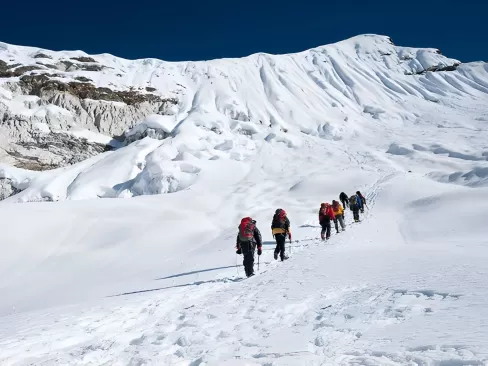
Island Peak Climbing: Your Complete Guide to Summiting Nepal's Most Popular Trekking Peak Everything you need to know about climbing Island Peak (Imja Tse) - from preparation to summit dayLet me tell you something nobody mentions in those glossy brochures: when you're standing at 6,189 meters on Island Peak's summit at sunrise, gasping in air that contains half the oxygen you're used to, watching the first light hit Everest's face—you'll forget every single moment of doubt, every aching muscle, every freezing pre-dawn wake-up call. That moment makes everything worth it.I'm getting ahead of myself. Let's start at the beginning. Island Peak, known locally as Imja Tse, isn't technically an "easy" climb, but it's the perfect first step into the world of Himalayan mountaineering. It's challenging enough to feel like a real achievement, technical enough to require proper training and gear, but accessible enough that you don't need years of climbing experience. That's why it's become one of Nepal's most popular trekking peaks, with hundreds of climbers attempting it each season. But popularity doesn't diminish the adventure. If anything, it means better infrastructure, more experienced guides, and a wealth of knowledge about what works and what doesn't. After spending three weeks in the Khumbu region, including summit day on Island Peak, I learned that success here isn't about being the strongest or most experienced—it's about smart preparation, proper acclimatization, and respecting the mountain. Here's everything you need to know. What Makes Island Peak Special Island Peak sits at 6,189 meters (20,305 feet) in the Khumbu region, literally in the shadow of some of the world's highest mountains. The name "Island Peak" comes from its appearance—when viewed from Dingboche, it looks like an island in a sea of ice. The Nepali name, Imja Tse, is more poetic and translates roughly to "Island Peak" in the local Sherpa language. What makes this peak unique is its location. You're not climbing some isolated mountain in the middle of nowhere. You're in the heart of the Everest region, following the same trail that Everest Base Camp trekkers use for most of the journey. The difference? Instead of turning left toward Everest Base Camp, you turn right toward Chhukung and eventually Island Peak Base Camp. The summit day offers one of the most spectacular panoramic views in the Himalayas. From the top, you're eye-level with Lhotse (8,516m), you can see Makalu (8,485m) in the distance, Ama Dablam looks close enough to touch, and Everest (8,849m) dominates the northern horizon. That 360-degree view of 6,000, 7,000, and 8,000-meter peaks is what climbers come for. But before we get to the summit, let's talk about what it really takes to get there. The Honest Truth About Fitness Requirements Here's where most articles give you the corporate answer: "You need to be in good physical condition." Let me be more specific. Island Peak isn't a walk-up. You need: Cardiovascular endurance for 6-8 hours of sustained effort on summit day, plus 10-12 days of trekking beforehand. If you can't comfortably hike 6 hours with a daypack right now, you're not ready yet. The good news? You have time to train. Leg strength for thousands of vertical meters of ascent over the course of the expedition. Your quads will scream on the way down from base camp. Squats, lunges, and step-ups should become your routine. Core strength matters more than you'd think. When you're walking on uneven terrain for hours, your core stabilizes every step. Weak core = back pain by day three. Altitude tolerance is the wildcard. Some incredibly fit people get altitude sickness; some average-fitness people adapt perfectly. You won't know until you're there, which is why proper acclimatization is non-negotiable. My guide, Dawa, put it this way: "I've seen bodybuilders turn around at base camp and 50-year-old teachers summit without problems. The mountain doesn't care about your gym membership. It cares about preparation and patience." Training Timeline Give yourself at least 3-4 months of focused training: Months 3-4 before departure: Build your base. Hiking with elevation gain, running, cycling—anything that gets your heart rate up for extended periods. Aim for 3-4 sessions per week, gradually increasing duration. Months 1-2 before departure: Add weighted pack training. Start with 5kg and work up to 10kg for your long hikes. Your legs need to adapt to carrying weight at altitude. This is also when you should incorporate stair climbing—lots of stairs. The ascent to Island Peak involves plenty of steep sections. Final month: Maintain fitness but start backing off intensity. You don't want to arrive in Nepal exhausted from training. Include flexibility and yoga to prevent injuries.Pro tip from experience: Train on tired legs. Do back-to-back hiking days on weekends. Summit day comes after two weeks of trekking—your legs won't be fresh, and you need to know you can perform when fatigued.Seasons: When to Climb Island Peak Timing matters enormously for Island Peak climbing success. Spring Season (March-May): Prime Time This is the most popular season, and for good reason: Stable weather with clear skies most daysModerate temperatures (still cold but bearable)The jet stream moves north, reducing summit windsRhododendron forests bloom lower down, adding color to the trekLonger daylight hours Downsides: More climbers on the route, higher prices for permits and services, more crowded lodges on the approach trek. March can still be quite cold. April and May offer the best conditions. If you're flexible, early May is the sweet spot—great weather but after the peak crowds. Autumn Season (September-November): Second Best Post-monsoon brings: Crystal clear air after the rains (amazing visibility)Stable weather patternsComfortable temperaturesMajor festivals like Dashain and TiharLower precipitation chances Downsides: Still quite popular so crowded trails, October is peak season so book in advance, November starts getting cold at altitude. September can have lingering monsoon weather. October is ideal but crowded. November works but brings colder summit day conditions. Winter Season (December-February): For the Experienced Winter climbing is possible but challenging: Very cold temperatures (summit day can be -30°C or colder)Deep snow conditions requiring more effortFewer climbers (almost private mountains)Very clear skies when weather is goodLower costs This season is only recommended for climbers with previous winter mountaineering experience. The technical difficulty increases with snow depth and ice conditions. Monsoon Season (June-August): Not Recommended While some people attempt Island Peak during monsoon: Heavy rain and snowUnstable weather patternsHidden crevasses due to fresh snowAfternoon stormsPoor visibilityHigh avalanche risk Most reputable companies don't offer monsoon climbs. If you can only travel in summer, consider treks in rain shadow areas like Upper Mustang or Upper Dolpo instead. Technical Difficulty: What "Moderate" Really Means Island Peak is classified as a "moderate" or "beginner-level" trekking peak. But let's define what that actually means because "moderate" at 6,189 meters is very different from "moderate" at sea level. Physical Difficulty: High 10-12 hour summit daySustained climbing above 5,500 metersTwo weeks of trekking beforehandCarrying a daypack at altitudeOperating on little sleep Physical difficulty is high. Anyone saying otherwise is misleading you. Technical Difficulty: Low to Moderate Basic crampon technique requiredIce axe use (mostly for security)Fixed rope ascending with jumarsShort rock scrambling sectionsGlacier travel in a roped team Technical difficulty is low compared to serious alpine climbing, but you're not just walking. You need to know how to use the equipment properly. Altitude Challenge: Very High This is the biggest factor. Above 5,500 meters, your body is slowly dying. It can't acclimatize long-term to this altitude—you're in the "death zone lite." Every system in your body is stressed. Symptoms you might experience: HeadachesNauseaLoss of appetiteInsomniaShortness of breathDifficulty concentratingFatigue This is why proper acclimatization is essential. It's also why summit day feels so hard despite the relatively simple climbing—your body is operating at 50% capacity. Previous Experience Needed? Honest answer: You don't need to be an experienced mountaineer, but you should have: Multi-day trekking experienceComfort with sustained physical effortBasic fitness and enduranceAbility to follow instructions carefullyMental resilience when things get tough Previous climbing experience helps but isn't mandatory. Many people summit Island Peak as their first technical peak. What matters more is preparation, proper acclimatization, and a good guide. If you've completed challenging treks like Annapurna Circuit or Manaslu Circuit, you understand multi-day mountain travel. Island Peak is the logical next step. Food and Accommodation: What to Actually Expect Let's be realistic about living conditions during an Island Peak expedition. During the Trek (Lukla to Chhukung) Accommodation: Twin-share rooms in tea houses (mountain lodges). Don't expect hotels. Expect: Basic beds with mattresses (bring a sleeping bag)Shared bathrooms (squat toilets common above Namche)Minimal heating (dining room has a stove, bedrooms don't)Thin walls (earplugs recommended)No showers above 4,000m in winter (or very expensive hot water) Food: Surprisingly varied menus at most lodges offering: Dal bhat (unlimited refills, best value, most nutritious)Fried rice and noodle dishesPasta (gets more expensive higher up)Eggs and pancakes for breakfastMomos (dumplings)Soups and tea Quality decreases with altitude as everything must be carried up. At Chhukung, expect simpler food and smaller portions. Always order dal bhat when possible—it's what the lodges make best and it's the fuel you need. At Base Camp and High Camp Accommodation: Tents. Usually 2-person tents shared between climbers. Your team provides: Sleeping tentsDining tentToilet tentKitchen tent Food: Your expedition's cook prepares meals: Breakfast: Porridge, eggs, toast, hot drinksLunch: Soups, sandwiches, noodlesDinner: Rice dishes, dal, vegetables, occasional meatSnacks: Biscuits, chocolate, energy bars Food quality depends on your company. Good operators bring fresh food and skilled cooks. Budget operators bring instant noodles and inexperienced staff. This is one area where you get what you pay for. Appetite drops dramatically above 5,000 meters. Force yourself to eat anyway. Your summit push requires fuel even if you don't feel hungry. What to Bring for Food Personal snacks are essential: Energy bars (bring enough for 20+ days)Chocolate and candyNuts and dried fruitInstant coffee or tea bags if you're particularElectrolyte powderFavorite comfort snacks from home You can buy some snacks in Namche, but selection is limited and expensive higher up. Staying Connected: Communication and WiFi Modern trekking in Nepal is more connected than you might expect. WiFi: Available at most tea houses. Speed is slow but sufficient for messaging and basic browsing. Don't expect video streaming. WiFi reliability decreases with altitude—Chhukung and above might have no connection or very expensive/slow options. Mobile Network: Nepal Telecom (Ncell or NTC) SIM cards work surprisingly well throughout the Khumbu region. Buy a SIM in Kathmandu at the airport or in Thamel, load it with 10-15GB of data, and you'll have coverage all the way to Island Peak Base Camp. Better than WiFi in many places. Satellite Phones: Your guide team will have emergency satellite communication. Some companies offer satellite phone rentals for personal use, but these are expensive. Charging Devices: Power bank (at least 20,000 mAh)Solar charger (useful but not reliable in cloudy weather)Extra batteries for cameras and headlampsUniversal adapter (Type C/D/M for Nepal) At base camp and high camp, your team usually provides charging from generator or solar panels. Pro tip: Put your phone in airplane mode to conserve battery at altitude. The cold drains batteries quickly, so keep devices in your sleeping bag at night. Why Choose Explore Holiday Nepal for Island Peak Here's the reality: Island Peak climbing is only as good as the team organizing it. This isn't a solo adventure—you're trusting your safety and success to your operator. What makes Explore Holiday Nepal different: Experienced Climbing Guides: All our guides are government-certified mountaineering guides with years of Island Peak experience. They've summited multiple times, know the route intimately, and prioritize safety over summit success rates. Proper Acclimatization Itineraries: We don't cut corners on acclimatization days. Our 18-19 day itineraries include proper rest days in Namche and Dingboche, plus a contingency day for weather. Rushing leads to altitude sickness and failed summits—we won't do it. Quality Equipment: We provide climbing equipment that's properly maintained and replaced regularly. Your safety depends on gear working correctly at 6,000 meters—we don't compromise here. Small Group Sizes: Maximum 6 climbers per guide team. This ensures personalized attention and better guide-to-climber ratios on summit day. Large groups move slowly and limit your summit window. Comprehensive Training: Two full training sessions—one in Kathmandu and one at Base Camp. We ensure every climber is comfortable with crampon walking, ice axe use, jumar ascending, and safety procedures before attempting the summit. Responsible Tourism Practices: We pay our porters and staff fair wages, provide proper insurance, and limit loads to ethical amounts. We also follow Leave No Trace principles and remove all waste from base camps. Flexible Weather Decisions: If weather is marginal, we have contingency days built in. We won't push you to summit in dangerous conditions. Your safety matters more than statistics. Post-Expedition Support: After successful summits, we help with summit certificate processing and can arrange additional trekking adventures if you've fallen in love with the Himalayas. Combining Island Peak with Other Adventures Many climbers use Island Peak as part of a longer Khumbu adventure. Popular combinations include: Island Peak + Everest Base Camp: Add 2-3 extra days to visit Everest Base Camp before or after your climb. The trails diverge at Dingboche, making this relatively easy to combine. Three Peaks Challenge: Attempt multiple trekking peaks in one expedition. Mera Peak (6,476m) and Island Peak can be combined for climbers wanting to push further. Extended Khumbu Circuit: Combine Island Peak with the Gokyo Lakes trek and Cho La Pass crossing for a comprehensive 3-4 week adventure. Helicopter Return: After summiting, take a helicopter from Lukla back to Kathmandu for a spectacular aerial view of the mountains you just climbed. This also gives your tired legs a break. Final Preparation Checklist Two months before departure: [ ] Book your expedition with a reputable company[ ] Get comprehensive travel insurance covering altitude up to 6,500m[ ] Start or intensify your training program[ ] Schedule a health checkup One month before: [ ] Finalize gear purchases (boots, clothing, personal items)[ ] Break in your climbing boots thoroughly[ ] Obtain Nepal visa (available on arrival)[ ] Make copies of important documents Two weeks before: [ ] Pack and test all gear[ ] Start altitude medication if prescribed (Diamox)[ ] Confirm flight tickets and insurance[ ] Share itinerary with family One week before: [ ] Final fitness sessions (but don't overtrain)[ ] Organize vaccination records[ ] Pack medications and first aid supplies[ ] Mental preparation and visualization The Real Reward Here's what surprised me most about Island Peak: it wasn't standing on the summit, as incredible as that was. It was everything surrounding that moment. It was the monastery at Tengboche where monks chanted as the sun set on Everest. It was sharing dal bhat with porters at base camp, trading stories despite the language barrier. It was watching my guide's face light up when I successfully climbed the headwall. It was the camaraderie with other climbers, all pushing through the same struggles. The summit was the pinnacle, literally and figuratively. But the journey—the full three weeks of trekking, climbing, laughing, suffering, and discovering what you're capable of—that's the real achievement. Island Peak will test you. The altitude will humble you. The cold will challenge you. But if you prepare properly, choose the right team, and approach it with respect, you'll come away with an experience that changes how you see yourself and what's possible. The mountains are waiting. The question is: are you ready? Ready to start your Island Peak climbing adventure? Explore Holiday Nepal offers comprehensive Island Peak climbing expeditions with experienced guides, proper acclimatization schedules, and everything you need for a safe and successful summit. We also organize other peak climbing adventures throughout Nepal. Questions about preparation, costs, or itinerary? Contact our expedition team or message us on WhatsApp. We're here to help you prepare for the adventure of a lifetime. Have you climbed Island Peak or are you planning to?
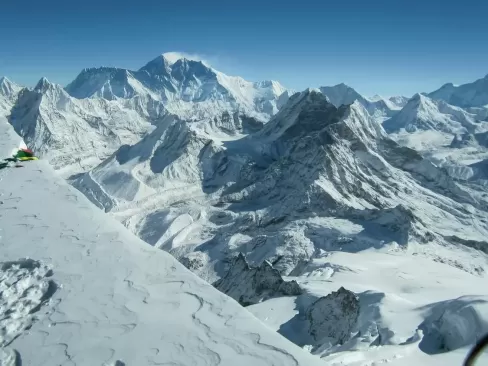
Mera Peak Climbing in Nepal: High-Altitude Adventure with Explore Holiday Nepal Standing tall at 6,476 meters (21,247 feet), Mera Peak is Nepal’s highest trekking peak and one of the most rewarding mountaineering adventures in the Himalayas. With its remote location in the Hinku Valley of the Khumbu region, Mera Peak offers climbers an extraordinary journey that blends wilderness trekking, glacier travel, and breathtaking summit views—far from the crowded trails of Everest Base Camp. At Explore Holiday Nepal, we specialize in carefully planned Mera Peak climbing expeditions that focus on safety, proper acclimatization, and authentic Himalayan experiences. This complete guide will help you understand why Mera Peak is one of the best choices for climbers seeking altitude, adventure, and achievement.About Mera Peak: Nepal’s Highest Trekking PeakMera Peak is officially recognized by the Nepal Mountaineering Association (NMA) as a trekking peak. While it does not require advanced technical climbing skills, it is a serious high-altitude challenge that demands good fitness, preparation, and experienced guidance. What makes Mera Peak special is its isolated approach route. Unlike the busy trails of the Everest Base Camp Trek, the route follows the quieter Hinku Valley, offering pristine forests, remote villages, and untouched alpine scenery. From the summit, climbers are rewarded with a rare panoramic view of five of the world’s highest mountains, including Mount Everest, Lhotse, Makalu, Cho Oyu, and Kanchenjunga—an experience few peaks in Nepal can match.Why Choose Mera Peak Climbing with Explore Holiday Nepal?Mera Peak is ideal for adventurers who want: Their first high-altitude climbing experience A training climb for bigger expeditions Remote trekking routes with fewer crowds A balance between trekking and mountaineering At Explore Holiday Nepal, our itineraries are designed to maximize summit success through gradual altitude gain, professional guidance, and well-structured rest days.Best Views and Overall ExperienceThe summit of Mera Peak offers one of the widest mountain panoramas in Nepal. Because Mera Peak stands relatively isolated, the views are uninterrupted and dramatic. Climbers often describe summit day as the most emotional moment of their Himalayan journey. Watching sunrise over Everest and Makalu from nearly 6,500 meters is an experience that leaves a lasting impression long after the climb is complete.Best Season for Mera Peak ClimbingChoosing the right season is essential for safety and enjoyment. Spring Season (April–May) Spring is popular due to stable weather and warmer temperatures. Lower trails are alive with blooming rhododendrons, and visibility remains excellent. Autumn Season (October–November) Autumn is considered the best season for Mera Peak climbing. Post-monsoon skies are clear, and mountain views are at their sharpest. Winter and monsoon seasons are not recommended due to extreme cold, heavy snowfall, or poor visibility.Mera Peak Route OverviewScenic Flight to Lukla The journey begins with a short but thrilling flight from Kathmandu to Lukla, the gateway to the Khumbu region. This flight offers stunning Himalayan views and marks the start of the adventure.Trek Through the Remote Hinku ValleyUnlike the Everest region’s main trail, Mera Peak climbers head south into the Hinku Valley, passing through: Dense rhododendron and pine forests Suspension bridges over mountain rivers Traditional Sherpa settlements such as Paiya and Kothe This gradual ascent is ideal for acclimatization and provides a peaceful trekking experience.Acclimatization and PreparationProper acclimatization is the key to success on Mera Peak. At Explore Holiday Nepal our itineraries include rest days and altitude-aware progression to minimize the risk of altitude sickness. Physical Preparation We recommend climbers prepare with: Cardiovascular training (hiking, running, cycling) Strength training for legs and core Practice hikes with a backpack Base Camp and High Camp ExperienceMera Peak Base Camp (5,300 m) Base Camp is surrounded by dramatic Himalayan scenery, including peaks like Kusum Kanguru. It serves as a staging point for gear checks, training, and mental preparation. High Camp (Mera La – 5,800 m) High Camp is positioned above the glacier and offers stunning sunset views. This is where climbers rest before the summit push, which begins early the next morning.Summit Day: Reaching the Top of Mera PeakSummit day starts before dawn. Climbers rope up and cross glaciated terrain using crampons and ice axes under the guidance of experienced mountaineering guides. The final section involves a steeper ascent with fixed ropes, after which climbers reach the broad, snowy summit. Standing atop Mera Peak is a moment of pride, achievement, and deep connection with the Himalayas.Technical Difficulty and EquipmentMera Peak is not highly technical, but climbers must be comfortable using: Crampons Ice axe Harness and ropes Our guides provide pre-climb training sessions to ensure all participants are confident and prepared.Required Permits for Mera Peak ClimbingClimbers need: Mera Peak Climbing Permit (NMA) Makalu Barun National Park Permit Local area permits if applicable Explore Holiday Nepal handles all permit arrangements to ensure a smooth experience.Accommodation and Meals Comfortable teahouses during the trekking phase Fully supported camping at Base Camp and High Camp Meals are carefully planned to provide sufficient energy at high altitude, with an emphasis on hydration and nutrition.Safety First: Our CommitmentAt Explore Holiday Nepal, safety is never compromised. Our expeditions include: Certified climbing guides Emergency first-aid equipment Satellite communication (where needed) Well-planned evacuation protocols Why Climb Mera Peak with Explore Holiday Nepal?Choosing Explore Holiday Nepal means choosing: Experienced local guides Small group sizes Ethical and sustainable tourism Personalized service from planning to summit We combine local expertise with international safety standards, ensuring your Mera Peak adventure is both safe and unforgettable.Final ThoughtsMera Peak climbing is more than a physical challenge—it is a journey into Nepal’s remote wilderness and a test of personal endurance. For trekkers and climbers ready to push their limits, Mera Peak offers one of the most fulfilling mountaineering experiences in the Himalayas. With Explore Holiday Nepal, your journey is guided by experience, care, and a deep respect for the mountains.
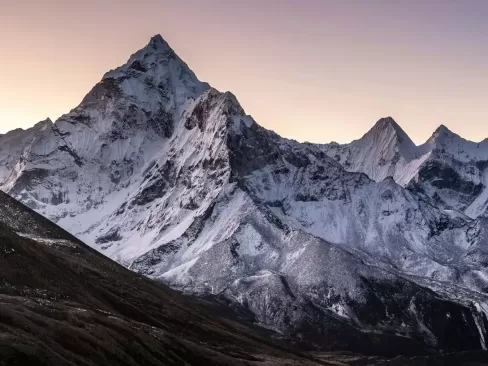
Lobuche Peak Climbing: Complete Guide to Conquering the Khumbu Giant Introduction to Lobuche Peak: Gateway to High-Altitude Mountaineering Standing at 6,119 meters (20,075 feet) above sea level, Lobuche Peak represents one of Nepal's most sought-after trekking peaks, offering adventurers a genuine taste of Himalayan mountaineering without the extreme commitment required for 8,000-meter giants. Located in the heart of the Khumbu region, this magnificent mountain serves as an ideal stepping stone for climbers aspiring to tackle more demanding peaks while providing a rewarding and challenging experience in its own right. Lobuche Peak divides into two distinct summits—Lobuche East (6,119m) and Lobuche West (6,145m)—separated by a continuous ridge. While technically higher, Lobuche West is classified as an expedition peak requiring significant technical expertise and is rarely climbed. Lobuche East, designated as a trekking peak by the Nepal Mountaineering Association, has become the standard objective for most climbing expeditions, offering an accessible yet genuinely challenging ascent that tests both physical endurance and technical mountaineering skills. The mountain's location provides extraordinary advantages for climbers. Positioned just a few kilometers from Everest Base Camp, the approach trek follows the legendary route taken by countless Everest expeditions, passing through iconic Sherpa villages and offering unparalleled views of the world's highest peaks. From Lobuche's summit, climbers are rewarded with spectacular panoramas encompassing Everest, Lhotse, Nuptse, Ama Dablam, Pumori, and dozens of other Himalayan giants—a vista that rivals views from far higher and more difficult mountains. What makes Lobuche Peak particularly appealing is its role as a training ground. Many mountaineers use Lobuche as preparation for more ambitious objectives like Ama Dablam or even 8,000-meter peaks. The climb introduces essential high-altitude mountaineering techniques—rope work on steep terrain, crampon skills on challenging ice slopes, navigation of crevassed glaciers, and the mental fortitude required when pushing through thin air toward a summit. Successfully climbing Lobuche builds both skill and confidence, proving to yourself and to expedition organizers that you possess the capabilities needed for more demanding climbs. The Mountain's Character and Climbing Challenges Lobuche Peak's appeal lies in its variety of terrain and the genuine mountaineering experience it provides. This isn't a straightforward snow climb where you can simply put your head down and trudge upward. Instead, Lobuche demands technical competence, route-finding ability, and mental focus throughout the ascent. The standard route via the Southeast Ridge offers sustained challenge from High Camp to summit. Climbers navigate steep snow and ice slopes approaching 45-50 degrees in places, requiring confident front-pointing technique and efficient use of ice axes. Mixed terrain combines rock, ice, and snow, demanding versatile climbing skills and the ability to move efficiently through changing conditions. Several sections involve exposed climbing where concentration and sound technique are essential—a slip would have serious consequences. The final summit ridge is particularly memorable. Narrow and exposed, with steep drops on both sides, this airy traverse requires climbers to manage their nerves while maintaining steady forward progress. It's the kind of terrain that reminds you why mountaineering skills matter and why proper preparation is non-negotiable. Many climbers describe this final section as both intimidating and exhilarating—the culmination of their efforts and the last obstacle before reaching the summit. Unlike some trekking peaks where the challenge comes purely from altitude, Lobuche genuinely tests your climbing ability. The technical sections cannot be bypassed or avoided; they must be climbed with competence and confidence. This makes summit success particularly satisfying—you've earned it through skill as well as determination. Physical Preparation: Building Your Mountain Fitness Successfully climbing Lobuche Peak requires comprehensive physical preparation across multiple fitness dimensions. The expedition demands cardiovascular endurance, muscular strength, mental toughness, and altitude tolerance—a combination that takes months of dedicated training to develop properly. Cardiovascular conditioning forms the foundation of your preparation. At altitude, your cardiovascular system works overtime to deliver oxygen to working muscles, and strong aerobic capacity makes this struggle more manageable. Your training should include long-duration activities that build endurance: hiking with a weighted backpack for 4-6 hours simulates the sustained effort of summit day; trail running develops leg strength and cardiovascular capacity while training your body to move efficiently over uneven terrain; cycling offers low-impact cardio training that builds leg endurance without the joint stress of running; and stair climbing or hill repeats specifically target the muscles and energy systems used during sustained climbing. Aim for at least 4-5 cardiovascular training sessions weekly, with at least one long session (3+ hours) that approaches the duration and effort level you'll experience on the mountain. Gradually increase training volume and intensity over several months, allowing your body to adapt without risking injury or overtraining. Strength training, particularly for your legs and core, is equally crucial. Your legs will carry you upward for thousands of vertical meters over the course of the expedition, while your core maintains stability on steep terrain and under heavy pack loads. Effective exercises include squats and lunges with weight, which build the leg strength needed for sustained climbing; step-ups with a weighted pack, which simulate the climbing motion while developing single-leg strength; core exercises like planks, side planks, and rotational movements that build the stability needed for technical terrain; and pull-ups and rows that develop the upper body strength useful for rope work and occasional pulling on difficult sections. Two to three strength training sessions weekly, focusing on higher repetitions with moderate weight, develops the muscular endurance more useful for mountaineering than pure strength. The goal is muscles that can work efficiently for hours, not maximum single-effort power. If possible, incorporate altitude training into your preparation. Some climbers have access to altitude training facilities where they can exercise in hypoxic conditions, giving their bodies a head start on the adaptations needed for high-altitude performance. Others train by climbing progressively higher mountains in the months before their Lobuche expedition. Even weekend hikes at moderate altitude (2,000-3,000 meters if accessible) provide valuable altitude exposure and help identify how your body responds to reduced oxygen levels. Mental preparation is often overlooked but equally important. Summit day on Lobuche Peak can involve 8-12 hours of sustained effort, often starting at 1-2 AM in freezing temperatures. The ability to push through discomfort, manage fear on exposed terrain, and maintain motivation when exhausted can determine success or failure. Long training sessions help build mental toughness—when your training hike reaches hour five and you're tired and uncomfortable but continue pushing, you're preparing your mind as much as your body. Technical Skills: What You Need to Know Lobuche Peak demands solid technical mountaineering skills, and arriving without adequate preparation puts yourself and your team at risk. Before committing to a Lobuche expedition, ensure you've mastered these essential techniques or plan to acquire them through pre-climb training. Crampon technique is fundamental. You'll spend most of summit day with crampons strapped to your boots, moving across terrain ranging from moderate snow slopes to steep ice faces. Flat-footing on moderate angles conserves energy and provides stable footing; front-pointing on steep ice requires strong calf muscles and precise foot placement; and french technique (sideways progression) is useful on traverses and moderate slopes. Practice on varied terrain until crampon use becomes automatic—you shouldn't need to think about foot placement but should move naturally and efficiently. Ice axe skills encompass multiple techniques. Self-arrest must be instinctive—if you slip on steep ice or snow, you need to immediately and automatically drive your axe into the slope to stop your fall. Practice this repeatedly on safe terrain until it becomes muscle memory. Additionally, master ice axe use for climbing steep sections, either in dagger position for moderate terrain, using the pick for steep ice, or employing both axes on the steepest sections. Rope work and climbing on fixed lines is essential for Lobuche. Significant portions of the route feature fixed ropes, and you must move efficiently using a jumar (mechanical ascender) while ascending and safely managing the rope while descending. Understanding knots, carabiners, and safety systems is crucial—your life literally depends on this equipment being used correctly. Many expedition companies offer pre-climb training at Base Camp, but arriving with existing rope skills makes this training more effective and builds confidence. Glacier travel skills matter because the approach to High Camp crosses crevassed glacial terrain. Understanding how to recognize crevasse danger, move safely on glaciers as part of a roped team, and respond if someone falls into a crevasse are important safety skills. While your guides will manage much of this, understanding the principles makes you a more competent and safer team member. For those lacking these technical skills, several paths forward exist. Hiring a guide for mountaineering courses on glaciated peaks builds skills in realistic environments; taking courses at outdoor education centers provides structured instruction in a controlled setting; or climbing progressively more technical mountains develops skills through practical experience. Many climbers preparing for Lobuche spend a season climbing smaller peaks like Island Peak or Mera Peak, which introduce high-altitude mountaineering in slightly less demanding environments. Acclimatization: The Key to Summit Success More than physical fitness or technical skill, proper acclimatization determines success on Lobuche Peak. Altitude sickness can affect anyone regardless of fitness level, and attempting to climb too quickly is both dangerous and futile. Understanding acclimatization and respecting the process dramatically increases your chances of reaching the summit safely. The human body requires time to adapt to reduced oxygen availability at altitude. As you climb higher, your body makes numerous physiological adjustments: increasing red blood cell production to carry more oxygen; boosting breathing rate to capture more oxygen with each breath; and improving cellular efficiency in extracting and using available oxygen. These adaptations take time—rushing the process results in altitude sickness symptoms ranging from unpleasant headaches to life-threatening pulmonary or cerebral edema. The Lobuche Peak expedition typically includes 3-4 days of acclimatization hiking before reaching Base Camp, with additional acclimatization rotations from Base Camp to High Camp before the summit attempt. This gradual approach, combined with the "climb high, sleep low" principle, gives your body the best chance to adapt successfully. During acclimatization days, you might hike to higher elevations before descending to sleep, exposing your body to altitude stress while allowing recovery at lower elevations where sleep quality is better. Recognizing altitude sickness symptoms is crucial for your safety. Mild symptoms include headache, mild nausea, reduced appetite, and sleep difficulty—common experiences that often resolve with rest and continued acclimatization. Moderate symptoms like severe headache not relieved by medication, persistent vomiting, increasing weakness, or noticeable shortness of breath at rest require careful monitoring and possibly descent. Severe symptoms such as confusion, loss of coordination, severe breathing difficulty, or coughing up pink frothy fluid constitute medical emergencies requiring immediate descent. Never ignore altitude symptoms or push through them hoping they'll improve. The mountains will always be there—your health and life are irreplaceable. Communicate honestly with your guides about how you feel, even if admitting symptoms feels like weakness or might jeopardize your summit chance. Good expedition leaders prioritize safety over summit success and will help you make appropriate decisions. Supporting proper acclimatization requires attention to several factors. Hydration is paramount—aim for 4-5 liters of fluid daily, as dehydration exacerbates altitude symptoms and impairs acclimatization. Your urine should be clear or light yellow; dark urine indicates insufficient hydration. Adequate nutrition is also challenging at altitude as appetite decreases, but consuming sufficient calories (especially carbohydrates) provides energy for both climbing and the metabolic work of acclimatization. Quality sleep, though difficult at altitude, aids recovery and acclimatization—prioritize rest during acclimatization days. Some climbers use medications like Diamox (acetazolamide) to support acclimatization. This diuretic speeds the body's natural acclimatization process and can reduce symptom severity. However, medication isn't a substitute for proper acclimatization schedule—it's a supplement that can help, not a shortcut that allows rushing. Discuss medication options with your doctor before the expedition, as Diamox has side effects and contraindications not suitable for everyone. The Khumbu Experience: Culture and Landscape While the climbing challenge draws adventurers to Lobuche Peak, the journey through the Khumbu region provides profound cultural and scenic experiences that enrich the expedition immeasurably. This trek passes through the homeland of the Sherpa people, whose culture, resilience, and mountain expertise have become legendary in the climbing world. The Sherpa people have inhabited the Khumbu region for centuries, having migrated from Tibet several hundred years ago. They developed a unique culture blending Tibetan Buddhism with adaptations necessary for high-altitude mountain life. Sherpa communities are closely knit, with strong traditions of mutual support and hospitality. Their deep Buddhist faith influences daily life—prayer flags flutter everywhere, mani stones carved with mantras line trails, and monasteries serve as spiritual and community centers. As you trek toward Lobuche Base Camp, you'll pass through several Sherpa villages, each with its distinct character. Namche Bazaar, the bustling trading hub at 3,440 meters, combines traditional culture with modern trekking industry infrastructure—colorful buildings cascade down a natural amphitheater, markets sell everything from yak cheese to climbing equipment, and bakeries serve surprisingly good pastries alongside traditional Sherpa dishes. Spending acclimatization days here offers opportunities to visit the Sherpa Culture Museum, which preserves traditional artifacts and tells the story of Sherpa people and their involvement in Himalayan mountaineering. Higher up, Tengboche Monastery stands as the spiritual heart of the Khumbu. Perched on a ridge with spectacular views of Ama Dablam, Everest, and surrounding peaks, this important Buddhist monastery maintains centuries-old traditions. Monks live here year-round, conducting daily prayers and preserving religious teachings. If your trek timing coincides with festivals like Mani Rimdu (usually held in autumn), you'll witness spectacular ceremonies featuring masked dances, traditional music, and rituals that have been performed for generations. Even during quieter periods, visiting Tengboche provides insight into Buddhist practices and the spiritual life that sustains the Sherpa people. Throughout the trek, you'll stay in teahouses—simple mountain lodges run by Sherpa families. These establishments provide basic but comfortable accommodations and meals, and staying in teahouses offers intimate glimpses of Sherpa daily life. Evening meals in communal dining rooms, warmed by yak-dung burning stoves, become gathering places where trekkers, climbers, and locals share stories and experiences. The Sherpa hospitality is genuine and warm—despite the harsh mountain environment, you'll encounter smiling faces, friendly greetings, and generous assistance wherever you go. The landscape itself tells a geological and ecological story. The Khumbu sits at the collision zone where the Indian subcontinent crashes into the Asian plate, pushing the Himalayas upward at rates measurable in human lifetimes. The dramatic topography—deep valleys, knife-edge ridges, massive glaciers—results from this ongoing tectonic collision combined with erosion by ice and water. As you trek, you'll pass through distinct ecological zones: lower valleys support rhododendron and pine forests, colorful with blooms in spring and summer; around 3,500-4,000 meters, vegetation becomes sparse, with hardy shrubs and grasses adapted to cold and wind; and above 4,500 meters, you enter the alpine zone where only the toughest plants survive and the landscape is dominated by rock, ice, and snow. Wildlife in the region includes species specially adapted to high altitude. If fortunate, you might spot Himalayan tahr (a large wild goat), colorful Danphe pheasants (Nepal's national bird), or even signs of snow leopards, though these elusive cats are rarely seen. More commonly, you'll encounter yaks and dzos (yak-cattle hybrids) that serve as the region's primary beasts of burden, carrying supplies to high-altitude settlements and expedition base camps. The entire region sits within Sagarmatha National Park, a UNESCO World Heritage Site established to protect this unique mountain ecosystem. The park balances conservation with supporting local communities whose livelihoods depend on farming, herding, and tourism. As a visitor, you contribute to this economy while having the responsibility to minimize your environmental impact—following Leave No Trace principles, respecting local customs, and supporting businesses that operate sustainably. Weather and Seasons: Timing Your Expedition Choosing the right season for your Lobuche Peak expedition significantly impacts your experience and summit chances. The Himalayas experience distinct seasonal patterns, and understanding these helps you make informed decisions about timing. Spring season (April through May) is the most popular period for Lobuche climbing. The winter cold has eased but the summer monsoon hasn't arrived, creating a relatively stable weather window. Days grow progressively warmer and longer as the season advances, making for more comfortable climbing conditions. Snow from winter storms has consolidated, creating good climbing conditions on the upper mountain. The main disadvantage is that spring is also popular for Everest expeditions, meaning the approach trek can feel crowded with other groups. However, Lobuche itself sees far fewer climbers than the main Everest Base Camp route. Autumn season (September through November) offers arguably the best conditions for Lobuche climbing. The monsoon has cleared, leaving sparkling visibility and crisp, stable weather patterns. Autumn days are typically clear with excellent visibility—perfect for photography and enjoying the spectacular mountain views that make this region famous. Temperatures are cold, particularly at night, but generally manageable with proper clothing and equipment. Many experienced climbers prefer autumn for the reliable weather and exceptional clarity, despite slightly colder temperatures than spring. Winter (December through March) is possible but extremely challenging. Bitter cold at altitude makes climbing uncomfortable and potentially dangerous, with temperatures at High Camp regularly dropping below -30°C. High winds are common, creating dangerous conditions on exposed ridges. Days are short, limiting climbing windows. However, for experienced mountaineers seeking solitude and willing to accept harsh conditions, winter offers a pristine, uncrowded experience. Only attempt winter climbs if you have solid high-altitude experience and appropriate equipment for extreme cold. Monsoon season (June through August) is not recommended for Lobuche Peak. Heavy snow and persistent precipitation create dangerous avalanche conditions and obscure views. Trails become muddy and difficult, leeches appear at lower elevations, and the risk of altitude-related problems increases. The few climbers who attempt monsoon ascents often face frustration from poor conditions and limited visibility even if reaching the summit. For most climbers, optimal timing falls in the May or October-November windows, when weather is most favorable and conditions optimal. Expedition companies typically run scheduled departures during these periods, making it easier to join organized groups. If you have flexibility, autumn's stable conditions and crystal-clear views make it marginally preferable, though spring's longer days and slightly warmer temperatures have their advantages. Life at Base Camp and High Camp Understanding what daily life looks like at Lobuche's camps helps set realistic expectations and prepare mentally for the expedition experience. Mountain camps are far from comfortable, but they become home during the climbing period, and most climbers grow to appreciate their rough charm. Lobuche Base Camp, typically established at around 4,950 meters, sits on rocky moraine terrain in the shadow of the peak. Here, expedition teams set up a small tent city that serves as home base for acclimatization and preparation. A typical Base Camp includes sleeping tents for climbers (usually two-person tents, though you might have your own), a larger dining tent with tables and chairs where meals are served and the team gathers, a kitchen tent where expedition cooks prepare surprisingly good food under challenging conditions, toilet tents (basic but essential facilities), and storage areas for climbing equipment, food, and supplies. Base Camp life follows a routine that helps pass the time during acclimatization days and rest periods. Mornings typically begin with warm tea or coffee delivered to your tent—a luxury in the mountains. Breakfast in the dining tent offers porridge, eggs, bread, and other substantial options. The middle of the day might involve acclimatization hikes, equipment checks, training sessions, or simply rest. Afternoons feature multi-course lunches and dinners that fuel your body for the climbing ahead. Evenings see the team gathering in the dining tent for meals and conversation, sharing stories and building the camaraderie that develops among expedition members. Despite limited comfort, Base Camp provides relative luxury compared to High Camp. At Base Camp, you can wash (with heated water if you're lucky), sleep relatively well, and enjoy varied food. The cook staff works remarkably hard to provide hot, nutritious meals throughout the expedition, and these meals become highlights of mountain life. High Camp, positioned at approximately 5,400 meters, offers more spartan conditions. These camps minimize shelter to only essential sleeping tents, as everything must be carried up from Base Camp by climbers or Sherpa support staff. At High Camp, you're focused entirely on the upcoming summit bid—rest, hydration, and mental preparation take precedence over comfort. Sleep at this altitude is difficult as reduced oxygen levels disrupt normal sleep patterns, and you'll likely spend a fitful night dozing intermittently before the midnight wake-up for summit day. The night before summit day is memorable for most climbers—a mixture of excitement, nervousness, and anticipation. You'll force down food despite limited appetite, double-check equipment, and try to rest while your mind races with thoughts of the climb ahead. Around midnight or 1 AM, the wake-up call comes, and you begin the mechanical process of dressing in layers, eating and drinking, and preparing equipment. The predawn start means climbing the most difficult terrain in darkness, with only headlamps illuminating the immediate surroundings, but allows reaching the summit by late morning with time for safe descent. Summit Day: The Ultimate Challenge Summit day on Lobuche Peak represents the culmination of weeks of trekking, acclimatization, and preparation. Understanding what to expect helps manage the physical and mental challenges of this demanding day. The day typically begins around midnight or 1 AM with wake-up call at High Camp. In the cold darkness, you dress in multiple layers—base layers, insulating mid-layers, wind-proof outer shell, heavy gloves, and warm hat. Forcing down breakfast despite altitude-suppressed appetite is crucial, as you'll need those calories during the long day ahead. Hot tea or juice provides hydration and warmth. Equipment check verifies you have everything needed—headlamp with spare batteries, insulated water bottles, high-energy snacks, extra layers, sunglasses and sunscreen for later, and all climbing equipment properly organized. Departure from High Camp usually occurs around 2-3 AM, climbing by headlamp in a rope team. The early start allows reaching technical sections and the summit ridge during daylight while providing adequate time for descent before darkness. The initial climbing involves moderate snow slopes where you establish a steady rhythm, conserving energy while making progress. As you gain elevation, the terrain steepens, requiring more focused attention and technical precision. The technical sections demand concentration despite fatigue and altitude effects. Steep ice slopes require confident front-pointing, driving crampon points securely into hard ice with each step. Mixed terrain, where rock protrudes through snow and ice, requires versatile technique and careful route-finding. Fixed ropes on the steepest sections provide security but you must move efficiently, managing rope systems while maintaining climbing rhythm. As dawn breaks, the Himalayan landscape gradually emerges from darkness—an extraordinary experience that energizes tired climbers. The first light touches the highest peaks, turning them golden while valleys remain in shadow. By the time you reach the upper mountain, full daylight reveals the spectacular setting—Everest, Lhotse, and Nuptse rising nearby, with dozens of other peaks extending to every horizon. The summit ridge of Lobuche Peak provides the day's final test—narrow, exposed, and psychologically demanding. This airy traverse, with steep drops on both sides, requires steady nerves and careful foot placement. The altitude makes every movement effortful, and the exposure demands mental focus. But this is also where many climbers find their flow state, moving with purpose and confidence toward the goal that has driven them for months. Reaching the summit creates a rush of emotions—satisfaction, relief, joy, gratitude. The 360-degree panorama from Lobuche's summit rivals views from far higher peaks. Prayer flags flutter at the top, left by previous successful climbers, and adding your own flags becomes part of the summit ritual. Photo opportunities abound, documenting your achievement against the backdrop of Earth's highest mountains. Summit time is necessarily brief—the altitude takes its toll, and the safest descent happens while you still have strength and focus. The descent demands careful attention despite exhaustion and summit euphoria. Fatigue increases accident risk, and the same terrain that challenged on the ascent remains dangerous during descent. Reversing technical sections requires different skills—downclimbing steep ice, rappelling fixed ropes, and maintaining concentration when all you want is to reach lower altitude. The return to High Camp brings immense relief—you've achieved your goal and can now descend to where breathing is easier and sleep possible. Most teams descend from High Camp to Base Camp the same day, eager to reach lower altitude where recovery accelerates. By evening, you're back at Base Camp, exhausted but successful, with the hardest part of the expedition behind you. The celebration that evening, sharing stories and congratulations with teammates and Sherpa staff, marks a peak experience many climbers remember as vividly as the summit itself. Equipment and Gear: What You'll Need Proper equipment makes the difference between comfort and misery, and potentially between success and failure on Lobuche Peak. While expedition companies provide some technical equipment, your personal gear requires careful selection and investment. Clothing follows a layering system crucial for managing temperature and moisture in mountain environments. Base layers (both top and bottom) in synthetic or merino wool wick moisture and provide warmth. Mid-layers like fleece jackets and insulated pants provide warmth without excessive bulk. Your outer shell—waterproof, windproof jacket and pants—protects from precipitation and wind while allowing moisture vapor to escape. Down jacket and pants provide essential warmth at high camps and during summit day. Technical climbing equipment includes mountaineering boots rated for high-altitude climbing with integrated gaiters or compatible with overboots; crampons compatible with your boots, properly fitted and adjusted; ice axes—one or two depending on route conditions and personal preference; climbing harness with appropriate carabiners and slings; helmet for protection from falling ice or rock and during technical climbing sections; and ascender (jumar) and rappel device for navigating fixed ropes. Personal gear encompasses sleeping bag rated to at least -20°C (-4°F) for comfort at High Camp temperatures; sleeping pad providing insulation from frozen ground; headlamp with spare batteries—critical for predawn summit starts; trekking poles helpful during approach trek and some descent sections; large backpack (65-75 liters) for carrying personal gear during approach and at Base Camp; and summit pack (30-40 liters) for summit day essentials. Accessories might seem minor but significantly impact comfort and safety: glacier glasses and goggles protect eyes from intense high-altitude sun and snow glare; sunscreen and lip balm (SPF 50+) prevent sunburn in intense UV exposure at altitude; insulated water bottles or thermos keep water from freezing; hand warmers and toe warmers provide extra warmth during summit day cold; and stuff sacks help organize equipment in cramped tent conditions. Many expedition operators provide group equipment like tents, ropes, cooking gear, and sometimes technical climbing equipment. Clarify with your operator exactly what is provided versus what you must bring yourself. Renting specialized equipment like boots, ice axes, and crampons is possible in Kathmandu or Namche Bazaar if you don't own gear, though purchasing equipment you'll use repeatedly may be more economical and ensures proper fit and familiarity. Equipment testing before the expedition is crucial. Break in boots thoroughly to prevent blisters during the approach trek. Practice with crampons and ice axes so their use becomes automatic. Verify your sleeping bag actually keeps you warm at its rated temperature. Test water treatment systems to ensure clean drinking water. The mountains are no place to discover equipment deficiencies—test everything beforehand and replace or repair anything questionable. After the Climb: Reflection and Recovery Successfully climbing Lobuche Peak marks a significant achievement, but the expedition doesn't truly end when you reach the summit. The descent back to civilization, physical recovery, and psychological processing of the experience constitute important final phases of your mountain journey. The trek out from Base Camp back to Lukla takes approximately 3-4 days, following the same route that brought you into the Khumbu. These days feel dramatically different than the approach—you're descending rather than climbing, the air grows progressively thicker and breathing easier, and you're returning as someone who has climbed a Himalayan peak. The familiar teahouses and villages welcome you back, and you'll appreciate luxuries taken for granted before—hot showers, diverse food options, and the ability to walk without gasping for breath. Physical recovery begins immediately but continues for weeks after returning home. Your body has been stressed by altitude, cold, and sustained physical effort. Common post-expedition experiences include fatigue that persists for days or weeks—completely normal after such demands; increased appetite as your body replenishes depleted reserves; minor injuries or ailments that emerge once the adrenaline fades; and disturbed sleep patterns as your body readjusts to sea level oxygen saturation. Support your recovery by gradually returning to normal activity levels rather than immediately jumping back into intense training. Prioritize sleep, which helps your body repair and restore itself. Maintain good nutrition, giving your body the nutrients needed for recovery. Address any persistent health issues—lingering coughs, minor frostbite, or other problems should be evaluated by medical professionals. Psychological processing of the expedition is equally important. You've just completed an experience far outside normal life—weeks in the mountains, pushing your limits, achieving something remarkable. Integration of this experience takes time. Many climbers experience post-expedition blues as the intensity and purpose of expedition life gives way to everyday routines. This is completely normal and typically resolves as you reconnect with regular life. Sharing your experience helps with this processing. Talk with fellow expedition members, maintaining connections formed in the mountains. Share photos and stories with family and friends, helping them understand what you experienced. Write about your journey, whether publicly in blogs or privately in journals—articulating the experience helps make sense of it. Reflect on what you learned about yourself—your capabilities, limitations, sources of strength, and areas for growth. Many climbers find that expeditions like Lobuche Peak change their perspective on everyday life. Challenges that seemed significant before appear more manageable after pushing yourself in the mountains. Appreciation for comfort and simple pleasures increases. Gratitude for health and capability grows. These shifts in perspective represent valuable gifts from your mountain experience. Why Climb Lobuche Peak: The Deeper Meaning With thousands of mountains in the world and countless adventures to pursue, what draws climbers specifically to Lobuche Peak? Understanding the deeper motivations behind mountain climbing helps clarify whether this expedition aligns with your goals and values. For many, Lobuche represents an accessible entry into serious Himalayan mountaineering. It's high enough to be genuinely challenging and to provide authentic high-altitude experience, but doesn't require the massive time commitment, extreme risk, or expedition logistics of 8,000-meter peaks. Successfully climbing Lobuche proves to yourself and to the climbing community that you possess the physical capability, technical skills, and mental fortitude for high-altitude mountaineering. The technical challenge appeals to climbers who enjoy the craft of mountaineering—reading terrain, executing climbing techniques, managing safety systems, and problem-solving in challenging environments. Lobuche isn't just a high-altitude hike; it's real climbing that demands and develops competence. This technical aspect makes the summit feel genuinely earned rather than simply achieved through persistence. The location in the Khumbu region provides extraordinary advantages. Few places on Earth concentrate such spectacular mountain scenery, rich cultural heritage, and established trekking infrastructure. The approach trek through Sherpa villages, with views of Everest and surrounding giants, enriches the climbing experience immeasurably. You're not just climbing a mountain in isolation but engaging with one of Earth's most remarkable mountain landscapes and the culture of the resilient people who call it home. For some climbers, Lobuche serves as a stepping stone toward bigger objectives. The experience gained—both physical acclimatization capacity and technical skills—prepares you for more ambitious climbs. Many use Lobuche as a proving ground before attempting Ama Dablam or as a final shakedown before attempting an 8,000-meter peak. Expedition organizers often view Lobuche experience favorably when considering applications for more demanding climbs. But perhaps most fundamentally, climbing mountains like Lobuche offers an antidote to modern life's abstraction and comfort. In the mountains, everything becomes concrete and immediate—the cold, the physical effort, the spectacular landscapes, the camaraderie of expedition life, the singular focus on reaching the summit. This intensity and clarity provide a counterpoint to everyday existence, reconnecting you with fundamental human capacities for endurance, courage, and achievement. Standing on Lobuche's summit, surrounded by the world's highest peaks, having pushed through discomfort and doubt to reach this point, creates a profound moment of presence and accomplishment. Whatever challenges await in regular life, you'll carry the knowledge that you climbed a Himalayan peak—you set an ambitious goal, prepared thoroughly, and achieved it through determination and skill. That confidence and those memories become permanent parts of who you are, enriching your life long after you've descended from the mountain.
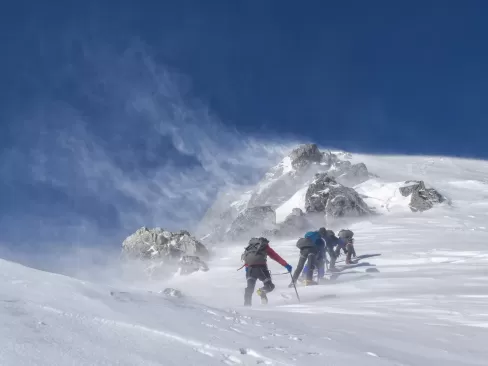
Embark on an exhilarating adventure as we explore the details of Chulu East Peak climbing, an extraordinary journey that seamlessly blends challenging ascents with the mesmerizing landscapes of the Annapurna region in Nepal. Standing proudly at 6,429 meters (21,060 feet), Chulu East Peak promises not only a test of physical prowess but a visual feast for those seeking the thrill of mountaineering.Introduction to Chulu East PeakSituated in the Annapurna region, Chulu East Peak is part of the Chulu Massif, which also includes Chulu West and Chulu Far East. Climbers predominantly target Chulu East, a challenging ascent that rewards adventurers with panoramic views of the Annapurna and Manang regions. The journey begins in the vibrant town of Besi Sahar, with a trek through the enchanting Marshyangdi Valley setting the stage for the climb.Preparation and Physical ConditioningThe ascent of Chulu East Peak demands meticulous preparation. Climbers must undergo rigorous physical training to build strength, endurance, and acclimatization. The varied terrain, including steep rocky sections and icy slopes, requires climbers to be in peak physical condition. Adequate preparation ensures climbers are ready to face the challenges presented by Chulu East's diverse landscape.The trek to Chulu East Base Camp weaves through picturesque landscapes, including terraced fields, charming villages, and dense forests. As climbers ascend, the majestic peaks of the Annapurna range become more prominent, creating anticipation and excitement for the climb ahead.At Chulu East Base Camp, climbers acclimatize to the high altitude and prepare for the ascent. Surrounded by towering peaks, including Annapurna II and IV, the base camp serves as the launching pad for the challenging climb. From here, Chulu East Peak dominates the skyline, motivating climbers for the journey to its summit.The climb to Chulu East Peak involves navigating technical sections, including rocky ridges and snow-covered slopes. High Camps, strategically positioned for acclimatization, become crucial resting points before the final push to the summit. Climbers utilize specialized equipment such as crampons, ice axes, and ropes to negotiate the challenging terrain.Best Time for Chulu East Peak ClimbingThe best times for Chulu East Peak Climbing are during spring (March to May) and autumn (September to November). These seasons provide favorable weather conditions, clear skies, and moderate temperatures that enhance the climbing experience. Spring offers stunning views with blossoming flora, while autumn showcases the vibrant colors of fall.While summer (June to August) poses challenges due to monsoon rains, winter (December to February) can be harsh, with cold temperatures and potential snowfall. Selecting the right time for your climb is essential for maximizing your enjoyment and safety during the expedition.Chulu East Peak Climbing DifficultyChulu East Peak Climbing is classified as a moderately difficult trekking peak, making it suitable for climbers with a good level of fitness and some prior climbing experience. The ascent involves a combination of trekking and technical climbing, including navigating glacial terrain and employing climbing techniques such as fixed ropes and crampons.While previous mountaineering experience is beneficial, many climbers successfully summit Chulu East with only basic training. Our experienced guides provide thorough safety briefings and climbing instruction, ensuring that all participants feel confident and prepared for the challenges ahead.Food and AccommodationFood and accommodation during the Chulu East Peak Climbing expedition are integral to the overall experience. Trekkers can expect a variety of local and international cuisine, with meals typically prepared by skilled cooks along the route. Nutritional considerations are made to support climbers’ energy needs, including options like dal bhat, pasta, and fresh vegetables.Accommodation generally consists of tea houses during the trekking phase, offering comfortable lodging and an opportunity to interact with locals. At base camp, climbers typically stay in tents equipped with sleeping gear, ensuring a cozy resting place after each day of adventure. Our team ensures that all food and lodging arrangements contribute to a pleasant climbing experience.Communication and NetworkingStaying connected during your Chulu East Peak Climbing adventure is feasible, as many tea houses and lodges along the trekking route offer Wi-Fi services. Purchasing a local SIM card in Kathmandu is also a convenient option for maintaining mobile communication throughout the journey.Networking opportunities arise naturally during group climbs, allowing participants to share experiences and build friendships with fellow adventurers. Our knowledgeable guides are also available to provide insights into local culture and traditions, enriching your overall journey.Explore Holiday Treks Team for Chulu East Peak ClimbingAt Explore Holiday Treks, our dedicated team is committed to ensuring that your Chulu East Peak Climbing adventure is safe, enjoyable, and memorable. Our experienced guides possess extensive knowledge of the region, ensuring that climbers are well-prepared and informed throughout the journey. We prioritize customer satisfaction and aim to create an inclusive atmosphere where participants can bond over shared challenges and accomplishments.Our personalized approach allows us to tailor itineraries to fit individual interests and fitness levels, ensuring that every climber has the opportunity to enjoy this extraordinary experience. When you choose Explore Holiday Treks, you are joining a community that values exploration, adventure, and connection.Important NoteBefore exploring on your Chulu East Peak Climbing adventure, it is essential to be well-prepared. Ensure that you have valid travel insurance that covers climbing activities and any potential medical emergencies. Keeping copies of your travel documents, including your booking confirmation and identification, will facilitate a smooth experience.Pack appropriately for high-altitude climbing, including necessary gear such as climbing boots, warm clothing, and personal medications. Understanding local customs and safety protocols will enhance your interactions with the communities you visit, fostering positive experiences. Being well-prepared will help ensure a thrilling and enjoyable climbing experience on Chulu East.Why with Explore Holiday TreksChoosing Explore Holiday Treks for your Chulu East Peak Climbing adventure means opting for a travel experience defined by quality, safety, and personalized service. Our commitment to responsible tourism ensures that your journey has a positive impact on local communities and the environment. We take pride in our knowledgeable guides who are passionate about sharing their expertise and love for the mountains with you.Our tailored itineraries cater to diverse interests, ensuring that every aspect of your journey is enjoyable and memorable. With Explore Holiday Treks, you’re not just a tourist; you’re part of a community that values exploration, adventure, and connection. Join us for an unforgettable climbing experience on Chulu East Peak!
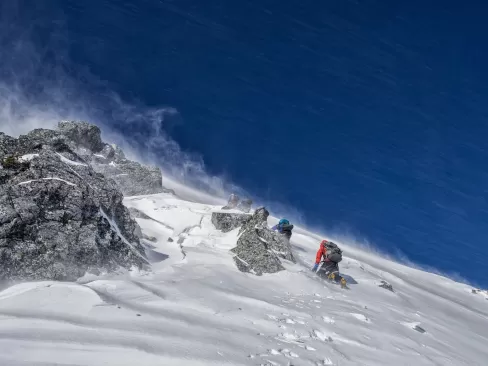
Chulu West Peak Climbing – 6,419m Adventure in the Annapurna Region Overview of Chulu West Peak Climbing Nestled in the heart of Nepal’s Annapurna region, Chulu West Peak (6,419m / 21,059ft) is a rewarding destination for climbers seeking a blend of trekking adventure and technical mountaineering. Rising high above the Manang Valley, this stunning peak offers sweeping panoramic views of the Annapurna range and fits perfectly for those already familiar with the iconic Annapurna Circuit Trek. Chulu West Peak Climbing is an excellent choice for adventure seekers who want to experience high-altitude climbing without venturing into extremely technical Himalayan expeditions.Introduction to Chulu West Peak Chulu West Peak is part of the Chulu Massif, located north of the Annapurna Circuit trail. The journey begins at Besisahar, following the scenic Marsyangdi Valley—one of the most beautiful trekking corridors in Nepal. Many climbers choose to combine the climb with longer acclimatization routes such as the {Annapurna Circuit with Tilicho Lake} for better altitude adaptation. The trail passes through traditional villages, terraced farmlands, and alpine forests before entering the dramatic high-mountain landscapes of Manang.Preparation and Physical Fitness Climbing Chulu West Peak requires good physical fitness and basic mountaineering knowledge. While this peak is categorized as a trekking peak, climbers should be comfortable with long trekking days and steep ascents. Preparation should include: Cardiovascular and endurance training Leg and core strength exercises Practice with crampons and ice axes Acclimatization hikes Climbers who have previously completed routes like the Annapurna Base Camp Trek often find the physical demands manageable.Trek to Chulu West Base Camp The trek to Chulu West Base Camp is a scenic highlight of the expedition. The route winds through: Traditional Gurung and Manangi villages Pine and rhododendron forests Expansive alpine terrain The landscapes here are often compared to remote trekking experiences like the Manaslu Circuit Trek, offering cultural depth alongside natural beauty. As you approach base camp, towering peaks such as Annapurna II and Annapurna IV dominate the skyline.Summit Push and Climbing Route The ascent of Chulu West Peak involves a combination of trekking and technical climbing. From base camp, climbers move to High Camp, which plays a vital role in acclimatization before summit day. The climbing route includes: Snow-covered slopes Glacial crossings Steep icy sections requiring fixed ropes Climbers use specialized gear such as crampons, harnesses, ice axes, and helmets. Those with experience on peaks like Island Peak Climbing or Mera Peak Climbing will find the techniques familiar, though Chulu West remains less crowded and more serene.Best Time for Chulu West Peak Climbing The best seasons for Chulu West Peak Climbing are: Spring (March to May) Stable weather Clear mountain views Blooming alpine flora Autumn (September to November) Dry trails Excellent visibility Comfortable climbing temperatures Summer monsoon and winter months are not recommended due to heavy rain, snow, and extreme cold conditions.Chulu West Peak Climbing Difficulty Chulu West Peak Climbing is considered moderately difficult and is suitable for climbers with a good fitness level and basic climbing experience. While prior mountaineering exposure is helpful, it is not mandatory. Compared to busier routes such as the Everest Base Camp Trek, Chulu West offers a quieter and more focused climbing environment. Our professional guides provide training, safety briefings, and continuous support throughout the climb.Food and Accommodation Food Meals during the expedition are carefully planned to meet the nutritional needs of climbers. Expect a mix of: Traditional dal bhat Rice, pasta, noodles, and soups Fresh vegetables and seasonal produce Accommodation Comfortable tea houses during the trekking phase Tented camps at base camp and higher elevations This balance ensures both comfort and proper acclimatization.Communication and Connectivity Mobile network coverage is available in lower regions, and many tea houses provide Wi-Fi (limited and paid). For longer trips, purchasing a local SIM card in Kathmandu is recommended. Climbers interested in other remote adventures may also enjoy culturally rich destinations such as the Upper Mustang Trek, where connectivity is similarly limited but the experience is deeply rewarding.Chulu West Peak Climbing with Explore Holiday Treks At Explore Holiday Treks, we are committed to providing a safe, enjoyable, and personalized climbing experience. Our team consists of licensed guides with extensive experience in high-altitude trekking and climbing across Nepal. Chulu West Peak Climbing is part of our wider portfolio of Peak Climbing in Nepal, designed for climbers seeking authentic Himalayan adventures. For those who prefer comfort before or after their climb, we also offer premium options under our Luxury Treks in Nepal collection.Important Notes Before Climbing Before starting your Chulu West Peak Climbing adventure: Ensure travel insurance covers high-altitude climbing Pack proper climbing gear and layered clothing Carry personal medications and copies of important documents Respect local customs and environmental guidelines Proper preparation ensures a safe and rewarding summit experience.Why Choose Explore Holiday Treks? Choosing Explore Holiday Treks means choosing safety, expertise, and genuine Himalayan hospitality. Our carefully designed itineraries, experienced guides, and strong commitment to responsible tourism ensure that every climb leaves lasting memories. With us, you are not just reaching a summit—you are becoming part of Nepal’s mountain culture and adventure spirit.
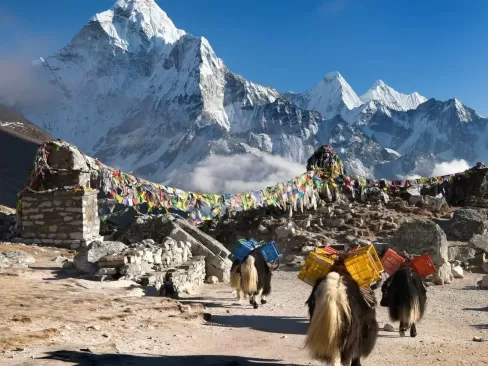
Ama Dablam Expedition: Complete Guide to Climbing the Matterhorn of the Himalayas Standing proud at 6,812 meters (22,349 feet) in the heart of the Khumbu region, Ama Dablam commands attention with its perfectly symmetrical pyramid shape and dramatic ridges that cut sharply into the Himalayan sky. Often called the "Matterhorn of the Himalayas," this magnificent peak represents one of mountaineering's most coveted achievements—a technical climb that demands skill, determination, and respect for the mountains. For those who have trekked to Everest Base Camp or explored the Khumbu Valley, Ama Dablam is an unforgettable sight, dominating the landscape with its striking beauty. But viewing this mountain from a distance and standing on its summit are two entirely different experiences. The Ama Dablam Expedition offers seasoned climbers the opportunity to test themselves against one of the world's most beautiful and technically challenging peaks. Understanding Ama Dablam: More Than Just a Mountain The name "Ama Dablam" carries deep meaning in the Sherpa language. "Ama" translates to "mother," while "Dablam" refers to the traditional double-pendant necklace worn by Sherpa women, containing pictures of the gods. Looking at the mountain, it's easy to see why this name was chosen. The long ridges extending from the summit resemble a mother's protective arms, while the hanging glacier on the southwest face looks remarkably like the sacred pendant. For the Sherpa people who call this region home, Ama Dablam is more than a climbing destination. It's a sacred presence, a landmark that has watched over their villages and monasteries for centuries. This spiritual significance adds a profound dimension to any expedition, reminding climbers that they're not just conquering a peak but engaging with a mountain that holds centuries of cultural reverence. The peak was first successfully summited in 1961 by a team including Mike Gill, Barry Bishop, Mike Ward, and Wally Romanes. Since then, it has attracted mountaineers from every corner of the globe, each drawn by its technical challenges and aesthetic perfection. Unlike Mount Everest, which can be climbed using established routes with fixed ropes, Ama Dablam demands genuine mountaineering skills at every stage of the ascent. The Geography and Setting Ama Dablam sits in the Mahalangur section of the Himalayas, approximately 30 kilometers northeast of Namche Bazaar, the bustling Sherpa town that serves as the gateway to the high Himalayas. The mountain is part of the Sagarmatha National Park, a UNESCO World Heritage Site that protects some of the most spectacular mountain terrain on Earth. The Khumbu region where Ama Dablam stands offers an incredible concentration of high peaks. From various points along the climbing route, you can see Everest, Lhotse, Nuptse, Makalu, and dozens of other giants rising above 6,000 meters. This extraordinary setting makes every moment of the expedition visually stunning, whether you're establishing camp, making technical ascents, or simply taking in your surroundings during rest days. The approach to Ama Dablam Base Camp follows the classic Everest Base Camp Trek route through Lukla, Phakding, Namche Bazaar, and Tengboche before branching off toward the mountain. This journey through the Khumbu introduces climbers to the region's unique character—prayer flags fluttering in the wind, ancient monasteries perched on hillsides, and friendly Sherpa villages where traditional life continues much as it has for generations. The Southwest Ridge: A Technical Masterpiece The Southwest Ridge stands as the standard route for Ama Dablam expeditions, first climbed in 1961 and refined over decades of subsequent ascents. This route has earned a reputation as one of the finest alpine climbs in the world, offering sustained technical challenge without crossing into the realm of extreme mountaineering that requires specialized skills or excessive risk-taking. What makes the Southwest Ridge special is its variety. Unlike some Himalayan peaks that involve long slogs through snow slopes, Ama Dablam keeps climbers engaged with constantly changing terrain. You'll encounter steep rock sections where climbing technique matters, ice slopes that test your crampon work, exposed ridges where balance and nerve are essential, and technical mixed climbing that demands coordination of all your mountaineering skills. Base Camp: Your Home in the Himalayas Ama Dablam Base Camp sits at 4,570 meters (14,993 feet) in a glacial valley below the mountain's south face. This is where expeditions establish their operational headquarters, set up dining tents, sleeping accommodations, and storage for equipment and supplies. Unlike the crowded Everest Base Camp, Ama Dablam's base typically hosts a smaller number of teams, creating a more intimate mountaineering atmosphere. The location offers spectacular views of the mountain you're about to climb, allowing you to study the route, watch weather patterns develop, and mentally prepare for the challenges ahead. During the expedition, you'll return to Base Camp multiple times as part of the acclimatization process, and it becomes a welcome sight—a place to rest, recover, eat warm meals, and sleep at a slightly lower altitude. Base Camp also serves as your introduction to expedition life. Here you'll meet your climbing team, check and organize equipment, practice technical skills on nearby rock or ice features, and begin the crucial process of acclimatization that will determine your success higher on the mountain. Camp 1: The First Real Challenge The climb from Base Camp to Camp 1 at 5,700 meters (18,701 feet) represents your first significant test on Ama Dablam. The route involves ascending steep terrain with fixed ropes in places, requiring solid technique with jumars (mechanical ascenders) and careful attention to safety protocols. This section includes sections of exposed climbing where confidence and technical ability matter significantly. Camp 1 perches on a small plateau that offers enough space for several tents. Arriving here for the first time is a milestone—you've successfully navigated the lower mountain and positioned yourself for the more demanding climbing above. The views from Camp 1 are extraordinary, with the Khumbu Valley spread out below and the giants of the Himalaya rising all around. Most expeditions make multiple carries to Camp 1 during the acclimatization phase, bringing up supplies, equipment, and personal gear that will be needed for the summit push. These carries serve the dual purpose of stocking the upper camps while giving your body repeated exposure to higher altitude, improving your acclimatization with each ascent and descent. Camp 2: Life on the Ridge At 5,900 meters (19,356 feet), Camp 2 occupies one of the most spectacular—and exposed—positions in Himalayan mountaineering. The camp sits on a narrow ridge with dramatic drop-offs on both sides, creating an airy sensation that some climbers find exhilarating and others find nerve-wracking. Setting up tents here requires careful attention to anchoring systems, as the winds at this altitude can be fierce. The climb from Camp 1 to Camp 2 involves sustained technical climbing, including sections known as the "Mushroom Ridge" where snow formations create unique challenges. This segment of the route is where the technical demands of Ama Dablam really become apparent. You're not just walking uphill—you're climbing, using ice axes and crampons with precision, maintaining three points of contact on tricky sections, and constantly assessing conditions. Camp 2 represents a psychological threshold. Below this point, if serious problems arise, retreat to Base Camp is relatively straightforward. Above Camp 2, you're committed to the upper mountain, where decisions become more consequential and the consequences of mistakes more serious. This is where experienced expedition leaders carefully assess each team member's readiness to continue. Camp 3: The High Camp Camp 3 at 6,400 meters (20,997 feet) is positioned on a small ledge system below the final summit push. This is high camp, the last place to rest before the summit bid begins. At this altitude, the air contains roughly 40% of the oxygen found at sea level, and every action—from melting snow for water to putting on crampons—becomes laborious and time-consuming. The route from Camp 2 to Camp 3 includes some of the most sustained technical climbing on the mountain. Climbers navigate the famous "Grey Tower," a steep rock buttress that requires confident climbing ability, and tackle the mixed terrain of the upper mountain where rock, ice, and snow intermingle. Fixed ropes are typically in place on the most exposed sections, but judgment, balance, and technical skill remain essential. Most teams spend only one or two nights at Camp 3 before making their summit attempt. At this altitude, the human body begins deteriorating rather than acclimatizing, so minimizing time in the "death zone" altitudes (though Ama Dablam's summit just falls below this designation at 8,000 meters) is wise. Sleep at Camp 3 is fitful at best, as reduced oxygen levels make rest difficult and dreams vivid. Summit Day: The Ultimate Test Summit day on Ama Dablam typically begins in the early morning hours, often around midnight or 1 AM. The goal is to reach the summit by late morning, allowing for safe descent in daylight hours. The route from Camp 3 to the summit involves approximately 400 meters of elevation gain, but in the thin air and technical terrain, this can take 6-8 hours or more. The climbing includes steep ice slopes requiring front-pointing technique, sections of mixed rock and ice where each move must be carefully calculated, and finally the summit ridge itself—narrow, exposed, and absolutely spectacular. The physical demands are intense, but the mental challenge can be even greater. At this altitude, with fatigue setting in and the summit tantalizingly close, maintaining focus and sound judgment is essential. Reaching the summit of Ama Dablam ranks among mountaineering's great achievements. The 360-degree panorama encompasses Everest, Lhotse, Makalu, and countless other peaks stretching to every horizon. Prayer flags flutter at the top, left by previous successful climbers, and adding your own becomes a moment of profound satisfaction and gratitude. But the summit is only halfway. The descent requires equal focus and care, as fatigue and the euphoria of success can lead to mistakes. Teams typically return to Camp 3 for a brief rest before continuing down to Camp 2 or Camp 1, eager to reach lower altitudes where breathing becomes easier and the margin for error greater. Preparation: What It Takes to Climb Ama Dablam Successfully climbing Ama Dablam requires thorough preparation across multiple dimensions—physical fitness, technical skills, mental readiness, and logistical planning. This is not a trek with some scrambling; it's a genuine mountaineering expedition that demands respect and preparation. Physical Conditioning The physical demands of the Ama Dablam Expedition are substantial. You'll need strong cardiovascular endurance to function effectively at high altitude, where your heart and lungs work overtime to deliver oxygen to your muscles. Leg strength matters tremendously, as you'll be ascending and descending thousands of vertical meters over the course of the expedition, often while carrying a heavy pack. Core strength and upper body conditioning are equally important, as technical climbing on steep terrain requires pulling yourself up fixed ropes, maintaining balance on exposed ridges, and managing equipment. A comprehensive training program should begin at least six months before your expedition, ideally longer if you're starting from a less active baseline. Cardiovascular training might include running, cycling, stair climbing, or hiking with a weighted pack. Adding elevation gain during training hikes prepares your muscles and mind for the sustained climbing you'll encounter on Ama Dablam. Strength training should focus on functional movements—squats, lunges, pull-ups, core exercises—that translate directly to mountaineering demands. If possible, incorporate training at altitude, either by climbing other mountains or using altitude training facilities. While nothing perfectly replicates the experience of climbing at 6,000+ meters, any altitude exposure helps your body begin the adaptations that will be crucial on the expedition. Technical Skills Ama Dablam is not a mountain for learning basic skills on the job. Before attempting this peak, you should have solid experience and proficiency in several technical areas. Crampon technique for ascending and descending steep ice and snow is fundamental—you'll spend much of the climb with crampons on your feet, and poor technique leads to exhaustion and increased risk. Ice axe skills, including self-arrest, ice climbing technique, and using axes for balance and security on exposed terrain, are essential. You should be comfortable on steep ice slopes where a slip would have serious consequences. Fixed rope skills matter tremendously on Ama Dablam, as much of the route includes fixed lines. Efficient use of jumars for ascending and confidence in rappelling down fixed ropes for descending saves energy and reduces risk. Rock climbing ability helps significantly on Ama Dablam, particularly on sections like the Grey Tower. You don't need to be an expert rock climber, but comfort on moderate difficulty rock (5.6-5.8 in the US rating system) while wearing mountaineering boots and gloves makes these sections much more manageable. Experience with mixed climbing—terrain that combines rock, ice, and snow—is valuable, as this describes much of Ama Dablam's upper route. Many aspiring Ama Dablam climbers gain these skills by climbing other peaks first. Island Peak, which sits just across the valley from Ama Dablam at 6,189 meters, serves as excellent preparation, offering altitude experience and technical climbing in a less committing environment. Other popular preparation peaks include Lobuche East, Mera Peak, or mountains in other ranges like Ecuador's volcanoes or peaks in the Alps. Mental Preparation The mental challenges of high-altitude mountaineering often surprise climbers who are physically fit and technically skilled. Living in tents for weeks, dealing with cold and discomfort, managing altitude-induced sleep difficulties, and maintaining motivation through setbacks and weather delays all test mental resilience. The risks of high-altitude climbing are real, and accepting these risks while maintaining sound judgment is a crucial mental skill. You'll need to make decisions about whether conditions are safe, whether you feel strong enough to continue, and ultimately whether to push for the summit or turn back. These decisions often occur when you're tired, uncomfortable, and cognitively affected by altitude. Patience is perhaps the most underrated mental skill in mountaineering. Expeditions rarely go exactly according to plan. Weather delays, acclimatization challenges, equipment issues, or team dynamics can require flexibility and acceptance. The ability to stay positive and focused through adversity often determines success as much as physical strength or technical skill. Acclimatization: The Key to Success More than any other single factor, proper acclimatization determines success on Ama Dablam. Altitude sickness can affect anyone, regardless of fitness level or previous experience, and attempting to climb too quickly without adequate acclimatization is both dangerous and futile. The human body needs time to adapt to reduced oxygen levels—typically around two weeks or more for a peak of Ama Dablam's altitude. The expedition schedule includes multiple acclimatization cycles, where you climb to progressively higher camps, spend time there, then descend to rest and recover at lower altitude. This "climb high, sleep low" approach is proven to enhance acclimatization while reducing risk. During these cycles, your body increases red blood cell production, improves oxygen efficiency, and makes numerous other physiological adaptations. Hydration plays a crucial role in acclimatization. At altitude, your body loses moisture rapidly through breathing and increased urination (a sign of proper acclimatization). Drinking ample water—often 4-5 liters per day or more—helps prevent altitude sickness and maintains performance. Similarly, proper nutrition matters, though appetite often decreases at altitude. Consuming adequate calories, especially from carbohydrates which require less oxygen to metabolize, helps maintain energy and supports acclimatization. Rest days built into the schedule are not optional extras—they're essential for acclimatization and recovery. Experienced climbers know that rest is when your body makes the adaptations that allow you to climb higher. Pushing too hard without adequate rest is counterproductive and dangerous. The Cultural Journey: Beyond the Climb While the mountaineering challenge draws climbers to Ama Dablam, the cultural experience of traveling through the Khumbu region adds profound depth to the expedition. The Sherpa people have inhabited these mountains for centuries, developing a unique culture adapted to high-altitude life and deeply influenced by Tibetan Buddhism. The trek to Base Camp passes through numerous Sherpa villages where daily life continues much as it has for generations. In Namche Bazaar, the bustling trading hub of the Khumbu, you'll find a fascinating blend of traditional culture and modern trekking industry. Markets sell everything from prayer flags to climbing equipment, while locals gather at tea houses to share news and stories. Tengboche Monastery, perched on a hillside with spectacular views of Ama Dablam, Everest, and surrounding peaks, represents one of the most important spiritual centers in the Khumbu. If your expedition timing coincides with religious festivals, you might witness ceremonies with costumed dances, traditional music, and rituals that have been performed for centuries. Even during quieter times, visiting Tengboche offers insight into the Buddhist practices that shape Sherpa life. Many expeditions arrange a puja ceremony at Base Camp before the climb begins. This Buddhist blessing ceremony, performed by a lama (Buddhist monk), seeks permission from the mountain deities and protection for climbers. Prayer flags are strung, juniper branches burned, and offerings made while the lama chants prayers. Sherpa team members take these ceremonies seriously, and participating shows respect for local culture and traditions. Throughout the expedition, you'll interact with Sherpa guides, climbing Sherpas, and support staff whose knowledge, experience, and strength are remarkable. The Sherpa people have an unmatched reputation in mountaineering, having supported virtually every successful Himalayan expedition. Their expertise, earned through generations of mountain living and professional climbing, makes expeditions safer and more successful. Environmental Considerations and Responsible Climbing Climbing in the Himalayas comes with environmental responsibilities. The fragile high-altitude ecosystem recovers slowly from damage, and increasing numbers of climbers have created challenges for mountain environments. Responsible expeditions follow Leave No Trace principles strictly, packing out all waste, minimizing campfire use, and respecting wildlife and vegetation. Ama Dablam sits within Sagarmatha National Park, which has regulations designed to protect the environment. Expedition teams must follow waste management protocols, including bringing human waste down from high camps. While this might seem inconvenient, it's essential for protecting water sources and maintaining the pristine nature of these mountains. The broader Everest region has faced challenges with waste accumulation over decades of mountaineering and trekking. Modern expeditions have a responsibility to do better, and many take pride in operating clean climbs that minimize environmental impact. When choosing an expedition operator, their environmental practices should be a consideration. Timing Your Expedition: Understanding Himalayan Seasons Ama Dablam climbing seasons align with broader Himalayan patterns. The two main climbing seasons are spring (April-May) and autumn (October-November), when weather conditions are most stable and temperatures, while cold, are manageable for sustained high-altitude climbing. Spring season offers advantages of longer days and generally stable weather as the monsoon season approaches. Temperatures are cold but climbing conditions are usually good, with consolidated snow and ice. Spring is the most popular season, meaning Base Camp and the route will be busier with other teams, though nothing like the crowds on Everest. Autumn season, following the monsoon, brings crisp clear days with spectacular visibility and stable high-pressure systems. The shorter days mean starting summit bids earlier, and temperatures can be colder than spring, but many climbers prefer autumn for the clarity and the sense of climbing in pristine post-monsoon conditions. Winter expeditions are rare and extremely challenging, with brutal cold and shorter days making climbing difficult and dangerous. Summer monsoon season brings heavy snow, unstable conditions, and poor visibility, making climbing inadvisable. Stick with spring or autumn for the best chance of success and safety. Why Climb Ama Dablam: The Allure of the Matterhorn of the Himalayas With so many Himalayan peaks to choose from, what makes Ama Dablam special? For many mountaineers, it represents the perfect blend of technical challenge, aesthetic beauty, and genuine adventure without crossing into extreme mountaineering that requires years of specialized training. The technical climbing provides sustained interest and challenge. This isn't a slog where you're just putting one foot in front of the other for weeks. Every day involves problem-solving, technical skill application, and engagement with the mountain. Climbers who enjoy the craft of mountaineering—placing protection, reading terrain, making route-finding decisions—find Ama Dablam deeply satisfying. The mountain's stunning beauty adds something intangible to the experience. Ama Dablam is simply gorgeous from every angle, and climbing on a peak this aesthetic creates moments of profound appreciation. Looking up at the summit from camp, or down at the route you've just climbed, provides perspective on both the mountain and your own journey. Successfully summiting Ama Dablam earns respect in the mountaineering community. This isn't a peak that can be "bought"—while expedition support helps tremendously, your own skills, strength, and determination are what ultimately get you to the summit. Standing on top represents a genuine mountaineering achievement that demonstrates technical competence and high-altitude capability. For many climbers, Ama Dablam serves as a stepping stone toward even bigger objectives. The experience gained, both physical and mental, provides excellent preparation for 8,000-meter peaks if that's your goal. But Ama Dablam is also a worthy objective in its own right, and many experienced mountaineers consider it among their most memorable climbs regardless of what came before or after. Looking Ahead: Your Ama Dablam Journey If you're considering an Ama Dablam Expedition, you're contemplating one of mountaineering's classic adventures. The journey from the moment you land in Kathmandu to the day you return, summiteer or not, will be filled with challenges, beauty, camaraderie, and moments of profound experience that stay with you forever. Start preparing early—both physically and mentally. Build your technical skills through progressive climbing objectives. Research expedition operators thoroughly, looking for experienced teams with strong safety records, good Sherpa relationships, and environmental responsibility. Talk with climbers who have attempted Ama Dablam to gain realistic expectations and practical advice. Remember that reaching the summit, while the goal, isn't the only measure of success. The journey through the Khumbu Valley, the cultural experiences, the friendships formed with teammates and Sherpa staff, the personal growth that comes from pushing yourself in a demanding environment—these elements make the expedition valuable regardless of the outcome on summit day. Ama Dablam stands waiting, as it has for millions of years, its perfect pyramid shape cutting into the blue Himalayan sky. For those with the skills, determination, and respect to meet its challenges, it offers an experience that captures everything magnificent about mountaineering in the highest mountains on Earth. Whether you're looking to test yourself on a technical Himalayan peak, experience Sherpa culture deeply, or simply stand on one of the world's most beautiful summits, the Ama Dablam Expedition promises a journey of discovery, challenge, and achievement you'll carry with you for the rest of your life.

Feel free to inquire, and together, we'll design the perfect journey to suit your preferences and desires.


 (34)
(34) 