
My phone alarm shattered the silence at 3:17 AM in Gorak Shep. Not the planned 3:00 AM—I'd already hit snooze twice. Outside my teahouse window, headlamps bobbed like fireflies in the darkness. Other trekkers were already heading toward Everest Base Camp, and I was still buried under three blankets in a room that felt like a walk-in freezer.
That's when it hit me: nobody warned me about this part.
Everyone talks about the stunning mountain views and the accomplishment of reaching base camp. What they don't mention is the bone-deep exhaustion at 5,164 meters, the 4 AM bathroom trips that require full winter gear, and the moment you realize your water bottle froze solid overnight—and it was inside your sleeping bag.
Here's what really happens on the Everest Base Camp trek when the Instagram photos stop and reality kicks in.
The famous Lukla flight was bumpy—everyone knows that. What nobody mentions is how your trek actually starts the moment you step off that plane.
My first mistake: I thought day one would be easy. "It's only 3-4 hours downhill to Phakding," the itinerary said. What it didn't say was that my shoulders would be screaming by hour two from a poorly adjusted backpack, or that "downhill" in Nepal means thousands of stone steps that would make my knees feel like they'd aged 40 years.
I reached the teahouse in Phakding at 2 PM, exhausted and already questioning my fitness level. That's when I met Sarah, a marathon runner from Australia who was limping worse than I was.
"I ran a 3:45 marathon three months ago," she told me over dal bhat that evening. "I thought I was prepared. Turns out, stairs are different."
First night lesson: The Everest region trekking isn't about your VO2 max or how fast you can run a 5K. It's about something else entirely—something I wouldn't understand until much later.
Day three into Namche (3,440m) was my first real introduction to altitude. The climb from the suspension bridge felt endless—an hour and a half of steep switchbacks while my heart pounded like it was trying to escape my chest.
I learned something important that day: everyone talks about altitude sickness symptoms like headaches and nausea. Nobody mentions the weird ones:
The 3 AM wake-up in Namche was brutal. Not because of altitude sickness—I was lucky there—but because I needed to pee, and the toilet was outside, down a flight of stairs, in below-freezing temperatures. I held it for 90 minutes before finally admitting defeat and making the frozen trek in my headlamp.
Pro tip from experience: Pee bottles aren't gross—they're essential. I bought one in Namche for 500 rupees. Best purchase of the entire trek.
Our acclimatization day in Namche was supposed to be "rest." Instead, we hiked up to the Everest View Hotel (3,880m), which felt harder than the previous day's trek. My guide Pemba smiled when I complained.
"This is rest in the mountains," he said. "Your body learns by going up, then sleeping low."
Tengboche (3,860m) is where the trek gets real. You're high enough that altitude affects everyone, and the monastery sits in this surreal landscape where Everest, Lhotse, and Ama Dablam dominate the horizon.
I attended the evening prayer ceremony at Tengboche Monastery, and the deep chanting of the monks mixed with the thin air created this almost hypnotic state. For twenty minutes, I forgot about my aching legs and pounding headache.
Then I returned to the teahouse.
That night's 3 AM wake-up was different. I woke up gasping, my heart racing, convinced I couldn't breathe. Periodic breathing—where you stop breathing in your sleep and wake up with a gasp—is common at altitude, but nobody prepared me for how terrifying it feels the first time.
I sat up in my sleeping bag, fumbling for my headlamp, checking my pulse oximeter: 84% oxygen saturation. Was that normal? Should I wake my guide? Descend immediately?
I spent the next two hours reading and rereading my altitude sickness information, comparing my symptoms to the danger signs. Mild headache? Check. Trouble sleeping? Obviously. But no nausea, no confusion, no loss of coordination.
I learned something crucial that night: the difference between normal altitude discomfort and actual danger isn't always clear, and that anxiety makes everything worse. The more I worried about my symptoms, the faster my heart raced and the worse I felt.
By morning, I felt better. Pemba checked me over and nodded. "Normal," he said. "You're doing fine. Pole pole." Slowly, slowly—the Nepali mantra for Everest Base Camp success.
Dingboche (4,410m) broke me.
Not physically—although my body certainly complained. Mentally. I'd been on the trail for seven days, sleeping in cold rooms, eating the same dal bhat three times a day, and peeing in bottles at 3 AM.
The thing about altitude is that it's cumulative. You don't just get used to it—you get tired. Really, deeply tired in a way that sleep doesn't fix.
I woke up at 3:14 AM (I remember checking my watch) with a splitting headache and this overwhelming thought: "What am I doing here? I could be at home in a warm bed. This is voluntary suffering."
For the next hour, I seriously considered turning back. I wasn't sick—my oxygen saturation was fine, I had no signs of altitude sickness beyond the normal discomfort. I was just done.
Here's what saved me: I made a deal with myself. Get to Lobuche tomorrow. If I still want to quit, I'll turn around. No shame in that.
The next morning over breakfast, I mentioned my 3 AM crisis to the group. Every single person had experienced something similar. Mark, a stoic British guy who barely spoke, admitted he'd cried in his sleeping bag two nights earlier.
"The mountains strip you down," Pemba said quietly. "That's part of why we come."
Lobuche (4,940m) is where altitude stops being polite.
The teahouse felt like a high-altitude hostel—dozens of trekkers crammed into rooms with paper-thin walls, all experiencing the same miserable night. I could hear coughing, snoring, and people stumbling to the toilet every hour.
My 3 AM wake-up in Lobuche wasn't from an alarm—I never really slept. Between the periodic breathing, the cold, and the sound of someone vomiting next door, I maybe got 90 minutes of actual rest.
By 4 AM, I gave up and sat in the dining room, huddled around the yak-dung stove with six other insomniacs. We looked like zombies—red-eyed, bundled in every layer we owned, sipping lukewarm tea because the water took forever to boil at this altitude.
"Is it worth it?" someone asked. Nobody answered immediately.
Then Emma, a quiet German woman who'd barely spoken the whole trek, said: "Ask me tomorrow."
She was right. You can't evaluate the experience while you're in the suffering. The value shows up later—sometimes years later.
Summit day (though we weren't summiting anything—just reaching base camp) started at 4:30 AM. Not 3 AM this time because we needed to pack up from Gorak Shep and make the three-hour trek to base camp and back.
I'd expected to feel excited. Instead, I felt nothing. Just numb determination to put one foot in front of the other.
The trail from Gorak Shep to Everest Base Camp is deceptively difficult. It's not steep, but it's rocky, technical, and at 5,364 meters, every step requires conscious effort. Breathe. Step. Breathe. Step. My world narrowed to just that rhythm.
Two hours in, base camp appeared ahead—just a jumble of colorful tents on the Khumbu Glacier. No dramatic entrance, no grand vista (clouds blocked the mountain views). Just... there.
I stood at the stone marker that designates base camp and felt—honestly?—underwhelmed. This was it? This is what I'd suffered for?
Then something shifted. I looked around at the other trekkers, all with similar expressions of exhausted accomplishment. I thought about every 3 AM wake-up, every doubt-filled night, every time I wanted to quit but didn't.
I didn't conquer Everest. But I conquered every voice in my head that said I couldn't.
That's when I cried. Not dramatic sobbing—just quiet tears that surprised me. Pemba smiled and patted my shoulder. "Now you understand," he said.
The Everest Base Camp trek is sold as a "moderate" trek that anyone with reasonable fitness can complete. That's technically true but deeply misleading.
Here's what altitude actually does:
Week One: Everything feels harder than it should. Your resting heart rate is 20-30 beats higher than normal. Simple tasks like tying your boots leave you breathing hard. You wonder if you're sick or just out of shape.
Week Two: You stop noticing the breathlessness because it's constant. Food becomes less appealing. Your body is working overtime just to survive, burning 5,000-6,000 calories per day, but you can barely eat 3,000.
The Strange Symptoms Nobody Mentions:
The 3 AM wake-ups aren't random—they're your body's alarm system. You wake up gasping because your breathing slowed too much in sleep. It's called periodic breathing, and it's normal but terrifying if you don't know about it.
Physical preparation for EBC is important—I trained for four months with stair climbing and long hikes. But the mental challenge caught me completely off-guard.
The Dark Thoughts That Hit at 3 AM:
"I'm not strong enough for this." (Thousands of people complete this trek annually—you're stronger than you think)
"Everyone else seems fine. Something's wrong with me." (Everyone's struggling; they're just hiding it differently)
"What if I have to be helicoptered out?" (Most evacuations are for legitimate emergencies; don't suffer silently, but don't panic over normal discomfort)
"This isn't even real mountaineering—why is it so hard?" (Altitude doesn't care about your ego)
The mental technique that helped me most: treating each day as complete on its own. Not thinking about the days ahead or the elevation still to gain. Just: get to tonight's teahouse. Success.
I met dozens of trekkers who physically could have continued but mentally hit their limit. There's no shame in that—the mountains will still be there next year.
Sarah, the marathon runner I met on day one, turned back at Namche. Her oxygen saturation dropped to 72% on the acclimatization hike, and she couldn't stop vomiting.
"I trained for six months," she told me before her helicopter arrived. "I thought I did everything right."
She did do everything right. Altitude sickness doesn't discriminate based on fitness, age, or preparation. Some bodies simply don't acclimatize well.
Michael, a 62-year-old from Canada, made it to Lobuche before descending. "I could have pushed through to base camp," he said. "But I want to trek again someday. Not worth risking my health for ego."
Out of our original group of 14 trekkers: 11 made it to base camp, one turned back at Namche (Sarah), one at Dingboche (chest infection, not altitude), and one at Lobuche (altitude sickness).
That's actually a high success rate for EBC. Many groups see 20-30% turn back before reaching base camp.
Turning back isn't failure—it's intelligent mountaineering. The summit (or base camp) will always be there. You only get one body.
If I could do the Everest Base Camp trek again, here's what I'd change:
Before the Trek:
1. More Mental Preparation I spent months training my body but zero time preparing mentally for discomfort. I'd do visualization exercises: imagine being cold, tired, and uncomfortable, then continuing anyway.
2. Different Packing Choices
3. Longer Acclimatization I did the standard 14-15 day itinerary. If I could afford the extra time, I'd add 2-3 rest days, especially between Namche and Dingboche. The longer EBC itineraries aren't just for luxury—they significantly improve success rates and enjoyment.
On the Trek:
1. Embrace the Slower Pace Earlier I spent the first three days hiking at "normal" pace, trying to keep up with stronger trekkers. This exhausted me unnecessarily. "Pole pole" isn't just a saying—it's the secret to success.
2. Invest in the Right Gear I bought cheap trekking poles in Kathmandu. They broke at Dingboche, and I finished the trek without them. Quality gear matters when it's 3 AM and you're heading up a rocky trail in the dark.
3. Talk About the Hard Stuff I spent too much time pretending I was fine when I wasn't. The minute I started being honest about my struggles, I found out everyone else felt the same way. Shared suffering becomes easier to bear.
4. Care Less About Photos I spent so much energy trying to capture the perfect sunrise shot or Instagram moment. My best memories from the trek aren't the photos—they're the 3 AM conversations with strangers in the dining room, or the quiet moment watching prayer flags flutter against Everest.
Here's what I learned about the 3 AM wake-ups that punctuated my entire Everest Base Camp trek:
They're not bugs in the experience—they're features. Those dark hours when you're cold, uncomfortable, and questioning everything are when the real transformation happens.
At sea level, in normal life, I never pushed past discomfort. Why would I? Coffee gets cold? Make new coffee. Bed uncomfortable? Buy a better mattress. Problem at work? Look for a new job.
The mountains don't offer that option. You can't make the altitude go away. You can't adjust the temperature with a thermostat. You can't quit when it gets hard—you're already days from the nearest road.
So you learn to sit with discomfort. To breathe through it. To realize that feelings pass, that pain isn't permanent, and that you're capable of more than you thought.
Every 3 AM wake-up taught me something:
I get asked this constantly now. "Should I trek to Everest Base Camp?"
My answer: Only if you're okay with 3 AM wake-up calls that challenge everything you think you know about yourself.
If you want beautiful mountain scenery and Instagram photos, there are easier treks. Ghorepani Poon Hill offers spectacular views with less altitude stress. Annapurna Base Camp is stunning and shorter. Even the Everest View Trek gives you Everest vistas without the high-altitude suffering.
But if you want to learn what you're really made of—if you want to discover that you're capable of continuing when every 3 AM wake-up brings new doubts and discomforts—then yes. Absolutely do the Everest Base Camp trek.
Just know what you're signing up for. It's not a vacation. It's not even really a hike. It's a test, and you're both the student and the examiner.
I'm writing this three months after returning from EBC, and here's the strange part: I barely remember the actual suffering.
I remember specific moments—the 3 AM wake-ups, the cold, the headaches—but the intensity has faded. What remains is something else: a quiet confidence that I can handle hard things.
Last week, I faced a difficult situation at work. In the middle of a stressful meeting, I had this strange thought: "I've stood at 5,364 meters after two weeks of 3 AM wake-ups. I can handle this."
That's the real gift of the Everest Base Camp trek. Not the photos or the achievement (though those are nice). But the proven knowledge that you can be uncomfortable, scared, and exhausted and still continue.
The mountains don't build character—they reveal it. And if you don't like what you see, they give you the opportunity to change it.
For me, absolutely—but not for the reasons I expected. I didn't gain Instagram fame or bragging rights. I gained confidence in my ability to handle discomfort and keep going. The trek strips away everything comfortable and forces you to discover what you're made of. If you're looking for scenic beauty, there are easier treks. If you want personal growth through challenge, EBC delivers.
Most trekkers experience some altitude discomfort—headaches, breathlessness, trouble sleeping, and decreased appetite are normal. True altitude sickness (AMS) affects about 30-50% of trekkers to varying degrees. The key is proper acclimatization: following a gradual ascent schedule, staying hydrated, and recognizing the warning signs. If you experience severe headache with vomiting, loss of coordination, or confusion, descend immediately.
March-May (spring) and September-November (fall) offer the best weather conditions. Spring brings warmer temperatures but more afternoon clouds. Fall offers clearer skies but colder temperatures, especially at night. I trekked in October and experienced crystal-clear views but brutal cold at higher elevations. Winter (December-February) is extremely cold but less crowded. Summer monsoon (June-August) brings rain, leeches, and poor visibility.
Expect to budget $1,200-$2,500 for the trek itself, depending on whether you choose budget, standard, or luxury options. This includes guide, porter, permits, accommodation, and meals. Add another $500-800 for flights to/from Lukla, gear purchases in Kathmandu, tips, and snacks on the trail. Emergency evacuation insurance is mandatory and costs $100-300 depending on coverage.
Yes, with proper preparation. You don't need technical mountaineering skills, but you do need good cardiovascular fitness and mental resilience. Train for 3-4 months with regular cardio, stair climbing with a weighted pack, and long hikes. The bigger challenge is mental—being okay with being uncomfortable for two weeks. Many beginners successfully complete EBC, while some experienced hikers struggle. Altitude doesn't care about your résumé.
Industry estimates suggest 70-85% of trekkers who start the trek reach base camp. The main reasons for turning back are altitude sickness (about 50% of failures), injury or illness unrelated to altitude (30%), and mental burnout (20%). Success rates are higher with longer itineraries that allow better acclimatization. Groups that add extra rest days or choose the 18-day extended itinerary see success rates above 90%.
As of 2023, independent trekking in the Everest region is technically not allowed—you need either a licensed guide or to join an organized group. Practically speaking, having a guide significantly improves your experience and safety. Guides recognize altitude sickness symptoms, know when to slow down or turn back, handle permits and accommodation, and provide cultural context. The cost difference between guided and independent is smaller than you'd think, and the value is immeasurable.
Unfortunately, you can't train for altitude at sea level. Your body either acclimatizes or it doesn't, regardless of fitness. What you can do: train your cardiovascular system with regular cardio (running, cycling, swimming), practice hiking uphill with a weighted pack, and build mental resilience through challenging physical activities. Some people use altitude masks or altitude training systems, but evidence for their effectiveness is mixed. The best altitude training is a gradual ascent schedule on the actual trek.
The Everest Base Camp trek isn't for everyone—and that's exactly why it's worth doing.
Explore Holiday Nepal offers multiple EBC options:
If EBC seems too ambitious, consider these alternatives:
Whatever you choose, remember: the 3 AM wake-up calls are where the real magic happens. That's when you discover what you're really made of.
Have questions about the Everest Base Camp trek? Drop them in the comments below. I'll answer based on my experience—including all the stuff the guidebooks don't mention. And if you've done EBC, share your own 3 AM moments. Let's be honest about what this trek really involves.
Related Articles You'll Want to Read:

The Everest Base Camp Trek, offered by Explore Holiday Treks, is a thrilling adventure that attracts travelers from all corners of the globe. Reaching an impressive altitude of approximately 5,644 meters (18,267 feet), this trek brings you closer to the majestic peaks of the Himalayas.
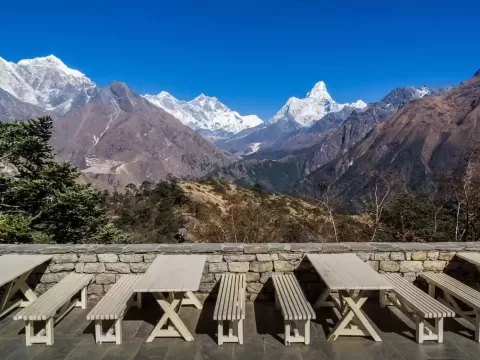
Accommodation during the Everest Base Camp Trek is a crucial aspect of the experience, as it shapes the comfort and convenience of trekkers along the challenging route. The trek involves staying in remote mountain villages, and while basic, the accommodation options are well-established. The majority of trekkers stay in teahouses, which are family-run guesthouses offering basic facilities.
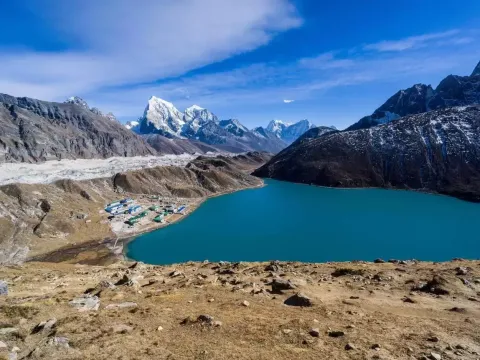
Nepal offers some of the most incredible trekking destinations in the world, and two of the most popular treks are the Gokyo Lake Trek and the Tilicho Lake Trek. Both routes provide breathtaking views of the Himalayas and unique cultural experiences, but each has its own set of features that may appeal to different types of trekkers.

When preparing for the Everest Base Camp trek with Explore Holiday Treks, one of the key considerations is understanding the availability of shower and laundry services along the way. As the trek takes you through remote villages and high-altitude terrain, amenities like showers and laundry are far from luxurious.

The trek begins in Lukla, which is situated at around 2,860 meters (9,383 feet), and progressively ascends to Everest Base Camp at 5,364 meters (17,598 feet).

The Everest Base Camp Trek is a physically demanding journey that requires a certain level of fitness to ensure a successful and enjoyable experience. While the trek is accessible to individuals in good health, it is important to understand the physical demands of the trail.

Trekking to Everest Base Camp is an adventure of a lifetime, and choosing the right route is crucial for ensuring a safe and enjoyable experience.
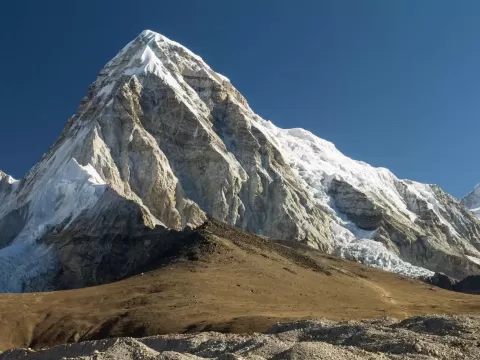
When planning a trek to Everest Base Camp, timing plays a critical role in ensuring both safety and enjoyment. The best time to hike to Everest Base Camp is during the two peak seasons: spring (March to May) and autumn (September to November).

The Everest Base Camp Trek is one of the most iconic and challenging treks in the world, offering adventurers the opportunity to trek through the heart of the Himalayas and stand at the base of Mount Everest, the highest peak on Earth. However, as thrilling as this trek is, it comes with its own set of challenges. One of the most important tips for trekkers is to ensure they are physically prepared.

Sleeping at Everest Base Sleeping at Everest Base Camp (EBC) offers an unmatched adventure for trekkers and mountaineers alike. It’s more than just reaching a destination—it's about the experience, the journey, and the connection with one of the most iconic places on Earth.


 (34)
(34) 