Need help with booking? Send us a message.

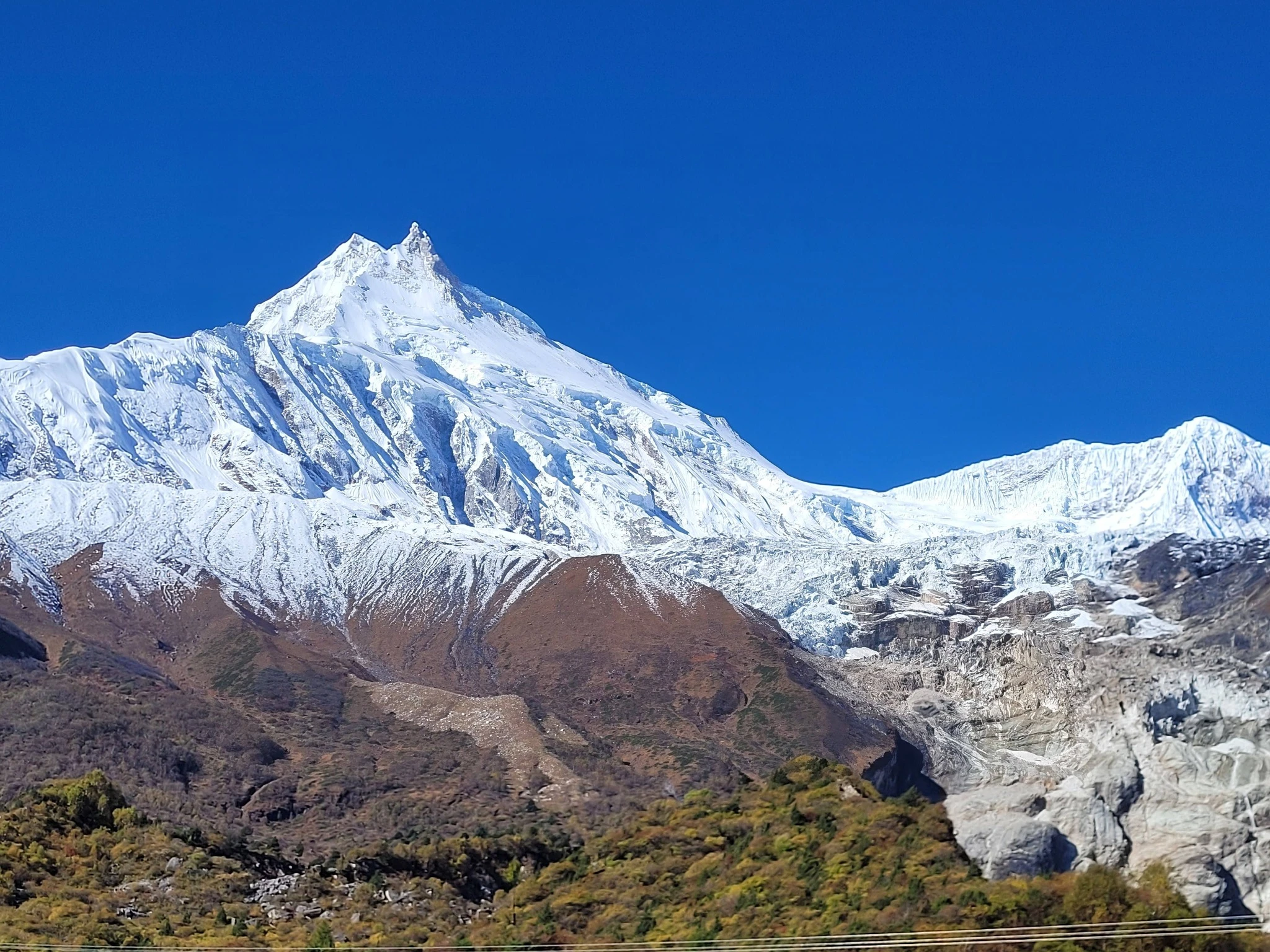
The Manaslu Circuit Trek is a captivating journey around Mount Manaslu, the world’s eighth-highest peak at 8,163 meters (26,781 feet). This trek provides adventurers with a less-crowded alternative to the Annapurna and Everest regions, offering pristine landscapes, cultural immersion, and high-altitude challenges.
Unlike popular treks, the Manaslu Circuit allows travelers to experience authentic Himalayan life, walking through remote villages, dense forests, glacial valleys, and alpine deserts. For trekkers who want solitude and personal connection with nature, this trek is unmatched.
Starting Point: Arughat and the Budi Gandaki Valley
The journey begins in Arughat, a gateway town to the Himalayas. The trail follows the Budi Gandanki Valley through subtropical forests teeming with birds and occasional wildlife.
Villages along the way, such as Sirdias and Jagat, provide opportunities to observe traditional village life, including terraced farming, local markets, and families preparing meals. Trekkers often recall sharing dal bhat with villagers or sipping tea while listening to stories about the mountains.
As the trek ascends, the scenery transforms dramatically:
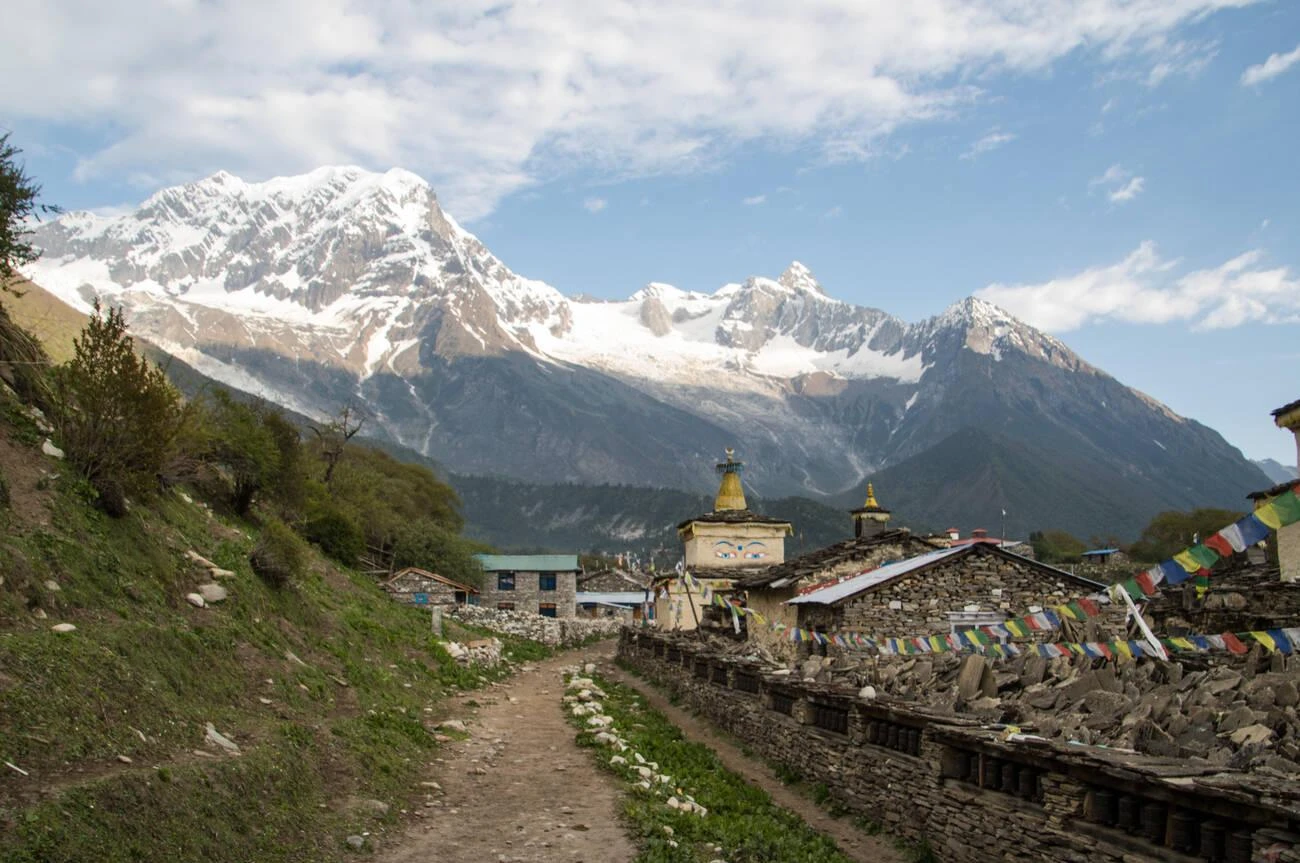
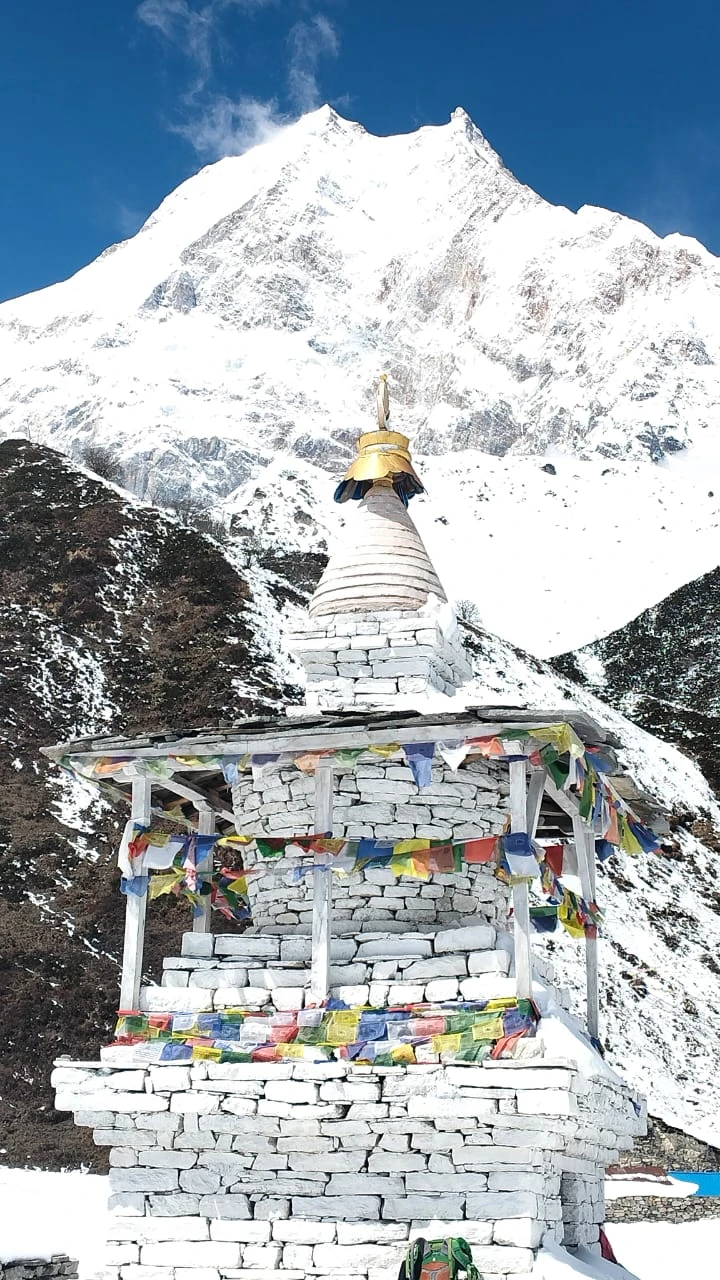
Villages like Samagoan and Samdo showcase strong Tibetan influence, with manis, prayer wheels, and monasteries, making the trek both visually stunning and culturally immersive.
The Larkya La Pass, at 5,160 meters (16,929 feet), is the most iconic part of the trek. Trekkers are rewarded with 360-degree panoramas of Mount Manaslu, Himalchuli, Ngadi Chuli, and Ganesh Himal. Many describe the experience as life-changing, blending fatigue and awe.
The Manaslu region is home to Gurungs,Tamangs , and Tibetan-influenced communities. Engaging with locals provides insight into traditional lifestyles, festivals, and cuisine:
The trek is rich in biodiversity. Trekkers may spot:
The region’s natural beauty, combined with diverse climates, provides spectacular photography opportunities.
The Manaslu Circuit concludes in Syange, from where trekkers drive back to Kathmandu. Completing the trek brings a sense of achievement and deep appreciation for Himalayan culture and nature.
Tips for Trekkers
For travelers interested in exploring more of Nepal, consider these treks:
The Manaslu Circuit Trek is more than a hike; it’s a life-enriching journey through stunning landscapes, diverse cultures, and high-altitude challenges. Every step—from walking along the Budi Gandaki River to crossing the Larkya La Pass, and interacting with Tibetan communities—offers unique experiences not found on crowded trails.
This trek is ideal for travelers seeking adventure, cultural immersion, and personal growth, all while enjoying some of the most spectacular scenery Nepal has to offer.
Top Blogs About Trekking in the Manaslu Region:
Uncover the best blogs about trekking in the Manaslu region, featuring expert advice, detailed itineraries, personal experiences, and essential tips for adventurers looking to explore the Himalayas.
Altitude Sickness on Nepal Treks: Symptoms, Treatment, and When to Descend (Complete Guide)
Manaslu Circuit Trek for Beginners 2025
Manaslu Circuit Trek: Best Routes, Preparation & Travel Tips
Manaslu Circuit Trek in Spring (March-May)
Manaslu Circuit Trek on a Budget: How to Save Money Without Missing Out
Nepal Trekking Permits: Costs, Types, and How to Get Them
Nepal Trekking: What’s the Best Time to Go?
Budget Trekking in Nepal: Tips, Trails, and Tricks
Exploring Nepal’s Wildlife and Nature
Trekking Through Nepal: A Journey into the Himalayas
Top 10 Mountain Peaks in Nepal
Monastery Life in Nepal: Finding Peace in the Heart of the Himalayas
Exploring Nepal’s Hidden Gem: The Manaslu Circuit Trek
Top Places to Visit on the Manaslu Circuit Trek
Manaslu Circuit vs Annapurna Circuit: Which Trek is Right for You?
Is the Manaslu Circuit Trek Right for You?
Exploring Hidden Villages on the Manaslu Circuit Trek
20 Must-Know Facts About Manaslu Circuit Trekking
Manaslu Circuit Trekking Tips for Autumn Season (September to November)
Discovering the Spiritual Heart of Nepal: Tsum Valley
Altitude Sickness on Nepal Treks: Symptoms, Treatment, and When to Descend (Complete Guide)
Dal Bhat Power 24 Hour: The Science and Soul Behind Nepal's Mountain Fuel
Solo Female Trekking in Nepal: A Complete Safety and Empowerment Guide for 2026
How Difficult Is Manaslu Trek? The Honest Guide Every Trekker Needs to Read
Arrival day marks the threshold of your adventure. As you step into Kathmandu, you are not just arriving in a city; you are entering a portal to a land of diverse cultures, rich history, and warm hospitality. The transfer to the hotel is not just a logistical step; it's the beginning of a journey where comfort merges with anticipation.
 Accommodation Hotel
  Meals Breakfast, Lunch and Dinner
  Max. altitude 1,320m / 4,331ft.
 The drive to Machha Khola transcends being a mere commute; it's a cinematic journey through changing landscapes. The seven hours on the road are not just a countdown; they are an immersive experience, a visual prelude to the Himalayan grandeur awaiting you.
Accommodation Tea house / Lodge Meals Breakfast, Lunch and Dinner Max. altitude 900m / 2,953ft. Trekking to Jagat is not just a physical activity; it's a stride through cultural thresholds. In those six hours, each step stitches you closer to the rhythm of the mountains, the cadence of the trail echoing the tales embedded in the very soil you tread upon.
Accommodation Tea house / Lodge Meals Breakfast, Lunch and Dinner Max. altitude 1,340m / 4,396ft. The trek to Pewa via Philim is not a route; it's a narrative. It's a journey through Philim, a village that whispers stories of traditions and resilience. In these six hours, you traverse not just distance but the living narrative of the Himalayas.
Accommodation Tea house / Lodge Meals Breakfast, Lunch and Dinner Max. altitude 1,860m / 6,102ft. Trekking to Namrung is not a climb; it's an ascent into higher realms. In these five hours, you aren't just gaining altitude; you are stepping into an ethereal landscape, a place where each breath is a communion with the majestic peaks.
Accommodation Tea house / Lodge Meals Breakfast, Lunch and Dinner Max. altitude 2,900m / 9,514ft. Trekking to Shyala is not a mere walk; it's a pilgrimage into tranquility. In these five hours, you are not just covering distance; you are entering a sanctuary where the serene atmosphere embraces you, and the mountains stand as silent sentinels.
Accommodation Tea house / Lodge Meals Breakfast, Lunch and Dinner Max. altitude 3,180m / 10,433ft. Trekking to Sama-Gaon is not just a journey; it's a rendezvous with elevation. In these six hours, the landscape evolves, and you ascend into the rarefied air where the mountains become companions, and every step is a dance with the majestic altitudes.
Accommodation Tea house / Lodge Meals Breakfast, Lunch and Dinner Max. altitude 3,500m / 11,483ft. A rest day in Sama-Gaon is not a pause; it's a deliberate choice for your well-being. It's a day to acclimatize, not just to the altitude but to the essence of the place – a day for your body and soul to harmonize with the Himalayan rhythm.
Accommodation Tea house / Lodge Meals Breakfast, Lunch and Dinner Max. altitude 3,500m / 11,483ft. Trekking to Samdo is not just a progression; it's a stride towards the northern frontier. In these five hours, you are not just covering distance; you are entering a realm where the mountains stand taller, and the air feels crisper.
Accommodation Tea house / Lodge Meals Breakfast, Lunch and Dinner Max. altitude 3,690m / 12,106ft. Trekking to Dharmasala is not a casual stroll; it's a deliberate climb towards the heavens. In these four hours, you ascend to heights where the air is thin, and the mountains seem within arm's reach, a prelude to the grandeur of Larke-La Pass.
Accommodation Tea house / Lodge Meals Breakfast, Lunch and Dinner Max. altitude 4,450m / 14,600ft. Trekking to Bhimphedi via Larke-La Pass is not just a trail; it's a conquest. In these eight hours, you aren't just crossing a pass; you are transcending personal limits, standing on the roof of the world, and embracing the triumph of altitude.
Accommodation Tea house / Lodge Meals Breakfast, Lunch and Dinner Max. altitude 3,590m / 11,778ft. Trekking to Gho is not a descent; it's a graceful return to lower altitudes. In these four hours, the air becomes denser, and the landscapes shift, offering a soothing contrast to the challenges of the days gone by.
Accommodation Tea house / Lodge Meals Breakfast, Lunch and Dinner Max. altitude 2,535m / 8,317ft. Trekking to Dharapani is not just a walk; it's a descent into the embrace of a village. In these five hours, you step into a world where simplicity thrives, and the charm lies in the genuine warmth of the people.
Accommodation Tea house / Lodge Meals Breakfast, Lunch and Dinner Max. altitude 1,820m / 5,971ft. The drive to Kathmandu is not just a return; it's a reflective journey. In these eight hours, you traverse the path backward, carrying with you not just memories but a transformed perspective forged in the crucible of the Himalayas.
Accommodation Hotel Meals Breakfast, Lunch and Dinner Max. altitude 1,320m / 4,331ft. As your Manaslu Circuit Trek adventure concludes, depart from Kathmandu, carrying with you the indelible memories of conquering the heights of the Himalayas. Homeward-bound, this journey will forever remain etched in your heart.
Accommodation NA Meals Breakfast Max. altitude 1,320m / 4,331ft. 
Your Start Date is the day you land in Nepal, and your End Date is when you fly home.
If the set Manaslu Circuit Trek group dates don’t suit your schedule, we can offer alternative dates upon request.
Proper layering is important to stay warm and comfortable in changing mountain weather.
Good footwear makes trekking easier and safer.
The right gear keeps you safe, comfortable, and prepared.
Lightweight but important items keep you clean, healthy, and comfortable.
Keep important items safe and easy to reach.
The Manaslu Circuit Trek was a stunning adventure. From dramatic mountain views to cultural experiences, it was all unforgettable. Explore Holiday Nepal provided excellent support and made the trek seamless and enjoyable.
The Manaslu Circuit offered incredible challenges and breathtaking scenery. Explore Holiday Nepal’s expert guides ensured everything went smoothly, making this one of the best treks I’ve done.
Manaslu Circuit was the adventure of a lifetime, with some of the most spectacular mountain views. Explore Holiday Nepal provided excellent organization, making it all hassle-free and incredibly rewarding.
Trekking the Manaslu Circuit with Explory Holiday Nepal was everything I hoped for and more. This trek feels untouched compared to Everest, and that’s exactly what I wanted. Our guide was calm, knowledgeable, and genuinely cared about our safety and comfort. From remote villages to dramatic mountain passes, every day felt special. I’d recommend Explory Holiday Nepal to anyone looking for an authentic Himalayan adventure.
Manaslu Circuit is not just a trek, it’s a journey through culture and wilderness. Explory Holiday Nepal organized everything smoothly, from permits to teahouses. Our guide explained local traditions and Buddhist culture along the way, which made the experience richer. I felt safe, supported, and inspired the entire trek.
This was my first high-altitude trek, and I couldn’t have chosen a better company than Explory Holiday Nepal. The guide paced the trek well and constantly checked on our health. Crossing Larke La Pass was tough, but the feeling at the top is unforgettable. A well-run trek with a very professional team.
If you’re tired of busy trekking routes, Manaslu is the answer. Explory Holiday Nepal delivered exactly what they promised. Our guide felt more like a friend by the end of the trek. The landscapes changed every day, and the remoteness made it incredibly special. I’d do this trek again in a heartbeat.
From the first briefing to the final day, Explory Holiday Nepal handled everything professionally. The Manaslu Circuit is wild, peaceful, and breathtaking. Our guide’s experience showed, especially at higher altitude. This trek pushed me physically but rewarded me mentally. Truly unforgettable.
Safety was my biggest concern, but Explory Holiday Nepal exceeded expectations. The guide monitored altitude symptoms closely and adjusted the pace when needed. The scenery was unreal, and the local villages were incredibly welcoming. This trek felt genuine and well cared for.
Manaslu Circuit is one of the most peaceful treks I’ve ever done. Explory Holiday Nepal kept things simple, organized, and honest. No rushed days, no pressure—just steady trekking and stunning views. This is how trekking should be done.
I chose Manaslu to avoid crowds, and it was the best decision. Explory Holiday Nepal made the entire trek smooth and stress-free. The guide shared stories about village life that made the trail come alive. It felt personal, not commercial.
The Manaslu Circuit Trek was absolutely phenomenal. Explore Holiday Nepal organized everything perfectly from permits to accommodations. Crossing Larkya La Pass at over five thousand meters was challenging but the panoramic views made every step worthwhile. Our guide was incredibly knowledgeable about the region and helped us understand local customs. The villages we stayed in offered genuine hospitality and the mountain scenery was breathtaking throughout. This trek deserves its growing reputation.
After hearing about overcrowding on Annapurna and Everest routes, I chose Manaslu Circuit and couldn't be happier. Explore Holiday Nepal provided excellent support throughout the fifteen days. The trail offers stunning diversity from subtropical forests to high alpine passes. What impressed me most was how few trekkers we encountered compared to popular circuits. The cultural experiences in villages like Samagaon were authentic and memorable. Highly recommend for those wanting solitude with spectacular scenery.
The Manaslu Circuit pushed my limits but rewarded me beyond expectations. Explore Holiday Nepal's team was professional and ensured our safety throughout. The ascent to Larkya La was tough but standing at the pass surrounded by giants like Manaslu and Himlung was surreal. The teahouses were comfortable and meals surprisingly good. Our guide's knowledge of mountain weather and terrain made all the difference. This trek combines physical challenge with incredible natural beauty.
What makes Manaslu Circuit special is the deep cultural immersion. Explore Holiday Nepal arranged our trek thoughtfully with proper acclimatization days. The Buddhist monasteries we visited were active centers of worship not tourist attractions. Staying with local families and sharing meals gave real insight into mountain life. The Tibetan influence becomes stronger as you progress north and the architecture reflects this beautifully. Landscapes were stunning but the cultural experiences made this trek unforgettable.
Mount Manaslu dominates the skyline throughout this trek and never fails to impress. Explore Holiday Nepal's logistics were flawless. The circuit offers constantly changing perspectives of the eighth highest mountain plus dozens of other peaks. Larkya La Pass viewpoint was absolutely spectacular with a three-sixty degree panorama of Himalayan giants. Our guide pointed out peaks and explained their significance. The photography opportunities were endless. For mountain lovers, this trek is paradise.
Explore Holiday Nepal made the Manaslu Circuit seamless and stress-free. From obtaining restricted area permits to arranging comfortable teahouses, everything was handled professionally. Our guide anticipated needs before we voiced them and our porter was cheerful despite carrying heavy loads. The pacing allowed proper acclimatization which prevented altitude issues. Meals were varied and accommodations exceeded expectations for remote locations. The company's attention to detail made this challenging trek enjoyable throughout.
Manaslu Circuit delivers everything popular treks offer without the crowds. Explore Holiday Nepal's expertise in this region was evident throughout. Some days we encountered only a handful of other trekkers creating a sense of wilderness adventure. The restricted area permits limit numbers which preserves the authentic atmosphere. Villages maintain traditional lifestyles and locals were genuinely welcoming. The natural beauty rivals any trek I've done with better solitude for reflection and enjoyment.
The Manaslu Circuit offers incredible value for money. Explore Holiday Nepal's pricing was transparent with no hidden costs. For what you experience - spectacular mountains, rich culture, diverse landscapes, and personal attention - this trek is a bargain. The quality of guiding and support matched expensive expedition-style treks I've done elsewhere. Accommodation and food were better than expected. This trek proves you don't need luxury lodges to have an outstanding Himalayan experience.
The landscape diversity on Manaslu Circuit is remarkable. Explore Holiday Nepal paced the trek perfectly to appreciate each zone. We started in humid valleys with terraced rice paddies then climbed through rhododendron and pine forests. Higher elevations brought alpine meadows and eventually stark glacial terrain. Each day felt like entering a new world. This constant change kept the trek engaging and prevented monotony. The variety also means something beautiful regardless of weather conditions.
Manaslu Circuit feels authentic in ways commercialized treks no longer do. Explore Holiday Nepal connected us with local communities meaningfully. Villages like Philim and Bihi Phedi maintain traditional architecture and customs. Watching daily life unfold - farmers working fields, children walking to school, monks conducting ceremonies - provided cultural depth beyond typical tourist encounters. The trek requires effort but rewards with genuine experiences and connections impossible on easier routes.
Crossing Larkya La Pass was the highlight of my trekking career. Explore Holiday Nepal prepared us well with acclimatization hikes and proper gear advice. The pass day started early in darkness with headlamps illuminating the trail. As dawn broke the mountains revealed themselves in stunning colors. The final push to the pass was exhausting but standing there surrounded by icy giants was transcendent. The descent was long but manageable. This experience alone justifies the entire trek.
Our guide from Explore Holiday Nepal transformed this trek from good to exceptional. His knowledge of the region's history, culture, and geography enriched every day. He shared stories about local legends, identified plants and wildlife, and explained Buddhist traditions we encountered. His mountain skills inspired confidence especially during challenging sections. He adjusted our pace based on group energy and weather conditions. A knowledgeable passionate guide is worth everything and we were fortunate to have one.
The remoteness of Manaslu Circuit adds to its appeal. Explore Holiday Nepal handled the logistics of trekking through areas with limited infrastructure. The trail passes through valleys that feel untouched by modernity. Suspension bridges span roaring glacial rivers and stone paths wind through ancient forests. The sense of adventure and exploration exceeded my expectations. This remoteness also means pristine nature and authentic cultural encounters increasingly rare in Nepal.
Nature enthusiasts will love Manaslu Circuit's biodiversity. Explore Holiday Nepal's guide pointed out countless species of birds, plants, and occasional wildlife. Lower elevations featured tropical vegetation while higher zones supported hardy alpine species. We saw Himalayan tahr, various pheasants, and heard about rare snow leopards in the region. The Manaslu Conservation Area protects this ecosystem beautifully. For those who appreciate natural environments as much as mountain views, this trek delivers completely.
The Manaslu Circuit Trek exceeded every expectation I had. Explore Holiday Nepal's organization was impeccable and their team genuinely cared about our experience. The combination of towering peaks, traditional villages, challenging terrain, and warm hospitality created memories that will last forever. From the first steps in Machha Khola to the final views from Larkya La, every moment contributed to an incredible journey. This trek represents the best of Himalayan trekking - adventure, beauty, culture, and personal growth.
The Manaslu Circuit Trek is a stunning trekking route in Nepal that circumnavigates Manaslu, the eighth highest mountain in the world. This trek offers breathtaking views of the Manaslu massif, diverse landscapes, and a chance to experience the rich culture of the local Gurung and Tibetan communities. The trek is known for its remote beauty and relatively fewer crowds compared to other popular treks.
Typically, the Manaslu Circuit Trek takes about 14 to 18 days to complete. The trek usually starts from Soti Khola and takes you through picturesque villages, lush forests, and high mountain passes, culminating at Larkya La Pass (5,160 meters or 16,925 feet) before descending back to Beshisahar.
The Manaslu Circuit Trek is considered moderate to challenging. It involves long trekking days, significant elevation gain, and the crossing of high passes. Trekkers should have a good level of fitness and some previous trekking experience, particularly in high-altitude conditions.
Altitude sickness can occur during the Manaslu Circuit Trek, especially as you gain elevation. If you experience symptoms such as headache, nausea, or dizziness, it is essential to descend to a lower altitude immediately and rest. Staying hydrated and using over-the-counter pain relief can help, but if symptoms persist, seek medical assistance. Always prioritize your health and listen to your body throughout the trek.
Yes, some trekkers choose to combine the Manaslu Circuit with the Tsum Valley Trek or the Annapurna Circuit. However, it requires additional permits and a longer trekking duration.
Key highlights of the Manaslu Circuit Trek include the stunning views of Manaslu and the surrounding peaks, the scenic Larkya La Pass, and the chance to explore traditional villages like Samagaun and Philim. The trek also offers opportunities to visit ancient monasteries, including the important Tibetan Buddhist monasteries in the region.
The best times to undertake the Manaslu Circuit Trek are during the spring (March to May) and autumn (September to November). These seasons offer stable weather, clear skies, and mild temperatures, making for ideal trekking conditions. Spring also brings blooming rhododendrons, enhancing the trek’s natural beauty.
To trek the Manaslu Circuit, you need several permits: the Manaslu Conservation Area Permit (MCAP), the Trekkers' Information Management System (TIMS) card, and a special restricted area permit for Manaslu. These permits can be obtained through trekking agencies in Kathmandu.
Accommodation along the Manaslu Circuit Trek primarily consists of tea houses and lodges. These provide basic yet comfortable lodging, often with options for private and shared rooms. Meals are typically available, allowing trekkers to enjoy local cuisine and socialize with other trekkers.
Food along the Manaslu Circuit Trek includes a mix of local and international cuisine. Trekkers can enjoy traditional dishes such as dal bhat (rice and lentils), as well as various options like soups, noodles, and vegetable curries. Most tea houses cater to different dietary preferences, but it’s important to communicate any specific needs.
Packing wisely is essential for a successful trek. Key items include sturdy trekking boots, layered clothing for varying weather conditions, a warm sleeping bag, and personal hygiene products. A good camera for capturing the stunning scenery, trekking poles, and a water purification system are also recommended.
While it is technically possible to trek independently, hiring a guide or joining a trekking group is highly recommended. A guide can provide valuable insights into the local culture, assist with navigation, and help manage permits and accommodations, enhancing your trekking experience.
| No of people | Price per person |
|---|---|
| 1 - 1 | $1,500 |
| 2 - 5 | $1,355 |
| 6 - 9 | $1,255 |
| 10 - 15 | $1,199 |
| 16 - 20 | $1,158 |
| No of people | Price per person |
|---|---|
| 1 - 1 | $1,090 |
| 2 - 5 | $890 |
| 6 - 10 | $850 |
| 11 - 15 | $820 |
| 16 - 20 | $799 |
| No of people | Price per person |
|---|---|
| 1 - 1 | $1,099 |
| 2 - 5 | $991 |
| 6 - 9 | $975 |
| 10 - 15 | $960 |
| 16 - 20 | $945 |




 (34)
(34) 