Need help with booking? Send us a message.

Look, I'll be straight with you—Nar Phu Valley is special. Really special. While everyone's crowding trails like the Annapurna Circuit Trek, this hidden corner of Nepal stays remarkably quiet. We're talking about a valley that was completely off-limits to foreigners until 2002, tucked away in the Annapurna region where ancient Tibetan culture hasn't just survived—it's thriving.
What makes Nar Phu Valley trekking Nepal different? It's not just another mountain trek. Sure, you'll get incredible Himalayan views (more on that later), but the real magic happens in villages where life moves at the same pace it did 500 years ago. Stone houses with prayer flags. Monks chanting in centuries-old monasteries. People who still trade with Tibet and practice traditions your guidebook barely mentions.
The catch? This isn't an easy trek. You'll cross a 5,322-meter pass, sleep in very basic teahouses, and spend days where you might not see another trekker. But that's exactly the point.
Here's something interesting—even though the Annapurna Circuit Trek is one of Nepal's most popular routes, maybe 5-10% of those trekkers actually venture into Nar Phu Valley. Why?
First, you need special permits. The area is restricted, which means more paperwork and higher costs. Second, you can't go independently—you need a registered guide. Third (and this is the big one), it adds serious difficulty to an already challenging trek.
But those barriers have created something rare in modern trekking. No wifi cafes. No banana pancake menus in five languages. Just authentic mountain life that hasn't been sanitized for tourists. When you walk into Phu Village and see kids playing in medieval-looking alleyways while their grandparents spin prayer wheels, you'll understand why some trekkers call this their favorite Himalayan experience.
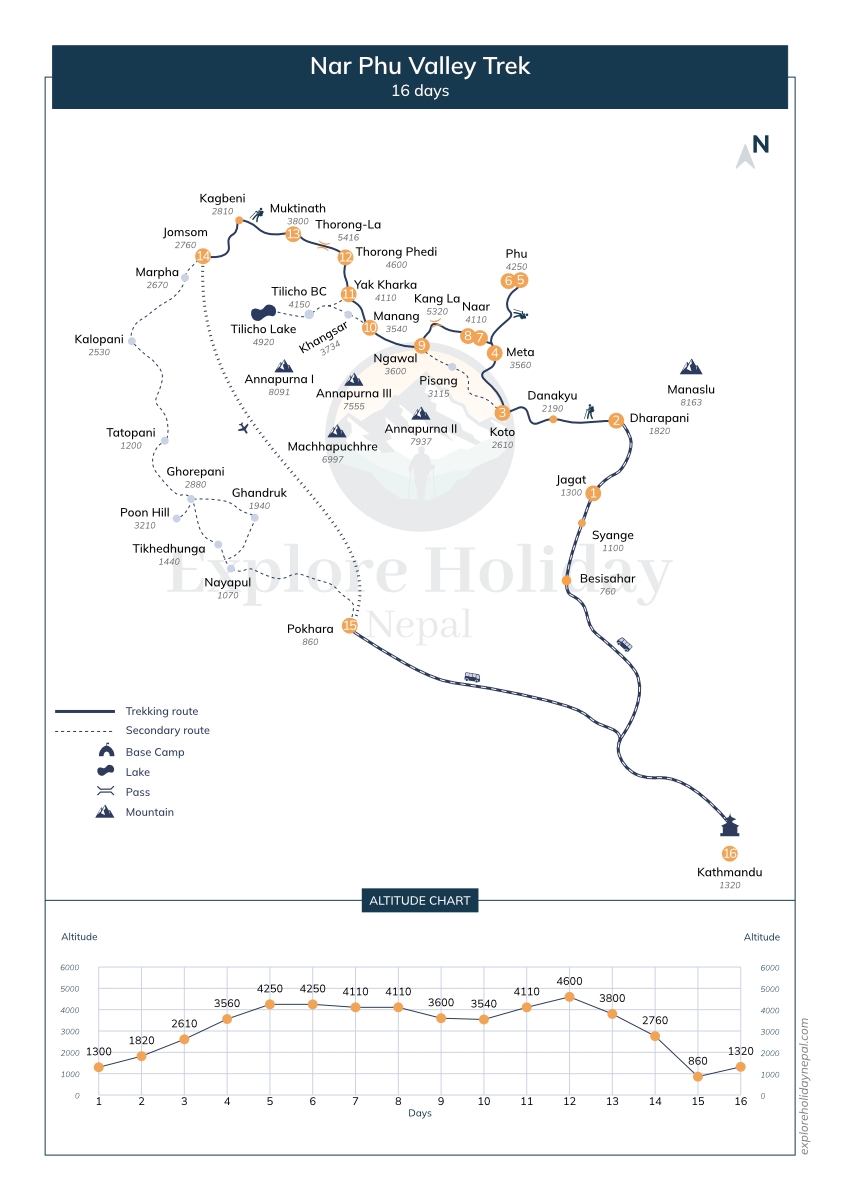
Your Nar Phu Valley trekking Nepal adventure starts in Kathmandu, obviously. After sorting permits (more on that bureaucratic fun later), you'll drive toward the mountains. It's a long drive—figure 7-8 hours through Besisahar to Koto, depending on road conditions and how many times your bus stops for tea.
Koto sits at 2,600 meters and marks the point where you leave the main Annapurna Circuit. Most trekkers continue straight toward Manang. You? You're turning left into a narrow gorge that looks slightly terrifying and completely exciting.
The trail from Koto to Meta is... let's say it builds character. You're walking through a canyon carved by the Phu Khola river, which sounds peaceful until you're actually there. The path is narrow—sometimes just carved into cliff faces—and you'll cross suspension bridges that sway more than you'd like.
Is it dangerous? Not if you pay attention and watch your footing. Is it thrilling? Absolutely. This is where you really feel like you're entering forbidden territory.
Meta (3,560 meters) is a tiny settlement where you'll spend your first night in the restricted zone. The lodges here are basic. Really basic. Thin mattresses, shared bathrooms, maybe hot water if you're lucky and willing to pay extra. But the food is hot, the blankets are thick, and you're surrounded by mountains. What else do you need?
Pro tip: Use Meta as an acclimatization day if you're smart. Your body needs time to adjust, and there are good day hikes around the village.
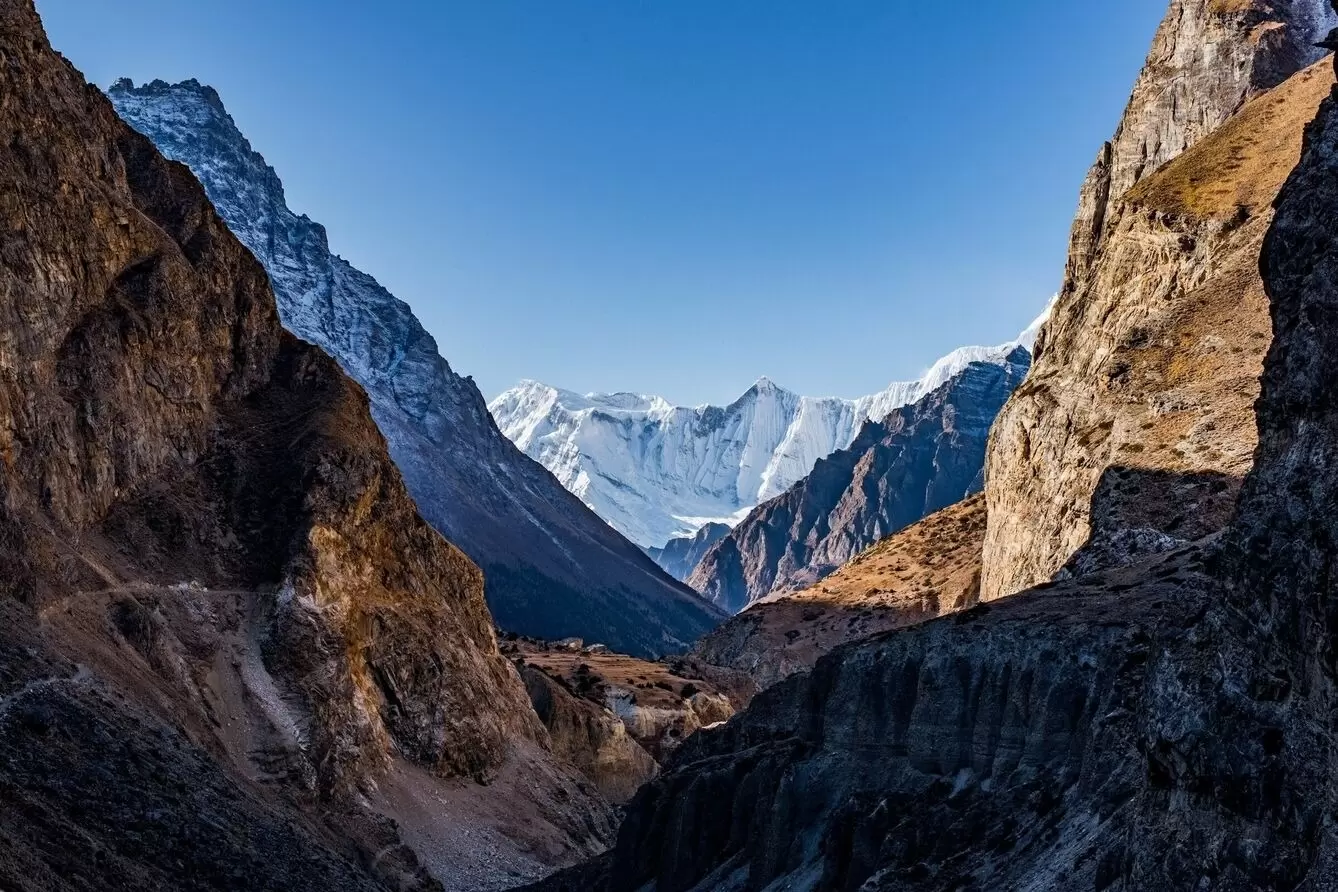
Continuing up-valley, the landscape gets more dramatic. And more Tibetan. By the time you reach Phu Village (4,080 meters), you've basically entered a different world.
Phu is extraordinary. Around 200 people live here year-round, in stone houses stacked up a hillside like something from a fantasy movie. The village has existed for over a thousand years, and honestly, not that much has changed. No roads reach here. Electricity is solar or generators. The nearest hospital is days away.
The Tashi Lhakhang Monastery sits above the village, watching over everything. If you can, time your visit when the monks are conducting ceremonies. The sound of horns echoing off the surrounding peaks while incense fills the prayer hall—it's powerful stuff.
Walking through Phu's narrow alleys, you'll see yaks wandering around, kids playing traditional games, and elderly women spinning wool like their ancestors did. Some families here still practice polyandry (one wife, multiple brothers as husbands), which is incredibly rare even in Nepal.
Want to go higher? There's a side trip to Himlung Himal Base Camp that takes you above 4,900 meters. The views are insane—glaciers, Tibetan peaks stretching forever, and total silence except for the wind. But only attempt this if you're acclimatizing well. Altitude sickness at nearly 5,000 meters is no joke.
After heading back down from Phu, you'll trek to Nar Village (4,110 meters). If Phu impressed you, Nar will blow your mind.
This village is stacked even more dramatically on a hillside, with houses that look like they're defying gravity. The Nar Phedi Monastery above the village contains ancient Buddhist artifacts—thangka paintings, statues, and texts that scholars travel here specifically to study.
But the real treasure of Nar is the people. They're incredibly welcoming. You'll probably get invited into someone's home for butter tea (which tastes weird at first but you'll learn to love it). They'll tell you stories about winter when the pass closes and the valley becomes completely isolated. About the summer months when they take their animals to high pastures. About how their children are starting to leave for education in Kathmandu.
The view from Nar across the valley to Pisang Peak is spectacular. The surrounding cliffs have caves where Buddhist hermits used to meditate in isolation. Some of these caves are still used occasionally by monks seeking solitude.
If you're lucky enough to be here during a festival, you'll see traditional dances, horse races, and archery competitions that have been part of valley culture for generations. The locals take these events seriously—this isn't a show for tourists because, well, there usually aren't any tourists around.
Okay, let's talk about Kang La Pass (5,322 meters). This is what you came for, right? This is also what will test you.
Most groups start the pass crossing around 3-4 AM. Yes, that early. You need to get over before afternoon weather potentially rolls in. So you're stumbling out of your sleeping bag in the dark, forcing down breakfast, and starting to climb by headlamp.
The first part is just steep. Very steep. At altitude, this means you're taking maybe 10-15 steps, then stopping to breathe. Then another 10-15 steps. It's slow. Your legs burn. Your lungs feel like they can't get enough air (because they can't—there's 40% less oxygen up here than at sea level).
But then dawn breaks.
And the mountains start glowing. First pink, then orange, then brilliant white as the sun hits the peaks. You're high enough now that you're walking among the giants. Annapurna II (7,937 meters), Annapurna III (7,555 meters), Annapurna IV (7,525 meters), Gangapurna (7,455 meters)—they're all there, massive and close enough to feel overwhelming.
The summit of Kang La Pass is marked with prayer flags that snap in the wind. On a clear day, you can see the Manaslu range to the east and Dhaulagiri (8,167 meters) to the west. The Tibetan plateau stretches north. The Annapurna massif dominates everything else.
People cry at the top. Not from pain (though your legs might disagree), but from the sheer emotional impact of being there.
The descent is technical. Steep scree, possibly snow and ice depending on the season. You need to concentrate here—one wrong step could mean a nasty fall. Trekking poles are essential. Going slowly is smart.
Eventually you'll reach Ngawal, a beautiful village where you rejoin the main Annapurna Circuit. Hot showers! Actual beds! Food that isn't just dal bhat! After days in the remote valley, Ngawal feels almost luxurious.
Here's where Nar Phu Valley trekking Nepal gets interesting for route planning. You've got options.
Most people combine it with the Annapurna Circuit Trek . After Ngawal, you continue to Manang, then cross Thorong La Pass (5,416 meters), visit Muktinath temple, and descend through the Kali Gandaki Valley. This makes an incredible 18-20 day trek that hits multiple highlights.
Want to add another jewel? The Tilicho Lake Trek can be included from Manang. Tilicho Lake (4,919 meters) is one of the highest lakes in the world, with turquoise water surrounded by peaks. It adds 2-3 days but is worth every step.
For the truly ambitious, some trekkers link this with the Manaslu Circuit Trek. Both are restricted areas with similar Tibetan Buddhist culture. This creates a month-long adventure through two of Nepal's most remote regions. Not for beginners, but if you've got the time and fitness, it's epic.
Timing matters. A lot. Let me break down the seasons honestly.
This is prime time for Nar Phu Valley trekking Nepal. Weather stabilizes, trails clear of winter snow, and temperatures are manageable. You'll see rhododendrons blooming in the lower valleys, which is gorgeous.
March can still be cold with possible snow at high passes. April and May are better for pass crossings—still cold at night, but generally clear and stable. Days are getting longer, which helps when you're doing that pre-dawn pass climb.
The downside? This is peak season. Now, "crowded" in Nar Phu means you might see 10-15 other trekkers in the villages instead of 2-3. But still, it's busier than other times.
After monsoon clears in September, you get the clearest mountain views of the year. Seriously, the visibility is incredible. October is probably the single best month if you can only choose one.
Temperatures are comfortable during the day, though nights get progressively colder as November approaches. The harvest season adds cultural interest—you'll see villagers bringing in their barley crops and preparing for winter.
Late November starts getting very cold at altitude. But if you've got proper gear, it's manageable.
Can you trek Nar Phu in winter? Yes. Should you? Only if you really know what you're doing.
Temperatures drop to -20°C or lower at high camps. Kang La Pass might be impassable due to snow. Most teahouses in the upper valley close as residents move to lower elevations. You'll need serious winter gear and a flexible schedule in case weather forces you to wait days for conditions to improve.
But—and this is important—winter offers something magical if you can handle the conditions. Total solitude. The valley covered in pristine snow. Crystal-clear mountain views. It's beautiful and brutal in equal measure.
The monsoon is tricky. Nar Phu is in the rain shadow of the Annapurna range, so it gets less rain than areas to the south. But the approach trails through lower elevations can be muddy messes. Leeches are everywhere in the forests. Afternoon clouds often hide the mountains.
Some people still trek during monsoon for the solitude and lower prices. The valleys are lush and green. But honestly? Unless you have very specific reasons, pick a different season.
Let's be real about difficulty because I don't want you arriving unprepared.
Nar Phu Valley trekking Nepal is hard. Not Everest hard, but definitely challenging. Here's why:
Altitude: You're going from Kathmandu (1,400m) to over 5,300m at the pass. That's significant altitude gain. Several nights above 4,000m. Altitude sickness is a real risk, and it doesn't care how fit you are. I've seen marathon runners struggle while average-fitness trekkers do fine. It's genetics and acclimatization.
Duration: Most itineraries are 12-16 days of actual trekking. That's nearly two weeks of walking 5-8 hours per day. Your body needs to handle sustained effort.
Terrain: Ranges from good trails to exposed cliff sections to steep pass climbs. Some scrambling over rocks. The gorge before Meta requires focus. The pass descent is technical with loose scree.
Facilities: Basic teahouses. Thin mattresses. Shared pit toilets (yes, really). No showers for days. If you need comfort to function, this isn't your trek.
Weather: Can change fast. Snow, wind, cold—even in good seasons. You need to handle whatever conditions come.
My honest recommendation? You should have:
If you've only done day hikes before, work up to this. Do an easier Nepal trek first. Your body and mind need to know what multi-day high-altitude trekking feels like.
Nepal loves permits. Nar Phu Valley especially loves permits. Here's what you need:
Annapurna Conservation Area Permit (ACAP): $30 for foreigners. This covers the entire Annapurna region and funds conservation work. Easy to get.
Nar Phu Special Restricted Area Permit: About $90 for the first week, then additional fees if you stay longer. This is the important one that limits visitor numbers.
TIMS Card (Trekkers' Information Management System): Around $20. Tracks trekker movements for safety.
Here's the catch—you can't get these yourself and trek independently. The regulations require you to book through a registered trekking agency and trek with a licensed guide. No solo trekking allowed in the restricted area.
Is this annoying? Kind of. Does it keep the valley from being overrun? Definitely. The permit requirements and guide mandate have preserved Nar Phu's character in ways that completely open areas have lost.
Your trekking agency will handle all permit paperwork. They'll need your passport details, photos, and a few days to process everything in Kathmandu before you depart.
Let me set realistic expectations about where you'll sleep during Nar Phu Valley trekking Nepal.
On the approach (Besisahar to Koto), lodges are standard Nepal trekking quality. You'll get a private or semi-private room, a bed with blankets, a communal dining area with a stove, and usually Western-style toilets. Hot showers cost extra—maybe $2-3. Wifi exists but is slow. It's comfortable enough.
Once you enter the restricted area beyond Koto, things change. Teahouses in Meta, Phu, and Nar are basic. We're talking:
Is it uncomfortable? Compared to home, yes. Compared to camping in a tent, it's luxury. You have walls, a roof, and someone cooking hot meals.
The food in these upper valley teahouses is simple but filling. Dal bhat is the staple—rice, lentil soup, vegetables, sometimes a bit of meat or yak cheese. You can get fried rice, noodle soup, momos (dumplings), Tibetan bread, and tea. Don't expect variety, but it's warm and provides the calories you need.
After crossing Kang La Pass and reaching Ngawal, comfort levels increase again. You're back on the main Annapurna Circuit where teahouses compete for business with hot showers, charging stations, and actual menus.
Packing for Nar Phu Valley trekking Nepal requires balance. Too little and you'll be miserable. Too much and your porter suffers (and you pay more). Here's what actually matters:
Clothing - The Layer System
Forget cotton. Everything should be synthetic or merino wool that wicks moisture and dries fast.
Base layers: Two sets of thermal underwear (top and bottom). You'll wear one, wash one.
Mid layers: Fleece jacket, down jacket or synthetic puffy. The down jacket is non-negotiable—evenings at 4,000+ meters are brutally cold.
Outer shell: Waterproof, windproof jacket and pants. Even in dry season, weather can surprise you.
Trekking clothes: 2-3 quick-dry shirts, 2 pairs of trekking pants, warm hat, sun hat, gloves (bring two pairs—light and heavy).
Footwear
Broken-in trekking boots. Cannot emphasize "broken-in" enough. New boots = blisters = misery. They need good ankle support and warm enough for snow.
3-4 pairs of wool or synthetic socks. Bring spares.
Gaiters for the pass crossing (keeps snow out of boots).
Camp shoes or sandals for lodge evenings. Your feet will thank you.
Essential Gear
Sleeping bag rated to -10°C minimum, preferably -15°C. Teahouse blankets aren't enough at high altitude.
Trekking poles—essential for knee protection on descents and stability on tricky sections.
Headlamp with extra batteries (cold drains batteries fast).
Water bottles or hydration system (2 liters minimum capacity). Bladder hoses can freeze at altitude, so bottles are more reliable.
Sunglasses with good UV protection and a spare pair.
Sunscreen SPF 50+ and lip balm with SPF. The sun is intense at altitude.
First Aid and Medications
Basic first aid kit: bandages, antiseptic, blister treatment (bring lots—blisters are the #1 minor problem).
Diamox for altitude sickness prevention (discuss with your doctor before the trek).
Pain relievers, anti-diarrhea meds, any personal prescriptions.
Water purification tablets or filter.
Nice to Have
Power bank for charging devices (you'll pay $3-5 to charge at lodges, if power is even available).
Book or Kindle for lodge evenings.
Earplugs (teahouses have thin walls).
Energy bars or favorite snacks from home—when dal bhat gets old, these save your sanity.
Camera with extra batteries and memory cards.
Small amount of cash in small bills (ATMs don't exist in the upper valley, and lodges can't always make change).
What NOT to Bring
Hair dryer, makeup, excessive clothes changes, heavy books, your entire toiletry collection. If you're thinking "maybe I'll need this," you probably won't.
Altitude sickness kills the fun and, in extreme cases, kills people. Take it seriously.
Acute Mountain Sickness (AMS) symptoms include:
If you get mild symptoms, stop ascending. Rest a day at the same altitude. Often symptoms improve with acclimatization. If symptoms get worse or don't improve, descend. Period. Don't negotiate with altitude sickness.
Prevention strategies:
Ascend slowly. Good itineraries build in acclimatization days and don't gain more than 500m sleeping altitude per day above 3,000m.
"Climb high, sleep low." Take day hikes above your sleeping altitude, then return down to sleep. This helps your body adapt.
Drink tons of water. 3-4 liters daily. Your pee should be clear to light yellow. Dark pee = dehydrated = higher AMS risk.
Avoid alcohol and sleeping pills—both suppress breathing and worsen altitude effects.
Diamox (acetazolamide) helps some people. Discuss with your doctor before the trek. It's not magic, but it can reduce symptoms.
Eat even when you're not hungry. Your body needs fuel to handle altitude.
When to Worry
If you develop severe symptoms—confusion, inability to walk straight, severe breathlessness at rest, coughing up pink frothy sputum—you're developing HACE (High Altitude Cerebral Edema) or HAPE (High Altitude Pulmonary Edema). These are life-threatening. Immediate descent is the only treatment. This is why you need travel insurance that covers helicopter evacuation.
Travel insurance for Nar Phu Valley trekking Nepal is not optional. It's essential. And not just any insurance—you need specific coverage.
Must-have coverage:
Emergency helicopter evacuation up to at least 6,000 meters. Medical emergencies in remote areas require helicopter rescue to Kathmandu or Pokhara. Cost without insurance? $5,000-$10,000. With insurance? Covered.
Medical treatment including high-altitude illness.
Trip cancellation/interruption (weather can force changes to plans).
Lost or delayed baggage.
Read the fine print: Many standard travel insurance policies exclude trekking above certain altitudes or require adventure sports add-ons. Make absolutely sure your policy covers trekking up to 6,000 meters.
Companies that trekkers commonly use: World Nomads, IMG Global, Travel Guard, True Traveller. Check current reviews and coverage details.
You're entering communities with deep Tibetan Buddhist traditions. Respect matters, both ethically and practically—locals are more welcoming when you show cultural awareness.
Buddhist Etiquette:
Always walk clockwise around Buddhist monuments, chortens, mani walls, and monasteries. This follows the Buddhist practice of circumambulation.
In monasteries: remove shoes before entering, ask before photographing (often it's not allowed inside), make a small donation, don't touch religious objects.
Prayer flags, prayer wheels, and religious stones are sacred. Don't step on them or use them as rest spots.
General Behavior:
Dress modestly, especially in villages. Long pants and shirts that cover shoulders. Save the shorts and tank tops for the trail.
Ask permission before photographing people, especially monks and elderly villagers. Some say yes, some decline, both responses are fine. Often asking creates opportunities for real interaction.
Learn basic greetings. "Namaste" in Nepali, "Juley" (ju-lay) in Tibetan. Locals appreciate the effort.
Don't give candy or money to children. It creates begging culture. If you want to help, donate to schools or community projects through your trekking agency.
Public displays of affection are culturally inappropriate. Hold hands at most.
Environmental Responsibility:
Carry out all trash, even organic waste and toilet paper. The valley's ecosystem is fragile.
Use refillable water bottles with purification rather than buying plastic bottles.
Stick to established trails to prevent erosion.
Use lodge toilets rather than going outdoors when possible.
I've talked to dozens of people who've done Nar Phu Valley trekking Nepal. Almost everyone says it changed something for them. Why?
Part of it is the physical challenge. Pushing your body beyond what you thought possible creates confidence that transfers to regular life. When you've climbed a 5,300m pass in thin air, work problems feel smaller.
Part of it is the cultural immersion. Spending time in communities that operate so differently from modern life expands your perspective. You realize how many ways there are to live well, and how much of what we consider "necessary" is actually optional.
Part of it is the beauty. Standing among the highest peaks on Earth under impossibly clear skies does something to your soul. It's humbling and elevating at the same time.
But mostly, it's the combination. Physical challenge plus cultural depth plus natural beauty plus genuine remoteness equals transformation. You can't fake this experience or get it from easier treks or tourist destinations.
The people you meet—villagers who invite you into their homes, guides who share their mountain knowledge, fellow trekkers pushing through the same challenges—become part of your story. The discomfort of cold nights and basic food becomes part of the bond.
Nar Phu Valley trekking Nepal isn't for everyone. It's challenging, uncomfortable at times, and requires real commitment. But for those willing to push beyond standard tourist experiences, it delivers something increasingly rare—authentic adventure in a genuinely remote place.
The valley's restricted status means it won't stay this way forever. Tourism is slowly increasing. Villages are gradually modernizing. In 20 years, this trek might be completely different. Right now, though, it offers a window into traditional Himalayan life that few places can match.
Whether you're an experienced trekker looking for your next challenge or someone ready to test yourself at high altitude, Nar Phu Valley rewards those who seek it out. The ancient monasteries, towering peaks, and warm welcomes from villagers living at the edge of the possible world create memories that outlast any discomfort.
Just make sure you're properly prepared, physically and mentally. Choose the right season, get appropriate gear, allow time for acclimatization, and approach the journey with respect for the land and people. Do that, and Nar Phu Valley trekking Nepal might just become the adventure you measure all others against.
Top Blogs About Trekking in the Annapurna Region
Uncover the best blogs about trekking in the Annapurna region, featuring expert advice, detailed itineraries, personal experiences, and essential tips for adventurers looking to explore the Himalayas.
Best Annapurna Ranges Treks & Tours 2024/2025
Top 9 Destinations to Explore on the Annapurna Circuit Trek
Best Time to Hike the Annapurna Circuit
Which is the Better Lake Trek in Nepal: Gokyo or Tilicho Lake Trek?
Annapurna Base Camp Trek: Tips and FAQs
Altitude Sickness on Nepal Treks: Symptoms, Treatment, and When to Descend (Complete Guide)
Mardi Himal Trek: Trails, Views, and Tips
Nepal Trekking Permits: Costs, Types, and How to Get Them
Ghorepani Poon Hill Trek: A Perfect Short Himalayan Adventure
Manaslu Circuit vs Annapurna Circuit: Which Trek is Right for You?
Nepal Trekking: What’s the Best Time to Go?
Budget Trekking in Nepal: Tips, Trails, and Tricks
Exploring Nepal’s Wildlife and Nature
Trekking Through Nepal: A Journey into the Himalayas
Top 10 Mountain Peaks in Nepal
Annapurna Base Camp vs Annapurna Circuit: Which Himalayan Trek is Right for You?
Annapurna Circuit Trek for Beginners 2025: The Famous Himalayan Adventure You Can’t Miss
Where is Annapurna? Explore the Glory of the World’s Highest Mountain
Top Reasons to Choose Trekking or Visiting Nepal
Dal Bhat Power 24 Hour: The Science and Soul Behind Nepal's Mountain Fuel
Solo Female Trekking in Nepal: A Complete Safety and Empowerment Guide for 2026
Complete Fitness Training Guide for Nepal Trekking 2026: From Couch to Base Camp in 12 Weeks
Can Beginners Do Annapurna Trek? Your Complete Guide to Conquering the Himalayas
After breakfast in Pokhara, embark on a scenic drive back to Kathmandu, which takes approximately 6-7 hours. Along the way, enjoy one last opportunity to take in Nepal’s stunning landscapes, including rolling hills, rivers, and rural villages.
Upon arrival in Kathmandu, check into your hotel and spend the rest of the day exploring the city, shopping for souvenirs, or simply relaxing. In the evening, enjoy a farewell dinner with your trekking companions, celebrating the successful completion of the Nar Phu Valley Trek and the unforgettable experiences you’ve had in the Himalayas.
Your Start Date is the day you land in Nepal, and your End Date is when you fly home.
If the set Nar Phu Via Annapurna circuit trek group dates don’t suit your schedule, we can offer alternative dates upon request.
Proper layering is important to stay warm and comfortable in changing mountain weather.
Good footwear makes trekking easier and safer.
The right gear keeps you safe, comfortable, and prepared.
Lightweight but important items keep you clean, healthy, and comfortable.
Keep important items safe and easy to reach.
The Nar Phu Valley via Annapurna Circuit was an exceptional trek with diverse landscapes and rich culture. Explore Holiday Nepal made the experience seamless with their expert guidance and meticulous planning. Highly recommend!
Trekking through Nar Phu Valley was a once-in-a-lifetime experience, offering breathtaking views and remote, untouched villages. Explore Holiday Nepal ensured everything was well-organized, making the journey even more memorable.
The Nar Phu via Annapurna Circuit Trek with Explore Holiday Nepal completely transformed my view of trekking in Nepal. This route felt raw, remote, and filled with culture — far off the usual paths. Our guide was experienced, attentive, and always ready to adjust the pace when needed. Crossing high passes and walking through Nar and Phu villages introduced me to the Himalayas in a deeper way than I ever expected. The team’s organization, from permits to tea-house logistics, was flawless. I returned home with more than photos — I left with memories that will stay forever.
This trek was one of the best adventures I’ve ever taken. The Nar Phu via Annapurna Circuit route offered breathtaking landscapes, from lush forests to high alpine deserts. Explore Holiday Nepal’s guide was patient, knowledgeable, and deeply respectful of local traditions. The off-the-beaten-path villages and monasteries made this trek feel special and authentic. The company’s attention to safety and guest care was clear every day. If you’re looking for a Himalayan trek that combines stunning scenery with cultural depth, this one is an excellent choice.
The Nar Phu via Annapurna Circuit Trek was a dream come true, and Explore Holiday Nepal were masters at making it smooth and meaningful. The trail was beautifully varied — from lush lower valleys to snow-capped high passes. Our guide explained the region’s geology, people, and traditions in a way that made the trek richer. Even on challenging days at high altitude, I felt safe and motivated. Tea houses were welcoming, and every detail was well taken care of. A genuinely unforgettable Himalayan experience.
The Nar Phu section felt beautifully remote — far quieter than other popular routes — and that made it deeply rewarding. Explore Holiday Nepal made logistics feel effortless, handling permits, transport, and accommodations with professionalism. Our guide’s warmth and local knowledge made the trek meaningful beyond just scenery. Each day brought new landscapes, new cultural encounters, and growing confidence. The Annapurna views were breathtaking, but the kindness of the team and local communities made this trek unforgettable.
I chose the Nar Phu via Annapurna Circuit Trek because I wanted something more remote and challenging, and Explore Holiday Nepal delivered beautifully. There were steep days and high passes, but with the team’s guidance and support, every challenge felt doable. The route’s quiet villages and dramatic mountain views were inspiring. Every detail, from food to logistics, was well handled. I left Nepal feeling proud and deeply connected to the land. Highly recommended.
The Nar Phu via Annapurna Circuit Trek was one of the most memorable journeys of my life. Explore Holiday Nepal’s guides were professional, encouraging, and full of local insights. Walking through Nar and Phu felt like stepping back in time — genuine, welcoming, and culturally rich. The Annapurna Circuit portion offered epic mountain panoramas, and every day felt purposeful. La Pass was tough but stunning. I felt supported from start to finish, and this trek now sits among my most treasured travel memories.
This trek was truly special — not just for the scenery but for the people I met and the stories I heard. Explore Holiday Nepal’s team was attentive, kind, and knowledgeable. The route offered breathtaking views around every corner. The remoteness of Nar Phu made each day feel like a new discovery. The guides knew the area intimately and helped us understand local culture and mountain life. I felt encouraged, safe, and constantly inspired. A trek that truly changed me.
Explore Holiday Nepal’s organization on the Nar Phu via Annapurna Circuit Trek made the experience smooth and enjoyable from start to finish. The team handled permits, camping logistics, and acclimatization with care. The trail itself was jaw-droppingly beautiful, and the combination of Nar Phu’s quiet villages with the high mountain passes was unforgettable. The guides paced the group thoughtfully and shared stories of Himalayan history and culture. An excellent trekking choice for those wanting depth and beauty.
I was blown away by how special this trek felt. Explore Holiday Nepal know how to balance challenge, culture, and comfort. The Nar Phu villages were charming and authentic, and the Annapurna Circuit views were epic. The team managed logistics flawlessly so I could focus on the journey and the mountains. Every evening around the fire, we shared stories and laughter with our guide — real moments that made this trek unforgettable. Highly recommend this company for serious trekkers.
The Nar Phu via Annapurna Circuit Trek felt remote and untouched, which was exactly what I wanted. Explore Holiday Nepal’s support made every day feel safe and navigable. The trail varied from dense forests to wide mountain panoramas. Our guide’s expertise at high altitude helped keep everyone confident and healthy. Accommodations and meals were well arranged, and the hospitality of local communities added depth to the journey. A truly memorable Himalayan adventure.
This trek wasn’t just beautiful — it felt profound. Explore Holiday Nepal guided us through landscapes and villages rich with history and tradition. The Nar Phu valleys offered a peaceful contrast to busier trekking areas. The Annapurna Circuit views were stunning, especially at sunrise. The team’s care, knowledge, and respect for local culture made this trek feel meaningful on every level. I returned home inspired and grateful for the experience.
I appreciated how genuine and grounded this trek was. Explore Holiday Nepal created an experience that felt deeply connected to the land and the people. The Nar Phu route showed us real mountain life — remote trails, welcoming villagers, and real challenges. The Annapurna Circuit portion added grand vistas that took my breath away. The guides were encouraging, patient, and always looking out for our well-being. A trek worth every step.
From the moment we left the road behind, this trek felt like a discovery. The Nar Phu valleys were serene and authentic, and the Annapurna Circuit offered magnificent panoramas. Explore Holiday Nepal took great care of every detail — food, logistics, and acclimatization. Our guide’s stories, local insights, and encouragement made this journey deeply meaningful. This trek opened my heart to the Himalayas in a way I didn’t expect.
This was one of the most rewarding treks I’ve done. The Nar Phu via Annapurna Circuit route was epic — rough trails, cultural villages, and spectacular peaks. Explore Holiday Nepal’s guides were knowledgeable and encouraging. They helped us understand the region’s geology and traditions, which made the experience richer. The logistics were handled cleanly, and the group felt well supported every day. Truly an adventure to remember.
The Nar Phu via Annapurna Circuit Trek with Explore Holiday Nepal was flawless in planning and unforgettable in impact. The remoteness of Nar and Phu valleys made each day feel like a new discovery. The Annapurna Circuit offered wide mountain vistas and dramatic landscapes. Our guide handled every challenge with professionalism and warmth, keeping the group safe and motivated. The cultural experiences along the way made this trek deeply rich. I’d recommend this trek to anyone seeking real Himalayan beauty.
The Nar Phu Valley Trek is a breathtaking journey through one of Nepal’s lesser-known and pristine regions. Nestled in the Annapurna Himalayas, this trek takes you through the remote valleys of Nar and Phu, showcasing stunning landscapes, ancient monasteries, and traditional Tibetan culture. Trekkers can enjoy dramatic mountain views, deep gorges, and charming villages that offer a glimpse into the local way of life.
The Nar Phu Valley Trek typically takes around 18 to 20 days, depending on the chosen itinerary, acclimatization days, and the starting and ending points of the trek.
The Nar Phu Valley Trek is considered moderately challenging. It involves long days of hiking, steep ascents, and high-altitude conditions, with the trek reaching elevations of around 5,400 meters (17,717 feet) at the highest passes. Good physical fitness and proper acclimatization are important for a safe and enjoyable trekking experience.
Acclimatization days are crucial in the itinerary to help trekkers adjust gradually to higher altitudes. It's essential to stay hydrated, follow a proper pace, and descend if symptoms of altitude sickness persist.
The trek takes you through traditional Tibetan-influenced villages of Nar and Phu, ancient monasteries, and provides an opportunity to experience the unique culture and customs of the region.
Yes! The Nar Phu Valley Trek offers rich cultural experiences as you pass through remote villages where you can interact with the friendly locals. You can learn about their customs, visit ancient monasteries, and witness traditional practices. The region's Tibetan influence is evident in its architecture and way of life, providing a unique cultural immersion.
Preparation for altitude is crucial for a successful trek in Nar Phu Valley. Focus on building your physical fitness before your journey and consider doing shorter hikes at higher elevations to acclimatize your body. During the trek, ascend gradually, stay well-hydrated, and be mindful of your body's signals. If you experience significant altitude sickness symptoms, it’s essential to descend to a lower altitude promptly.
The ideal times for the Nar Phu Valley Trek are during the spring (March to May) and autumn (September to November). These seasons provide stable weather, clear skies, and comfortable temperatures, making trekking more enjoyable. Winter can bring heavy snowfall, while the monsoon season often leads to rain and trail challenges.
To trek in the Nar Phu Valley, you will need a special trekking permit, known as the Nar Phu Valley permit, along with a TIMS (Trekkers' Information Management System) card. These permits help protect the region's unique environment and culture. It’s recommended to arrange these permits through a registered trekking agency in Nepal.
Packing for the Nar Phu Valley Trek requires careful consideration of the region's diverse weather conditions. Essential items include sturdy trekking boots, layered clothing for warmth, a high-quality sleeping bag, and sun protection gear. Trekking poles, a first-aid kit, and a reliable water purification system are also recommended. Consider bringing snacks and energy foods, as some tea houses may have limited options.
Accommodation during the Nar Phu Valley Trek primarily consists of basic tea houses and lodges. While the facilities may be simple, these lodges provide a warm and welcoming atmosphere for trekkers. The food typically includes traditional Nepali dishes, such as dal bhat, noodles, and local specialties, ensuring you stay nourished throughout your journey.
| No of people | Price per person |
|---|---|
| 1 - 1 | $1,090 |
| 2 - 5 | $890 |
| 6 - 10 | $850 |
| 11 - 15 | $820 |
| 16 - 20 | $799 |
| No of people | Price per person |
|---|---|
| 1 - 1 | $1,500 |
| 2 - 5 | $1,350 |
| 6 - 9 | $1,335 |
| 10 - 15 | $1,320 |
| 16 - 20 | $1,305 |
| No of people | Price per person |
|---|---|
| 1 - 1 | $910 |
| 2 - 5 | $795 |
| 6 - 9 | $780 |
| 10 - 15 | $760 |
| 16 - 20 | $725 |




 (34)
(34) 