 Island Peak Climbing: Your Complete Guide to Summiting Nepal's Most Popular Trekking Peak
Everything you need to know about climbing Island Peak (Imja Tse) - from preparation to summit day
Let me tell you something nobody mentions in those glossy brochures: when you're standing at 6,189 meters on Island Peak's summit at sunrise, gasping in air that contains half the oxygen you're used to, watching the first light hit Everest's face—you'll forget every single moment of doubt, every aching muscle, every freezing pre-dawn wake-up call. That moment makes everything worth it.I'm getting ahead of myself. Let's start at the beginning.
Island Peak, known locally as Imja Tse, isn't technically an "easy" climb, but it's the perfect first step into the world of Himalayan mountaineering. It's challenging enough to feel like a real achievement, technical enough to require proper training and gear, but accessible enough that you don't need years of climbing experience. That's why it's become one of Nepal's most popular trekking peaks, with hundreds of climbers attempting it each season.
But popularity doesn't diminish the adventure. If anything, it means better infrastructure, more experienced guides, and a wealth of knowledge about what works and what doesn't. After spending three weeks in the Khumbu region, including summit day on Island Peak, I learned that success here isn't about being the strongest or most experienced—it's about smart preparation, proper acclimatization, and respecting the mountain.
Here's everything you need to know.
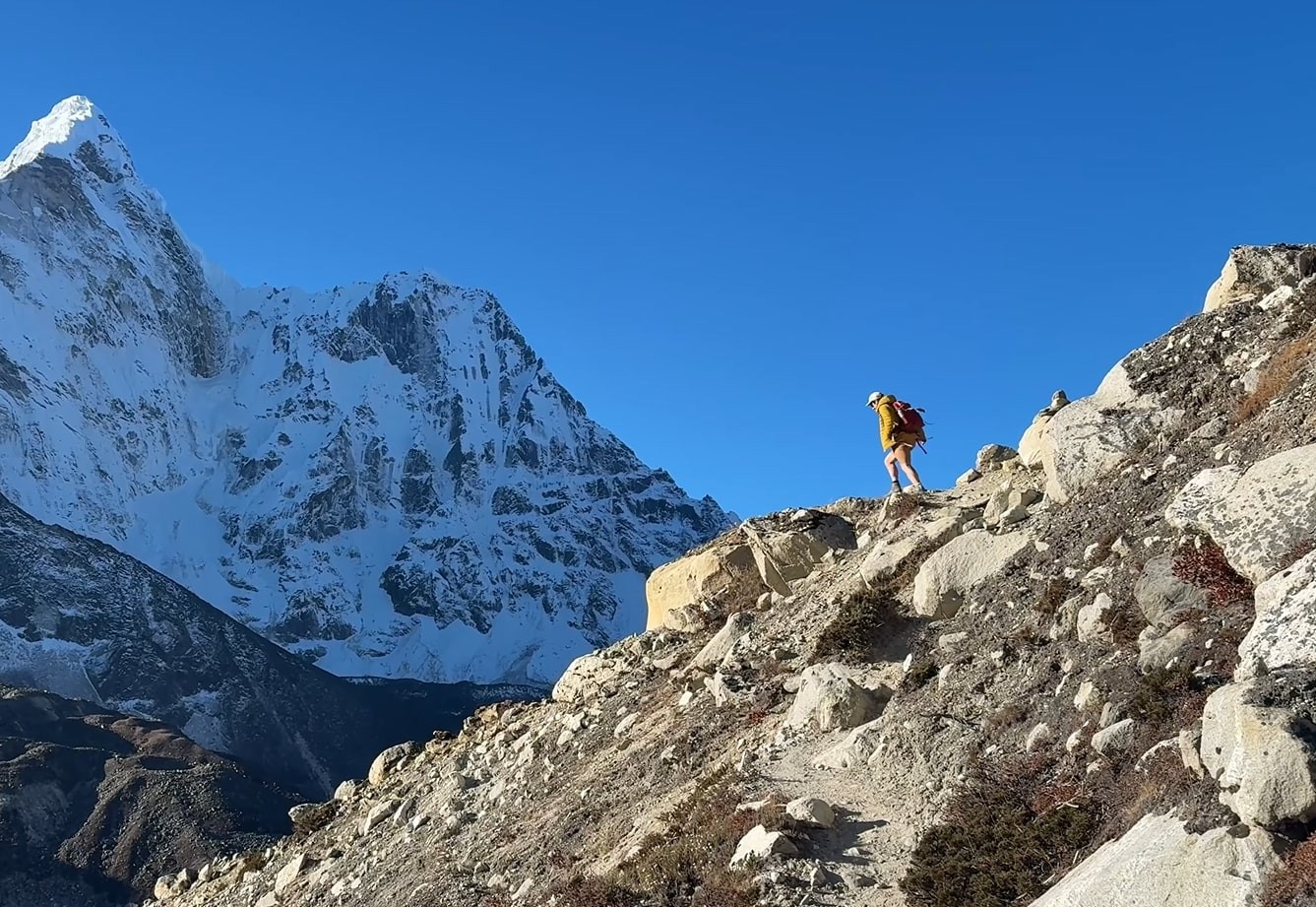
Island Peak sits at 6,189 meters (20,305 feet) in the Khumbu region, literally in the shadow of some of the world's highest mountains. The name "Island Peak" comes from its appearance—when viewed from Dingboche, it looks like an island in a sea of ice. The Nepali name, Imja Tse, is more poetic and translates roughly to "Island Peak" in the local Sherpa language.
What makes this peak unique is its location. You're not climbing some isolated mountain in the middle of nowhere. You're in the heart of the Everest region, following the same trail that Everest Base Camp trekkers use for most of the journey. The difference? Instead of turning left toward Everest Base Camp, you turn right toward Chhukung and eventually Island Peak Base Camp.
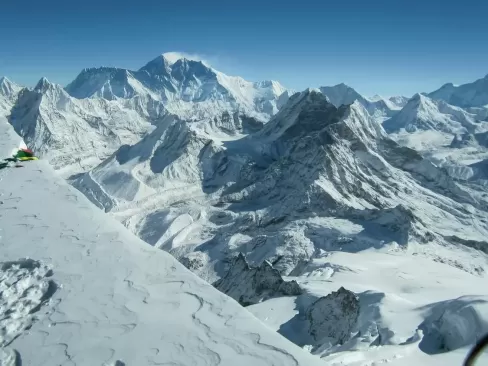
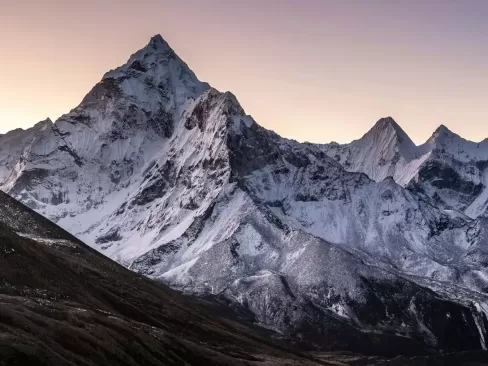
The summit day offers one of the most spectacular panoramic views in the Himalayas. From the top, you're eye-level with Lhotse (8,516m), you can see Makalu (8,485m) in the distance, Ama Dablam looks close enough to touch, and Everest (8,849m) dominates the northern horizon. That 360-degree view of 6,000, 7,000, and 8,000-meter peaks is what climbers come for.
But before we get to the summit, let's talk about what it really takes to get there.
Here's where most articles give you the corporate answer: "You need to be in good physical condition." Let me be more specific.
Island Peak isn't a walk-up. You need:
Cardiovascular endurance for 6-8 hours of sustained effort on summit day, plus 10-12 days of trekking beforehand. If you can't comfortably hike 6 hours with a daypack right now, you're not ready yet. The good news? You have time to train.
Leg strength for thousands of vertical meters of ascent over the course of the expedition. Your quads will scream on the way down from base camp. Squats, lunges, and step-ups should become your routine.
Core strength matters more than you'd think. When you're walking on uneven terrain for hours, your core stabilizes every step. Weak core = back pain by day three.
Altitude tolerance is the wildcard. Some incredibly fit people get altitude sickness; some average-fitness people adapt perfectly. You won't know until you're there, which is why proper acclimatization is non-negotiable.
My guide, Dawa, put it this way: "I've seen bodybuilders turn around at base camp and 50-year-old teachers summit without problems. The mountain doesn't care about your gym membership. It cares about preparation and patience."
Give yourself at least 3-4 months of focused training:
Months 3-4 before departure: Build your base. Hiking with elevation gain, running, cycling—anything that gets your heart rate up for extended periods. Aim for 3-4 sessions per week, gradually increasing duration.
Months 1-2 before departure: Add weighted pack training. Start with 5kg and work up to 10kg for your long hikes. Your legs need to adapt to carrying weight at altitude. This is also when you should incorporate stair climbing—lots of stairs. The ascent to Island Peak involves plenty of steep sections.
Final month: Maintain fitness but start backing off intensity. You don't want to arrive in Nepal exhausted from training. Include flexibility and yoga to prevent injuries.
Pro tip from experience: Train on tired legs. Do back-to-back hiking days on weekends. Summit day comes after two weeks of trekking—your legs won't be fresh, and you need to know you can perform when fatigued.
Timing matters enormously for Island Peak climbing success.
This is the most popular season, and for good reason:
Downsides: More climbers on the route, higher prices for permits and services, more crowded lodges on the approach trek.
March can still be quite cold. April and May offer the best conditions. If you're flexible, early May is the sweet spot—great weather but after the peak crowds.
Post-monsoon brings:
Downsides: Still quite popular so crowded trails, October is peak season so book in advance, November starts getting cold at altitude.
September can have lingering monsoon weather. October is ideal but crowded. November works but brings colder summit day conditions.
Winter climbing is possible but challenging:
This season is only recommended for climbers with previous winter mountaineering experience. The technical difficulty increases with snow depth and ice conditions.
While some people attempt Island Peak during monsoon:
Most reputable companies don't offer monsoon climbs. If you can only travel in summer, consider treks in rain shadow areas like Upper Mustang or Upper Dolpo instead.
Island Peak is classified as a "moderate" or "beginner-level" trekking peak. But let's define what that actually means because "moderate" at 6,189 meters is very different from "moderate" at sea level.
Physical difficulty is high. Anyone saying otherwise is misleading you.
Technical difficulty is low compared to serious alpine climbing, but you're not just walking. You need to know how to use the equipment properly.
This is the biggest factor. Above 5,500 meters, your body is slowly dying. It can't acclimatize long-term to this altitude—you're in the "death zone lite." Every system in your body is stressed.
Symptoms you might experience:
This is why proper acclimatization is essential. It's also why summit day feels so hard despite the relatively simple climbing—your body is operating at 50% capacity.
Honest answer: You don't need to be an experienced mountaineer, but you should have:
Previous climbing experience helps but isn't mandatory. Many people summit Island Peak as their first technical peak. What matters more is preparation, proper acclimatization, and a good guide.
If you've completed challenging treks like Annapurna Circuit or Manaslu Circuit, you understand multi-day mountain travel. Island Peak is the logical next step.
Let's be realistic about living conditions during an Island Peak expedition.
Accommodation: Twin-share rooms in tea houses (mountain lodges). Don't expect hotels. Expect:
Food: Surprisingly varied menus at most lodges offering:
Quality decreases with altitude as everything must be carried up. At Chhukung, expect simpler food and smaller portions. Always order dal bhat when possible—it's what the lodges make best and it's the fuel you need.
Accommodation: Tents. Usually 2-person tents shared between climbers. Your team provides:
Food: Your expedition's cook prepares meals:
Food quality depends on your company. Good operators bring fresh food and skilled cooks. Budget operators bring instant noodles and inexperienced staff. This is one area where you get what you pay for.
Appetite drops dramatically above 5,000 meters. Force yourself to eat anyway. Your summit push requires fuel even if you don't feel hungry.
Personal snacks are essential:
You can buy some snacks in Namche, but selection is limited and expensive higher up.
Modern trekking in Nepal is more connected than you might expect.
WiFi: Available at most tea houses. Speed is slow but sufficient for messaging and basic browsing. Don't expect video streaming. WiFi reliability decreases with altitude—Chhukung and above might have no connection or very expensive/slow options.
Mobile Network: Nepal Telecom (Ncell or NTC) SIM cards work surprisingly well throughout the Khumbu region. Buy a SIM in Kathmandu at the airport or in Thamel, load it with 10-15GB of data, and you'll have coverage all the way to Island Peak Base Camp. Better than WiFi in many places.
Satellite Phones: Your guide team will have emergency satellite communication. Some companies offer satellite phone rentals for personal use, but these are expensive.
Charging Devices:
At base camp and high camp, your team usually provides charging from generator or solar panels.
Pro tip: Put your phone in airplane mode to conserve battery at altitude. The cold drains batteries quickly, so keep devices in your sleeping bag at night.
Here's the reality: Island Peak climbing is only as good as the team organizing it. This isn't a solo adventure—you're trusting your safety and success to your operator.
What makes Explore Holiday Nepal different:
Experienced Climbing Guides: All our guides are government-certified mountaineering guides with years of Island Peak experience. They've summited multiple times, know the route intimately, and prioritize safety over summit success rates.
Proper Acclimatization Itineraries: We don't cut corners on acclimatization days. Our 18-19 day itineraries include proper rest days in Namche and Dingboche, plus a contingency day for weather. Rushing leads to altitude sickness and failed summits—we won't do it.
Quality Equipment: We provide climbing equipment that's properly maintained and replaced regularly. Your safety depends on gear working correctly at 6,000 meters—we don't compromise here.
Small Group Sizes: Maximum 6 climbers per guide team. This ensures personalized attention and better guide-to-climber ratios on summit day. Large groups move slowly and limit your summit window.
Comprehensive Training: Two full training sessions—one in Kathmandu and one at Base Camp. We ensure every climber is comfortable with crampon walking, ice axe use, jumar ascending, and safety procedures before attempting the summit.
Responsible Tourism Practices: We pay our porters and staff fair wages, provide proper insurance, and limit loads to ethical amounts. We also follow Leave No Trace principles and remove all waste from base camps.
Flexible Weather Decisions: If weather is marginal, we have contingency days built in. We won't push you to summit in dangerous conditions. Your safety matters more than statistics.
Post-Expedition Support: After successful summits, we help with summit certificate processing and can arrange additional trekking adventures if you've fallen in love with the Himalayas.
Many climbers use Island Peak as part of a longer Khumbu adventure. Popular combinations include:
Island Peak + Everest Base Camp: Add 2-3 extra days to visit Everest Base Camp before or after your climb. The trails diverge at Dingboche, making this relatively easy to combine.
Three Peaks Challenge: Attempt multiple trekking peaks in one expedition. Mera Peak (6,476m) and Island Peak can be combined for climbers wanting to push further.
Extended Khumbu Circuit: Combine Island Peak with the Gokyo Lakes trek and Cho La Pass crossing for a comprehensive 3-4 week adventure.
Helicopter Return: After summiting, take a helicopter from Lukla back to Kathmandu for a spectacular aerial view of the mountains you just climbed. This also gives your tired legs a break.
Two months before departure:
One month before:
Two weeks before:
One week before:
Here's what surprised me most about Island Peak: it wasn't standing on the summit, as incredible as that was. It was everything surrounding that moment.
It was the monastery at Tengboche where monks chanted as the sun set on Everest. It was sharing dal bhat with porters at base camp, trading stories despite the language barrier. It was watching my guide's face light up when I successfully climbed the headwall. It was the camaraderie with other climbers, all pushing through the same struggles.
The summit was the pinnacle, literally and figuratively. But the journey—the full three weeks of trekking, climbing, laughing, suffering, and discovering what you're capable of—that's the real achievement.
Island Peak will test you. The altitude will humble you. The cold will challenge you. But if you prepare properly, choose the right team, and approach it with respect, you'll come away with an experience that changes how you see yourself and what's possible.
The mountains are waiting. The question is: are you ready?
Ready to start your Island Peak climbing adventure? Explore Holiday Nepal offers comprehensive Island Peak climbing expeditions with experienced guides, proper acclimatization schedules, and everything you need for a safe and successful summit. We also organize other peak climbing adventures throughout Nepal.
Questions about preparation, costs, or itinerary? Contact our expedition team or message us on WhatsApp. We're here to help you prepare for the adventure of a lifetime.
Have you climbed Island Peak or are you planning to?
Your Start Date is the day you land in Nepal, and your End Date is when you fly home.
If the set Island Peak Climbing group dates don’t suit your schedule, we can offer alternative dates upon request.
Island Peak Climbing was an exhilarating challenge with some of the most breathtaking views of the Himalayas. Explore Holiday Nepal provided excellent guides and support, making this an unforgettable experience. Highly recommend!
The Island Peak Climbing experience was incredible, offering an adventure through high-altitude landscapes and technical climbing. Explore Holiday Nepal provided top-tier service, ensuring a safe and memorable summit!
Island Peak, also known as Imja Tse, is a popular trekking peak in the Khumbu region of Nepal. Standing at 6,189 meters (20,305 feet), it is renowned for its stunning views of the surrounding Himalayas, including the majestic peaks of Lhotse and Ama Dablam. The climb is often included as part of the Everest Base Camp trek, making it accessible to many trekkers seeking a climbing experience.
Yes, Island Peak is considered a suitable option for beginners with a good level of fitness and trekking experience. However, prior climbing experience is beneficial, as the ascent involves glacier travel and some technical sections. Many climbers choose to undertake the climb as part of a guided expedition, which provides support and instruction.
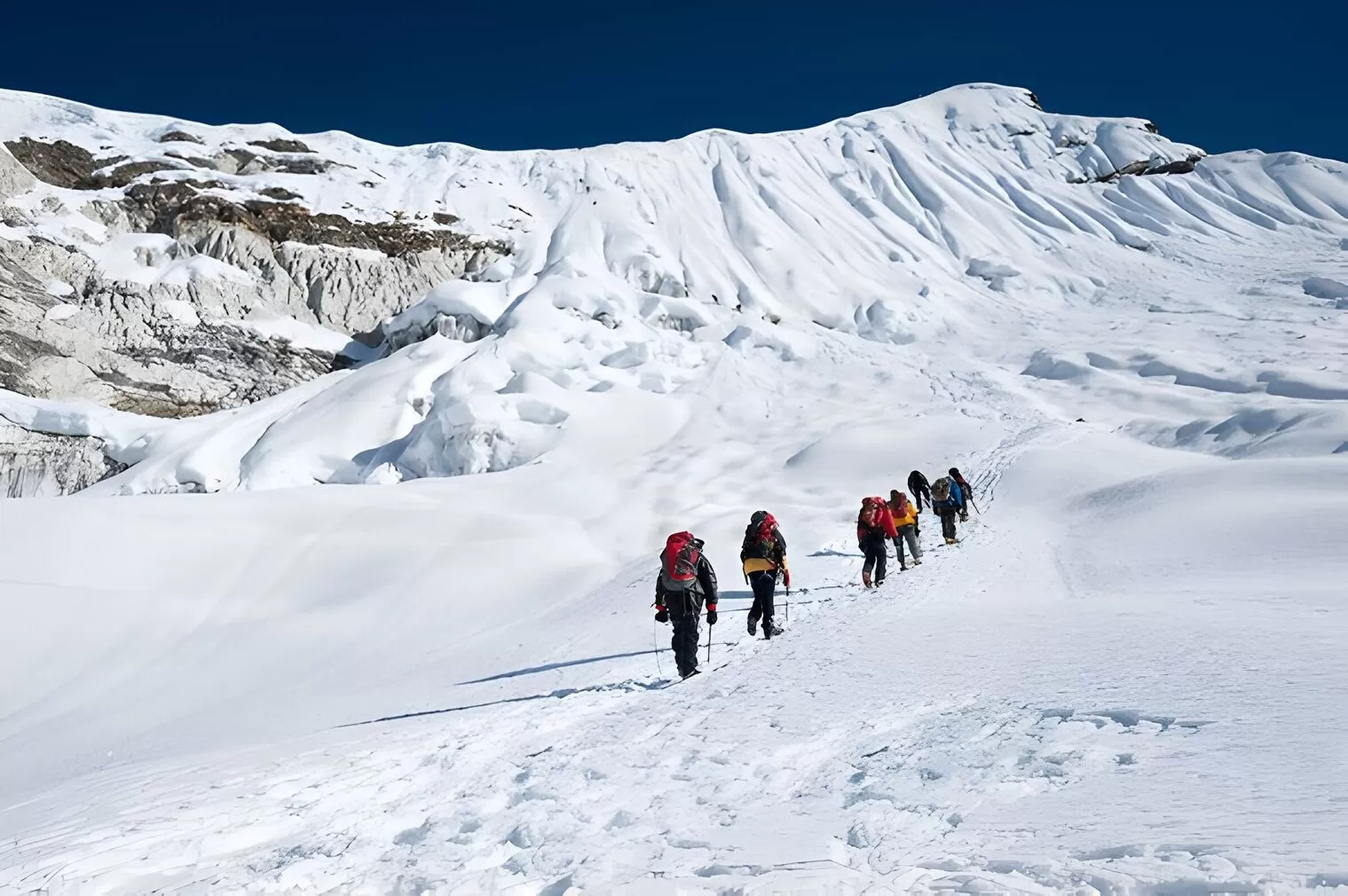
The climb to the summit involves several stages, including trekking to Base Camp, acclimatization, and the ascent itself. Climbers will navigate rocky terrain, ice, and snow, requiring the use of climbing gear like crampons and ice axes. The summit day is typically a long and challenging push, starting early in the morning to take advantage of favorable conditions.
The ascent to Island Peak is considered moderately difficult. While the climbing route is straightforward, it does require some technical skills and physical fitness. Climbers should be prepared for steep sections and potentially challenging weather conditions, especially at higher altitudes.
The best times to climb Island Peak are during the pre-monsoon (March to May) and post-monsoon (September to November) seasons. During these months, the weather is generally stable, and the views are clear, offering optimal climbing conditions. Avoiding the winter months is advisable due to harsh weather conditions.
Climbers typically need a range of equipment for Island Peak, including climbing boots, crampons, harnesses, ice axes, and appropriate clothing for cold weather. Many trekking companies provide a detailed packing list and may offer some rental equipment. It's essential to ensure you have the right gear for safety and comfort.
Preparing for Island Peak climbing involves physical conditioning, such as cardiovascular training, strength building, and endurance activities. It's also beneficial to undertake shorter treks or climbs to gain experience. Familiarizing yourself with the climbing gear and techniques will enhance your confidence and readiness for the climb.
Yes, safety is a top priority during Island Peak expeditions. Experienced guides lead the climbs, providing support and ensuring climbers are equipped with the necessary gear. Participants receive safety briefings and instruction on using climbing equipment. Additionally, acclimatization days are built into the itinerary to reduce the risk of altitude sickness.
Accommodation during the trek typically includes teahouses and lodges, providing basic amenities. At Base Camp, climbers usually set up tents. Facilities vary, but most teahouses offer meals and warm showers, while Base Camp accommodations are more basic, focusing on safety and comfort during the climb.




 (34)
(34) 