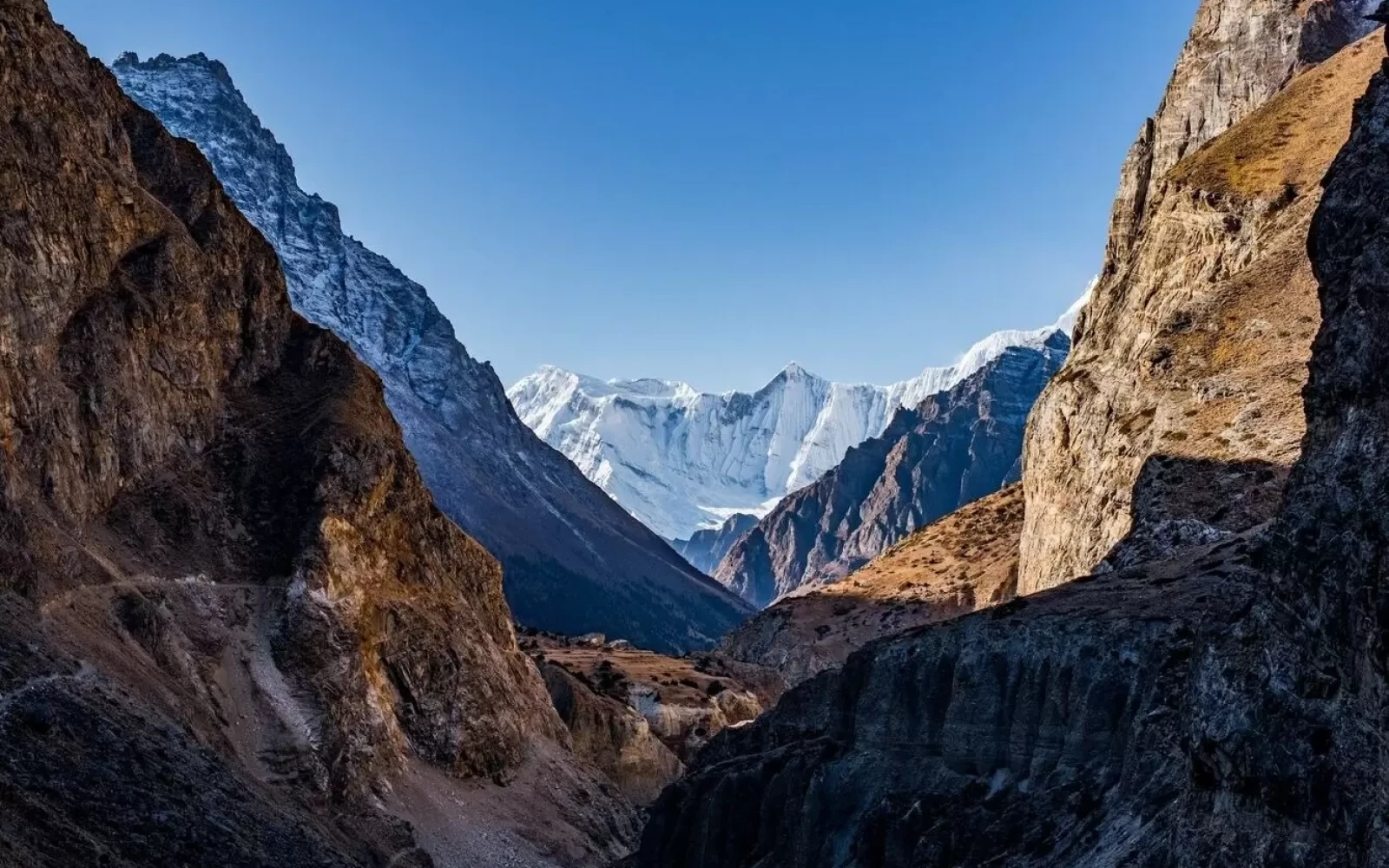
The Nar Phu Valley trek is a remote and less-traveled extension of the Annapurna Circuit, offering trekkers a rare glimpse into untouched Himalayan landscapes. Nestled in the northern part of the Annapurna region, this valley combines high-altitude adventure with authentic cultural experiences. Unlike the more frequented Annapurna trails, Nar Phu Valley remains pristine, allowing for solitude, panoramic vistas, and a chance to witness traditional Tibetan-influenced villages.
This journey is perfect for trekkers seeking both natural beauty and cultural immersion. It covers altitudes ranging from 1,830 meters to over 4,600 meters, ensuring a challenging yet rewarding experience. Highlights include crossing the Thorong La Pass, exploring ancient monasteries, and walking through villages where modernity has yet to take hold.
Nar Phu Valley is often described as a hidden treasure of the Annapurna region. While the main Annapurna Circuit attracts large numbers of trekkers each season, this trail remains secluded, preserving its natural and cultural heritage. The journey introduces trekkers to rugged mountain terrain, crystal-clear streams, and unique flora and fauna.
The trek allows travelers to experience authentic Himalayan village life. Traditional stone houses, prayer flags fluttering in the wind, and local customs provide a glimpse into a lifestyle that has remained unchanged for centuries. The isolation of the valley creates a sense of adventure and connection to nature that is increasingly rare in more commercial trekking areas.
Why Explore Nar Phu Valley:
Nar Phu Valley’s remoteness is both its charm and its challenge. Located beyond the northern Annapurna Circuit, the valley requires additional planning, permits, and acclimatization due to its high altitudes. Its inaccessibility means fewer lodges and amenities, appealing to trekkers seeking a more rugged experience.
The valley has historically been isolated due to natural barriers like mountains and high passes. This isolation has preserved its cultural identity and traditional lifestyle, but it also means that trekkers must be well-prepared for limited facilities and unpredictable weather conditions.
Factors Contributing to Its Seclusion:
Planning a Nar Phu Valley trek requires careful preparation. Trekkers must account for altitude changes, acclimatization days, and longer durations of walking between villages. The best season is during spring (March–May) and autumn (September–November), when the weather is stable and the skies are clear for panoramic views.
The journey begins in Kathmandu, followed by a scenic drive to Jagat to start the trekking portion. From there, the trek gradually ascends through Dharapani, Koto, Meta, and finally into the Nar and Phu villages. Crossing Thorong La Pass at 4,600 meters is a highlight, followed by a descent to Muktinath and onward to Jomsom and Pokhara. Each day offers diverse landscapes, from dense forests to high alpine meadows and rugged mountain passes.
Planning Essentials:
The Nar Phu Valley trek is best undertaken during spring (March to May) and autumn (September to November). During these months, the weather is relatively stable, the skies are clear, and the temperature is moderate for high-altitude trekking. Spring offers blooming rhododendrons and lush valleys, while autumn provides crisp, clear mountain views and golden terraced fields.
Winter trekking (December to February) is possible but challenging due to heavy snowfall, icy trails, and extreme cold, especially above 4,000 meters. Monsoon season (June to August) is generally not recommended because of landslides, leeches, and slippery trails. Proper timing ensures both safety and the best visual experience of the hidden Himalayan landscapes.
Key Points:
The Nar Phu Valley trek branches off from the classic Annapurna Circuit, offering a less-traveled and more remote experience. The journey begins with a drive from Kathmandu to Jagat, then continues on foot through Dharapani, Koto, and Meta, gradually entering Nar and Phu villages. This route allows trekkers to explore both the traditional Annapurna Circuit landscapes and the secluded Himalayan valleys of Nar Phu.
The trek features varying terrains, from dense forests and terraced farmlands at lower altitudes to alpine meadows and rugged high-altitude passes. One of the most notable highlights is the Thorong La Pass at 4,600 meters, which provides panoramic views of the Annapurna and Dhaulagiri ranges. The descent from Muktinath to Jomsom and Pokhara completes the circuit with contrasting lower-altitude landscapes.
Key Points:
Proper gear is crucial for comfort and safety on the Nar Phu trek due to high altitudes, changing temperatures, and remote locations. Layered clothing is recommended, including thermal base layers, insulated jackets, and waterproof outer layers. Sturdy trekking boots with ankle support are essential for rocky and uneven terrain.
Other important items include a quality sleeping bag rated for sub-zero temperatures, trekking poles for stability, and a reliable daypack. Accessories like gloves, hats, sunglasses, and sunscreen are important for high-altitude sun exposure. Keeping gear lightweight yet functional is key, as carrying heavy packs over long distances can be exhausting.
Essential Gear Checklist:
Nar Phu Valley treks reach elevations of over 4,600 meters, making proper acclimatization critical to prevent altitude sickness. The itinerary includes rest and acclimatization days in Phu and Nar to allow trekkers’ bodies to adjust gradually. Ascending too quickly can lead to headaches, nausea, or more severe altitude-related issues.
Hydration and nutrition play a significant role in maintaining energy and coping with thinner air. Trekking at a steady pace and listening to your body are vital. In case of severe symptoms, descending immediately is the safest option. Pre-trek preparation, including cardiovascular training and awareness of altitude sickness symptoms, enhances safety and enjoyment.
Acclimatization Tips:
The villages of Nar and Phu are cultural highlights of the trek, reflecting Tibetan-influenced lifestyles that have remained largely unchanged for centuries. Stone houses, prayer flags, monasteries, and traditional farming practices give trekkers a glimpse into Himalayan rural life. These villages also serve as important acclimatization stops before tackling high passes.
Other villages along the route, such as Dharapani, Koto, Meta, and Manang, provide opportunities to rest, interact with locals, and experience regional hospitality. Each village has its own charm, from lush terraced fields at lower altitudes to rugged settlements surrounded by snow-capped peaks at higher elevations. Staying in these villages connects trekkers to both the landscape and its people.
Key Villages:
Nar Phu Valley offers some of the most breathtaking landscapes in the Annapurna region. The trek moves through lush terraced fields, dense forests, alpine meadows, and rugged high-altitude passes. From the start in Dharapani to the Thorong La Pass at 4,600 meters, every day provides a new perspective of the Himalayas, from distant snow-capped peaks to serene valleys blanketed in wildflowers.
Some of the most iconic viewpoints include the Kang La Pass, offering panoramic vistas of the Annapurna and Manaslu ranges, and the Thorong La Pass itself, which provides an awe-inspiring 360-degree Himalayan panorama. Smaller vantage points along the trail allow trekkers to appreciate cascading waterfalls, gorges, and glacial rivers, making the journey visually rich and rewarding.
Highlights:
The Nar Phu region is rich in biodiversity, with flora and fauna that thrive in high-altitude ecosystems. The lower valleys are home to rhododendron and oak forests, while alpine zones feature juniper, Himalayan blue poppies, and rare medicinal plants. The changing landscapes create a striking contrast as trekkers move from green valleys to stark rocky slopes.
Wildlife sightings are possible but require patience, as the area is relatively untouched by tourism. Species include the Himalayan monal (the national bird of Nepal), snow leopards in higher regions, blue sheep, and various pheasants. Birdwatchers and nature enthusiasts will find the Nar Phu trek an extraordinary opportunity to observe wildlife in a natural, undisturbed environment.
Key Flora and Fauna:
Nar and Phu villages are inhabited by communities with Tibetan-influenced traditions that have persisted for centuries. Villagers live in stone houses with wooden carvings, practice Buddhist rituals, and maintain monasteries that serve as spiritual centers. Daily life revolves around farming, yak herding, and traditional handicrafts, offering trekkers a window into an authentic Himalayan lifestyle.
Festivals and religious ceremonies are integral to village life, often marked by prayer flags, chants, and offerings. Visitors are welcomed with genuine hospitality, providing an opportunity to learn about local beliefs, clothing, and rituals. The cultural richness of Nar Phu Valley is a unique complement to the natural beauty of the region.
Cultural Highlights:
Trekking in Nar Phu Valley provides a taste of Himalayan hospitality through its simple yet hearty food and cozy tea houses. Meals typically include dal bhat (lentils with rice), soups, noodles, and locally grown vegetables, designed to provide the energy needed for high-altitude trekking. Tea houses offer rest stops with warm meals and often breathtaking mountain views from their terraces.
The welcoming nature of the villagers extends to accommodation as well. Staying in tea houses allows trekkers to experience local life, interact with families, and enjoy authentic home-cooked meals. The combination of nourishing food, warm rooms, and friendly hosts creates a memorable and comforting experience amid remote, rugged landscapes.
Highlights of Trekking Hospitality:
The Nar Phu Valley trek is remote and high-altitude, presenting unique challenges for trekkers. One of the primary challenges is altitude itself, as the trek reaches 4,600 meters at Thorong La Pass. Altitude sickness, fatigue, and reduced oxygen levels are risks that require careful planning and acclimatization. Steep ascents, rugged trails, and variable weather conditions also demand physical fitness and preparedness.
The weather in high Himalayan regions can be unpredictable, with sudden snow, rain, or temperature drops. The remoteness of the valley means limited access to medical facilities, making safety precautions crucial. Trekkers should follow recommended acclimatization schedules, travel with reliable guides, and carry emergency gear including first aid kits, warm clothing, and navigation tools.
Safety Tips:
Nar Phu Valley offers incredible opportunities for photography, from dramatic mountain panoramas to intimate cultural scenes. Early mornings and late afternoons provide the best light for capturing snow-capped peaks, valleys, and rivers. Dramatic cloud formations and changing light conditions create perfect settings for landscape shots.
Villages like Nar and Phu provide rich cultural photography opportunities. Stone houses, prayer flags, and traditional ceremonies can be captured while respecting local customs. Wildlife photography is also rewarding, especially of birds and high-altitude fauna. Using a zoom lens helps capture distant landscapes, while wide-angle lenses are ideal for expansive valley scenes.
Nar Phu Valley is a hidden gem that offers a perfect blend of adventure, natural beauty, and cultural immersion. Its remote location ensures pristine landscapes, from verdant forests to towering Himalayan peaks. The trek is challenging yet rewarding, giving travelers the satisfaction of exploring one of Nepal’s most untouched valleys.
Beyond landscapes, the cultural richness of Nar and Phu villages, along with warm local hospitality, makes the experience unforgettable. Crossing high passes like Thorong La and witnessing panoramic Himalayan vistas adds a sense of achievement. For trekkers looking for solitude, adventure, and authentic Himalayan life, Nar Phu Valley is a must-visit destination.
Reasons to Include Nar Phu Valley in Your Trekking Plans:
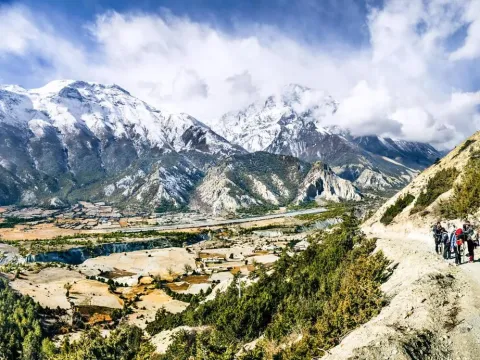
Nepal is often called the ultimate trekking destination in the world, and for good reason. Nestled among the highest peaks on Earth, including Mount Everest and the Annapurna ranges, this small but majestic country offers an unparalleled variety of trekking experiences.
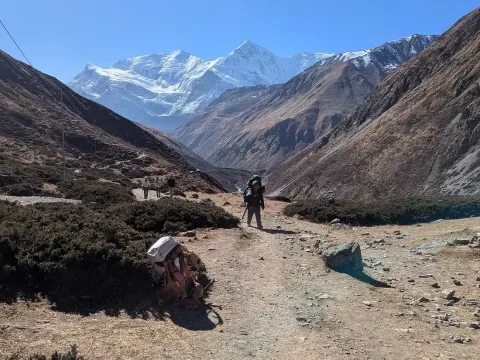
Nepal, home to some of the world’s most breathtaking mountain landscapes, offers a variety of trekking experiences, but none quite compare to the grandeur of the Manaslu and Annapurna Circuits. Both treks are iconic in their own right, drawing adventurers from around the globe. However, they differ significantly in terms of scenery, difficulty, cultural experiences, and remoteness.
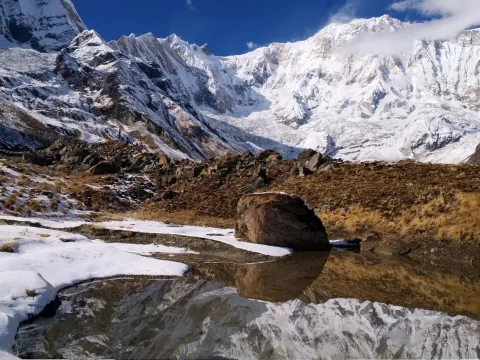
Standing beneath the towering peaks of the Annapurna massif, thousands of trekkers each year wonder the same thing: can beginners do Annapurna trek?


 (34)
(34) 