 Discovering Kathmandu’s Cultural Tapestry: A Complete Guide for Travelers and Trekkers
Kathmandu is more than just Nepal’s capital—it is the cultural, spiritual, and historical gateway to the Himalayas. For many travelers, Kathmandu is the first encounter with Nepal, and for trekkers, it serves as the starting point for legendary journeys into the mountains. A full-day sightseeing experience in Kathmandu offers far more than a checklist of monuments; it is an immersion into centuries-old traditions, living heritage, and a way of life that has remained remarkably resilient through time.
Whether you are preparing for iconic adventures such as the Everest Base Camp Trek, Annapurna Base Camp Trek, or a remote journey like the Rara Lake Trek, understanding Kathmandu adds depth and meaning to your overall Nepal experience. This guide explores what travelers truly want to know—culture, spirituality, heritage, best experiences, local insights, and how Kathmandu connects seamlessly with trekking adventures across Nepal.
Many travelers underestimate the importance of spending time in Kathmandu before heading to the mountains. Yet, Kathmandu provides essential cultural context that enhances every trek that follows. The temples, stupas, and historical squares you visit here explain the beliefs, rituals, and traditions you’ll later encounter in remote villages along trails such as the Langtang Valley Trek or the Manaslu Circuit Trek.
Kathmandu also allows travelers to:
Adjust to Nepal’s pace and environment
Recover from long international flights
Learn about local customs and religious practices
Prepare mentally for Himalayan travel
For those embarking on longer adventures like the Everest Three Pass Trek or culturally rich routes such as the Upper Mustang Trek, Kathmandu sightseeing creates a meaningful foundation that transforms the trek into a holistic journey rather than just a physical challenge.
Perched on a forested hill overlooking the Kathmandu Valley, Swayambhunath Stupa is one of Nepal’s most sacred and symbolic landmarks. Often referred to as the Monkey Temple, it offers sweeping views of the city while serving as a deeply spiritual site for Buddhists and Hindus alike.
The climb to the top, though steep, is part of the experience. Prayer flags flutter overhead, prayer wheels spin beneath travelers’ palms, and the scent of incense fills the air. The all-seeing eyes of Buddha gaze calmly in every direction, symbolizing wisdom and compassion.
Visitors searching for:
Kathmandu spiritual places
Buddhist heritage in Nepal
Best viewpoints in Kathmandu
will find Swayambhunath to be one of the most rewarding stops. For trekkers heading toward Sherpa and Tibetan-influenced regions like the Everest Base Camp Trek or Langtang Valley Trek, Swayambhunath offers a gentle introduction to Himalayan Buddhist culture.
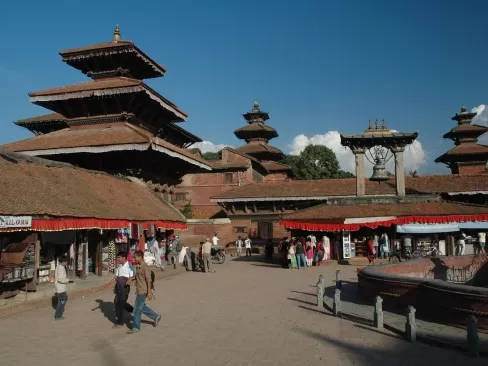
At the heart of the old city lies Kathmandu Durbar Square, a UNESCO World Heritage Site that showcases the architectural brilliance of the Malla kings. Unlike a traditional museum, this square is alive with daily rituals, festivals, and local activity.
Intricately carved wooden windows, stone temples, and open courtyards tell stories of royal ceremonies, craftsmanship, and devotion. Landmarks such as Hanuman Dhoka Palace, Taleju Temple, Kasthamandap, and Kumari Ghar (home of the Living Goddess) provide deep insight into Nepal’s unique blend of Hinduism and Buddhism.
Travelers often search for:
Kathmandu UNESCO World Heritage Sites
Newari culture and history
Living goddess Kumari Nepal
For cultural trekkers planning routes like the Manaslu Circuit Trek or Upper Mustang Trek, Durbar Square reveals the artistic and spiritual roots that extend far beyond Kathmandu into Nepal’s remote regions.
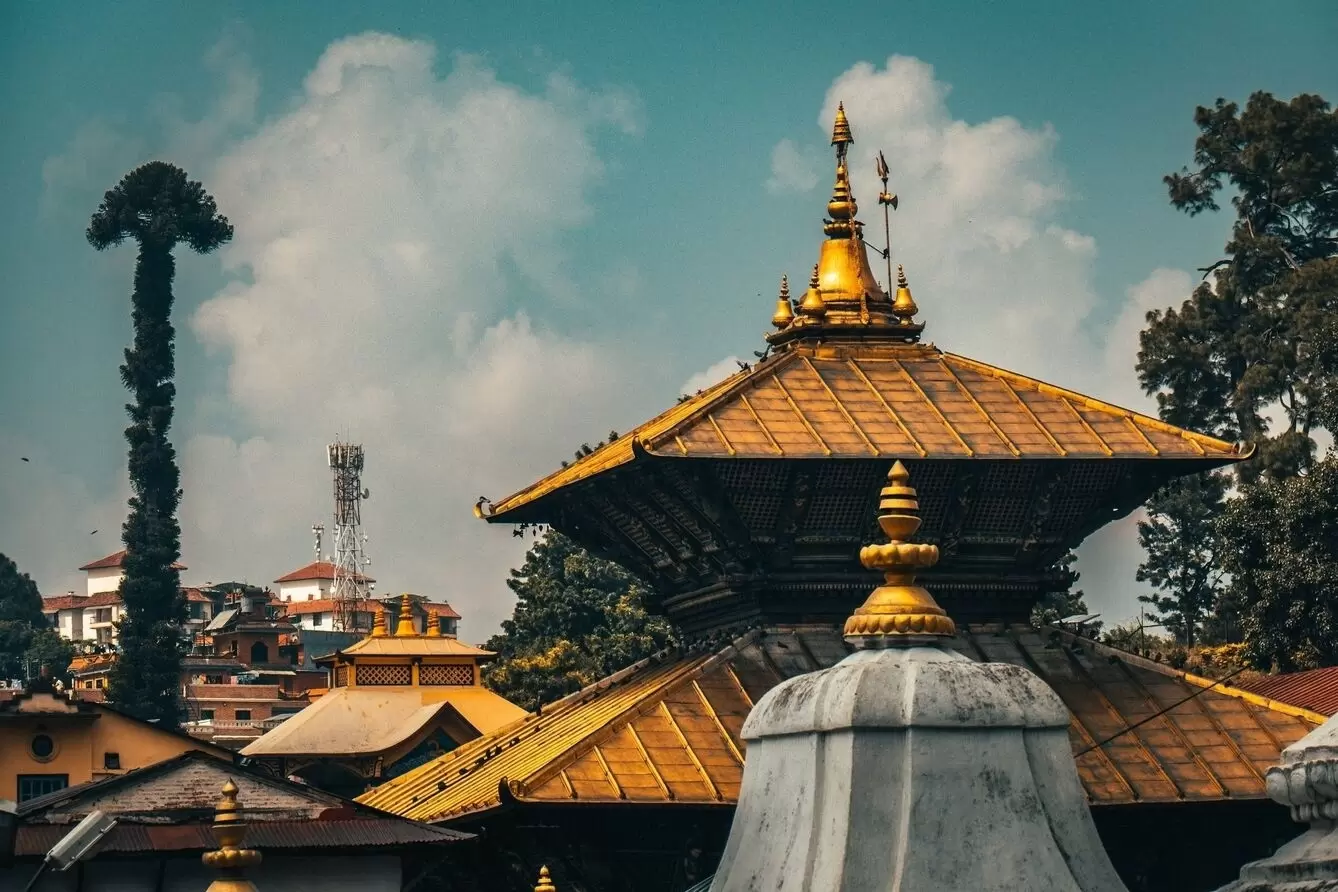
Located along the sacred Bagmati River, Pashupatinath Temple is the most important Hindu shrine in Nepal and one of the most significant Shiva temples in South Asia. The atmosphere here is profound, emotional, and deeply spiritual.
Visitors witness:
Devotees offering prayers to Lord Shiva
Sadhus sharing blessings and wisdom
Traditional cremation ceremonies at the river ghats
While these rituals may feel intense, they reflect the Hindu understanding of life’s impermanence and the soul’s journey beyond death. Travelers often search for:
Pashupatinath Temple significance
Hindu cremation rituals Nepal
Spiritual experiences in Kathmandu
For those trekking through Hindu-influenced regions or combining cultural tours with treks like the Ghorepani Poon Hill Trek, Pashupatinath provides essential cultural understanding.
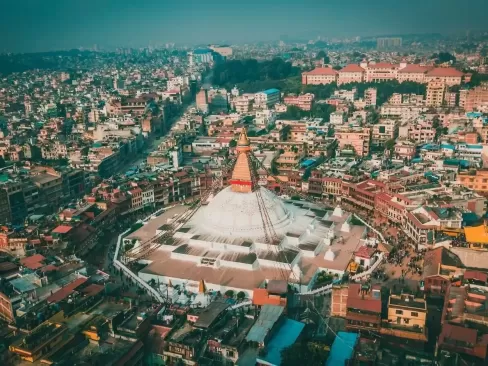
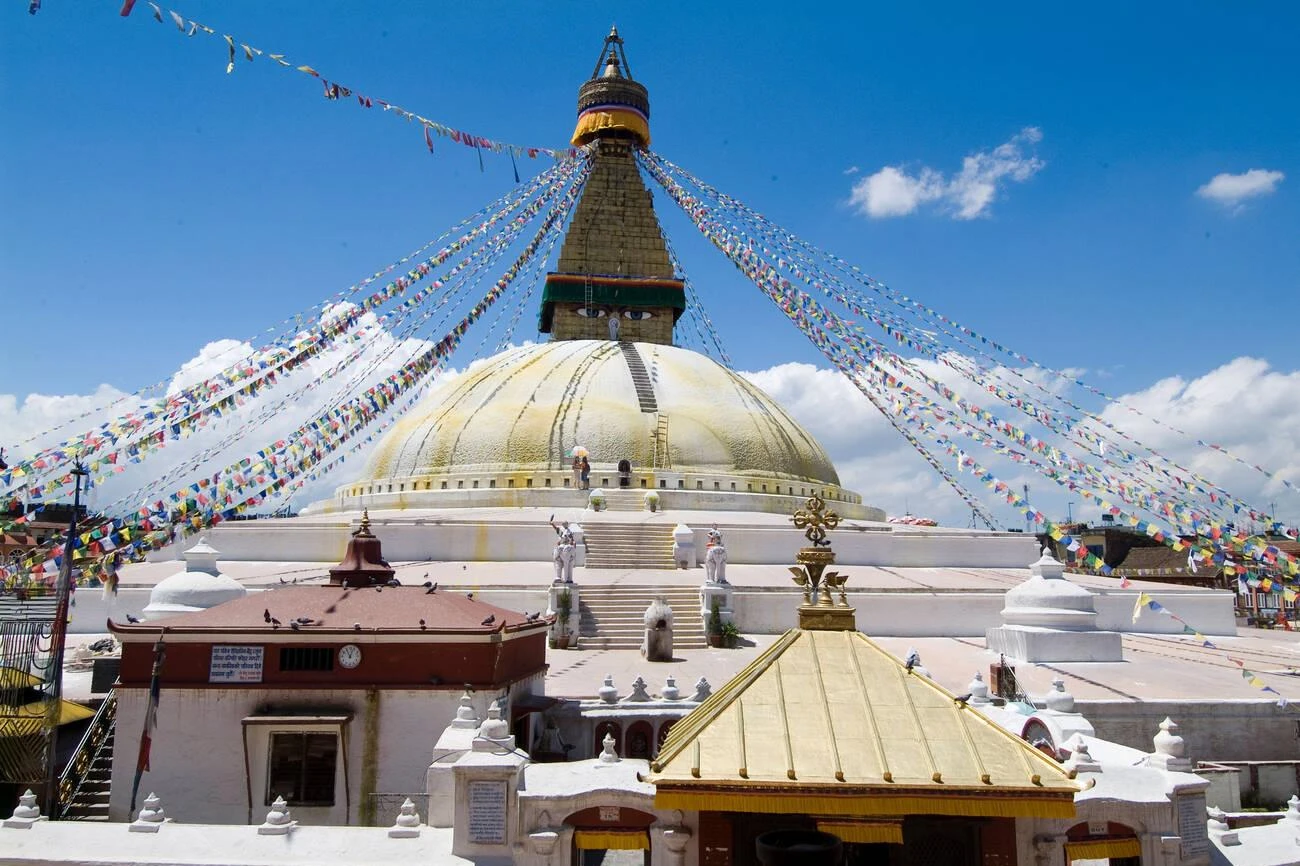
Few places in Kathmandu evoke peace quite like Boudhanath Stupa. One of the largest stupas in the world, it is a center of Tibetan Buddhism and a gathering place for monks, pilgrims, and travelers seeking calm.
As you walk clockwise around the stupa, spinning prayer wheels and listening to soft chants, time seems to slow down. Surrounding monasteries, rooftop cafés, and Tibetan shops create a unique cultural atmosphere unlike anywhere else in Nepal.
Common search interests include:
Boudhanath Stupa meditation
Tibetan culture in Nepal
Buddhist monasteries Kathmandu
Trekkers heading into Buddhist regions such as the Everest Base Camp Trek, Langtang Valley Trek, or Everest Three Pass Trek will find Boudhanath especially meaningful, as it mirrors the spiritual environment found in Himalayan villages.
Kathmandu sightseeing is incomplete without experiencing local food and street life. From traditional Newari dishes to popular Nepali meals like dal bhat, momos, and sel roti, the city offers a culinary journey that reflects its cultural diversity.
Popular areas such as Thamel, Ason Bazaar, and Indra Chowk provide insight into daily life. These markets are where locals shop, trade, and socialize—offering travelers an authentic experience beyond monuments.
Travelers often search:
What to eat in Kathmandu
Local markets in Kathmandu
Authentic Nepali food
For trekkers, understanding local food culture is especially useful, as similar meals are served along trekking routes across Nepal.
Kathmandu is not just a destination—it is the launching point for Nepal’s most iconic adventures. Almost every major trek begins with preparation, permits, and briefings in the capital.
From Kathmandu, travelers access:
Experiencing Kathmandu first allows trekkers to appreciate how religion, culture, and history shape life in the mountains.
Kathmandu can be visited year-round, but the best seasons are:
Spring (March–May): Clear skies, festivals, pleasant weather
Autumn (September–November): Best visibility, ideal before trekking
These seasons also align perfectly with trekking periods, making Kathmandu sightseeing a natural part of your Himalayan itinerary.
Kathmandu is not a place to rush through. It is a city that reveals itself slowly—through prayer flags fluttering in the wind, temple bells echoing at dawn, and quiet moments in ancient courtyards. For travelers and trekkers alike, Kathmandu provides meaning to the journey ahead.
Whether you are preparing for high-altitude adventures or simply exploring Nepal’s cultural soul, Kathmandu remains an essential experience—one that connects the past, present, and the mountains beyond.
Your Start Date is the day you land in Nepal, and your End Date is when you fly home.
If the set Kathmandu Full Day Sightseeing Tour group dates don’t suit your schedule, we can offer alternative dates upon request.
The Kathmandu Full Day Sightseeing Tour was a fantastic way to experience the city's rich culture and history. From the temples to the vibrant markets, everything was well-organized. Explore Holiday Nepal made the day smooth and memorable.
This full-day tour took us through the best sights of Kathmandu. The guide was knowledgeable, and the experience was both informative and exciting. Explore Holiday Nepal ensured every detail was taken care of.
The Kathmandu Full Day Sightseeing Tour is a guided experience that takes travelers to the most iconic and culturally significant sites in Kathmandu Valley. This tour typically includes visits to UNESCO World Heritage Sites, ancient temples, vibrant markets, and local neighborhoods, offering a comprehensive overview of the city’s rich history and culture.
The tour usually includes major highlights such as:
Swayambhunath Stupa (Monkey Temple): An ancient religious complex atop a hill, offering panoramic views of the city.
Boudhanath Stupa: One of the largest stupas in Nepal, surrounded by vibrant Tibetan culture.
Pashupatinath Temple: A sacred Hindu temple complex along the banks of the Bagmati River, known for its stunning architecture and cremation ghats.
Kathmandu Durbar Square: The historic heart of the city, featuring ancient palaces, temples, and courtyards.
The Kathmandu Full Day Sightseeing Tour typically lasts around 8 to 10 hours, including travel time between sites, guided explanations, and time for lunch. The exact duration can vary depending on traffic and the specific itinerary.
Yes, the Kathmandu Full Day Sightseeing Tour is suitable for travelers of all ages. However, participants should be prepared for a full day of activity. Families with children and older adults can enjoy the tour at a comfortable pace, as it can be adjusted to meet their needs.
Comfortable clothing and sturdy walking shoes are recommended, as you’ll be visiting various sites, some of which may require walking or climbing stairs. Modest attire is advisable when visiting religious sites—women should cover their shoulders and knees.
Lunch is often included in the tour package, but this can vary by tour operator. Many tours feature a meal at a local restaurant, providing a chance to taste traditional Nepali cuisine. It’s best to check with your operator when booking.
Entrance fees to most major sites are generally included in the tour price, but it’s important to confirm with your tour operator. Some sites may have separate fees that need to be paid on the day of the tour.





 (34)
(34) 