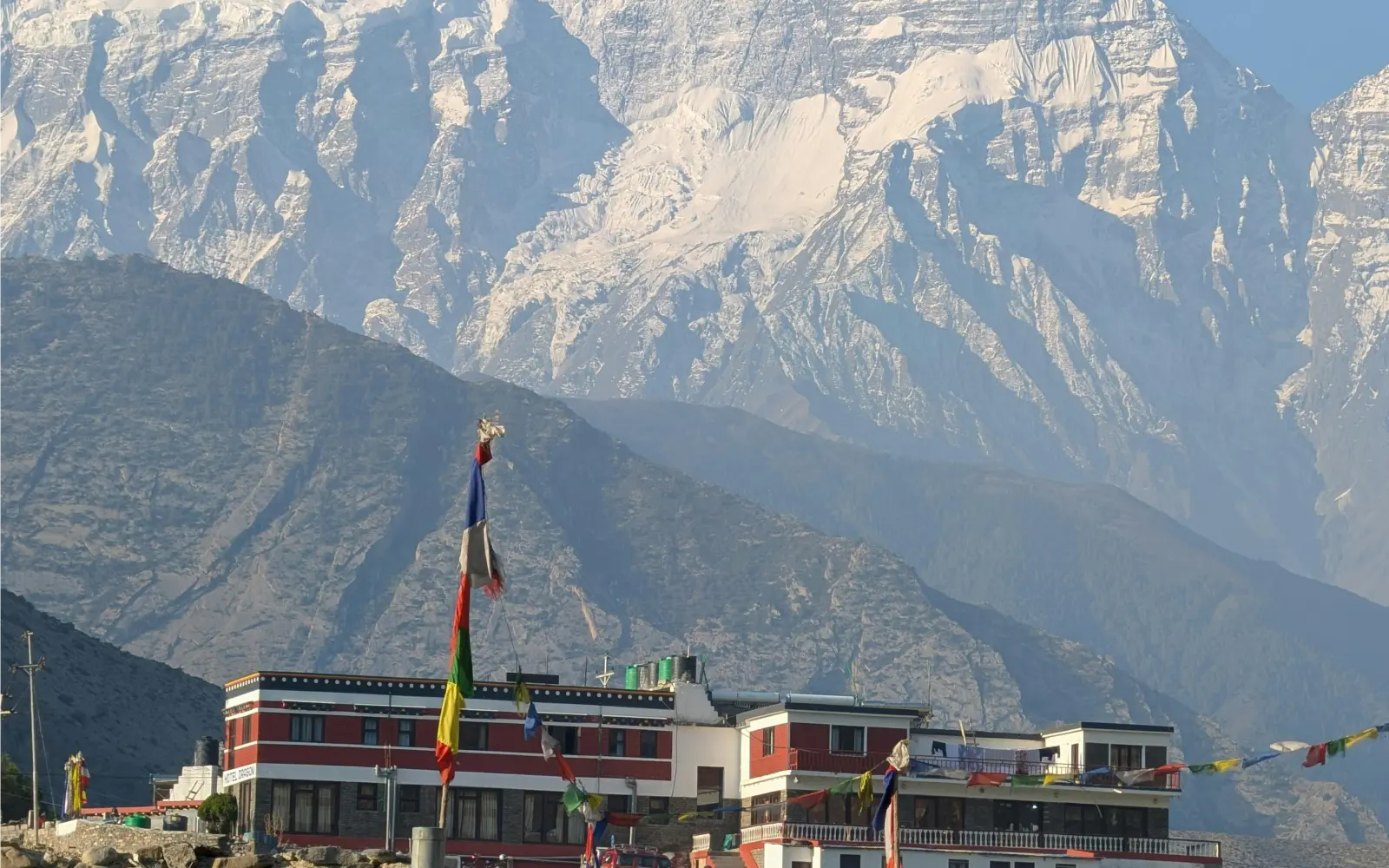
I still remember the sound that woke me at dawn during my first monastery stay in Nepal—the deep, resonant chanting of monks echoing through the mountain valleys. It wasn't an alarm clock or a rooster's crow, but something far more profound that seemed to vibrate through the very ground beneath me. That morning changed everything I thought I knew about spirituality and simplicity.
Nepal, nestled between the towering Himalayas, isn't just a destination for trekkers and adventure seekers. For centuries, this small nation has been a sanctuary for those searching for something deeper—a connection to ancient wisdom, inner peace, and a way of life that moves at the rhythm of prayer bells rather than traffic lights.
The monasteries of Nepal are more than just buildings perched on hillsides. They're living, breathing centers of Buddhist tradition that have survived wars, earthquakes, and the relentless march of modernization. From the bustling outskirts of Kathmandu to the remote reaches of the Everest region, these spiritual havens offer glimpses into a world where faith isn't just practiced on weekends—it's woven into every waking moment.
When you visit monastery Nepal locations, you're not just checking off tourist attractions. You're stepping into communities where young boys become monks at age six, where debates about philosophy can last for hours, and where silence itself becomes a teacher.
Life in Nepal monasteries starts early—often around 4:30 AM. The day opens with Puja (prayer ceremony), where monks gather in the main prayer hall. The smell of incense mingles with butter lamps as monks chant ancient scriptures in rhythmic unison. There's something hypnotic about watching dozens of maroon-robed figures swaying gently, their voices creating harmonies that seem to come from another era entirely.
A monk I met at Kopan Monastery once told me, "When I chant at dawn, I'm not just reciting words. I'm connecting with every monk who has ever sat in this hall, every teacher who has passed down these teachings. It's like being part of an unbroken chain stretching back centuries."
Daily life follows a disciplined yet peaceful rhythm:
Early Morning (4:30 AM - 7:00 AM)
Mid-Morning to Afternoon (7:00 AM - 12:00 PM)
Afternoon to Evening (1:00 PM - 9:00 PM)
What struck me most wasn't the schedule itself, but how monks approached each task with the same reverence—whether they were debating complex philosophy or sweeping the courtyard.
Perched at 3,867 meters in the Khumbu region, Tengboche Monastery offers what might be the world's most spectacular monastery view. During my trek to Everest Base Camp, I spent two nights here. The monastery sits against a backdrop of Ama Dablam, Everest, and Lhotse—peaks that seem close enough to touch.
The annual Mani Rimdu festival here is extraordinary. Monks perform masked dances that tell stories of good triumphing over evil, while locals and trekkers gather in the courtyard, sharing butter tea and laughter. It's cultural travel Nepal at its most authentic.
Located just outside Kathmandu, Kopan Monastery has become famous for its meditation courses that attract seekers from across the globe. Founded by Lama Yeshe and Lama Zopa Rinpoche in 1969, it's where traditional Tibetan Buddhism meets Western curiosity.
I joined a seven-day meditation retreat here, and honestly, the first three days were harder than any trek I'd done. Sitting still, watching your thoughts, confronting your mind's constant chatter—it's a different kind of mountain to climb. But by day five, something shifted. The meditation in Nepal wasn't just about technique; it was about understanding yourself in ways no guidebook could teach.
Tucked away in the Solu region at 2,920 meters, Thupten Chholing Monastery is where you go when you want to escape everything—including other tourists. This monastery houses around 300 monks and nuns, making it one of the largest monastic communities in Nepal.
The journey here is part of the experience. You'll trek through rhododendron forests, cross suspension bridges swaying over rushing rivers, and pass through villages where life hasn't changed much in generations. The monastery itself feels like a secret, a place where time moves differently.
While technically a stupa complex rather than a single monastery, Swayambhunath (the Monkey Temple) has been a center of monastic life for over 2,000 years. The all-seeing eyes of Buddha painted on the stupa seem to watch over Kathmandu Valley with timeless patience.
Climb the 365 steps early in the morning, and you'll witness local Buddhists performing their daily kora (circumambulation), spinning prayer wheels and murmuring mantras. It's a beautiful reminder that monastery culture in Nepal isn't locked away in remote mountains—it thrives in the heart of the capital too.
Many monasteries welcome visitors who want to learn. At Shechen Monastery in Boudhanath, I attended a teaching on compassion by a Rinpoche (respected teacher). He didn't lecture from some lofty position. Instead, he sat at our level, cracking jokes, sharing stories from his own struggles, making ancient wisdom feel relevant to modern problems.
The teaching wasn't recorded or livestreamed. There were no ticket sales or merchandise tables. It was just a teacher, students, and ideas that have been helping people find peace for 2,500 years.
If you visit during afternoon sessions, you might witness Buddhist philosophical debates. Monks pair off in monastery courtyards, one sitting, one standing. The standing monk asks rapid-fire questions about emptiness, consciousness, karma—big existential stuff—while punctuating each question with a loud hand clap and stomp. The seated monk must answer immediately, defending their philosophical position.
It looks aggressive, almost confrontational, but it's actually a profound practice of sharpening understanding through rigorous examination. It's how monastic culture Nepal has preserved complex teachings for centuries—not through rote memorization, but through constant questioning and analysis.
October to November offers crystal-clear mountain views and comfortable temperatures—perfect for visiting high-altitude monasteries like Tengboche. The post-monsoon air is crisp, and you might witness autumn festivals.
March to April brings spring blooms and warmer weather. It's ideal if you're combining monastery visits with trekking adventures.
Winter months (December to February) can be cold, especially at higher elevations, but you'll find fewer tourists and more intimate experiences.
Monsoon season (June to August) brings heavy rain and potential travel disruptions. However, Mustang and other rain-shadow areas remain accessible and their monasteries are spectacular year-round.
When visiting Buddhist monasteries Nepal, keep these guidelines in mind:
A young monk once told me, "The biggest offering isn't money or gifts—it's your sincere interest and respectful curiosity. That's what keeps our traditions alive."
Consider booking through established tour operators like Explory Holiday Nepal, who can arrange permits, guides, and culturally sensitive experiences.
Several monasteries offer homestay or retreat programs where you can live alongside the monastic community. You'll typically:
It's not luxury accommodation—expect basic rooms, shared bathrooms, and no WiFi. But that's exactly the point. You're unplugging from the digital world to plug into something more fundamental.
In our hyperconnected age of constant notifications and endless scrolling, monastery life in Nepal offers something radical: permission to slow down. To sit with discomfort instead of distracting yourself from it. To ask big questions about meaning, purpose, and compassion.
The monks I met weren't living in the past. Many use smartphones, follow world news, and engage with contemporary issues. But they've chosen a life structured around values that technology can't fulfill—community, discipline, contemplation, and service.
One elderly monk at Thupten Chholing told me through a translator, "The world outside moves faster every year, like a river in flood season. Inside these walls, we try to maintain a still pool where people can see their own reflection clearly. Both the river and the pool are necessary."
Whether you're a devoted Buddhist, a spiritual seeker, or simply someone curious about different ways of living, Nepal's monasteries offer transformative experiences. They're places where ancient wisdom isn't preserved in museums but lived daily by real people making real choices.
You might come for the stunning Himalayan views or the exotic cultural experience. But you'll leave with something unexpected—maybe a new perspective, a meditation practice that actually works for you, or simply a memory of peace so profound it becomes a refuge you can return to whenever life gets overwhelming.
Ready to experience monastery life in Nepal for yourself? Explory Holiday Nepal specializes in spiritual tours and cultural journeys that connect you authentically with Nepal's monastic traditions. Whether you want a day visit to Kathmandu's monasteries or a comprehensive trek through remote Himalayan monastic communities, our experienced guides ensure respectful, meaningful encounters.
Explore our Nepal Spiritual Tour packages or contact us to customize your monastery journey.
The prayer bells are ringing. The mountains are calling. Your journey toward understanding—of Buddhism, Nepal, and perhaps yourself—begins with a single step.
About Explory Holiday Nepal: We're a locally-owned tour operator dedicated to creating authentic cultural and adventure experiences in Nepal. From trekking adventures to spiritual retreats, we help travelers connect deeply with the heart and soul of the Himalayas.


 (34)
(34) 