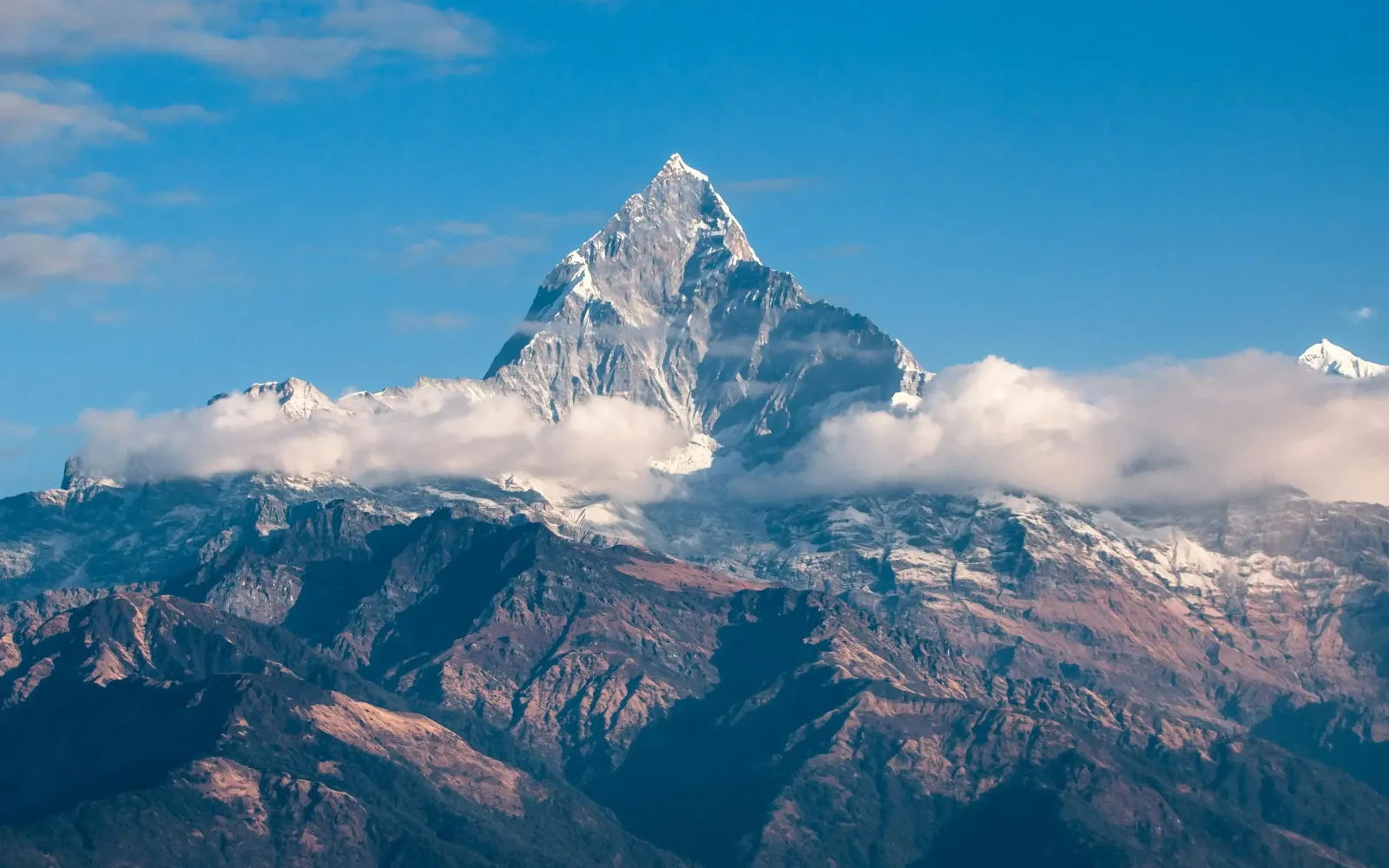
I'm going to be blunt: altitude sickness doesn't care if you're fit, young, or have trekked before. I've seen marathon runners struggling at Namche Bazaar while 60-year-olds cruise to Everest Base Camp. I've watched cocky 25-year-olds need helicopter evacuation while cautious first-timers make it without issues.
After organizing 300+ high-altitude treks and dealing with countless altitude sickness cases (from mild headaches to life-threatening emergencies), here's everything you actually need to know.
No medical jargon. No sugar-coating. Just the real information that might save your trek—or your life.
Let's start with the science, simplified.
Sea level: Air is 21% oxygen. Your body is happy.
3,000m (Namche Bazaar): Air is still 21% oxygen, but atmospheric pressure is lower. Each breath delivers about 30% less oxygen to your blood.
5,000m (Everest Base Camp area): Each breath delivers roughly 50% less oxygen than at sea level.
5,500m+ (High passes): You're operating on about 40-45% of the oxygen your body normally gets.
Your body's response:
This is all normal. These adjustments take time—that's why acclimatization matters.
The problem: If you ascend faster than your body can adjust, fluid starts accumulating where it shouldn't—your brain (HACE) or lungs (HAPE). Both can kill you.
What it is: Mild to moderate altitude sickness. About 75% of trekkers experience some symptoms above 3,000m.
Symptoms (usually appear 6-24 hours after arriving at new altitude):
Mild AMS:
Moderate AMS (more concerning):
Real example: On our Everest Base Camp Trek, a client (Tom, 32, very fit) arrived in Namche after climbing from Phakding. By evening he had a pounding headache and no appetite. He took ibuprofen, drank water, and rested. Next morning—still headache but manageable. We took an acclimatization day. By day three in Namche, he felt completely normal and continued the trek successfully.
That's how AMS should be handled: Recognize it, slow down, let your body adjust.
What it is: Fluid accumulation in the lungs. Less common than AMS but much more dangerous. Can develop rapidly, often at night. Usually occurs above 3,000m.
Early warning signs:
Severe HAPE symptoms:
Critical fact: HAPE can progress from early symptoms to life-threatening in just 12-24 hours.
Real example: During a Manaslu Circuit Trek, a trekker (Lisa, 45) felt fine going to bed at Samdo (3,860m). At 2 AM she woke up with severe shortness of breath and couldn't stop coughing. Our guide recognized HAPE immediately. We gave her oxygen, started descent at first light, and arranged helicopter evacuation from lower elevation. She recovered fully in Kathmandu hospital within three days.
HAPE doesn't give you much time. Recognize it fast, descend immediately.
What it is: Fluid accumulation in the brain. Rare but extremely dangerous. Usually develops from untreated severe AMS. Most common above 4,000m but can occur lower.
Warning signs:
The "ataxia test": Have the person walk in a straight line, placing heel directly in front of toe with each step (like a sobriety test). Healthy people can do this even with mild AMS. HACE victims cannot—they stumble, lose balance, or fall over.
Critical fact: HACE can kill within 24 hours if untreated. This is a medical emergency requiring immediate descent.
Real example: On the Everest Three Pass Trek, a trekker ignored moderate AMS symptoms at Lobuche (4,940m), insisted on continuing to Gorak Shep (5,164m). That night he became confused, couldn't recognize his guide, and kept trying to leave the lodge without clothes. Classic HACE. Emergency helicopter evacuation at dawn. He survived but spent a week in hospital.
HACE is what happens when you ignore warning signs.
Medical teams use this scoring system. You can use it too:
Score your symptoms (each from 0-3):
Your score:
Pro tip: Score yourself every evening during the trek. If your score is increasing, you're not acclimatizing properly.
1. Slow, Gradual Ascent
The golden rule: Don't ascend more than 300-500m in sleeping altitude per day above 3,000m.
Notice I said sleeping altitude, not hiking altitude. You can hike higher during the day—that's actually beneficial. But where you sleep matters most.
Example from Everest Base Camp Trek:
See the pattern? Gradual gains, acclimatization days built in.
2. Acclimatization Days
These aren't "rest days"—you should hike higher during the day, then return to sleep at the same altitude.
Classic acclimatization day activities:
This "climb high, sleep low" principle is the most effective acclimatization strategy.
3. Proper Hydration
Your body needs 4-5 liters of fluid per day at altitude. Seriously.
Why: Increased breathing rate (you're literally breathing out moisture), increased urination (your body's natural acclimatization response), dry mountain air.
How to know you're hydrated: Your urine should be clear or pale yellow. Dark yellow = drink more.
Pro tip: Drink before you're thirsty. By the time you feel thirsty at altitude, you're already dehydrated.
4. Avoiding Alcohol
Alcohol worsens altitude sickness in multiple ways:
That beer in Namche is tempting. Skip it until you're descending.
5. Light Exercise on Acclimatization Days
Gentle movement stimulates deeper breathing and circulation. A 2-3 hour hike at moderate pace is perfect.
Don't: Rest all day in your lodge room. You'll actually acclimatize worse.
6. Quality Sleep (As Much As Possible)
Sleep is when your body does acclimatization work. Problem: altitude makes sleep difficult.
Tips that actually help:
Diamox (Acetazolamide)
This prescription medication helps prevent and treat altitude sickness.
How it works: Forces your kidneys to excrete bicarbonate, which acidifies your blood slightly, stimulating breathing.
Typical dosage: 125-250mg twice daily, starting 1-2 days before ascent.
Real effects:
Side effects:
My take: Many experienced guides and doctors recommend it, especially for people with history of altitude sickness. It's not cheating—it's a tool. But it doesn't replace proper acclimatization.
Important: Diamox is a sulfa drug. If you're allergic to sulfa medications, don't take it.
On our Annapurna Circuit Trek, about 40% of trekkers take Diamox preventatively before crossing Thorong La Pass (5,416m). Most report it helps with sleep and reduces headache severity.
Ginkgo Biloba
Some studies show it might help prevent AMS. Others show no effect.
My observation: Doesn't seem to hurt, probably doesn't help much. If you believe in it, take it. Placebo effect is real.
Coca/Mate Tea
Popular in South America for altitude. Some lodges in Nepal serve it.
Reality: Contains mild stimulants. Might make you feel slightly better but doesn't prevent AMS.
❌ "Being fit prevents altitude sickness"
No. Fitness helps you walk longer, but it doesn't help you acclimatize. I've seen ultra-marathoners get severe AMS while overweight 50-year-olds cruise past them.
❌ "Younger people handle altitude better"
No. Age doesn't matter. Teenagers and 20-somethings get altitude sickness just as often as older people—sometimes more, because they push too hard.
❌ "If you've been to altitude before, you're immune"
No. Previous successful acclimatization doesn't guarantee future success. Some people develop altitude sickness on their third trek after being fine twice before.
❌ "Oxygen bottles prevent altitude sickness"
No. Supplemental oxygen treats symptoms temporarily but doesn't help acclimatization. When you stop using oxygen, symptoms return. It's for emergencies, not prevention.
❌ "Breathing faster helps"
Partially true but misleading. Your body naturally breathes faster—you don't need to force it. Deliberate hyperventilation can actually cause other problems (tingling, dizziness from low CO2).
1. STOP ASCENDING
This is the most important rule. Don't go higher until symptoms improve.
Spend an extra night at current altitude. Most mild AMS resolves within 24-48 hours if you stop ascending.
2. Rest and Hydrate
3. Basic Medications
For headache:
For nausea:
4. Monitor Closely
Check symptoms every few hours. If improving, you can continue next day. If worsening or not improving after 24 hours, descend.
Example: During our Gokyo Valley Trek, a trekker developed headache and nausea arriving at Dole (4,200m). She took ibuprofen, drank water, and rested. Next morning—still slight headache but appetite returned. She stayed an extra night, felt good on day three, and continued successfully to Gokyo.
1. DESCEND 500-1,000m
Not tomorrow. Today. Even if it's afternoon, descend to the next lower village.
Why this works: Descent of even 500m can dramatically improve symptoms within hours.
2. Diamox (if available and not contraindicated)
250mg twice daily can speed recovery if you've descended.
3. Oxygen (if available)
1-2 liters per minute via nasal cannula can help symptoms while you prepare to descend.
4. Don't Continue Up
Even if you feel better after treatment, DO NOT continue ascending. Descend or at minimum stay put for several days.
IMMEDIATE DESCENT IS MANDATORY
HAPE is life-threatening. People have died within 12-24 hours of first symptoms.
Treatment while descending:
Descend at least 1,000m, preferably to below 3,000m
Get medical care: Even if symptoms improve during descent, see a doctor. HAPE can recur.
Helicopter evacuation: Often necessary if symptoms are severe or descent is difficult.
THIS IS A MEDICAL EMERGENCY
Immediate actions:
HACE victims cannot make decisions for themselves. Guide or trekking partner must make decisions and enforce immediate descent.
Don't wait until morning. Don't wait for helicopter. Start descending NOW.
Even 500m descent can save someone's life while you arrange further evacuation.
A pulse oximeter measures oxygen saturation in your blood (SpO2). Every trek guide should carry one.
Normal readings:
How to use it correctly:
What the numbers mean:
SpO2 above 85% at any altitude: Generally okay if you feel fine
SpO2 75-85% at high altitude (4,500m+): Normal but monitor symptoms closely
SpO2 below 75% anywhere: Concerning - check for AMS symptoms
SpO2 dropping rapidly (more than 5% in few hours): Warning sign even if still in "normal" range for altitude
Important: Don't obsess over numbers. Someone with 82% SpO2 who feels great and is hiking well is fine. Someone with 88% SpO2 who has headache and nausea needs attention.
Heart rate matters too:
On our Annapurna Base Camp Trek, guides check pulse oximeter readings every evening. It helps identify people who might develop problems before severe symptoms appear.
This is the hardest decision on any high-altitude trek. Nobody wants to turn back after investing time, money, and effort.
Real example of a tough call: On the Everest Three Pass Trek, a trekker (James, 38) developed moderate headache and nausea at Dingboche (4,410m). He took medication, rested an extra day, but still had headache. We made the call to descend to Tengboche (3,860m). Within 6 hours of descending, he felt 80% better. We spent two nights there, he re-acclimatized properly, and successfully completed the entire trek taking a slower pace.
That's a smart descent. Not a failure—a tactical adjustment.
I've seen people refuse to descend because:
Here's reality: Dead people all thought they'd be okay by tomorrow.
Every year, trekkers die from altitude sickness. Not because treatment doesn't exist, but because they ignored symptoms or delayed descent.
Your guide will tell you to descend if necessary. Listen to them. They've seen dozens of altitude sickness cases. You haven't.
Generally yes, but consult your doctor first.
Reality: Many asthmatics do fine at altitude. Cold, dry air can trigger symptoms, so:
Several clients with well-controlled asthma have completed our Everest Base Camp Trek successfully.
Depends on how well controlled it is.
If controlled with medication: Usually fine, but:
If uncontrolled: High altitude can worsen hypertension. Get it controlled before attempting high-altitude treks.
Yes. Acclimatization can reverse if you:
Example: On Manaslu Circuit Trek, after successfully crossing Larkya La Pass (5,160m) and descending to Dharapani (1,860m), a trekker got food poisoning. After recovering, we had to re-acclimatize slowly going back up for a side trip.
No. About 75% of people find it helpful. 25% either see no benefit or can't tolerate side effects.
Some people can't take Diamox due to:
Always discuss with a doctor before your trek.
Children can get altitude sickness but often can't articulate symptoms clearly.
Guidelines:
We don't recommend high-altitude treks (above 4,000m) for children under 12.
Wait until you've descended significantly (below 3,000m) or completed the trek. Alcohol at altitude:
That celebratory beer? Save it for Kathmandu.
No. Gender doesn't affect susceptibility. However:
CIWEC Clinic Travel Medicine Center (Kathmandu)
Himalayan Rescue Association (HRA)
Helicopter Evacuation Companies:
Make sure your travel insurance covers helicopter evacuation to 6,000m before trekking.
Altitude.org - Comprehensive altitude medicine information
International Society for Mountain Medicine (ISMM) - Medical guidelines and research
Wilderness Medical Society - Practice guidelines for altitude illness
After all this information, here's what actually matters:
1. Ascend slowly. Don't gain more than 500m sleeping altitude per day above 3,000m.
2. Build in acclimatization days. Hike higher, sleep lower. Your body needs time.
3. Stay hydrated. 4-5 liters per day. Clear urine is the goal.
4. Recognize symptoms early. Headache + fatigue + nausea = AMS until proven otherwise.
5. Don't ascend with symptoms. If you're sick, stay put or go down.
6. Descend if getting worse. Even 500m helps. Don't wait.
7. HACE and HAPE are emergencies. Immediate descent required.
8. Listen to your guide. They've seen this before. Your ego hasn't.
9. No mountain is worth dying for. Seriously. You can always come back.
10. Insurance covering helicopter evacuation is mandatory. Not optional.
If you're concerned about altitude, consider these options:
These are excellent for first-time trekkers or those worried about altitude.
These require proper acclimatization but risk is manageable with good itineraries.
These require excellent acclimatization schedules and close monitoring.
Only for experienced trekkers with proven acclimatization ability.
In seven years and 300+ high-altitude treks, I've dealt with:
Here's what I've learned:
The people who do best at altitude aren't the fittest, youngest, or most experienced. They're the ones who:
The people who get in trouble:
Your safety is worth more than your summit photo.
If you take away one thing from this massive article, take this: When in doubt, go down.
Going down is not failing. Coming home alive is succeeding.
The mountains will still be there next year. Your health might not be if you make a bad decision at altitude.
Trek smart, acclimatize properly, recognize symptoms early, and don't be a hero.
See you safely on the trail.
Have questions about altitude sickness for your specific trek? Ask your guide during the pre-trek briefing. Every route has unique altitude challenges, and experienced guides can provide route-specific advice.
Planning a high-altitude trek? Make sure your itinerary includes proper acclimatization days. If a company is offering suspiciously short itineraries (like 10-day Everest Base Camp), that's a red flag.
Your health, your trek, your decision. But make it an informed one.

Nepal, with its majestic Himalayan landscapes, offers a plethora of short trekking destinations that promise adventure, cultural experiences, and breathtaking views. Whether you're an avid trekker or a novice seeking a memorable journey, Nepal has something for everyone. Let's embark on a detailed exploration of the best short trekking places in this enchanting country.

Nepal, a landlocked gem nestled in the lap of the majestic Himalayas, is a paradise for travelers seeking a harmonious blend of nature, culture, and spirituality. In this comprehensive guide, we will embark on a detailed exploration of the mesmerizing tour places that make Nepal a unique and captivating destination.
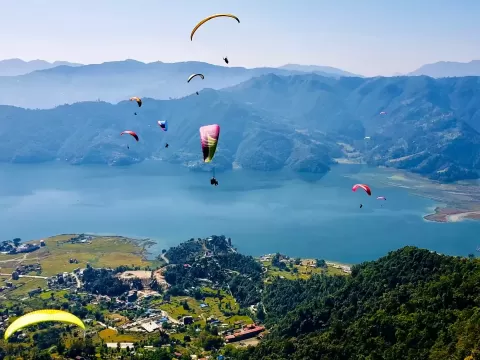
Nepal is a country of incredible diversity, where travelers can explore towering mountains, serene lakes, ancient temples, and rich cultural heritage. Explore Holiday Treks offers some of the best tour packages for 2025, designed to cater to every type of traveler, whether you're looking for adventure, cultural immersion, or spiritual enrichment. From the bustling streets of Kathmandu to the tranquil beauty of Pokhara, the top tour packages are designed to provide a complete Nepal experience.
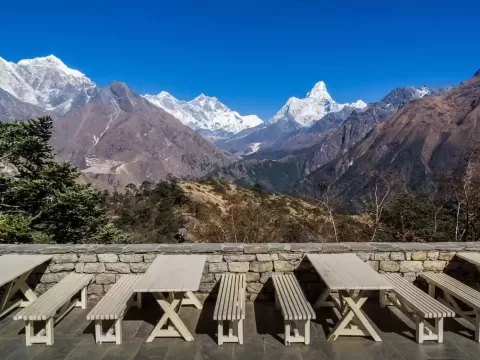
Accommodation during the Everest Base Camp Trek is a crucial aspect of the experience, as it shapes the comfort and convenience of trekkers along the challenging route. The trek involves staying in remote mountain villages, and while basic, the accommodation options are well-established. The majority of trekkers stay in teahouses, which are family-run guesthouses offering basic facilities.
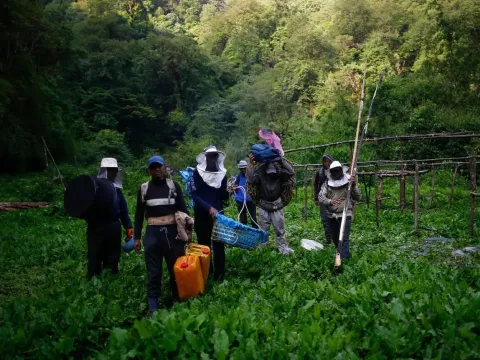
Honey hunting in Nepal is one of the most thrilling and culturally rich experiences that combines adventure, tradition, and nature. Performed by indigenous communities in the remote hills of central Nepal, particularly by the Gurung people, honey hunting involves scaling
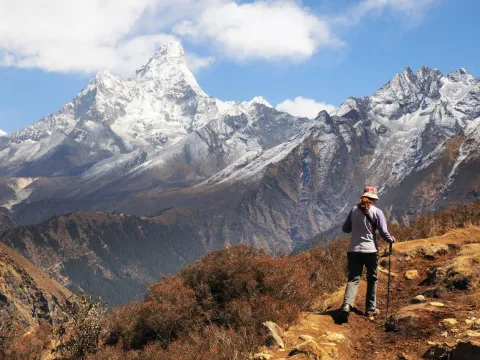
Trekking in Nepal is one of the most iconic travel experiences in the world. With trails ranging from gentle hillside walks to strenuous alpine expeditions, Nepal offers something for every level of trekker. Routes such as the Everest Base Camp, Annapurna Circuit, Langtang Valley,


 (34)
(34) 