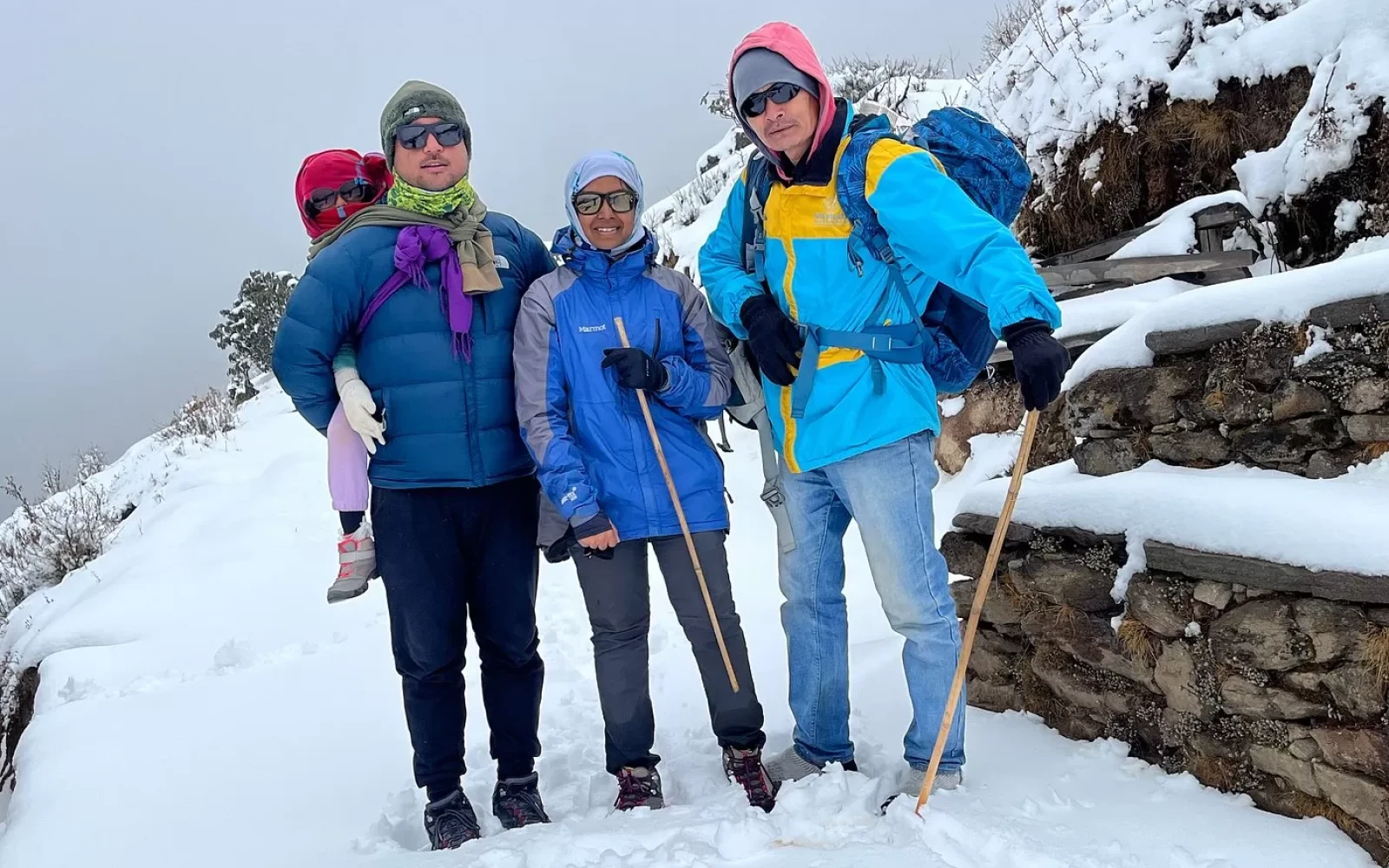
The Pikey Peak Trek in eastern Nepal is widely considered one of the most family-friendly trekking routes in the lower Everest region. It offers a moderate altitude, gradual ascents, and well-established teahouse trails, making it far more accessible compared to high-altitude technical treks. For families traveling with children or elderly members, this route provides a balanced mix of adventure, cultural exposure, and Himalayan scenery without extreme physical demands.
Operated by trekking companies such as Explore Holiday Nepal, this itinerary is often customized to suit different age groups by adjusting walking hours and rest stops. The trek typically stays below 4,100 meters, which significantly reduces the risk of altitude sickness compared to other Himalayan routes.
Key suitability points:
Families are increasingly choosing the Pikey Peak route because it offers a quieter alternative to crowded trekking regions like the Everest Base Camp trails. The sunrise view from Pikey Peak is considered one of the best panoramic Himalayan viewpoints, showcasing Everest, Kanchenjunga, and other peaks in a single frame.
Another reason for its popularity is the cultural richness along the trail. Villages inhabited by the Sherpa and Tamang communities offer warm hospitality, traditional food, and a safe environment for travelers of all ages. With proper planning by agencies like Explore Holiday Nepal, this trek becomes a comfortable Himalayan experience rather than a physically exhausting expedition.
Highlights for families:
The Pikey Peak Trek is located in the lower Everest region of Nepal, starting with a drive from Kathmandu toward the Solu region. The trek gradually ascends through forested hills, alpine landscapes, and traditional settlements before reaching the iconic viewpoint of Pikey Peak. The maximum altitude is around 4,065 meters, making it a relatively safe high-altitude trekking option.

What makes this trek unique is its combination of Himalayan panorama and an authentic rural Nepalese lifestyle. Unlike commercial trekking routes, Pikey Peak remains peaceful, offering uninterrupted mountain views and genuine cultural encounters. Trekkers often describe it as a “hidden gem” for families and beginners.
Key features:
Who Can Do the Pikey Peak Trek?
The Pikey Peak Trek is designed for a wide range of trekkers, making it one of the most inclusive trekking routes in Nepal. It is suitable for beginners, families with children, and even older trekkers who have a moderate level of fitness. Unlike high-altitude technical climbs, this trek focuses on steady walking, cultural immersion, and scenic enjoyment rather than physical extremes.
With proper planning by experienced operators like Explore Holiday Nepal, the itinerary can be adjusted to match the fitness level and comfort of different age groups. Daily walking hours are flexible, and rest stops can be arranged to ensure a comfortable pace for everyone in the group.
Who can do this trek:
Key suitability points:
The Pikey Peak Trek is generally considered safe for children when proper precautions are taken. The trail is non-technical, meaning there are no steep rock climbs or dangerous sections. However, safety depends heavily on supervision, pacing, and proper acclimatization, especially as the trek reaches higher altitudes above 3,000 meters.
Children usually enjoy the trek due to the mix of forests, villages, animals, and cultural encounters. With guidance from professional trekking teams like Explore Holiday Nepal, families can ensure a well-managed itinerary that includes shorter walking days and adequate rest periods.
Safety considerations for kids:
Tips for safe trekking with kids:
Yes, trekking the Pikey Peak route with elderly travelers is feasible, provided they are in reasonably good health and have no serious mobility or heart-related issues. The trek is known for its gentle gradients and manageable altitude, which makes it one of the more senior-friendly Himalayan routes.
Companies like Explore Holiday Nepal often customize the itinerary for older trekkers by adding extra rest days, shortening walking durations, and ensuring comfortable teahouse accommodations. In some cases, assistance such as extra porters or flexible pacing is arranged to enhance comfort and safety.
Feasibility factors for seniors:
The Pikey Peak Trek is classified as a moderate-level trek, making it significantly easier than high-altitude expeditions like Everest Base Camp. The trail includes gradual ascents, forest walks, and some longer downhill sections, but it does not involve technical climbing or dangerous terrain.
Daily walking hours typically range from 4 to 7 hours, depending on the section of the route. The most challenging part is the ascent to Pikey Peak (around 4,065m), which may feel strenuous due to altitude rather than terrain difficulty.
Difficulty overview:
What makes it manageable:
The best time to do the Pikey Peak Trek with family is during the spring (March to May) and autumn (September to November) seasons. These months offer the most stable weather conditions, clear mountain views, and comfortable daytime temperatures, making trekking safer and more enjoyable for children and elderly travelers. Organized trips by Explore Holiday Nepal are often scheduled during these seasons to ensure the best experience for families.
Spring brings blooming rhododendrons and colorful forests, while autumn offers crystal-clear skies after the monsoon rains. Both seasons provide excellent visibility of the Himalayan range, including Everest and surrounding peaks. Winter is possible but cold, and the monsoon is generally avoided due to slippery trails and poor visibility.
Seasonal advantages:
Family-friendly benefits:
Proper preparation is key to a successful family trek on the Pikey Peak route. While the trek is moderate in difficulty, basic physical fitness is still important, especially for children and elderly participants. Regular walking, light cardio, and short hikes before the trip can significantly improve endurance and comfort.
Companies like Explore Holiday Nepal often provide pre-trek briefings to help families understand what to expect. Mental preparation is equally important, as trekking in the Himalayas involves simple living conditions, changing weather, and longer walking hours than typical daily routines.
Physical preparation tips:
Packing essentials:
Mental preparation:
The Pikey Peak Trek route is well supported by basic tea houses and local lodges, which provide simple but comfortable accommodation for families. Rooms are usually twin-sharing with basic beds, blankets, and shared bathrooms. While luxury facilities are limited, the hospitality of local hosts makes the experience warm and welcoming.
Food options are generally suitable for all age groups, including children. Meals are freshly prepared and typically include Nepali dishes like dal bhat, noodles, soups, and potatoes. With arrangements through Explore Holiday Nepal, families can also request simpler or milder food options for kids.
Accommodation features:
Food availability:
Altitude is one of the most important factors to consider when trekking to Pikey Peak, as the route reaches around 4,065 meters. While the trek is considered safe, both children and elderly trekkers can experience mild symptoms of altitude sickness if the ascent is too fast or hydration is neglected. Proper acclimatization is essential for a safe journey.
With guidance from Explore Holiday Nepal, itineraries are carefully planned to allow gradual elevation gain. This reduces the risk of Acute Mountain Sickness (AMS) and ensures that all age groups can enjoy the trek comfortably.
Altitude safety considerations:
Acclimatization tips:
Safety support from Explore Holiday Nepal:
A well-planned itinerary is the key to making the Pikey Peak Trek comfortable for families, beginners, and elderly trekkers. The standard route already includes moderate walking days, but when organized by Explore Holiday Nepal, the schedule is often further adjusted to ensure shorter trekking hours, longer rest breaks, and flexible pacing depending on the group’s needs.
For families with children or older members, it is recommended to avoid rushing the ascent. Adding buffer time for acclimatization and relaxation in villages like Junbesi can make the journey far more enjoyable. This approach helps reduce fatigue and allows everyone to fully enjoy the Himalayan scenery and cultural experiences.
Family-friendly itinerary adjustments:
Why this matters:
Before starting the Pikey Peak Trek, trekkers must obtain a few necessary permits required by the Nepalese government. These permits help regulate tourism and support conservation efforts in the region. When booking with Explore Holiday Nepal, all permit arrangements are typically handled by the company, making the process simple and stress-free for families.
The trek falls under the Solukhumbu region, so standard trekking permits are required. Travelers should also carry valid identification documents such as passports, which are checked during permit issuance and at certain checkpoints along the route.
Required permits:
Important documents:
Key points for families:
The cost of the Pikey Peak Trek varies depending on group size, accommodation standards, and services included. For families, prices can be more economical when booked as a group, especially through experienced operators like Explore Holiday Nepal, which offers tailored packages including guides, porters, permits, and meals.
On average, the trek is considered one of the more affordable Himalayan trekking options compared to popular routes like Everest Base Camp. Families can choose between budget, standard, or comfort packages depending on their preferences.
Estimated cost breakdown (per person):
What is usually included:
Additional expenses:
A successful family trek depends on good planning, patience, and flexibility. The Pikey Peak route is already considered beginner-friendly, but small adjustments in daily routine can greatly improve comfort for kids and elderly trekkers. Companies like Explore Holiday Nepal often provide experienced guides who assist families in managing pace and daily logistics.
It is important to prioritize enjoyment over speed. Allowing children to explore nature and elders to rest frequently ensures a more relaxed and memorable trekking experience. Simple habits like staying hydrated and maintaining a steady walking rhythm make a big difference.
Practical trekking tips:
Family comfort tips:
The Pikey Peak Trek is widely regarded as one of the most suitable Himalayan trekking routes for kids, beginners, families, and senior trekkers. Its moderate altitude, gentle trails, and cultural richness make it an excellent choice for anyone looking to experience the Himalayas without extreme physical challenges.
With proper guidance and organization from trusted operators like Explore Holiday Nepal, this trek becomes a safe, enjoyable, and highly rewarding journey. While basic fitness and preparation are still necessary, the overall difficulty level remains manageable for most age groups.
Final summary points:


 (34)
(34) 