Last Updated: September 2, 2026
Nepal is open for tourism after the devastating August 2026 floods, but travelers should understand an important point: the disaster did not affect every part of Nepal equally.
The catastrophic flood and landslide disaster that struck the Rasuwa–Bhote Koshi–Trishuli corridor on August 26, 2026 caused severe destruction to roads, bridges, settlements and infrastructure. Rescue and recovery operations are still continuing in the worst-affected areas.
At the same time, most of Nepal's major tourism destinations remain accessible, and trekking regions including Everest, Annapurna and Manaslu are currently reported as operating.
So, is Nepal safe to visit?
Yes, Nepal can still be visited and many trekking routes remain operational—but travelers should choose their destination carefully, check current conditions, and avoid disaster-affected areas.
At Explore Holiday Nepal, we believe the right approach after a natural disaster is not to create unnecessary fear or make unrealistic promises. Instead, travelers should receive accurate, route-specific information and make decisions based on the latest local conditions.
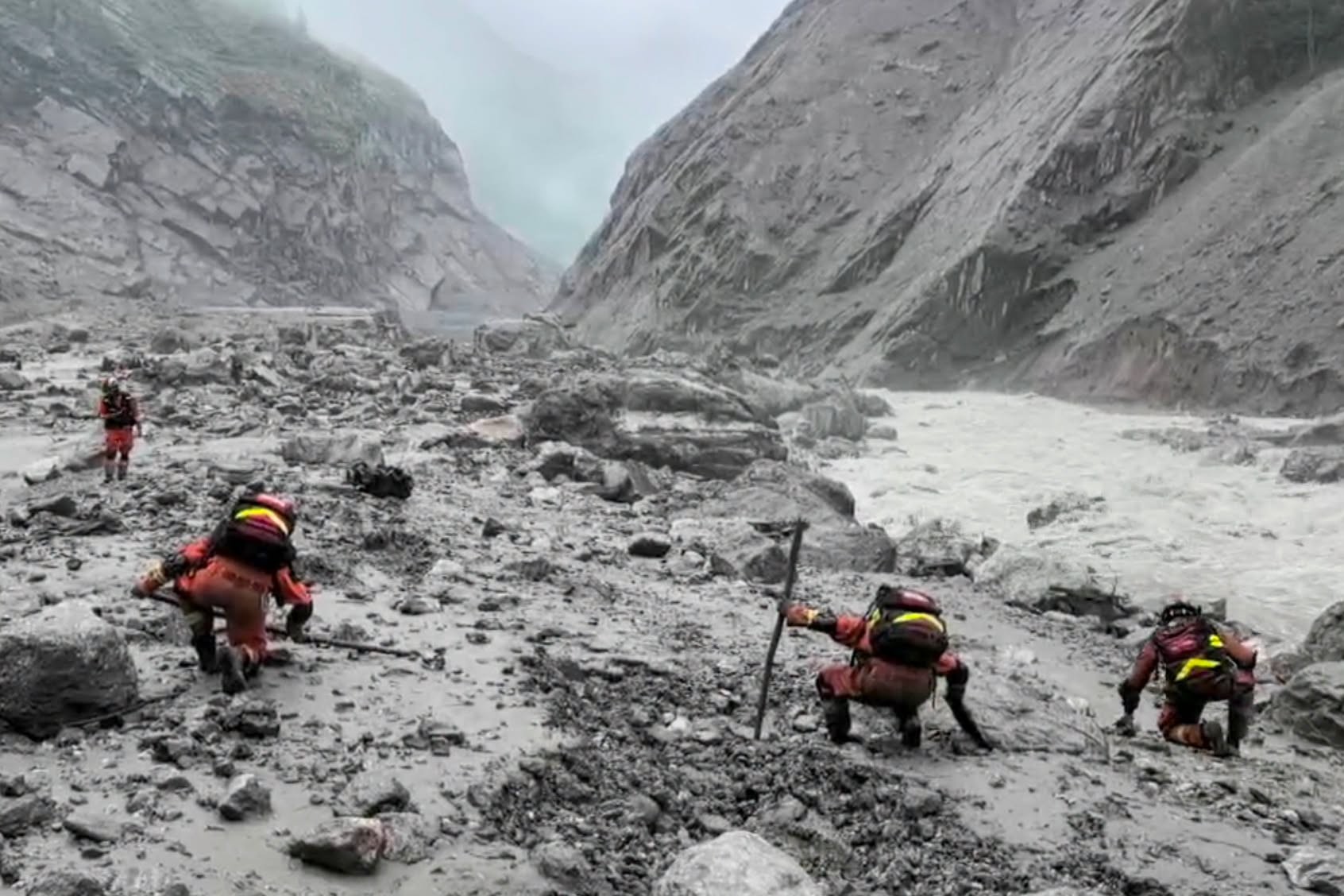
On August 26, 2026, a catastrophic glacial-collapse-related flood struck the Himalayan region around Rasuwa and the Nepal–China border.
The resulting flood travelled through the Bhote Koshi and Trishuli river systems, causing extensive destruction in the affected corridor.
Roads and bridges were washed away, communication was disrupted, vehicles and buildings were destroyed, and many people were killed or reported missing.
The disaster also seriously affected the route toward the Rasuwagadhi border crossing with Tibet/China. Rescue teams continue to work in difficult conditions, while damaged infrastructure has made access to some affected areas extremely difficult.
The scale of the disaster has understandably created concern among international travelers who have already booked Nepal trips or are planning autumn trekking holidays.
However, it is important to understand that Nepal is a large mountainous country and the affected corridor represents only one part of the country.
Nepal has not closed its tourism industry nationwide following the flood.
The Nepalese tourism sector is encouraging international visitors to continue traveling to areas that are not affected by the disaster, while authorities and local operators continue to monitor the affected regions.
For travelers, the most important distinction is between:
Affected areas:
Rasuwa, parts of the Bhote Koshi/Trishuli corridor and routes connected to the disaster zone.
Currently operating trekking regions:
Everest, Annapurna and Manaslu, among others, are being reported as operational.
This does not mean that any Himalayan trek is completely risk-free. Nepal's mountains always involve natural hazards such as weather changes, landslides, altitude sickness, river crossings and flight delays.
The correct question is therefore:
"Is my particular route safe and accessible at the time I travel?"
Current trekking-industry reports indicate that several major trekking destinations remain operational.
| Trekking Region | Current Status | Important Note |
|---|---|---|
| Everest Base Camp | 🟢 Operating | Weather and Lukla flights must be checked |
| Gokyo Valley | 🟢 Operating | Normal mountain-weather precautions |
| Everest Three Passes | 🟢 Operating | High-altitude and weather dependent |
| Annapurna Circuit | 🟢 Operating | Road and monsoon conditions should be checked |
| Annapurna Base Camp | 🟢 Operating | Check current trail/weather conditions |
| Mardi Himal | 🟢 Operating | Seasonal weather precautions |
| Poon Hill | 🟢 Operating | Conditions can change during monsoon |
| Manaslu Circuit | 🟢 Operating | Check road access before departure |
| Kanchenjunga | 🟢 Operating | Remote trek; current conditions should be verified |
| Makalu | 🟢 Operating | Remote and weather dependent |
| Langtang | 🔴 Special caution | Rasuwa access corridor has been severely affected |
| Gosaikunda | 🔴 Special caution | Access conditions require current confirmation |
| Tamang Heritage Trail | 🔴 Special caution | Located in the affected Rasuwa area |
| Rasuwagadhi/Tibet border route | 🔴 Avoid for now | Major disaster damage and ongoing recovery |
Important: "Operating" does not mean "100% safe." Routes, roads and flights can change because of weather, landslides and local conditions.
For travelers planning the Everest Base Camp Trek, the situation is considerably different from the Rasuwa disaster corridor.
The Everest trekking region was not directly affected by the August 26 flood, and current trekking reports indicate that the EBC route is operating.
However, trekkers should still remember that September is a transition period from monsoon toward the main autumn trekking season.
Potential issues include:
Cloud and poor visibility
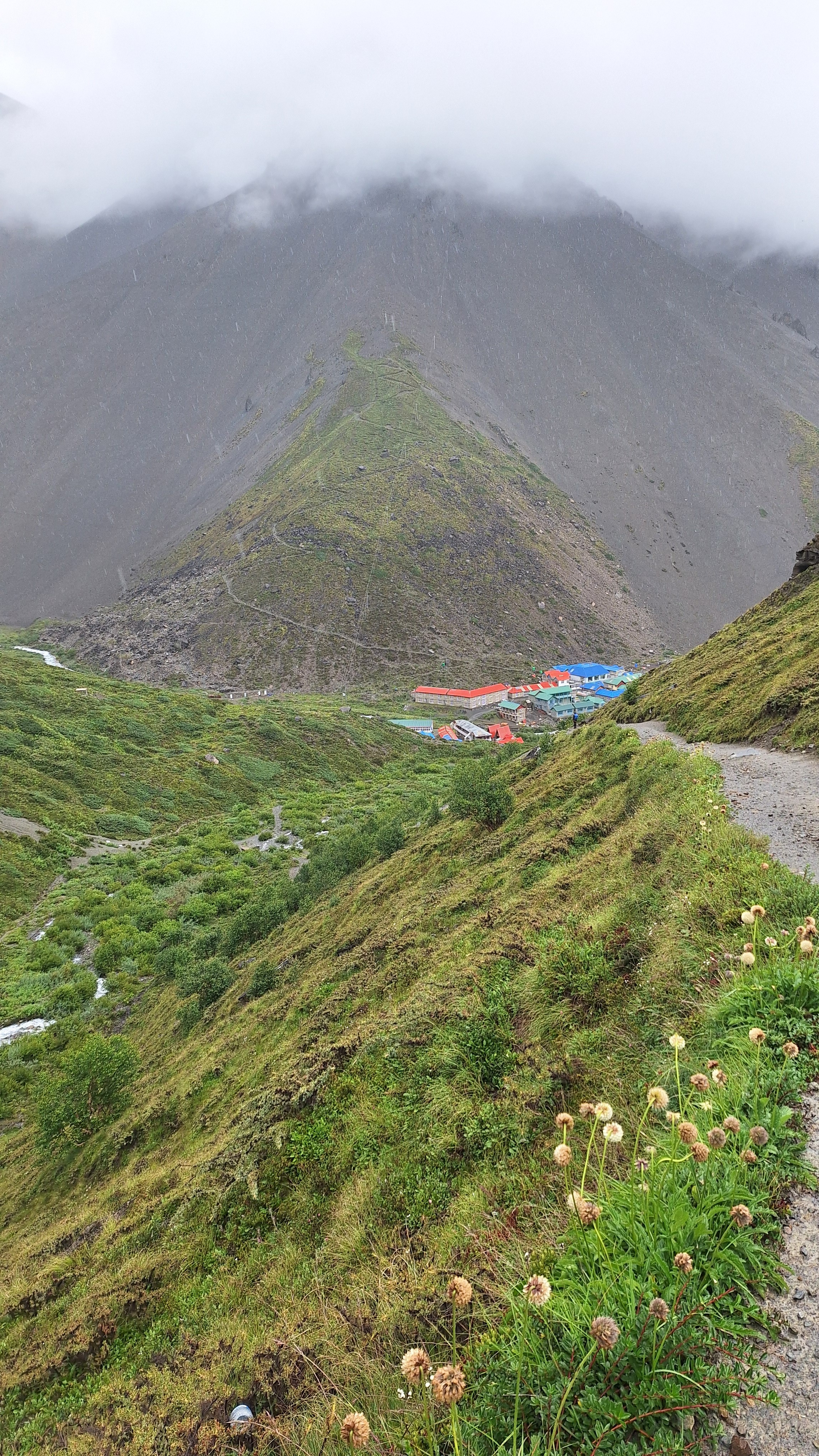
Allow extra days in your itinerary and avoid scheduling an international flight immediately after your trek.
A flexible itinerary gives you a much safer buffer if weather delays your Lukla flight.
The Annapurna region is separate from the Rasuwa disaster corridor.
Current reports indicate that Annapurna Circuit, Annapurna Base Camp, Mardi Himal and Poon Hill are operating.
Nevertheless, Annapurna trekking during the monsoon transition still requires caution.
Road sections can experience:
Therefore, trekkers should receive a current road and trail report before starting the journey.
At Explore Holiday Nepal, we recommend checking the route immediately before departure rather than relying only on information published several weeks earlier.
The Manaslu Circuit Trek remains one of Nepal's important trekking options following the 2026 flood.
Current trekking information reports that Manaslu was not directly affected by the Rasuwa flood and trekking operations continue.
Manaslu is, however, a remote Himalayan trek.
Safety depends on:
This is why traveling with an experienced local trekking team is particularly valuable.
Langtang requires special attention after the 2026 disaster.
The Langtang region is associated with Rasuwa, and Syabrubesi and the road corridor used to access the region have been seriously affected.
Current trekking information indicates that the normal access route remains problematic and travelers should not simply assume that Langtang is operating normally.
If you are planning:
you should contact your trekking agency and obtain a current route and access assessment before departure.
Do not travel through a damaged road corridor simply because it was part of your original itinerary.
Kathmandu was not directly affected by the Rasuwa flood.
Kathmandu remains Nepal's main international gateway, and tourism businesses, hotels and tourist services continue operating.
However, travelers should remember that Nepal is currently recovering from a major natural disaster.
Responsible travelers should:
Pokhara remains one of Nepal's major tourism destinations.
The Rasuwa disaster did not directly hit Pokhara, and tourism activities continue.
Travelers heading from Kathmandu to Pokhara should nevertheless check road conditions because monsoon-related landslides and temporary road disruptions can occur independently of the Rasuwa disaster.
Pokhara remains an excellent base for:
Nepal's geography is the key.
Different trekking regions have different:
For example, the Everest, Annapurna and Manaslu regions are geographically separate from the Rasuwa flood corridor.
Therefore, headlines saying "Nepal has been hit by floods" should not automatically be interpreted as "all trekking in Nepal is closed."
The situation must be evaluated region by region and route by route.
If your original itinerary enters the affected Rasuwa corridor, consider an alternative such as:
Everest • Annapurna • Manaslu
depending on current conditions and your trekking experience.
After a major natural disaster, local information becomes even more important.
A professional guide can monitor:
A trekking map from last year cannot tell you whether a bridge is safe today.
Do not rely only on:
Conditions can change rapidly.
Ask your trekking company for a current field update.
Your insurance should cover your actual trekking itinerary and altitude.
Look for coverage for:
Always read the policy carefully.
This is particularly important when traveling during the monsoon transition.
For Everest Base Camp, for example, Lukla flights can be delayed because of weather.
Do not schedule your international departure immediately after your trek.
If your guide says:
"We need to wait."
Wait.
If your guide says:
"We need to turn around."
Turn around.
Mountain safety is more important than reaching the next village according to a fixed schedule.
If your itinerary is going to:
Rasuwa / Syabrubesi / Timure / Rasuwagadhi
you should postpone or redesign that part of your journey until authorities and local professionals confirm safe access.
But if your planned trip is to another region, there is currently no reason to assume that the entire country is closed.
Current reporting indicates that Nepal remains open for tourism and that major trekking regions continue operating.
Instead of asking:
"Should I cancel Nepal?"
ask:
"Can I safely change my route?"
In many cases, the answer may be yes.
At Explore Holiday Nepal, we believe that safety comes before business.
Our team has local knowledge of Nepal's trekking regions and understands that mountain conditions can change quickly.
We do not want to tell travelers that every route is "100% safe."
Instead, our approach is:
Before your trek, we can help assess:
If conditions make a route unsuitable, we believe the responsible decision is to change the itinerary or postpone the trek.
Your safety is more important than completing a fixed itinerary.
If you originally planned a Langtang or Rasuwa-area trek, consider discussing alternative destinations with your trekking company.
Best for travelers who want:
Best for:
Best for:
Best for:
Nepal remains open to tourism, but travelers should avoid disaster-affected areas and check current conditions for their specific route.
Many major trekking regions are operating, including Everest, Annapurna and Manaslu. Safety still depends on weather, transportation and trail conditions.
Current reports indicate that the Everest trekking route is operating. Weather and Lukla flight conditions should still be checked before departure.
Current trekking reports indicate that Manaslu is operating and was not directly affected by the Rasuwa flood.
Current reports indicate that Annapurna trekking routes remain operational.
The Langtang access corridor requires special caution because the Rasuwa area and Syabrubesi access have been seriously affected. Confirm the current access route before traveling.
Travel to the severely affected Rasuwa corridor should currently be avoided unless authorities provide appropriate clearance. Rescue and recovery operations remain active.
No. The disaster is geographically concentrated, and major trekking regions outside the affected corridor remain operational.
Yes, Nepal remains open for tourism—but responsible route selection is essential.
The 2026 Rasuwa flood was an extraordinary and devastating disaster. The affected communities need time, support and recovery.
At the same time, Nepal's entire tourism industry has not closed.
Major trekking destinations such as Everest, Annapurna and Manaslu remain available, subject to normal mountain and seasonal risks.
The Rasuwa, Syabrubesi, Timure and Rasuwagadhi corridor requires much greater caution while rescue, recovery and infrastructure reconstruction continue.
Don't fear the whole of Nepal. Understand the situation, choose the right route, check current conditions and trek responsibly.
Nepal's mountains are still waiting for you. 🇳🇵🏔️
Travel responsibly. Trek safely. Support local communities.
Explore Holiday Nepal Pvt. Ltd.
🌐 Website: www.exploreholidaynepal.com
📱 WhatsApp: +977-9849816310
📧 Email: [email protected]
Trekking in Nepal | Everest Base Camp | Manaslu Circuit | Annapurna | Mustang | Langtang | Custom Himalayan Adventures
Explore Holiday Nepal — Your Local Partner for Safe and Memorable Himalayan Adventures.

The Everest Base Camp Trek, offered by Explore Holiday Treks, is a thrilling adventure that attracts travelers from all corners of the globe. Reaching an impressive altitude of approximately 5,644 meters (18,267 feet), this trek brings you closer to the majestic peaks of the Himalayas.
The Annapurna Circuit Trek is one of the most renowned and diverse trekking routes in the world, known for its stunning views of the Annapurna mountain range, varied landscapes, and rich cultural experiences.

Trekking to Everest Base Camp is an adventure of a lifetime, and choosing the right route is crucial for ensuring a safe and enjoyable experience.
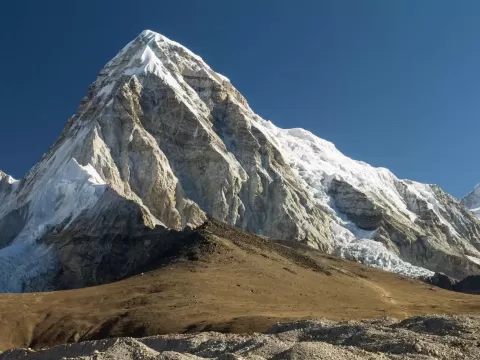
When planning a trek to Everest Base Camp, timing plays a critical role in ensuring both safety and enjoyment. The best time to hike to Everest Base Camp is during the two peak seasons: spring (March to May) and autumn (September to November).

The Manaslu Circuit Trek in Spring (March-May) offers trekkers an opportunity to experience the stunning beauty of the Himalayas when the weather is at its most favorable.

Mount Kanchenjunga, the third-highest peak in the world, is one of the most majestic and revered mountains on Earth. Rising to an impressive height of 8,586 meters (28,169 feet), it is part of the mighty Himalayas and stands as a natural border between Nepal and India.

The Manaslu Circuit Trek is one of Nepal’s most rewarding and less crowded trekking routes, offering breathtaking mountain scenery, rich cultural experiences, and a sense of true adventure.
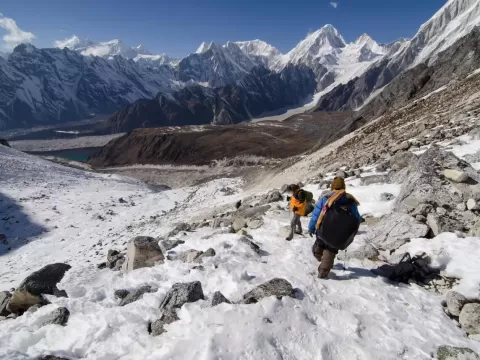
The Manaslu Circuit Trek is one of Nepal’s most breathtaking trekking routes, offering an off-the-beaten-path experience with stunning landscapes, rich cultural heritage, and diverse biodiversity.
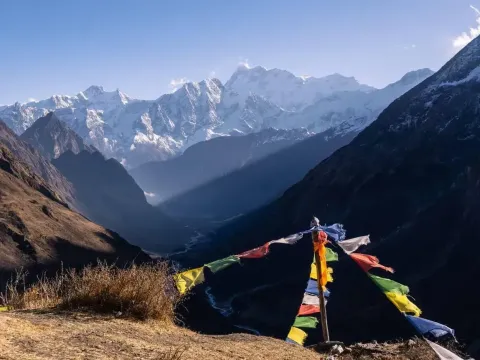
The Manaslu Circuit Trek is one of Nepal’s most breathtaking and off-the-beaten-path treks, offering stunning views, diverse landscapes, and a rich cultural experience. While it is often considered an expensive trek due to its restricted area permit
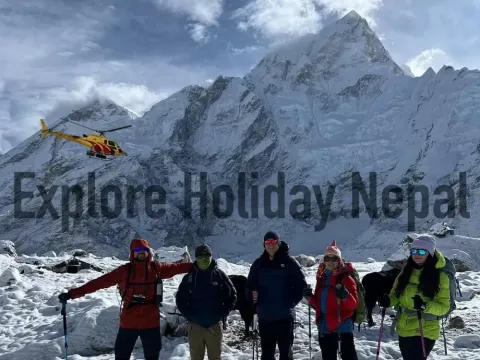
Nepal is a dream destination for trekkers, and for those who wish to combine the thrill of adventure with comfort and luxury, there are a variety of exceptional luxury trekking experiences available. Explore Holiday Nepal offers premier luxury treks, carefully
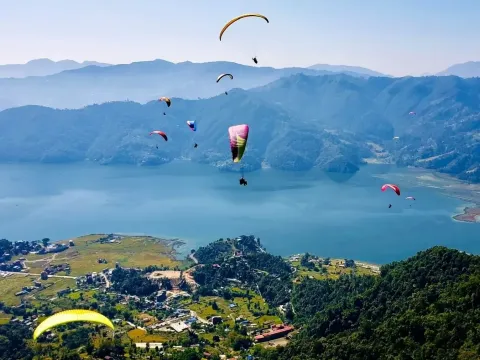
Nepal, a land of timeless beauty, is poised to offer travelers an even richer and more immersive experience in 2025 and 2026. With increased focus on sustainable tourism, better infrastructure, and a revived cultural spirit post-pandemic,
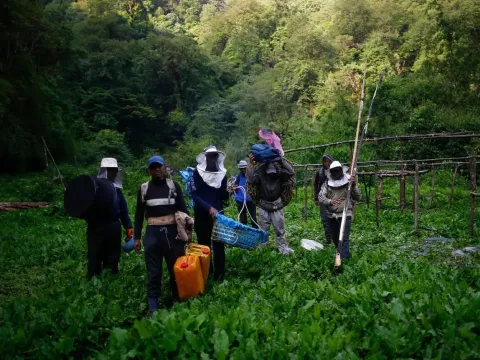
Honey hunting in Nepal is one of the most thrilling and culturally rich experiences that combines adventure, tradition, and nature. Performed by indigenous communities in the remote hills of central Nepal, particularly by the Gurung people, honey hunting involves scaling
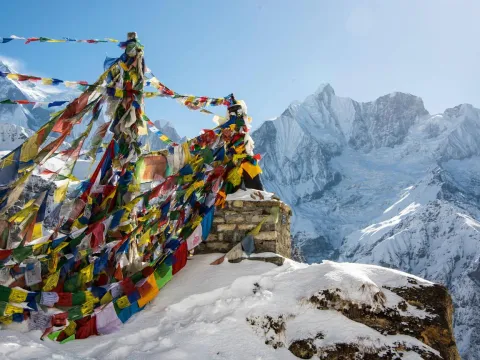
Annapurna is one of the most iconic and majestic mountain ranges in the world, renowned not only for its sheer height but also for its challenging climbs and breathtaking beauty. The Annapurna Massif, which is part of the larger Himalayan mountain range,
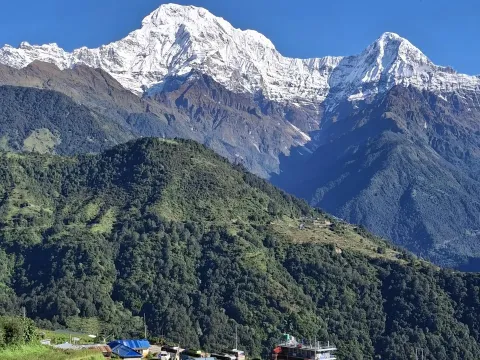
The Annapurna Base Camp (ABC) Trek and the Annapurna Circuit Trek are two of Nepal’s most iconic Himalayan adventures—but they offer very different experiences in terms of duration, difficulty, altitude, and scenery.
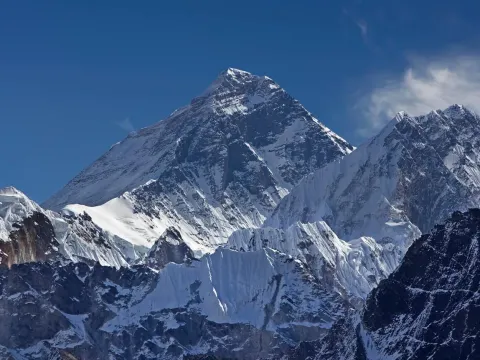
Nepal is renowned worldwide as the ultimate destination for mountain lovers and adventure seekers, boasting some of the highest and most spectacular peaks on the planet. The country’s rugged terrain is dominated by the Himalayas, which stretch

Nepal’s cultural tapestry is woven from a variety of ethnic groups, languages, and religions. Hinduism and Buddhism coexist harmoniously, influencing festivals, architecture, and daily life. Visitors experience centuries-old traditions, ancient monasteries, and lively festivals
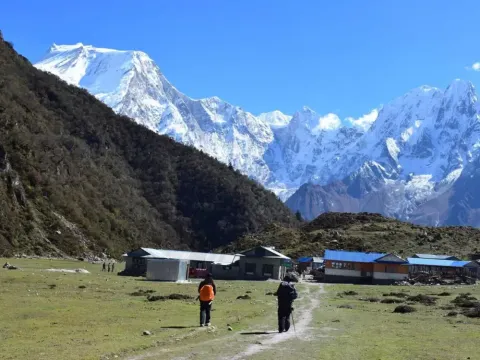
The Manaslu Circuit Trek, often hailed as one of Nepal’s most spectacular and less crowded trekking routes, offers a breathtaking adventure through diverse landscapes, traditional villages, and the majestic Himalayas. The autumn season, spanning from September to November
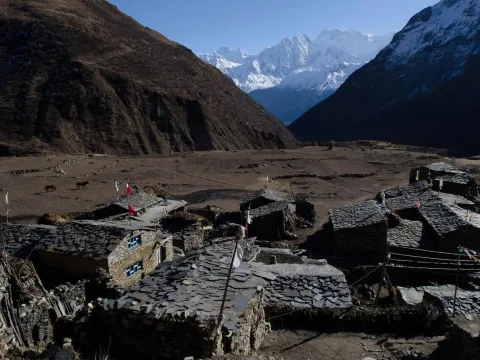
The Manaslu Circuit Trek, offered by Explore Holiday Nepal, is a journey that delves deep into the untouched beauty of Nepal’s Himalayan heartland. Unlike the more commercialized trekking routes such as Everest Base Camp or the Annapurna Circuit, the Manaslu trail offer
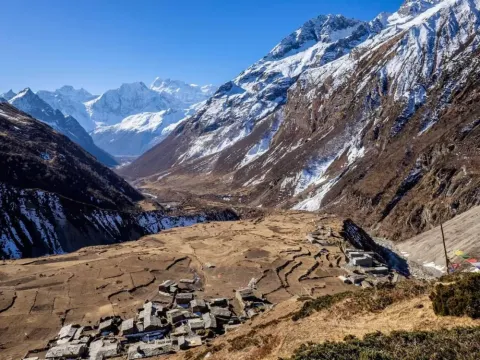
The Manaslu Circuit Trek is one of Nepal's most spectacular and rewarding trekking experiences, yet it remains less crowded than Everest or Annapurna. This trek is a remote and physically demanding journey that takes you around the world's eighth highest mountain, Mount Manaslu (8,163 meters).
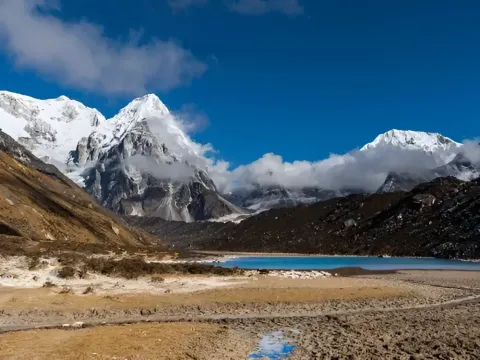
Kanchenjunga, the third-highest mountain in the world at 8,586 meters, lies in the far-eastern corner of Nepal, bordering Sikkim, India. Unlike the more commercialized Everest or Annapurna regions, the Kanchenjunga Region Trekking experience offers untouched natural beauty, remote villages, and pristine Himalayan wilderness.
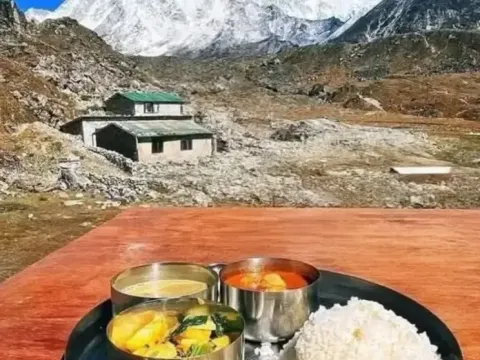
I'll be honest—when my guide Pasang first told me "dal bhat power 24 hour" on day two of my Annapurna Base Camp trek, I thought he was joking. I'd just finished my first proper serving of this Nepali staple, and while it filled me up, I couldn't understand the near-religious devotion trekkers and locals had for what looked like a simple plate of rice and soup.Three weeks and probably forty servings later, I got it. And now I'm one of those people who actually craves dal bhat when I'm back home dealing with altitude of exactly zero meters. Let me tell you why this unassuming meal has become the stuff of legend on Nepal's trekking trails.
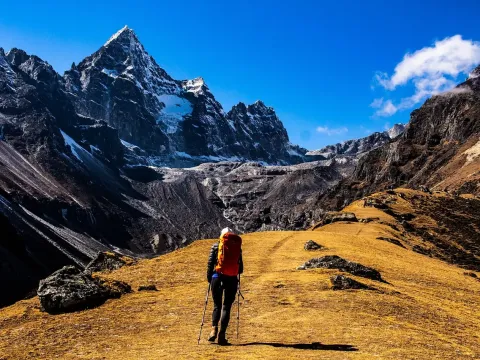
The mountain air feels different when you breathe it alone. There's a clarity, a sense of possibility that expands with each step up the trail. For women who dream of trekking Nepal's iconic routes, the question isn't whether they should go solo—it's how to do it with confidence, safety, and genuine cultural connection.
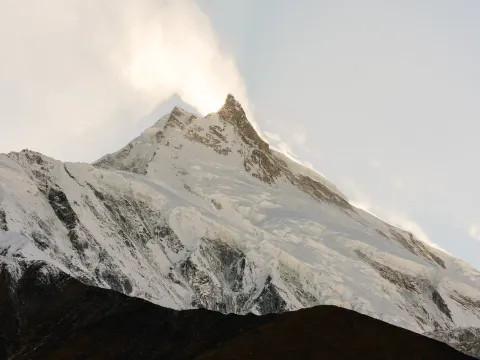
How difficult is Manaslu Trek — that is the one question every trekker asks before committing to Nepal's most rewarding restricted circuit. The Manaslu Circuit Trek wraps entirely around Mt. Manaslu, the world's eighth-highest peak at 8,163 m, crossing the legendary Larkya La Pass at 5,160 m through raw, uncommercialised Himalayan wilderness. The Manaslu Trek difficulty is real


 (34)
(34) 