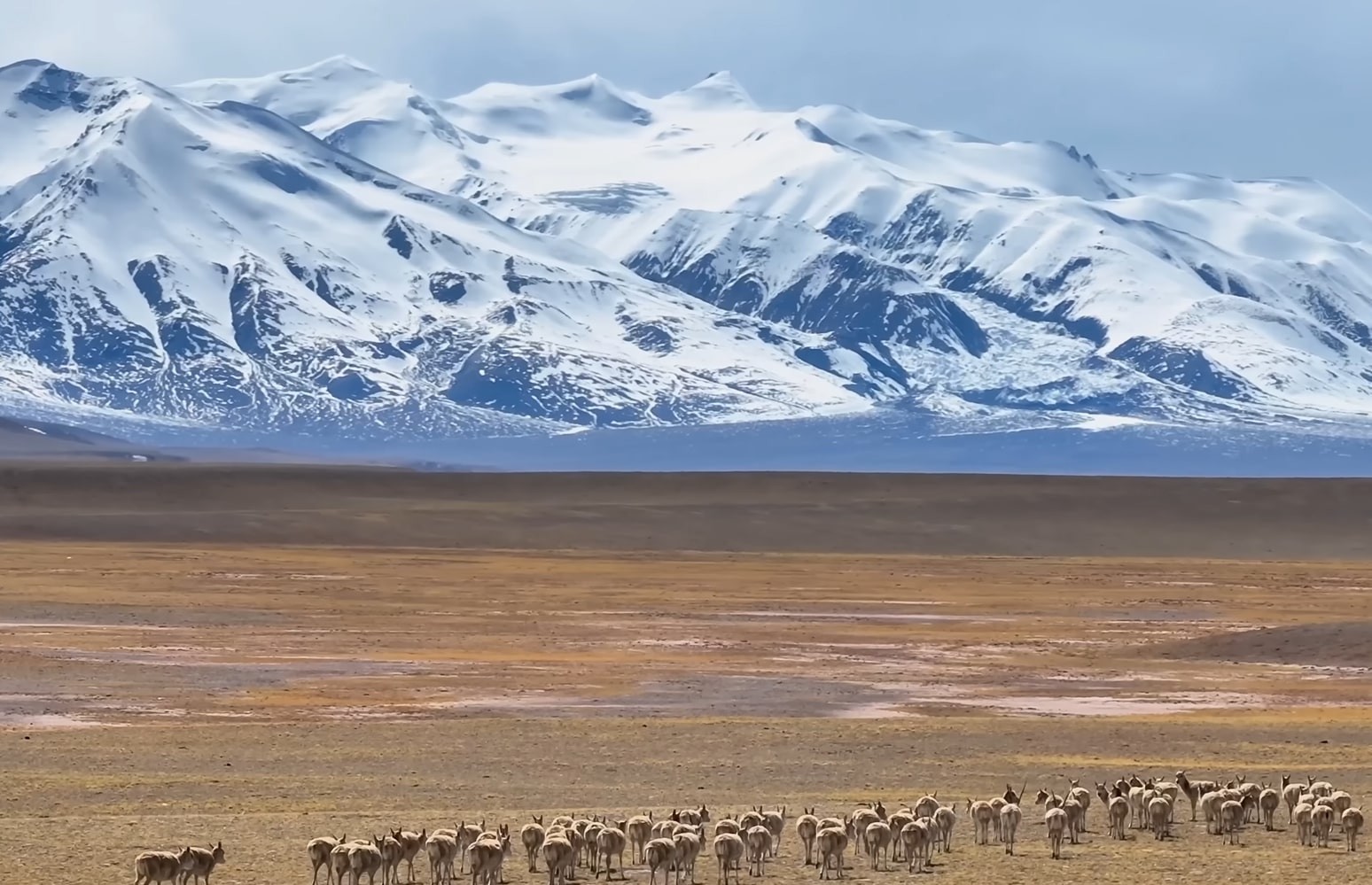
 Bhutan Tour from Nepal: Your Complete Journey to the Land of Happiness
Discovering Bhutan from Nepal opens a gateway to one of the world's most enchanting kingdoms, where happiness is measured more carefully than wealth and ancient traditions thrive alongside modern development. This comprehensive guide will help you understand everything you need to know about planning your journey from Nepal to the mystical Dragon Kingdom.
Nepal serves as the perfect launching point for your Bhutan exploration. The cultural similarities between these Himalayan neighbors create a seamless transition, while the convenient flight connections from Kathmandu to Paro make the journey both comfortable and spectacular. Starting from Nepal also allows travelers to experience two remarkable destinations in one trip, combining the spiritual depth of Nepal with the pristine beauty of Bhutan.
The flight from Kathmandu to Paro ranks among the world's most scenic journeys. As you soar above the Himalayan giants, including Mount Everest, Kanchenjunga, and Makalu, you'll witness a panorama that few places on Earth can match. This aerial journey itself becomes a highlight, offering views that rival even the most spectacular Everest Base Camp Trek experiences.
Bhutan distinguishes itself through its unique development philosophy of Gross National Happiness, prioritizing the well-being of its citizens over economic growth. This approach has resulted in a country where 72% of the land remains forested, plastic bags are banned, and traditional architecture is meticulously preserved. The kingdom's commitment to environmental conservation has made it the world's only carbon-negative country.
The Bhutanese government carefully regulates tourism through a sustainable tourism policy that ensures quality over quantity. This approach has preserved the country's pristine environment and authentic culture, making every visit feel exclusive and meaningful. Unlike the bustling trails of the Annapurna Base Camp Trek or the popular Manaslu Circuit Trek, Bhutan's paths remain uncrowded, offering intimate encounters with nature and culture.
Paro Valley welcomes visitors with its stunning natural beauty and well-preserved cultural heritage. The valley houses numerous sacred sites and historical monuments, making it an ideal introduction to Bhutanese culture. The town itself maintains traditional architecture while offering modern amenities, creating a comfortable base for exploration.
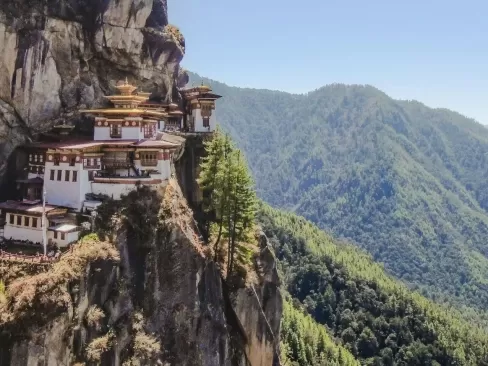
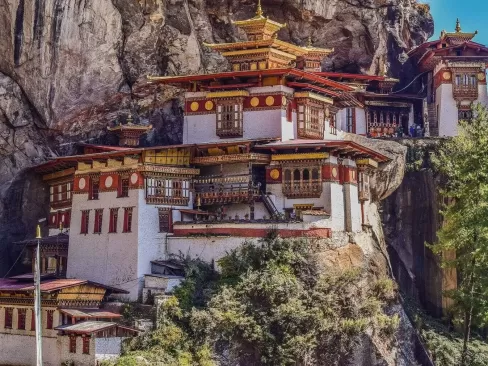
The most iconic landmark, Tiger's Nest Monastery (Paro Taktsang), clings dramatically to a cliff face 900 meters above the valley floor. The challenging hike to this sacred site rewards visitors with breathtaking views and profound spiritual atmosphere. The monastery's history dates back to the 8th century when Guru Rinpoche meditated in the cave, introducing Buddhism to Bhutan. While demanding, this trek proves more accessible than high-altitude adventures like the Everest Three Pass Trek, making it suitable for most fitness levels.
Paro's cultural treasures extend beyond Tiger's Nest. The National Museum showcases Bhutanese art and artifacts spanning centuries, while Rinpung Dzong demonstrates the architectural mastery of Bhutanese craftsmen. The valley's farmhouses welcome visitors for authentic cultural exchanges, offering insights into traditional Bhutanese life that you won't find in guidebooks.
Thimphu represents Bhutan's unique balance between tradition and modernity. As the capital city, it serves as the political and economic center while maintaining strong cultural roots. The absence of traffic lights symbolizes Bhutan's approach to development – thoughtful, measured, and respectful of tradition.
Tashichho Dzong dominates the cityscape, serving as the seat of government and religious authority. This massive fortress-monastery hosts the annual Thimphu Tshechu, one of Bhutan's most important festivals. The Buddha Dordenma statue towers over the valley, its golden surface gleaming in the sunlight. At 51 meters tall, it houses over 100,000 smaller Buddha statues, creating a powerful spiritual presence.
The capital's markets and craft bazaars offer authentic Bhutanese handicrafts, textiles, and traditional medicines. Unlike the tourist markets in Kathmandu, Thimphu's vendors maintain traditional pricing and quality, ensuring authentic purchases. The National Memorial Chorten draws devoted Buddhists throughout the day, creating opportunities to observe traditional religious practices.
Punakha Valley's subtropical climate and fertile lands have made it Bhutan's winter capital for centuries. The valley's lower elevation creates a noticeably warmer climate, supporting rice cultivation and lush vegetation. The dramatic landscape, shaped by the confluence of the Pho and Mo rivers, provides stunning backdrops for exploration.
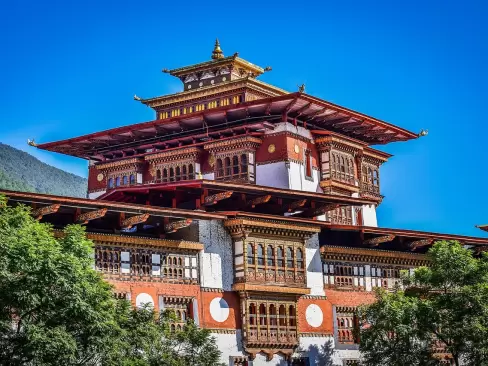
Punakha Dzong stands as perhaps Bhutan's most beautiful fortress, its whitewashed walls and golden roofs reflecting in the river waters. Built in 1637, it served as Bhutan's capital until the 1950s and continues hosting important religious ceremonies. The dzong's strategic location and architectural splendor make it a photographer's paradise.
The valley offers numerous hiking opportunities, from gentle riverside walks to challenging mountain trails. The Khamsum Yulley Namgyal Chorten hike provides panoramic valley views while visiting a stunning temple. For those seeking longer adventures similar to the Gokyo Valley Trek, surrounding valleys offer multi-day trekking options through pristine forests and remote villages.
Starting your journey with a Kathmandu Valley Sightseeing Tour creates a comprehensive Himalayan cultural experience. Kathmandu's bustling streets and ancient temples contrast beautifully with Bhutan's serene landscapes and preserved traditions. This combination allows you to experience two distinct expressions of Buddhist culture within the Himalayan region.
Many travelers choose to extend their Nepal stay with adventures in the country's spectacular trekking regions. A shorter trek like the Ghorepani Poon Hill Trek or Mardi Himal Trek provides excellent mountain views and cultural experiences before heading to Bhutan. These treks offer ideal acclimatization while showcasing Nepal's renowned hospitality and mountain scenery.
For those with more time, combining Bhutan with longer Nepal adventures creates unforgettable journeys. Following a Langtang Valley Trek with a Bhutan tour allows you to experience both countries' highland cultures. The Tamang Heritage Trek offers similar cultural immersion in Nepal's mountains before transitioning to Bhutan's preserved traditions.
Bhutanese festivals, known as tshechus, provide the most vibrant cultural experiences. These multi-day celebrations feature masked dances, traditional music, and religious ceremonies that have remained unchanged for centuries. The festivals serve both religious and social purposes, bringing communities together in joyful celebration.
The masked dances, performed by monks and laypeople, tell Buddhist stories and legends through intricate choreography and elaborate costumes. Each movement carries symbolic meaning, creating a visual representation of Buddhist teachings. The festival atmosphere combines devotion with celebration, as families picnic in traditional dress while watching the performances.
Attending a tshechu requires careful planning, as festival dates follow the lunar calendar and vary by location. However, the experience rewards the effort with unforgettable cultural immersion. Unlike the more tourist-oriented festivals in some Kathmandu Pokhara Tour packages, Bhutanese festivals maintain their authentic character and spiritual significance.
Traditional Bhutanese life revolves around community, family, and Buddhist practice. Most Bhutanese continue wearing national dress – the gho for men and kira for women – in daily life, not just for tourists. This commitment to tradition creates a living cultural museum where ancient practices remain part of contemporary life.
Farmhouse visits offer intimate glimpses into rural Bhutanese life. Families welcome guests to share traditional meals, often including the national dish of ema datshi (chili cheese). The evening butter tea and ara (local alcohol) sessions facilitate cultural exchange as hosts share stories and traditions. These authentic interactions surpass staged cultural shows, creating genuine connections between visitors and locals.
The archery culture reveals another aspect of Bhutanese identity. This national sport involves not just skill but elaborate ceremonies, celebrations, and social bonding. Watching or participating in archery competitions provides insights into Bhutanese values of community, competition, and celebration.
Bhutan's visa process differs significantly from Nepal's straightforward arrival system. All visitors (except Indian, Bangladeshi, and Maldivian nationals) must arrange visas through licensed tour operators before arrival. This system ensures all visitors have confirmed arrangements and support throughout their stay.
The visa process begins when booking your tour with a licensed operator like Explore Holiday Nepal. The operator submits your application and documents to the Bhutanese Tourism Council of Bhutan, which processes the visa approval. You receive a visa clearance letter before travel, which you present upon arrival at Paro Airport for visa stamping.
Required documents include a valid passport (with at least six months validity), passport-size photographs, and completed application forms. The process typically takes one to two weeks, though processing can be expedited for urgent travel. Unlike self-guided adventures such as the Pikey Peak Trek or Everest View Trek, Bhutan requires guided tours for all aspects of your visit.
Bhutan implements a Sustainable Development Fee (SDF) to ensure tourism benefits the country while protecting its environment and culture. This daily fee contributes to free healthcare, free education, poverty alleviation, and infrastructure development. The fee represents Bhutan's commitment to high-value, low-impact tourism.
The SDF applies to all tourists except citizens of India, Bangladesh, and the Maldives. Children under 12 years receive discounted rates. This fee covers your entire stay and gets collected through your tour operator. Understanding this investment helps appreciate how tourism directly benefits Bhutanese society and environmental conservation.
The fee supports Bhutan's carbon-negative status, free education system, and comprehensive healthcare. It enables the country to maintain pristine environments and authentic cultural practices while improving citizens' quality of life. This sustainable tourism model ensures future generations will experience the same unspoiled Bhutan that captivates visitors today.
Spring (March to May) offers spectacular rhododendron blooms, clear mountain views, and pleasant temperatures. The valleys burst with color as flowers bloom across the landscape. This season provides ideal conditions for both cultural exploration and outdoor activities, though it attracts more visitors than other periods.
Autumn (September to November) brings the clearest skies and most stable weather, making it the peak season for Bhutan tours. The post-monsoon clarity reveals stunning mountain panoramas, while harvest festivals add cultural richness to visits. This timing coincides with Nepal's best trekking season, allowing perfect combinations of Annapurna Circuit Trek or Tsum Valley Trek adventures before heading to Bhutan.
Winter (December to February) offers crisp, clear days with fewer tourists and vibrant winter festivals. While some high-altitude areas become inaccessible, the main valleys remain pleasant with daytime temperatures comfortable for exploration. This season suits travelers seeking solitude and authentic cultural experiences, similar to winter treks in Nepal like the Langtang Gosaikunda Trek.
Summer (June to August) coincides with monsoon season, bringing frequent rain but lush green landscapes and fewer crowds. The rain typically falls at night, leaving mornings clear for sightseeing. Budget-conscious travelers can find good value during this period, though some roads may experience temporary closures due to weather.
Bhutan's accommodation ranges from comfortable tourist-class hotels to luxury resorts, all maintaining traditional architectural elements. Even modern hotels incorporate Bhutanese design features, creating authentic ambiance while providing contemporary comforts. The government's strict building codes ensure all structures harmonize with the landscape and cultural aesthetic.
Tourist-class hotels offer clean, comfortable rooms with private bathrooms, heating, and often Wi-Fi. These properties typically feature traditional Bhutanese architecture with painted woodwork and local artistry. The hotels maintain high standards compared to similar-class properties in Nepal, providing reliable comfort throughout your journey.
Luxury properties elevate the experience with spa facilities, fine dining, and exceptional service while maintaining cultural authenticity. Properties like Amankora, COMO Uma, and Six Senses offer world-class amenities in spectacular settings. However, even these exclusive resorts adhere to Bhutanese architectural traditions, creating unique luxury experiences you won't find anywhere else.
Farmhouse stays provide the most authentic accommodation experience, allowing cultural immersion in traditional Bhutanese homes. Families welcome guests as extended family members, sharing meals, stories, and daily activities. While facilities are simple, the cultural richness and genuine hospitality make farmhouse stays highlights for many visitors.
Bhutanese cuisine revolves around rice, chilies, and cheese, creating distinctive flavors unlike other Himalayan cuisines. Ema datshi, the national dish, combines green chilies and local cheese into a spicy, creamy curry served with red rice. The generous use of chilies might challenge some visitors, though restaurants can adjust spice levels.
Red rice forms the staple grain, offering more nutrition and flavor than white rice. Buckwheat features prominently in central and eastern Bhutan, prepared as noodles (puta) or pancakes. Momo (dumplings) appear on most menus, though Bhutanese versions differ slightly from the familiar Kathmandu varieties.
Dairy products play crucial roles in Bhutanese cuisine. Fresh cheese appears in numerous dishes, while yak butter enriches tea and various preparations. Dried yak cheese serves as a popular snack, though its rock-hard texture challenges uninitiated teeth. The distinctive dairy flavors create memorable culinary experiences.
Suja (butter tea) and ara (traditional alcohol) accompany social gatherings and celebrations. The salty butter tea initially surprises visitors expecting sweet beverages, but its warming properties make it perfect for cool mountain climates. Ara comes in various forms, from light beer-like versions to stronger distilled spirits.
Bhutan offers spectacular trekking opportunities, from day hikes to extended expeditions through pristine wilderness. The trails traverse landscapes ranging from subtropical forests to high-altitude passes, providing diverse experiences for all ability levels. Unlike the crowded popular trails in Nepal, Bhutan's treks maintain solitude and pristine conditions.
The Tiger's Nest hike stands as Bhutan's most famous day trek, challenging visitors with steep climbs rewarded by iconic monastery views and spiritual atmosphere. The Druk Path Trek connects Paro and Thimphu through mountain passes and glacial lakes, offering moderate challenges with spectacular scenery. Longer treks like the Snowman Trek rank among the world's most challenging expeditions, traversing remote regions at extreme altitudes.
Bhutanese treks require full camping support, with teams handling logistics, cooking, and camp setup. This contrasts with Nepal's teahouse trekking system used on routes like the Everest Base Camp Budget Trek or Manaslu Budget Trek. The camping approach enables exploration of truly remote areas while maintaining comfort and safety.
Bhutan's mountain roads provide exhilarating cycling opportunities, with routes offering challenging climbs and thrilling descents through spectacular scenery. The relatively light traffic and good road conditions create ideal cycling environments. Various routes cater to different abilities, from gentle valley rides to demanding mountain passes.
Popular cycling routes include the Paro to Thimphu journey via Dochu La Pass, offering sustained climbing followed by rewarding descents through pine forests. The Punakha Valley provides gentler options through rice fields and traditional villages. For experienced cyclists, the route across central Bhutan presents multi-day adventures through varied terrain and elevation changes.
Support vehicles accompany cycling tours, carrying luggage and providing backup when needed. This support enables riders to enjoy the cycling experience without worrying about equipment or supplies. The combination of physical challenge and spectacular scenery creates memorable adventures different from standard sightseeing tours.
Bhutan's rivers offer pristine rafting and kayaking opportunities through spectacular scenery and challenging rapids. The Mo Chhu, Pho Chhu, and Punakha Chhu provide accessible day trips with moderate rapids suitable for beginners. More experienced paddlers can tackle the remote Mangde Chhu in central Bhutan, combining multi-day rafting with wilderness camping.
The rivers remain remarkably clean and uncrowded compared to popular rafting destinations in Nepal like Trishuli River Rafting. The pristine water quality and unspoiled surroundings create exceptional outdoor experiences. Wildlife sightings along riverbanks add special moments to paddling adventures.
Professional outfitters provide equipment and experienced guides for safe river experiences. The guides combine river skills with local knowledge, enhancing adventures with insights into areas traversed. Safety standards meet international expectations while maintaining authentic adventure experiences.
Most Bhutan destinations sit at elevations between 2,000 and 2,800 meters, generally lower than popular Nepal trekking routes. Paro and Thimphu's elevations require some adjustment but rarely cause serious altitude issues. Visitors should still take precautions, maintaining hydration and avoiding overexertion immediately after arrival.
Some activities involve higher elevations, particularly high passes and trekking routes. The Dochu La Pass reaches 3,100 meters, while trekking routes can exceed 4,000 meters. Travelers should recognize altitude sickness symptoms and communicate any concerns to guides immediately. Unlike extreme-altitude adventures like Island Peak Climbing or Mera Peak Climbing, most Bhutan itineraries avoid altitudes requiring extensive acclimatization.
The gradual elevation changes in standard Bhutan tours allow natural acclimatization while touring. Moving from Paro (2,250m) to Thimphu (2,350m) and then Punakha (1,200m) follows altitude gain and loss patterns that facilitate adjustment. This natural acclimatization resembles patterns in shorter Nepal treks like Annapurna Base Camp Short Trek.
Bhutan provides free healthcare to citizens through government hospitals and basic health units throughout the country. Major towns have well-equipped hospitals with modern facilities and trained staff. Traditional medicine continues playing important roles, with traditional hospitals offering treatments alongside modern medicine.
Travel insurance covering medical evacuation remains essential despite good local facilities. Serious conditions might require evacuation to advanced medical centers in Bangkok or Singapore. Comprehensive insurance provides peace of mind and financial protection for unexpected medical situations.
Basic medications are available in major towns, though visitors should carry prescription medications and basic first-aid supplies. The tour operator can assist with accessing medical care if needed. Guides carry first-aid training and communication equipment for emergency situations, ensuring prompt responses to health concerns.
Explore Holiday Nepal brings extensive experience organizing Bhutan tours, ensuring smooth, enriching journeys from start to finish. Our team's deep knowledge of both Nepal and Bhutan enables seamless combinations and expert guidance throughout your travels. We handle all logistics, permits, and arrangements, allowing you to focus on experiencing these remarkable destinations.
Our guides possess thorough knowledge of Bhutanese culture, history, and traditions, enriching your experience with insights beyond standard information. They facilitate authentic cultural interactions and ensure you experience the real Bhutan, not just tourist highlights. The same attention to detail that makes our Everest Base Camp Luxury Trek and Manaslu Tsum Valley Luxury Trek exceptional applies to all our Bhutan programs.
We recognize every traveler has unique interests, timeframes, and preferences. Our flexible approach allows customization of every aspect of your Bhutan journey, from accommodation choices to activity selections and cultural experiences. Whether you prefer luxury accommodations or authentic farmhouse stays, active adventures or cultural immersion, we craft itineraries matching your vision.
Special interest tours focusing on textiles, architecture, bird watching, or Buddhism can be arranged with expert local guides. Festival tours coordinate with the lunar calendar to include specific celebrations. We can also combine your Bhutan tour with other regional experiences like Tibet tours or extended Nepal explorations, creating comprehensive Himalayan journeys.
We share Bhutan's commitment to sustainable tourism, ensuring our operations benefit local communities while protecting environments and cultures. We employ local guides, stay in locally-owned properties when possible, and ensure tourism dollars benefit Bhutanese communities directly. This approach aligns with Bhutan's tourism philosophy while providing authentic experiences.
Our environmental consciousness extends beyond regulations, encouraging practices that minimize impact and support conservation. We promote Leave No Trace principles on treks, choose eco-friendly properties, and educate travelers about conservation efforts. The same sustainable practices that guide our Kanchenjunga Base Camp Trek and Upper Mustang Trek operations apply to all our programs.
From initial inquiry through final departure, we provide comprehensive support ensuring worry-free travels. Our Kathmandu office offers convenient pre-trip briefings and logistics support. In Bhutan, our local partners and guides ensure immediate assistance for any situation. Post-trip support helps with feedback, extension plans, or future travel arrangements.
Emergency protocols and 24/7 communication ensure prompt responses to any situation. Our guides carry satellite phones and first-aid equipment on all treks and remote excursions. The support infrastructure backing our challenging expeditions like Lobuche Peak Climbing ensures safety and support throughout all our programs.
Extending your Nepal stay allows deeper exploration of this fascinating country. Kathmandu Pokhara Chitwan Tour combines cultural sites with mountain scenery and jungle wildlife in comprehensive Nepal experience. The Bardiya National Park Tour offers more remote jungle experiences with better wildlife viewing opportunities than crowded Chitwan.
Adventure seekers might combine Bhutan with challenging Nepal treks. The Makalu Base Camp Trek provides remote wilderness experiences in one of Nepal's least-visited regions. The Lower Dolpo Trek or Upper Dolpo Trek offer Bhutan-like cultural preservation in Nepal's hidden corners.
Helicopter tours provide spectacular mountain views for time-limited visitors or those unable to trek. An Everest Heli Tour or Annapurna Heli Tour delivers incredible aerial perspectives of the Himalayas, complementing ground-level Bhutan experiences with bird's-eye mountain views.
Combining Bhutan with Tibet creates extraordinary journeys through Buddhist civilizations. The Tibet Lhasa Tour explores Tibetan Buddhism's spiritual heart, while the Kailash Mansarovar Tour undertakes one of Asia's most sacred pilgrimages. These combinations create once-in-a-lifetime journeys through Himalayan Buddhist culture.
The Tibet Overland Tour combines spectacular landscapes with cultural immersion, traveling across the Tibetan Plateau. These multi-country combinations offer comprehensive Himalayan experiences, though they require additional time and planning due to distinct permit requirements.
Bhutan's variable climate requires layered clothing suitable for various conditions. Even summer visits need warm layers for evenings and high-altitude excursions. Comfortable walking shoes are essential for frequent temple visits and sightseeing walks. Formal clothing isn't necessary except for special events or high-end hotel dining.
Modest clothing respects local culture, particularly when visiting religious sites. Long pants and covered shoulders are appropriate for both men and women. Traditional wear isn't expected from visitors, though some tourists enjoy purchasing and wearing ghos or kiras during their stay. A small day pack carries essentials during daily excursions.
Photography equipment should include backup batteries and memory cards, as shopping options are limited. Power adapters for Indian/UK-style outlets are necessary (Type D/G/M). A good camera captures Bhutan's stunning landscapes and colorful cultural elements, creating lasting memories of your journey.
Bhutan's currency, the Ngultrum (Nu), equals the Indian Rupee in value. Both currencies are accepted throughout Bhutan, though local preference is for Ngultrum. ATMs exist in major towns but can be unreliable, so carrying sufficient cash is advisable. US dollars and other foreign currencies can be exchanged at banks in main towns.
Most payments in Bhutan require cash, as credit cards have limited acceptance. Major hotels and some shops accept cards, but having adequate cash ensures smooth transactions. Your tour operator handles most major expenses, but you'll need cash for personal purchases, tips, and optional activities.
Tipping isn't mandatory but appreciated for good service. Guide and driver tips should reflect service quality and tour length. Restaurant bills sometimes include service charges, though small additional tips for exceptional service are welcomed. The tipping culture resembles that in Nepal, where gratitude for service is customarily expressed monetarily.
A Bhutan tour from Nepal creates extraordinary journeys through two of Asia's most fascinating countries. The combination offers unique perspectives on Himalayan Buddhist culture, from Nepal's vibrant, accessible charm to Bhutan's carefully preserved traditions and pristine environments. Whether you seek cultural immersion, natural beauty, spiritual experiences, or adventure activities, this journey delivers experiences unavailable anywhere else.
The expertise and support of Explore Holiday Nepal ensures your Bhutan adventure exceeds expectations. From initial planning through final departure, we handle every detail, allowing you to fully immerse yourself in these remarkable destinations. Our commitment to quality, authenticity, and sustainability ensures your journey benefits both you and the places you visit.
Start planning your Bhutan adventure today. Contact Explore Holiday Nepal to discuss your interests, timeframe, and preferences. We'll craft a customized journey perfectly suited to your needs, creating memories that will inspire you for years to come. The Land of Happiness awaits – let us guide you there.
Your Start Date is the day you land in Nepal, and your End Date is when you fly home.
If the set Bhutan Tour from Nepal group dates don’t suit your schedule, we can offer alternative dates upon request.
The Bhutan Tour from Nepal with Explore Holiday Nepal was an incredible experience. The transition from Nepal to Bhutan was smooth, and every detail was carefully arranged. Bhutan’s stunning landscapes and rich culture left me speechless. The team was fantastic, making this trip a memorable one!
The Bhutan Tour from Nepal offers a unique opportunity for travelers to explore the cultural, spiritual, and natural beauty of Bhutan. This package is designed for tourists traveling from Nepal to Bhutan, allowing them to visit iconic sites like the Tiger's Nest Monastery, Punakha Dzong, and the capital city Thimphu. With Explore Holiday Treks, you’ll experience guided tours of Bhutan's serene landscapes, ancient temples, and traditional Bhutanese culture, all while enjoying a seamless and hassle-free travel experience.
Our Bhutan Tour packages include a comprehensive range of services. This typically covers return airfare from Kathmandu to Paro, accommodation in 3-star or 4-star hotels (based on your preference), transportation within Bhutan, an experienced local guide, all entry fees to attractions, and visa processing. The package also includes meals and other necessary permits, ensuring a smooth and memorable journey. Specific inclusions may vary depending on the customized itinerary.
During your Bhutan tour, you’ll visit some of the country’s most famous landmarks, including:
Tiger's Nest Monastery: A spiritual site perched on a cliffside, offering breathtaking views.
Thimphu: Bhutan’s capital, home to a mix of modernity and tradition, with attractions like the Buddha Dordenma Statue and the National Memorial Chorten.
Punakha Dzong: A stunning fortress situated at the confluence of two rivers, an iconic symbol of Bhutan’s architecture.
Paro Valley: Known for its scenic beauty and the Paro Dzong, a historically significant site.
Bumthang: A religious and cultural hub with ancient temples and beautiful landscapes.
While you don’t need to be an athlete to visit Bhutan, a moderate level of fitness will enhance your experience, especially if you plan to hike to places like the Tiger’s Nest Monastery. For those who prefer less strenuous activities, our team can tailor an itinerary that involves more sightseeing and cultural exploration, without heavy physical demands. The altitude can affect some visitors, so it’s advisable to take it easy for the first day to acclimatize.
Bhutan’s official currency is the Bhutanese Ngultrum (BTN), although the Indian Rupee (INR) is also widely accepted. We recommend carrying some local currency for small purchases. International credit and debit cards are accepted in major towns, but it's a good idea to have cash for remote areas. Explore Holiday Treks can guide you on currency exchange options.
Explore Holiday Treks is committed to providing exceptional travel experiences. We offer personalized itineraries, experienced guides, and attention to detail to ensure you have an unforgettable trip to Bhutan. With our local knowledge and professional services, you can trust us to handle every aspect of your journey, from flight bookings to visa processing, all with a focus on your comfort and safety.
Booking your Bhutan tour with Explore Holiday Treks is easy! You can either visit our website and fill out the booking form or directly contact us via email or phone. Our team will assist you in customizing your tour itinerary according to your preferences, including the duration of your stay, desired activities, and budget. Once you confirm the itinerary, we will take care of the rest, including flight arrangements, permits, and accommodation.
Yes, all travelers to Bhutan require a visa. However, the Bhutanese government mandates that tourists can only enter the country through a licensed Bhutanese tour operator, such as Explore Holiday Treks. Once you’ve booked your tour, we will handle the visa application process for you. You will receive your visa approval before departure, and the visa will be stamped in your passport upon arrival in Bhutan.
Yes, it is possible to travel to Bhutan from Nepal by land, but most travelers choose to fly for convenience. Flights are available from Kathmandu to Paro, Bhutan’s main international airport. If you prefer to travel overland, you can arrange a drive from the border town of Phuentsholing in southern Bhutan, though this might require a longer journey. Our team can assist in organizing transportation for either option.
The best time to visit Bhutan is during the spring (March to May) and autumn (September to November) seasons. These months offer pleasant weather, clear skies, and an ideal climate for trekking and sightseeing. The winter (December to February) is also a good time for travelers who enjoy cooler temperatures, while the monsoon season (June to August) is best avoided due to heavy rainfall.
Bhutan is considered one of the safest countries for tourists. It is a peaceful nation with low crime rates and a well-developed infrastructure. Explore Holiday Treks ensures that all your arrangements are made with safety in mind, from transportation to guided tours, so you can fully enjoy your Bhutan experience without any concerns.
The packing list for Bhutan depends on the season and activities you plan to do. Generally, it is advised to bring:
Comfortable walking shoes for sightseeing and hiking.
Layered clothing for varying temperatures, especially if you are traveling in the spring or autumn.
A light jacket or sweater, as temperatures can be cooler in the evenings.
Sunglasses, sunscreen, and a hat for sun protection.
A camera to capture the stunning landscapes and cultural landmarks.
Personal medications and any specific travel essentials.


 (34)
(34) 