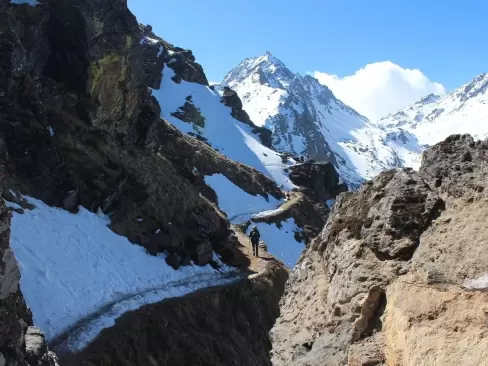
Langtang Valley Trek: Nepal's Hidden Himalayan Gem I'll be straight with you—when I first planned my Nepal trip, Langtang wasn't even on my radar. Everyone talks about Everest Base Camp or the Annapurna Circuit. But after spending over a week in the Langtang Valley, I realized I'd accidentally stumbled onto something special that doesn't get nearly enough attention.Langtang is originated from two words, ‘Lang’ means Yak and ‘Tang’ means to follow. The highest peak Langtang Lirung – 7,246m in the area dominates the narrow Langtang Valley which is situated on the lap of Langtang Himal, north of Kathmandu. The Langtang trek to the base of Langtang Himal offers the shortest approach to snow-white mountains from Kathmandu.Why Langtang Deserves Your Attention The Langtang Valley sits just north of Kathmandu, wedged between the main Himalayan range and a series of peaks that mark the Tibetan border. What makes it different from Nepal's more famous treks isn't just the scenery—though trust me, the views rival anything you'll see on the Manaslu Circuit or Annapurna Base Camp treks. It's the feeling of the place. You're walking through a valley that was nearly erased in 2015 when a massive earthquake triggered avalanches that buried entire villages. The communities here rebuilt everything from scratch. When you trek through Langtang, you're not just sightseeing—you're supporting people who refused to let disaster define them.Plus, it's genuinely less crowded. On other major treks, you're part of a parade. Here? You'll meet other trekkers, sure, but the trail never feels packed.Getting There: The Journey Begins in KathmanduYour adventure starts with a drive from Kathmandu to Syabrubesi, the main starting point for the trek. Fair warning—this isn't a smooth highway cruise. It's about seven to eight hours of winding mountain roads that'll test your stomach. The roads have improved over the years, but it's still Nepal, so expect the occasional pothole that could swallow a small car. That said, the drive itself offers a glimpse into rural Nepal that you won't get anywhere else. You'll pass through terraced hillsides where farmers work the same land their ancestors did centuries ago. Small villages cling to mountainsides. Rivers rush through valleys far below the road. It's chaotic and beautiful and slightly terrifying all at once.Most people take a local bus or arrange private transport through their hotel. Both work fine—the private jeep is faster and more comfortable, the local bus is cheaper and more, let's say, authentic.The Trail: What You're Actually Walking ThroughThe Langtang trail follows the Langtang Khola river, gradually climbing from around 1,500 meters at Syabrubesi up to nearly 4,000 meters at Kyanjin Gompa. The path winds through some of the most diverse terrain you'll encounter on any Himalayan trek.The Forest SectionThe first stretch takes you through dense rhododendron and oak forests. If you're trekking in spring (March to May), these forests explode with color—massive rhododendron trees bloom in shades of red, pink, and white. Even outside blooming season, there's something peaceful about walking through these ancient woods, with sunlight filtering through the canopy and the constant soundtrack of the river below. You'll cross suspension bridges that sway gently (or not so gently) over rushing water. Some people love these crossings, others white-knuckle their way across. Either reaction is valid.The forests are also home to wildlife, though you'll need patience and luck to spot much beyond langur monkeys and various bird species. The Langtang region is one of the few places in Nepal where red pandas still exist in the wild, but actually seeing one is rare. I didn't, though I kept my eyes peeled the entire time.Opening into the ValleyAs you gain altitude, the landscape shifts dramatically. The thick forests thin out, giving way to alpine meadows and juniper shrubs. This is where the views start getting serious. The valley walls rise steeply on both sides, with peaks that seem impossibly tall and close.You'll pass through several Tamang villages along the way. These settlements have existed for generations, and the people here have adapted to mountain life in ways that seem almost superhuman to someone huffing and puffing from sea level.Langtang Village: The Heart of the ValleyLangtang Village sits at about 3,430 meters and serves as the main hub for trekkers. This village has a heavy history—it was completely destroyed in the 2015 earthquake, buried under ice and rock. Over 300 people died, including trekkers and climbers. The new village was built on higher ground, with modern construction designed to withstand future earthquakes. Walking through here, you'll see memorials and prayer flags marking where the old village once stood. It's sobering, but also inspiring to see how the community came back.The lodge owners and locals here have stories that'll stick with you. Many lost family members but chose to return and rebuild. When I asked one lodge owner why she came back, she just shrugged and said, "This is home." That kind of resilience changes how you see the mountains around you.Kyanjin Gompa: The Main DestinationMost trekkers make Kyanjin Gompa their primary destination. At 3,870 meters, this small settlement feels like the edge of the world. There's an ancient Buddhist monastery here—Kyanjin Gompa—which gives the place its name. The monastery has prayer wheels, butter lamps, and that distinctive smell of incense and yak butter that you'll either love or tolerate. But the real draw is the setting. Kyanjin Gompa sits in a wide basin surrounded by snow-covered peaks. Langtang Lirung (7,227 meters) dominates the northern skyline—this massive pyramid of ice and rock that doesn't quite look real, especially at sunrise when it turns pink and gold. There's also a cheese factory here, which sounds random until you try the cheese. It's made from yak milk and tastes nothing like what you're used to, but after several days of dal bhat, it's a welcome change.The village itself is tiny—maybe a dozen buildings total. There's not much to "do" here in the conventional sense. You eat, you rest, you stare at mountains, you drink tea. That's kind of the point.Side Treks and ViewpointsIf you're acclimatized and feeling ambitious, Kyanjin Gompa serves as a base for several side trips.Tserko RiThe most popular option is climbing Tserko Ri, a viewpoint at 4,984 meters that offers 360-degree panoramas of the Langtang range. I won't sugarcoat it—this hike is brutal. You're gaining over 1,000 meters of elevation, and the thin air makes every step feel like you're wearing ankle weights.Most people start before dawn to catch sunrise from the summit. The early start means freezing temperatures and hiking by headlamp, but watching the first light hit the peaks from up there? Worth every miserable step. The entire Langtang range spreads out around you, and on clear days, you can see all the way to the Tibetan plateau.Langshisa KharkaIf you have extra time and want to venture deeper into the valley, Langshisa Kharka offers even closer views of the glaciers that give Langtang its nickname as the "Valley of Glaciers." It's a longer day hike from Kyanjin Gompa, but the landscape becomes even more dramatic and otherworldly.Kyanjin Ri For a shorter option with excellent views, Kyanjin Ri (4,773 meters) can be climbed in a few hours and offers a great vantage point for photography, especially during golden hour.The People and Culture The Langtang region is primarily inhabited by Tamang people, an ethnic group with Tibetan origins. Their culture, language, and Buddhist traditions are distinct from other parts of Nepal. You'll see this in the architecture—stone houses with intricately carved wooden windows, prayer flags strung between buildings, and mani walls (stone walls carved with Buddhist mantras) along the trail. The hospitality in these mountain communities is genuine. Staying in teahouses (basic lodges) means you're often sharing meals and stories with your hosts around a wood-burning stove. These aren't hotels—they're family homes that happen to accommodate trekkers. You'll learn about their lives, their challenges, and often share more than a few laughs despite language barriers. Most guides and lodge owners speak decent English, picked up through years of working with trekkers. But even when communication is limited, there's something about sharing tea and a fire that transcends language.When to Go: Seasons Matter The Langtang Valley Trek is doable year-round, but your experience will vary dramatically depending on when you go. Spring (March to May) is arguably the best time. The rhododendron forests are in full bloom, creating tunnels of color. The weather is generally stable with clear mornings and some afternoon clouds. Temperatures are comfortable for trekking, though nights at higher elevations get cold. Autumn (September to November) offers the clearest mountain views and most reliable weather. Post-monsoon air creates incredibly sharp visibility. This is peak trekking season, so you'll encounter more people, but the trails never feel truly crowded compared to Everest or Annapurna routes. Winter (December to February) brings fewer trekkers and pristine snow-covered landscapes. The downside? It's genuinely cold, especially at night at higher elevations. Some passes may be closed due to snow, and a few lodges shut down for the season. But if you're prepared for the cold and want solitude, winter has its appeal. Monsoon (June to August) is generally not recommended. Heavy rainfall makes trails muddy and slippery, leeches become an issue in the forests, and mountain views are often obscured by clouds. However, the valley is beautifully green during this time, and you'll have the trails almost entirely to yourself.Altitude: Take It Seriously Even though Langtang doesn't reach the extreme elevations of some other Himalayan treks, altitude is still something you need to respect. You'll be spending several days above 3,000 meters and potentially reaching nearly 5,000 meters if you climb Tserko Ri. Altitude sickness doesn't discriminate—fitness level doesn't matter. Some people cruise to 4,000 meters without issues, others struggle at 3,000 meters. The key is ascending slowly, staying hydrated, and listening to your body. Common symptoms like headaches and mild nausea are normal as you acclimatize. But if you experience severe symptoms—confusion, difficulty breathing at rest, or inability to walk straight—you need to descend immediately. I'm not trying to scare you, just being real about the risks. Most people find that taking rest days to acclimatize, drinking lots of water, and avoiding alcohol helps significantly. Some trekkers also use medication like Diamox to aid acclimatization, though that's something to discuss with your doctor before the trek.Do You Need a Guide? Technically, no—the Langtang trail is well-marked, and many people trek independently. But there are real advantages to hiring a guide. First, local guides know the trail intimately. They know which lodges have the best food, where to stop for tea, and how to pace your days for proper acclimatization. They also understand weather patterns and can adjust plans if conditions turn bad. Second, guides provide cultural context you'd miss otherwise. They'll explain the significance of monasteries, translate conversations with locals, and share stories about the region that turn the trek from a physical challenge into a genuine cultural experience. Third, having someone who recognizes altitude sickness symptoms can be literally lifesaving. When I struggled on Tserko Ri, my guide knew exactly when to push and when to let me rest. Finally, employing local guides directly benefits the communities you're trekking through. Tourism is vital to these mountain villages, and hiring guides and porters puts money directly into local pockets.What to Pack: The Essentials The Langtang Valley requires proper gear, but you don't need to buy out a specialty outdoor store. Layers are your best friend. Mountain weather changes fast. You might start the day in a t-shirt and finish in every jacket you brought. A good system includes a moisture-wicking base layer, an insulating mid-layer (fleece or down), and a waterproof outer shell. Footwear matters. You'll be walking for hours on rocky, sometimes muddy trails. Proper hiking boots with ankle support are worth the investment. Break them in before the trek—blisters at altitude are miserable. Sun protection is non-negotiable. UV rays are much stronger at high altitude. Sunglasses, sunscreen, and a hat aren't optional luxuries—they're necessities. I learned this the hard way with a sunburn on my neck that hurt for days. A good sleeping bag rated for cold temperatures is essential if you're trekking in shoulder seasons or winter. Even in peak season, nights at Kyanjin Gompa get chilly. Water purification—either tablets, drops, or a filter system. You'll need to refill from streams and taps along the way. Don't forget a headlamp, basic first aid supplies, and any personal medications. Phone charging is available at most lodges (usually for a small fee), but bring a power bank as backup.The Food Situation You'll primarily eat at teahouse lodges along the trail. The menu is surprisingly extensive—dal bhat (rice and lentil curry), fried rice, noodle soups, momos (dumplings), pasta, even the occasional pizza. Dal bhat becomes your staple. It's nutritious, filling, and usually comes with free refills. There's a reason trekkers say "dal bhat power, 24 hour!" It genuinely fuels you for these long days of hiking. The food gets progressively simpler as you gain altitude—ingredients need to be carried up by porters or yaks, so variety decreases. But honestly, after burning thousands of calories hiking, everything tastes better than it should. Coffee is almost always instant Nescafe. Tea, however, is excellent—black tea with milk and sugar, ginger tea, lemon tea. If you're picky about coffee, make peace with that now or bring instant packets you actually like.Internet and Connectivity Cell service and WiFi exist but are spotty. Lower villages usually have decent connectivity. Higher up, it becomes unreliable and expensive. Many lodges charge for WiFi access, and even then, it might only work for a few hours per day. Honestly? The digital disconnect is part of the appeal. You're in the Himalayas—embrace it. Download any maps or information you need before the trek and enjoy being unreachable for a week.Permits You'll Need You'll need two permits for the Langtang trek: a TIMS (Trekkers' Information Management System) card and a Langtang National Park entry permit. These can be obtained in Kathmandu or at checkpoints along the way. Your guide or trekking company typically handles this, but if you're going independently, you'll need to sort them yourself. The permits aren't just bureaucracy—they help track trekkers for safety and the fees support conservation efforts and local communities.Why Choose Langtang? Here's the honest truth: Everest Base Camp is iconic, and Annapurna Circuit is stunning. But both have become extremely popular, sometimes overwhelmingly so. Langtang offers comparable mountain scenery, rich cultural experiences, and challenging trekking without the crowds. You're still in the Himalayas, still surrounded by 7,000-meter peaks, still pushing your limits. But you're also supporting communities that genuinely need tourism dollars to continue rebuilding. You're walking through forests and valleys that feel wilder and less trampled. You're having conversations with locals rather than just nodding at the endless stream of other trekkers. The trek isn't easy—the altitude is real, the days are long, and you'll be sore. But standing in Kyanjin Gompa at sunrise, watching Langtang Lirung turn gold, or sitting around a fire sharing stories with your guide and lodge owners—these moments remind you why people trek in the first place. It's not about conquering peaks or ticking boxes. It's about the combination of physical challenge, natural beauty, and human connection that only happens when you slow down enough to actually experience a place.Final Thoughts The Langtang Valley Trek won't give you bragging rights at parties the way Everest Base Camp might. It's not the most famous or the most Instagrammed route in Nepal. But if you want a genuine Himalayan experience—one that challenges you physically, connects you with resilient communities, and offers stunning mountain landscapes without the circus atmosphere—Langtang delivers. Just remember to take your time with altitude, respect the local culture, and maybe pack some Dramamine for that bus ride. Trust me on that last one.📞 Ready to start your cultural Langtang Valley trekking trials ...📱 WhatsApp/ Telephone +9779849816310 (Trekking Department) 📧 Email: [email protected] to local culture, mountain serenity, and a true Nepalese Hospitality in Nepal. www.exploreholidaynepal.com#langtangtrekking #exploreholidaynepal #NepalTrekking #langtang #sybrubesiTop Blogs About Trekking in the Langtang Region:Uncover the best blogs about trekking in the Langtang region, featuring expert advice, detailed itineraries, personal experiences, and essential tips for adventurers looking to explore the Himalayas.Altitude Sickness on Nepal Treks: Symptoms, Treatment, and When to Descend (Complete Guide)Nepal Trekking Permits: Costs, Types, and How to Get ThemNepal Trekking: What’s the Best Time to Go?Budget Trekking in Nepal: Tips, Trails, and TricksExploring Nepal’s Wildlife and NatureTrekking Through Nepal: A Journey into the HimalayasTop 10 Mountain Peaks in NepalMonastery Life in Nepal: Finding Peace in the Heart of the Himalayas
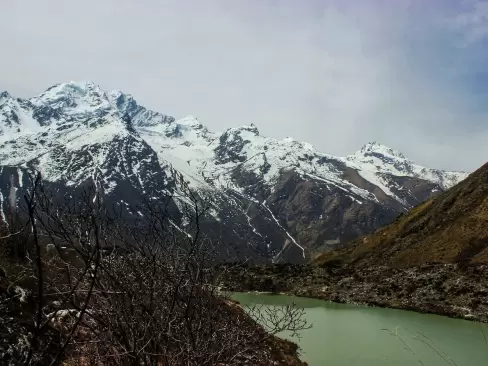
Langtang Gosaikunda Trek: Where Sacred Lakes Meet Himalayan ValleysThe first thing that hits you when you step off the bus in Syabrubesi isn't the mountain air or the sound of rushing rivers—it's the anticipation. I remember standing there with my backpack, staring up at the terraced hillsides disappearing into clouds, wondering what stories these valleys held. Two weeks later, I'd discover that the Langtang Gosainkunda Trek wasn't just about reaching destinations; it was about the moments between—the chai shared with locals, the sudden gasp when mountains reveal themselves, the silence at 4,380 meters beside a frozen sacred lake. This trek changed something in me. Maybe it'll change something in you too.Why Langtang Gosaikunda Deserves Your Attention While everyone flocks to Everest Base Camp and Annapurna Circuit, the Langtang region quietly offers something those crowded trails can't—intimacy with the mountains. Destroyed by the devastating 2015 earthquake, the valley has rebuilt itself with remarkable resilience. Today, trekking here isn't just tourism; it's supporting communities that refused to let disaster define them. The Langtang Gosainkunda trek combines three distinct experiences: the lush biodiversity of Langtang Valley, the spiritual pilgrimage to Gosaikunda's sacred lakes, and the cultural immersion in Helambu's Hyolmo villages. It's like three treks rolled into one extraordinary journey, typically completed in 10-14 days depending on your pace and acclimatization needs. If you're looking for a shorter alternative, consider the Langtang Valley Trek which focuses solely on the valley experience in 7-9 days.The Journey Begins: Syabrubesi to Langtang Valley Starting Point: Syabrubesi (1,460m) Most trekkers reach Syabrubesi after a bumpy 7-8 hour bus ride from Kathmandu. The road winds through terraced farmlands, follows the Trishuli River, and eventually climbs into the hills where the pavement gives way to dirt tracks that test your stomach's resolve. But that bone-rattling journey is your transition from city chaos to mountain serenity. I spent my first evening in Syabrubesi sitting on a guesthouse balcony, watching mist roll through the valley as locals returned from their fields. An elderly woman passed by, her dokho (bamboo basket) stacked impossibly high with firewood. She smiled at me—a reminder that these mountains aren't just scenic backdrops; they're home to people whose lives are intimately woven with this landscape. Through the Rhododendron Forests (Day 2-3) The trail from Syabrubesi to Lama Hotel (2,480m) follows the Langtang Khola (river), crossing suspension bridges that sway with each step. If you're trekking in March or April, you're in for a treat—the hillsides explode with red, pink, and white rhododendron blooms. It's like hiking through nature's own cathedral, where sunlight filters through flowers instead of stained glass. Pro tip from experience: Start early. Not just to beat the afternoon clouds, but because there's something magical about morning in these forests. The air is crisp, birds are most active, and you might spot red pandas (if you're incredibly lucky) or Himalayan tahrs grazing on distant slopes. If wildlife spotting excites you, you might also enjoy the Rara Lake Trek in far western Nepal, known for its diverse fauna. Between Lama Hotel and Langtang Village (3,430m), the landscape shifts dramatically. Forests thin out, the valley widens, and suddenly you're walking through alpine meadows with yaks grazing peacefully. The first time I saw Langtang Lirung (7,227m) towering above the valley, I literally stopped mid-step. My trekking companion had to nudge me to keep moving because I was blocking the trail, just staring.Langtang Village: Resilience Personified Langtang Village was nearly obliterated by the 2015 earthquake and subsequent avalanche. Over 300 people died here. Walking through the rebuilt village, you'll see memorial stupas and photos of those lost. It's sobering. But you'll also see new lodges, children playing, prayer flags fluttering—life asserting itself against tragedy. I stayed at a guesthouse run by Pasang, who lost his home but not his spirit. Over dinner (dal bhat, always dal bhat—the fuel that powers every Nepali trek), he told me, "Mountains took from us, but mountains also give. Tourists coming here, it helps us rebuild. You are not just trekkers; you are friends helping friends." That perspective shift—from tourist to participant in recovery—added depth to every step forward.Into the Heart: Kyanjin Gompa and Beyond Kyanjin Gompa (3,870m): The Valley's Spiritual Center Kyanjin Gompa isn't just the end of Langtang Valley; it's where the valley reveals its full glory. Surrounded by peaks—Langtang Lirung, Ganjala Pass, Yala Peak—this tiny settlement with its ancient monastery feels like the edge of the world. Most trekkers spend two nights here for acclimatization, which gives you time for side trips: Kyanjin Ri (4,773m): A steep 2-3 hour climb that rewards you with 360-degree panoramas. I made the mistake of attempting this at midday and nearly melted. Go at dawn instead. The sunrise gilding the peaks is worth every difficult breath. For comparison, this is similar in difficulty to Poon Hill in the Annapurna region, but with far fewer crowds. Tserko Ri (4,984m): A longer, more challenging ascent that pushes you close to 5,000m. The views are even more spectacular, but only attempt this if you're well-acclimatized. If you enjoy viewpoint climbs, the Gokyo Ri in the Everest region offers similar thrills at 5,357m. Langshisa Kharka: If you have extra days, this extension takes you deeper into the valley, past glaciers and moraines, into truly wild territory where yak herders outnumber trekkers. I watched a monk at Kyanjin Gompa one evening, lighting butter lamps as snow began to fall. He didn't speak English, and my Nepali was pathetic, but he gestured for me to sit. We sat in silence for maybe twenty minutes, just existing in that moment. No photos, no words—just presence. That's what Langtang Valley gives you if you're willing to slow down enough to receive it.The Sacred Ascent: Crossing to Gosaikunda Leaving the Valley Behind The trail from Kyanjin Gompa to Lama Hotel retraces your steps, but somehow feels completely different. You're descending now, and what was a struggle going up becomes a joy going down (until your knees start complaining). From Thulo Syabru (2,210m), the trek pivots toward Gosaikunda. This is where the Langtang Gosainkunda trek earns its reputation for variety. You're leaving the broad valley behind and entering steeper, more rugged terrain. The Climb to Cholangpati and Beyond The ascent from Thulo Syabru to Cholangpati (3,584m) is relentless. It gains over 1,300 meters of elevation, which means your legs will burn, your lungs will protest, and you'll question your life choices approximately seventeen times. But here's what keeps you going: the landscape transforms with every hundred meters. Subtropical forests give way to temperate zones, then alpine vegetation, then finally bare rocky terrain where only hardy shrubs survive. You're literally climbing through climate zones. I trekked this section during August, which isn't ideal (monsoon season means leeches and rain), but it also meant I had the trail almost to myself. At Cholangpati, the lodge owner—a weathered man who'd spent thirty monsoon seasons in these mountains—served me the strongest milk tea I've ever tasted and said, "Only crazy people or very peaceful people trek in August. Which are you?" I still don't know the answer. Lauribinayak (3,920m): Gateway to the Sacred Lauribinayak serves as the final stop before Gosaikunda. It's a sparse place—a few stone lodges, prayer flags, and an enormous sense of anticipation. Many Hindu and Buddhist pilgrims converge here during Janai Purnima (August full moon festival), when thousands make the pilgrimage to Gosaikunda's holy waters. The air is thin here. Really thin. I watched a young porter—maybe nineteen years old—carrying what must have been forty kilos, moving faster uphill than I moved with my modest daypack. The strength and endurance of these mountain people is humbling beyond words.Gosaikunda: Where Earth Touches Heaven The Sacred Lakes (4,380m) The trail from Lauribinayak to Gosaikunda climbs through boulder fields and past smaller alpine lakes—Saraswatikunda, Bhairabkunda—each beautiful in its own right. But when Gosaikunda itself comes into view, everything else fades. The lake stretches across the landscape like a mirror dropped from the heavens, reflecting Ganesh Himal and the surrounding peaks with impossible clarity. Hindu mythology says Lord Shiva created these lakes by thrusting his trident into the mountain to obtain water after consuming poison. Whether you believe the legend or not, there's something undeniably sacred about this place. I arrived at Gosaikunda on a clear afternoon—rare luck. Most trekkers face clouds, wind, or snow. The lake was frozen at its edges but liquid in the center, a deep blue that seemed to hold depth beyond measurement. Pilgrims were circumambulating the lake, murmuring mantras. Some elderly men and women who'd walked here from distant villages were preparing to take ceremonial dips in the frigid water. A sadhu (holy man) with matted hair and wearing nothing but orange cloth sat motionless by the shore, eyes closed, apparently impervious to the cold. I don't know how long he'd been there. Hours? Days? The boundary between human endurance and spiritual devotion blurred in that moment. Important: Respect the sanctity of Gosaikunda. Don't swim or throw trash in the lake. Many locals consider it their duty to clean up after careless trekkers. Don't be that person. Accommodation and Conditions Lodges at Gosaikunda are basic—stone walls, thin mattresses, shared bathrooms. It's freezing at night year-round. Bring a good sleeping bag (rated to at least -10°C) or rent one in Kathmandu. The food is simple but hearty: soups, noodles, rice dishes. Alcohol is typically prohibited out of respect for the sacred site, though some lodges discreetly serve beer. The altitude affects everyone differently. I had a mild headache that evening, while my trekking partner felt perfectly fine. Listen to your body. Drink water. Rest. There's no shame in acclimatizing longer if needed.Over the Lauribina Pass: Descent into Helambu The Highest Point (4,610m) From Gosaikunda, the trail climbs to Lauribina La (4,610m), the trek's highest point. This is where many trekkers struggle—thin air, steep ascent, possibly snow depending on season. Take it slow. Rest frequently. The views from the pass—looking back at Gosaikunda, forward into the Helambu Valley—make every labored breath worthwhile. I crossed in October when the pass was clear and golden with autumn light. A prayer flag-covered cairn marks the summit, where exhausted but elated trekkers pause for photos and moments of triumph. A German couple I'd been leapfrogging with for days opened a small bottle of whiskey they'd carried from Kathmandu and shared sips with everyone at the pass. It burned going down, but warmed everything on the way. Descent to Ghopte and Beyond The descent into Helambu is steep and knee-punishing. You'll drop through forests and meadows, past isolated shepherd huts, eventually reaching Ghopte (3,430m). The landscape feels different here—drier, more exposed, with juniper and pine replacing rhododendron. As you continue descending toward Tharepati (3,640m) and Melamchi Gaon (2,530m), you enter Helambu proper—home to the Hyolmo people, whose Tibetan-Buddhist culture differs from the Tamang communities of Langtang. Helambu Culture: The Trek's Hidden Gem What surprised me most about Helambu wasn't the landscapes (though they're beautiful) but the people. Hyolmo culture, with its unique language, customs, and traditions, feels distinct from other regions of Nepal. The villages are cleaner and more prosperous than many Himalayan settlements, thanks to proximity to Kathmandu and a thriving apple cultivation industry. In Melamchi Gaon, I stayed with a family who served me locally-made cheese and apple wine. Their daughter, studying engineering in Kathmandu, was home for holidays and eager to practice English. She asked about my country, my work, why I chose to trek. When I asked about her life, she said something I haven't forgotten: "People think we are poor because we live in mountains. But we have clean air, fresh food, community. Maybe city people are poor in different ways." That shift in perspective—recognizing different forms of wealth—stayed with me long after the trek ended.Practical Guide: Planning Your Langtang Gosaikunda Trek Best Time to Trek Autumn (September-November): Peak season. Clear skies, stable weather, excellent visibility. Trails are crowded (by Langtang standards, which means blissfully quiet compared to Everest region). Temperatures are cool but comfortable at lower elevations, cold at high camps. Spring (March-May): Second-best season. Rhododendrons bloom, weather is generally stable, views are spectacular. Slightly warmer than autumn. Gosaikunda might still have ice/snow in early March. Monsoon (June-August): Wet, leeches, muddy trails, obscured views. However, fewer trekkers, lush greenery, and lower prices. Only recommended for those who don't mind rain and uncertainty. Winter (December-February): Cold, especially at high elevations. Gosaikunda and Lauribina Pass may be impassable due to snow. Lower elevations are pleasant. Only for experienced, well-equipped trekkers.I've trekked this route in both October and August. October was objectively better (clear views, comfortable weather), but August's solitude had its own magic.Physical Preparation This is a moderate to moderately-difficult trek. You'll need: Ability to walk 5-7 hours daily for consecutive daysComfort with altitude up to 4,610mBasic fitness (cardiovascular endurance, leg strength)Mental resilience for challenging sections I trained by hiking with a weighted backpack on weekends for three months before. This made a huge difference, especially on long descent days when your knees bear the brunt. What to Pack Essentials: Good trekking boots (broken in!)Sleeping bag (-10°C rating minimum)Layers: base layers, insulating layers, waterproof outerWarm hat, gloves, sun hatSunscreen (SPF 50+), lip balmWater purification (tablets or filter)First aid kitHeadlamp with extra batteriesTrekking poles (lifesavers on descents)Cash (no ATMs after Syabrubesi) Nice to have: Camera (you'll regret not having one)Book or e-reader (for evenings)Playing cards (great for connecting with other trekkers)Small gifts for children (pens, notebooks—not candy) Accommodation and Food Tea houses are plentiful along the route. Expect basic but adequate accommodation: twin rooms with thin mattresses, shared bathrooms (often squat toilets), solar showers (if you're lucky), and dining halls with wood stoves. Food is surprisingly good. Dal bhat (rice and lentils) is the best value and provides energy for trekking. Other options include momos, noodle soups, fried rice, pancakes, and potatoes in various forms. Western dishes get pricier and less authentic at higher elevations.Budget: Expect to spend $20-30 per day including accommodation, meals, and snacks.Challenges and How to Handle Them Altitude Sickness This is real and serious. Symptoms include headache, nausea, dizziness, and fatigue. Prevention strategies: Ascend slowly (don't gain more than 500m per day above 3,000m)Stay hydratedAvoid alcoholListen to your bodyDescend immediately if symptoms worsen I felt mild symptoms at Gosaikunda (headache, slight nausea). I drank tons of water, skipped dinner, and rested. By morning, I felt 80% better. Don't be a hero—altitude sickness doesn't care about your trekking plans. Weather Unpredictability Mountain weather changes rapidly. I've experienced sunshine, hail, snow, and rain all in one afternoon. Pack layers, carry rain gear even on clear mornings, and be flexible with your itinerary. Physical Exhaustion Some days are just hard. The climb to Gosaikunda, the descent into Helambu—your body will hurt. Rest when needed, stretch in evenings, and remember: this too shall pass. The tea house dal bhat and a good night's sleep work wonders. Emotional Ups and Downs Long treks mess with your emotions. You'll have moments of transcendent joy and moments of "why am I doing this?" That's normal. Embrace the full spectrum. Some of my most profound insights came during the hardest days. Beyond Trekking: Cultural Connections Tamang and Hyolmo People The communities you encounter aren't museum exhibits—they're living cultures adapting to modern pressures while maintaining traditions. Engage respectfully: Learn basic Nepali phrases ("Namaste," "Dhanyabad" [thank you], "Mitho cha" [delicious])Ask permission before photographing peopleSupport local businessesRespect religious sites and customsConsider buying handicrafts directly from artisans Supporting Earthquake Recovery The 2015 earthquake devastated Langtang. By trekking here, you directly support rebuilding efforts. Consider: Staying at locally-owned tea housesBuying from local shops rather than bringing everything from KathmanduDonating to community projects if you feel movedSharing positive experiences to encourage others to trek here Environmental Responsibility Leave no trace. Pack out all trash, don't use single-use plastics, stick to established trails, and don't pick plants. The mountains have given you an incredible experience—repay them with care. Why This Trek Matters I've done famous treks—Annapurna Base Camp, Everest Base Camp, Manaslu Circuit. They're spectacular. But Langtang Gosaikunda holds a special place because it feels personal. The valleys are intimate, the people remember your face, the experiences feel earned rather than packaged. This trek taught me that the best journeys aren't about conquering peaks or collecting Instagram photos. They're about connection—to landscapes, cultures, and yourself. When you're sitting beside Gosaikunda at 4,380 meters, exhausted and exhilarated, you're not thinking about your job back home or your social media feed. You're just there, fully present, maybe for the first time in years. That presence is the real destination. Ready to Begin Your Journey? The Langtang region is calling. Whether you're drawn by the sacred lakes, the cultural immersion, the Himalayan vistas, or simply the desire to challenge yourself in one of the world's most beautiful landscapes, this trek delivers. Explory Holiday Nepal specializes in creating authentic, responsible trekking experiences in the Langtang region. Our experienced guides know these trails intimately, our itineraries allow proper acclimatization, and we're committed to supporting local communities still recovering from the 2015 earthquake. We offer: Customized Langtang Gosainkunda Trek packagesCultural trek extensionsSmall group departures and private treksComprehensive support including permits, transportation, and experienced guides Contact us to design your perfect Himalayan adventure. The mountains are waiting. Gosaikunda's sacred waters reflect your future self—the one who took the leap, made the journey, and returned transformed. About Explory Holiday Nepal: We're a locally-owned trekking company dedicated to creating meaningful adventures in Nepal's diverse landscapes. From Everest expeditions to cultural heritage tours, we help travelers experience Nepal's heart and soul authentically and responsibly.Top Blogs About Trekking in the Langtang Region:Uncover the best blogs about trekking in the Langtang region, featuring expert advice, detailed itineraries, personal experiences, and essential tips for adventurers looking to explore the Himalayas.Altitude Sickness on Nepal Treks: Symptoms, Treatment, and When to Descend (Complete Guide)Nepal Trekking Permits: Costs, Types, and How to Get ThemNepal Trekking: What’s the Best Time to Go?Budget Trekking in Nepal: Tips, Trails, and TricksExploring Nepal’s Wildlife and NatureTrekking Through Nepal: A Journey into the HimalayasTop 10 Mountain Peaks in NepalMonastery Life in Nepal: Finding Peace in the Heart of the Himalayas
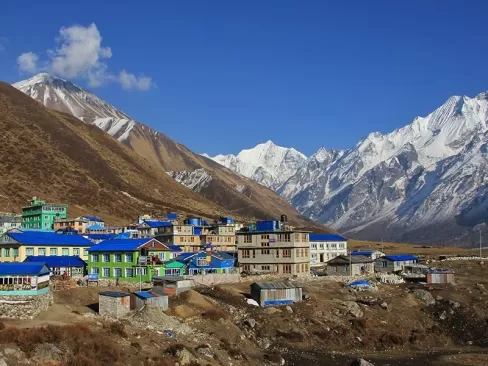
Tamang Heritage Trek: Everything You Actually Need to Know So you're looking at the Tamang Heritage Trek. Smart choice—though I'm probably biased because this trek completely won me over when I did it last year. Here's the thing: most people heading to Nepal have heard about Everest Base Camp or the Annapurna Circuit. Those are the big names. The Tamang Heritage Trek? Not so much. But that's actually part of what makes it special. You get authentic cultural experiences without fighting crowds for guesthouse beds, and the mountains are just as impressive (just don't tell the EBC crowd I said that). Let me break down what this trek actually involves, what it costs, what you'll see, and whether it's the right fit for you. What Exactly Is This Trek? The Tamang Heritage Trek takes you through traditional Tamang villages in the Langtang region, north of Kathmandu near the Tibet border. The Tamang people are one of Nepal's major ethnic groups with Tibetan roots—their language, culture, Buddhism, and architecture are all distinctly different from what you'll see in Kathmandu. The trek typically takes 7-10 days depending on your route and how much time you spend in each village. You'll be walking through places like Gatlang, Tatopani, Thuman, and Briddim—villages where tourism exists but hasn't completely taken over yet. People still farm their terraced fields, monks still conduct daily prayers in centuries-old monasteries, and kids still look genuinely curious when they see foreigners walking through. Maximum elevation is around 3,700m if you do the Lauribina La pass option (most people skip this). Otherwise you're staying between 2,000-2,500m, which means altitude sickness is way less of an issue compared to higher treks. The Honest Truth About Difficulty This trek is usually labeled "moderate" and that's pretty accurate. You don't need to be an athlete, but you can't be completely out of shape either. Daily walking time ranges from 4-7 hours. Some days are mostly uphill (Syabrubesi to Gatlang will test your legs), some days are mostly downhill (which sounds easier but actually destroys your knees), and some days are a mix. The trails are generally well-maintained—rocky in places, muddy after rain, but nothing that requires technical climbing skills. If you can comfortably hike 5-6 hours with a daypack at home, you can handle this trek. The elevation isn't high enough to cause serious problems for most people, though you might feel a bit breathless the first day or two. What actually makes it challenging? The cumulative effect. By day five, your legs are tired, you've probably got a blister or two, and the novelty of dal bhat twice a day has worn off. But that's true of basically every multi-day trek. Where You'll Actually Go Syabrubesi (1,460m) - Starting point. Nothing special, just a trekking town with guesthouses and supplies. You'll spend one night here after the drive from Kathmandu. Gatlang (2,238m) - First major village. Has an old monastery, a sacred cave, and genuine Tamang character. This is where you'll probably have your first homestay experience. The gompa (monastery) here is worth visiting—the monk who runs it is super welcoming. Tatopani (2,607m) - Famous for its hot springs, though "hot" is generous. They're more warm. Still feels amazing after hiking all day. The village is small, most people just come for the springs. Thuman (2,338m) - Smaller than Gatlang but has a really beautiful monastery with well-preserved murals. Less touristy, more authentic daily village life happening around you. Briddim (2,229m) - Probably the highlight for most trekkers. This village has the best-developed homestay program, incredible mountain views (Langtang Lirung dominates the skyline), and families who've been hosting trekkers long enough to make you feel genuinely welcome rather than like a transaction.Some itineraries also include Nagthali viewpoint (3,165m) for sunrise mountain views, and you can connect to the main Langtang Valley trek if you have extra time.Best Time to Go (Real Talk) Spring (March-May) - This is prime time. Weather's stable, rhododendrons are blooming (absolutely gorgeous), temperatures are comfortable. Also the most crowded, though "crowded" here means you'll share a guesthouse with five other trekkers instead of having it to yourself. Autumn (September-November) - Second best option. Clear skies, excellent mountain views, comfortable temperatures. October is peak season across all Nepal treks, so book ahead. Winter (December-February) - Doable but cold, especially at night. You'll need a serious sleeping bag. Fewer trekkers means better cultural interaction and cheaper prices. Some high passes might have snow. Monsoon (June-August) - Generally avoided, and for good reason. It rains a lot, trails get muddy and slippery, leeches appear in the forests, and mountain views are often cloud-covered. That said, the Langtang region is in a partial rain shadow, so it's not as bad as areas further south. If you don't mind rain and want serious solitude, it's possible. I went in October. Weather was perfect except for one rainy afternoon, and there were enough other trekkers that I met people to chat with but never felt crowded. The Cultural Experience Part This is where the Tamang Heritage Trek separates itself from other Nepal treks. You're not just passing through villages—you're staying in people's homes. Most nights you'll stay in homestays where families have converted upper floors into basic guest rooms. You'll eat meals with them (or at least in their kitchen), you'll see how they actually live, and if you make any effort at all to be friendly, they'll usually open up. I learned to make momos from a grandmother in Gatlang. Helped harvest potatoes in Briddim. Attended a prayer ceremony at the Thuman monastery where I had absolutely no idea what was happening but it was beautiful anyway. These weren't arranged "cultural programs"—they were just normal life that happened to include me because I was there. The Buddhism here is the Tibetan variety—you'll see prayer wheels, mani walls with carved mantras, colorful prayer flags everywhere, and gompas (monasteries) in most villages. The monks are generally happy to show you around if you're respectful (take off your shoes, don't touch things without asking, and for the love of god don't take photos during prayers unless you ask first). Traditional Tamang houses are built from stone with wood trim, designed to withstand earthquakes (important in Nepal). Most families keep animals on the ground floor—yaks, cows, goats—and live above. The body heat from the animals helps warm the house in winter. Clever. Food Situation Let's be real: you're eating dal bhat twice a day. That's lentil soup with rice, usually served with some vegetable curry, pickle, and sometimes a papad (crispy lentil cracker). It's actually good, filling, and you get unlimited refills. Other options in most villages: momos (dumplings), thukpa (noodle soup), fried rice, chow mein, tibetan bread with jam and honey for breakfast. The food is fresh because it has to be—no refrigeration, everything's made daily. Portions are huge because trekkers need calories. And it's cheap (300-600 rupees per meal depending on the village and what you order). Some villages now have yak cheese factories as a way to generate income. The cheese is... interesting. Kind of like aged cheddar but smokier? You can buy it to take with you. Makes good snacks on the trail. Bring water purification tablets. The water from taps isn't reliably safe to drink, and buying bottled water gets expensive and creates plastic waste. Most guesthouses can provide boiled water if you ask. What to Actually Pack Essentials: Good hiking boots (broken in before you go—I can't stress this enough)Sleeping bag rated to at least -5°C (guesthouses provide blankets but it gets cold)Layers: base layers, fleece, down jacket, rain jacketTrekking pants (not jeans—they're terrible if they get wet)Sun protection: hat, sunglasses, sunscreen (mountain sun is intense)First aid kit with blister treatment (you will get blisters)Headlamp (villages have electricity but it's not always reliable)Water bottles or hydration systemToilet paper (many bathrooms don't provide it) Nice to Have: Book or e-reader (evenings can be long)Cards or small games (good for meeting other trekkers)Hand sanitizerYour own soap/shampooEarplugs (guesthouse walls are thin)Power bank (charging can be limited or expensive in villages) Don't Bother: Fancy camera gear unless photography is your thing (phone cameras work fine)Lots of clothes (you'll wear the same stuff every day anyway)Hair dryer, straightener, etc. (there's not enough power)Guidebook (seriously, your guide or other trekkers will have all the info you need)Pack light. Even with a porter, less stuff means more comfort.Safety and Practical Concerns Is it safe? Yeah, very. Nepal is generally safe for trekkers, and the Tamang Heritage Trail is no exception. Standard precautions apply (don't trek alone at night, watch your footing on steep sections, etc). Cell phone service? Spotty. NTC (Nepal Telecom) has coverage in some villages but not everywhere. Don't count on reliable internet. Emergencies? Most villages have basic health posts. Serious emergencies require helicopter evacuation to Kathmandu. This is why travel insurance with helicopter evacuation coverage is mandatory. Altitude sickness? Unlikely at these elevations, but possible. Watch for headaches, nausea, dizziness. If symptoms are severe, descend immediately. Bathrooms? Mix of squat toilets and western-style. Toilet paper not always provided. Showers range from "not available" to "cold bucket" to "solar-heated if you're lucky."Women traveling solo? Generally safe. Nepali culture is conservative, so dress modestly (cover shoulders and knees). Homestays mean you're staying with families, which adds security.What Makes This Trek Different If you've read this far, you're probably wondering: should I do this trek or one of the more famous ones? The Tamang Heritage Trek won't give you the bragging rights of Everest Base Camp. You won't see as many towering 8,000m peaks as the Annapurna Circuit. The trails aren't as developed, the guesthouses aren't as nice, and your Instagram photos probably won't get as many likes. What you will get is genuine cultural immersion. Time in villages where tourism supplements traditional life but hasn't replaced it. Conversations with people whose lifestyle is radically different from yours. Monasteries where monks are actually praying, not just posing for photos. Meals shared with families in their kitchens. Mountain views that feel more intimate because you're not sharing them with 50 other people. You'll also be directly supporting communities that were devastated by the 2015 earthquake and have rebuilt with tourism as part of their recovery strategy. Your money goes straight to families, not international hotel chains. This trek works well if you have 10-14 days total in Nepal (including Kathmandu time), want something less strenuous than the big altitude treks, value culture as much as scenery, and prefer fewer crowds. It's not the right choice if you want luxury teahouses, guaranteed hot showers, extensive menu options, strong wifi, or the ability to say you've done one of the "classic" Nepal treks. For me? I'd take the Tamang Heritage Trek over EBC any day. But I'm the kind of traveler who'd rather share tea with a family than take photos at a famous landmark. You have to know what you want. Real Expectations vs. Instagram Reality Let me be straight with you about a few things: The hot springs at Tatopani are not luxurious spa pools. They're concrete tanks filled with warm water, often shared with a dozen other people. Homestays are not boutique hotels. You're sleeping on thin mattresses with shared bathrooms and no heating. It's basic. Mountain views are weather-dependent. Clouds happen. You might not get those perfect sunrise shots of Langtang Lirung. Cultural experiences can feel awkward. There's a language barrier, you might not understand what's happening, and sometimes you'll feel like you're intruding on people's lives (even though they've invited you). The food is repetitive. Dal bhat is good, but it's still dal bhat for the tenth time. But here's the thing—all of that is part of what makes it real. This isn't a sanitized tourism experience designed for comfort. It's actual villages where actual people live, and they're sharing their space with you. That comes with rough edges, and those rough edges are what make it memorable. If you can embrace the discomfort, laugh at the awkward moments, appreciate the simplicity, and stay curious about the cultural differences, you'll have an amazing time. If you need everything to be comfortable and predictable and Instagram-perfect, maybe look at other options. Final Thoughts The Tamang Heritage Trek isn't trying to compete with Everest or Annapurna. It's doing its own thing—combining moderate mountain trekking with deep cultural immersion in a region that's still finding its footing after the earthquake. It's the right trek for people who care as much about the journey and the people as they do about the destination and the views. For travelers who value authenticity over comfort, conversation over luxury, and experience over achievement. The mountains are beautiful, the culture is fascinating, the people are welcoming, and the whole thing will cost you less than most treks in Nepal. Just bring good boots, an open mind, and realistic expectations. The rest will take care of itself.Top Blogs About Trekking in the Langtang Region:Uncover the best blogs about trekking in the Langtang region, featuring expert advice, detailed itineraries, personal experiences, and essential tips for adventurers looking to explore the Himalayas.Altitude Sickness on Nepal Treks: Symptoms, Treatment, and When to Descend (Complete Guide)Nepal Trekking Permits: Costs, Types, and How to Get ThemNepal Trekking: What’s the Best Time to Go?Budget Trekking in Nepal: Tips, Trails, and TricksExploring Nepal’s Wildlife and NatureTrekking Through Nepal: A Journey into the HimalayasTop 10 Mountain Peaks in NepalMonastery Life in Nepal: Finding Peace in the Heart of the Himalayas

Ama Yangri Trek: Nepal's Hidden Treasure Near Kathmandu Picture this: you're standing at 3,630 meters, surrounded by a 360-degree panorama of Himalayan giants, and you got here in less than a week from Kathmandu. No crowds, no long flights to remote airstrips, just pure mountain magic. Welcome to the Ama Yangri Trek, one of Nepal's best-kept secrets that combines accessibility with authentic mountain experience. Located in the serene Helambu region, the Ama Yangri Trek offers something increasingly rare in Nepal's trekking world – genuine remoteness without extreme difficulty. While thousands flock to the Everest Base Camp Trek or Annapurna Base Camp Trek, this beautiful route remains relatively undiscovered, preserving its authentic character and cultural richness. Why Ama Yangri Deserves Your Attention The beauty of Ama Yangri lies in its perfect balance. It's close enough to Kathmandu for easy access yet remote enough to feel like a true adventure. The trek takes you through the heart of the Langtang region, passing through traditional Tamang and Sherpa villages where life continues much as it has for centuries. Unlike the commercialized lodges on more popular routes, here you'll stay in family-run teahouses where hosts remember your name and share butter tea from their own kitchens. What sets this trek apart from other short and easy treks in Nepal is the quality of mountain views relative to the effort required. From the summit of Ama Yangri Peak, your eyes sweep across an incredible panorama: the Langtang range dominates the north, Ganesh Himal stretches to the northwest, and on exceptionally clear days, you might even catch glimpses of distant Everest. The reward-to-effort ratio here rivals any trek in Nepal. The cultural dimension adds another layer of richness. The Helambu region has historically served as a bridge between Tibetan Buddhist highlands and the Hindu valleys below. This cultural crossroads created a unique blend of traditions, visible in everything from architecture to religious practices. Villages like Tarke Gyang and Sermathang showcase this heritage through ancient monasteries, traditional crafts, and festivals that have remained unchanged for generations. The Sacred Mountain: Understanding Ama Yangri's Significance The name "Ama Yangri" translates roughly to "Mother's Blessing Peak" in the local Tamang language, reflecting the mountain's sacred status among local communities. For centuries, this peak has been revered as a dwelling place of protective deities, and many locals make annual pilgrimages to its summit seeking blessings for their families and villages. Buddhist mythology intertwines deeply with the mountain's identity. According to local lore, the peak serves as a meditation site for mountain spirits who watch over the Helambu Valley. Prayer flags flutter constantly at the summit, placed by pilgrims and trekkers alike, their mantras carried on mountain winds to bless all beings. Small stone shrines dot the approach to the peak, each containing offerings of juniper branches, barley, and hand-written prayers. The spiritual significance extends beyond Buddhism. Hindu pilgrims also revere the peak, associating it with Himalayan manifestations of feminine divine energy. This religious plurality characterizes much of Nepal's mountain culture, where different faiths coexist harmoniously, often sharing sacred sites and festivals. Understanding this spiritual dimension transforms the trek from merely a physical challenge into a journey with deeper meaning. Historically, the Helambu region functioned as a vital trade corridor connecting Tibet with the Kathmandu Valley. Before modern roads, yak caravans laden with salt, wool, and Tibetan goods crossed these mountain passes, while traders from the valley brought rice, spices, and manufactured items northward. The villages along the Ama Yangri route served as rest stops for these caravans, and remnants of this trading heritage remain visible in village architecture and local traditions. What Makes the Ama Yangri Trek Unique In an era where popular trekking routes can feel crowded and commercialized, Ama Yangri offers something increasingly precious: solitude. On many days, you might encounter only a handful of other trekkers, creating opportunities for genuine connection with the landscape and local communities. This solitude doesn't mean isolation – villages along the route provide comfortable accommodation and warm hospitality – but rather a peaceful atmosphere rarely found on Nepal's main trekking highways. The trek's accessibility from Kathmandu represents another significant advantage. A few hours' drive brings you to the trailhead, eliminating the need for domestic flights or multi-day journeys to reach remote starting points. This proximity makes Ama Yangri ideal for travelers with limited time who still want authentic mountain experiences. You can complete the entire trek in 4-7 days depending on your pace and route variations, making it manageable even for those with just a week of vacation. The landscape diversity keeps the trek visually engaging throughout its length. You'll begin in subtropical forests where bamboo groves rustle in the breeze and rhododendrons create natural canopies. As elevation increases, the vegetation transitions to mixed conifer forests of blue pine and hemlock. Higher still, you'll reach alpine meadows where wildflowers bloom during warmer months and hardy shrubs cling to rocky slopes. This ecological variety creates constantly changing scenery that prevents the monotony sometimes experienced on longer treks. Wildlife enthusiasts will find plenty to observe along the route. The forests harbor various species of pheasants, including the spectacular Danphe (Himalayan Monal), Nepal's national bird. Red pandas inhabit these forests, though their shy nature and excellent camouflage make sightings rare. Bird watchers might spot numerous species of laughingthrushes, sunbirds, and seasonal migrants. Patient observers often see monkeys, musk deer, and occasionally even the elusive Himalayan black bear, though from a safe distance. The Tamang and Sherpa Cultural Experience The cultural encounters along the Ama Yangri Trek rank among its most memorable aspects. The Tamang people, who populate most villages in the Helambu region, trace their origins to Tibetan ancestors who settled these valleys centuries ago. Their language, customs, and religious practices reflect this Tibetan heritage while incorporating distinctive local characteristics developed over generations of mountain life. Village architecture tells stories of adaptation to harsh mountain environments. Traditional Tamang houses feature stone foundations and walls made from locally quarried rock, with wooden upper stories and distinctive slate roofs. These structures demonstrate remarkable durability, with some houses standing for over a century. The ground floor typically houses livestock during winter, providing warmth to the living spaces above through a simple but effective heating system. Intricately carved wooden windows and doorways showcase traditional craftsmanship that's increasingly rare in modernizing Nepal. Religious life centers around Buddhist monasteries and shrines that serve as community gathering places. The monasteries house ancient statues, thangka paintings, and religious texts preserved through generations. Monks and nuns maintain these sacred spaces, conducting daily prayers and ceremonies that create a rhythmic spiritual backdrop to village life. During major festivals, entire communities gather for elaborate ceremonies featuring masked dances, ritual music, and communal feasts that strengthen social bonds. Daily life in these villages follows patterns established over centuries. Women tend kitchen gardens growing vegetables and maintaining small livestock, while men work in fields terraced into seemingly impossible slopes. Children attend village schools in the mornings, then help with household chores and animal care in afternoons. Despite modern influences like solar panels and mobile phones, traditional values of community cooperation and respect for elders remain strong. The Sherpa communities in the region, while related to the famous Everest Sherpas, have developed their own distinct cultural identity. These communities traditionally focused on farming and animal husbandry rather than high-altitude mountaineering, though they share the Sherpas' Buddhist faith and Tibetan linguistic roots. Their hospitality toward trekkers is legendary, with families welcoming guests into their homes and sharing meals prepared according to traditional recipes passed down through generations. Planning Your Ama Yangri Adventure: Practical Considerations Successful trekking requires more than just enthusiasm; proper planning ensures both safety and enjoyment. The Ama Yangri Trek, while considered moderate in difficulty, still demands adequate physical preparation and proper equipment. Understanding what to expect helps set realistic expectations and prevents disappointment or dangerous situations. Physical fitness requirements for Ama Yangri fall somewhere between easy valley walks and challenging high-altitude expeditions. You should be comfortable walking 4-6 hours daily over varied terrain, including both ascents and descents. The highest point at 3,630 meters is low enough that altitude sickness rarely causes serious problems, though some people experience mild symptoms like headaches or sleep disturbances. Regular cardiovascular exercise in the months before your trek builds the endurance needed for sustained daily hiking. The trek's technical difficulty remains minimal – no specialized mountaineering skills are required. The trails are well-established paths used by local villagers for centuries. However, some sections involve steep ascents and descents on narrow paths where good balance and steady footing become important. Trekking poles provide valuable stability and reduce stress on knees during descents. Most people with reasonable fitness complete the trek comfortably, though personal pace varies significantly. Equipment needs for Ama Yangri are straightforward but essential. Quality hiking boots with good ankle support and broken-in comfort prevent blisters and provide necessary traction on varied terrain. A sleeping bag rated for temperatures around -10°C ensures warm nights in unheated teahouses. Layered clothing allows adjustment to changing temperatures – you might shed layers during uphill climbs under afternoon sun, then bundle up during evening chill. Rain gear protects against sudden mountain showers common during transition seasons. Permits required for the trek include the Langtang National Park entry permit and the TIMS (Trekkers' Information Management System) card. These can be obtained in Kathmandu through trekking agencies or directly from Nepal Tourism Board offices. The permits help fund park conservation efforts and provide emergency contact information for rescue services if needed. Carrying passport photos and photocopies of your passport simplifies the permit application process. Best Time to Trek: Seasonal Considerations Choosing the right season significantly impacts your Ama Yangri experience. Nepal's distinct seasonal patterns create very different conditions throughout the year, each with advantages and challenges. Understanding these variations helps match the trek to your preferences and schedule. Autumn months from September through November offer what many consider optimal trekking conditions. The monsoon rains have cleared, leaving crisp air with exceptional visibility. Mountain views appear sharp and detailed, with snow-covered peaks standing out dramatically against deep blue skies. Temperatures remain comfortable during the day, though nights can be chilly, especially at higher elevations. This period coincides with Nepal's major festivals, including Dashain and Tihar, adding cultural richness to village visits. However, autumn's popularity means slightly more trekkers on the trails compared to other seasons. Spring season from March through May brings another excellent trekking window. The landscape awakens from winter dormancy, with rhododendron forests exploding into bloom. These magnificent displays create tunnels of crimson, pink, and white flowers that rank among Nepal's most beautiful natural spectacles. Spring also features stable weather, though afternoon clouds sometimes build up, occasionally obscuring mountain views. Temperatures warm progressively as the season advances, making late spring particularly comfortable for trekking. Bird activity peaks during spring breeding season, delighting wildlife observers. Winter months from December through February offer their own unique appeal, particularly for those seeking solitude. Most trekkers avoid winter, creating opportunities for virtually private trails and intimate village experiences. The air reaches its clearest during winter, providing the sharpest mountain views of the year. However, cold temperatures, especially at night and at higher elevations, require appropriate gear and tolerance for chilly conditions. Some lodges at higher elevations close during deep winter, potentially limiting route options. Snow can make certain trail sections more challenging, though the main Ama Yangri route typically remains passable. Summer monsoon from June through August presents the most challenging trekking conditions. Heavy rains make trails muddy and slippery, leeches become active in forested areas, and mountain views often remain obscured by clouds. However, adventurous trekkers who embrace wet conditions find rewards in lush green landscapes, spectacular waterfalls, and virtually empty trails. The monsoon transforms the mountains into verdant gardens where wildflowers bloom profusely and wildlife activity increases. Cultural experiences become more authentic as villagers focus on agricultural work rather than tourism. Connecting Ama Yangri with Other Treks The Ama Yangri Trek's location within the Langtang region creates opportunities for combining it with other spectacular routes. This flexibility allows you to craft extended adventures that showcase different aspects of Nepal's mountain beauty. Understanding these connections helps maximize your time in the Himalayas. The Langtang Valley Trek represents the most natural extension of the Ama Yangri experience. After completing Ama Yangri, you can continue to the dramatic Langtang Valley, where massive peaks loom directly overhead and glaciers descend to surprisingly low elevations. The combined route creates a comprehensive exploration of the Langtang region, showcasing both its cultural richness in Helambu and its raw mountain grandeur in the upper valley. This combination typically requires 12-14 days total. The Langtang Gosainkunda Trek offers another excellent combination possibility. After Ama Yangri, trek to the sacred lakes of Gosainkunda, where turquoise waters sit at 4,380 meters surrounded by snow-covered ridges. Hindu pilgrims revere these lakes, particularly during the August full moon festival when thousands make the journey for ritual bathing. Combining Ama Yangri with Gosainkunda creates a journey rich in both natural beauty and spiritual significance. For those interested in cultural immersion, the Tamang Heritage Trek complements Ama Yangri perfectly. This route focuses specifically on Tamang culture, passing through remote villages where traditional lifestyles remain remarkably intact. The combined journey provides deep insights into mountain cultures while showcasing diverse landscapes from subtropical valleys to high alpine zones. Trekkers with more time might consider combining Ama Yangri with routes in the Annapurna region. After completing Ama Yangri, travel to Pokhara and undertake the Mardi Himal Trek or Ghorepani Poon Hill Trek. This approach showcases different mountain regions, comparing and contrasting the landscapes and cultures of Langtang and Annapurna areas. Daily Life on the Trek: What to Expect Understanding the daily rhythm of trekking helps set appropriate expectations and enhances enjoyment. Life on the Ama Yangri Trek follows patterns that quickly become comfortable routines, creating a simple yet satisfying existence focused on walking, eating, sleeping, and absorbing mountain beauty. Mornings typically begin early, often with sunrise painting the mountains in golden hues visible from your teahouse window. After washing up with hot water provided by your hosts, you'll gather in the dining area for breakfast. Dal bhat remains available even at breakfast, though most lodges also offer porridge, pancakes, or eggs prepared various ways. Strong milk tea or instant coffee fuels the morning preparation. Packing your daypack, ensuring water bottles are filled, and organizing layers for the day's varied temperatures creates a meditative start to each day. The trekking day usually begins around 7-8 AM, though flexible schedules allow for personal preferences. Walking in cooler morning temperatures provides comfortable conditions, and morning light often offers the best mountain visibility before afternoon clouds develop. The pace remains relaxed, with frequent short breaks to catch breath, admire views, or photograph interesting scenes. Guides adjust pace to the group's ability, ensuring no one feels rushed or left behind. Lunch stops typically occur in villages along the route, providing opportunities to rest and refuel. Teahouses prepare simple but satisfying meals – noodle soups, fried rice, momos (dumplings), or dal bhat. Afternoon walking continues for a few hours before reaching the evening's destination, usually arriving by 3-4 PM. This schedule leaves afternoon hours for rest, exploration of the village, or simply sitting in the sun watching mountain life unfold. Evenings in teahouses create special social atmospheres. Trekkers gather in dining halls around stoves that provide warmth and serve as social focal points. Conversations flow easily among travelers from diverse backgrounds, united by shared mountain experiences. Lodge owners often join evening gatherings, sharing stories about village life and answering questions about local culture. Simple dinners – frequently dal bhat or variations like noodle dishes and soups – taste delicious after active days. Evenings conclude early, with most people in sleeping bags by 8-9 PM, ready for the next day's adventure. Health and Safety: Staying Well on the Trail While the Ama Yangri Trek is generally safe, understanding potential health issues and safety considerations ensures the best possible experience. Awareness and prevention address most problems before they become serious, allowing focus on enjoyment rather than worry. Altitude effects on the Ama Yangri Trek remain relatively mild compared to higher treks like Everest Base Camp or Annapurna Circuit. The maximum elevation of 3,630 meters sits below the threshold where acute mountain sickness becomes common. However, some people experience mild symptoms including headaches, reduced appetite, or sleep disturbances. Ascending gradually, staying well-hydrated, and avoiding alcohol help minimize these effects. If symptoms develop, pausing for acclimatization or descending slightly typically resolves issues quickly. Gastrointestinal problems rank as the most common health complaint for trekkers in Nepal. The combination of different water, food, and bacteria exposure can upset even hardy stomachs. Preventive measures include drinking only treated water, eating at busy lodges where food turnover is faster, avoiding raw vegetables, and maintaining good hand hygiene. Carrying medications for diarrhea allows quick treatment if problems develop, minimizing disruption to your trek. Physical injuries, particularly to ankles and knees, pose the most likely risks on mountain trails. Steep descents stress knees, while uneven terrain creates opportunities for ankle twists. Proper footwear with good ankle support provides crucial protection. Trekking poles distribute weight and improve stability, particularly on descents. Maintaining focus on the trail rather than becoming distracted by views or conversations prevents many falls. If injury occurs, experienced guides can provide first aid and, if necessary, arrange evacuation. Sun exposure increases with altitude due to thinner atmosphere and reflection from snow or light-colored surfaces. Even on seemingly mild days, UV radiation can cause serious sunburn. Wearing sunscreen, sunglasses, and brimmed hats provides essential protection. Lip balm with SPF prevents painful chapped lips common in dry mountain air. Reapplying sunscreen throughout the day maintains protection during long hours outdoors. Travel insurance that specifically covers trekking activities is essential. Policies should include emergency evacuation coverage, as helicopter rescue from remote areas is expensive. Medical coverage for treatment in Nepal and medical evacuation to your home country if necessary provides comprehensive protection. Many insurance companies exclude trekking above certain elevations, so verify that your policy covers the Ama Yangri Trek's maximum elevation. Accommodations and Food: Mountain Hospitality The teahouse system along the Ama Yangri route represents one of trekking's great conveniences, eliminating the need for camping equipment and allowing focus on the experience rather than logistics. These family-run lodges provide basic but comfortable accommodations that enhance rather than detract from the mountain experience. Rooms in Ama Yangri teahouses typically feature two single beds with thin mattresses, covered by blankets or quilts. Bringing a sleeping bag adds warmth and hygiene comfort, though some lodges rent sleeping bags if you prefer not to carry your own. Rooms remain unheated except in the dining area, so expect chilly nights that require warm sleeping bags and thermal clothing. Shared bathrooms with squat toilets are standard, with more basic facilities at higher elevations. Some lodges offer hot showers heated by solar panels or wood-burning systems, though availability varies seasonally. The dining experience forms the social heart of teahouse life. Large communal dining halls feature benches around a central stove that provides warmth during cold evenings. Meals are prepared fresh to order, though during busy times, patience is required as small kitchens serve multiple guests. The food, while not gourmet, provides necessary fuel and often surprises with its tastiness given the remote setting and limited ingredients. Dal bhat remains the foundation of mountain cuisine – a plate of rice, lentil soup, vegetable curry, and often pickles or chutney. This meal is typically offered with unlimited refills, making it excellent value and perfect fuel for trekking. The combination of carbohydrates, protein, and vegetables provides balanced nutrition. Many trekkers become dal bhat converts, appreciating its satisfaction and energy-sustaining qualities. Beyond dal bhat, lodges prepare various dishes including fried rice, noodle soups, momos (Tibetan-style dumplings), and Western-style options like pasta or pizza. Quality varies between lodges, but most maintain good hygiene standards and prepare food with care. Breakfast options typically include porridge, pancakes, eggs prepared various ways, and toast with jam or peanut butter. Tea and coffee are available throughout the day, providing warming beverages during cold mountain weather. The hospitality extended by teahouse families transforms accommodation from merely functional to genuinely welcoming. Owners often remember repeat visitors, ask about your journey, and share local knowledge. Children help with small tasks while observing guests with curious interest. These interactions create connections that transform the trek from a series of accommodations into a journey through communities where you're welcomed as temporary members. Photography Opportunities: Capturing Mountain Magic The Ama Yangri Trek offers exceptional photography opportunities for both serious photographers and casual smartphone snappers. Understanding the best times, locations, and subjects helps capture images that preserve memories and share Nepal's beauty with others. Mountain photography reaches its peak during golden hour lighting around sunrise and sunset. The summit of Ama Yangri provides the premier location for these conditions, with 360-degree views of multiple mountain ranges. Sunrise from the summit is particularly magical as first light touches the highest peaks, creating a progression of illumination across the panorama. The warm light contrasts beautifully with cool blue shadows, creating dramatic and colorful images. Village scenes provide rich cultural photography material. Daily life activities – farmers working terraced fields, women carrying water from village taps, children walking to school, craftspeople at their work – all offer authentic glimpses of mountain existence. Always request permission before photographing people, approaching respectfully and being prepared to accept if someone declines. Many locals happily pose for portraits, especially if you show them the image and offer to send copies later. The forests along the Ama Yangri route create opportunities for nature photography. During spring, rhododendron blooms provide spectacular subjects, both as close-up flower portraits and as colorful forest landscapes. Light filtering through forest canopies creates dramatic effects, with sun rays visible in mist or dust. Wildlife photography requires patience and luck, though birds are relatively common subjects for those carrying appropriate lenses. Weather conditions add atmospheric elements to mountain photography. Clouds moving through valleys create dynamic scenes as visibility constantly changes. Morning mist rising from forests produces mysterious and moody images. After-storm clearing often provides the most dramatic lighting and sharp visibility. While consistently clear weather seems ideal, varied conditions actually create more interesting and diverse photographic opportunities. Technical considerations for mountain photography include protecting equipment from cold, which drains batteries quickly. Carrying spare batteries close to your body keeps them warm and functional. Dust and moisture can damage sensitive electronics, so protective cases or bags are worthwhile investments. Memory cards with adequate capacity prevent the disappointment of running out of space during spectacular scenes. Simple but sturdy tripods enable long exposures and sharp images in low light conditions. Why Choose Professional Guidance While the Ama Yangri Trek can be completed independently, trekking with an experienced guide or organized group offers significant advantages. Professional guidance enhances safety, enriches cultural understanding, and handles logistics, allowing you to focus on enjoyment rather than navigation and problem-solving. Local guides bring invaluable knowledge about the route, weather patterns, and trail conditions. They navigate efficiently, choosing the best paths and timing to avoid crowds or poor conditions. Their weather-reading skills, developed through years of mountain experience, help make smart decisions about when to push forward and when to wait out storms. In emergencies, guides coordinate rescues and medical assistance, potentially making crucial differences in outcomes. Cultural interpretation represents another significant benefit of guided trekking. Guides explain the significance of monasteries, festivals, and customs encountered along the way. They facilitate meaningful interactions with local people, often translating conversations and helping visitors understand cultural contexts. These insights transform observations from merely interesting to deeply meaningful, creating richer experiences and lasting memories. The logistical support provided by organized treks eliminates countless small decisions and tasks. Guides arrange accommodations, order meals, and handle any issues that arise with lodges. They carry first aid equipment and know how to use it effectively. Porters, if included in your trek package, carry heavy loads, allowing you to walk with light daypacks and more energy for enjoying surroundings. This support network creates the freedom to simply experience the trek rather than constantly managing details. For solo travelers, guided treks provide companionship and safety in numbers. While trekking alone offers certain freedoms, sharing experiences with others often enhances enjoyment. Group dynamics create lasting friendships with fellow trekkers from around the world. The support network provides comfort during challenging moments and amplifies joy during spectacular ones. Sustainable Trekking: Protecting What We Love As visitors to Nepal's mountains, trekkers bear responsibility for minimizing environmental impact and contributing positively to local communities. Sustainable practices ensure that future generations can enjoy the same pristine landscapes and authentic cultures that make trekking so rewarding. Waste management forms the foundation of environmental responsibility. The "pack it in, pack it out" principle applies to all trash, including seemingly harmless items like fruit peels that decompose slowly at high altitudes. Using reusable water bottles and treating water with purification tablets or filters dramatically reduces plastic waste. Many lodges now provide boiled water for refilling bottles, making this approach both practical and economical. Respecting local cultures strengthens relationships and preserves traditions. Dressing modestly, particularly when visiting monasteries or homes, shows consideration for local values. Learning basic Nepali phrases demonstrates respect and usually delights villagers. Understanding that different doesn't mean wrong – that local ways of doing things have their own logic and value – prevents the cultural superiority that sometimes plagues tourism. Economic impacts of tourism can benefit or harm communities depending on how visitors spend money. Staying in locally-owned lodges ensures income directly benefits mountain families. Purchasing handicrafts from artisans supports traditional skills and provides income alternatives to environmentally damaging activities. Tipping guides and porters fairly recognizes their hard work and contributes to local economies. Environmental sensitivity extends beyond trash management to include respectful behavior toward wildlife and plants. Staying on established trails prevents erosion and habitat damage. Avoiding loud noises reduces disturbance to wildlife. Not picking flowers preserves them for others to enjoy and maintains ecosystem balance. These simple considerations, practiced by all trekkers, protect the mountain environments we come to experience. The Ama Yangri Experience: Final Thoughts The Ama Yangri Trek represents something increasingly precious in our crowded world: an accessible adventure that delivers genuine mountain experiences without extreme challenges or costs. Its proximity to Kathmandu, moderate difficulty, and authentic cultural encounters create an ideal combination for first-time trekkers in Nepal and experienced mountain travelers seeking something different. What makes Ama Yangri special isn't any single spectacular feature but rather the harmonious combination of elements that create a satisfying whole. The summit views rival those from far more famous peaks. The cultural encounters provide authentic insights into mountain life rarely found on commercial trekking routes. The forests and landscapes showcase Nepal's ecological diversity. The comfortable duration makes the trek achievable for people with limited vacation time. For those planning Nepal adventures, Ama Yangri deserves serious consideration. It serves excellently as an introduction to Himalayan trekking, building confidence and skills for future, more challenging routes. For experienced trekkers, it offers peaceful alternatives to crowded trails while delivering the mountain beauty and cultural richness that make trekking in Nepal so compelling. The memories created on Ama Yangri – sunrise from the summit, conversations with village families, the satisfaction of reaching the peak, the simple pleasures of dal bhat after a long day – these remain long after you return home. In our digital, hurried world, time spent walking mountain trails, sleeping in simple lodges, and connecting with landscapes and cultures different from our own provides perspective and renewal that enriches the rest of life. So whether you're planning your first trek in Nepal or your fiftieth, whether you have a week or a month, whether you seek crowds and infrastructure or solitude and authenticity, consider the Ama Yangri Trek. This hidden treasure near Kathmandu awaits those ready to discover its mountains, meet its people, and experience the magic that makes Nepal one of the world's great trekking destinations.

Langtang Budget Trip: Your Complete Guide to an Affordable Himalayan Adventure Are you dreaming of a Himalayan adventure but worried about the costs? The Langtang budget trip offers an incredible opportunity to experience Nepal's stunning mountain landscapes without breaking the bank. Located just north of Kathmandu, this affordable Langtang trek combines breathtaking scenery, rich Tamang culture, and remarkable value. Our Langtang budget trip takes you through pristine valleys, traditional villages, and spectacular mountain vistas at a fraction of the cost of other popular treks. With proper planning and the right trekking partner like Explore Holiday Nepal, you can make your Himalayan dreams a reality while staying within your budget. Why Choose Langtang Budget Trek for Your Himalayan Adventure The Langtang Valley budget trek stands out as one of Nepal's most accessible and cost-effective mountain adventures. Unlike the crowded trails of Everest or Annapurna, this budget-friendly Langtang trek offers authentic experiences at reasonable prices. Starting from Syabrubesi, the journey takes you deep into the heart of the Langtang National Park, where towering peaks like Langtang Lirung (7,234m) dominate the skyline. This trek perfectly balances adventure and affordability, making it ideal for students, backpackers, and anyone seeking a genuine mountain experience. What makes this cheap Langtang trek special is its proximity to Kathmandu. You can reach the trailhead in 7-8 hours by local bus, significantly reducing transportation costs. The well-established teahouse network provides basic but comfortable accommodation at budget-friendly rates. Most importantly, you'll witness the same spectacular Himalayan scenery and cultural richness that expensive expeditions offer. Key Benefits of Langtang Budget Trekking Cost-effective adventure - Total trek costs range from $400-$600, making it Nepal's most affordable Himalayan experienceShort duration - Complete the journey in 7-8 days, perfect for travelers with limited timeEasy accessibility - Just 122 kilometers from Kathmandu with regular public transportationBeginner-friendly trails - Moderate difficulty level suitable for first-time trekkersRich cultural immersion - Experience authentic Tamang villages and Buddhist monasteriesStunning mountain views - Witness peaks over 7,000 meters without premium trek pricingThe Langtang budget trekking package includes all essential services while keeping costs low. You'll stay in family-run teahouses, eat local meals, and trek with experienced guides who know how to maximize value. This approach not only saves money but also supports local communities directly.Daily Expense Estimates for Budget Trekkers When planning your Langtang Valley budget trekking, consider these daily costs: Accommodation costs - Teahouse rooms range from $3-$10 per night depending on altitude. Lower villages like Syabrubesi charge $5-$7, while Kyanjin Gompa rates reach $10-$15. Shared rooms offer the best value at $3-$5 per person. Food expenses - Expect to spend $15-$25 daily on meals. Breakfast costs $2-$5 (porridge, eggs, toast). Lunch and dinner range from $5-$10 each. The famous Dal Bhat (rice and lentils) offers unlimited refills and costs $6-$8, providing excellent value and energy. Beverages - Tea or coffee costs $1-$3. Bottled water prices increase with altitude ($1-$4). Consider bringing purification tablets to save money by refilling from natural sources. Additional services - Hot showers cost $2-$5. Wi-Fi charges are $2-$3 daily. Phone charging may cost $1-$2. These extras add up, so budget accordingly. Money-Saving Tips for Langtang Budget Trekking Share costs with fellow trekkers - Join a group to reduce guide and porter fees. Sharing accommodation and transportation significantly lowers per-person expenses. Travel during shoulder season - March or November offers good weather with fewer crowds. Accommodation is easier to find without advance booking fees. Bring your own gear - Rent or buy equipment in Kathmandu rather than expensive mountain shops. Essential items like sleeping bags and down jackets are much cheaper in the city. Eat local meals - Stick to Nepali dishes like Dal Bhat instead of Western food. Local meals cost less and provide better nutrition for trekking. Use public transportation - Local buses to Syabrubesi cost $8-$10 versus $150-$200 for private jeeps. The journey takes longer but saves significant money. Minimize extras - Limit purchases of snacks, souvenirs, and luxury services. Bring energy bars and basic supplies from Kathmandu. Best Time for Langtang Budget Trek Choosing the right season significantly impacts your budget Langtang trekking experience. The best time for Langtang budget trek balances good weather, clear mountain views, and reasonable prices. Spring Season (March-May) - Peak Budget Trekking Time Spring emerges as the most popular season for the Langtang Valley budget trip. Temperatures range from 10°C to 20°C during daytime, creating comfortable trekking conditions. Rhododendron forests burst into vibrant colors, painting the landscape in spectacular hues. Clear skies provide exceptional mountain visibility, perfect for photography enthusiasts. However, peak season means more trekkers on the trail. Teahouses fill quickly, so advance booking becomes essential. Prices may increase slightly during April due to high demand. Despite these minor drawbacks, spring offers the most reliable weather for budget trekkers wanting guaranteed mountain views. Autumn Season (September-November) - Crystal Clear Mountain Views Post-monsoon autumn delivers the clearest mountain panoramas of the year. Fresh air and stable weather create ideal trekking conditions. Temperatures remain pleasant, ranging from 15°C to 25°C in lower elevations. Nights get colder at higher altitudes, dropping to 0°C to -5°C at Kyanjin Gompa. This season sees maximum trekker traffic, especially in October. Popular teahouses may require advance reservations. Prices remain standard but availability becomes an issue during Dashain and Tihar festivals (October-November). Book your Langtang budget trek package early to secure accommodation and guides. Winter Season (December-February) - Budget Traveler's Secret Winter offers the quietest trails and lowest prices for cheap Langtang trekking. Teahouses reduce rates to attract trekkers, and guides/porters charge less due to decreased demand. You'll enjoy peaceful trails with minimal crowds. However, winter trekking requires serious preparation. Temperatures plummet to -10°C to -20°C at night in higher elevations. Heavy snowfall above 3,000 meters makes trails challenging and potentially dangerous. Some teahouses close for the season. Only experienced trekkers with proper cold-weather gear should attempt winter treks. Monsoon Season (June-August) - Not Recommended for Budget Trekkers Heavy rainfall creates muddy, slippery trails throughout the region. Landslide risks increase significantly on steep sections. Clouds obscure mountain views most of the time. Leeches infest lower forest areas, making trekking unpleasant.While prices drop during monsoon, the risks outweigh savings. Emergency evacuations become difficult and expensive. Most budget trekkers should avoid this season entirely. If you must trek during monsoon, hire experienced guides familiar with safe routes and weather patterns.Langtang Trek Difficulty for Budget Trekkers Understanding the Langtang trek difficulty level helps budget trekkers prepare appropriately. This moderate difficulty trek suits beginners with good fitness. Physical Requirements The trek involves 5-7 hours daily walking with 2,320 meters elevation gain. Steep ascents challenge leg muscles and cardiovascular fitness. Budget trekkers carrying their own backpacks face additional challenges versus hiring porters. Altitude and Trail Conditions Starting at 1,550 meters, gradual ascent aids acclimatization. Maximum sleeping altitude reaches 3,870 meters (Kyanjin Gompa). Altitude sickness risks increase above 3,000 meters - the itinerary includes proper rest days. Spring and autumn provide easiest conditions with dry, stable trails. Winter adds difficulty through snow and freezing temperatures. Monsoon creates muddy, slippery trails - avoid this season. Preparation Tips Train 2-3 months before with cardio exercisesPractice 4-5 hour continuous walkingBreak in trekking boots thoroughlyBuild leg strength through squats and lungesDevelop positive mental attitude Essential Permits and Regulations for Langtang Budget Trek All trekkers must obtain proper permits before starting their Langtang budget trekking adventure. Understanding permit requirements prevents delays and unexpected costs that can disrupt your budget plans. Required Permits for Langtang Valley Trek Langtang National Park Entry Permit - Foreign nationals pay NPR 3,000 ($22-23). This permit protects the rich biodiversity of the region, including red pandas, Himalayan black bears, and over 250 bird species. Purchase this permit at the Nepal Tourism Board office in Kathmandu or at the park entrance in Dhunche. TIMS Card (Trekkers' Information Management System) - Currently not mandatory for most trekking routes including Langtang. However, policies change frequently. Budget approximately NPR 2,000 ($15) if requirements are reinstated. This card helps track trekker safety and movements. Nepal Tourist Visa - Required for all international visitors except Indian nationals. Available on arrival at Tribhuvan International Airport. 15-day visa costs $30, 30-day visa costs $50. Ensure your passport has six months validity and bring passport photos. Budget Tips for Permits Purchase permits in Kathmandu rather than at park entrances. City offices offer more payment options and faster processing. Avoid middlemen who charge extra fees. Join a registered trekking agency like Explore Holiday Nepal. Agencies handle all paperwork as part of their budget trekking packages, saving you time and potential mistakes. Group bookings often include permit costs, reducing per-person expenses. Carry cash in Nepali Rupees for permit payments. Credit cards may incur additional processing fees. Exchange currency at official money changers in Kathmandu for better rates than tourist areas. What to Pack for Langtang Budget Trek Smart packing maximizes comfort while minimizing porter costs during your affordable Langtang Valley trek. Essential Gear Checklist Clothing: Moisture-wicking base layers (2 sets, $15-$25), fleece jacket ($20-$30), down jacket ($40-$80 rental), waterproof shell ($30-$50 rental), trekking pants (2 pairs, $15-$25 each), wool hat, gloves, and warm socks. Equipment: Sleeping bag rated -10°C ($15-$25 rental), trekking poles ($5-$10 rental), headlamp with batteries ($10-$15), water purification tablets ($10-$30), 30-40L daypack ($25-$50). Footwear: Well-broken-in trekking boots ($80-$150) - never trek in new boots. Budget-Saving Strategies Rent gear in Kathmandu instead of buying expensive equipmentShare items like sunscreen and first-aid supplies with partnersBuy local brands for better prices than international brandsAvoid luxury items that add unnecessary weight Cultural Experience and Accommodation on Langtang Budget Trek Tamang Culture and Buddhist Heritage The Tamang community dominates Langtang Valley with rich Tibetan-influenced traditions. Stone houses adorned with prayer flags create authentic mountain atmospheres. Kyanjin Gompa monastery welcomes respectful visitors - remember to remove shoes, ask permission for photos, and walk clockwise around Buddhist structures. Budget Accommodation Options Family-run teahouses provide affordable, authentic hospitality throughout the trek. Basic rooms feature twin beds with shared bathrooms. Costs vary by altitude: Syabrubesi ($5-$7), Langtang Village ($8-$12), and Kyanjin Gompa ($10-$15). Hot showers cost extra ($2-$5). Budget strategies: Share rooms to halve costs, book through agencies for better rates, and skip luxury services. Communal dining halls provide warmth and social interaction with fellow trekkers. Supporting Local Communities Buy tea and snacks from village shopsAsk permission before photographing peopleLearn basic Nepali phrases (Namaste, Dhanyabad)Carry out all trash and minimize environmental impactRespect local dress codes and Buddhist customs Safety and Health on Langtang Budget Trek Prioritizing safety prevents expensive emergencies during your budget Langtang trekking adventure. Understanding health risks ensures a successful trek. Altitude Sickness Prevention Acute Mountain Sickness (AMS) poses risks above 3,000 meters. Symptoms include headaches, nausea, and dizziness. Prevent problems by ascending gradually, drinking 3-4 liters water daily, and taking acclimatization days. Helicopter evacuations cost $3,000-$5,000 - travel insurance is mandatory. Essential Health Tips Break in trekking boots to prevent painful blistersUse water purification tablets to avoid stomach issuesApply SPF 50+ sunscreen and wear UV-protection sunglassesCarry basic first-aid kit with bandages, antiseptic, and pain relieversMaintain phone contact for emergencies (Nepal Telecom and Ncell have coverage) Travel insurance is non-negotiable for budget trekkers. Policies ($50-$100 for 2 weeks) must cover altitude up to 5,000 meters, including emergency evacuations and medical treatment. Why Choose Explore Holiday Nepal for Your Langtang Budget Trek Explore Holiday Nepal combines affordability, safety, and authentic experiences for budget-conscious adventurers. Our Budget Trek Advantages Transparent pricing from $450 per person - no hidden costsExpert local guides ensuring safety while maximizing valueDirect teahouse partnerships eliminating middleman expenses24/7 emergency support with insurance and evacuation partnershipsSustainable tourism supporting local mountain communitiesFlexible customization matching your exact budget needsBook Your Adventure TodayContant us : +9779849816310E-mail:[email protected]:https://www.exploreholidaynepal.com/ for detailed packages and current pricing. Our English-speaking staff provides customized quotes based on your group size and travel dates.Advance booking discounts available for groups of 4+ travelers. Early season bookings receive special pricing. Payment flexibility includes deposit-based booking with multiple payment options.Conclusion: Start Your Affordable Langtang Adventure Today The Langtang budget trip represents an extraordinary opportunity to experience authentic Himalayan trekking without financial stress. This remarkable journey combines stunning mountain scenery, rich cultural experiences, and genuine adventure at prices accessible to budget-conscious travelers worldwide. Your affordable Langtang Valley trek offers everything expensive expeditions provide - towering peaks, pristine wilderness, warm local hospitality, and life-changing mountain experiences. The difference lies in smart planning, realistic expectations, and choosing the right trekking partner who understands budget travel values. Explore Holiday Nepal brings years of expertise in budget Langtang trekking, helping hundreds of satisfied clients achieve their Himalayan dreams affordably. Our transparent pricing, experienced guides, and commitment to sustainable tourism ensure your trek delivers maximum value and unforgettable memories. Don't let budget constraints delay your mountain adventure. The Langtang budget trek proves that remarkable journeys don't require unlimited funds - just proper planning, sensible choices, and adventurous spirit. The mountains await, and they're more accessible than you imagined. Contact Explore Holiday Nepal today to begin planning your Langtang budget adventure. Our expert team stands ready to answer questions, provide detailed information, and design the perfect budget trek matching your dreams exactly. Your affordable Himalayan journey starts now. The Langtang Valley budget trek promises experiences money cannot buy at prices you can afford. Take the first step toward your mountain adventure - because some journeys are worth every rupee, and the best ones don't break the bank. Ready to trek? Visit https://www.exploreholidaynepal.com/ or call us(+9779849816310) now to book your Langtang budget trek for 2026!Top Blogs About Trekking in the Langtang Region:Uncover the best blogs about trekking in the Langtang region, featuring expert advice, detailed itineraries, personal experiences, and essential tips for adventurers looking to explore the Himalayas.Altitude Sickness on Nepal Treks: Symptoms, Treatment, and When to Descend (Complete Guide)Nepal Trekking Permits: Costs, Types, and How to Get ThemNepal Trekking: What’s the Best Time to Go?Budget Trekking in Nepal: Tips, Trails, and TricksExploring Nepal’s Wildlife and NatureTrekking Through Nepal: A Journey into the HimalayasTop 10 Mountain Peaks in NepalMonastery Life in Nepal: Finding Peace in the Heart of the Himalayas


 (34)
(34) 