Need help with booking? Send us a message.
 Rara Lake Tour: Discover Nepal's Hidden Himalayan Gem
Deep in Nepal's remote northwestern corner lies a secret that few travelers discover—Rara Lake, the country's largest and most pristine alpine lake. This isn't your typical tourist destination with crowded trails and souvenir shops. Instead, Rara Lake offers something increasingly rare in our connected world: genuine wilderness, profound silence, and landscapes so stunning they feel almost otherworldly.
The Rara Lake tour takes you far from the well-trodden paths of the Annapurna Base Camp Trek or Everest Base Camp Trek. This journey ventures into Nepal's wild west, where traditional villages remain largely unchanged by time, where the night sky blazes with more stars than you knew existed, and where the turquoise waters of Nepal's largest lake mirror snow-capped peaks in perfect stillness.
While thousands of trekkers flock to Nepal's famous mountain trails each year, Rara Lake remains beautifully overlooked. This remoteness is precisely what makes it special. The journey here requires commitment—multiple flights, days of trekking through varied terrain, and a willingness to embrace basic amenities. But those who make the effort discover rewards that popular destinations simply cannot offer.
Rara Lake sits at 2,990 meters (9,810 feet) within Rara National Park, Nepal's smallest national park but one of its most ecologically diverse. The lake stretches over 10.8 square kilometers, its waters so clear you can see depths of 167 meters. Surrounding the lake, coniferous forests of pine, spruce, and juniper climb hillsides, while alpine meadows burst with wildflowers during spring and summer months.
Unlike the heavily visited trekking routes, Rara sees perhaps a few hundred visitors annually. This means you'll often have entire trails to yourself, sharing the landscape only with local herders, grazing yaks, and the occasional red panda moving through the forest shadows. The experience feels less like tourism and more like exploration—discovering a place that remains largely as nature intended.
For those seeking to combine this remote adventure with other Nepal experiences, consider the Kathmandu Pokhara Tour before or after your Rara Lake journey, allowing you to appreciate Nepal's diverse landscapes from bustling valleys to isolated mountain lakes.
Reaching Rara Lake forms part of the adventure itself. The journey typically begins in Kathmandu, where you'll spend time exploring the capital's rich cultural heritage through sites like Pashupatinath Temple and Swayambhunath Stupa. The Kathmandu Tour provides an excellent introduction to Nepal's spiritual and architectural wonders before heading into wilderness.
From Kathmandu, a flight to Nepalgunj in the Terai plains marks your first step toward Rara. Nepalgunj sits near the Indian border, where the climate shifts dramatically—suddenly you're in tropical warmth rather than mountain coolness. This overnight stop allows you to adjust and prepare for the mountain journey ahead.
The next morning brings the scenic flight to Talcha Airport, one of the world's most dramatic landing strips. As your small plane climbs from Nepalgunj, the Terai's flatness gives way to foothills, then to increasingly rugged mountains. The flight follows river valleys carved between steep ridges, offering aerial views of terraced fields, scattered villages, and vast forests. Landing at Talcha, situated at 2,735 meters, you've entered a different Nepal—cooler, quieter, and remarkably remote.
From Talcha, the trek to Rara Lake begins. The trail winds through pine forests where the air smells of resin and earth. You'll cross crystal-clear streams, pass through small settlements where children wave shyly from doorways, and gradually climb toward the lake. The path isn't technically difficult—no extreme altitude or dangerous passes—but it requires reasonable fitness and several hours of steady walking.
Most itineraries include a visit to Murma Top (3,780 meters), the highest point on the tour. The climb to Murma rewards you with panoramic views that extend from Rara Lake below to distant peaks along the Tibetan border. Standing at this viewpoint, especially during sunrise or sunset when the light paints the mountains in shades of gold and pink, ranks among Nepal's most memorable experiences.
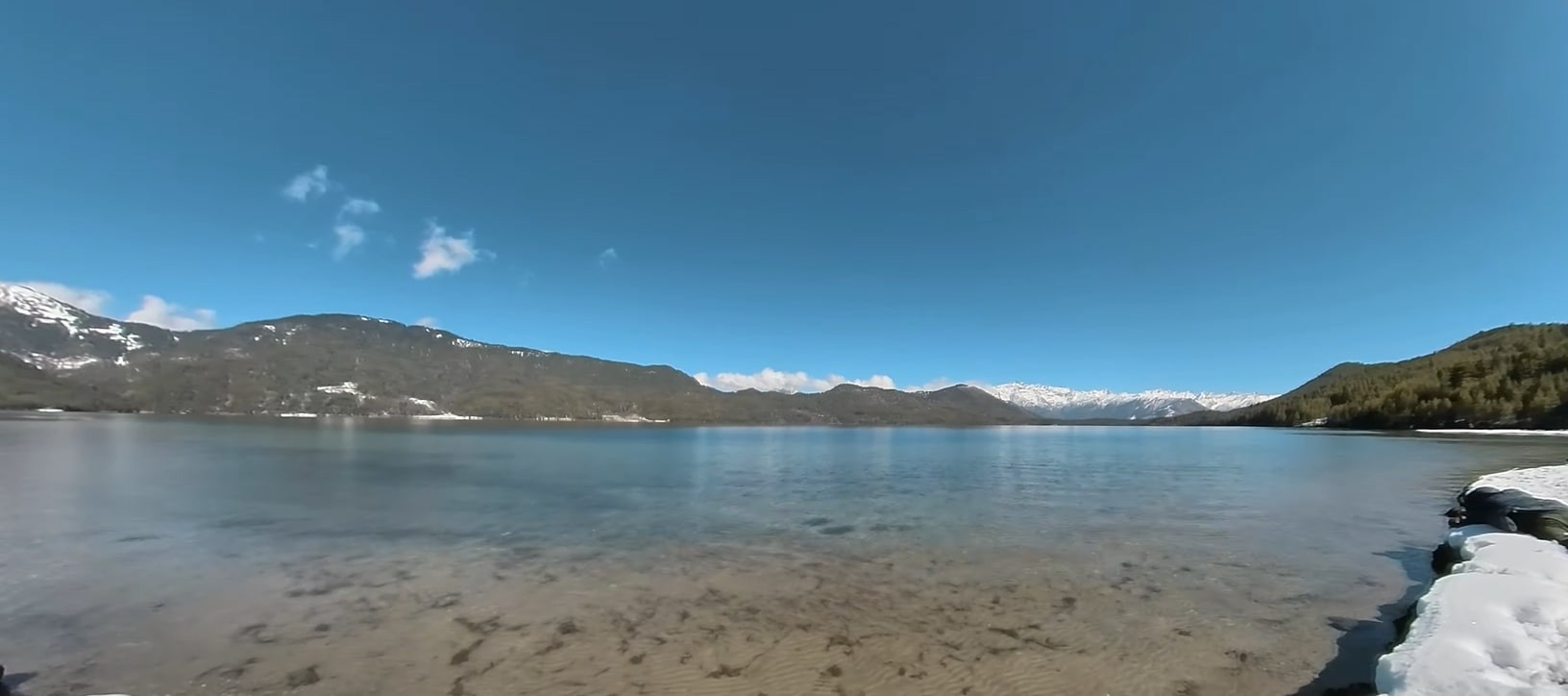
Your first glimpse of Rara Lake will likely stop you in your tracks. The lake appears suddenly as you crest a ridge, spreading before you in shades of turquoise and sapphire that seem too vivid to be real. The water's color shifts throughout the day with changing light—deep blue in morning shadows, brilliant turquoise under midday sun, and burnished copper during sunset.
At 5 kilometers long and up to 3 kilometers wide, Rara Lake dominates the landscape. The lake has no visible outlets yet maintains remarkably clear water through underground seepage and evaporation. This pristine quality means you can see to surprising depths, watching fish glide through the crystalline water like shadows beneath glass.
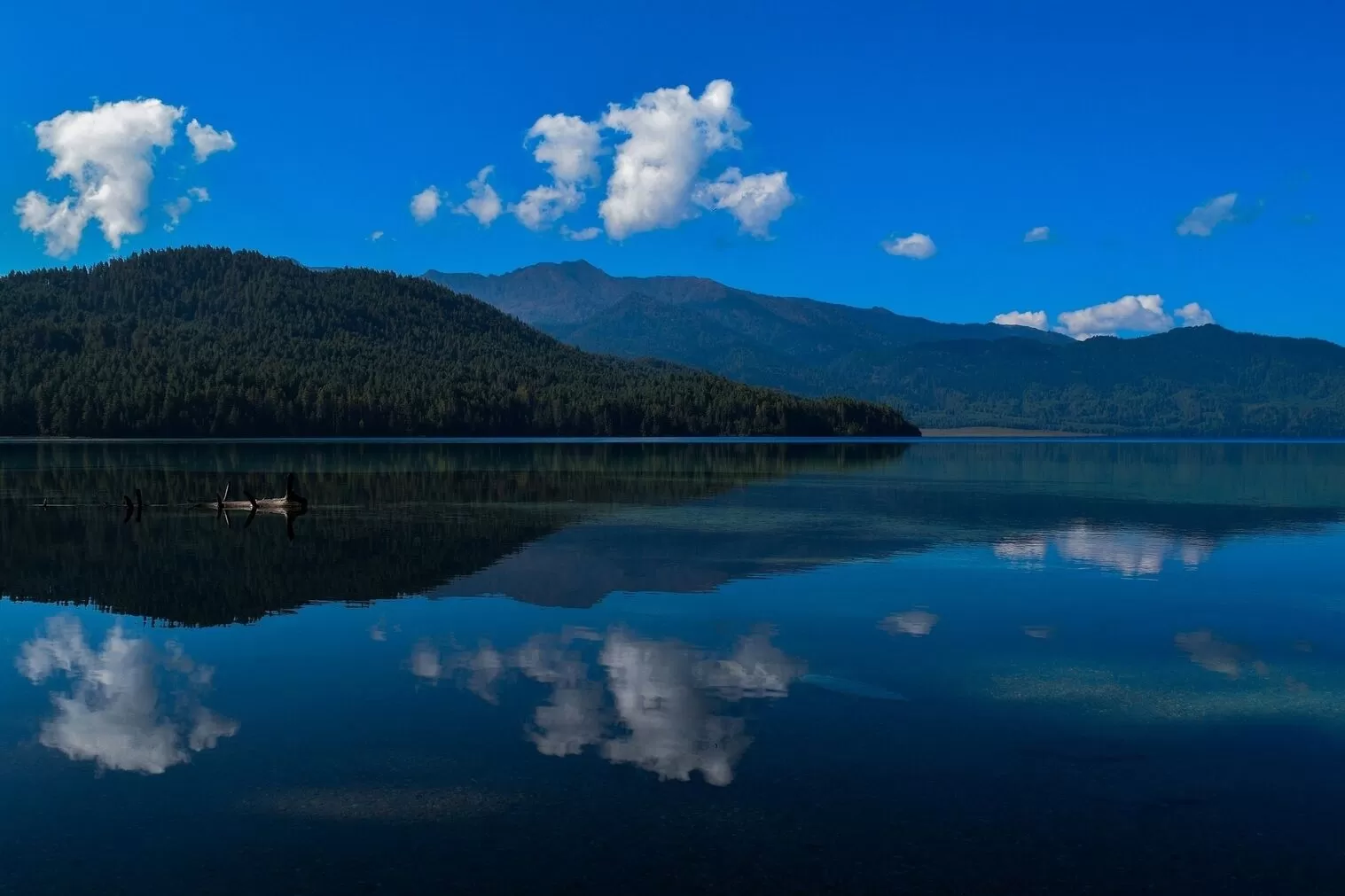
The lake sits cradled by mountains on all sides. To the north, the Chhuchhamara Peak rises to 4,087 meters, its slopes forested with blue pine and Himalayan spruce. To the south, gentler hills roll away toward distant valleys. The entire scene reflects perfectly in the lake's still surface on calm days, creating a mirror effect so perfect that distinguishing water from sky becomes challenging.
Walking the shoreline trail becomes a meditation in movement. The path circles most of the lake, passing through forests where birds call from hidden perches and small mammals rustle through undergrowth. You might spot Himalayan tahr on distant slopes or watch golden eagles soaring on thermal currents above the water. The trail also passes the Thakur Baba Temple on the lake's southern shore, a simple shrine that draws local pilgrims seeking blessings.
Boat rides on Rara Lake offer a different perspective. Traditional wooden boats paddle quietly across the water, their passage leaving only gentle ripples that quickly smooth away. From the lake's center, the surrounding mountains seem even more imposing, rising from the shoreline like natural amphitheater walls. The silence here feels profound—often the only sounds are water lapping against the boat and wind sighing through distant trees.
For photographers, Rara Lake presents endless opportunities. Dawn and dusk provide the most dramatic light, when low-angle sun illuminates the mountains while leaving the lake in partial shadow, creating depth and dimension. Spring months (March to May) add wildflowers to the meadows surrounding the lake, while autumn (September to November) brings crystal-clear skies and fall colors to the forest.
Many visitors to Rara Lake also explore other remote regions of Nepal. The Dolpo Rara Traverse Trek combines Rara with the even more isolated Dolpo region, creating an extended journey through Nepal's wild northwest.
Rara Lake forms the centerpiece of Rara National Park, established in 1976 as Nepal's smallest but one of its most biodiverse protected areas. The park encompasses 106 square kilometers of varied habitat, from subtropical forests in lower valleys to alpine meadows above treeline. This diversity supports an impressive array of wildlife, though sighting many species requires patience and luck given the park's dense forest cover.
The park's most famous (and elusive) resident is the red panda. These endangered mammals inhabit the park's temperate forests, feeding primarily on bamboo and sleeping in tree hollows. Red pandas are notoriously difficult to spot due to their nocturnal habits and excellent camouflage, but patient observers sometimes glimpse them during early morning or late evening hours.
Larger mammals include the Himalayan black bear, leopard, and musk deer. The park also harbors smaller carnivores like the yellow-throated marten and Himalayan palm civet. Herbivores such as Himalayan tahr, goral (a goat-antelope), and barking deer graze the high meadows, particularly around dawn and dusk.
For birdwatchers, Rara National Park offers exceptional opportunities. The park hosts over 200 bird species, including several found nowhere else in Nepal. The Himalayan monal (Nepal's national bird) displays its iridescent plumage in the park's upper elevations. Other notable species include the blood pheasant, impeyan pheasant, and various species of eagles, falcons, and vultures riding thermal currents above the ridges.
The park's forests themselves deserve attention. Ancient conifers—some hundreds of years old—tower above the trails, their bark thick and deeply furrowed. Rhododendrons bloom spectacular red and pink in spring, attracting butterflies and birds. The understory features various medicinal plants that local communities have used traditionally for generations.
Walking through Rara National Park, you'll notice the absence of the commercial development that characterizes more popular trekking regions. No teahouses line the trails every hour, no souvenir shops sell mass-produced handicrafts. This undeveloped character forms part of the park's appeal—it remains genuinely wild, a place where nature rather than tourism infrastructure shapes your experience.
Those interested in Nepal's other remote wilderness areas might also consider the Upper Dolpo Trek or Lower Dolpo Trek, both offering similar isolation and spectacular mountain scenery.
The Rara region's human inhabitants add another dimension to the journey. Small settlements dot the area, home to people who have lived in these mountains for generations. The dominant ethnic groups include the Thakuri (high-caste Hindus) and various Tibetan-origin communities whose ancestors migrated south across the Himalayan passes centuries ago.
Village life here follows rhythms set by season and altitude. During summer months, families move livestock to high pastures, returning to lower elevations before winter snows make trails impassable. Agriculture focuses on hardy crops—potatoes, barley, buckwheat—that tolerate short growing seasons and cool temperatures. Many families also gather forest products like medicinal herbs, resin, and wild mushrooms, supplementing subsistence farming with small cash incomes.
Interacting with local people provides insights into how humans adapt to challenging mountain environments. Homes are built for warmth, with thick stone walls, small windows, and low doorways that minimize heat loss. Kitchens center around wood-burning stoves that provide both cooking heat and home heating. Extended families often share compounds, with multiple generations living in proximity and sharing labor.
Local hospitality, while sometimes shy initially, often reveals genuine warmth. Village elders might share stories of the region's past, when trade routes connected these valleys to Tibet and when the lake was considered sacred, its waters believed to have healing properties. Children, curious about outsiders, might practice their limited English or simply giggle at your attempts to communicate in Nepali.
The region's isolation has preserved traditional practices that have disappeared elsewhere in Nepal. You might witness traditional farming methods unchanged for centuries, observe local festivals celebrating seasonal transitions, or learn about indigenous conservation practices that have protected the area's forests and wildlife long before national park designation.
Visiting local villages also highlights challenges facing remote Himalayan communities. Young people increasingly migrate to cities seeking education and employment, leaving aging populations to maintain traditional livelihoods. Access to healthcare and education remains limited. Climate change impacts become visible in shifting weather patterns and changes to traditional agricultural calendars.
Responsible tourism to areas like Rara can provide economic benefits that encourage families to remain in ancestral villages while supporting conservation efforts. Choosing tours that employ local guides, purchasing handicrafts directly from artisans, and respecting local customs all contribute positively to these communities.
For travelers interested in experiencing more of Nepal's diverse cultures, the Tamang Heritage Trek offers deep immersion in Tamang culture, while the Tsum Valley Trek explores another remote region with unique Buddhist traditions.
Timing your Rara Lake tour significantly impacts your experience. Nepal's seasons each bring distinct advantages and challenges to this remote region.
Most travelers consider autumn the ideal time for Rara Lake. After monsoon rains cease in late September, the skies clear to reveal stunning mountain views. The air feels crisp and fresh, temperatures remain comfortable for trekking (cool but not cold), and the forests display fall colors—gold and rust leaves contrasting with evergreen conifers. Wildlife becomes more active and visible as animals prepare for winter. The main drawback is that autumn attracts the most visitors, though "crowded" at Rara means perhaps a dozen other tourists rather than hundreds.
Autumn festivals also occur during this season, potentially offering chances to witness local celebrations. The October festival of Dashain and November's Tihar bring villages to life with traditional ceremonies, music, and dancing.
Spring rivals autumn for ideal conditions. As winter snows melt, wildflowers carpet the meadows surrounding Rara Lake in brilliant colors. Rhododendron forests bloom spectacular shades of red and pink. Birds return from lower elevations, making this the best season for birdwatching. Temperatures gradually warm through the season, with March remaining cool while May can feel quite warm during midday hours.
Spring does bring more variable weather than autumn, with occasional afternoon storms possible. However, mornings typically remain clear, offering excellent mountain views before clouds build later in the day.
Winter brings profound peace to Rara Lake but also significant challenges. Heavy snowfall can close the Talcha Airport for days or weeks, potentially stranding travelers or preventing arrival. Temperatures plummet, especially at night when thermometers regularly drop well below freezing. The lake sometimes freezes partially or completely, creating striking ice formations but limiting boating opportunities.
However, winter also offers unique rewards for hardy travelers. The silence becomes almost absolute, wildlife viewing can be excellent (animals move to lower, more accessible elevations), and you'll have the entire region essentially to yourself. The frozen lake creates an otherworldly landscape, particularly when morning light illuminates ice crystals in shades of blue and silver.
Winter trekking at Rara requires proper equipment—four-season sleeping bags, insulated clothing, and footwear adequate for snow and ice. It's also essential to have flexible schedules, as flight delays are common.
Summer brings monsoon rains to most of Nepal, but Rara's location in the rain shadow of major mountain ranges means it receives less precipitation than areas further south. However, clouds often obscure mountain views, trails can become muddy and slippery, and leeches appear in forests at lower elevations.
The advantages of summer visits include lush greenery, wildflowers, and very few other tourists. Temperatures remain comfortable, and when clouds part, the views can be spectacular. Local villagers are often more available for interaction, as this season doesn't demand the intense agricultural work of spring and autumn.
Summer visitors should bring good rain gear, be prepared for wet conditions, and maintain flexible schedules in case heavy rains delay flights.
Those planning to visit other parts of Nepal during their trip might also consider the Ghorepani Poon Hill Trek which offers spectacular mountain views and works well in similar seasons.
Packing appropriately for Rara Lake requires balancing multiple considerations—comfort, weight, weather variability, and the reality that you're visiting a remote area far from shops or gear rental facilities.
Layering proves crucial for Rara Lake. Temperatures vary dramatically between morning and midday, between sun and shade, and between seasons. Bring moisture-wicking base layers (wool or synthetic, never cotton), insulating mid-layers (fleece or lightweight down), and a waterproof outer shell. Even in summer, nights can be cool, so pack a warm jacket.
For lower body, quick-drying trekking pants work well, supplemented by thermal underwear for cold evenings. Bring a warm hat, sun hat, and gloves. Good-quality trekking socks prevent blisters—wool blends outperform synthetics for multi-day wear. Sturdy, broken-in hiking boots provide essential ankle support and traction on varied terrain.
A comfortable backpack (30-40 liters for day hikes if porters carry main luggage, 50-60 liters if self-carrying everything) forms your mobile base. Water bottles or hydration systems keep you properly hydrated—water is generally safe to drink at Rara but treatment tablets or filters provide extra security.
Trekking poles reduce strain on knees during descents and provide stability on uneven ground. A headlamp with extra batteries proves essential, as electricity in remote lodges is limited or non-existent. Sunglasses and sunscreen (SPF 50+) protect against intense high-altitude UV radiation.
Basic first aid supplies should include blister treatment, pain relievers, any personal medications, and altitude sickness medication if you're prone to issues. A warm sleeping bag liner adds comfort and warmth to lodge-provided bedding.
Rara Lake offers spectacular photography opportunities, so bring appropriate camera equipment. A wide-angle lens captures the lake's expanse, while a telephoto lens enables wildlife photography. Extra batteries and memory cards are essential—cold temperatures drain batteries quickly, and you'll likely take more photos than anticipated. A tripod allows for long exposures of nighttime stars reflected in the lake's mirror surface.
Don't forget a journal or notebook. The days at Rara Lake often move slowly, providing time for reflection and observation that deserves recording.
Avoid bringing unnecessary items that add weight—books (a single paperback suffices), excessive clothing changes, or elaborate camping equipment if using lodge accommodation. Remember that porters or pack animals carry your main luggage, but you'll want to keep a day pack light for hikes around the lake.
For comparison with other Nepal trekking destinations, the Manaslu Circuit Trek requires similar gear but reaches higher elevations, while the Langtang Valley Trek operates at similar altitudes to Rara.
Facilities at Rara Lake remain decidedly basic compared to popular trekking regions, reflecting the area's remoteness and limited visitor numbers. Managing expectations about comfort helps ensure satisfaction with what is available.
Lodges near Rara Lake provide simple rooms with twin beds, basic mattresses, and blankets. Rooms typically lack heat beyond what's provided by the dining room stove, so warm sleeping bags are essential. Shared bathroom facilities may be squat toilets with no running water—instead, buckets of water serve for washing. Hot showers are generally unavailable, though lodges might provide hot water for washing in basins.
The tradeoff for basic facilities is authentic atmosphere. Lodge dining rooms become social centers where travelers, guides, and lodge owners gather around wood stoves, sharing stories and warming hands on cups of hot tea. The lack of electricity (or its limitation to a few hours nightly from small solar panels) means evenings revolve around conversation, journals, or early sleep under stars visible through windows.
Some lodges near the lake's southern shore offer slightly better facilities, but comfort levels remain modest throughout the region. This simplicity forms part of Rara's appeal—you're genuinely in wilderness, not a sanitized tourist experience.
Meals at Rara Lake emphasize Nepali staples: dal bhat (lentil soup with rice), momos (dumplings), chow mein (fried noodles), and various vegetable curries. Dal bhat typically includes unlimited refills of rice and lentils, making it economical and nutritionally complete. Most lodges can prepare simple Western dishes like porridge, pancakes, and pasta, though ingredients and preparation quality vary.
Food safety is generally good, as lodges have experience catering to international visitors. However, the remoteness means fresh vegetables and fruits arrive infrequently, so menus emphasize dried and preserved foods. Eggs and potatoes, both locally produced, feature prominently.
Beverages include tea (black, milk, or herbal), instant coffee, hot chocolate, and sometimes local rakshi (rice alcohol). Bottled water is available but expensive and environmentally problematic—bringing purification tablets or filters is preferable.
Meal times tend toward early schedules—breakfast around 7 AM, lunch around noon, and dinner by 6 PM. This reflects both local customs and practical considerations like limited evening light.
The dining experience at Rara differs markedly from established trekking routes where teahouses operate with near-hotel efficiency. Here, meals may take longer to prepare, menus are more limited, and variety diminishes over multiple days. Accepting these limitations with good humor and patience enhances the experience.
For travelers combining Rara Lake with other Nepal destinations, the Kathmandu Pokhara Chitwan Tour offers more comfortable accommodation before or after your wilderness adventure.
The Rara Lake tour requires moderate physical fitness but doesn't demand technical skills or extreme endurance. Understanding what's involved helps you prepare appropriately and set realistic expectations.
The trek from Talcha to Rara Lake involves approximately 5-6 hours of walking over varied terrain—forest paths, rocky sections, and some steep ascents and descents. The trail gains roughly 300 meters elevation from Talcha (2,735m) to the lake (2,990m), spread over several hours rather than a single punishing climb.
Most people in reasonable health can manage this trek, though altitude can affect individuals differently regardless of fitness level. The elevation at Rara Lake is significant enough that some visitors experience mild altitude symptoms—headaches, shortness of breath, or fatigue. These typically resolve with rest and proper hydration.
The side trip to Murma Top (3,780m) requires more effort—approximately 4-5 hours of steady climbing gaining nearly 800 meters elevation. This optional excursion demands stronger fitness and better altitude acclimatization but rewards effort with spectacular panoramic views.
While Rara Lake sits below the altitude where serious altitude sickness commonly occurs, the rapid gain in elevation from Nepalgunj (150m) to Talcha (2,735m) via flight means your body has little time to acclimatize. Spending your first night at Talcha before trekking to Rara Lake helps, as does staying properly hydrated and avoiding alcohol during the initial days.
Signs of altitude issues include persistent headache, nausea, extreme fatigue, or difficulty sleeping. Most symptoms improve with rest at the same elevation or, if severe, descent to lower altitude. Rara Lake's relatively moderate elevation means serious altitude illness is rare, but awareness and appropriate responses are important.
Preparing for Rara Lake doesn't require extreme training regimens. Regular cardio exercise (hiking, running, cycling) for 2-3 months before your trip builds adequate fitness. Practice with a loaded backpack helps condition shoulders and legs to carry weight over varied terrain.
If possible, train on hills or stairs to prepare leg muscles for sustained ascents and descents. Core strengthening exercises improve balance and reduce fatigue. Most importantly, break in your trekking boots thoroughly—blisters can ruin otherwise excellent trips.
For travelers unsure about their fitness for Rara Lake, starting with an easier trek like the Pikey Peak Trek or Mardi Himal Trek provides good preparation while exploring other beautiful regions of Nepal.
Rara Lake's pristine condition reflects both its remoteness and relatively recent tourism development. Keeping it unspoiled requires conscious effort from all visitors.
Follow Leave No Trace ethics rigorously. Pack out all trash, including toilet paper and hygiene products. Don't leave food scraps or orange peels—even biodegradable waste takes much longer to decompose at high altitudes and can attract wildlife to human areas.
Stay on established trails to prevent erosion and vegetation damage. Don't pick flowers or disturb wildlife. Keep noise levels low—the area's profound quiet forms part of its character, and excessive noise disturbs both wildlife and other visitors.
Use established bathroom facilities even when inconvenient. If facilities aren't available and nature calls, move at least 50 meters from water sources and bury waste properly. Bring toilet paper from Kathmandu as local shops may not stock it, and pack it out rather than burning or burying it (which takes years to decompose).
Use biodegradable soap if washing in lakes or streams, and do so at least 50 meters from water edges. Better yet, use water jugs at lodges rather than washing directly in natural water sources.
Respect local customs and traditions. Ask permission before photographing people or religious sites. Dress modestly, particularly when visiting villages or temples—cover shoulders and knees. Learn a few Nepali phrases—locals appreciate efforts to communicate in their language even if your pronunciation is comical.
Purchase handicrafts and services directly from local artisans and guides rather than through middlemen when possible. This ensures more money reaches the people who actually created the goods or provided the services.
Rara National Park entrance fees support conservation efforts, but additional contributions help. Consider supporting organizations working on wildlife conservation or community development in the Rara region. Your choice of tour operator matters too—companies committed to responsible tourism employ local guides, support community projects, and follow environmentally sustainable practices.
The long-term preservation of places like Rara Lake depends on visitors who appreciate their value enough to protect them. By following these principles, you help ensure that future travelers can experience the same unspoiled beauty that you enjoy.
Other remote regions of Nepal face similar conservation challenges. The Kanchenjunga Base Camp Trek and Makalu Base Camp Trek both require similar environmental consciousness from visitors.
Organizing a trip to Rara Lake requires expertise in navigating Nepal's remote regions, arranging multiple flight connections, coordinating with local communities, and ensuring safety in areas far from medical facilities or rapid evacuation options. Explore Holiday Nepal brings years of experience making these challenging logistics seamless for travelers.
Our local knowledge extends beyond simple trip planning. Our guides understand the region's ecology and can help you spot wildlife, identify plants, and interpret landscapes. They know the best times and locations for photography, the most interesting cultural sites, and how to interact respectfully with local communities. Many of our guides come from the Rara region itself, providing authentic insights you won't find in guidebooks.
Safety remains our paramount concern. We monitor weather conditions carefully, maintain contingency plans for flight delays or cancellations, and ensure our guides carry comprehensive first aid equipment and altitude illness medications. Our staff-to-client ratios exceed industry standards, ensuring personalized attention throughout your journey.
We're also committed to responsible tourism that benefits local communities. We employ local guides, porters, and lodge owners, ensuring your tourism dollars support the regional economy. We work with lodges that meet our standards for cleanliness and hospitality while respecting environmental sustainability. We contribute to community development projects and conservation initiatives in the Rara region.
Our itineraries balance structured activities with flexibility. While we plan each day's activities and accommodations, we adapt to circumstances—weather changes, your energy levels, or unexpected opportunities to witness cultural events or wildlife. This flexibility, combined with our extensive experience, creates trips that exceed expectations.
Before your trip, we provide comprehensive pre-departure information covering everything from required gear to visa procedures to cultural expectations. During your journey, our support continues—from meeting you at Kathmandu airport to seeing you off when you depart. After you return home, we remain available for questions and to help you share your experiences or plan return visits.
Many of our clients combine Rara Lake with other Nepal adventures. We can arrange comprehensive itineraries that include the Everest View Trek, Gokyo Valley Trek, or cultural tours like the Kathmandu Nagarkot Tour, creating journeys that showcase Nepal's full diversity.
Rara Lake represents something increasingly precious in our interconnected world—a place where nature remains largely unchanged by human activity, where silence feels complete, and where beauty manifests in its purest forms. This isn't a destination for those seeking luxury or constant stimulation. It's for travelers who value authenticity over comfort, who find joy in simplicity, and who want to experience landscapes that exist largely as they have for millennia.
The journey to Rara Lake challenges you—with early morning flights, days of trekking, basic accommodations, and distance from familiar comforts. But these challenges create rewards that easy travels cannot provide. You'll return home with memories of a lake so pristine it reflects mountains with mirror perfection, of forests where red pandas live unseen in tree hollows, of villages where traditional life continues much as it has for generations, and of night skies so ablaze with stars that constellations seem close enough to touch.
More than photographs or stories, you'll carry a sense of having touched genuine wilderness, of having existed for days in landscapes largely untouched by modernity. In an era when true wilderness becomes increasingly rare, experiencing a place like Rara Lake feels like a gift—one that you'll want to protect for future generations.
Let Explore Holiday Nepal guide your journey to this hidden gem. Our expertise, local knowledge, and commitment to responsible tourism ensure that your Rara Lake adventure exceeds expectations while contributing positively to the region and its people.
Contact us today to begin planning your escape to Nepal's most beautiful and serene alpine lake. Your Rara Lake adventure awaits—a journey to a place where nature still writes the rules and beauty manifests in its most powerful, unspoiled forms.
Your Start Date is the day you land in Nepal, and your End Date is when you fly home.
If the set Rara Lake Tour group dates don’t suit your schedule, we can offer alternative dates upon request.
Rara Lake was a hidden gem, with its crystal-clear waters surrounded by majestic mountains. The tour was perfectly organized by Explore Holiday Nepal, who ensured every detail was taken care of, making the experience both peaceful and unforgettable.
Rara Lake exceeded all expectations. It’s one of the most beautiful and serene places I’ve ever visited. Explore Holiday Nepal made the journey smooth with excellent planning and care, ensuring a memorable and hassle-free experience.
Rara Lake, located in Rara National Park in the northwest of Nepal, is the largest lake in the country and is renowned for its stunning beauty. At an elevation of 2,990 meters (9,810 feet), the lake is surrounded by snow-capped mountains and lush forests, making it a picturesque destination for nature lovers and trekkers.
Reaching Rara Lake typically involves a combination of flights and trekking. The most common route is to fly from Kathmandu to Nepalgunj, and then take a domestic flight to Talcha Airport, which is the nearest airport to Rara Lake. From Talcha, it’s about a 2 to 3-hour trek to the lake. Some itineraries may include longer trekking routes for those seeking a more adventurous approach.
Visitors to Rara Lake can engage in various activities, including trekking around the lake, birdwatching, and enjoying picnics by the shore. The area is rich in wildlife, making it ideal for photography and nature observation. Some visitors also enjoy exploring nearby villages to experience local culture and traditions.
Rara National Park is home to diverse wildlife, including red pandas, musk deer, and various species of birds such as the Himalayan monal and several pheasants. The park’s unique ecosystem makes it a great spot for nature enthusiasts and wildlife photographers.
Some tour operators offer opportunities to engage in conservation activities or community projects in the area, contributing to local preservation efforts. Participating in these initiatives can provide valuable insights into the importance of protecting Rara Lake and its surrounding ecosystem.
The best time to visit Rara Lake is during the spring (March to May) and autumn (September to November) seasons. During these months, the weather is generally clear and mild, providing excellent visibility for enjoying the stunning landscapes. The summer months can bring rain, while winter is cold and may make access more challenging.
Yes, there are basic accommodation options available near Rara Lake, including guesthouses and lodges. While facilities may be limited compared to more popular trekking areas, many lodges offer warm hospitality and local meals, providing a comfortable base for exploring the region.
A typical visit to Rara Lake lasts around 4 to 7 days, depending on your itinerary and the chosen trekking route. This duration allows for ample time to enjoy the lake’s beauty, engage in activities, and explore the surrounding areas.
Yes, Rara Lake is generally safe for visitors. However, as with any trekking destination, it’s important to take precautions, such as acclimatizing to the altitude and following safety guidelines provided by your guides. Trekking with a reputable tour operator is recommended for added safety and support.
When preparing for a trip to Rara Lake, pack warm clothing suitable for varying temperatures, as weather can change quickly. Good trekking boots, a warm jacket, gloves, and hats are essential. Don’t forget to bring sunscreen, insect repellent, a reusable water bottle, and binoculars for wildlife viewing.





 (34)
(34) 