Need help with booking? Send us a message.
Traveling from Kathmandu to Pokhara is one of the most scenic and popular journeys in Nepal. Whether you're heading to explore the serene lakeside city before embarking on an adventure like the Annapurna Base Camp Trek or simply want to experience the natural beauty of Nepal's countryside, choosing the right tourist bus service makes all the difference. Explore Holiday Nepal offers premium tourist bus services that transform this journey into a comfortable and memorable part of your Nepali adventure.
The road connecting Kathmandu and Pokhara stretches approximately 200 kilometers through some of Nepal's most breathtaking landscapes. Unlike domestic flights that skip the countryside entirely, traveling by tourist bus allows you to witness the gradual transformation from the bustling Kathmandu Valley to the peaceful hills surrounding Pokhara. This journey serves as the perfect introduction or conclusion to adventures like the Ghorepani Poon Hill Trek or the Mardi Himal Trek.
Many travelers heading for the Annapurna Circuit Trek start their adventure with this bus journey, as Pokhara serves as the gateway to the Annapurna region. The tourist bus offers significant advantages over local buses, including more comfortable seating, air conditioning, regular maintenance, and better safety standards.
The journey from Kathmandu to Pokhara typically takes between six to eight hours, depending on traffic conditions and road maintenance. During the monsoon season, occasional delays may occur due to landslides, but tourist bus operators like Explore Holiday Nepal monitor road conditions carefully and keep passengers informed.
The route follows the Prithvi Highway, named after the former King Prithvi Narayan Shah, winding through terraced hillsides, riverside settlements, and traditional Nepali villages. Travelers often compare this journey favorably to pre-trek experiences, noting that the gradual acclimatization to rural Nepal helps prepare them mentally for treks like the Manaslu Circuit Trek or the Langtang Valley Trek.
As the bus departs Kathmandu, you'll gradually leave the urban sprawl behind. The first hour takes you through smaller towns like Thankot and Naubise, where the landscape begins to open up. The Trishuli River becomes a constant companion along much of the route, its turquoise waters carving through dramatic gorges.
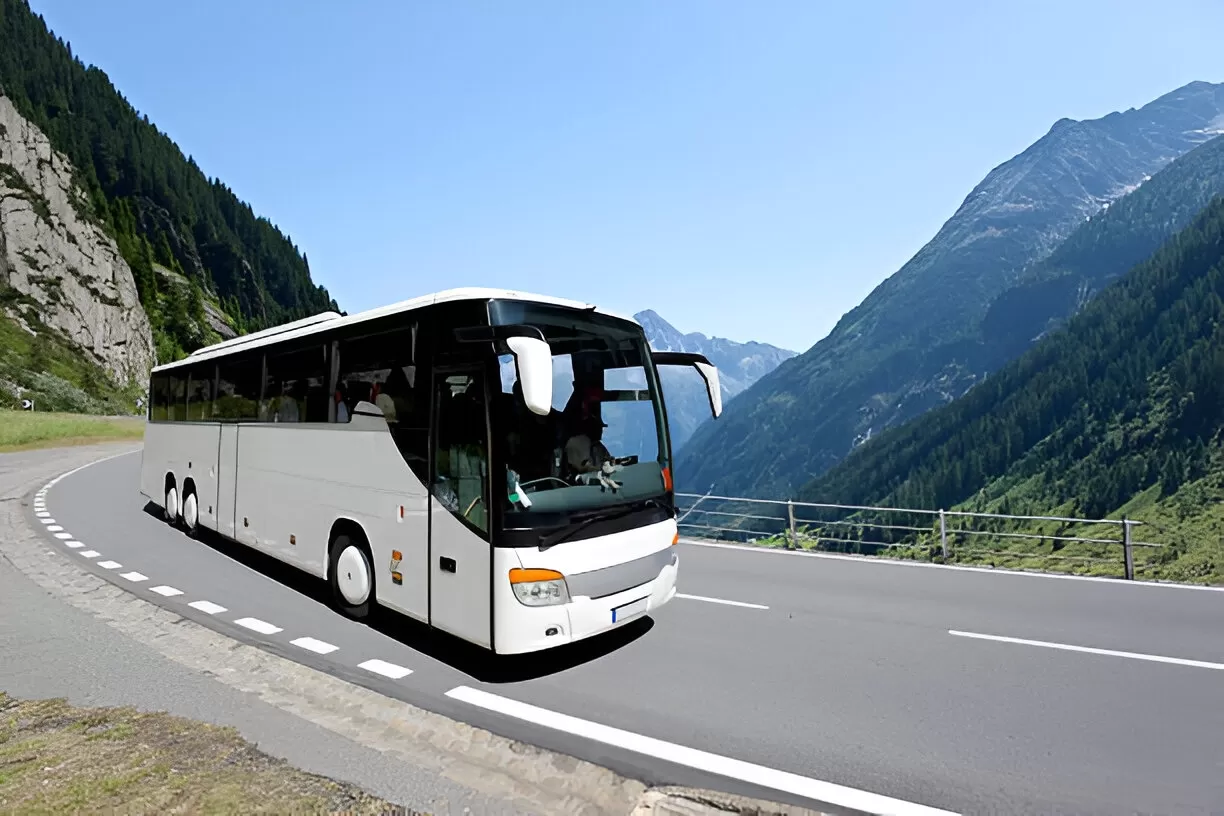
Terraced fields cascade down hillsides in geometric patterns, showcasing the agricultural ingenuity of Nepali farmers. These same terraces are visible on treks like the Tamang Heritage Trek, where you walk through similar landscapes at a slower pace. On clear days, glimpses of the Himalayas appear on the northern horizon, offering previews of the peaks you might encounter on adventures like the Everest Base Camp Trek.
Small roadside settlements provide fascinating windows into everyday Nepali life. Tea shops, fruit vendors, and local markets buzz with activity during morning hours. These scenes echo the village experiences trekkers encounter on routes like the Nar Phu Valley Trek, where traditional culture remains beautifully preserved.
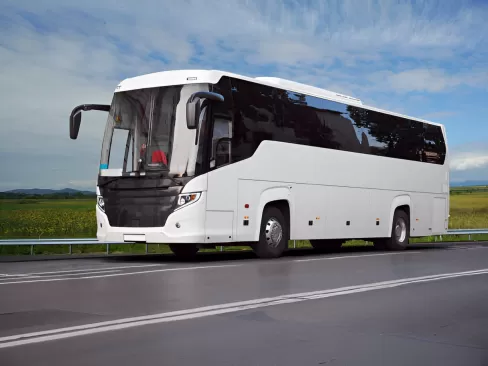
Explore Holiday Nepal's tourist buses prioritize passenger comfort without compromising safety. Each vehicle undergoes regular maintenance checks and features several amenities designed to make your journey pleasant.
The buses feature ergonomically designed seats with generous legroom, allowing passengers to relax throughout the journey. Unlike cramped local buses, tourist buses limit passenger numbers to ensure everyone has adequate space. Reclining seats help you rest, especially if you're traveling after completing demanding treks like the Gokyo Valley Trek or before starting adventures like the Annapurna Base Camp Short Trek.
Modern air conditioning systems maintain comfortable temperatures regardless of external weather conditions. During summer months, this feature proves invaluable as temperatures rise in the valleys. Entertainment systems featuring music and occasionally video content help pass the time, though many travelers find themselves mesmerized by the scenery outside.
Large windows provide unobstructed views, perfect for photography enthusiasts wanting to capture Nepal's landscapes. These same vistas motivate many travelers to return for longer adventures like the Upper Mustang Trek or the Lower Dolpo Trek.
Tourist buses include clean, well-maintained restroom facilities, addressing one of the primary concerns travelers have about long-distance journeys. Complimentary bottled water keeps you hydrated throughout the trip, and light snacks are often provided.
Explore Holiday Nepal offers multiple daily departures to accommodate different travel schedules. Most tourist buses depart in the early morning, typically between 7:00 AM and 8:00 AM. These morning departures allow you to arrive in Pokhara by mid-afternoon, leaving time to settle into your accommodation and explore the lakeside area.
Early morning departures offer several advantages. The cooler temperatures make the journey more comfortable, and morning light provides the best conditions for photography. Traffic is generally lighter in early hours, potentially reducing total travel time. For travelers continuing to treks like the Panchase Trek or Royal Trek, arriving in Pokhara with daylight remaining allows for better trip preparation.
Some services offer afternoon departures for travelers with flexible schedules, though these buses may encounter heavier traffic and arrive in Pokhara after dark.
Tourist buses collect passengers from convenient locations throughout Kathmandu's main tourist districts. Most services offer pick-up from major areas including Thamel, Lazimpat, and Durbar Marg. When booking with Explore Holiday Nepal, you'll receive confirmation of your specific pick-up location and timing.
Many travelers combine their bus journey with other services. Those completing the Kathmandu Pokhara Tour often use these buses for the intercity connection, while others coordinate arrivals with the Kathmandu Full Day Sightseeing Tour before departing.
Buses arrive at strategic locations in Pokhara, typically near the lakeside area where most tourist accommodations cluster. This convenient drop-off saves you additional transportation costs and hassle. The central location provides easy access to Pokhara's attractions, including Phewa Lake, the World Peace Pagoda, and various adventure activity operators.
For travelers planning treks, the drop-off point is well-positioned for onward transportation to trailheads. Those embarking on the Annapurna Circuit Trek can easily arrange jeeps to Besisahar or other starting points from Pokhara.
Booking through Explore Holiday Nepal's website provides a straightforward, secure process. The online platform allows you to check real-time availability, select your preferred travel date, and receive instant confirmation. Digital tickets eliminate the worry of losing paper documents, and customer support remains available to address any questions.
Advanced booking is particularly important during peak tourist seasons (September to November and March to May), when both treks and transportation fill quickly. Travelers planning major adventures like the Everest Three Pass Trek or the Kanchenjunga Base Camp Trek should coordinate their bus bookings with their overall trip timeline.
For spontaneous travelers already in Kathmandu, tickets can be purchased directly at Explore Holiday Nepal's Thamel office. Staff provide personalized assistance and can address specific questions about luggage, departure times, and onward connections. This option works well for travelers with flexible itineraries or those adding side trips to their plans.
Groups traveling together for treks like the Tsum Valley Trek or Manaslu Tsum Valley Budget Trek may qualify for special arrangements. Contact Explore Holiday Nepal directly for information about group reservations and coordination with other trek services.
Safety represents a top priority for reputable tourist bus operators. Explore Holiday Nepal employs experienced drivers thoroughly familiar with the Kathmandu-Pokhara route's particular challenges. These professionals understand mountain road conditions, weather patterns, and traffic dynamics.
Drivers receive regular training in defensive driving techniques specific to Himalayan roads. They know when to slow down for sharp curves, how to navigate around obstacles, and when to pause for road conditions to improve. This expertise proves particularly valuable during monsoon season when landslides occasionally affect the route.
Each bus carries necessary safety equipment including first aid kits, fire extinguishers, and emergency communication devices. Regular vehicle inspections ensure mechanical reliability, reducing the risk of breakdowns that could delay your journey.
For comparison, these safety standards mirror the careful planning required for high-altitude treks. Just as guides on the Everest Base Camp Luxury Trek monitor clients for altitude sickness, professional bus drivers remain vigilant about road safety throughout the journey.
Tourist bus services typically include scheduled stops allowing passengers to stretch, use facilities, and purchase snacks or meals. The most common stop occurs around the halfway point, usually in Mugling or Kurintar, where the Prithvi Highway intersects with roads leading to other destinations.
Mugling serves as a transportation hub where roads diverge toward Chitwan National Park, Gorkha, and other destinations. The town features numerous restaurants catering to travelers, offering dal bhat (traditional Nepali meal), momo (dumplings), chow mein, and other local favorites. Many travelers appreciate trying authentic Nepali cuisine here, getting a taste of what they'll experience during treks like the Annapurna Circuit Budget Trek.
Clean toilet facilities and small shops selling water, snacks, and basic supplies make this an essential comfort stop. The break typically lasts 20-30 minutes, providing adequate time without significantly extending journey duration.
Some tourist bus services include brief photo stops at particularly scenic viewpoints, weather and traffic permitting. These opportunities to capture Nepal's landscapes are appreciated by travelers, especially those who might continue to more remote areas like the Makalu Base Camp Trek where photography opportunities abound.
Understanding luggage allowances helps you pack appropriately for both your bus journey and subsequent adventures. Most tourist bus operators, including Explore Holiday Nepal, allow one large checked bag and one carry-on item per passenger.
Large backpacks or suitcases are stored in the bus's luggage compartment. Ensure your bags are securely locked and clearly labeled with your name and contact information. While theft is uncommon on reputable tourist bus services, taking basic precautions protects your belongings.
For trekkers carrying equipment for adventures like the Island Peak Climbing or Mera Peak Climbing, confirm that your technical gear and bags meet size and weight requirements. Most tourist buses accommodate standard trekking backpacks without issues.
Keep valuables, travel documents, medications, and items needed during the journey in your carry-on bag. Electronic devices, cameras, and money should remain with you rather than in checked luggage. The overhead compartments and under-seat space provide adequate room for backpacks or small bags.
The Kathmandu to Pokhara route operates year-round, but seasonal variations significantly impact the journey experience. Understanding these patterns helps you choose the optimal travel time.
Autumn represents the peak trekking season in Nepal, and for good reason. Clear skies provide spectacular mountain views, temperatures remain comfortable, and rainfall is minimal. The clarity during these months offers the best Himalayan vistas from the bus, making the journey itself a highlight.
Tourist buses fill quickly during autumn, particularly in October when crowds peak. Early booking becomes essential, especially if coordinating with popular treks like the Everest Base Camp Trek or Gokyo Everest Base Camp Trek. Road conditions are generally excellent, and travel times remain predictable.
Spring ranks as the second-best season for traveling between Kathmandu and Pokhara. Rhododendron blooms paint hillsides in vibrant colors, and warming temperatures make the journey comfortable. Visibility remains good, though afternoon haze sometimes obscures distant peaks.
Travelers heading for spring treks like the Langtang Gosainkunda Trek or Ama Yangri Trek find this an ideal travel window. Tourist buses operate frequently, and road conditions are generally reliable.
Monsoon months bring increased challenges for road travel. Heavy rainfall can trigger landslides, potentially causing delays or route disruptions. However, the countryside bursts with green vitality, waterfalls cascade down cliffsides, and tourist numbers drop significantly.
For adventurous travelers or those with flexible schedules, monsoon travel offers advantages. Fewer crowds mean more available seats and a quieter journey. The dramatic landscapes, shrouded in mist and rain clouds, possess unique beauty. Those planning monsoon treks like the Upper Mustang Trek (which lies in a rain shadow) accept these seasonal trade-offs.
Winter brings cold temperatures but generally clear skies and stable weather. Mountain views can be spectacular, and tourist numbers remain moderate. The journey itself is comfortable inside heated buses, though early morning or late evening temperatures outside can be quite cold.
Winter travelers heading for lower-altitude treks like the Ghorepani Poon Hill Trek or Pikey Peak Trek find this season appealing, with pleasant daytime temperatures and excellent visibility.
Packing smartly for your bus journey enhances comfort without adding unnecessary weight. Consider including these items in your carry-on:
Light layers allow you to adjust to temperature variations during the journey. While buses are air-conditioned, a light jacket or shawl helps if you find the climate control too cool. Alternatively, the sun streaming through windows can create warm spots.
A small pillow or neck support makes resting easier, particularly if you're traveling after completing a demanding trek or planning to start one immediately upon arrival. Many trekkers transitioning between adventures like the Manaslu Circuit Trek and other regions appreciate the rest opportunity.
Books, tablets, or music devices help pass time, though many travelers find themselves captivated by the scenery. Download content before your journey, as internet connectivity may be spotty along the route.
Keep your passport, trekking permits, and bus ticket easily accessible. If continuing to restricted areas like Upper Dolpo Trek or Kanchenjunga Circuit Trek, ensure all necessary documentation is organized and available.
While rest stops provide meal opportunities, having personal snacks helps maintain energy levels. Trail mix, energy bars, fruit, or other non-perishable items supplement the complimentary refreshments provided on tourist buses.
Bottled water is typically provided, but carrying extra water ensures adequate hydration, particularly during warmer months. Reusable water bottles align with environmentally conscious travel practices increasingly important in Nepal's trekking regions.
Pokhara serves as a crucial transportation hub for accessing numerous trekking regions and adventure activities. Understanding connection options helps streamline your overall journey.
From Pokhara, jeeps and local buses connect to various trailheads. The Annapurna Base Camp Trek typically begins from Nayapul, accessible via a 1.5-hour drive from Pokhara. The Mardi Himal Trek starts from Kande, while the Annapurna Circuit traditionally begins in Besisahar, requiring additional transportation.
Explore Holiday Nepal coordinates these onward connections as part of comprehensive trek packages, ensuring seamless transitions from Kathmandu to your adventure's starting point.
Pokhara offers numerous adventure activities separate from trekking. Paragliding Pokhara provides aerial views of the Annapurna range and Phewa Lake. River rafting on the Seti or upper Kali Gandaki rivers offers water-based excitement. The famous World Peace Pagoda, Mahendra Cave, and numerous lakeside attractions provide cultural and natural sightseeing opportunities.
Many travelers spend a day or two in Pokhara before or after treks, enjoying the relaxed atmosphere and diverse activities. The tourist bus journey positions you perfectly to maximize your Pokhara experience.
Those completing circular treks or multi-region adventures may return to Kathmandu from different points. The Kathmandu Pokhara Chitwan Tour incorporates multiple destinations, with bus connections facilitating smooth transitions. Explore Holiday Nepal offers integrated services combining transportation, accommodation, and activities across different regions.
Understanding different transportation options between Kathmandu and Pokhara helps you make informed decisions based on your priorities, budget, and schedule.
Several airlines operate daily flights between Kathmandu and Pokhara, with journey times around 25-30 minutes. Flights offer speed and aerial views of the Himalayas, weather permitting. However, flight schedules can be disrupted by weather conditions, particularly during monsoon season and winter mornings when visibility is poor.
Flights cost significantly more than bus tickets, and the journey to/from airports adds time and expense. For budget-conscious travelers or those wanting to experience Nepal's countryside, tourist buses provide better value.
Hiring a private car or jeep offers maximum flexibility and comfort, particularly for groups. Private vehicles allow you to stop whenever desired for photos or breaks, and departure times are entirely at your discretion. However, private transportation costs substantially more than tourist bus tickets.
Groups coordinating complex itineraries, such as combining multiple treks or heading to remote areas like the Dolpo Rara Traverse Trek, sometimes find private vehicles worthwhile despite higher costs.
Local buses cost less than tourist buses but offer significantly less comfort and convenience. Crowding, minimal legroom, frequent stops, and basic (or absent) amenities make local buses challenging for international travelers, particularly those carrying trekking equipment.
The Kathmandu to Pokhara route winds through mountains with considerable elevation changes and curves. Some travelers experience motion sickness, particularly those unaccustomed to mountain roads.
If you're prone to motion sickness, consider sitting near the front of the bus where movement is less pronounced. Over-the-counter motion sickness medications taken before departure can prevent symptoms. Natural remedies like ginger candy or aromatherapy with peppermint may also help.
Focusing on the horizon rather than nearby objects, maintaining good air circulation, and avoiding heavy meals before travel reduce nausea risk. The tourist bus's smooth suspension and professional drivers minimize discomfort compared to local buses.
The air-conditioned environment maintains comfortable temperatures, but individual preferences vary. Dressing in layers allows you to adjust to your comfort level. Staying hydrated helps, particularly at higher elevations where the air becomes drier.
Taking short walks during rest stops improves circulation and reduces stiffness from prolonged sitting. These brief exercise opportunities help maintain comfort, particularly for travelers already fatigued from previous activities or facing upcoming physical challenges like the Everest Three Pass Trek.
The journey between Kathmandu and Pokhara provides fascinating insights into Nepali life outside tourist centers. Observing daily activities in villages and small towns offers authentic cultural experiences complementing the highlights of organized tours like the Pilgrimage Tour or Kathmandu Nagarkot Tour.
Terraced agriculture dominates the landscape, with farmers working fields much as their ancestors did centuries ago. During planting and harvest seasons, you'll see coordinated community labor, traditional tools, and agricultural practices refined over generations. These same traditions persist in remote trekking areas like those encountered on the Tamang Heritage Trek.
Small settlements feature traditional architecture with slate or tin roofs, wooden construction, and open courtyards where daily activities unfold. Women wash clothes at communal water sources, children play in village squares, and men gather at tea shops for conversation. These glimpses into everyday life provide context for the cultural encounters awaiting you during treks.
Hindu temples and Buddhist stupas dot the landscape, reflecting Nepal's religious diversity. Colorful prayer flags flutter from ridges and passes, while small shrines mark significant locations. The intermingling of Hindu and Buddhist traditions visible throughout the journey characterizes much of Nepal, particularly in areas like the Annapurna region.
Responsible travel in Nepal includes minimizing environmental impact during all aspects of your journey. Tourist bus travel offers several ecological advantages over alternative transportation options.
Shared tourist buses transport multiple passengers efficiently, reducing per-person carbon emissions compared to private vehicles or flights. Choosing bus transportation aligns with sustainable tourism principles increasingly important in Nepal's fragile mountain environments.
Tourist bus services employ local drivers, support rest stop businesses, and contribute to regional economies along the route. This economic distribution benefits communities beyond primary tourist destinations, creating broader prosperity and encouraging environmental stewardship.
Responsible travelers minimize waste generation during the journey. Carry reusable water bottles, avoid single-use plastics, and properly dispose of any waste at designated facilities during rest stops. These practices mirror the Leave No Trace principles essential during treks like the EBC Luxury via Gokyo Trek or Manaslu Tsum Valley Luxury Trek.
The Kathmandu to Pokhara journey offers remarkable photographic opportunities showcasing Nepal's diverse landscapes and cultural richness. Understanding optimal shooting conditions and locations enhances your travel photography.
Early morning departures provide beautiful soft light perfect for landscape photography. The low sun angle creates dramatic shadows across terraced hillsides and illuminates distant peaks with warm golden tones. Morning mist often fills valleys, adding atmospheric layers to compositions.
The Trishuli River accompanies much of the journey, offering dynamic water features. Capture rushing rapids, placid pools, and the river's interaction with surrounding landscapes. Suspension bridges spanning the river provide interesting foreground elements contrasting with mountain backdrops.
Roadside markets, temple complexes, and village activities offer excellent documentary photography opportunities. Respect local sensitivities by asking permission before photographing individuals, particularly during religious activities or private moments. Many Nepalis welcome photography, especially if approached politely.
While tourist bus travel between Kathmandu and Pokhara is generally safe, comprehensive travel insurance provides important protection. Quality insurance policies cover medical emergencies, evacuation needs, and trip disruptions.
Ensure your insurance includes medical coverage adequate for Nepal. While the bus journey itself poses minimal health risks, having protection for illness or injury provides peace of mind. This coverage becomes essential during subsequent activities like high-altitude treks including the Everest Base Camp Return by Heli or Lobuche Peak Climbing.
Comprehensive policies cover trip delays or disruptions caused by weather, road conditions, or other unforeseen circumstances. During monsoon season, when landslides occasionally affect travel, this protection proves particularly valuable.
Upon arriving in Pokhara, you'll find yourself in Nepal's premier adventure tourism hub. The city offers remarkable diversity, from serene lakeside relaxation to adrenaline-pumping activities.
Pokhara's lakeside area features numerous restaurants, cafes, shops, and hotels catering to international travelers. The relaxed atmosphere provides perfect respite before or after demanding treks. Rent kayaks or paddle boats on Phewa Lake, explore waterfront shops and galleries, or simply enjoy sunset views of the Annapurna range reflecting on the water.
Beyond its natural beauty, Pokhara offers cultural attractions including the International Mountain Museum, which provides excellent context for understanding Himalayan mountaineering history. The Old Bazaar preserves traditional Newari architecture and offers glimpses into Pokhara's pre-tourism past.
Pokhara's adventure menu extends far beyond trekking. Paragliding from Sarangkot offers bird's-eye views of the Annapurna massif. Mountain biking trails, ultralight flights, bungee jumping, and zip-lining provide varied excitement. River rafting and kayaking on nearby rivers appeal to water sports enthusiasts.
The journey typically requires six to eight hours depending on traffic, road conditions, and weather. Morning departures often experience less traffic, potentially reducing travel time. Allow extra time during monsoon season when occasional landslides may cause delays.
While possible, most tourist bus services operate as direct connections without extended breaks beyond scheduled rest stops. If you wish to spend time in Mugling or other intermediate destinations, consider separate tickets or private transportation offering more flexibility.
Contact Explore Holiday Nepal immediately if you miss your scheduled departure. Depending on seat availability, you may be accommodated on the next service, though this isn't guaranteed during peak seasons. Arriving at your pick-up point 15 minutes before scheduled departure time prevents missed connections.
Tourist bus tickets typically don't include meals, though snacks and water are often provided. The scheduled rest stop in Mugling offers multiple dining options where you can purchase meals at reasonable prices.
Yes, tourist buses regularly transport trekkers with standard equipment. Large backpacks, trekking poles, and sleeping bags are accommodated without issues. Notify operators in advance if carrying unusual items like climbing equipment or especially bulky gear.
Most tourist buses don't currently offer wifi. Download entertainment, maps, and necessary information before departure. Mobile network coverage is intermittent along the route, with signal strength varying significantly.
The Kathmandu to Pokhara tourist bus journey often forms just one component of larger Nepal adventures. Explore Holiday Nepal offers comprehensive packages combining transportation, trekking, tours, and activities for seamless travel experiences.
Consider itineraries combining different regions and activities. The Kathmandu Pokhara Lumbini Chitwan Tour incorporates cultural sites, wildlife viewing, and natural beauty. Trekking enthusiasts might combine the Annapurna Base Camp Trek with the Everest Base Camp Budget Trek for a comprehensive Himalayan experience.
Nepal offers adventures beyond standard trekking routes. The Honey Hunting Tour in Lamjung provides unique cultural immersion, while peak climbing expeditions like Chulu East Peak Climbing or Ama Dablam Expedition challenge experienced mountaineers.
Expand your Himalayan journey beyond Nepal with trips to neighboring countries. The Bhutan Tour from Nepal combines two fascinating destinations, while the Kailash Mansarovar Tour offers profound spiritual experiences in Tibet.
The tourist bus journey from Kathmandu to Pokhara represents far more than simple transportation between two cities. It's an integral part of your Nepal experience, offering cultural insights, natural beauty, and comfortable travel that properly prepares you for adventures ahead. Whether you're heading to iconic treks like the Annapurna Circuit, exploring remote regions like Upper Dolpo, or simply discovering Nepal's diverse landscapes, choosing quality tourist bus service with Explore Holiday Nepal ensures your journey starts perfectly.
The combination of comfort, safety, scenic beauty, and cultural immersion makes tourist bus travel the preferred option for thousands of travelers annually. By understanding what to expect, how to prepare, and how to maximize your experience, you transform a necessary journey into a memorable adventure component.
Book your tourist bus ticket with confidence, knowing you've chosen a service prioritizing your comfort and safety while showcasing the remarkable landscapes that make Nepal unforgettable. Your Himalayan adventure awaits, beginning with a scenic journey through the heart of Nepal.
Ready to experience the journey from Kathmandu to Pokhara? Book your tourist bus ticket with Explore Holiday Nepal today and start your Nepal adventure with comfort and confidence. Whether you're planning the Gokyo Everest Base Camp Trek, Manaslu Budget Trek, or simply exploring Pokhara's attractions, your journey begins here.
Departure from Kathmandu:
7:00 AM - Begin your journey by meeting at the designated departure point at Sorhakhutte Bus Park in Kathmandu. The bustling bus park is a hive of activity, but look out for the friendly representatives of Explore Holiday Treks who will guide you to the correct bus. Ensure you have your ticket and valid ID ready for verification.
7:30 AM - Board the tourist bus operated by Explore Holiday Treks. The bus is designed for comfort, equipped with plush seats, ample legroom, and air-conditioning to make your ride as pleasant as possible. Settle into your seat and prepare for a scenic adventure.
Scenic Drive:
8:00 AM - As the bus departs, you'll undertake on a journey along the Prithvi Highway towards Pokhara. The early part of the drive offers breathtaking panoramic views of terraced fields and traditional Nepali villages nestled in the valley. On clear days, you might catch glimpses of the majestic Himalayan peaks in the distance, setting the tone for the beautiful landscapes ahead.
First Rest Stop:
11:00 AM - Arrive at the first scheduled rest stop. This brief pause provides an opportunity to stretch your legs and relax. Use the restroom facilities available, and if you wish, purchase snacks or beverages from local vendors. It's a great chance to mingle with fellow travelers and enjoy the fresh air.
Continuing the Journey:
11:30 AM - Resume your journey as the bus heads towards Pokhara. The route continues to offer diverse scenery, from lush green forests to serene river valleys and cascading waterfalls. The changing landscapes will keep you entertained as you travel through this picturesque region.
Lunch Break:
2:00 PM - Arrive at a charming roadside restaurant along the Prithvi Highway for a delightful lunch break. Here, you can savor a variety of local Nepali dishes, including popular choices like dal bhat, momo, and other regional specialties. The meal is a perfect opportunity to experience local flavors and recharge for the remainder of the trip.
Final Leg of the Journey:
3:00 PM - After lunch, continue your journey towards Pokhara. As you approach the city, the landscape transforms with views of Phewa Lake and the Annapurna mountain range coming into view. The sight of these iconic landmarks signifies that you're nearing your destination.
Arrival in Pokhara:
6:00 PM - Arrive at the tourist bus park in Pokhara, conveniently located in the heart of the city. The bus park is well-organized, making it easy for you to disembark, collect your belongings, and make your way to your accommodation. If you're not immediately heading to your hotel, you can take this opportunity to explore Pokhara’s vibrant streets and start immersing yourself in the local culture.
Note:
1. Timings are approximate and may vary depending on traffic and road conditions.
2. Rest stops are planned for your comfort and convenience, allowing for a relaxed and enjoyable journey.
3. Explore Holiday Treks is dedicated to ensuring a safe and comfortable travel experience, allowing you to enjoy Nepal’s stunning natural beauty and cultural richness with ease.
Feel free to ask if you need more details or have any specific requests for your journey!
Your Start Date is the day you land in Nepal, and your End Date is when you fly home.
If the set Kathmandu to Pokhara Tourist Bus Ticket group dates don’t suit your schedule, we can offer alternative dates upon request.





 (34)
(34) 