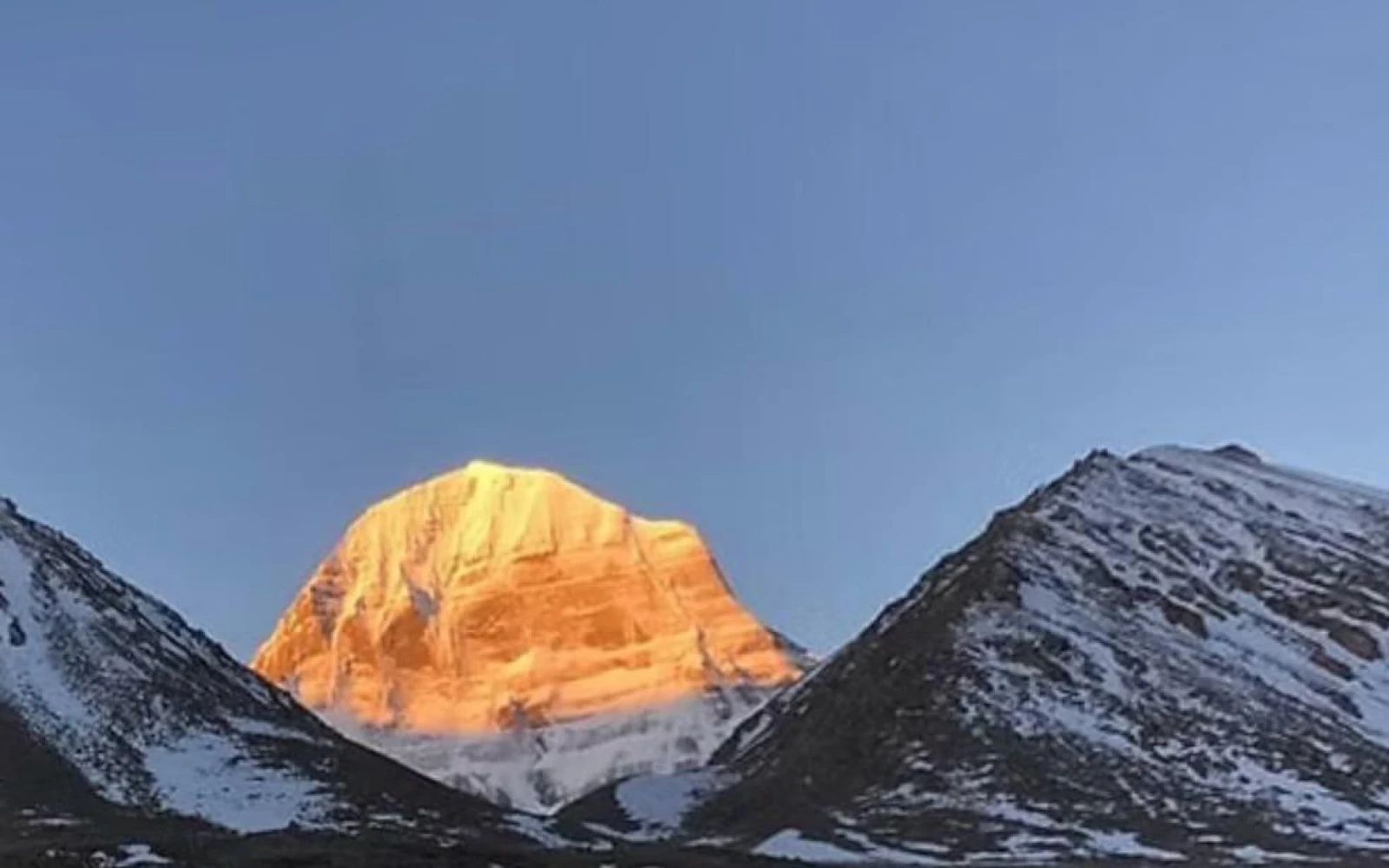
Tibet is often called the “Roof of the World,” and for good reason. With an average elevation above 4,000 meters, vast open landscapes, ancient monasteries, and deeply spiritual traditions, Tibet offers one of the most extraordinary travel experiences on Earth. At the heart of this sacred land stands Mount Kailash — a mountain revered by Hindus, Buddhists, Jains, and followers of Bon. For centuries, pilgrims have traveled across continents to complete the sacred Kailash Kora (circumambulation), believing it brings spiritual purification and transformation.
Explore Holiday Nepal proudly organizes safe, well-managed, and professionally guided Tibet and Mount Kailash tours for international travelers. With years of experience in Himalayan tourism, our team ensures responsible travel, cultural respect, and complete logistical support from Nepal to Tibet and back.
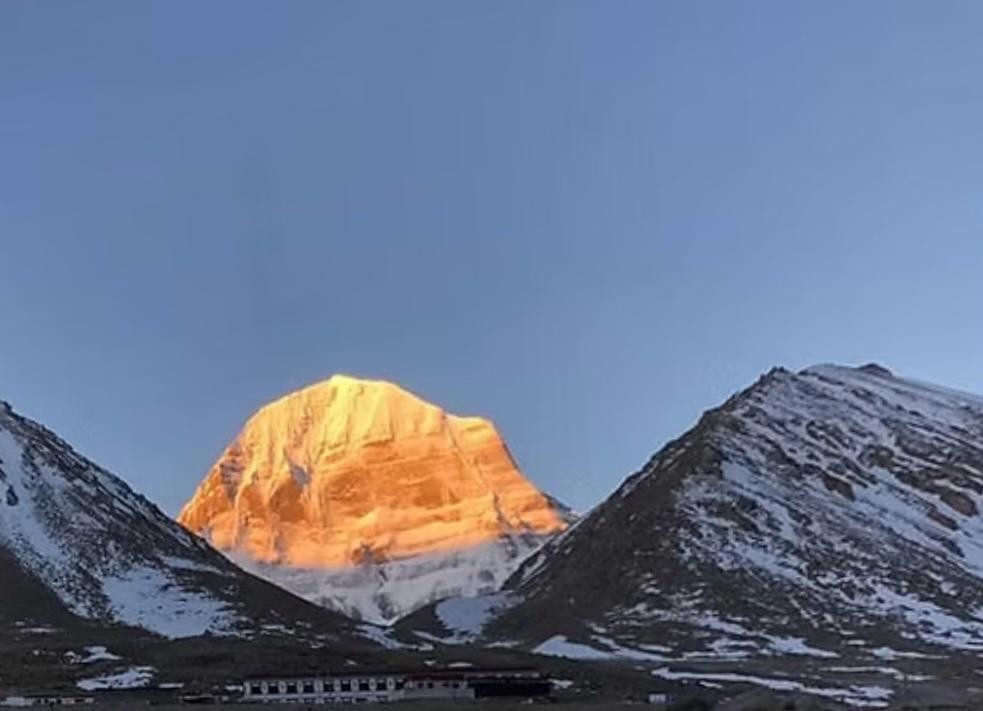
This comprehensive guide explains everything you need to know about the Tibet and Mount Kailash trip — including routes, permits, itinerary, cost, difficulty level, preparation, and essential travel tips.
Tibet is not just a destination; it is a journey into spirituality, silence, and high-altitude wilderness.
Mount Kailash is considered sacred in multiple religions:
Pilgrims believe that completing the Kailash Kora (52 km trek) cleanses past sins and brings spiritual merit.
The ideal travel season is:
During these months:
Winter months (October–April) are extremely cold, and many routes may be closed due to snow.
Most travelers enter Tibet from Nepal.
Kathmandu → Kyirong Border → Saga → Lake Manasarovar → Mount Kailash
This route is:
Explore Holiday Nepal arranges complete border assistance, permits, and transportation.
Traveling to Tibet requires special permits. Independent travel is not allowed.
These are arranged through a licensed Tibetan travel operator in coordination with Explore Holiday Nepal.
We handle:
Travelers must join a guided group tour — private independent travel in Tibet is restricted.
Below is a standard itinerary organized by Explore Holiday Nepal. Customizations are available.
The Mount Kailash trek is considered:
Moderate to Challenging
Reasons:
Previous trekking experience is helpful but not mandatory.
Good physical fitness is essential.
Altitude sickness is a major concern.
Common symptoms:
Explore Holiday Nepal prioritizes safety and monitors altitude conditions throughout the journey.
Facilities are simple but clean. Travelers should expect limited luxury during trekking days.
Meals include:
Vegetarian meals are recommended during the pilgrimage.
We can arrange special dietary requirements upon request.
Tour cost depends on:
Generally includes:
For exact pricing, contact Explore Holiday Nepal directly for updated 2026/2027 packages.
Our team has decades of Himalayan travel expertise.
We work with authorized partners for Tibet travel compliance.
We promote responsible tourism and respect for local traditions.
Many pilgrims describe the experience as life-changing.
Beliefs include:
Completing one Kora is considered highly auspicious. Some pilgrims perform three, seven, or even 108 circumambulations.
Lake Manasarovar is one of the highest freshwater lakes in the world.
Pilgrims:
The lake symbolizes purity and enlightenment.
We ensure:
High-altitude travel always carries risk, and we strongly recommend comprehensive travel insurance.
Minimum age and health conditions should be discussed before booking.
Mount Kailash is a sacred and fragile environment.
We encourage:
Explore Holiday Nepal supports eco-friendly travel.
No. Climbing is prohibited to protect its sacred status.
Usually 3 days.
Not mandatory, but good fitness is recommended.
Yes, due to high elevation. Proper acclimatization reduces risk.
Yes, with medical clearance and proper preparation.
Yes, when organized through licensed operators like Explore Holiday Nepal.
The Tibet and Mount Kailash trip is not a regular holiday. It is:
Very few destinations combine nature, religion, and adventure in such a powerful way.
The Tibet and Mount Kailash journey is one of the most meaningful travel experiences in the world. It combines spiritual depth, breathtaking landscapes, cultural richness, and personal transformation. Whether you are a pilgrim seeking blessings or an adventurer exploring the Himalayas, this journey will leave a lasting impression on your heart.
Explore Holiday Nepal is committed to providing safe, organized, and professional Tibet tours with full support from Kathmandu to Mount Kailash and back. Our experienced team ensures that your pilgrimage is smooth, respectful, and memorable.
If you are planning your Tibet and Mount Kailash trip for 2026/2027, contact Explore Holiday Nepal today to begin your sacred journey to the Roof of the World.

Mount Kanchenjunga, the third-highest peak in the world, is one of the most majestic and revered mountains on Earth. Rising to an impressive height of 8,586 meters (28,169 feet), it is part of the mighty Himalayas and stands as a natural border between Nepal and India.
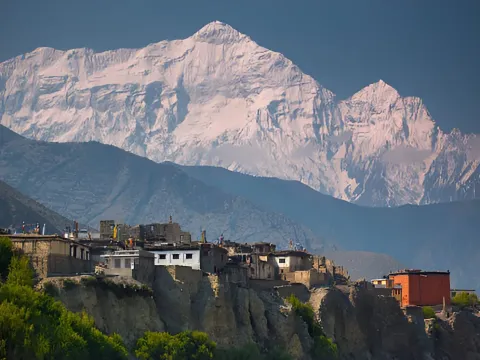
Traveling to Upper Mustang is like stepping into a living museum of Tibetan Buddhism, with its untouched monasteries, sky caves etched into cliffs, and spiritual energy that flows through every village. Explore Holiday Nepal curates every detail
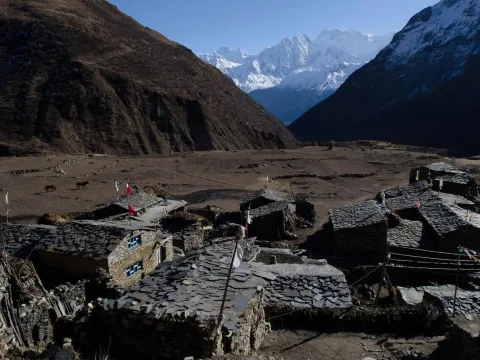
The Manaslu Circuit Trek, offered by Explore Holiday Nepal, is a journey that delves deep into the untouched beauty of Nepal’s Himalayan heartland. Unlike the more commercialized trekking routes such as Everest Base Camp or the Annapurna Circuit, the Manaslu trail offer
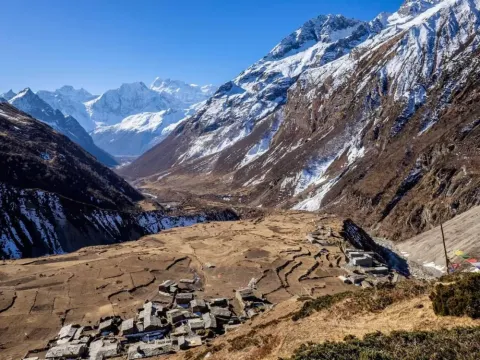
The Manaslu Circuit Trek is one of Nepal's most spectacular and rewarding trekking experiences, yet it remains less crowded than Everest or Annapurna. This trek is a remote and physically demanding journey that takes you around the world's eighth highest mountain, Mount Manaslu (8,163 meters).
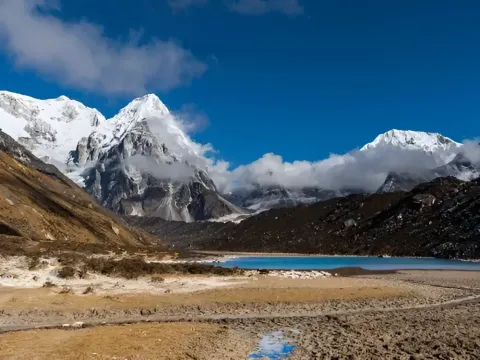
Kanchenjunga, the third-highest mountain in the world at 8,586 meters, lies in the far-eastern corner of Nepal, bordering Sikkim, India. Unlike the more commercialized Everest or Annapurna regions, the Kanchenjunga Region Trekking experience offers untouched natural beauty, remote villages, and pristine Himalayan wilderness.
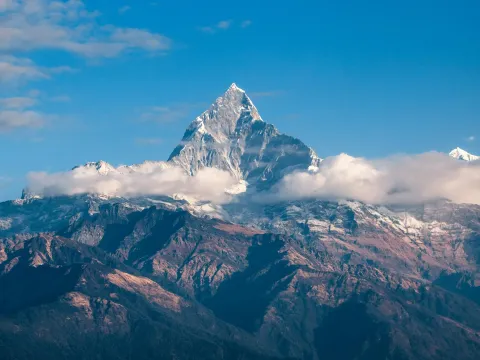
I'm going to be blunt: altitude sickness doesn't care if you're fit, young, or have trekked before. I've seen marathon runners struggling at Namche Bazaar while 60-year-olds cruise to Everest Base Camp. I've watched cocky 25-year-olds need helicopter evacuation while cautious first-timers make it without issues. After organizing 300+ high-altitude treks and dealing with countless altitude sickness cases (from mild headaches to life-threatening emergencies), here's everything you actually need to know. No medical jargon. No sugar-coating. Just the real information that might save your trek—or your life.
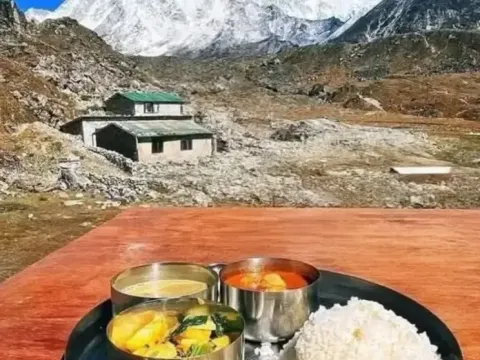
I'll be honest—when my guide Pasang first told me "dal bhat power 24 hour" on day two of my Annapurna Base Camp trek, I thought he was joking. I'd just finished my first proper serving of this Nepali staple, and while it filled me up, I couldn't understand the near-religious devotion trekkers and locals had for what looked like a simple plate of rice and soup.Three weeks and probably forty servings later, I got it. And now I'm one of those people who actually craves dal bhat when I'm back home dealing with altitude of exactly zero meters. Let me tell you why this unassuming meal has become the stuff of legend on Nepal's trekking trails.
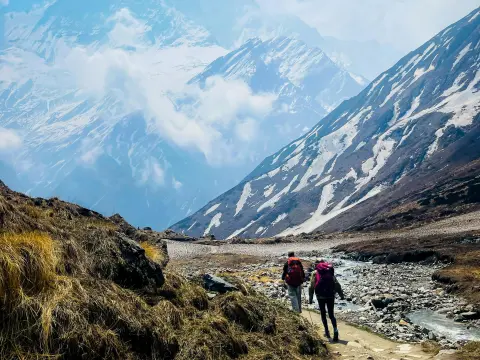
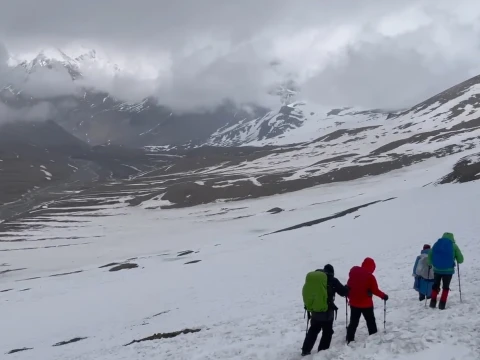
The Dhaulagiri Circuit is one of Nepal’s most spectacular yet less-traveled trekking routes. Nestled in the remote northwestern region of the country, this trek offers adventurers a combination of snow-capped peaks, high-altitude passes, lush valleys, and traditional Gurung villages. Unlike the more popular Annapurna or Everest treks
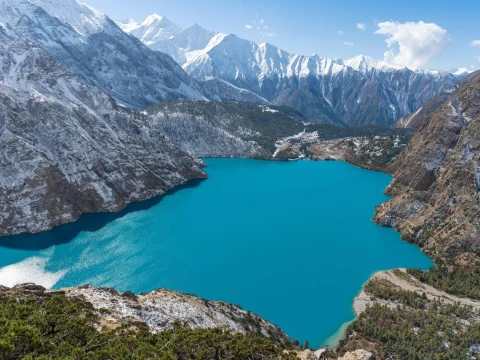
Shey Phoksundo Lake is one of the most breathtaking natural wonders in the Himalayas, located inside Shey Phoksundo National Park in the remote Dolpa region of Nepal. Sitting at an altitude of about 3,611 meters, the lake is widely recognized for its deep turquoise-blue water, dramatic cliff surroundings, and untouched natural environment.
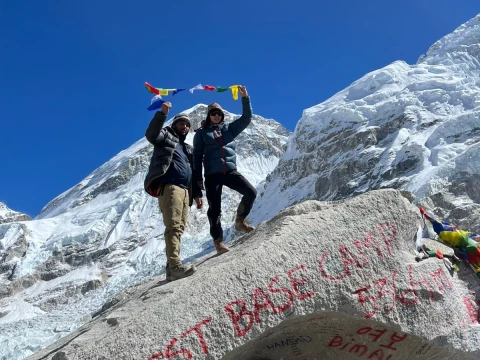
Why Choose Everest Base Camp Trek in 2026/2027?


 (34)
(34) 