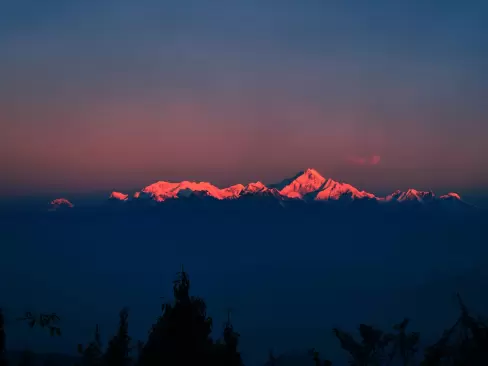
Kanchenjunga Trek: The Ultimate Guide to Nepal's Hidden GiantSo you want to trek to the third highest mountain in the world? Good choice. But here's the thing—while everyone's posting selfies at Everest Base Camp, Kanchenjunga sits quietly in far eastern Nepal, practically ignored. Which is exactly what makes it special.Mount Kanchenjunga stands at 8,586 meters (28,169 feet), and unlike its more famous neighbors, this mountain hasn't been completely overrun by commercial tourism. The trek to its base camps remains genuinely remote, culturally rich, and physically demanding in all the right ways.But let's get one thing straight from the start—this isn't a beginner's trek. Not even close.Why Kanchenjunga Trek Stays Off Most People's RadarHere's something interesting. You'd think the third highest mountain on Earth would attract massive crowds, right? Wrong. Most trekkers in Nepal never make it to Kanchenjunga. Why?First, location. It's way out east, almost touching the Sikkim and Tibet borders. Getting there requires either a long, bone-rattling jeep ride or a flight to Taplejung followed by days of walking just to reach the actual trek starting point. Not exactly convenient.Second, time commitment. You're looking at 18-20 days minimum for the full experience. That's nearly three weeks. Most people just don't have that kind of vacation time available.Third, difficulty level. This trek demands previous high-altitude experience, good fitness, and mental toughness. It's not your introduction to Himalayan trekking—it's more like your graduation ceremony.But honestly? These "barriers" have created something beautiful. The Kanchenjunga Trek has avoided the overcrowding and commercialization that's changed other popular routes. What you get instead is authentic mountain culture, genuine solitude, and an experience that feels more like exploration than tourism.The Mountain Itself: Five Treasures of SnowThe name "Kanchenjunga" comes from Tibetan and means "The Five Treasures of Snow." Look at the mountain from certain angles and you'll see why—it's actually a massive massif with five distinct peaks, each one impressive enough to be famous on its own.The four main summits create an incredible skyline:Main Summit (8,586m) - The big daddy, third highest in the worldKanchenjunga West (Yalung Kang) (8,505m) - Just slightly shorterKanchenjunga Central (8,482m) - Still over 8,000 metersKanchenjunga South (8,494m) - Rounding out the giantsAnd here's something cool—the mountain is considered sacred by locals. Climbers who summit actually stop a few feet below the true peak out of respect for local beliefs. Try finding that kind of reverence on Everest's crowded summit.From the trek, you'll see all these peaks from multiple angles. The north face from Pangpema Base Camp. The south face from Oktang. Different perspectives on the same massive mountain that'll make you feel wonderfully small.The Landscape: From Jungle to Glacier in One TrekOne of the most mind-blowing aspects of the Kanchenjunga Trek is the sheer variety of landscapes you'll walk through. It's not just "mountain scenery"—it's everything.You start low. Really low. Around 1,500-2,000 meters in subtropical lowlands where humidity makes you sweat through your clothes before lunch. Dense forests tower overhead. The vegetation is so thick you can barely see the sky. You hear birds, insects, rushing water. It feels more like jungle trekking than mountain climbing.Then you start climbing. And the world changes.Rhododendron forests dominate the mid-elevations. If you trek in spring (March-May), these forests explode in color—massive rhododendron trees covered in red, pink, and white blooms. It's honestly spectacular. Even if you don't care about plants, the visual impact is undeniable.Higher still, you enter alpine meadows. The trees thin out, replaced by hardy grasses and wildflowers. The air gets noticeably thinner. Your breathing deepens. Stone cairns and prayer flags start appearing—signs you're entering the high Himalayas.By the time you reach the base camp areas around 5,000+ meters, you're in a completely different universe. Barren rock. Glacial moraines. Ice fields stretching toward peaks that seem close enough to touch but would take days to reach. The only sounds are wind, your breathing, and occasionally prayer flags snapping.This elevation journey—from humid jungle to frozen alpine zones—happens gradually over days of walking. You earn every meter. And your body has time to adapt, which is crucial at these altitudes.The Trail: Two Base Camps, Twice the RewardUnlike most treks that visit one destination, the Kanchenjunga Trek actually takes you to two different base camps. You get perspectives from both the north and south sides of the massif, which completely changes how you see the mountain.North Base Camp (Pangpema) - 5,143 metersThe northern route follows the stunning Ghunsa Valley, following the Ghunsa Khola river upstream. This valley is gorgeous—one of those places that makes you stop frequently, not because you're tired (though you are), but because the scenery demands attention.Ghunsa village itself is substantial. Maybe 30-40 houses, several lodges, a monastery, and locals who've been hosting trekkers long enough to perfect their hospitality without losing authenticity. You'll spend a rest day here for acclimatization—use it wisely. Take short hikes, explore the monastery, talk to locals, let your body adjust.From Ghunsa, the trail continues to Khambachen (4,050m) and then Lhonak (4,780m). Each village gets progressively smaller, more remote, more rugged. By Lhonak, you're truly in the high mountains. The landscape is stark. Beautiful in a harsh way.The final push to Pangpema Base Camp (5,143m) is relatively short but intense. And then you arrive, and the north face of Kanchenjunga absolutely dominates your vision. It's so close, so massive, that your brain struggles with the scale. You'll also see Wedge Peak, Tent Peak, and several other giants that would be famous anywhere else but are overshadowed here.Sunrise at Pangpema is magical. The first light hitting those white peaks, slowly turning them pink, then orange, then brilliant white. People cry. I'm not kidding—the emotional impact of being there, after days of hard trekking, watching those mountains come alive... it's powerful.South Base Camp (Oktang/Yalung) - 4,730 metersThe southern approach via Oktang (also called Yalung Base Camp) offers completely different perspectives and feels even more remote somehow.The Yalung Valley is less visited than Ghunsa, which means even fewer trekkers. Villages like Tseram (3,870m) and Ramche (4,580m) are tiny—maybe 3-4 lodges total. The people are incredibly welcoming, partly because they see so few foreigners.The trail to Oktang winds through moraines and rocky terrain. It's not technical, but it's tiring—lots of ups and downs over uneven ground at altitude. But then you reach the base camp, and the south face of Kanchenjunga spreads before you like a massive wall of ice and rock.From this angle, you can clearly see all five peaks that give the mountain its name. The perspective is broader, more panoramic than the north face. It's less dramatic maybe, but more comprehensive. You're seeing the whole mountain spread out in its full glory.What's amazing about visiting both base camps is how different the same mountain looks. It's like meeting two different giants that happen to be connected. Together, north and south perspectives give you a complete understanding of why Kanchenjunga is considered one of Earth's most beautiful mountains.The High Passes: Where Your Legs Remember You're HumanLet's talk about the challenging bits. The Kanchenjunga Trek includes crossing high mountain passes that'll test everything—your fitness, your determination, your ability to function on limited oxygen.Sele La Pass (4,290m) and Sinion La Pass (4,660m) are the main ones connecting the north and south valleys. Neither requires technical climbing skills or ropes, but both are serious undertakings.Sele La has a reputation among guides and porters. The approach is relentlessly uphill through forest that provides zero views to distract you from the burning in your thighs. You just climb. And climb. And when you think you're nearly there, you climb more. At altitude, this means lots of breaks—walk 15-20 steps, stop and breathe, repeat for hours.But reaching the top? That makes every step worth it. Prayer flags stretch in colorful lines, snapping in the wind. Mountain views open up in all directions. You've crossed from one valley to another, using your own two feet at over 4,000 meters. That's worth celebrating.Sinion La is higher and can be snow-covered depending on season. The final approach to the pass requires careful footing over loose rocks. The descent on the other side is steep—your knees will remind you that going down is often harder than going up.Trekking poles aren't optional for these passes. They're essential equipment that'll save your joints and prevent falls on steep, rocky sections.Wildlife: More Than Just MountainsOne surprise about the Kanchenjunga Trek is the incredible biodiversity. The Kanchenjunga Conservation Area protects some of the richest ecosystems in the eastern Himalayas.Red pandas live in these forests. Yes, actually. They're shy, rare, and spotting one requires incredible luck, but they're out there in the rhododendron forests. More commonly, you'll see:Himalayan tahr (a goat-antelope) on rocky slopesBlue sheep grazing on distant ridgesDanphe (Himalayan monal)—Nepal's national bird with iridescent plumageVarious pheasant speciesCountless smaller birdsHigher up, Himalayan griffons soar on thermal currents, their massive wingspans silhouetted against blue skies. The region is home to snow leopards, though seeing one is lottery-level luck. Just knowing they're out there, watching from rocky hideouts, adds wildness to the experience.The flora is equally impressive. Spring brings explosions of wildflowers—orchids, primulas, blue poppies. Even the mosses and lichens create intricate patterns on rocks and trees. If you're into photography or just appreciate natural beauty, bring extra memory cards.Cultural Immersion: Three Distinct CommunitiesThe Kanchenjunga Trek isn't just scenery. The cultural experience rivals the natural beauty.Limbu People (Lower Elevations)The lower regions are Limbu territory. They're one of Nepal's indigenous groups with their own language (which sounds nothing like Nepali), traditions, and agricultural practices. Walk through a Limbu village and you'll see:Terraced fields carved into impossible slopesTraditional houses with thatched or tin roofsWomen in colorful traditional dressMen working fields or carrying enormous loadsThe Limbus are warm and curious about foreigners. They'll often invite trekkers to try tongba (fermented millet beer served warm) or raksi (strong local alcohol). Accepting is good manners. Just pace yourself—that stuff is stronger than it tastes.Rai CommunitiesRai people also inhabit parts of the trek route. Like the Limbus, they have distinct cultural practices and their own language. Traditional Rai dances during festivals are spectacular—lots of rhythmic movement, colorful costumes, and community participation.Sherpa and Tibetan Buddhist Communities (Higher Elevations)Higher up, particularly around Ghunsa and surrounding areas, you enter Sherpa and Tibetan Buddhist territory. The cultural shift is immediately visible:Prayer flags everywhere—strung between trees, across rivers, on ridge topsMani walls (long stone walls carved with Buddhist mantras)Chortens (Buddhist stupas) marking sacred spotsMonasteries with spinning prayer wheelsThe spiritual atmosphere is palpable. Monks in maroon robes. Elderly villagers circumambulating monuments while spinning prayer wheels. The sound of horns and chanting drifting from monasteries.Visit Ghunsa Monastery if you can time it with prayer sessions. The monks chanting together, horns echoing, incense filling the air—it's a deeply moving experience even if you're not Buddhist.Real Village LifeWhat makes the cultural experience authentic is that these aren't tourist attractions. These are real communities where life continues with or without trekkers. Kids play in alleyways. Women work fields. Men repair stone walls. Grandparents tell stories while grandchildren listen.If you're lucky enough to be trekking during local festivals, you'll witness traditional celebrations that have been performed for generations. These aren't staged—you just happen to be there when the community gathers. The locals are usually happy to have visitors observe and sometimes even participate.Cascading Waterfalls and Alpine LakesThe trail constantly surprises you with water features that deserve mention.Waterfalls are everywhere, especially in the lower and middle elevations. Some are massive—hundreds of meters of falling water that you hear long before you see. Others are small but perfectly positioned, creating photo opportunities where rainbows form in the mist.Alpine lakes dot the higher regions. These aren't huge lakes, but they're pristine—crystal clear water reflecting surrounding peaks. Some are sacred to locals, marked by prayer flags and small offerings. The silence around these lakes is profound. Just wind, water, and mountains.Best Time for Kanchenjunga TrekTiming your trek matters enormously. This remote region experiences extreme weather variations.Spring (March to May) - Prime TimeSpring is peak season for good reason. The famous rhododendron forests bloom spectacularly—hillsides covered in red, pink, and white flowers. It's absolutely gorgeous.Weather stabilizes after winter. March can still be cold and occasionally snowy at high passes, but by April and May, conditions are ideal. Clear skies are common, offering excellent mountain views.Temperatures are manageable—warm in lower valleys (15-20°C during day), cold but not brutal at high camps. You'll need a good sleeping bag, but you won't freeze.The downside? This is peak season, meaning more trekkers. Though "crowded" on the Kanchenjunga Trek means you might see 10-15 other groups total rather than complete solitude. It's still far less busy than Annapurna Circuit Trek or Everest Base Camp Trek .Autumn (September to November) - Also ExcellentAfter monsoon clears in September, autumn brings the year's clearest skies. The air has been washed clean by months of rain, creating visibility that makes distant peaks seem impossibly close.October is probably the single best month if you can only choose one. Perfect temperatures, stable weather, crystal-clear mountain views. November gets colder but remains manageable with proper gear.Culturally, autumn coincides with festival season in Nepal—Dashain and Tihar. You're more likely to witness celebrations, which adds another dimension to the trek.Winter (December to February) - Hardcore OnlyWinter trekking is possible but seriously challenging. Heavy snowfall can close passes. Temperatures drop to -20°C or colder at high camps. Most lodges in upper regions close as residents migrate to lower elevations.Only attempt winter if you have:Extensive cold-weather trekking experienceProper gear (4-season sleeping bag, down suit, etc.)Flexible schedule (weather delays are likely)High tolerance for discomfortThe reward? Total solitude, pristine snow-covered landscapes, and bragging rights.Monsoon (June to August) - Generally AvoidMonsoon makes this trek miserable. Heavy rain turns trails muddy and potentially dangerous. Leeches infest lower forests (they're everywhere—on leaves, waiting to drop on you). Rivers swell. Landslide risk increases. Mountain views hide behind clouds.Some hardcore trekkers go during monsoon for extreme solitude and lower costs. But for most people, the negatives far outweigh benefits.Physical Difficulty: The Honest TruthI'm not going to sugarcoat this—the Kanchenjunga Trek is hard. Really hard.Physical demands: 6-8 hours of trekking daily for 18-20 consecutive days. Not easy hours on flat trails. Steep climbs, rocky descents, river crossings, uneven terrain. Your body will hurt. Blisters despite good boots. Sore muscles. Aching joints.Altitude: Multiple nights above 3,000 meters, reaching above 5,000 meters at base camps. Altitude sickness is a real risk. Headaches, nausea, fatigue, sleep difficulty—these symptoms can hit anyone regardless of fitness. Proper acclimatization is crucial.Remoteness: Help is far away. This isn't Everest Base Camp Trek where helicopters reach you in hours. Evacuation from Kanchenjunga is complicated and expensive. This demands taking safety seriously—proper preparation, insurance, listening to your body.Mental challenge: Three weeks of sustained effort tests you psychologically. Tough days where you question your decisions. Where your body screams and your mind says "enough." Pushing through requires mental toughness.Who should attempt this?You should have:Previous multi-day trekking experience (2-3 treks of 7+ days ideally)Experience at altitude (at least one trek to 4,000+ meters)Good general fitness (comfortable walking 6-8 hours with backpack)Mental resilience for discomfortFlexible schedule (weather can force delays)If your biggest outdoor challenge is day hikes, this isn't your next step. Build up gradually. Try Annapurna Base Camp Trek or Langtang Valley Trek first. Learn how your body handles altitude and sustained effort. Then come to Kanchenjunga.What You'll EatFood on the Kanchenjunga Trek is simple, filling, and designed to power you through long days.Lower villages offer variety: dal bhat (rice and lentils—the trekker's staple), momos (dumplings), fried rice, noodle soups, Tibetan bread, pancakes, eggs. Food is fresh because supplies reach these villages regularly.Higher up, menus shrink. Dal bhat becomes the mainstay—unlimited servings of rice, lentil soup, vegetables, sometimes a bit of meat. "Dal bhat power, 24 hour" is a common trekking joke because it genuinely fuels you effectively.Other high-altitude options: potato dishes, noodle soups, Tibetan bread with yak cheese. Don't expect gourmet meals. Expect warm, filling food that keeps you moving.Bring supplemental snacks from Kathmandu: energy bars, chocolate, nuts, dried fruit. When altitude kills your appetite, familiar comfort food helps. Just pack out all wrappers—leave no trace.Accommodation Reality CheckLodges range from decent to extremely basic depending on elevation.Lower villages (Taplejung, Mitlung, Chiruwa): Standard trekking lodges. Private or semi-private rooms. Foam mattresses. Communal dining areas. Shared bathrooms with (sometimes) hot water for extra fee. Comfortable enough.Mid-altitude villages (Ghunsa, Khambachen): Similar facilities, though hot water becomes less reliable. Electricity from solar panels with limited hours.Upper camps (Lhonak, Ramche, near base camps): Very basic. Small rooms, thin mattresses, basic blankets (bring warm sleeping bag), shared pit toilets, no showers (wet wipes become your friend), minimal electricity, communal dining heated by yak-dung stoves.Is it uncomfortable? Compared to home, yes. But you have shelter, hot meals, and company. That's luxury at 4,500+ meters.Important note: Lodges are family-run, not commercial hotels. Owners are opening their homes to you. Treat them and property with respect. Be patient with service (they're cooking for everyone over wood fires). Be generous with tips at the end.Safety and HealthThe trek's remoteness demands serious attention to safety.Altitude sickness prevention:Follow acclimatization schedule religiouslyAscend slowly (don't skip rest days)Stay hydrated (3-4 liters daily minimum)Recognize symptoms early (headache, nausea, dizziness)Descend immediately if symptoms worsenMedical preparedness:Comprehensive first aid kitAltitude medication (discuss Diamox with doctor beforehand)Extra prescription medicationsBasic first aid knowledgeCommunication:Phone signal nonexistent in most areasSatellite phones recommended for emergenciesYour guide has communication devicesInsurance is ESSENTIAL: Must cover:Helicopter evacuation from high altitude (6,000m minimum)Medical treatment for altitude illnessEmergency repatriationTrip cancellation/interruptionEvacuation can cost $10,000+ without insurance. Don't skip this.Packing EssentialsClothing:Base layers (2-3 sets) - wool or synthetic, no cottonInsulation - fleece, down jacket (quality matters)Outer shell - waterproof/windproof jacket and pantsTrekking pants (2), shirts (3) - quick-dryWarm hat, sun hat, gloves (light and heavy pairs)Wool/synthetic socks (5-6 pairs)Footwear:Broken-in waterproof trekking bootsCamp shoes or sandalsGaitersGear:Sleeping bag rated -15°C minimumTrekking poles (essential)Headlamp with extra batteriesWater bottles (3 liters capacity)Sunglasses with UV protectionSunscreen SPF 50+ and lip balmMedical:First aid kit (bandages, antiseptic, blister treatment)Altitude medicationPain relievers, anti-diarrhea medsWater purificationPersonal prescriptions (bring extras)Why This Trek Changes PeopleI've talked to many Kanchenjunga trekkers. Almost everyone says it changed something for them.Part is the physical challenge. Pushing beyond what you thought possible creates confidence that transfers to regular life. Work problems feel smaller after climbing to 5,000 meters.Part is cultural immersion. Time in communities operating so differently from modern life expands perspective. You realize how many ways exist to live well.Part is the beauty. Standing among Earth's highest peaks under impossibly clear skies does something to your soul. Humbling and elevating simultaneously.But mostly, it's the combination. Physical challenge plus cultural depth plus natural beauty plus genuine remoteness equals transformation.The people you meet—villagers inviting you into homes, guides sharing mountain knowledge, fellow trekkers pushing through same challenges—become part of your story.Final ThoughtsThe Kanchenjunga Trek isn't for everyone. It's challenging, uncomfortable at times, and requires real commitment.But for those willing to push beyond standard tourist experiences, it delivers something increasingly rare—authentic adventure in genuinely remote territory. The combination of massive peaks, diverse landscapes, authentic cultures, and real solitude creates an experience popular treks cannot match.You'll work hard for three weeks. Your body will hurt. You'll sleep in basic lodges and go days without showers. Weather might force changes.And you'll return home with memories lasting a lifetime. You'll have explored the third highest mountain on Earth through terrain few people see. You'll have tested your limits and discovered strength you didn't know existed.If you've got the fitness, experience, time, and adventurous spirit, this trek deserves consideration. Just make sure you're properly prepared, choose a reliable trekking company, and approach the journey with respect these mountains demand.Do that, and Kanchenjunga will give you an adventure you'll measure all others against.Top Blogs About Trekking in the Kanchenjunga Region:Uncover the best blogs about trekking in the Kanchenjunga region, featuring expert advice, detailed itineraries, personal experiences, and essential tips for adventurers looking to explore the Himalayas.Altitude Sickness on Nepal Treks: Symptoms, Treatment, and When to Descend (Complete Guide) Ultimate Kanchenjunga Circuit Trek GuideAmazing Facts About the Kanchenjunga Circuit TrekKanchenjunga North vs. South Base Camp: Which is Better?Trekking Kanchenjunga Circuit: Routes, Planning & Survival Tips for AdventurersAmazing Top Facts of Mount KanchenjungaNepal Trekking Permits: Costs, Types, and How to Get ThemNepal Trekking: What’s the Best Time to Go?Budget Trekking in Nepal: Tips, Trails, and TricksExploring Nepal’s Wildlife and NatureTrekking Through Nepal: A Journey into the HimalayasTop 10 Mountain Peaks in NepalMonastery Life in Nepal: Finding Peace in the Heart of the Himalayas Altitude Sickness on Nepal Treks: Symptoms, Treatment, and When to Descend (Complete Guide)Dal Bhat Power 24 Hour: The Science and Soul Behind Nepal's Mountain FuelThe Essential Guide to Choosing Your Perfect Nepal Trek: From Beginner-Friendly Trails to Epic Himalayan AdventuresSolo Female Trekking in Nepal: A Complete Safety and Empowerment Guide for 2026Complete Fitness Training Guide for Nepal Trekking 2026: From Couch to Base Camp in 12 Weeks


 (34)
(34) 