 Honey Hunting Tour in Siurikhola, Lamjung: An Ultimate Adventure Experience
Experience the ancient tradition of honey hunting in the pristine landscapes of Siurikhola, nestled in the Lamjung district of Nepal. This thrilling adventure combines cultural immersion with natural beauty, offering travelers a unique glimpse into one of the world's most dangerous professions practiced by the indigenous Gurung community.
Honey hunting in Siurikhola represents one of Nepal's most captivating cultural traditions. Located in the heart of Lamjung district, Siurikhola provides the perfect setting to witness brave honey hunters scaling steep cliff faces to harvest wild honey from the giant Himalayan honeybees (Apis laboriosa). These magnificent bees build their massive hives on towering rock faces, creating a spectacle that has attracted adventurers and cultural enthusiasts from around the world.
The practice dates back centuries and remains largely unchanged, with skilled Gurung honey hunters using handmade rope ladders, bamboo poles, and traditional techniques passed down through generations. Unlike commercial beekeeping, this is a seasonal activity performed twice a year, typically in spring and autumn, when the honey is most abundant and flavorful.
The star of this adventure is the Apis laboriosa, the largest honeybee species in the world. These impressive insects build exposed nests that can reach up to 1.5 meters in diameter on cliff overhangs, sometimes at heights exceeding 100 meters. The honey they produce is unique, containing natural compounds that many believe have medicinal properties, particularly the psychoactive "mad honey" harvested from rhododendron nectar.
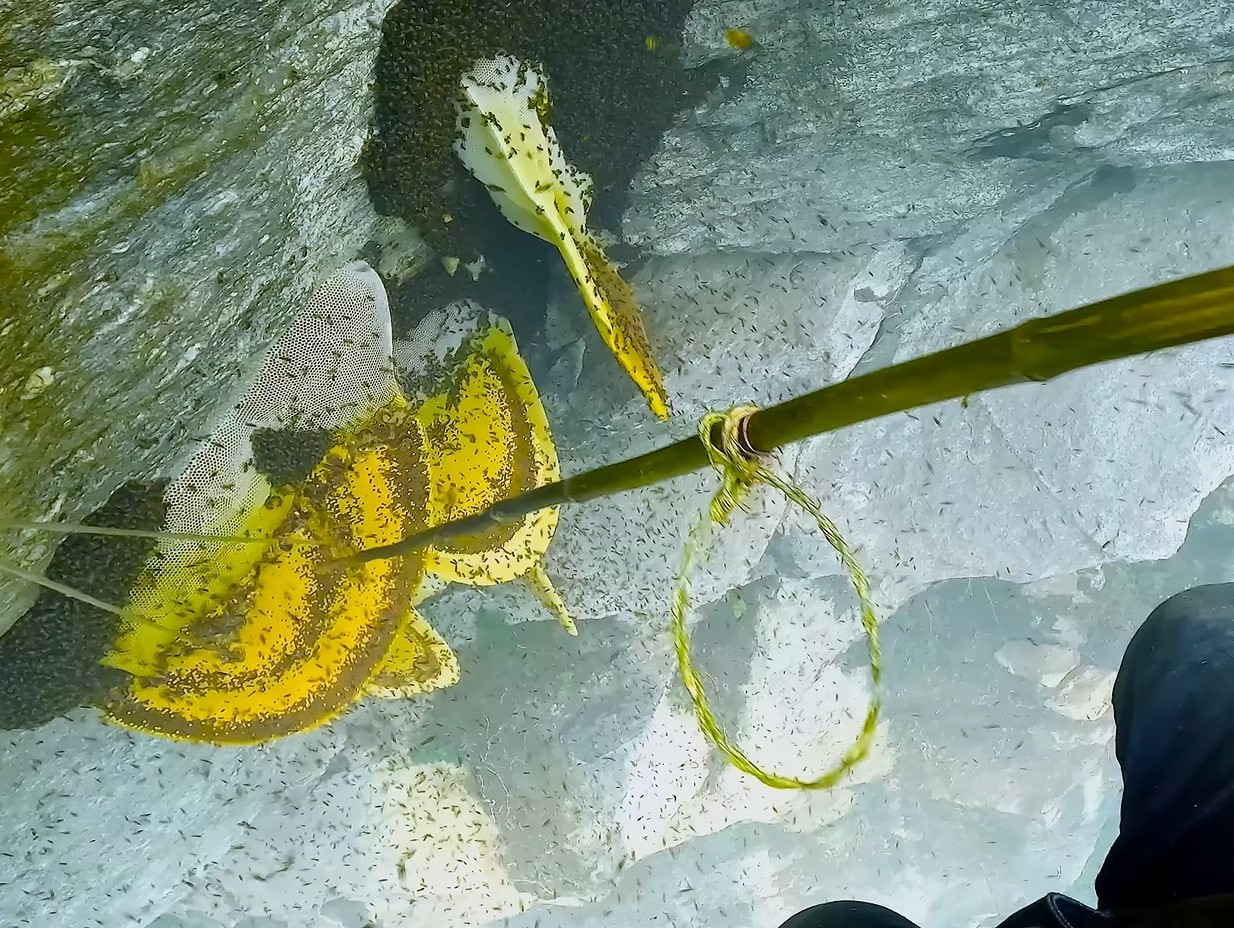
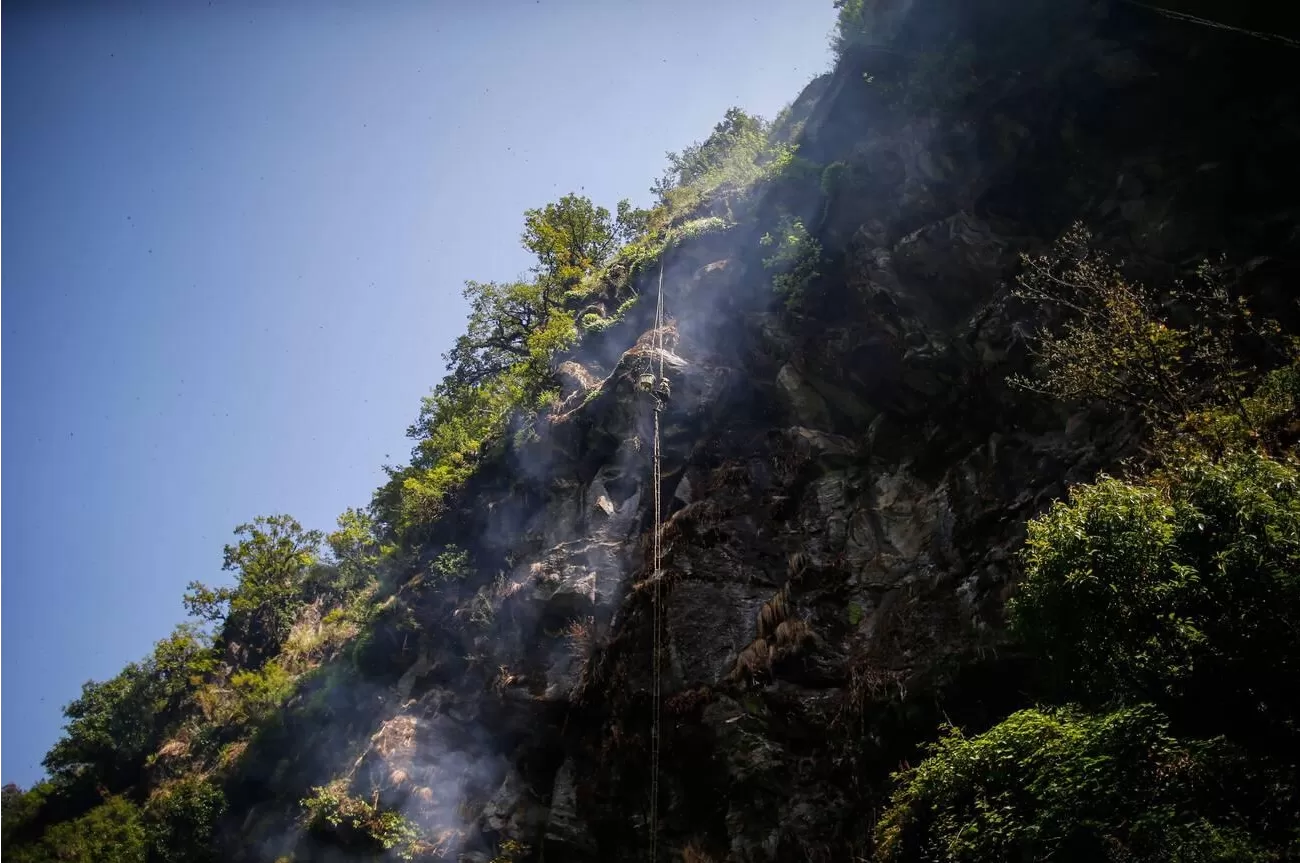
Watching honey hunters in action is nothing short of spectacular. The process begins with ritual ceremonies involving prayers and offerings to forest deities. The lead hunter, known as the "kuiche," descends the cliff face using rope ladders made from bamboo while smoke from burning green leaves is used to calm the bees. Working with remarkable precision, hunters use long poles to dislodge the honeycomb sections, which fall into baskets held by team members below.
The entire village participates in this communal activity, creating an atmosphere of celebration and unity. Visitors can observe from safe vantage points while photographers capture this incredible tradition against the backdrop of stunning Himalayan peaks.
The honey hunting tour offers more than just witnessing the harvest. Travelers stay in traditional Gurung homestays, experiencing authentic mountain hospitality. The Gurung people are renowned for their warmth and rich cultural heritage, including distinctive architecture, traditional dress, and folk traditions.
Evenings in Siurikhola come alive with cultural performances featuring traditional Ghatu dances, where villagers in colorful attire perform ancient rituals accompanied by madal drums and folk songs. You'll have opportunities to learn about Gurung customs, taste local cuisine prepared with fresh honey, and hear fascinating stories about the history and legends surrounding honey hunting.
The journey to Siurikhola is an adventure in itself. The region boasts breathtaking scenery characterized by terraced hillsides, dense rhododendron forests, gurgling mountain streams, and panoramic views of the Annapurna and Manaslu mountain ranges. The trekking routes pass through traditional villages where time seems to have stood still, offering glimpses into rural Nepalese life.
During spring (March to May), the hillsides explode with color as rhododendrons bloom in brilliant shades of red, pink, and white. The autumn months (October to November) provide crystal-clear mountain views and pleasant temperatures, making both seasons ideal for the honey hunting tour.
The forests surrounding Siurikhola are home to diverse wildlife including langur monkeys, Himalayan black bears, various bird species, and colorful butterflies. Nature enthusiasts will appreciate the rich biodiversity of this mid-hill ecosystem, where subtropical and temperate zones converge.
The honey hunting season in Siurikhola typically occurs twice annually. Spring harvests happen in April and May, while autumn harvests take place in October and November. These periods coincide with Nepal's prime trekking seasons, offering comfortable temperatures and minimal rainfall. The spring harvest is particularly popular as it follows the rhododendron blooming season, adding extra beauty to the journey.
The Siurikhola honey hunting tour involves moderate trekking through hilly terrain with elevation gains and losses. While you don't need to be an elite athlete, a reasonable fitness level is recommended. Daily walks of 4-6 hours on uneven paths require stamina and basic hiking experience. The elevation in Siurikhola ranges from approximately 1,200 to 2,000 meters, so altitude is not a significant concern.
Essential items for your honey hunting adventure include comfortable trekking boots with good ankle support, layered clothing for varying temperatures, rain gear and waterproof backpack cover, sun protection including hat and sunscreen, basic first aid kit and personal medications, camera with extra batteries and memory cards, flashlight or headlamp, reusable water bottle, and toiletries and wet wipes.
Many travelers combine the honey hunting experience with nearby trekking routes. The Annapurna Base Camp Trek is accessible from Lamjung and offers stunning views of the Annapurna massif. For those seeking shorter adventures, the Ghorepani Poon Hill Trek provides excellent mountain panoramas and can be combined with a visit to Siurikhola.
The Mardi Himal Trek is another excellent option in the Annapurna region, offering less crowded trails and intimate mountain views. For cultural enthusiasts, the Tamang Heritage Trek in the Langtang region showcases another fascinating ethnic community of Nepal.
If you're fascinated by honey hunting, Nepal offers similar experiences in other locations. The Honey Hunting Tour in Ludi provides another perspective on this ancient practice, while Honey Hunting in Ghanpokhara and Ghalegaun combines the experience with visits to traditional Gurung villages.
Tourism related to honey hunting provides vital income for remote mountain communities. By participating in these tours, travelers directly support the preservation of traditional practices and help improve local livelihoods. The income generated enables communities to maintain their cultural heritage while providing education and healthcare for their children.
Responsible tour operators work closely with local communities to ensure honey harvesting is sustainable. Traditional honey hunters understand the importance of leaving sufficient honeycomb for bee colonies to survive and thrive. This balanced approach has sustained the practice for centuries and serves as a model for sustainable resource use.
Visitors are encouraged to follow Leave No Trace principles, respect wildlife and natural habitats, support local businesses and homestays, and learn about conservation efforts in the region.
The journey to Siurikhola typically begins in Kathmandu, Nepal's capital city. From Kathmandu, travelers take a scenic drive to Besisahar or Khudi, the starting points for the trek to Siurikhola. The drive takes approximately 6-7 hours on winding mountain roads, offering spectacular views of terraced hillsides and river valleys.
For those exploring multiple destinations, consider the Kathmandu Pokhara Tour which can be extended to include the honey hunting experience. The beautiful lakeside city of Pokhara serves as a convenient base for accessing the Lamjung region.
Standard honey hunting tours in Siurikhola typically last 7 days, including travel time from Kathmandu. However, itineraries can be customized based on your interests and schedule. Some travelers prefer spending additional days in local villages to deepen their cultural understanding, while others combine the experience with longer treks in the Annapurna region.
While Siurikhola sits at a relatively modest elevation, proper preparation ensures a comfortable experience. Stay hydrated by drinking plenty of water, pace yourself during treks without rushing, listen to your body and communicate with guides, and carry basic medications for common ailments.
Observing honey hunting is generally safe as you'll be positioned at a secure distance from the active harvesting site. Professional guides ensure all safety protocols are followed. The smoke used during harvesting calms the bees, and hunters work with remarkable skill to minimize disturbance to the colonies.
Comprehensive travel insurance is strongly recommended for all adventure activities in Nepal. Ensure your policy covers trekking up to 3,000 meters, emergency evacuation, medical expenses, and trip cancellation or interruption.
The Gurung community maintains strong cultural traditions, and visitors should show appropriate respect by dressing modestly, especially when visiting homes and temples, asking permission before photographing people, removing shoes when entering homes and religious sites, accepting offered food and drink graciously, and avoiding public displays of affection.
While the honey hunting spectacle provides incredible photographic opportunities, always prioritize respect and safety. Request permission before photographing individuals, avoid using flash during ceremonies, and compensate locals fairly if they request payment for photographs. Remember that you're documenting someone's livelihood and cultural heritage.
Lamjung district, the birthplace of King Prithvi Narayan Shah who unified Nepal, offers historical significance beyond honey hunting. Visit the ancient Lamjung Durbar, explore traditional villages unchanged for centuries, and discover local temples and monasteries reflecting the religious diversity of the region.
For adrenaline seekers, the Lamjung area provides additional adventure opportunities. Try Paragliding in Pokhara, experience white water rafting on nearby rivers, or embark on mountain biking adventures through rural landscapes.
While Siurikhola is the most famous honey hunting location, comparing options helps you choose the best experience for your interests. Siurikhola offers the most authentic and traditional experience with strong Gurung cultural immersion, while other locations might provide easier access or different landscape features.
The experience in Siurikhola is particularly special because the community has maintained its traditional practices with minimal outside influence. The remote location ensures an authentic cultural encounter that many travelers find more meaningful than commercialized alternatives.
The honey harvested from Himalayan cliff faces, particularly that derived from rhododendron nectar, contains grayanotoxins that produce mild psychoactive effects when consumed in small quantities. Locally known as "mad honey," this substance has been used in traditional medicine for centuries to treat various ailments including hypertension, diabetes, and digestive issues.
However, consumption should be approached with caution and proper guidance. Local honey hunters understand the proper dosage and preparation methods. Modern travelers should respect these traditional practices and seek expert advice before consuming mad honey.
The honey hunting experience offers unexpected opportunities for personal reflection and mindfulness. Watching the intricate cooperation between hunters, the respect shown to nature, and the community bonds strengthened through this shared tradition can provide profound insights into sustainable living and human connection with the environment.
Many visitors report that their time in Siurikhola helps them disconnect from modern stresses and reconnect with simpler, more meaningful aspects of life. The absence of reliable internet and electricity in some areas encourages genuine human interaction and appreciation for natural beauty.
While honey hunting observation is suitable for families, consider the physical demands of trekking when traveling with children. Older children (10+) with trekking experience typically enjoy the adventure, while younger children might find the daily hiking challenging. Family-friendly alternatives include shorter day trips from more accessible locations or combining the experience with easier activities in nearby areas.
The cultural aspect of the tour, including staying in homestays and interacting with local children, provides valuable educational experiences for young travelers, fostering cross-cultural understanding and appreciation.
The honey hunting tour includes opportunities to taste authentic Gurung cuisine prepared with fresh, local ingredients. Typical dishes include dhindo (traditional millet porridge), gundruk (fermented leafy greens), local chicken or mutton curries, fresh vegetables from terraced gardens, and honey-infused treats and beverages.
Meals are typically served family-style, with everyone gathering around a communal setting. This dining experience facilitates conversation and cultural exchange, allowing travelers to learn about daily life and traditions directly from their hosts.
The harvested honey has distinctive characteristics depending on the flowers visited by the bees. Spring honey, often derived from rhododendron nectar, has a darker color and more robust flavor, while autumn honey tends to be lighter and sweeter. Tasting sessions allow you to appreciate these nuances while learning about the honey's properties and uses.
After your honey hunting experience, consider extending your stay to explore Nepal's world-renowned trekking routes. The Everest Base Camp Trek offers the ultimate Himalayan experience with views of the world's highest peak, while the Annapurna Circuit Trek takes you through diverse landscapes from subtropical valleys to high mountain deserts.
For those seeking less crowded alternatives, the Manaslu Circuit Trek or Langtang Valley Trek provide stunning scenery with more intimate cultural encounters.
Complement your adventure with cultural exploration through the Kathmandu Pokhara Chitwan Tour, which combines heritage sites, mountain scenery, and wildlife viewing. The Pilgrimage Tour offers spiritual insights into Nepal's Hindu and Buddhist traditions.
Animal lovers should consider adding the Bardiya National Park Tour to their itinerary, offering opportunities to spot Bengal tigers, one-horned rhinoceros, and diverse bird species in their natural habitat.
While your tour package covers most expenses, bring extra cash for personal purchases, tips for guides and porters, souvenirs and local handicrafts, and drinks and snacks beyond meals provided. ATMs are limited in rural areas, so withdraw sufficient cash in Kathmandu or Pokhara before departing.
Mobile phone reception in Siurikhola is limited and unreliable. Inform family and friends that communication may be sporadic during your trek. This digital detox can be refreshing, allowing you to fully immerse yourself in the experience without constant connectivity distractions.
Accommodation in Siurikhola typically consists of simple but clean homestays with local families. Facilities are basic, often with shared bathrooms and limited hot water availability. This authentic accommodation style is integral to the cultural experience, providing genuine insights into local life.
Responsible travelers can minimize their environmental footprint by using refillable water bottles with purification tablets, avoiding single-use plastics, carrying out all non-biodegradable waste, using eco-friendly toiletries, and supporting carbon offset programs.
The honey hunting tour exemplifies community-based tourism where benefits directly support local residents. This model ensures that tourism development aligns with community values and environmental conservation goals, creating a sustainable alternative to more exploitative tourism practices.
The honey hunting tour provides extraordinary photographic opportunities from dramatic cliff-face harvesting to cultural ceremonies and stunning landscapes. Photographers should bring versatile equipment including wide-angle lenses for landscapes, telephoto lenses for distant subjects and wildlife, and extra batteries and memory cards.
Consider the lighting conditions during different times of day for optimal photography. Early mornings and late afternoons provide the best light for landscape photography, while the golden hour before sunset creates magical atmospheric conditions.
While spring and autumn are optimal for honey hunting, understanding year-round weather patterns helps with planning. The monsoon season (June to September) brings heavy rainfall making trails slippery and leeches common, though the landscape is lush and green. Winter months (December to February) offer clear skies but cold temperatures, particularly at night, and the honey hunting season doesn't occur during this period.
The honey hunting experience offers numerous learning opportunities about traditional ecological knowledge, sustainable resource management, indigenous culture and traditions, mountain ecosystems and biodiversity, and community cooperation and social structures.
Students, researchers, and anyone interested in anthropology, ecology, or sustainable development will find the experience particularly enriching. Many universities and research institutions have documented honey hunting practices in Nepal, recognizing their significance in understanding human-environment relationships.
Both solo travelers and groups can enjoy the honey hunting tour, though each approach offers different advantages. Solo travelers or small groups receive more personalized attention and can adjust itineraries more flexibly, while larger groups benefit from shared costs and built-in companionship during the trek.
Many tour operators organize fixed departure group tours during peak honey hunting seasons, providing opportunities to meet fellow adventurers from around the world. Private tours can be arranged for those preferring exclusive experiences.
Traditional honey hunting faces several challenges including younger generations moving to cities, climate change affecting bee populations, modernization pressures, and maintaining economic viability. Tourism provides economic incentives for cultural preservation while raising awareness about the practice's significance.
Supporting responsible honey hunting tours contributes to documenting and preserving this intangible cultural heritage for future generations. Your participation becomes part of a larger conservation effort extending beyond simple adventure tourism.
The Honey Hunting Tour in Siurikhola, Lamjung, offers a rare opportunity to witness an ancient tradition that has survived largely unchanged for centuries. This experience transcends typical tourism, providing profound cultural insights and fostering appreciation for traditional ecological knowledge and sustainable living practices.
Whether you're an adventure enthusiast, cultural explorer, or nature lover, the honey hunting tour delivers an authentic Nepalese experience that few travelers encounter. The combination of spectacular Himalayan scenery, thrilling cliff-face harvesting, warm Gurung hospitality, and rich cultural traditions creates memories that last a lifetime.
As you watch skilled honey hunters descend steep cliffs with handmade rope ladders, you'll witness human courage, ingenuity, and respect for nature in perfect harmony. This is Nepal beyond the tourist trail—raw, authentic, and unforgettable.
Ready to embark on this extraordinary adventure? The cliffs of Siurikhola and the welcoming Gurung communities await your visit. Book your honey hunting tour today and become part of this living tradition that bridges ancient practices with modern appreciation for cultural heritage and environmental sustainability.
For more information about trekking and tours in Nepal, visit Explore Holiday Nepal and discover the adventures that await in the heart of the Himalayas.
Your Start Date is the day you land in Nepal, and your End Date is when you fly home.
If the set Honey Hunting Tour in Lamjung, Siurikhola group dates don’t suit your schedule, we can offer alternative dates upon request.
The Honey Hunting Tour in Lamjung was an incredible adventure! Watching the skilled locals climb cliffs to harvest honey was awe-inspiring. The landscapes around Siurikhola were stunning, and Explore Holiday Nepal ensured everything went smoothly with expert guides.
Honey hunting is a traditional practice in which local communities harvest honey from wild beehives, often located on steep cliffs. This age-old method showcases the skill and bravery of honey hunters, who utilize traditional techniques to safely collect honey while preserving local customs and culture.
Lamjung is a district in central Nepal, known for its stunning landscapes, diverse ecosystems, and rich cultural heritage. Siurikhola, a village within Lamjung, is renowned for its natural beauty and is a prime location for experiencing honey hunting. The area offers breathtaking views of the Himalayas and lush green hills.
During a honey hunting tour, participants can observe the techniques used by local hunters, learn about the cultural significance of honey harvesting, and witness the thrilling process of climbing to collect honey. The experience is not only about the honey but also about engaging with local traditions and the stunning natural environment.
Yes, many tour operators offer opportunities for tourists to actively participate in honey hunting. This includes climbing with local hunters, learning about their techniques, and experiencing the excitement of harvesting honey firsthand. It’s advisable to book with a reputable operator for a safe and authentic experience.
In addition to honey hunting, visitors can enjoy trekking, birdwatching, and exploring local villages in Lamjung. The region is known for its diverse wildlife, scenic landscapes, and rich cultural experiences, making it a great destination for nature lovers and adventure seekers.
The best time for honey hunting in Lamjung is generally from March to May and September to November. These months provide favorable weather conditions and active bee populations, making it safer and more productive for honey hunters.
While honey hunting involves inherent risks due to climbing and potential bee stings, local honey hunters are experienced and use traditional methods to minimize danger. Participating under the guidance of local experts can enhance safety and provide valuable insights into the practice.
Honey hunters typically use basic climbing gear such as ropes, ladders, and baskets for collecting honey. They may also employ smoke from burning materials to calm the bees, reducing the likelihood of stings. The techniques can vary based on local traditions and practices.
To prepare for a honey hunting tour, wear sturdy shoes suitable for climbing and comfortable clothing appropriate for outdoor activities. Bringing along a water bottle, sunscreen, and a camera is recommended. Being open to learning about local customs and practices will enrich your experience.
Accommodation options in Lamjung and Siurikhola typically include guesthouses and homestays. These provide a chance to experience local hospitality and traditional cuisine, with some places offering basic amenities and a cozy atmosphere.




 (34)
(34) 