Explore Holiday Nepal

Kanchenjunga North Base Camp Trekking

  • Best price guaranteed
  • No booking fees
  • Book Now, Pay Later
from 1 reviews
Kanchenjunga North Base Camp Trekking
Days
16
  • Best price guaranteed
  • No booking fees
  • Book Now, Pay Later
Share
Print
Max. Elevation
4785 m / 15698 ft
Group size
Level
Difficult
Transportation
Domestic flight as per Itinerary and all around transportation
Best Season
Mar - May, Sep - Nov
Starts at / Ends at
Kathmandu / Kathmandu
Accomodation
Hotel in Kathmandu and Tea House / Lodge during the trek
Meals
All meals during the trek and breakfast in Kathmandu
Trip Route

Highlights

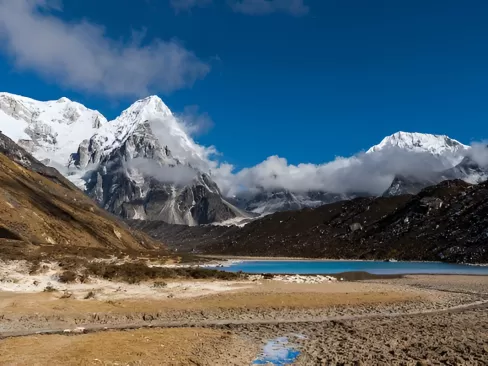
  • Get close-up views of the towering Kanchenjunga North Face, along with stunning panoramas of surrounding peaks such as Jannu, Makalu, and the distant Tibetan Plateau.
  • The North Base Camp Trek is less frequented than other popular treks in Nepal, offering a peaceful and serene experience in the untouched wilderness.
  • The trek challenges you with high-altitude landscapes, steep climbs, rocky terrain, and glaciers, all rewarding you with breathtaking views.
  • Trek through villages of indigenous communities like the Limbu and Rai, where you can experience traditional Nepalese culture and hospitality.
  • The region is rich in biodiversity, with forests of rhododendrons, pines, and oaks, as well as the possibility of encountering wildlife such as snow leopards, red pandas, and Himalayan tahr.
  • Reach the Kanchenjunga North Base Camp at an altitude of 5,143 meters, where you are surrounded by towering peaks and glaciers.
  • This trek takes you closer to the Tibetan border, with a strong influence of Tibetan culture and Buddhist monasteries along the route.

Overview

Kanchenjunga North Base Camp Trek: Your Guide to Nepal's Most Remote Adventure

Here's something most trekkers don't realize—you can get to Kanchenjunga's North Base Camp without doing the full circuit. The Kanchenjunga North Base Camp Trek is basically the highlight reel: you skip the south side and focus entirely on reaching Pangpema, the viewpoint below the third highest mountain on Earth.

This trek sits in far eastern Nepal, almost touching Tibet and Sikkim. It's remote, challenging, and sees way fewer trekkers than the popular routes. While everyone's crowding Everest Base Camp or the Annapurna Circuit, you'll be walking through valleys where you might not see another foreign face for days.

The trek usually takes 18-22 days depending on your pace and itinerary. You'll start from Suketar (also called Taplejung airport area), trek through subtropical forests and traditional villages, and eventually reach North Base Camp at 5,143 meters. Along the way, you get massive mountain views, genuine cultural experiences, and the kind of solitude that's becoming rare in Nepal.

But let's be clear upfront—this isn't an easy trek. It's long, high, and remote. You need previous trekking experience and proper fitness.

Why Choose North Base Camp Over the Full Circuit?

Good question. The full Kanchenjunga Circuit visits both North and South Base Camps, which is incredible but also adds days and difficulty. The North Base Camp Trek focuses on one side, which means:

Shorter duration: 18-22 days versus 22-25+ days for the circuit. If you've got limited vacation time but still want the Kanchenjunga experience, this works.

Single base camp focus: You spend more time and energy getting to Pangpema rather than rushing between two base camps. Some people prefer this concentrated approach.

Same spectacular views: The north face of Kanchenjunga from Pangpema is arguably even more dramatic than the south face. You're not missing out on mountain views.

Slightly less demanding: Skipping the second base camp and the connecting passes makes the overall trek somewhat less grueling. Still hard, just not quite as hard.

That said, if you've got the time and fitness, the full circuit is amazing. But the North Base Camp Trek is no consolation prize—it's a world-class adventure on its own.

The Mountain: Kanchenjunga Up Close

Kanchenjunga stands at 8,586 meters (28,169 feet), making it the third highest peak in the world. The name means "Five Treasures of Snow" in Tibetan, referring to its five distinct summits. Locals consider it sacred, and climbers who summit traditionally stop a few feet below the true peak out of respect.

From Pangpema (North Base Camp), you'll be staring directly at this massive wall of ice and rock. On clear days, you'll also see neighboring giants like:

  • Jannu (7,710m) - Also called Kumbhakarna, with one of the most difficult north faces in the Himalayas
  • Makalu (8,485m) - The fifth highest peak, visible in the distance
  • Lhotse (8,516m) - The fourth highest, connected to Everest

Plus dozens of other peaks above 6,000 and 7,000 meters that would be famous anywhere else but get overshadowed here by their enormous neighbors.

The Route: Where You'll Actually Walk

The Kanchenjunga North Base Camp Trek follows a valley approach, gradually gaining altitude over days.

Starting Point: Suketar/Taplejung

Most itineraries fly from Kathmandu to Bhadrapur, then drive through Ilam (famous for tea plantations) to Suketar at around 2,300-2,400 meters. This is where your feet start moving.

Some older itineraries skip the flight and do a long multi-day jeep ride from Kathmandu. Don't do this unless you love punishment—the roads are brutal and it wastes days you could spend trekking.

Lower Section: Subtropical Forests and Villages

The first few days take you through surprisingly lush terrain. Dense forests, terraced fields, small villages where life moves at mountain pace. You'll pass through Limbu and Rai communities in the lower sections—indigenous groups with their own languages and traditions.

The walking isn't technically difficult here, just long days with plenty of ups and downs. Nepal's hills don't believe in flat trails. You climb out of one valley just to descend into the next.

Middle Section: Ghunsa Valley

Ghunsa village (3,480m) is where things shift culturally and geographically. This is a substantial Sherpa settlement with strong Tibetan Buddhist influences. Prayer flags everywhere, a monastery, mani walls, spinning prayer wheels. The stone houses have flat roofs, and yaks wander the streets.

You'll spend a rest day here for acclimatization—use it wisely. Short hike to higher elevation, plenty of fluids, lots of rest. Your body needs time to adjust before pushing higher.

Upper Section: High Mountains

From Ghunsa, the trail continues up-valley through progressively smaller settlements: Khambachen (4,000m) and Lhonak (4,780m). Each village gets more remote, more basic, more stark.

The landscape changes dramatically. Trees disappear. The valley widens. Mountains dominate every view. You're walking on moraines—rocky debris left by glaciers—and the terrain gets rougher.

By the time you reach Lhonak, you're at nearly 5,000 meters. The air is noticeably thin. Lodges are extremely basic. It's cold at night. Really cold.

Pangpema: North Base Camp (5,143m)

From Lhonak, it's a 3-4 hour push to Pangpema at 5,143 meters. This is the viewpoint for Kanchenjunga North Base Camp—the actual climbing base camp is a bit higher, but Pangpema is where trekkers go.

The hike isn't technically difficult, just high and tiring. You're above 5,000 meters, so your body's running on about 50% of the oxygen it gets at sea level. Every step requires conscious effort.

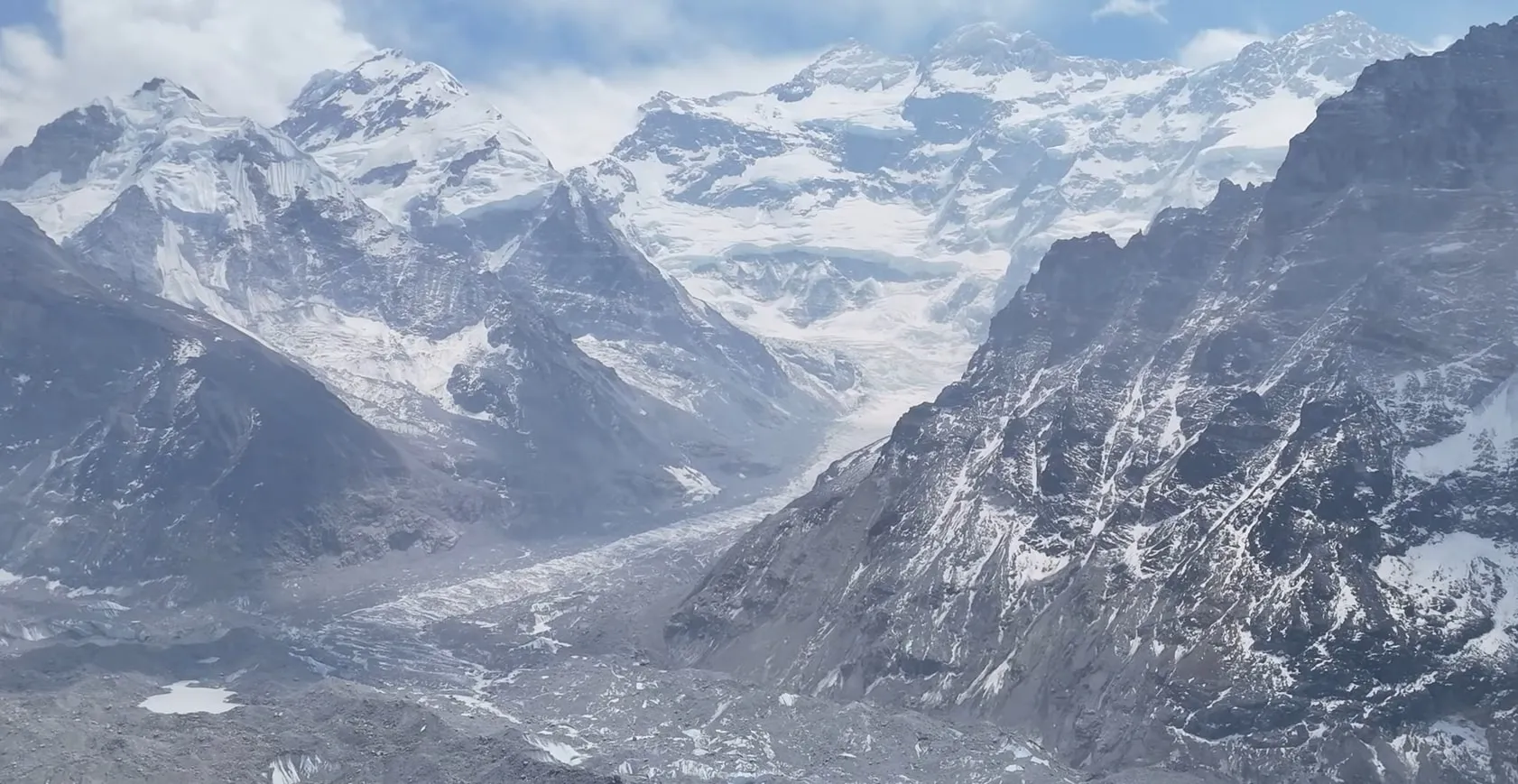
And then you arrive, and the north face of Kanchenjunga absolutely fills your vision. It's so close, so massive, that your brain struggles to process the scale. The mountain rises almost vertically for thousands of meters, ice and rock glowing in the sun.

Most people spend an hour or two at Pangpema, then head back down to Lhonak to sleep. You don't want to sleep at 5,143m if you can avoid it—your body recovers better at lower altitude.

Cultural Experience: Who You'll Meet

The Kanchenjunga North Base Camp Trek isn't just mountains. The cultural immersion is genuinely rich.

Lower Elevations: Limbu and Rai People

The Limbu are one of Nepal's indigenous groups with their own distinct language and traditions. They're warm, curious, and often invite trekkers to try their local brew—tongba (fermented millet served warm) or raksi (strong local alcohol). Accepting is polite. Just pace yourself.

Rai communities also inhabit parts of the route. Both groups practice terraced farming on impossibly steep slopes, maintain traditional customs, and have their own festivals and dances.

Higher Elevations: Sherpa and Tibetan Buddhist Communities

Around Ghunsa and higher, you enter Sherpa territory with strong Tibetan Buddhist culture. The shift is immediately visible:

  • Monasteries with colorful paintings and statues
  • Prayer flags strung everywhere
  • Chortens (Buddhist stupas) marking sacred spots
  • Locals circumambulating monuments while spinning prayer wheels

Visit Ghunsa monastery if you can. Watch monks performing ceremonies. The spiritual atmosphere is palpable—chanting echoing off mountains, incense in the air, horns calling across valleys.

What makes the cultural experience authentic is that these are real communities living their normal lives. You're not visiting cultural shows staged for tourists. Kids play in streets, families work their fields, elders share stories. Life continues with or without trekkers.

Best Time for Kanchenjunga North Base Camp Trek

Timing matters enormously for this trek.

Spring (March to May) - Prime Season

Spring is peak trekking time. March can still be cold with snow at high passes, but April and May offer ideal conditions.

The famous rhododendron forests bloom spectacularly in spring—hillsides covered in red, pink, and white flowers. It's gorgeous, especially in the lower and middle elevations.

Weather stabilizes with clear skies and good visibility. Temperatures are manageable—warm in lower valleys, cold but not brutal at high camps. You'll need a good sleeping bag, but you won't freeze.

The downside? More trekkers. Though "crowded" on this trek means you might see 10-15 other groups total. It's still far quieter than popular routes.

Autumn (September to November) - Also Excellent

After monsoon clears in September, autumn brings the clearest skies of the year. October especially offers stunning visibility—mountains seem close enough to touch.

Temperatures are comfortable for trekking. September retains some monsoon warmth. October is perfect. November gets colder but remains manageable with proper gear.

Culturally, autumn coincides with Nepal's major festivals—Dashain and Tihar. You might witness celebrations in villages, which adds another dimension to the trek.

Winter (December to February) - Hardcore Only

Winter trekking is possible but seriously challenging. Heavy snow can close passes. Temperatures drop to -20°C or lower at high camps. Most upper lodges close as locals migrate down for winter.

Only attempt winter if you have extensive cold-weather experience, proper gear (4-season sleeping bag, down suit), and flexible schedule for weather delays.

The reward? Total solitude, pristine snow, crystal-clear skies. And bragging rights for completing one of Nepal's toughest treks in its hardest season.

Monsoon (June to August) - Skip It

Monsoon makes this trek miserable. Heavy rain, muddy trails, leeches in lower forests, swollen rivers, landslide risk. Mountain views hide behind clouds most days.

Some people still trek during monsoon for extreme solitude and lower prices. But for most trekkers, the negatives far outweigh any benefits.

Difficulty Level: What You're Actually Getting Into

The Kanchenjunga North Base Camp Trek is hard. Not technical climbing hard, but genuinely challenging in multiple ways.

Duration: 18-22 days of consecutive trekking. That's nearly three weeks of walking 5-8 hours daily. Your body needs endurance beyond basic fitness.

Altitude: You'll spend multiple nights above 3,000 meters and reach above 5,000 meters at base camp. Altitude sickness is a real risk. Proper acclimatization is crucial—follow the itinerary's rest days, ascend gradually, stay hydrated.

Remoteness: Help is far away. Helicopter evacuation from this region is complicated and expensive. This demands taking safety seriously—proper preparation, travel insurance, listening to your body.

Terrain: Ranges from good trails to rocky moraines to steep sections requiring concentration. Not technical, but demanding. Trekking poles are essential, not optional.

Facilities: Basic teahouses in lower sections, very basic lodges higher up. No hot showers for days. Pit toilets. Minimal electricity. If you need comfort to function, this isn't your trek.

Who should attempt this?

You should have:

  • Previous multi-day trekking experience (ideally 2-3 treks of 7+ days)
  • Experience at altitude (at least one trek to 4,000+ meters)
  • Good general fitness (comfortable walking 6-8 hours with a daypack)
  • Mental toughness for discomfort and uncertainty
  • Flexible schedule (weather can force delays)

If your biggest outdoor challenge is day hikes, this isn't your next step. Build up gradually. Do the  Annapurna Base Camp Trek ,  Langtang Valley Trek , or  Everest Base Camp Trek  first. Learn how your body handles altitude and sustained effort. Then come to Kanchenjunga.

Getting There: Transportation Logistics

The journey to the trailhead is part of the adventure.

Kathmandu to Bhadrapur (Flight)

The typical route starts with a flight from Kathmandu to Bhadrapur, a small town in southeastern Nepal near the Indian border. The flight takes about 45 minutes and offers great mountain views if you get a window seat on the right side.

Bhadrapur sits at low elevation, hot and humid—completely different from Kathmandu. The airport is small and chaotic in that charming Nepal way.

Bhadrapur to Ilam (Drive)

From Bhadrapur, you drive to Ilam, a hill station famous for tea plantations. The drive takes 3-4 hours through winding roads with nice scenery. Ilam sits at around 1,200-1,400 meters, cooler than Bhadrapur.

You'll usually spend a night in Ilam at a decent hotel—last chance for real comfort before the trek starts.

Ilam to Suketar (Drive)

The next day brings a longer drive from Ilam to Suketar (around 2,300-2,400m), where the trek officially begins. This drive takes 5-6 hours on progressively rougher roads. By Nepal standards, it's not the worst road, but it's bumpy and dusty.

Some itineraries fly directly from Kathmandu to Suketar/Taplejung airport, which saves driving time but depends on weather and flight availability. The small planes only operate in good conditions.

Explore Holiday Nepalarranges all transportation logistics, so you don't have to worry about finding jeeps or navigating local transport.

Weather and What to Pack

Weather on the Kanchenjunga North Base Camp Trek varies dramatically with elevation.

Lower Elevations (Below 3,000m)

Expect temperatures of 10-20°C during the day, dropping to 5-10°C at night. It can be humid in the forests. You might trek in just a t-shirt during the day.

Middle Elevations (3,000-4,000m)

Daytime temperatures range from 5-15°C, nights drop to 0-5°C. You'll need layers—base layers, fleece, and warm jacket for evenings.

High Elevations (Above 4,000m)

Daytime temperatures hover around 0-10°C, nights drop well below freezing. At North Base Camp, expect temperatures around -5 to -15°C depending on season and time of day. Proper cold-weather gear is essential.

What to Pack

Clothing:

  • Base layers (2-3 sets) - wool or synthetic, no cotton
  • Mid-layers - fleece jacket, down jacket (quality matters at altitude)
  • Outer shell - waterproof/windproof jacket and pants
  • Trekking pants (2), shirts (3) - quick-dry materials
  • Warm hat, sun hat, gloves (light and heavy pairs)
  • Wool/synthetic socks (5-6 pairs)

Footwear:

  • Well-broken-in waterproof trekking boots with ankle support
  • Camp shoes or sandals (foot relief at lodges)
  • Gaiters (keep debris and snow out of boots)

Essential Gear:

  • Sleeping bag rated to -15°C minimum (lodges provide blankets but insufficient)
  • Trekking poles (essential for knee protection and stability)
  • Headlamp with extra batteries (cold drains them fast)
  • Water bottles or hydration system (3 liters capacity)
  • Sunglasses with UV protection
  • Sunscreen SPF 50+ and lip balm with SPF

Medical Kit:

  • First aid supplies (bandages, antiseptic, blister treatment)
  • Altitude sickness medication (discuss Diamox with doctor)
  • Pain relievers, anti-diarrhea medication
  • Water purification tablets or filter
  • Personal prescriptions (bring extras)

Electronics:

  • Camera and extra batteries/memory cards
  • Power bank (charging opportunities limited and expensive)
  • Phone (mostly for photos—signal is rare)

Accommodation: Setting Realistic Expectations

Lodges on the Kanchenjunga North Base Camp Trek range from decent to extremely basic.

Lower sections (Suketar to Ghunsa): Standard trekking lodges. Private or semi-private rooms with foam mattresses. Communal dining areas. Shared bathrooms with (sometimes) hot water for extra fee. Comfortable enough.

Ghunsa: Decent lodges by mountain standards. Multiple options, electricity from solar panels, even a possible hot shower (for a fee). This is your last taste of relative comfort before going higher.

Upper sections (Khambachen, Lhonak): Very basic lodges. Small rooms with thin mattresses, basic blankets (your sleeping bag is essential), shared pit toilets, no showers (wet wipes become your friend), minimal electricity, communal dining heated by yak-dung stoves.

Is it uncomfortable? Compared to home, absolutely. But you have shelter, hot meals, and company. That's luxury at nearly 5,000 meters.

The lodges are family-run, not commercial hotels. Owners are opening their homes to you. Treat them and their property with respect. Be patient with service—they're cooking for everyone over wood fires. Be generous with tips at the end.

Food: Fueling Your Trek

Food is simple, filling, and designed to power you through long days.

Lower elevations offer variety: dal bhat (rice and lentils), momos (dumplings), fried rice, noodle soups, Tibetan bread, pancakes, eggs. Food is fresh and menus are longer.

Higher elevations: Menus shrink. Dal bhat becomes the staple—unlimited servings of rice, lentil soup, vegetables. "Dal bhat power, 24 hour" is the trekking motto because it genuinely fuels you effectively.

Other high-altitude options include potato dishes, noodle soups, and Tibetan bread. Don't expect gourmet meals. Expect warm, filling food that keeps you moving.

Bring supplemental snacks from Kathmandu: energy bars, chocolate, nuts, dried fruit. When altitude kills your appetite, familiar comfort food helps. Just pack out all wrappers—leave no trace is crucial.

Safety and Health Considerations

The trek's remoteness demands serious attention to safety.

Altitude Sickness Prevention:

  • Follow the itinerary's acclimatization schedule religiously
  • Ascend slowly—don't skip rest days to finish faster
  • Stay hydrated (3-4 liters daily minimum)
  • Recognize symptoms early (headache, nausea, dizziness, fatigue)
  • Descend immediately if symptoms worsen or don't improve with rest

Communication Challenges:

  • Phone signal is nonexistent in most areas
  • Satellite phones are recommended for emergencies
  • Your guide has communication devices
  • Inform family of your itinerary and expected return

Travel Insurance is ESSENTIAL:

You absolutely must have insurance covering:

  • Helicopter evacuation from high altitude (6,000m minimum coverage)
  • Medical treatment for altitude-related illnesses
  • Emergency repatriation to your home country
  • Trip cancellation/interruption

Helicopter evacuation from remote Kanchenjunga regions can cost $10,000+ without insurance. Don't skip this. One emergency flight covered by insurance versus financial ruin? Easy choice.

Why Book with Explore Holiday Nepal

Choosing the right trekking company matters for a trek this challenging.

Local Expertise: Explore Holiday Nepal is locally based with deep knowledge of the Kanchenjunga region. Their guides have done this trek dozens of times. They know which lodges offer the best food, where to adjust pace based on weather, and how to recognize altitude sickness before it becomes serious.

Safety Focus: This company prioritizes your safety above profit. Guides carry comprehensive first aid equipment, understand evacuation procedures, and make conservative decisions when weather threatens. They've invested in proper training because they understand the consequences of cutting corners in remote mountains.

Logistics Handled: From Kathmandu airport pickup to Bhadrapur flights to jeep arrangements to lodge bookings—everything's coordinated. You just show up and trek. No scrambling to find transport or accommodation.

Transparent Pricing: No hidden fees or surprise costs. Permits, accommodation, meals during trek, guide and porter wages—everything's clearly outlined upfront. You know exactly what you're paying for.

Sustainable Practices: Employs local guides and porters, directly supporting mountain communities. Follows strict leave-no-trace principles. Their tourism model benefits local economies while preserving the region's cultural and natural heritage.

Emergency Support: Things can go wrong in mountains—weather emergencies, injuries, sudden illness. Explore Holiday Nepal has 24/7 emergency support in Kathmandu, established relationships with helicopter rescue companies, and protocols for every conceivable situation. That backup is priceless when you're days from the nearest road.

What Makes This Trek Special

The Kanchenjunga North Base Camp Trek isn't Nepal's most popular route. It's not the easiest or most accessible.

But for experienced trekkers seeking genuine adventure in one of the world's last remote mountain regions, it's extraordinary. The combination of the massive third-highest peak, authentic Sherpa culture, real solitude, and serious physical challenge creates an experience that popular treks cannot match.

You'll work hard for three weeks. Your body will hurt. You'll sleep in basic lodges and go days without showers. Weather might force schedule changes. The altitude will challenge you.

And you'll return home with memories and photos lasting a lifetime. You'll have stood at the base of Kanchenjunga's north face, one of the most spectacular mountain walls on Earth. You'll have walked through terrain few people ever see. You'll have tested your limits and discovered reserves of strength you didn't know existed.

The Kanchenjunga North Base Camp Trek rewards those brave enough to venture beyond standard routes. If you've got the fitness, experience, time, and adventurous spirit, this trek deserves serious consideration.

Just make sure you're properly prepared, choose a reliable company like Explore Holiday Nepal, and approach the journey with the respect these mountains demand. Do that, and Kanchenjunga will give you an adventure you'll measure all others against.

Top Blogs About Trekking in the Kanchenjunga Region:

Uncover the best blogs about trekking in the Kanchenjunga region, featuring expert advice, detailed itineraries, personal experiences, and essential tips for adventurers looking to explore the Himalayas.

Altitude Sickness on Nepal Treks: Symptoms, Treatment, and When to Descend (Complete Guide) 

Ultimate Kanchenjunga Circuit Trek Guide

Amazing Facts About the Kanchenjunga Circuit Trek

Kanchenjunga North vs. South Base Camp: Which is Better?

Trekking Kanchenjunga Circuit: Routes, Planning & Survival Tips for Adventurers

Amazing Top Facts of Mount Kanchenjunga

Nepal Trekking Permits: Costs, Types, and How to Get Them

Nepal Trekking: What’s the Best Time to Go?

Budget Trekking in Nepal: Tips, Trails, and Tricks

Exploring Nepal’s Wildlife and Nature

Trekking Through Nepal: A Journey into the Himalayas

Top 10 Mountain Peaks in Nepal

Monastery Life in Nepal: Finding Peace in the Heart of the Himalayas 

Exploring Nepal’s Hidden Gem: The Manaslu Circuit Trek


Important Note

Trip Itinerary

Early morning flight to Bhadrapur—about 45 minutes with decent mountain views if you're lucky with the weather. From there, it's a 5-hour drive to Ilam through winding hill roads. The scenery's nice—rolling green hills, tea plantations everywhere.
Ilam's known for its tea gardens and feels cooler than Bhadrapur. You'll stay in a local lodge tonight, nothing fancy but comfortable. Good place to rest up before the actual trekking starts tomorrow.
Five hours of driving today on winding mountain roads to Taplejung. The roads are bumpy and dusty—typical Nepal hill driving. You'll pass through small villages and see local life along the way.
Taplejung's the official gateway to the Kanchenjunga region. It's a small hill town where you'll stay tonight in a local lodge. Take the evening to walk around, grab dinner, and rest. Tomorrow the trekking actually starts.
Today, you’ll drive to Sekathum, a quiet village on the banks of the Tamor River. The scenic drive takes several hours, offering glimpses of rural life, terraced fields, and lush forests. Sekathum is the perfect spot to relax before the trek begins, with peaceful surroundings and fresh mountain air. On arrival, settle into your lodge, enjoy dinner, and prepare for the adventure ahead. It’s a calm start to a thrilling Himalayan journey.
From Sekathum, your trek begins into the heart of the Kanchenjunga Conservation Area. Over roughly five hours, the trail winds through terraced fields, dense forests, and small villages. You’ll gradually ascend to Amjilosa, a serene settlement with beautiful views of surrounding peaks. Along the way, enjoy glimpses of local wildlife and the natural beauty of eastern Nepal. Once in Amjilosa, relax at a teahouse, soak in the peaceful environment, and share stories with fellow trekkers.
Today’s trek is a shorter four-hour journey from Amjilosa to Gyabla. The trail passes through lush forests and open alpine meadows, offering occasional glimpses of snow-capped peaks. Birdsong and wildlife add to the charm of the surroundings. Gyabla, surrounded by pristine nature, is an ideal spot to rest, enjoy the views, and capture photographs. The village provides an authentic Himalayan trekking experience with its peaceful setting and welcoming atmosphere. This day allows time to appreciate the beauty around you.
The trek from Gyabla to Ghunsa takes about four hours, gradually ascending through forests, streams, and alpine meadows. As you climb higher, the air becomes crisper, and the landscape more dramatic, with stunning mountain vistas opening up. Ghunsa is a picturesque village known for its traditional Tibetan culture and warm hospitality. On arrival, check into your lodge and enjoy the serene surroundings. Take time to explore the village and admire the views of Kanchenjunga and nearby peaks, soaking in the Himalayan charm.
To help your body adjust to the altitude, today is a rest and acclimatization day in Ghunsa. Take short hikes to nearby viewpoints or explore the village, interacting with locals and learning about their culture. The day is for gentle activity, hydration, and relaxation to prevent altitude sickness. Enjoy the peaceful environment, breathe in the crisp mountain air, and take photographs of the surrounding peaks. This day ensures your body is prepared for the challenging days ahead in the Kanchenjunga region.
After acclimatizing, continue your trek to Kambachen. The trail climbs gradually through alpine meadows, forests, and small streams, providing scenic views of surrounding mountains. The four-hour hike allows you to capture photos, enjoy wildlife sightings, and feel immersed in nature. Upon arrival at Kambachen, relax at your lodge and enjoy the tranquil environment. This peaceful spot offers stunning views of Kanchenjunga and neighboring peaks, giving you the chance to reflect on your trek and prepare for the upcoming acclimatization day.
Another rest day is scheduled at Kambachen to let your body adjust to the high altitude. Gentle walks to nearby viewpoints are encouraged, or simply enjoy the serene surroundings of the lodge. Hydration, rest, and light activity are essential today to prepare for the challenging treks ahead. Use the day to take photos, explore the local flora, and appreciate the breathtaking views. This day ensures your body is ready for higher altitudes while providing time to relax and reflect on your journey so far.
Today, trek from Kambachen to Lhonak, gradually ascending through rocky terrain, moraines, and alpine meadows. The four-hour hike offers dramatic views of glaciers, high ridges, and Kanchenjunga’s northern face. Lhonak is a peaceful high-altitude settlement surrounded by breathtaking mountain scenery. Upon arrival, settle into your lodge and take in the beauty of the Himalayan peaks. This stretch combines moderate trekking with some of the most spectacular vistas of the region, preparing you for the upcoming North Base Camp adventure.
One of the highlights of your trek: a challenging day trip to Kanchenjunga North Base Camp. The 8-hour round trip rewards you with up-close views of the world’s third-highest peak, glaciers, and surrounding mountains. Experience the awe-inspiring landscapes and enjoy a sense of accomplishment at the base camp. After soaking in the scenery, retrace your steps back to Lhonak for the night. The day is physically demanding but provides some of the most unforgettable moments and photo opportunities of your trek.
After visiting the North Base Camp, begin the seven-hour trek back to Ghunsa. The descent allows you to enjoy the changing scenery in a more relaxed pace. Along the way, notice familiar landscapes from a fresh perspective, and take in the last glimpses of the high-altitude glaciers and peaks. Upon arrival in Ghunsa, rest at your lodge and reflect on the incredible experience. This day combines beautiful scenery, cultural encounters, and the satisfaction of having completed the North Base Camp journey.
Today, you’ll trek from Ghunsa back to Amjilosa. The seven-hour journey passes through forests, meadows, and small villages, gradually descending to lower altitudes. The trail offers a chance to relax your muscles while soaking in the natural beauty of the region. Upon arrival, enjoy the peaceful surroundings and the hospitality of the teahouses. This section allows trekkers to reflect on the high-altitude adventure and appreciate the vibrant flora, fauna, and scenic views as they return to familiar landscapes.
From Amjilosa, continue the descent to Sekathum. The six-hour trek passes through gentle hills, streams, and forests, providing a final opportunity to connect with nature. Once in Sekathum, settle into a comfortable lodge and reflect on the incredible journey. The tranquil village atmosphere allows for relaxation and capturing final photographs of the eastern Himalayan landscapes. This day’s trek is less strenuous, giving trekkers time to enjoy the peaceful surroundings before the concluding drive.
On the final trekking day, drive from Sekathum to Taplejung, then continue to Bhadrapur. The scenic eight-hour drive offers last glimpses of rural villages, terraced fields, and forests. This is a reflective journey, allowing you to soak in the natural beauty of eastern Nepal one last time. Upon arrival in Bhadrapur, rest at your lodge and prepare for your flight back to Kathmandu. It’s a day to relax, enjoy the scenery, and cherish the memories of your trek.
Conclude your journey with a flight from Bhadrapur back to Kathmandu. The one-hour flight provides stunning aerial views of the eastern Himalayan range, giving you a final perspective of the mountains you’ve explored. Upon arrival, you’ll have time to rest or explore the city, reflecting on your unforgettable adventure in the Kanchenjunga region. This marks the end of your trek, leaving you with lasting memories, incredible photos, and a deep appreciation for Nepal’s natural and cultural treasures.
Not satisfied with this itinerary? Make your own.
Plan My Trip

Includes

  • All arrival and departure transportation (airport to hotel and vice versa).
  • Domestic flights Kathmandu-Bhadrapur-Kathmandu.
  • All necessary trekking permits (including Kanchenjunga Conservation Area Permit).
  • Full board during the trek (meals: breakfast, lunch, dinner).
  • Trek guide and porters (with wages, meals, accommodation, and insurance).
  • Comprehensive medical kit with guide.

Doesn't Include

  • Nepal visa and medical/travel insurance.
  • Single room accommodation (if preferred) at extra cost.
  • Emergency evacuation (any transport/helivac services).
  • Personal trek gear (sleeping bag, jackets, duffel bag, etc.).
  • Additional snacks, refreshments, and drinking water.
  • Extra costs for early trek departure (personal reasons/illness).
  • Personal medical kit based on doctor's advice.

Trip Info

Kanchenjunga North Base Camp Trekking Difficulty

The Kanchenjunga North Base Camp Trek is a challenging trek, primarily due to its high altitude, remote location, and rugged terrain. It is an ideal trek for experienced trekkers who have previously undertaken long treks in high-altitude environments. The route involves long hiking days through steep ascents and descents, with some sections of the trail requiring stamina and endurance to navigate.

The trek reaches a maximum elevation of 5,143 meters at the North Base Camp, which increases the risk of altitude sickness. As such, acclimatization is vital to ensure a safe and successful trek. Explore Holiday Nepal designs its itineraries to include sufficient rest days and gradual elevation gains to minimize the risk of altitude-related issues. In addition, trekkers should be prepared for basic tea house accommodations, which can sometimes be sparse or limited, especially in higher altitudes. Overall, the Kanchenjunga North Base Camp Trek is best suited for fit and experienced trekkers who are prepared for a challenging and rewarding journey.

Best Time for Kanchenjunga North Base Camp Trekking

The best time to embark on the Kanchenjunga North Base Camp Trek is during the spring (March to May) and autumn (September to November) seasons. During these months, the weather is generally stable, with clear skies, mild temperatures, and the best views of the towering peaks. The spring season brings a burst of color as wildflowers bloom, particularly rhododendrons, while autumn offers crisp air and spectacular mountain vistas. These seasons are the most favorable for trekking in Nepal as they provide optimal conditions for long-distance hiking at high altitudes.

Winter (December to February) is harsh, with cold temperatures and heavy snow that can make the trail difficult and even dangerous at higher altitudes. The monsoon season (June to August) brings frequent rainfall, resulting in slippery trails and a higher risk of landslides, which makes it an unsuitable time for trekking. For the best trekking experience, we highly recommend planning your trip for the spring or autumn seasons.

Why Choose Us - Explore Holiday Nepal

At Explore Holiday Nepal, we provide an exceptional trekking experience tailored to your needs and preferences. Our team is dedicated to offering safe, comfortable, and rewarding adventures in Nepal's most remote and beautiful regions, including the Kanchenjunga North Base Camp Trek. We have in-depth knowledge of the Kanchenjunga region and work closely with you to create a personalized itinerary that ensures your trekking experience is unforgettable.

We also prioritize sustainable tourism and local community involvement. By working with local guides, porters, and tea houses, we ensure that the benefits of tourism directly reach the communities we visit. Our expert guides are trained in first aid and high-altitude trekking, and they are committed to providing you with a safe and enriching experience. With Explore Holiday Nepal, you can be confident that your trek will be in good hands from start to finish.

Transportation (Bhadrapur (Flight) to Ilam (Drive))

The Kanchenjunga North Base Camp Trek typically starts with a flight from Kathmandu to Bhadrapur, a scenic town in southeastern Nepal. The flight offers panoramic views of the eastern Himalayan range, and Bhadrapur serves as the gateway to the trek. After landing in Bhadrapur, you will drive to Ilam, a charming hill station known for its tea plantations and natural beauty.

From Ilam, you will continue your journey by jeep to Suketar, the starting point of the trek. The road journey through the lush hills and terraced landscapes offers stunning views of the region and sets the tone for the adventure ahead. Explore Holiday Nepal arranges all transportation logistics, ensuring your travel is smooth and hassle-free from Kathmandu to the trekking trailhead and back.

Trip and the Weather

The weather on the Kanchenjunga North Base Camp Trek can vary significantly depending on the altitude. In the lower regions, temperatures are generally mild, ranging from 10°C to 20°C during the trekking season, with occasional rainfall in the monsoon months. As you ascend, the weather becomes colder, especially at night, where temperatures can drop below freezing. The North Base Camp experiences temperatures well below freezing, particularly during the colder months of the year.

During spring and autumn, the weather is generally stable, offering clear skies and good visibility of the mountains. However, trekkers should always be prepared for sudden changes in weather, including snowstorms or rain showers, particularly in the higher altitudes. It’s essential to pack appropriate gear, including warm clothing and rain protection, to stay comfortable throughout the trek. Explore Holiday Nepal ensures that your itinerary is flexible, allowing us to adjust the schedule based on the weather and other factors to ensure your safety.

Food and Accommodation

Accommodation during the Kanchenjunga North Base Camp Trek is typically in tea houses, simple guesthouses run by local families. These tea houses provide basic facilities, including a bed with a blanket and a communal dining area where trekkers can enjoy warm meals. The higher you go, the more basic the accommodations become, and some nights may involve camping in more remote areas.

Food along the trek consists mainly of Nepali and Tibetan cuisine, such as dal bhat (lentil soup with rice), momos (dumplings), noodle soups, and fried potatoes. Fresh vegetables are available in the lower regions, but as you ascend, the food options become more limited. Despite the simplicity, the meals are nourishing and designed to provide energy for the long trekking days. At Explore Holiday Nepal, we ensure that your dietary needs are met and that you enjoy well-prepared, nutritious meals throughout your journey.

Communication and Networking

Communication during the Kanchenjunga North Base Camp Trek can be challenging, as mobile network coverage is limited in the higher altitudes. In the lower regions, you may be able to get a signal, but it becomes increasingly difficult as you gain elevation. Some tea houses offer satellite phones or Wi-Fi for communication, but the signal can be slow and unreliable.

For emergencies, Explore Holiday Nepal provides a satellite phone with your guide to ensure that you can contact us or emergency services if needed. We also recommend purchasing a local SIM card in Kathmandu, but be prepared for limited connectivity in the remote areas. Our team will make sure you have access to communication in case of emergencies, ensuring your safety and peace of mind.

Kanchenjunga North Base Camp Trekking Permits

To trek to the Kanchenjunga North Base Camp, trekkers must obtain certain permits required for entry into the Kanchenjunga Conservation Area and for trekking in Nepal. The two key permits are the Kanchenjunga Conservation Area Permit (KCAP) and the Trekking Information Management System (TIMS) card. The KCAP is specifically for trekkers visiting the Kanchenjunga region, designed to protect the area’s delicate ecosystem and wildlife. The TIMS card, on the other hand, is required for all trekkers in Nepal and is a safety measure to track your movements during the trek.

These permits can be easily arranged through a licensed trekking agency like Explore Holiday Nepal, where we take care of the entire process for you. We ensure that you have the necessary permits before your departure, allowing you to focus entirely on your trek. With our expertise in trekking logistics, we make sure your journey through the Kanchenjunga Conservation Area is seamless and hassle-free.

Explore Holiday Treks Team for Kanchenjunga North Base Camp Trek

At Explore Holiday Nepal, we are committed to providing an exceptional trekking experience through the Kanchenjunga North Base Camp Trek. Our team of experienced guides, porters, and support staff are dedicated to ensuring your journey is safe, enjoyable, and memorable. Our guides are not only knowledgeable about the local culture and terrain but are also trained in first aid and high-altitude trekking safety.

We pride ourselves on our personalized service, ensuring that your trekking experience is tailored to your specific needs and preferences. From organizing the logistics to offering cultural insights and practical support, our team is with you every step of the way. Choosing Explore Holiday Nepal means you’re in capable hands, and we’ll make sure your trek through the Kanchenjunga region is a once-in-a-lifetime adventure.

Kanchenjunga North Base Camp Trek Starting and Ending Points

The Kanchenjunga North Base Camp Trek begins in Bhadrapur, where you will take a flight from Kathmandu, followed by a drive to Ilam. From Ilam, you will continue by jeep to Suketar, the starting point of the trek. The trek follows a circuitous route through various villages, forests, and high-altitude landscapes, eventually reaching the North Base Camp at 5,143 meters.

At the end of the trek, you return to Suketar, where you will board a jeep back to Ilam and then fly back to Kathmandu. The journey provides an opportunity to reflect on the incredible landscapes and experiences you’ve encountered along the way.

Important Note

The Kanchenjunga North Base Camp Trek is a challenging and remote trek that requires trekkers to be in good physical condition and prepared for high-altitude trekking. The trek involves long, strenuous days of hiking, and proper acclimatization is essential to avoid altitude sickness. We recommend that trekkers have previous high-altitude trekking experience and that they are comfortable with basic accommodations and limited facilities.

Comprehensive travel insurance that covers high-altitude trekking, medical emergencies, and evacuation is essential. Our team at Explore Holiday Nepal will support you throughout the trek, ensuring that you have a safe and rewarding experience, while taking all necessary precautions to make your journey as enjoyable as possible.

Why Book with Us?
  • Excellent customer service. Our travel experts are ready to help you 24/7.
  • Best price guaranteed.
  • No credit card or booking fees.
  • 100% financial protection.
  • Environmentally-friendly tours.

An Amazing Adventure to Kanchenjunga North Base Camp

The Kanchenjunga North Base Camp Trek was an unforgettable journey! Explore Holiday Nepal provided excellent service, with knowledgeable guides and seamless arrangements. The stunning views and peaceful surroundings made every step worthwhile. Highly recommended for adventure seekers.

J
John Doe
See more reviews

Equipment List

Clothing
  • Thermal underwear (top and bottom)
  • Moisture-wicking t-shirts (long-sleeved)
  • Moisture-wicking underwear
  • Fleece jacket or pullover
  • Insulated down or synthetic jacket
  • Waterproof, windproof jacket (Gore-Tex or similar)
  • Waterproof, windproof pants (Gore-Tex or similar)
  • Warm beanie or hat
  • Sun hat or cap
  • Neck gaiter or scarf
  • Trekking pants (convertible preferred)
  • Waterproof trousers
Handwear
  • Lightweight gloves (inner)
  • Insulated gloves or mittens (outer)
Footwear
  • Hiking boots (broken in and waterproof)
  • Comfortable camp shoes (e.g., sneakers or sandals)
Gear
  • Trekking backpack (30-40 liters) with waterproof cover
  • Sleeping bag (rated for cold temperatures)
  • Sleeping pad or mattress (insulated)
  • Adjustable trekking poles
  • Insulated water bottles or hydration bladder (2 liters capacity)
  • Travel-sized toiletries
  • Biodegradable soap
  • Quick-dry towel
  • Medications for altitude sickness, pain relief, and common ailments
  • Sun protection cream, wet wipes, and hand sanitizer
Miscellaneous
  • Camera and batteries
  • Notebook and pen
  • Earplugs (for sleeping in lodges)
  • Portable solar charger
  • Headlamp, power bank, and extra batteries

Frequently Asked Questions

The Kanchenjunga North Base Camp Trek takes trekkers to the base camp on the northern side of Kanchenjunga (around 5,143 meters / 16,873 feet). This trek offers stunning panoramic views of Kanchenjunga and its surrounding peaks, such as Jannu, Kumbhakarna, and Makalu, along with dramatic landscapes ranging from dense forests to alpine meadows and glaciers. The trek is not only physically demanding but also culturally enriching, as it passes through remote villages inhabited by the Limbu, Sherpa, and other ethnic groups, offering a unique cultural experience. This trek is ideal for seasoned trekkers looking for an unforgettable Himalayan adventure.

At Explore Holiday Nepal, we specialize in creating personalized trekking experiences that emphasize safety, comfort, and cultural immersion. Our team of experienced guides and porters is well-versed in the Kanchenjunga region, ensuring that you receive the best guidance throughout the trek. We prioritize acclimatization and safety, minimizing risks associated with altitude sickness, and we provide high-quality logistical support to make your journey smooth. With us, you can rest assured that your trek to the Kanchenjunga North Base Camp will be well-organized and memorable.

The Kanchenjunga North Base Camp Trek is considered a strenuous trek due to its remote nature, rugged terrain, and high altitudes. The trek involves long days of walking, often through challenging terrain, and reaches altitudes above 5,000 meters (16,400 feet), which increases the risk of altitude sickness. Previous trekking experience in high-altitude conditions is recommended. The trek is ideal for experienced trekkers who are prepared for a physically demanding journey. Proper acclimatization and a slow pace are essential to ensure your safety and enjoyment.

The best time to trek to Kanchenjunga North Base Camp is during the spring (March to May) and autumn (September to November) seasons. During these months, the weather is stable, with clear skies and mild temperatures that are ideal for trekking. The spring season brings wildflowers and rhododendron blooms, while the autumn season offers crisp air and spectacular views of the snow-capped mountains. Winter and monsoon seasons should be avoided due to the risk of snowstorms, heavy rainfall, and difficult trail conditions.

Accommodation along the Kanchenjunga North Base Camp Trek is generally basic but comfortable. You will stay in tea houses (small local lodges) run by local families, offering a bed, a warm meal, and a place to rest. While the tea houses in lower elevations will be more comfortable, the ones in higher altitudes may be simpler, with fewer amenities. The rooms typically consist of wooden floors with shared toilets and basic sanitation. At higher altitudes, especially near base camp, the facilities will be more basic, so trekkers should have realistic expectations.

The Kanchenjunga North Base Camp sits at an elevation of 5,143 meters (16,873 feet), which is the highest point on this trek. Along the way, you will pass through a variety of altitudes, with your highest acclimatization point being close to the base camp. Because of the high elevation, there is a risk of altitude sickness, so proper acclimatization is essential to avoid any health issues.

Yes, it is highly recommended to trek with a guide and porter for the Kanchenjunga North Base Camp Trek. Due to the remoteness of the region, a knowledgeable guide is essential for navigating the trail, communicating with locals, and ensuring safety. A porter will help carry your heavy gear, allowing you to trek more comfortably, especially during the long days. Trekking with Explore Holiday Nepal ensures that your guide and porter are experienced and well-trained in high-altitude trekking, ensuring your comfort and safety.

To prepare for the Kanchenjunga North Base Camp Trek, it is crucial to focus on both physical fitness and mental readiness. Here are some key tips for preparation:


Fitness: Build cardiovascular endurance and strength by hiking with a weighted backpack, running, and doing leg-strengthening exercises.

Trekking Experience: If you’re new to high-altitude trekking, it’s beneficial to gain experience on shorter treks first.

Packing: Pack warm clothing (layers), trekking boots, a sleeping bag, waterproof gear, and sun protection.

Acclimatization: Follow the acclimatization plan provided by your guide, taking it slow to allow your body to adjust to higher altitudes.
Safety is a top priority at Explore Holiday Nepal. We ensure that all our treks, including the Kanchenjunga North Base Camp Trek, are conducted with proper precautions to minimize risks. Our experienced guides are trained in altitude sickness prevention, first aid, and emergency procedures. We make sure to follow an acclimatization schedule to help you adjust to the altitude, and our team monitors weather conditions and health throughout the trek. We also carry communication devices and emergency evacuation plans to ensure your safety at all times.

Read more FAQs

Similar Trips

Kanchenjunga Base Camp Trek
Difficulty:Moderate
Trekking in Nepal
(9 reviews)
Kanchenjunga Base Camp Trek - 23 days
FromUS$ 3,010
US$2,800Save US$ 210
Explore
Kanchenjunga Circuit Trek
Difficulty:Difficult
Kanchenjunga South Base Camp Trekking
Difficulty:Difficult

Join our Newsletter

Sign up to stay updated with latest offers, recent events and more news.
Art representing various natural and cultutal heritages of Nepal