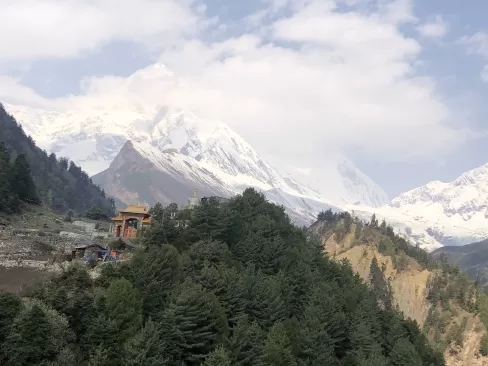
Nestled in the northern part of Gorkha district, the Tsum Valley Trek is a hidden gem in the Himalayas, offering a unique blend of natural beauty, cultural richness, and serene landscapes. With elevations ranging from 1,905 meters (6,250 feet) to approximately 4,096 meters (13,432 feet) at Mu Gompa, the trek unfolds in a high-altitude sanctuary that captivates trekkers with its stunning vistas and authentic cultural experiences.This sacred valley, opened to tourism only in 2008, remains one of Nepal's most pristine and culturally preserved trekking destinations. The Tsum Valley Nepal experience combines the adventure of Himalayan trekking with deep spiritual immersion, making it ideal for those seeking something beyond the ordinary trekking routes like Everest Base Camp or Annapurna Circuit.Natural Beauty and LandscapeThe Tsum Valley provides a breathtaking panorama of the Ganesh Himal (7,422m), Sringi Himal (7,187m), and Boudha Himal ranges, creating a dramatic backdrop for the entire journey. The trek showcases the pristine beauty of the Himalayan terrain, encompassing lush green valleys, terraced agricultural fields carved into mountainsides over centuries, and ancient forests of pine, rhododendron, and oak.Trekkers traverse alongside the shimmering waters of the Budhi Gandaki River, crossing numerous suspension bridges that connect remote villages and add an element of adventure to the trek. These bridges, some swaying high above roaring rapids, are adorned with prayer flags and offer spectacular photo opportunities while testing your nerve.The valley's landscape transforms as you ascend. Lower elevations feature subtropical vegetation with banana trees and millet fields, gradually transitioning to temperate forests, then alpine meadows, and finally barren high-altitude terrain near the Tibetan border. This ecological diversity makes every day of trekking visually distinct and engaging.The region's geographical isolation has preserved its environment remarkably well. Unlike more trafficked routes such as the Langtang Valley Trek or Manaslu Circuit, Tsum Valley shows minimal environmental impact from tourism, with crystal-clear streams, pristine forests, and wildlife that includes Himalayan tahr, musk deer, and occasionally even the elusive snow leopard in higher reaches.Cultural Significance and HeritageBeyond its natural allure, the Tsum Valley is renowned for its profound cultural and spiritual significance. Home to the Tsumbas, an indigenous ethnic group of Tibetan origin, the valley boasts a rich cultural heritage that has remained remarkably intact due to centuries of geographical isolation.Buddhist TraditionsThe valley is often called a "Beyul" or sacred hidden valley in Tibetan Buddhism. Trekkers encounter numerous ancient monasteries (gompas), chortens (Buddhist stupas), and extensive mani walls adorned with carved prayers and mantras, reflecting the deep-rooted Buddhist traditions of the region. These aren't tourist attractions but active centers of spiritual practice where monks continue centuries-old traditions of meditation, debate, and ritual.The restricted area trek Nepal designation means that Tsum Valley has avoided the commercialization seen in other regions. The Buddhist culture here isn't performed for tourists—it's the genuine fabric of daily life. You'll witness monks in philosophical debates, participate in prayer ceremonies if invited, and experience authentic Tibetan Buddhist hospitality.Local CommunitiesThe local hospitality of the Tsumbas adds a warm and welcoming dimension to the trek, providing genuine cultural immersion rather than staged cultural shows. The people practice polyandry (one woman marrying multiple brothers) in some households, maintain traditional agricultural methods, and speak their own Tsumba dialect distinct from standard Tibetan.Visitors are often invited into homes for butter tea, can observe traditional weaving and farming practices, and witness festivals and ceremonies that haven't changed in centuries. This cultural authenticity makes Tsum Valley comparable to Upper Mustang Trek in terms of preserved Tibetan culture, but with even fewer tourists and more intimate interactions.Key Destinations Along the TrekThe Tsum Valley trekking route includes visits to several picturesque villages and sacred sites, each contributing unique elements to the cultural tapestry of the valley:Chumling (2,386m)The first major village in Tsum Valley proper, Chumling serves as the gateway to the inner valley. This settlement features traditional stone houses with intricately carved wooden windows, a small monastery, and extensive agricultural terraces. The village marks the point where the valley begins to reveal its distinct Tibetan character.From Chumling, the trail splits—one branch leads to the main Tsum Valley settlements, while another continues to the Manaslu Circuit, making this an important junction point. Many trekkers combine both routes for an extended adventure.Chokhangparo (3,010m)This charming village sits at the confluence of the Siyar and Tsum rivers, offering spectacular views of Ganesh Himal. Chokhangparo is known for its large monastery containing ancient Buddhist scriptures and thangka paintings. The village's location provides excellent acclimatization opportunities before ascending to higher elevations.The area around Chokhangparo features several side trips, including hikes to viewpoints overlooking the valley and visits to meditation caves used by Buddhist practitioners seeking isolation for intensive spiritual practice.Nile (3,361m)Also known as Chhokangparo, Nile is one of the valley's larger settlements and serves as a central hub. The village features a school established by the local community, a health post, and several guesthouses for trekkers. From Nile, you can see the dramatic north wall of Ganesh Himal and enjoy views of the valley stretching in both directions.Nile's strategic location makes it an ideal base for exploring the upper valley, with easy access to both Mu Gompa and the villages of the lower valley. The community here has embraced tourism while maintaining traditional lifestyles, offering visitors authentic cultural experiences alongside basic trekking amenities.Mu Gompa (3,700m)The journey extends to the sacred Mu Gompa, a revered monastery perched on a hillside near the Tibetan border. This is the spiritual and geographical pinnacle of the Tsum Valley trek, offering trekkers a profound spiritual experience and panoramic views of the surrounding peaks.Mu Gompa is the largest and most important monastery in Tsum Valley, home to dozens of monks who maintain centuries-old practices. The monastery's location, seemingly at the edge of the world with Tibet visible beyond, creates an atmosphere of profound isolation and spiritual intensity. Visitors can attend morning prayers, receive blessings from the head lama, and explore the monastery's collection of ancient texts and religious artifacts.From Mu Gompa, adventurous trekkers can take side trips to even higher viewpoints or explore the area near the Tibetan border (permits allowing). The sense of being at the far reaches of accessible Nepal, in a place where few outsiders venture, makes reaching Mu Gompa an unforgettable highlight.Other Notable StopsRachen Gompa (3,240m): A nunnery housing around 60 Buddhist nuns, this monastery offers unique insights into female monastic life in the Himalayas. The nuns are welcoming to visitors and sometimes share teachings or invite guests to participate in their daily routines.Milarepa's Cave: Associated with the famous 11th-century Tibetan yogi and poet Milarepa, this sacred cave is believed to be one of the meditation sites where he achieved enlightenment. The site attracts Buddhist pilgrims and offers spectacular views of the valley.Gumba Lungdang (3,200m): One of the oldest monasteries in the region, featuring remarkable wall paintings and ancient Buddhist scriptures. The monastery hosts annual festivals that draw Tsumba people from throughout the valley.Trek Difficulty and DurationThe Tsum Valley trek is classified as moderately difficult, suitable for trekkers with reasonable fitness levels and some previous trekking experience. The trek doesn't require technical climbing skills, but the altitude, duration, and remote nature of the valley present challenges that shouldn't be underestimated.Physical DemandsDaily walking typically ranges from 5-7 hours, with some shorter days for acclimatization. The trail includes numerous ascents and descents, crossing suspension bridges, and navigating rocky paths that require sure footing. The maximum altitude of 4,096m at Mu Gompa (or higher if you take side trips) means proper acclimatization is essential.Compared to routes like the Annapurna Base Camp trek or Langtang Gosainkunda trek, Tsum Valley is slightly more demanding due to its remoteness and limited infrastructure. However, it's less challenging than high passes like those on the Three Passes Trek in the Everest region.Best Time to Trek Tsum ValleyThe best seasons for Tsum Valley trekking are:Autumn (September-November)The most popular season, offering stable weather, clear skies, and excellent mountain views. Temperatures are comfortable at lower elevations, though it gets cold at night in higher villages. The post-monsoon clarity creates ideal photography conditions. This is also when major Buddhist festivals occur, adding cultural richness to the experience.Spring (March-May)The second-best season, featuring blooming rhododendrons in lower elevations, warming temperatures, and generally stable weather. Spring offers longer daylight hours and comfortable trekking conditions. The valley comes alive with agricultural activity as locals prepare fields for planting.Winter (December-February)Possible but challenging, with very cold temperatures, especially at higher elevations, and potential snow that can block trails. However, winter offers crystal-clear skies, complete solitude (very few other trekkers), and the unique experience of seeing the valley in its quietest, most pristine state. Similar to winter trekking conditions on the Everest Base Camp trek, proper gear and flexibility are essential.Monsoon (June-August)Not recommended due to heavy rainfall, leeches in lower elevations, obscured mountain views, and increased risk of landslides. The trails become muddy and slippery, making trekking uncomfortable and potentially dangerous. Unlike rain-shadow areas like Upper Mustang, Tsum Valley receives significant monsoon precipitation.What Makes Tsum Valley SpecialTrekking in the Tsum Valley is not merely an exploration of breathtaking landscapes but a cultural and spiritual odyssey that transforms visitors. Several factors make this trek uniquely rewarding:Authentic Cultural PreservationThe region's seclusion and limited accessibility have contributed to its pristine cultural preservation. Unlike valleys opened to tourism decades ago, Tsum Valley's recent opening (2008) and continued permit restrictions mean the Tsumba people maintain traditional lifestyles largely unchanged by outside influence. This authenticity surpasses even respected cultural treks like the Tamang Heritage Trail.Spiritual AtmosphereThe valley's designation as a "Beyul" or sacred hidden valley in Tibetan Buddhism creates a palpable spiritual atmosphere. Monasteries aren't tourist sites but living spiritual communities. The reverence locals show for their landscape, the omnipresent prayer flags and mani stones, and the peaceful demeanor of residents create an environment conducive to personal reflection and spiritual growth. If you're interested in spiritual experiences, combining this with monastery visits in Kathmandu Valley enriches the journey.Minimal Tourism ImpactWith restricted permits and required guides, Tsum Valley sees a fraction of the trekkers that crowd popular routes. You might encounter a handful of other trekking groups throughout your entire journey, creating an experience of discovery and exploration increasingly rare in modern trekking. This exclusivity resembles early experiences on now-crowded trails like the Manaslu Circuit before they became popular.Natural BeautyFrom the dramatic gorge entrance to the broad upper valley with its 360-degree mountain panoramas, Tsum Valley's landscapes equal any in Nepal. The combination of rushing rivers, ancient forests, terraced fields, glacial peaks, and Tibetan-style settlements creates visual variety that keeps the trek engaging from start to finish.Community ConnectionSmall-scale tourism in Tsum Valley means you're not just another trekker passing through. Locals remember visitors, children excitedly practice their English, families invite you for tea, and monks engage in genuine conversations about culture and spirituality. These human connections often become the most treasured memories of the trek.Why Trek with Explory Holiday NepalExplory Holiday Nepal specializes in authentic, responsible trekking experiences in restricted and remote regions like Tsum Valley. Our advantages include:Expert Local Guides: Knowledgeable about Tsumba culture, fluent in local dialectsProper Permits: We handle all restricted area permits and documentationCultural Sensitivity: We ensure respectful, sustainable tourism practicesSmall Groups: Intimate experiences, not crowded group treksFlexible Itineraries: Customize your trek to match your interests and fitnessSafety Focus: Experienced guides trained in altitude sickness prevention and first aidFair Practices: We ensure fair wages for guides and porters, supporting local communities Contact Us for Custom ItinerariesConclusionThe Tsum Valley Trek represents a distinctive and rewarding adventure for those seeking a harmonious blend of nature, culture, and spirituality in the heart of the Himalayas. This hidden valley offers something increasingly rare in modern Nepal trekking—genuine remoteness, authentic cultural experiences, and landscapes largely untouched by mass tourism.Whether you're a seasoned trekker looking for something beyond the well-trodden paths of Everest and Annapurna, a cultural enthusiast seeking authentic Tibetan Buddhist experiences, or simply someone drawn to the idea of exploring one of the Himalaya's last secret valleys, Tsum Valley delivers an unforgettable journey.The combination of dramatic mountain scenery, rich cultural heritage, warm Tsumba hospitality, and the spiritual atmosphere of a sacred valley creates an experience that transcends typical trekking adventures. This isn't just a trek—it's a pilgrimage to one of the Himalaya's most protected sanctuaries, a journey that will stay with you long after you've returned to the modern world.Related Treks:Manaslu Circuit TrekLangtang Valley TrekUpper Mustang TrekTamang Heritage TrailTop Blogs About Trekking in the Manaslu Region:Uncover the best blogs about trekking in the Manaslu region, featuring expert advice, detailed itineraries, personal experiences, and essential tips for adventurers looking to explore the Himalayas.Altitude Sickness on Nepal Treks: Symptoms, Treatment, and When to Descend (Complete Guide) Manaslu Circuit Trek for Beginners 2025Manaslu Circuit Trek: Best Routes, Preparation & Travel TipsManaslu Circuit Trek in Spring (March-May)Manaslu Circuit Trek on a Budget: How to Save Money Without Missing OutNepal Trekking Permits: Costs, Types, and How to Get ThemNepal Trekking: What’s the Best Time to Go?Budget Trekking in Nepal: Tips, Trails, and TricksExploring Nepal’s Wildlife and NatureTrekking Through Nepal: A Journey into the HimalayasTop 10 Mountain Peaks in NepalMonastery Life in Nepal: Finding Peace in the Heart of the Himalayas Exploring Nepal’s Hidden Gem: The Manaslu Circuit TrekTop Places to Visit on the Manaslu Circuit Trek Manaslu Circuit vs Annapurna Circuit: Which Trek is Right for You?Is the Manaslu Circuit Trek Right for You?Exploring Hidden Villages on the Manaslu Circuit Trek20 Must-Know Facts About Manaslu Circuit TrekkingManaslu Circuit Trekking Tips for Autumn Season (September to November)Discovering the Spiritual Heart of Nepal: Tsum ValleyAltitude Sickness on Nepal Treks: Symptoms, Treatment, and When to Descend (Complete Guide)Dal Bhat Power 24 Hour: The Science and Soul Behind Nepal's Mountain FuelThe Vanishing Villages of Manaslu: How Climate Change is Reshaping Nepal's Hidden Trekking Gem (And What Trekkers Can Do)The Essential Guide to Choosing Your Perfect Nepal Trek: From Beginner-Friendly Trails to Epic Himalayan AdventuresSolo Female Trekking in Nepal: A Complete Safety and Empowerment Guide for 2026How Difficult Is Manaslu Trek? The Honest Guide Every Trekker Needs to Read
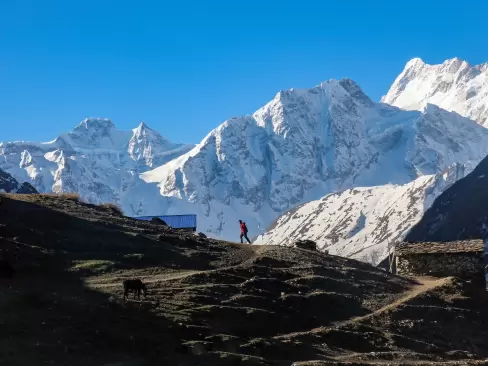
Manaslu Circuit Trek: A Complete Himalayan AdventureThe Manaslu Circuit Trek is a captivating journey around Mount Manaslu, the world’s eighth-highest peak at 8,163 meters (26,781 feet). This trek provides adventurers with a less-crowded alternative to the Annapurna and Everest regions, offering pristine landscapes, cultural immersion, and high-altitude challenges.Unlike popular treks, the Manaslu Circuit allows travelers to experience authentic Himalayan life, walking through remote villages, dense forests, glacial valleys, and alpine deserts. For trekkers who want solitude and personal connection with nature, this trek is unmatched.Starting Point: Arughat and the Budi Gandaki ValleyThe journey begins in Arughat, a gateway town to the Himalayas. The trail follows the Budi Gandanki Valley through subtropical forests teeming with birds and occasional wildlife.Villages along the way, such as Sirdias and Jagat, provide opportunities to observe traditional village life, including terraced farming, local markets, and families preparing meals. Trekkers often recall sharing dal bhat with villagers or sipping tea while listening to stories about the mountains.Diverse Landscapes and Climatic ZonesAs the trek ascends, the scenery transforms dramatically:Subtropical forests: Dense vegetation and the gentle sound of rivers.Temperate zones: Oak and rhododendron forests, occasional waterfalls.Alpine meadows: Snow-capped peaks appear in the distance.High-altitude deserts: Rocky landscapes with glacial streams and prayer flags. Villages like Samagoan and Samdo showcase strong Tibetan influence, with manis, prayer wheels, and monasteries, making the trek both visually stunning and culturally immersive.Larkya La Pass: The Ultimate ChallengeThe Larkya La Pass, at 5,160 meters (16,929 feet), is the most iconic part of the trek. Trekkers are rewarded with 360-degree panoramas of Mount Manaslu, Himalchuli, Ngadi Chuli, and Ganesh Himal. Many describe the experience as life-changing, blending fatigue and awe.Cultural Immersion Along the TrailThe Manaslu region is home to Gurungs,Tamangs , and Tibetan-influenced communities. Engaging with locals provides insight into traditional lifestyles, festivals, and cuisine:In Samagaon, trekkers may observe prayer rituals and monastery ceremonies.Villagers often prepare buckwheat pancakes, giving travelers a taste of Himalayan hospitality.Small interactions, such as helping carry firewood or learning traditional weaving, make the trek feel authentic.Wildlife and NatureThe trek is rich in biodiversity. Trekkers may spot:Himalayan monal(Danphe)– Nepal’s national birdSnowcocks and Himalayan tahrRed pandas (rare sightings)Rhododendrons and alpine flowersThe region’s natural beauty, combined with diverse climates, provides spectacular photography opportunities.End of the Trek and ReturnThe Manaslu Circuit concludes in Syange, from where trekkers drive back to Kathmandu. Completing the trek brings a sense of achievement and deep appreciation for Himalayan culture and nature.Tips for TrekkersAcclimatize carefully: Take your time at higher altitudes.Pack layered clothing: Temperatures vary from subtropical to alpine cold.Respect local culture: Learn simple Nepali phrases, remove shoes before entering monasteries.Support local businesses: Stay in teahouses and eat locally.Document your journey: Photos, notes, and videos capture memories.Extend Your Himalayan AdventureFor travelers interested in exploring more of Nepal, consider these treks:Everest Base Camp Trek – Explore the world’s tallest peakAnnapurna Base Camp Trek – Traverse lush valleys and ridgesLangtang Valley Trek – Experience Tibetan culture and pristine trailsPikey Peak Trek – Enjoy sunrise views over a less-crowded peakGhorepani Poon Hill Trek – Panoramic views of Annapurna and DhaulagiriUpper Mustang Trek – Explore the Tibetan plateau and desert landscapesKanchenjunga Base Camp Trek – Remote and breathtaking trek in eastern NepalEverest Three Passes Trek – Advanced trek combining Everest Base Camp with three high passesTsum Valley Trek – Cultural exploration of a restricted Himalayan valleyMakalu Base Camp Trek – Challenging trek to the foot of the fifth-highest peakLangtang Gosaikunda Trek – Scenic alpine lakes with trekking adventureWhy the Manaslu Circuit Trek Stands OutThe Manaslu Circuit Trek is more than a hike; it’s a life-enriching journey through stunning landscapes, diverse cultures, and high-altitude challenges. Every step—from walking along the Budi Gandaki River to crossing the Larkya La Pass, and interacting with Tibetan communities—offers unique experiences not found on crowded trails.This trek is ideal for travelers seeking adventure, cultural immersion, and personal growth, all while enjoying some of the most spectacular scenery Nepal has to offer.Top Blogs About Trekking in the Manaslu Region:Uncover the best blogs about trekking in the Manaslu region, featuring expert advice, detailed itineraries, personal experiences, and essential tips for adventurers looking to explore the Himalayas.Altitude Sickness on Nepal Treks: Symptoms, Treatment, and When to Descend (Complete Guide) Manaslu Circuit Trek for Beginners 2025Manaslu Circuit Trek: Best Routes, Preparation & Travel TipsManaslu Circuit Trek in Spring (March-May)Manaslu Circuit Trek on a Budget: How to Save Money Without Missing OutNepal Trekking Permits: Costs, Types, and How to Get ThemNepal Trekking: What’s the Best Time to Go?Budget Trekking in Nepal: Tips, Trails, and TricksExploring Nepal’s Wildlife and NatureTrekking Through Nepal: A Journey into the HimalayasTop 10 Mountain Peaks in NepalMonastery Life in Nepal: Finding Peace in the Heart of the Himalayas Exploring Nepal’s Hidden Gem: The Manaslu Circuit TrekTop Places to Visit on the Manaslu Circuit Trek Manaslu Circuit vs Annapurna Circuit: Which Trek is Right for You?Is the Manaslu Circuit Trek Right for You?Exploring Hidden Villages on the Manaslu Circuit Trek20 Must-Know Facts About Manaslu Circuit TrekkingManaslu Circuit Trekking Tips for Autumn Season (September to November)Discovering the Spiritual Heart of Nepal: Tsum ValleyAltitude Sickness on Nepal Treks: Symptoms, Treatment, and When to Descend (Complete Guide)Dal Bhat Power 24 Hour: The Science and Soul Behind Nepal's Mountain FuelThe Vanishing Villages of Manaslu: How Climate Change is Reshaping Nepal's Hidden Trekking Gem (And What Trekkers Can Do)The Essential Guide to Choosing Your Perfect Nepal Trek: From Beginner-Friendly Trails to Epic Himalayan AdventuresSolo Female Trekking in Nepal: A Complete Safety and Empowerment Guide for 2026How Difficult Is Manaslu Trek? The Honest Guide Every Trekker Needs to Read

The Manaslu Tsum Valley Luxury Trek is an extraordinary adventure that takes trekkers through the awe-inspiring landscapes of the Manaslu and Tsum Valley regions, offering a perfect blend of rugged terrain and cultural richness with the comfort of luxury accommodations. The trek takes you off the beaten path into some of Nepal's most remote and unspoiled regions, where you will be surrounded by towering peaks, lush forests, and traditional Tibetan-influenced villages. Unlike the standard trekking experience, the luxury version of the trek ensures that you can enjoy the beauty of these hidden gems with the added comfort of upscale lodges and refined services. With Explore Holiday Treks, you can expect well-appointed lodges, gourmet meals, hot showers, and comfortable trekking routes, making this trek ideal for those seeking adventure without sacrificing comfort.Along the trek, you will pass through the iconic Manaslu Conservation Area, which is home to diverse flora and fauna, including rare species like the snow leopard and red panda. The journey continues into Tsum Valley, an ancient Tibetan Buddhist enclave with a unique history and culture. The trek allows you to visit sacred monasteries, interact with locals, and explore hidden valleys that remain largely untouched by modern life. The luxury services provided by Explore Holiday Treks ensure that trekkers can focus on enjoying the adventure and natural beauty while enjoying high-end amenities, experienced guides, and personalized support. From the moment you start the trek to the final day, every aspect of the journey is designed to offer the perfect balance of challenge, relaxation, and exploration. Manaslu Circuit Trek: What You're Actually Getting IntoThe Manaslu Circuit has gotten seriously popular over the last five years. When the region first opened to trekkers back in 1991, hardly anyone went there. Now? It's becoming the go-to option for people who found the Annapurna Circuit Trek too crowded but aren't quite ready for the commitment (or cost) of Everest Base Camp.Manaslu sits at 8,163 meters, making it the eighth highest mountain in the world. The circuit trek loops around the entire massif, typically taking 14-16 days depending on your itinerary and how many acclimatization days you build in. You'll cross Larkya La Pass at 5,160 meters—which is the crux of the whole trek and what most people worry about beforehand.The Real Difficulty LevelLet's be straight about this: the Manaslu Circuit is challenging. Not Everest Base Camp challenging, but definitely harder than the Annapurna Circuit (which has gotten easier over the years with road construction).The pass day is long—like 8-10 hours of walking long, with about 1,000 meters of elevation gain followed by a brutal 1,600 meter descent on the other side. You're starting at around 4,200 meters at Dharamsala (also called Larkya Phedi) and going over 5,160 meters before dropping down to Bimthang at 3,600 meters. That's a massive day at high altitude.Most people handle it fine if they've acclimatized properly, but I've seen trekkers struggle. The altitude hits different people in different ways. You might be perfectly fine at 4,500m and then suddenly feel terrible at 5,000m. There's no real way to predict it.The rest of the trek? Moderate to challenging. Daily walking times range from 5-8 hours, with plenty of up and down. The trails are generally good (way better than they were ten years ago), but you're still dealing with rocky sections, occasional landslide zones, and stream crossings. Nothing technical, but you need decent fitness and comfortable trekking boots.If you can comfortably hike 6-7 hours with a daypack at home, train on hills or stairs, and don't have any major altitude issues, you can do this trek. But don't underestimate it just because it's not Everest. Check out our trek difficulty guide to see how Manaslu compares to other routes.Best Time to Go (Honest Assessment)Spring (March-May) - Peak season along with autumn. Weather is generally stable, temperatures are comfortable, rhododendrons bloom at lower elevations making the forest sections gorgeous. The pass can still have snow and ice, requiring careful footing. Expect to see other trekking groups, though it's not as crowded as Annapurna or Everest routes. Read our best time to trek in Nepal guide for month-by-month breakdown.Temperatures range from 15-20°C at lower elevations during the day, dropping below freezing at night above 4,000m. At the pass, expect -10 to -15°C even during the day.Autumn (September-November) - Best weather conditions overall. Clear skies after monsoon, stable temperatures, excellent mountain visibility. October is peak season—you'll definitely encounter other groups, and popular lodges can fill up (though it's still manageable). November gets colder, especially at high elevation, but often has even clearer skies.Temperatures similar to spring but slightly colder as you move into November.Winter (December-February) - Doable but challenging. The pass can be snowbound, requiring potentially dangerous conditions. Temperatures drop significantly—think -20°C or colder at the pass. Lower elevation sections are pleasant during the day but freezing at night. Fewer trekkers, cheaper prices, but you need serious cold-weather gear and flexibility in case weather forces route changes.Not recommended unless you're experienced with winter trekking and comfortable with uncertainty.Monsoon (June-August) - Generally avoided. The region gets heavy rain, trails become muddy and slippery, leeches are everywhere at lower elevations, and mountain views are often cloud-covered. Landslides are common and can block trails or roads. The few trekkers who go during monsoon are usually experienced and willing to deal with challenging conditions for the solitude.I've guided during monsoon season. It's miserable, honestly. Constantly wet, views are rare, and the risk factor goes up significantly.The Tsum Valley Extension: Worth It?Tsum Valley only opened to foreign trekkers in 2008, making it one of Nepal's newer trekking destinations. It's a side valley off the main Manaslu Circuit, branching north from the Budhi Gandaki River and heading toward the Tibet border. For a complete guide, see our detailed Tsum Valley Trek page.Adding Tsum Valley to your Manaslu trek adds 7-9 days depending on how far you go and how fast you walk. You're essentially doing an out-and-back route—up the valley to villages like Chhokangparo, Nile, and Mu Gompa, then back down to rejoin the circuit.Why people do Tsum Valley:The cultural experience is more authentic than the main circuit. Villages in Tsum maintain stronger Tibetan Buddhist traditions—you'll see monasteries that aren't just tourist stops but actual functioning religious communities. The valley has been relatively isolated until recently, and you can feel it. People are curious about outsiders but not jaded by constant tourist traffic.Landscapes are beautiful in a different way than the circuit—more lunar and barren as you go higher, with the feeling of remoteness that's increasingly rare in Nepal. You're walking through a valley that was basically closed to the outside world for centuries.The downside? It's extra time, extra cost (additional permits required), and basically adds a full week+ to your trek. The lodges are more basic than on the main circuit—we're talking really basic. And you're retracing your steps back down the valley, which some people find tedious.Who should add Tsum Valley:You have time (minimum 3 weeks total for combined trek)Cultural immersion matters as much or more than mountain viewsYou're comfortable with very basic accommodationYou want bragging rights for doing something fewer trekkers attemptWho should skip it:Time-limited (the circuit alone is plenty)Main goal is crossing Larkya La PassYou want more comfortable lodgesRetracing routes bothers youPersonally? I love Tsum Valley, but I'm biased toward cultural trekking. If you've only got two weeks and want the classic Manaslu experience, skip Tsum and save it for another trip. If you've got three weeks and culture is your thing, absolutely add it. For other culturally rich options, explore our Tamang Heritage Trek or Upper Mustang Trek.What Actually Makes Explore Holiday Treks DifferentOkay, sales pitch time, but I'll keep it real.Our guides have serious experience. Pemba has been guiding Manaslu for 12 years. Pasang did it 30+ times. They're not just showing you the trail—they know every lodge owner, can tell when weather's turning before it happens, and catch altitude sickness symptoms before trekkers realize they're struggling. That experience matters when you're at 5,000+ meters.We keep groups small. Maximum 8 trekkers per guide. Often smaller. This isn't a conveyor belt operation where you're one of 20 people following a flag. Small groups mean flexibility—if someone needs a slower pace, we adjust. If weather's sketchy, we can make decisions quickly.Porter welfare actually matters to us. Our porters get proper gear (boots, warm clothes, rain gear), carry reasonable loads (max 20kg, not the 30-40kg some budget operators make them carry), and get proper insurance. This costs us more, which is why we're not the cheapest option. But I sleep better knowing we're not exploiting people. Learn more about our responsible trekking practices.Lodge selection is deliberate. We work with family-run lodges that have maintained their infrastructure—reliable hot water systems, clean bathrooms, kitchens that meet basic hygiene standards. You're not getting five-star hotels, but you're also not getting moldy rooms with broken toilets.Pre-trek consultation included. We do a video call or in-person meeting in Kathmandu before you start. Assess your fitness level honestly, check your gear, discuss concerns. Better to have tough conversations before the trek than discover problems at 4,500 meters.Emergency protocols are established. We carry comprehensive first aid supplies (not just band-aids), oxygen for altitude emergencies, and have helicopter evacuation insurance with reliable providers. Every guide has wilderness first aid certification minimum, lead guides have advanced training.Physical Preparation (What Actually Helps)You don't need to be a marathon runner, but you can't show up completely out of shape and expect to enjoy this trek.Training that actually matters:Cardio endurance - You need to be comfortable walking 6-8 hours per day for consecutive days. Start training 2-3 months before your trek. Build up to 6-hour hikes on weekends, include hills if possible. If you don't have mountains nearby, use stairs—lots of stairs. The StairMaster at your gym is genuinely useful here.Leg strength - Squats, lunges, step-ups. Both uphill and downhill destroy your legs in different ways. Strong quads and glutes help with the ups, but also protect your knees on the downs (and the descent from Larkya La is brutal on knees).Core strength - Helps with balance on uneven terrain and carrying a daypack all day. Planks, side planks, general core work.Hiking with a weighted pack - Even though you'll have a porter carrying your main bag, you're still carrying a daypack with water, snacks, camera, layers. Practice hiking with 5-8kg on your back.Ankle stability - The trails have loose rocks, uneven surfaces, and lots of opportunities to roll an ankle. Balance exercises help. Stand on one foot while brushing your teeth. Sounds silly, works.What doesn't help: Running marathons (different muscle usage and energy systems), gym bodybuilding (aesthetics don't matter at altitude), crash dieting before your trek (you need energy reserves).For a complete training plan, download our free 12-week Himalayan trek training program.Food Situation (Reality Check)You're eating dal bhat most meals. That's lentil soup with rice, vegetable curry, and pickle. It's actually good, filling, and you get unlimited refills (this is key—always get refills).Other menu options at lodges: momos (dumplings), thukpa (noodle soup), fried rice, chow mein, sometimes pizza or pasta at lower elevations. Breakfast is usually porridge, tibetan bread with jam and honey, chapati, sometimes eggs.Food gets more expensive and less varied as you gain altitude. Everything has to be carried up by porters or yaks, so prices reflect that. At Samagaun or above, expect limited options and higher prices. A meal that costs 500 NPR at lower elevations might be 800-1000 NPR at high camps.The food is safe if you stick to cooked items. Avoid salads (washed in untreated water), unpasteurized dairy, and meat at high elevations (storage is questionable). Dal bhat is always the safest bet—it's boiling hot when served, which kills anything nasty.Bring snacks from Kathmandu. Energy bars, chocolate, nuts, dried fruit. When you're tired and altitude is affecting your appetite, sometimes a Snickers bar is what gets you through. Check our trekking food and nutrition guide for detailed packing suggestions.Common Questions Nobody Asks But ShouldCan I do this trek during my period? Yes. Bring enough supplies from Kathmandu (small shops exist in villages but selection is limited). Disposal can be tricky—pack used products out in ziplock bags. Many women actually find their cycles get disrupted at altitude, so don't be surprised if timing shifts.What about bathrooms? Mix of squat and western toilets. Quality degrades significantly above 3,500m. At high camps, expect squat toilets, no toilet paper provided, and often just a hole in the ground. Bring your own TP and hand sanitizer. Some lodges charge for toilet use (50-100 NPR). Shower facilities range from solar-heated (works if sunny) to bucket showers to no showers at all above 4,000m. Pack wet wipes. See our women's trekking guide for more specific hygiene tips.Phone signal and wifi? Sporadic cell coverage with Nepal Telecom up to around Samagaun. After that, basically nothing until you're back down. Some lodges have wifi (charges 300-500 NPR per day, very slow). Don't count on connectivity. Download maps, music, books before you start.Altitude sickness—how worried should I be? It's a real concern. Symptoms include headache, nausea, dizziness, fatigue, loss of appetite. Mild symptoms are normal as you acclimatize. Severe symptoms (confusion, inability to walk straight, fluid in lungs making breathing difficult) require immediate descent. Our guides carry Diamox (altitude medication) and oxygen. Most people do fine if acclimatization days are built into the itinerary. Don't push through severe symptoms trying to be tough—people die from altitude sickness when they ignore warning signs.Bottom Line: Is Manaslu Right for You?This trek works if you want spectacular mountain scenery, cultural immersion in Tibetan Buddhist villages, and a sense of adventure without the Everest crowds. You need to be physically fit, comfortable with basic accommodation, and okay with dal bhat becoming 60% of your diet.It doesn't work if you need luxury amenities, want guaranteed hot showers every day, require extensive menu variety, or aren't willing to train beforehand.The Manaslu Circuit delivers on the promise of Himalayan trekking—massive mountains, remote villages, challenging passes, and the satisfaction of completing something difficult. It's gotten more popular but hasn't been ruined by tourism yet (though that might change in the next 5-10 years as roads extend further).If you've got 2-3 weeks and want a trek that balances challenge with reward, this is it. Just be honest about your fitness level, take acclimatization seriously, and expect adventure rather than comfort. The mountains are beautiful, but they're also indifferent to whether you're having a good time. Come prepared.Ready to book? Check our Manaslu Circuit Trek packages or contact us for a custom itinerary. Still deciding? Compare with our Annapurna Circuit, Everest Base Camp, or browse all Nepal trekking routes.Top Blogs About Trekking in the Manaslu Region:Uncover the best blogs about trekking in the Manaslu region, featuring expert advice, detailed itineraries, personal experiences, and essential tips for adventurers looking to explore the Himalayas.Altitude Sickness on Nepal Treks: Symptoms, Treatment, and When to Descend (Complete Guide) Manaslu Circuit Trek for Beginners 2025Manaslu Circuit Trek: Best Routes, Preparation & Travel TipsManaslu Circuit Trek in Spring (March-May)Manaslu Circuit Trek on a Budget: How to Save Money Without Missing OutNepal Trekking Permits: Costs, Types, and How to Get ThemNepal Trekking: What’s the Best Time to Go?Budget Trekking in Nepal: Tips, Trails, and TricksExploring Nepal’s Wildlife and NatureTrekking Through Nepal: A Journey into the HimalayasTop 10 Mountain Peaks in NepalMonastery Life in Nepal: Finding Peace in the Heart of the Himalayas Exploring Nepal’s Hidden Gem: The Manaslu Circuit TrekTop Places to Visit on the Manaslu Circuit Trek Manaslu Circuit vs Annapurna Circuit: Which Trek is Right for You?Is the Manaslu Circuit Trek Right for You?Exploring Hidden Villages on the Manaslu Circuit Trek20 Must-Know Facts About Manaslu Circuit TrekkingManaslu Circuit Trekking Tips for Autumn Season (September to November)Discovering the Spiritual Heart of Nepal: Tsum ValleyAltitude Sickness on Nepal Treks: Symptoms, Treatment, and When to Descend (Complete Guide)Dal Bhat Power 24 Hour: The Science and Soul Behind Nepal's Mountain FuelThe Vanishing Villages of Manaslu: How Climate Change is Reshaping Nepal's Hidden Trekking Gem (And What Trekkers Can Do)The Essential Guide to Choosing Your Perfect Nepal Trek: From Beginner-Friendly Trails to Epic Himalayan AdventuresSolo Female Trekking in Nepal: A Complete Safety and Empowerment Guide for 2026How Difficult Is Manaslu Trek? The Honest Guide Every Trekker Needs to Read

Manaslu Tsum Valley Budget Trek: An Authentic Himalayan Adventure Without the Premium Price TagNestled in the northern Gorkha district of Nepal, the Manaslu Tsum Valley Budget Trek offers adventurers a rare glimpse into one of the Himalayas' most pristine and culturally preserved regions. This journey combines the rugged beauty of the Manaslu Conservation Area with the spiritual serenity of the sacred Tsum Valley, creating an experience that rivals any trek in Nepal—all while remaining accessible to budget-conscious travelers.Top Blogs About Trekking in the Manaslu Region:Uncover the best blogs about trekking in the Manaslu region, featuring expert advice, detailed itineraries, personal experiences, and essential tips for adventurers looking to explore the Himalayas.Altitude Sickness on Nepal Treks: Symptoms, Treatment, and When to Descend (Complete Guide) Manaslu Circuit Trek for Beginners 2025Manaslu Circuit Trek: Best Routes, Preparation & Travel TipsManaslu Circuit Trek in Spring (March-May)Manaslu Circuit Trek on a Budget: How to Save Money Without Missing OutNepal Trekking Permits: Costs, Types, and How to Get ThemNepal Trekking: What’s the Best Time to Go?Budget Trekking in Nepal: Tips, Trails, and TricksExploring Nepal’s Wildlife and NatureTrekking Through Nepal: A Journey into the HimalayasTop 10 Mountain Peaks in NepalMonastery Life in Nepal: Finding Peace in the Heart of the Himalayas Exploring Nepal’s Hidden Gem: The Manaslu Circuit TrekTop Places to Visit on the Manaslu Circuit Trek Manaslu Circuit vs Annapurna Circuit: Which Trek is Right for You?Is the Manaslu Circuit Trek Right for You?Exploring Hidden Villages on the Manaslu Circuit Trek20 Must-Know Facts About Manaslu Circuit TrekkingManaslu Circuit Trekking Tips for Autumn Season (September to November)Discovering the Spiritual Heart of Nepal: Tsum ValleyAltitude Sickness on Nepal Treks: Symptoms, Treatment, and When to Descend (Complete Guide)Dal Bhat Power 24 Hour: The Science and Soul Behind Nepal's Mountain FuelThe Vanishing Villages of Manaslu: How Climate Change is Reshaping Nepal's Hidden Trekking Gem (And What Trekkers Can Do)The Essential Guide to Choosing Your Perfect Nepal Trek: From Beginner-Friendly Trails to Epic Himalayan AdventuresSolo Female Trekking in Nepal: A Complete Safety and Empowerment Guide for 2026How Difficult Is Manaslu Trek? The Honest Guide Every Trekker Needs to ReadWhat Makes the Manaslu Tsum Valley Region Special?The Manaslu region, home to the world's eighth-highest mountain, Mount Manaslu (8,163 meters), remains one of Nepal's best-kept secrets. Unlike the crowded trails of Everest Base Camp or Annapurna Circuit, this area sees relatively few trekkers each year, preserving its authentic character and traditional way of life. The Tsum Valley, often called the "Hidden Valley," adds another dimension to this trek with its ancient Tibetan Buddhist culture, remote monasteries, and communities that have remained largely unchanged for centuries.The region's restricted area status helps maintain its pristine condition. Trekkers need a special permit to enter, which limits the number of visitors and ensures that the local culture and environment remain protected. This means you'll experience Nepal as it existed decades ago—unspoiled villages, genuine hospitality, and trails that feel like true exploration rather than tourist highways.Understanding the Budget Trek ExperienceChoosing a budget trek doesn't mean sacrificing the quality of your experience. With Explore Holiday Treks, the budget option focuses on authentic local experiences while keeping costs manageable. You'll stay in family-run teahouses where the warmth of Nepali hospitality makes up for the basic amenities. Meals consist of traditional dal bhat (rice and lentils), momos (dumplings), and other local dishes that fuel your trek while immersing you in the regional cuisine.The teahouses along the Manaslu and Tsum Valley route are simple but clean, typically offering twin-sharing rooms with basic bedding. In lower elevations, you might find attached bathrooms, though these become rare as you ascend. Hot showers are sometimes available for a small additional fee, and charging facilities for electronics are usually accessible in common areas, though you should expect to pay a nominal charge as electricity becomes scarcer at higher altitudes.What you gain with a budget trek is authenticity. You'll eat where locals eat, sleep in homes converted into lodges, and interact directly with the communities that call this region home. This grassroots approach to trekking often creates more meaningful connections and memorable experiences than luxury lodges can provide.The Journey Through Diverse LandscapesThe trek begins in the lush subtropical forests of the lower Budhi Gandaki River valley. Here, the trail winds through terraced fields, past waterfalls, and through villages where agriculture remains the primary way of life. The vegetation is dense, featuring rhododendron forests that burst into spectacular bloom during spring months, creating tunnels of red, pink, and white flowers overhead.As you gain elevation, the landscape transforms. The subtropical greenery gives way to temperate forests of pine, oak, and bamboo. Prayer flags begin appearing more frequently, fluttering in the mountain breeze and marking sacred sites and passes. The villages become more distinctly Tibetan in architecture and culture, with white-washed stone houses, intricately carved wooden windows, and flat roofs designed for the high-altitude climate.In the upper reaches, particularly as you enter Tsum Valley proper and approach the higher points of the Manaslu Circuit, the environment becomes alpine. Juniper bushes, hardy grasses, and wildflowers cling to the rocky terrain. Glacial streams cut through the landscape, fed by the massive ice fields visible above. The air becomes noticeably thinner, and the temperature drops significantly, especially at night.The highest point of this combined trek varies depending on your specific itinerary, but most routes cross the Larkya La Pass at 5,160 meters. This high-altitude crossing provides jaw-dropping panoramic views of Manaslu, Cheo Himal, Himlung Himal, and numerous other peaks that form a spectacular wall of white summits stretching across the horizon.Cultural Immersion in Tsum ValleyThe Tsum Valley portion of this trek is perhaps its most distinctive feature. The valley is home to the Tsumba people, an ethnic group with strong Tibetan roots who practice an ancient form of Buddhism. The region was historically part of Tibet and only opened to foreign trekkers in 2008, which explains its remarkably preserved culture and traditions.Walking through Tsum Valley feels like stepping back in time. Villages like Chhokangparo, Nile, and Mu Gompa maintain traditional lifestyles where yak herding, barley cultivation, and religious practices form the rhythm of daily life. The distinctive mani walls—long stone walls carved with Buddhist prayers and mantras—line the trails, some stretching for hundreds of meters. Trekkers must always pass these on the left side, keeping them to your right, as is Buddhist custom.Monasteries are the spiritual heart of Tsum Valley. Mu Gompa, perched on a hillside near the Tibetan border, is one of the oldest and most significant gompas in the region. Rachen Gompa serves as a nunnery, home to Buddhist nuns who welcome visitors and share insights into their spiritual practices. Visiting these monasteries during your trek provides profound cultural experiences—watching morning prayers, spinning prayer wheels, and observing religious art that has been preserved for centuries.The Tsumba people practice polyandry (a woman having multiple husbands, typically brothers) in some areas, a tradition stemming from economic factors and land inheritance customs. While this practice is becoming less common, it represents the unique social structures that have evolved in these isolated mountain communities. The locals are remarkably welcoming, often inviting trekkers to share butter tea (salted tea with yak butter) and engage in conversations about their way of life.Wildlife and Natural WondersThe Manaslu Conservation Area spans 1,663 square kilometers and protects a remarkable diversity of wildlife. While trekking, you might spot Himalayan tahr—large mountain goats with thick coats perfectly adapted to the cold. Blue sheep (bharal) graze on impossibly steep slopes, their coloration providing camouflage against the rocky terrain. If you're particularly fortunate, you might glimpse the elusive snow leopard, though these critically endangered cats are notoriously difficult to spot.Bird enthusiasts will find plenty to observe. The region hosts over 110 bird species, including the Himalayan monal (Nepal's national bird), snow partridge, and various species of eagles and vultures soaring on thermal currents. The blood pheasant, with its striking crimson plumage, can sometimes be spotted in the rhododendron forests.The flora is equally impressive. Besides the famous rhododendron forests—Nepal's national flower—you'll encounter numerous medicinal plants that local communities have used for generations. Orchids cling to tree trunks in the lower elevations, while hardy alpine flowers dot the meadows higher up. The forests themselves play a crucial role in the local ecosystem, preventing erosion and providing habitat for countless species.Physical Preparation and Fitness RequirementsThe Manaslu Tsum Valley Budget Trek is considered moderately difficult to challenging. You don't need to be a professional athlete, but a good level of fitness will make the experience much more enjoyable. The trek typically takes 18-21 days, with daily walking times ranging from 5 to 8 hours depending on the section.Preparing for this trek should begin at least two months before departure. Cardiovascular fitness is crucial—regular hiking, running, cycling, or swimming will build the endurance you need. Incorporate elevation gain into your training if possible, as the trek involves significant daily ascents and descents. Stair climbing with a weighted backpack simulates trekking conditions effectively.Strength training, particularly for your legs and core, helps prevent injury and reduces fatigue. Strong knees are essential for the descents, which can be harder on your body than the climbs. Don't neglect flexibility exercises like yoga or stretching, which improve your balance and reduce the risk of muscle strains.Altitude is a significant factor. The trek reaches above 5,000 meters, where the air contains roughly half the oxygen available at sea level. While proper acclimatization is built into well-designed itineraries, individual responses to altitude vary. Some people handle high elevations with minimal issues, while others struggle despite being extremely fit. Fitness helps, but it doesn't guarantee immunity to altitude sickness.Acclimatization and Health ConsiderationsAcclimatization—the process of your body adapting to lower oxygen levels—is critical for a safe and successful trek. The standard rule is to "climb high, sleep low," meaning you ascend during the day but return to a lower elevation to sleep, allowing your body to adjust gradually.Rest days are built into the itinerary at strategic points. These aren't days of complete inactivity; rather, you'll take shorter acclimatization hikes to higher elevations before returning to your lodge. This process stimulates your body to produce more red blood cells and make other physiological adjustments needed for high-altitude trekking.Acute Mountain Sickness (AMS) can affect anyone regardless of fitness level. Early symptoms include headache, nausea, dizziness, and difficulty sleeping. If you experience these symptoms, it's essential to inform your guide immediately. The treatment is simple but non-negotiable: don't ascend further until symptoms resolve, and if they worsen, descend immediately.Staying hydrated is crucial at altitude. You should drink 3-4 liters of water daily, even if you don't feel particularly thirsty. The dry mountain air and increased respiration at altitude cause significant water loss. Avoid alcohol and limit caffeine, as both can worsen dehydration and interfere with acclimatization.Your guide will monitor your condition using tools like pulse oximeters, which measure blood oxygen saturation. Experience guides recognize subtle signs that trekkers might miss, making their expertise invaluable in preventing serious altitude-related illnesses.Best Seasons for TrekkingThe Manaslu Tsum Valley region is best trekked during two main seasons: autumn (September to November) and spring (March to May). Each season offers distinct advantages and experiences.Autumn is generally considered the best time. The monsoon rains have cleared the air, creating crystal-clear visibility perfect for mountain photography. The weather is stable, with warm days and cold nights. Temperatures at lower elevations remain comfortable, though higher camps can drop below freezing at night. This is the busiest season, though "busy" on the Manaslu circuit means you might see a handful of other trekking groups rather than the crowds found on more popular routes.Spring brings warmer temperatures and the spectacular blooming of rhododendron forests. The entire mountainside can be covered in vibrant flowers, creating photo opportunities unlike any other season. Weather is generally good, though occasional afternoon clouds can obscure mountain views. Spring is slightly less crowded than autumn, offering an even more peaceful experience.Winter (December to February) is possible for experienced trekkers comfortable with harsh conditions. Temperatures can plunge to -20°C or lower at high elevations, and heavy snowfall may close the Larkya La Pass. However, winter offers pristine snow-covered landscapes, incredible clarity, and virtually no other trekkers. Some teahouses close for the season, limiting accommodation options.Monsoon season (June to August) is generally avoided. Heavy rains make trails muddy and slippery, leeches are prevalent at lower elevations, and mountain views are often obscured by clouds. Additionally, the risk of landslides increases significantly, making this period less safe for trekking.Permits and RegulationsTrekking in the Manaslu and Tsum Valley regions requires several permits due to the area's restricted status. The Manaslu Restricted Area Permit is mandatory and has different fees depending on the season. The Tsum Valley Restricted Area Permit is separate and also required if your route includes this section. Additionally, you'll need the Manaslu Conservation Area Entry Permit and the TIMS (Trekkers' Information Management System) card.These permits serve important purposes beyond revenue generation. They help authorities track trekker numbers for safety purposes, limit environmental impact, and provide funding for conservation efforts and local community development. The restricted area status also requires that you trek with a registered guide from a licensed trekking agency—independent trekking is not allowed in this region.The permit system might seem bureaucratic, but it has positive effects. The limited number of trekkers helps preserve the area's pristine nature and authentic culture. Local communities benefit directly from tourism revenue, while the environment receives better protection than in unrestricted areas.What to Pack for a Budget TrekPacking appropriately is crucial for comfort and safety, especially on a budget trek where amenities are basic. Layering is key to managing the dramatic temperature variations you'll experience. A typical layering system includes moisture-wicking base layers, insulating mid-layers (fleece or down), and a waterproof, windproof outer shell.Your trekking wardrobe should include comfortable hiking pants or convertible pants that can become shorts, along with thermal underwear for higher elevations and nighttime. Several t-shirts or quick-dry shirts form your base, supplemented by a warm fleece jacket and a down jacket for cold mornings and evenings. Don't forget a warm hat, sun hat, and buff or scarf for neck protection.Footwear is critical. Well-broken-in hiking boots with good ankle support and grippy soles are essential. Bring several pairs of high-quality hiking socks, including some thicker ones for cold weather. Camp shoes or sandals give your feet relief in the evenings and are useful for bathroom trips at night.A sleeping bag rated to at least -10°C is necessary, as teahouses provide blankets but they may not be sufficient at higher elevations. A sleeping bag liner adds warmth and hygiene. While not essential, a down jacket can double as extra insulation for your sleeping bag on particularly cold nights.Your daypack should carry your essentials: water bottles or hydration system, snacks, sunscreen, lip balm, sunglasses, camera, first-aid kit, headlamp with extra batteries, and any personal items you need during the day. Porters typically carry your main duffel bag, which should be limited to 10-15 kilograms.Technical gear includes trekking poles, which significantly reduce stress on your knees during descents. A water purification system—tablets, drops, or a filter—is essential as bottled water becomes expensive and environmentally problematic at higher elevations. Hand sanitizer and wet wipes are invaluable when hot water for washing is scarce.Food and Nutrition on the TrailThe dal bhat that forms the backbone of trekking cuisine is perfectly designed for high-energy mountain hiking. This meal of steamed rice, lentil soup, vegetable curry, and often a small portion of meat or egg, provides balanced carbohydrates, protein, and micronutrients. Most teahouses offer unlimited dal bhat refills—a budget-friendly option when you need extra calories.Menus become surprisingly diverse along the popular routes. You'll find Tibetan bread, momos (steamed or fried dumplings), various noodle soups, fried rice, and international options like pancakes, pasta, and pizza (though these become less impressive at higher altitudes where fresh ingredients are scarce). Breakfast typically includes porridge, eggs prepared various ways, Tibetan bread with jam, and pancakes.As you ascend, it's normal for your appetite to decrease. Force yourself to eat regularly, focusing on carbohydrates and warm liquids. Altitude suppresses appetite, but your body needs fuel for the demanding physical activity and to maintain body temperature in the cold.Hot drinks are a blessing in the mountains. Masala tea (spiced milk tea), black tea, lemon tea, hot chocolate, and instant coffee are widely available. Garlic soup is a favorite among trekkers, believed to help with acclimatization (though scientific evidence is limited). These hot beverages provide comfort, hydration, and warmth throughout the day.Bringing supplementary snacks is wise. Energy bars, nuts, dried fruit, chocolate, and hard candy provide quick energy and are especially valuable on long trekking days when lunch might be delayed. These snacks can also help when altitude suppresses your appetite but your body desperately needs calories.Sustainable and Responsible TrekkingBudget trekking can be highly sustainable when done thoughtfully. By staying in locally-owned teahouses and eating local food, you ensure that your tourism dollars directly benefit the communities you're visiting. This grassroots approach often has less environmental impact than luxury lodges that might import materials and food from outside the region.Environmental consciousness should guide every trekker's behavior. The simple principle of "leave no trace" means packing out all non-biodegradable waste. While teahouses have disposal systems, these are often rudimentary in remote areas. Carry a small bag for your trash and dispose of it properly in larger villages or back in Kathmandu.Water purification tablets or filters are environmentally preferable to buying countless plastic bottles. If you must buy bottled water, choose the largest bottles to minimize plastic waste, and properly dispose of them at recycling points when available. Many teahouses now offer boiled water for a small fee, which you can use to fill your bottles—an excellent middle ground between convenience and environmental responsibility.Respect for local culture is equally important. Dress modestly, especially in villages and around religious sites. Remove shoes before entering temples and monasteries. Ask permission before photographing people. Learn a few basic Nepali phrases—simple greetings go a long way in showing respect and building connections.Support local economies by purchasing handicrafts and souvenirs from the people who make them rather than from shops in Kathmandu. The carved mani stones, hand-woven textiles, and prayer flags you see in villages come directly from local artisans. Your purchases provide meaningful income for families in these remote areas.Comparing with Other Treks in the RegionWhile the combined Manaslu Tsum Valley trek offers exceptional diversity, understanding how it compares to other options helps you choose the right adventure. The Manaslu Circuit Trek alone focuses on the classic circuit around Mount Manaslu, crossing the dramatic Larkya La Pass. This route is slightly shorter than the combined trek and focuses more on high-altitude mountain scenery than cultural immersion.The Tsum Valley Trek as a standalone journey delves deeply into the hidden valley's spiritual heritage. It's generally shorter and doesn't cross high passes, making it more accessible for trekkers concerned about extreme altitude. The focus remains firmly on Buddhist culture, ancient monasteries, and traditional village life rather than dramatic mountain passes.For those seeking ultimate comfort, the Manaslu Tsum Valley Luxury Trek offers the same route with upgraded accommodations. However, the budget version provides arguably more authentic experiences, as you'll stay in family homes and interact more directly with local people.Many trekkers compare Manaslu to the famous Annapurna Circuit. While Annapurna offers more developed infrastructure and amenities, Manaslu retains a frontier feeling with fewer trekkers and more pristine conditions. The cultural experiences are comparable, as both regions have strong Tibetan Buddhist influences in their upper reaches.Group Dynamics and Solo Travel ConsiderationsWhile you must trek with a registered guide in this restricted area, you have options regarding group size. Joining a larger group reduces per-person costs significantly through shared expenses for guides, permits, and logistics. Group treks also provide camaraderie, shared experiences, and built-in social interaction throughout the journey.However, larger groups move slower and allow less flexibility in pacing and itinerary adjustments. If you prefer more personal attention or have specific interests (photography, cultural immersion, birdwatching), a smaller private group or customized itinerary serves you better despite higher costs.Solo travelers (in the sense of traveling without friends or family) can join scheduled group departures, which offers a budget-friendly way to meet fellow adventurers. Many lifelong friendships form on the trail, as the shared challenge and intimate mountain setting create strong bonds between trekkers.The guide-to-trekker ratio affects your experience significantly. Larger groups might have one guide for every 8-10 trekkers, plus porters. Smaller groups offer more personal attention, flexibility, and opportunities for in-depth conversations about the region's culture and natural history.Support Staff: Guides and PortersYour guide is far more than someone who knows the trail. Experienced Manaslu guides bring invaluable local knowledge, safety expertise, cultural insights, and often emergency medical training. They navigate permit requirements, communicate with locals in regional languages, and handle unexpected situations from weather changes to health issues.Most guides in this region come from mountain communities and have grown up in these landscapes. Their knowledge extends beyond trail-finding to identifying medicinal plants, reading weather patterns, spotting wildlife, and explaining religious practices. Many are multilingual, speaking English, Nepali, Tibetan dialects, and often several local languages.Porters carry the heavy loads, allowing you to trek with just a light daypack. These hardworking individuals typically carry 20-25 kilograms (sometimes more) in large doko baskets, often wearing simple clothes and flip-flops on trails where you're grateful for technical boots. Their physical toughness is remarkable, though it highlights the importance of working with agencies that treat porters ethically—ensuring proper clothing, reasonable loads, insurance, and accommodation.When booking your trek, confirm that your agency follows porter welfare guidelines. Ethical agencies limit porter loads, provide appropriate gear for high-altitude sections, include porters in insurance coverage, and pay fair wages. Your choice of trekking agency directly impacts these workers' livelihoods and safety.Communication and ConnectivityThe Manaslu region offers limited but improving connectivity. Lower villages often have mobile phone coverage through Nepal Telecom and Ncell, though signals become sporadic as you ascend. Some teahouses offer WiFi for a fee, though connections are typically slow and unreliable by modern standards. This limited connectivity is actually part of the trek's appeal—a true digital detox in our hyper-connected world.Satellite phones are available for emergency use through your trekking agency. These provide critical safety backup in areas without mobile coverage. Some trekkers bring personal locator beacons or satellite communication devices, which can send distress signals and basic messages regardless of mobile coverage.Charging facilities are available at most teahouses for a small fee (usually 200-500 rupees per device), though outlets may be shared and charging times limited to certain hours when generators run or solar panels have charged batteries. Bringing multiple power banks ensures your essential devices (phone, camera) remain functional throughout the trek.The communication limitations mean you should inform family and friends before departure that you'll be largely unreachable for several weeks. Establish a rough check-in schedule for when you expect to reach villages with connectivity, so loved ones don't worry unnecessarily during silent periods.Post-Trek Recovery and ReflectionAfter completing this challenging trek, most people find they've changed in subtle but meaningful ways. The physical achievement of crossing high passes and trekking for weeks builds confidence that extends beyond the mountains. The simplicity of mountain life—where your concerns reduce to putting one foot in front of the other, staying warm, and reaching the next village—provides perspective on what truly matters.Cultural encounters often leave the deepest impressions. Sharing tea with a family whose lifestyle has remained largely unchanged for generations, watching monks perform ancient rituals, or seeing children play in villages that seem untouched by modernity prompts reflection on our own lives and values. Many trekkers report returning home with shifted priorities and deeper gratitude for what they have.The natural beauty—standing beneath massive ice walls, watching sunrise illuminate pristine peaks, or sitting beside glacial streams under infinite stars—creates memories that remain vivid for years. These moments of profound natural beauty have a way of resetting our internal stress meters and reminding us of our small place in a vast, magnificent world.Why Choose a Budget Trek?Selecting the budget option isn't merely about saving money—it's a philosophically different approach to trekking. Luxury lodges and high-end services create comfort but can also create distance from the authentic mountain experience. Basic teahouses and simple food keep you grounded in the reality of life in remote Himalayan villages.The budget approach often facilitates deeper cultural connections. When you're eating the same dal bhat that local families eat, staying in their homes, and experiencing the same basic conditions, barriers between "tourist" and "host" diminish. Conversations flow more naturally, and you're more likely to be invited into the family's private spaces for tea or to participate in daily activities.Budget trekking also aligns with sustainable tourism principles. Your spending directly benefits local families rather than outside corporations or luxury hotel chains. The economic model is more equitable and ensures that tourism revenue spreads more widely through the community.Finally, there's a certain pride in completing a challenging trek without excessive comforts. You carry less luxury but more authentic experience, fewer amenities but more stories. This stripped-down approach often creates the most treasured memories and the greatest sense of accomplishment.Final Thoughts: An Adventure Worth TakingThe Manaslu Tsum Valley Budget Trek represents an increasingly rare commodity in our modern world—a genuine adventure in a truly remote place, where tourism hasn't overwhelmed local culture and where natural beauty remains pristine. This trek demands physical effort, mental resilience, and willingness to embrace basic conditions. In return, it offers experiences that luxury can't buy: authentic cultural immersion, untouched natural grandeur, and the profound satisfaction of completing a significant challenge.Whether you're a seasoned trekker looking for new territory or someone ready to push beyond their comfort zone for extraordinary experiences, this trek delivers. The combination of Manaslu's dramatic mountain scenery and Tsum Valley's deep cultural heritage creates a journey with remarkable diversity and depth. The budget approach doesn't compromise the quality of the experience—it enhances it, bringing you closer to the land, the people, and the authentic spirit of Himalayan trekking.With Explore Holiday Treks, you gain the support and expertise necessary to tackle this remote region safely and successfully. Our experienced guides, carefully planned itineraries, and commitment to sustainable practices ensure your trek is not only memorable but also contributes positively to the communities you'll visit. This is more than just a walk in the mountains—it's a transformative journey through one of Earth's most spectacular and spiritually rich regions, accessible to anyone with determination, preparation, and a spirit of adventure.
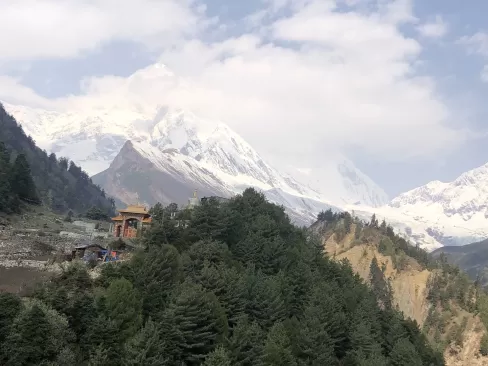
The Manaslu Budget Trek is an exciting and affordable trekking option that offers an unparalleled experience of Nepal’s natural beauty and cultural heritage. Located around Mount Manaslu, the eighth-highest peak in the world, the trek offers spectacular views of snow-capped peaks, high-altitude lakes, and ancient monasteries, all while keeping costs low. This trek takes trekkers on a route through remote villages, lush forests, and rugged terrains, making it ideal for budget-conscious adventurers who want to explore one of Nepal’s most scenic and less-traveled regions. The trek is fully supported by local teahouses, where trekkers can experience Nepali hospitality and enjoy hearty local meals, making it not only an affordable option but also an authentic cultural experience.The Manaslu Circuit, which the Manaslu Budget Trek follows, is renowned for its biodiversity and cultural richness. Trekkers will pass through traditional villages like Jagat, Philim, Samagaon, and Bimtang, each offering a glimpse into the lives of the Tamang, Gurung, and Sherpa communities. As trekkers ascend through rhododendron forests, alpine meadows, and high mountain landscapes, they are treated to panoramic views of Mount Manaslu, Himalchuli, Ngadi Chuli, and Buddha Himal. Despite the budget-friendly approach, the Manaslu Budget Trek still offers all the rewards of the classic trek, with safe and carefully managed itineraries, well-structured acclimatization breaks, and opportunities for trekkers to enjoy the stunning beauty and tranquility of the region.Monasteries Worth Your TimePungyen Gompa (Above Samagaon)This is the big one. Built around 1880, and monks still live here. The hike up takes 2-3 hours from Samagaon, gaining about 300m elevation.Inside, there are old thangka paintings, spinning prayer wheels, and usually a few monks around. If you arrive during prayer time (early morning or late afternoon), just sit quietly in the back. They don't mind visitors but don't interrupt.Donations appreciated but not required. 100-200 NPR is standard.Rachen Gompa (Near Lho)This is a nunnery—run entirely by Buddhist nuns. It's smaller and quieter than Pungyen. The nuns are often weaving or doing daily monastery work when visitors arrive.Very peaceful atmosphere. If you want to learn about Buddhist practices from a female perspective, this is the place.Ribung Gompa (Lho Village)Probably the oldest monastery on the circuit (some say 1600s). The murals inside are fading but still visible. There's usually one older monk who maintains the place.Small donation box at entrance.Why Trek With Explore Holiday Treks Let me be straight with you—there are maybe 50+ companies offering Manaslu treks. Some are great, some are sketchy, most are somewhere in between.Here's why we think we're worth booking with:1. We're Actually LocalOur guides are from trekking regions—Gorkha, Manang, Solukhumbu. They grew up in mountains, not Kathmandu offices.What this means for you:They know which lodges have the best foodThey can communicate with locals in multiple dialectsThey understand altitude sickness from experienceThey can negotiate better prices (which we pass to you)2. Transparent Pricing (Actually Transparent)Our standard Manaslu Budget Trek costs $650-750 per person depending on group size. This includes:All permits (MCAP + ACAP)Guide wagesTheir insurance and equipmentBasic accommodation (teahouse style)Three meals daily on the trekGround transport (Kathmandu-Soti Khola-Kathmandu)Not included:Your travel insuranceDrinks and snacksWiFi chargesTips We don't do the thing where we quote $500 then hit you with "extras" that bring it to $900. Hate that.3. Porter TreatmentThis is huge. Some companies overload porters (30+ kg) and don't provide proper gear. We don't.Our porters carry maximum 25kg, get proper boots and jackets, have insurance, and eat the same food as clients. This is non-negotiable.If you see other companies charging $100-200 less, ask about porter treatment. You'll probably find out why they're cheaper.4. Emergency BackupAll guides carry:Comprehensive first aid kitPulse oximeter (measures blood oxygen)Gamow bag (for severe altitude sickness—rare but important)We have helicopter evacuation arrangements with multiple providers. Obviously we hope to never use this, but it's there.Important: Your travel insurance MUST cover helicopter evacuation up to 6,000m. This isn't optional. We've seen rescues cost $5,000-8,000.5. Flexible ItinerariesStandard trek is 14-16 days. But we can adjust:Add extra acclimatization daysExtend to include Tsum ValleyShorten if you're time-limited (not recommended but possible)Start from Arughat instead of Soti KholaJust talk to us before booking.6. Pre-Trek SupportWhen you arrive in Kathmandu, we do a proper briefing:Check your gear (we'll tell you if something's inadequate)Review the itinerary day by dayGo over permits and documentsAnswer any questionsWe also help arrange:Kathmandu hotel Airport pickup Gear rental if needed 7. What We're NOTWe're not a luxury company. If you want heated lodges, private bathrooms, and Western food the whole way, we're not your people. Those treks cost $2,000-3,000+.We're also not the absolute cheapest. If someone quotes you $400 for Manaslu, ask questions. Really ask questions.8. Past Client FeedbackWe've done 100+ Manaslu treks since 2018. Most common feedback:"Guide was patient with slow pace""Appreciated the rest days built in""Porter was friendly and helpful""Good value for money"Most common complaint:"WiFi barely worked" (yeah, we can't fix that—you're in remote mountains)Check our reviews on TripAdvisor or Google. We're "Explore Holiday Treks Nepal"—not to be confused with similarly named companies.9. Post-Trek ServicesWhen you finish, we:Help with onward travel arrangementsRecommend Kathmandu restaurants and activitiesAssist with any issues or feedbackStay in touch (many clients come back for other treks)Some of our Manaslu clients later booked Everest Base Camp, Annapurna Circuit, or Upper Mustang with us. We like building long-term relationships, not one-off transactions.Booking ProcessEmail us your preferred dates and group sizeWe send detailed quote and itineraryPay 20% deposit (bank transfer or credit card via secure link)Remaining 80% paid in Kathmandu (cash or card)Meet in Kathmandu for briefingStart trekWe need at least 2-3 weeks notice for permits, but can sometimes arrange faster with rush feesFinal ThoughtsThe Manaslu Circuit isn't easy. It's 14-16 days of walking, with one really tough day at the pass. Your legs will hurt, you'll smell bad by day 5, and dal bhat gets boring by day 8.But you'll also see some of the most incredible mountain scenery in the world, meet people living traditional Himalayan lifestyles, and probably surprise yourself with what you can accomplish.Budget trekking doesn't mean suffering. It means spending money on what matters (good guides, safety, supporting local communities) and skipping what doesn't (fancy lodges, luxury transport).If you want to do Manaslu right, without emptying your bank account, get in touch. We'll figure it out.Contact: 9779849816310Email response time: Usually within 24 hours ([email protected])Let's make this happen.Top Blogs About Trekking in the Manaslu Region:Uncover the best blogs about trekking in the Manaslu region, featuring expert advice, detailed itineraries, personal experiences, and essential tips for adventurers looking to explore the Himalayas.Altitude Sickness on Nepal Treks: Symptoms, Treatment, and When to Descend (Complete Guide) Manaslu Circuit Trek for Beginners 2025Manaslu Circuit Trek: Best Routes, Preparation & Travel TipsManaslu Circuit Trek in Spring (March-May)Manaslu Circuit Trek on a Budget: How to Save Money Without Missing OutNepal Trekking Permits: Costs, Types, and How to Get ThemNepal Trekking: What’s the Best Time to Go?Budget Trekking in Nepal: Tips, Trails, and TricksExploring Nepal’s Wildlife and NatureTrekking Through Nepal: A Journey into the HimalayasTop 10 Mountain Peaks in NepalMonastery Life in Nepal: Finding Peace in the Heart of the Himalayas Exploring Nepal’s Hidden Gem: The Manaslu Circuit TrekTop Places to Visit on the Manaslu Circuit Trek Manaslu Circuit vs Annapurna Circuit: Which Trek is Right for You?Is the Manaslu Circuit Trek Right for You?Exploring Hidden Villages on the Manaslu Circuit Trek20 Must-Know Facts About Manaslu Circuit TrekkingManaslu Circuit Trekking Tips for Autumn Season (September to November)Discovering the Spiritual Heart of Nepal: Tsum ValleyAltitude Sickness on Nepal Treks: Symptoms, Treatment, and When to Descend (Complete Guide)Dal Bhat Power 24 Hour: The Science and Soul Behind Nepal's Mountain FuelThe Vanishing Villages of Manaslu: How Climate Change is Reshaping Nepal's Hidden Trekking Gem (And What Trekkers Can Do)The Essential Guide to Choosing Your Perfect Nepal Trek: From Beginner-Friendly Trails to Epic Himalayan AdventuresSolo Female Trekking in Nepal: A Complete Safety and Empowerment Guide for 2026How Difficult Is Manaslu Trek? The Honest Guide Every Trekker Needs to Read


 (34)
(34) 