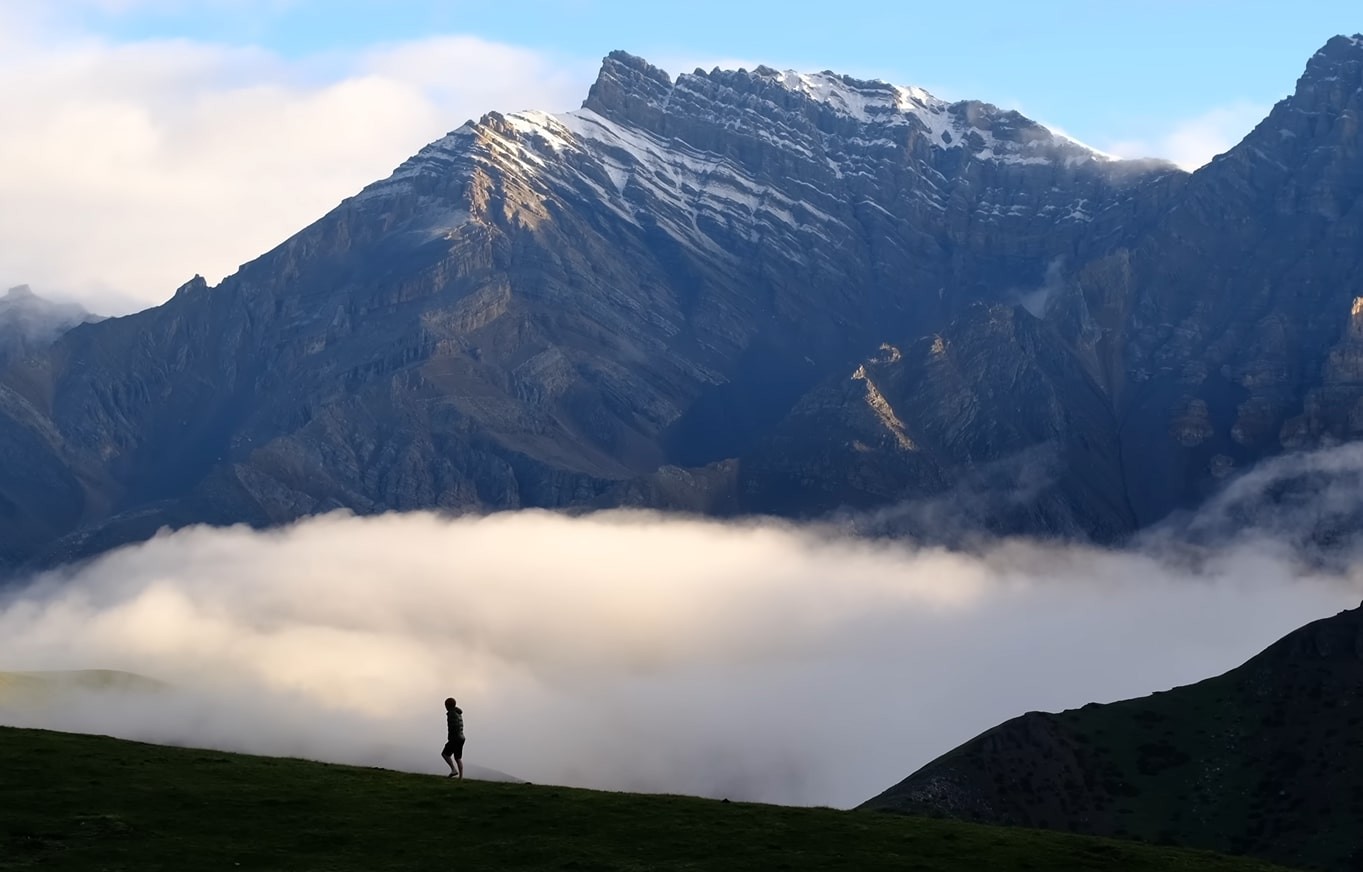
 Upper Dolpo Circuit Trek: Nepal's Last Forbidden Kingdom
Here's something most trekkers never experience—a region of Nepal so remote that it was completely closed to foreigners until 1989. The Upper Dolpo Circuit Trek takes you into one of the most isolated corners of the Himalayas, where Tibetan Buddhist culture thrives untouched, and villages look exactly as they did centuries ago.
Upper Dolpo sits in Nepal's far northwest, squeezed between the Tibetan plateau and the Dhaulagiri range. It's about as remote as trekking gets in Nepal. No roads reach here. No internet. No cell signal. Just mountains, ancient monasteries, and communities living much as their ancestors did.
The trek typically runs 18-24 days depending on your route and pace. You'll start around 2,000 meters and climb to over 5,000 meters crossing high passes. Along the way, you'll see Phoksundo Lake—Nepal's second-largest and deepest lake with impossibly turquoise water—plus stunning views of Kanjiroba Himal and distant Dhaulagiri peaks.
But let's be absolutely clear upfront—this is one of Nepal's hardest treks. It's long, high, remote, and demanding. You need serious trekking experience and excellent fitness. This isn't your introduction to the Himalayas. It's advanced-level stuff.
Good question. If it's so spectacular, why doesn't everyone go there?
Restricted area status: Until 1989, Upper Dolpo was completely closed to foreigners. Even now, you need expensive special permits ($500 for 10 days, then $50 per additional day). These permits keep numbers low and help preserve the region's culture.
Difficult access: Getting to the trailhead requires flights to Nepalgunj, then a small plane to Jhupal. Weather often cancels flights. No roads, no alternatives. You're at the mercy of mountain weather and tiny aircraft schedules.
Length and difficulty: Most itineraries need 18+ days. The terrain is rugged, the passes are high, and there's zero infrastructure. This immediately filters out casual trekkers.
Cost: Between expensive permits, flights, and the need for camping or very basic lodges, this trek costs significantly more than popular routes. Budget trekkers look elsewhere.
These barriers have created something special—a region where tourism hasn't destroyed traditional culture. Where villages still function as they have for centuries. Where you'll see maybe a handful of other trekkers in three weeks.
The Upper Dolpo Circuit Trek's landscape is unlike anywhere else in Nepal.
You start trekking from Jhupal through surprisingly lush terrain. Dense pine and juniper forests, rushing rivers, green hillsides. It almost doesn't feel like you're heading into the high Himalayas yet.
Phoksundo Lake (3,611m) is where things get spectacular. This is Nepal's deepest lake and second-largest, and its color is unreal—turquoise so vivid it looks photoshopped. The lake sits in a barren valley surrounded by steep cliffs, fed by waterfalls that freeze in winter.
The lake is sacred to Bon-Po people (practitioners of pre-Buddhist religion) and local Buddhists. Monasteries dot the shoreline, and you'll see pilgrims circumambulating the lake performing religious rituals.
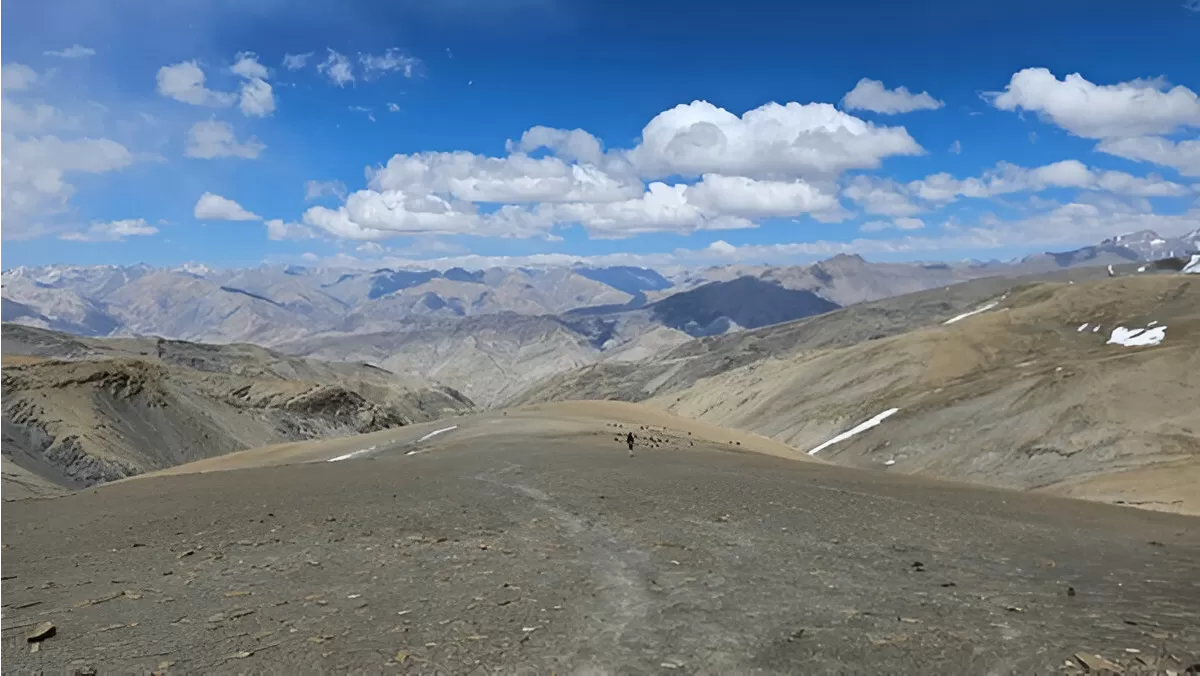
As you climb higher into Upper Dolpo proper, the landscape transforms completely. Trees disappear. The terrain becomes arid, almost desert-like—bare brown and red hills, sparse vegetation, intense sun, and bone-dry air. It looks more like Tibet than Nepal.
This is rain shadow territory. The Himalayas block monsoon moisture, creating a high-altitude desert. Summers are dusty and dry. Winters are brutally cold. Life clings to existence here, tough and resilient.
You'll cross multiple passes above 5,000 meters:
These aren't technical climbs requiring ropes, but they're serious high-altitude challenges. Thin air, steep approaches, sometimes snow and ice. Each pass tests your fitness and acclimatization.
The cultural experience in Upper Dolpo is genuinely unique.
Upper Dolpo is one of the last strongholds of Bon, the pre-Buddhist religion of Tibet. While most of the Himalayan region converted to Buddhism centuries ago, Bon practitioners maintain their traditions here.
You'll notice differences: Bon followers circumambulate monuments counterclockwise (opposite of Buddhists), their monasteries have different symbols, and their religious practices incorporate ancient shamanistic elements.
Monasteries in Upper Dolpo are remote, ancient, and functioning religious centers—not tourist attractions. Shey Gompa (4,500m) is perhaps the most important, sitting in a barren valley with views of Crystal Mountain, a peak sacred to Buddhists and Bon-Po alike.
These monasteries house ancient texts, religious artifacts, and monks who've chosen isolation for spiritual practice. If you're lucky enough to witness ceremonies, the experience is powerful—chanting echoing off bare mountains, horns calling across empty valleys, incense in the thin air.
Villages like Saldang, Dho Tarap, and Ringmo appear medieval. Stone houses with flat roofs. Narrow alleyways. Prayer flags everywhere. Life revolves around barley cultivation, yak herding, and trade with Tibet.
These aren't museum exhibits. People live here year-round, maintaining traditions because that's how they've always lived, not for tourists. Kids play in dusty streets. Women work fields on impossible slopes. Elders spin prayer wheels and tell stories their grandparents told them.
The hospitality is genuine but reserved. These communities see few outsiders, so curiosity exists alongside caution. Respect their customs, ask before photographing, and remember you're a guest in their home, not an observer at a cultural zoo.
Timing matters enormously in Upper Dolpo's extreme climate.
This is one of the two main trekking windows. By May, snow has cleared from most passes, though some sections might still have patches. Temperatures are warming up—days can be pleasant (10-15°C in valleys), though nights remain cold, especially at high camps.
Advantages: Passes generally clear. Wildflowers blooming in lower sections. Longer daylight hours. Villages are active as people return from winter homes at lower elevations.
Disadvantages: June marks the start of monsoon in most of Nepal. While Upper Dolpo's rain shadow protects it from heavy monsoon rains, weather becomes less predictable. Afternoon clouds and occasional rain are possible.
This is the prime season. After any summer weather clears in September, autumn brings stable conditions, clear skies, and excellent visibility. October especially offers perfect trekking weather.
Temperatures are manageable—warm enough during the day for comfortable trekking, cold at night but not extreme yet. The air is crystal clear after summer, making mountain views spectacular.
The downside? This is peak season, meaning slightly higher prices and more trekkers. Though "crowded" in Upper Dolpo still means you'll see maybe 10-20 other groups total across three weeks.
Winter in Upper Dolpo is harsh. Really harsh. Temperatures drop to -20°C or lower. Heavy snow closes passes for months. Most lodges and teahouses shut down as residents migrate to lower elevations.
Only attempt winter trekking if you have extensive mountaineering experience, full winter camping equipment, and a flexible schedule. Even then, it's borderline foolhardy. The cold is life-threatening, evacuation is nearly impossible, and the suffering-to-enjoyment ratio tips heavily toward suffering.
While Upper Dolpo gets less monsoon rain than most of Nepal, some precipitation occurs. Trails can be muddy. River crossings become dangerous. Clouds obscure views. The landscape, already dusty, becomes unpleasantly sticky when wet.
Skip monsoon unless you have very specific reasons for going then.
The Upper Dolpo Circuit Trek is genuinely difficult. One of Nepal's hardest non-technical treks.
Duration: 18-24 consecutive days of trekking. That's three weeks minimum of walking 6-8 hours daily. Your body needs serious endurance.
Altitude: You'll spend extended time above 4,000 meters and cross multiple 5,000+ meter passes. Altitude sickness is a major risk. Proper acclimatization is crucial—the itinerary builds in rest days, but you must still ascend carefully and listen to your body.
Remoteness: This is as remote as trekking gets. Help is days away. Helicopter evacuation is complicated, weather-dependent, and expensive. This demands taking safety seriously—proper preparation, comprehensive insurance, and conservative decision-making.
Terrain: Rugged trails, rocky paths, steep climbs, high passes. Not technically difficult, but physically demanding. Some sections require crossing rivers on sketchy bridges or logs. Landslide zones exist. Rockfall is possible.
Facilities: Very basic. Camping is common on some itineraries. Where teahouses exist, they're extremely rudimentary—thin mattresses, no showers, pit toilets, minimal food options. You're basically camping indoors.
Weather extremes: High-altitude desert means intense sun, dramatic temperature swings, strong winds. You'll burn in the day and freeze at night.
Who should attempt this?
You absolutely need:
If the Annapurna Circuit Trek or Everest Base Camp Trek challenged you significantly, Upper Dolpo is too advanced. Build more experience first. Try the Manaslu Circuit Trek or Kanchenjunga Trek to develop the skills and toughness Upper Dolpo demands.
Reaching Upper Dolpo's trailhead is an adventure itself.
You start with a flight from Kathmandu to Nepalgunj, a city in Nepal's southern plains near the Indian border. The flight takes about an hour. Nepalgunj is hot, dusty, and feels nothing like mountain Nepal. You'll usually spend a night here.
The next morning brings a flight to Jhupal (2,475m) on a small aircraft—maybe 15-20 seats. This flight is spectacular when weather allows—you fly into the mountains, watching the landscape transform from plains to foothills to serious peaks.
But here's the catch: these flights are extremely weather-dependent. Jhupal's tiny airstrip sits in a mountain valley where weather changes fast. Morning flights often happen, afternoon flights frequently cancel. Delays of 1-2 days are common, sometimes longer.
This is why Upper Dolpo itineraries build in buffer days. You can't control weather, and you can't start or finish the trek without these flights.
From Jhupal, your feet start moving. The trail follows the Thuli Bheri river, gradually gaining altitude through forests and villages. You're officially trekking in one of Nepal's most remote regions.
Food in Upper Dolpo is basic. Really basic.
Lower sections (Jhupal to Phoksundo area): Simple teahouse menus—dal bhat (rice and lentils), noodle soup, fried rice, maybe momos. Fresh vegetables are limited, and variety is minimal. But food is hot and filling.
Upper sections (beyond Phoksundo): Even more limited. Dal bhat becomes the staple because it's efficient—carbs for energy, protein from lentils. Expect to eat it twice daily. Other options: noodle soup, Tibetan bread, potatoes prepared various ways. Don't expect fresh vegetables or meat—everything is dried, canned, or preserved.
Camping sections (if your itinerary includes camping): Your trekking crew cooks meals. Food is simple but prepared fresh—rice, lentils, potatoes, occasional canned vegetables, tea. Better than what you'd get at the most remote lodges.
The key is managing expectations. You're not here for culinary experiences. You're here for adventure. Food is fuel. As long as it's hot, provides calories, and doesn't make you sick, it's doing its job.
Bring supplemental snacks from Kathmandu: energy bars, chocolate, nuts, dried fruit. When you're tired of dal bhat (and you will be), familiar comfort food helps morale.
Upper Dolpo accommodation depends on your specific itinerary.
Camping-based treks: Your team carries tents, sleeping mats, cooking equipment. You sleep in tents, eat meals prepared by cooks, and use basic portable toilets. More self-sufficient but requires more porters and costs more.
Lodge-based treks (where possible): Very basic teahouses in villages like Dunai, Tarakot, Dho Tarap, Ringmo. Expect small rooms with thin mattresses, shared pit toilets, no showers, minimal electricity. These aren't commercial lodges—they're local homes that host trekkers.
Hybrid treks (most common): Combination of lodges where they exist and camping where they don't. This balances comfort with necessity.
Regardless of approach, a sleeping bag rated to -15°C is essential. Nights are cold, especially at high camps. Lodges provide blankets, but they're insufficient.
Hot water? Forget it unless you're in lower villages. Showers? Not happening for most of the trek. Wet wipes become your bathing method. Embrace the dirt—everyone's equally grimy by week two.
Upper Dolpo's remoteness makes safety paramount.
Altitude Sickness: The biggest health risk. You'll spend extended time above 4,000 meters and cross 5,000+ meter passes. Symptoms—headache, nausea, dizziness, fatigue—can affect anyone regardless of fitness.
Prevention requires:
Medical Resources: Basically nonexistent. No hospitals, no clinics, no doctors. Your guide carries first aid supplies and has basic medical training, but serious problems require evacuation.
Communication: No cell signal throughout most of the trek. Satellite phones are essential for emergencies. Your guide should have one.
Evacuation: Helicopter rescue is complicated and expensive ($10,000-15,000+). Weather must cooperate. Suitable landing zones are limited. Evacuation can take days to arrange.
Travel Insurance is ABSOLUTELY MANDATORY:
You must have comprehensive insurance covering:
Don't even consider this trek without proper insurance. The financial risk is enormous, and no reputable trekking company will take you without proof of coverage.
Choosing the right company for Upper Dolpo is crucial. This isn't a trek where you can afford mediocre service.
Experienced Team: Explore Holiday Nepal's guides have extensive Upper Dolpo experience. They know the trails, understand the culture, speak local languages, and have trained in high-altitude rescue and first aid. This expertise matters when you're days from help.
Proper Equipment: For camping sections, their equipment is quality—warm sleeping tents, comfortable dining tents, proper cooking gear. For lodge sections, they've established relationships with local families ensuring you get the best available accommodation.
Safety Focus: They prioritize conservative decision-making. If weather's questionable at a pass, they wait. If someone shows altitude sickness symptoms, they descend. Profit never trumps safety.
Logistical Mastery: Arranging Upper Dolpo treks is complex—expensive permits, unreliable flights, remote lodging, porter logistics. Explore Holiday Nepal handles everything, including building buffer days for weather delays.
Cultural Respect: They train guides to respect local customs and facilitate genuine cultural exchange. They employ local staff where possible, supporting mountain communities economically.
Emergency Support: 24/7 Kathmandu office support, satellite communication, established helicopter rescue relationships, comprehensive emergency protocols. If something goes wrong, systems are in place to handle it.
Transparent Pricing: No hidden fees. Permits, accommodation, meals, guide and porter wages—everything's clearly outlined. You know exactly what you're paying for.
The Upper Dolpo Circuit Trek isn't Nepal's most popular route. It's not the easiest, cheapest, or most accessible.
But for experienced trekkers seeking genuine adventure in one of the world's last remote Himalayan regions, it's extraordinary. The combination of pristine landscapes, ancient Tibetan Buddhist culture, real isolation, and serious physical challenge creates an experience that popular treks cannot match.
You'll work hard for three weeks. Your body will hurt. You'll go days without basic comforts. Weather might force delays. The altitude will challenge you. The remoteness will test your mental toughness.
And you'll return home transformed. You'll have walked through landscapes few humans ever see. You'll have witnessed a culture preserved by isolation, not tourism. You'll have crossed 5,000-meter passes and stared at sacred mountains. You'll have tested your limits and discovered strength you didn't know existed.
The Upper Dolpo Circuit Trek rewards those brave enough to venture into true wilderness. If you've got the experience, fitness, time, budget, and adventurous spirit, this trek deserves serious consideration.
Just make sure you're properly prepared, choose a reliable company like Explore Holiday Nepal, and approach the journey with the respect these mountains and communities demand. Do that, and Upper Dolpo will give you an adventure you'll measure all others against.
Top Blogs About Trekking in the Mustang and Dolpo Region:
Uncover the best blogs about trekking in the Mustang and Dolpo region, featuring expert advice, detailed itineraries, personal experiences, and essential tips for adventurers looking to explore the Himalayas.
Discovering Upper Mustang’s Mystical Villages
Altitude Sickness on Nepal Treks: Symptoms, Treatment, and When to Descend (Complete Guide)
Nepal Trekking Permits: Costs, Types, and How to Get Them
Nepal Trekking: What’s the Best Time to Go?
Budget Trekking in Nepal: Tips, Trails, and Tricks
Exploring Nepal’s Wildlife and Nature
Trekking Through Nepal: A Journey into the Himalayas
Top 10 Mountain Peaks in Nepal
Monastery Life in Nepal: Finding Peace in the Heart of the Himalayas
Your Start Date is the day you land in Nepal, and your End Date is when you fly home.
If the set Upper Dolpo Circuit Trekking group dates don’t suit your schedule, we can offer alternative dates upon request.
The Upper Dolpo Circuit Trek was an incredible adventure, offering remote landscapes and a deep cultural experience. Explore Holiday Nepal took care of everything, ensuring safety and comfort. The pristine beauty of Dolpo and its untouched charm left me in awe. Highly recommended for seasoned trekkers!
The Upper Dolpo Circuit Trek is an epic and remote trekking journey that takes you through the wild and rugged landscapes of the Dolpo region, a place that has remained relatively untouched by modern development. This trek provides stunning views of the Himalayas, passes through Tibetan Buddhist villages, and offers an insight into the rich cultural heritage of the Dolpo people. The highlight of this trek is Shey Phoksundo Lake, a turquoise alpine lake set in a stunning valley surrounded by snow-capped peaks. The Upper Dolpo Circuit Trek also includes high-altitude passes, ancient monasteries, and an opportunity to experience life in one of the most isolated regions of Nepal.
Explore Holiday Nepal specializes in offering authentic, safe, and well-organized trekking experiences in some of Nepal’s most remote and challenging regions. Our team of expert guides, porters, and support staff is dedicated to providing you with a seamless and enriching adventure. We prioritize your safety, offering proper acclimatization schedules, high-quality equipment, and emergency evacuation plans. Additionally, we ensure that our itineraries allow you to immerse yourself in the local culture and natural beauty, while maintaining a comfortable trekking pace.
The Upper Dolpo Circuit Trek is considered strenuous and is suited for experienced trekkers. This trek involves long days of hiking, high-altitude terrain, and high passes above 5,000 meters (16,404 feet). The difficulty lies in both the physical challenge of the rugged terrain and the altitude, which can cause altitude sickness if not properly managed. Previous high-altitude trekking experience is recommended for this trek. However, the itinerary is designed to include acclimatization days to ensure trekkers can adjust to the higher elevations safely.
The highest point on the Upper Dolpo Circuit Trek is the Baga La Pass, which is at an altitude of 5,190 meters (17,030 feet). The trek also involves several other high passes above 4,500 meters (14,764 feet), making acclimatization crucial. While the trek doesn’t go to extreme altitudes like some other treks in Nepal, it still presents challenges related to altitude sickness, so trekkers must take it slow and follow the acclimatization schedule.
The best times to trek the Upper Dolpo Circuit are during the spring (March to May) and autumn (September to November) months. During these seasons, the weather is typically clear and dry, offering stunning views of the mountains and landscapes. Spring brings beautiful wildflowers and rhododendrons, while autumn offers crisp, cool air and clear skies. Avoid trekking during the monsoon season (June to August) as heavy rains can make trails slippery and dangerous. Winter (December to February) is also not recommended due to extreme cold and snow.
Accommodation during the Upper Dolpo Circuit Trek is generally basic. You will stay in local teahouses and guesthouses along the route, though the availability of lodges will become more limited as you reach higher elevations. In more remote sections of the trek, you may need to camp at higher altitudes or when there are no guesthouses available. The lodges provide basic facilities, including a bed, simple meals (like dal bhat, noodles, and chapati), and shared bathroom facilities. At higher altitudes, accommodation will be simpler, and you will need to bring a good-quality sleeping bag and other camping gear.
Yes, it is highly recommended to hire a guide and porter for the Upper Dolpo Circuit Trek. The region is remote and less-developed, and a guide will be invaluable for navigating the route, interpreting local culture, and ensuring your safety. A porter will carry your heavy gear, allowing you to focus on the trek itself and enjoy the stunning views. Explore Holiday Nepal provides experienced and licensed guides and porters who are familiar with the region and its challenges.
The Upper Dolpo Circuit Trek is generally safe if proper precautions are taken. Explore Holiday Nepal ensures your safety by planning the trek with proper acclimatization, providing experienced guides and porters, and having emergency evacuation plans in place. We also monitor weather conditions and take necessary measures to avoid dangerous situations. Additionally, we emphasize the importance of acclimatization and staying hydrated to minimize risks associated with high-altitude trekking.
o prepare for the Upper Dolpo Circuit Trek, consider the following tips:
Physical Fitness: Build endurance with cardiovascular exercises, and strengthen your legs through hiking and stair climbing. Training with a weighted backpack will help simulate the trek’s conditions.
Trekking Experience: If you have not trekked in high-altitude conditions before, it’s advisable to gain experience on shorter treks before attempting the Upper Dolpo Circuit.
Packing: Pack warm clothing, including layers, waterproof gear, and sturdy trekking boots. You’ll also need a sleeping bag (rated for cold temperatures) and other personal trekking gear.
Mental Preparation: The trek involves long days of walking through remote terrain. Be mentally prepared for a challenging yet rewarding journey.





 (34)
(34) 