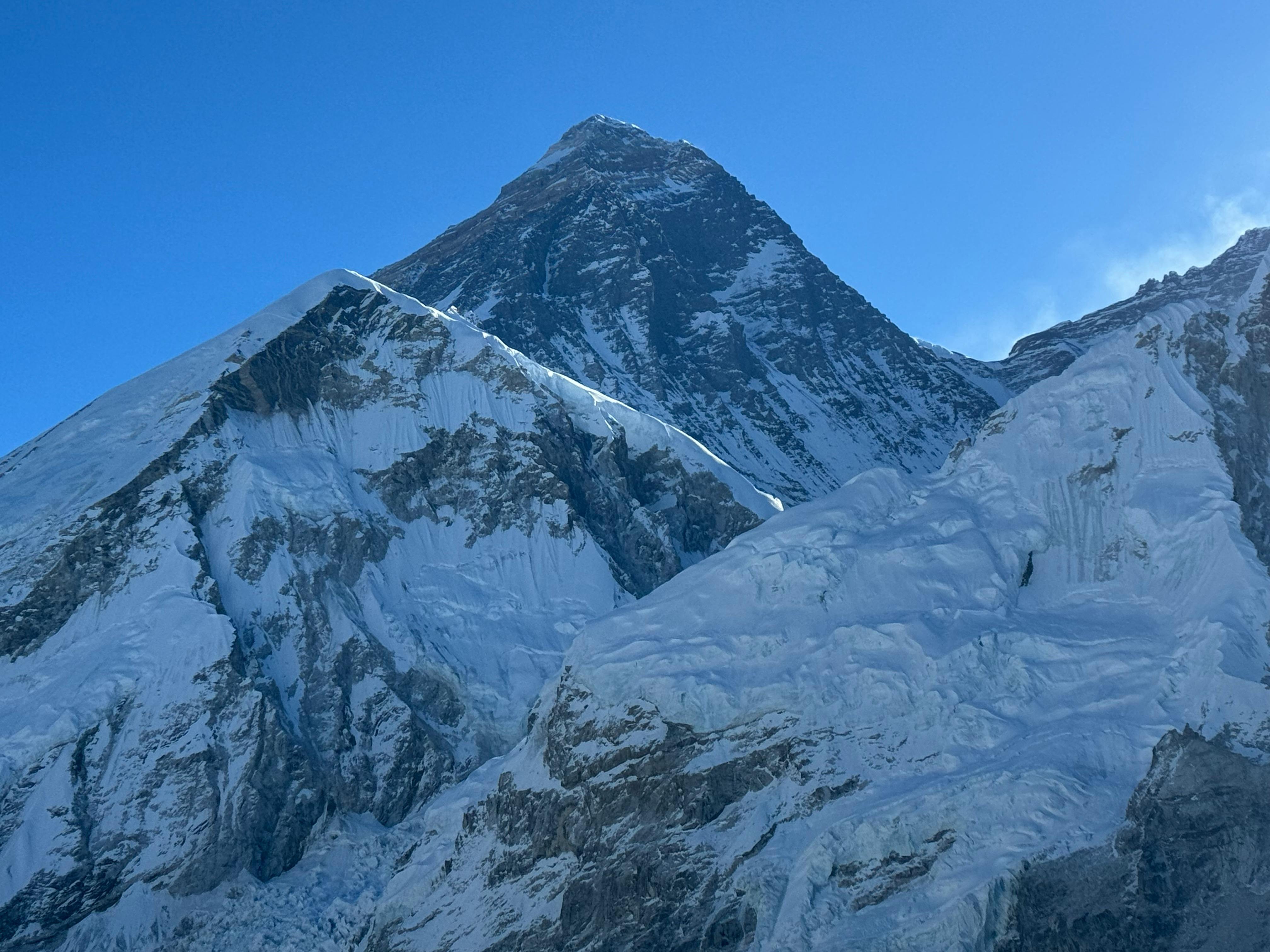
 Fly-In, Drive-Out Lhasa Tour with Everest Base Camp: The Ultimate Tibet Adventure
Embarking on a journey to Tibet has been a dream for countless adventure seekers and spiritual travelers worldwide. The Fly-In, Drive-Out Lhasa Tour with Everest Base Camp offers an exceptional opportunity to experience the mystical landscapes, ancient monasteries, and towering peaks of the Tibetan Plateau. This comprehensive guide will walk you through everything you need to know about this remarkable adventure, from the spiritual heart of Lhasa to standing at the base of the world's highest mountain.
The fly-in, drive-out approach to exploring Tibet represents the perfect balance between convenience and adventure. By flying into Lhasa from Kathmandu, you'll save valuable time while enjoying one of the world's most spectacular mountain flights. The aerial journey itself is breathtaking, offering panoramic views of the Himalayan range, including glimpses of several eight-thousander peaks that make up this magnificent mountain chain.
Flying into Lhasa also allows for better acclimatization to the high altitude. Lhasa sits at approximately 3,650 meters (11,975 feet) above sea level, and spending your first few days in the city helps your body adjust gradually before heading to even higher elevations at Everest Base Camp. The return journey by road provides an entirely different perspective, allowing you to witness the gradual transformation of landscapes, interact with local communities, and stop at numerous cultural and natural landmarks that would be impossible to experience from the air.
This combination tour is ideal for travelers who want to maximize their time in Tibet while ensuring a comprehensive experience. Similar to popular Nepal treks like the Everest Base Camp Trek or the Annapurna Base Camp Trek, this Tibet adventure requires proper planning, acclimatization, and an understanding of high-altitude travel.
Lhasa, meaning "Place of the Gods" in Tibetan, serves as both the political and spiritual capital of Tibet. The city is home to some of the most significant Buddhist monuments in the world, each telling stories of devotion, history, and architectural brilliance that span centuries.
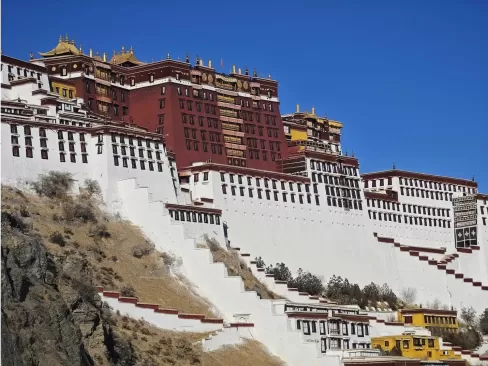
Potala Palace stands as the crown jewel of Lhasa and one of the most iconic structures in Asia. This UNESCO World Heritage Site was once the winter residence of the Dalai Lamas and continues to be a powerful symbol of Tibetan Buddhism. The palace complex rises 13 stories, containing over 1,000 rooms filled with intricate murals, golden statues, and sacred relics. Walking through its halls feels like stepping back in time, with each chamber revealing layers of Tibetan history and religious significance.
The Jokhang Temple, considered the most sacred temple in Tibetan Buddhism, draws pilgrims from across the Tibetan plateau. Built in the 7th century, this architectural masterpiece blends Tibetan, Chinese, Nepali, and Indian design influences. The temple houses the revered Jowo Rinpoche statue, believed to be the most sacred object in Tibet. Outside the temple, the Barkhor circuit bustles with pilgrims performing kora (circumambulation), spinning prayer wheels and prostrating in devotion—a sight that profoundly moves visitors.
Sera Monastery offers visitors a unique glimpse into the intellectual traditions of Tibetan Buddhism. Famous for its afternoon debate sessions, where monks engage in animated philosophical discussions punctuated by dramatic gestures and hand claps, Sera Monastery provides an authentic window into monastic life and Buddhist scholarship.
Drepung Monastery, once the world's largest monastery housing up to 10,000 monks, sprawls across the slopes of Mount Gephel. Exploring its numerous chapels, assembly halls, and living quarters gives visitors a sense of the vast scale and importance of monastic institutions in traditional Tibetan society.
Spending adequate time in Lhasa serves a dual purpose: cultural exploration and physical acclimatization. The first two to three days in the city allow your body to adjust to the altitude while immersing yourself in Tibetan culture. This preparation is crucial for the higher altitudes you'll encounter at Everest Base Camp, much like the acclimatization strategies used on treks such as the Manaslu Circuit Trek or the Langtang Valley Trek.
Beyond the major monuments, Lhasa offers countless opportunities for cultural discovery. The old town's narrow alleyways reveal traditional Tibetan homes with their distinctive architectural features, local tea houses serving butter tea and tsampa, and artisan workshops where craftspeople continue centuries-old traditions of thangka painting, metalwork, and woodcarving.
The Barkhor area surrounds Jokhang Temple and functions as Lhasa's traditional commercial heart. Here, vendors sell everything from prayer flags and singing bowls to yak butter, traditional medicines, and handicrafts. The atmosphere is electric with the energy of devotion and commerce blending seamlessly—a truly authentic Tibetan experience that hasn't been overly commercialized.
The drive from Lhasa westward takes you through some of Tibet's most spectacular landscapes. Your first major stop is Gyantse, a historic town that served as a major trading hub along ancient caravan routes connecting Tibet with India, Nepal, and Bhutan. Unlike Lhasa, Gyantse retains much of its traditional character, with old Tibetan houses lining cobblestone streets.
Pelkor Chode Monastery and its magnificent Kumbum Stupa (literally "100,000 images") represent Gyantse's crown jewels. The nine-story Kumbum is an architectural marvel containing 108 chapels adorned with thousands of murals and statues representing the Buddhist cosmology. Climbing through its levels provides an unparalleled education in Tibetan Buddhist art and iconography.
The Gyantse Dzong (fortress) perches dramatically on a hill overlooking the town. Though partially ruined, it offers panoramic views of the surrounding Nyang Chu valley and serves as a powerful reminder of Tibet's complex political and military history.
Shigatse, Tibet's second-largest city, serves as the traditional seat of the Panchen Lama, the second most important figure in Tibetan Buddhism after the Dalai Lama. The city's main attraction, Tashilhunpo Monastery, ranks among Tibet's largest and most influential religious institutions.
Founded in 1447, Tashilhunpo houses a stunning 26-meter-high gilded statue of Maitreya Buddha (the future Buddha), one of the largest such statues in the world. The monastery complex includes numerous chapels, prayer halls, and quarters for the thousands of monks who once resided here. Walking through Tashilhunpo during morning prayers, with the deep sound of dungchen (long horns) echoing through courtyards and the scent of juniper incense filling the air, creates an unforgettable spiritual experience.
Shigatse also offers insight into contemporary Tibetan life, with bustling markets, modern amenities, and a blend of traditional and modern architecture that characterizes many Tibetan cities today.
The route from Shigatse toward Everest Base Camp crosses several high mountain passes that offer breathtaking panoramas of the Himalayan range. Each pass is marked with colorful prayer flags that flutter in the wind, carrying prayers and blessings across the landscape.
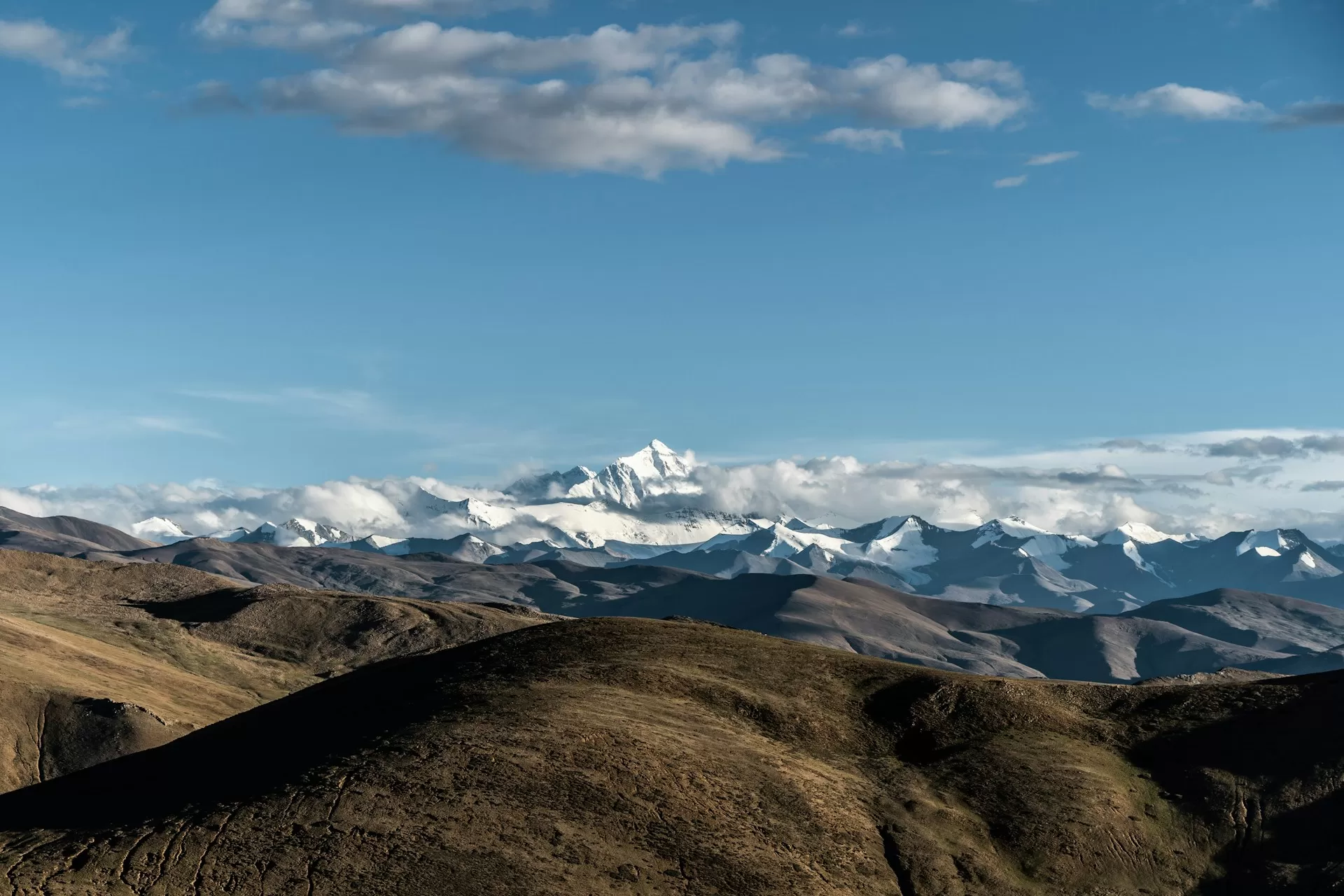
Gyatso La Pass (5,220 meters/17,126 feet) provides your first comprehensive view of the Himalayan chain. On clear days, you can see four of the world's fourteen eight-thousand-meter peaks from this single vantage point: Makalu, Lhotse, Everest, and Cho Oyu. This spectacular viewpoint offers photographers and nature enthusiasts alike an unparalleled opportunity to capture the majesty of the Himalayas.
The journey takes you past Yamdrok Lake (alternatively spelled Yamdrok Tso), one of Tibet's three largest sacred lakes. The turquoise waters, surrounded by snow-capped peaks and grasslands dotted with yaks and nomad tents, create a scene of surreal beauty. According to Tibetan tradition, the lake is considered the transformation of a goddess, and its waters are believed to help identify the reincarnation of the Dalai Lama.
As you travel through these high-altitude regions, the landscape transforms dramatically. The lush valleys around Lhasa give way to the stark beauty of the Tibetan Plateau—vast expanses of grassland, barren mountains painted in shades of brown and gold, and occasional clusters of nomad settlements. This dramatic landscape shares similarities with other high-altitude treks in the region, such as the Upper Mustang Trek, which also showcases the unique beauty of Trans-Himalayan landscapes.
The Tibetan side of Everest offers a dramatically different experience from the more famous Everest Base Camp in Nepal. While the Everest Base Camp Trek from Nepal involves a multi-day hiking adventure through Sherpa villages, the Tibetan route allows you to drive to within a short distance of base camp at Rongbuk Monastery.
Rongbuk Monastery (5,000 meters/16,404 feet) holds the distinction of being the highest monastery in the world. Positioned directly facing Everest's north face, it offers an unobstructed, awe-inspiring view of the mountain. The monastery has served as a spiritual outpost for climbers and pilgrims alike, providing blessings and refuge in this extreme high-altitude environment.
From Rongbuk, a short drive brings you to Everest Base Camp on the Tibetan side (approximately 5,200 meters/17,060 feet). Standing here, you're looking directly at Everest's north face—a sheer wall of rock and ice that represents one of mountaineering's ultimate challenges. The perspective from the Tibetan side allows you to appreciate Everest's massive scale in a way that's different from the Nepal side.
The experience of standing at Everest Base Camp is profoundly moving. The mountain's presence is overwhelming, its summit often creating its own weather systems with plumes of snow blown by jet-stream winds. The stark beauty of the surrounding landscape—barren, windswept, and dramatically colored—creates an almost otherworldly atmosphere.
Visiting Everest Base Camp from the Tibetan side requires serious preparation for high-altitude conditions. At over 5,000 meters, the air contains roughly 50% of the oxygen available at sea level. Symptoms of altitude sickness can include headaches, nausea, dizziness, and fatigue. This is why proper acclimatization in Lhasa and during the gradual ascent is crucial.
Experienced guides understand altitude physiology and monitor group members for signs of altitude-related illness. Similar precautions are taken on other high-altitude adventures like the Island Peak Climbing expedition or the Everest Three Passes Trek, where altitude management is critical for safety and success.
Staying hydrated, moving slowly and deliberately, avoiding alcohol, and eating regular meals (even when appetite is reduced) all help with acclimatization. Many travelers find that spending a night at Rongbuk Monastery helps them adjust before visiting base camp, though the accommodation here is extremely basic—part of the authentic high-altitude experience.
The drive-out portion of this tour typically follows a different route, often heading toward the Nepal border through spectacular mountain scenery. This journey provides opportunities to visit additional monasteries, interact with Tibetan communities, and witness the dramatic ecological transition from the high Tibetan Plateau to the subtropical lowlands of Nepal.
The changing landscapes along this route are remarkable. From the barren, windswept highlands around Everest, you gradually descend through zones of increasing vegetation. Small villages cling to hillsides, terraced fields appear, and the architecture begins to shift, reflecting the cultural blend that exists in border regions.
This gradual descent also allows your body to readjust to lower altitudes naturally. Many travelers find that the drive-out provides time for reflection on the experiences they've had—the spiritual encounters in Lhasa's monasteries, the vast beauty of the Tibetan Plateau, and the profound impact of standing before Everest.
The journey typically concludes with a border crossing back into Nepal, often through the Gyirong (Kerung) port or another designated checkpoint. The border crossing itself marks a transition between two distinct worlds—the high, arid Tibetan plateau and the green, subtropical hills of Nepal.
For many travelers, this transition point provides a moment to reflect on the contrasts they've experienced. Tibet's unique blend of spiritual devotion, harsh natural beauty, and resilient culture leaves a lasting impression that extends far beyond the physical journey.
Traveling to Tibet requires specific permits and documentation that differ from standard Chinese visas. The Tibet Travel Permit (also called the Tibet Tourism Bureau Permit) is mandatory for all foreign visitors and must be arranged through a registered travel agency—individual travel is not permitted in Tibet.
Additional permits may be required depending on your specific itinerary, particularly for visiting restricted areas near the Nepal border and Everest Base Camp. These include the Alien Travel Permit and potentially a Military Permit for certain regions. Your tour operator should handle all permit arrangements, but it's essential to provide accurate passport information well in advance.
The permit process typically requires submitting your passport copy and Chinese visa application 30-45 days before your intended travel date. Working with an experienced operator like Explore Holiday Treks ensures all documentation is properly handled, preventing any last-minute complications that could jeopardize your trip.
While the Fly-In, Drive-Out Lhasa Tour with Everest Base Camp doesn't require the intense trekking fitness needed for routes like the Annapurna Circuit Trek or Gokyo Lakes Trek, you should still be in good general health and physical condition. The high altitude affects everyone differently, regardless of fitness level, but good cardiovascular conditioning helps your body adapt more efficiently.
In the months leading up to your Tibet journey, focus on cardiovascular exercises like hiking, cycling, or running. Building your aerobic capacity helps your body utilize oxygen more efficiently—critical when oxygen levels are reduced at high altitude. If possible, train at higher elevations or use altitude simulation if available.
Beyond cardiovascular fitness, prepare yourself mentally for the challenges of high-altitude travel. Patience, flexibility, and a positive attitude are invaluable when dealing with altitude symptoms, basic accommodations, and the inevitable unexpected situations that arise during high-altitude adventures.
Packing appropriately for Tibet requires balancing the need for warm layers, sun protection, and essential medications while keeping your luggage manageable. The Tibetan Plateau experiences dramatic temperature variations, with warm days and freezing nights, intense sun, and occasional strong winds.
Clothing essentials include layered systems for temperature regulation: moisture-wicking base layers, insulating mid-layers (fleece or down), and a windproof, waterproof outer shell. Warm hat, gloves, and buff or scarf are essential, even in summer months. The intense high-altitude sun demands good quality sunglasses (with UV protection), sunscreen (SPF 50+), and lip balm with SPF.
Medical considerations are particularly important for high-altitude travel. Consult your doctor about altitude sickness medication (acetazolamide/Diamox) before departure. Bring a comprehensive first-aid kit including pain relievers, anti-diarrheal medication, hand sanitizer, and any personal prescription medications in their original containers with prescriptions.
Other essentials include a good camera with extra batteries (cold drains batteries quickly), power bank for electronic devices (electricity can be unreliable in remote areas), reusable water bottle, water purification tablets or filter, headlamp with extra batteries, and some high-energy snacks (nuts, chocolate, energy bars).
Spring represents one of the best periods for visiting Tibet and Everest Base Camp. As winter's grip loosens, temperatures become more moderate, making travel more comfortable. Clear weather predominates during spring, offering excellent visibility for mountain viewing and photography.
April and May are particularly popular because they coincide with the main Everest climbing season. At Everest Base Camp, you may encounter international climbing expeditions preparing for summit attempts, adding an exciting dimension to your visit. The atmosphere at base camp during this period buzzes with anticipation and achievement.
The spring season also brings new life to lower-elevation areas, with wildflowers blooming in valleys and fields. Buddhist festivals and ceremonies, including the celebration of Saga Dawa (marking Buddha's birth, enlightenment, and death), often occur during this period, providing opportunities to witness important cultural and religious traditions.
Autumn rivals spring as the premier time for Tibet travel. Following the summer monsoon period, the atmosphere clears, providing crystal-clear visibility of mountain ranges. The post-monsoon skies often appear incredibly blue, creating stunning contrasts with snow-covered peaks.
Temperatures in autumn remain comfortable during the day while nights can be quite cold, especially at higher elevations. The harvest season in agricultural regions adds golden hues to the landscape, and you may witness traditional farming activities and celebrations.
October typically offers the most stable weather of the entire year, making it the single most popular month for Tibet tours. This popularity means you'll encounter more travelers, but the exceptional weather conditions and spectacular visibility justify the increased crowds.
Summer (June to August) brings the monsoon season, though Tibet receives less precipitation than the southern Himalayan slopes. While rain can make road conditions challenging and cloud cover may obscure mountain views, summer travel offers advantages: fewer tourists, lush green landscapes in lower areas, and comfortable daytime temperatures.
Winter (November to March) presents significant challenges for Tibet travel. Extreme cold, potential road closures due to snow, and reduced services in tourist areas make winter travel difficult. However, for the truly adventurous, winter offers unique rewards: crystalline air providing unmatched visibility, a profound sense of solitude, and insight into how Tibetans live during the harshest season.
Most tour operators, including Explore Holiday Treks, recommend spring and autumn for the best overall experience, balancing weather conditions, accessibility, and cultural opportunities.
Tibetan Buddhism, particularly the Gelug school (to which the Dalai Lama belongs), permeates every aspect of Tibetan culture and daily life. Understanding some basic concepts enhances your appreciation of the sites you'll visit and the practices you'll observe.
The principle of karma (actions and their consequences) and samsara (the cycle of death and rebirth) form the foundation of Buddhist philosophy. Tibetan Buddhists seek to accumulate merit through virtuous actions, spiritual practice, and devotion, ultimately aiming to escape the cycle of rebirth and achieve enlightenment.
Compassion (karuna) holds central importance in Tibetan Buddhism, embodied in the figure of Chenrezig (Avalokiteshvara), the bodhisattva of compassion, whom Tibetans consider their special protector. The Dalai Lamas are believed to be emanations of Chenrezig, explaining their unique spiritual authority.
Visible expressions of Buddhist devotion include prayer flags, prayer wheels, stupas, and the practice of kora (circumambulation of sacred sites). Understanding that these aren't merely picturesque elements but active expressions of deep faith adds dimension to your observations.
As visitors to Tibet, demonstrating respect for local customs and religious sensitivities is essential. When visiting monasteries and temples, walk clockwise around buildings and religious objects, following the natural flow of pilgrims. Remove your hat before entering sacred spaces, and never touch religious objects, murals, or statues unless specifically permitted.
Photography inside temples is often prohibited or restricted. Always ask permission before photographing people, particularly monks and pilgrims engaged in worship. Some individuals may decline or request payment; respect their wishes.
Dress modestly when visiting religious sites—covered shoulders and knees are expected. Avoid wearing shorts, sleeveless tops, or revealing clothing. This respectful approach mirrors the consideration expected at sacred sites in Nepal, including those encountered on treks like the Everest View Trek or visits to monasteries along the Manaslu Circuit.
Tibetan people are renowned for their warmth and hospitality despite the harsh environment they inhabit. When invited to drink butter tea (po cha), accept at least one cup as refusing may be considered rude. The tea, made from tea leaves, yak butter, and salt, has a unique flavor that takes some getting used to, but it provides essential calories and hydration in the high-altitude environment.
If invited into a Tibetan home, remove your shoes before entering. Accept food and drink with both hands as a sign of respect, and try at least a small portion of whatever is offered. Gifts from your home country, particularly photographs or postcards, are appreciated and help build connections.
When interacting with Tibetans, avoid sensitive political discussions. While you may have strong opinions about Tibet's political situation, remember that local people face complex realities, and careless talk could create problems for them. Focus instead on cultural exchange, learning about daily life, traditions, and the remarkable resilience of Tibetan culture.
Many travelers combine their Tibet adventure with trekking experiences in Nepal, creating a comprehensive Himalayan journey. Nepal offers an incredible variety of trekking routes, from the world-famous Everest region to the diverse landscapes of the Annapurna area and the remote corners of the Tibetan border regions.
After the road journey from Tibet back to Nepal, you might consider the classic Everest Base Camp Trek to experience Everest from the southern, Nepali perspective. This provides a fascinating contrast—approaching the same mountain through Sherpa villages, Buddhist monasteries, and the dramatic Khumbu icefall region.
Alternatively, explore the Annapurna Base Camp Trek, which offers stunning mountain amphitheater views and passes through diverse ecosystems and traditional Gurung villages. The Annapurna region provides a different Himalayan experience, with lush forests, terraced fields, and hot springs complementing the high-altitude mountain scenery.
For those inspired by standing at Everest Base Camp and seeking more active mountain adventures, Nepal offers numerous trekking peaks that provide mountaineering experiences without requiring extensive technical expertise. Island Peak Climbing (6,189 meters) is the most popular, offering a genuine Himalayan climbing experience with spectacular views of Everest, Lhotse, and Makalu.
Mera Peak Climbing (6,476 meters) reaches an even higher elevation and is considered less technically demanding than Island Peak, making it an excellent option for first-time Himalayan climbers. The summit provides one of the most comprehensive mountain panoramas available, with views of five eight-thousand-meter peaks.
If time is limited or you prefer less physically demanding options, consider shorter cultural tours and treks. The Everest View Trek provides Everest views without the full commitment of reaching base camp. This shorter trek passes through Namche Bazaar and visits the famous Everest View Hotel, offering spectacular mountain vistas.
The Poon Hill Trek in the Annapurna region is another excellent shorter option, famous for its sunrise views over the Annapurna and Dhaulagiri ranges. This trek requires only 4-5 days and passes through beautiful rhododendron forests and traditional Magar and Gurung villages.
For those interested in cultural immersion, the Kathmandu Valley Tour explores Nepal's capital region, visiting UNESCO World Heritage Sites including ancient palace squares, Buddhist stupas, and Hindu temples. This cultural experience provides context for understanding the religious and artistic traditions shared between Nepal and Tibet.
For adventurous spirits seeking paths less traveled, Nepal offers several remote trekking regions that share characteristics with the Tibetan landscape. The Upper Mustang Trek ventures into a restricted area that was once an independent kingdom, featuring a stark, desert-like landscape reminiscent of the Tibetan Plateau, ancient Buddhist monasteries, and preserved Tibetan culture.
The Dolpo Region Trek takes you to one of Nepal's most remote areas, featured in the book and film "The Snow Leopard." This trans-Himalayan region offers rugged mountain scenery, ancient Bon and Buddhist traditions, and a genuine wilderness experience far from modern development.
The Kanchenjunga Base Camp Trek explores the region around the world's third-highest mountain, offering pristine mountain wilderness, diverse ethnic communities, and spectacular views while encountering few other trekkers.
Altitude sickness (acute mountain sickness or AMS) represents the primary health concern for Tibet travel. Understanding symptoms and prevention strategies is essential for a safe and enjoyable journey.
Mild AMS symptoms include headache, fatigue, dizziness, nausea, and difficulty sleeping. These affect many travelers at high altitude and usually resolve with rest and proper acclimatization. Staying hydrated, avoiding alcohol and sleeping medications, and eating regular meals help minimize symptoms.
Moderate to severe AMS involves intensifying headaches that don't respond to pain medication, severe nausea and vomiting, increased weakness, and confusion. These symptoms indicate the need for immediate descent to lower elevation and potentially medical evacuation. High Altitude Pulmonary Edema (HAPE) and High Altitude Cerebral Edema (HACE) are life-threatening conditions requiring emergency descent and medical treatment.
Prevention strategies include proper acclimatization schedules (spending adequate time at intermediate elevations), staying well-hydrated (3-4 liters of water daily), avoiding overexertion, and possibly taking acetazolamide (Diamox) as prescribed by your doctor. Experienced guides monitor group members for altitude symptoms and make decisions about pace, rest days, and descent when necessary.
Comprehensive travel insurance covering high-altitude travel (up to at least 6,000 meters), medical evacuation, and emergency repatriation is absolutely essential for Tibet travel. Standard travel insurance policies often exclude coverage above certain elevations, so verify your policy specifically covers Tibet and Everest Base Camp.
Your insurance should include helicopter evacuation coverage, as this may be necessary for serious altitude illness or other medical emergencies. Evacuation from remote areas of Tibet can be logistically complex and extremely expensive without proper insurance coverage.
Explore Holiday Treks maintains emergency protocols and communication systems to ensure assistance is available if needed. However, travelers should understand that in remote high-altitude environments, help may take considerable time to arrive, and weather conditions sometimes prevent helicopter operations for extended periods.
Beyond altitude considerations, take standard travel health precautions. Drink only bottled or purified water, avoid raw vegetables and unpeeled fruits in areas with questionable sanitation, and practice good hand hygiene. The high-altitude environment has low humidity, so protect your skin with moisturizer and lip balm in addition to sunscreen.
Tibet's intense sun at high altitude can cause severe sunburn rapidly. Even on cloudy days, UV radiation is extreme. Apply high-SPF sunscreen every few hours, wear a wide-brimmed hat, and use good quality sunglasses with UV protection. Snow blindness (photokeratitis) is a real risk in high-altitude snowy environments and can be extremely painful, emphasizing the importance of proper eye protection.
Explore Holiday Treks brings years of experience organizing Tibet tours and Nepal treks, combining logistical expertise with deep cultural knowledge. Our experienced guides are not merely tour leaders but cultural ambassadors who provide insights into Tibetan Buddhism, history, and contemporary life that transform your journey from simple tourism into meaningful cultural exchange.
Our team's relationships with local communities, monasteries, and service providers throughout Tibet ensure smooth operations and authentic experiences. We work with carefully selected drivers familiar with Tibet's challenging road conditions and high-altitude environments, accommodations that balance comfort with authentic Tibetan character, and restaurants serving quality meals suited to high-altitude conditions.
Similar to our approach with Nepal treks like the Langtang Gosaikunda Trek or Everest Three Passes Trek, we emphasize thorough preparation, safety protocols, and creating experiences that exceed expectations.
Navigating Tibet's complex permit requirements can be daunting for independent travelers. Explore Holiday Treks handles all aspects of permit acquisition, including the Tibet Travel Permit, Alien Travel Permit, and any additional permits required for specific areas on your itinerary. We manage visa support documentation, communicate with relevant authorities, and ensure all paperwork is properly completed and delivered before your departure.
Our comprehensive service extends beyond permits to include airport transfers, accommodation bookings, vehicle arrangements, experienced guide services, and emergency support systems. This all-inclusive approach allows you to focus entirely on experiencing and enjoying your journey rather than managing logistics and solving problems.
At Explore Holiday Treks, we believe that tourism should benefit local communities while preserving cultural heritage and natural environments. We employ local guides, drivers, and support staff, ensuring that tourism revenue supports Tibetan communities. We select accommodations and services that are locally owned when possible, creating economic benefits at the grassroots level.
Our environmental commitment includes minimizing waste, respecting protected areas, and educating travelers about environmental conservation. We encourage practices like carrying reusable water bottles, properly disposing of waste, and respecting wildlife and natural habitats. This approach mirrors our commitment to responsible trekking in Nepal on routes like the Annapurna Circuit Trek and other environmentally sensitive areas.
Your safety is our paramount concern. Our guides receive training in altitude illness recognition and response, first aid, and emergency protocols. Vehicles are regularly maintained and inspected, and drivers are experienced in high-altitude road conditions. We maintain communication systems and emergency contacts throughout your journey.
Our itineraries incorporate appropriate acclimatization schedules based on current medical understanding of high-altitude physiology. We monitor weather conditions and adjust plans when necessary to avoid risks. If situations arise requiring itinerary changes for safety reasons, our team has the experience and authority to make appropriate decisions prioritizing your wellbeing.
While we offer standard itineraries for the Fly-In, Drive-Out Lhasa Tour with Everest Base Camp, we understand that travelers have varying interests, time constraints, and physical capabilities. We're happy to customize itineraries, adding extra acclimatization days, including additional cultural sites, or combining your Tibet tour with Nepal trekking adventures.
Whether you want to extend your Himalayan journey with the Ghorepani Poon Hill Trek, challenge yourself with Mera Peak Climbing, or explore the remote Tsum Valley Trek, we can create a comprehensive itinerary that fulfills your Himalayan dreams while ensuring proper acclimatization and safety protocols.
The Tibetan (north) side of Everest offers a dramatically different perspective compared to the Nepali (south) side. From Tibet, you face Everest's massive north face—a sheer wall of rock and ice that appears more imposing than the southern approach. The drive-to-access model contrasts with Nepal's multi-day trekking approach through Sherpa villages.
The Tibetan landscape surrounding Everest is more barren and stark, reflecting the high-altitude desert environment of the Tibetan Plateau. Base camp on the Tibetan side sits at a lower elevation (approximately 5,200 meters) compared to Nepal's south base camp (5,364 meters), and the views are more direct and unobstructed.
The Fly-In, Drive-Out Tibet tour requires less physical exertion than multi-day treks like the Annapurna Base Camp Trek or Everest Base Camp because you travel primarily by vehicle rather than walking for days. However, the altitude challenges are equally significant, as you ascend to similar or higher elevations.Good general health and fitness are important, but the tour doesn't require the trekking endurance needed for Nepal's walking routes. The primary challenge is altitude adaptation, which affects everyone differently regardless of fitness level. Proper acclimatization and listening to your body are more important than physical fitness for this particular journey.
Chinese regulations require all foreign visitors to Tibet to join organized tours arranged through licensed travel agencies. Independent travel is not permitted. All visitors must be accompanied by a guide and have proper permits arranged through a registered tour operator.
This requirement actually benefits travelers by ensuring experienced guides, proper logistics, and emergency support systems. While it reduces flexibility compared to independent travel, it provides peace of mind and cultural insights that significantly enhance the experience.
Accommodation in Tibet varies significantly depending on location. In Lhasa, comfortable hotels with modern amenities, hot showers, heating, and wifi are available. The quality is comparable to good standard hotels elsewhere in Asia.
As you travel to more remote areas like Shigatse and especially near Everest Base Camp, accommodation becomes increasingly basic. Rongbuk Monastery guesthouse, the highest accommodation in the world, provides basic dormitory-style rooms with minimal amenities. Bathrooms are typically shared, hot water may be limited or unavailable, and heating is often minimal. These basic conditions are part of the authentic high-altitude experience.
Explore Holiday Treks selects the best available accommodations in each location, balancing comfort with authenticity and logistical reality. Part of the Tibet adventure involves accepting basic conditions in remote areas as part of the experience.
Many travelers experience difficulty sleeping at high altitude due to reduced oxygen levels affecting normal breathing patterns. This is completely normal and doesn't necessarily indicate altitude sickness. Periodic breathing (alternating deep and shallow breaths during sleep) is common at altitude and can disturb rest.
Strategies for better sleep include avoiding caffeine and alcohol before bed, staying well-hydrated, sleeping with your head slightly elevated, and considering altitude sickness medication (acetazolamide/Diamox), which can improve nighttime breathing patterns. Accept that perfect sleep may not be possible at extreme altitude, and rest when you can even if you're not deeply sleeping.
The Fly-In, Drive-Out Lhasa Tour with Everest Base Camp represents one of the most comprehensive and rewarding ways to experience Tibet's spiritual heart and natural wonders. From the moment you soar over the Himalayas on your flight into Lhasa until you cross back into Nepal after your overland adventure, every moment offers discoveries, challenges, and transformative experiences.
This journey combines the efficiency of modern travel with the timeless adventure of exploring one of the world's most remote and spectacular regions. You'll walk in the footsteps of countless pilgrims at Jokhang Temple, gaze upon priceless Buddhist art at monasteries that have stood for centuries, cross high mountain passes decorated with prayer flags, and stand before the world's highest peak in humble awe.
The memories created on this adventure—the sound of monks chanting in a dimly lit temple, the sight of turquoise Yamdrok Lake reflecting snow-covered peaks, the feel of thin cold air at Everest Base Camp, the warmth of Tibetan hospitality in remote villages—stay with travelers long after they've returned to sea level and normal life.
Whether you're a spiritual seeker drawn to Buddhist pilgrimage sites, an adventure enthusiast eager to stand at Everest's base, a photography enthusiast capturing Himalayan landscapes, or simply a curious traveler wanting to experience one of the world's most unique cultures, this Tibet tour offers something profound and unforgettable.
At Explore Holiday Treks, we're passionate about creating journeys that exceed expectations while respecting local cultures and prioritizing your safety and comfort. Our experience organizing Tibet tours and Nepal treks like the Makalu Base Camp Trek, Nar Phu Valley Trek, and countless others has taught us how to balance adventure with safety, cultural authenticity with comfort, and flexibility with proper planning.
Your Tibet adventure awaits. The prayer flags are fluttering in the high-altitude wind, the monasteries' doors are open, and the world's highest mountains stand ready to welcome you. Let Explore Holiday Treks guide you on this remarkable journey to the roof of the world, where earth meets sky and ancient traditions continue in harmony with dramatic natural beauty.
Contact us today to begin planning your Fly-In, Drive-Out Lhasa Tour with Everest Base Camp. Together, we'll create an itinerary that fulfills your Himalayan dreams while ensuring the safety, cultural depth, and authentic experiences that transform ordinary tourism into extraordinary adventure. Your journey to Tibet—a land like no other on Earth—begins with a single step. Let that step be with Explore Holiday Treks, your trusted partner in Himalayan adventures.
Top Blogs About Trekking in the Everest Region
Uncover the best blogs about trekking in the Everest region, featuring expert advice, detailed itineraries, personal experiences, and essential tips for adventurers looking to explore the Himalayas.
Top 5 Everest Trekking Packages
Where is Mount Everest? Discover the World’s Highest Peak
Top 9 Reasons to Go on Everest Base Camp Trek
Accommodation During Everest Base Camp Trek
Shower and Laundry Facilities During the Everest Base Camp Trek
Elevation Facts for Everest Base Camp Trekking
Physical Fitness Requirements for Everest Base Camp Trek
The Best Ways to Trek to Everest Base Camp
When is the Best Time to Hike to Everest Base Camp?
Everest Base Camp Trek: Tips and FAQs
Why Sleeping at Everest Base Camp Is the Ultimate Trekking Experience ?
Which is the Better Lake Trek in Nepal: Gokyo or Tilicho Lake Trek?
Altitude Sickness on Nepal Treks: Symptoms, Treatment, and When to Descend (Complete Guide)
Everest Base Camp Toilet Problem: The Environmental Crisis on the World's Highest Mountain
Your Start Date is the day you land in Nepal, and your End Date is when you fly home.
If the set Fly In Drive Out Lhasa Tour with Everest Base Camp group dates don’t suit your schedule, we can offer alternative dates upon request.
The Fly In Drive Out Lhasa Tour with Everest Base Camp was a perfect mix of adventure and cultural immersion. We flew into Lhasa to explore its ancient monasteries and temples, and the drive out to Everest Base Camp offered unparalleled mountain views. Explore Holiday Nepal did a fantastic job organizing everything, ensuring a hassle-free and unforgettable experience.
The best time to take this tour is during the spring (April to June) and autumn (September to November), when the weather is more stable, and the views are clear. Winter months are cold, and summer can bring rain, but the tour is available year-round. Our team will help you prepare based on the season.
Yes, a Tibet Travel Permit is required for all tourists. When you book this tour with Explore Holiday Treks, we will assist you in obtaining the necessary permits for Tibet. Additionally, a valid Chinese visa is needed to enter Tibet, which we can help arrange as well.
Tibet is at a high altitude, which may cause altitude sickness for some travelers. To help you acclimatize, we arrange a gradual itinerary with rest days in Lhasa and Shigatse. Drink plenty of water, avoid alcohol, and take it easy for the first few days to help your body adjust.
The tour is suitable for most travelers, but it’s important to be in good general health due to the altitude. While there isn’t much strenuous physical activity, the high altitude and long drives can be tiring. If you have concerns about your fitness level, it’s advisable to consult your doctor before the trip.
Accommodation will vary based on the location. In Lhasa and Shigatse, you will stay in comfortable 3-star or 4-star hotels, while in more remote areas like Gyantse and Everest Base Camp, accommodations will be simpler but adequate, with guesthouses and lodges offering a cozy atmosphere.
Pack warm clothes for the varying temperatures in Tibet, especially for higher altitudes like Everest Base Camp. Items to bring include comfortable walking shoes, a warm jacket, sunscreen, sunglasses, and a camera for the stunning views. It’s also recommended to carry some personal medications, as well as a good quality water bottle.
Tibet is considered safe for tourists, though it’s important to be cautious about altitude sickness and follow the advice of your guides. Explore Holiday Treks ensures that all logistics are handled with care, and our experienced guides will ensure your safety throughout the journey.
Tibet requires that all foreign tourists travel with a licensed Tibetan tour operator. Explore Holiday Treks arranges all the logistics, including permits, transportation, and accommodation, ensuring a smooth and safe trip to Everest Base Camp.




 (34)
(34) 