Author: Explore Holiday Nepal Expert Team | Category: Manaslu Region Trekking
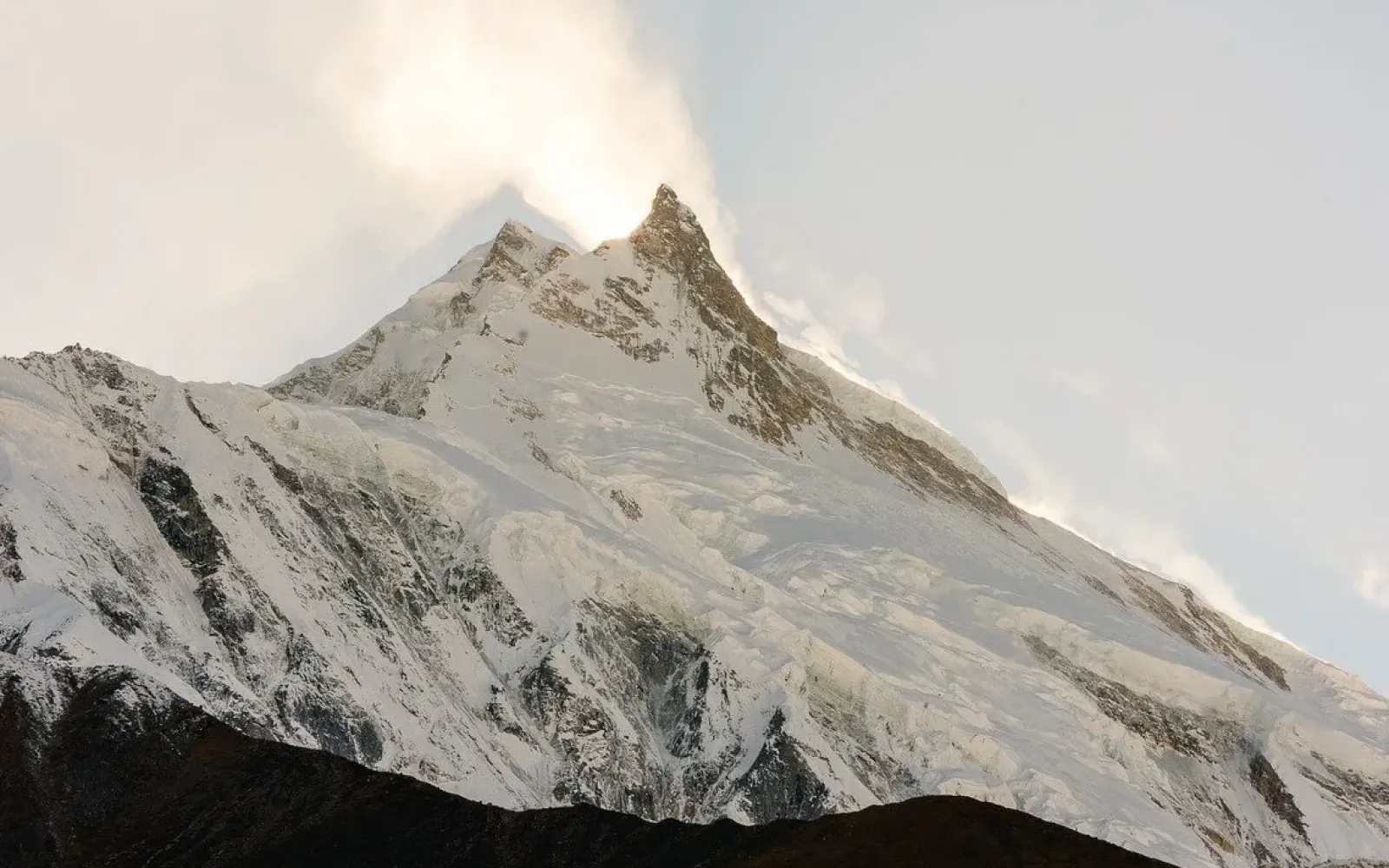
How difficult is Manaslu Trek — that is the one question every trekker asks before committing to Nepal's most rewarding restricted circuit. The Manaslu Circuit Trek wraps entirely around Mt. Manaslu, the world's eighth-highest peak at 8,163 m, crossing the legendary Larkya La Pass at 5,160 m through raw, uncommercialised Himalayan wilderness. The Manaslu Trek difficulty is real — it demands solid aerobic fitness, careful acclimatization, and genuine mental resilience over 14 to 17 days on the trail. But for those who commit fully, it rewards with jaw-dropping mountain panoramas, untouched Tibetan-influenced villages, and an accomplishment that changes how you see your own limits. At Explore Holiday Nepal, our certified guides have led hundreds of trekkers safely through this circuit, and this guide gives you the straight, unfiltered truth about what you are actually up against before you book.
The Manaslu Trek difficulty sits firmly in the strenuous-to-challenging category, and that rating carries real weight on the ground. This is not a gentle teahouse stroll where gradual paths reward weekend hikers with mountain views from the comfort of a warm lodge. You cover roughly 177 km, gain more than 4,000 m of net elevation, and cross a glaciated high pass where the cold bites through every layer before sunrise. The trail is technically non-technical — you need no ropes, crampons, or ice axes to complete the circuit — but what you do need is aerobic fitness built over months, patience with altitude, and full trust in your guiding team.
Many experienced trekkers compare the Manaslu Circuit Trek to the Annapurna Circuit of 20 years ago, before roads cut the classic route short. The remoteness of Manaslu amplifies every challenge you encounter. Teahouses are simpler and further apart, emergency helicopter evacuation takes longer to arrange, and mobile signal disappears entirely for stretches of several days. That combination raises the stakes considerably and deepens the personal reward in equal measure.
Each day on the Manaslu trail varies dramatically in character and in physical demand. The first two days out of Soti Khola involve steep river-valley climbs through sub-tropical forest where your legs burn on short, sharp ascents before you have even reached proper altitude. By the time you approach Samagaon at 3,520 m and Samdo at 3,875 m, daily distances shorten to 10 to 14 km but the thin air makes every step cost significantly more energy than it would at lower elevations. The two acclimatization rest days built into this zone are not optional luxuries — your body needs that time to produce enough red blood cells to function safely at the pass.
The Larkya La crossing demands a 4 am start, 8 to 9 hours of sustained uphill hiking, and a descent of 1,600 m down loose scree to Bimthang. Most trekkers describe this single day as the hardest physical challenge across the entire Manaslu region trekking experience. Wind speeds at the pass regularly exceed 40 km/h during shoulder seasons, and the temperature drops to -15°C or lower before the sun rises. You move purposefully, stay close to your group, and celebrate hard when Bimthang's teahouses finally come into view below.
| Trek | Max Elevation | Difficulty | Duration |
|---|---|---|---|
| Manaslu Circuit Trek | 5,160 m (Larkya La) | Strenuous | 14–17 Days |
| Everest Base Camp Trek | 5,364 m (EBC) | Moderate–Strenuous | 12–14 Days |
| Annapurna Circuit Trek | 5,416 m (Thorong La) | Moderate–Strenuous | 12–16 Days |
| Langtang Valley Trek | 3,870 m | Moderate | 7–10 Days |
| Upper Mustang Trek | 4,000 m | Moderate | 10–14 Days |
Manaslu ranks harder than Everest Base Camp and the Annapurna Circuit for most trekkers — not because the altitude ceiling is higher, but because the infrastructure is thinner, the terrain more isolated, and the cumulative load on your body greater across a longer itinerary. If you have completed EBC and want a genuine step up in adventure and wilderness, the Manaslu Circuit Trek delivers exactly that.
Altitude sickness on Manaslu Trek is the single greatest physical threat every trekker faces, and underestimating it causes the majority of emergency evacuations from this circuit. The trail climbs from Machha Khola at just 869 m to Samagaon at 3,520 m within four days — a rate of gain that many cardiovascular systems cannot keep pace with. Headaches arrive first, appetite disappears next, and sleep fragments into shallow, restless hours as your body fights to adapt. A well-designed Manaslu itinerary builds deliberate acclimatization days into both Samagaon and Samdo so your blood oxygen levels stabilise before Larkya La demands everything you have.
The golden altitude rule — climb high, sleep low — applies perfectly on this circuit. On your acclimatization day in Samagaon, guides from Explore Holiday Nepal typically lead a day hike toward the Manaslu base camp approach, pushing you above 4,000 m before returning to sleep lower that evening. This single practice supercharges your body's adaptation process and sharply reduces the risk of Acute Mountain Sickness (AMS), High Altitude Pulmonary Edema (HAPE), and High Altitude Cerebral Edema (HACE) — the three dangerous altitude conditions every Himalayan trekker must understand before departure.
Knowing the warning signs saves lives at altitude, and every Manaslu trekker must memorise them before leaving Kathmandu. Mild AMS feels exactly like a bad hangover: throbbing headache, nausea, dizziness, and fatigue that a full night of sleep does not fix. When these symptoms appear, you stop ascending for a minimum of 24 hours — no exceptions, no negotiations with yourself about the itinerary. Moderate AMS pushes into breathlessness at rest and unsteady coordination, which signals the need for immediate descent by at least 500 m. HAPE and HACE develop rapidly and require emergency helicopter evacuation. Your guide carries a pulse oximeter throughout the entire Manaslu Circuit Trek, monitoring everyone's blood oxygen saturation at each significant elevation gain.
Diamox (acetazolamide) works effectively as a preventive medication for many trekkers, though it never replaces proper acclimatization days. Always consult your doctor before departure from your home country and carry a sufficient supply for your full trek duration. Our guides on every Manaslu Trek departure carry both Diamox and a portable oxygen cylinder for emergency stabilisation while helicopter rescue arrives.
Larkya La Pass at 5,160 m is precisely where the Manaslu Trek difficulty reaches its absolute peak. You rise in darkness from Dharamsala at 4,460 m, eat a warm breakfast by headlamp, and begin the steep snow-covered approach before dawn breaks across the surrounding peaks. The gradient climbs sharply for the first two hours before easing onto a broad glacial plateau, then makes one final push to the prayer-flag-draped summit ridge. On a clear October or November morning, you stand completely surrounded by Manaslu, Himlung Himal, Cheo Himal, and Annapurna II — one of the most spectacular 360-degree mountain panoramas available to any non-climbing trekker anywhere in Nepal.
The descent from Larkya La is frequently trickier than the ascent itself. Loose scree, occasional ice patches, and fatigued legs combine to demand extremely careful footwork over 1,600 m of altitude loss. Good-quality trekking poles are absolutely essential for this descent — they absorb enormous stress from your knees on the long drop to Bimthang. After crossing the pass, most trekkers continue through the lush Dudh Khola valley over two final days toward Dharapani, where the trail rejoins the Annapurna Circuit route and transport back to Kathmandu or Pokhara becomes available.
The Manaslu Trek fitness level required is real and specific, not exaggerated by agencies trying to upsell services. You do not need to be a competitive athlete or a seasoned mountaineer, but you do need a genuine cardiovascular fitness base established before you arrive in Kathmandu. Trekkers who fly in having spent three months at a desk invariably struggle from day one of the circuit, adding physical misery to what should be an exhilarating experience. The consistent advice our team at Explore Holiday Nepal gives every enquiring trekker is to spend three solid months hiking on varied terrain with a loaded backpack before departure. This builds aerobic capacity, strengthens joints under weight-bearing stress, and gives you honest personal feedback about how your body handles sustained daily effort.
Cardiovascular preparation matters more than raw muscular strength for this type of trekking. Stair climbing, trail running, cycling, rowing, and swimming all build the heart and lung efficiency that altitude demands from your body. Aim for three to four aerobic training sessions per week and increase duration gradually over your preparation period. Two months before your Manaslu departure, begin full-day hikes of five to eight hours carrying a 7 to 10 kg pack. Your legs will genuinely thank you somewhere between Jagat and Deng when the trail pitches sharply upward through bamboo forest and you still have four hours left in your hiking day.
Certain people genuinely should not attempt Manaslu, and giving honest guidance here prevents tragic outcomes on the trail. Anyone with serious cardiac or pulmonary conditions faces disproportionate physiological risk above 4,000 m and must obtain full medical clearance before any high-altitude Himalayan trek. Trekkers with zero prior high-altitude experience who plan Manaslu as their very first mountain trail put themselves at real risk — starting with Langtang Valley Trek or Annapurna Base Camp Trek first builds the altitude experience your body needs before tackling this circuit. People who habitually ignore their own body's warning signals and push through danger signs at altitude endanger not just themselves but also the guides and porters responsible for bringing them home safely.
That said, Manaslu is absolutely not reserved for elite mountaineers or extreme athletes. Fit, determined trekkers in their 50s and 60s complete this circuit regularly and describe it as one of the best decisions of their lives. What matters above all else is honest self-assessment, adequate physical preparation, and deep respect for the mountain's pace. The trail does not reward rushing. Move at the speed your body sets naturally, eat full meals at every teahouse stop, drink at least three litres of water per day above 3,000 m, and trust the itinerary your certified guide has designed around safe altitude gain rates.
The Manaslu Trek vs Everest Base Camp difficulty debate is a genuine conversation that experienced Himalayan trekkers have constantly. Both routes cross serious altitude and both demand real preparation. Everest Base Camp reaches 5,364 m but follows a well-developed, well-signposted route with excellent teahouse infrastructure, solid mobile coverage, and frequent helicopter access from multiple points along the trail. Manaslu's Larkya La sits slightly lower at 5,160 m, but the remoteness, the longer overall duration, and the significantly thinner teahouse infrastructure make the total experience considerably harder for most trekkers. Emergency rescue response times are longer on Manaslu, trail repair after monsoon damage is slower, and resupply of the high teahouses is limited. If Everest Base Camp Trek rates a 7 out of 10 on any honest trekking difficulty scale, the Manaslu Circuit Trek sits comfortably and deservedly at 8 out of 10.
Quick tip from Explore Holiday Nepal: If you have already completed the Everest Base Camp Trek and want your next Nepal adventure to push you genuinely harder, the Manaslu Circuit Trek is the natural and logical next step. It builds directly on your high-altitude experience while adding true wilderness remoteness and cultural depth that the EBC corridor no longer offers.
Manaslu Trek permit requirements add a unique logistical layer that Everest Base Camp and Annapurna do not share, and understanding them before you book saves significant confusion. Nepal's government classifies the Manaslu Conservation Area as a restricted trekking zone, which means fully independent trekking is not legally permitted here under any circumstances. Every trekker must book through a registered Nepal trekking agency — precisely why working with specialists like Explore Holiday Nepal matters for this particular route. The three mandatory permits are the Restricted Area Permit (RAP), the Manaslu Conservation Area Permit (MCAP), and the Annapurna Conservation Area Permit (ACAP) for the final trail section near Dharapani.
The RAP currently costs USD 100 per person for the first seven days and USD 15 for each additional day during peak season from September through November, with reduced rates during off-season months. The restriction also requires a minimum group size of two trekkers accompanied by a licensed guide at all times. Enforcement is active and consistent — permit checkpoints appear at multiple points throughout the trail and cross-check your documents carefully. Your guide handles every permit formality smoothly when you book through a reputable registered agency, removing the administrative complexity entirely from your planning process.
The Manaslu Trek best time falls clearly within two seasonal windows: autumn from September through November and spring from March through May. Autumn remains the more popular and generally better choice because post-monsoon skies clear dramatically, delivering the sharpest mountain visibility and the most stable trail conditions at altitude. September still carries the tail end of monsoon rainfall, making lower trail sections muddy, but by October the paths dry and the Himalayan landscape glows with golden and amber tones. November pushes genuine cold into the high camps and adds fresh snow to Larkya La, raising the difficulty level meaningfully for less-prepared trekkers.
Spring brings warming daily temperatures, blooming rhododendrons on lower slopes below 3,500 m, and reasonable snow levels at the pass by mid-April in most years. Winter trekking from December through February remains possible on the lower trail sections but the pass becomes dangerously icy and most teahouses above Samagaon close entirely. Monsoon season from June through August floods lower trail sections regularly and turns high-altitude paths into slick, leech-populated mud — not recommended for the vast majority of trekkers regardless of experience level.
The Manaslu trek trail is not a single consistent path type — it transforms dramatically in character as you gain elevation day by day. The opening two days out of Soti Khola wind through sub-tropical gorges carved by the Budhi Gandaki river, with stone-paved paths alternating between riverbanks and dense forest ridges. These lower sections feel deceptively manageable until the first serious suspension bridge appears over a roaring gorge. Suspension bridges appear constantly throughout the lower circuit, and several swing dramatically over rivers that would be fatal to fall into — acrophobia meets genuine personal growth opportunity here.
Above Jagat and through Deng, the valley constricts into spectacular deep gorges with sheer rock walls plunging to the river below. Monsoon landslide damage is common in these mid-altitude sections, and trail repair work continues throughout trekking season — diversion routes appear without advance notice and require alertness. By Lho and Samagaon, the landscape opens into wide glacial valleys ringed entirely by snow peaks, and the trail flattens enough to give your lungs their first genuinely uninterrupted stretches at high altitude. These high-valley walking days rank among the most visually breathtaking on any trek in the entire Himalayan range, with Manaslu's enormous south face filling your complete horizon.
Manaslu teahouses are simpler and more basic than the lodges lining the Everest Base Camp route, and setting accurate expectations prevents disappointment on the trail. In lower sections like Soti Khola and Machha Khola, guesthouses offer private rooms with beds and woolen blankets, shared dining rooms, and wood stoves that fight the evening mountain cold. Above Samagaon, accommodation shrinks to smaller lodges with dormitory-style sleeping in many cases, particularly at Dharamsala. Sleeping bags rated to -10°C are mandatory equipment above 3,500 m — renting one in Kathmandu adds approximately USD 1 to 2 per day to your costs. The hospitality throughout the circuit is genuine and warm — teahouse families cook hearty dal bhat, noodle soups, Tibetan bread, and vegetable curries with obvious pride.
Clean drinking water demands constant, active attention throughout the entire circuit. Boiling water, using purification tablets, or purchasing sealed bottles all provide safe options at different cost points. Many trekkers now carry a SteriPen UV purifier to treat tap water throughout the circuit — a practical and environmentally responsible choice that significantly reduces plastic waste in a protected conservation area. Above 4,000 m, stick strictly to fully cooked hot dishes and avoid salads or raw vegetables entirely. Your digestive system already works harder than normal at altitude, and foodborne illness on a remote restricted circuit creates serious logistical and safety complications.
Your gear choices can genuinely make or break the Manaslu Trek, and cutting corners on critical equipment at 5,000 m is a mistake that costs you dearly on the trail. Waterproof, well-broken-in hiking boots with full ankle support are completely non-negotiable — new boots produce debilitating blisters by day three, and crossing Larkya La on open blisters is an experience nobody should have. Pair quality boots with moisture-wicking merino wool socks and gaiters for the snow sections above 4,500 m. A three-layer clothing system covering base layer, insulation layer, and waterproof outer shell handles everything from sub-tropical heat at 1,000 m to genuine arctic cold at the pass summit.
Some trekkers arrive in the Manaslu region, catch their first glimpse of the hidden Tsum Valley tucked into a side valley north of the main circuit, and immediately want more time in this extraordinary place. The Tsum Valley Trek adds a deeply culturally rich detour through a valley opened to outside trekkers only in 2008, preserving a Buddhist way of life that has remained virtually unchanged for several centuries. Ancient Tibetan monasteries cling to cliffsides above the valley floor, painted chortens mark every village entrance, and the local Tsumpa people maintain daily traditions their lowland neighbours abandoned generations ago.
Combining the Tsum Valley with the main Manaslu Circuit adds 7 to 10 days to your full itinerary and raises the overall difficulty due to additional altitude exposure and significantly more total trail distance. Explore Holiday Nepal offers the combined Manaslu Tsum Valley Budget Trek starting from a competitive per-person price, alongside the premium Manaslu Tsum Valley Luxury Trek for trekkers who prefer better-appointed private camps and dedicated porters throughout every day on the trail. For trekkers seeking the absolute fullest possible Manaslu experience, the combined circuit with Tsum Valley is definitively unbeatable in all of Nepal.
Nepal's law requires a licensed guide on Manaslu, but beyond the legal obligation, a great guide completely transforms the quality of your trek experience. Guides from Explore Holiday Nepal hold wilderness first aid certification, carry altitude medicine and emergency oxygen, maintain established relationships with every teahouse along the route for preferred accommodation, and speak the local dialects needed to navigate permit checkpoints and communicate with mountain communities. They read weather patterns building over the high peaks that would be entirely invisible to any first-time trekker, and they carry the accumulated experience of knowing precisely when to push the day's pace and when to stop and rest.
The cultural access a guide provides is equally valuable and genuinely irreplaceable. Your guide interprets Buddhist monastery rituals, explains the meaning of Mani wall carvings and prayer flag colours, and introduces you personally to teahouse families in ways that no printed guidebook can replicate or approximate. Porter hire on Manaslu also directly affects your safety and not just your comfort level — carrying a heavy pack above 4,000 m significantly compounds fatigue and dehydration, making altitude sickness measurably more likely. Explore Holiday Nepal pays all guides and porters well above industry minimum wage, provides full equipment, and ensures comprehensive insurance on every single departure. Ethical tourism on a restricted, culturally sensitive route like Manaslu begins entirely with the agency you choose to trust.
If you have previously completed the Annapurna Circuit Trek and crossed Thorong La at 5,416 m, you arrive at Manaslu with strong foundational preparation for what the circuit demands. The trails share a comparable alpine character above 4,000 m, though Manaslu's infrastructure is considerably more basic and its emergency access significantly more limited. If your sights are set on Nepal's ultimate non-mountaineering trekking challenge, the Everest Three Pass Trek — crossing Kongma La, Cho La, and Renjo La in the Khumbu — remains the hardest available option at a genuine 9 out of 10 on any difficulty scale. Manaslu sits solidly between the Annapurna Circuit and Three Pass on any honest comparison — harder than most first-time trekkers genuinely expect, yet absolutely and fully achievable with the right fitness preparation and the right guiding team supporting you.
Brand: Explore Holiday Nepal — Nepal's trusted Kathmandu-based trekking specialists since 2005
Call / WhatsApp: +977 9849816310
Package Prices:
What every Explore Holiday Nepal Manaslu package includes:
Call to Action: Contact Explore Holiday Nepal today on +977 9849816310 or send a quick inquiry through our website to receive a custom Manaslu itinerary matched to your fitness level, available dates, and budget. Spaces on peak season October departures fill fast — secure your spot early and start your training with the exact preparation plan our guides recommend.
How difficult is Manaslu Trek, when you face the question honestly? It is demanding — genuinely, meaningfully demanding — but it is not beyond reach for any fit, well-prepared trekker who respects altitude and trusts a qualified team. The Larkya La crossing tests your limits in the best possible way, the remote terrain strips away modern convenience and replaces it with something far more valuable, and 14 days in raw Himalayan wilderness reshapes permanently your understanding of what your body and mind can actually do. That discomfort is not a flaw in the experience — it is precisely the point. Every hard-earned meter of altitude gain becomes part of a personal story you will retell with pride for decades.
Whether you choose the standard Manaslu Circuit Trek, extend your adventure into the hidden Tsum Valley, or keep costs manageable with the Manaslu Budget Trek option, this mountain transforms every trekker who commits fully to it. Start your fitness training today, arrange your permits through a registered Nepal trekking agency, and let the world's eighth-highest mountain show you exactly what you are made of. At Explore Holiday Nepal, we have been making that possible since 2005 — for trekkers of all backgrounds, from all corners of the world — and we will make it possible for you too.
Explore more trekking adventures with Explore Holiday Nepal across Nepal's greatest mountain regions:
Content written by the Explore Holiday Nepal Expert Team. This guide draws on 15+ years of firsthand Manaslu Circuit Trek guiding experience, wilderness first aid training, and in-depth knowledge of Nepal's restricted area trekking permit regulations. All information reflects current trail conditions and permit costs as of February 2025. For the most up-to-date pricing and availability visit www.exploreholidaynepal.com or call +977 9849816310.
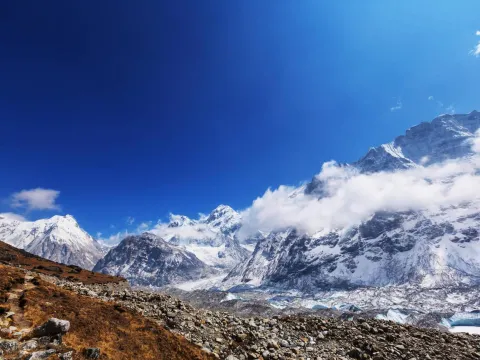
The Kanchenjunga Circuit Trek is a remote and majestic adventure through the untouched landscapes surrounding the world’s third highest mountain, Kanchenjunga (8,586m). Spanning over three weeks, this trek offers spectacular views, challenging trails, rich cultural experiences, and encounters with diverse wildlife.
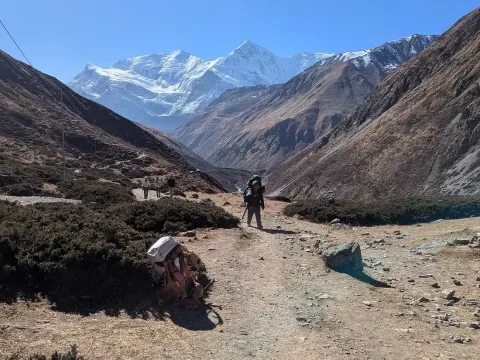
Nepal, home to some of the world’s most breathtaking mountain landscapes, offers a variety of trekking experiences, but none quite compare to the grandeur of the Manaslu and Annapurna Circuits. Both treks are iconic in their own right, drawing adventurers from around the globe. However, they differ significantly in terms of scenery, difficulty, cultural experiences, and remoteness.
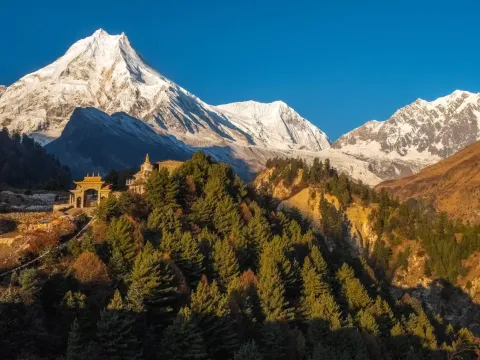
The Manaslu Circuit Trek, often referred to as Nepal’s hidden gem, is a spectacular journey that takes adventurers through one of the least explored regions of the Himalayas. Unlike the more popular Everest or Annapurna circuits, the Manaslu trek offers pristine landscapes, traditional villages, and a profound sense of tranquility, making it a perfect choice for trekkers seeking solitude combined with authentic cultural experiences.
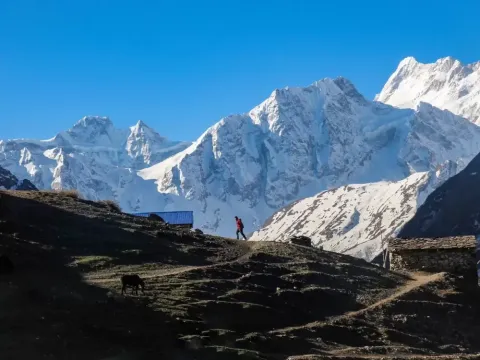
The Manaslu Circuit Trek is a spectacular journey through the remote and serene landscapes of the Manaslu region, offering trekkers breathtaking views of the eighth-highest mountain in the world, Mount Manaslu (8,163 meters).
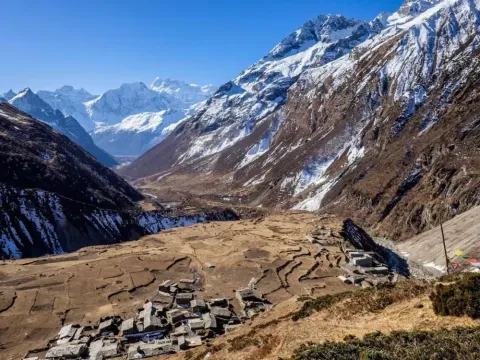
Tsum Valley, a hidden gem tucked away in the northern reaches of Nepal, is a pristine Himalayan valley known for its untouched natural beauty, rich cultural heritage, and deep spiritual significance. Often referred to as the “Valley of Mystics,” Tsum Valley has remained isolated from mainstream tourism, allowing its traditions, monasteries, and local lifestyles to flourish with minimal external influence.


 (34)
(34) 