 Nepal Pilgrimage Tour: Sacred Journey Through Ancient Temples and Holy Sites
Nepal stands as a spiritual crossroads where Hindu and Buddhist traditions have coexisted harmoniously for centuries. A pilgrimage tour through this Himalayan nation takes you beyond ordinary sightseeing into sacred spaces where faith has been practiced for thousands of years. This journey connects you with the divine through ancient temples, mountain shrines, and holy sites that have attracted seekers from across the world.
Nepal holds a unique position as one of the few countries where major world religions flourish side by side. The pilgrimage tour encompasses the most revered sites where mythology, history, and spirituality converge. From the sacred cremation ghats of Pashupatinath to the high-altitude temple of Muktinath, each destination offers profound spiritual experiences that transcend religious boundaries.
Many travelers combine their spiritual journey with other experiences in Nepal. You might want to explore the Kathmandu Pokhara Tour which includes several pilgrimage sites along with natural beauty, or extend your journey with the Kathmandu Pokhara Lumbini Chitwan Tour to cover Buddha's birthplace as well.
The journey begins in Kathmandu, where ancient temples rise from narrow alleys and prayer flags flutter in the mountain breeze. The valley concentrates some of Nepal's most significant religious sites within a compact area, making it ideal for spiritual seekers.
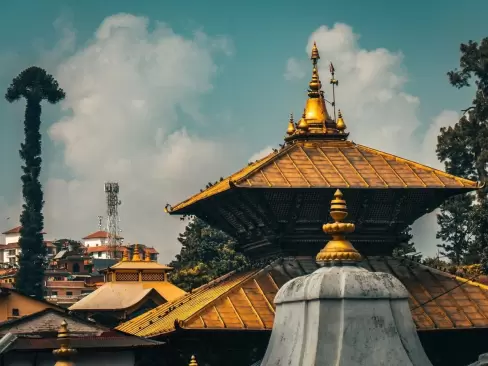
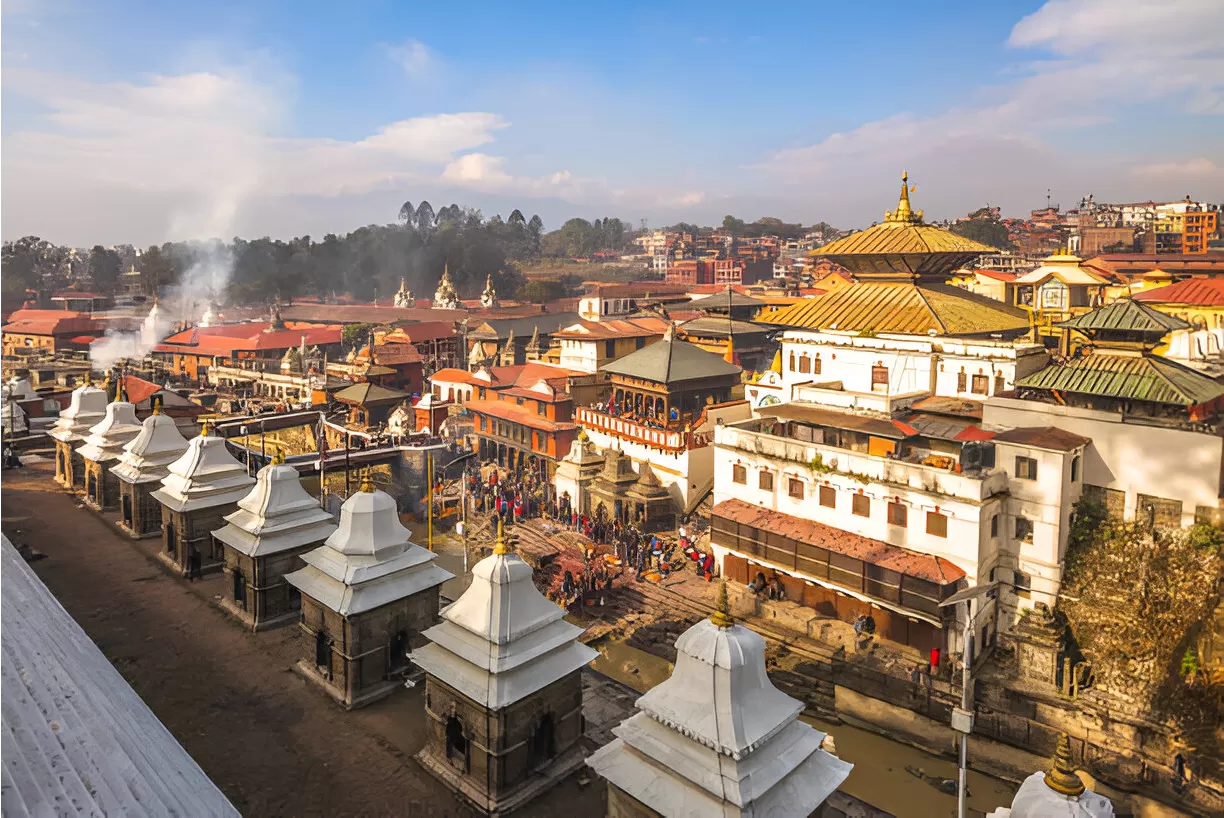
Pashupatinath stands as one of the most important Shiva temples in the Hindu world. Located on the banks of the sacred Bagmati River, this UNESCO World Heritage Site draws thousands of devotees daily. The main temple, with its golden roof and silver-plated doors, permits only Hindu worshippers inside, but visitors can observe the spiritual activities from across the river.
The cremation ghats along the Bagmati River witness the eternal cycle of life and death. Watching the funeral rituals provides a profound meditation on impermanence and the soul's journey. Sadhus (holy men) covered in ash meditate in small caves along the riverbank, having renounced worldly possessions to pursue spiritual enlightenment.
The atmosphere at Pashupatinath is both solemn and vibrant. Morning and evening aarti ceremonies fill the air with chanting and bell ringing. Monkeys, considered sacred guardians of the temple, playfully navigate the temple complex. The spiritual energy here is palpable, making it a transformative experience for visitors of all backgrounds.
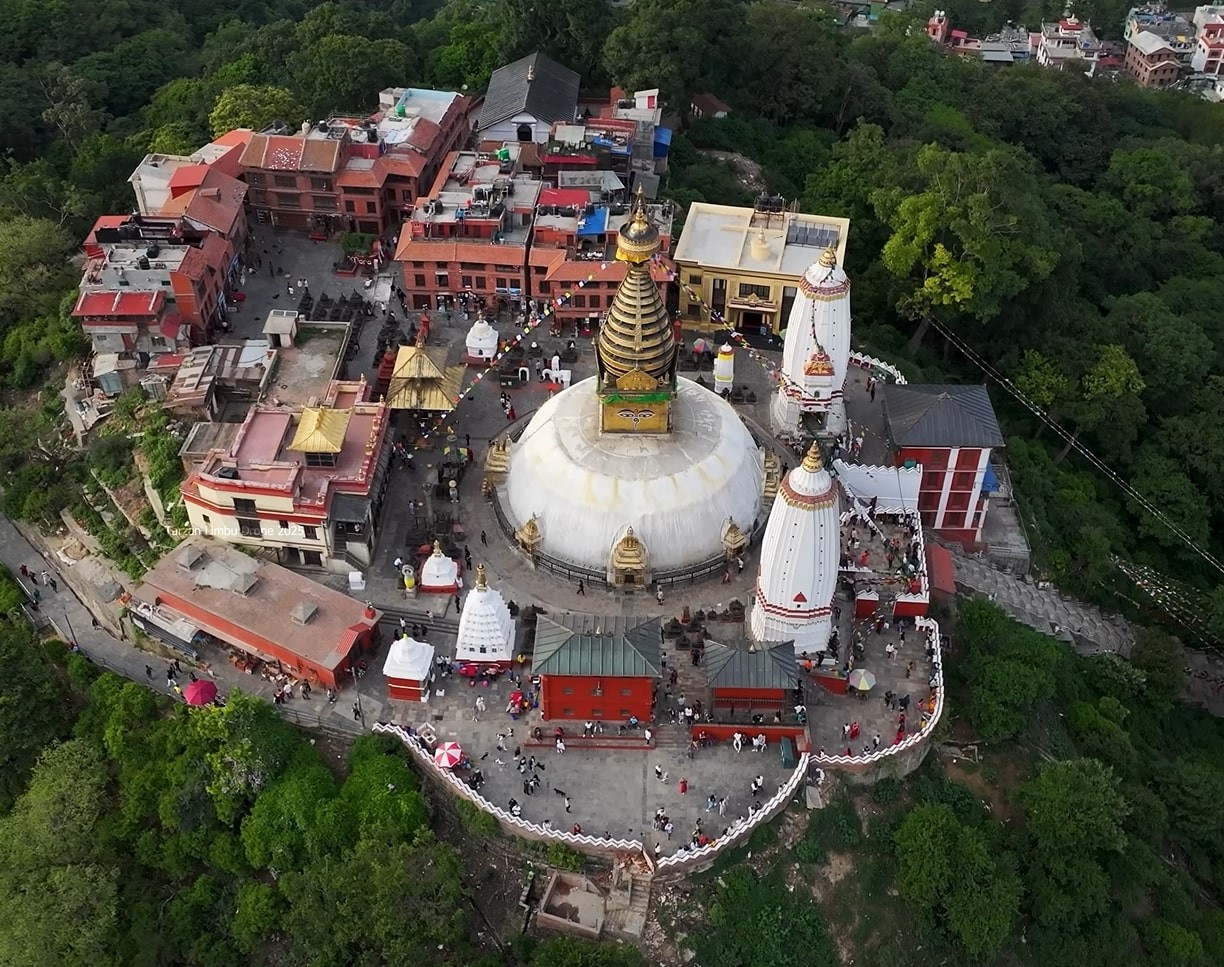
Perched atop a hill overlooking Kathmandu Valley, Swayambhunath—affectionately called the Monkey Temple—represents one of the oldest Buddhist stupas in the world. According to legend, the valley was once a lake, and when the bodhisattva Manjushri drained it to make the land habitable, the hilltop emerged as a lotus flower, which then transformed into the stupa.
The iconic painted eyes of Buddha watch over the valley in all four cardinal directions, symbolizing the omnipresence of wisdom and compassion. Prayer wheels line the base of the stupa, and pilgrims walk clockwise around it, spinning wheels and chanting mantras. The resident monkey population adds a lively dimension to this sacred space, though visitors should be mindful of their belongings.
Sunrise and sunset at Swayambhunath offer spectacular views of the Kathmandu Valley and surrounding mountains. The 365 stone steps leading to the top represent a spiritual ascent, with each step bringing you closer to enlightenment. Small shrines and statues dot the complex, representing various Buddhist and Hindu deities, showcasing Nepal's religious syncretism.
Leaving Kathmandu's bustle, the journey ascends to Chandragiri Hills, where spirituality meets pristine mountain views. A modern cable car whisks visitors 2,551 meters above sea level, providing aerial perspectives of the valley below and the Himalayan range stretching across the northern horizon.
At Chandragiri's summit, the Bhaleshwor Mahadev Temple offers a tranquil environment for contemplation and prayer. Dedicated to Lord Shiva, this temple provides panoramic views of snow-capped peaks including Langtang, Ganesh Himal, and on clear days, even Mount Everest. The combination of spiritual atmosphere and natural grandeur creates a meditative setting rarely found elsewhere.
Devotees believe that prayers offered at this elevation carry special significance, being closer to the divine realm. The temple's location also makes it a popular spot for experiencing sunrise over the Himalayas, a sight that feels both humbling and uplifting. Many pilgrims spend time in silent meditation here, absorbing the mountain energy and pristine air.
For those inspired to explore more of Nepal's mountain regions, consider the Langtang Valley Trek which combines spiritual sites with spectacular trekking through traditional Tamang villages.
The pilgrimage continues to Manakamana, a sacred site that requires a scenic cable car journey across the Trisuli River valley. This 10-minute ride itself becomes part of the spiritual experience, as the landscape unfolds below and anticipation builds for the temple visit ahead.
According to Hindu tradition, the goddess Bhagwati at Manakamana has the power to fulfill the heart's desires of sincere devotees. The temple's name translates to "wishes of the heart," and pilgrims from across Nepal and India make the journey to seek blessings for everything from successful marriages to healthy children to business prosperity.
The temple complex sits at 1,302 meters, offering views of the surrounding hills and the Marsyangdi River below. During major festivals, particularly Dashain, thousands of devotees queue for hours to receive the goddess's darshan (blessing). The air fills with the sounds of bells, traditional music, and devotional songs.
Local customs include offering the goddess sacrifices of male animals—goats, chickens, or pigeons. While this practice may be unfamiliar to some visitors, it represents an ancient tradition deeply rooted in Hindu practice. Vegetarian offerings like fruits, flowers, and sweets are equally acceptable and commonly presented.
Moving westward, the pilgrimage reaches Pokhara, Nepal's second-largest city, nestled beside the serene Phewa Lake with the Annapurna range as its backdrop. While Pokhara is famous for adventure tourism, it also holds significant spiritual sites worth exploring.
For adventure seekers, Pokhara serves as the starting point for several renowned treks. The Annapurna Base Camp Trek and Annapurna Circuit Trek both pass through villages with ancient monasteries and temples, combining physical challenge with spiritual discovery.
Perched on a hillock in central Pokhara, Bindhyabasini Temple represents one of the oldest and most venerated shrines in the region. Dedicated to Goddess Bindhyabasini, an incarnation of Goddess Kali, this temple serves as the spiritual center for Pokhara's diverse community.
The temple's architectural style reflects traditional Nepalese design, with intricate wood carvings and a multi-tiered pagoda roof. A sacred pond (sarobar) adjacent to the temple harbors hundreds of fish that pilgrims feed as an act of merit. The temple courtyard often hosts cultural performances and religious ceremonies, providing visitors insight into local traditions and customs.
What makes Bindhyabasini unique is its representation of religious harmony. While primarily a Hindu temple, Buddhist elements are integrated throughout, and people from various faiths visit to pay respects. The hilltop location offers pleasant views of Pokhara city and the mountains beyond.
Near Devi's Fall lies Gupteshwor Cave, a sacred underground cavern housing a Shiva lingam that naturally formed from limestone deposits. The cave extends about 3,000 meters into the hillside, though only a portion is open to visitors. The deeper sections require crawling through tight passages, adding an adventurous dimension to this spiritual site.
The sound of water echoes through the cavern—it's actually part of Devi's Fall flowing through the cave system. The stalagmite representing Lord Shiva is the focus of devotion, and pilgrims offer prayers and light butter lamps before it. During the monsoon season, the cave can become quite wet, so timing your visit during the drier months (October to April) is advisable.
The mystical atmosphere inside Gupteshwor, with its dim lighting and the constant sound of flowing water, creates a meditative environment. Many visitors report feeling a strong spiritual presence in the cave's depths. The combination of natural wonder and religious significance makes this an unforgettable stop on the pilgrimage tour.
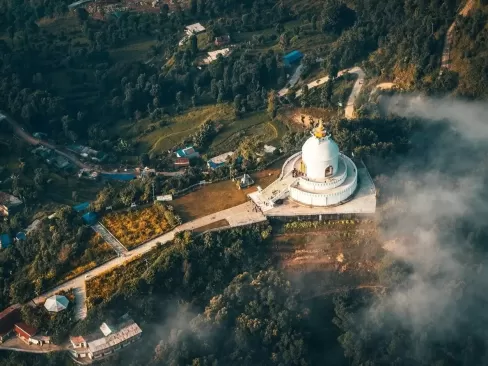
Overlooking Phewa Lake from the southern shore, the World Peace Pagoda (Shanti Stupa) stands as a monument to global harmony and Buddhist philosophy. Built by Japanese Buddhist monks from the Nipponzan Myohoji organization, this gleaming white structure represents their mission to promote peace worldwide.
The pagoda houses four representations of Buddha, each facing a cardinal direction. Pilgrims and visitors circumambulate the stupa while taking in panoramic views of Pokhara, Phewa Lake, and the Annapurna range. The peaceful atmosphere makes it ideal for meditation and reflection.
Reaching the pagoda requires either a boat ride across Phewa Lake followed by a hike through forest, or a longer drive around the lake. Either route offers its own rewards—the boat journey provides water-level views of the mountains reflected in the lake, while the road approach passes through traditional Nepalese villages.
The best time to visit is early morning or late afternoon, when the light is soft and tourist crowds are minimal. Many people choose to watch the sunset from here, as the Himalayas turn pink and gold in the fading light. The experience combines natural beauty with spiritual contemplation in a way that epitomizes Nepal's appeal.
Venturing off the typical tourist circuit, the pilgrimage includes Galeshwor Mahadev Temple, a lesser-known site that offers authentic spiritual experiences away from crowds. Located in Gorkha district, this temple sits amidst pristine natural surroundings, requiring a short trek through scenic landscapes.
The Galeshwor Temple complex includes a cave shrine dedicated to Lord Shiva and a surrounding forest considered sacred. Local legends speak of the temple's ancient origins and miraculous events associated with the deity. During the spring festival of Shivaratri, devotees from surrounding villages converge here for all-night prayers and celebrations.
The journey to Galeshwor provides glimpses into rural Nepalese life that many travelers miss. The path winds through terraced fields, small settlements, and forests where birdsong accompanies your steps. This combination of natural beauty and spiritual significance makes Galeshwor a memorable addition to the pilgrimage route.
The pilgrimage reaches its culmination at Muktinath, one of the most sacred temples for both Hindus and Buddhists. Situated at 3,800 meters in the Mustang district, this high-altitude shrine offers not just spiritual fulfillment but also stunning Himalayan vistas.
Reaching Muktinath requires either a scenic drive through the Kali Gandaki Gorge (the world's deepest gorge) or a combination of drives and trekking. The landscape transforms dramatically as you ascend—lush valleys give way to arid, windswept terrain resembling the Tibetan plateau. The villages along the route follow ancient Tibetan Buddhist culture, with prayer flags adorning hillsides and mani walls (stone walls carved with Buddhist mantras) lining the paths.
For those who want to experience this region through trekking, the Annapurna Circuit Trek passes through Muktinath, allowing pilgrims to combine spiritual seeking with mountain adventure. Alternatively, the Ghorepani Poon Hill Trek offers a shorter trekking option in the same region.
Muktinath means "place of liberation" or "place of salvation." Hindu scriptures mention Muktinath as a place where sins are washed away and moksha (liberation from the cycle of rebirth) can be attained. Buddhists revere it as a place where Guru Rinpoche (Padmasambhava) meditated on his way to Tibet.
The temple complex centers around a pagoda-style shrine housing images of Vishnu and Buddhist deities—a perfect symbol of religious harmony. Behind the temple, 108 water spouts (representing the sacred number in Hindu and Buddhist traditions) pour ice-cold water from the Kali Gandaki River. Pilgrims brave the frigid water to bathe under each spout, believing it purifies the body and soul.
An eternal flame burning from natural gas seeping through rocks is another source of wonder. The presence of this flame, water, earth (the shrine itself), and air (the mountain winds) represents all elements coming together in this sacred space. For devout Hindus, visiting Muktinath is considered one of the most auspicious pilgrimages possible.
Adjacent to Muktinath Temple lies the Mukti Kunda, a sacred pond where devotees perform ritualistic bathing before entering the temple. The water remains ice-cold year-round, fed by glacial sources. Despite the temperature, pilgrims immerse themselves completely, believing the spiritual benefits far outweigh physical discomfort.
The ritual bathing at Mukti Kunda and under the 108 water spouts represents purification at the deepest level—cleansing not just the body but the soul itself. Many pilgrims report feeling spiritually renewed after this experience, despite (or perhaps because of) the challenging conditions.
The altitude at Muktinath can affect visitors unaccustomed to high elevation. Spending a night or two in lower villages like Jomsom (2,720 meters) helps with acclimatization. Symptoms like headache, shortness of breath, or fatigue are common above 3,000 meters, so ascending gradually is important.
Spring is considered the prime season for pilgrimage tours in Nepal. The weather is mild and stable, with clear skies providing excellent mountain views. Rhododendrons bloom across the hills, adding natural beauty to the spiritual journey. Major Hindu festivals like Shivaratri (February/March) and various Dashain celebrations occur during this period, offering chances to witness vibrant religious ceremonies.
Temperatures range from comfortable to warm in the valleys, while higher elevations like Muktinath remain cool but manageable. The only drawback is that this popularity means more tourists at major sites, particularly Pashupatinath and Swayambhunath.
Autumn rivals spring as the ideal pilgrimage season. The monsoon rains have cleared the air, providing crystal-clear views of the Himalayas. The temperature is pleasant throughout Nepal, making travel comfortable. Major festivals including Dashain (Nepal's biggest festival, usually in October) and Tihar (the festival of lights, usually in October/November) create an atmosphere of celebration and devotion.
This season also coincides with the best trekking weather, so pilgrims interested in combining their spiritual journey with treks like the Everest Base Camp Trek or Manaslu Circuit Trek will find optimal conditions.
Winter brings challenges and rewards to pilgrimage tours. The advantages include fewer crowds at most sites and crisp, clear air offering spectacular mountain views. The disadvantages involve cold temperatures, especially at high-altitude destinations like Muktinath, where snowfall can sometimes block roads. Kathmandu and Pokhara remain quite pleasant during winter days, though mornings and evenings are cold.
If you're considering a winter pilgrimage tour, be prepared with warm clothing and flexible plans in case weather affects transportation to higher-elevation sites. The Pikey Peak Trek is a good winter option, offering incredible Himalayan views at a moderate altitude.
The monsoon season sees fewer international pilgrims, though local devotees continue visiting sacred sites year-round. Heavy rainfall can make travel challenging, with potential road closures due to landslides. However, the landscape transforms into lush green, waterfalls cascade down hillsides, and the spiritual atmosphere at temples feels more intimate without tourist crowds.
If you choose a monsoon-season pilgrimage, be prepared for rain, potential delays, and muddy conditions. The Langtang Valley Trek and Tamang Heritage Trek receive less rain than other regions and can be considered during this season.
Modest dress is important when visiting temples and religious sites in Nepal. Both men and women should cover shoulders and knees. For temple visits, remove shoes before entering shrines. Bring comfortable walking shoes for temple grounds and lightweight, breathable clothing for daytime. A warm jacket is essential for morning and evening, especially if visiting in winter or traveling to high-altitude sites like Muktinath.
Sun protection (hat, sunglasses, sunscreen) is crucial, as Nepal's high altitude intensifies UV radiation. A refillable water bottle helps stay hydrated and reduces plastic waste. Hand sanitizer and wet wipes are useful, as facilities vary. A small daypack carries essentials while exploring temple complexes.
Consider bringing items for personal practice—a meditation cushion, journal, prayer beads, or religious texts. Some pilgrims collect sacred items like rudraksha beads, prayer flags, or thangka paintings from shops near temples. A camera captures memories, though always ask permission before photographing people, and be sensitive about taking photos during ceremonies or in private temple areas.
When visiting temples, walk clockwise around stupas and shrines. Remove shoes before entering temple premises, and remove leather items (belts, bags) if entering the inner sanctum of Hindu temples. Avoid pointing feet toward religious images or people. Photography restrictions vary—some temples prohibit it entirely, others allow it outside but not inside the main shrine.
Visitors are generally welcome to observe ceremonies but shouldn't assume they can participate in all rituals. Some practices, particularly at Pashupatinath's main temple, are restricted to Hindus. Showing respect for these traditions demonstrates cultural sensitivity. If invited to participate in prayer, aarti, or offerings, feel free to join in—such invitations are gestures of hospitality.
Nepal's temples attract sadhus (Hindu holy men) and Buddhist monks. While many are genuine spiritual practitioners, some pose for photos in exchange for donations. If you wish to photograph a sadhu, politely ask permission and understand a tip may be expected. Monks generally don't expect payment but appreciate respectful behavior when you visit monasteries.
Pilgrimage tours offer opportunities for deep personal reflection away from daily routines. The combination of sacred spaces, mountain beauty, and cultural immersion creates conditions for inner transformation. Many travelers report gaining new perspectives on life, death, and what matters most during their Nepal pilgrimage.
The physical journey—climbing temple steps, walking around stupas, trekking to remote shrines—mirrors the internal spiritual journey. Each step becomes a meditation, each destination a chance for contemplation. This is why pilgrimage has been central to religious practice across cultures for millennia.
Visiting sites where spiritual practice has continued unbroken for centuries connects you to lineages of seekers who came before. At Pashupatinath, prayers have been offered to Shiva for over 1,000 years. At Swayambhunath, Buddhist monks have meditated for 1,500 years. This continuity of practice creates powerful spiritual energy that sensitive visitors can perceive.
The teachings embedded in these sites—about compassion, impermanence, devotion, and the nature of reality—remain relevant today. Whether or not you follow Hindu or Buddhist traditions, the wisdom preserved in Nepal's pilgrimage sites offers insights applicable to any spiritual path.
Nepal's religious syncretism—where Hindu and Buddhist practices intertwine—provides lessons in tolerance and coexistence. Many sites are sacred to both traditions, with followers from each religion visiting respectfully. This harmonious coexistence, while not without historical tensions, demonstrates that different spiritual paths can honor each other and learn from shared spaces.
For those from predominantly single-religion societies, experiencing Nepal's multi-faith environment can broaden understanding and reduce religious prejudice. The pilgrimage tour becomes not just a journey through Nepal's sacred sites but a journey toward greater spiritual openness.
If time permits, consider extending your pilgrimage to include Lumbini, Buddha's birthplace in southern Nepal. The Kathmandu Pokhara Lumbini Chitwan Tour combines pilgrimage with wildlife viewing in Chitwan National Park. Alternatively, visit Janakpur in the Terai region, believed to be the birthplace of Goddess Sita from the Ramayana epic.
For those drawn to Buddhist practice, numerous monasteries around the Kathmandu Valley offer meditation retreats. The Kopan Monastery north of Kathmandu runs regular courses in Buddhism and meditation. These deeper dives into spiritual practice complement the pilgrimage tour beautifully.
Many pilgrims combine their spiritual journey with trekking adventures. The Everest View Trek offers views of the world's highest peak while visiting Buddhist monasteries in the Khumbu region. The Upper Mustang Trek explores an ancient Tibetan Buddhist kingdom with centuries-old cave monasteries and traditional practices.
For those seeking shorter adventures, the Ama Yangri Trek near Kathmandu provides stunning views and monastery visits without requiring extensive time. The Mardi Himal Trek combines Himalayan scenery with visits to traditional Gurung villages and their Buddhist practices.
The pilgrimage tour typically involves a combination of transportation methods. Within Kathmandu Valley, private vehicles navigate the narrow streets between temples. The journey to Manakamana includes a cable car ride. Reaching Pokhara from Kathmandu takes about 6-7 hours by road or 25 minutes by flight. The journey to Muktinath requires a flight or long drive to Jomsom, followed by a jeep ride or trek.
Professional tour operators handle these logistics, ensuring comfortable transportation and appropriate scheduling. This allows pilgrims to focus on the spiritual aspects rather than worrying about practical details.
Accommodation varies from comfortable hotels in Kathmandu and Pokhara to simpler lodges near remote temples. Most pilgrimage tours arrange stays in clean, safe hotels appropriate to each location. At high-altitude Muktinath, accommodation is basic but adequate, with teahouses providing warm meals and beds.
For those extending their journey with trekking, teahouse accommodation along popular routes like the Annapurna Base Camp Trek has improved significantly, offering hot showers, wifi, and diverse meal options even in remote areas.
While most pilgrimage tour destinations are at manageable altitudes, Muktinath at 3,800 meters requires some acclimatization. Spending time in Pokhara (about 820 meters) and Jomsom (2,720 meters) before ascending helps your body adjust. Stay hydrated, avoid alcohol, and ascend gradually. Mild altitude symptoms like headache or shortness of breath are common but usually resolve with rest.
If planning to combine pilgrimage with high-altitude treks like Everest Base Camp or Manaslu Circuit, proper acclimatization becomes even more critical. These journeys require gradual ascent, rest days, and awareness of acute mountain sickness symptoms.
Nepal's infectious disease risks are manageable with sensible precautions. Drink only bottled or purified water, eat at reputable restaurants, and maintain good hand hygiene. Most pilgrims experience no health issues, but bringing a basic first-aid kit with medications for headache, stomach upset, and altitude sickness is wise.
Travel insurance covering medical evacuation is recommended, particularly if combining pilgrimage with trekking. While unlikely, emergencies can occur, and helicopter evacuation from remote areas is expensive without insurance.
Explore Holiday Nepal brings years of experience organizing spiritual journeys through Nepal's sacred sites. Our guides understand not just the logistics but also the religious significance and cultural context of each destination. This knowledge transforms a simple tour into a meaningful pilgrimage.
Our team includes members from various religious backgrounds, ensuring respectful and informed guidance whether you're Hindu, Buddhist, or simply spiritually curious. We maintain relationships with temple authorities and local communities, ensuring authentic experiences while supporting sustainable tourism.
While we offer standard pilgrimage tours, we excel at customizing journeys to match individual interests and timeframes. Some pilgrims want to spend more time meditating at certain sites; others wish to combine pilgrimage with adventure activities. We tailor itineraries to create your ideal spiritual journey.
If you're interested in exploring beyond the standard pilgrimage route, we can arrange visits to lesser-known temples, meetings with spiritual teachers, participation in special ceremonies, or meditation retreats. Our flexibility ensures your pilgrimage reflects your personal spiritual goals.
We believe pilgrimage tourism should benefit local communities and preserve sacred sites for future generations. Our tours employ local guides, use family-run accommodations where possible, and encourage respectful behavior at temples. We educate travelers about cultural sensitivity and environmental responsibility.
A portion of our profits supports temple maintenance, educational programs in pilgrimage regions, and environmental conservation efforts. Choosing Explore Holiday Nepal means your pilgrimage contributes positively to Nepal's sacred heritage and communities.
The Nepal Pilgrimage Tour offers more than sightseeing—it provides transformation through immersion in living spiritual traditions. From the ancient temples of Kathmandu Valley to the high-altitude shrine of Muktinath, each destination holds the potential for profound personal insights and connection to something greater than oneself.
Whether you follow Hindu or Buddhist traditions, practice another faith, or simply seek meaningful travel experiences, Nepal's pilgrimage sites welcome you with open arms and ancient wisdom. The combination of natural beauty, cultural richness, and spiritual depth creates journeys that resonate long after you return home.
Let Explore Holiday Nepal guide your sacred journey through the Himalayan kingdom. Our expertise, cultural sensitivity, and commitment to authentic experiences ensure your pilgrimage tour exceeds expectations and nourishes your spirit.
Contact us today to begin planning your transformative journey through Nepal's most sacred landscapes and temples. Your spiritual adventure awaits in the land where mountains touch the sky and faith flows like the sacred rivers.
Your spiritual journey begins the moment you land in Kathmandu, where the air itself seems charged with ancient devotion. As you step off the plane, a warm representative from Explore Holiday Nepal will be waiting to welcome you with a traditional khada (ceremonial scarf) and genuine Namaste. The drive to your hotel in Thamel gives you your first glimpses of this remarkable city where temples outnumber houses and spirituality weaves through everyday life.
After settling into your comfortable accommodation and perhaps enjoying a traditional Nepali lunch, the real pilgrimage begins. Your first destination is Pashupatinath Temple, the most sacred Shiva shrine in Nepal and one of the four most important Shiva temples in the entire subcontinent. Walking through the temple complex, you'll encounter sadhus with ash-smeared faces deep in meditation, devotees performing puja rituals, and the eternal cycle of life and death playing out along the sacred Bagmati River banks. The evening aarti ceremony here is truly transformative—watch as priests wave oil lamps in synchronized patterns while bells ring and devotional songs fill the air. The flames dance against the darkening sky, creating shadows that flicker across ancient stone carvings that have witnessed countless prayers over centuries.
As twilight approaches, you'll ascend to Swayambhunath Stupa, affectionately known as the Monkey Temple. The 365 stone steps leading upward represent a year's journey, and each step brings you closer to the all-seeing eyes of Buddha painted on the golden stupa. From this hilltop vantage point, Kathmandu Valley spreads below you like a living mandala, with lights beginning to twinkle as the city transitions into night. Prayer flags flutter in the evening breeze, carrying mantras across the valley. Spend time walking clockwise around the stupa, spinning prayer wheels and absorbing the peaceful energy that has accumulated here over more than 1,500 years. Return to your hotel with your spirit awakened and ready for the sacred journey ahead.
Wake to the distant sounds of temple bells and morning prayers drifting through Kathmandu's streets. After a hearty breakfast of local specialties or familiar continental options, today's pilgrimage takes you skyward—literally. The journey to Chandragiri Hills begins with Nepal's most modern cable car system, which whisks you 2,551 meters above sea level in about 15 minutes. As you ascend, watch Kathmandu Valley shrink below while the snow-capped Himalayan peaks grow ever more magnificent before your eyes.
At Chandragiri's summit, the Bhaleshwor Mahadev Temple awaits, dedicated to Lord Shiva in one of his most powerful forms. The temple sits at a point where earth meets sky, and on clear days, you can see from Langtang to Everest stretching across the northern horizon like the abode of gods made manifest. Many pilgrims report feeling a profound sense of peace here, as if the mountain air itself carries blessings. Spend time in quiet contemplation, perhaps lighting butter lamps or offering flowers at the temple. The combination of pristine mountain atmosphere and spiritual energy makes this an ideal place for meditation and prayer.
After descending from Chandragiri, your pilgrimage continues westward to one of Nepal's most famous wish-fulfilling temples—Manakamana. Another cable car journey takes you across the Trisuli River valley, with terraced hillsides and traditional villages spread below like a scene from centuries past. The 10-minute ride builds anticipation as you approach the temple dedicated to Goddess Bhagwati, an incarnation of the divine mother. According to tradition, sincere devotees who visit Manakamana Temple have their heart's wishes granted by the goddess. The temple complex buzzes with faithful visitors offering coconuts, flowers, and prayers. Take your time here—this isn't a place to rush. Join the queue for darshan (blessing), make your offerings, and feel the palpable devotion that has accumulated over generations. As you return to Kathmandu that evening, you'll carry with you the blessings of both Shiva and the Divine Mother.
Today brings a change of scenery as you travel from bustling Kathmandu to the serene lake city of Pokhara. The six to seven-hour drive becomes a pilgrimage in itself, following the Prithvi Highway as it winds through terraced hillsides where farmers tend crops as their ancestors have for generations. You'll pass through roadside towns where temples peek from between modern buildings, cross rivers that flow from the high Himalayas, and watch the landscape gradually transform from Kathmandu's dusty valley to the greener, more tropical environment around Pokhara.
Upon arrival in this remarkable city, the towering Annapurna and Machhapuchhre (Fishtail) peaks rise directly behind the town like protective deities. After checking into your lakeside hotel and perhaps enjoying lunch with mountain views, you'll have time to relax and absorb the peaceful atmosphere that makes Pokhara so special. The city sits at just 820 meters elevation, so the air feels warmer and richer with oxygen compared to Kathmandu.
As afternoon transitions to evening, embark on a peaceful boat ride across Phewa Lake, Nepal's second-largest lake and a place of quiet contemplation. Your boatman will row you toward Tal Barahi Temple, a two-story pagoda sitting on an island in the lake's center. This temple, dedicated to the Hindu goddess Barahi (an incarnation of Durga), draws devotees who row across to offer prayers and sacrifices. The temple's reflection shimmers in the lake's calm waters, and all around you, the Annapurna range creates an amphitheater of peaks. As the sun sets, painting the sky in shades of orange and pink with the mountains silhouetted against it, you'll understand why so many spiritual seekers have been drawn to Pokhara throughout history. Return to shore as the first stars appear, ready for tomorrow's high-altitude pilgrimage to one of Nepal's most sacred sites.
Today marks the spiritual pinnacle of your pilgrimage tour as you journey to Muktinath, the temple of salvation revered by both Hindu and Buddhist devotees. The adventure begins before dawn with an early breakfast, followed by a scenic flight to Jomsom. This 25-minute flight follows the Kali Gandaki Gorge, the world's deepest gorge, with the massive peaks of Annapurna and Dhaulagiri rising on either side like the walls of a sacred canyon. Landing in Jomsom at 2,720 meters, you'll notice the landscape has transformed into something almost otherworldly—barren, windswept hills resembling the Tibetan plateau, with ancient Buddhist culture evident everywhere you look.
From Jomsom, a jeep or a combination of jeep ride and short trek takes you higher to Muktinath at 3,800 meters. The journey passes through Kagbeni, a medieval village where mud-brick houses cluster around narrow alleys, and where prayer flags snap in the perpetual wind. As you ascend, the air grows thinner and the landscape more austere, but the anticipation builds with every curve in the road. Upon reaching Muktinath, you'll enter a temple complex that has drawn pilgrims for over a thousand years. The main temple houses images of both Vishnu and Buddhist deities—a perfect symbol of religious harmony.
The highlight of Muktinath is the ritualistic bathing under 108 sacred water spouts, each representing one of the 108 desires in Hindu and Buddhist cosmology. The water flows ice-cold from the Kali Gandaki River, and standing beneath each spout is both challenging and deeply purifying. Many pilgrims describe this experience as transformative—the shock of cold water combined with the high altitude and spiritual atmosphere creates a state of profound awareness. Inside the temple grounds, you'll also find the miraculous eternal flame burning from natural gas seeping through rock alongside flowing water—the meeting of fire and water considered impossible yet manifesting here as divine blessing. After prayers, offerings, and reflection at this extraordinary place, begin your return journey to Pokhara. The descent brings you back to warmer elevations, but the spiritual blessings of Muktinath remain with you. Overnight in Pokhara, you'll rest deeply, your pilgrimage to the highest temple now complete.
After yesterday's high-altitude pilgrimage, today offers a gentler but equally enriching exploration of Pokhara's spiritual and natural attractions. Your morning begins before sunrise with a drive or hike to Sarangkot, perched 1,600 meters above sea level on a ridge overlooking Pokhara Valley. As dawn breaks, watch the sun's first rays illuminate the Annapurna range, painting the snow peaks in shades of gold, pink, and orange. This sunrise is considered sacred by locals, who believe the mountains are home to divine beings. The panoramic view stretches from Dhaulagiri in the west to Manaslu in the east, with the distinctive pyramid of Machhapuchhre (Fishtail) mountain dominating the center.
Returning to your hotel for breakfast, you'll then visit Bindhyabasini Temple, one of Pokhara's oldest and most revered shrines. Perched on a small hill in the city center, this temple dedicated to Goddess Bindhyabasini (an incarnation of Kali) serves as the spiritual heart of Pokhara. The temple grounds include a sacred pond where devotees feed hundreds of fish as an act of merit. During your visit, you might witness local women performing traditional puja ceremonies or hear priests chanting ancient Sanskrit verses. The temple's hilltop location provides pleasant views across Pokhara, and the peaceful atmosphere invites quiet contemplation.
Your spiritual journey continues to Gupteshwor Mahadev Cave, a sacred cavern housing a naturally formed Shiva lingam created by limestone deposits over countless centuries. Entering this underground shrine feels like descending into the earth's womb—the air grows cool and damp, the sound of water echoes from deep within, and the dim lighting creates an atmosphere of mystery. The cave extends about 3,000 meters into the hillside, though only a portion is accessible to visitors. As you navigate the passages, you'll hear the roar of Devi's Fall flowing through the cave system. The naturally formed Shiva lingam at the cave's heart draws devoted pilgrims who offer prayers and light butter lamps. This hidden shrine reminds us that the divine can be found in unexpected places, sometimes literally beneath our feet.
After emerging from the cave's mystical darkness into daylight, visit nearby Devi's Fall (locally called Patale Chhango), where a stream disappears into an underground tunnel with tremendous force during monsoon season. The name "Patale" refers to the underworld in Hindu mythology, and standing beside this natural wonder, you can understand why ancient people associated it with supernatural forces. Conclude your day with a visit to the World Peace Pagoda, a gleaming white Buddhist stupa built by Japanese monks to promote world harmony. The pagoda houses four representations of Buddha, each facing a cardinal direction, and offers stunning 360-degree views of Pokhara, Phewa Lake, and the Annapurna range. As evening approaches, perhaps enjoy dinner at one of Lakeside's restaurants, reflecting on the diverse spiritual experiences Pokhara has offered—from Hindu temples to Buddhist stupas, from mountain sunrise to underground caves.
Your final day begins with mixed emotions—the satisfaction of a pilgrimage completed, but also the bittersweetness of leaving Nepal's sacred spaces behind. After breakfast and final packing, you'll begin the scenic drive back to Kathmandu. The six to seven-hour journey offers one last opportunity to absorb Nepal's beauty and reflect on the spiritual insights gained over the past six days. Watch farmers working terraced fields, children in school uniforms walking rural roads, and small temples marking village centers—scenes of daily life that continue as they have for centuries.
The drive itself becomes a meditation, a transition period between the intensive pilgrimage experiences and your return to ordinary life. Many travelers find that the most profound realizations from pilgrimage come during these quiet moments of travel and reflection. Consider journaling about your experiences, or simply watch the landscape pass while contemplating how the journey has affected you. What blessings did you receive at each sacred site? How has visiting these ancient places of worship shifted your perspective? What practices or insights will you carry home with you?
Upon arriving in Kathmandu, you'll have a few hours for final activities depending on your flight schedule. Many pilgrims enjoy returning briefly to Thamel to purchase spiritual items as reminders of their journey—perhaps rudraksha bead malas, singing bowls, prayer flags, thangka paintings, or Buddhist statues. These aren't merely souvenirs but sacred objects that can support your spiritual practice long after returning home. Some travelers also choose to visit Thamel's numerous bookshops specializing in Buddhist and Hindu texts, finding teachings to deepen understanding of what they've experienced.
Your Explore Holiday Nepal representative will ensure you reach the airport with plenty of time, assisting with check-in procedures and final farewells. As your plane climbs above Kathmandu Valley, if you have a window seat, you might catch one last glimpse of the Himalayan peaks stretching across the horizon—those same mountains that have inspired spiritual seeking for millennia. You leave Nepal carrying blessings from Pashupatinath, Swayambhunath, Manakamana, Muktinath, and the countless other sacred sites you've visited. More importantly, you carry the internal blessings gained through pilgrimage—the clarity, peace, and spiritual renewal that come from walking ancient paths with open heart and mind. This pilgrimage tour may be ending, but the journey it has started within you continues.
Your Start Date is the day you land in Nepal, and your End Date is when you fly home.
If the set Pilgrimage Tour group dates don’t suit your schedule, we can offer alternative dates upon request.
The Pilgrimage Tour was a deeply enriching experience, visiting sacred sites like Muktinath and Manakamana. From the temples of Kathmandu to the peacefulness of Pokhara, every stop was unforgettable. Explore Holiday Nepal’s meticulous planning made this journey seamless.
The Pilgrimage Tour was a unique blend of spirituality, culture, and nature. Visiting Muktinath and the other sacred sites was an inspiring experience. Explore Holiday Nepal made the entire journey effortless with their excellent organization and guiding.
Pashupatinath Temple is one of the holiest Hindu temples dedicated to Lord Shiva, located on the banks of the Bagmati River in Kathmandu. It is a UNESCO World Heritage Site and is a major pilgrimage destination, attracting thousands of devotees each year. The temple complex is known for its stunning architecture and sacred rituals, including cremation ceremonies along the river.
Swayambhunath Stupa, perched atop a hill overlooking Kathmandu, is often called the Monkey Temple due to the numerous monkeys that inhabit the area. This ancient religious complex is significant for both Buddhists and Hindus, featuring a stupa and various shrines. Pilgrims visit for its spiritual atmosphere and breathtaking views of the city.
Chandragiri Hill is a popular viewpoint and a pilgrimage site accessible via a cable car from Kathmandu. At the summit, visitors can enjoy panoramic views of the Himalayas, including a clear view of the iconic Manaslu and Annapurna ranges. There are also temples and picnic areas, making it a serene spot for reflection and worship.
Manakamana Temple is dedicated to the Hindu goddess Bhagwati, believed to fulfill the wishes of her devotees. Located on a hilltop, the temple can be accessed by a scenic cable car ride from the base. Pilgrims flock here to offer prayers and seek blessings, and the views of the surrounding hills add to the experience.
Bindhyabasini Temple, located in Pokhara, is one of the oldest and most revered temples dedicated to the goddess Durga. The temple is situated on a hill, offering beautiful views of the Pokhara Valley and the Annapurna mountain range. Pilgrims visit to pay homage to the goddess and experience the serene atmosphere.
Gupteshwor Cave, located near Devi's Fall in Pokhara, is a significant pilgrimage site with a shrine dedicated to Lord Shiva. The cave is known for its impressive limestone formations and the sacred waterfall inside. Visitors often come to explore the cave and participate in rituals at the shrine, making it a unique spiritual experience.
Devi's Fall, also known as Patale Chhango, is a beautiful waterfall located near Pokhara. It is named after a local legend about a woman who drowned in the waters. While it’s primarily a natural attraction, it has spiritual significance for many visitors who appreciate its beauty and the tranquility of the surrounding area.
Muktinath Temple is a revered site for both Hindus and Buddhists, located in the Mustang region of Nepal. It is considered a place of salvation and is dedicated to Lord Vishnu. The temple features 108 water spouts, and pilgrims perform rituals to cleanse themselves. The surrounding landscape adds to its spiritual ambiance, making it a profound pilgrimage destination.
Traveling between these sites typically involves a combination of private vehicles, buses, and trekking. Many tour operators offer packaged tours that include transportation, guiding services, and accommodations, making it easier to navigate the routes between each destination. Local transportation options are also available, such as taxis or buses.
A pilgrimage tour is a journey undertaken by individuals or groups to visit sacred sites, temples, shrines, or places of spiritual significance. These tours often hold deep religious or cultural meaning and can involve various activities, such as prayer, meditation, and rituals. Pilgrimage tours can be specific to one religion or interfaith, offering insights into different spiritual practices and beliefs.
Planning a pilgrimage tour involves several steps. Start by researching your destination(s) and understanding their significance. Decide on the duration of your trip, the best time to visit, and whether you'll be traveling independently or joining a guided tour. Consider accommodations, transportation, and any specific rituals or events you want to participate in during your visit.
A pilgrimage can offer numerous spiritual benefits, including a deeper connection to your faith, opportunities for reflection and meditation, and a sense of community with fellow pilgrims. The experience of visiting sacred sites often leads to personal growth, renewal, and a greater understanding of one’s beliefs and values.
Preparing spiritually for a pilgrimage can involve personal reflection, prayer, or meditation. Consider reading spiritual texts related to your faith or the places you will visit. Setting intentions for your journey and contemplating what you hope to gain from the experience can also enhance your spiritual connection during the pilgrimage.
When packing for your pilgrimage tour, include comfortable walking shoes suitable for various terrains, modest clothing for visiting sacred sites, and layers for changing weather conditions. Essentials like a reusable water bottle, sunscreen, insect repellent (especially for areas like Chitwan), and personal toiletries will enhance your experience. A journal for reflection and a camera for capturing memories are also recommended.
Absolutely! Many travel companies offer guided pilgrimage tours that provide structure, expert guidance, and community with fellow pilgrims. These tours often include transportation, accommodations, and access to spiritual leaders or guides who can enhance your understanding of the sites and rituals.
Transportation options will depend on your itinerary and the destinations. Many pilgrimage tours include private buses, vans, or even walking segments to reach certain sites. Public transportation is also available in some areas, but joining a guided tour often provides a more convenient and structured experience.




 (34)
(34) 