Updated: September 2026
Nepal is open for travelers.
Following the devastating August 26, 2026 Bhote Koshi River floods, landslides and glacial-related disaster, many international travelers are asking an important question:
Is Nepal safe to travel after the flood? Can I still trek in Nepal? Which trekking routes are open? Should I cancel my Nepal holiday?
The short answer is: Nepal has suffered a major disaster, but the entire country has not been affected equally. The worst destruction has been concentrated along particular river corridors and districts, while many of Nepal's famous trekking regions remain operational.
According to Nepal's Ministry of Foreign Affairs, as of September 4, 1,287 bodies had been recovered and around 5,083 people remained missing, including approximately 600 foreign nationals. Search, rescue, identification and recovery operations are still continuing, so these figures may change.
This is a tragedy for Nepal, and our thoughts remain with the families who have lost loved ones.
At the same time, it is important for travelers to understand the difference between affected disaster zones and unaffected tourism destinations before cancelling an entire Nepal trip.
On August 26, 2026, a catastrophic flood affected the Bhote Koshi–Trishuli river system after a major Himalayan event involving ice, rock and debris. The resulting torrent caused enormous destruction along downstream areas.
Homes, roads, bridges, hydropower facilities and other infrastructure were damaged or destroyed. Remote communities were particularly difficult to reach because landslides and damaged roads interrupted transportation.
The most seriously affected areas included parts of Rasuwa, Nuwakot, Dhading and other districts along the river system.
The Nepal government continues to coordinate rescue and relief operations with the Nepali Army, Nepal Police, Armed Police Force and international partners.
The human cost has been enormous.
As of September 4:
Other Nepal police reporting put the number of recovered bodies at approximately 1,290, illustrating why travelers should understand that the numbers are changing during ongoing recovery operations.
This is an important point when reading international news.
The government has reported thousands of people as missing or out of contact. Some people may still be alive but unreachable because communications and transportation have been disrupted. Others may be among unidentified recovered remains.
Therefore, the missing-person figure should not simply be added to the death toll.
It would be incorrect to say that every part of Nepal is unsafe.
It would also be incorrect to say that there is no risk anywhere.
The responsible approach is to assess:
Nepal's Ministry of Foreign Affairs has explicitly stated that Nepal remains open to international travelers because only specific parts of the country have been affected.
The Nepal Mountaineering Association has also reported that major Himalayan destinations including Everest, Annapurna, Manaslu, Kanchenjunga and Makalu remain operational for the autumn season, although access routes and transportation may require additional checking.
One of the biggest misconceptions following the disaster is that the entire Himalayan trekking network has been closed.
That is not the case.
The Everest region remains one of the major trekking choices for autumn 2026.
The Everest Base Camp route is geographically separate from the main flood-affected Bhote Koshi/Trishuli corridor.
Travelers should nevertheless check current Lukla flight conditions, weather and trail conditions before departure because Himalayan weather can change quickly.
Recommended for: Experienced trekkers and first-time Himalayan trekkers traveling with an experienced guide.
The Annapurna region remains operational and is among the strongest alternatives for travelers looking for a Himalayan trekking experience after the flood.
The Annapurna trekking region was not the primary area affected by the August 26 disaster.
Popular routes include:
Trail conditions should always be checked immediately before departure, particularly during periods of heavy rainfall.
The Manaslu region remains a major trekking option for autumn 2026.
The Manaslu Circuit is geographically separate from the main flood-affected corridor, although some transportation routes in Nepal may experience temporary disruption.
For anyone who has already booked a Manaslu Circuit Trek, there is therefore no automatic reason to cancel simply because of the national flood headlines.
However, access roads should be checked shortly before the trek.
The remote Kanchenjunga region remains another available Himalayan trekking destination.
Because Kanchenjunga is located far from the main Bhote Koshi flood corridor, it was not directly affected by the August disaster according to current trekking-sector updates.
Because the region is remote, travelers should use an experienced trekking agency and obtain current information about transportation and trail conditions.
The Makalu trekking region is also reported as operational.
Makalu is another geographically separate Himalayan destination and provides an excellent option for experienced trekkers looking for a quieter and more remote journey.
The Mustang region remains another important option, particularly for travelers interested in:
Mustang's rain-shadow geography also makes it particularly attractive during periods when other parts of Nepal experience monsoon-related rainfall.
Langtang requires more careful planning.
This is one area where travelers should not simply assume that everything is operating normally.
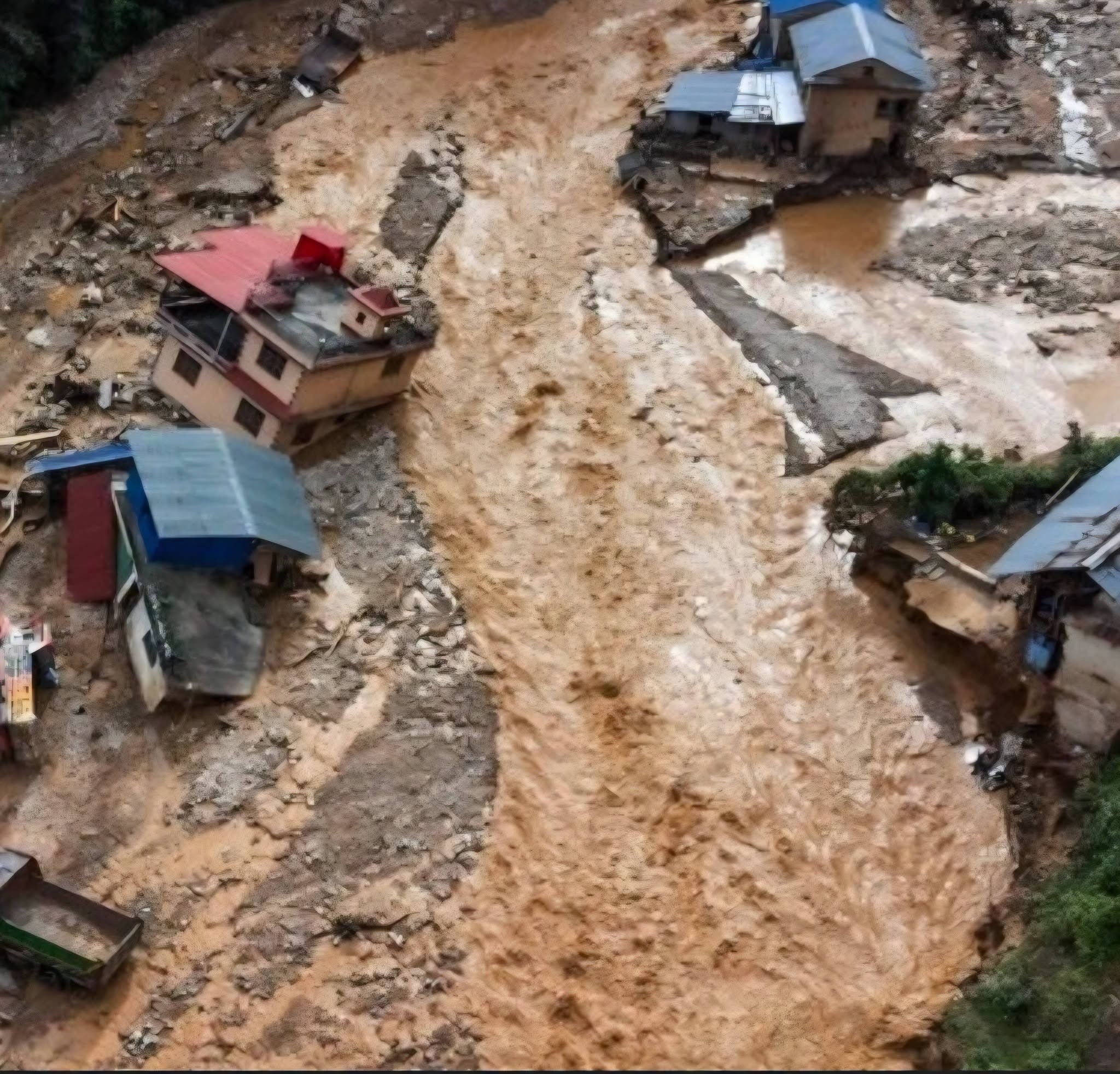
The flood heavily affected the Rasuwa/Bhote Koshi corridor, which is important for access toward the Langtang region. Current reporting indicates that the major issue is transportation and access through the damaged road corridor rather than a blanket closure of the entire Langtang trekking experience.
Therefore:
Do not book or begin a Langtang trek without checking the latest road, bridge and trail conditions.
If access remains disrupted, a responsible trekking company should recommend an alternative itinerary rather than putting travelers into unnecessary danger.
| Trekking Region | Current Situation | Recommendation |
|---|---|---|
| Everest Base Camp | Open | Suitable with current access/weather check |
| Annapurna | Open | Strong option |
| Manaslu | Open | Strong option with road check |
| Kanchenjunga | Open | Suitable for experienced trekkers |
| Makalu | Open | Suitable for experienced trekkers |
| Mustang | Open | Excellent alternative |
| Langtang | Access needs careful checking | Confirm road/trail conditions first |
| Flood-affected Bhote Koshi/Rasuwa corridors | Heavily affected | Avoid disaster zones until officially cleared |
Important: "Open" does not mean "risk-free." Himalayan weather, landslides, road conditions and altitude can change quickly. Final decisions should be based on the latest local conditions.
Current trekking-sector information confirms that major destinations remain operational while some access routes have been disrupted.
If your planned destination is outside the affected disaster zone, cancelling your entire Nepal trip may not be necessary.
Here are several reasons.
Nepal is geographically diverse.
The country contains enormous mountain ranges, valleys, hills and lowland regions. A serious flood in one river corridor does not mean that every trekking route, city and tourist destination has been destroyed.
Many famous Himalayan destinations remain operational.
Tourism supports thousands of Nepalese families.
Hotels, restaurants, trekking guides, porters, drivers, travel agencies, mountain lodges, airlines and local shops all depend on visitors.
The government has specifically encouraged travelers not to cancel trips unnecessarily because tourism is an important part of Nepal's economic recovery. Nepal has even launched the #NepalCalling campaign in response to flood-related cancellations ahead of the important September-November tourism season.
When you travel responsibly to an unaffected region, your spending can help local businesses continue operating.
There is an important difference between:
Travelling into a disaster zone for tourism
and
Visiting an unaffected tourism destination and supporting local communities.
The first should be avoided.
The second can be a meaningful way to support Nepal's recovery.
If you stay in local hotels, eat at local restaurants, hire local guides and porters, buy local products and use local transportation, your trip directly contributes to the livelihoods of people working in tourism.
Safety should always be the first priority.
Do not travel into damaged areas simply to see the destruction or take photographs.
Avoid:
After a major natural disaster, conditions can change quickly.
A professional local trekking company can monitor:
This is especially important for remote Himalayan trekking.
Heavy rain can create:
Never assume that a route is safe simply because it was safe yesterday.
If your guide says that a river crossing is unsafe, do not cross it.
Do not take unnecessary risks for photographs or to stay on schedule.
A professional guide should be willing to change the itinerary when conditions require it.
Even when a river appears calm, water levels can rise rapidly after rainfall upstream.
Do not camp on dry riverbeds or very close to fast-flowing rivers.
After a major disaster, transportation may take longer than normal.
Allow additional time for:
Flexibility is particularly important during the first weeks of recovery.
At Explore Holiday Nepal, we believe that safety must come before profit.
Our approach after a natural disaster is simple:
We do not take travelers into unsafe areas just to keep an itinerary running.
Instead, we monitor conditions and recommend the safest available route.
Our team has extensive experience working in Nepal's Himalayan trekking regions.
Local knowledge matters because conditions can vary significantly from one valley to another.
Before starting a trek, we assess:
If a route becomes unsafe, we can recommend an alternative.
If your original trekking route is affected, we can help you consider alternatives such as:
The objective is not simply to sell a particular trek.
The objective is to help you experience Nepal safely.
The decision should be route-specific, not based solely on headlines about Nepal as a whole.
Nepal's tourism situation is not uniform.
Major tourist destinations outside the directly affected flood corridors can continue receiving visitors, but travelers should still check transportation and weather conditions before moving between destinations.
For a trip involving Kathmandu, Pokhara and a Himalayan trek, your travel company should continuously monitor road and flight conditions.
Do not assume that because one road is open today it will necessarily remain open tomorrow.
For trekking in the post-flood period, consider carrying:
For high-altitude trekking, also follow your guide's advice regarding acclimatization, hydration and altitude safety.
Travel insurance should cover the activities you plan to undertake.
Check whether your policy covers:
Do not assume every standard travel policy covers high-altitude trekking or helicopter evacuation.
Nepal has experienced one of the most difficult natural disasters in recent years.
We should never minimize the suffering of the families who have lost loved ones.
But we should also remember that Nepal is more than one disaster-affected corridor.
The Himalayas remain magnificent.
The people remain welcoming.
Many trekking trails remain open.
And thousands of Nepalese families continue to depend on responsible tourism.
If your planned destination is safe and accessible, continuing your journey can provide valuable economic support to local communities while allowing you to experience Nepal responsibly.
At Explore Holiday Nepal, we will always choose safety over schedule and responsible travel over unnecessary risk.
Yes, many parts of Nepal remain open to tourists, but safety depends on the specific destination, transportation route, weather and current local conditions. The government has confirmed that Nepal remains open to international travelers.
Current trekking-sector updates indicate that the Everest region remains operational for the autumn season. Travelers should confirm current flight and trail conditions before departure.
Current reports indicate that the Manaslu region remains operational. Transportation conditions should be checked before starting the trek.
Yes. The Annapurna region remains one of the major trekking options after the flood, although travelers should continue monitoring weather and transportation conditions.
Langtang requires additional care because the Rasuwa access corridor was affected. Check current road and trail conditions before booking or beginning the trek.
As of the Nepal Ministry of Foreign Affairs' September 4 update, 1,287 bodies had been recovered. Search and identification operations are continuing, so the number can change.
The September 4 government update reported approximately 5,083 people still missing, including approximately 600 foreigners. Missing-person figures are being updated as rescue and identification operations continue.
Not automatically. If your destination is outside the affected areas and your route has been confirmed safe and accessible, you may be able to continue your trip. If your itinerary passes through an affected corridor, consider postponing or changing the route.
Responsible tourism can support hotels, guides, porters, restaurants, transportation providers and other local businesses whose livelihoods depend on visitors. Nepal's government is encouraging travelers to continue visiting unaffected areas.
Do not cancel Nepal simply because you saw the word "flood" in the news.
Instead, ask:
Where am I going?
How do I get there?
Is the route open today?
What does the latest weather forecast say?
What does my local trekking company recommend?
That is the responsible way to make a decision.
Nepal is recovering, and the recovery will take time. But many of its mountains, trekking routes, cultural destinations and tourism businesses remain open.
Travel responsibly. Travel informed. Travel with local experts.
And most importantly:
Explore Holiday Nepal Pvt. Ltd.
Trekking • Tours • Himalaya Adventures • Local Expertise
Website: www.exploreholidaynepal.com
WhatsApp: +977-9849816310
Email: [email protected]
Explore Nepal with confidence — safely, responsibly and locally.

The Manaslu Circuit Trek is one of Nepal’s most rewarding and less crowded trekking routes, offering breathtaking mountain scenery, rich cultural experiences, and a sense of true adventure.
The Manaslu Circuit Trek is one of Nepal’s most breathtaking trekking routes, offering an off-the-beaten-path experience with stunning landscapes, rich cultural heritage, and diverse biodiversity.
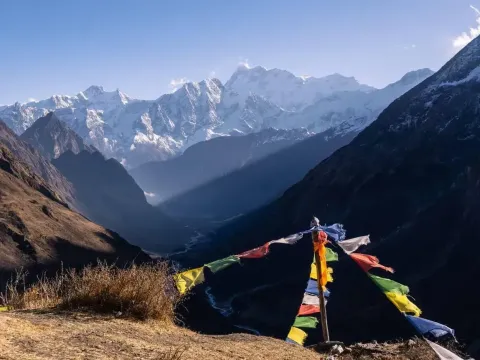
The Manaslu Circuit Trek is one of Nepal’s most breathtaking and off-the-beaten-path treks, offering stunning views, diverse landscapes, and a rich cultural experience. While it is often considered an expensive trek due to its restricted area permit
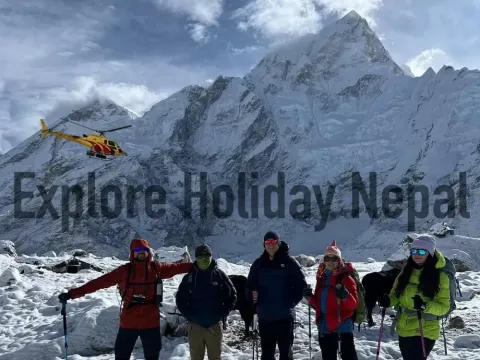
Nepal is a dream destination for trekkers, and for those who wish to combine the thrill of adventure with comfort and luxury, there are a variety of exceptional luxury trekking experiences available. Explore Holiday Nepal offers premier luxury treks, carefully
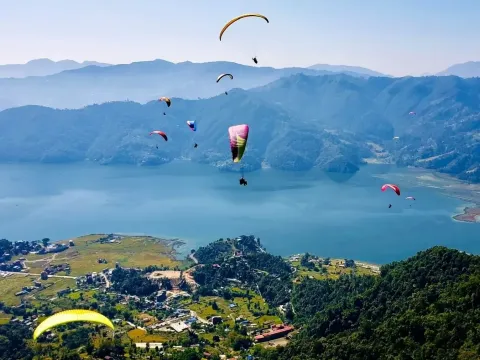
Nepal, a land of timeless beauty, is poised to offer travelers an even richer and more immersive experience in 2025 and 2026. With increased focus on sustainable tourism, better infrastructure, and a revived cultural spirit post-pandemic,
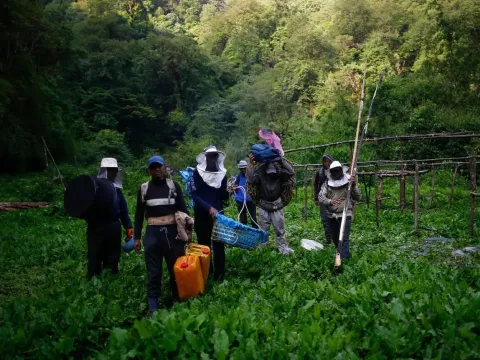
Honey hunting in Nepal is one of the most thrilling and culturally rich experiences that combines adventure, tradition, and nature. Performed by indigenous communities in the remote hills of central Nepal, particularly by the Gurung people, honey hunting involves scaling
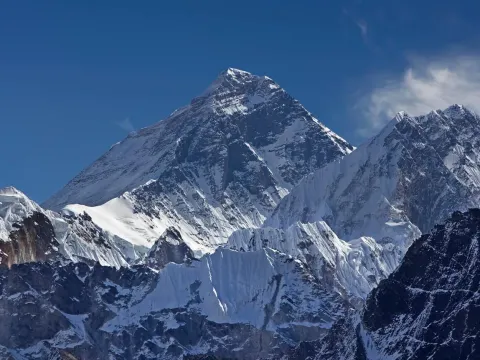
Nepal is renowned worldwide as the ultimate destination for mountain lovers and adventure seekers, boasting some of the highest and most spectacular peaks on the planet. The country’s rugged terrain is dominated by the Himalayas, which stretch
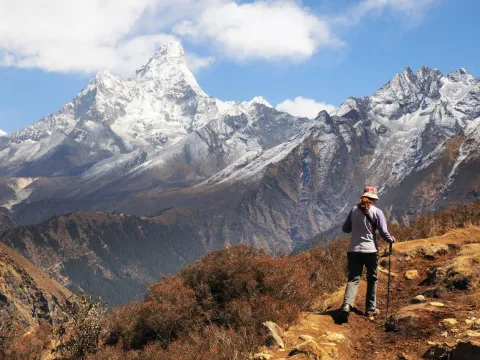
Trekking in Nepal is one of the most iconic travel experiences in the world. With trails ranging from gentle hillside walks to strenuous alpine expeditions, Nepal offers something for every level of trekker. Routes such as the Everest Base Camp, Annapurna Circuit, Langtang Valley,

Nepal’s cultural tapestry is woven from a variety of ethnic groups, languages, and religions. Hinduism and Buddhism coexist harmoniously, influencing festivals, architecture, and daily life. Visitors experience centuries-old traditions, ancient monasteries, and lively festivals
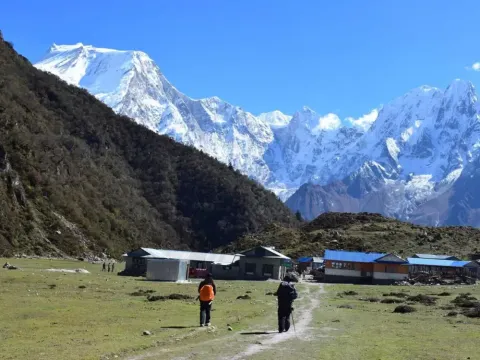
The Manaslu Circuit Trek, often hailed as one of Nepal’s most spectacular and less crowded trekking routes, offers a breathtaking adventure through diverse landscapes, traditional villages, and the majestic Himalayas. The autumn season, spanning from September to November
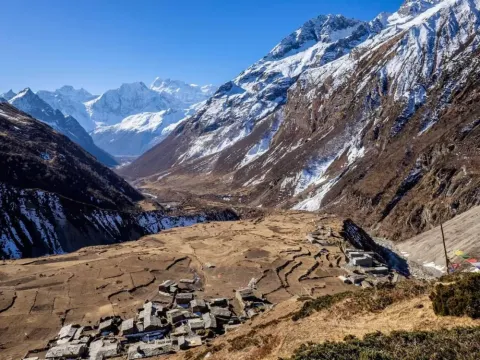
The Manaslu Circuit Trek is one of Nepal's most spectacular and rewarding trekking experiences, yet it remains less crowded than Everest or Annapurna. This trek is a remote and physically demanding journey that takes you around the world's eighth highest mountain, Mount Manaslu (8,163 meters).
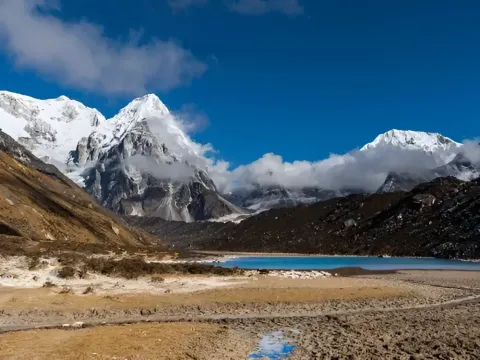
Kanchenjunga, the third-highest mountain in the world at 8,586 meters, lies in the far-eastern corner of Nepal, bordering Sikkim, India. Unlike the more commercialized Everest or Annapurna regions, the Kanchenjunga Region Trekking experience offers untouched natural beauty, remote villages, and pristine Himalayan wilderness.
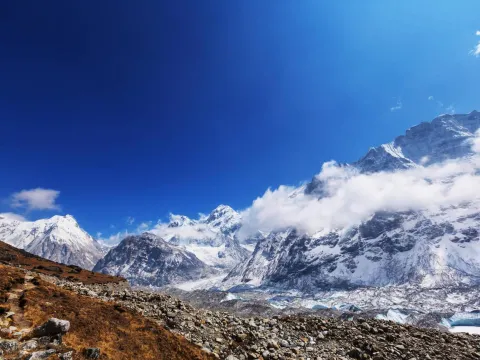
The Kanchenjunga Circuit Trek is a remote and majestic adventure through the untouched landscapes surrounding the world’s third highest mountain, Kanchenjunga (8,586m). Spanning over three weeks, this trek offers spectacular views, challenging trails, rich cultural experiences, and encounters with diverse wildlife.
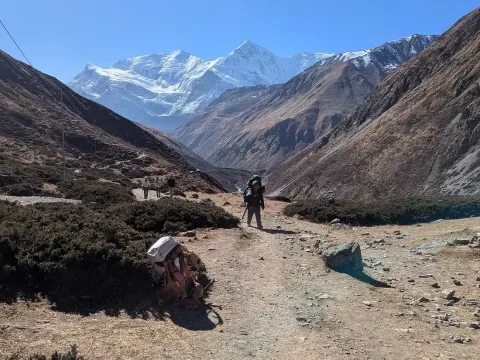
Nepal, home to some of the world’s most breathtaking mountain landscapes, offers a variety of trekking experiences, but none quite compare to the grandeur of the Manaslu and Annapurna Circuits. Both treks are iconic in their own right, drawing adventurers from around the globe. However, they differ significantly in terms of scenery, difficulty, cultural experiences, and remoteness.
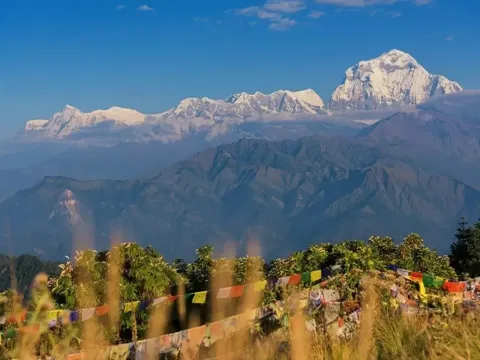
The Ghorepani Poon Hill Trek is a short yet immensely rewarding Himalayan trek in Nepal’s Annapurna region. Famous for its spectacular sunrise over the Annapurna and Dhaulagiri ranges, this trek combines natural beauty, cultural richness, and moderate trekking challenges.


 (34)
(34) 