Need help with booking? Send us a message.
The Annapurna Base Camp (ABC) Budget Trek is an incredible journey that takes you deep into the heart of the Annapurna Massif, providing stunning views of the iconic mountains such as Annapurna I, Machhapuchhre (Fishtail), and Hiunchuli. The trek is known for its scenic beauty, diverse culture, and close encounters with local villages nestled in the foothills of the Himalayas. Designed to cater to trekkers on a budget, this trek offers an affordable way to experience the beauty of the Annapurna region. The trail takes you from Kathmandu to Pokhara by road, then continues through picturesque villages like Ghandruk, Chomrong, Dovan, and ultimately to Annapurna Base Camp at 4,130 meters (13,550 feet).
One of the highlights of the trek is the mix of natural and cultural experiences. From the lush rhododendron forests and terraced rice fields in lower altitudes to the Himalayan landscapes at higher elevations, trekkers are treated to a rich variety of environments. As you pass through villages such as Ghandruk and Chomrong, you’ll get a chance to interact with the indigenous Gurung and Magar people. The trek culminates in Annapurna Base Camp, where you’ll be rewarded with panoramic views of towering peaks. After reaching the base camp, the trek descends to Jhinu Danda, where trekkers can relax in natural hot springs before returning to Pokhara and finally Kathmandu.
Top Blogs About Trekking in the Annapurna Region
Uncover the best blogs about trekking in the Annapurna region, featuring expert advice, detailed itineraries, personal experiences, and essential tips for adventurers looking to explore the Himalayas.
Best Annapurna Ranges Treks & Tours 2024/2025
Top 9 Destinations to Explore on the Annapurna Circuit Trek
Best Time to Hike the Annapurna Circuit
Which is the Better Lake Trek in Nepal: Gokyo or Tilicho Lake Trek?
Annapurna Base Camp Trek: Tips and FAQs
Altitude Sickness on Nepal Treks: Symptoms, Treatment, and When to Descend (Complete Guide)
Mardi Himal Trek: Trails, Views, and Tips
Nepal Trekking Permits: Costs, Types, and How to Get Them
Ghorepani Poon Hill Trek: A Perfect Short Himalayan Adventure
Manaslu Circuit vs Annapurna Circuit: Which Trek is Right for You?
Nepal Trekking: What’s the Best Time to Go?
Budget Trekking in Nepal: Tips, Trails, and Tricks
Exploring Nepal’s Wildlife and Nature
Trekking Through Nepal: A Journey into the Himalayas
Top 10 Mountain Peaks in Nepal
Annapurna Base Camp vs Annapurna Circuit: Which Himalayan Trek is Right for You?
Annapurna Circuit Trek for Beginners 2025: The Famous Himalayan Adventure You Can’t Miss
Where is Annapurna? Explore the Glory of the World’s Highest Mountain
Top Reasons to Choose Trekking or Visiting Nepal
Dal Bhat Power 24 Hour: The Science and Soul Behind Nepal's Mountain Fuel
Solo Female Trekking in Nepal: A Complete Safety and Empowerment Guide for 2026
Complete Fitness Training Guide for Nepal Trekking 2026: From Couch to Base Camp in 12 Weeks
Can Beginners Do Annapurna Trek? Your Complete Guide to Conquering the Himalayas
Best Time for Annapurna Base Camp Budget Trek
The best time to undertake the Annapurna Base Camp Budget Trek is during the spring (March to May) and autumn (September to November) seasons. These months offer the most favorable weather conditions for trekking in the region. During these seasons, the skies are generally clear, providing excellent visibility of the surrounding mountains and landscapes. Temperatures are moderate, ranging from warm days to cool evenings, making it comfortable for trekking at various altitudes. The trekking trails are also less likely to be affected by heavy rainfall, and the rhododendron forests are in full bloom during spring, adding extra beauty to the journey.
Winter (December to February) and summer/monsoon (June to August) are not ideal for the Annapurna Base Camp trek. Winter brings freezing temperatures, especially at higher elevations, and snow can block the trail, making it difficult to navigate. The monsoon season, on the other hand, brings heavy rainfall that can lead to slippery and muddy trails, increasing the risk of landslides. Therefore, planning your trek during the spring or autumn ensures a more pleasant experience, with ideal trekking conditions and fewer obstacles along the route.
Annapurna Base Camp Budget Trekking Permits
To embark on the Annapurna Base Camp Budget Trek, trekkers must obtain two essential permits: the Annapurna Conservation Area Permit (ACAP) and the Trekkers’ Information Management System (TIMS) card. The ACAP permit is required to enter the Annapurna Conservation Area, a protected area that spans much of the Annapurna region and is known for its biodiversity and natural beauty. The TIMS card helps track trekkers and ensures their safety during the trek. These permits can be obtained in Kathmandu or Pokhara at the Tourist Service Centers, with the assistance of your trekking agency.
For the ACAP permit, there is a fee that varies depending on whether you're a SAARC (South Asian Association for Regional Cooperation) national or a non-SAARC national. The TIMS card fee is generally fixed. It’s important to have both of these permits before starting the trek as they will be checked at various checkpoints along the way. Explore Holiday Nepal will assist you with obtaining all necessary permits to ensure you have a smooth and hassle-free trekking experience.
Annapurna Base Camp Budget Trekking Difficulty
The Annapurna Base Camp Budget Trek is considered a moderate trek suitable for trekkers with a reasonable level of fitness. While the trek does not require technical climbing skills, the altitude gain and the nature of the terrain can present challenges, especially on the higher sections of the trail. The trek involves daily walking for 5-7 hours, with some uphill climbs and steep descents, making it a physically demanding journey. However, with proper acclimatization and preparation, most trekkers with a basic level of fitness can complete the trek without difficulty.
As the trek ascends to altitudes over 4,000 meters (13,000 feet) at Annapurna Base Camp, there is a risk of altitude sickness, so it’s important to follow recommended acclimatization guidelines. Trekking at a steady pace, staying hydrated, and allowing sufficient rest can help mitigate the effects of altitude. Although the trail is well-defined and accessible, trekkers should be prepared for fluctuating weather conditions, especially at higher altitudes, where temperatures can drop sharply. Overall, while the trek requires a moderate level of physical endurance, the stunning landscapes and the sense of achievement upon reaching Annapurna Base Camp make it a rewarding experience.
Culture and Village Exploration or Experience
One of the most enriching aspects of the Annapurna Base Camp Budget Trek is the opportunity to explore the diverse cultures and traditions of the local villages along the trail. The trek passes through several indigenous Gurung and Magar villages, where trekkers can interact with the locals, experience their way of life, and learn about their customs. Villages like Ghandruk and Chomrong are known for their traditional stone houses, terraced fields, and welcoming hospitality. These villages provide a glimpse into the rural life of Nepal, where the inhabitants rely on agriculture and livestock farming.
During your trek, you may also have the opportunity to witness traditional cultural practices, such as local festivals, religious rituals, and the unique Gurung and Magar customs. The locals are friendly and open to sharing their stories and traditions, often offering tea or food to passing trekkers. Visiting the Gurung Museum in Ghandruk gives you insight into the rich cultural heritage of the region, and staying in the village teahouses allows you to experience authentic Nepali hospitality. Exploring these villages not only enhances the cultural experience but also fosters a deeper connection to the Annapurna region and its people.
Major Highlights of the Annapurna Base Camp Budget Trek
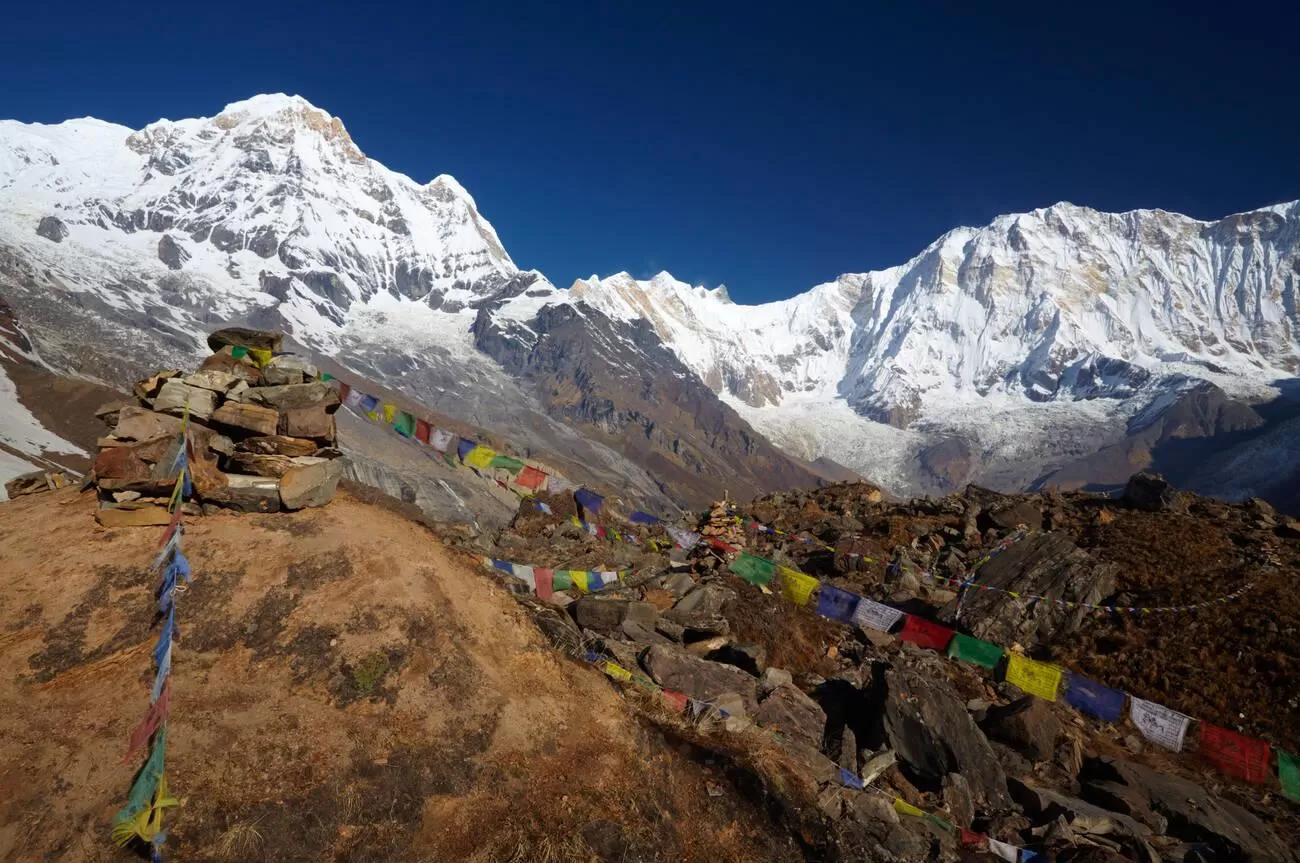
The Annapurna Base Camp Budget Trek is filled with major highlights that make it a memorable and rewarding journey. One of the most exciting aspects of the trek is the breathtaking mountain views. Trekkers are treated to panoramic views of Annapurna I, Machhapuchhre (Fishtail), Annapurna South, and Hiunchuli as they ascend, offering some of the best mountain scenery in the world. The trek’s culmination at Annapurna Base Camp itself, where trekkers are surrounded by towering peaks, is truly a highlight. The sense of achievement upon reaching this high-altitude vantage point, where the landscape is dominated by glaciers and snow-capped mountains, is unparalleled.
Another major highlight is the diverse natural environment along the trek. From lush rhododendron forests, terraced rice fields, and deep valleys in the lower altitudes to the alpine meadows and rocky landscapes at higher elevations, the changing scenery is constantly captivating. Additionally, the hot springs at Jhinu Danda provide a perfect place to relax after days of trekking. The cultural experiences, including the chance to explore villages like Ghandruk and Chomrong, add another layer of richness to the journey. With its combination of natural beauty, cultural immersion, and physical challenge, the Annapurna Base Camp Budget Trek offers one of the most rewarding trekking experiences in Nepal.
Explore Holiday Nepal: Your Trusted Trekking Partner
Explore Holiday Nepal is a reputable trekking company that specializes in affordable and unforgettable trekking experiences, including the Annapurna Base Camp Budget Trek. The company is committed to providing trekkers with personalized services, ensuring that each journey is safe, enjoyable, and authentic. Explore Holiday Nepal's expert guides are experienced in the Annapurna region and are well-versed in local culture, ensuring that trekkers gain a deeper understanding of the landscapes and people they encounter along the way.
The company takes pride in organizing treks that cater to budget-conscious travelers, without compromising on safety or quality. Whether you're a first-time trekker or a seasoned adventurer, Explore Holiday Nepal will assist you in every step of the way, from obtaining permits to arranging accommodations and providing knowledgeable guides. With Explore Holiday Nepal, you can be confident that your Annapurna Base Camp Budget Trek will be an enriching, well-organized, and unforgettable adventure.
About Explore Holiday Nepal
Explore Holiday Nepal is a well-established trekking agency that offers affordable and memorable trekking experiences in Nepal. Specializing in budget-friendly treks like the Annapurna Base Camp Budget Trek, Explore Holiday Nepal ensures that trekkers can enjoy the beauty and culture of Nepal without breaking the bank. The company prides itself on providing high-quality services, including knowledgeable guides, reliable porters, and comfortable accommodations. With years of experience in the industry, Explore Holiday Nepal is dedicated to providing an authentic Himalayan experience that caters to the needs of every traveler. Whether you are a first-time trekker or an experienced adventurer, Explore Holiday Nepal will ensure that your Annapurna Base Camp trek is a rewarding and unforgettable journey.
Physical Fitness and Experience: The Annapurna Base Camp Budget Trek is a moderate-level trek. While it doesn’t require technical skills, a good level of fitness and prior trekking experience are recommended to handle long trekking hours and high-altitude terrain.
Acclimatization: Acclimatization is essential to prevent altitude sickness. We advise following a gradual ascent, staying hydrated, and taking necessary rest days. Our guide will help monitor your progress, but it is important to be aware of symptoms of altitude sickness.
Weather Conditions: The weather can change quickly in the mountains, and temperatures can drop significantly, especially at higher elevations. Be prepared for both hot and cold conditions. Pack layers and a quality sleeping bag to stay warm during the night.
Packing Essentials: Ensure you have proper trekking gear, including waterproof clothing, sturdy trekking boots, a daypack, trekking poles, and a good-quality sleeping bag. Also, carry enough snacks, a water bottle, and a first-aid kit.
Basic Accommodation and Meals: Teahouses along the trail provide simple accommodations and meals. While the food is nourishing, options may be limited at higher altitudes. Carry some extra cash for personal expenses, snacks, and optional services like charging devices.
Permits and Documentation: You will need Annapurna Conservation Area Permit (ACAP) and TIMS permits for the trek. These are arranged by Explore Holiday Nepal as part of the trek package.
Altitude Sickness Awareness: While the Annapurna Base Camp trek doesn’t reach extreme altitudes (4130 m / 13549 ft), and the base camp itself are high enough to cause altitude sickness. Pay close attention to your body and inform your guide immediately if you experience any symptoms.
Extra Costs: The budget trek focuses on providing affordable accommodation, transport, and guiding services, but there may be additional costs for meals, drinks, and personal expenses along the way.
Travel Insurance: Comprehensive travel insurance is highly recommended. It should cover trekking at high altitudes, emergency evacuation, and medical coverage.
Why Choose Us: Explore Holiday Nepal offers expert local guides, customized itineraries, and a focus on safety and cultural immersion, ensuring an unforgettable and well-supported trek to Annapurna Base Camp.
The first day of your Annapurna Base Camp Budget Trek begins with a scenic drive from Kathmandu to Pokhara, a journey of approximately 6 hours. As you leave the bustling capital behind, you’ll travel along winding highways that cut through lush green hills, terraced fields, and the Trishuli River. The road offers stunning views of the surrounding landscapes, including glimpses of the lower Himalayas. Along the way, you’ll pass through small villages, where you can observe the rural lifestyle of Nepal. Once you arrive in Pokhara, the city known for its serene beauty and stunning views of the Annapurna range, you’ll check into your hotel. After settling in, you can relax and enjoy the picturesque setting by the Phewa Lake, or explore the local market and enjoy some delicious Nepali cuisine before resting for the night.
 Accommodation Hotel
  Meals NA
  Max. altitude 860m / 2,822ft.
 After breakfast in Pokhara, you’ll start your journey to Ghandruk, a beautiful Gurung village located at an altitude of 2,050 meters. The drive to Ghandruk takes around 4 hours, passing through rural villages, terraced fields, and scenic landscapes. The route offers views of the surrounding hills and forests as you make your way to the trailhead. Upon reaching Ghandruk, you’ll begin your trek to Chomrong, a popular stop on the Annapurna Base Camp trail. The trek from Ghandruk to Chomrong takes approximately 4 hours, with the trail winding through rhododendron forests, steep ascents, and descents. Chomrong, situated at 1,951 meters, is a stunning village offering spectacular views of the Annapurna South and Machhapuchhre (Fishtail) mountains. You’ll spend the night in a local teahouse, where you can enjoy a warm meal and relax after a day of travel and trekking.
Accommodation Tea house / Lodge Meals NA Max. altitude 1,951m / 6,401ft. The third day begins with a descent to the Modi Khola River, followed by an ascent through dense bamboo and rhododendron forests as you make your way toward Dovan. This section of the trek takes around 6 hours. As you hike through the lush green forests, you’ll notice the vegetation changing as you ascend, with occasional views of the towering Annapurna range in the distance. The trail passes through the small settlement of Bamboo, located at 2,050 meters, and continues toward Dovan, which lies at 2,130 meters. Dovan is a peaceful location, surrounded by towering cliffs and alpine forests, making it an ideal spot to rest for the night. After a long day of trekking, you can enjoy a hot meal and relax in the tranquil atmosphere of the area before settling in for the night.
Accommodation Tea house / Lodge Meals NA Max. altitude 2,050m / 6,726ft. On day four, you’ll trek from Dovan to Machhapuchhre Base Camp (MBC), located at an altitude of 3,720 meters. This is a 6-hour trek, which begins with a gradual ascent through forests and open meadows, offering amazing views of Machhapuchhre (Fishtail) Mountain and other surrounding peaks. As you approach MBC, the landscape becomes more barren and rocky, with towering snow-capped peaks surrounding you. Machhapuchhre Base Camp is a spectacular spot with panoramic views of the Annapurna range, including Annapurna I, Annapurna South, and the iconic Machhapuchhre. This area is known for its tranquility, as there are fewer trekkers compared to the main Annapurna Base Camp. Once you arrive, you can enjoy the breathtaking scenery and rest in the teahouses while preparing for the final leg of your trek to Annapurna Base Camp.
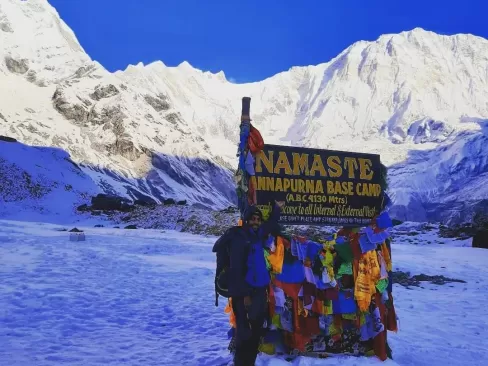
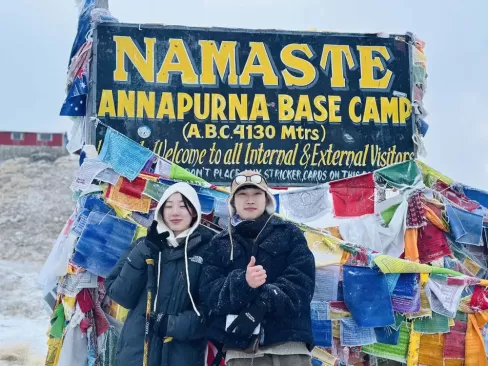
Accommodation Tea house / Lodge Meals NA Max. altitude 3,720m / 12,205ft. Day five is the highlight of the trek, as you’ll finally reach Annapurna Base Camp (ABC), located at 4,130 meters. The trek from Machhapuchhre Base Camp to ABC takes about 4 hours, with a steady ascent through alpine meadows and rocky terrain. The higher you climb, the more spectacular the mountain views become. Upon arrival at Annapurna Base Camp, you’ll be surrounded by some of the tallest peaks in the Himalayas, including Annapurna I, Annapurna South, Hiunchuli, and the majestic Machhapuchhre. The panoramic views from ABC are truly awe-inspiring, and it’s a perfect spot for photos and reflection. After spending time soaking in the stunning scenery and celebrating your achievement, you’ll enjoy a warm meal and rest in a teahouse at ABC, preparing for the descent the next day.
Accommodation Tea house / Lodge Meals NA Max. altitude 4,130m / 13,550ft. After reaching the summit of the Annapurna Base Camp, it’s time to begin the descent. On day six, you’ll trek back to Bamboo, retracing your steps from the previous days. The trek from ABC to Bamboo takes around 6 hours, and it’s a relatively straightforward descent through the same rhododendron and bamboo forests. Along the way, you’ll pass by Dovan and other smaller settlements, enjoying the beautiful surroundings as you descend. This day is less strenuous than the ascent but still requires attention to the trail, as some sections are steep. Upon arriving at Bamboo, you’ll check into a teahouse, where you can rest and relax after a long day of trekking.
Accommodation Tea house / Lodge Meals NA Max. altitude 2,050m / 6,726ft. On day seven, the trek continues from Bamboo to Jhinu-Danda, a village famous for its natural hot springs. The trek takes around 6 hours, with a mix of ascents and descents as you pass through beautiful forests, waterfalls, and small villages. As you approach Jhinu-Danda, you’ll be treated to stunning views of the surrounding mountains and valleys. Jhinu-Danda, located at 1,700 meters, is known for its hot springs, where trekkers can relax and soak in the warm waters after days of strenuous trekking. The hot springs are a perfect way to rejuvenate your tired muscles and unwind in a natural setting. After enjoying the hot springs, you’ll stay overnight in a teahouse in Jhinu-Danda, where you can reflect on your incredible journey.
Accommodation Tea house / Lodge Meals NA Max. altitude 1,700m / 5,577ft. On the eighth day, you’ll begin with a short walk from Jhinu-Danda to the roadhead, which takes about 2 hours. The trek is a relaxed walk, giving you a chance to enjoy the beautiful surroundings one last time before you leave the trekking trail. Once you reach the roadhead, you’ll board a vehicle for the drive back to Pokhara, which takes approximately 2 hours. Upon arrival in Pokhara, you’ll check into your hotel and have some free time to relax, take a stroll around Phewa Lake, or enjoy a well-deserved meal. Pokhara is a popular tourist destination, so you’ll have plenty of options for leisure activities to enjoy after your trek.
Accommodation Hotel Meals NA Max. altitude 860m / 2,822ft. On the final day of the Annapurna Base Camp Budget Trek, you’ll take a drive from Pokhara back to Kathmandu. The drive takes approximately 6-7 hours, passing through scenic landscapes and rural villages along the way. As you make your way back to the capital, you’ll have a chance to reflect on your trek and the incredible experiences you’ve had. Upon arrival in Kathmandu, Explore Holiday Nepal will transfer you to your hotel, where you can relax, enjoy some free time, or explore the city before your departure. Whether you want to shop for souvenirs, visit cultural landmarks, or simply unwind, you’ll have some time to make the most of your final moments in Nepal.
Explore Holiday Nepal ensures that each stage of your Annapurna Base Camp Budget Trek is well-organized, allowing you to fully enjoy the beauty, culture, and adventure of Nepal. With experienced guides, well-arranged accommodations, and seamless logistics, your trek will be safe, enjoyable, and memorable.
Accommodation Hotel Meals NA Max. altitude 1,320m / 4,331ft. Your Start Date is the day you land in Nepal, and your End Date is when you fly home.
If the set Annapurna Base Camp Budget Trek group dates don’t suit your schedule, we can offer alternative dates upon request.
The Annapurna Base Camp Budget Trek is classified as a moderate trek. It does not require any technical climbing skills, but it does involve walking for several hours a day over varying terrains, including steep ascents and descents. The trek reaches altitudes over 4,130 meters at Annapurna Base Camp, which can cause altitude sickness if proper acclimatization isn’t followed. However, the trek is achievable for anyone with a reasonable level of fitness and determination. With the help of our experienced guides at Explore Holiday Nepal, you’ll be well-prepared for the journey, as they will guide you through the terrain and manage any altitude-related issues.
The cost of the Annapurna Base Camp Budget Trek depends on various factors, such as the type of accommodation, guide services, transportation, and the time of year. Explore Holiday Nepal offers affordable packages that include transportation, permits, and a guide, ensuring you get great value for your money. As the trek is a budget option, you’ll be staying in standard teahouses, and meals will be on a self-pay basis. For the most accurate pricing, it’s best to contact us directly, and we’ll provide a detailed cost breakdown based on your specific needs and group size.
Yes, you can extend or customize your trek based on your preferences. Explore Holiday Nepal offers flexible itineraries for the Annapurna Base Camp Budget Trek, and we can arrange for additional days to explore other areas or even extend your trek to destinations like Ghorepani or Poon Hill for spectacular sunrise views. Just let us know your preferences, and we’ll tailor the trek to suit your needs and ensure a personalized experience. Whether you’re looking for a more relaxed pace or additional trekking experiences, we can accommodate your request.
The ideal times to trek to Annapurna Base Camp are during the spring (March to May) and autumn (September to November) seasons. During these months, the weather is stable, with clear skies and mild temperatures, offering the best trekking conditions. Spring also brings vibrant rhododendron blooms, while autumn provides stunning views of the Annapurna range with crisp, clear air. Although winter (December to February) and summer (June to August) are possible, they come with certain challenges such as freezing temperatures or the monsoon rain. Explore Holiday Nepal recommends trekking in spring or autumn for the most enjoyable and safe experience.
Preparation for the Annapurna Base Camp Budget Trek requires both physical and mental readiness. We suggest at least a few weeks of physical training, focusing on cardio, stamina, and leg strength. Hiking on steep terrain, walking with a daypack, and gradually increasing your trek duration will help you build endurance. You should also ensure that you’re mentally prepared for a physically demanding trek with multiple days of hiking. In addition, it’s essential to pack appropriate clothing for varying weather conditions and high altitudes. Explore Holiday Nepal provides a detailed packing list, making sure you have everything you need for a safe and successful trek.
While the Annapurna Base Camp Budget Trek can be done independently, we strongly recommend having a guide, especially for a budget trek. Trekking with a guide from Explore Holiday Nepal ensures your safety, especially with navigation, altitude management, and emergency situations. Our guides are local experts who know the trail, culture, and weather patterns, making them invaluable for your trek. They will also help you understand the local customs and ensure that you have an authentic experience while trekking. Having a guide makes the trek much smoother and more enjoyable, especially when traveling in a remote area like Annapurna.
Yes, the Annapurna Base Camp Budget Trek is generally safe, especially when undertaken with a reputable company like Explore Holiday Nepal. Our team of experienced guides ensures that your trek is conducted safely, with proper acclimatization days to avoid altitude sickness. We also monitor weather conditions and provide emergency communication options if needed. That said, trekking at high altitudes always carries some risk, and it’s important to follow the guidance of your guide and respect the trek's pace. Explore Holiday Nepal prioritizes your safety and ensures you have all the necessary resources for a safe and enjoyable trek.
Accommodation during the Annapurna Base Camp Budget Trek consists mainly of teahouses, which are simple but comfortable lodgings available along the trail. At lower altitudes like Pokhara and Ghandruk, the teahouses offer more amenities, while at higher altitudes, accommodations become more basic. Rooms typically have shared bathrooms, and you’ll be provided with a bed and warm blankets. The Explore Holiday Nepal team ensures that the teahouses we choose are safe, clean, and provide adequate comfort. The teahouses also serve hearty meals to keep you fueled for the trek, and your guide will ensure that your accommodation is arranged ahead of time to avoid any last-minute issues.
Meals during the Annapurna Base Camp Budget Trek are typically served in teahouses along the route. The food on the trek is both nutritious and varied. You’ll have access to traditional Nepali dishes like dal bhat (lentil soup with rice), momo (dumplings), and rice-based meals. International dishes such as pasta, pancakes, and omelets are also available, especially in the lower regions. As you ascend higher, the menu becomes more limited, but you’ll still have hearty and calorie-packed meals to help fuel your hike. Explore Holiday Nepal advises you to carry snacks like energy bars, nuts, and chocolate for added energy during the trek.
To trek in the Annapurna region, you’ll need two primary permits: the Annapurna Conservation Area Permit (ACAP) and the Trekkers' Information Management System (TIMS) card. Explore Holiday Nepal will assist in obtaining these permits for you as part of the trekking package. The ACAP allows access to the Annapurna Conservation Area, and the TIMS card helps track trekkers for safety purposes. These permits are essential for entering the Annapurna region, and Explore Holiday Nepal ensures all necessary paperwork is handled before your trek begins.
| No of people | Price per person |
|---|---|
| 1 - 1 | $1,090 |
| 2 - 5 | $890 |
| 6 - 10 | $850 |
| 11 - 15 | $820 |
| 16 - 20 | $799 |
| No of people | Price per person |
|---|---|
| 1 - 1 | $695 |
| 2 - 5 | $615 |
| 6 - 9 | $590 |
| 10 - 15 | $575 |
| 16 - 20 | $555 |




 (34)
(34) 