Need help with booking? Send us a message.
 Tamang Heritage Trek: Everything You Actually Need to Know
So you're looking at the Tamang Heritage Trek. Smart choice—though I'm probably biased because this trek completely won me over when I did it last year.
Here's the thing: most people heading to Nepal have heard about Everest Base Camp or the Annapurna Circuit. Those are the big names. The Tamang Heritage Trek? Not so much. But that's actually part of what makes it special. You get authentic cultural experiences without fighting crowds for guesthouse beds, and the mountains are just as impressive (just don't tell the EBC crowd I said that).
Let me break down what this trek actually involves, what it costs, what you'll see, and whether it's the right fit for you.
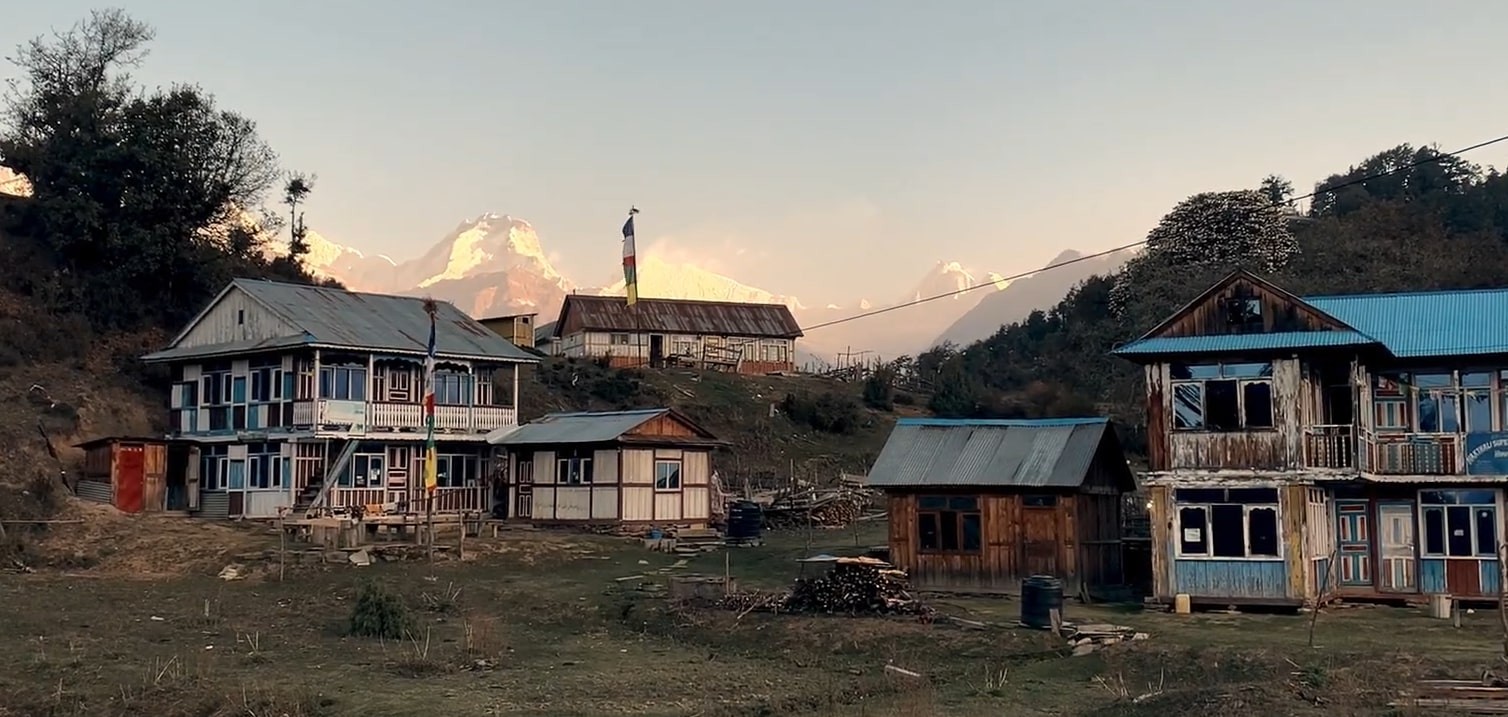
The Tamang Heritage Trek takes you through traditional Tamang villages in the Langtang region, north of Kathmandu near the Tibet border. The Tamang people are one of Nepal's major ethnic groups with Tibetan roots—their language, culture, Buddhism, and architecture are all distinctly different from what you'll see in Kathmandu.
The trek typically takes 7-10 days depending on your route and how much time you spend in each village. You'll be walking through places like Gatlang, Tatopani, Thuman, and Briddim—villages where tourism exists but hasn't completely taken over yet. People still farm their terraced fields, monks still conduct daily prayers in centuries-old monasteries, and kids still look genuinely curious when they see foreigners walking through.
Maximum elevation is around 3,700m if you do the Lauribina La pass option (most people skip this). Otherwise you're staying between 2,000-2,500m, which means altitude sickness is way less of an issue compared to higher treks.
This trek is usually labeled "moderate" and that's pretty accurate. You don't need to be an athlete, but you can't be completely out of shape either.
Daily walking time ranges from 4-7 hours. Some days are mostly uphill (Syabrubesi to Gatlang will test your legs), some days are mostly downhill (which sounds easier but actually destroys your knees), and some days are a mix. The trails are generally well-maintained—rocky in places, muddy after rain, but nothing that requires technical climbing skills.
If you can comfortably hike 5-6 hours with a daypack at home, you can handle this trek. The elevation isn't high enough to cause serious problems for most people, though you might feel a bit breathless the first day or two.
What actually makes it challenging? The cumulative effect. By day five, your legs are tired, you've probably got a blister or two, and the novelty of dal bhat twice a day has worn off. But that's true of basically every multi-day trek.
Syabrubesi (1,460m) - Starting point. Nothing special, just a trekking town with guesthouses and supplies. You'll spend one night here after the drive from Kathmandu.
Gatlang (2,238m) - First major village. Has an old monastery, a sacred cave, and genuine Tamang character. This is where you'll probably have your first homestay experience. The gompa (monastery) here is worth visiting—the monk who runs it is super welcoming.
Tatopani (2,607m) - Famous for its hot springs, though "hot" is generous. They're more warm. Still feels amazing after hiking all day. The village is small, most people just come for the springs.
Thuman (2,338m) - Smaller than Gatlang but has a really beautiful monastery with well-preserved murals. Less touristy, more authentic daily village life happening around you.
Briddim (2,229m) - Probably the highlight for most trekkers. This village has the best-developed homestay program, incredible mountain views (Langtang Lirung dominates the skyline), and families who've been hosting trekkers long enough to make you feel genuinely welcome rather than like a transaction.
Some itineraries also include Nagthali viewpoint (3,165m) for sunrise mountain views, and you can connect to the main Langtang Valley trek if you have extra time.
Spring (March-May) - This is prime time. Weather's stable, rhododendrons are blooming (absolutely gorgeous), temperatures are comfortable. Also the most crowded, though "crowded" here means you'll share a guesthouse with five other trekkers instead of having it to yourself.
Autumn (September-November) - Second best option. Clear skies, excellent mountain views, comfortable temperatures. October is peak season across all Nepal treks, so book ahead.
Winter (December-February) - Doable but cold, especially at night. You'll need a serious sleeping bag. Fewer trekkers means better cultural interaction and cheaper prices. Some high passes might have snow.
Monsoon (June-August) - Generally avoided, and for good reason. It rains a lot, trails get muddy and slippery, leeches appear in the forests, and mountain views are often cloud-covered. That said, the Langtang region is in a partial rain shadow, so it's not as bad as areas further south. If you don't mind rain and want serious solitude, it's possible.
I went in October. Weather was perfect except for one rainy afternoon, and there were enough other trekkers that I met people to chat with but never felt crowded.
This is where the Tamang Heritage Trek separates itself from other Nepal treks. You're not just passing through villages—you're staying in people's homes.
Most nights you'll stay in homestays where families have converted upper floors into basic guest rooms. You'll eat meals with them (or at least in their kitchen), you'll see how they actually live, and if you make any effort at all to be friendly, they'll usually open up.
I learned to make momos from a grandmother in Gatlang. Helped harvest potatoes in Briddim. Attended a prayer ceremony at the Thuman monastery where I had absolutely no idea what was happening but it was beautiful anyway. These weren't arranged "cultural programs"—they were just normal life that happened to include me because I was there.
The Buddhism here is the Tibetan variety—you'll see prayer wheels, mani walls with carved mantras, colorful prayer flags everywhere, and gompas (monasteries) in most villages. The monks are generally happy to show you around if you're respectful (take off your shoes, don't touch things without asking, and for the love of god don't take photos during prayers unless you ask first).
Traditional Tamang houses are built from stone with wood trim, designed to withstand earthquakes (important in Nepal). Most families keep animals on the ground floor—yaks, cows, goats—and live above. The body heat from the animals helps warm the house in winter. Clever.
Let's be real: you're eating dal bhat twice a day. That's lentil soup with rice, usually served with some vegetable curry, pickle, and sometimes a papad (crispy lentil cracker). It's actually good, filling, and you get unlimited refills.
Other options in most villages: momos (dumplings), thukpa (noodle soup), fried rice, chow mein, tibetan bread with jam and honey for breakfast.
The food is fresh because it has to be—no refrigeration, everything's made daily. Portions are huge because trekkers need calories. And it's cheap (300-600 rupees per meal depending on the village and what you order).
Some villages now have yak cheese factories as a way to generate income. The cheese is... interesting. Kind of like aged cheddar but smokier? You can buy it to take with you. Makes good snacks on the trail.
Bring water purification tablets. The water from taps isn't reliably safe to drink, and buying bottled water gets expensive and creates plastic waste. Most guesthouses can provide boiled water if you ask.
Essentials:
Nice to Have:
Don't Bother:
Pack light. Even with a porter, less stuff means more comfort.
Is it safe? Yeah, very. Nepal is generally safe for trekkers, and the Tamang Heritage Trail is no exception. Standard precautions apply (don't trek alone at night, watch your footing on steep sections, etc).
Cell phone service? Spotty. NTC (Nepal Telecom) has coverage in some villages but not everywhere. Don't count on reliable internet.
Emergencies? Most villages have basic health posts. Serious emergencies require helicopter evacuation to Kathmandu. This is why travel insurance with helicopter evacuation coverage is mandatory.
Altitude sickness? Unlikely at these elevations, but possible. Watch for headaches, nausea, dizziness. If symptoms are severe, descend immediately.
Bathrooms? Mix of squat toilets and western-style. Toilet paper not always provided. Showers range from "not available" to "cold bucket" to "solar-heated if you're lucky."
Women traveling solo? Generally safe. Nepali culture is conservative, so dress modestly (cover shoulders and knees). Homestays mean you're staying with families, which adds security.
If you've read this far, you're probably wondering: should I do this trek or one of the more famous ones?
The Tamang Heritage Trek won't give you the bragging rights of Everest Base Camp. You won't see as many towering 8,000m peaks as the Annapurna Circuit. The trails aren't as developed, the guesthouses aren't as nice, and your Instagram photos probably won't get as many likes.
What you will get is genuine cultural immersion. Time in villages where tourism supplements traditional life but hasn't replaced it. Conversations with people whose lifestyle is radically different from yours. Monasteries where monks are actually praying, not just posing for photos. Meals shared with families in their kitchens. Mountain views that feel more intimate because you're not sharing them with 50 other people.
You'll also be directly supporting communities that were devastated by the 2015 earthquake and have rebuilt with tourism as part of their recovery strategy. Your money goes straight to families, not international hotel chains.
This trek works well if you have 10-14 days total in Nepal (including Kathmandu time), want something less strenuous than the big altitude treks, value culture as much as scenery, and prefer fewer crowds.
It's not the right choice if you want luxury teahouses, guaranteed hot showers, extensive menu options, strong wifi, or the ability to say you've done one of the "classic" Nepal treks.
For me? I'd take the Tamang Heritage Trek over EBC any day. But I'm the kind of traveler who'd rather share tea with a family than take photos at a famous landmark. You have to know what you want.
Let me be straight with you about a few things:
The hot springs at Tatopani are not luxurious spa pools. They're concrete tanks filled with warm water, often shared with a dozen other people.
Homestays are not boutique hotels. You're sleeping on thin mattresses with shared bathrooms and no heating. It's basic.
Mountain views are weather-dependent. Clouds happen. You might not get those perfect sunrise shots of Langtang Lirung.
Cultural experiences can feel awkward. There's a language barrier, you might not understand what's happening, and sometimes you'll feel like you're intruding on people's lives (even though they've invited you).
The food is repetitive. Dal bhat is good, but it's still dal bhat for the tenth time.
But here's the thing—all of that is part of what makes it real. This isn't a sanitized tourism experience designed for comfort. It's actual villages where actual people live, and they're sharing their space with you. That comes with rough edges, and those rough edges are what make it memorable.
If you can embrace the discomfort, laugh at the awkward moments, appreciate the simplicity, and stay curious about the cultural differences, you'll have an amazing time.
If you need everything to be comfortable and predictable and Instagram-perfect, maybe look at other options.
The Tamang Heritage Trek isn't trying to compete with Everest or Annapurna. It's doing its own thing—combining moderate mountain trekking with deep cultural immersion in a region that's still finding its footing after the earthquake.
It's the right trek for people who care as much about the journey and the people as they do about the destination and the views. For travelers who value authenticity over comfort, conversation over luxury, and experience over achievement.
The mountains are beautiful, the culture is fascinating, the people are welcoming, and the whole thing will cost you less than most treks in Nepal.
Just bring good boots, an open mind, and realistic expectations. The rest will take care of itself.
Top Blogs About Trekking in the Langtang Region:
Uncover the best blogs about trekking in the Langtang region, featuring expert advice, detailed itineraries, personal experiences, and essential tips for adventurers looking to explore the Himalayas.
Altitude Sickness on Nepal Treks: Symptoms, Treatment, and When to Descend (Complete Guide)
Nepal Trekking Permits: Costs, Types, and How to Get Them
Nepal Trekking: What’s the Best Time to Go?
Budget Trekking in Nepal: Tips, Trails, and Tricks
Exploring Nepal’s Wildlife and Nature
Trekking Through Nepal: A Journey into the Himalayas
Top 10 Mountain Peaks in Nepal
Monastery Life in Nepal: Finding Peace in the Heart of the Himalayas

Your Start Date is the day you land in Nepal, and your End Date is when you fly home.
If the set Tamang Heritage Trek group dates don’t suit your schedule, we can offer alternative dates upon request.
Proper layering is important to stay warm and comfortable in changing mountain weather.
Good footwear makes trekking easier and safer.
The right gear keeps you safe, comfortable, and prepared.
Lightweight but important items keep you clean, healthy, and comfortable.
Keep important items safe and easy to reach.
The Tamang Heritage Trek was an eye-opening experience, offering both beautiful landscapes and rich cultural insight. Explore Holiday Nepal made the journey smooth with excellent guides and support throughout.
Trekking through the Tamang Heritage route was a perfect mix of nature, culture, and local hospitality. Explore Holiday Nepal’s team was fantastic in providing a hassle-free experience. Highly recommend this trek!
The Tamang Heritage Trek offered stunning mountain views and an authentic cultural experience. Explore Holiday Nepal ensured everything was well-organized, making this journey truly memorable.
The Tamang Heritage Trek with Explore Holiday Nepal exceeded all my expectations. Our guide was incredibly knowledgeable about the local culture and made sure we connected with families in the villages. The hot springs at Tatopani were the perfect reward after days of hiking. What struck me most was how untouched this region feels compared to other treks. The homestays gave us genuine insight into Tamang life.
Absolutely loved this trek! Explore Holiday Nepal organized everything perfectly from start to finish. The villages we stayed in were beautiful and the local families were so welcoming. I learned to cook traditional dal bhat and even tried some homemade raksi. The mountain views were stunning but honestly the cultural experience was what made this trip unforgettable.
This was my third trek in Nepal and by far the most authentic. The Tamang Heritage Trail takes you away from crowded routes into villages where tourism hasn't spoiled the local way of life. Our porter was amazing and the team from Explore Holiday Nepal made everything seamless. The monastery visits and meeting with local shamans were highlights I didn't expect.
I was nervous about my first multi-day trek but Explore Holiday Nepal made it so easy. The pace was comfortable and our guide checked on everyone constantly. The homestays were clean and the food was delicious. Watching sunrise over Langtang from Nagthali viewpoint brought me to tears. Already planning my next trek with them.
From booking to the final day, everything was handled professionally. The cultural performances in the villages, the warm hospitality, and the stunning landscapes made this trek special. What impressed me was how Explore Holiday Nepal supports local communities directly. You can see your tourism money actually helping people. The guides spoke excellent English and shared fascinating stories about Tamang traditions.
The Tamang villages are like stepping back in time. Our guide from Explore Holiday Nepal grew up in this region and his personal connections made our experience so much richer. We were invited into homes for butter tea and learned about their Buddhist practices. The trek itself isn't too difficult which let me really enjoy the surroundings.
Brilliant organization by Explore Holiday Nepal. The itinerary was well-paced with enough time to explore each village. I particularly enjoyed Briddim where we stayed two nights. The community there was incredibly friendly and the local dance performance was entertaining. The hot stone bath was an experience I won't forget. Great value for money too.
If you want to experience real Nepali culture away from tourist crowds, this is your trek. Explore Holiday Nepal arranged everything perfectly including permits and accommodation. The homestays provide genuine interaction with locals. I loved learning about their farming techniques and trying my hand at weaving. The Langtang range backdrop is spectacular throughout the journey.
This trek completely changed how I think about travel. Instead of just seeing places, we lived with local families and shared meals around their fires. Explore Holiday Nepal's commitment to responsible tourism really shows. Our guide taught us Nepali phrases and explained the meaning behind prayer flags and mani stones. The children in villages were adorable and so curious about us.
Booked this trek solo and joined a small group organized by Explore Holiday Nepal. Made friends for life! The combination of nature and culture is perfect. Waking up in traditional stone houses with mountain views, then spending evenings learning about Tamang history from elders was incredible. The trails are less crowded than Annapurna or Everest routes which I appreciated.
We took our teenage kids on this trek and they loved it. The difficulty level was manageable for everyone and Explore Holiday Nepal provided extra support when needed. The cultural exchanges were educational and fun. Our kids still talk about playing with local children and trying to communicate despite language barriers. The homestay hosts treated us like family.
Having trekked in various countries, I can say Explore Holiday Nepal offers outstanding value. The Tamang Heritage Trek gave me everything I wanted - culture, scenery, adventure, and authentic experiences. The cheese factory visit in Briddim was interesting and the locally made cheese was delicious. Guide was punctual, knowledgeable, and genuinely cared about our experience.
This trek touched my heart in unexpected ways. The Tamang people are incredibly resilient and welcoming despite having so little materially. Explore Holiday Nepal works closely with these communities which makes the experience feel ethical. The landscapes are breathtaking - forests, rivers, waterfalls, and snow-capped peaks. I came for adventure but left with deeper understanding of a different way of life.
Wanted something different from the usual Nepal trekking circuits and found it here. Explore Holiday Nepal's team was responsive during planning and flawless during execution. The villages along the route each have unique character. Gatlang's fortress-like architecture was fascinating. The hot springs were heaven for tired muscles. Already recommended this company to three friends back home.
I traveled alone as a woman and felt completely safe with Explore Holiday Nepal. The Tamang Heritage Trek showed me Nepal's soul. Sitting with grandmother figures as they spun wool, sharing stories through our guide's translation, watching traditional dances - these moments stay with me. The trek is moderately challenging but the rewards are immense. The team's attention to safety and comfort was excellent throughout.
The Tamang Heritage Trek is a unique trekking route in Nepal that showcases the rich culture and traditions of the Tamang people. Located near the Langtang region, this trek offers stunning views of the Himalayas, lush landscapes, and the opportunity to explore traditional Tamang villages, ancient monasteries, and hot springs.
The Tamang Heritage Trek typically takes about 8 to 12 days to complete. The trek usually starts from Syabrubesi and includes key stops at villages like Gatlang, Tatopani, and Nagthali, before returning through Dhunche or Syabrubesi.
The Tamang Heritage Trek is considered a moderately easy trek suitable for trekkers of various experience levels. The trail involves some uphill and downhill sections but is generally less strenuous compared to other treks in the region.
The trek is at lower altitudes compared to some other treks in Nepal, and altitude sickness is less of a concern. Nevertheless, it's essential to stay hydrated and acclimatize properly.
Yes, the trek provides an opportunity to witness Tamang cultural practices, visit ancient monasteries, and experience local festivals if the timing is right. It's a great way to immerse yourself in the cultural heritage of the region.
Yes, it is possible to trek the Tamang Heritage route independently, but hiring a guide is recommended for those unfamiliar with the area. A guide can enhance your experience by providing insights into local culture, assisting with navigation, and helping manage permits and accommodations.
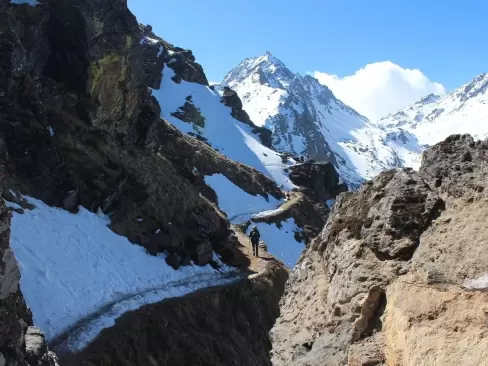
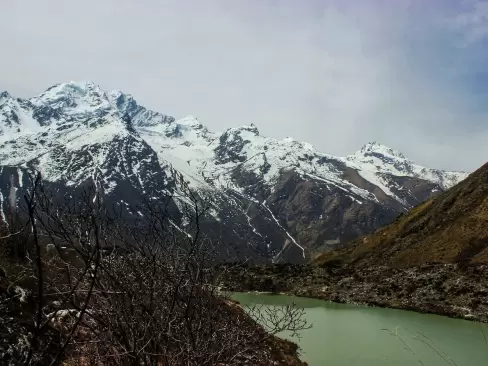
Key highlights of the trek include stunning views of the Langtang Himal range, visiting traditional Tamang villages, experiencing local customs and rituals, and exploring ancient monasteries like the one in Briddim. The trek also offers opportunities to relax in natural hot springs and enjoy the beautiful landscapes of terraced fields and rhododendron forests.
Although the Tamang Heritage Trek is at relatively lower elevations compared to other treks, altitude sickness can still occur. If you experience symptoms such as headache, nausea, or dizziness, it’s important to descend to a lower altitude and rest. Staying hydrated and using over-the-counter pain relief can help, but if symptoms persist, seek medical assistance. Always prioritize your health and listen to your body throughout the trek.
The best times to undertake the Tamang Heritage Trek are during spring (March to May) and autumn (September to November). These seasons provide clear skies, mild temperatures, and vibrant scenery, making for ideal trekking conditions. Spring is especially beautiful with blooming flowers.
To trek in this region, you will need the Tamang Heritage Trail Permit and the Trekkers' Information Management System (TIMS) card. These permits can be obtained in Kathmandu or at the park entrance.
Accommodation along the Tamang Heritage Trek primarily consists of tea houses and homestays. These provide basic but comfortable lodging, allowing you to experience the local culture firsthand. Meals are usually available, featuring traditional Tamang cuisine.
Food along the Tamang Heritage Trek includes a mix of local and international cuisine. Trekkers can enjoy traditional dishes such as dal bhat (rice and lentils), as well as various options like noodles, soups, and vegetable curries. Most tea houses and homestays cater to different dietary preferences.
Packing appropriately is essential for a successful trek. Key items include sturdy trekking boots, layered clothing for changing weather, a warm sleeping bag, and personal hygiene products. A good camera for capturing stunning views, trekking poles, and a water purification system are also recommended.
| No of people | Price per person |
|---|---|
| 1 - 1 | $900 |
| 2 - 5 | $780 |
| 10 - 15 | $750 |
| 16 - 20 | $735 |
| No of people | Price per person |
|---|---|
| 1 - 1 | $1,110 |
| 2 - 4 | $999 |
| 5 - 9 | $949 |
| 10 - 16 | $905 |


 (34)
(34) 