 Tibet Lhasa Tour: A Cultural Odyssey in the Roof of the World
The Tibet Lhasa Tour represents one of the most spiritually enriching and culturally immersive journeys available to travelers seeking to explore the mystical highlands of the Tibetan Plateau. This extraordinary adventure takes you through ancient monasteries, sacred lakes, and towering mountain passes, offering an unparalleled glimpse into a civilization that has preserved its unique identity for thousands of years. Whether you're a spiritual seeker, cultural enthusiast, or adventure traveler, the journey to Lhasa and beyond promises transformative experiences that resonate long after you've returned home.
Tibet, often called the "Roof of the World," sits at an average elevation of 4,500 meters above sea level, making it the highest region on Earth. This remarkable geography has shaped not only the physical landscape but also the spiritual and cultural identity of the Tibetan people. The region's isolation, protected by the formidable Himalayan mountain range, has allowed Tibetan Buddhism to flourish in its purest form, creating a society where spirituality permeates every aspect of daily life.
The capital city of Lhasa, sitting at 3,650 meters, serves as the spiritual and political heart of Tibet. The name "Lhasa" translates to "Place of the Gods," and anyone who visits quickly understands why. The city combines ancient traditions with modern developments, creating a fascinating juxtaposition that defines contemporary Tibet. Before embarking on your Tibet journey, many travelers choose to acclimatize in Nepal, often combining their trip with adventures like the Everest Base Camp Trek or the Annapurna Circuit Trek, which help prepare the body for high-altitude conditions.
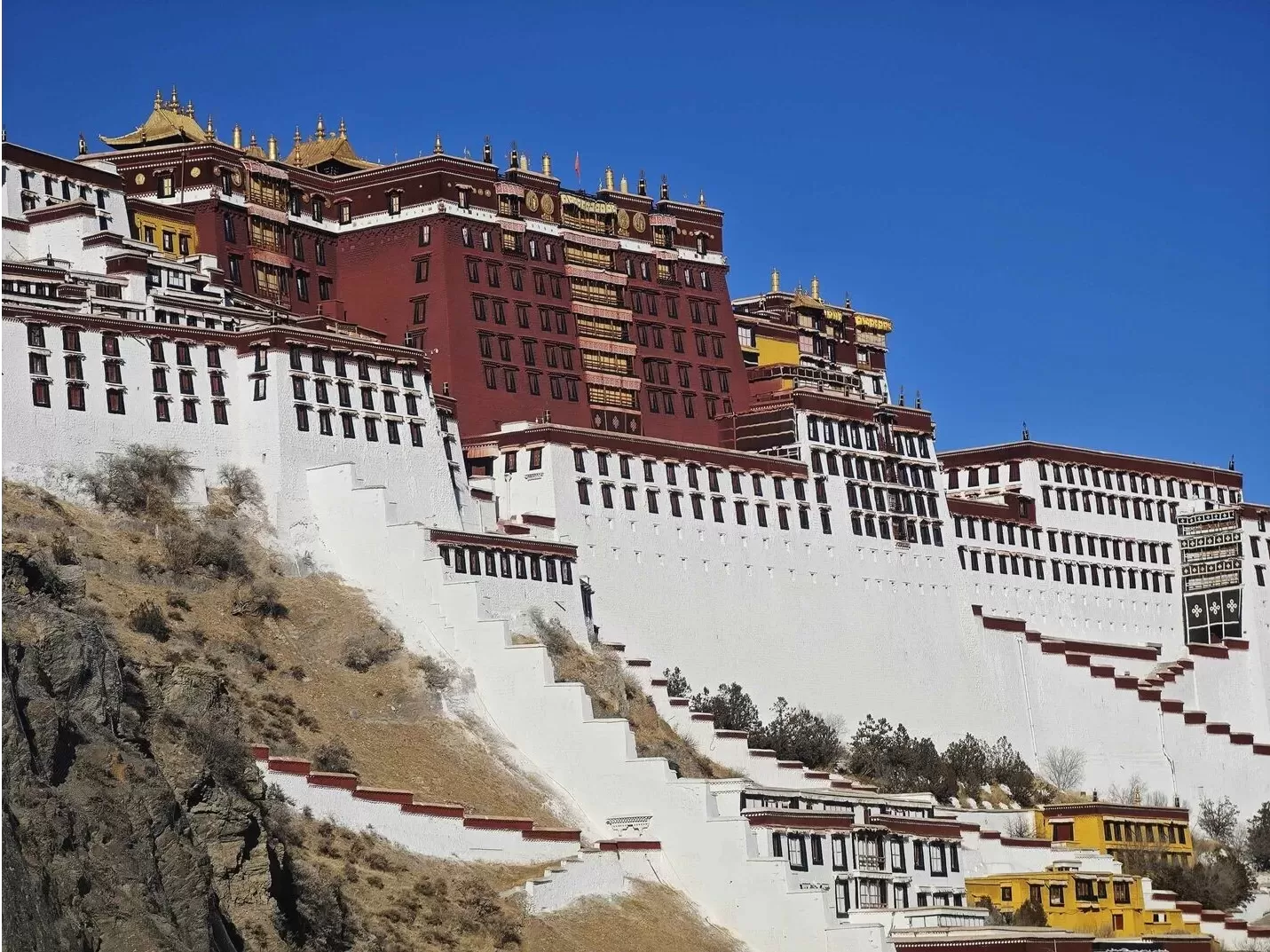
The iconic Potala Palace dominates Lhasa's skyline with its imposing structure that rises 13 stories and contains over 1,000 rooms. This architectural masterpiece served as the winter residence of the Dalai Lamas from 1649 until 1959 and remains the most recognizable symbol of Tibet. The palace complex is divided into the White Palace, which contained the living quarters, and the Red Palace, dedicated to religious study and prayer.
Walking through the Potala Palace is like stepping back in time. The chapels contain thousands of statues, tangkas (religious paintings), and ancient Buddhist scriptures. The most revered areas include the tomb stupas of past Dalai Lamas, adorned with gold and precious jewels. The palace also houses an extensive library of Buddhist literature and historical documents that chronicle Tibet's rich history.
Visiting the Potala Palace requires advance booking, as daily visitor numbers are strictly controlled to preserve the structure. The climb to the palace entrance involves ascending numerous steps at high altitude, so proper acclimatization is essential. Many travelers prepare for this challenge by undertaking treks in Nepal's Himalayan regions, such as the Langtang Valley Trek or the Manaslu Circuit Trek, which build stamina and altitude tolerance.
If the Potala Palace is Tibet's political symbol, the Jokhang Temple is undoubtedly its spiritual nucleus. Built in the 7th century during the reign of King Songtsen Gampo, the Jokhang houses the most sacred object in Tibetan Buddhism: a gold statue of Shakyamuni Buddha at age 12, brought to Tibet by Princess Wencheng from China.
The temple attracts thousands of pilgrims daily, who prostrate themselves repeatedly around the temple in a profound display of devotion. The air around Jokhang is thick with the scent of juniper incense and yak butter from thousands of flickering lamps. The devotion visible here is palpable and often deeply moving for visitors, regardless of their own spiritual beliefs.
The Barkhor Circuit, the pilgrimage path encircling the Jokhang, has been worn smooth by centuries of pilgrims walking clockwise around the temple. Today, this area also functions as a bustling market where you can purchase traditional Tibetan handicrafts, prayer wheels, Buddhist artifacts, and local textiles. The energy here is electric, combining religious devotion with commercial activity in a way that has characterized Tibetan culture for centuries.
Located at the base of Tatipu Hill, Sera Monastery was founded in 1419 and once housed over 5,000 monks. Today, it remains an active center of Buddhist learning, famous for its philosophical debates. These debates, held in the monastery's courtyard each afternoon (except Sundays), represent one of the most unique cultural experiences available in Tibet.
The debates are theatrical and energetic, with monks clapping their hands together forcefully to emphasize points in their arguments about Buddhist philosophy. Senior monks pose questions to junior students about logic, metaphysics, and Buddhist doctrine. Even if you don't understand Tibetan, watching the passionate exchanges, dramatic gestures, and intense concentration provides fascinating insight into Tibetan Buddhist education.
The monastery's chapels contain impressive collections of Buddhist art, including large statues, intricate mandalas, and ancient manuscripts. The main assembly hall can accommodate thousands of monks during important religious ceremonies, and its atmosphere of deep spirituality is immediately apparent.
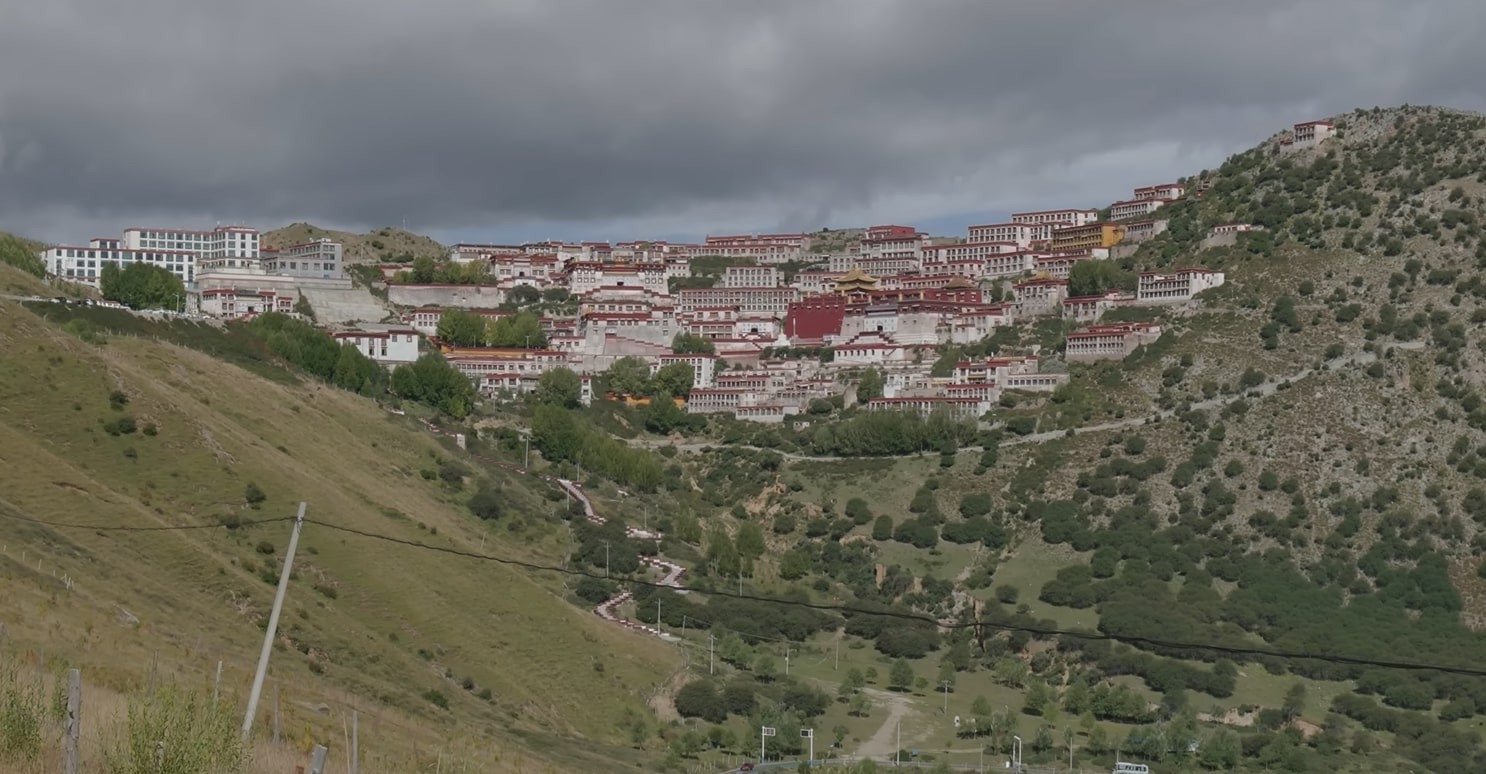
Perched on the slopes of Mount Gephel, Drepung Monastery was once the world's largest monastery, housing up to 10,000 monks at its peak. Founded in 1416, it served as the principal residence of the Dalai Lamas before the Potala Palace's construction. The name "Drepung" means "rice heap," referring to the monastery's white buildings scattered across the mountainside like grains of rice.
The monastery complex resembles a small town, with winding alleyways connecting various colleges, temples, and residential quarters. The main assembly hall features a spectacular collection of Buddhist statues and thankas. The monastery also hosts the famous Shoton Festival each year, where a giant thangka depicting Buddha is unfurled on the mountainside, attracting thousands of pilgrims and tourists.
The hike up to Drepung provides excellent acclimatization exercise while offering panoramic views of Lhasa Valley. For travelers who have previously completed challenging treks like the Gokyo Lakes Trek or the Upper Mustang Trek, the walk to Drepung will feel manageable while still providing a satisfying altitude workout.
One of the most photographed locations in Tibet, Yamdrok Lake (also spelled Yamdrok Tso) is a stunning turquoise lake that stretches for 72 kilometers at an altitude of 4,441 meters. The lake is considered sacred by Tibetans, who believe it is the transformation of a goddess. According to local legend, if the lake dries up, Tibet will become uninhabitable.
The journey to Yamdrok Lake takes you over the Kamba La Pass at 4,794 meters, where prayer flags flutter in the constant wind, carrying prayers and mantras across the landscape. From this vantage point, the lake appears as a brilliant turquoise ribbon winding through the brown and ochre mountains. On clear days, you can see the snow-capped peaks of Mount Nojin Kangsang (7,191 meters) reflected in the lake's pristine waters.
The lakeside is dotted with small Tibetan villages where nomadic herders tend their yaks and sheep. The traditional black yak-hair tents contrast beautifully with the vivid blue water, creating scenes that photographers dream about. This remote landscape offers insights into traditional Tibetan pastoral life that has remained largely unchanged for centuries.
Gyantse, situated at 3,977 meters, was historically an important trading town on the route between Lhasa and India. The town retains much of its traditional character, with old Tibetan houses lining narrow streets beneath the imposing Gyantse Dzong (fortress) that crowns the hill above the town.
The Pelkor Chode Monastery complex in Gyantse contains the famous Kumbum Stupa, a nine-story architectural wonder that houses 77 chapels containing thousands of murals and statues. "Kumbum" means "100,000 images," and the stupa lives up to its name with an overwhelming collection of Buddhist art. Each level must be explored separately, climbing narrow stairs and discovering new chapels at every turn.
The monastery's main assembly hall features beautiful murals depicting Buddhist cosmology and Tibetan history. Unlike many Tibetan religious sites, Pelkor Chode represents an unusual harmony, as it historically housed monks from multiple Buddhist schools under one roof. This rare cooperation makes the site particularly significant for understanding Tibet's complex religious history.
Shigatse, Tibet's second-largest city at 3,836 meters, serves as the traditional seat of the Panchen Lama, the second-highest figure in Tibetan Buddhism after the Dalai Lama. The city's centerpiece, Tashilhunpo Monastery, was founded in 1447 and remains one of Tibet's most important religious institutions.
The monastery complex sprawls across the hillside, containing numerous chapels, colleges, and residential quarters. The most impressive feature is the massive gilded statue of the Future Buddha (Maitreya), standing 26.2 meters high and adorned with precious jewels. The statue chapel also houses an impressive collection of Buddhist scriptures and artifacts.
Walking through Tashilhunpo provides a window into active monastic life, as hundreds of monks still reside here, studying Buddhist philosophy and performing religious ceremonies. The monastery's festival calendar includes spectacular religious dances and the unfurling of giant Buddha thangkas, events that offer extraordinary cultural experiences for visitors fortunate enough to witness them.
For many travelers, the Tibet Lhasa Tour culminates with a journey to Everest Base Camp on the Tibetan (northern) side of the mountain. This approach differs dramatically from the more commonly known route from Nepal, which starts at Lukla and takes trekkers through Sherpa villages and Buddhist monasteries.
The Tibetan route to Everest Base Camp is accessible by vehicle via the Friendship Highway, which connects Lhasa with the Nepal border. The journey takes you across the high-altitude plains of the Tibetan Plateau, where elevations rarely drop below 4,000 meters. This stark landscape features endless horizons, nomadic herders, and scattered monasteries that appear like mirages in the vast expanse.
The town of Tingri serves as the gateway to the Everest region from the Tibetan side. At 4,300 meters, this remote settlement offers stunning panoramic views of the Himalayan giants: Everest (Chomolungma in Tibetan, meaning "Goddess Mother of the World"), Cho Oyu, Makalu, and Lhotse. The view from Tingri is often considered superior to anything available from the Nepalese side, as you can see the entire Himalayan chain stretching across the horizon.
The landscape here is austere but breathtaking, with snow-capped peaks rising above barren brown plateaus. Small Tibetan villages dot the landscape, their whitewashed houses and colorful prayer flags providing the only splashes of color against the monochromatic terrain. Yak caravans still transport goods along ancient trade routes, and nomadic families live in traditional black tents, maintaining lifestyles that have endured for millennia.
At 5,154 meters, Rongbuk Monastery holds the distinction of being the world's highest monastery. Founded in 1902, it sits just eight kilometers from Everest Base Camp, offering unobstructed views of Everest's north face. The monastery has served as a base for numerous Everest expeditions over the decades, and its small guesthouse has hosted famous mountaineers including George Mallory and Edmund Hillary.
The monastery itself is modest but atmospheric, with prayer flags snapping in the constant wind and the massive bulk of Everest dominating the view to the south. Monks and nuns maintain a presence here, tending to pilgrims and tourists who make the journey to this remote location.
From Rongbuk, a rough road leads to Everest Base Camp at 5,200 meters. Unlike the Nepal Everest Base Camp, which sits on the Khumbu Glacier, the Tibetan base camp is on a flat, open plain with an unimpeded view of Everest's north face. On clear days, the mountain appears impossibly large, its summit pyramid rising another 3,648 meters above the base camp.
Standing at Everest Base Camp is a humbling experience that connects you with the countless adventurers who have dreamed of conquering this peak. The harsh environment—bitterly cold winds, thin air, and barren landscapes—provides a visceral understanding of the challenges facing mountaineers who attempt to climb the world's highest mountain.
Tibetan Buddhism permeates every aspect of life on the plateau. It's not merely a religion but a complete worldview that shapes how Tibetans interact with each other, with nature, and with the concept of existence itself. The form of Buddhism practiced in Tibet incorporates elements of the ancient Bön religion, creating a unique spiritual tradition that differs from Buddhism practiced elsewhere in Asia.
The concept of karma and rebirth is central to Tibetan Buddhist belief. This philosophy encourages ethical behavior and compassion, as actions in this life directly influence future rebirths. The ultimate goal is to achieve enlightenment and escape the cycle of rebirth, though most Tibetans aim for a favorable rebirth rather than immediate enlightenment.
The institution of the Dalai Lama, believed to be the reincarnation of Avalokiteshvara (the Bodhisattva of Compassion), has played a central role in Tibetan Buddhism and politics for centuries. Although the current Dalai Lama lives in exile in India, his influence remains profound, and his image is cherished by Tibetans throughout the region.
One of the most visible aspects of Tibetan spirituality is the ubiquitous prayer flags that flutter from mountain passes, bridges, monasteries, and homes. These flags, typically printed with mantras and prayers, are believed to spread blessings and compassion across the landscape as the wind carries the sacred words. The five colors represent the five elements: blue (sky/space), white (air/clouds), red (fire), green (water), and yellow (earth).
Prayer wheels, another common sight, contain rolls of paper printed with mantras (most commonly "Om Mani Padme Hum," the mantra of compassion). Spinning a prayer wheel is believed to have the same spiritual benefit as verbally reciting the mantras contained within. Pilgrims and devotees spin thousands of prayer wheels as they circumambulate holy sites, creating a meditative rhythm that defines the spiritual soundscape of Tibet.
The practice of prostration is perhaps the most physically demanding form of devotion. Pilgrims may perform full-body prostrations around holy sites, covering the ground with their entire body before standing, taking a step forward, and prostrating again. Some devoted pilgrims prostrate the entire distance from their home villages to Lhasa, a journey that can take months or even years. Witnessing this profound devotion often proves deeply moving for visitors, regardless of their own religious backgrounds.
Tibetan art serves primarily religious functions, with virtually every painting, sculpture, and architectural element designed to aid spiritual practice or tell Buddhist stories. Thangkas, elaborate scroll paintings depicting Buddhist deities, mandalas, and historical events, represent one of the most distinctive Tibetan art forms. These paintings follow strict iconographic rules regarding proportions, colors, and symbolism, requiring years of training to master.
Tibetan architecture is immediately recognizable, with its thick walls, small windows, and flat roofs designed to withstand the harsh climate. Walls slope inward as they rise, a technique that provides structural stability and creates the distinctive profile of Tibetan buildings. White-washed walls reflect the intense solar radiation at high altitude, while black or red upper sections use materials like willow branches or minerals that provide additional insulation.
Monasteries typically follow mandala principles in their layout, with the main temple at the center representing Mount Meru, the center of the Buddhist cosmos. The surrounding buildings and walls create protective boundaries, while the entire complex is often positioned to take advantage of auspicious geological features and views.
The single most important consideration for any Tibet journey is altitude acclimatization. Lhasa sits at 3,650 meters, and many destinations on a typical tour reach well above 4,000 meters, with Everest Base Camp exceeding 5,200 meters. Altitude sickness can affect anyone regardless of fitness level, and proper acclimatization is essential.
Most experts recommend spending at least two full days in Lhasa for acclimatization before traveling to higher elevations. During this period, it's crucial to rest, stay hydrated, avoid alcohol, and only engage in light activities. Many travelers choose to acclimatize in Nepal first, perhaps completing treks like the Ghorepani Poon Hill Trek or Everest View Trek, which provide excellent altitude preparation while requiring less time commitment than longer expeditions.
Symptoms of altitude sickness include headache, nausea, dizziness, fatigue, and difficulty sleeping. Mild symptoms are common and usually resolve with rest and acclimatization. However, severe symptoms—including extreme fatigue, confusion, severe headache unrelieved by medication, or difficulty breathing—require immediate descent to lower altitude and medical attention.
Consulting with a travel medicine specialist before your trip is highly recommended. They can prescribe medications like acetazolamide (Diamox) which helps with acclimatization, and provide guidance on recognizing and responding to altitude-related health issues.
Tibet's climate is characterized by intense solar radiation, low humidity, and dramatic temperature variations between day and night. The optimal time for visiting depends on your priorities and tolerance for cold weather.
Spring (April to May): Spring brings warming temperatures and clearer skies after the winter. The landscape remains brown and arid, but mountain views are typically excellent. Festivals like Saga Dawa (celebrating Buddha's birth, enlightenment, and death) often fall in May, providing cultural highlights. This period sees fewer tourists than peak summer months.
Summer (June to August): Summer is peak tourist season in Tibet, bringing warmer temperatures and the most comfortable conditions. However, this is also the rainy season, with afternoon thunderstorms common (though total rainfall remains low). Visibility can be compromised by haze and clouds, particularly in afternoons. Despite these drawbacks, summer's mild temperatures make high-altitude travel more comfortable, particularly for overnight stays at places like Everest Base Camp.
Autumn (September to October): Many consider autumn the best time to visit Tibet. Temperatures remain comfortable, rainfall decreases significantly, and skies are remarkably clear, providing spectacular mountain views. The harvest season adds golden colors to the barley fields, and festivals like the Bathing Festival add cultural interest. This is the second busiest tourist season after summer.
Winter (November to March): Winter sees far fewer tourists, making this season ideal for those seeking a more authentic, less crowded experience. Temperatures are very cold, especially at night and at high elevations, but daytime sun can be surprisingly warm. Many passes may close due to snow, limiting access to some areas. However, major sites like Lhasa, Shigatse, and Gyantse remain accessible, and winter festivals provide unique cultural experiences.
Tibet has more restricted access than any other region in China. All foreign visitors must obtain a Tibet Travel Permit (also called a Tibet Entry Permit) before arrival. Individual independent travel is not permitted; you must book through a registered tour operator who will arrange your permit, guide, private vehicle, and accommodation.
The permit application requires submitting your passport and Chinese visa (or visa application) at least 20 days before your planned arrival. The actual permit is typically issued 5-7 days before your travel date. Additional permits are required for certain areas, including:
Your tour operator handles all permit applications, but processing times mean you must book well in advance of your intended travel dates. The permit system can be unpredictable, with regulations sometimes changing with little notice, so working with an experienced operator is essential.
Packing for Tibet requires preparation for extreme conditions, significant temperature variations, and high-altitude environments. Essential items include:
Clothing: Layer systems are crucial, as temperatures can vary dramatically between early morning and midday, and between sun and shade. Include thermal base layers, fleece or down mid-layers, and a windproof and waterproof outer shell. Sun protection is critical—wide-brimmed hats, sunglasses with high UV protection, and high-SPF sunscreen are essential. If traveling in spring, autumn, or winter, pack a warm down jacket for cold evenings and high-altitude locations.
Altitude-Related Items: Bring any prescribed altitude medication, pain relievers for altitude headaches, and rehydration salts. A pulse oximeter can help monitor your blood oxygen levels and alert you to acclimatization problems. Lip balm with SPF prevents cracking in the dry, intense sunlight.
Other Essentials: A good camera with extra batteries (cold temperatures drain batteries quickly), a headlamp with extra batteries, water bottles or hydration systems, high-energy snacks, hand sanitizer and wet wipes (bathroom facilities are often basic), and a small first-aid kit. A power bank ensures your devices stay charged, as electricity can be unreliable in remote areas.
Respectful Clothing: When visiting monasteries and religious sites, dress modestly with covered shoulders and legs extending below the knee. Avoid wearing shoes inside temple buildings, and consider bringing socks or easy slip-on shoes.
Respecting Tibetan culture and Buddhist traditions enhances your experience and helps preserve these ancient customs. Key etiquette guidelines include:
Photography restrictions exist at many religious sites. Some monasteries prohibit all photography, while others allow it for an additional fee. Military installations, airports, and police stations should never be photographed. When in doubt, ask your guide.
Responsible travel in Tibet also means being mindful of environmental impact. The fragile high-altitude ecosystem is particularly vulnerable to pollution and environmental degradation. Carry out all trash, minimize plastic use, and respect wildlife and vegetation. Support local businesses and craftspeople when purchasing souvenirs, ensuring your tourism dollars benefit Tibetan communities.
The geographical proximity of Tibet and Nepal makes combining visits to both destinations an attractive option for travelers seeking comprehensive Himalayan experiences. Many visitors choose to enter Tibet from Nepal, allowing time to explore Kathmandu's rich cultural heritage and possibly complete a trek before ascending to the high altitudes of the Tibetan Plateau.
Kathmandu's UNESCO World Heritage Sites, including Swayambhunath, Boudhanath, Pashupatinath, and the historic Durbar Squares, provide excellent preparation for Tibet's religious and cultural attractions. Boudhanath, in particular, with its large Tibetan exile community, offers insights into Tibetan Buddhism and culture in a more accessible environment before you travel to Tibet itself.
For those with sufficient time and fitness, completing a trek in Nepal before Tibet provides ideal altitude acclimatization while showcasing the Himalayas from a completely different perspective. Short treks like the Ghorepani Poon Hill Trek (4-5 days) or Mardi Himal Trek (5-7 days) offer spectacular mountain views without requiring extensive time commitments.
More ambitious travelers might choose to complete iconic treks such as the Everest Base Camp Trek (12-14 days) or Annapurna Base Camp Trek (7-12 days) before heading to Tibet. These experiences provide excellent acclimatization, showcase the Himalayan environment from the southern perspective, and create interesting contrasts with the more barren Tibetan landscape you'll encounter later.
The journey between Nepal and Tibet typically follows the Friendship Highway, crossing the border at the Gyirong Port (previously Kodari border was used, but earthquake damage shifted the crossing point). This route itself provides spectacular scenery, with dramatic changes in landscape as you ascend from the lush Nepalese hills to the arid Tibetan plateau.
A Tibet Lhasa Tour transcends typical tourism, offering experiences that often prove transformative for travelers. The combination of extreme altitude, stark landscapes, profound spirituality, and unique culture creates an environment unlike anywhere else on Earth. Many visitors report that their time in Tibet changed their perspectives on life, spirituality, and what truly matters.
The devotion visible at every temple and monastery—pilgrims prostrating themselves thousands of times, monks dedicating their lives to study and prayer, prayer wheels spinning endlessly—creates an atmosphere of profound spirituality that affects even the most secular visitors. This tangible faith, maintained despite historical hardships, offers powerful lessons about resilience, dedication, and the human spirit.
The landscapes of Tibet, with their vast open spaces and towering mountains, inspire contemplation and introspection. The stark beauty of the high plateau, where earth and sky seem to merge at distant horizons, creates a sense of both human insignificance and profound connection to the natural world. Standing before Everest or watching the sun rise over Yamdrok Lake often triggers moments of clarity and perspective that remain with travelers long after they've returned home.
The Tibetan people themselves, with their warmth, genuine smiles, and resilient spirit, leave lasting impressions. Despite facing significant challenges, Tibetans maintain their cultural identity, religious practices, and traditional ways of life. Interactions with nomadic families on the high plateau, monks in ancient monasteries, and shopkeepers in bustling markets provide human connections that transcend language and cultural barriers.
Planning a journey to Tibet requires partnering with experienced operators who understand the region's complexities, permit requirements, and cultural sensitivities. Explore Holiday Nepal brings years of experience organizing Tibet tours, combined with deep expertise in Himalayan travel gained from operating treks throughout Nepal's mountain regions.
Our team handles all aspects of your Tibet journey, from securing necessary permits to arranging comfortable accommodations, experienced guides, and private transportation. We understand the importance of proper acclimatization and build appropriate rest days into itineraries. Our guides possess extensive knowledge of Tibetan culture, Buddhism, and history, enriching your experience with insights that independent research cannot provide.
Many of our clients combine Tibet tours with treks in Nepal, creating comprehensive Himalayan adventures. Whether you're interested in the challenging Three Passes Trek, the culturally rich Tamang Heritage Trail, or shorter options like the Pikey Peak Trek, we can design itineraries that integrate Tibet and Nepal experiences seamlessly.
The Tibet Lhasa Tour represents more than a vacation—it's a pilgrimage to one of Earth's most sacred and mysterious regions. From the moment you first glimpse the golden roofs of the Potala Palace to your final views of the Himalayas, every moment offers opportunities for wonder, learning, and personal growth.
Whether you're drawn by spiritual seeking, cultural curiosity, adventure, or simply the desire to witness landscapes unlike any other, Tibet delivers experiences that exceed expectations. The ancient monasteries, sacred lakes, nomadic communities, and towering peaks create a journey that engages all senses and touches the soul.
As you plan your own odyssey to the Roof of the World, remember that this journey requires physical preparation, cultural sensitivity, and flexibility in the face of challenging conditions. But for those willing to embrace these challenges, Tibet offers rewards beyond measure: memories that last a lifetime, perspectives that shift worldviews, and an understanding of human spirituality and resilience that can only be gained by standing in this extraordinary place.
Your adventure begins with a single step. Let the mystical call of Tibet guide you toward an experience that will transform how you see the world and your place within it. The ancient city of Lhasa, the sacred monasteries, the turquoise lakes, and the mighty Himalayas await your arrival. The journey of a thousand miles begins now—are you ready to answer Tibet's call?
For more information about combining your Tibet tour with trekking adventures in Nepal, explore our complete range of trekking packages designed to create the ultimate Himalayan experience. From the classic Everest Base Camp Trek to hidden gems like the Nar Phu Valley Trek, we offer adventures for every skill level and interest, all designed to prepare you physically and spiritually for the wonders that await in Tibet.
Your Start Date is the day you land in Nepal, and your End Date is when you fly home.
If the set Tibet Lhasa Tour group dates don’t suit your schedule, we can offer alternative dates upon request.
Lhasa, the capital of Tibet, is a city rich in cultural heritage and spirituality, often referred to as the "Forbidden City." It is home to significant landmarks such as the Potala Palace, Jokhang Temple, and Norbulingka Palace. Lhasa serves as the political, cultural, and spiritual center of Tibet and attracts many travelers interested in its unique history and traditions.
Travelers can reach Lhasa by flying into Lhasa Gonggar Airport from major cities in China, such as Beijing, Chengdu, and Xining. Alternatively, you can take the scenic train journey on the Qinghai-Tibet Railway, which is known for its breathtaking views and comfortable travel experience.
Lhasa offers a variety of activities, including visiting historical and religious sites, exploring traditional Tibetan markets, and experiencing local cuisine. Key attractions include the Potala Palace, Jokhang Temple, Sera Monastery, and the Barkhor Street. Guided tours can provide deeper insights into the city's rich culture and history.
Lhasa is situated at an elevation of 3,650 meters (11,975 feet), which can lead to altitude sickness for some travelers. To acclimatize, it's advisable to take it easy during the first few days, stay hydrated, and avoid strenuous activities. Your tour guide will provide additional tips for acclimatization.
Yes, many tours include opportunities to engage with local culture, such as participating in traditional festivals, visiting local homes, or attending religious ceremonies. These experiences can provide deeper insights into Tibetan customs and enhance your travel experience.
Yes, foreign travelers require a Chinese visa to enter Tibet. Additionally, you will need a Tibet Travel Permit, which can only be obtained through a licensed tour operator. Your tour operator will help you secure both the Chinese visa and the Tibet permit as part of your travel arrangements.
The best time to visit Lhasa is during the spring (April to June) and autumn (September to October) months. During these periods, the weather is generally mild and dry, making it ideal for sightseeing and outdoor activities. Summer can be warm but is also the peak tourist season, while winter can be cold, with some facilities closed.
Accommodation options in Lhasa range from budget guesthouses to luxury hotels. Many hotels offer modern amenities while maintaining a Tibetan cultural aesthetic. Your tour operator will typically arrange accommodations based on your preferences and budget.
Yes, Lhasa is generally considered safe for travelers. The local population is known for its hospitality, and the city has a low crime rate. However, it’s essential to be respectful of local customs and traditions, especially when visiting religious sites.
When preparing for your trip to Lhasa, pack layers of clothing suitable for varying temperatures, as weather can change throughout the day. Essential items include comfortable walking shoes, sunscreen, a hat, and personal medications. A reusable water bottle and a good camera for capturing the stunning landscapes and cultural sites are also recommended.




 (34)
(34) 