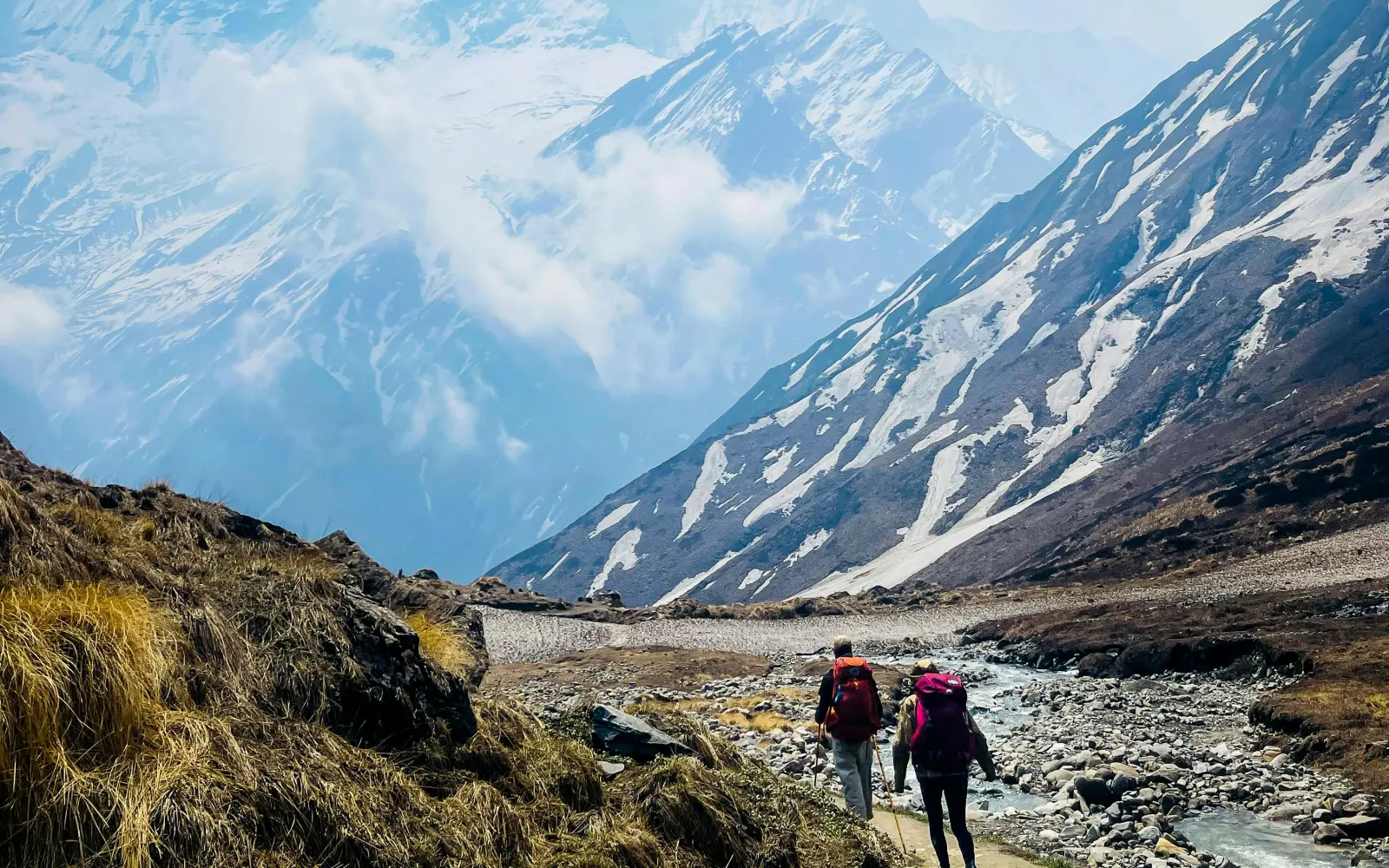
Three months before my Everest Base Camp trek, I couldn't climb three flights of stairs without stopping to catch my breath. I'd convinced myself that enthusiasm would carry me through, that the Himalayas would somehow transform me into an athlete through sheer inspiration alone. Reality hit hard on day three, when my legs burned so intensely I questioned whether I'd physically be able to continue. That night, watching prepared trekkers bounce up trails I'd struggled through, I learned a fundamental truth: the mountains don't care about your dreams. They demand preparation.
This comprehensive training guide exists so you don't repeat my mistakes. Whether you're planning the iconic Annapurna Base Camp trek, the challenging Manaslu Circuit trek, or any Himalayan adventure, proper physical preparation transforms the experience from survival mode into genuine enjoyment. The difference between struggling and thriving often comes down to the training work you put in months before you step onto Nepalese soil.
Before diving into training specifics, let's clarify what your body will actually do on a Nepal trek. This understanding shapes effective preparation and prevents wasted effort on irrelevant exercises.
Himalayan trekking is fundamentally about sustained aerobic effort at progressively higher altitudes. You're not sprinting. You're not lifting heavy weights. You're walking—sometimes uphill, sometimes down, occasionally on flat terrain—for five to eight hours daily, day after day, week after week. The Gokyo Valley trek exemplifies this perfectly: moderate daily distances that accumulate into serious challenges through repetition and altitude.
The terrain varies dramatically from smooth dirt paths to boulder-strewn trails, from steep stone staircases to exposed ridge walks. The Everest Three Pass trek pushes these demands to extremes, crossing three high passes above seventeen thousand feet. Your body needs to handle uneven surfaces, sudden elevation changes, and extended periods of balance-challenging movements.
Altitude creates the wildcard factor. Even supremely fit athletes struggle at high elevation because oxygen availability drops dramatically. At Everest Base Camp's seventeen thousand feet, the air contains roughly half the oxygen found at sea level. Your cardiovascular system must work twice as hard to deliver the same oxygen to working muscles. The Pikey Peak trek, while shorter and more accessible, still reaches altitudes where thin air becomes noticeable.
Weight bearing changes everything. You'll carry a daypack weighing ten to fifteen pounds minimum, even with porters handling your main luggage. This constant load intensifies effort on climbs and stresses joints on descents. Treks like the Upper Mustang trek, with their remote locations and long daily distances, make this weight-bearing endurance critical.
Temperature extremes add another layer. Morning starts might happen below freezing, midday temperatures soar with altitude sun exposure, and evenings plunge cold again. Your body expends energy managing these thermal challenges while simultaneously fueling movement. The Kanchenjunga Base Camp trek in far eastern Nepal exemplifies these temperature extremes.
Effective trek preparation requires structured progression. Jumping into intense training too quickly causes injury. Insufficient challenge leaves you unprepared. This twelve-week plan balances both concerns, meeting you at your current fitness level and systematically building capacity.
The first month establishes cardiovascular baseline and movement habits. If you're currently sedentary, this phase prevents the shock of sudden intense exercise while creating sustainable routines.
Start with thirty-minute walks, five days weekly. These should be brisk enough to elevate your heart rate but comfortable enough to maintain conversation. Flat terrain works perfectly initially. The goal isn't pushing limits but establishing consistent daily movement. Many future trekkers underestimate this phase, rushing into harder work too soon and burning out or getting injured within weeks.
Introduce basic strength work three times weekly. Bodyweight squats, lunges, and step-ups build leg foundation essential for mountain trails. Start with two sets of ten repetitions per exercise. Focus on form over quantity—proper squats now prevent knee problems later. Add basic core work: planks, bird dogs, and dead bugs strengthen the stabilizing muscles that protect your lower back during long days with a pack.
Week three adds elevation to your walks. Find hills, stadium stairs, or use a treadmill on incline. Incorporate twenty minutes of uphill walking into two of your weekly sessions. The cardiovascular demand increases noticeably, simulating what you'll face on actual treks. The Ghorepani Poon Hill trek involves constant elevation changes that these hill walks prepare you for.
By week four, extend one weekly walk to sixty minutes on mixed terrain with hills. Your body should start feeling comfortable with daily movement. Soreness should be decreasing. If you still struggle with thirty-minute walks, repeat weeks one through four before progressing. There's no prize for rushing inadequate preparation.
Month two transitions from general fitness to trek-specific capacity. Your cardiovascular foundation now supports more demanding work.
Extend your weekday walks to forty-five minutes, maintaining the five-day-per-week schedule. At least three of these should include sustained hills. You're building the specific cardiovascular patterns Nepal trekking demands: sustained moderate effort at variable grades. The Mardi Himal trek requires exactly this type of endurance.
Introduce weekend long walks. Start with ninety-minute sessions in week five, building to three hours by week eight. These extended efforts teach your body to sustain output over timeframes matching actual trek days. Include varied terrain and elevation gain when possible. If you live in flat areas, make multiple circuits of whatever hills exist or use tall buildings for stair training.
Increase strength training to three weekly sessions with added intensity. Move to three sets of fifteen repetitions for leg exercises. Add single-leg work: Bulgarian split squats, single-leg deadlifts, and step-ups onto higher platforms. These exercises build the stabilizing strength essential on uneven mountain trails. The Tamang Heritage trek's boulder-strewn paths make this stability training invaluable.
Week six introduces weighted pack training. Start carrying ten pounds in a backpack during one weekly walk. Gradually increase to fifteen pounds by week eight. This weight should sit high on your shoulders with a properly fitted pack, not dragging low on your back. The difference in how your body responds to loaded versus unloaded hiking is substantial.
Add flexibility and mobility work three to four times weekly. Yoga, dedicated stretching sessions, or foam rolling maintain range of motion as training volume increases. Tight hip flexors, hamstrings, and calves cause problems on long descents. Investing fifteen minutes daily in flexibility prevents these issues.
The final month brings training intensity to levels matching your actual trek demands. You're no longer building capacity—you're maintaining it while teaching your body to recover quickly between hard efforts.
Your weekday walks should now be fifty to sixty minutes, still maintaining five weekly sessions. Three should include substantial hills. You're not trying to improve cardiovascular fitness dramatically at this point; you're sustaining the base you've built while avoiding overtraining before your trip.
Weekend long walks become crucial. Build to four-hour sessions by week ten, maintaining this through week eleven. Week twelve reduces to three hours as you begin tapering before travel. These long walks should include significant elevation gain—at least fifteen hundred vertical feet if possible. Carry your full expected pack weight: fifteen to twenty pounds. The Langtang Valley trek involves exactly these types of sustained climbing days.
If possible, do back-to-back long walk days in weeks ten and eleven. Saturday and Sunday four-hour sessions teach your body to recover overnight and perform again the next day. This pattern exactly matches trekking reality. Your legs might protest the first time, but recovery improves quickly with practice.
Maintain strength training three times weekly but reduce volume slightly. Two sets of twelve to fifteen reps suffice. The goal is maintaining strength without creating fatigue that interferes with your endurance work. Continue single-leg exercises and core work, as these directly translate to trail performance.
Week twelve initiates your taper. Reduce training volume by roughly forty percent—shorter walks, fewer strength sessions, more rest days. Your body needs time to fully recover and store energy before the physical demands of travel and trekking begin. Many trekkers make the mistake of training hard right up until departure, arriving in Nepal already fatigued.
While cardiovascular endurance forms the foundation, targeted strength work dramatically improves your trekking experience. Strong legs power you uphill. Strong core stabilizes you on uneven terrain. Strong glutes protect your knees on descents.
Squats build fundamental leg strength, engaging quadriceps, hamstrings, glutes, and calves simultaneously. Start with bodyweight squats, focusing on depth—aim for thighs parallel to ground at bottom position. As strength improves, add weight through a backpack, dumbbells, or barbell if available. The Annapurna Circuit trek's sustained climbs demand exactly the leg power squats develop.
Lunges more closely mimic trekking motion than squats. Each step uphill basically becomes a lunge motion. Walking lunges particularly transfer well to trail movement. Reverse lunges reduce knee stress while building same muscle groups. Bulgarian split squats—rear foot elevated on a bench or step—intensify the challenge and build single-leg strength essential for balance.
Step-ups directly simulate climbing stairs, a constant feature of Himalayan trails. Find a platform roughly knee height—a sturdy bench, plyo box, or stairs work perfectly. Step up, bring both feet together, step down. Focus on driving through the front leg rather than pushing off the back foot. Increase difficulty by adding height or carrying weight. The stone staircases on routes like Everest View trek make step-up training directly applicable.
Calf raises strengthen the often-neglected muscles crucial for ankle stability and push-off power. Stand on a step with heels hanging off the edge. Rise onto toes, lower heels below step level, repeat. Single-leg variations increase intensity and address any left-right imbalances.
Core strength stabilizes your entire kinetic chain, protecting your lower back when carrying a pack and maintaining balance on uneven terrain. Planks build endurance in stabilizing muscles. Start with front planks, add side planks, progress to variations like plank shoulder taps or plank-to-downward dog. Bird dogs teach core stability during movement, exactly what you need on trails.
Dead bugs and hollow body holds train anti-extension core strength, preventing lower back hyperextension that causes pain during loaded walking. These exercises look deceptively easy but prove challenging when performed correctly.
Don't neglect hip strength. Clamshells, lateral band walks, and side-lying leg raises strengthen glute medius and minimus, the muscles that stabilize your pelvis during single-leg stance phases of walking. Weakness here manifests as hip drop and increased knee stress, particularly noticeable during long descents.
Upper body matters less than legs but still deserves attention. Push-ups, rows, and light overhead pressing maintain functional upper body strength useful for lifting your pack, getting up from seated positions, and general trail situations. The Lobuche Peak climbing extension requires more upper body strength for technical sections.
While walking forms your training foundation, supplemental cardio builds well-rounded fitness and prevents repetitive strain injuries from only walking.
Cycling offers low-impact cardiovascular training that spares your joints while building leg endurance. Road cycling, mountain biking, or indoor stationary bikes all work. Aim for sixty to ninety-minute sessions once or twice weekly. The continuous leg turnover builds muscular endurance complementary to hiking's demand. Resistance adjustments simulate hill climbing.
Swimming provides total-body cardiovascular work with zero impact stress. It's ideal recovery-day cardio when your legs need rest from weight-bearing activity. Focus on sustained moderate-intensity swimming rather than intervals. Forty-five to sixty-minute sessions build excellent aerobic capacity. The breathing control required in swimming translates surprisingly well to controlled breathing at altitude.
Rowing machines deliver full-body cardio incorporating both pulling and pushing movements. The posterior chain emphasis—glutes, hamstrings, back—balances the quad-dominant nature of uphill walking. Thirty to forty-five-minute sessions at moderate intensity build complementary fitness. Proper rowing technique matters; consider brief instruction to avoid injury.
Elliptical trainers simulate walking motion without impact, making them excellent options for additional training volume without joint stress. The arm involvement adds upper body work missing from pure walking. Use resistance and incline features to increase challenge. These machines work well for supplemental cardio on days your legs need relief from impact.
Don't overlook active recovery cardio. Easy cycling, swimming, or walking on rest days promotes blood flow and recovery without creating training stress. This active recovery proves more beneficial than complete rest for most people, as long as intensity stays genuinely easy.
Tight muscles limit range of motion, increase injury risk, and reduce efficiency of movement. As training volume increases, dedicated flexibility work becomes essential rather than optional.
Hip flexibility particularly matters for trekking. Tight hip flexors from sitting—common for most people—cause problems on long climbs and descents. Hip flexor stretches, pigeon pose, and lunging hip flexor stretches should be daily practices. The deep hip external rotation required for uneven terrain demands flexible hip capsules.
Hamstring flexibility prevents lower back stress and improves stride efficiency. Daily toe touches, seated forward folds, or strap-assisted single-leg stretches maintain hamstring length. The constant uphill and downhill walking of treks like Tsum Valley trek demands flexible hamstrings.
Calf and ankle mobility prevents Achilles issues and allows for better ankle adaptation on rocky trails. Downward dog, wall calf stretches, and ankle circles should be regular practices. Tight calves contribute to plantar fasciitis, a painful condition that can end your trek prematurely.
Thoracic spine mobility keeps your upper back flexible, preventing the hunched posture that develops from pack carrying. Cat-cow stretches, thoracic rotations, and foam rolling the upper back maintain mobility. Good posture while carrying a pack reduces fatigue and shoulder discomfort.
Foam rolling and self-massage release muscle tension before it becomes problematic. Focus on IT bands, quads, calves, and glutes—the primary muscles stressed by trekking training. Ten minutes of rolling several times weekly prevents the muscular adhesions and trigger points that cause pain.
Yoga combines strength, flexibility, and balance in one practice. Flow-style classes build strength endurance while maintaining flexibility. Restorative classes aid recovery. Even fifteen-minute daily yoga sessions significantly improve your body's resilience to training stress.
Don't ignore pain signals. Sharp pains, joint pain, or pain that worsens during activity all warrant attention. The difference between productive training soreness and injury-indicating pain matters enormously. When in doubt, rest and assess rather than pushing through and converting minor issues into serious injuries.
Physical fitness and altitude tolerance are separate phenomena. A marathon runner can struggle at altitude while a less-fit person acclimatizes easily. However, certain training strategies improve your body's ability to function in thin air.
If you live near mountains, training at elevation provides real acclimatization benefits. Regular sessions above eight thousand feet stimulate physiological adaptations: increased red blood cell production, improved oxygen utilization efficiency, and enhanced buffering capacity. Weekend trips to altitude for training hikes deliver the best real-world preparation.
Altitude training masks or hypoxic tents simulate low-oxygen environments without requiring mountain access. Research shows mixed results on their effectiveness, but some trekkers swear by them. The masks restrict airflow, forcing you to breathe harder during exercise. This doesn't create true altitude adaptation but may improve respiratory muscle strength and mental comfort with breathing difficulty.
High-intensity interval training at sea level prompts some physiological adaptations similar to altitude exposure. Short bursts of very hard effort followed by recovery create temporary oxygen debt, training your body to function with limited oxygen availability. These intervals don't replace altitude acclimatization but may provide marginal benefits.
Breathing exercises improve respiratory efficiency regardless of elevation. Pranayama yoga breathing, Wim Hof method breathing, or simple deep breathing practices enhance lung capacity and oxygen utilization. Practicing controlled breathing during training helps you maintain composure when breathless at altitude.
The most reliable altitude preparation remains gradual ascent with built-in acclimatization days. Even perfect physical training won't prevent altitude sickness if you ascend too quickly. Standard trekking itineraries like the Everest Base Camp trek include strategic rest days precisely for this reason. The Langtang Gosainkunda trek similarly builds in acclimatization time.
Physical fitness means nothing if your gear causes problems. Training with your actual trek equipment prevents unpleasant surprises on the trail.
Breaking in boots stands as the most critical gear preparation. New boots, regardless of quality, need mileage before they conform to your feet. Start wearing them during weeks five and six of training. Begin with shorter walks, gradually increasing duration. If hot spots develop, address them immediately with better socks, insoles, or different lacing techniques. By weeks ten through twelve, your boots should feel comfortable for four-hour walks. The rocky trails of Makalu Base Camp trek demand well-broken-in footwear.
Pack fit matters enormously for comfort and efficiency. Ideally, train with the exact pack you'll use in Nepal. Adjust hip belt, shoulder straps, and load lifters until weight sits on your hips rather than shoulders. Practice loading and accessing gear during training walks. Learn which pocket holds what, how compression straps work, and how to adjust fit on the move.
Trekking poles require technique practice if you've never used them. Proper pole use dramatically reduces knee stress on descents and provides rhythm on climbs. Practice pole placement, wrist strap usage, and length adjustment. By your final training weeks, poles should feel natural extensions of your arms.
Layering systems need real-world testing. Wear your base layers, mid-layers, and shell during training in various conditions. Learn how quickly you overheat on climbs, how cold you get during breaks, and which combinations work for different temperatures. The temperature variations on routes like Upper Dolpo trek demand versatile layering strategies.
Hydration systems—whether bottles or bladders—need practice too. Learn your personal hydration needs during exertion. Test electrolyte supplements if planning to use them. Discover whether you prefer bladder accessibility or bottle security. The dry climate of regions like Upper Mustang makes hydration practice essential.
Test any technical gear during training: headlamps, GPS devices, camera systems. Fumbling with unfamiliar equipment on actual trek days wastes energy and creates frustration. Everything should become second nature through training use.
Physical training prepares your body, but Himalayan trekking demands mental readiness equally. The psychological challenges of sustained effort, discomfort, and uncertainty require preparation.
Develop comfort with discomfort during training. Long walks will hurt sometimes. Your legs will burn, your lungs will strain, you'll want to quit. Learning to push through while managing those sensations builds the mental toughness trekking demands. Each training session offers opportunities to practice positive self-talk and determination.
Practice present-moment focus. Trekking involves hours of repetitive movement. Minds wander to discomfort, fatigue, or how much farther remains. Training walks teach you to focus on current steps rather than distant destinations. Mindfulness meditation or simple breath awareness during walks develops this capacity.
Build problem-solving resilience. Training inevitably presents challenges: weather changes, gear issues, route-finding problems. Viewing these as opportunities to develop adaptability rather than frustrations prepares you for trek unpredictability. The Lower Dolpo trek's remoteness demands strong problem-solving mentality.
Manage expectations realistically. Training reveals your capabilities honestly. If three-hour walks remain difficult by week ten, reconsider attempting ambitious treks. Better to choose routes matching your actual fitness than struggling through something beyond your current capacity. The Panchase trek offers gentler alternatives.
Visualize success regularly. Spend time imagining yourself on the trail, handling challenges well, enjoying scenery, reaching destinations. This mental rehearsal creates psychological readiness that supports actual performance. Athletes have used visualization successfully for decades—trekkers benefit equally.
Your training quality depends significantly on fueling and hydration. Proper nutrition supports recovery, builds strength, and prevents injury.
Carbohydrates fuel endurance training. Your body stores carbohydrates as glycogen in muscles and liver, then uses this glycogen during sustained exercise. Inadequate carbohydrate intake depletes glycogen stores, causing training quality to plummet. Base meals around quality carbohydrates: whole grains, fruits, vegetables, legumes.
Protein supports muscle repair and adaptation. After training sessions, muscles need protein to rebuild stronger. Aim for roughly twenty to thirty grams of protein within a couple hours post-workout. This doesn't require complicated supplementation—simple meals with quality protein sources work perfectly.
Healthy fats provide sustained energy and support hormone production critical for adaptation to training stress. Nuts, avocados, olive oil, fatty fish—these foods belong in every trekker's training diet. Don't fear dietary fat when training hard; your body needs it.
Hydration affects training performance more than most realize. Even mild dehydration reduces strength, endurance, and mental clarity. Drink consistently throughout the day rather than chugging large volumes immediately before or during workouts. Urine color provides simple hydration monitoring—aim for pale yellow.
Electrolyte balance matters during long training sessions. Sweat contains sodium, potassium, and other minerals. Replacing these, particularly during sessions exceeding ninety minutes, prevents cramping and supports performance. Sports drinks, electrolyte tablets, or simply salting food adequately all work.
Test any supplements or nutrition products during training before relying on them during your actual trek. Energy gels, bars, or drink mixes might cause digestive issues you'd rather discover at home than at altitude. The Nar Phu Via Annapurna Circuit trek requires reliable nutrition strategies.
Adaptation to training happens during recovery, not during the training itself. Workouts create stress; rest allows your body to rebuild stronger. Neglecting recovery undermines all your training effort.
Sleep stands as the most powerful recovery tool. Aim for seven to nine hours nightly. During sleep, your body releases growth hormone, repairs damaged tissue, and consolidates fitness gains. Chronic sleep deprivation prevents adaptation regardless of training quality.
Rest days aren't laziness—they're essential components of effective training. Plan at least one complete rest day weekly, possibly two during high-volume training weeks. Active recovery days with light movement often work better than complete inactivity, but intensity must stay genuinely easy.
Nutrition supports recovery as much as performance. Post-workout meals should include carbohydrates to replenish glycogen and protein to support muscle repair. Don't view training as license to eat poorly; quality nutrition accelerates recovery and supports adaptation.
Stress management matters more than commonly recognized. Training creates physical stress; chronic life stress compounds this, potentially overwhelming your body's recovery capacity. Meditation, adequate sleep, social connection, and other stress-reduction practices support your training program.
Listen to your body's fatigue signals. Persistent tiredness, declining performance despite adequate effort, mood changes, increased resting heart rate—these suggest inadequate recovery. When they appear, reduce training volume temporarily rather than pushing through and risking overtraining or injury.
Massage, foam rolling, contrast baths, and other recovery modalities provide marginal benefits but can't replace fundamentals of sleep, nutrition, and stress management. Use them as supplements to, not replacements for, basic recovery practices.
Not all Nepal treks demand the same fitness level. Matching your training to your specific trek's demands prevents both over- and under-preparation.
For shorter, lower-altitude treks like Ghorepani Poon Hill trek or Royal Trek, eight weeks of moderate training suffices. Focus on building comfortable four-hour walking capacity with moderate elevation gain. These treks rarely exceed three thousand meters, reducing altitude concerns substantially.
Moderate multi-day treks including Annapurna Base Camp trek or Langtang Valley trek benefit from the full twelve-week plan described above. These journeys demand sustained effort over seven to twelve days at elevations reaching four thousand meters. Solid cardiovascular base and leg strength become crucial.
Challenging high-altitude treks like Everest Base Camp trek or Manaslu Circuit trek require comprehensive twelve-week programs plus additional high-intensity work. Consider adding weekly tempo walks—sustained hard effort for twenty to thirty minutes—to build capacity for the steep climbs these routes feature.
Technical peaks like Island Peak climbing or Mera Peak climbing demand trek fitness plus climbing-specific training. Add upper body pulling strength, core stability for crampon walking, and practice with technical gear. These expeditions require sixteen to twenty weeks of preparation ideally.
Remote expeditions including Kanchenjunga Base Camp trek or Upper Dolpo trek push duration and remoteness to extremes. Training should emphasize back-to-back hard days and psychological readiness for extended periods of physical demand without modern comforts.
Training approaches should account for age-related factors affecting preparation and recovery.
Trekkers in their twenties and thirties generally recover quickly, allowing for more frequent training sessions and faster progression. However, this age group often underestimates preparation needs, assuming youth equals automatic fitness. Follow structured programs rather than relying on youthful resilience alone.
Those in their forties and fifties may require slightly longer recovery between hard training sessions. Focus on consistent moderate training rather than sporadic intense efforts. Injury prevention through proper warm-ups, cool-downs, and flexibility work becomes particularly important. The good news: this age group typically excels at pacing and mental endurance.
Trekkers over sixty benefit from longer preparation periods—consider sixteen rather than twelve weeks. Emphasize gradual progression and joint-friendly training options like cycling or swimming alongside walking. Older trekkers often compensate for any physical disadvantages through superior mental preparation and pacing wisdom.
Regardless of age, previous fitness baseline matters more than chronological years. A fit sixty-year-old needs less preparation than a sedentary thirty-year-old. Assess your current state honestly rather than assuming age determines capability.
Honest self-assessment during training sometimes reveals that your target trek exceeds your current capacity. This realization disappoints but accepting it prevents dangerous situations and ruined experiences.
If week-ten training still finds three-hour walks extremely difficult, reconsider ambitious fourteen-day high-altitude treks. Instead, choose shorter routes like Annapurna Base Camp short trek or Everest View trek. These deliver Himalayan experiences without demands beyond your preparation.
Persistent injuries during training require attention before trekking. Pushing through knee pain, IT band syndrome, or plantar fasciitis risks converting manageable issues into trip-ending problems. Better to delay your trek, address injuries properly, and go when healthy.
If training reveals genuine altitude intolerance—chronic headaches even at moderate elevations, poor sleep, nausea—choose lower-altitude routes. The Tamang Heritage trek, Panchase trek, or Royal Trek provide cultural immersion and mountain scenery without pushing into altitude zones causing you problems.
Your final fourteen days before trekking require strategic management. Physical preparation is complete; now you're maintaining fitness while ensuring you arrive fresh.
Week eleven reduces training volume by roughly twenty-five percent. Maintain training frequency but shorten duration and reduce intensity. This controlled reduction preserves fitness while initiating recovery from accumulated training fatigue.
Week twelve cuts volume by forty to fifty percent. Light walks, easy stretching, perhaps one moderate hike—nothing that creates significant fatigue. You're maintaining basic movement patterns without training stress. This week also handles final gear checks and packing.
Travel to Nepal typically involves long flights creating their own fatigue. Move periodically during flights to prevent blood pooling and stiffness. Stay hydrated despite dry cabin air. Upon arrival, resist temptation to immediately sightsee intensely. Give yourself a day to recover from travel before beginning your trek.
Kathmandu acclimatization matters even though the city sits at only forty-five hundred feet. The elevation is enough that some people notice effects. Your scheduled acclimatization hikes—perhaps to Nagarkot or around Kathmandu Valley—should be gentle reintroductions to movement rather than intense efforts.
All your preparation culminates in trek performance. Several strategies maximize your training investment once you're actually on the trail.
Start conservatively. The first two days set patterns for your entire trek. Begin slower than you think necessary. Let your body adjust to loaded walking, altitude, and time zone changes. Trekkers who sprint out of the gate often struggle later, while those who start controlled finish strong.
Maintain proper pacing throughout. The sustainable pace for eight-hour days differs dramatically from what feels comfortable for sixty minutes. Learn to walk at a speed you could theoretically maintain all day. In Nepali, this is "bistari bistari"—slowly, slowly. Guides use this phrase constantly because it works.
Rest breaks matter. Five to ten minutes every hour allows for snacks, hydration, and brief muscle relaxation. These breaks prevent accumulating fatigue that becomes overwhelming later. Don't skip breaks to "make better time"—you'll pay for it later.
Uphill technique uses small steps and controlled breathing. Rushing burns energy inefficiently and spikes heart rate unsustainably. Find a step size that lets you breathe rhythmically, even if it feels painfully slow. Experienced trekkers pass struggling speedsters regularly through steady sustainable pacing.
Downhill technique protects knees. Let trekking poles absorb impact, keep steps short, and avoid locking knees. The accumulated knee stress from improper descent technique causes more trek-ending issues than uphill challenges.
Nutrition and hydration matter more than commonly realized. Eat before feeling hungry, drink before feeling thirsty. Small frequent snacks maintain blood sugar better than large meals. Electrolyte balance becomes crucial at altitude and in cold dry air.
Listen to your body's signals. Pain that worsens with activity requires attention. Persistent headaches at altitude suggest acclimatization problems. Unusual fatigue might indicate insufficient recovery. Your training taught you to distinguish normal exertion discomfort from problematic signals—trust that knowledge.
The journey from couch to base camp requires commitment, consistency, and intelligent progression. Twelve weeks of structured training transforms your body's capacity for sustained mountain effort. The confidence gained through preparation enhances the entire experience.

The Manaslu Circuit Trek is one of Nepal’s most rewarding and less crowded trekking routes, offering breathtaking mountain scenery, rich cultural experiences, and a sense of true adventure.
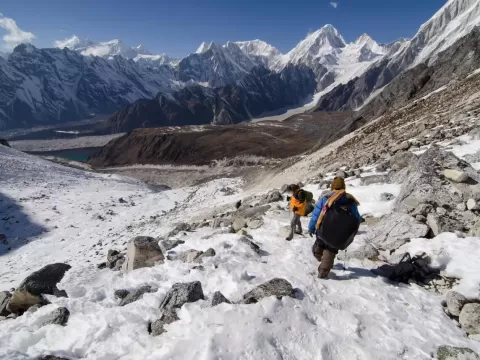
The Manaslu Circuit Trek is one of Nepal’s most breathtaking trekking routes, offering an off-the-beaten-path experience with stunning landscapes, rich cultural heritage, and diverse biodiversity.
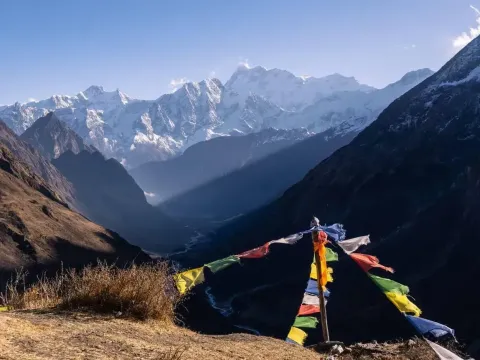
The Manaslu Circuit Trek is one of Nepal’s most breathtaking and off-the-beaten-path treks, offering stunning views, diverse landscapes, and a rich cultural experience. While it is often considered an expensive trek due to its restricted area permit
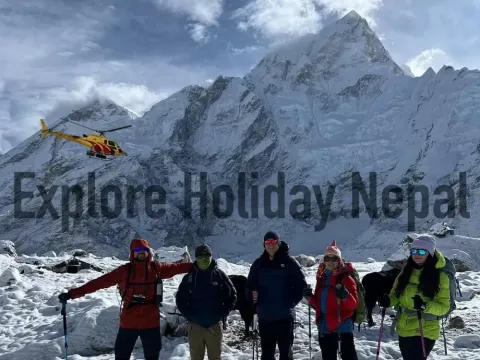
Nepal is a dream destination for trekkers, and for those who wish to combine the thrill of adventure with comfort and luxury, there are a variety of exceptional luxury trekking experiences available. Explore Holiday Nepal offers premier luxury treks, carefully
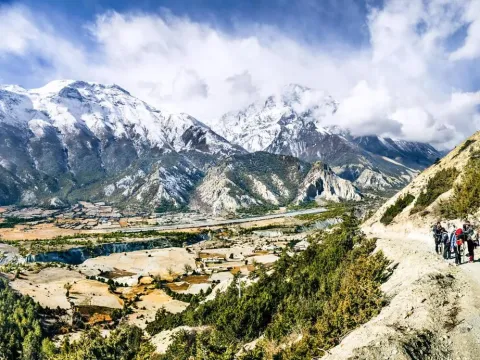
Nepal is often called the ultimate trekking destination in the world, and for good reason. Nestled among the highest peaks on Earth, including Mount Everest and the Annapurna ranges, this small but majestic country offers an unparalleled variety of trekking experiences.
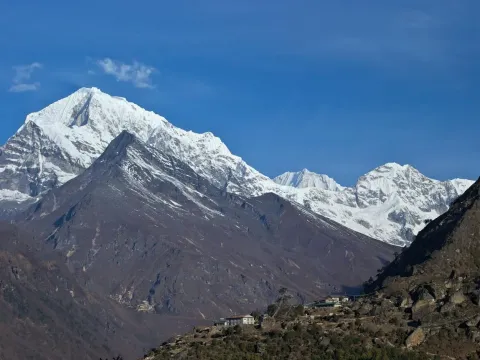
Nepal, nestled in the lap of the Himalayas, offers an unparalleled experience for trekkers and travelers seeking adventure, natural beauty, and cultural richness. One of the foremost reasons to choose trekking in Nepal is its breathtaking landscapes.
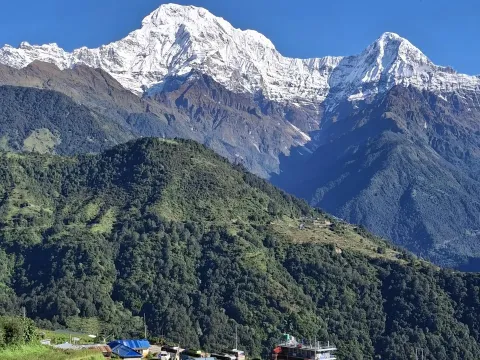
The Annapurna Base Camp (ABC) Trek and the Annapurna Circuit Trek are two of Nepal’s most iconic Himalayan adventures—but they offer very different experiences in terms of duration, difficulty, altitude, and scenery.
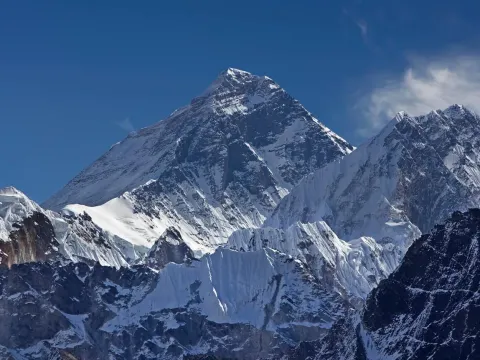
Nepal is renowned worldwide as the ultimate destination for mountain lovers and adventure seekers, boasting some of the highest and most spectacular peaks on the planet. The country’s rugged terrain is dominated by the Himalayas, which stretch
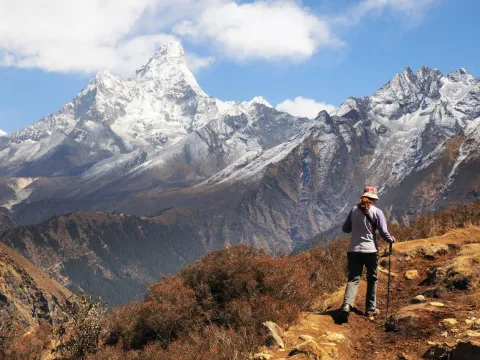
Trekking in Nepal is one of the most iconic travel experiences in the world. With trails ranging from gentle hillside walks to strenuous alpine expeditions, Nepal offers something for every level of trekker. Routes such as the Everest Base Camp, Annapurna Circuit, Langtang Valley,

Nepal’s cultural tapestry is woven from a variety of ethnic groups, languages, and religions. Hinduism and Buddhism coexist harmoniously, influencing festivals, architecture, and daily life. Visitors experience centuries-old traditions, ancient monasteries, and lively festivals
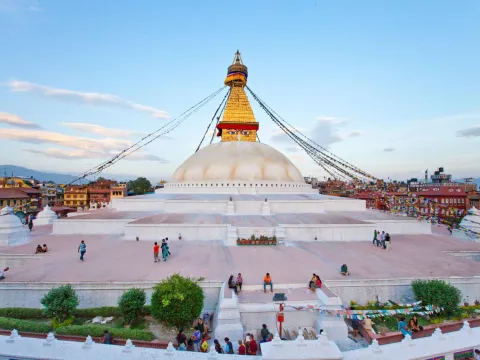
Kathmandu Valley is truly a marvel nestled in the heart of Nepal, renowned for its extraordinary cultural richness and historical depth. This valley, home to Nepal’s capital city, Kathmandu, is not just an urban hub but a living museum that encapsulates centuries of art, architecture, and spirituality.
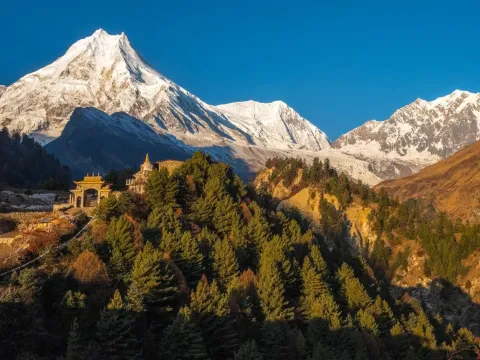
The Manaslu Circuit Trek is one of Nepal’s most stunning and culturally rich trekking routes, offering a unique combination of remote wilderness, high-altitude adventure, and immersive cultural experiences. Despite being less crowded than the Annapurna and Everest regions,
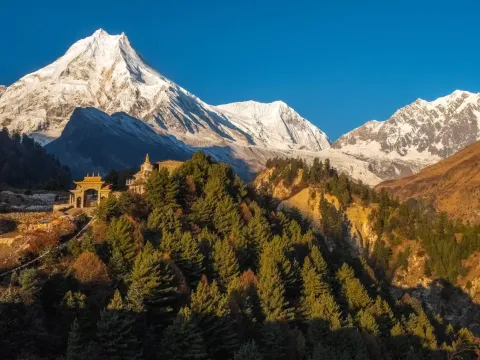
The Manaslu Circuit Trek, often referred to as Nepal’s hidden gem, is a spectacular journey that takes adventurers through one of the least explored regions of the Himalayas. Unlike the more popular Everest or Annapurna circuits, the Manaslu trek offers pristine landscapes, traditional villages, and a profound sense of tranquility, making it a perfect choice for trekkers seeking solitude combined with authentic cultural experiences.


 (34)
(34) 