Need help with booking? Send us a message.
 Upper Mustang Mountain Biking Adventure: Your Ultimate Guide to Cycling Through the Last Forbidden Kingdom
When it comes to mountain biking adventures in Nepal, nothing quite compares to pedaling through the ancient, mystical landscapes of Upper Mustang. This high-altitude desert kingdom, once forbidden to outsiders and still shrouded in centuries-old traditions, offers one of the most extraordinary cycling experiences you'll find anywhere in the Himalayas. Think dramatic cliff-side monasteries, remote Tibetan villages, and endless stretches of rugged terrain that'll test your skills while rewarding you with views that belong on a postcard.
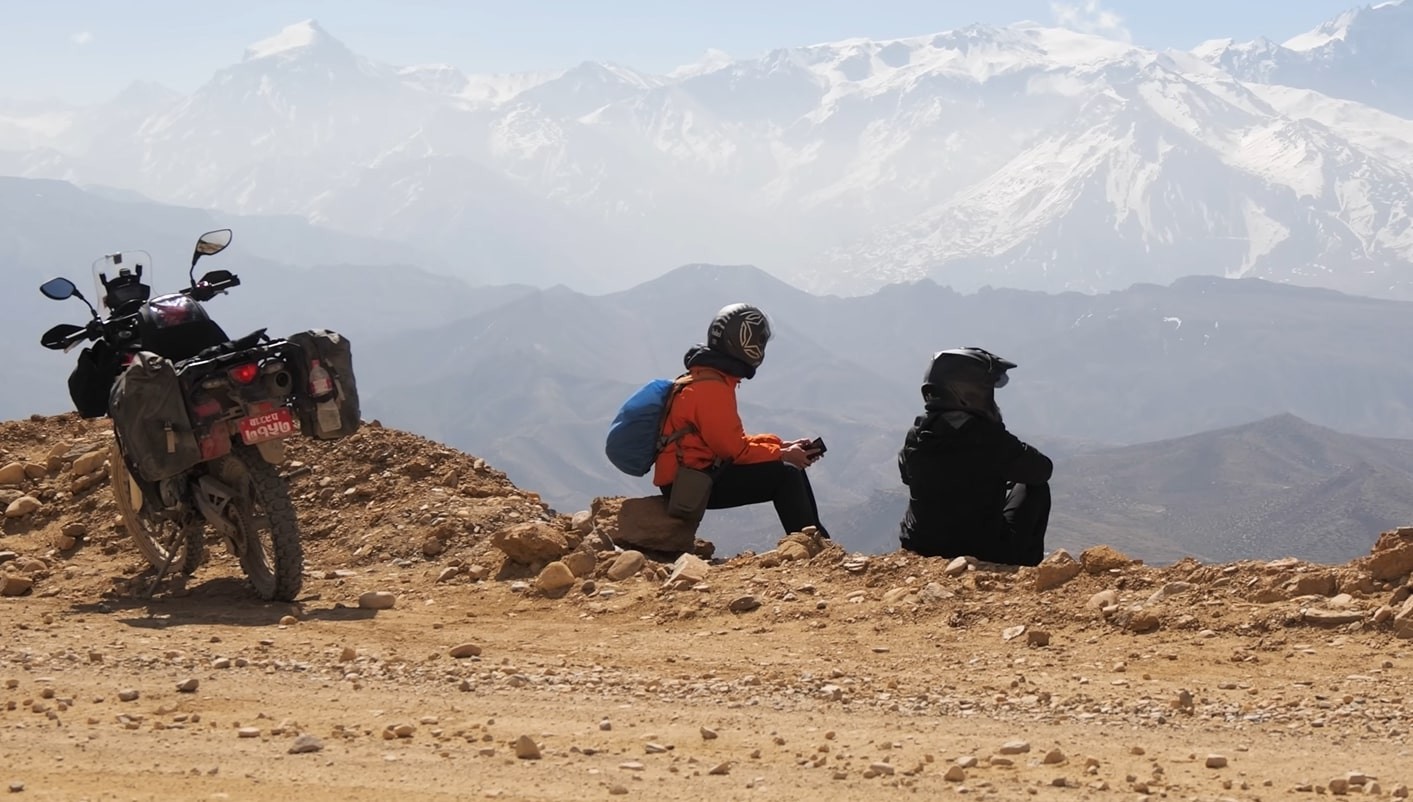
The Upper Mustang Mountain Biking Adventure isn't just another trek through the mountains—it's a journey back in time, through landscapes that feel almost otherworldly in their stark beauty. Starting from Jomsom and winding your way to the walled city of Lo Manthang, you'll traverse some of the most unique terrain in Nepal, where the mighty Himalayas create a rain shadow that transforms the landscape into something closer to Tibet than the lush green valleys most people associate with Nepal.
Upper Mustang sits in the rain shadow of the Annapurna and Dhaulagiri ranges, creating a high-altitude desert environment that's completely different from any other biking destination in Nepal. While treks like the Annapurna Circuit Trek or Annapurna Base Camp Trek take you through forests and farming terraces, Upper Mustang presents an almost lunar landscape of eroded cliffs, deep canyons, and windswept plateaus painted in shades of rust, ochre, and gold.
This region remained closed to foreign visitors until 1992, earning it the nickname "The Last Forbidden Kingdom." That isolation helped preserve one of the most authentic Tibetan Buddhist cultures you'll find anywhere, including in Tibet itself. Ancient monasteries cling to cliff faces, medieval walled cities still stand proud, and the local Mustangi people maintain traditions that have remained largely unchanged for centuries.
For mountain bikers, this means pedaling through living history. You're not just riding past scenery—you're cycling through a cultural time capsule where chortens, mani walls, and prayer flags mark your path, and where every village offers a glimpse into a way of life that's endured for generations.
The classic Upper Mustang Mountain Biking Adventure typically begins in Jomsom, sitting at around 2,700 meters. This bustling town serves as the gateway to Upper Mustang and is easily accessible by a short flight from Pokhara. From here, your wheels start turning north along the Kali Gandaki Valley, following what was once a vital salt trading route between Nepal and Tibet.
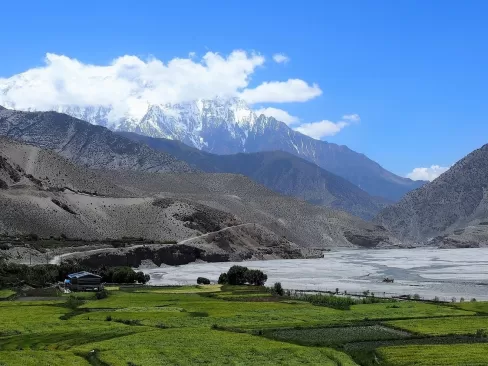
As you pedal out of Jomsom, the landscape quickly transforms. The green valleys give way to increasingly barren terrain, with the trail hugging the Kali Gandaki River as it cuts through some of the deepest gorges in the world. You'll pass through villages like Kagbeni, the official checkpoint where your restricted area permit gets stamped—your gateway into the forbidden kingdom proper.
Beyond Kagbeni, the trail takes on a more remote feel. Each day brings new challenges and rewards: rocky sections that demand technical skill, steep climbs that test your stamina, and exhilarating descents that get your adrenaline pumping. The route winds through villages like Chele, Ghemi, and Tsarang, each offering unique cultural experiences and comfortable teahouses where you can rest and refuel.
The crown jewel of the journey is reaching Lo Manthang, the ancient capital of the Kingdom of Lo, sitting at about 3,840 meters. This walled city, with its narrow alleyways, white-washed buildings, and ornate monasteries, feels like stepping into medieval times. From Lo Manthang, many riders take day trips to explore surrounding areas, including ancient caves carved into cliff faces and remote monasteries that see few visitors even today.
Let's be straight about this—the Upper Mustang Mountain Biking Adventure isn't for casual weekend riders. This is a challenging expedition that requires good fitness, solid technical mountain biking skills, and proper preparation. But don't let that scare you off. With the right mindset and preparation, riders with moderate to advanced skills can absolutely conquer this route and have the time of their lives.
The difficulty comes from several factors working in combination. First, there's the altitude. You'll be riding between 2,700 meters at Jomsom and over 4,000 meters in some sections, with Lo Manthang itself sitting at 3,840 meters. That thin air means your body works harder for everything, and altitude sickness becomes a real concern if you don't give yourself time to acclimatize properly.
Then there's the terrain itself. You're not riding on smooth, maintained trails here. Think rocky jeep tracks, narrow mountain paths with steep drop-offs, loose gravel sections where your wheels can slip out from under you, and occasional steep climbs that'll have you grinding up in your lowest gear. River crossings add another element, though most are manageable if you pick your line carefully.
The weather can throw curveballs too. Upper Mustang is famous for its wind, particularly in the afternoons when gusts can literally blow you off your bike if you're not careful. The best riding seasons are spring (March to May) and autumn (September to November), when conditions are most stable. Summer brings monsoon rains to lower Nepal, though Upper Mustang stays relatively dry thanks to that rain shadow. Winter? Only for the hardcore—it's bitterly cold and many lodges close.
Despite these challenges, the ride is absolutely doable for riders who come prepared. Unlike more extreme routes like the Dhaulagiri Circuit Trek, which requires serious mountaineering skills, Upper Mustang mainly demands endurance, bike handling skills, and mental toughness. Most fit riders who've done some mountain biking before can handle it with proper acclimatization.
What really sets the Upper Mustang Mountain Biking Adventure apart from other cycling trips is the incredible cultural immersion you get. This isn't just about conquering difficult terrain or ticking off another adventure from your bucket list. It's about connecting with one of the most unique and well-preserved Tibetan Buddhist cultures in the world.
The region's isolation for centuries means the local Mustangi people have maintained traditions and practices that have disappeared or changed dramatically elsewhere. The monasteries you'll visit aren't tourist attractions—they're living religious centers where monks still practice ancient rituals and maintain precious artwork, manuscripts, and artifacts that date back hundreds of years.
In Lo Manthang, the King's Palace still stands, and while the monarchy was abolished along with Nepal's in 2008, the former royal family still lives there and plays an important cultural role. The city's four main monasteries—Jampa Lhakhang, Thubchen Gompa, Chodey Gompa, and Choprang Gompa—contain some of the finest examples of medieval Himalayan religious art you'll see anywhere.
The daily life you'll witness feels almost timeless. Farmers still use traditional methods to grow barley and buckwheat in impossibly harsh conditions. You'll see women spinning prayer wheels and chanting mantras as they walk, children playing in dusty streets surrounded by ancient walls, and festivals and ceremonies that follow rhythms set centuries ago.
This cultural richness adds depth to the physical adventure. After a tough day riding, sitting in a teahouse sharing butter tea with locals, or watching monks debate Buddhist philosophy in a monastery courtyard, creates memories that stick with you long after your legs have recovered.
Getting your gear right makes all the difference between a great adventure and a miserable slog. For the bike itself, a quality mountain bike with front suspension is the minimum—a full-suspension bike is even better given the rough terrain. Make sure it's properly serviced before you go, with particular attention to brakes, drivetrain, and wheels. Tubeless tires can save you from countless flat repairs on sharp rocks.
Bring spare parts: extra tubes, brake pads, a spare derailleur hanger (these break more often than you'd think), chain links, and plenty of tools. While Jomsom and some larger villages might have basic repair shops, once you're in Upper Mustang proper, you're on your own for most repairs. Learn basic bike maintenance before you go—knowing how to fix a broken chain or adjust your brakes in the field is essential.
For clothing, think layers. Mornings start cold, afternoons can get surprisingly warm in the sun, and evenings turn frigid again quickly. A good quality down jacket, thermal layers, windproof outer shells, and proper gloves are non-negotiable. The wind in Upper Mustang is notorious, so wind protection matters more than in most places. Don't forget quality sunglasses and high-SPF sunscreen—the sun at altitude is intense, and the dry air provides little natural protection.
A good helmet is obviously essential, but consider also bringing knee and elbow pads for the rougher sections. A hydration pack works better than water bottles for staying hydrated while riding. Speaking of hydration, water purification tablets or a filter are important since you'll often be refilling from streams or village taps.
Upper Mustang is a restricted area, which means you can't just show up and start riding. You'll need a special Upper Mustang Restricted Area Permit, which currently costs $500 USD for 10 days, with additional days at $50 each. You also need the standard Annapurna Conservation Area Permit (ACAP). The catch? You can't get these permits independently—you must go through a registered trekking agency and be accompanied by a licensed guide.
This requirement actually works in your favor for a mountain biking adventure. A good company like Explore Holiday Nepal handles all the permit paperwork, arranges transportation to and from Jomsom, books accommodations along the route, and provides experienced guides who know the trails, can help with bike issues, and serve as cultural interpreters and safety support.
Your guide isn't there to slow you down—they're there to enhance the experience and ensure your safety in a remote region where helicopter rescue isn't always possible. They know which lodges are best, which trails are currently passable (conditions change), where the water sources are, and how to communicate with locals. For a challenging route like this, having that support is invaluable.
Accommodation in Upper Mustang is relatively basic but adequate. You'll stay in teahouses—small family-run lodges that provide simple rooms and meals. Don't expect hot showers every night or WiFi (though a few places in Lo Manthang have internet now), but you'll have a bed, basic meals, and usually a warm common room with a yak-dung-fueled stove. Many riders find this simplicity refreshing—you're here for the adventure, not the amenities.
Timing your Upper Mustang Mountain Biking Adventure correctly can make or break the experience. The region's weather patterns are unique compared to the rest of Nepal, thanks to that rain shadow effect from the Himalayas.
Spring, particularly April and May, offers excellent riding conditions. The weather stabilizes, temperatures warm up, and the trails are generally in good condition after winter. This season also brings festivals and celebrations as the farming season begins, adding extra cultural experiences. The downside? Spring is also a busy time, though "busy" in Upper Mustang means you might see a few dozen other tourists total—nothing compared to popular trails like Everest Base Camp Trek.
Autumn (late September through November) is arguably even better. The monsoon has passed, the air is crystal clear for photography, and temperatures remain comfortable for riding. October in particular hits that sweet spot of perfect weather, good trail conditions, and pleasant evenings. The harvest season means villages are bustling with activity, and major festivals like Tiji (a three-day celebration held in Lo Manthang) might coincide with your trip if you time it right.
Summer (June through August) is possible but challenging. While Upper Mustang stays much drier than the rest of Nepal during monsoon, you'll still encounter occasional rain, muddy sections, and the risk of landslides blocking the trail. The upside is fewer tourists and lusher landscapes with some unexpected greenery.
Winter (December through February) is for the truly hardcore. Temperatures plummet well below freezing, many lodges close, and snow can make sections impassable. But if you can handle the cold, you'll have the kingdom almost entirely to yourself, and the snow-dusted landscape takes on an even more otherworldly beauty.
You can't rush acclimatization, and trying to will ruin your trip—or worse, put you in serious danger. The Upper Mustang Mountain Biking Adventure takes you from around 2,700 meters to over 4,000 meters, with your body working hard the entire time due to the physical exertion of riding.
The standard wisdom is to gain no more than 300-500 meters of elevation per day once you're above 3,000 meters, and to build in rest days every few days. Most well-designed Upper Mustang itineraries follow this principle, which is why the trip typically takes 10-14 days. You're not just being slow—you're letting your body adapt so you can actually enjoy the experience instead of suffering with splitting headaches and nausea.
Spending a few days in Pokhara or even trekking in lower altitude areas before tackling Upper Mustang can help with pre-acclimatization. Some riders combine their Upper Mustang adventure with a few days in the Annapurna Base Camp Short Trek area first, which helps their bodies adjust before the main event.
Watch for altitude sickness symptoms: headaches, nausea, dizziness, fatigue beyond what the riding explains, and trouble sleeping. Mild symptoms are common and usually resolve with rest and proper hydration. But if symptoms worsen, the only cure is descent. Don't try to push through—altitude sickness can quickly become life-threatening.
Many riders find that once they've come all the way to Nepal, they want to maximize their adventure. The beauty of choosing Upper Mustang is that it combines well with other experiences in the region.
The most natural combination is spending time in the Annapurna region before or after. The Ghorepani Poon Hill Trek offers stunning mountain views on a relatively easy trek that serves as good acclimatization. The Mardi Himal Trek provides a beautiful, less-crowded alternative with spectacular Annapurna views.
For those wanting more extreme mountain biking challenges, consider spending time riding in the Manaslu region. The Manaslu Circuit Trek area offers fantastic biking opportunities, though it's even more remote and challenging than Upper Mustang.
Some adventurous cyclists combine their Upper Mustang trip with a motorcycle or bike journey to other restricted areas. The Upper Dolpo Trek region shares similar Tibetan cultural heritage and dramatic landscapes, though accessing it requires significantly more time and even more rugged travel.
If you're more interested in cultural experiences than extreme adventure, adding a Kathmandu Pokhara Tour before your mountain biking adventure gives you insight into Nepal's diverse heritage—from the medieval cities and temples of the Kathmandu Valley to the laid-back lakeside atmosphere of Pokhara.
Choosing the right operator for your Upper Mustang Mountain Biking Adventure matters enormously. You need a company with deep experience in the region, proper logistics support, and guides who understand both mountain biking and the unique challenges of high-altitude cycling.
Explore Holiday Nepal brings years of experience organizing adventures throughout Nepal's most challenging terrain. Our guides aren't just skilled at navigation—they're experienced cyclists themselves who understand bike mechanics, can help with trail-side repairs, and know how to pace a group for proper acclimatization while still maintaining the adventure's excitement.
We prioritize safety without sacrificing adventure. That means carrying comprehensive first-aid kits, having evacuation plans in place, maintaining communication equipment for emergencies, and choosing itineraries that balance challenge with appropriate acclimatization. Our bikes and equipment are well-maintained and appropriate for the terrain—no cutting corners that could compromise your safety or enjoyment.
What really makes the difference, though, is our commitment to sustainable, community-based tourism. We work with local lodges and guides, ensuring your adventure supports the communities you visit. Our guides act as cultural interpreters, helping you understand and respect local customs, facilitating genuine interactions with Mustangi people, and providing context that transforms your ride from a physical challenge into a meaningful cultural journey.
Let's talk realistically about preparation. You don't need to be a professional cyclist, but showing up unprepared will make this trip much harder than it needs to be. Three to six months before your departure, start a focused training program.
Build your cardiovascular base with regular rides, gradually increasing both distance and elevation gain. If you live somewhere flat, spend time on a trainer with resistance, or drive to hills for training rides. Your body needs to adapt to sustained effort over long periods—multiple hours in the saddle, day after day.
Technical skill work matters too. Practice riding on loose gravel, rocky sections, and steep descents. Learn to read terrain and choose your line, practice your bunny hops for avoiding obstacles, and get comfortable with steep uphill climbs in low gears. If you have access to more technical mountain biking trails, use them. The more comfortable you are handling your bike in challenging conditions, the more you'll enjoy Upper Mustang rather than just surviving it.
Don't neglect strength training. Strong legs obviously help with climbing, but core strength is equally important for bike control on technical terrain and for preventing fatigue-related crashes. Exercises like planks, squats, lunges, and deadlifts build the muscular endurance you need.
In the weeks before departure, simulate altitude if possible. If you can't access actual altitude, consider an altitude training mask for some workouts, or do high-intensity interval training that challenges your cardiovascular system in ways similar to altitude. Stay consistent with your training right up until a week or so before departure, then taper your workload to arrive fresh and ready.
Upper Mustang is a photographer's dream. The dramatic landscapes, ancient architecture, colorful cultural elements, and unique light create endless opportunities for stunning images. But capturing those images while mountain biking presents some challenges.
A good action camera like a GoPro mounted on your helmet or handlebars can capture the ride itself, including those exhilarating descents and challenging climbs. Set it to time-lapse mode to compress long riding sections into watchable highlights. Make sure to bring plenty of spare batteries and memory cards—both drain quickly in cold conditions and with extensive use.
For quality landscape and cultural photography, bring a more capable camera, but keep it accessible. A camera bag that fits in a hydration pack or can be quickly accessed from panniers works better than something buried in your luggage. During breaks and in villages, you'll have time for proper photography. The golden hours of early morning and late afternoon are magical in Upper Mustang, when the low-angle sun brings out the rich colors of the cliffs and casts dramatic shadows.
Always ask permission before photographing people, especially inside monasteries and during religious ceremonies. Many locals are happy to be photographed, but respect is essential. Your guide can help facilitate this and explain cultural sensitivities around photography.
The dramatic landscape around Lo Manthang, the colorful prayer flags against rust-colored cliffs, the play of light and shadow in the canyons—these images will become treasured memories of your adventure.
Upper Mustang's fragile environment and unique culture require responsible tourism practices. The region's isolation has preserved it for centuries, but increased tourism brings challenges. Every rider has a responsibility to minimize their impact.
Follow Leave No Trace principles strictly. Pack out everything you pack in—every wrapper, every bit of trash. Use designated toilet facilities whenever available. When wild camping or stopping for nature breaks, follow proper waste disposal practices. The dry climate means organic material decomposes slowly, so be especially careful.
Respect local customs and religious sites. Always walk clockwise around mani walls and chortens. Ask permission before entering monasteries, and follow dress codes and photography restrictions. Remove shoes when entering religious buildings and homes. These aren't just polite gestures—they show respect for the culture that makes Upper Mustang special.
Support local economies directly by purchasing handicrafts, staying in family-run lodges, and hiring local guides and porters. Avoid giving sweets or money to children, which can create unhealthy dependencies and expectations. If you want to contribute, support community development projects through reputable organizations.
Water is precious in Upper Mustang's arid environment. Conserve water, use biodegradable soap sparingly and away from water sources, and purify water from streams rather than buying endless plastic bottles. Many lodges now have water filtration systems where you can refill, reducing plastic waste significantly.
Fueling properly makes a massive difference in how you feel and perform during the Upper Mustang Mountain Biking Adventure. The teahouses along the route serve basic but filling meals—dal bhat (rice and lentils) is the staple, providing carbohydrates and protein to keep you going. Other common options include pasta, fried rice, noodles, soups, and Tibetan specialties like momos (dumplings) and thukpa (noodle soup).
The food gets simpler and more limited as you go higher and deeper into Upper Mustang. Lower villages might offer more variety, but once you're past the checkpoint, expect more repetitive menus. That's fine—you're burning so many calories that you'll appreciate any food. Dal bhat especially becomes a favorite among long-distance trekkers and riders because it's served in unlimited quantities and provides sustained energy.
Bring your own snacks for on-trail energy. Energy bars, trail mix, dried fruit, nuts, and chocolate work well. High-altitude exertion burns through calories fast, so pack more than you think you need. Having snacks readily available means you can fuel while riding rather than waiting for meal stops.
Stay obsessive about hydration. The dry air at altitude means you're losing moisture constantly through breathing and sweating, even when it doesn't feel like you're sweating much. Aim to drink small amounts regularly throughout the day rather than chugging large amounts periodically. The old rule of drinking until your urine runs clear remains good advice.
The physical challenge of Upper Mustang is obvious, but the mental game matters just as much. Long days in the saddle, dealing with altitude, managing fatigue, handling mechanical issues—all of this can wear on your mental state if you're not prepared.
Go in with realistic expectations. Some days will be hard. You'll question your decision to do this trip. You'll be tired, maybe dealing with a headache from altitude, pedaling into headwinds that feel like riding into a wall. That's all part of the experience. Accept that discomfort is temporary, and the rewards—those stunning vistas, the achievement of reaching Lo Manthang, the cultural experiences—make it worthwhile.
Break the journey into manageable chunks. Don't think about the entire trip while you're struggling up a steep section. Focus on reaching the next village, the next turn, the next kilometer marker. Celebrate small victories and progress rather than fixating on how far you still have to go.
Embrace the journey rather than just grinding through to the destination. Take breaks to actually look around and appreciate where you are. Chat with your companions and guides. Enjoy the moments of connection with local people. These experiences enrich the adventure beyond just the physical achievement.
After reading about all the challenges, you might wonder if it's really worth it. Having spoken with countless riders who've completed this adventure, the answer is an overwhelming yes. The Upper Mustang Mountain Biking Adventure offers something rare in our modern world—a genuine journey into a place where time moves differently, where ancient traditions persist, and where natural beauty exists on a scale that makes you feel simultaneously insignificant and profoundly alive.
The sense of accomplishment when you roll into Lo Manthang after days of challenging riding is immense. Standing in that medieval walled city, surrounded by snow-capped peaks, knowing you got there on your own power—that's a feeling that stays with you. The physical challenge makes the achievement meaningful in a way that simply flying or driving somewhere never could.
The cultural immersion you get on this trip goes deeper than typical tourism. Spending days moving slowly through the landscape, stopping in small villages, sharing meals with locals, watching daily life unfold—you develop an appreciation and understanding of Mustangi culture that brief visits can't provide. You're not just seeing the sites; you're experiencing a way of life.
For many riders, Upper Mustang becomes a transformative experience. The combination of physical challenge, cultural immersion, and natural beauty creates space for reflection and perspective. Away from constant connectivity and modern distractions, in an environment that demands presence and focus, you often discover things about yourself and what matters to you.
Ready to make this adventure happen? Start by reaching out to Explore Holiday Nepal well in advance—at least three to six months before your desired travel dates. Popular seasons book up, and getting permits processed takes time.
We'll work with you to determine the right itinerary based on your experience level, available time, and goals. Whether you want a faster-paced challenge or a more leisurely cultural exploration with plenty of rest days, we can customize the trip. We'll handle all permit applications, arrange your domestic flights to Jomsom, organize bike rentals if you're not bringing your own, and take care of accommodation bookings along the route.
Start your fitness training program as soon as you've committed to the trip. Give yourself time to build the endurance and skills you'll need. Get your gear sorted early, testing everything on training rides to make sure it works. Break in new shoes, check that your clothing layers work together, and ensure your bike fits properly and runs smoothly.
Consider trip insurance that covers adventure sports and medical evacuation. While we take every precaution for safety, emergencies can happen in remote mountain environments, and proper insurance provides peace of mind.
The Upper Mustang Mountain Biking Adventure isn't just another trip you'll check off your bucket list and forget. It's the kind of experience that becomes part of your story, that you'll find yourself talking about years later, that shapes how you think about adventure and travel.
You'll remember specific moments: the first glimpse of Lo Manthang's white walls appearing in the distance, the taste of butter tea shared with monks in an ancient monastery, the exhilaration of a perfect descent with the wind in your face and mountains all around, the quiet satisfaction of conquering a brutal climb, the warmth of a teahouse stove after a cold day of riding.
You'll take home more than photographs and souvenirs. You'll carry with you the knowledge that you pushed yourself beyond what you thought possible, that you connected with a culture vastly different from your own, that you traveled through one of the world's most extraordinary landscapes under your own power. That's what adventure is really about—not just going somewhere, but being transformed by the journey.
The kingdom of Upper Mustang awaits. The trails are calling. The question is—are you ready to answer? When you are, Explore Holiday Nepal will be here to help you turn this dream adventure into reality. Your journey to the Last Forbidden Kingdom is just a conversation away. Let's start planning your Upper Mustang Mountain Biking Adventure today.
Top Blogs About Trekking in the Mustang and Dolpo Region:
Uncover the best blogs about trekking in the Mustang and Dolpo region, featuring expert advice, detailed itineraries, personal experiences, and essential tips for adventurers looking to explore the Himalayas.
Discovering Upper Mustang’s Mystical Villages
Altitude Sickness on Nepal Treks: Symptoms, Treatment, and When to Descend (Complete Guide)
Nepal Trekking Permits: Costs, Types, and How to Get Them
Nepal Trekking: What’s the Best Time to Go?
Budget Trekking in Nepal: Tips, Trails, and Tricks
Exploring Nepal’s Wildlife and Nature
Trekking Through Nepal: A Journey into the Himalayas
Top 10 Mountain Peaks in Nepal
Monastery Life in Nepal: Finding Peace in the Heart of the Himalayas
 Accommodation Hotel in kathmandu
  Meals N/A
  Max. altitude 1,400m / 4,593ft. Accommodation Hotel in kathmandu Meals Breakfast Max. altitude 1,400m / 4,593ft. Accommodation Hotel in Pokhara Meals Breakfast Max. altitude 820m / 2,690ft. Accommodation Mountain lodge in Kalopani Meals Breakfast, Lunch, Dinner Max. altitude 2,530m / 8,301ft. Accommodation Mountain hotel in Chuksang Meals Breakfast, Lunch, Dinner Max. altitude 2,980m / 9,777ft. Accommodation Guesthouse in Lo Manthang Meals Breakfast, Lunch, Dinner Max. altitude 3,810m / 12,500ft. Accommodation Guesthouse in Lo Manthang Meals Breakfast, Lunch, Dinner Max. altitude 3,810m / 12,500ft. Accommodation Guesthouse in Kagbeni Meals Breakfast, Lunch, Dinner Max. altitude 2,800m / 9,186ft. Accommodation Lodge in Tatopani Meals Breakfast, Lunch, Dinner Max. altitude 1,190m / 3,904ft. Accommodation Hotel in Pokhara Meals Breakfast, Lunch Max. altitude 820m / 2,690ft. Accommodation Hotel in kathmandu Meals Breakfast, Lunch, Dinner Max. altitude 1,400m / 4,593ft. Accommodation NA Meals only Breakfast Max. altitude 0m / 0ft.
 Accommodation:
Mountain Biking & Guide Services:
Bike & Gear:
Transportation & Permits:
Meals & Hydration:
Support & Logistics:
Your Start Date is the day you land in Nepal, and your End Date is when you fly home.
If the set Motor Bike Tour to upper mustang group dates don’t suit your schedule, we can offer alternative dates upon request.
| No of people | Price per person |
|---|---|
| 1 - 1 | $3,200 |
| 2 - 5 | $2,799 |
| 6 - 9 | $2,775 |
| 10 - 15 | $2,755 |
| 16 - 20 | $2,735 |




 (34)
(34) 