
Last updated: December 2025
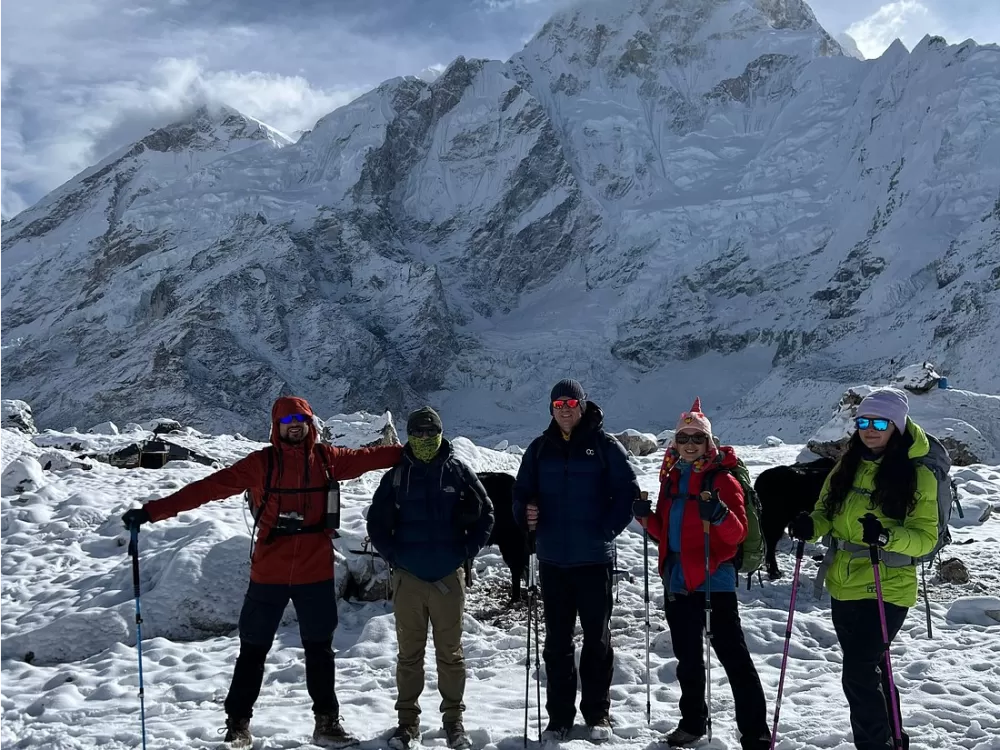 So here's something they don't show you in those stunning Everest documentaries—Mount Everest has a serious human waste problem. Yeah, I said it. We're talking about tons of human waste left behind by climbers at one of the most iconic places on Earth, and it's gotten bad enough that Nepal's government has finally said "enough is enough."
I've been working in the trekking industry for years now, and honestly? The Everest Base Camp toilet situation is way worse than most people realize. But there's some good news—things are finally changing, and in 2025, we're seeing some genuinely innovative solutions taking off (literally).
Quick takeaways:
Here's the thing about trekking to Everest Base Camp—it's freezing up there. Like, really freezing. And when you leave human waste on a mountain where temperatures never get above freezing, it doesn't break down. It just... stays there. Frozen. Sometimes for years, maybe decades.
There are temporary toilets at Everest Base Camp with collection barrels, sure. But above that? For years, climbers have been digging holes in the snow or ice, doing their business, and hoping for the best. According to reporting from The Kathmandu Post, the waste doesn't decompose in those conditions. So when the snow melts or shifts, everything's just sitting there exposed.
At places like South Col—that's around 8,000 meters (26,247 feet) up—some experienced guides have described the area as an "open toilet" because there's visible waste scattered around by the wind. Not exactly the pristine wilderness people imagine when they book their Everest trek. Climbers produce approximately 14 tons of human waste per season, with dangerous pathogens including C. difficile and Streptococcus found in ice cores.
Look, I get it. This isn't pleasant dinner conversation. But the consequences of poor waste management on Everest go way beyond just being gross:
Water Contamination on Everest The water situation is what really worries me. Villages in the Khumbu region downstream rely on melted snow and glacier runoff for their water supply. If that water's contaminated with human waste, you're looking at serious health risks for local communities and trekkers alike. This affects everyone from Lukla to Namche Bazaar and beyond. The waste crisis contaminates water sources and spreads dangerous diseases like cholera and hepatitis A throughout the region.
Health Risks for Mountain Workers There's also the disease risk for everyone working on the mountain—climbers, Sherpa guides, porters, and cleanup crews. Nobody's immune to the bacteria and pathogens in raw sewage, especially at altitude where your immune system is already compromised.
Degradation of Sacred Landscapes And then there's the environmental angle. Mount Everest (Sagarmatha in Nepali, Chomolungma in Tibetan) used to be this untouched, almost sacred place. Now it's accumulating waste that's turning parts of it into what's basically a high-altitude landfill. For the local Sherpa community, this is deeply concerning from both spiritual and practical perspectives. Microplastics from synthetic gear have been found in Everest's snow and streams at PFAS chemical levels 100 times above normal background readings.
For years, the approach to toilet facilities on Everest Base Camp treks was pretty basic. Dig a hole, cover it up, move on. At Base Camp itself, trekking companies would set up barrel toilets that workers would haul down the mountain when they got full. But here's the problem—those barrels fill up fast during climbing season (March to May), and sometimes they can't empty them quickly enough. Plus, burying waste near water sources just moves the problem somewhere else.
It's not that people were being malicious about it. At extreme altitude, you're just trying to survive. Making good decisions about waste management on Everest isn't exactly top priority when you can barely breathe and you're dealing with altitude sickness.
The government's rolled out some new rules for Everest climbers that are actually pretty strict. Starting in 2024, climbers have to use government-distributed poo bags above Base Camp—these are biodegradable waste bags with chemicals that solidify everything and reduce the smell. You have to bring them back down with you for proper disposal.
And they're not messing around with enforcement either. Some climbers now have to put down a deposit that they'll lose if they don't return with their waste. It's similar to how they handle trash deposits. The Kathmandu Post reported on these requirements, and local representatives are actively checking camps for compliance. The bags are being sold at Base Camp and verified when climbers return.
There's also new tracking requirements using GPS/RFID chips issued to all Everest climbers in 2024 to make sure people are following the rules while they're up there. These Everest environmental regulations are some of the strictest in the world for high-altitude mountaineering.
There are dedicated teams that go up every season to deal with the mess that's already accumulated. The Sagarmatha Pollution Control Committee (SPCC) and various community groups coordinate this work, and it's not easy. Workers install temporary toilets before each season—sometimes dozens of them—and then monitor and replace the waste barrels as they fill up. They're literally carrying containers full of human waste down from Everest Base Camp to proper disposal sites in lower villages.
The 2024 results are actually impressive. The SPCC recovered 85 tonnes of waste including nearly 28 tonnes of human waste, while the Nepali Army contributed an additional 11 tonnes to the cleanup effort. That's a total of 96 tonnes removed in just one season!
These aren't volunteers doing this for fun, by the way. It's paid work, which helps incentivize proper handling. Local Sherpas and porters earn income from these cleanup initiatives, which supports the economy while protecting the environment. But the real challenge is up higher where you can't really install facilities. That's where most of the lingering problems exist on the Everest climbing route. Camp IV remains the most polluted location, with 40-50 tons of garbage still remaining.
Here's where things get really interesting. In 2025, we're seeing a technological revolution on Everest that's changing everything about waste management and safety.
The DJI FlyCart 30 Drone Success Story
During the 2025 spring climbing season, DJI FlyCart 30 drones transported 1,259 kg of supplies and waste across the treacherous Khumbu Icefall over 25 days. This is massive. The Khumbu Icefall is one of the deadliest sections of the Everest climb, and traditionally, Sherpas had to cross it 30+ times per season carrying heavy loads.
The DJI FlyCart 30 can carry up to 44 pounds across a 19,898-foot journey from Camp 1 to Base Camp in just six minutes—a trek that takes Sherpas four hours through unstable ice and crevasses. That's not just efficiency; that's literally saving lives.
The drones deliver supplies like ropes, ladders, and oxygen cylinders on the way up, then bring back bags filled with trash and human waste on the return trip. Operated by Nepal-based Airlift Technology, the drones successfully hauled over 617 pounds of garbage from Camp 1 to Base Camp during initial operations.
Why This Matters
Three Sherpas died in an avalanche in 2023 while fixing ropes for climbers. That tragedy pushed the industry to seriously explore drone technology as a safer alternative. Now, instead of risking lives to transport garbage across deadly terrain, drones are doing the heavy lifting—quite literally.
The environmental benefits are huge too. Fewer helicopter runs mean lower carbon emissions. And the drones are way more cost-effective—a DJI FlyCart 30 costs around $20,000 compared to the astronomical expense of helicopter operations at that altitude.
Nepal's Five-Year Clean Mountain Strategy (2025-2029)
Nepal has launched a Clean Mountain Strategy for 2025-2029 with a budget of Rs 308 million allocated for Everest cleanup efforts, though insiders estimate the true cost could exceed Rs 1 billion. The strategy includes:
Beyond drones, there's other tech in development. I came across something called The NeverRest Project that's looking at high-tech options for sustainable mountaineering. They're experimenting with solar-powered biogas digesters that use concentrated solar thermal energy to process human waste at high altitudes where conventional systems fail.
There's also research into portable incinerator toilets that burn waste down to ash, filtered urinals, and other off-grid systems designed for extreme environments. Whether any of this becomes practical for widespread use on Everest Base Camp treks remains to be seen. The logistics and cost of getting equipment up there and maintaining it in those conditions... yeah, that's complicated. But it's encouraging to see innovation in high-altitude waste management.
Planning an Everest Base Camp trek? Here's my advice for being a responsible trekker:
Carry Your Own Waste Bring your own waste bags and commit to carrying everything back down. I know it sounds unpleasant, but it's really not that bad with the right equipment. Modern biodegradable bags make this much easier than you'd think. Remember, each person produces 250 grams of waste daily and spends about two weeks at higher camps during summit pushes.
Choose Eco-Friendly Trekking Companies Also, do your homework on Nepal trekking companies. Go with operators who take waste management seriously and train their staff properly. Companies like Explory Holiday Nepal have good reputations for following environmental protocols, but don't just take anyone's word for it—ask specific questions about their practices:
Support Cleanup Initiatives If you want to do more, consider supporting the cleanup initiatives financially or even volunteering with conservation groups working in the region. Organizations working on Everest conservation need ongoing support to maintain their efforts and fund the new five-year strategy.
Follow Leave No Trace Principles Practice responsible hiking on all your treks in Nepal—not just Everest. The principles of sustainable tourism apply everywhere from Annapurna Base Camp to Langtang Valley.
This whole situation shows how tricky it is to balance adventure tourism with actually protecting these incredible places. Everest has become so commercialized that we're literally loving it to death—or at least covering it in our waste, which is arguably worse.
But here's the thing—2025 is showing us that technology combined with strict regulations and dedicated cleanup efforts can make a real difference. The drone operations are proving that we can find innovative solutions to problems that seemed insurmountable just a few years ago.
The new regulations for climbing Everest are a step in the right direction, and the cleanup efforts are genuinely impressive. But at the end of the day, sustainable solutions require everyone involved—climbers, guides, trekking companies, local authorities, tech companies, and international organizations—to actually give a damn and act accordingly.
The mountain isn't going anywhere, but if we keep treating it like a toilet, future generations might not want to visit what we've left behind. With the progress we're seeing in 2025, though, I'm cautiously optimistic. We're finally combining regulation, technology, and community action in meaningful ways.
At Explory Holiday Nepal, we're committed to sustainable trekking practices and environmental protection on all our Everest Base Camp expeditions. Our guides are trained in proper waste management, we provide all necessary equipment for responsible trekking, and we stay updated on the latest regulations and best practices.
[Book Your Eco-Friendly Everest Base Camp Trek →]
Have questions about our environmental practices or the new 2025 regulations? Contact us or check out our Responsible Tourism Policy.

Nepal, a landlocked gem nestled in the lap of the majestic Himalayas, is a paradise for travelers seeking a harmonious blend of nature, culture, and spirituality. In this comprehensive guide, we will embark on a detailed exploration of the mesmerizing tour places that make Nepal a unique and captivating destination.

Mount Everest, standing at 8,848 meters (29,029 feet), is not only the highest peak in the world but also a symbol of adventure and perseverance. Located in the Mahalangur Himal sub-range of the Himalayas, it draws climbers and trekkers from around the globe, inspiring awe with its sheer magnitude and beauty.

Nepal, a landlocked country nestled in the heart of the Himalayas, is a trekking paradise renowned for its breathtaking landscapes and rich cultural heritage. From the towering peaks of the Himalayas to lush valleys and vibrant villages, Nepal offers an array of trekking experiences suitable for all levels of adventurers.
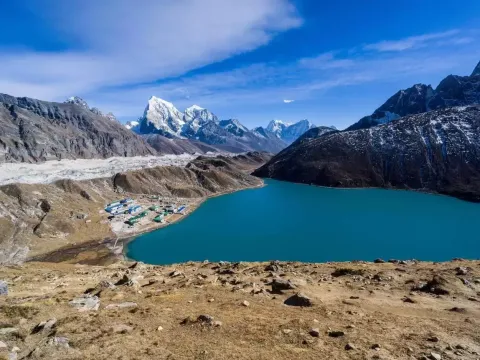
Nepal offers some of the most incredible trekking destinations in the world, and two of the most popular treks are the Gokyo Lake Trek and the Tilicho Lake Trek. Both routes provide breathtaking views of the Himalayas and unique cultural experiences, but each has its own set of features that may appeal to different types of trekkers.

When preparing for the Everest Base Camp trek with Explore Holiday Treks, one of the key considerations is understanding the availability of shower and laundry services along the way. As the trek takes you through remote villages and high-altitude terrain, amenities like showers and laundry are far from luxurious.

The trek begins in Lukla, which is situated at around 2,860 meters (9,383 feet), and progressively ascends to Everest Base Camp at 5,364 meters (17,598 feet).

The Everest Base Camp Trek is a physically demanding journey that requires a certain level of fitness to ensure a successful and enjoyable experience. While the trek is accessible to individuals in good health, it is important to understand the physical demands of the trail.

Trekking to Everest Base Camp is an adventure of a lifetime, and choosing the right route is crucial for ensuring a safe and enjoyable experience.
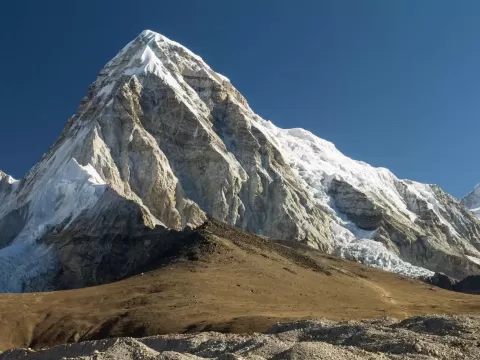
When planning a trek to Everest Base Camp, timing plays a critical role in ensuring both safety and enjoyment. The best time to hike to Everest Base Camp is during the two peak seasons: spring (March to May) and autumn (September to November).

The Everest Base Camp Trek is one of the most iconic and challenging treks in the world, offering adventurers the opportunity to trek through the heart of the Himalayas and stand at the base of Mount Everest, the highest peak on Earth. However, as thrilling as this trek is, it comes with its own set of challenges. One of the most important tips for trekkers is to ensure they are physically prepared.

Sleeping at Everest Base Sleeping at Everest Base Camp (EBC) offers an unmatched adventure for trekkers and mountaineers alike. It’s more than just reaching a destination—it's about the experience, the journey, and the connection with one of the most iconic places on Earth.


 (34)
(34) 