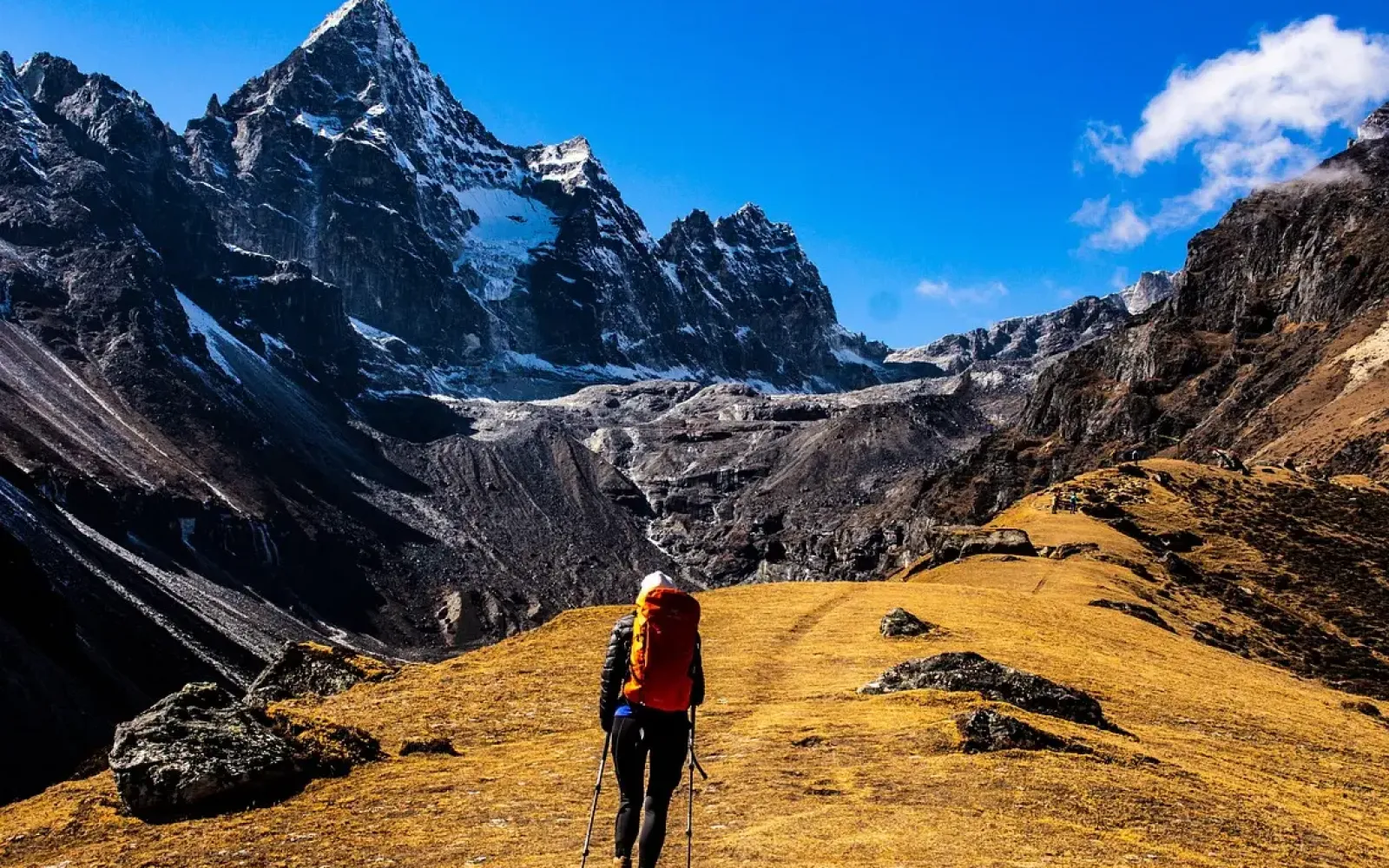
The mountain air feels different when you breathe it alone. There's a clarity, a sense of possibility that expands with each step up the trail. For women who dream of trekking Nepal's iconic routes, the question isn't whether they should go solo—it's how to do it with confidence, safety, and genuine cultural connection.
This guide draws from real experiences of female trekkers who've walked these paths, conversations with local guides, and practical wisdom gathered from years of leading women through the Himalayas. Whether you're planning your first solo adventure or your fifth, you'll find honest answers to questions you've been asking and some you haven't thought of yet.
Nepal has quietly become one of the world's most welcoming destinations for women traveling alone. The statistics tell part of the story—over 40% of trekkers on major routes like the Everest Base Camp Trek and Annapurna Base Camp Trek are now women, with solo female trekkers representing the fastest-growing segment.
But numbers don't capture the deeper truth. Women choose Nepal because something about these mountains calls to them. The landscape challenges without overwhelming. The culture welcomes without demanding. The trails offer solitude when needed and community when desired. You can disappear into your thoughts on a quiet morning climb, then share dal bhat with other trekkers at a teahouse by evening.
The infrastructure supports independent travel. Teahouses dot most major routes at comfortable intervals. English-speaking guides and locals staff mountain villages. Cell service reaches surprisingly high altitudes. Emergency evacuation systems function reliably. These practical elements create space for the deeper work many women come here seeking.
Cultural factors matter too. Nepali society values respect and hospitality. Women hold positions of authority in trekking communities—lodge owners, guides, porters. You'll meet female trail workers maintaining paths, women running businesses at high altitude, mothers raising families while managing tourism ventures. Their presence normalizes women's independence in mountain spaces.
Safety concerns stop many women from attempting solo treks. Valid questions deserve honest answers, not dismissive reassurances or fear-mongering exaggerations.
Assault and harassment rates on Nepal's major trekking routes remain significantly lower than in most urban environments worldwide. The Annapurna Circuit Trek region, hosting thousands of solo women annually, reports minimal safety incidents. Trekkers face greater statistical risks from altitude sickness, weather exposure, and common travel illnesses.
This doesn't mean harassment never happens. It does, though rarely. Women report occasional inappropriate comments, uncomfortable staring, or unwanted attention—the same low-level annoyances they encounter in daily life elsewhere. Actual physical safety threats are uncommon but not impossible.
The genuine risks require different attention. Altitude sickness doesn't discriminate by gender but demands respect from everyone. Weather changes rapidly above treeline. Trail conditions vary. Physical exhaustion affects judgment. These environmental factors injure more trekkers than human threats do.
Smart solo trekkers layer multiple protective strategies. No single approach provides complete security, but combinations create robust safety nets.
Communication systems deserve priority. Carry a fully charged phone with local SIM card coverage that extends surprisingly high on routes like Langtang Valley Trek. Inform someone reliable of your daily plans. Check in regularly. Share your trek itinerary with your embassy and family back home. These simple steps create accountability.
Join the trail community. Solo doesn't mean isolated. Most trekkers walk alone but socialize at teahouses. Connect with other hikers at rest stops. Walk stretches with groups you meet, then separate when you want solitude. Many women on the Ghorepani Poon Hill Trek report forming spontaneous walking partnerships that dissolve and reform organically.
Hire strategically. A guide costs less than you think and transforms your experience. Female guides are increasingly available and understand specific concerns women face. Even without a full-time guide, hiring porters for difficult sections reduces exhaustion that impairs judgment.
Trust your instincts ruthlessly. That uncomfortable feeling about a situation or person deserves respect. Women's intuition gets dismissed too often—in the mountains, it might save your life. If something feels wrong, change your plan. Sleep somewhere else. Walk with different people. Leave earlier or later than planned.
Where you sleep matters tremendously for solo female comfort. Teahouse culture on established routes provides natural security through community presence. Rooms typically have locks. Owners know their guests. Other trekkers stay nearby. This differs dramatically from camping alone.
Private rooms cost marginally more than dormitories but deliver peace of mind. Most lodges accommodate solo women's requests for ground-floor rooms near common areas or rooms near other women. On routes like Mardi Himal Trek, lodge owners often proactively offer women safer room placements.
Bathroom situations require planning. Shared bathrooms are standard. Western toilets appear sporadically. Plan your bathroom timing, carry a headlamp, and accept that privacy standards differ from home. Many women report initial discomfort that quickly normalizes.
Not all treks suit solo female adventures equally. Route selection dramatically affects your experience, safety, and enjoyment.
The Annapurna Base Camp Short Trek offers an ideal introduction. Well-trodden paths, excellent teahouse infrastructure, and consistent foot traffic create a supportive environment. The eight-day route reaches spectacular destinations without demanding extreme altitude acclimatization.
Consider the Poon Hill Trek for a gentler start. This five-to-seven-day journey delivers stunning mountain views, cultural village experiences, and manageable daily distances. You'll rarely walk more than a few hours without seeing other trekkers.
The Pikey Peak Trek provides off-the-beaten-path experiences while maintaining reasonable safety margins. Less crowded than Annapurna routes but well-established enough for comfortable solo travel.
Once you've gained Himalayan experience, expand to longer routes. The full Annapurna Base Camp Trek increases duration and altitude while keeping familiar support systems. Twelve days allows deeper cultural immersion and stronger trail friendships.
The Everest View Trek brings you into Sherpa country without committing to full Everest Base Camp distances. Seven days provides sufficient time for acclimatization while delivering that iconic Himalayan rush.
Langtang Gosainkunda Trek combines cultural experiences with high-altitude sacred lakes. The fifteen-day route challenges endurance while maintaining excellent infrastructure.
Experienced solo women increasingly choose remote routes. The Manaslu Circuit Trek offers serious adventure with manageable logistics. Restricted areas require permits that inherently document your location. Growing teahouse infrastructure supports solo travel while preserving authentic experiences.
The Tsum Valley Trek takes you deep into Buddhist culture. Less frequented than major routes but established enough for confident independent travel. Thirteen days in a sacred valley tests your comfort with solitude and cultural immersion.
For the truly adventurous, Upper Mustang Trek ventures into the former Tibetan kingdom. Restricted area permits ensure authorities track your movement. The unique landscape and culture justify the effort.
Avoid attempting routes like Kanchenjunga Base Camp Trek or Makalu Base Camp Trek solo unless you have extensive Himalayan experience and mountaineering skills. These remote areas present risks that even experienced solo women should reconsider.
Nepal's cultural landscape requires navigation skills as important as physical trail abilities. Women face specific cultural considerations that affect daily interactions.
Forget fashion. Function and respect guide mountain wardrobes. Shoulders and knees remain covered in villages, though hiking attire relaxes these rules on trails. Long pants or below-knee shorts work for trekking. Tank tops under lightweight shirts allow temperature regulation while maintaining cultural appropriateness.
Sports bras shouldn't show through shirts. Cleavage draws unwanted attention. High necklines eliminate issues. These restrictions feel minor given the warmth and acceptance appropriate dress elicits.
At lodges, change from hiking clothes to comfortable covered clothing. Many women carry lightweight pants and long-sleeve shirts specifically for evening socializing. This signals respect for shared community spaces.
Eye contact norms differ from Western standards. Direct prolonged eye contact with men can be misinterpreted as romantic interest. Brief friendly acknowledgment works better. With women and children, normal Western interaction patterns apply.
Handshakes aren't universal. The traditional "Namaste" greeting with hands pressed together eliminates physical contact questions. Many Nepali men won't initiate handshakes with women, saving everyone from awkward uncertainty.
Dining situations require awareness. Sitting separately from men at mealtimes happens in some traditional contexts. Don't interpret this as rejection—it reflects cultural norms about gendered social spaces. In tourist areas and teahouses, mixed dining is standard.
Alcohol consumption draws attention. Women drinking alcohol, particularly alone, can attract unwanted interest in some communities. In teahouses with other trekkers, social drinking raises few eyebrows. In remote villages, abstaining avoids complications.
Ask permission before photographing people, especially women and children. Many appreciate being asked; some refuse. Both responses deserve respect. Photographing religious ceremonies requires particular sensitivity—observe first, ask guides about appropriate behavior.
Don't photograph people as exotic subjects. The relationship should feel mutual. Share your own photos if asked. Let subjects view images you've taken of them. These small reciprocities transform photography from extraction to exchange.
Learning basic Nepali phrases opens doors. "Namaste," "dhanyabad" (thank you), "mitho cha" (delicious), and "kati ho?" (how much?) are minimal courtesy. Attempts to speak Nepali, however clumsy, generate warmth and appreciation.
Show interest in people's lives beyond tourism transactions. Ask about children, agricultural practices, seasonal challenges. Listen to answers. Many mountain residents rarely interact meaningfully with foreign visitors despite constant tourist traffic.
Participate in local activities when invited. Help prepare food, learn traditional crafts, join in celebrations. These moments create the memories that outlast summit photos.
Physical fitness isn't optional for enjoyable trekking. Preparation separates those who thrive from those who merely survive.
Aerobic capacity matters most. Your heart and lungs will work harder at altitude than any gym session prepares you for. Start training three months before departure at minimum. Six months allows more comprehensive preparation.
Walk regularly—daily if possible. Build from flat walks to hilly terrain. Gradually increase duration and elevation gain. Aim for several hours of continuous walking with a loaded pack weekly. This mimics trek demands better than gym equipment.
Stair climbing builds relevant strength. Find stadiums, tall buildings, hiking trails with elevation gain. Ascend with a weighted pack. Leg endurance developed on stairs translates directly to mountain performance.
Vary your training. Long slow distance builds base endurance. Interval training increases cardiovascular capacity. Strength training prevents injury. Mix all three for comprehensive preparation.
Legs need obvious attention, but core strength proves equally important. A strong core stabilizes movement on uneven terrain, prevents lower back pain from pack carrying, and maintains posture during long days.
Lunges, squats, and step-ups build leg strength. Add weight gradually. Practice downhill walking—descents stress muscles differently than climbing and cause much of the next-day soreness trekkers experience.
Upper body and core work supports pack carrying. Planks, back extensions, and shoulder exercises prevent the chronic aches that make long treks miserable. You needn't become a weightlifter, just strong enough to carry your gear comfortably.
Physical training is half the preparation. Mental conditioning determines who keeps going when bodies hurt and weather turns difficult.
Practice discomfort. Deliberately choose difficult training conditions. Walk in rain. Exercise when tired. Train in heat or cold. Building tolerance for unpleasant conditions prepares you for inevitable mountain challenges.
Develop mantras or coping strategies. Long uphill slogs test mental endurance. Having rehearsed responses to difficulty—breathing techniques, positive self-talk, breaking distances into manageable chunks—keeps you moving when motivation wanes.
Visualize challenges and your responses. Mental rehearsal of difficult scenarios improves actual performance. Imagine dealing with altitude symptoms, bad weather, exhaustion, loneliness. Practice mental responses until they feel automatic.
Understanding altitude physiology prevents serious problems. Altitude sickness affects fitness and gender-neutral. You cannot predict susceptibility until you've been there.
Learn to recognize symptoms: headache, nausea, fatigue, dizziness, sleep difficulty. Mild symptoms are common and manageable. Severe symptoms demand descent. Understanding the difference might save your life.
The golden rule: climb high, sleep low. Plan itineraries with acclimatization days. On the Everest Base Camp Budget Trek, proper acclimatization schedules distinguish successful summits from emergency evacuations.
Never ascend with worsening symptoms. This simple rule prevents most altitude tragedies. Descending even a few hundred meters typically resolves symptoms. Waiting at altitude with worsening symptoms can be fatal.
Successful treks require competent logistics. Small oversights create disproportionate problems; thorough preparation eliminates preventable difficulties.
Different regions require different permits. The Annapurna region needs TIMS cards and Annapurna Conservation Area Permits. Everest region treks require Sagarmatha National Park entry permits. Restricted areas demand special permits and sometimes guide requirements.
Obtain permits in Kathmandu at tourist board offices or through trekking agencies. The process is straightforward with passport photos and fees. Don't attempt to trek without proper permits—checkpoints enforce regulations and fines exceed permit costs.
Solo trekkers carry everything they need but balance self-sufficiency against weight constraints. Your pack shouldn't exceed 15% of your body weight for comfortable long-distance carrying.
Essentials include: proper sleeping bag rated for temperature extremes, water purification system, first aid kit, headlamp with spare batteries, sun protection, altitude medication, toiletries, appropriate clothing layers, and emergency supplies.
Skip luxuries. Each unnecessary item adds weight you'll curse on steep climbs. Multi-purpose items reduce load. Your phone serves as camera, book, map, and communication device. Lightweight travel clothing washes and dries easily.
Comprehensive travel insurance isn't optional—it's essential. Standard travel insurance excludes trekking above certain altitudes. Specialized adventure travel insurance covers helicopter evacuation, which can cost twenty thousand dollars or more.
Verify coverage explicitly includes: emergency evacuation by helicopter, medical treatment at altitude, trip cancellation, lost gear, and repatriation if necessary. Read policy exclusions carefully. Some policies exclude solo trekkers or pre-existing conditions.
Carry insurance documentation and emergency contact numbers. Lodge owners need this information if you become seriously ill. Fellow trekkers can't help if they don't know who to contact.
ATMs in Kathmandu and Pokhara dispense cash. Beyond those cities, assume no access to banking. Carry sufficient cash in small bills for your entire trek. Teahouses accept only cash; credit cards don't exist at altitude.
Budget realistically. The Everest Base Camp Luxury Trek costs significantly more than budget options but delivers comfort that might justify the expense for some travelers. Daily expenses vary enormously depending on route and comfort level.
Factor in unexpected costs: extra acclimatization days, emergency supplies, tips for guides or porters, donations to monasteries, souvenirs from village cooperatives. Running out of money on trail creates unnecessary stress.
Nepal offers visas on arrival at Kathmandu airport. The process is simple but slow during peak season. Filling out applications online before arrival speeds processing. Bring passport photos and exact fees to avoid delays.
Tourist visas allow thirty days with extension options in Kathmandu. Plan your trek duration accordingly. Overstaying generates fines and departure complications.
Illness can derail treks faster than any other factor. Prevention and early intervention keep minor issues from becoming major problems.
Contaminated water causes most trekker illnesses. Never drink untreated water regardless of how clear mountain streams appear. Giardia and other parasites thrive in seemingly pristine environments.
Purification tablets, filters, or SteriPEN devices make water safe. Boiled water is available at teahouses for a small fee. Hot tea and coffee are safe. Fresh fruit and vegetables might not be—peel it or cook it.
Food safety varies by establishment. Busy teahouses with high turnover serve fresher food. Observe kitchen cleanliness before ordering. Stick to well-cooked hot foods. Avoid raw vegetables and salads in remote areas.
Dal bhat—the traditional rice and lentil meal—offers the safest nutritional option. Preparation involves thorough cooking. The dish provides excellent energy for trekking. Many lodges offer unlimited refills, solving the calorie deficit problem trekkers face.
Menstruation during treks is manageable with preparation. Menstrual cups eliminate disposal problems and carry minimal weight. Biodegradable products work but require proper disposal—never leave trash on trails.
Bring sufficient supplies. Remote villages lack pharmacies. Resupply isn't reliable. Overestimate needs rather than running short.
Washing facilities vary. Some lodges offer bucket showers. Most provide basins and water. Baby wipes solve intermediate cleaning needs. Hand sanitizer becomes essential. Privacy might be limited—adjust expectations accordingly.
Some women take birth control to postpone periods during treks. Discuss this option with your doctor months before departure. High altitude can affect medications unpredictably.
Assemble a comprehensive first aid kit tailored to your needs. Include: altitude sickness medication (Diamox), pain relievers, anti-diarrheal medication, antibiotics for bacterial infections, blister treatment, antihistamines, and any prescription medications you regularly take.
Carry medication quantities sufficient for your trek plus extra days. Lost medication or extended trips happen. Replacement in mountain villages is impossible.
Know how to use everything you carry. A first aid kit provides no benefit if you don't understand when and how to use its contents. Take a wilderness first aid course before departure. This knowledge might help you or other trekkers you encounter.
Sleep quality affects altitude acclimatization and overall performance. Teahouse rooms provide basic comfort. Sleeping bag quality matters tremendously. Invest in a bag rated well below expected temperatures—mountain nights get cold.
Ear plugs and eye masks improve sleep despite shared walls and early morning activity. Melatonin can help adjust to altitude-disrupted sleep patterns. Discuss this with your doctor before traveling.
Rest days aren't laziness—they're essential recovery. Build acclimatization days into your schedule. Use them for short hikes, reading, journaling, or simply resting. Fighting exhaustion through entire treks leads to injury or illness.
Solo travel doesn't mean lonely travel. The mountains create communities that form quickly and dissolve gracefully.
Common dining areas foster natural connections. Sharing meals leads to conversations. The question "Where are you from?" opens doors to stories, advice, and companionship.
Many solo trekkers form walking partnerships. You might hike together for days or just a few hours. These fluid friendships offer benefits without obligations. Walk when you want company, separate when you need solitude.
Respect others' preferences for interaction or privacy. Some trekkers seek constant companionship. Others prefer minimal social engagement. Both approaches are valid. Pay attention to cues and honor boundaries.
Hiring guides or porters creates complex relationships. You're employer, client, and trail companion simultaneously. Navigate this thoughtfully.
Good guides become friends, cultural interpreters, and safety guarantors. They share local knowledge, facilitate authentic experiences, and provide security through their presence and expertise. Female guides are increasingly common and bring specific understanding to women's concerns.
Treat guides and porters as professionals deserving respect, not servants. Learn their names, ask about their lives, share meals. Fair wages and appropriate tips reflect appreciation for demanding work. These jobs support entire families—approach the relationship seriously.
Some women prefer female guides for cultural comfort and shared experience. Others value male guides' traditional expertise. Both options work well. Choose based on personal comfort and specific guide qualifications.
Solo travel attracts attention. Other trekkers might assume you're seeking companionship or romance. Establish boundaries clearly and early in interactions.
Polite firmness works better than vague hints. "I prefer to walk alone" or "I'm not interested in company this evening" communicates clearly. Don't apologize for your preferences.
Persistent unwanted attention deserves direct response. Involve lodge owners if necessary. Other trekkers typically support women facing harassment. The trail community polices itself surprisingly effectively.
Many women worry about loneliness on solo treks. Reality differs from expectation. The combination of physical exertion, spectacular surroundings, and transient trail friendships creates satisfying social balance.
Journaling becomes companionship. Mountains inspire reflection. Silence becomes comfortable rather than lonely. Many women report unexpected appreciation for their own company.
Technology provides connection when desired. Most major routes have cell coverage. WiFi exists in surprising places. Video calls home, social media updates, and email maintain ties to regular life.
The Tamang Heritage Trek offers exceptional opportunities for cultural immersion that solo travelers particularly appreciate. Staying with local families creates intimate cultural exchanges difficult in group travel.
Technical trekking knowledge gets you to the mountains. Presence and intention let you truly experience them.
Cameras can mediate experience or deepen it. Intentional photography requires stopping, observing, waiting for light. This patience cultivates presence.
Avoid photographing compulsively. Sometimes experiencing a moment without documenting it creates stronger memories. Trust your mind to record what cameras cannot—sensations, emotions, transformations.
Learn basic technical skills before departure. Mountain photography demands understanding of changing light, composition, and weather conditions. Amateur efforts often disappoint compared to memory.
Consider whether photography enhances or detracts from your experience. Some trekkers deliberately leave cameras behind to force unmediated engagement with landscapes. Others find photography focuses their attention productively.
Many women trek seeking more than physical achievement. Mountains facilitate internal work difficult elsewhere.
Meditation finds natural support in mountain environments. Dawn and dusk offer ideal times. Simple breathing practices require no formal training. The physical exhaustion and reduced oxygen create altered states that some find spiritually significant.
Monasteries along routes like Everest View Trek welcome respectful visitors. Attending prayer ceremonies, even without understanding, can be profoundly moving. The sound of chanting in mountain temples affects something deeper than intellect.
Journal writing processes experiences in real-time. Many women report trekking journals becoming treasured documents of personal transformation. Writing by headlamp after difficult days captures raw honesty impossible to recreate later.
Walking through pristine landscapes creates environmental responsibility. Practice leave-no-trace principles religiously. Pack out all trash. Stay on established trails. Don't pick plants or disturb wildlife.
Consider environmental impact beyond immediate traces. Choose lodges demonstrating environmental consciousness. Support local conservation efforts. Minimize plastic use. These choices aggregate into meaningful impact across thousands of trekkers.
Climate change affects Himalayan regions dramatically. Glaciers retreat visibly. Weather patterns shift. The landscapes you walk might change significantly in coming decades. Witnessing these changes creates awareness that casual tourism misses.
Whether you're attempting Island Peak Climbing or simply reaching a viewpoint, summits require particular mental approaches.
Let go of outcome attachment. Weather, health, and circumstances beyond your control affect success. Finding meaning in effort rather than achievement protects against disappointment.
Summits are midpoints, not endpoints. Getting up requires getting down safely. Many accidents happen during descent when exhaustion and achievement-euphoria impair judgment.
True summit experiences often occur unexpectedly. The planned viewpoint might disappoint while an unnamed ridge delivers transcendent beauty. Remain open to unplanned moments of grace.
Treks end. Integration into regular life challenges many returners as much as the trek itself.
Post-trek blues affect most serious trekkers. Mountains clarify life in ways cities obscure. The simplicity of walking, eating, sleeping feels profoundly right. Returning to complexity and choice can feel overwhelming.
Expect this transition. Plan gentle reentry rather than immediately resuming full schedules. Give yourself time to process experiences before describing them to others.
Friends and family will ask about your trek. Their attention spans might not match your experience depth. Learning to share meaningfully without overwhelming casual interest takes practice.
Photos help but also distance. Showing images can substitute for describing internal experiences. Balance visual storytelling with emotional honesty.
Some experiences resist articulation. Private transformation doesn't require public explanation. Trust that your trek changed you whether or not others understand how.
Many women return from first treks already planning their next. This enthusiasm deserves channeling productively.
Consider different routes that build on gained experience. If you loved the Annapurna Base Camp Trek, perhaps the Annapurna Circuit Trek offers appropriate progression. If you thrived on the Manaslu Circuit, maybe Upper Dolpo calls next.
Seasonal timing creates variety. Different seasons reveal different mountain character. Spring rhododendrons transform Ghorepani Poon Hill. Autumn clarity makes Everest Base Camp spectacular. Winter solitude appeals to some adventurers.
Mountains teach lessons applicable beyond trails. Endurance, acceptance of discomfort, present-moment focus, and self-reliance transfer to regular life.
Maintain physical fitness between treks. Training becomes meditation, connection to mountain experiences. Your body remembers mountain strength even when you're walking city streets.
Cultivate communities that understand. Other trekkers speak a language that sedentary friends might not comprehend. Online communities, local hiking groups, and adventure travel networks sustain mountain connections between trips.
Every woman who treks solo in Nepal adds to the growing community proving mountains welcome all who approach them with respect and preparation. Your concerns are valid. Your capabilities are sufficient. Your dreams of standing alone in high places deserve pursuit.
The trails don't care about your gender—they care about your fitness, your judgment, and your respect for the environment and culture. Prepare thoroughly. Start appropriately. Listen to your body and instincts. Build competence gradually.
Nepal's mountains have welcomed women for decades and will welcome you. From the gentle hills of Panchase Trek to the serious challenges of Kanchenjunga Base Camp, routes exist for every level and ambition.
The first step is always the hardest—not the actual trekking step, but the commitment to go. Book your flight. Get your permits. Train your body. Once you're on the trail, surrounded by mountains and possibilities, all the planning and worry falls away. You become simply a woman walking toward something larger than daily concerns.
These mountains have witnessed countless journeys. They'll witness yours too. The question isn't whether you can do this. The question is what you'll discover about yourself when you do.
Whether you choose the classic Everest Base Camp Trek, the cultural richness of Tamang Heritage Trek, or the remote beauty of Tsum Valley, your journey awaits. The trails are there. Your strength is sufficient. The only thing missing is your decision to begin.
Walk well. Walk safely. Walk with the confidence that thousands of women before you have walked these same paths and returned transformed. Your mountain story is waiting to be written—one step, one breath, one summit at a time.

Nepal, with its majestic Himalayan landscapes, offers a plethora of short trekking destinations that promise adventure, cultural experiences, and breathtaking views. Whether you're an avid trekker or a novice seeking a memorable journey, Nepal has something for everyone. Let's embark on a detailed exploration of the best short trekking places in this enchanting country.

Nepal, a landlocked gem nestled in the lap of the majestic Himalayas, is a paradise for travelers seeking a harmonious blend of nature, culture, and spirituality. In this comprehensive guide, we will embark on a detailed exploration of the mesmerizing tour places that make Nepal a unique and captivating destination.

Nepal, a landlocked country nestled in the heart of the Himalayas, is a trekking paradise renowned for its breathtaking landscapes and rich cultural heritage. From the towering peaks of the Himalayas to lush valleys and vibrant villages, Nepal offers an array of trekking experiences suitable for all levels of adventurers.
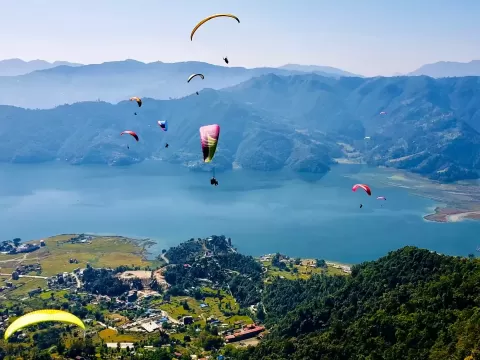
Nepal is a country of incredible diversity, where travelers can explore towering mountains, serene lakes, ancient temples, and rich cultural heritage. Explore Holiday Treks offers some of the best tour packages for 2025, designed to cater to every type of traveler, whether you're looking for adventure, cultural immersion, or spiritual enrichment. From the bustling streets of Kathmandu to the tranquil beauty of Pokhara, the top tour packages are designed to provide a complete Nepal experience.
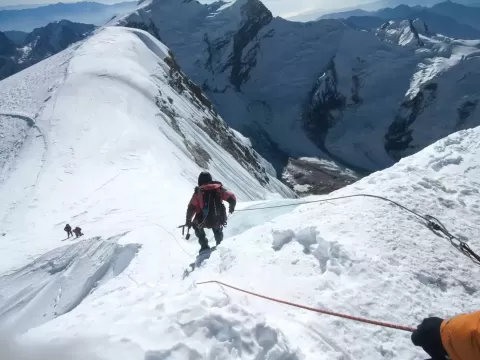
Nepal, the ultimate destination for mountaineers and adventure enthusiasts, offers some of the most popular and accessible peaks for climbing expeditions. Among the most sought-after climbs in Nepal for 2025 are Mera Peak, Island Peak, Lobuche Peak, Chulu East and Chulu West, and the iconic Ama Dablam.
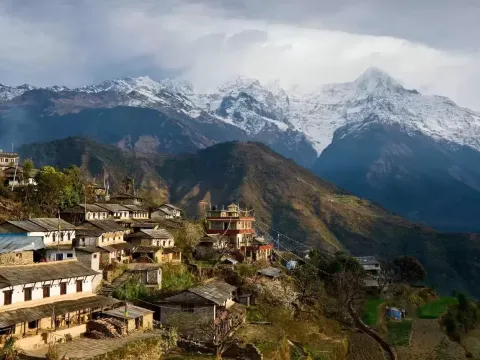
The Annapurna region is a place where trekkers are treated to a blend of natural beauty, cultural heritage, and Himalayan grandeur. The region is home to some of the most spectacular treks, including Annapurna Circuit Trek, Ghorepani Poon Hill Trek, and Mardi Himal Trek, all of which offer incredible views of the Annapurna peaks and beyond.
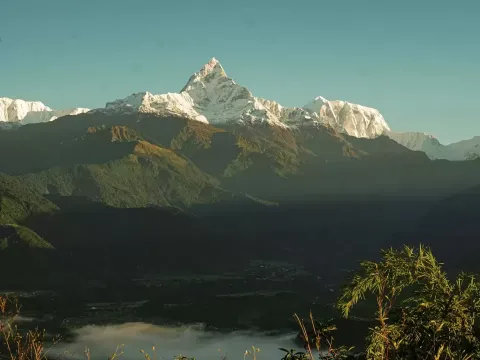
The Annapurna Circuit Trek is one of the most popular and rewarding trekking routes in Nepal, offering trekkers a stunning variety of landscapes, rich cultural experiences, and panoramic mountain views. This trek takes you through subtropical forests, alpine meadows, and high-altitude deserts, with views of some of the highest peaks in the world, including Annapurna I, Annapurna II, Dhaulagiri, and Machapuchare.

The Everest Base Camp Trek, offered by Explore Holiday Treks, is a thrilling adventure that attracts travelers from all corners of the globe. Reaching an impressive altitude of approximately 5,644 meters (18,267 feet), this trek brings you closer to the majestic peaks of the Himalayas.
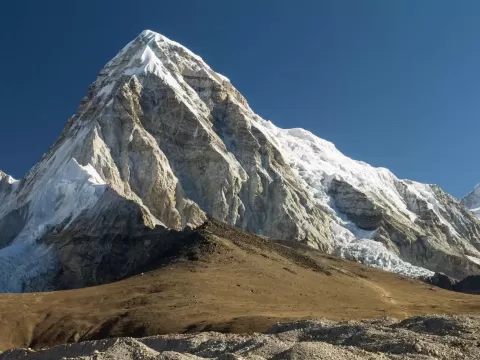
When planning a trek to Everest Base Camp, timing plays a critical role in ensuring both safety and enjoyment. The best time to hike to Everest Base Camp is during the two peak seasons: spring (March to May) and autumn (September to November).

The Manaslu Circuit Trek is one of Nepal’s most rewarding and less crowded trekking routes, offering breathtaking mountain scenery, rich cultural experiences, and a sense of true adventure.
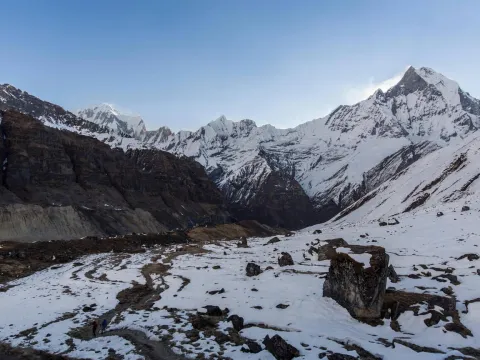
The Annapurna Base Camp Trek (ABC Trek) is one of the most popular treks in Nepal, renowned for its stunning views of the Annapurna Massif, diverse landscapes, and cultural experiences. Starting from the bustling city of Pokhara, the trail leads trekkers through lush forests, charming villages, and alpine meadows, ultimately reaching
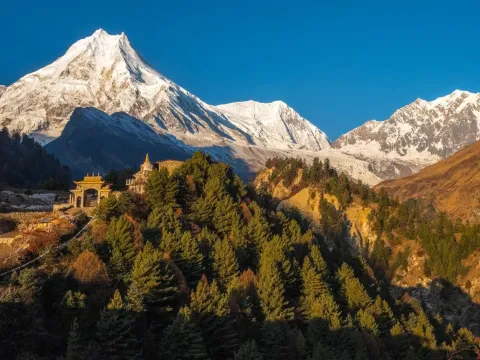
The Manaslu Circuit Trek is one of Nepal’s most stunning and culturally rich trekking routes, offering a unique combination of remote wilderness, high-altitude adventure, and immersive cultural experiences. Despite being less crowded than the Annapurna and Everest regions,
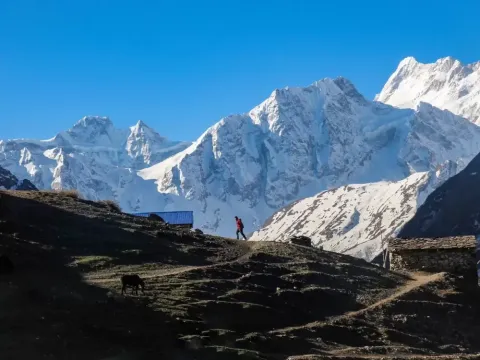
The Manaslu Circuit Trek is a spectacular journey through the remote and serene landscapes of the Manaslu region, offering trekkers breathtaking views of the eighth-highest mountain in the world, Mount Manaslu (8,163 meters).
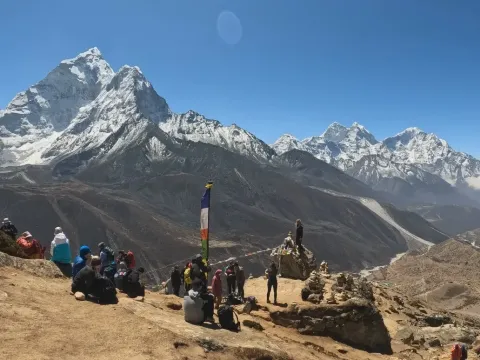
Trekking in the Everest region is more than a bucket-list adventure—it’s a life-changing journey through towering mountains, ancient Sherpa villages, and some of the most dramatic landscapes on Earth. For many travelers, an Everest trek is their first high-altitude trekking experience, and while the rewards are incredible, proper preparation is essential. First-time trekkers often focus on reaching Everest Base Camp or enjoying views from Kala Patthar, but success on the trail depends on much more than motivation alone. Altitude, weather, physical endurance, packing choices, and mindset all play a critical role in shaping your experience.
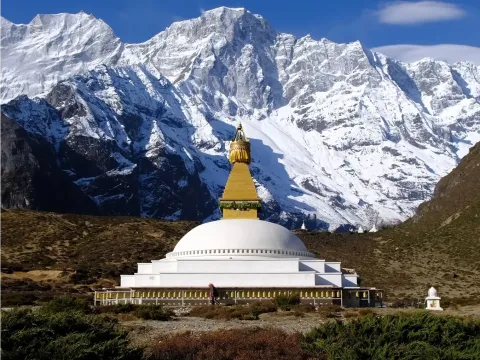
My phone alarm shattered the silence at 3:17 AM in Gorak Shep. Not the planned 3:00 AM—I'd already hit snooze twice. Outside my teahouse window, headlamps bobbed like fireflies in the darkness. Other trekkers were already heading toward Everest Base Camp, and I was still buried under three blankets in a room that felt like a walk-in freezer.
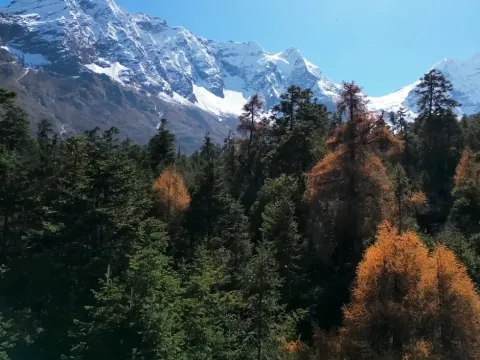
Karma Sherpa's teahouse in Samagaon used to get its first snowfall by mid-October. Every single year since he opened the lodge in 1993, he could count on it. Last year, the snow came in December. This year—on January 3rd when I sat across from him drinking butter tea—the ground outside was still brown and exposed.
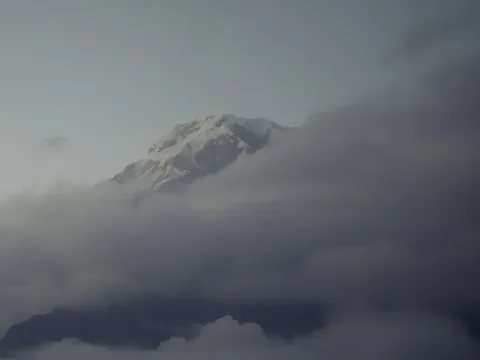
Standing at the crossroads of your Nepal trekking journey can feel overwhelming. With dozens of trails weaving through the Himalayas, each promising unique experiences and breathtaking views, how do you choose the one that speaks to your soul? Whether you're dreaming of standing at Everest Base Camp or seeking a quieter path through rhododendron forests, this guide will walk you through everything you need to know to find your perfect Himalayan adventure.


 (34)
(34) 