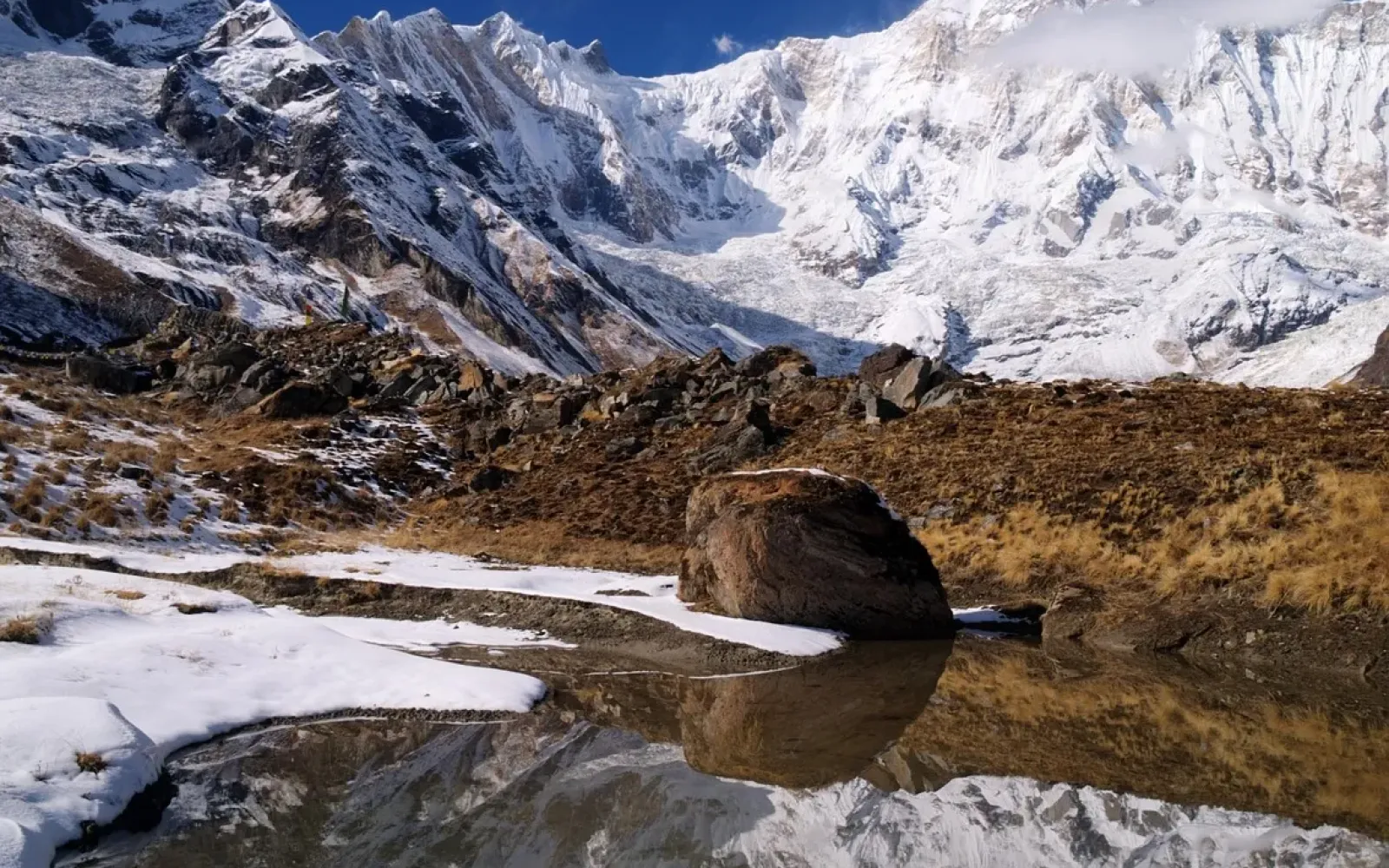
Standing beneath the towering peaks of the Annapurna massif, thousands of trekkers each year wonder the same thing: can beginners do Annapurna trek? The answer might surprise you. Whether you're eyeing the famous Annapurna Base Camp trek or the legendary Annapurna Circuit, this comprehensive guide breaks down everything first-time trekkers need to know about tackling one of Nepal's most iconic adventures. From fitness requirements to acclimatization strategies, we'll explore why the Annapurna region has become the ultimate testing ground for beginners ready to step into the world of Himalayan trekking.
The Annapurna region offers two primary trekking routes that beginners often consider: the Annapurna Base Camp (ABC) trek and the more challenging Annapurna Circuit. Both routes present unique opportunities for novice trekkers, though they demand different levels of preparation and commitment. Understanding these differences proves crucial for making informed decisions about your first Himalayan adventure.
The question 'can beginners do ABC trek' comes up repeatedly in trekking forums and travel communities. The Annapurna Base Camp trek stands as one of Nepal's most beginner-friendly high-altitude adventures, reaching 4,130 meters (13,550 feet) above sea level. This moderately challenging route typically takes 7-12 days to complete, depending on your pace and acclimatization needs. The well-established teahouse trail means you won't need to carry camping equipment, making it significantly more accessible for first-time trekkers who might feel overwhelmed by the logistics of remote mountain expeditions.
Meanwhile, the Annapurna Circuit presents a more ambitious challenge. This legendary trek crosses the Thorong La Pass at 5,416 meters (17,769 feet), requiring 12-21 days of continuous trekking. While technically still accessible to beginners, the Circuit demands greater physical stamina, better acclimatization planning, and stronger mental fortitude. Many experienced guides recommend that absolute beginners start with the ABC trek before attempting the Circuit, though determined first-timers with proper preparation certainly can succeed on this iconic route.
Absolutely yes, and here's why the ABC trek consistently ranks as the perfect introduction to Himalayan trekking. The route features a gradual ascent profile that allows your body time to adjust to decreasing oxygen levels. You'll walk through diverse ecosystems, from subtropical forests filled with rhododendrons to alpine meadows, before reaching the dramatic amphitheater of Annapurna Base Camp. The daily trekking duration averages 5-7 hours, which feels manageable for anyone with basic cardiovascular fitness.
The infrastructure along the ABC route has been refined over decades. Comfortable teahouses dot the trail at regular intervals, offering warm meals, hot showers (usually for a small fee), and cozy beds. You'll find yourself surrounded by fellow trekkers from around the world, creating a supportive community atmosphere that helps beginners push through challenging moments. Local guides familiar with altitude sickness symptoms remain vigilant, ready to adjust itineraries if anyone shows signs of distress.
Success on the ABC trek doesn't require previous mountaineering experience or technical climbing skills. However, it does demand realistic self-assessment and honest preparation. The trek involves sustained uphill walking on uneven terrain, often on stone steps carved into mountainsides. Your knees will work overtime during descents, and thin air at higher elevations makes even moderate climbs feel exhausting. Yet thousands of first-time trekkers complete this journey annually, proving that determination combined with proper preparation trumps previous experience.
Weather conditions can shift dramatically within hours. Morning sunshine might give way to afternoon snow flurries, especially during shoulder seasons. You'll need to stay flexible, accepting that some days involve shorter distances due to weather or how your body responds to altitude. Experienced trekking companies build rest days into their itineraries specifically for acclimatization, recognizing that rushing increases the risk of altitude sickness regardless of fitness level.
Physical fitness requirements for Annapurna treks vary based on your chosen route, but certain baseline capabilities apply across the board. You should comfortably walk for 4-6 hours daily while carrying a light daypack (approximately 5-7 kilograms). Cardiovascular endurance matters more than raw strength since you'll maintain a steady walking pace for extended periods. Strong legs, particularly quads and calves, help tremendously during steep ascents and descents that characterize Himalayan trails.
Core strength often gets overlooked in trekking preparation, yet it plays a vital role in maintaining balance on uneven terrain. Your core muscles stabilize your body when crossing suspension bridges, navigating rocky paths, and adjusting to sudden shifts in trail conditions. Additionally, good ankle strength prevents injuries on descents where loose stones and slippery surfaces test your stability with every step.
Starting your training program 2-3 months before departure gives your body adequate time to build necessary endurance. Focus on cardiovascular exercises like running, cycling, or swimming, gradually increasing duration and intensity. Aim for at least four training sessions weekly, incorporating both steady-state cardio and interval training to simulate the varied pace of mountain trekking.
Your preparation should include:
· Progressive hiking with weighted backpack (start with 5kg, gradually increase to 8-10kg)
· Stair climbing sessions (30-45 minutes, 2-3 times weekly)
· Leg strengthening exercises including squats, lunges, and calf raises
· Core workouts featuring planks, mountain climbers, and Russian twists
· Weekend practice hikes on varied terrain, progressively increasing difficulty
Physical preparation represents only half the equation. Mental resilience determines success when facing inevitable challenges like fatigue, discomfort, or altitude-related headaches. Developing a positive mindset through visualization exercises helps prepare for moments when your body wants to quit but your goal remains hours away. Practice maintaining calm during uncomfortable situations, recognizing that temporary discomfort doesn't equal danger or failure.
Many beginners underestimate the psychological impact of consecutive days of physical exertion. You'll wake up sore, knowing another full day of trekking lies ahead. Building mental toughness through challenging training sessions prepares you for these moments, teaching you to break large goals into manageable chunks and celebrate small victories along the way.
Altitude sickness doesn't discriminate based on fitness level. Elite athletes suffer from acute mountain sickness just as frequently as casual hikers when they ascend too quickly. Understanding acclimatization principles dramatically improves your chances of reaching Annapurna Base Camp or completing the Circuit safely. The golden rule remains simple yet often ignored: climb high, sleep low, and never ascend more than 300-500 meters in sleeping elevation per day above 3,000 meters.
Your body needs time to produce additional red blood cells and adjust to reduced oxygen levels. Rushing this process invites headaches, nausea, dizziness, and potentially life-threatening conditions like pulmonary or cerebral edema. Quality trekking itineraries incorporate strategic rest days at key elevations, allowing gradual adaptation rather than forcing rapid altitude gain.
Early detection of altitude sickness can mean the difference between a minor inconvenience and a medical emergency. Common symptoms include persistent headaches that don't respond to painkillers, loss of appetite, unusual fatigue, nausea or vomiting, and difficulty sleeping. More serious warning signs include confusion, difficulty walking straight, severe shortness of breath even at rest, and a persistent cough that may produce pink, frothy sputum.
Never ignore these symptoms or push through thinking they'll resolve on their own. Descending even 300-500 meters can provide immediate relief and prevent conditions from worsening. Experienced guides monitor trekkers closely, checking oxygen saturation levels and asking about symptoms during evening check-ins. Trust their expertise when they recommend rest days or descent, even if you feel eager to continue.
Hydration plays a crucial role in acclimatization. Drink 3-4 liters of water daily, even when you don't feel thirsty. Dehydration mimics and worsens altitude sickness symptoms, creating a dangerous feedback loop. Avoid alcohol and sleeping pills at high altitude since both suppress breathing and interfere with natural acclimatization processes.
Eat regular meals even without appetite. Your body burns significantly more calories at altitude, and insufficient fuel impairs both physical performance and altitude adaptation. Choose carbohydrate-rich foods that digest easily, avoiding heavy, fatty meals that tax your digestive system. Many trekkers find that local staples like dal bhat (lentil soup with rice) provide sustained energy throughout long trekking days.
Seasonal timing dramatically impacts your trekking experience. The pre-monsoon spring season (March to May) and post-monsoon autumn (September to November) offer optimal conditions for beginners. Clear skies, stable weather patterns, and moderate temperatures characterize these periods, making navigation easier and reducing weather-related risks that complicate mountain travel.
Spring brings blooming rhododendrons that paint hillsides in vibrant reds, pinks, and whites. Daytime temperatures remain comfortable for trekking, though mornings and evenings require warm layers. Autumn provides the clearest mountain views with crisp air and minimal precipitation. However, autumn also attracts peak crowds, meaning teahouses fill quickly and trails feel congested at popular viewpoints.
Winter trekking (December to February) presents additional challenges unsuitable for most beginners. Heavy snowfall can block high passes, and teahouses at higher elevations often close for the season. Extreme cold requires specialized gear and experience managing freezing temperatures. Monsoon season (June to August) brings relentless rain, leeches, slippery trails, and obscured mountain views from persistent clouds.
That said, shoulder seasons (late May or early September) can offer unique advantages for beginners seeking quieter trails. You'll encounter fewer crowds and potentially lower costs, though weather reliability decreases. Experienced local guides know how to navigate these transitional periods, adjusting routes and schedules based on current conditions.
Mountain weather follows predictable daily patterns during optimal seasons. Mornings typically offer clearest skies and best visibility for photography. Clouds build through late morning and afternoon, sometimes bringing brief showers even during dry seasons. Evenings clear again as temperatures drop sharply after sunset. Smart trekkers start early, completing most elevation gain before afternoon clouds roll in and reducing exposure to potential afternoon storms.
Proper equipment makes the difference between enjoyable trekking and miserable suffering. Invest in quality items for critical gear categories while economizing on less essential items. Your feet carry you thousands of vertical meters, so prioritize footwear above all else. Well-fitted, broken-in trekking boots with good ankle support prevent blisters and reduce injury risk on uneven terrain.
Layering systems prove essential for managing widely varying temperatures. You might start mornings in freezing conditions requiring down jackets, then strip to t-shirts by midday when sun intensity increases at altitude. A versatile layering system includes moisture-wicking base layers, insulating mid-layers (fleece or down), and waterproof outer shells protecting against wind and precipitation.
Don't leave home without these essentials:
· Broken-in trekking boots (waterproof with ankle support)
· Quality sleeping bag rated for -10°C to -15°C
· Trekking poles (reduce knee strain by 25%)
· Water purification system (tablets or filter)
· Headlamp with spare batteries
· Sun protection (high SPF sunscreen, glacier glasses, wide-brimmed hat)
· Basic first aid kit including altitude sickness medication
· Multiple pairs of moisture-wicking socks
Kathmandu's Thamel district offers extensive gear rental options at reasonable prices. Sleeping bags, down jackets, and trekking poles can all be rented, saving significant costs if you don't plan regular mountain adventures. However, rent quality items from reputable shops and inspect carefully for damage or excessive wear. Items touching your body directly (boots, base layers, socks) should always be purchased new to ensure proper fit and hygiene.
While independent trekking is technically possible on well-marked routes like ABC, hiring local guides and porters offers substantial benefits for beginners. Guides provide invaluable knowledge about trail conditions, weather patterns, altitude management, and local culture. They navigate effectively during poor visibility, recommend appropriate acclimatization schedules, and recognize early warning signs of altitude sickness that inexperienced trekkers might miss.
Porters carry heavy loads, freeing you to trek with just a light daypack containing water, snacks, and extra layers. This significantly reduces physical strain, particularly during long ascent days. You'll maintain better energy levels throughout each day and recover more quickly overnight. Moreover, hiring porters directly supports local mountain communities, providing crucial income to families in remote regions with limited economic opportunities.
Selecting a reputable trekking operator like Explore Holiday Nepal ensures professional service, experienced staff, and well-planned itineraries. Look for companies with established track records, proper licenses, insurance coverage, and transparent pricing. Read recent reviews focusing on how companies handle emergencies and unexpected situations, as crisis management reveals true operational quality.
Verify that guides hold current wilderness first aid certifications and carry comprehensive medical kits including oxygen cylinders and altitude sickness medications. Responsible companies prioritize trekker safety over schedule adherence, building flexibility into itineraries and empowering guides to make conservative decisions when conditions warrant.
Budget expectations vary widely based on service levels and group sizes. Basic teahouse treks with guide and porter services typically range from $800-1,500 USD for ABC (7-12 days) and $1,200-2,500 USD for the Annapurna Circuit (12-21 days). These costs usually include permits, accommodation, meals, guide and porter wages, and ground transportation between Kathmandu and trailheads.
Additional expenses include tips for guides and porters (budget 10-15% of total trek cost), hot showers at teahouses ($2-5 per shower), charging electronic devices ($2-4 per device), snacks and beverages beyond standard meals, and gear rental or purchase. Travel insurance with helicopter evacuation coverage (essential) adds $100-300 depending on coverage levels and trip duration.
Physical preparation deserves serious attention, but don't neglect practical preparations equally important for successful trekking. Test all gear during training hikes, identifying issues with fit, comfort, or functionality before departure. Break in new boots thoroughly, wearing them during progressively longer walks until they feel like natural extensions of your feet.
Practice with your loaded backpack, even if planning to hire porters. You'll still carry daypacks containing 5-7 kilograms of essentials, and training with similar weight builds specific strength and balance. Learn basic first aid including blister treatment, minor wound care, and recognizing serious medical conditions requiring professional intervention.
Schedule a comprehensive medical checkup 6-8 weeks before departure. Discuss your trekking plans with your doctor, addressing any chronic conditions or medications that might affect high-altitude performance. Dental checkups prevent painful surprises at 4,000 meters where emergency dental care doesn't exist. Update routine vaccinations and consider additional immunizations like typhoid, hepatitis A, and Japanese encephalitis based on your doctor's recommendations.
Obtain prescriptions for altitude sickness medications like acetazolamide (Diamox) and dexamethasone. While not everyone needs these medications, having them available provides important insurance. Discuss proper usage with your doctor, understanding when to take preventive doses versus therapeutic doses for active symptoms.
Research extensively but avoid overwhelming yourself with worst-case scenarios. Understanding challenges helps preparation, but excessive anxiety undermines performance. Visualize successful completion, imagining yourself handling difficult moments with calm determination. Practice positive self-talk during training, developing mental scripts that carry you through low moments on the trail.
Accept that perfect conditions rarely exist in mountains. Some days will test you physically and mentally. Weather might not cooperate for that dream summit photo. You might feel terrible one day and amazing the next. Flexibility and adaptability matter more than rigid expectations. The journey itself holds value regardless of whether every planned objective gets achieved.
Every beginner faces similar obstacles during their first Himalayan trek. Anticipating these challenges and developing coping strategies transforms potential showstoppers into manageable inconveniences. Blisters represent the most common complaint, caused by friction between feet and boots. Prevention beats treatment, so apply preventive tape or lubricant to hot spots before blisters form. Carry multiple blister treatment options including moleskin, hydrocolloid dressings, and antibiotic ointment.
Digestive issues affect many trekkers as bodies adjust to different foods, water quality, and altitude. Stick to bottled or purified water religiously, avoiding ice in drinks and raw vegetables washed in local water. Pepto-Bismol, loperamide, and oral rehydration salts should occupy prominent positions in your medical kit. Most digestive problems resolve within 24-48 hours with rest and hydration.
Multi-week treks can feel isolating, especially when communication with home becomes difficult due to limited WiFi availability. Some trekkers experience unexpected emotional responses to prolonged disconnection from normal routines and support systems. Journal writing helps process these feelings while creating lasting memories of your journey. Connect with fellow trekkers in teahouse common areas, sharing experiences and mutual encouragement.
Remember that temporary discomfort serves long-term growth. Pushing through challenging moments builds confidence applicable far beyond mountain trails. Most trekkers report that difficulties faced during their trek become favorite stories afterward, transforming hardship into accomplishment through the alchemy of time and perspective.
Learning to distinguish between discomfort and danger ranks among the most valuable skills in mountain travel. General fatigue, sore muscles, and mild breathlessness represent normal responses to sustained exertion at altitude. These feelings warrant rest breaks and perhaps slower pace but don't necessarily require turning back. Conversely, worsening altitude sickness symptoms, chest pain, severe breathlessness at rest, or altered mental state demand immediate descent regardless of how close you are to your goal.
Trust your guide's judgment when they recommend changes to plans. Their experience recognizing dangerous situations exceeds yours, and they carry responsibility for your safety. Successful mountaineers know that summits wait forever but opportunities for safe descent can disappear quickly when conditions deteriorate.
So, can beginners do Annapurna trek? Absolutely. The Annapurna Base Camp trek welcomes first-time trekkers who approach the challenge with realistic preparation, respect for altitude, and willingness to listen to their bodies. Success requires neither exceptional athleticism nor previous mountaineering experience—just determination, adequate fitness, proper gear, and smart planning. The Annapurna Circuit presents a bigger challenge but remains achievable for motivated beginners who invest extra time in preparation and allow generous acclimatization schedules.
Your Himalayan adventure will test and transform you in ways few other experiences can. Standing at Annapurna Base Camp, surrounded by towering peaks, you'll understand why thousands make this pilgrimage annually. The physical challenge pales beside the mental and emotional growth gained through pushing beyond comfort zones and discovering strength you didn't know you possessed.
Start training today. Research routes and seasons. Connect with experienced trekking companies who prioritize safety while delivering authentic mountain experiences. Your first Himalayan trek awaits, promising memories and achievements that last a lifetime.
Don't let inexperience hold you back from the adventure of a lifetime. Explore Holiday Nepal specializes in guiding first-time trekkers through the Annapurna region with experienced local guides, carefully planned itineraries, and comprehensive support services. Contact us today to discuss your trekking goals and create a personalized adventure that matches your fitness level and aspirations. Your Himalayan dream starts with a single step—make it today.
Contact Explore Holiday Nepal:
📧 Email: [email protected]
📱 Phone: +977-9849816310
🌐 Website: www.exploreholidaynepal.com
Book your trek now and join hundreds of satisfied trekkers who discovered that yes, beginners absolutely can conquer Annapurna!

Nepal, with its majestic Himalayan landscapes, offers a plethora of short trekking destinations that promise adventure, cultural experiences, and breathtaking views. Whether you're an avid trekker or a novice seeking a memorable journey, Nepal has something for everyone. Let's embark on a detailed exploration of the best short trekking places in this enchanting country.
The Annapurna Base Camp Trek (ABC Trek) is one of the most popular treks in Nepal, renowned for its stunning views of the Annapurna Massif, diverse landscapes, and cultural experiences. Starting from the bustling city of Pokhara, the trail leads trekkers through lush forests, charming villages, and alpine meadows, ultimately reaching
Annapurna is one of the most iconic and majestic mountain ranges in the world, renowned not only for its sheer height but also for its challenging climbs and breathtaking beauty. The Annapurna Massif, which is part of the larger Himalayan mountain range,
Nepal is often called the ultimate trekking destination in the world, and for good reason. Nestled among the highest peaks on Earth, including Mount Everest and the Annapurna ranges, this small but majestic country offers an unparalleled variety of trekking experiences.
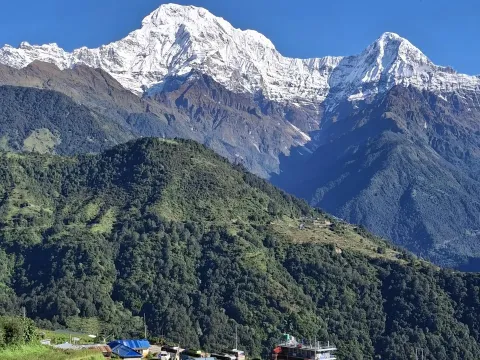
The Annapurna Base Camp (ABC) Trek and the Annapurna Circuit Trek are two of Nepal’s most iconic Himalayan adventures—but they offer very different experiences in terms of duration, difficulty, altitude, and scenery.
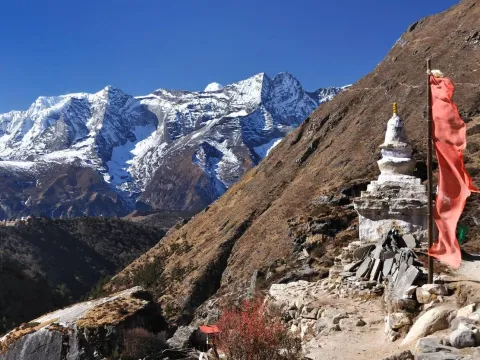
Nepal is renowned as a trekking paradise, attracting adventurers from all over the world. However, trekking in Nepal isn’t just about hiking through breathtaking landscapes; it also involves obtaining the necessary permits to legally enter and explore the country’s national parks and restricted areas.


 (34)
(34) 