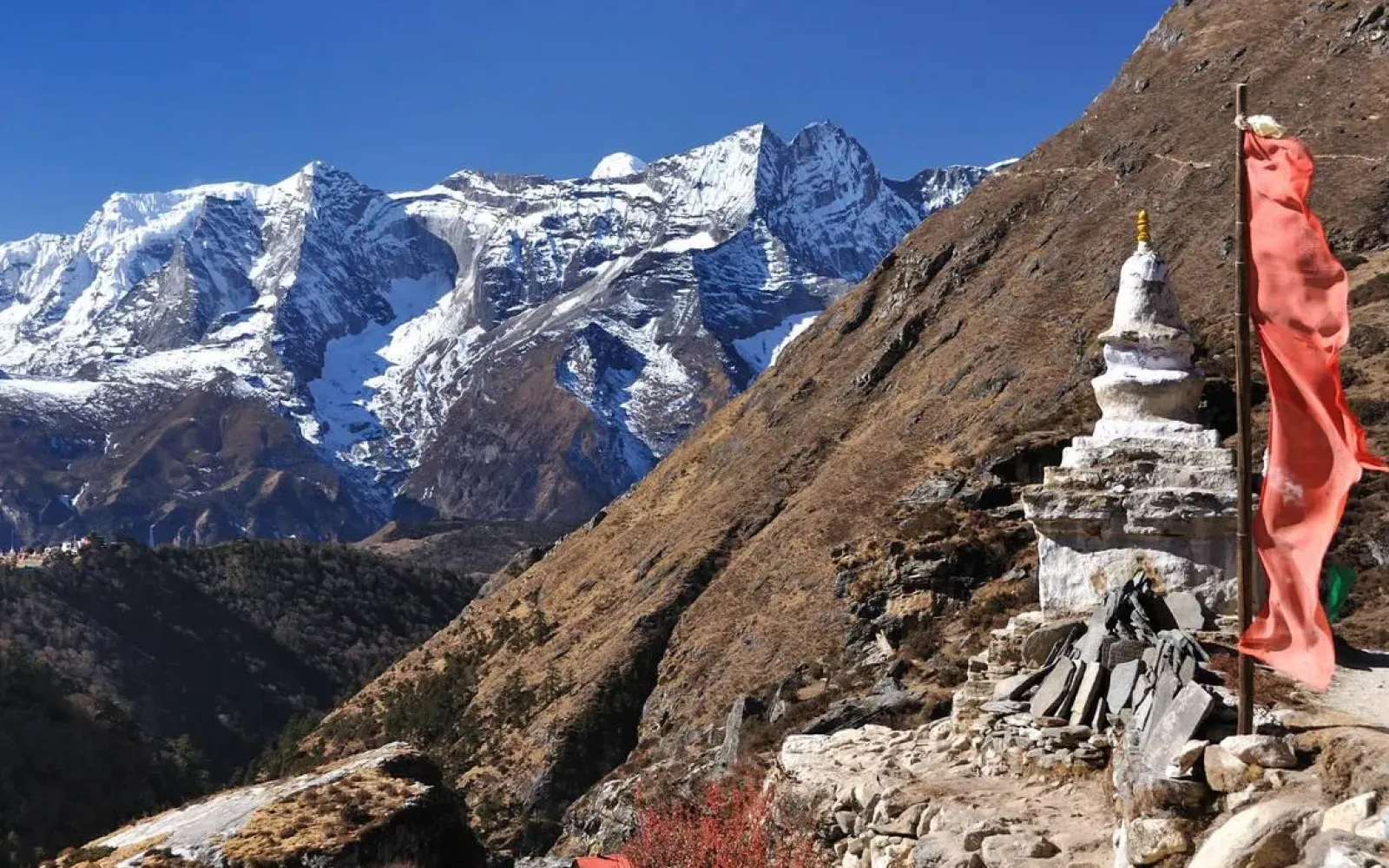
Nepal is renowned as a trekking paradise, attracting adventurers from all over the world. However, trekking in Nepal isn’t just about hiking through breathtaking landscapes; it also involves obtaining the necessary permits to legally enter and explore the country’s national parks and restricted areas. These permits help ensure the safety of trekkers, protect the environment, and support local communities. Explore Holiday Nepal guides trekkers through the permit process, making it simpler and hassle-free for adventurers to focus on enjoying their journey.
Trekking permits in Nepal vary depending on the region, the duration of the trek, and whether the area is protected or restricted. The costs are generally reasonable and contribute to the maintenance and preservation of trails and natural habitats. Obtaining the right permit is mandatory; trekking without one can lead to fines, legal complications, or restricted access to certain areas.
Key Points:
Trekking in Nepal requires permits for several important reasons. First, permits help monitor and regulate the flow of trekkers into fragile ecological zones, minimizing environmental damage. Popular trekking routes, such as the Everest Base Camp or Annapurna Circuit, pass through sensitive landscapes where uncontrolled tourism could lead to soil erosion, deforestation, and waste management issues. By controlling access, Nepal ensures that trekking remains sustainable and safe.
Second, permits are essential for the safety of trekkers. They allow local authorities to track visitors in case of emergencies, natural disasters, or health issues. Restricted areas, such as the Upper Mustang or Manaslu regions, require special permits to protect both cultural heritage sites and the local population. Permits also ensure that trekkers respect local rules and customs, preserving the cultural integrity of remote villages and communities.
Key Points:
Nepal has several types of trekking permits, each designed for specific regions and trekking experiences. The most common types are the TIMS (Trekkers’ Information Management System) Card and National Park Permits. The TIMS card is mandatory for all treks outside the Kathmandu Valley and helps track trekkers’ routes. National Park permits are required for treks within protected areas such as Sagarmatha (Everest), Annapurna, Langtang, and Chitwan National Parks. Some regions, like Upper Mustang, Dolpo, and Manaslu, require special restricted area permits, which are more expensive and limited in availability.
The costs of these permits vary depending on nationality, duration of stay, and the region. For example, a TIMS card may cost around $20–$50, while National Park permits can range from $30–$70. Restricted area permits can cost several hundred dollars. Explore Holiday Nepal helps trekkers determine the exact permits needed for their route, assists with paperwork, and can arrange permits in advance to avoid delays.
Key Points:
Trekking in Nepal comes with various permit fees, which are essential for accessing national parks, conservation areas, and restricted regions. These costs are generally reasonable but vary depending on the trek’s location, duration, and the trekker’s nationality. For instance, the TIMS (Trekkers’ Information Management System) Card, mandatory for most trekking routes outside Kathmandu, costs around $20–$50 for individual foreign trekkers. National park permits, such as for Sagarmatha (Everest) National Park or Annapurna Conservation Area, are slightly higher, ranging from $30–$70.
Restricted areas, including Upper Mustang, Manaslu, and Dolpo, require special permits that can cost several hundred dollars. These fees contribute directly to conservation efforts, maintenance of trails, and support for local communities. By paying these fees, trekkers not only ensure legal access but also help preserve Nepal’s unique landscapes for future generations. Explore Holiday Nepal offers a clear breakdown of all permit costs and guides trekkers in budgeting for their journey.
Key Points:
Obtaining trekking permits in Nepal can seem confusing, but the process is straightforward when guided properly. First, identify the type of trek you plan to do and the regions you’ll visit. This will determine whether you need a TIMS card, National Park permit, or Restricted Area permit. Once identified, trekkers can either apply in person at designated offices in Kathmandu or Pokhara or work with an experienced trekking agency like Explore Holiday Nepal, which can handle the paperwork on your behalf.
Next, you will need to provide valid identification (passport), pay the required fees, and complete any forms required for each permit. For restricted areas, additional documents such as itineraries, guides, or local government approvals may be necessary. After approval, trekkers receive official permits, which must be carried at all times while on the trail. Explore Holiday Nepal ensures all permits are processed in advance, so clients avoid delays and can focus entirely on enjoying the trek.
Key Points:
First-time trekkers often underestimate the importance of permits in Nepal, which can lead to delays or fines. A common mistake is assuming that permits are optional; in reality, trekking without proper permits is illegal and can result in fines or restricted access to trails. Always confirm your permits before departure, especially for restricted areas where quotas are limited. Explore Holiday Nepal emphasizes the importance of planning permits well in advance, particularly during peak trekking seasons when offices are crowded.
Another key tip is to carry your permits and identification at all times on the trail. Rangers and police frequently check permits at park entrances and checkpoints. Additionally, be aware of the rules associated with each permit, such as group size limits, travel restrictions, or mandatory guides for restricted areas. By preparing ahead and following these tips, trekkers can enjoy a smooth and memorable experience.
Key Points:
While most trekking routes in Nepal require a standard TIMS card and national park permits, some remote and culturally sensitive regions demand special permits. These include areas like Upper Mustang, Dolpo, Manaslu, and Kanchenjunga. Such permits are required to preserve fragile ecosystems, protect indigenous communities, and manage visitor flow in restricted zones. Often, special permits involve additional regulations, including mandatory local guides, specific travel itineraries, and limited group sizes.
The process for obtaining these special permits is more stringent than standard trekking permits. Application usually requires detailed information about your trek, passport copies, travel dates, and sometimes security clearance. Fees are significantly higher than normal trekking permits, sometimes several hundred dollars per person. Explore Holiday Nepal specializes in arranging these special permits, guiding trekkers through all requirements, ensuring approvals are secured in advance, and helping avoid delays that could disrupt trekking plans.
Key Points:
Sometimes, trekkers may need to extend their stay or modify their trekking routes due to weather, acclimatization needs, or unforeseen delays. Many permits, particularly those for national parks or restricted areas, have strict validity periods. Exceeding the permitted timeframe without renewal can result in fines or penalties. Therefore, it is essential to understand renewal procedures and local regulations before starting the trek.
Permit regulations vary depending on the region. For example, TIMS cards and National Park permits may be extended in district offices near the trekking routes, while restricted area permits often require approvals from central government offices in Kathmandu. Following regulations not only ensures compliance but also contributes to the safety and preservation of trails and communities. Explore Holiday Nepal provides guidance on renewal procedures and helps trekkers plan contingencies to stay within legal and safe limits during their trek.
Key Points:
Planning a trek in Nepal involves more than choosing trails and booking accommodations—it requires careful consideration of permits, fees, and regulations. Understanding the types of permits, associated costs, and regional requirements ensures a smooth trekking experience. Proper preparation minimizes legal risks and allows trekkers to fully enjoy Nepal’s breathtaking landscapes without interruption.
Budgeting for permits should be an integral part of your trekking plan. From the standard TIMS card to restricted area permits, fees vary but directly contribute to trail maintenance, environmental conservation, and support for local communities. By working with a trusted agency like Explore Holiday Nepal, trekkers receive expert guidance on required permits, applications, renewals, and compliance with local regulations, making their adventure safe, organized, and unforgettable.
Key Points:

The Manaslu Circuit Trek is one of Nepal’s most rewarding and less crowded trekking routes, offering breathtaking mountain scenery, rich cultural experiences, and a sense of true adventure.
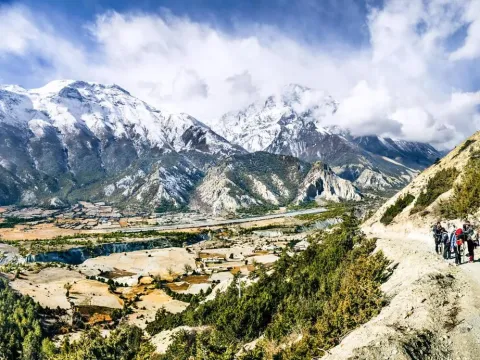
Nepal is often called the ultimate trekking destination in the world, and for good reason. Nestled among the highest peaks on Earth, including Mount Everest and the Annapurna ranges, this small but majestic country offers an unparalleled variety of trekking experiences.
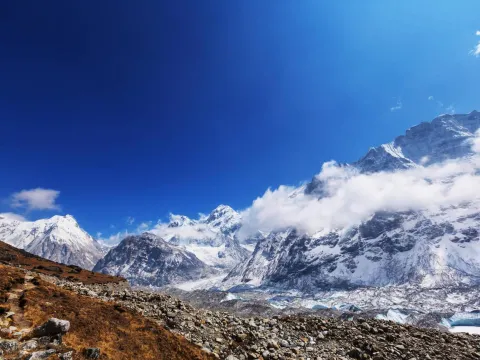
The Kanchenjunga Circuit Trek is a remote and majestic adventure through the untouched landscapes surrounding the world’s third highest mountain, Kanchenjunga (8,586m). Spanning over three weeks, this trek offers spectacular views, challenging trails, rich cultural experiences, and encounters with diverse wildlife.


 (34)
(34) 