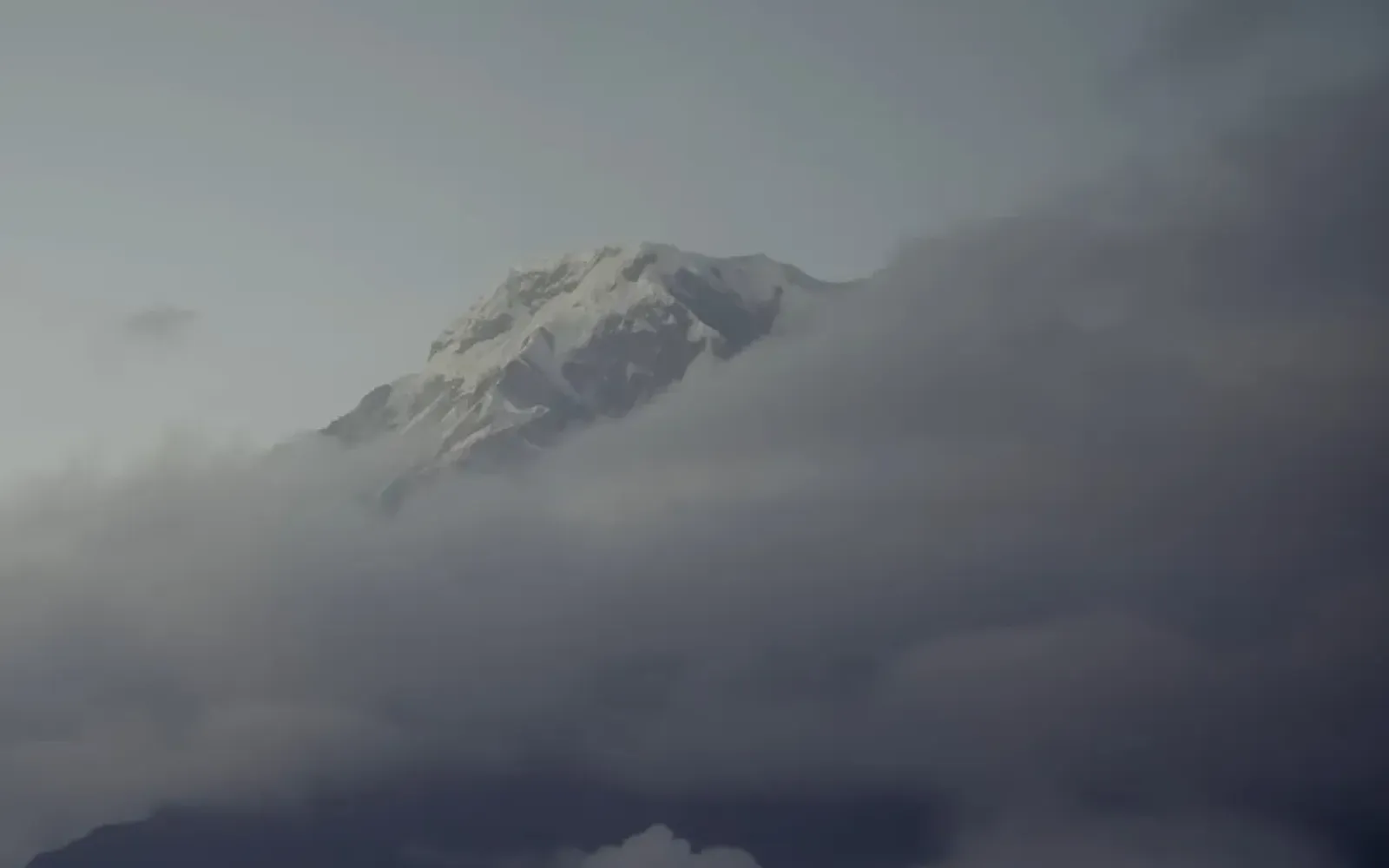
Standing at the crossroads of your Nepal trekking journey can feel overwhelming. With dozens of trails weaving through the Himalayas, each promising unique experiences and breathtaking views, how do you choose the one that speaks to your soul? Whether you're dreaming of standing at Everest Base Camp or seeking a quieter path through rhododendron forests, this guide will walk you through everything you need to know to find your perfect Himalayan adventure.
Nepal's trekking landscape divides into distinct regions, each with its own character, challenges, and rewards. Think of these regions as different chapters in the same magnificent story of the Himalayas.
The Everest region needs no introduction. This is where the world's highest peak dominates the skyline, where Sherpa culture thrives in high-altitude villages, and where every turn reveals mountain vistas that defy description. The trails here range from the relatively accessible to the seriously challenging.
The iconic Everest Base Camp Trek remains the most popular choice, taking you through Namche Bazaar, Tengboche Monastery, and eventually to the base of the world's highest mountain. It's challenging but achievable for most people with reasonable fitness levels. The journey typically takes about two weeks and reaches altitudes above 5,300 meters at Kala Patthar viewpoint.
For those seeking something more accessible, the Everest View Trek offers stunning Himalayan panoramas without pushing into extreme altitudes. This shorter journey still gives you the authentic Sherpa experience while remaining manageable for first-time trekkers.
The Gokyo Valley Trek presents an alternative route that many consider even more beautiful than the traditional EBC trail. You'll encounter turquoise glacial lakes, climb Gokyo Ri for jaw-dropping views, and experience the region's raw magnificence from a different perspective.
If Everest is the crown jewel, Annapurna is the versatile workhorse of Nepal trekking. This region offers more variety in terrain, climate, and difficulty levels than anywhere else in the country.
The Annapurna Base Camp Trek takes you into a natural amphitheater surrounded by towering peaks. Unlike Everest, you can actually reach the base of Annapurna, standing in the heart of the sanctuary while mountains rise around you like protective guardians. The trek passes through lush forests, terraced farms, and traditional Gurung villages.
For a gentler introduction to Himalayan trekking, the Ghorepani Poon Hill Trek delivers maximum rewards with moderate effort. The sunrise from Poon Hill, with the entire Annapurna range painted gold by the first light, ranks among Nepal's most photographed moments for good reason.
The Annapurna Circuit Trek offers one of the world's most diverse trekking experiences. You'll start in subtropical valleys, cross the Thorong La Pass at 5,416 meters, and descend through the world's deepest gorge. The circuit showcases every ecosystem Nepal has to offer in one epic journey.
Meanwhile, the Mardi Himal Trek has emerged as a favorite among those seeking solitude. This relatively new trail takes you to the base of Mardi Himal with fewer crowds and equally spectacular mountain views.
The Manaslu region attracts trekkers who've already experienced the popular trails and now crave something more remote. Here, the infrastructure is less developed, the villages more traditional, and the sense of adventure more palpable.
The Manaslu Circuit Trek circles the eighth-highest mountain in the world. You'll cross the Larkya La Pass, one of the most dramatic high passes in Nepal, with views that rival anything Everest or Annapurna can offer. The trail requires restricted area permits, which helps keep crowds manageable.
The Tsum Valley Trek takes you into a hidden valley that was closed to outsiders until 2008. This sacred Himalayan pilgrimage site maintains strong Tibetan Buddhist traditions, with ancient monasteries, prayer wheels, and mani walls that tell stories of centuries past.
Just a day's drive from Kathmandu, the Langtang region offers spectacular trekking without the time investment required for Everest or Annapurna. After the devastating 2015 earthquake, the region has rebuilt and welcomes trekkers with renewed hospitality.
The Langtang Valley Trek follows a dramatic gorge into a high-altitude valley surrounded by peaks. You'll encounter wild landscapes, friendly Tamang villages, and mountain views that prove you don't need weeks to find Himalayan grandeur.
The Langtang Gosainkunda Trek combines valley trekking with a visit to sacred high-altitude lakes. Hindu pilgrims have journeyed to Gosainkunda for centuries, believing the lakes possess divine powers. The trail offers both spiritual resonance and natural beauty.
The Tamang Heritage Trek focuses on cultural immersion rather than peak-bagging. You'll stay in traditional villages, learn about Tamang customs, and enjoy a slower pace that emphasizes human connections over altitude achievements.
Nepal's remote regions demand more time, higher budgets, and greater physical preparation, but they reward your commitment with experiences that few travelers ever witness.
The Upper Mustang Trek takes you into what feels like a different country altogether. This former Tibetan kingdom maintains its own distinct culture, with whitewashed villages clinging to cliffs in an arid, almost desert-like landscape. The forbidden kingdom atmosphere persists despite the border being opened to trekkers in 1992.
The Kanchenjunga Base Camp Trek explores the far eastern corner of Nepal, where the world's third-highest mountain dominates the landscape. This trek requires three weeks and takes you through some of Nepal's most pristine wilderness.
The Makalu Base Camp Trek ventures into the Makalu-Barun National Park, known for its incredible biodiversity. You'll traverse through rhododendron forests, cross high passes, and arrive at the base of the world's fifth-highest mountain.
Choosing a trek that matches your physical capabilities makes the difference between an enjoyable adventure and a miserable struggle. Nepalese trails don't follow the switchback patterns common in Western countries. Instead, they often take the most direct route up or down, which can mean steep ascents and descents that test your legs and lungs.
If you're new to high-altitude trekking or have limited time, several excellent options provide authentic Himalayan experiences without extreme physical demands.
The Panchase Trek near Pokhara offers gentle terrain with spectacular Annapurna views. Most days involve just 4-5 hours of walking through forests and villages. The highest point reaches only 2,500 meters, minimizing altitude concerns.
The Royal Trek earned its name when Prince Charles walked this route in the 1980s. The trail meanders through Gurung villages with constant mountain panoramas but never pushes into challenging altitude or terrain. It's perfect for families or anyone easing into Himalayan trekking.
Moderate treks require good general fitness but don't demand extensive mountaineering experience. You should be comfortable walking 5-7 hours daily with a day pack, and be prepared for some steep sections.
The Annapurna Base Camp Short Trek condenses the ABC experience into a more compact timeframe. While still reaching the 4,130-meter base camp, this version uses shorter stages and sometimes skips lower-altitude sections, making it achievable in about a week.
The Pikey Peak Trek in the lower Everest region offers extraordinary views of the Himalayan range from Mount Everest to Kanchenjunga. The trail stays below 4,000 meters and involves moderate daily walking, making it suitable for trekkers with average fitness.
Challenging treks demand excellent physical fitness, proper acclimatization, and mental determination. You'll face long days, high passes, and altitudes that affect everyone regardless of fitness level.
The Everest Three Pass Trek crosses three high passes over 5,000 meters while circumnavigating the Everest region. This adventure combines the classic EBC route with the Gokyo valley, creating one of the most comprehensive and demanding treks in Nepal. You'll need at least three weeks and should be very fit.
The Gokyo Everest Base Camp Trek combines two classic routes into one ambitious journey. You'll visit the Gokyo Lakes, cross the Cho La Pass, and continue to Everest Base Camp, experiencing the best of the Khumbu region in one extended trek.
Nepal's trekking seasons dramatically affect your experience. Understanding weather patterns helps you choose the right time for your chosen trek.
Spring brings stable weather and blooming rhododendrons that paint hillsides red, pink, and white. Temperatures warm up, making higher elevations more comfortable. The downside? This popularity means busier trails and fuller teahouses, especially on classic routes like the Everest Base Camp Trek.
Post-monsoon autumn delivers the best combination of weather, visibility, and trail conditions. Skies are typically clear, temperatures are moderate, and the landscape remains green from monsoon rains. This perfection attracts crowds, so book accommodations in advance for popular treks.
Winter trekking offers dramatic solitude and crystal-clear skies, but temperatures drop significantly, especially at higher altitudes. Lower-elevation treks like the Ghorepani Poon Hill Trek remain very doable, while high passes might be impassable due to snow.
Summer monsoon brings afternoon rain to most of Nepal, but rain-shadow regions like Upper Mustang and Upper Dolpo actually become ideal trekking destinations during this season. The Upper Mustang Trek receives little precipitation year-round, making it perfect when other regions are waterlogged.
Nepal's trekking experience extends far beyond physical achievement and mountain views. The cultural encounters along the trail often become travelers' most cherished memories.
Trekking through Sherpa villages means experiencing the culture of the Himalayan people who've called these mountains home for centuries. Visit monasteries like Tengboche during the Everest Base Camp Trek, where monks maintain traditions passed down through generations. Share butter tea with locals, observe daily life in mountain villages, and gain appreciation for people who thrive where most visitors struggle to breathe.
The middle hills of the Annapurna region showcase different ethnic groups with distinct traditions. Gurung villages along the Annapurna Base Camp Trek welcome trekkers with warm hospitality. Many Gurkha soldiers, famous worldwide for their bravery, come from these communities.
The Tsum Valley Trek and Upper Mustang Trek immerse you in Tibetan Buddhist culture that has remained relatively unchanged for centuries. Ancient monasteries, ornate stupas, and fluttering prayer flags create an atmosphere of spiritual devotion that permeates daily life.
Physical preparation determines whether you struggle or flourish on the trail. Start training at least two months before your trek, focusing on cardiovascular fitness and leg strength.
Hiking requires sustained cardiovascular effort, especially at altitude where oxygen is limited. Build your aerobic base through activities like running, cycling, swimming, or stair climbing. Aim for at least 30-45 minutes of cardio exercise 4-5 times per week.
Nepal's trails demand strong legs for both ascending and descending. Downhill sections particularly stress your knees and quadriceps. Include exercises like squats, lunges, step-ups, and hiking with a weighted pack to build specific strength.
High-altitude trekking tests mental resilience as much as physical fitness. Long days, basic accommodations, and altitude effects require patience and positive mindset. Practice meditation or mindfulness techniques to help manage discomfort and maintain motivation during challenging moments.
Altitude sickness can affect anyone regardless of fitness level. Understanding and respecting acclimatization principles keeps you safe and healthy.
As you climb higher, air pressure decreases and your body receives less oxygen with each breath. Your body adapts by producing more red blood cells and increasing breathing rate, but this adjustment takes time. Ascending too quickly causes altitude sickness symptoms ranging from headaches and nausea to potentially fatal conditions.
The golden rule remains "climb high, sleep low." Most treks incorporate acclimatization days where you hike to higher altitudes during the day but return to sleep at lower elevations. The Everest Base Camp Trek typically includes rest days in Namche Bazaar and Dingboche specifically for acclimatization.
Ascend gradually, limit daily elevation gain to 300-500 meters once above 3,000 meters, stay hydrated, avoid alcohol, and listen to your body. If symptoms worsen, descend immediately. No summit or goal is worth risking your health.
Learn to identify altitude sickness symptoms: headache, nausea, dizziness, fatigue, difficulty sleeping, and loss of appetite. Mild symptoms often resolve with rest and proper hydration. Severe symptoms including confusion, difficulty walking, or severe breathlessness require immediate descent and medical attention.
Nepal offers two primary trekking styles with different advantages and experiences.
Most popular trails like the Annapurna Circuit Trek and Everest Base Camp Trek feature well-developed teahouse networks. These family-run lodges provide basic but adequate accommodation, hot meals, and social atmosphere. You'll carry only a day pack since lodges provide bedding and meals.
Teahouse trekking offers cultural immersion as you interact with lodge owners and other trekkers each evening. Meals typically feature Dal Bhat (rice and lentils), pasta, fried rice, and other simple but satisfying dishes. Expect basic amenities: simple rooms with thin walls, shared bathrooms, and sometimes cold showers (hot water available for a fee).
Remote trails like the Makalu Base Camp Trek require camping since teahouses don't exist. Camping treks involve a full crew including guide, cook, kitchen staff, and porters. You'll experience deeper wilderness immersion and can set your own pace without worrying about reaching the next teahouse before dark.
The disadvantage? Camping treks cost significantly more and create more environmental impact. However, they enable exploration of areas beyond the reach of teahouse trekking.
Nepal's mountains face increasing environmental pressure from tourism. Responsible trekking practices help preserve these landscapes for future generations.
Carry out everything you carry in. Use refillable water bottles with purification tablets or filters instead of buying plastic bottles. Dispose of toilet paper properly or better yet, use water. Choose lodges and trek operators committed to environmental practices.
Respect local customs and traditions. Ask permission before photographing people. Dress modestly, especially near religious sites. Learn a few Nepali phrases to show respect for local culture. Support local businesses by buying handicrafts directly from artisans rather than Kathmandu shops selling mass-produced items.
Choose ethical trekking companies that pay porters fair wages, provide proper equipment, and maintain good working conditions. Stay in locally owned teahouses rather than large lodges. Consider treks in less-developed regions like the Nar Phu Valley Trek where tourism income makes a bigger difference to local communities.
Many trekkers combine their mountain adventure with other experiences to create comprehensive Nepal journeys.
If trekking whets your appetite for climbing, several trekking peaks offer non-technical mountaineering experiences. Island Peak, Mera Peak, and Lobuche Peak can be combined with standard treks to add a climbing objective. These require basic mountaineering skills but provide an incredible sense of achievement.
Limited time? The Everest Heli Tour and Annapurna Heli Tour compress spectacular mountain views into a single day. While not replacing the trekking experience, helicopter tours work well for people with physical limitations or tight schedules.
Pair your trek with cultural exploration in Kathmandu Valley, Pokhara, or Chitwan National Park. Visit ancient temples, observe traditional crafts, or search for tigers and rhinos in jungle safari activities.
Trekking costs vary dramatically based on route, season, style, and services included.
Independent teahouse trekking on established routes like the Annapurna Base Camp Trek costs relatively little. You'll pay for permits, accommodation (usually $3-10 per night), meals ($5-15 per day), and transport to trailheads. Budget $30-50 daily for independent teahouse trekking.
Some operators offer budget group treks with guides but basic services, keeping costs manageable for price-conscious travelers. The Everest Base Camp Budget Trek and similar packages provide guided service at lower price points.
Most guided treks fall into the mid-range category, including experienced guides, porter services, permits, and accommodation. Prices typically range from $1,000-2,500 depending on duration and services.
Luxury trekking has emerged as an option on popular routes. The Everest Base Camp Luxury Trek features upgraded lodges, enhanced services, and additional comforts while maintaining the authentic trekking experience. These packages cost significantly more but provide creature comforts that some travelers value.
Proper preparation includes comprehensive travel insurance covering high-altitude trekking and emergency evacuation.
Standard travel insurance rarely covers trekking above 3,000-4,000 meters or helicopter evacuation. Purchase specialized trekking insurance that explicitly covers your planned maximum altitude and includes helicopter rescue. Companies like World Nomads, IMG, and Global Rescue offer appropriate coverage.
Your guide should carry emergency communication devices and know evacuation procedures. Helicopter rescue services operate throughout Nepal's trekking regions, but clear weather is essential for flights. Rescue costs can exceed $5,000, which proper insurance covers.
Carry a first aid kit including altitude sickness medication (Diamox), pain relievers, anti-diarrhea medication, bandages, and any personal prescription medications. Many trekkers consult their doctors about preventive Diamox use, particularly for rapid ascent situations.
Deciding between solo and group trekking affects both your experience and logistics.
Experienced trekkers often choose solo adventures on established routes with good teahouse infrastructure. The Annapurna Circuit Trek and Everest Base Camp Trek are particularly solo-friendly, with clear trails, regular accommodations, and a constant stream of other trekkers.
Solo trekking offers complete flexibility in pace, stops, and daily schedule. However, you'll navigate alone, manage logistics independently, and might miss local insights that guides provide. Solo trekkers should have good navigation skills, physical confidence, and comfort with occasional loneliness.
Guided treks eliminate logistical stress while providing safety, local knowledge, and social connection. Your guide handles accommodation bookings, navigates trails, explains cultural context, and monitors your health. Group members often form lasting friendships through shared challenges and experiences.
The trade-off involves less flexibility and potentially slower pace if group members have varying fitness levels. However, for first-time Himalayan trekkers, the security and support of a guide proves invaluable.
Different treks require vastly different time commitments, from short weekend escapes to month-long expeditions.
Limited vacation time doesn't mean missing the Himalayas. The Ghorepani Poon Hill Trek fits into a week while delivering authentic mountain experiences. The Pikey Peak Trek offers another excellent short option with spectacular views.
Two weeks allows for classic treks with proper acclimatization. The Everest Base Camp Trek, Annapurna Base Camp Trek, and Langtang Valley Trek all fit comfortably into this timeframe.
Extended adventures like the Annapurna Circuit Trek, Manaslu Circuit Trek, or Kanchenjunga Base Camp Trek require three weeks or more. These journeys offer deep immersion into mountain landscapes and local cultures.
Now that you understand Nepal's trekking landscape, it's time to transform knowledge into action.
Start by honestly assessing your fitness level, available time, and personal preferences. Do you crave the iconic status of standing at Everest Base Camp, or does a quieter trail through rhododendron forests appeal more? Can you commit three weeks, or do you need something shorter?
Research your chosen trek thoroughly. Read trip reports, watch videos, and connect with people who've completed the trek. Understanding what to expect reduces anxiety and improves preparation.
Begin physical training at least eight weeks before your departure. Consistency matters more than intensity – regular moderate exercise beats occasional extreme workouts.
Book your trek through a reputable operator or plan independent logistics well in advance, especially for peak season travel. Arrange comprehensive insurance, obtain necessary permits, and start gathering proper gear.
Most importantly, approach your trek with realistic expectations and flexible mindset. Weather changes, your body might struggle more than expected, or trail conditions might differ from descriptions. The mountains demand respect, patience, and humility. But they reward these qualities with experiences that will reshape how you see the world and yourself.
The Himalayas have called to adventurers for generations. Each trek offers its own magic, its own challenges, its own rewards. Whether you choose the iconic paths of Everest and Annapurna or venture into remote valleys few travelers see, you're joining a tradition of exploration and discovery that transcends cultures and generations.
Your perfect Nepal trek awaits. The only question now is which trail will you choose first?

Nepal, with its majestic Himalayan landscapes, offers a plethora of short trekking destinations that promise adventure, cultural experiences, and breathtaking views. Whether you're an avid trekker or a novice seeking a memorable journey, Nepal has something for everyone. Let's embark on a detailed exploration of the best short trekking places in this enchanting country.

Nepal, a landlocked gem nestled in the lap of the majestic Himalayas, is a paradise for travelers seeking a harmonious blend of nature, culture, and spirituality. In this comprehensive guide, we will embark on a detailed exploration of the mesmerizing tour places that make Nepal a unique and captivating destination.

Nepal's jungle safaris are predominantly centered around two major national parks – Chitwan National Park and Bardia National Park. These protected areas are teeming with an astonishing variety of flora and fauna, providing an opportunity for nature enthusiasts, wildlife photographers, and adventure seekers to witness untamed wilderness up close.

Mount Everest, standing at 8,848 meters (29,029 feet), is not only the highest peak in the world but also a symbol of adventure and perseverance. Located in the Mahalangur Himal sub-range of the Himalayas, it draws climbers and trekkers from around the globe, inspiring awe with its sheer magnitude and beauty.

Nepal, a landlocked country nestled in the heart of the Himalayas, is a trekking paradise renowned for its breathtaking landscapes and rich cultural heritage. From the towering peaks of the Himalayas to lush valleys and vibrant villages, Nepal offers an array of trekking experiences suitable for all levels of adventurers.
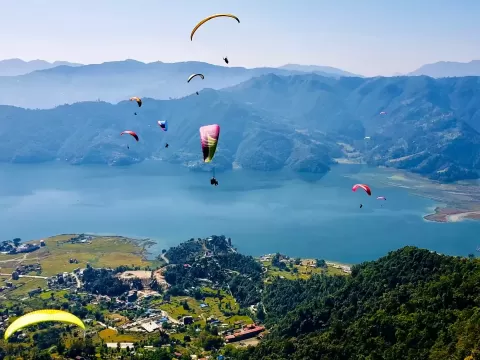
Nepal is a country of incredible diversity, where travelers can explore towering mountains, serene lakes, ancient temples, and rich cultural heritage. Explore Holiday Treks offers some of the best tour packages for 2025, designed to cater to every type of traveler, whether you're looking for adventure, cultural immersion, or spiritual enrichment. From the bustling streets of Kathmandu to the tranquil beauty of Pokhara, the top tour packages are designed to provide a complete Nepal experience.
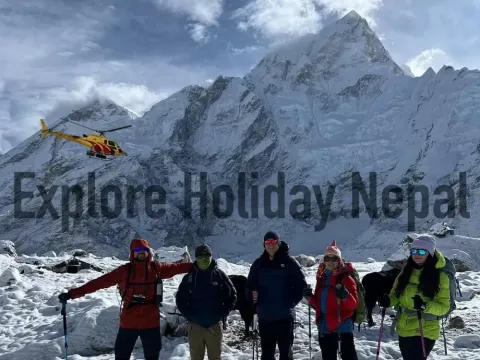
Nepal is a dream destination for trekkers, and for those who wish to combine the thrill of adventure with comfort and luxury, there are a variety of exceptional luxury trekking experiences available. Explore Holiday Nepal offers premier luxury treks, carefully
Nepal, a land of timeless beauty, is poised to offer travelers an even richer and more immersive experience in 2025 and 2026. With increased focus on sustainable tourism, better infrastructure, and a revived cultural spirit post-pandemic,
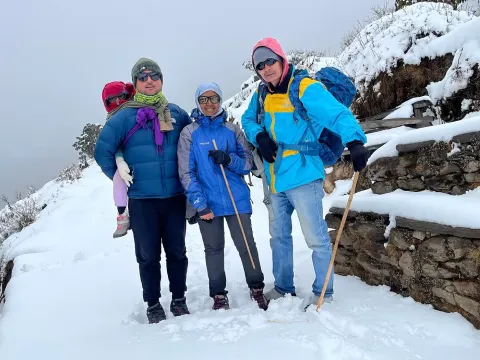
Nepal is a paradise for trekking enthusiasts, offering a stunning variety of landscapes, from the lowland jungles of the Terai to the towering peaks of the Himalayas. Whether you're planning to hike to Everest Base Camp, explore the Annapurna Circuit, or venture into remote
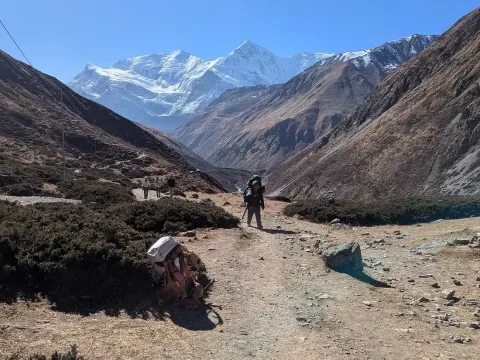
Nepal, home to some of the world’s most breathtaking mountain landscapes, offers a variety of trekking experiences, but none quite compare to the grandeur of the Manaslu and Annapurna Circuits. Both treks are iconic in their own right, drawing adventurers from around the globe. However, they differ significantly in terms of scenery, difficulty, cultural experiences, and remoteness.
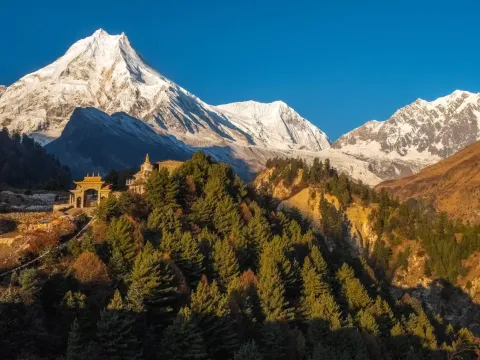
The Manaslu Circuit Trek, often referred to as Nepal’s hidden gem, is a spectacular journey that takes adventurers through one of the least explored regions of the Himalayas. Unlike the more popular Everest or Annapurna circuits, the Manaslu trek offers pristine landscapes, traditional villages, and a profound sense of tranquility, making it a perfect choice for trekkers seeking solitude combined with authentic cultural experiences.
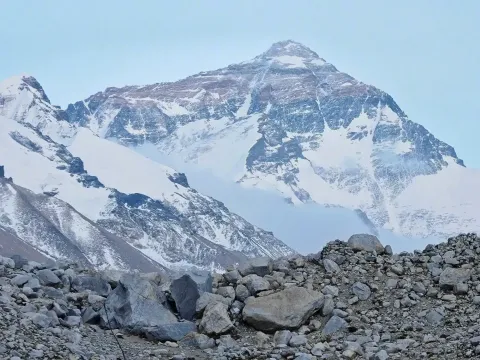
There's a dirty secret on the world's highest mountain that nobody talks about—tons of human waste frozen in place, threatening water supplies for entire communities. Nepal's cracking down with strict new rules, but the real solution starts with responsible trekkers. Find out what's really happening at Everest Base Camp.


 (34)
(34) 